Keying Buckwheat. July 2026.
Siskiyou Mountains of Oregon & California
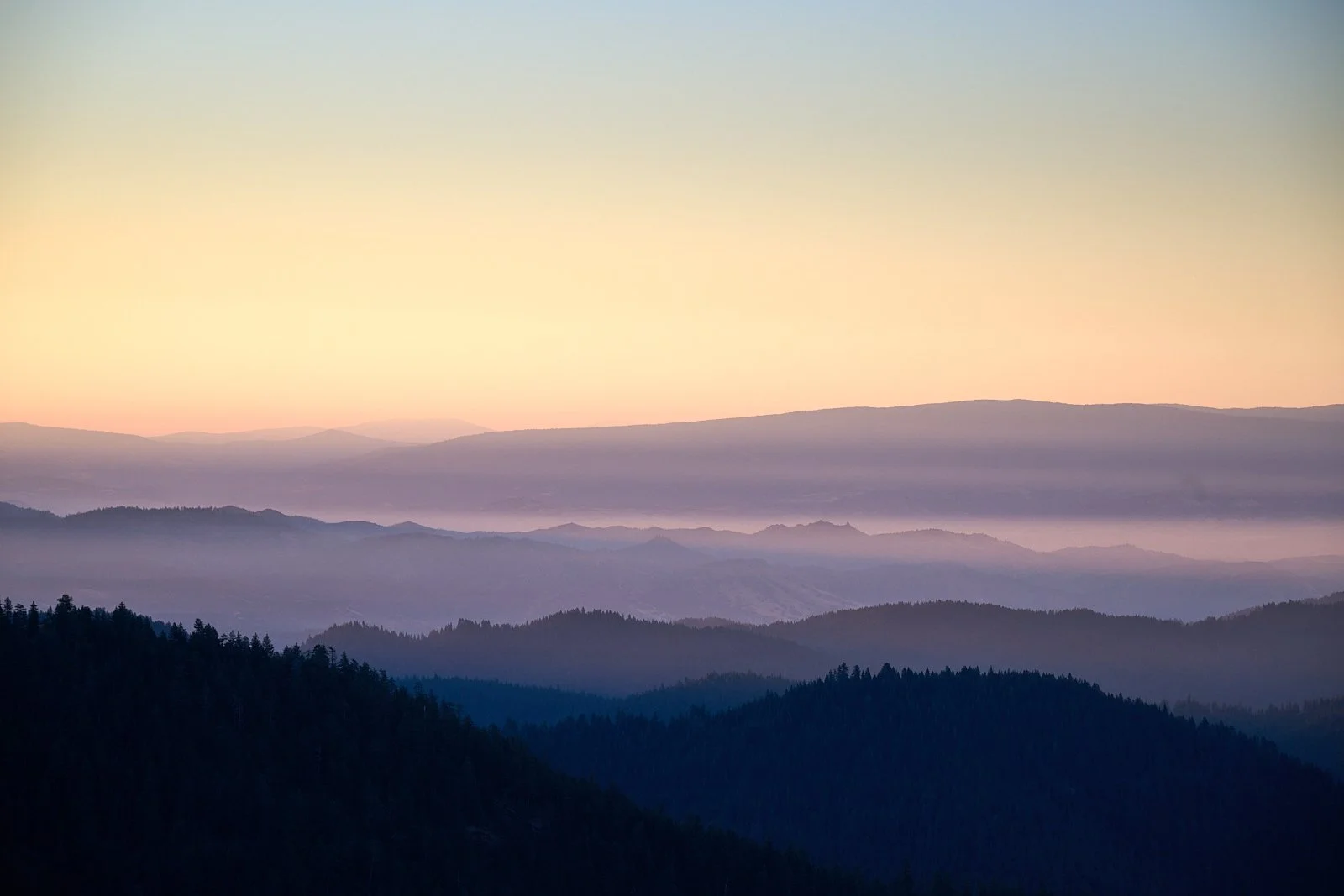
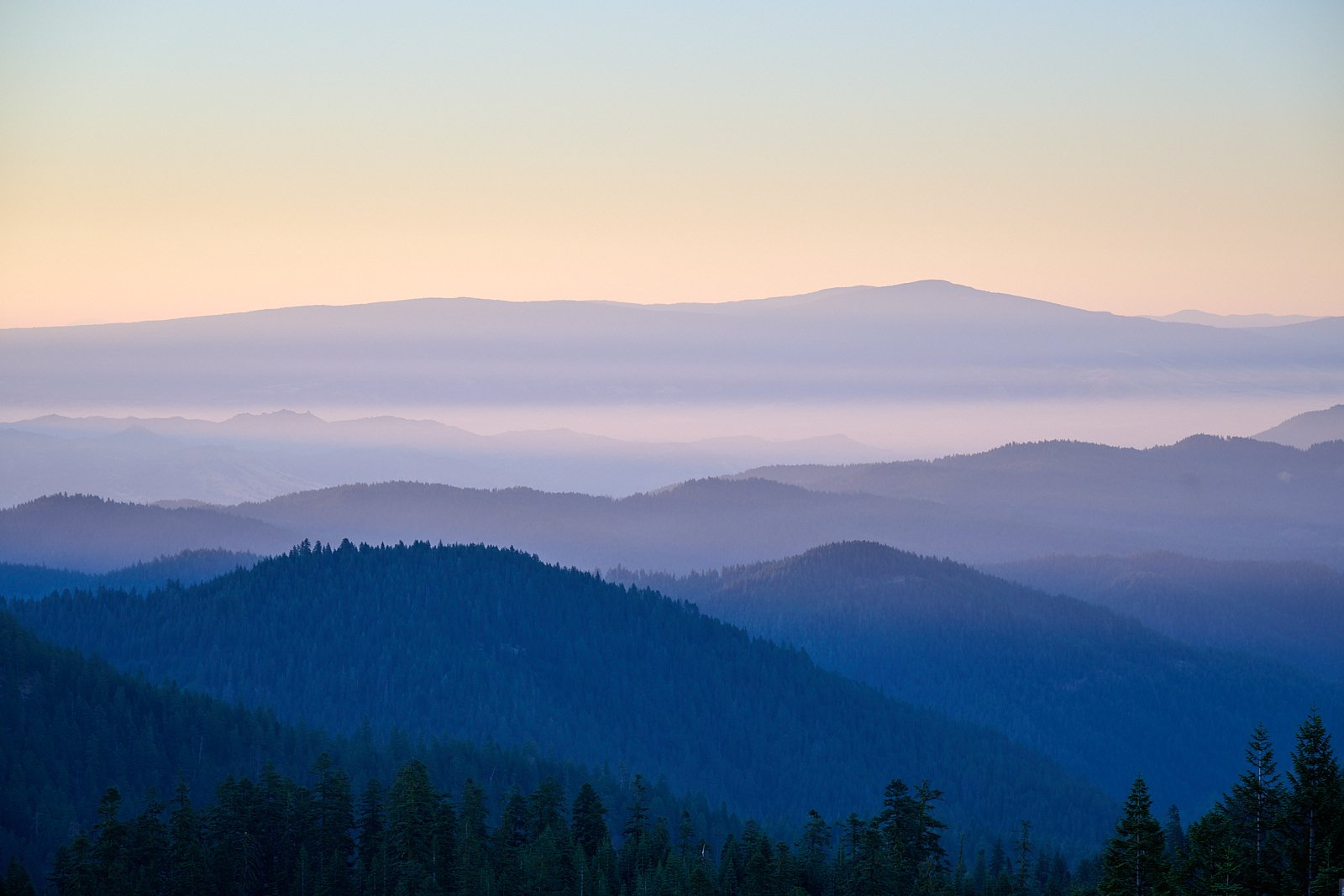
Dawn, mist, and wildfire smoke, Siskiyou National Forest.
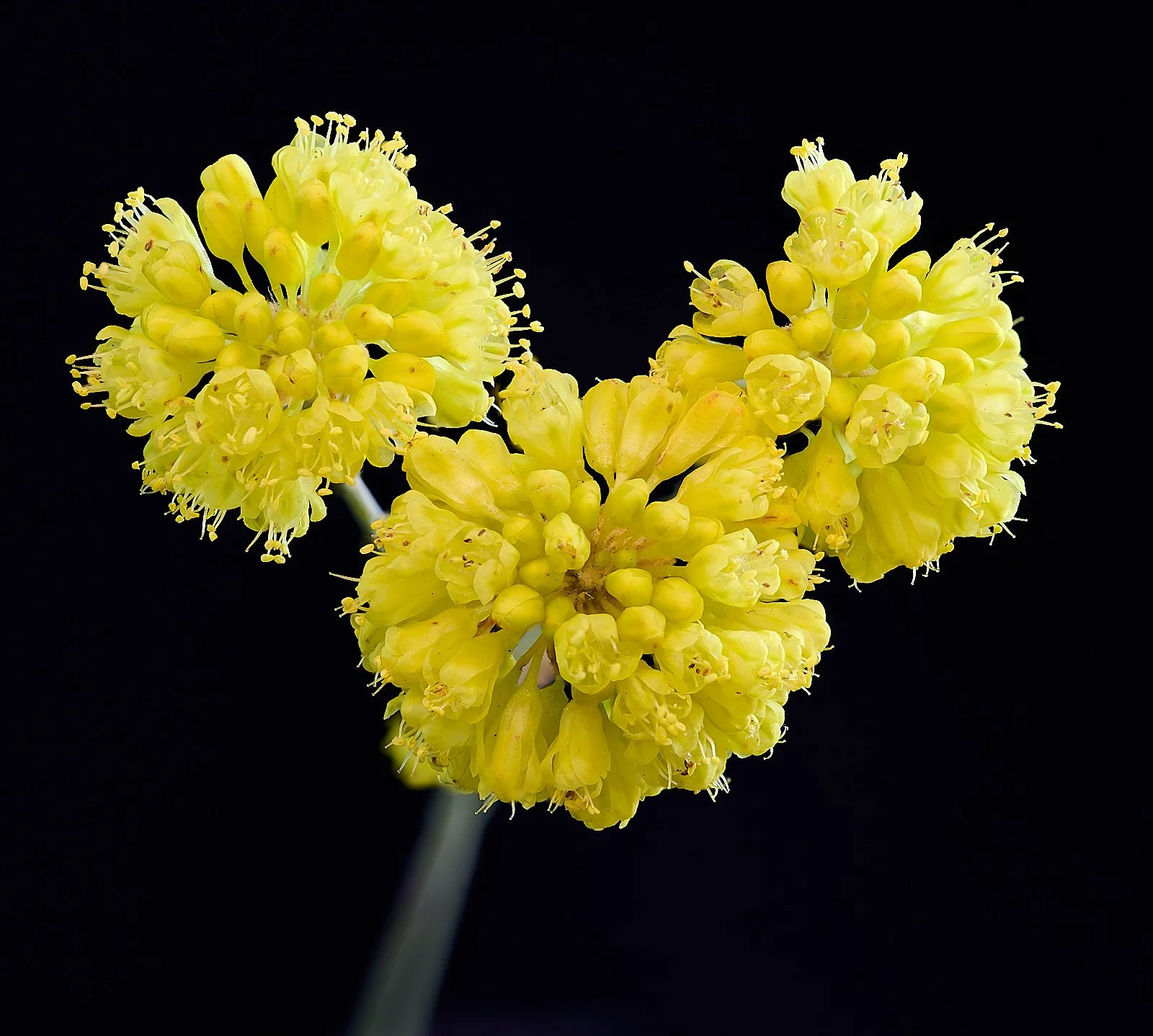
Eriogonum umbellatum, var. argus
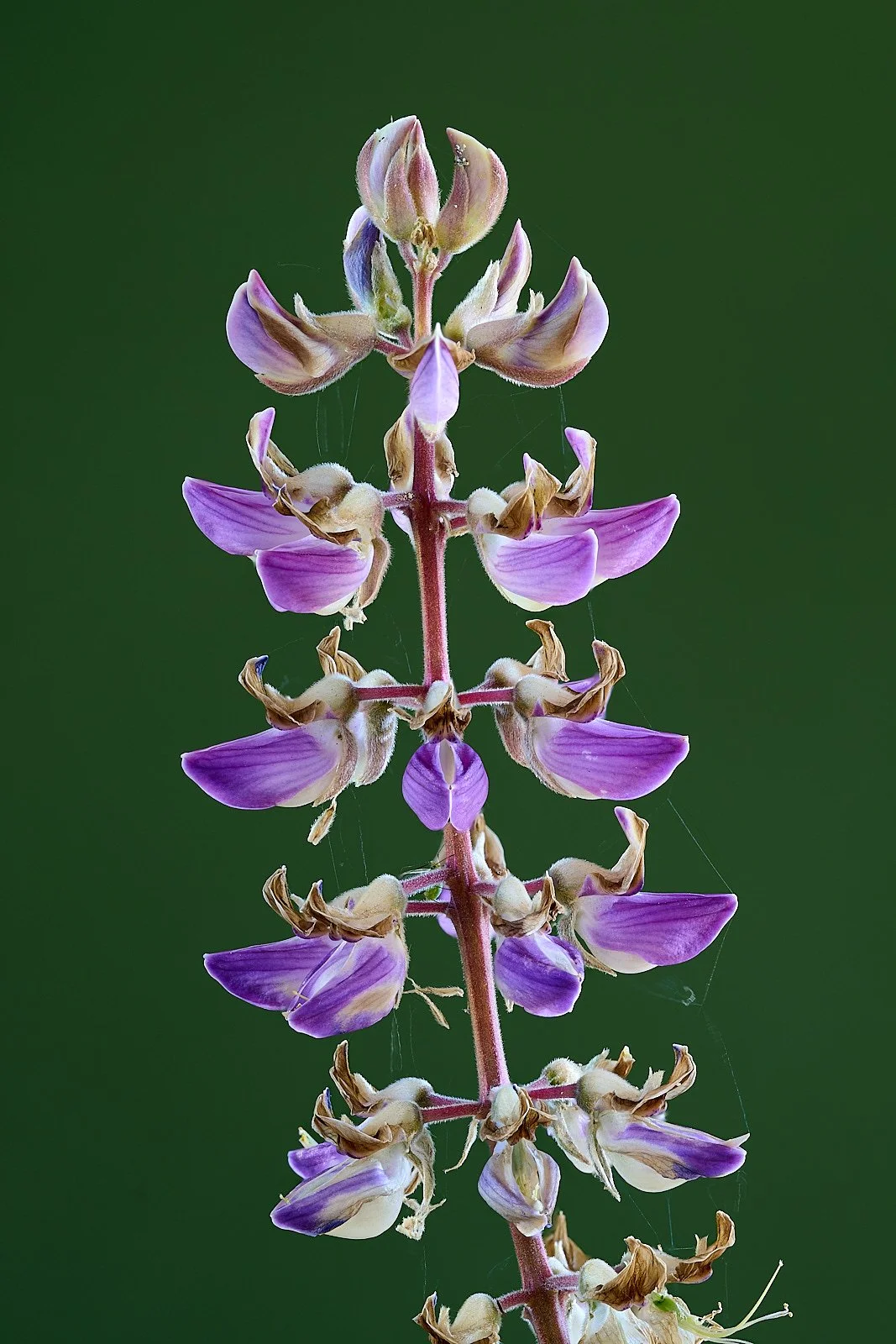
Lupine spp.
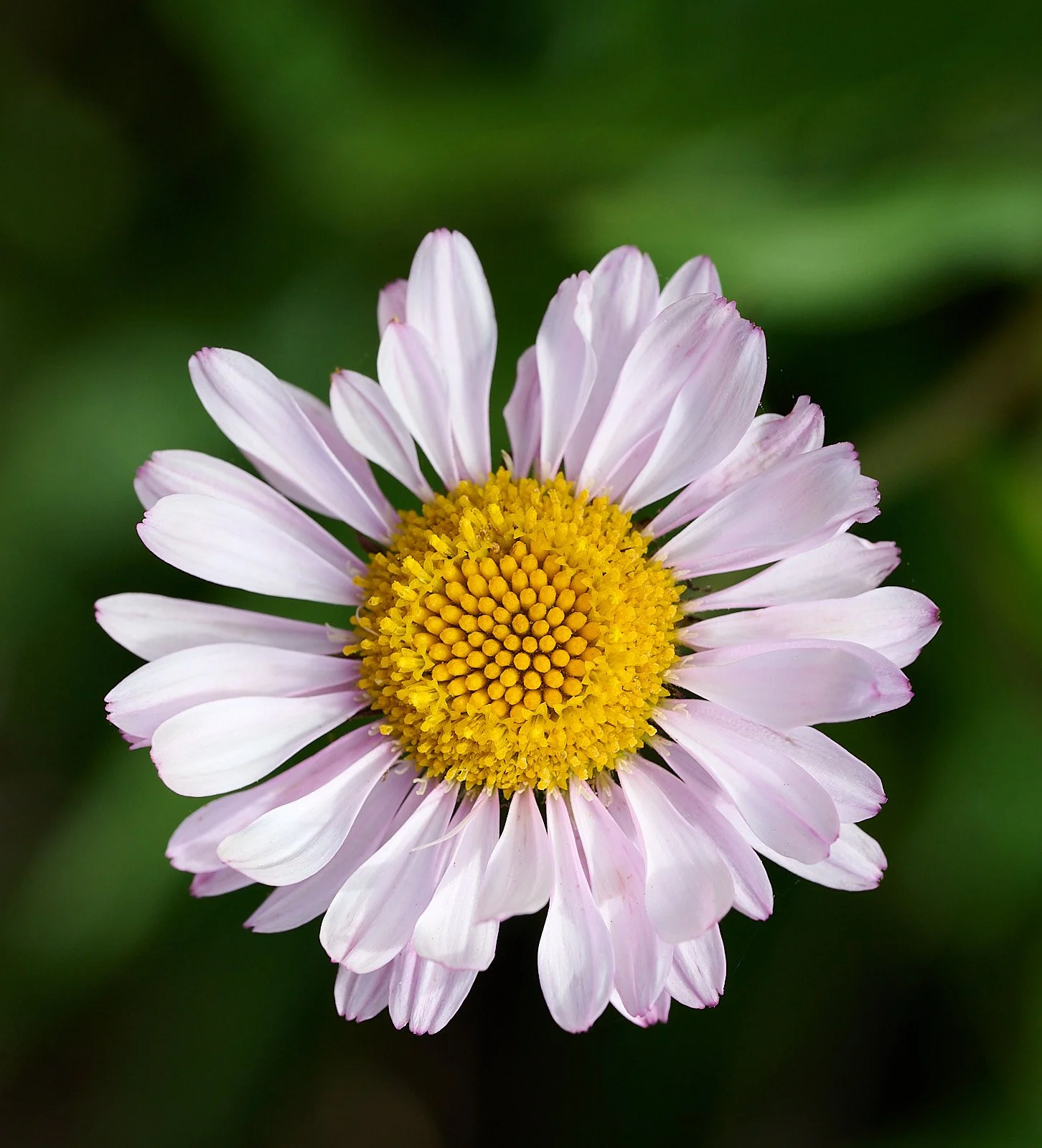
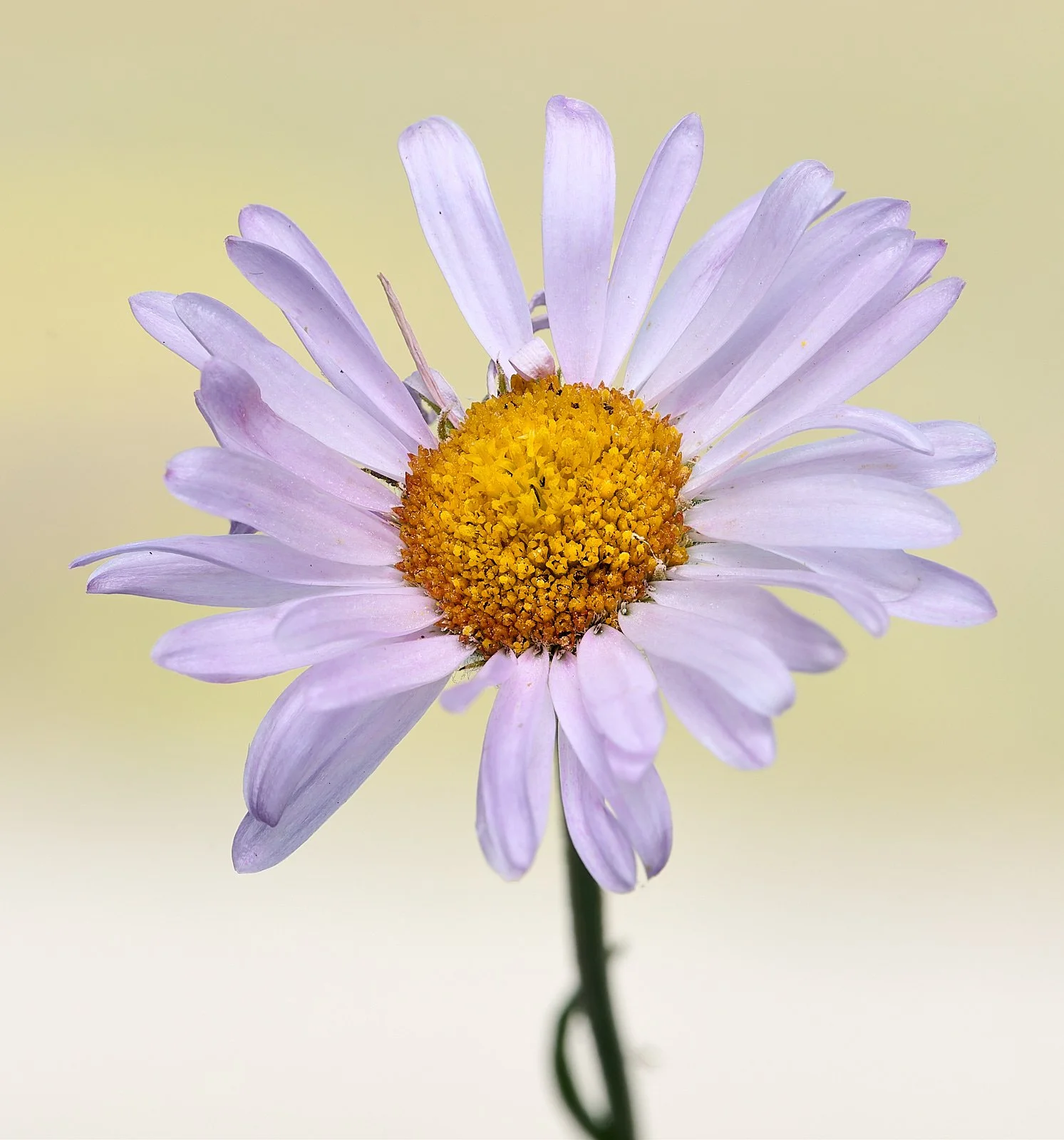
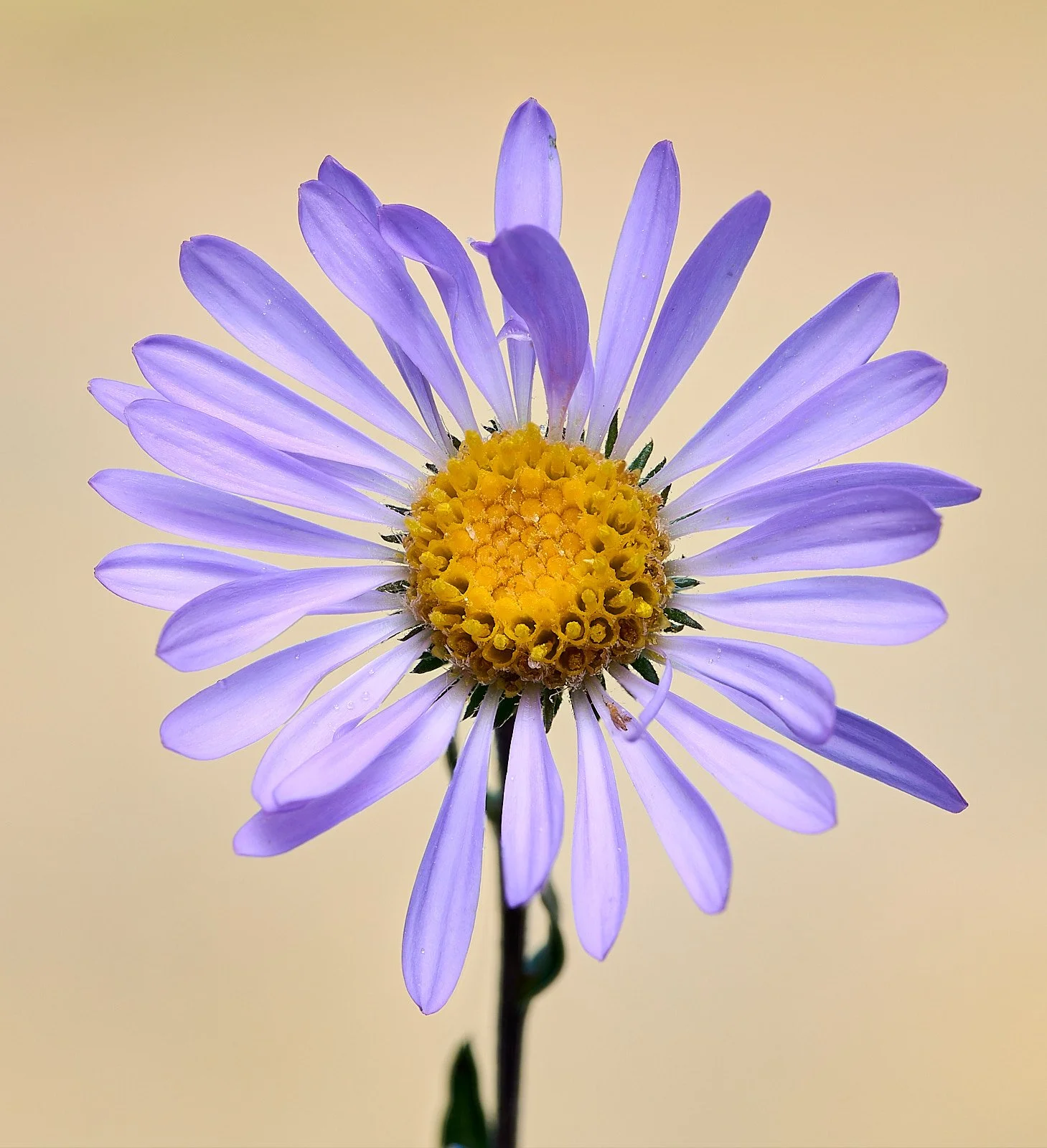
Aster spp.
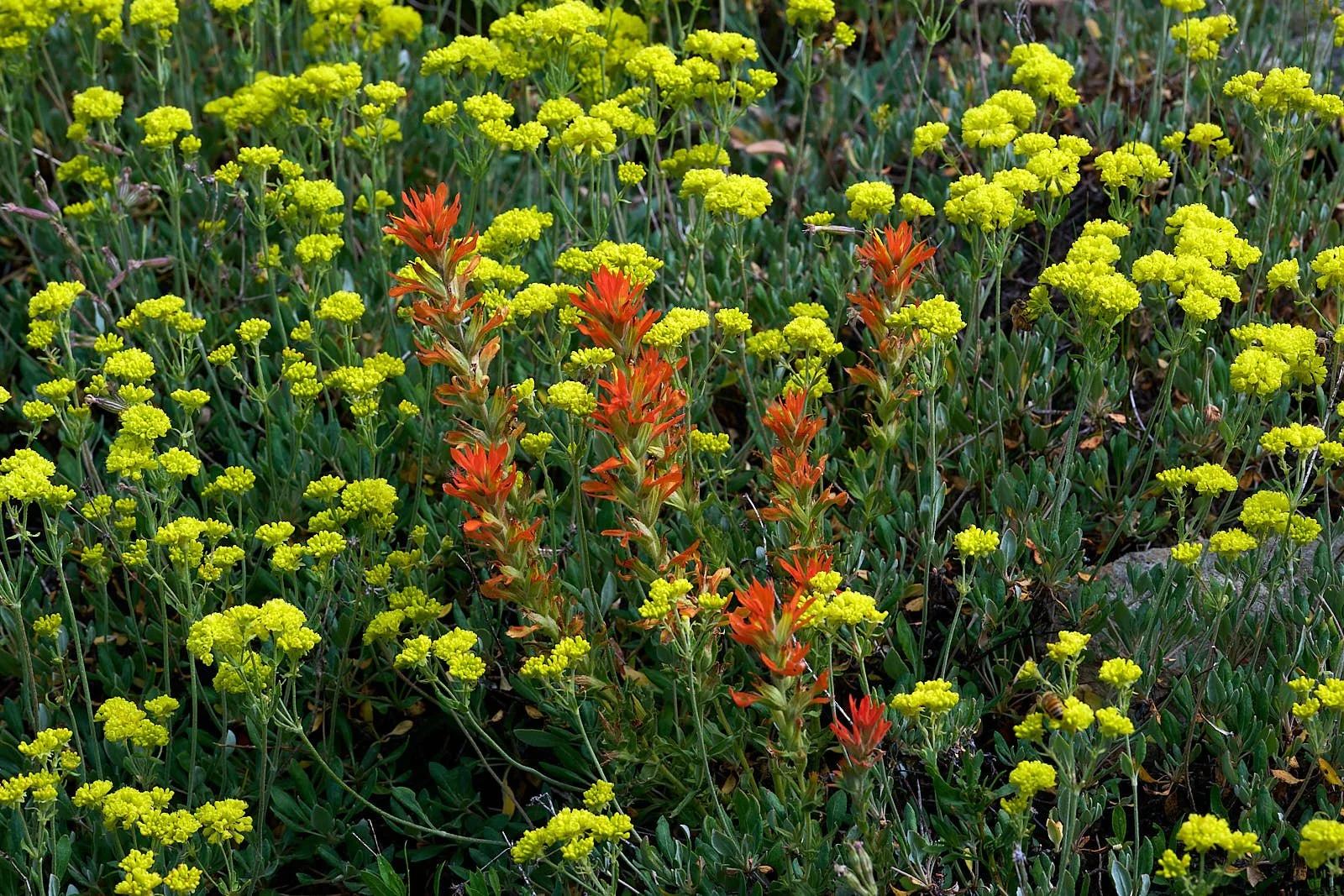
Paintbrush amid buckwheat
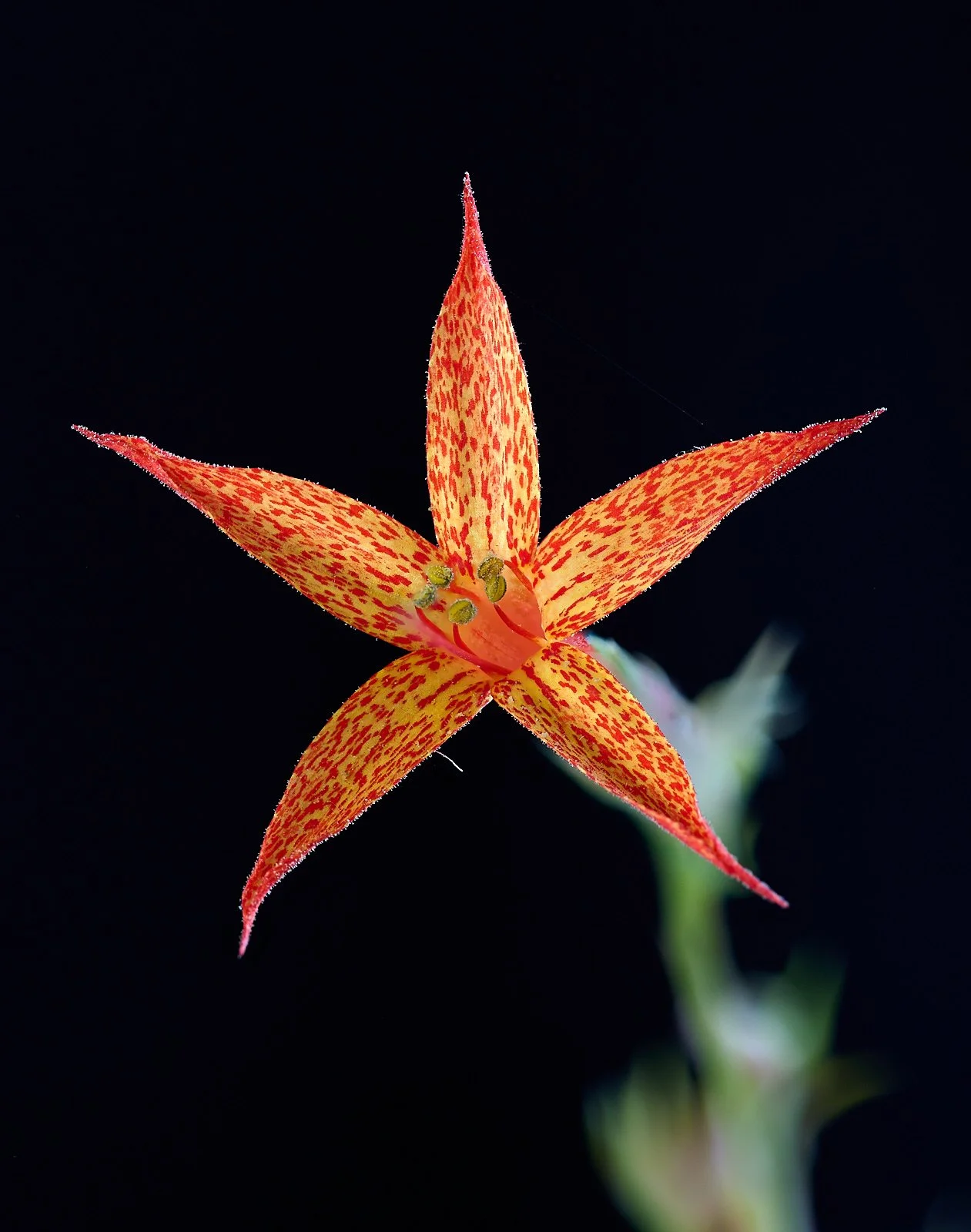
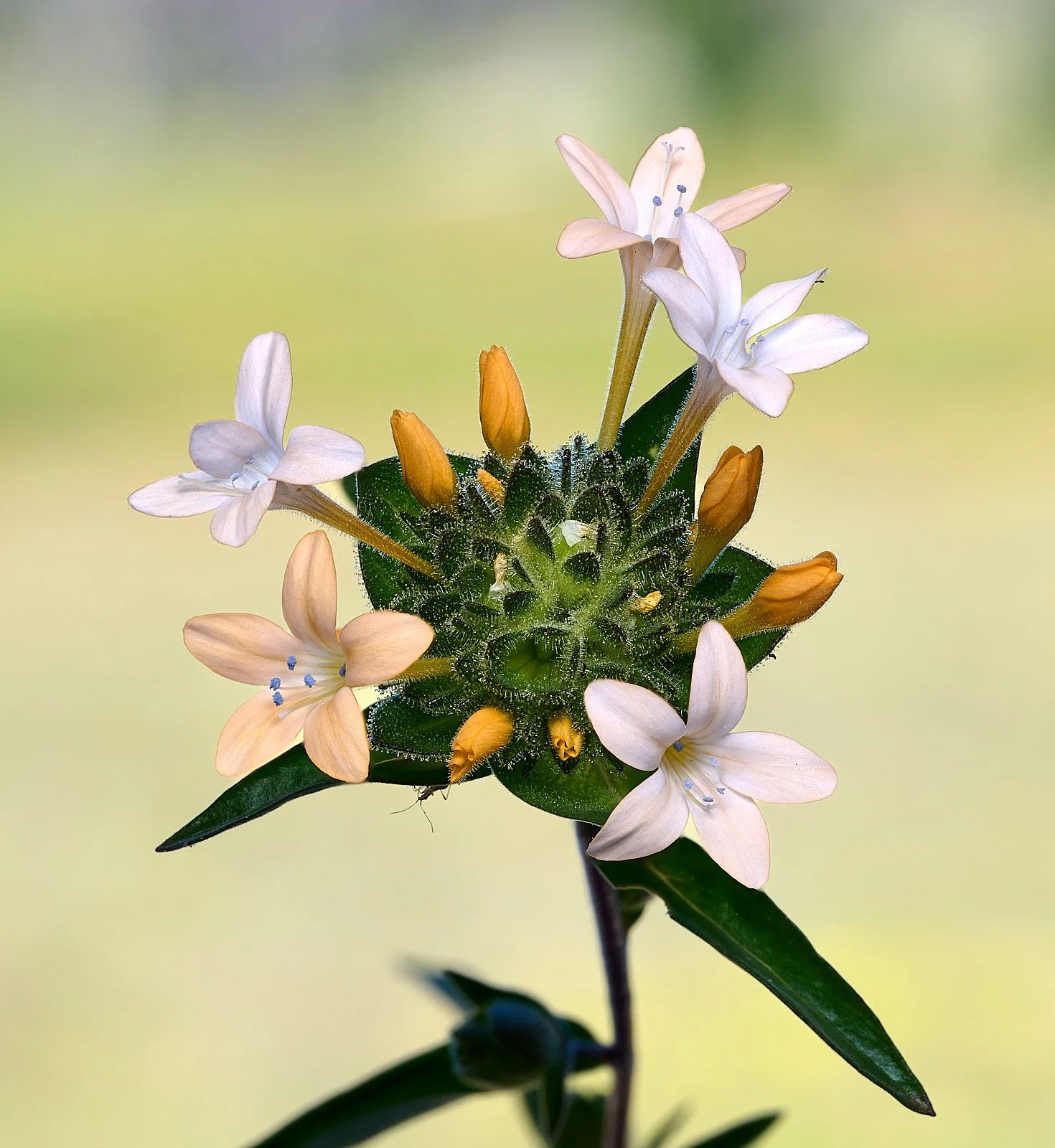
Ipomopsis aggregata
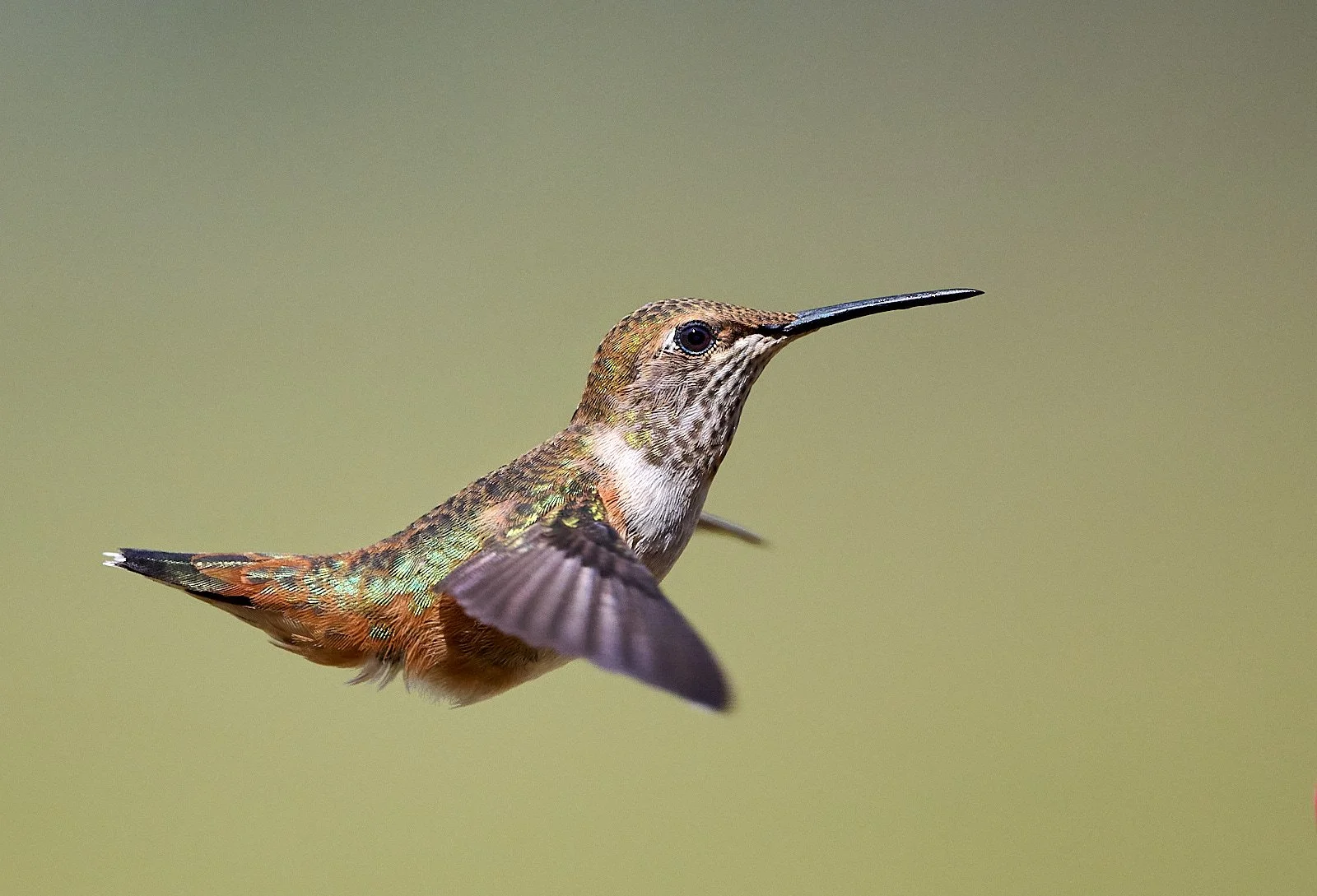
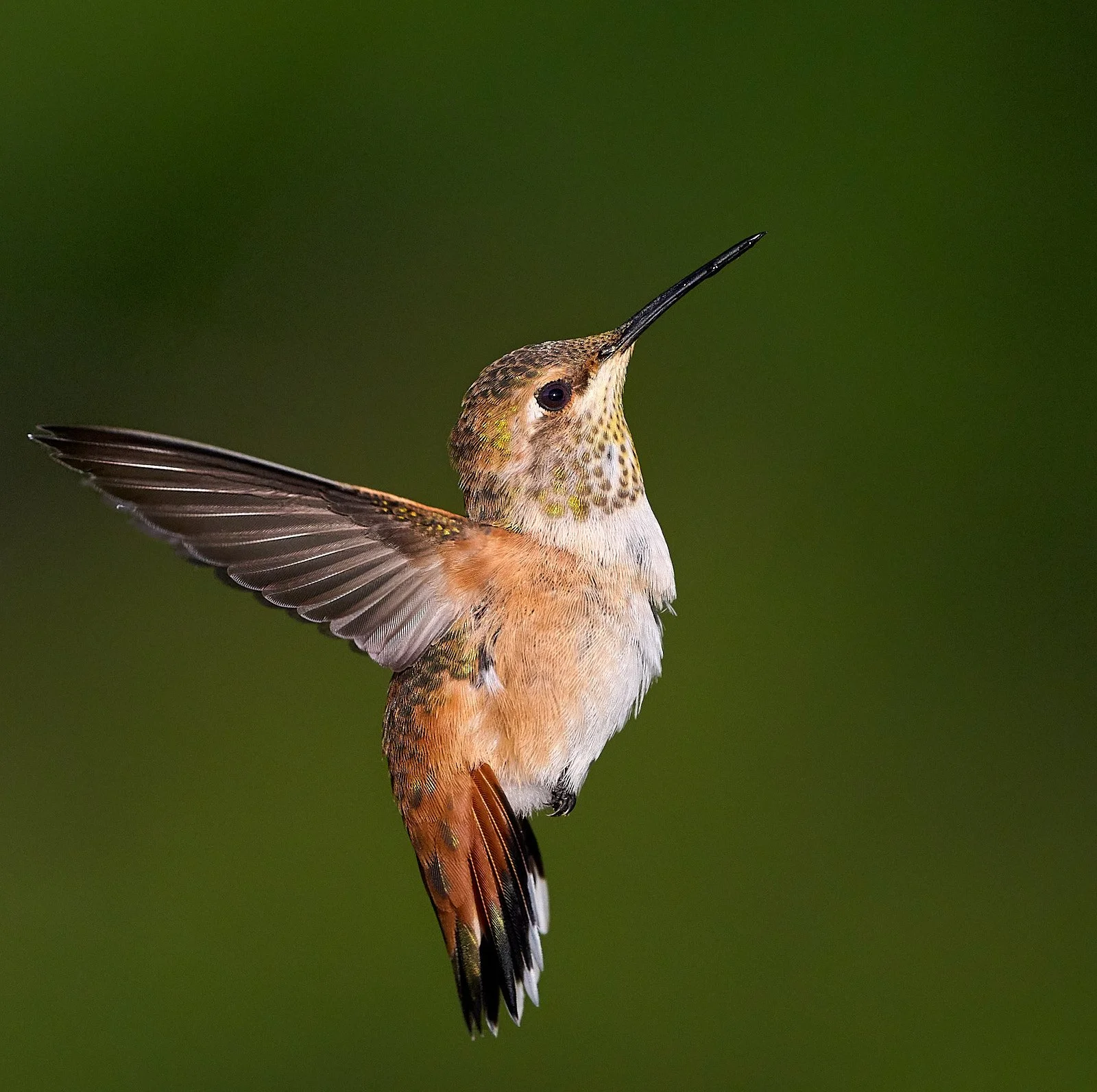
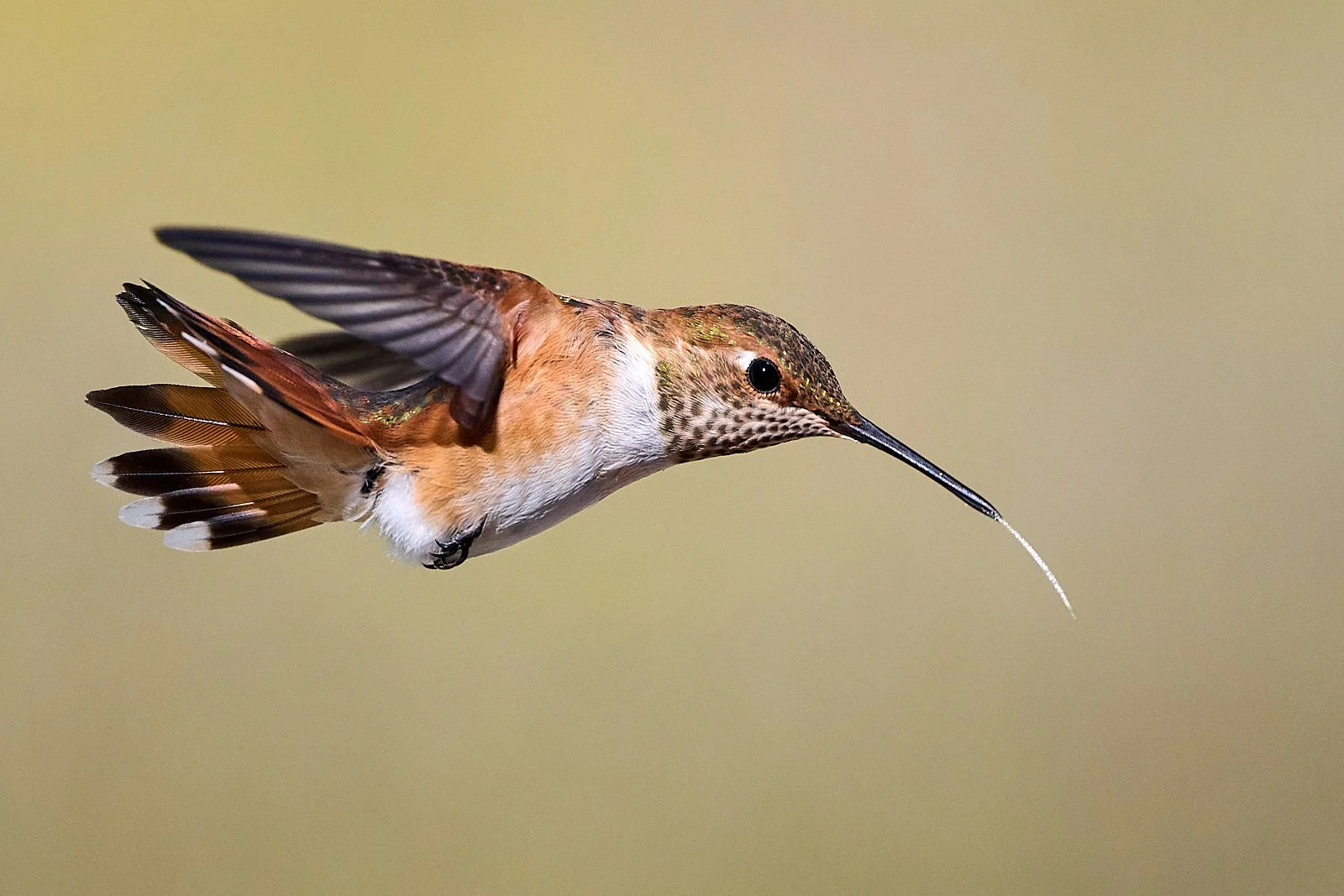
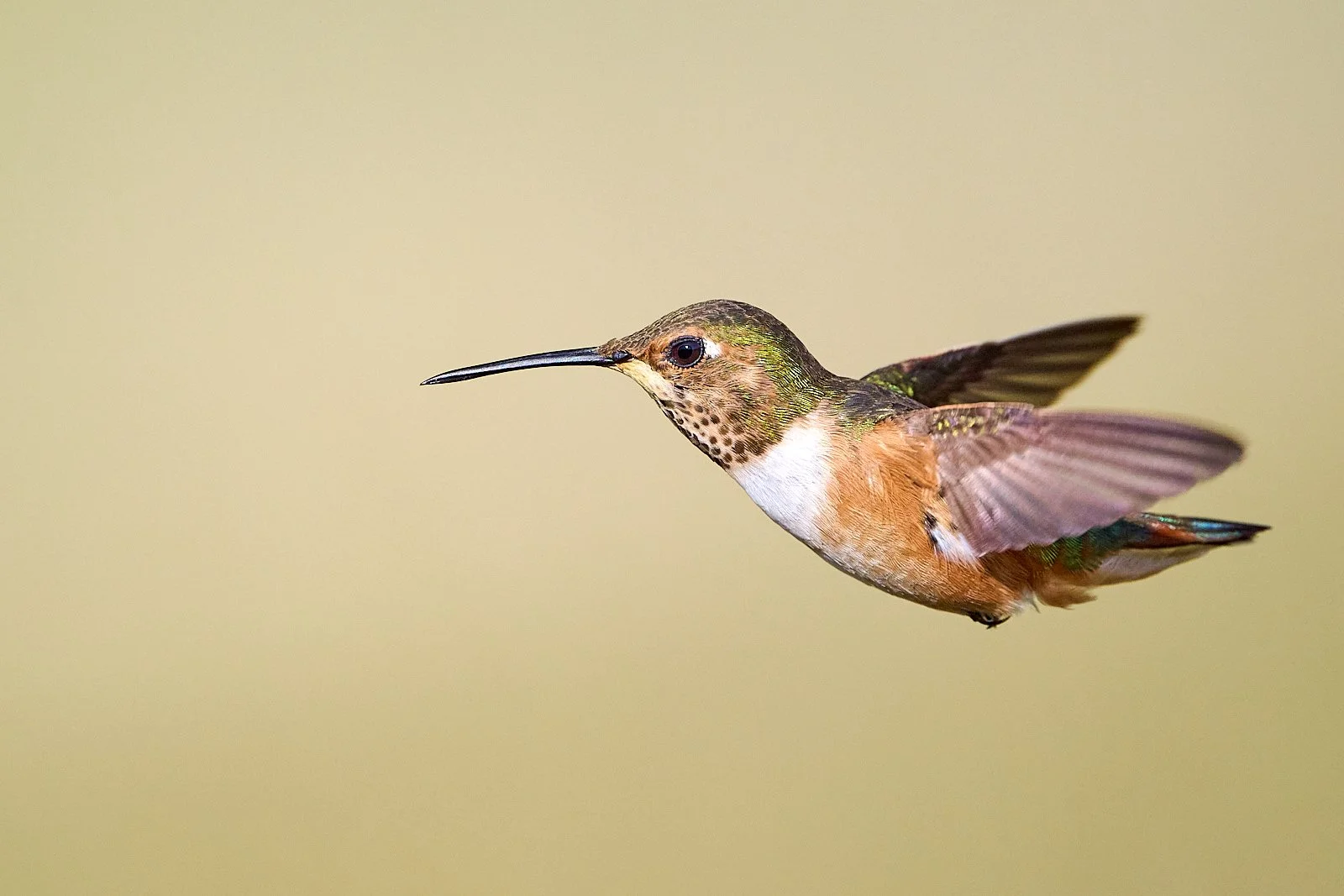
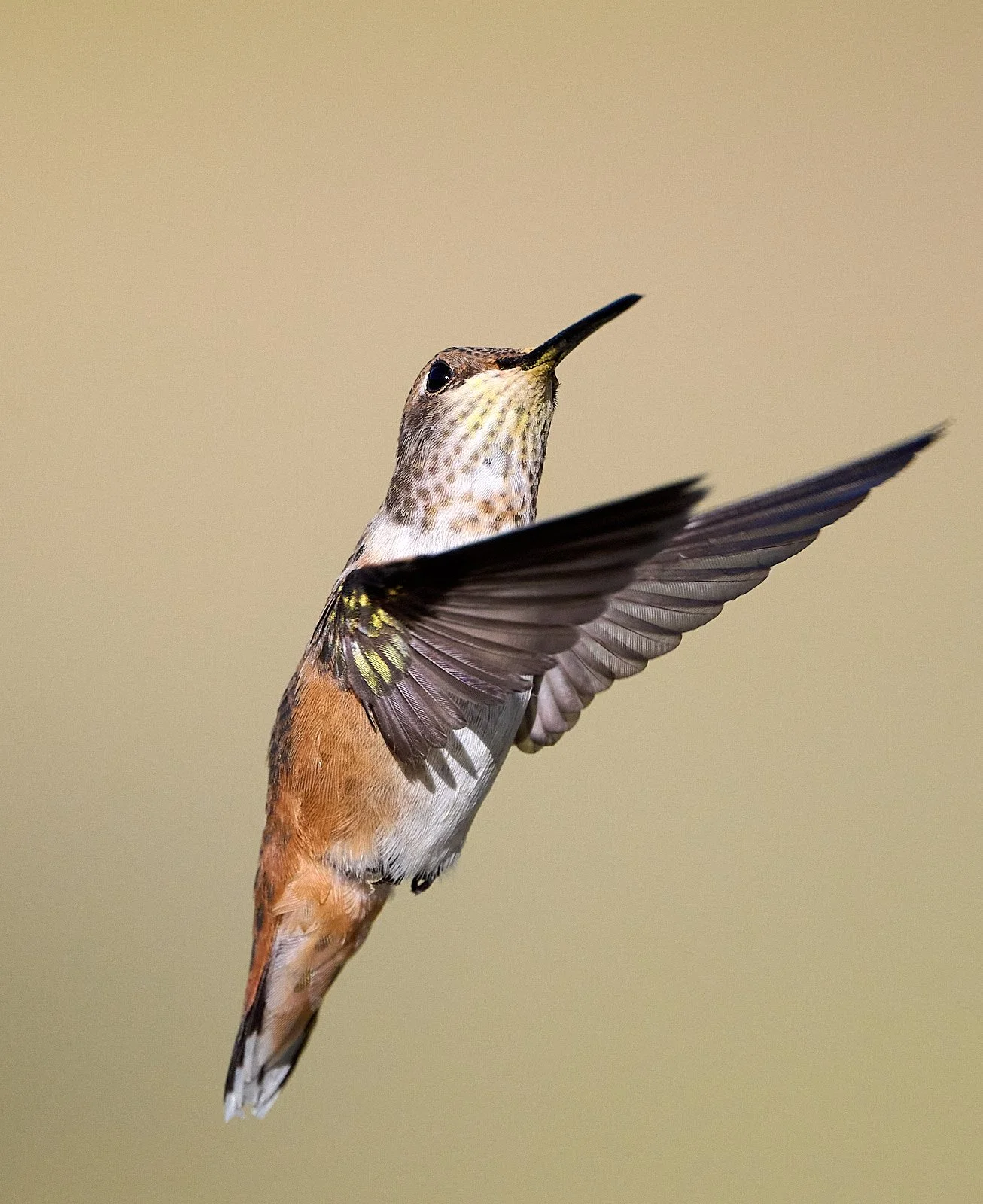
Rufous Hummingbird, immature male.
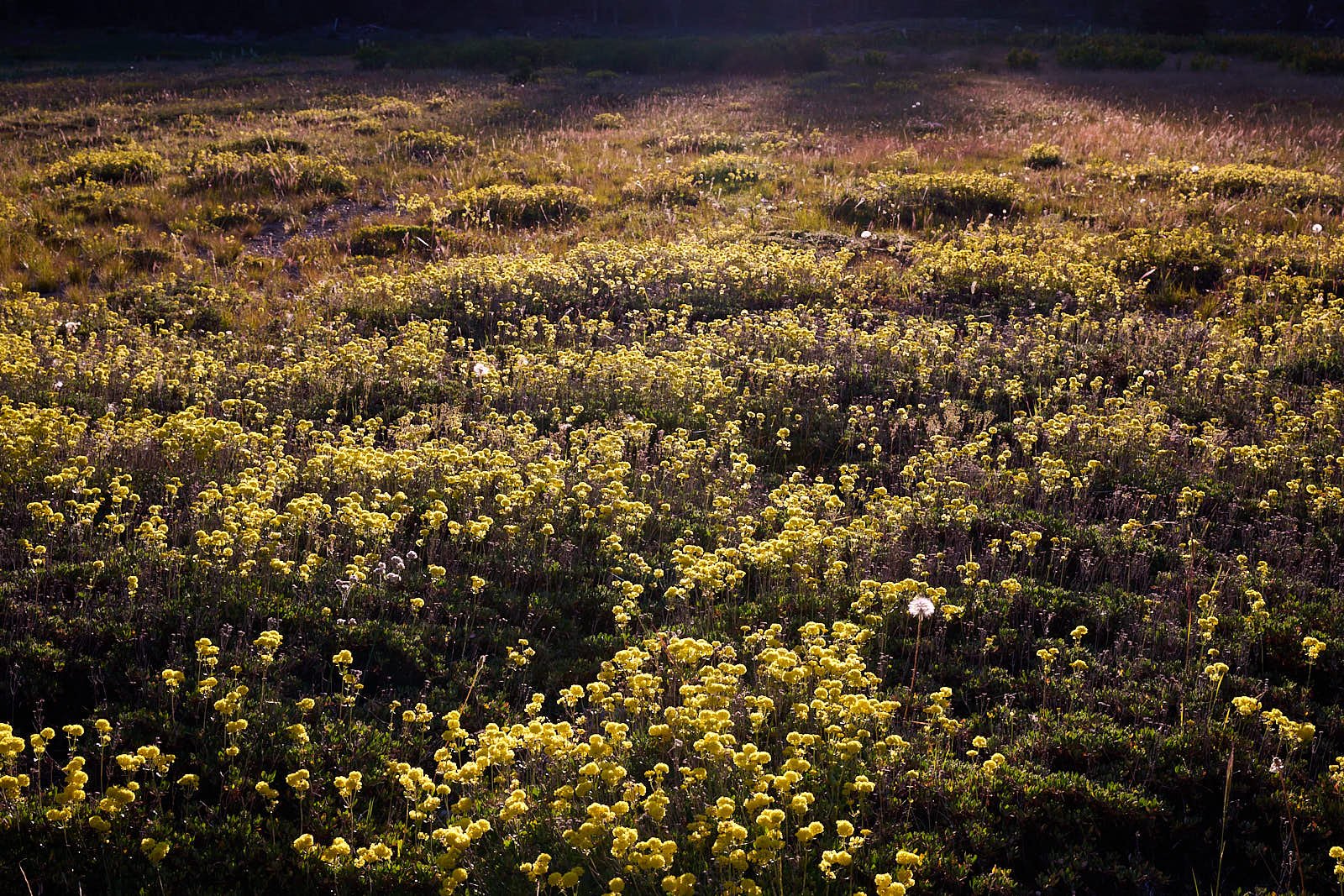
Poker Flat meadow at first light
Eriogonum Society
Wild Buckwheat are placed in the genus Eriogonum and, believe it or not, there is a society of Eriogonum enthusiasts who organize an annual workshop featuring these plants. This year, the meeting was held near Selma, Oregon. Trevlyn signed up months ago, and we planned a two-week camping trip around the event.
Where we went
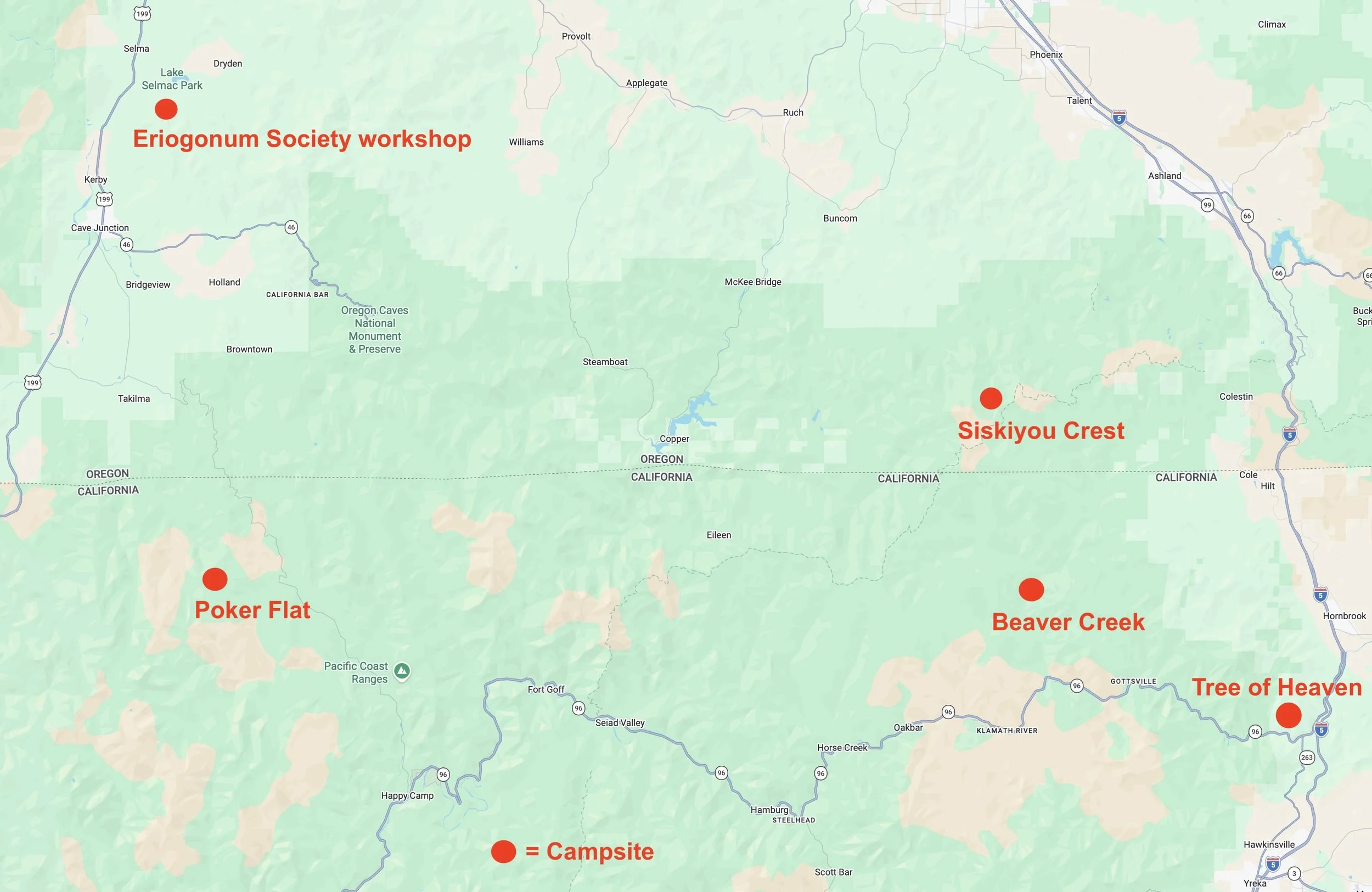
Our Journey
We started at Beaver Creek, then followed the Klamath River to Happy Camp and ascended to Poker Flat (elevation 5030 ft) in the Klamath National Forest. After that, we travelled to Cave Junction, had a great cup of coffee at Coffee Heaven, and proceeded to the workshop location near Reeves Creek. There, we linked up with our botanical friends D&K, who parked their Transit van next to ours - great fun! Trevlyn participated in three field trips and attended a session on keying buckwheats. There are about 250 described species and they are notoriously difficult to identify. Jumbo took it easy, finishing a book on neotropical ecology and another on how to be a dissident in an age of fear.
When the workshop ended, D&K hurried off to California’s White Mountains, to attend another plant conference on sky island ecology. We took a dirt road from Mount Ashland summit that followed the Siskiyou Crest southwards and remote camped at a location that offered views of Mount Shasta to the east and Oregon’s Applegate Valley to the west. From there, we descended through the Applegate Valley, and re-entered California to return to Poker Flat. During the homeward trip we overnighted at Tree of Heaven campground along the Klamath River and enjoyed a late-afternoon swim.
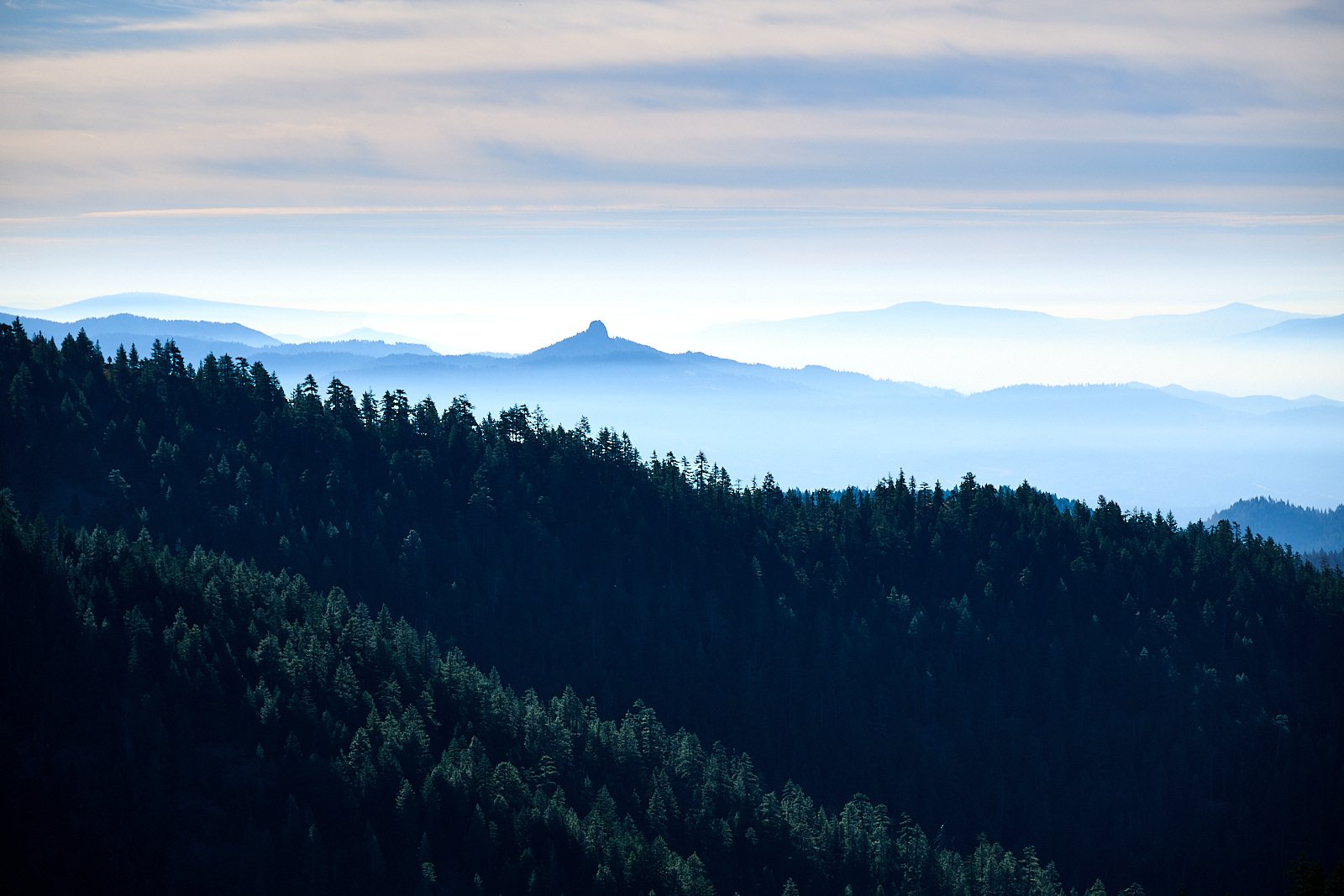
Siskiyou Crest
The Siskiyou Region
The Siskiyou Mountains form the northern section of the Klamath Mountains region and span the junction of NW California and SW Oregon. The area’s geology is complex, the result of ancient accreted terranes from diverse origins. Most of the rocks are from oceanic sources, and many are types associated with island arc-type volcanism.
The plant life is described as having grand floristic diversity. Kauffmann & Garwood’s book on the Klamath Mountains explains: “The region hides relicts of epochs gone by called paleoendemics and also cradles other species - promoting the adaptive evolution on newer species called neoendemics. Complex climate and soils nurture microsites which, in essence, incubate biodiversity. The area also has…. continuity with other mountain ranges along the Pacific Slope. Across this landscape, a mosaic of habitats mix at a crossroads of five biotic regions - the Cascades, Coastal Range, Great Basin, Central Valley, and Sierra Nevada - each helping to define the Klamath Mountains.”
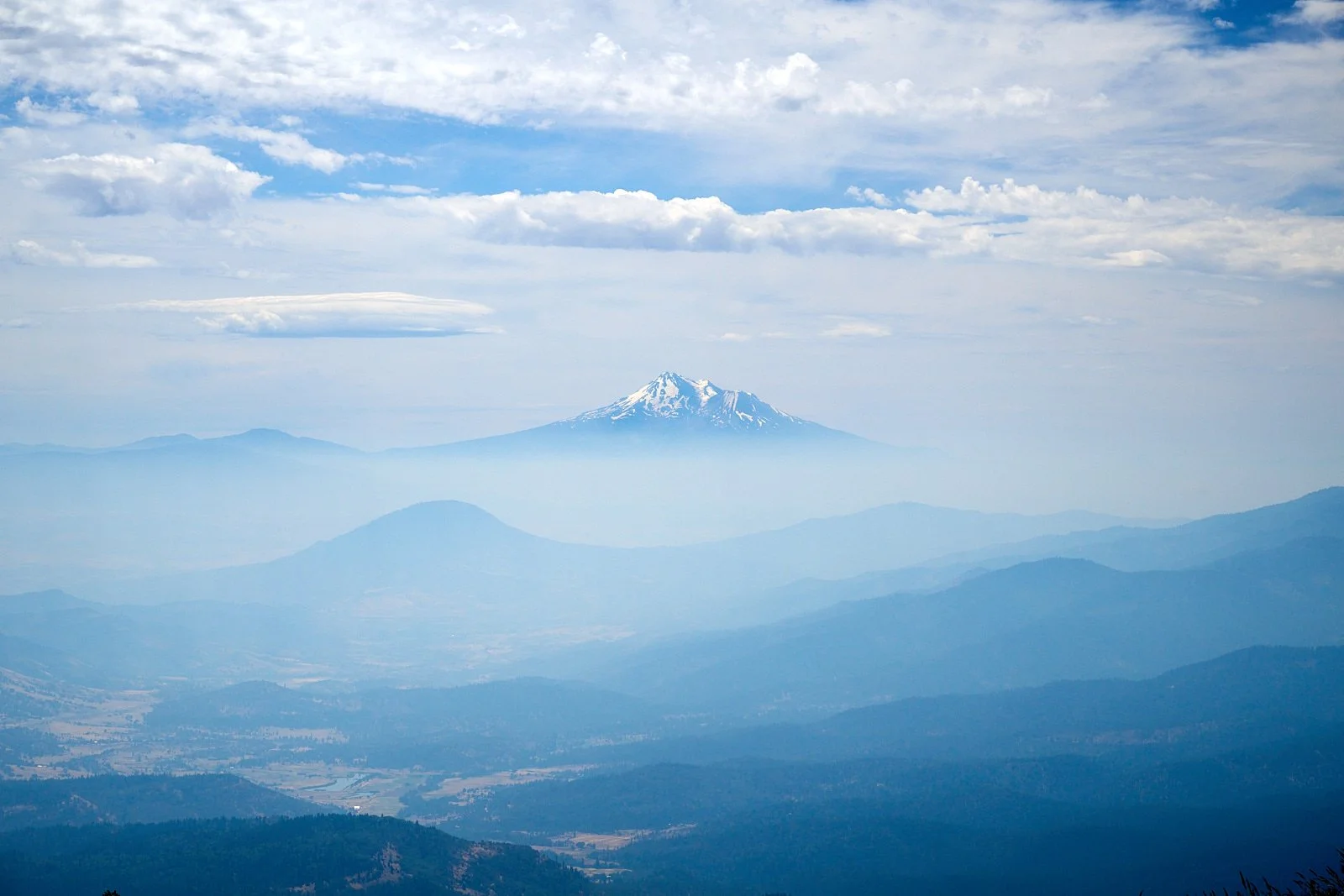
Shasta Mountain, as seen from the Siskiyou Crest
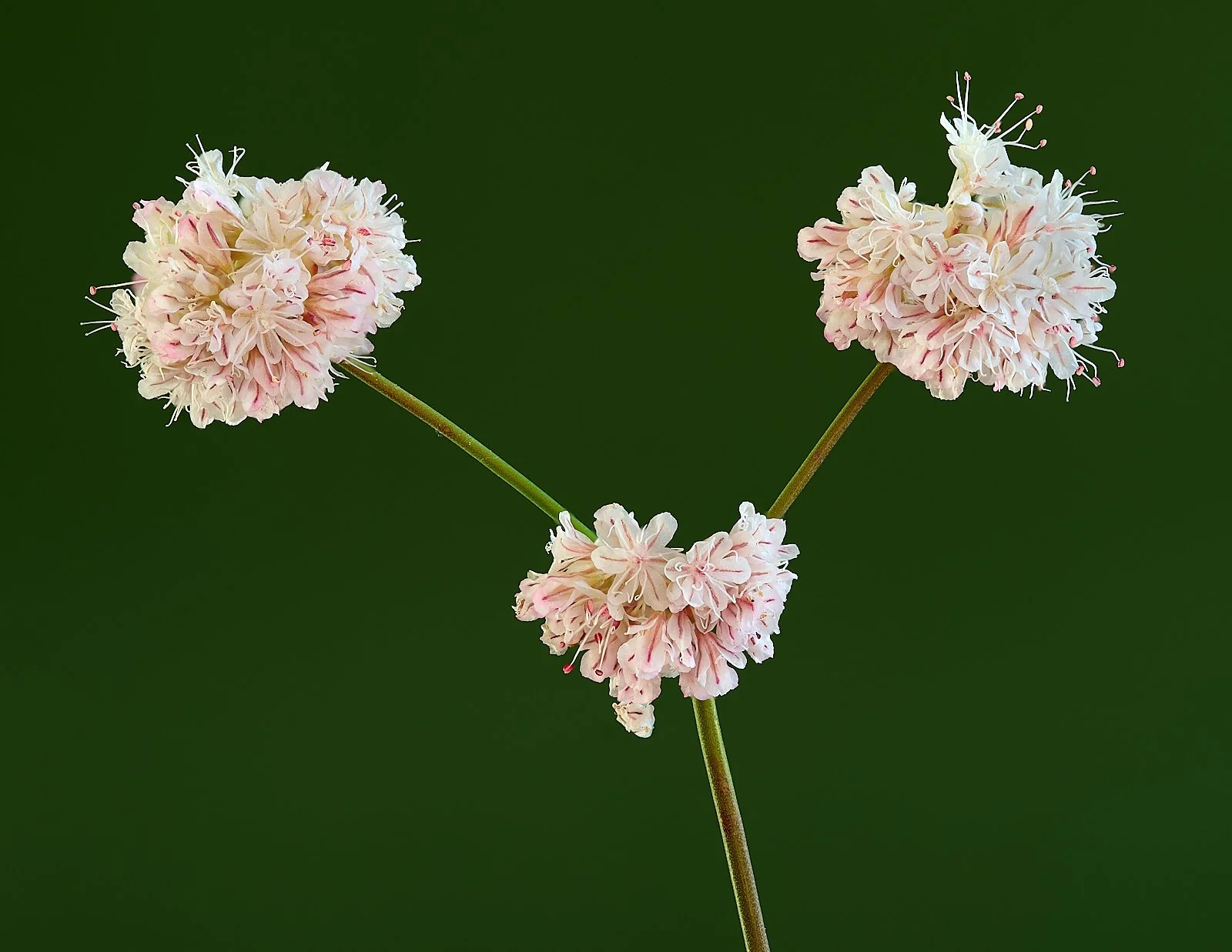
Eriogonum elatum
What is Buckwheat?
Eriogonum is a genus of flowering plants in the family Polygonaceae. The genus is found in North America and is known as wild buckwheat. This is a highly species-rich genus, and indications are that active speciation is continuing. It is particularly numerous in the Western United States and, along with Penstemon and Astragalus (milkvetch, locoweed), comprise the largest plant groups in North America.
The genus derived its name from the Greek word erion meaning 'wool' and gonu meaning 'knee or joint'. In 1803, the author of the genus, Michaux, explained the name when describing the first-named species of the genus (E. tomentosum) as a wooly plant with sharply bent stems.
Some varieties of eriogonum, such as California buckwheat, are used as medicinal and food crops by Native American tribes. However, eriogonum is within a different genus from that of the cultivated European buckwheat.
The wild buckwheats are morphologically and physiologically diverse. Growth forms include shrubs, subshrubs, and non-woody (herbaceous) plants. Their life-cycles can be perennial, biennial, or annual. Some species grow taller than the average person; others are small enough to slip unnoticed beneath a hiker’s boot. Depending on climate, some species are evergreen, others deciduous. Flowers – all very tiny individually but often in clustered heads – may be white, yellow, pink, or red. Bloom time ranges from very early spring to very late fall.
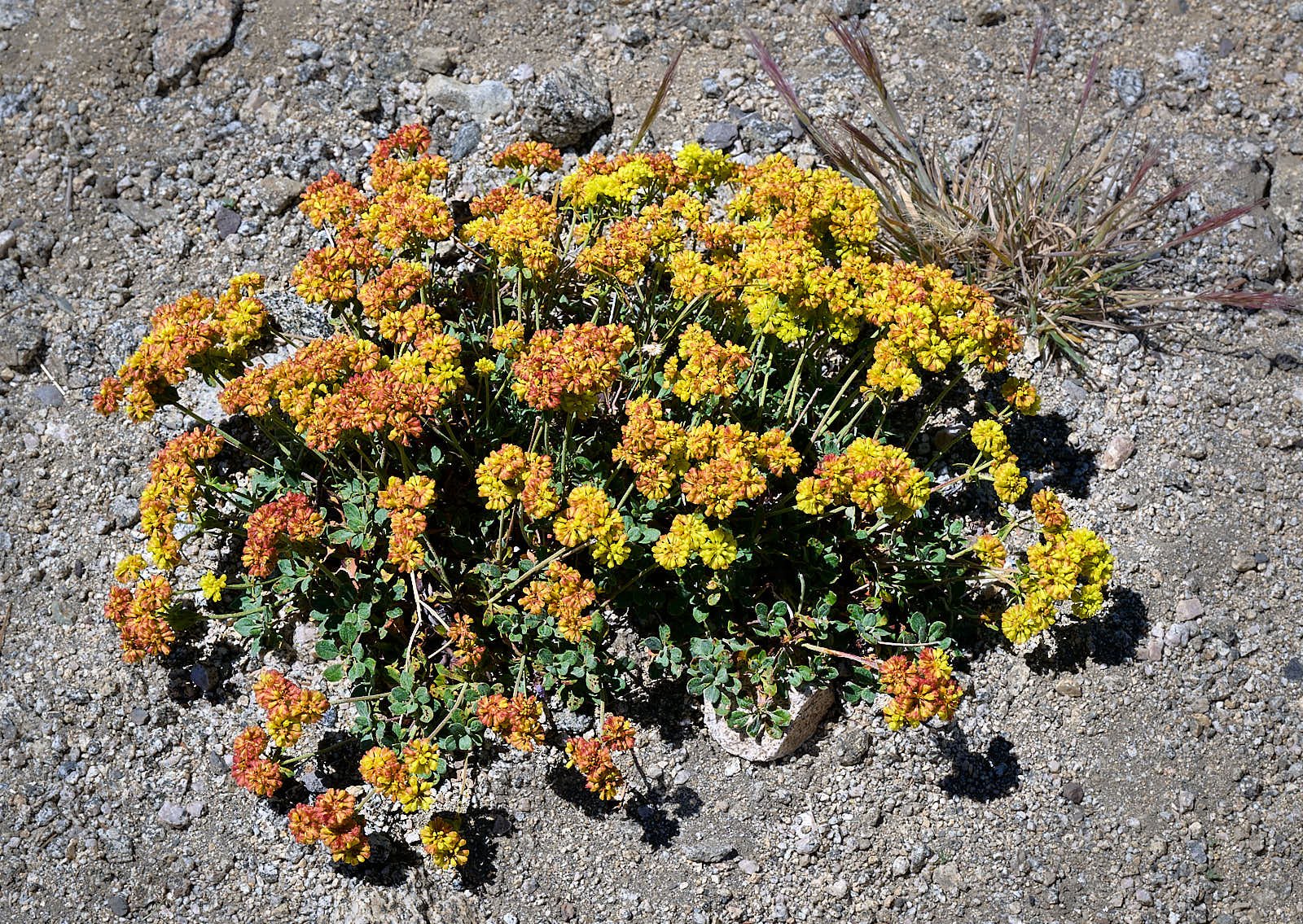
Erigonum umbellatum, var. goodmanii
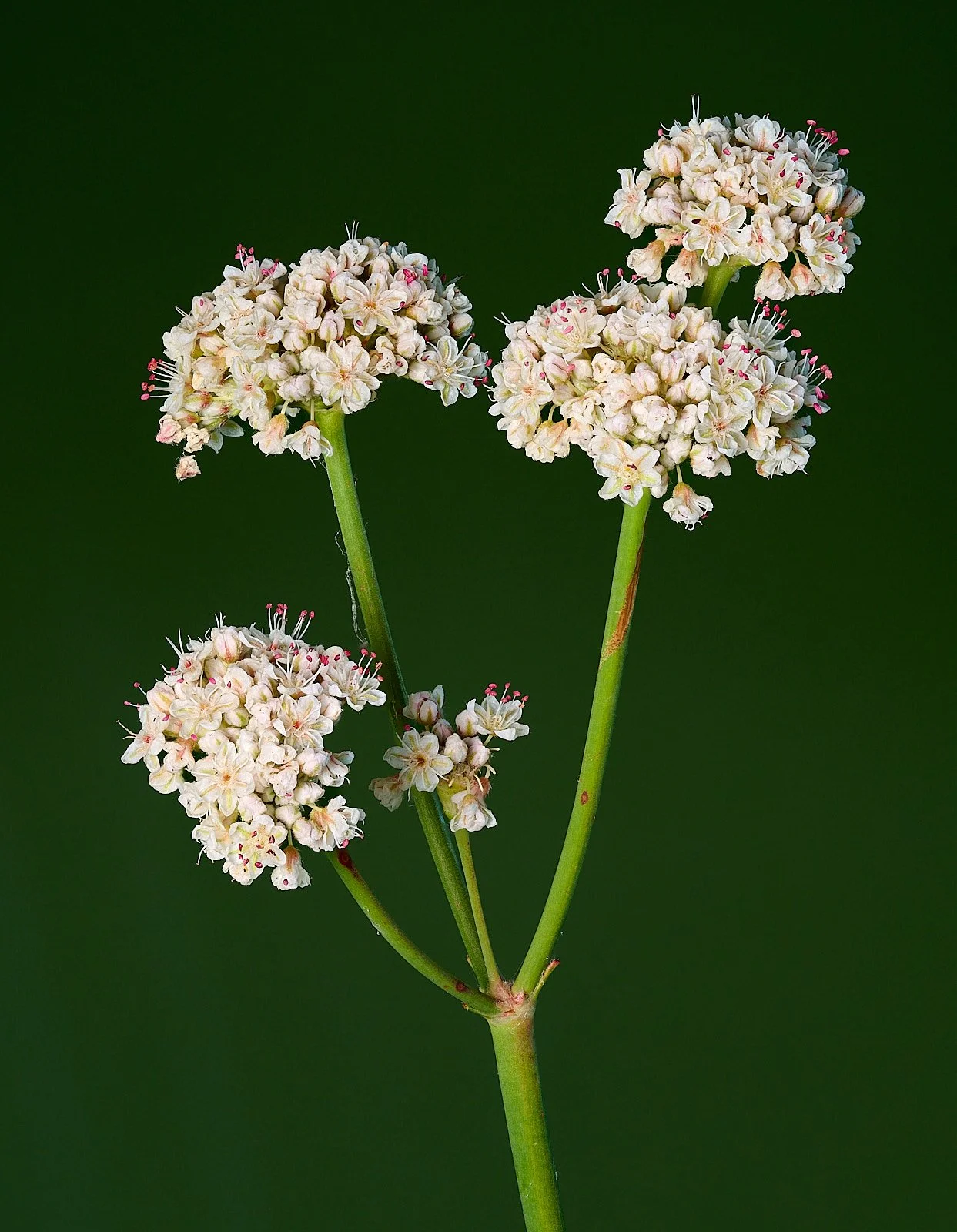
Erigonum elatum
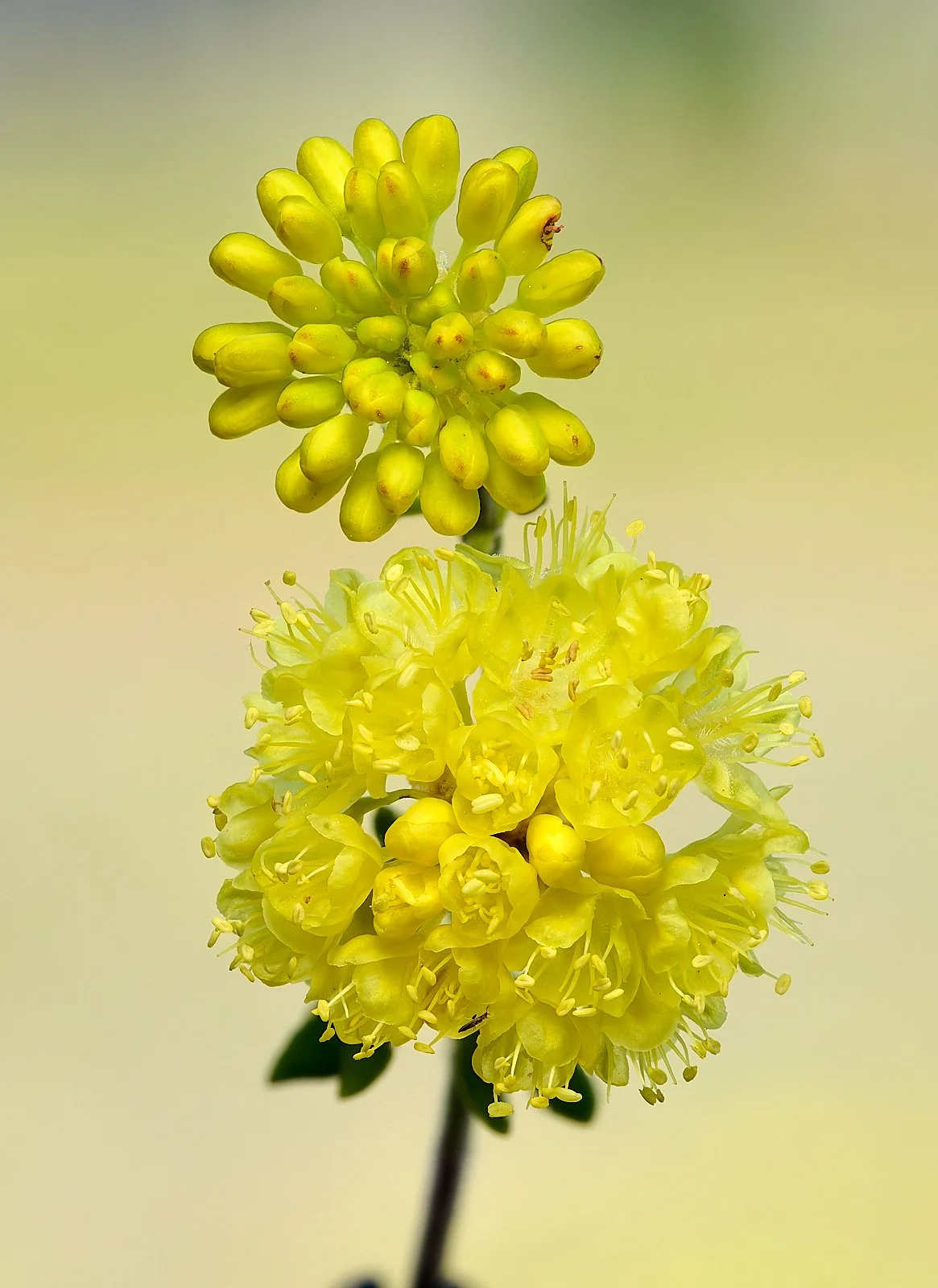
Erigonum umbellatum, var. argus
Where do Wild Buckwheats grow?
Geographically, species within the genus Eriogonum are restricted to North America (including Mexico) and are native primarily to the dry climes located in the western portion of the continent.
Ecologically, species of Eriogonum occur from the seashore to the highest mountains in the United States. They are among the last plants seen atop the Sierra Nevada and on the “outskirts” of Badwater in Death Valley. Species habitats range from the off-shore islands of California to the East Coast, and from central Alaska and the Yukon to central Mexico. About one-third of the species are uncommon to rare in their distribution.
Eriogonum species are used as food plants by the larvae of some butterflies and moths. Several of these are monophagous, meaning their caterpillars only feed on this genus, sometimes just on a single taxon of Eriogonum. The relationship can be so close that Eriogonum and dependent Lepidoptera are in danger of coextinction. Wild buckwheat flowers are also an important source of food for bees.
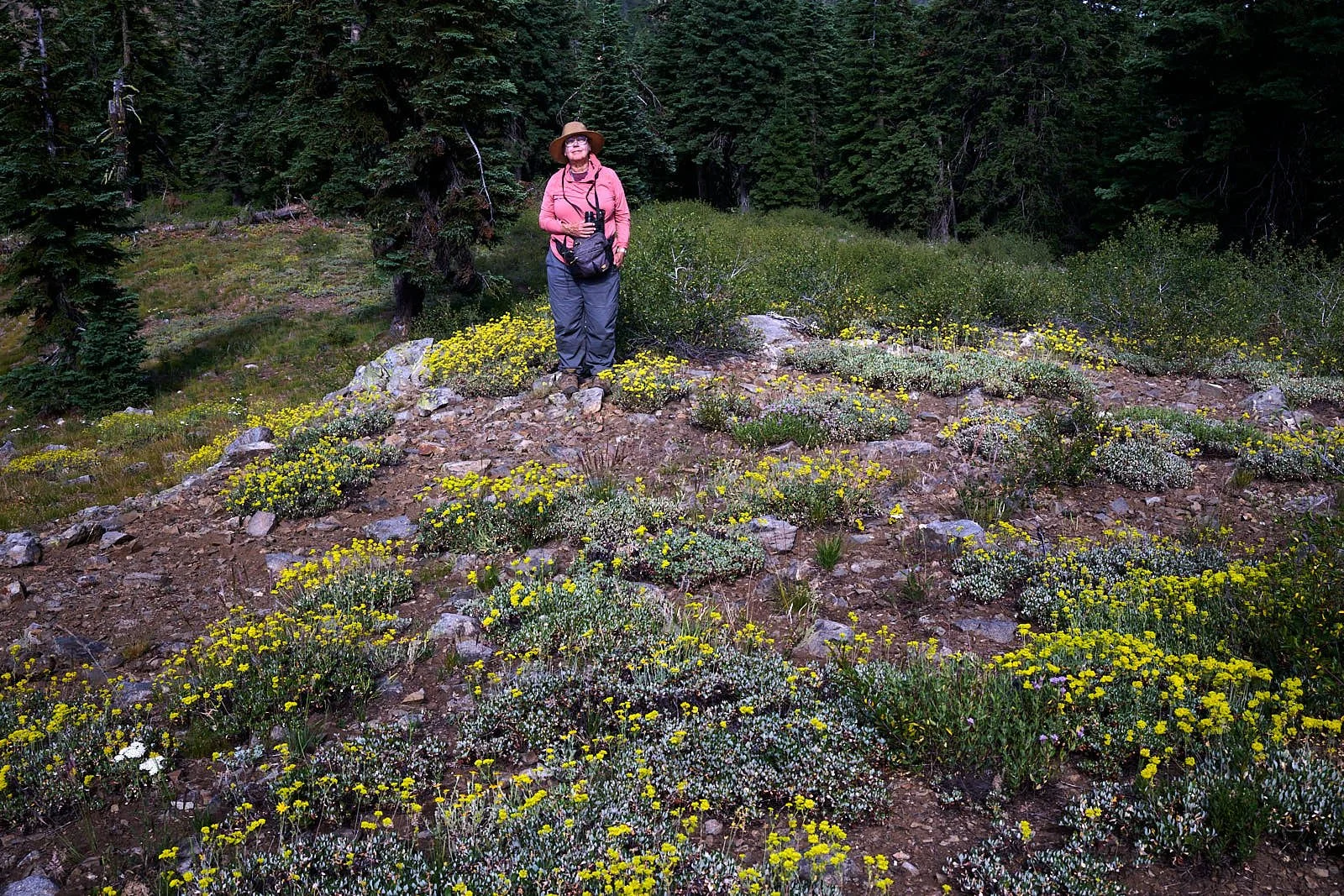
Buckwheat on rocky outcrop
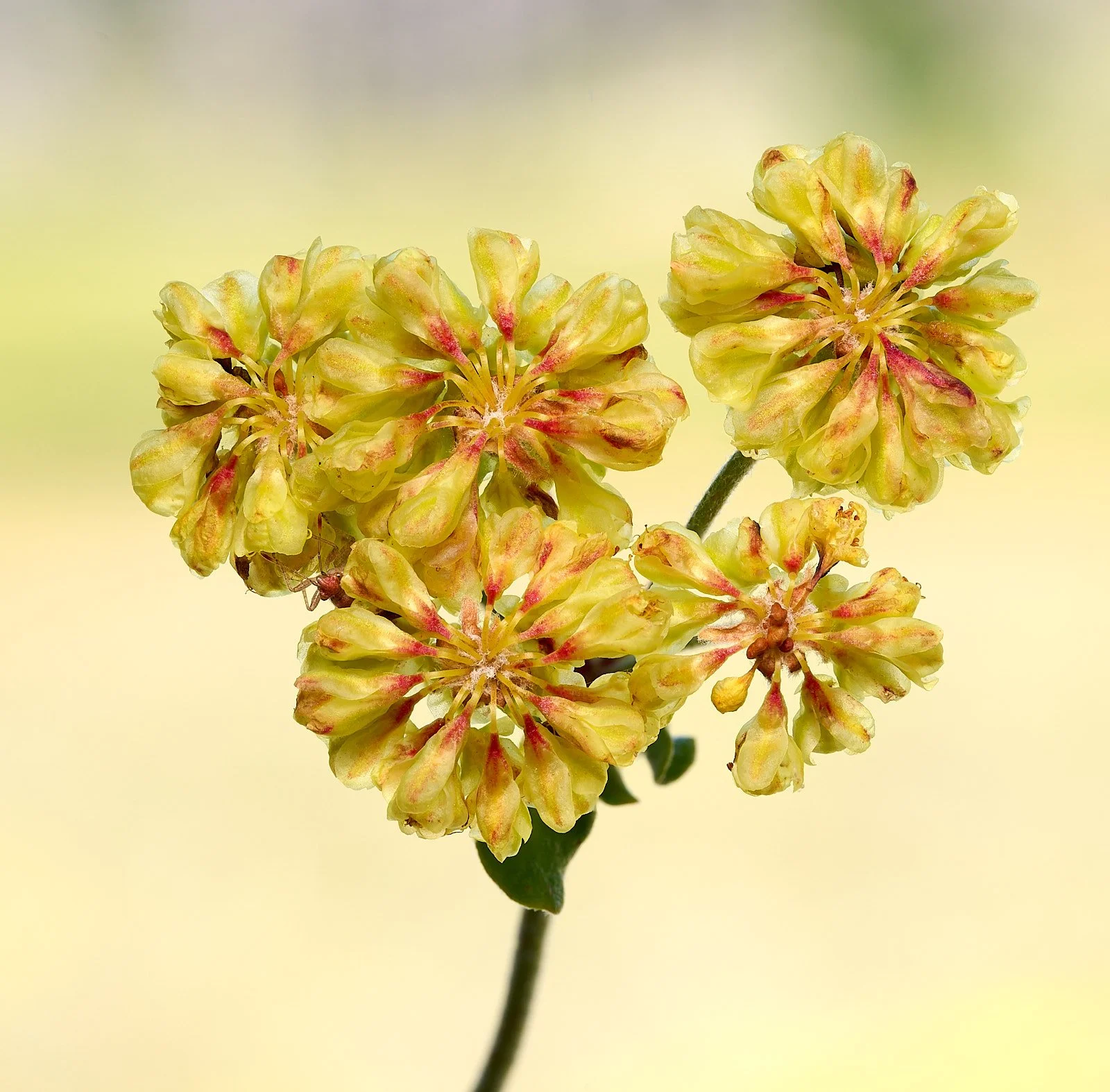
Eriogonum umbellatum, var. goodmanii
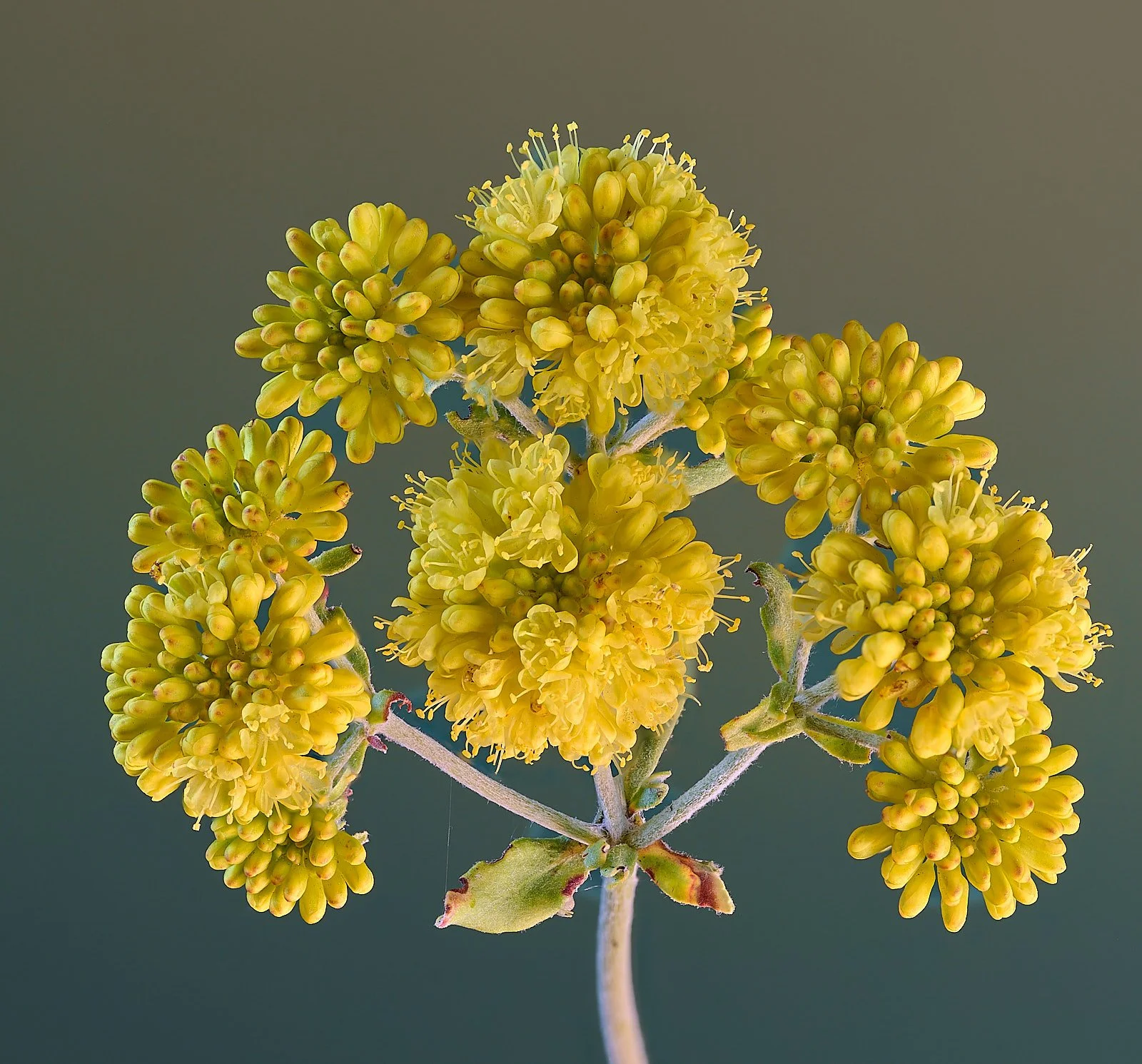
Eriogonum umbellatum, var. argus
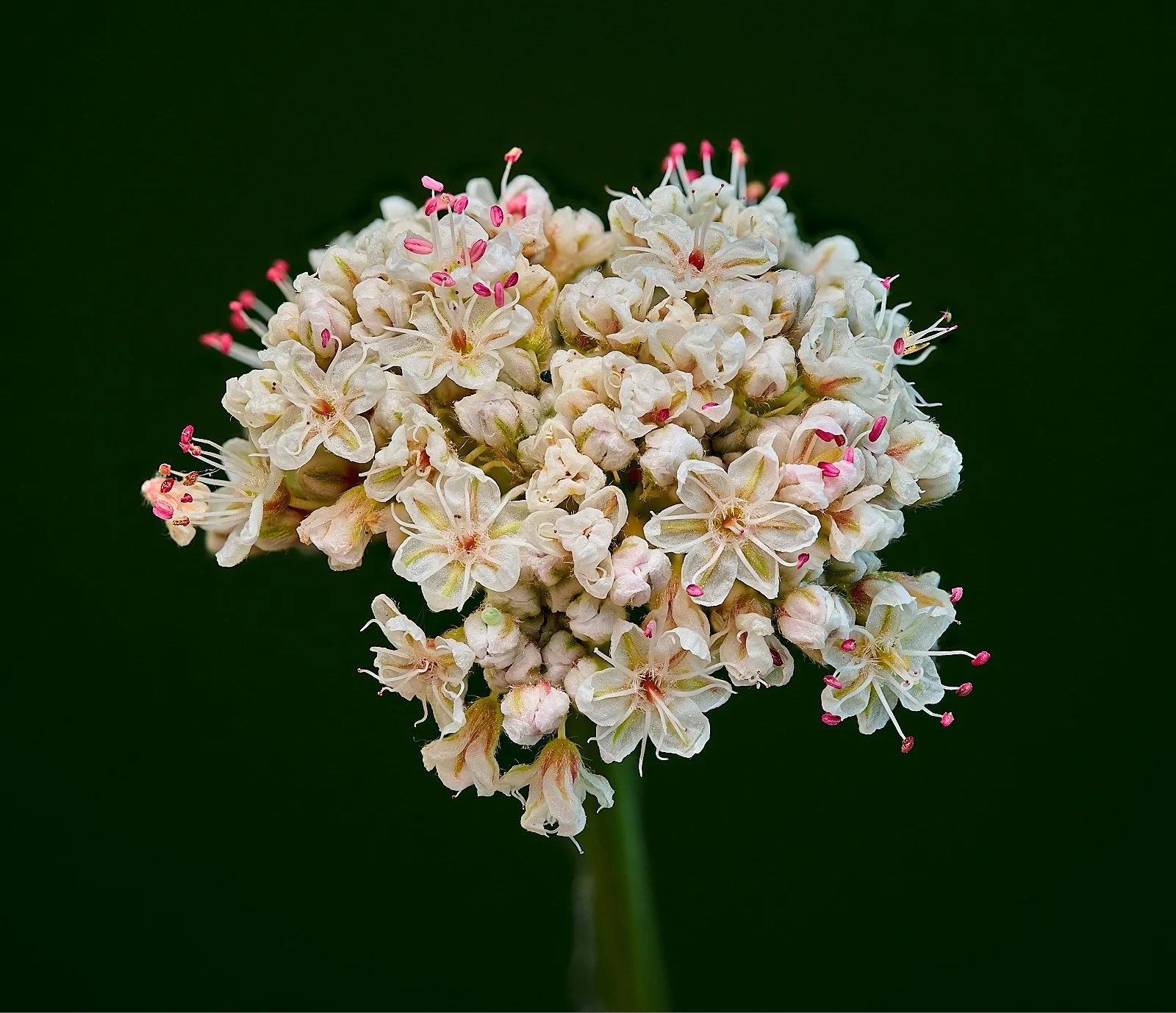
Erigonum nudum, var. nudum
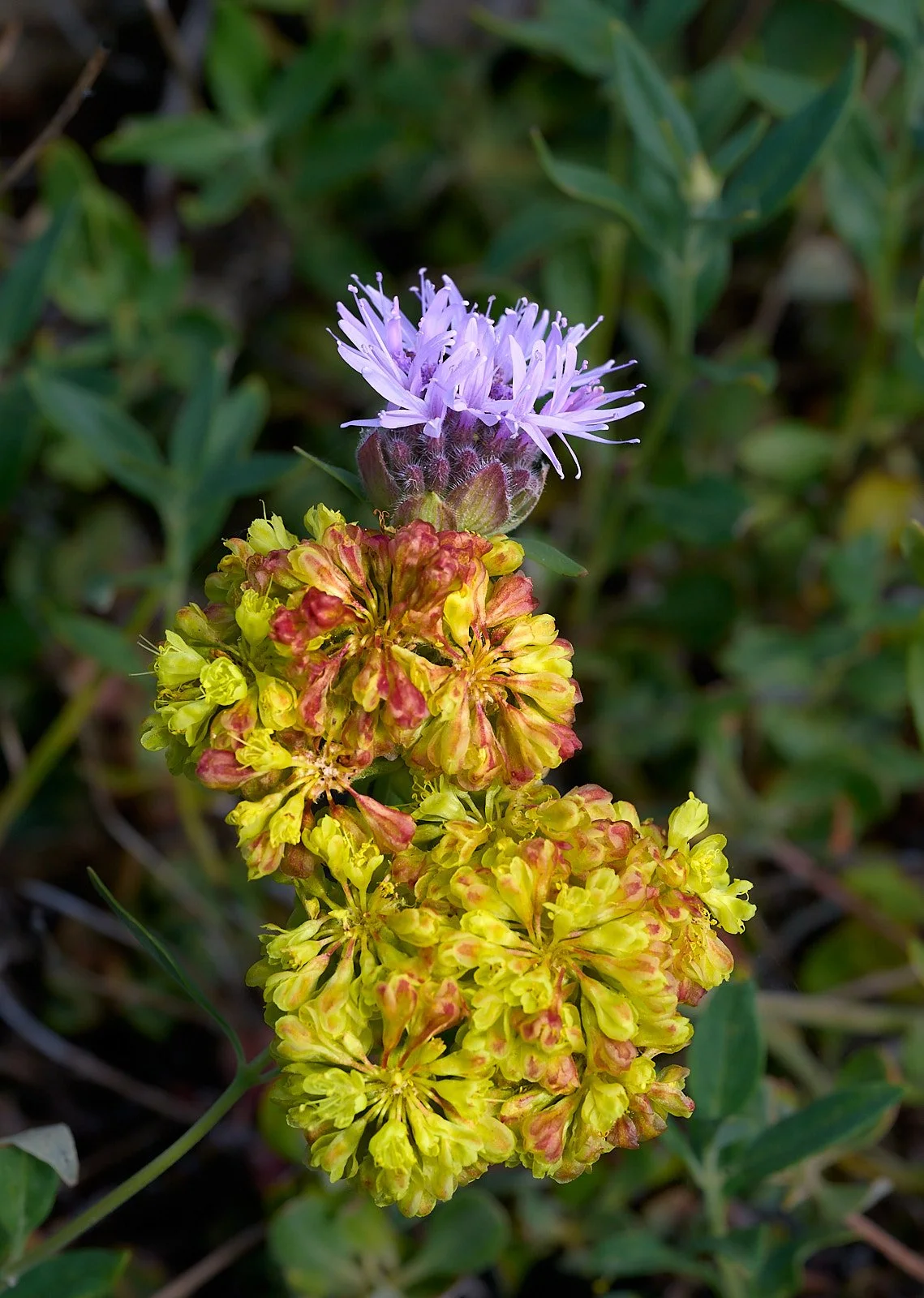
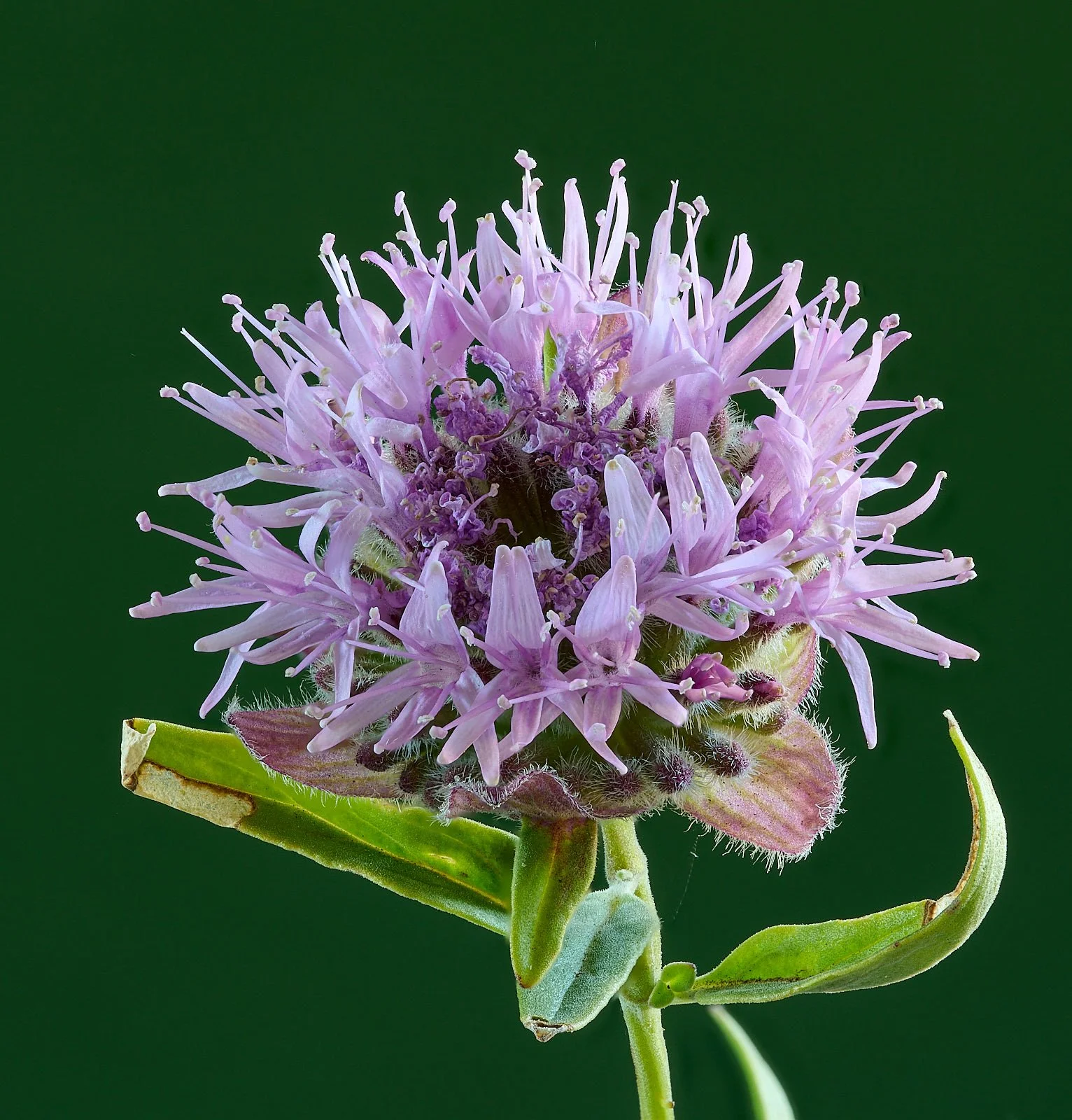
Buckwheat and coyote mint
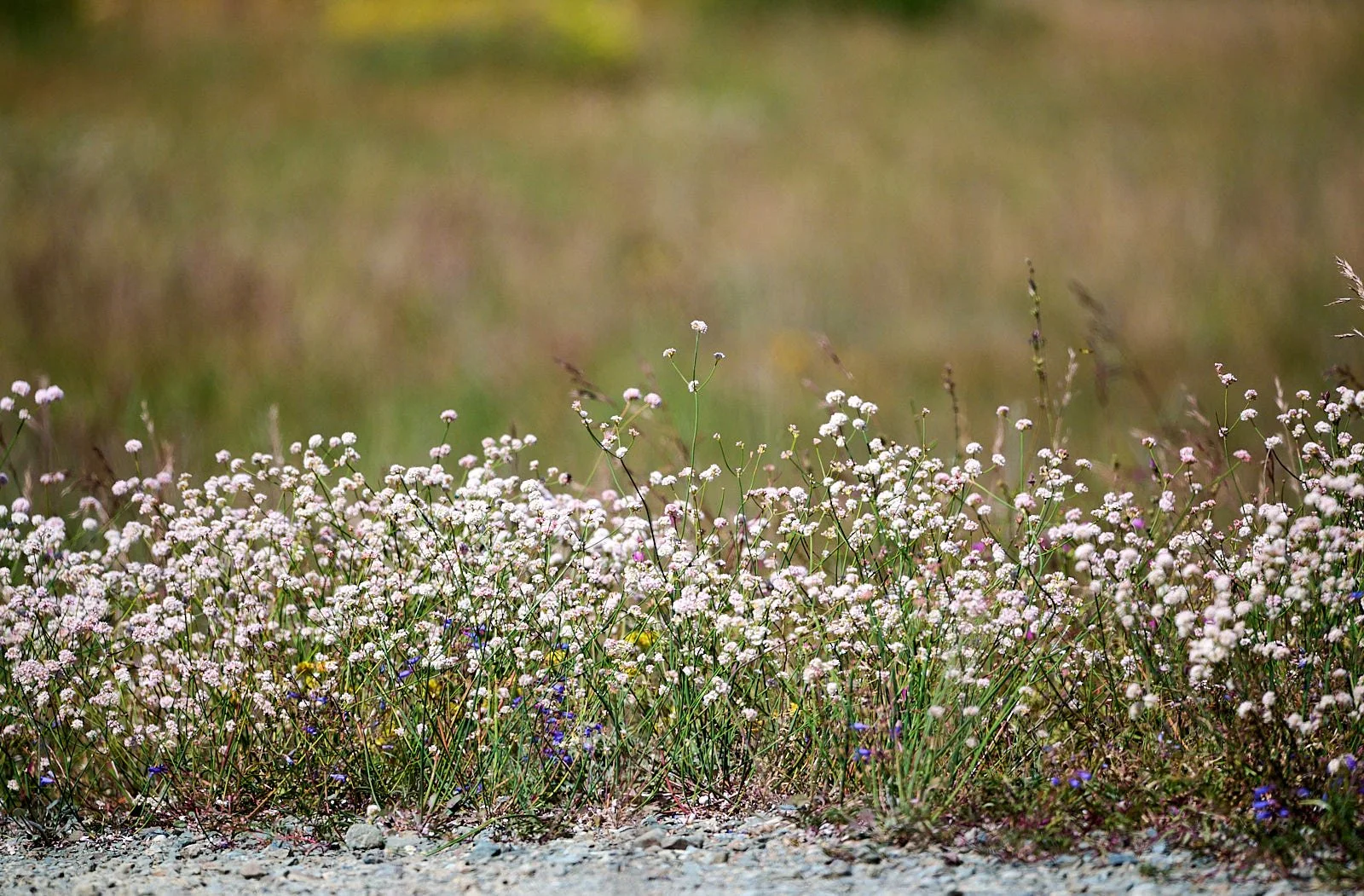
Erigonum nudum, var. nudum
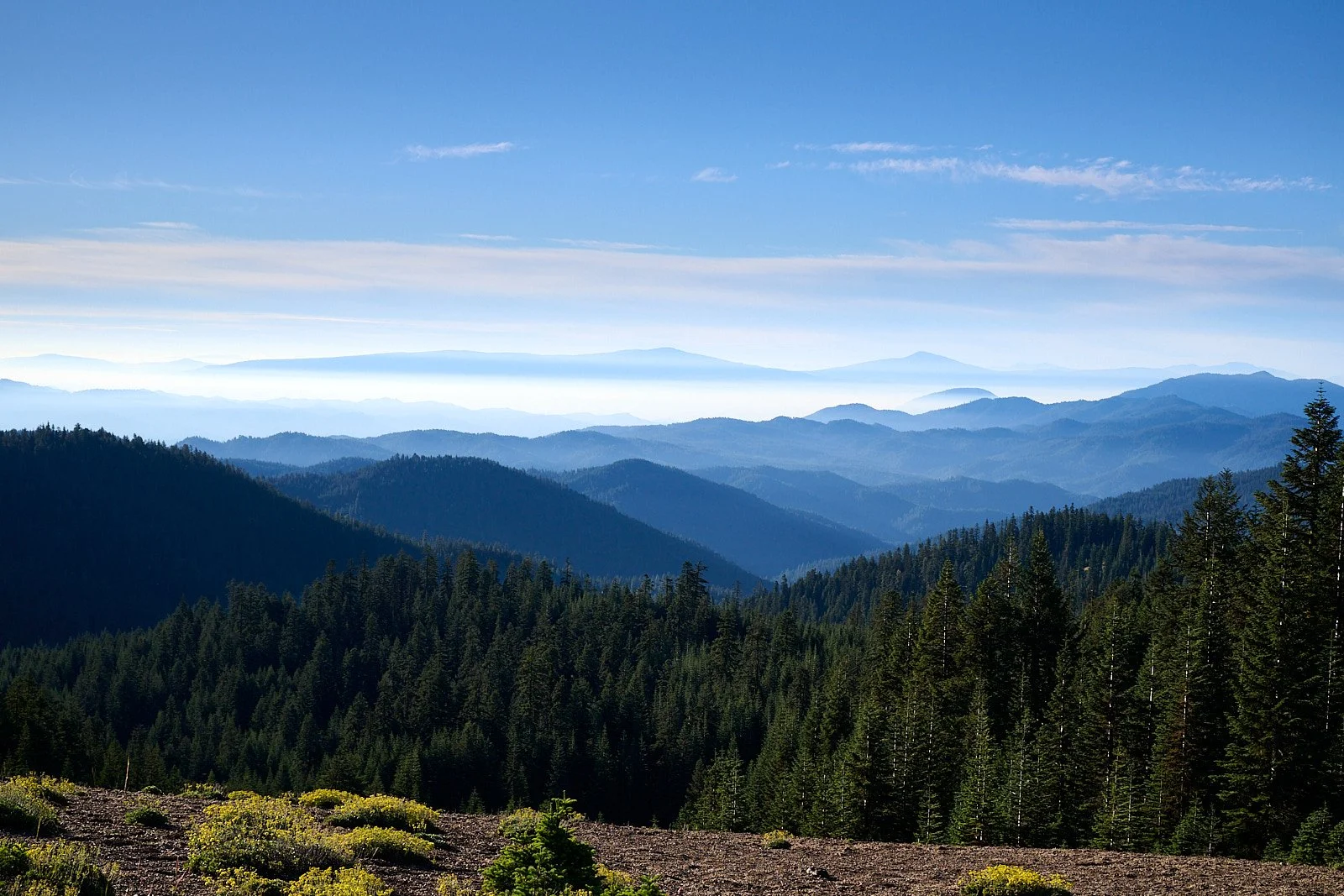
Buckwheat stabilizing bare soil.
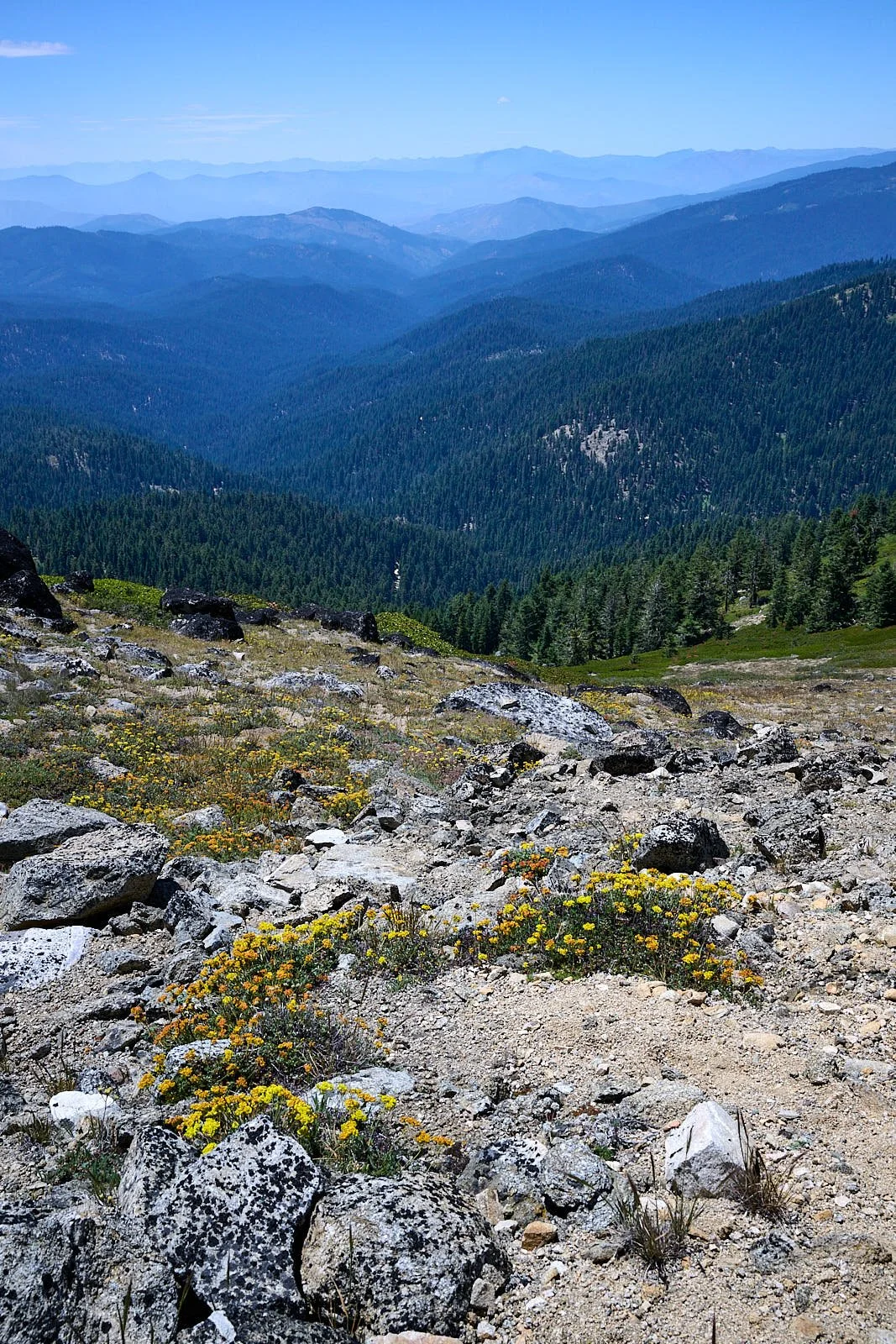
Eriogonum on the south-facing slope of Mount Ashland.
Flower Power
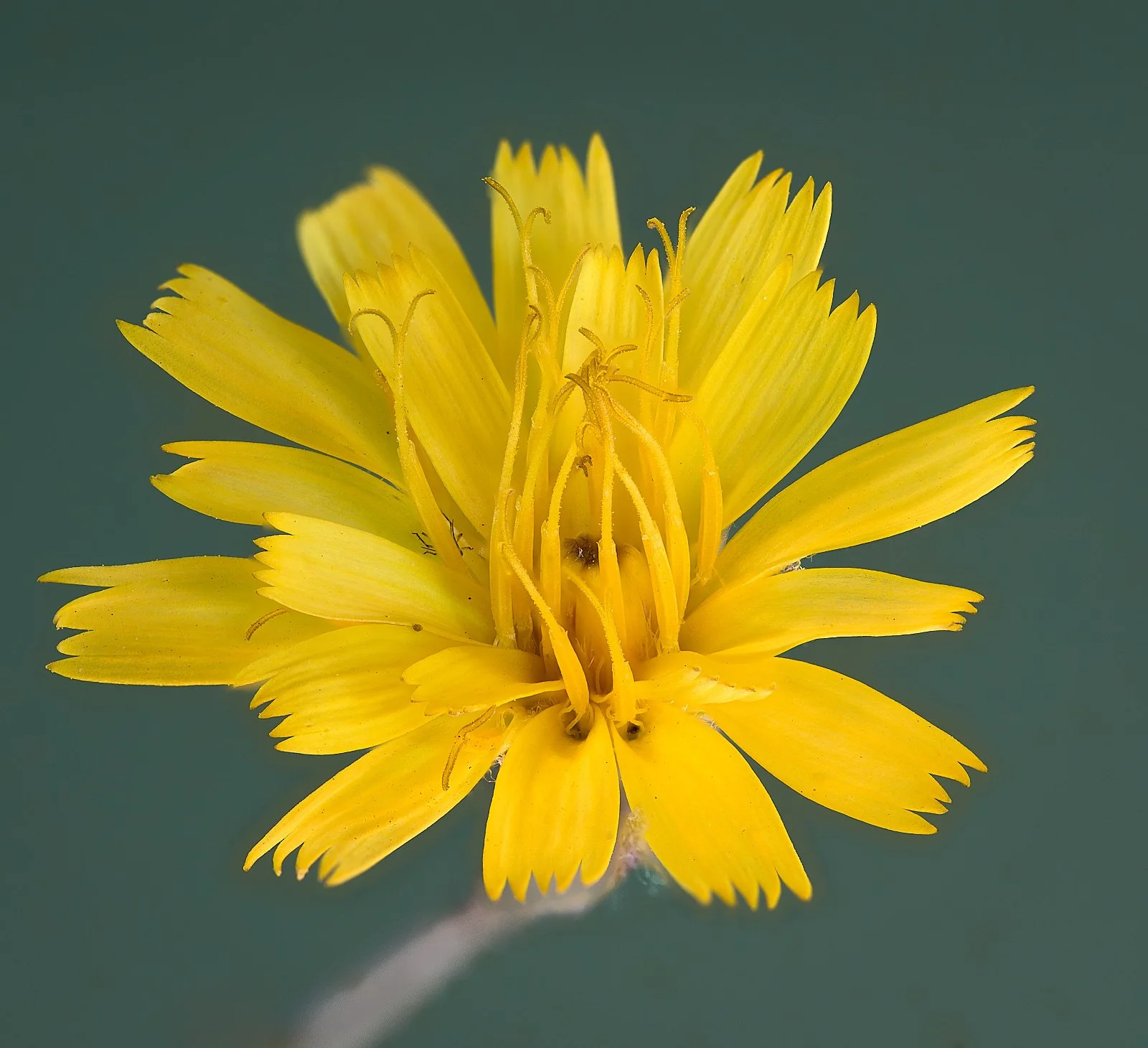
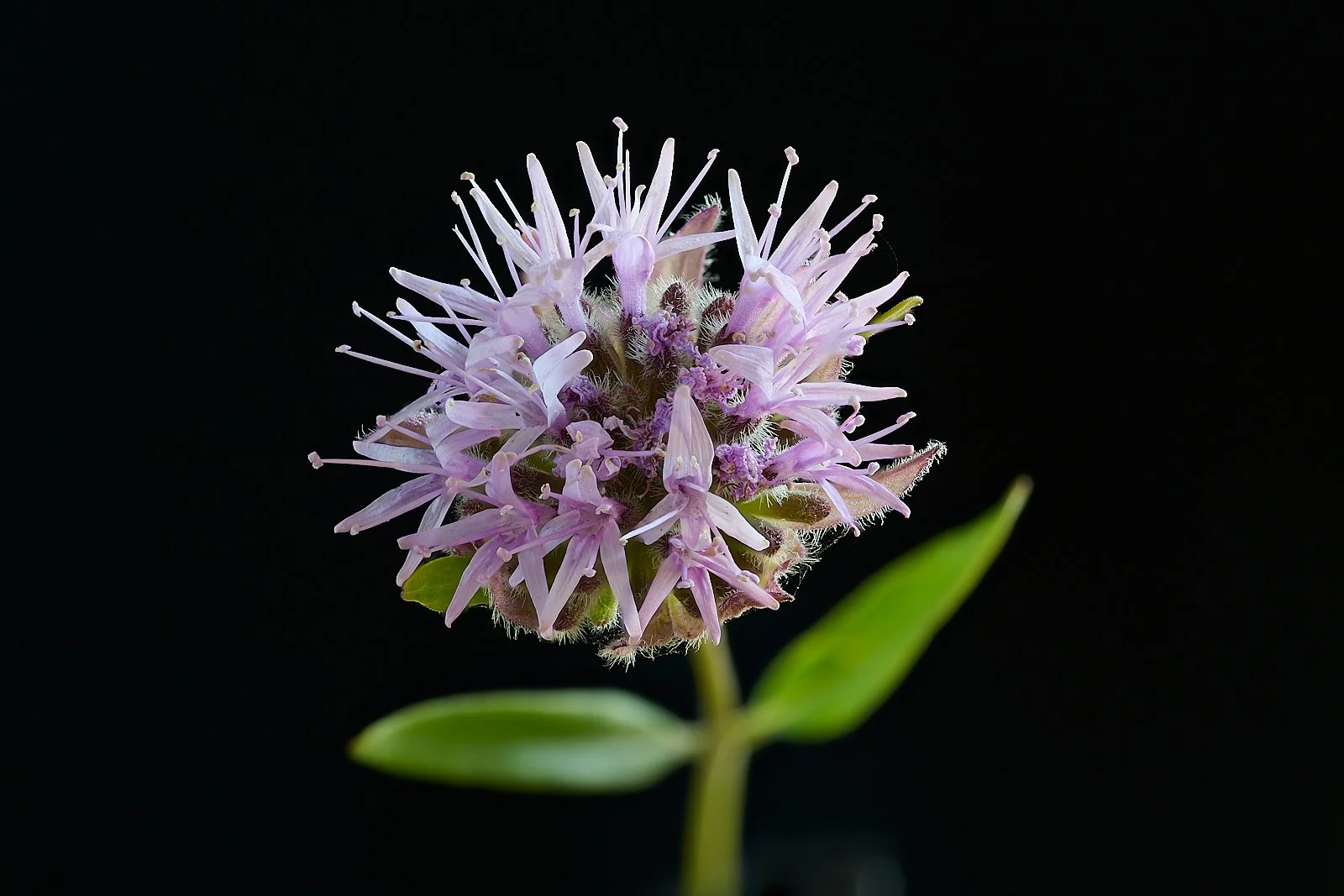
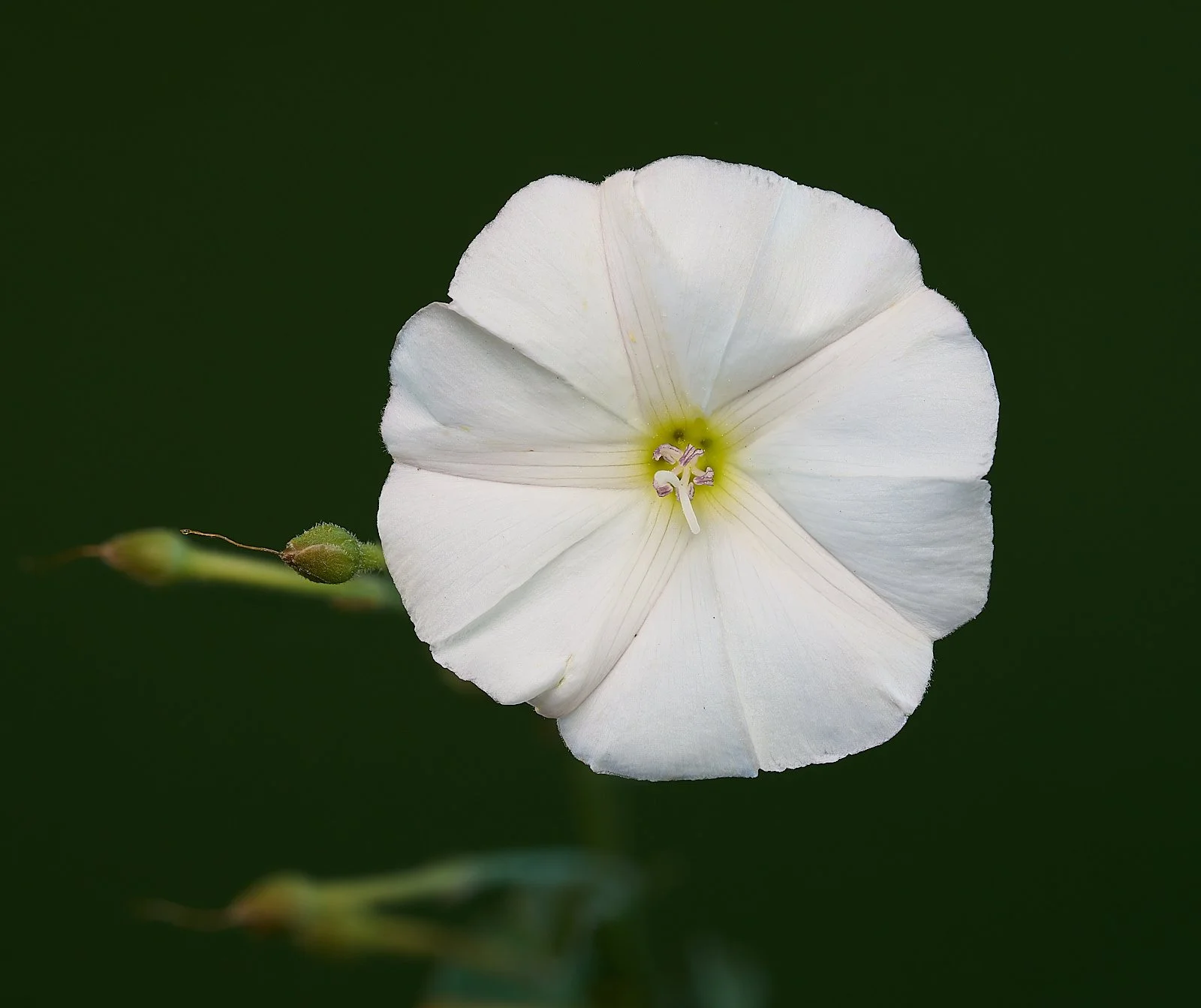
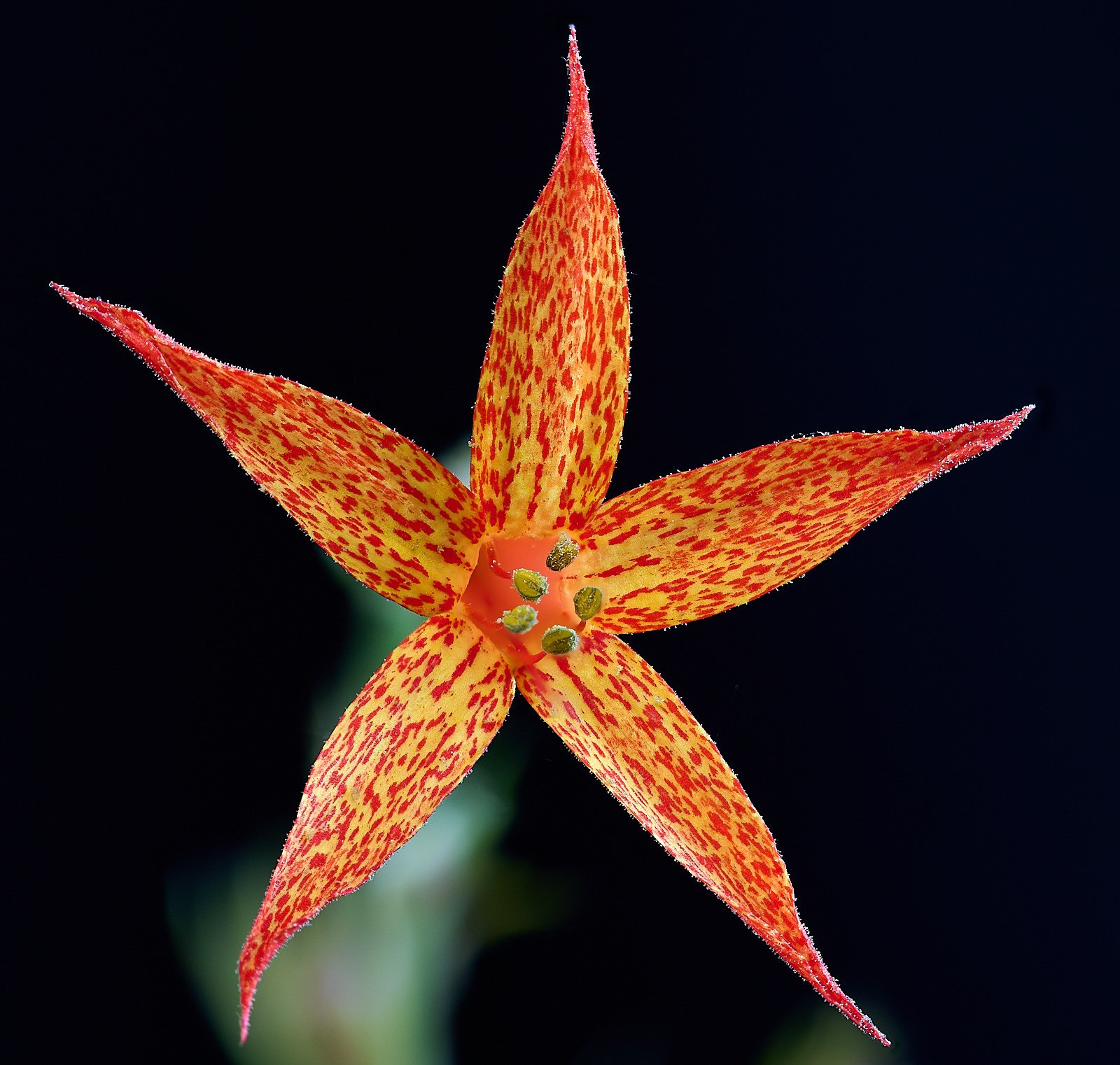
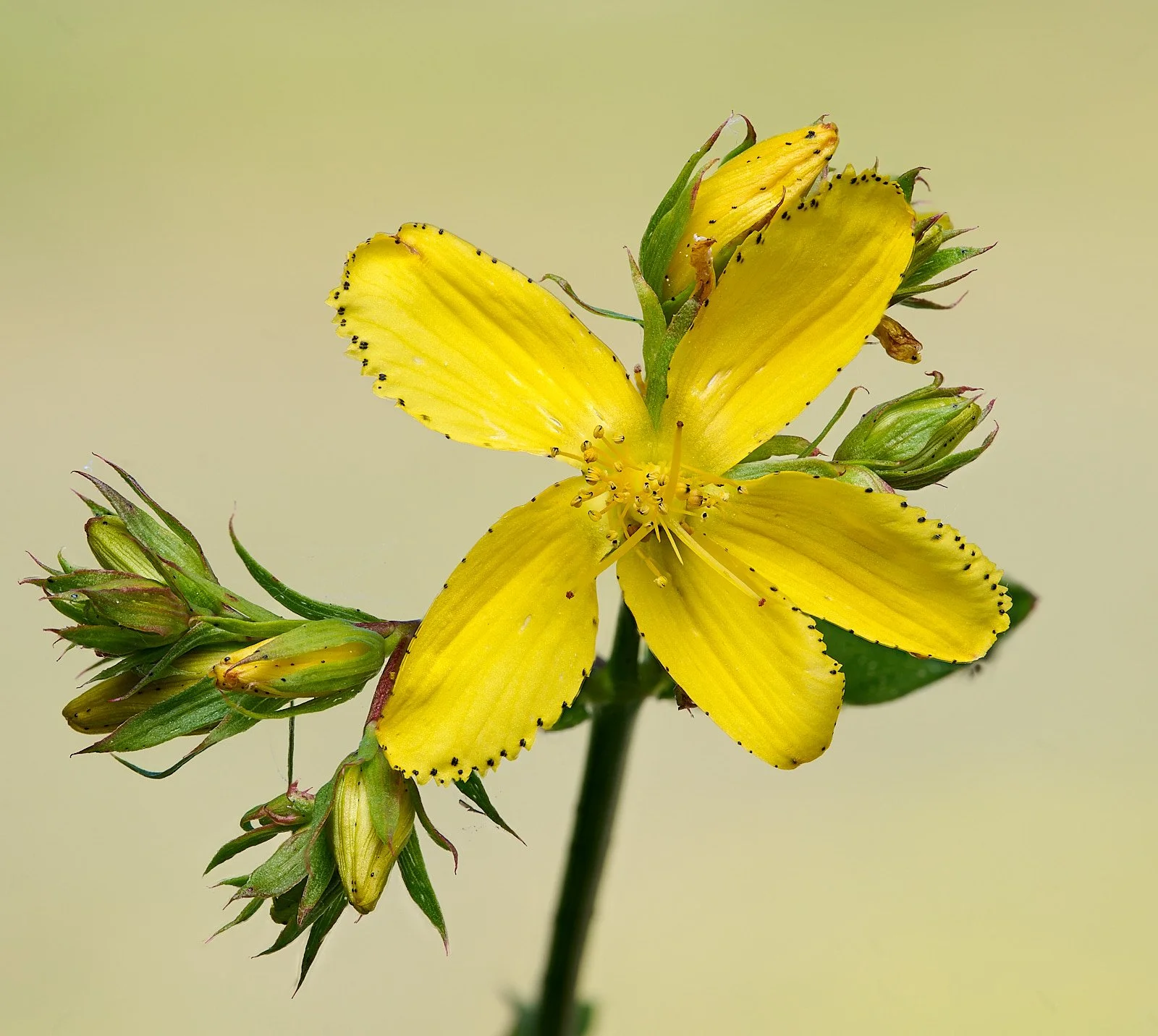
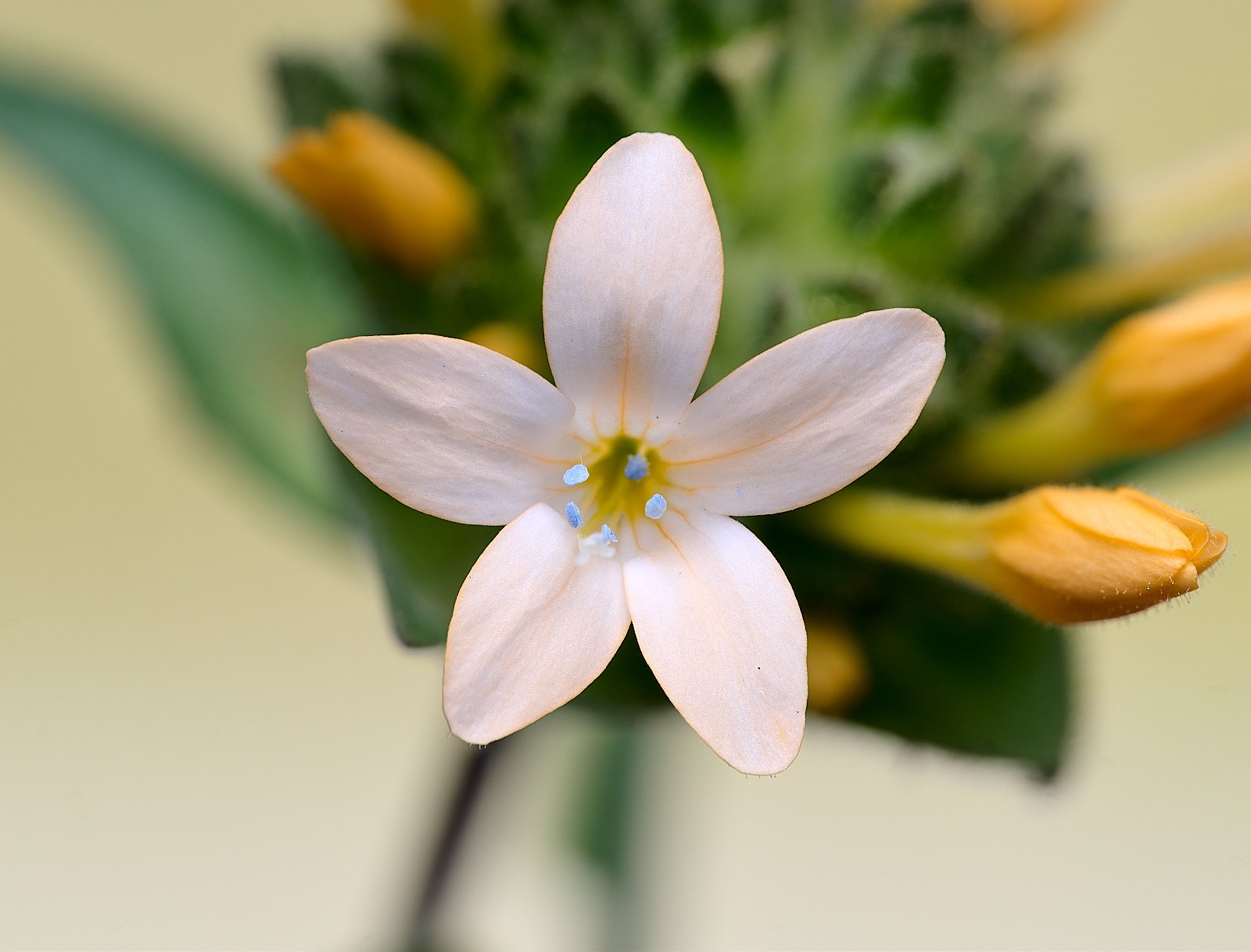
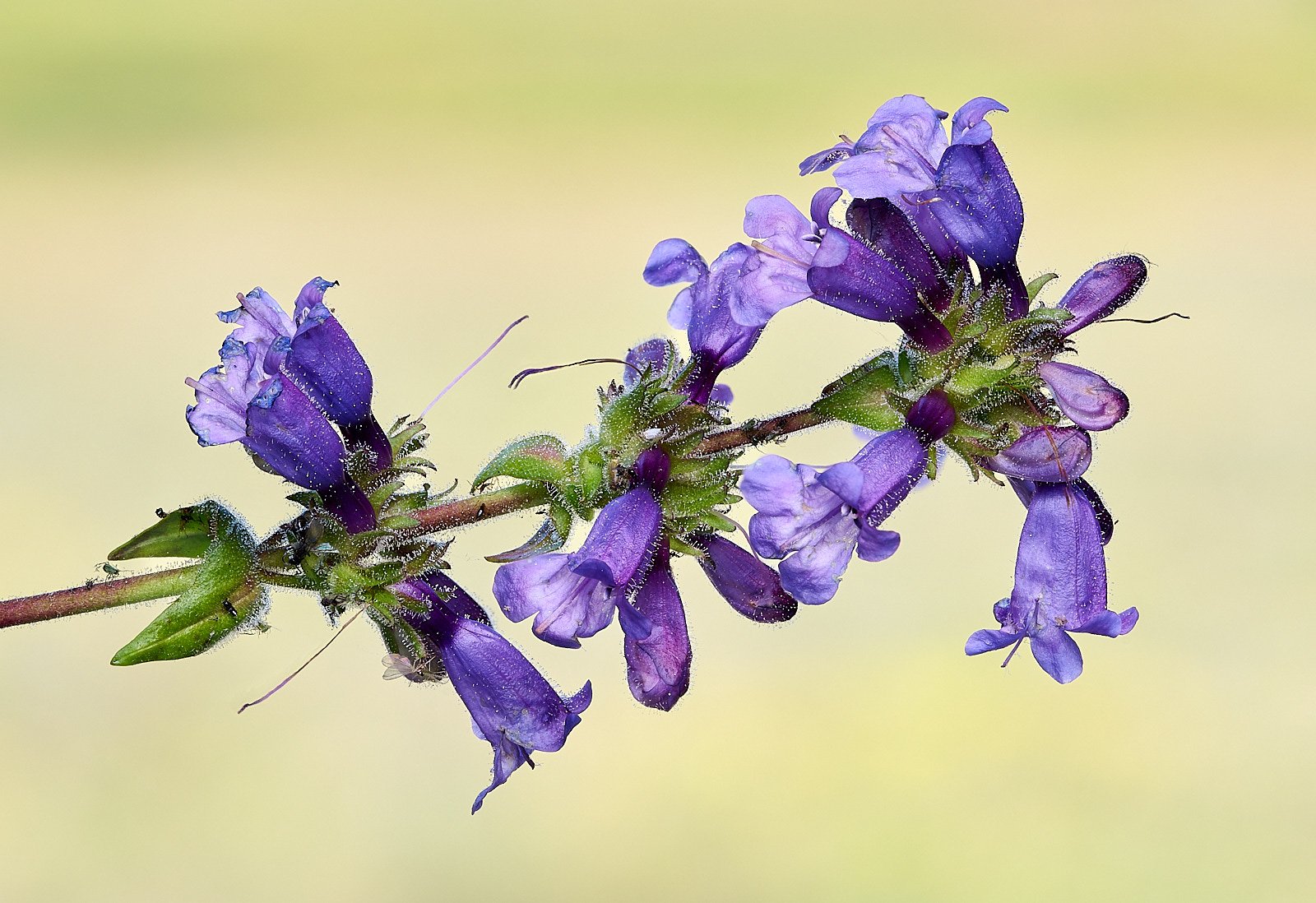
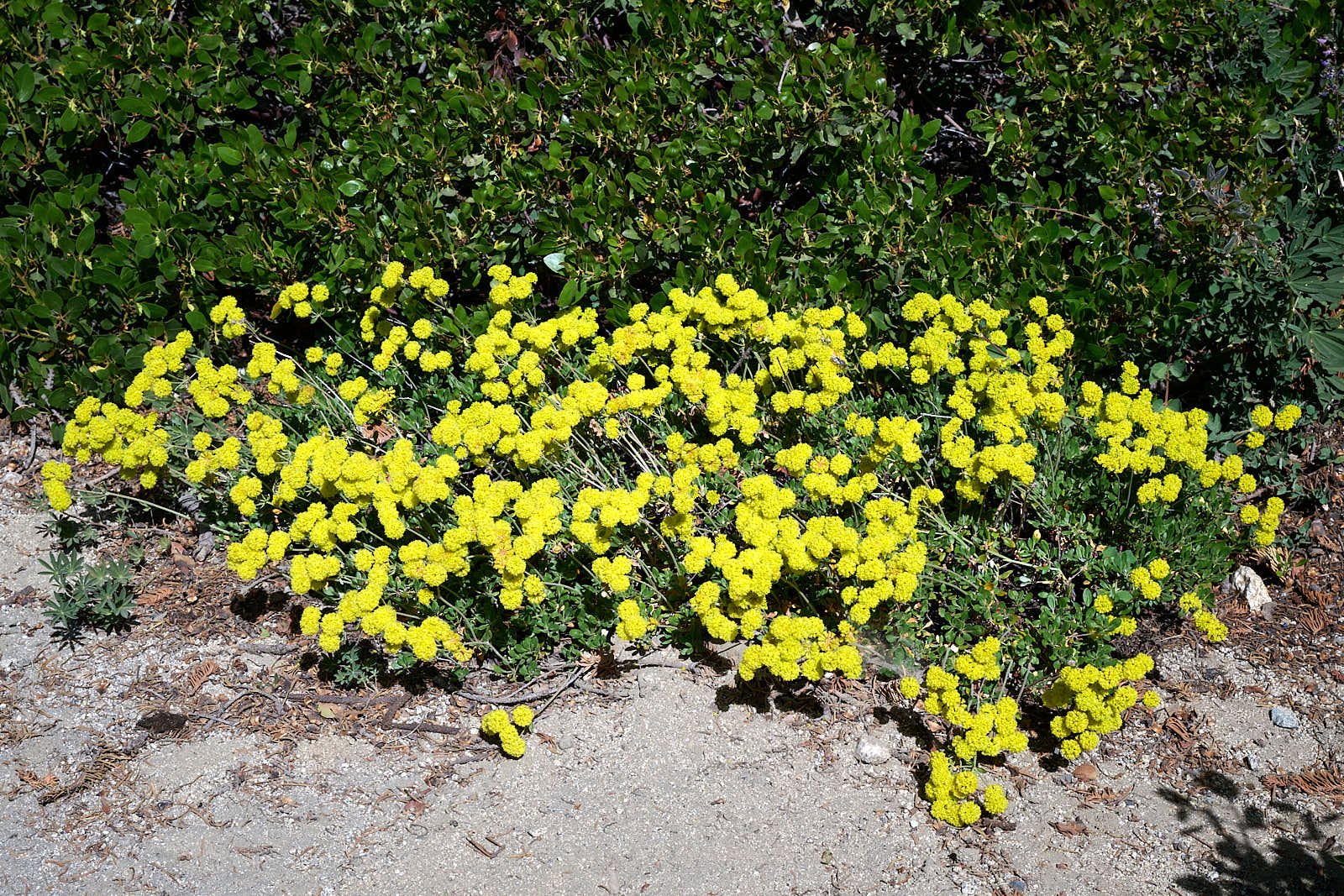
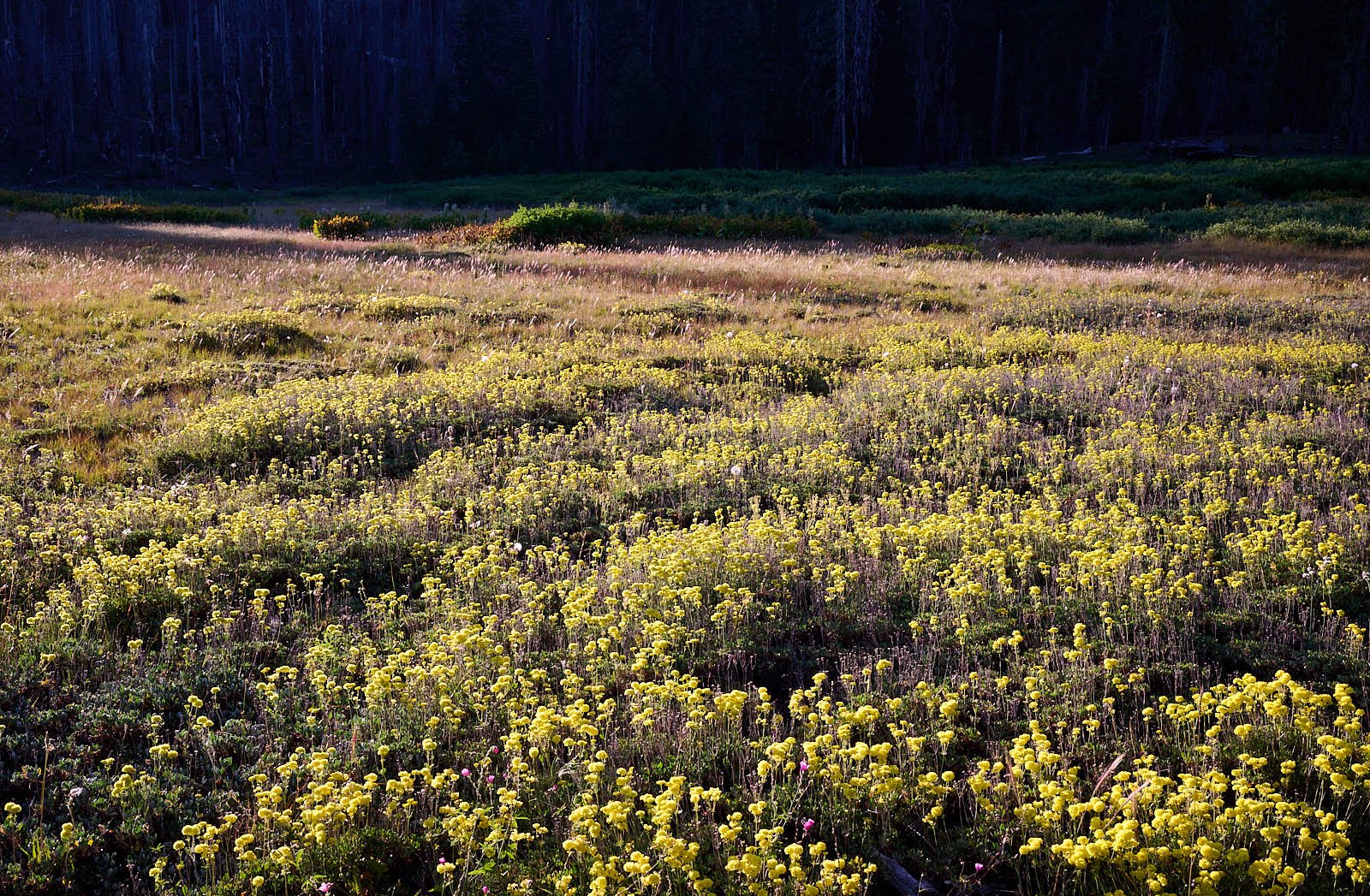
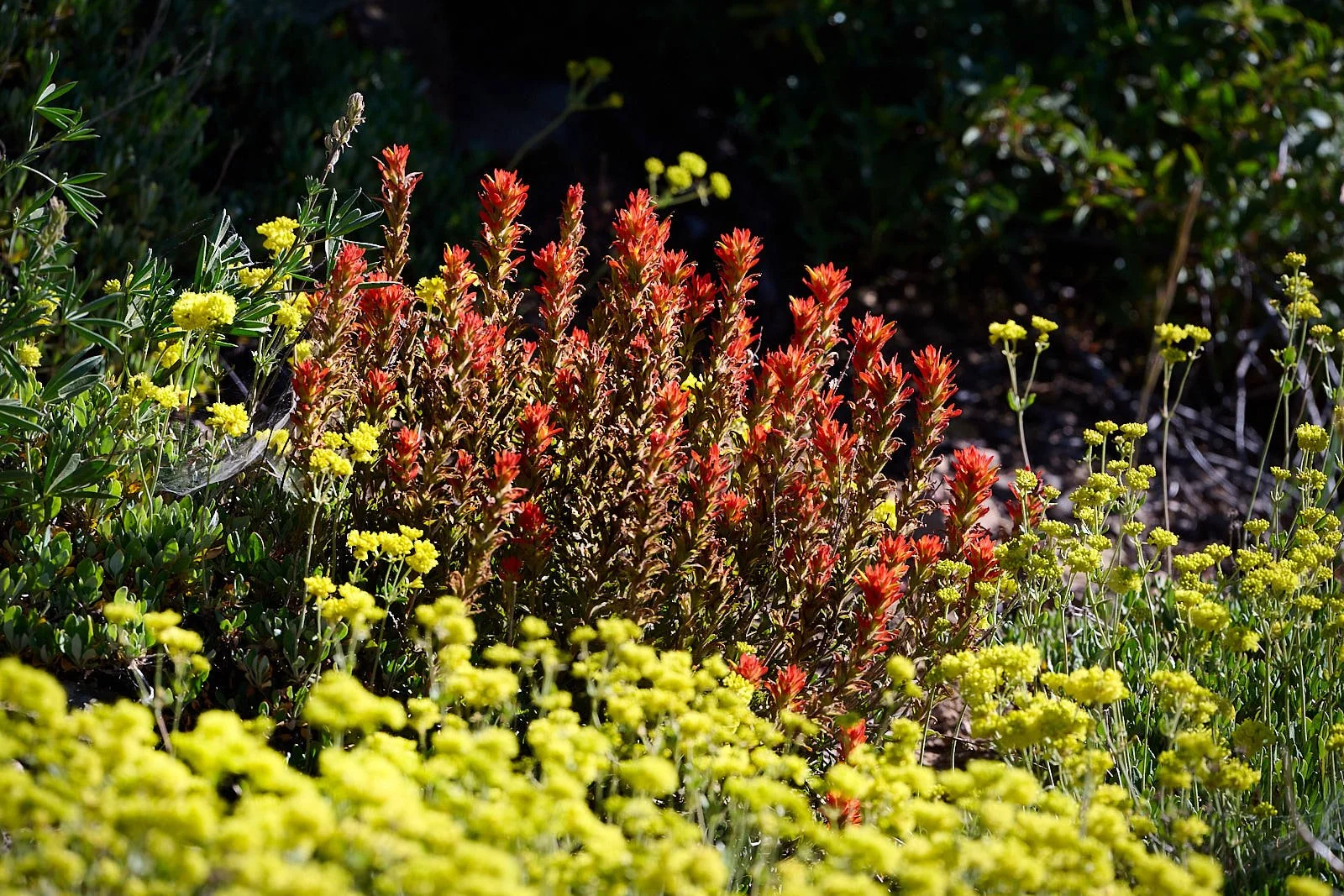
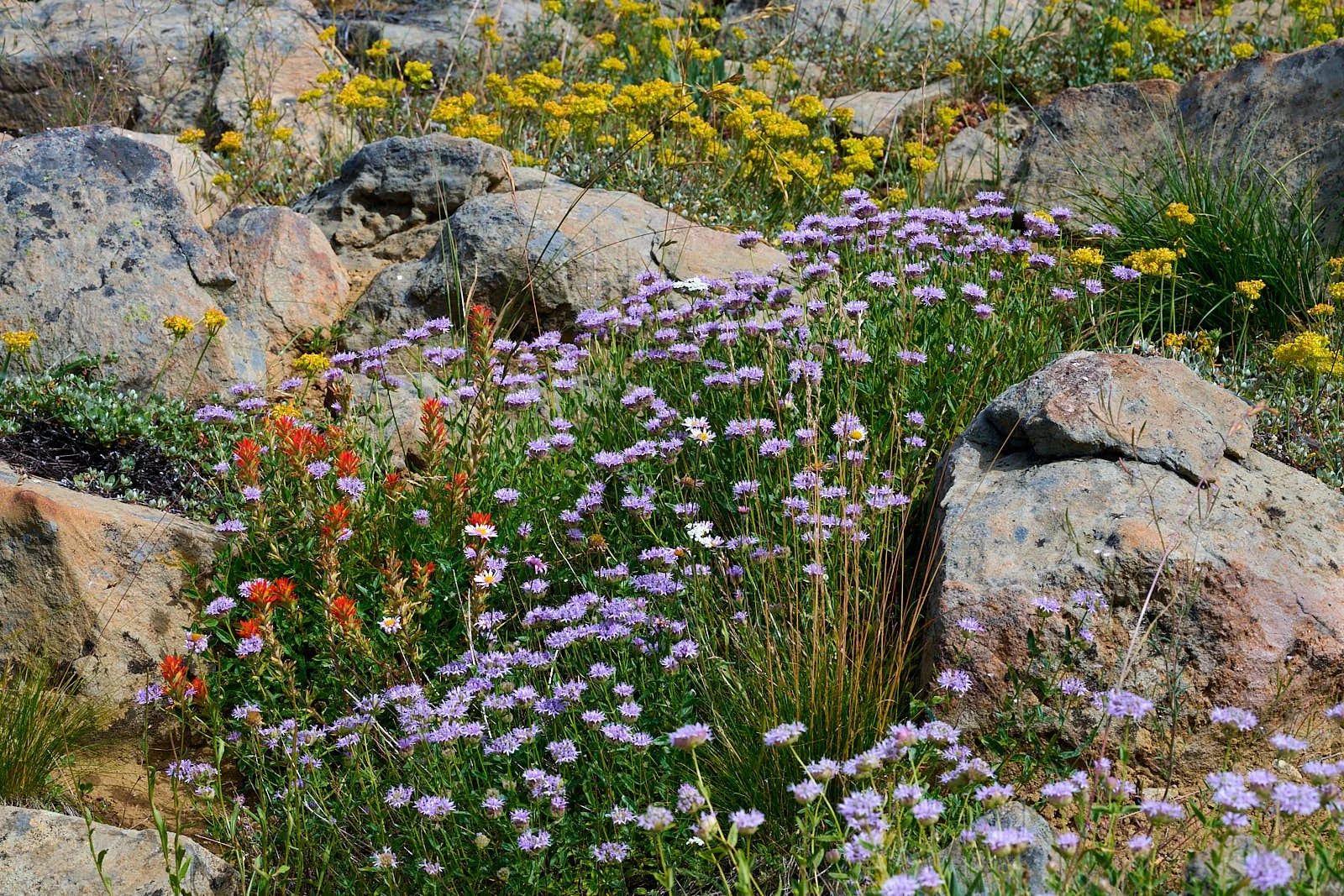
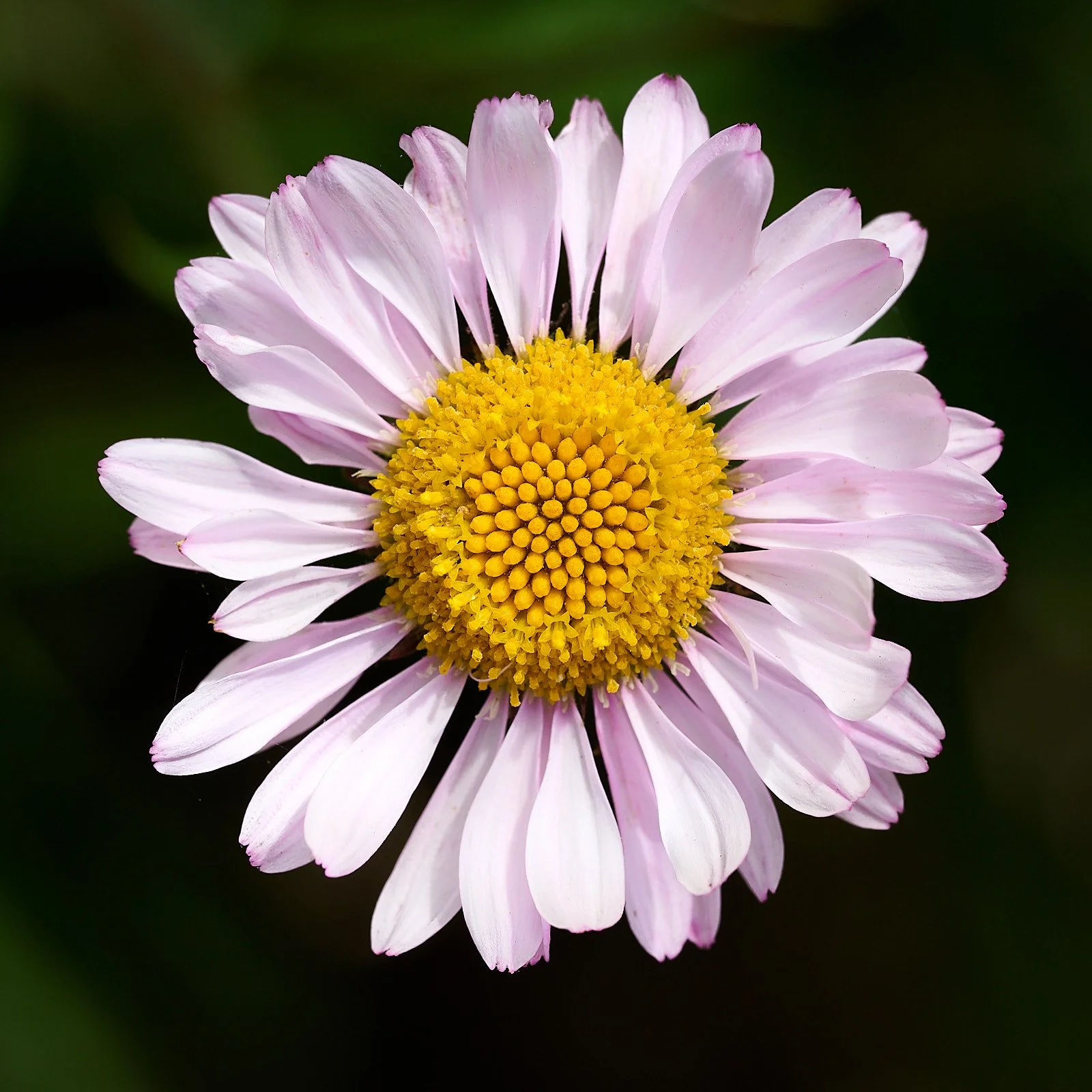
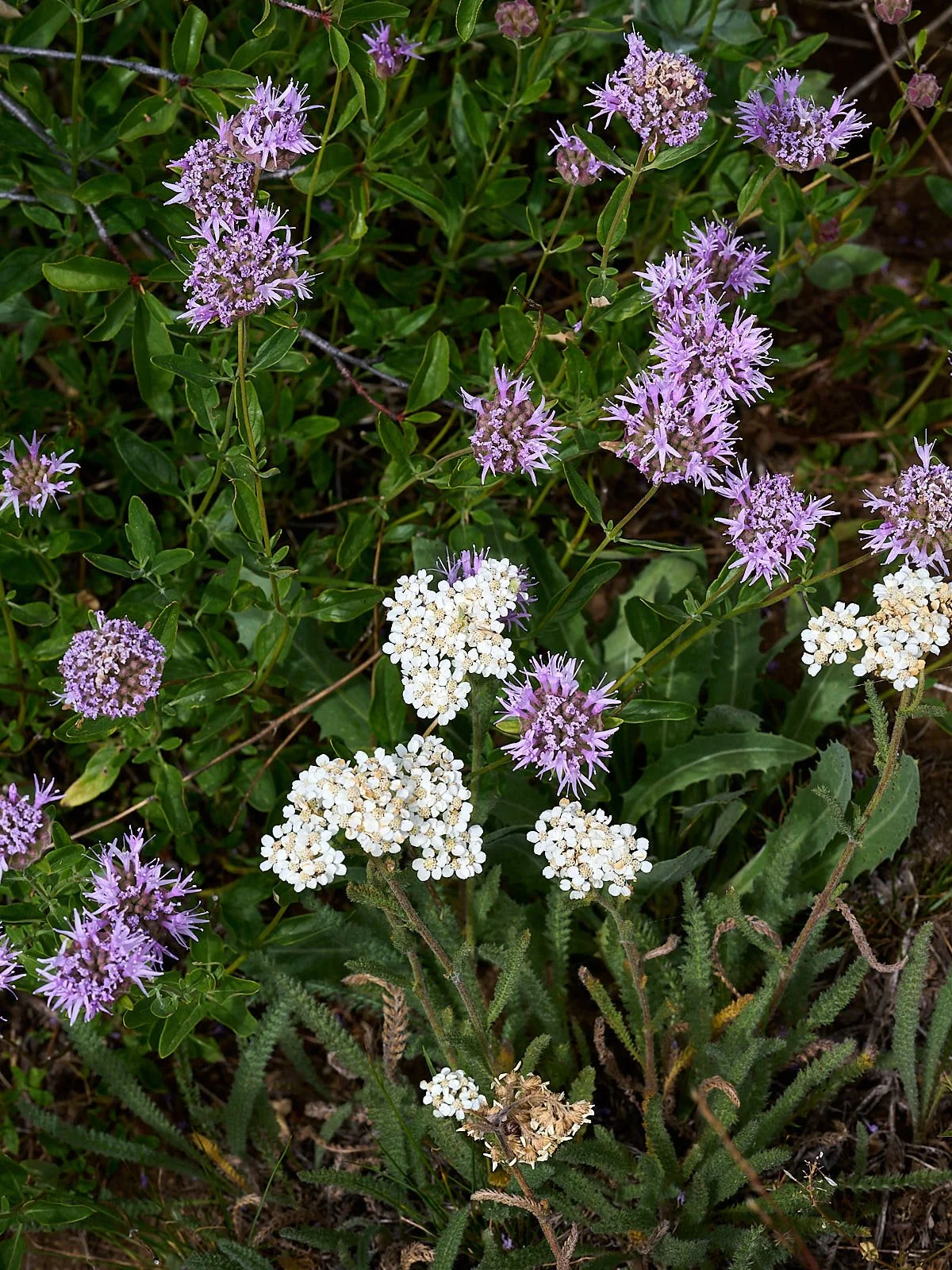
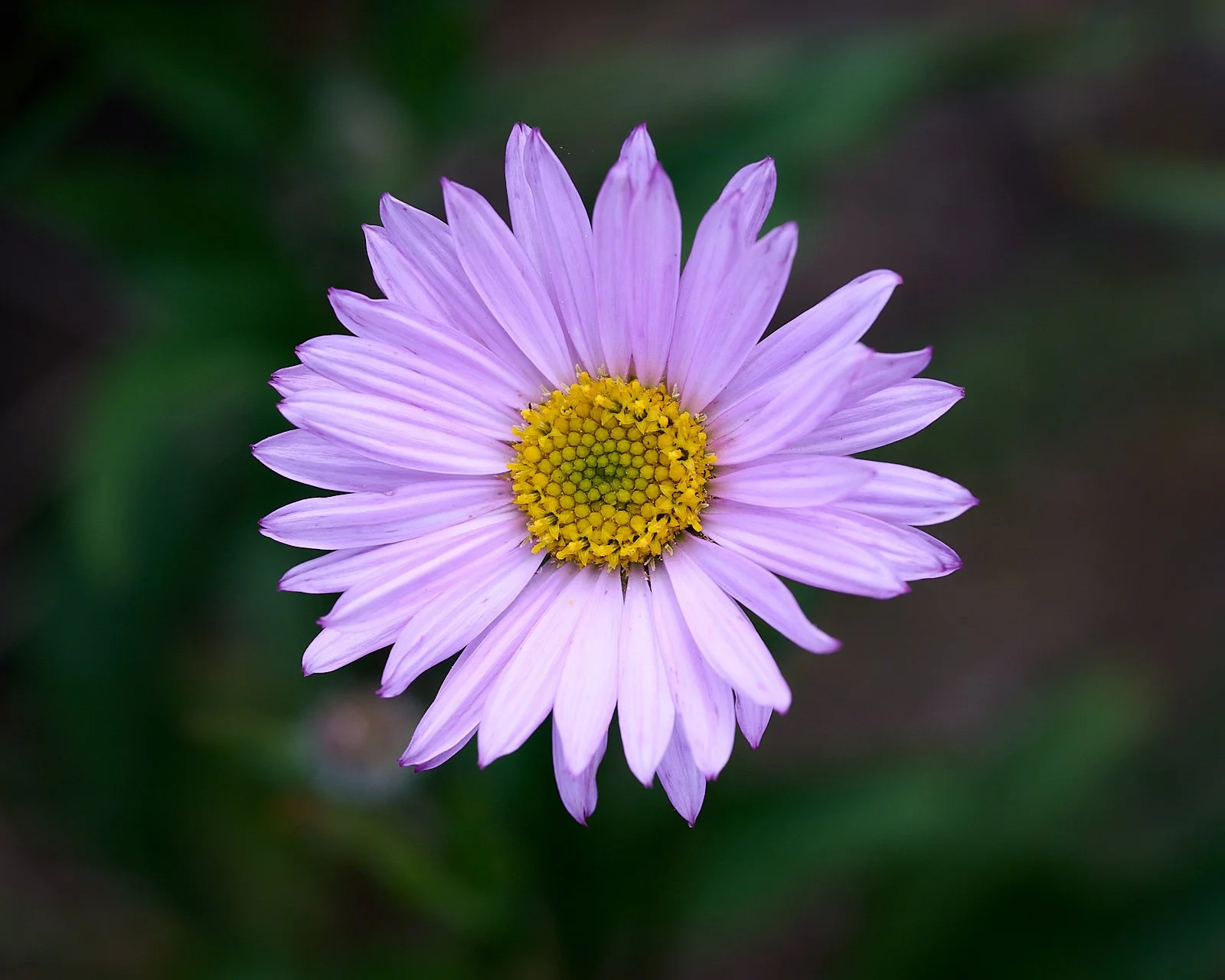
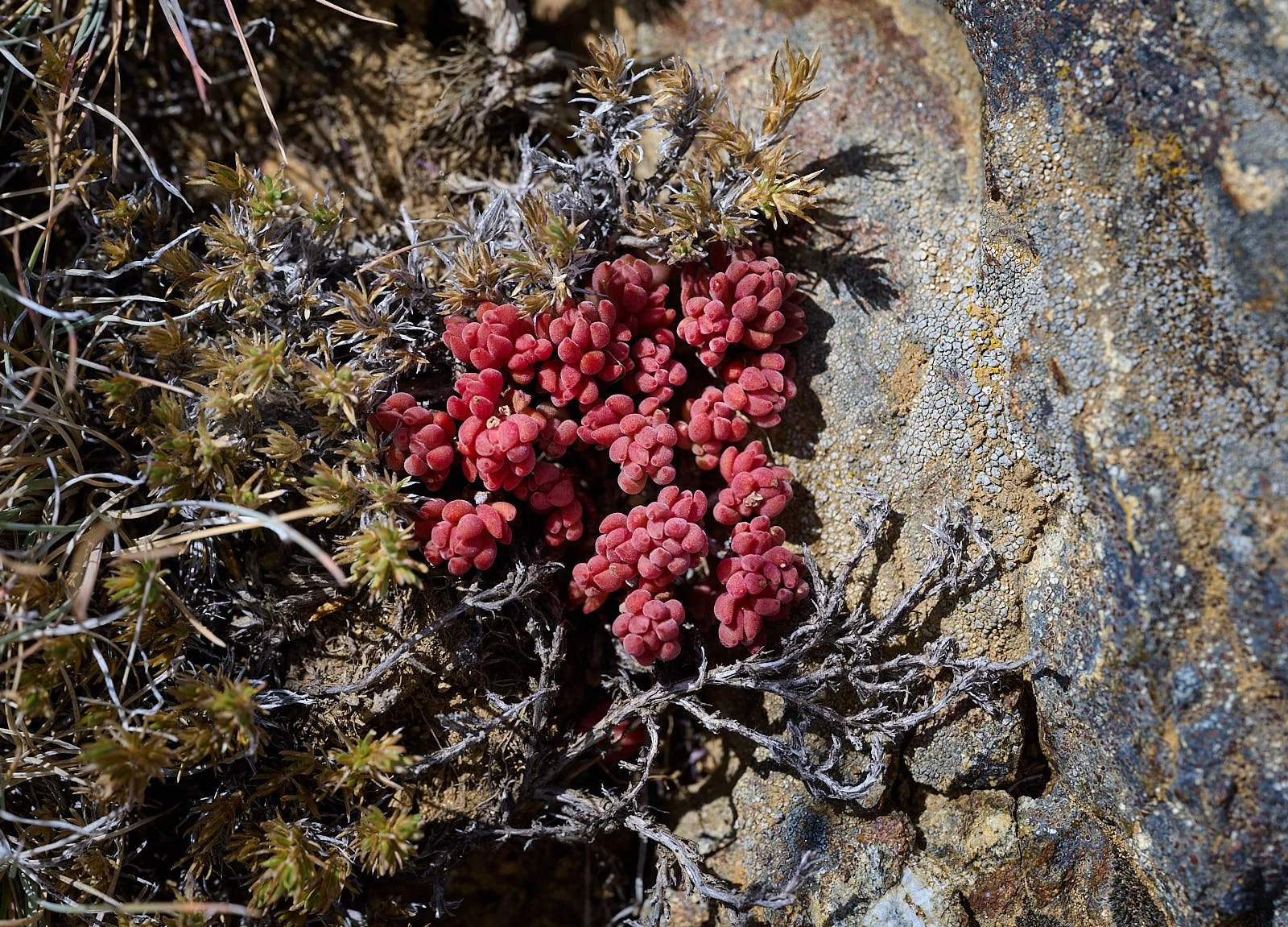
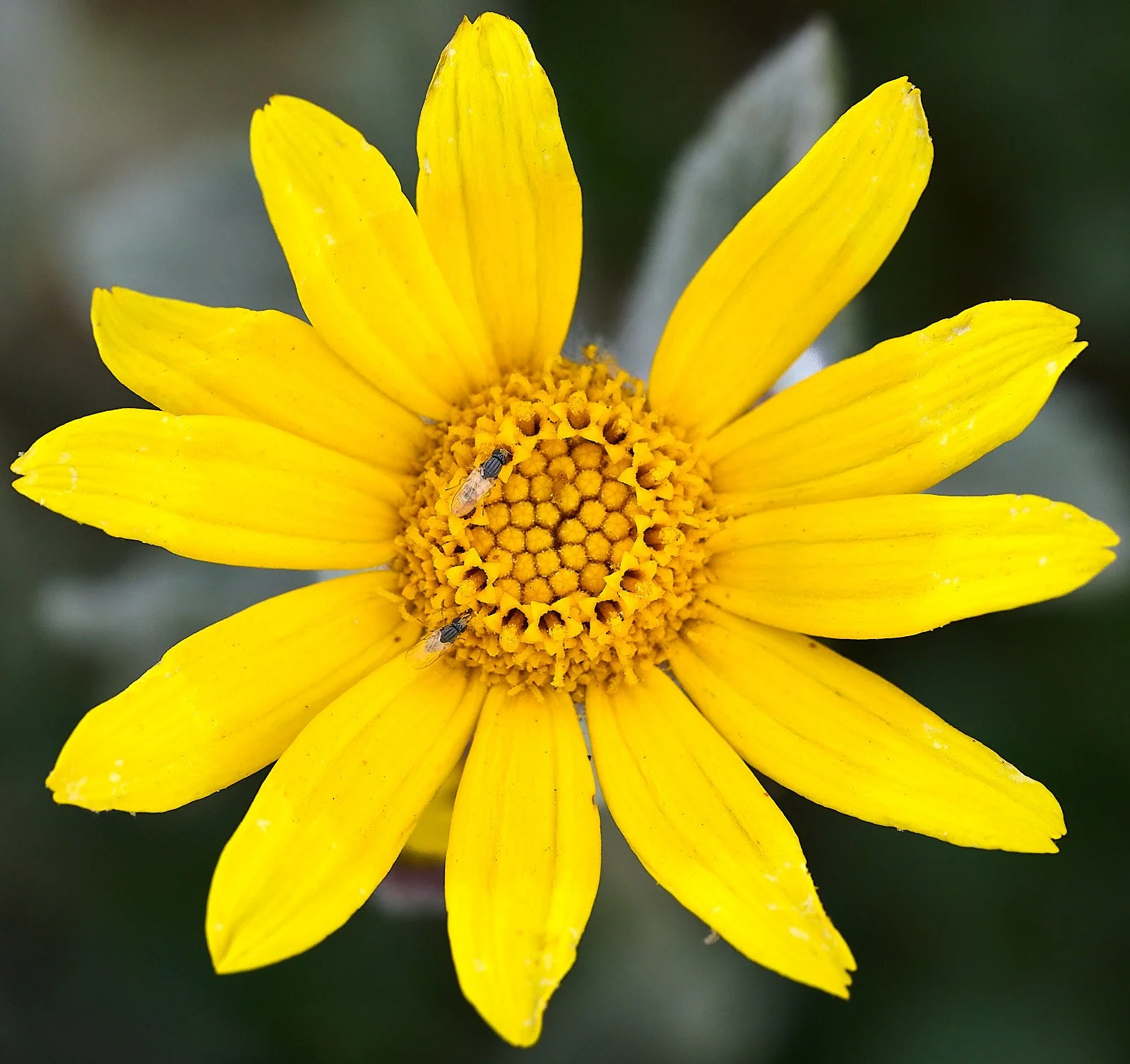
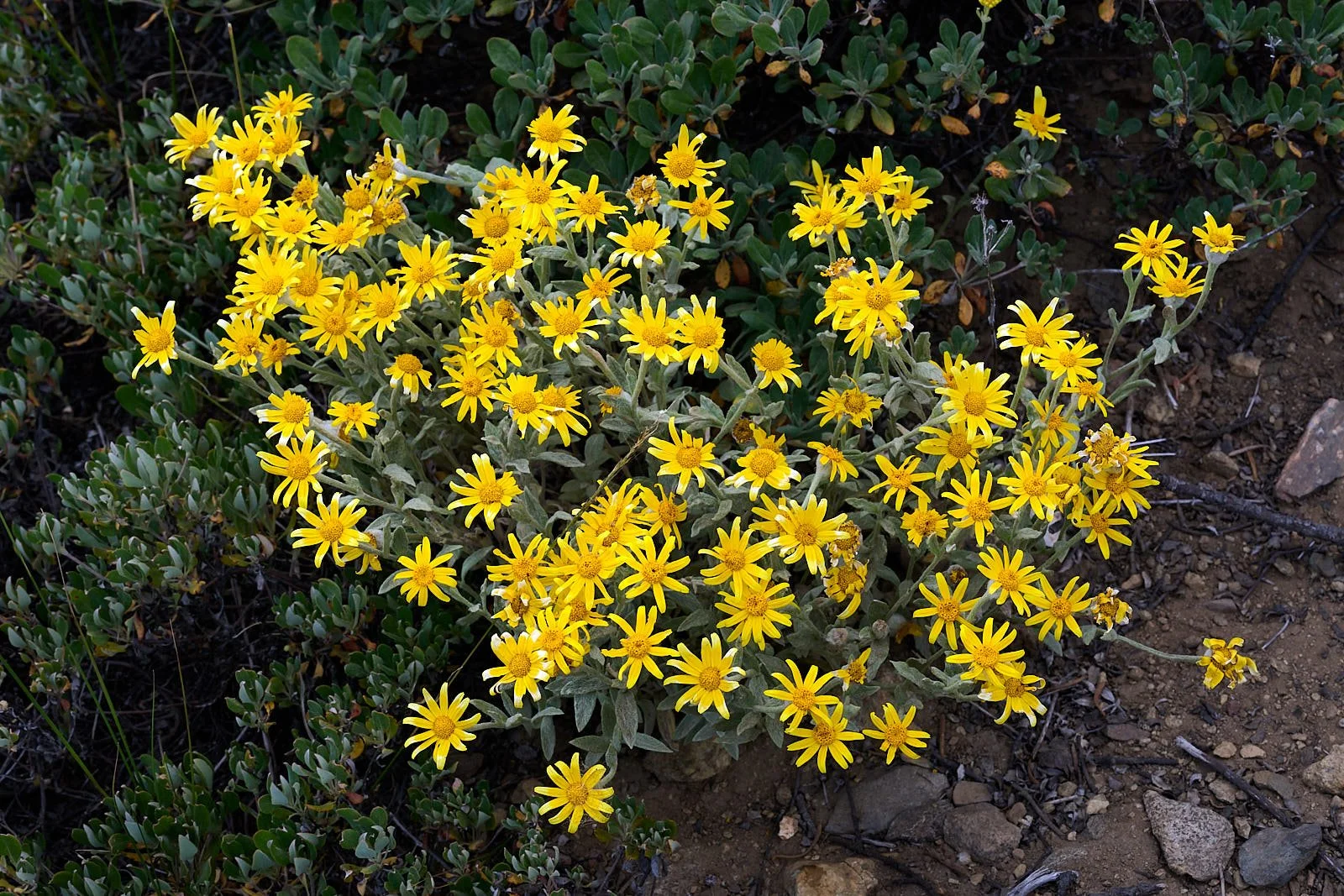
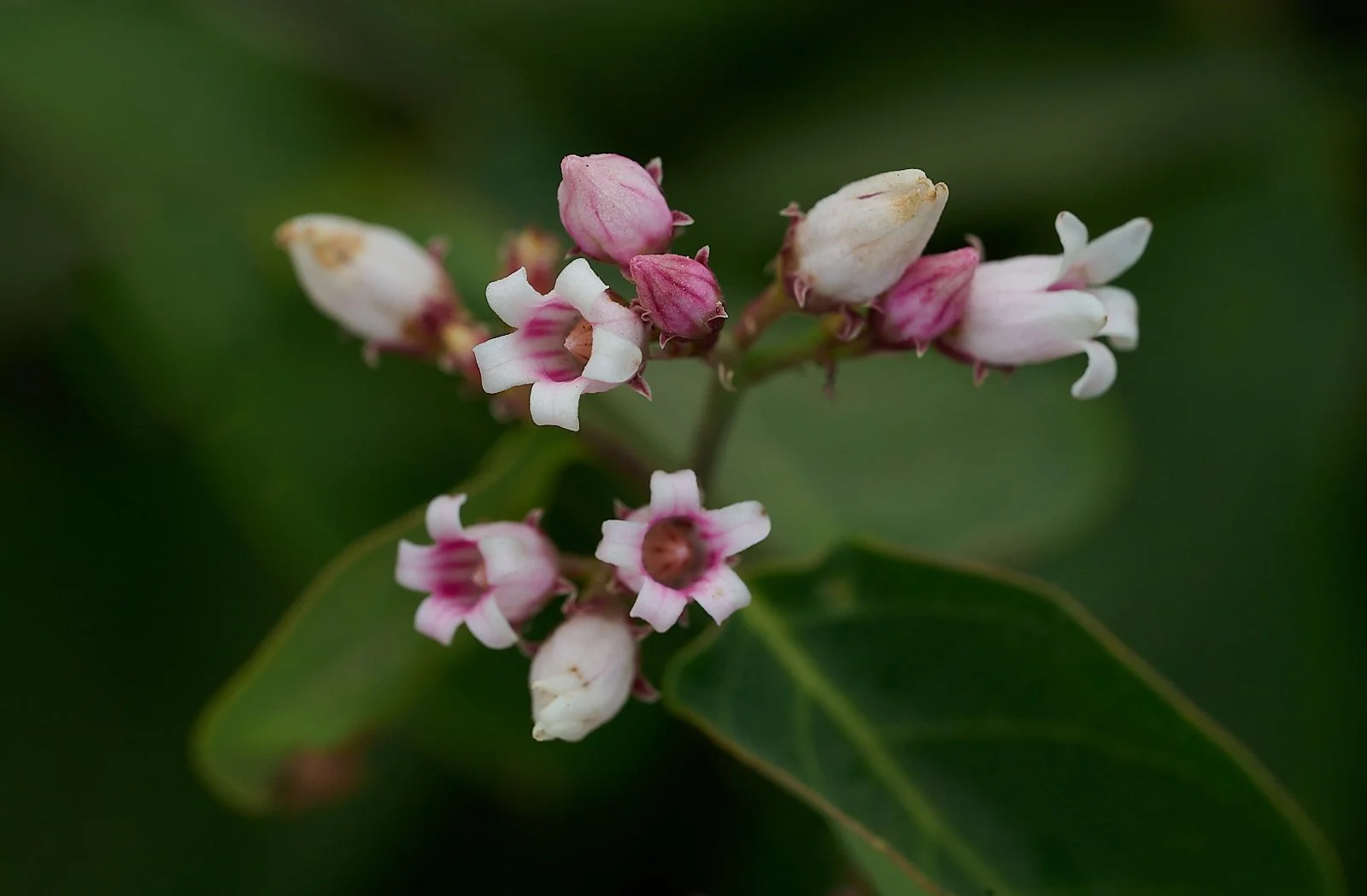
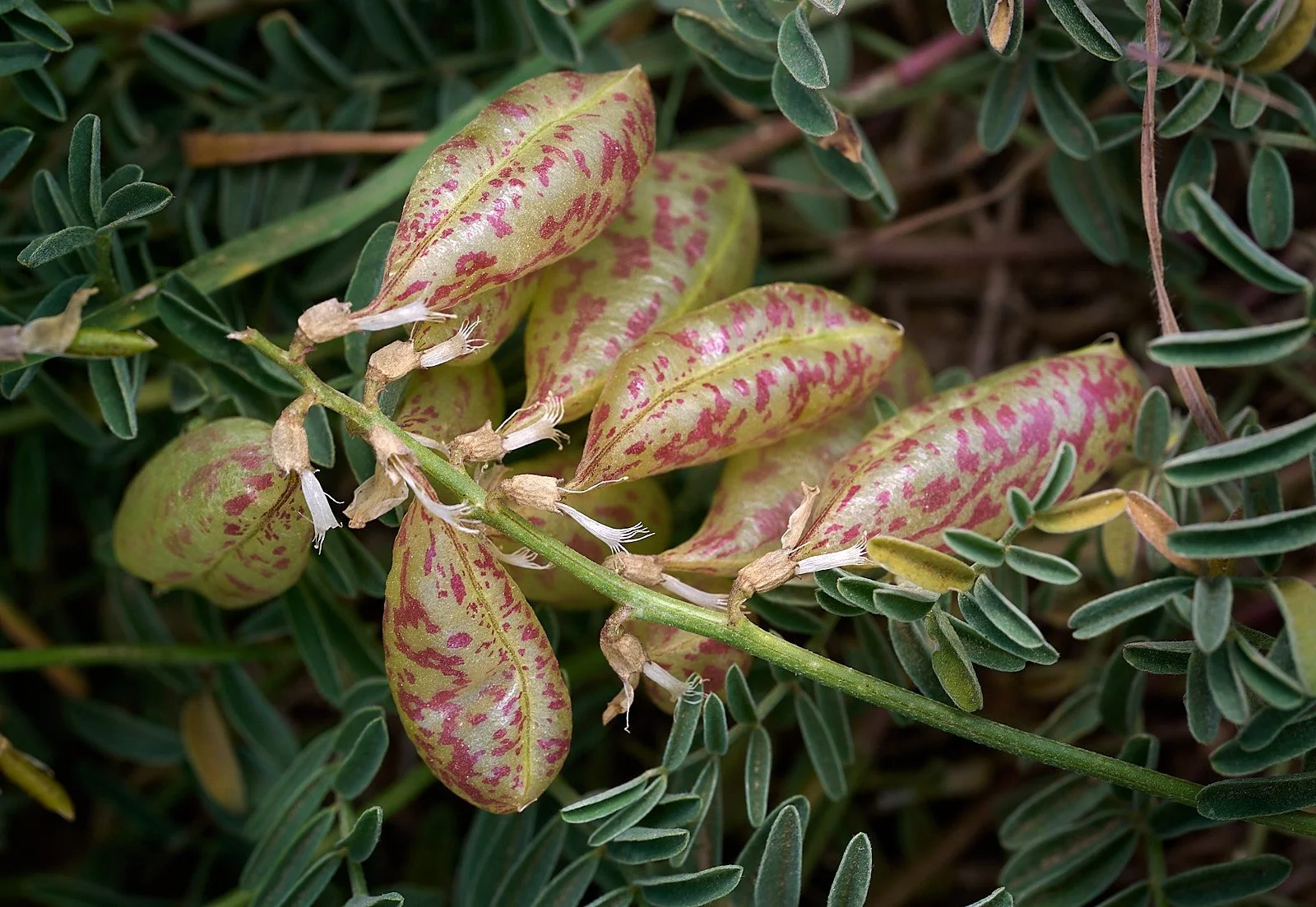
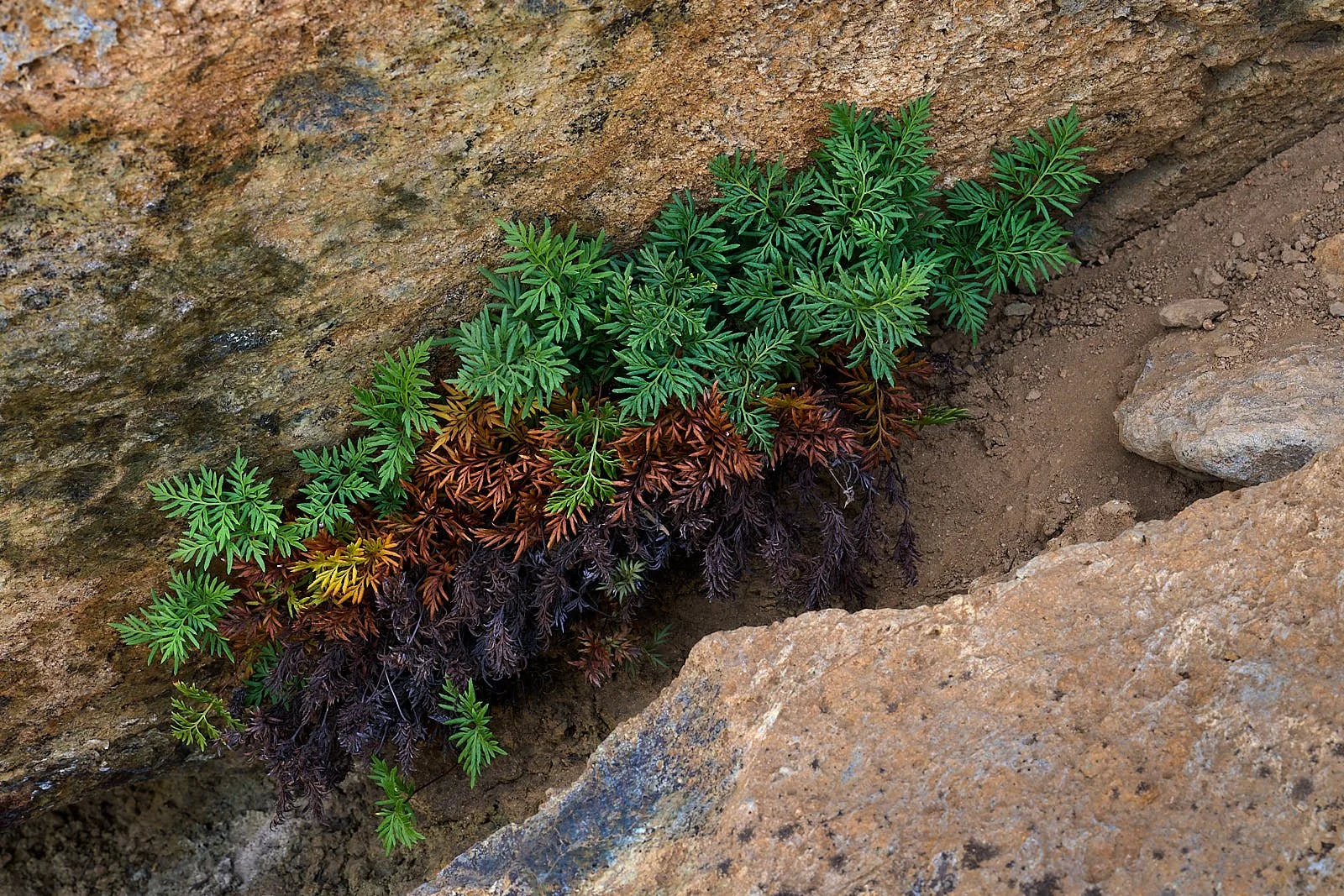
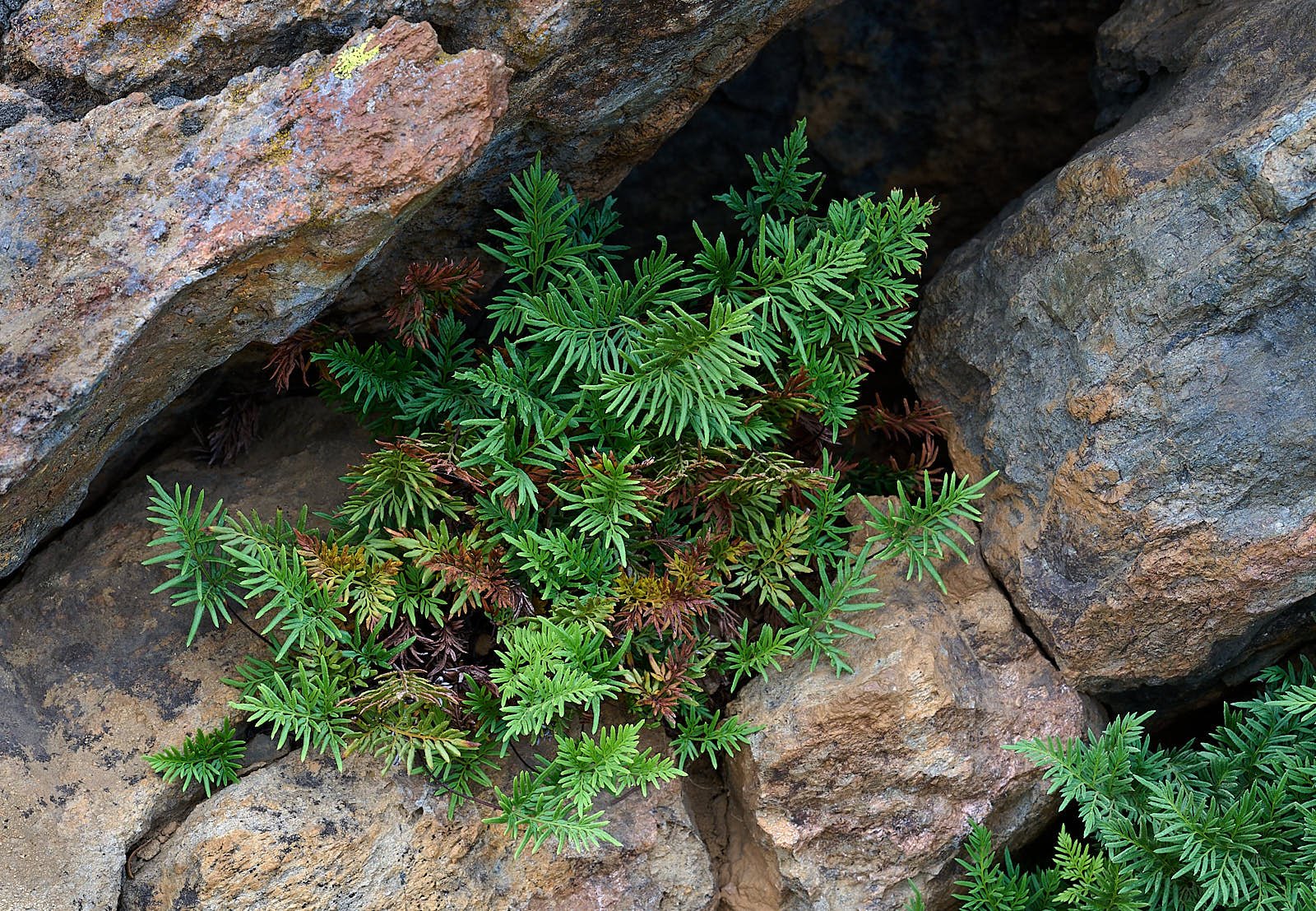
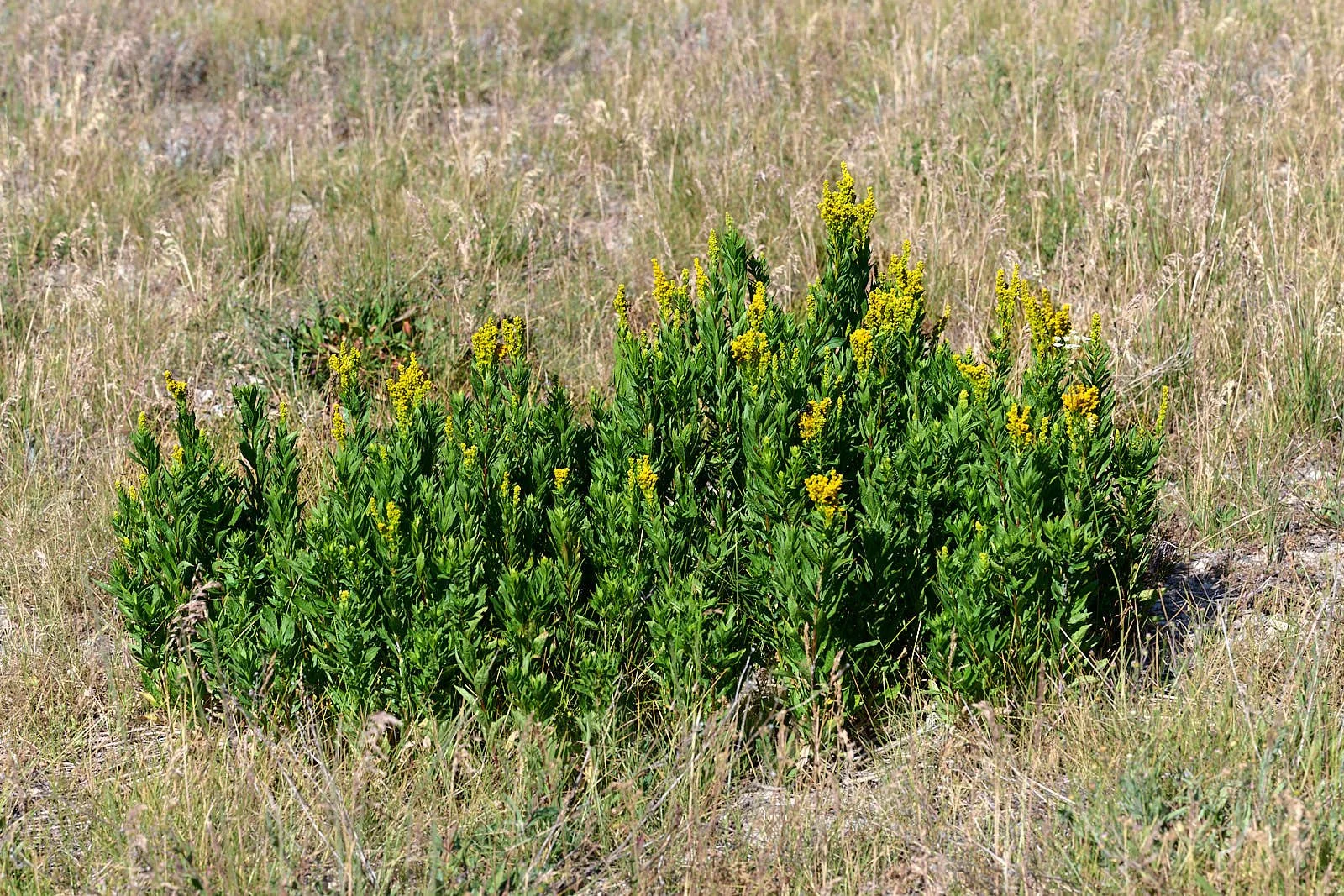
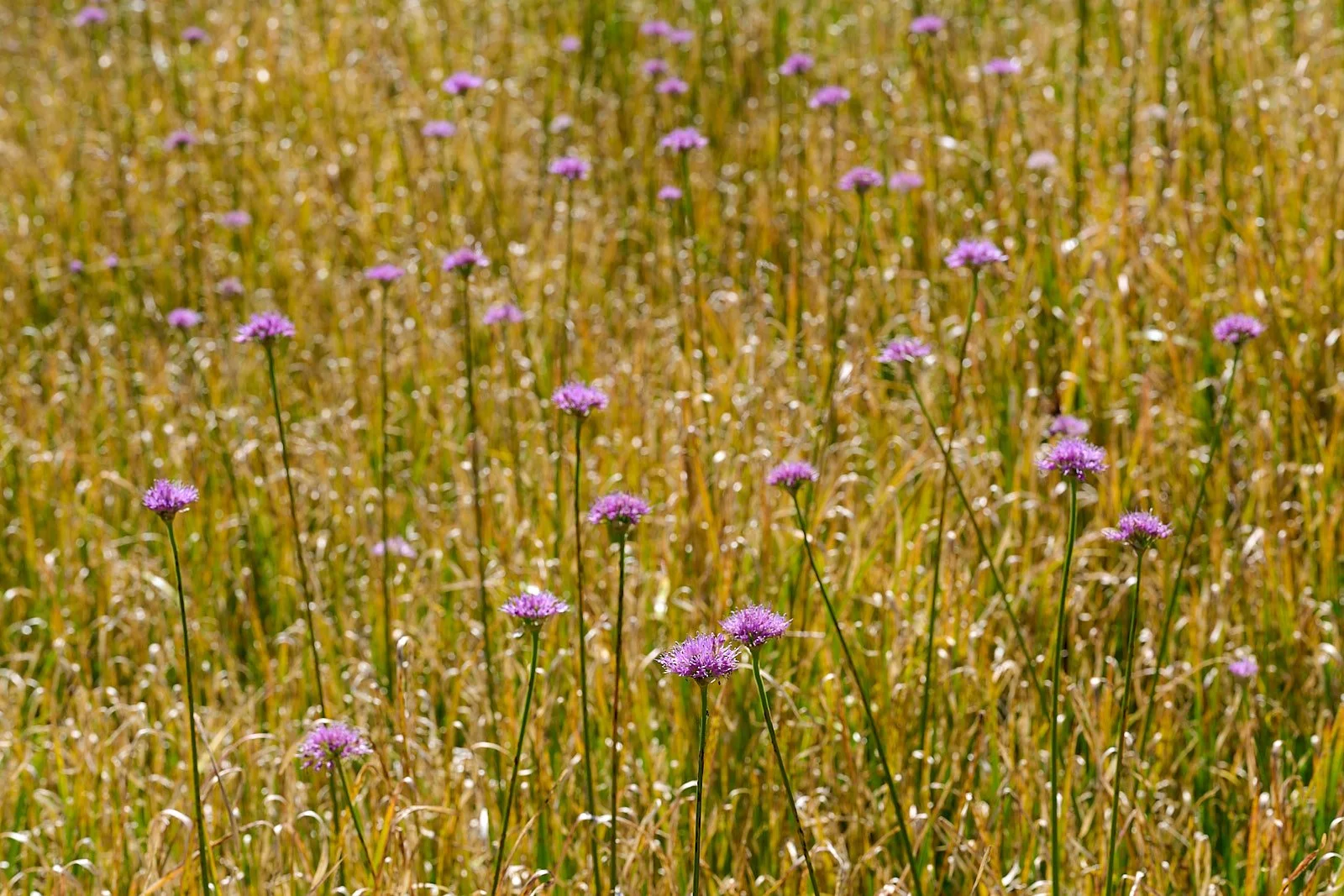
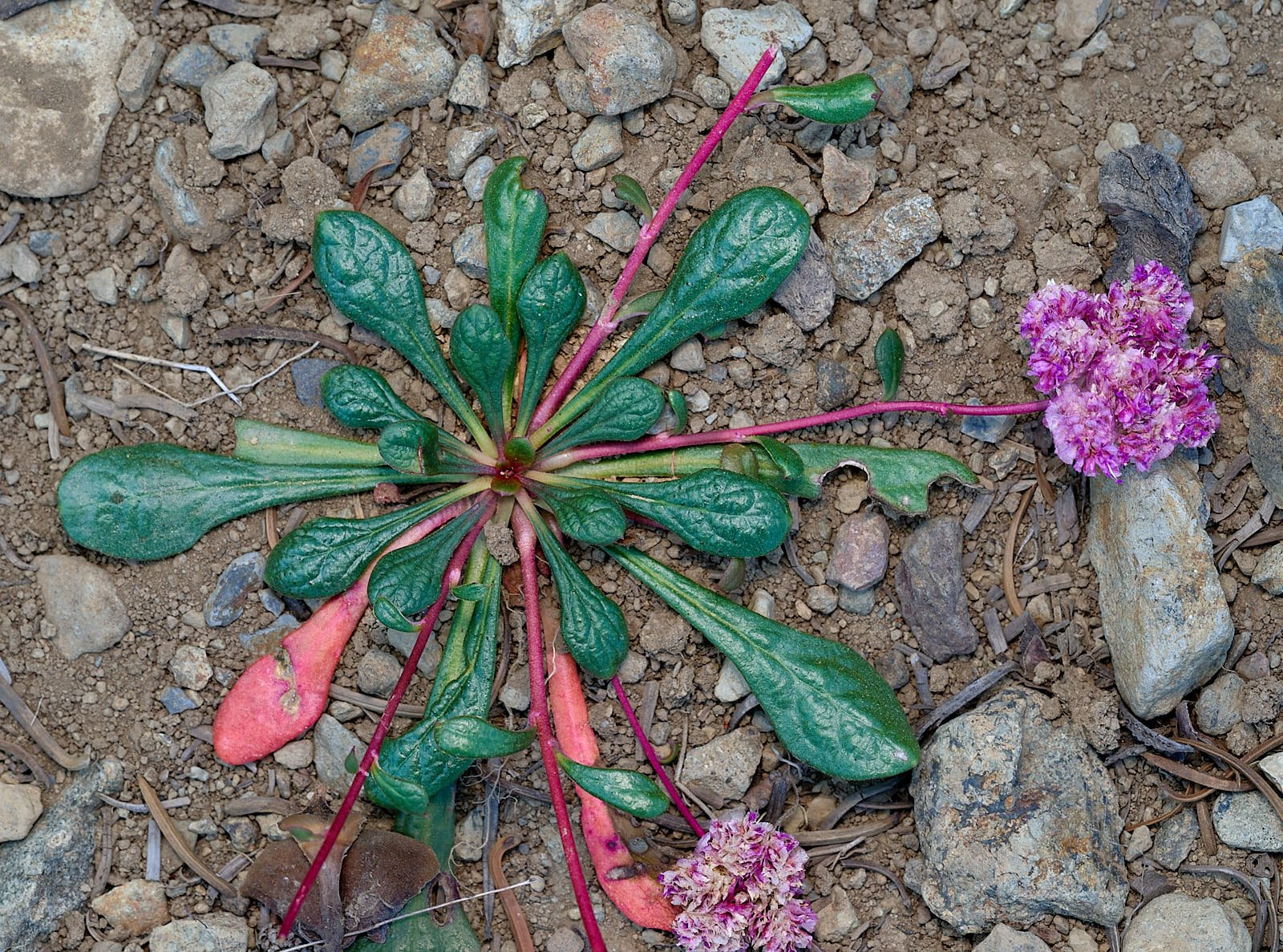
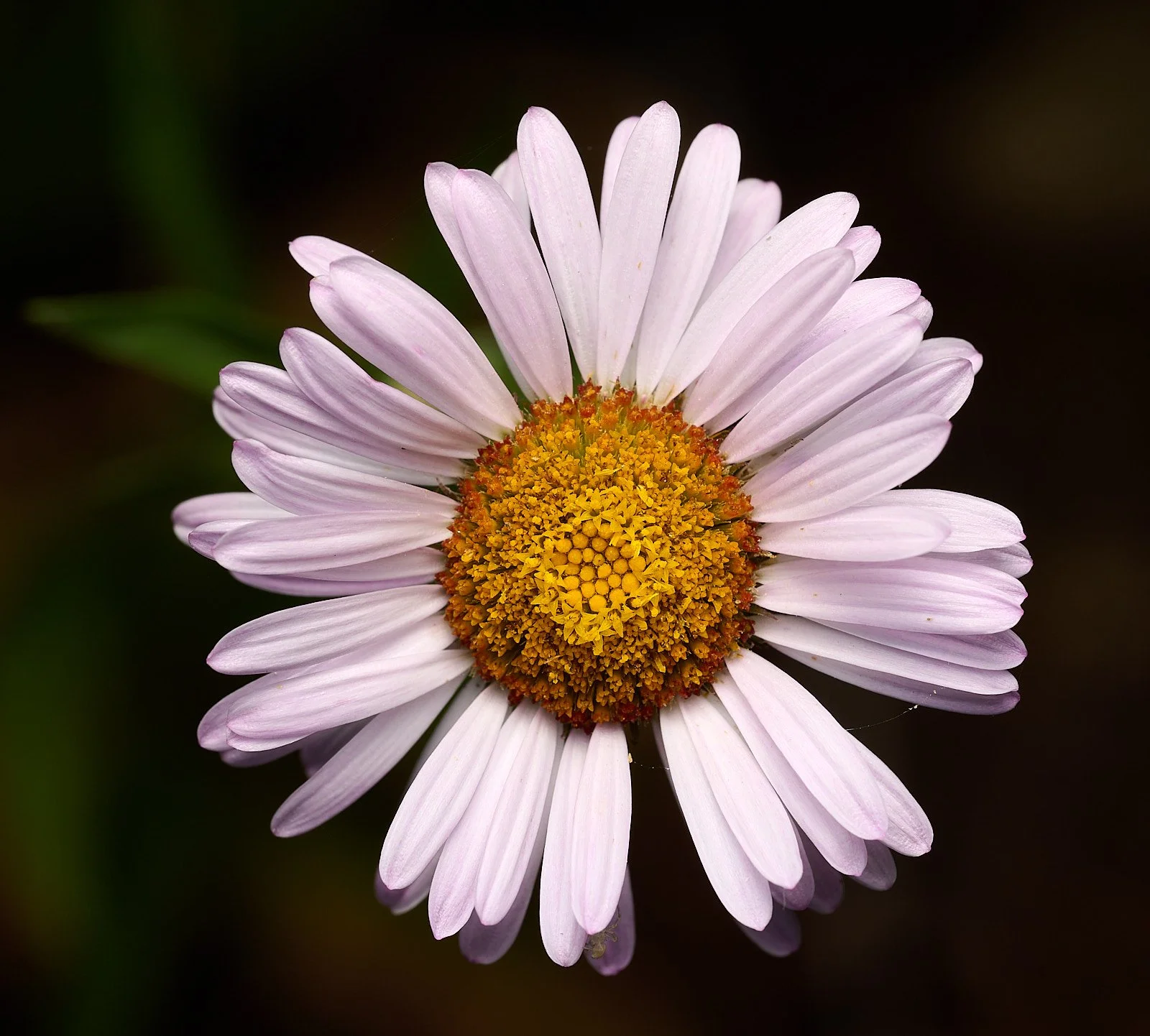
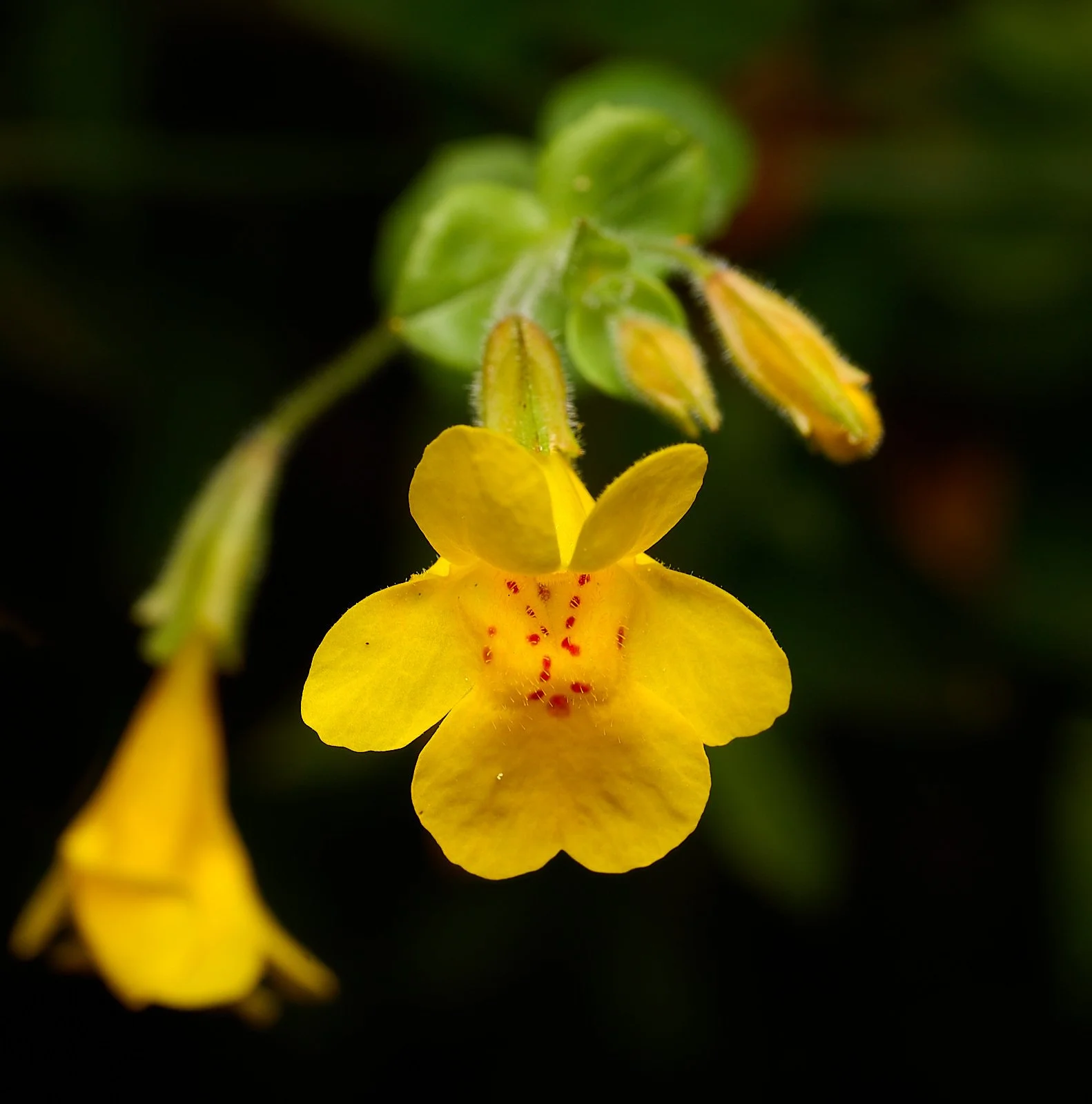
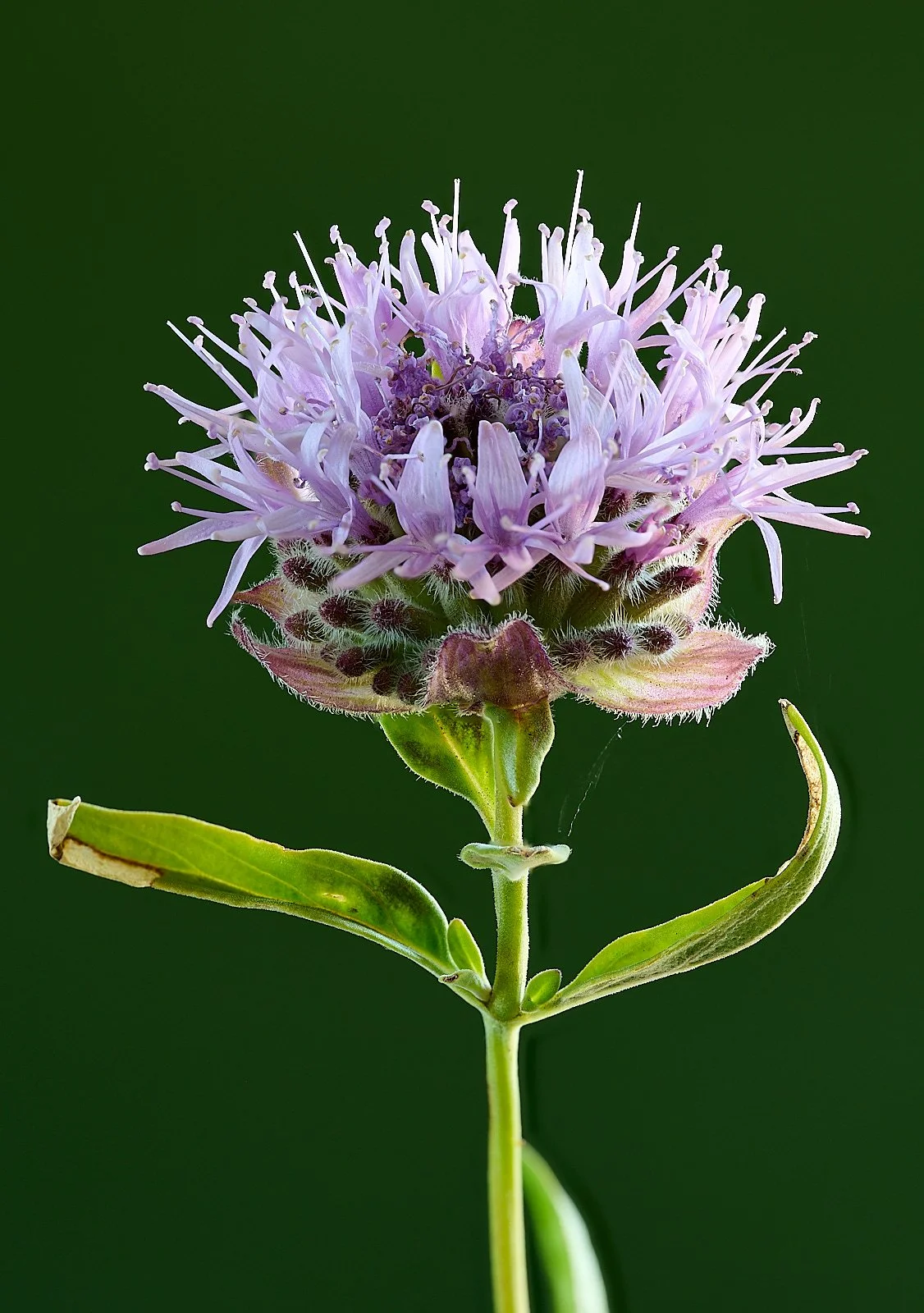
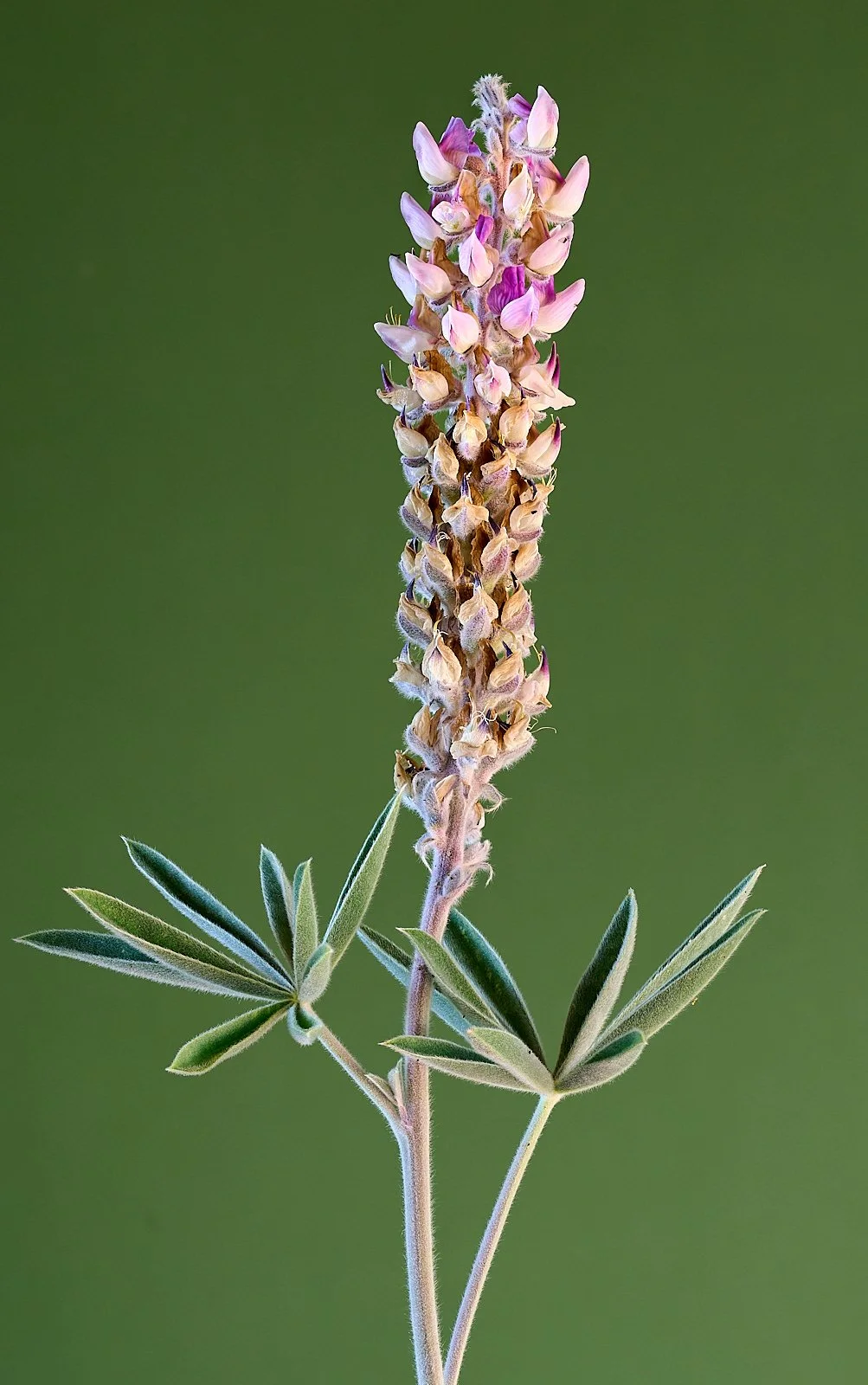
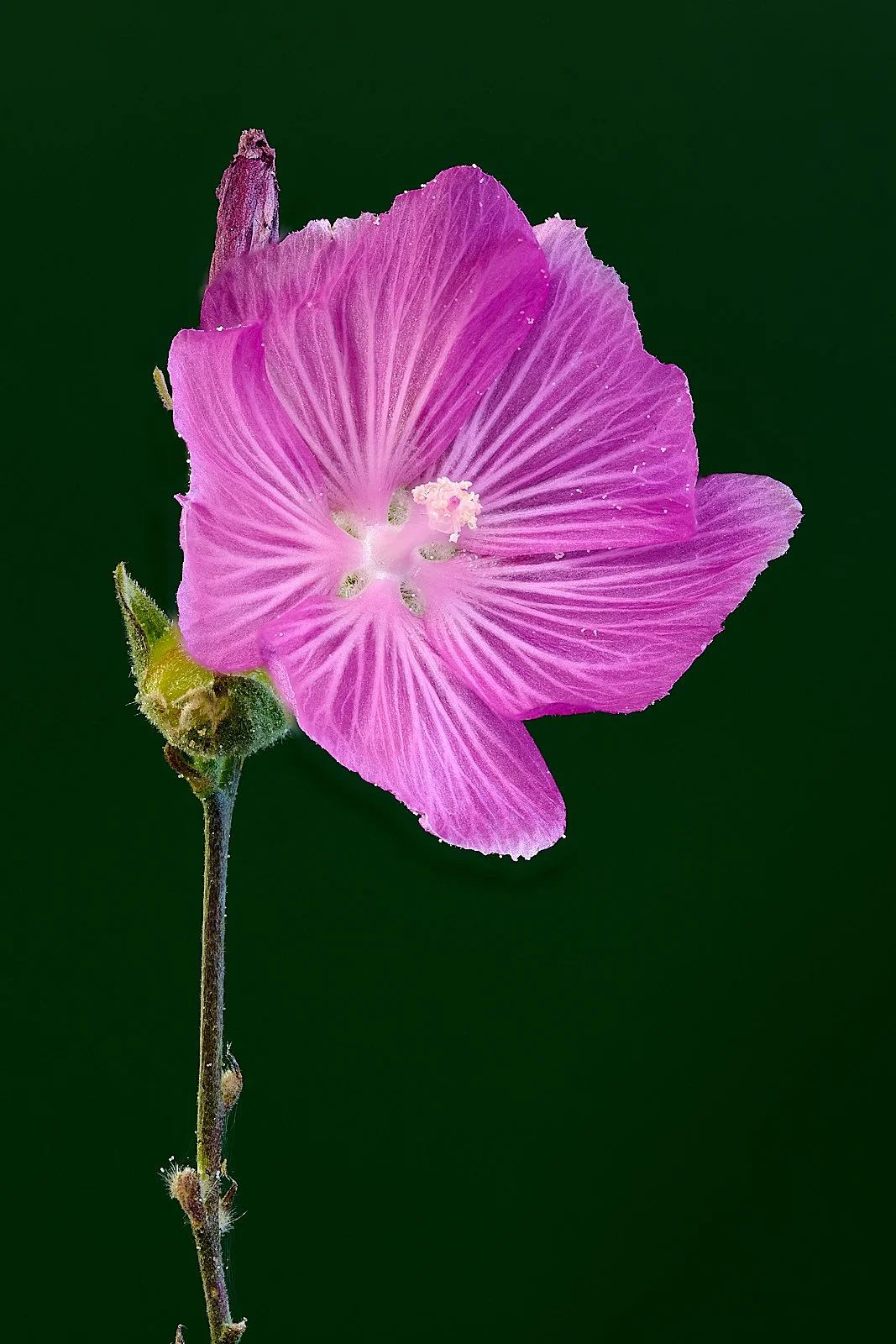
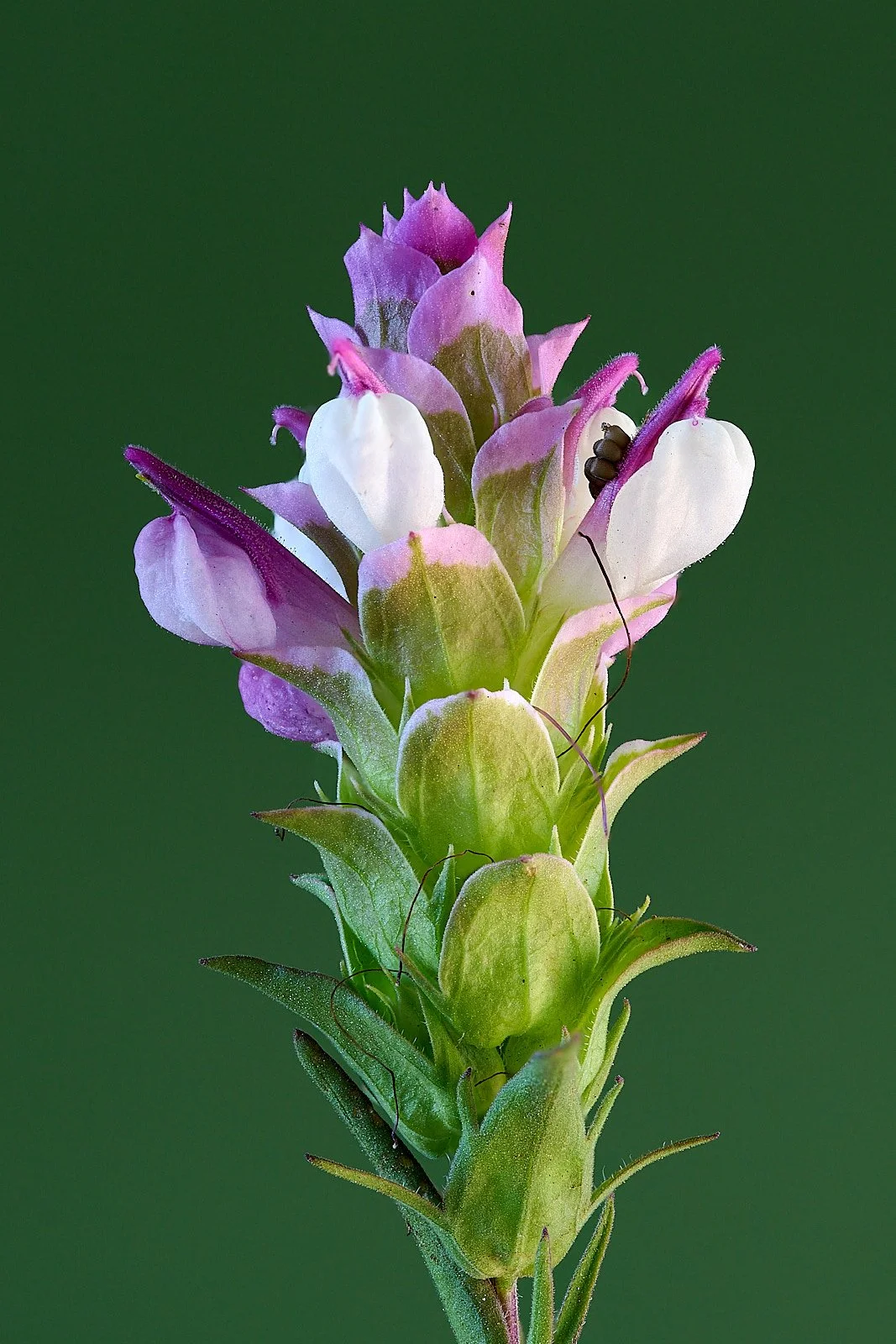
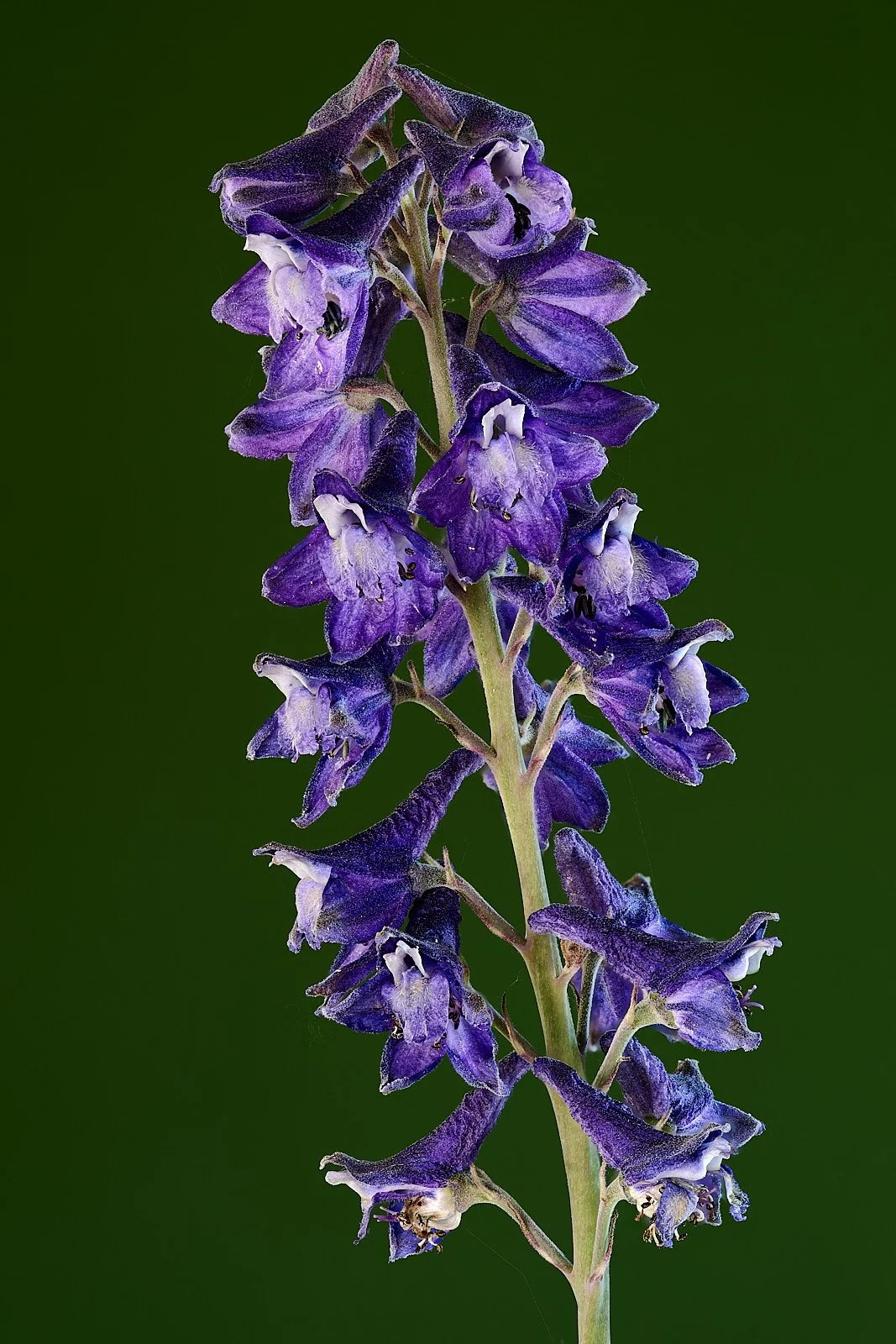
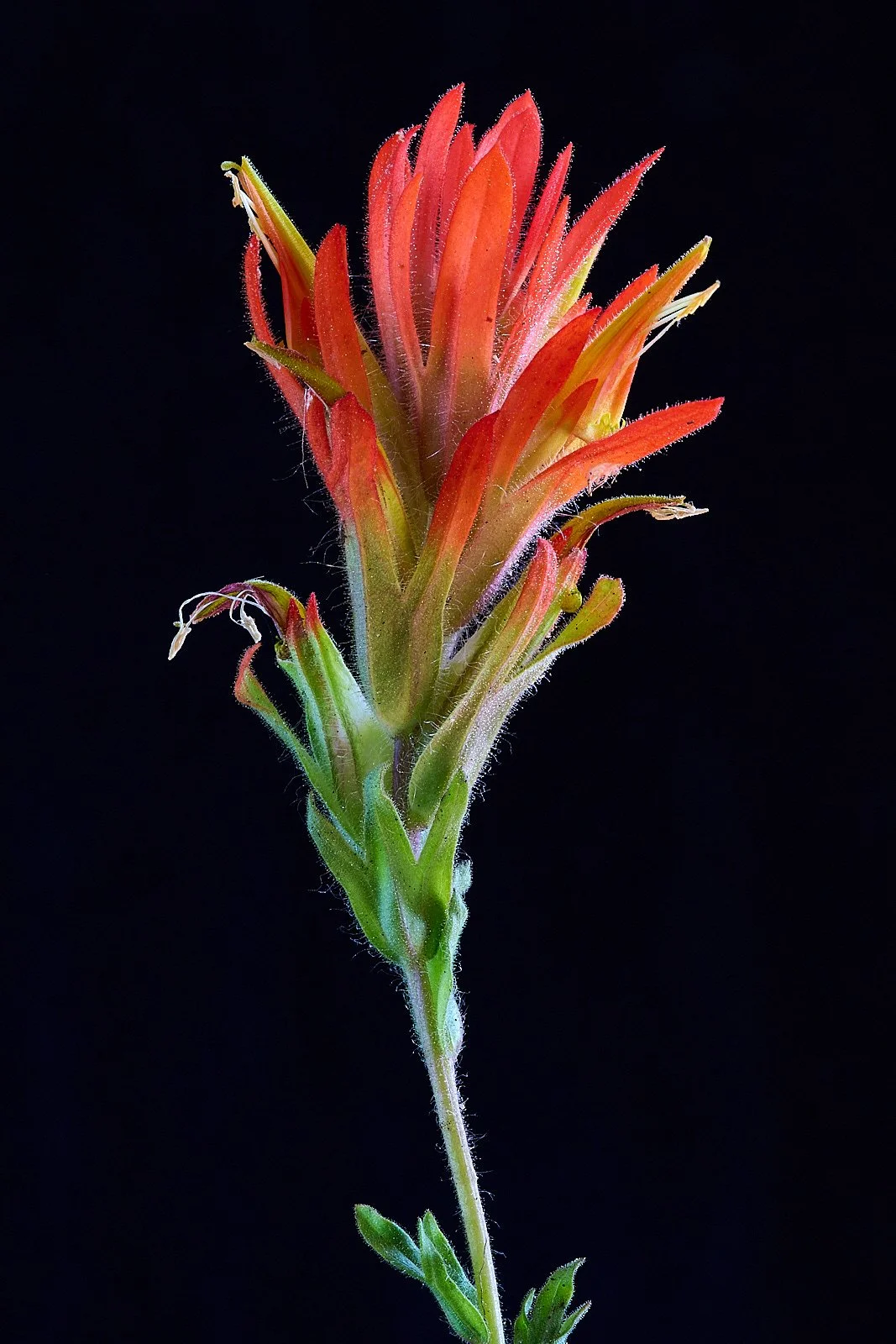
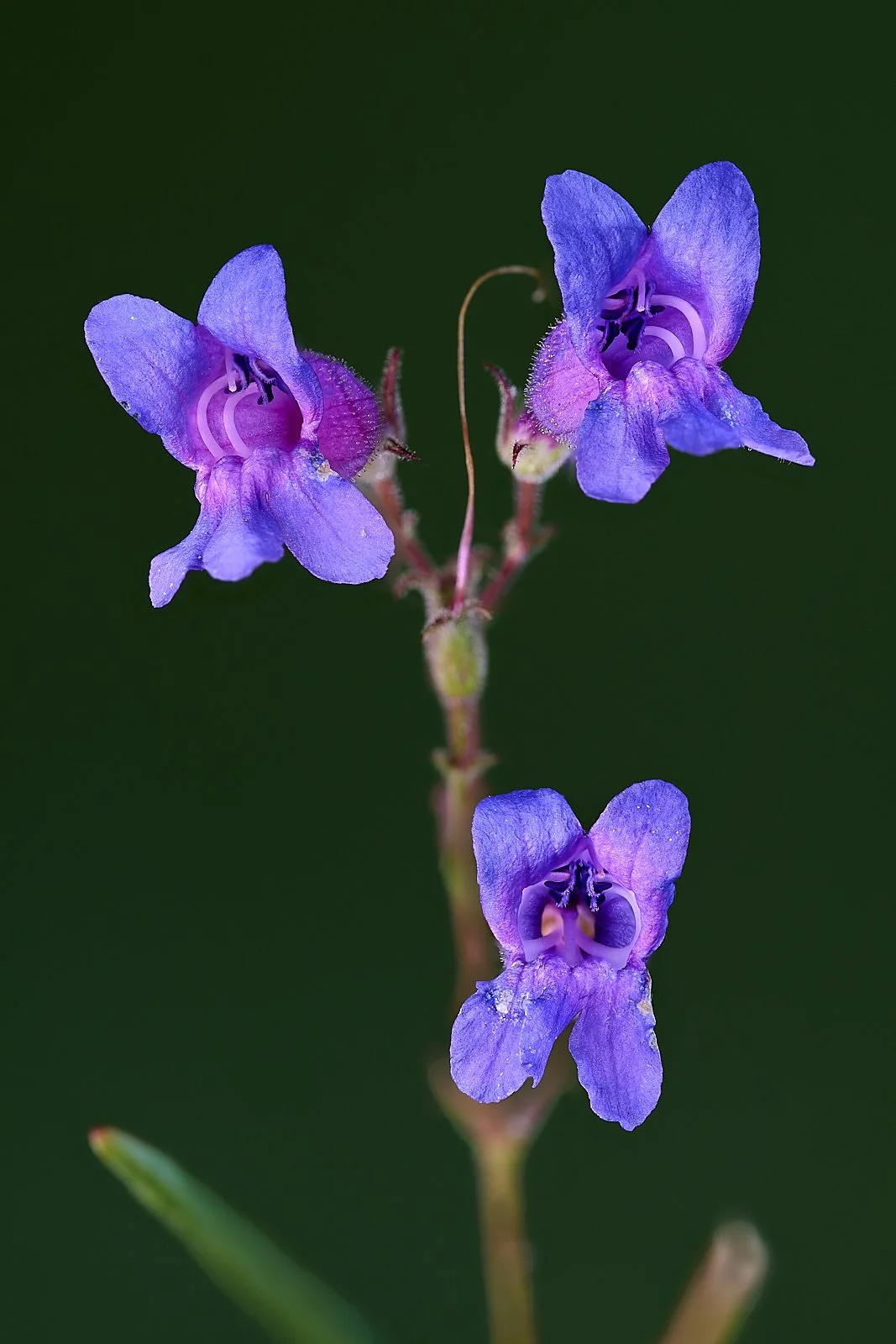
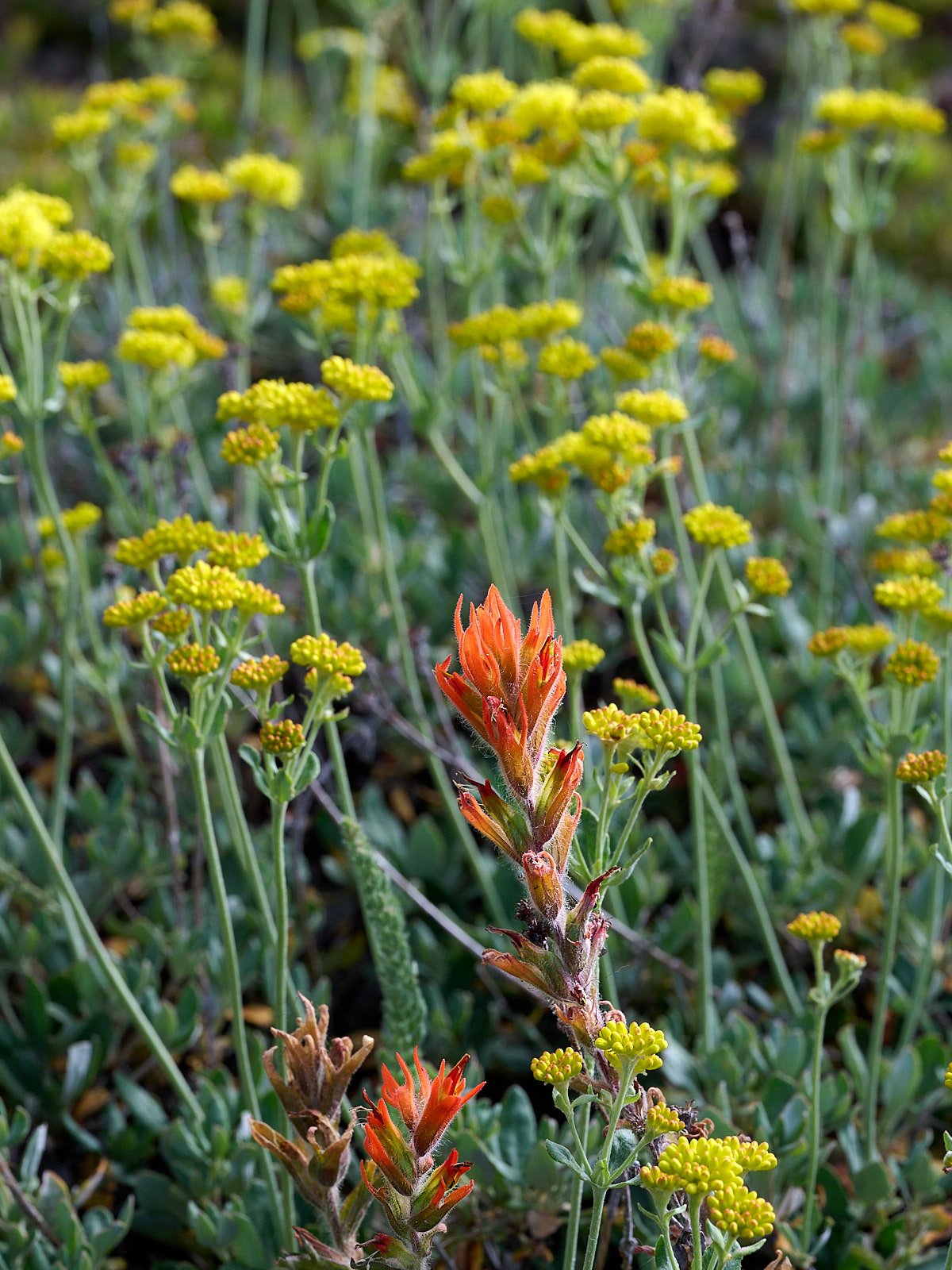
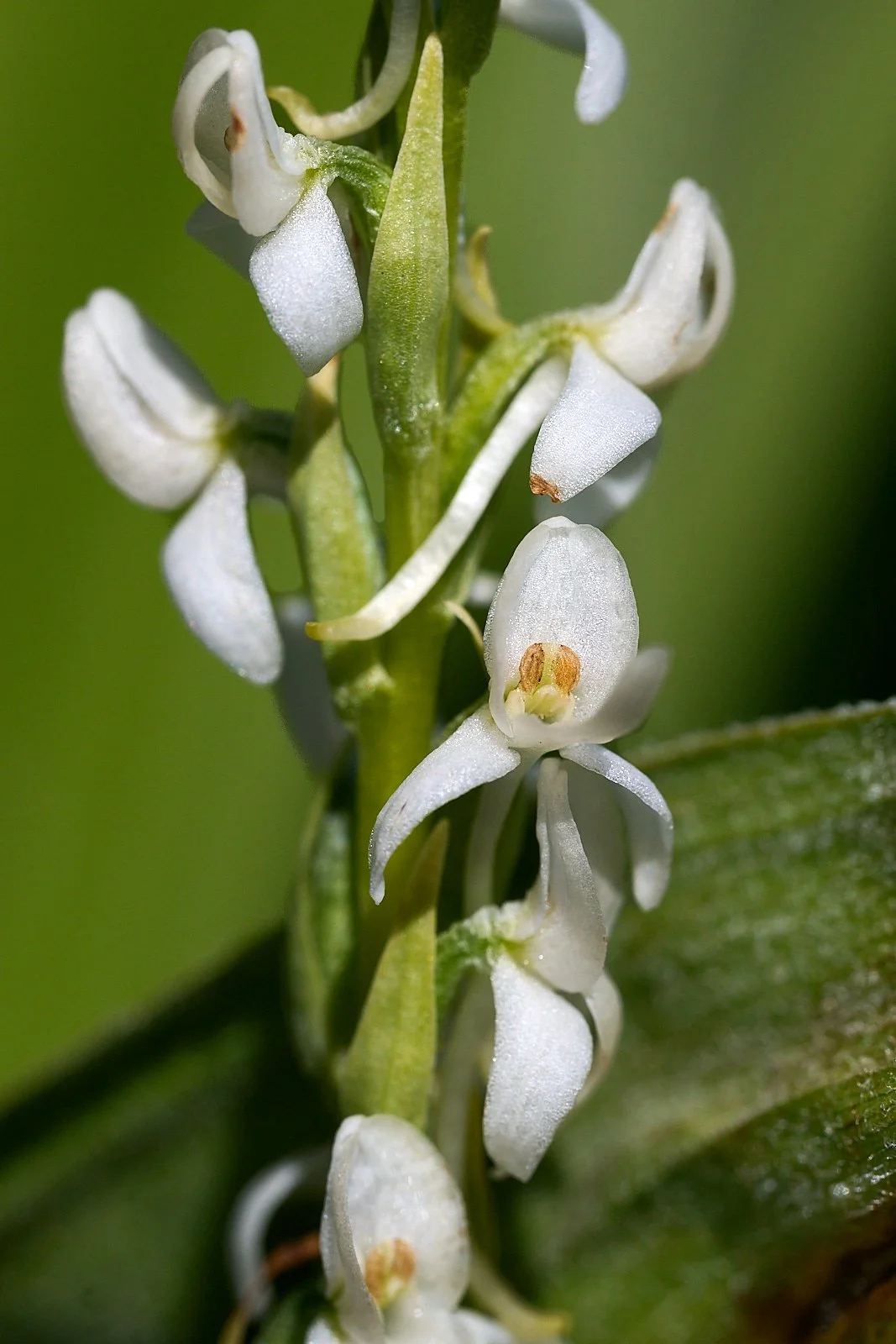
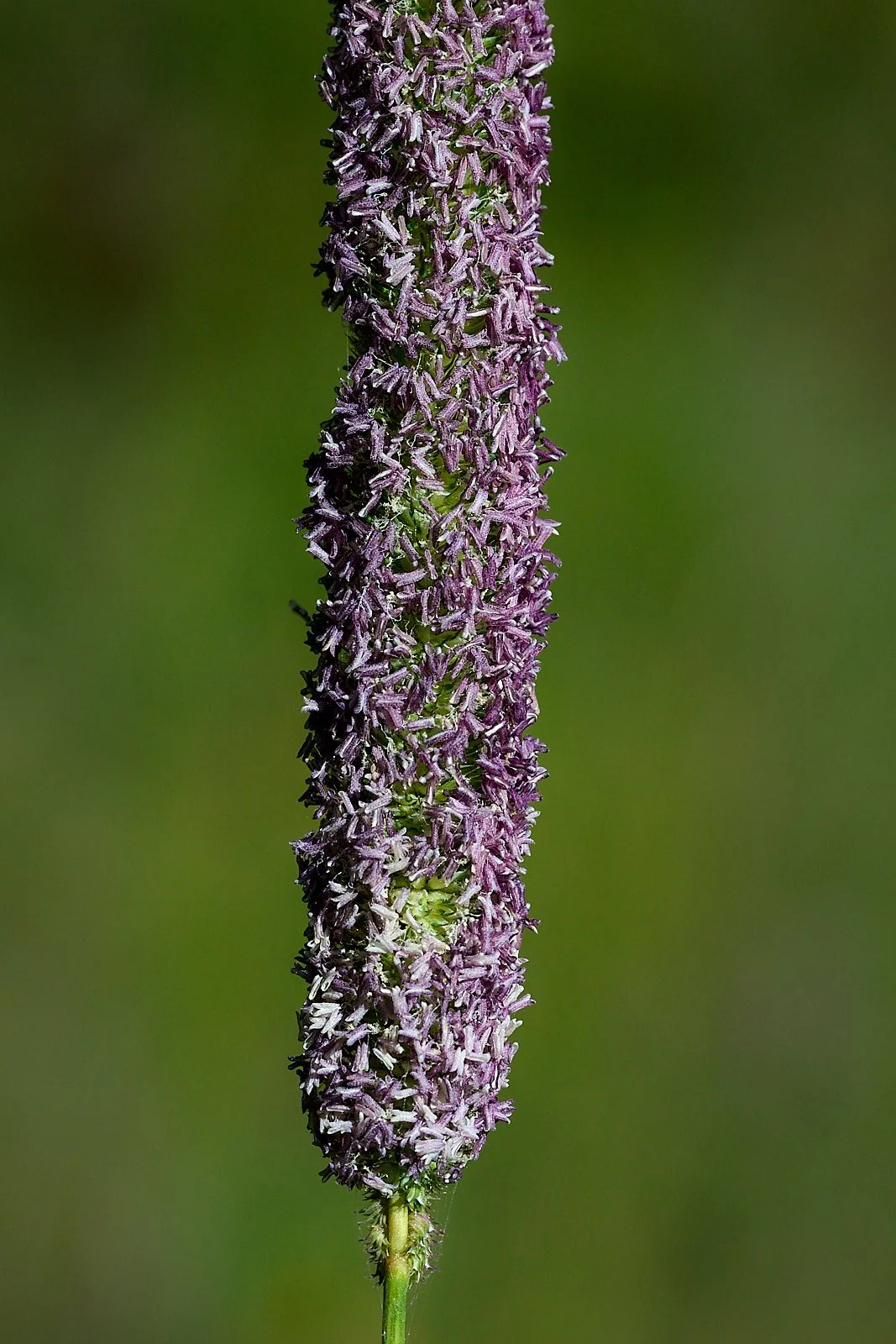
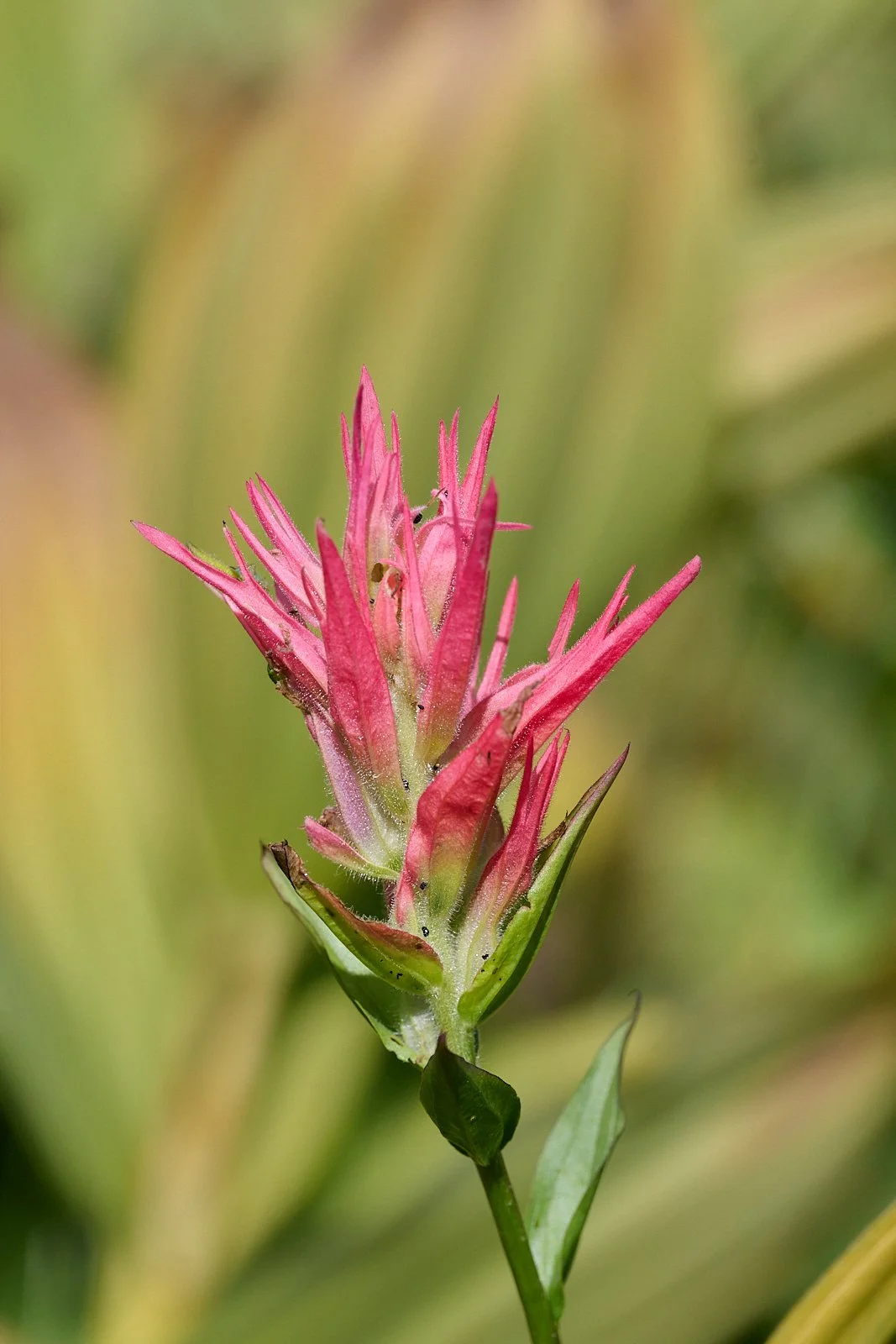
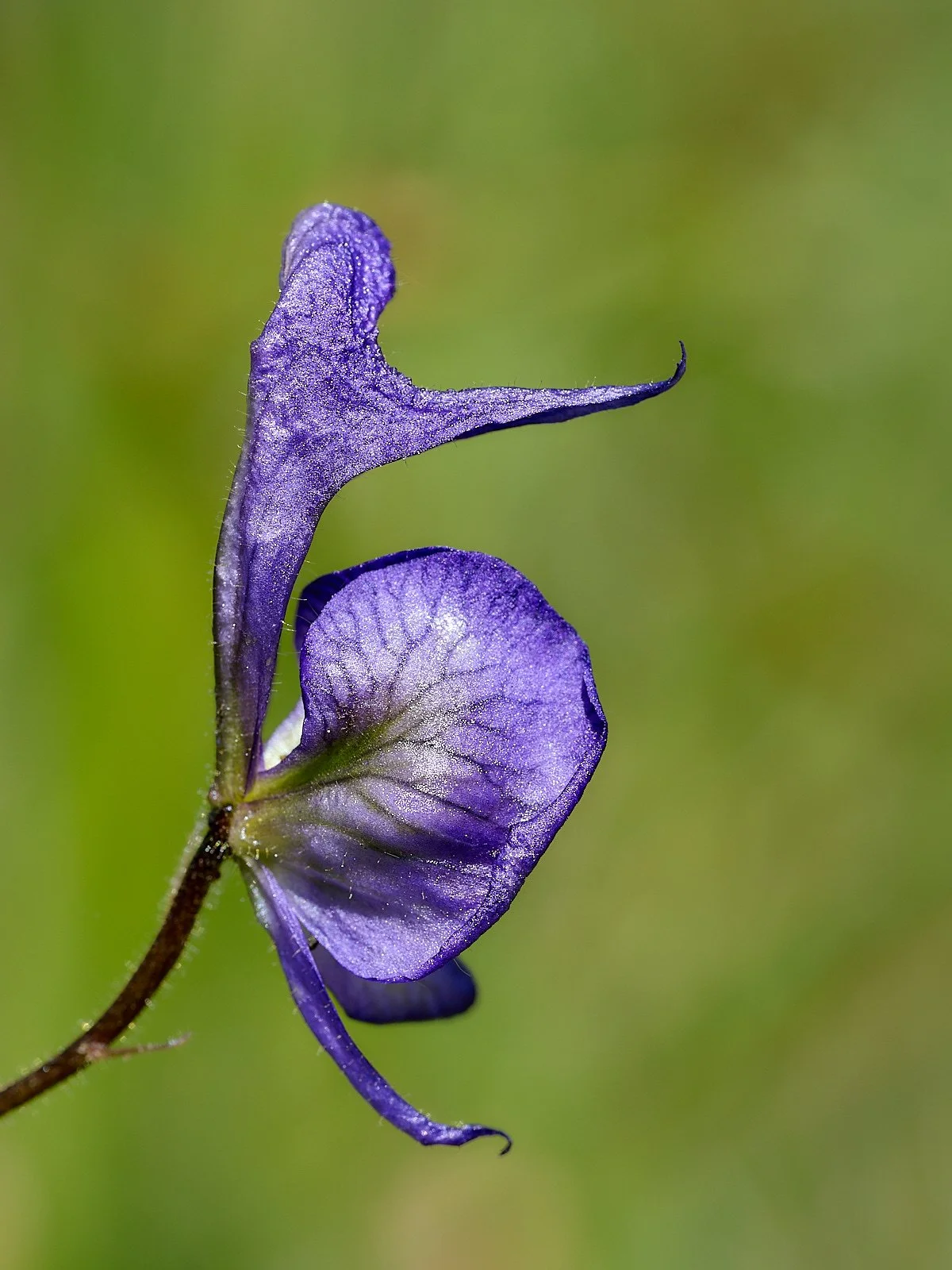
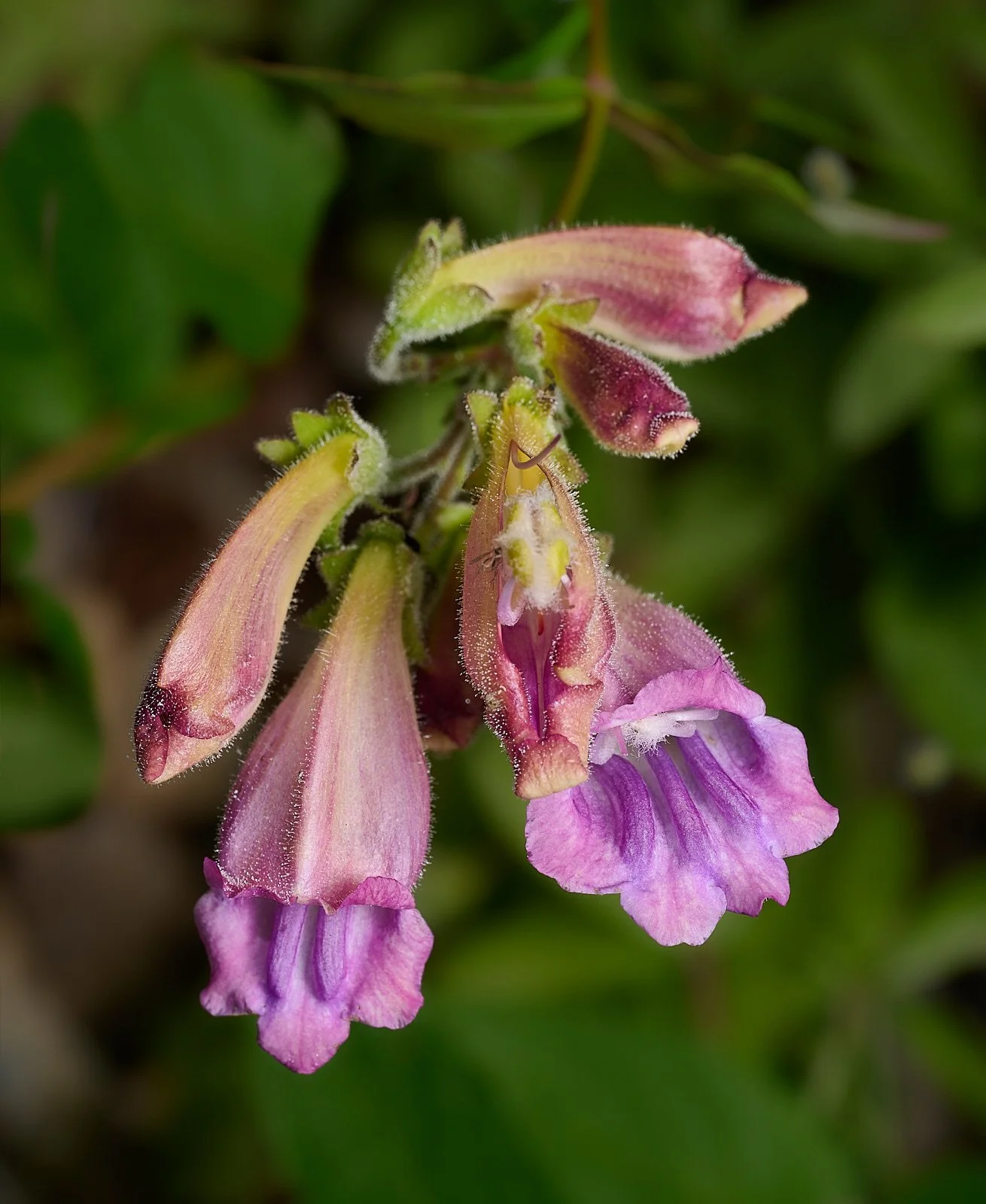
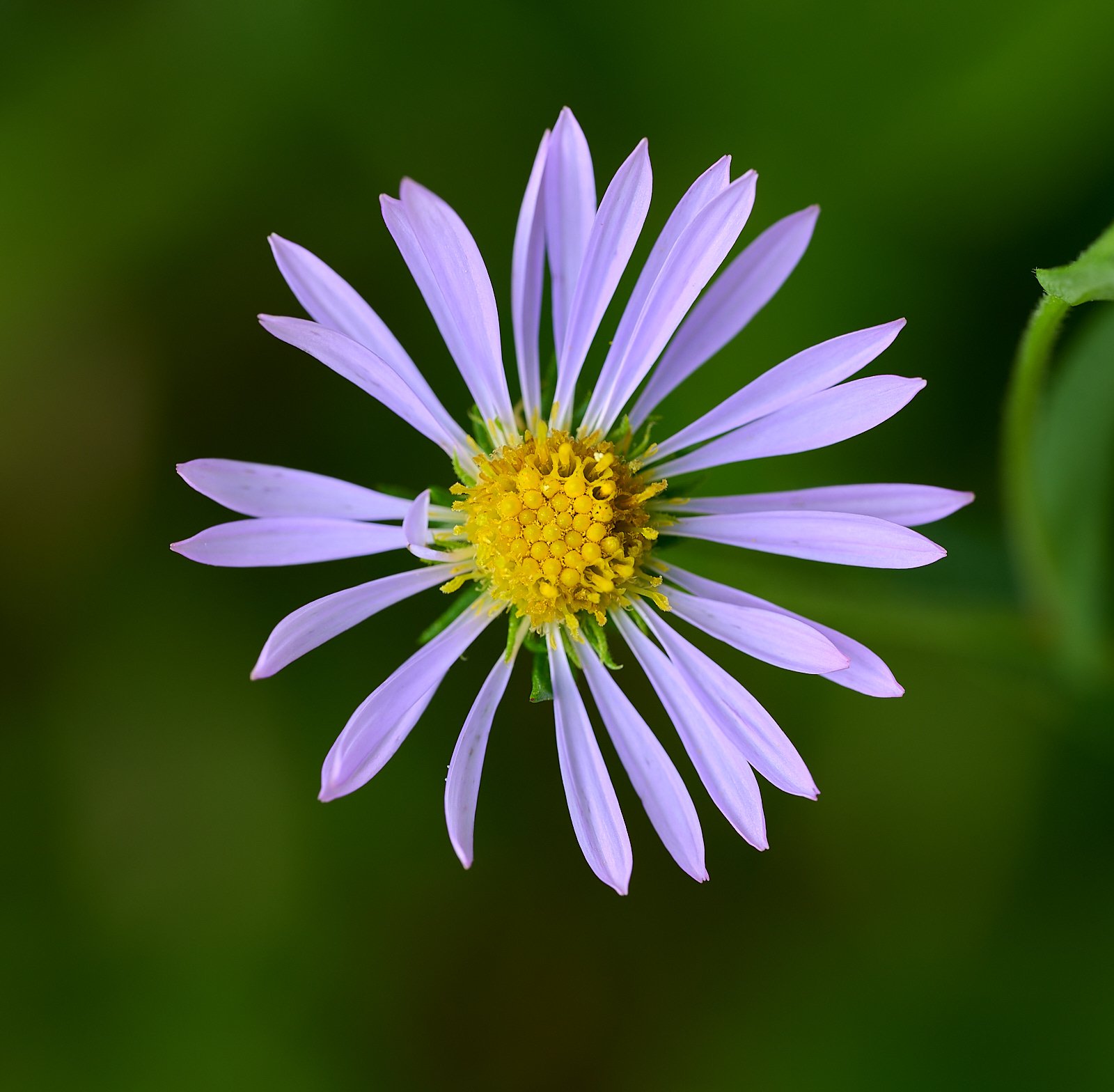
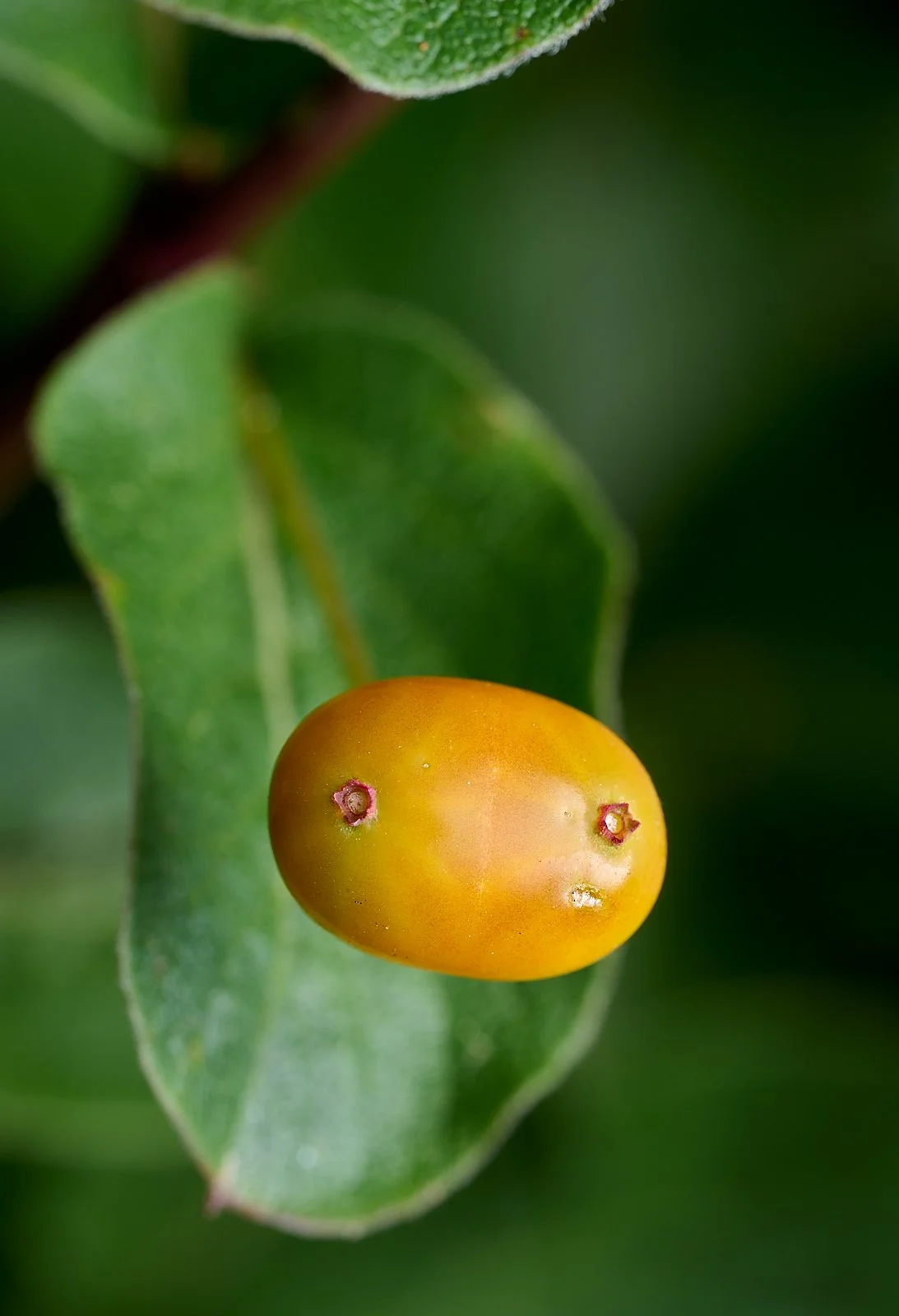
Our camps in the Siskiyou range were perfectly situated altitude-wise for the wildflower bloom in July. Pure luck! Well, maybe a little thought went into it. Every day was a visual treat, with floral treasures to be discovered.
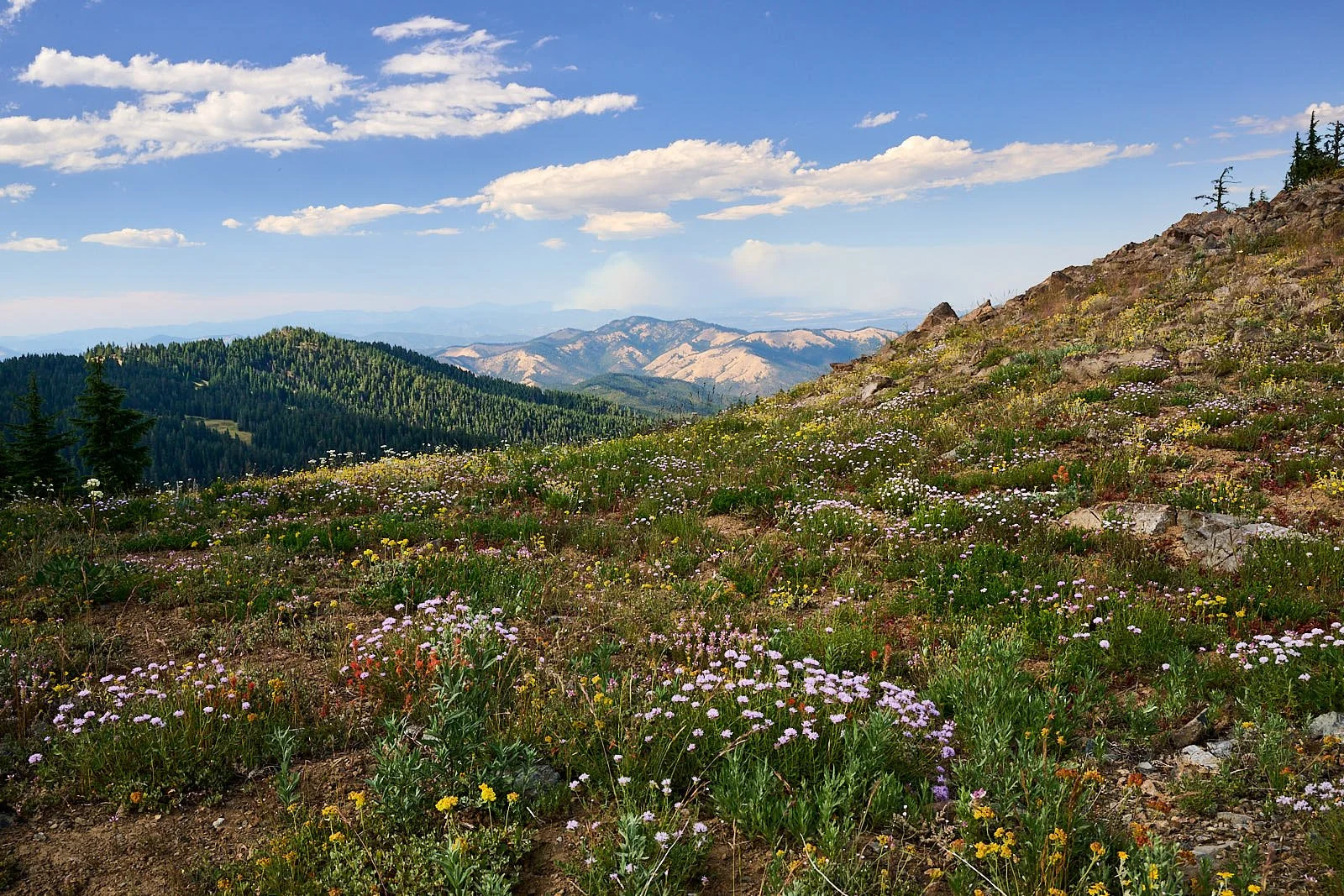
View west from Dutchman’s Peak, showing the Evans Creek fire in the distance. The blaze covered about 11,500 acres & was 3% contained at that time.
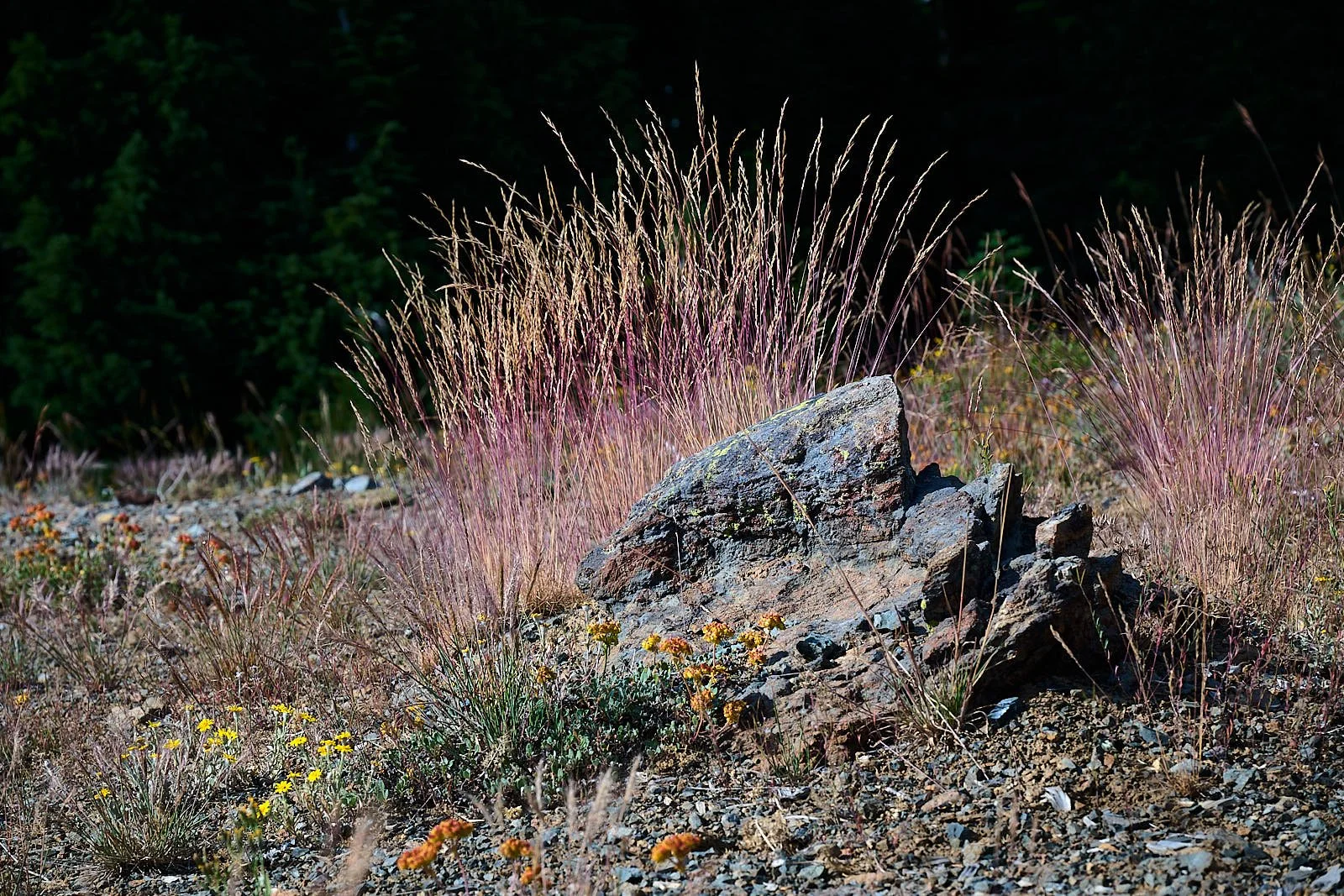
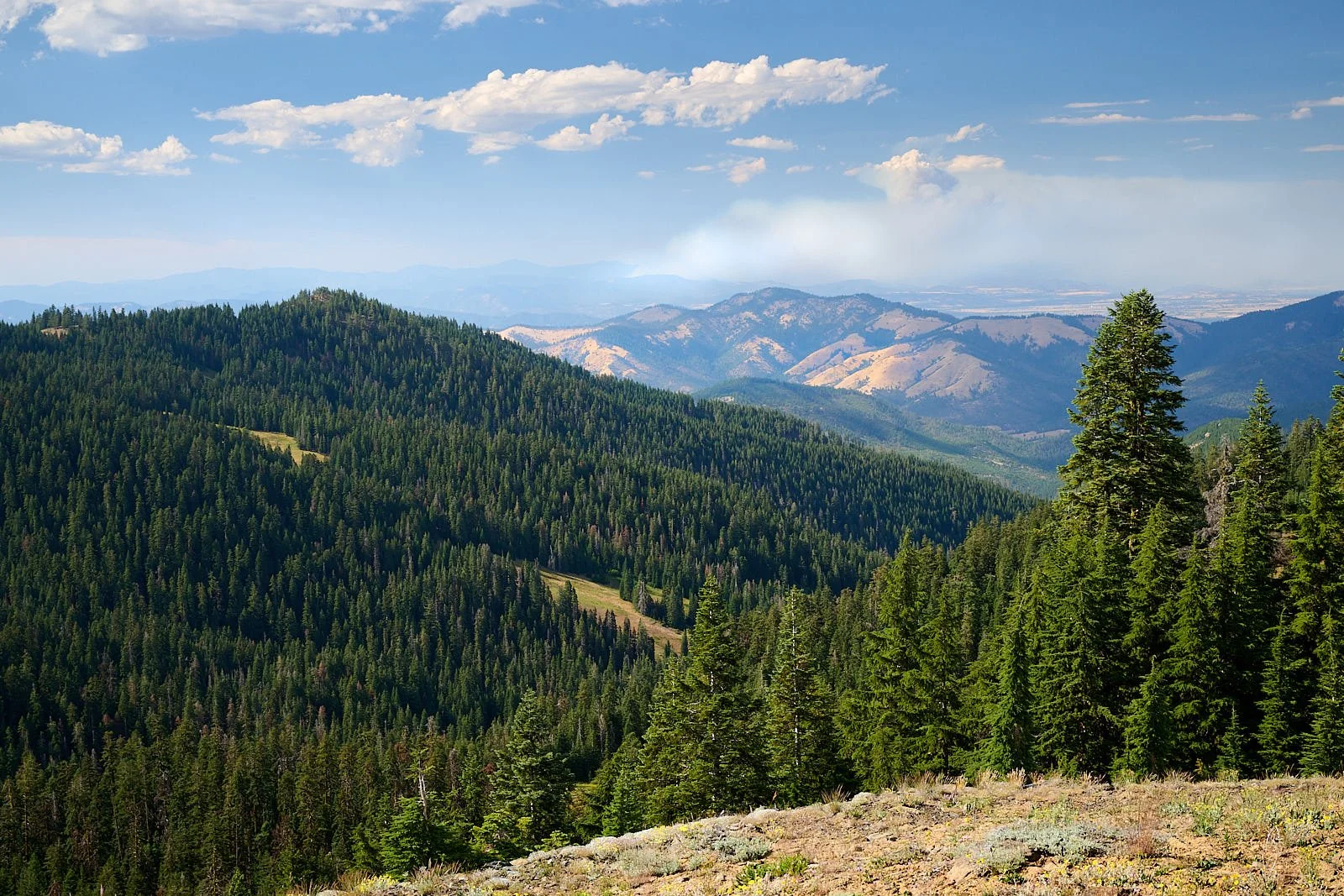
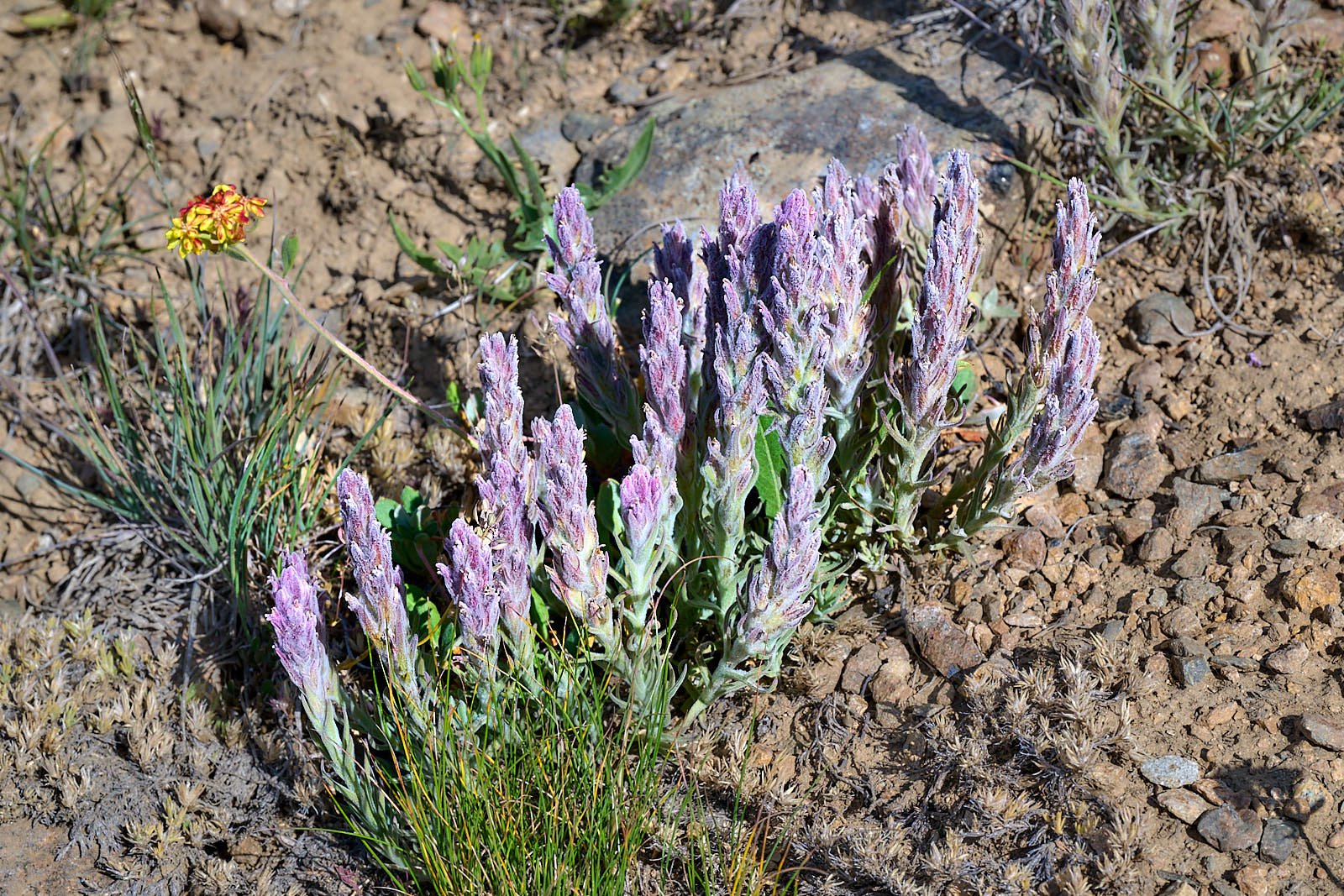
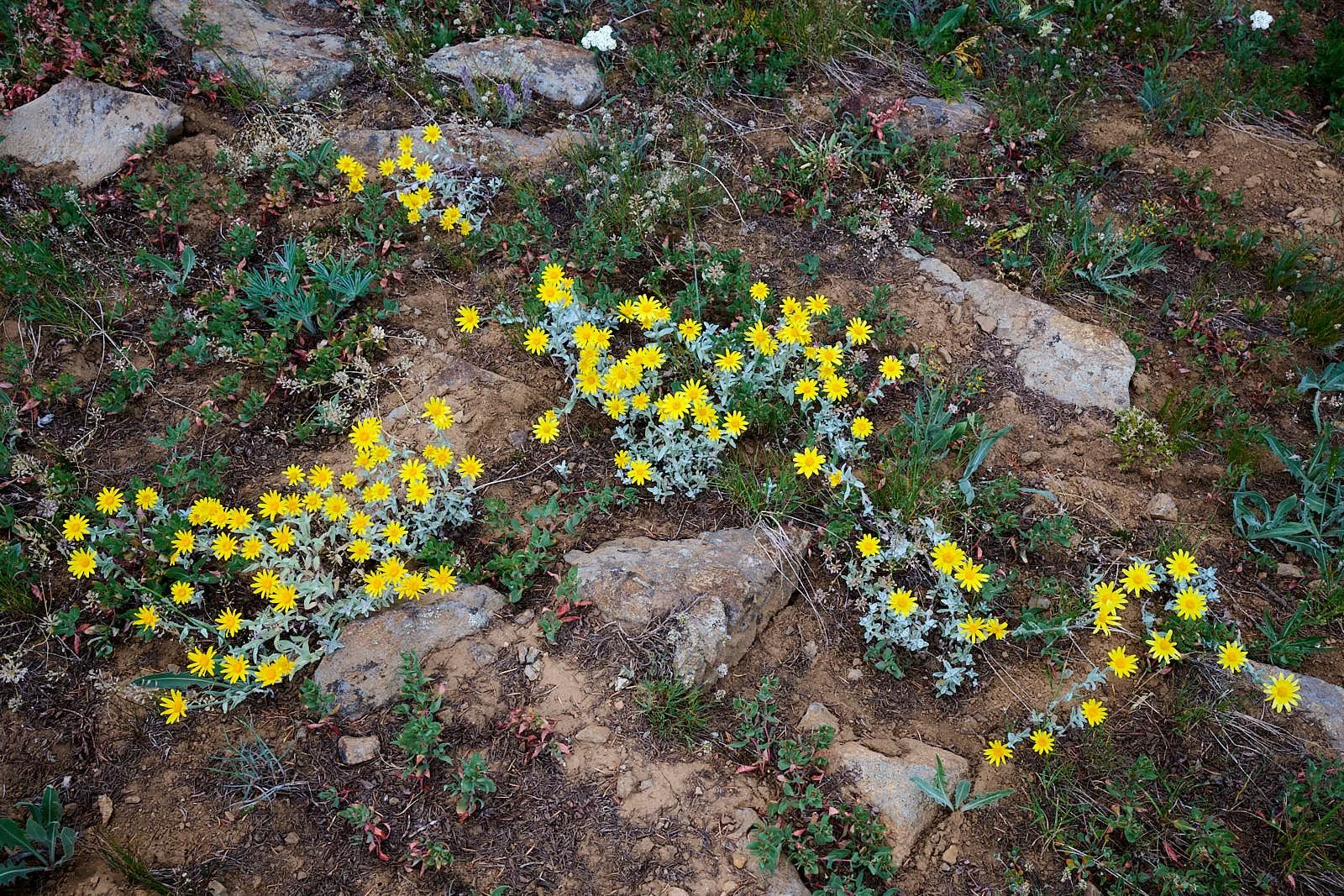
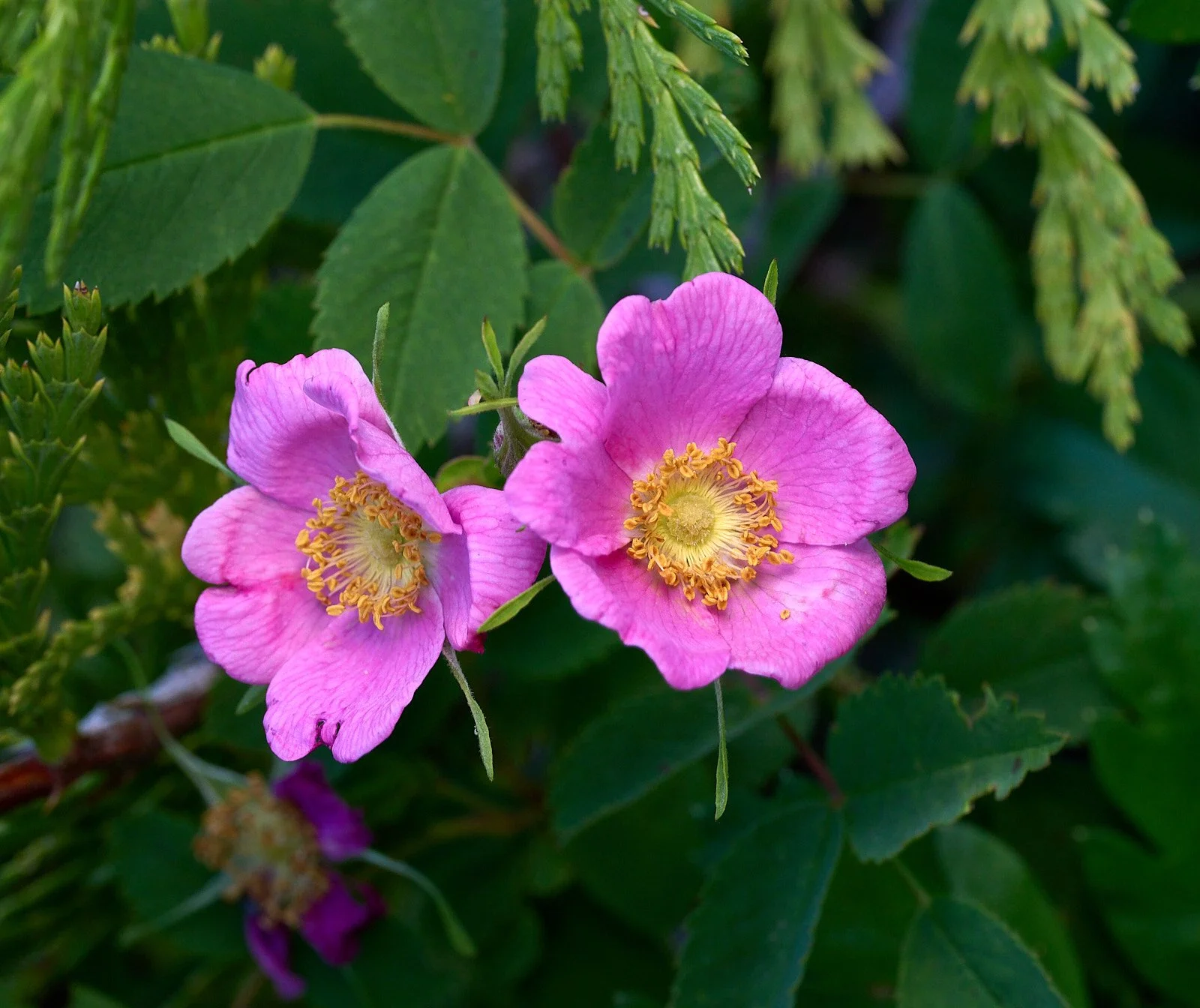
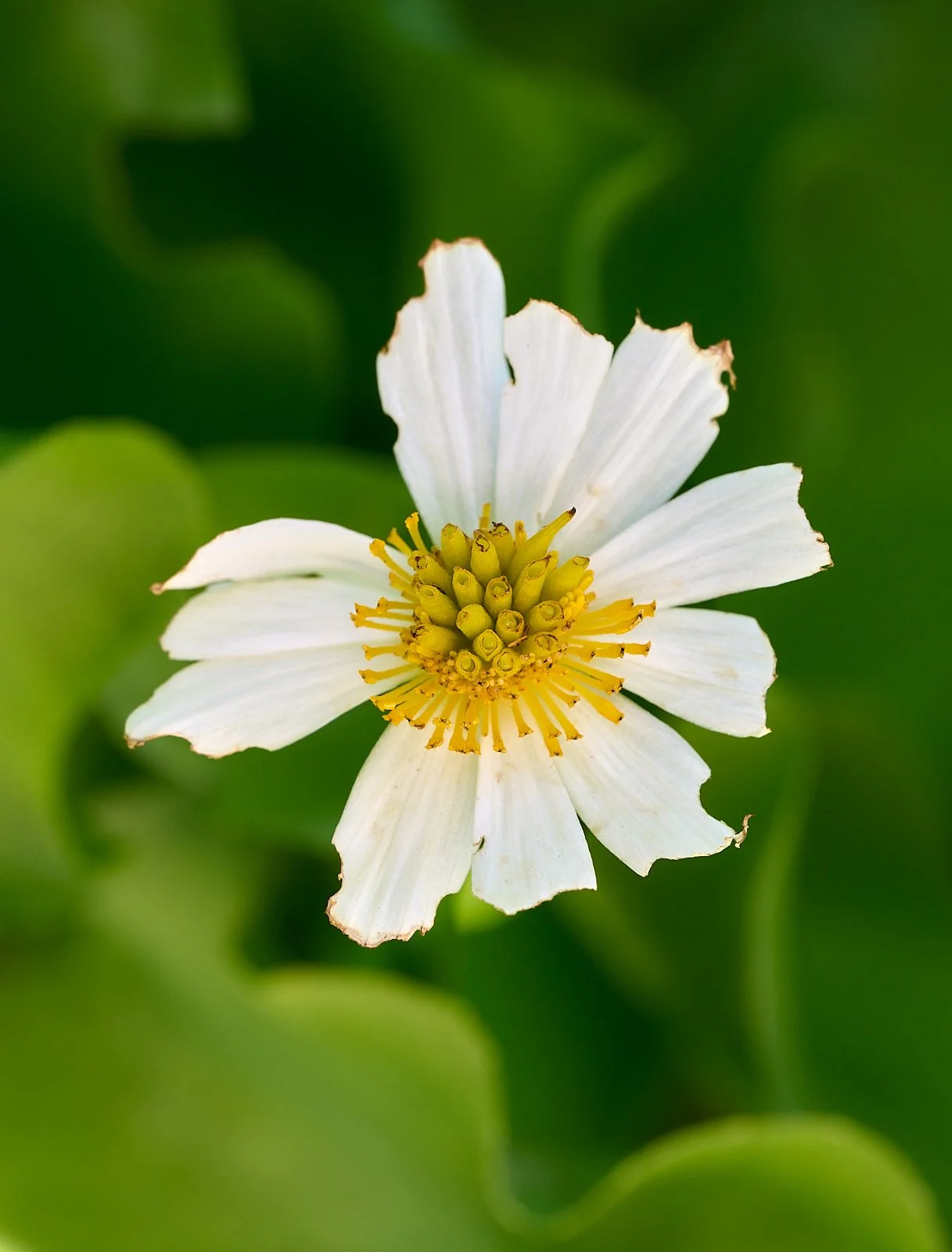
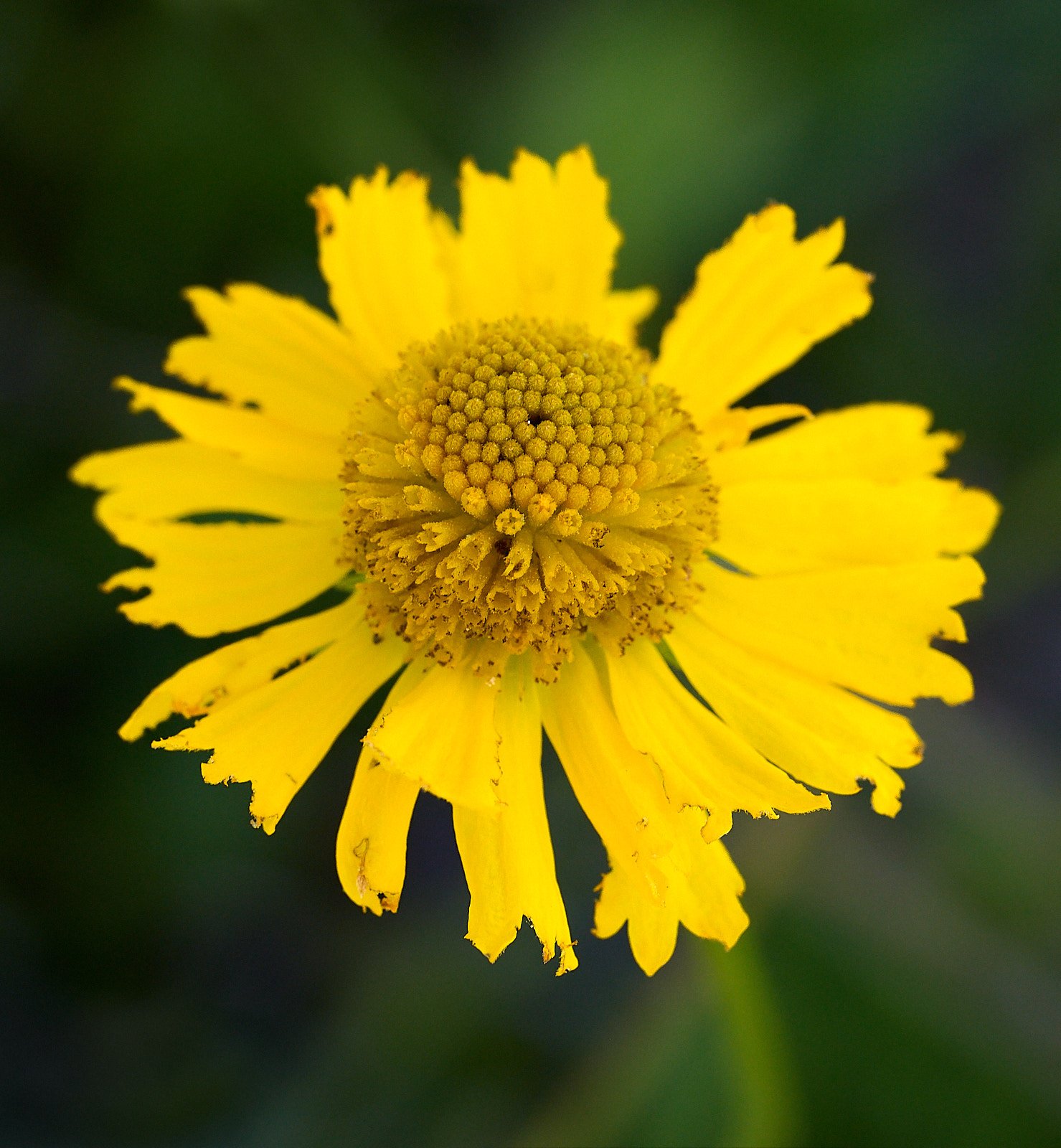
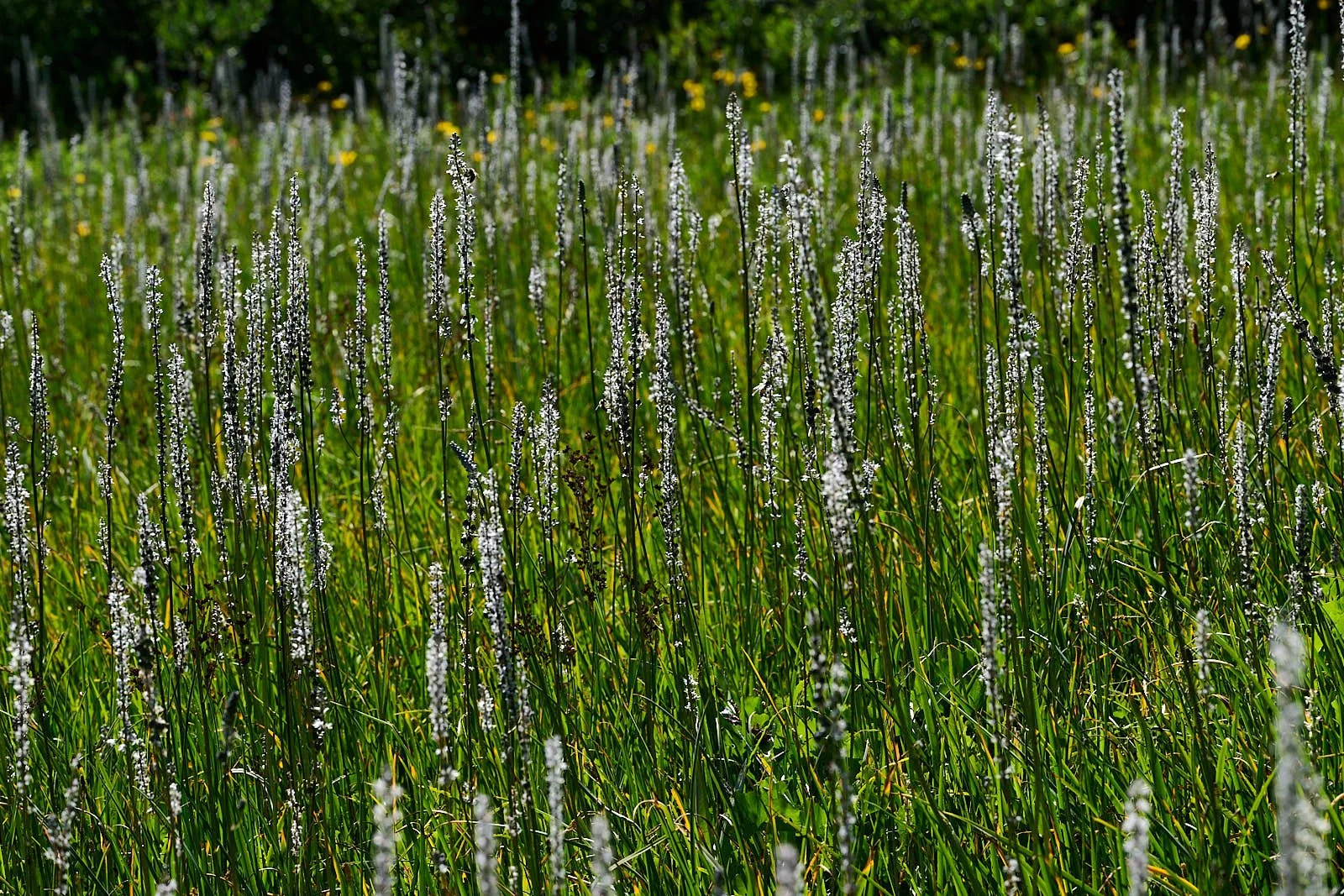

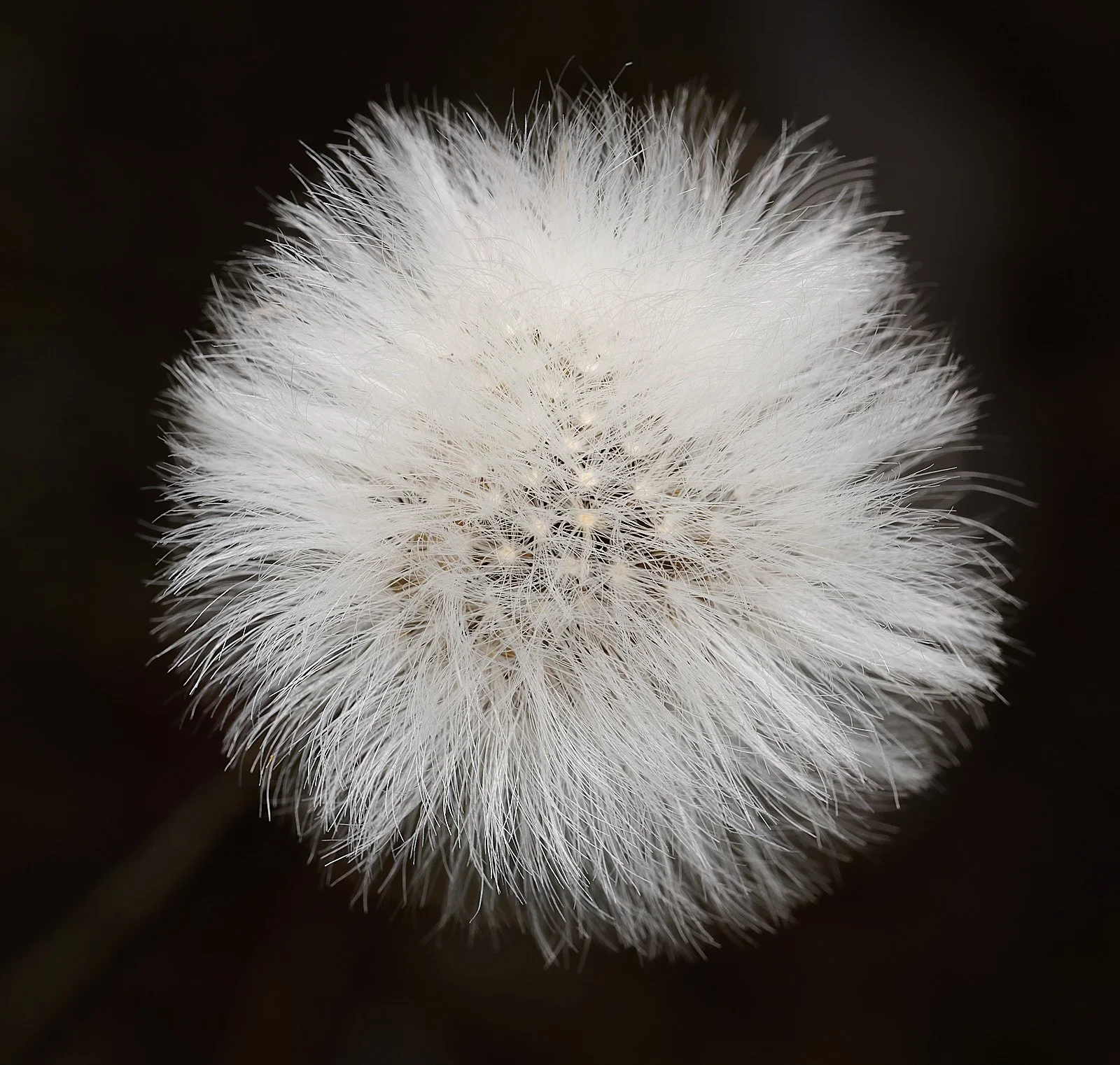
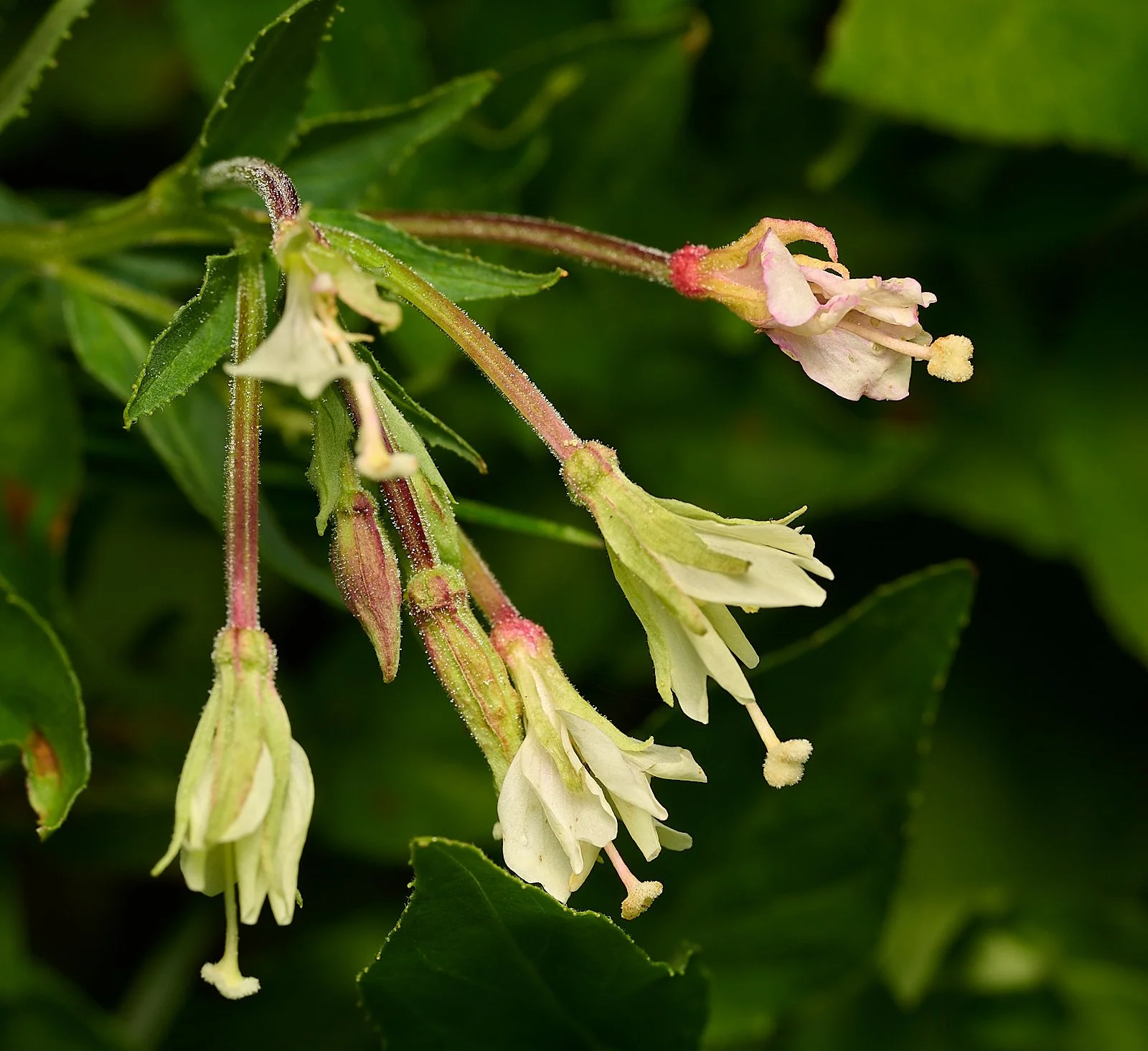
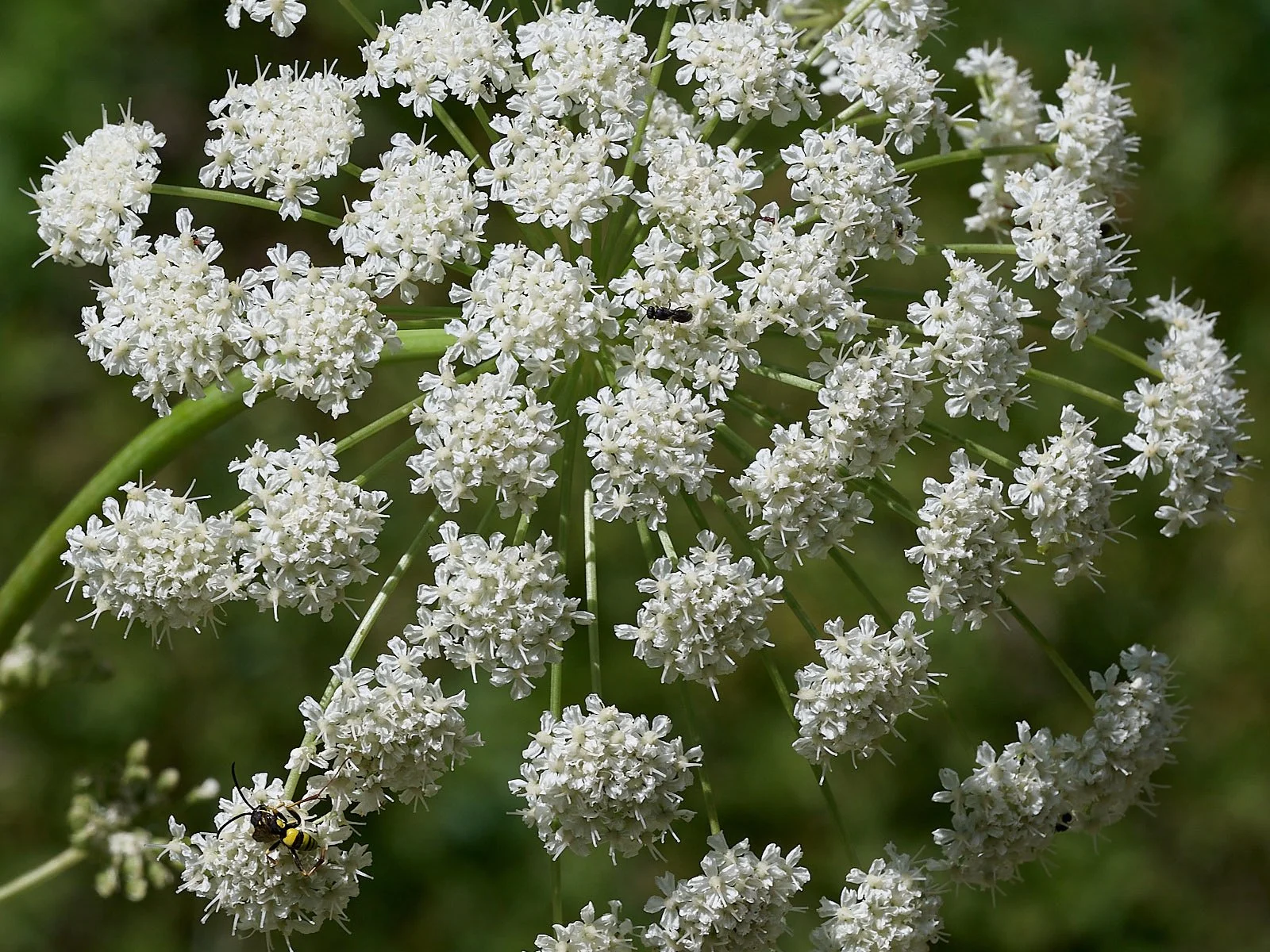
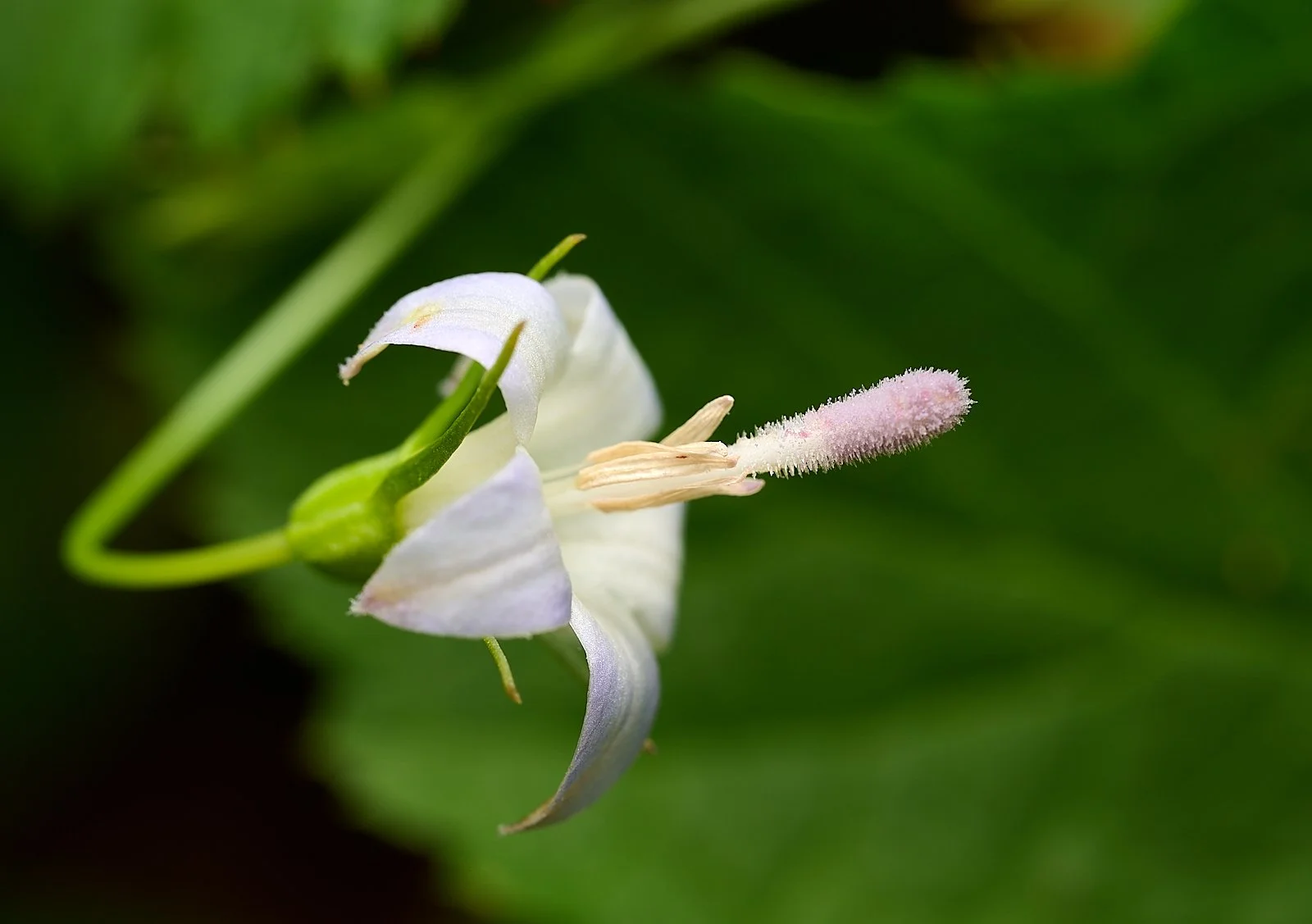
Camp Life
Remote van camping is, we gleefully admit, the easy way. Some hardy folk arrive at these places with much more effort. The long-distance Big Foot and Pacific Crest Trails wind passed our camps. We are in awe of these hikers.
Of course, where there is altitude, there is scenery, and where there are plants, there are creatures that depend on plants.
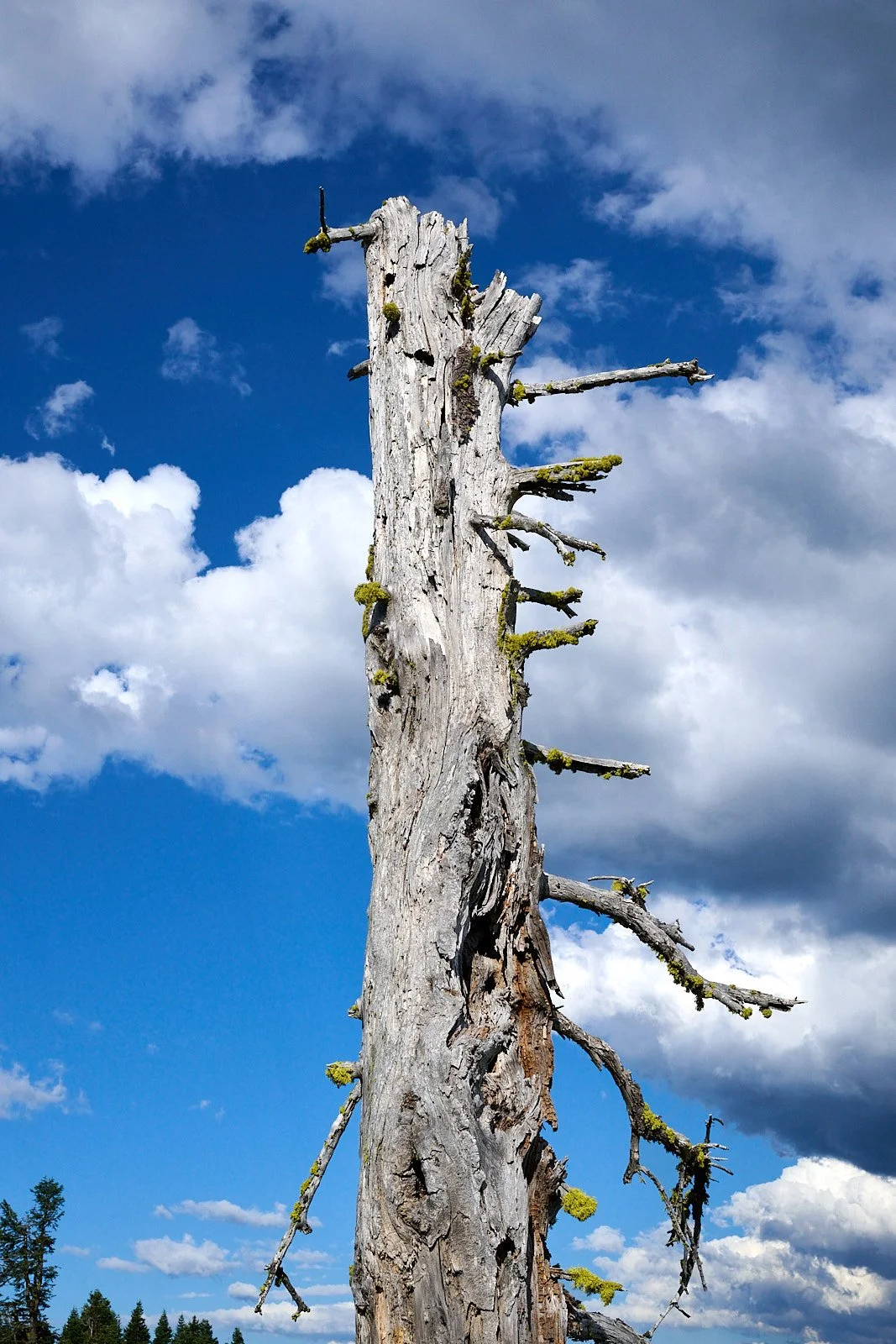
In the morning, when we listened for bird song at Poker Flat, it was impressive to hear so many species calling. Poker Flat meadow and adjacent forest is surrounded for miles by dead trees - the consequence of a series of massive infernoes (2014, 2020, & 2023). Perhaps our camp area has become an important refuge for birds and other wildlife.
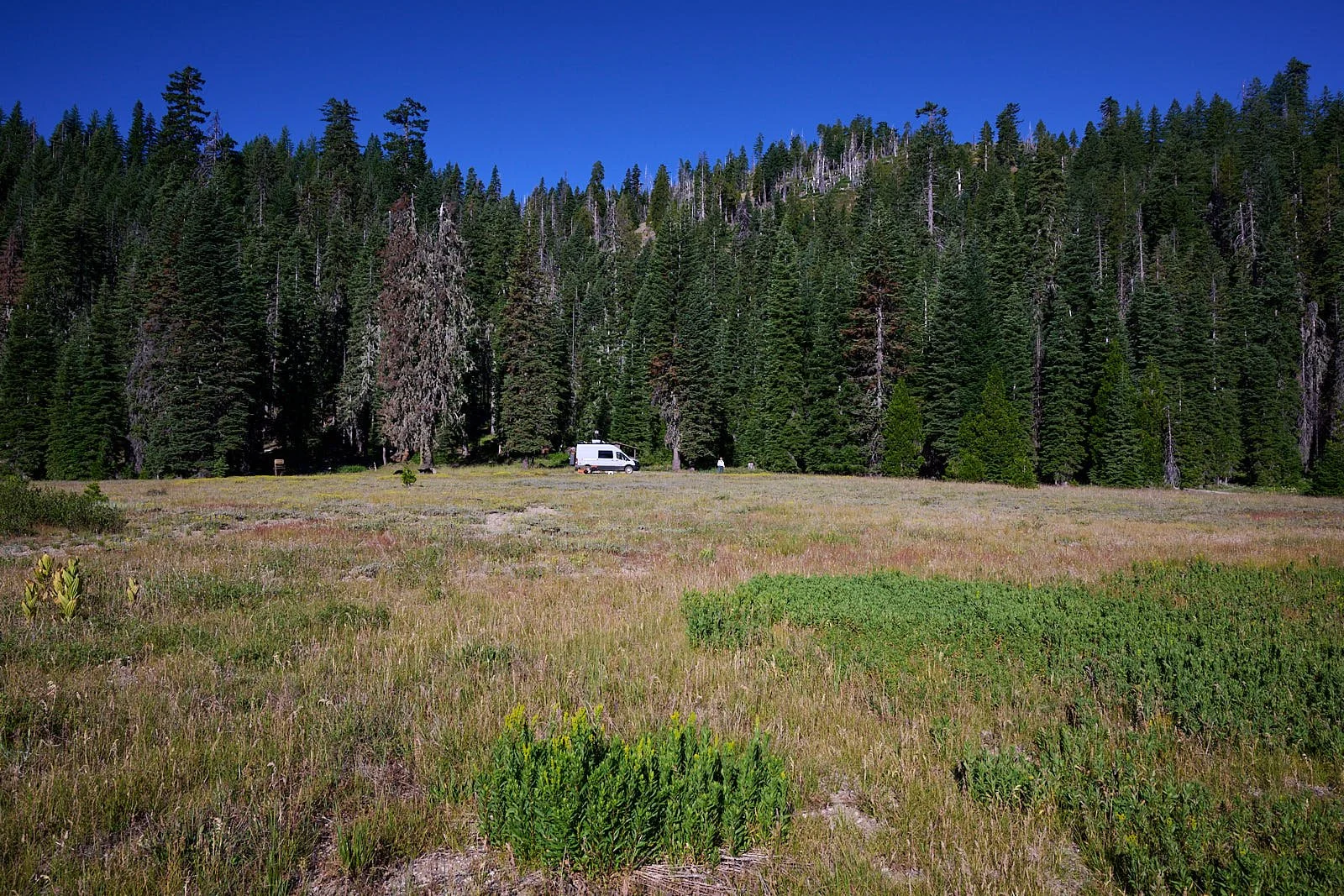
Poker Flat camp
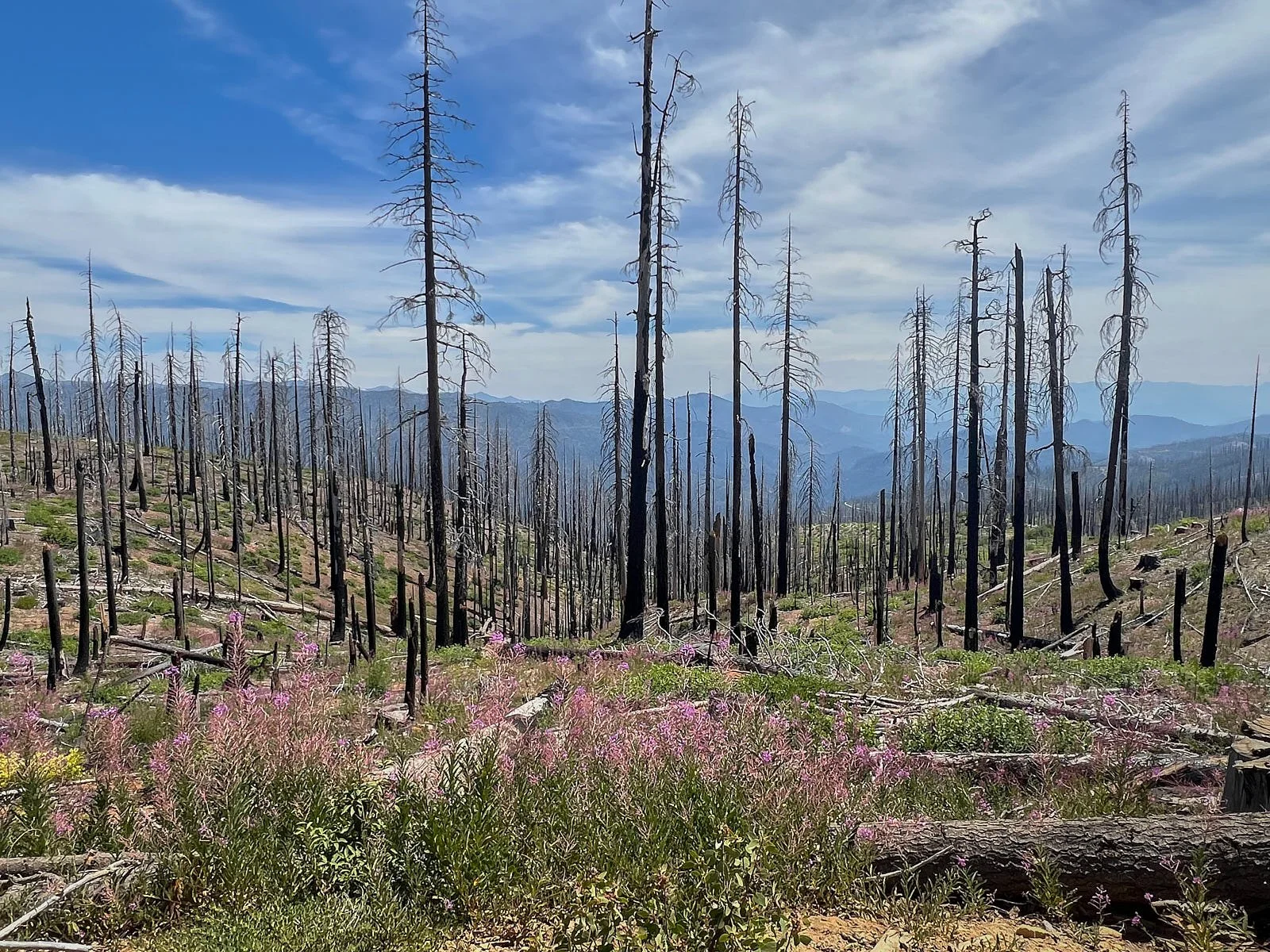
Trevlyn took this iPhone picture at the junction of forest roads 18N130 & 18N133. It shows a little of the former forest that was devastated by fire. Fireweed in the foreground is a fire-follower, it was blooming prolifically.
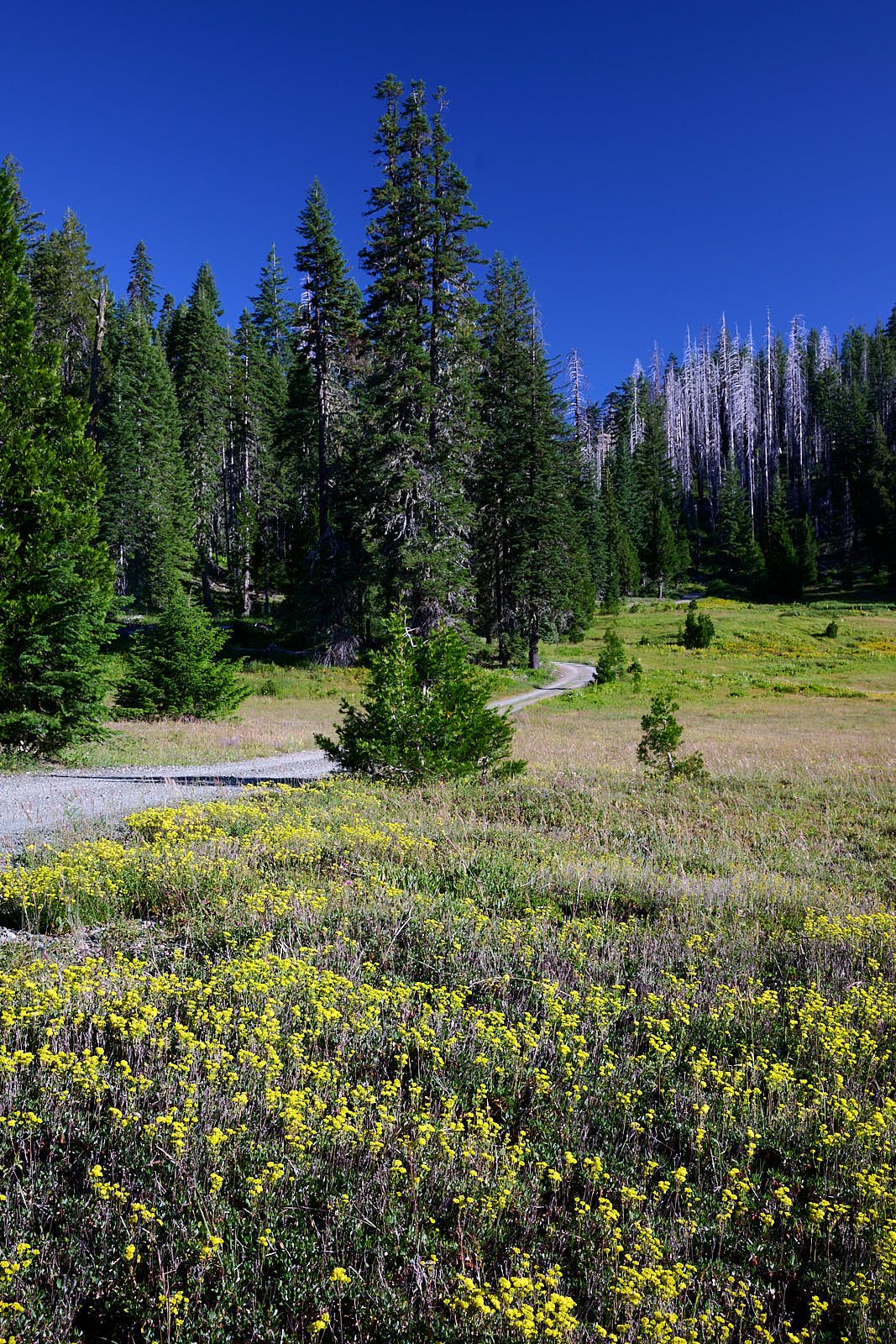
Entrance to Poker Flat. Note the burnt trees - the fire came pretty close to the meadow.
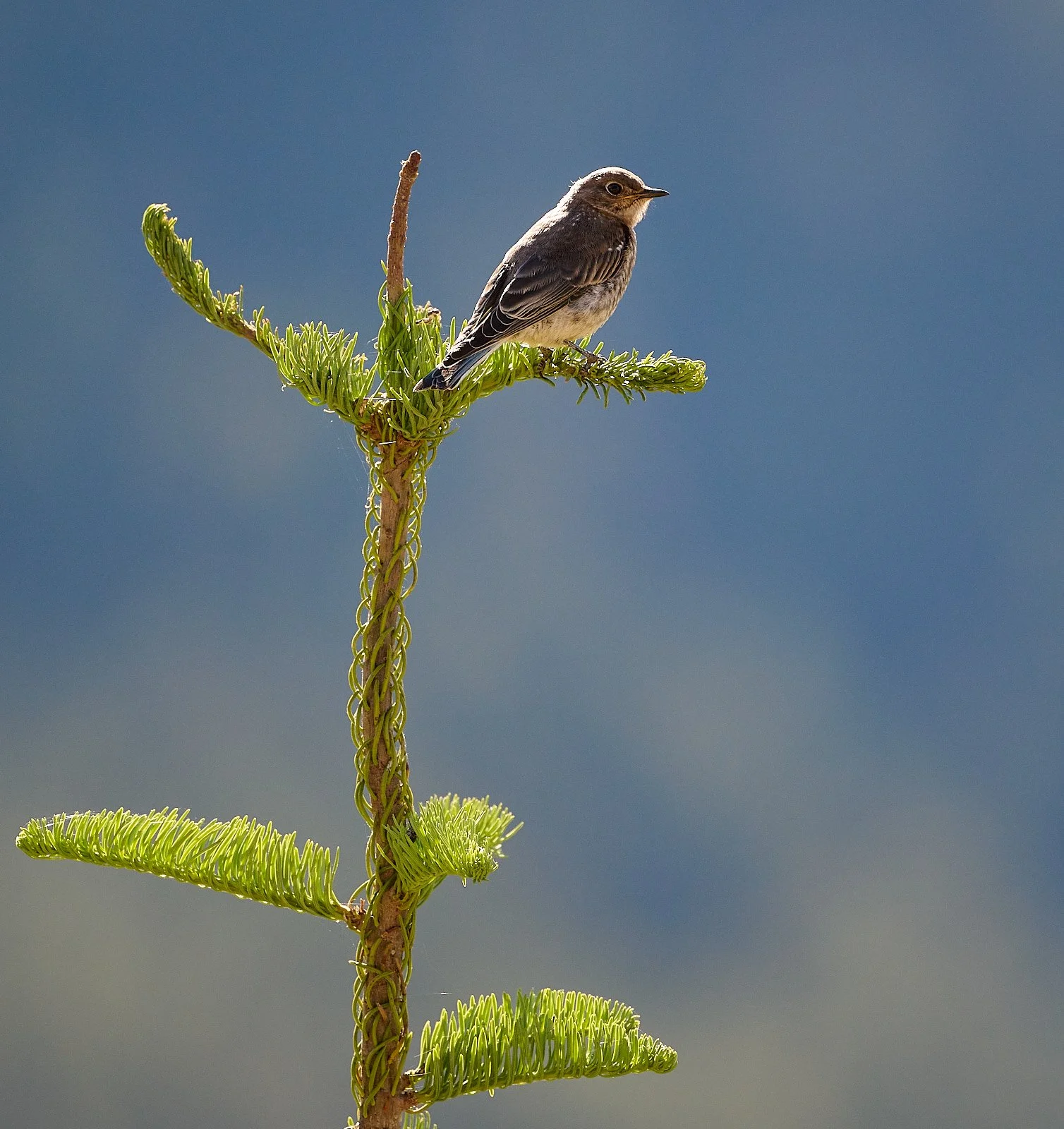
Mountain Bluebird, juvenile. The bird was using the fir sappling to scan for insects.
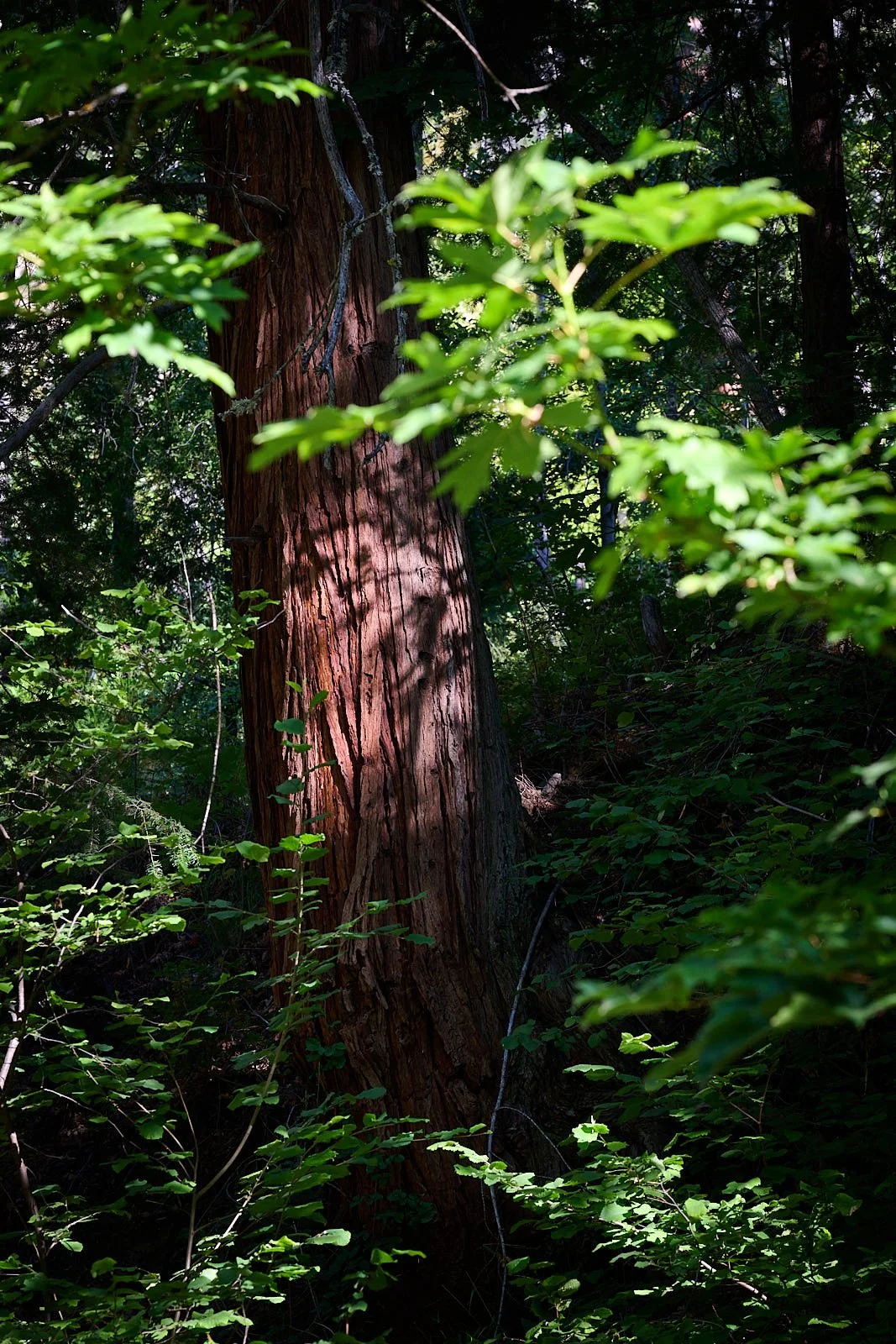
Incense cedar at Beaver Creek.
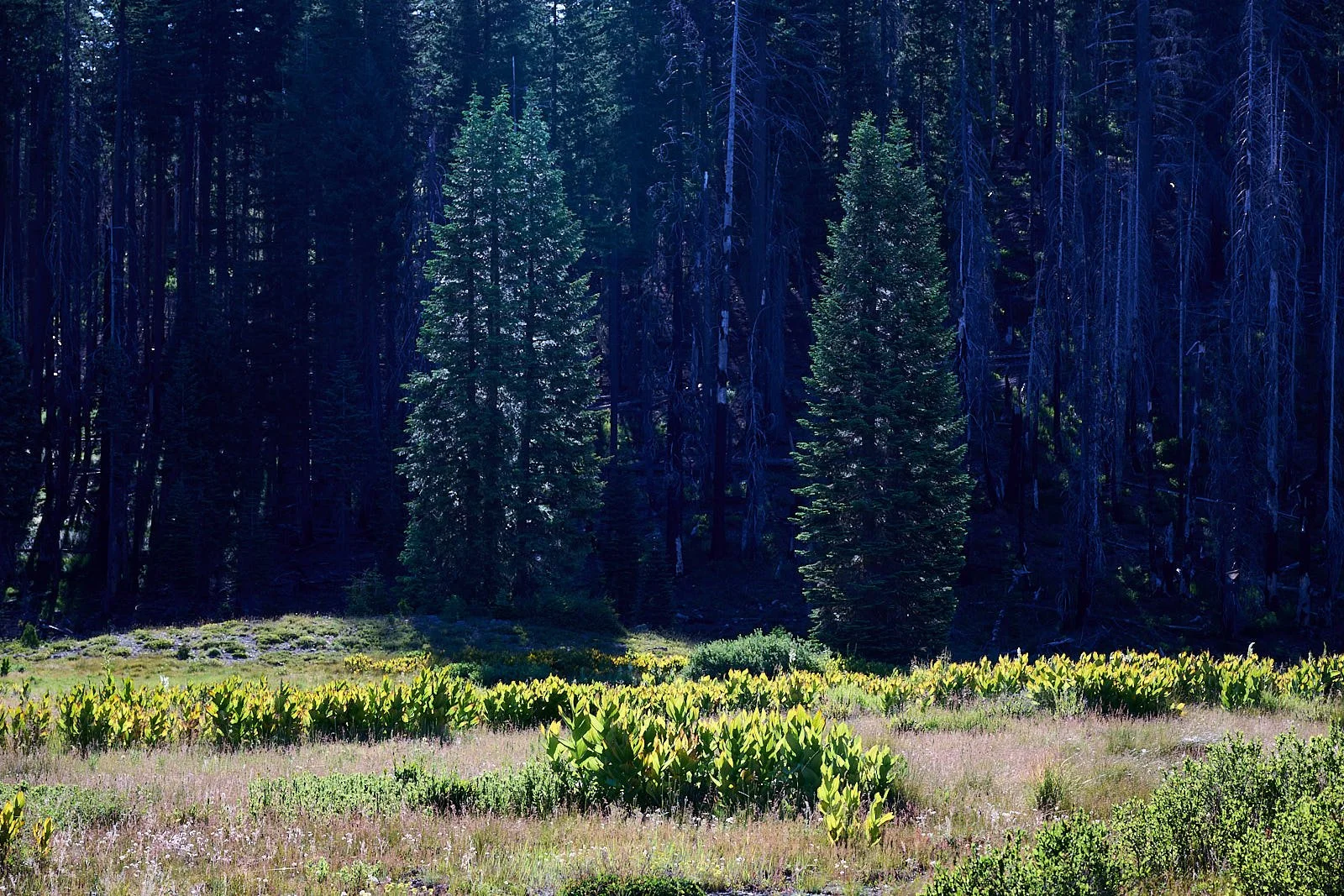
Morning light filtering through Shasta firs at Poker Flat
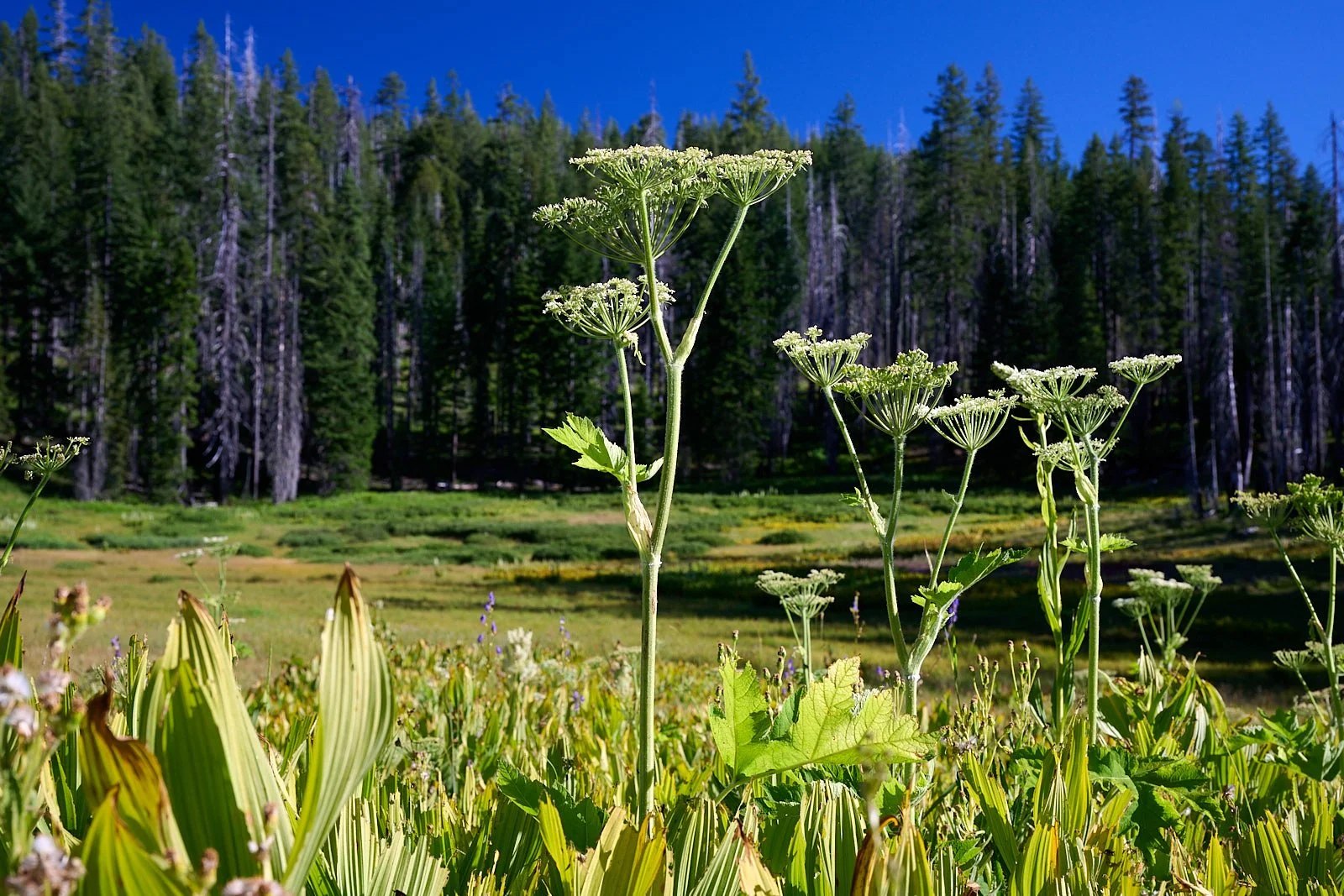
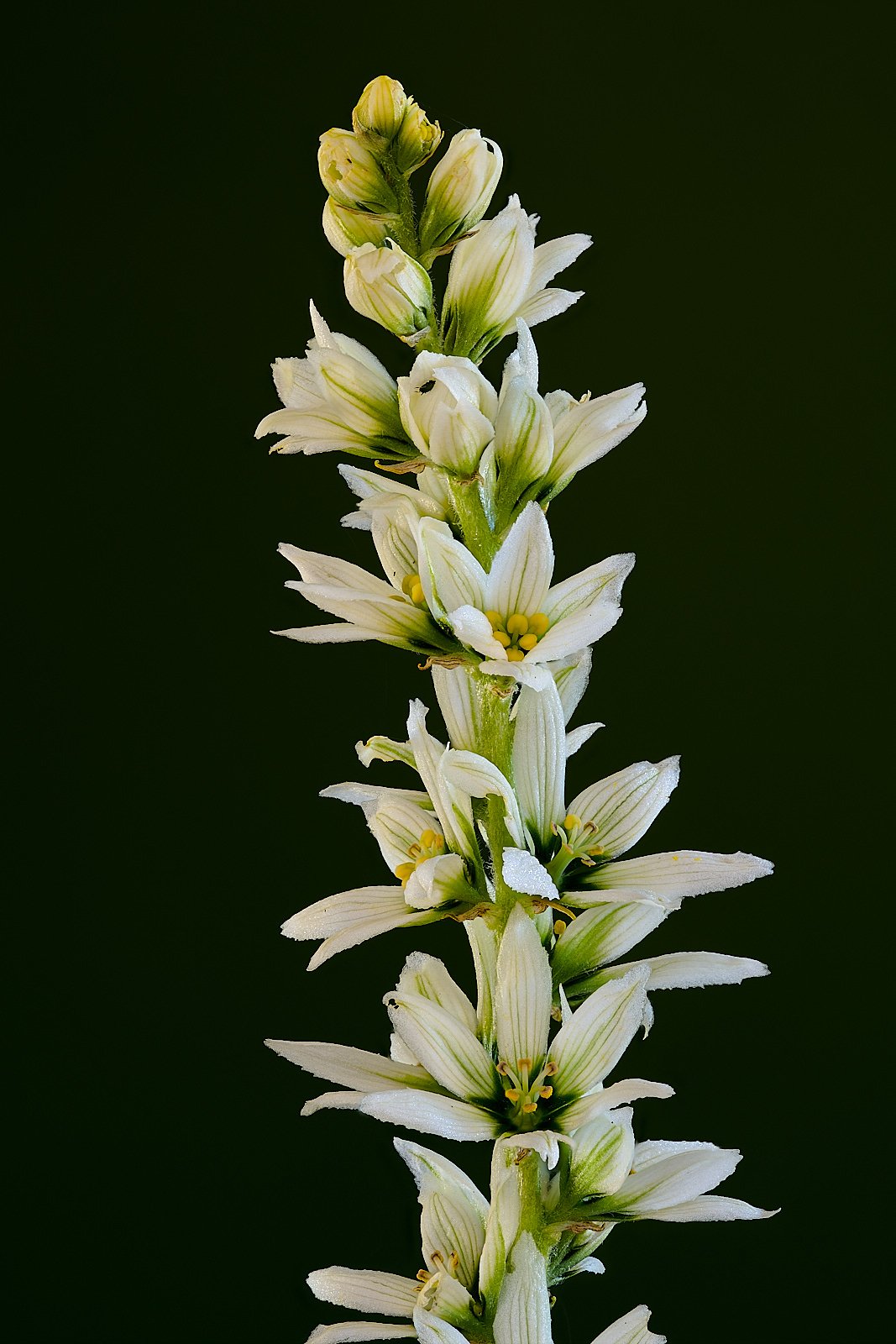
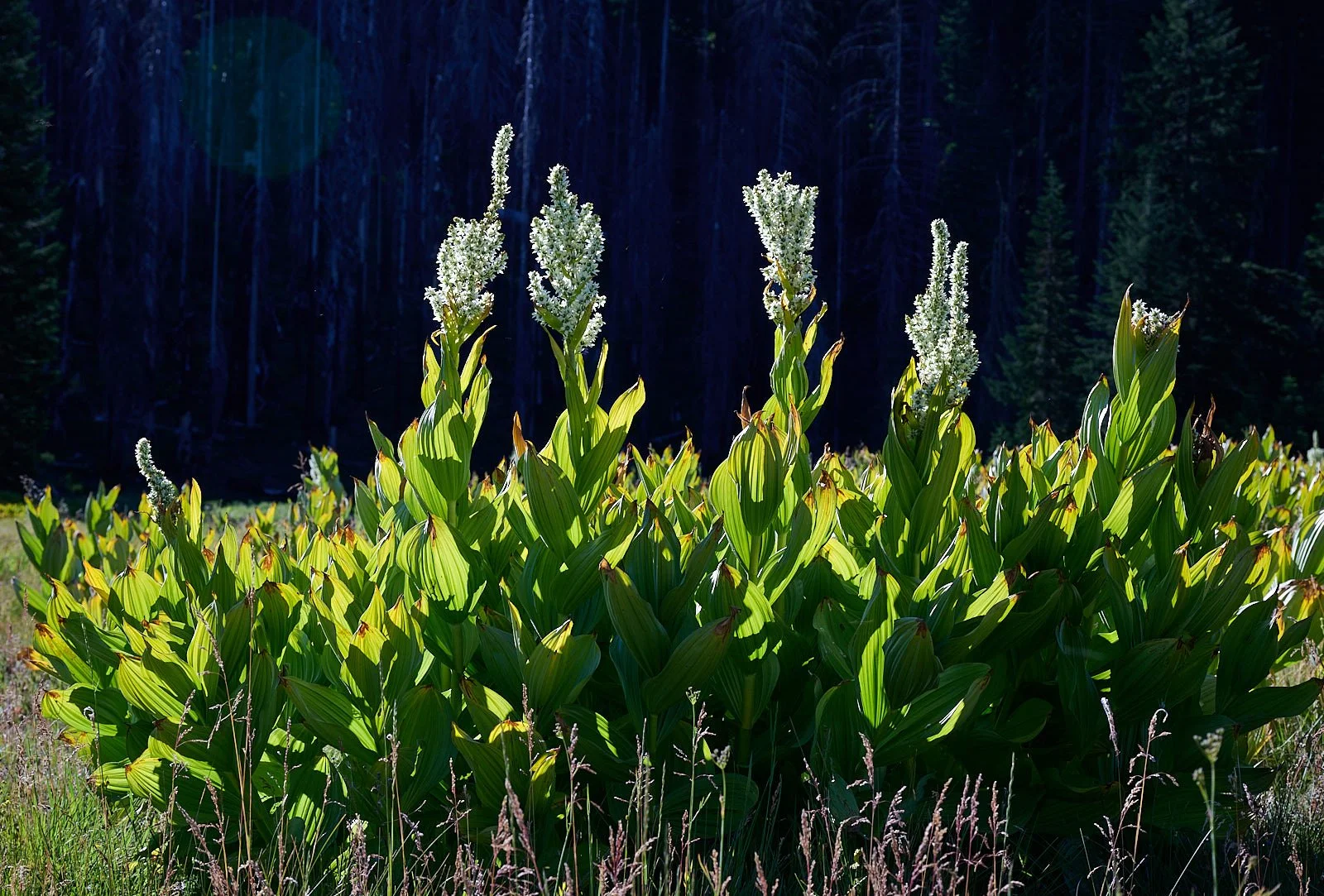
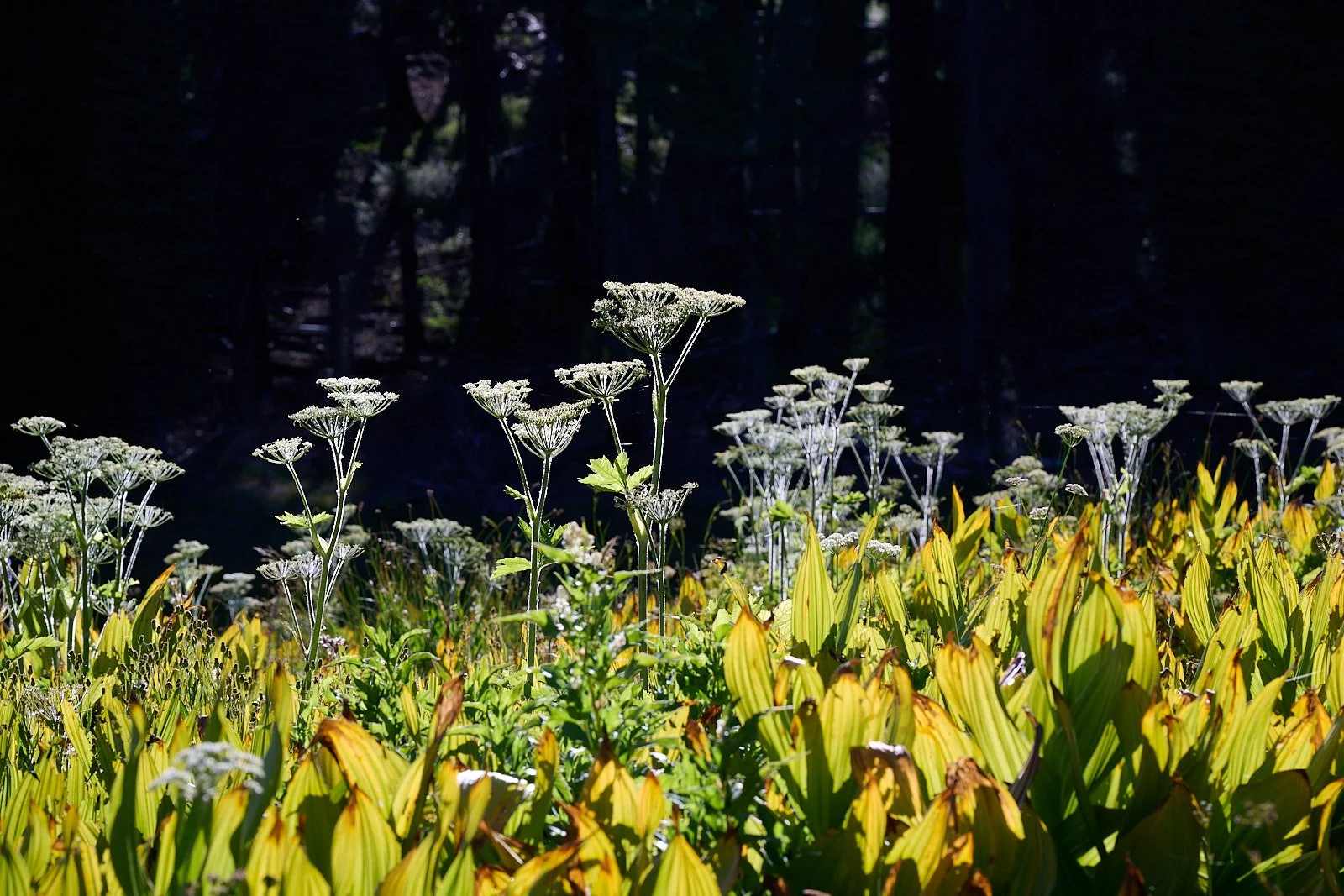
Cow parsnip and corn lilies occupy the drier section of Poker Flat meadow.
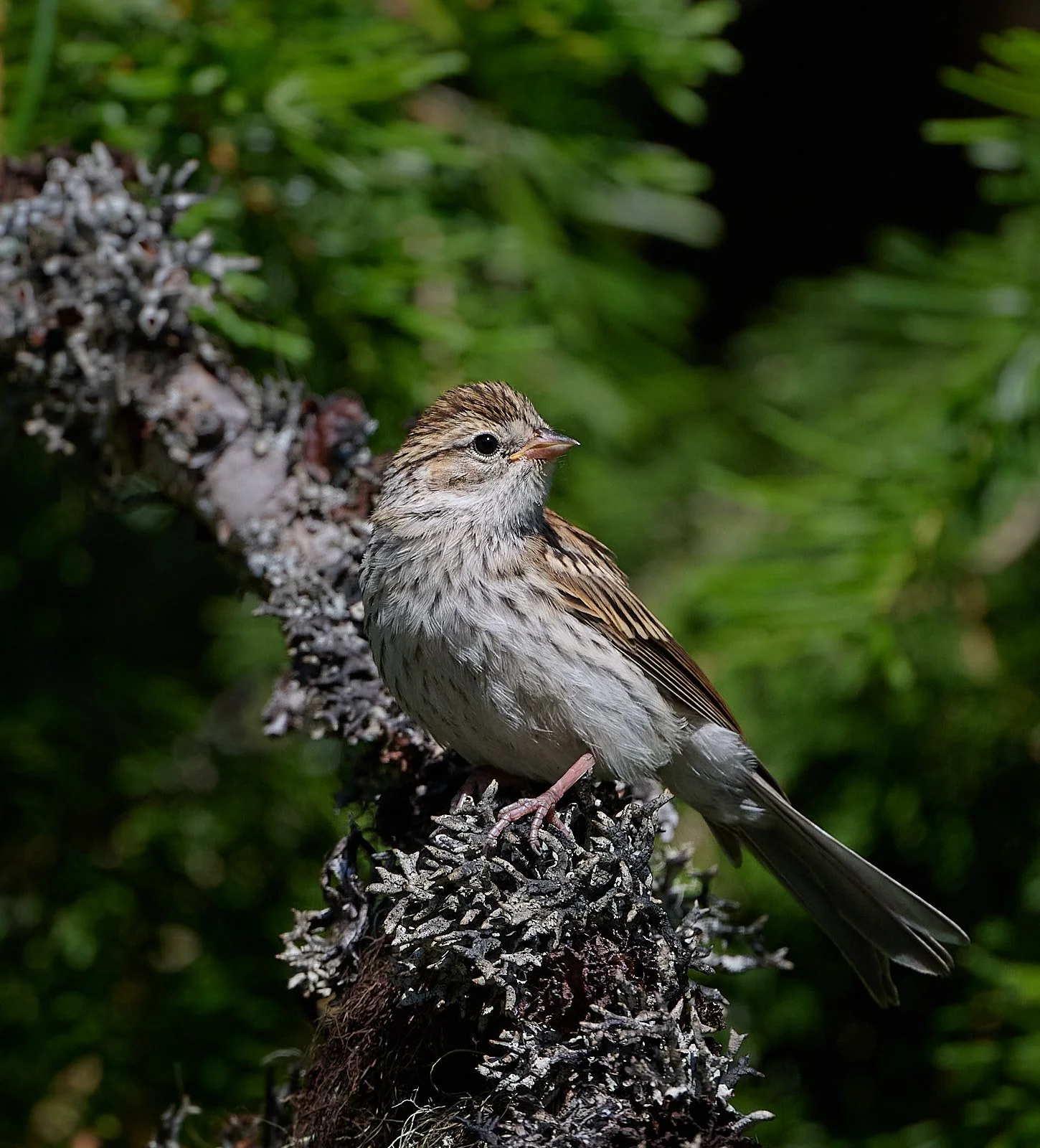
Lincoln’s Sparrow. I had great trouble distinguishing their song from other sparrows. Merlin song ID app had no problem.
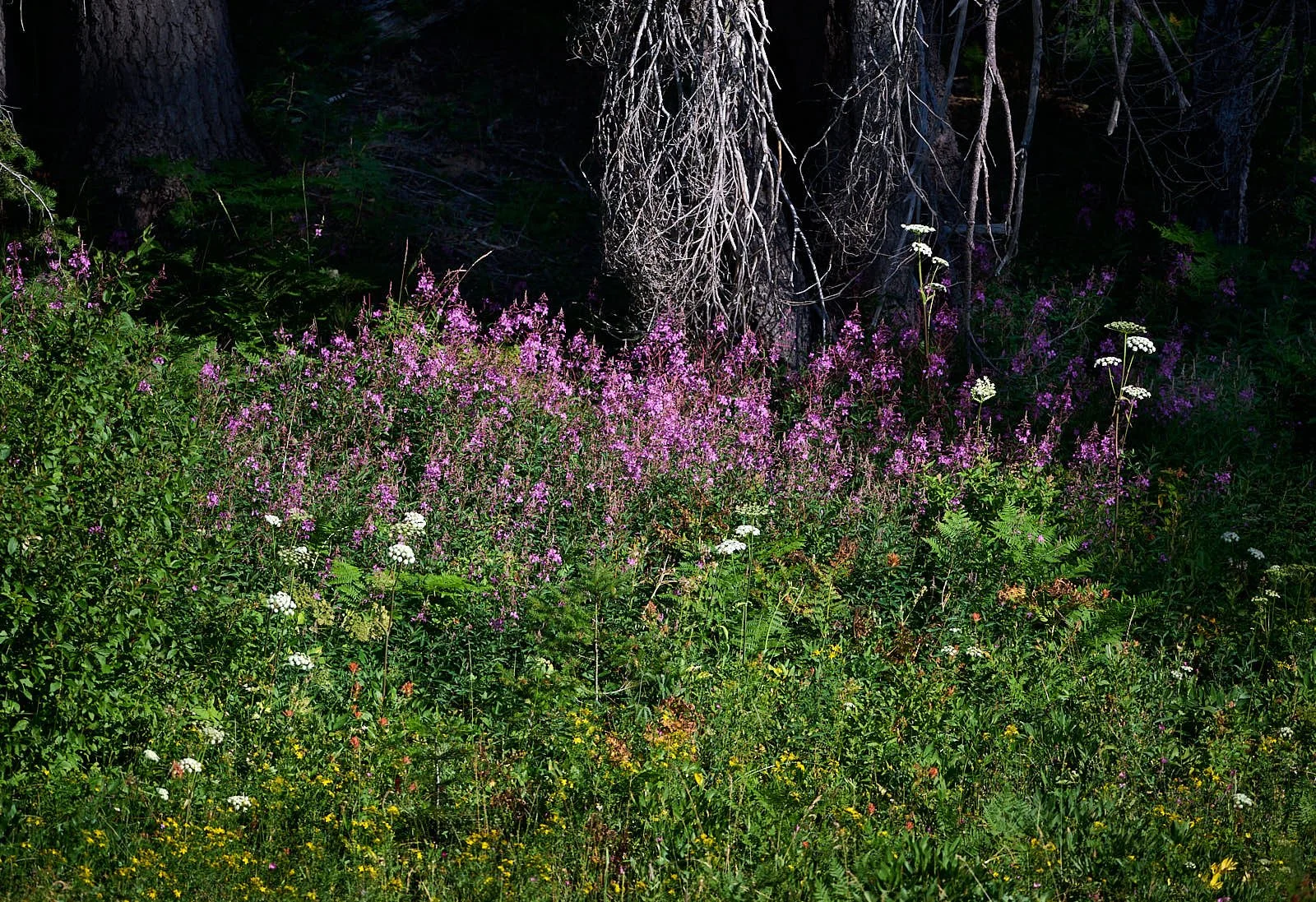
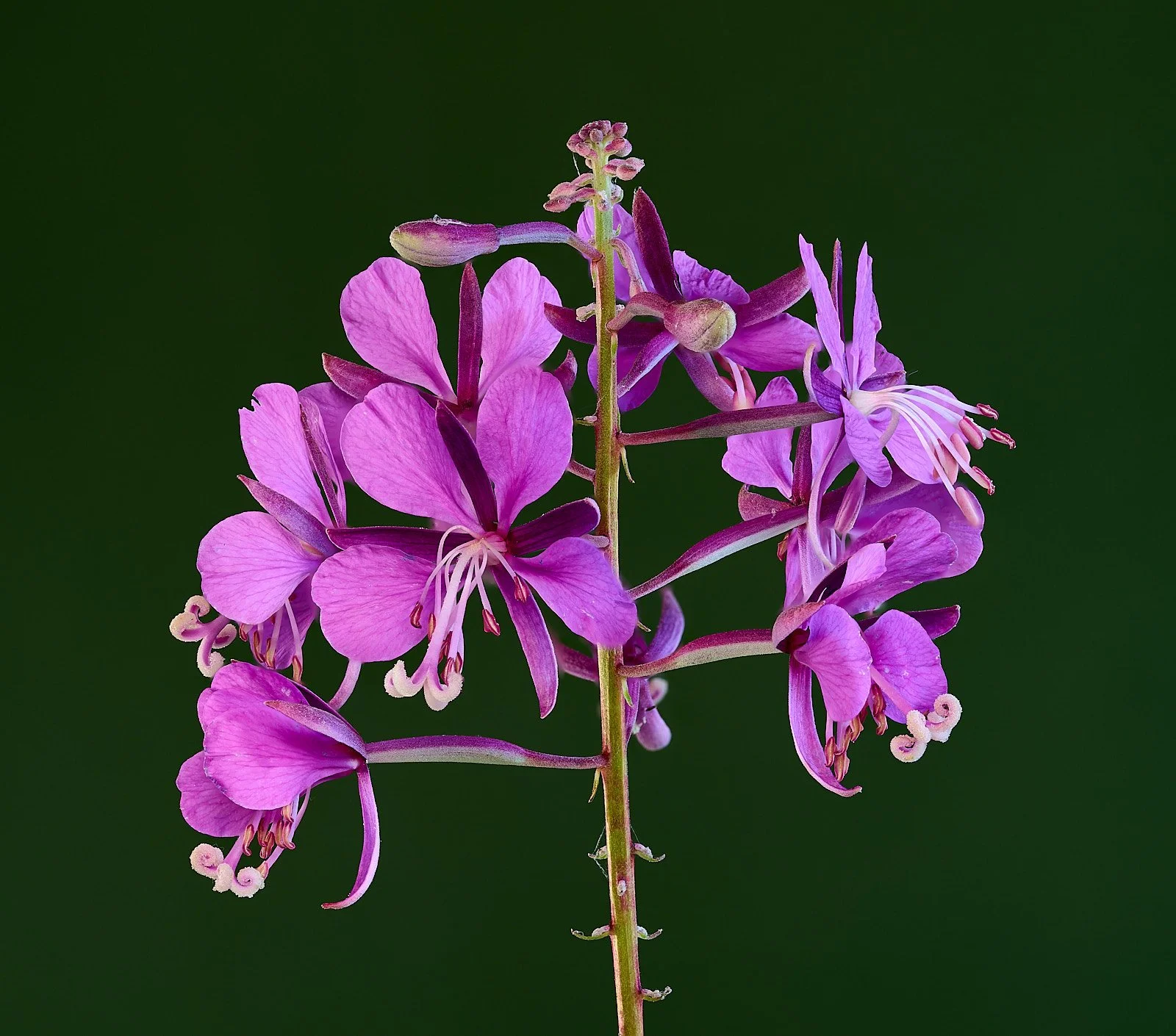
Fireweed, a pink perennial that thrives in disturbed areas.
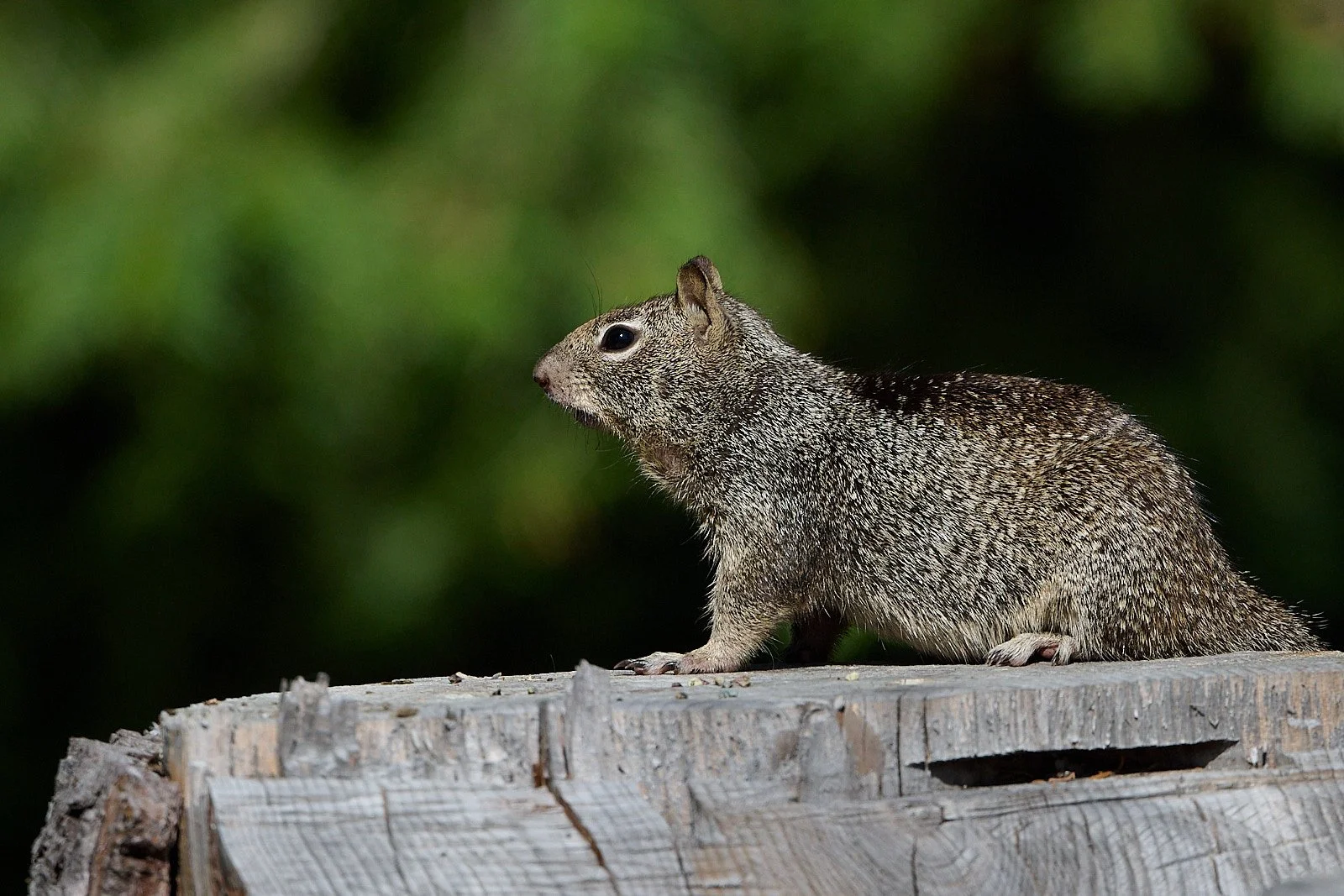
Ground squirrel warming in the sunshine.
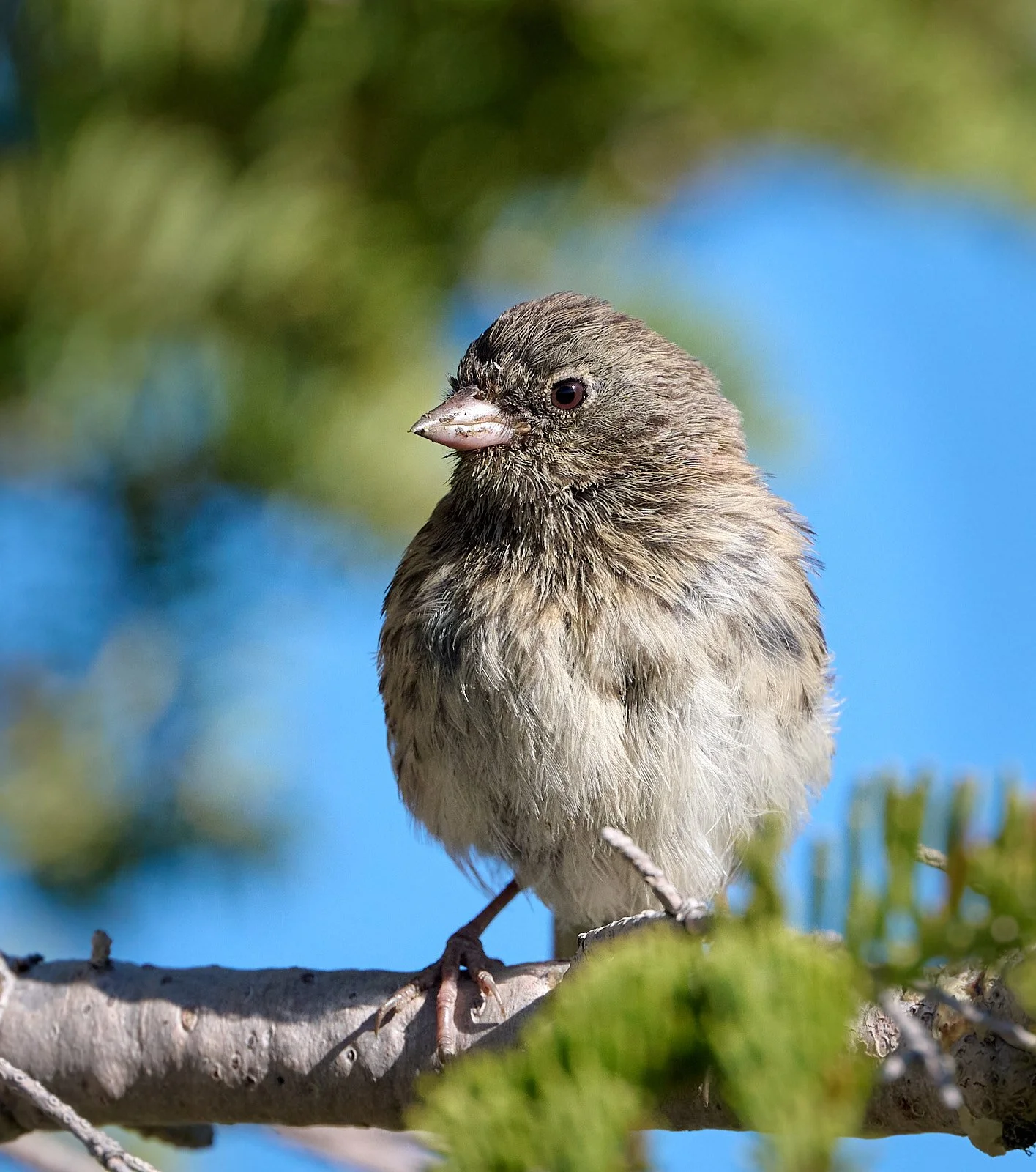
Dark-eyed Junco, juvenile. There were large flocks active around our Siskiyou camp.
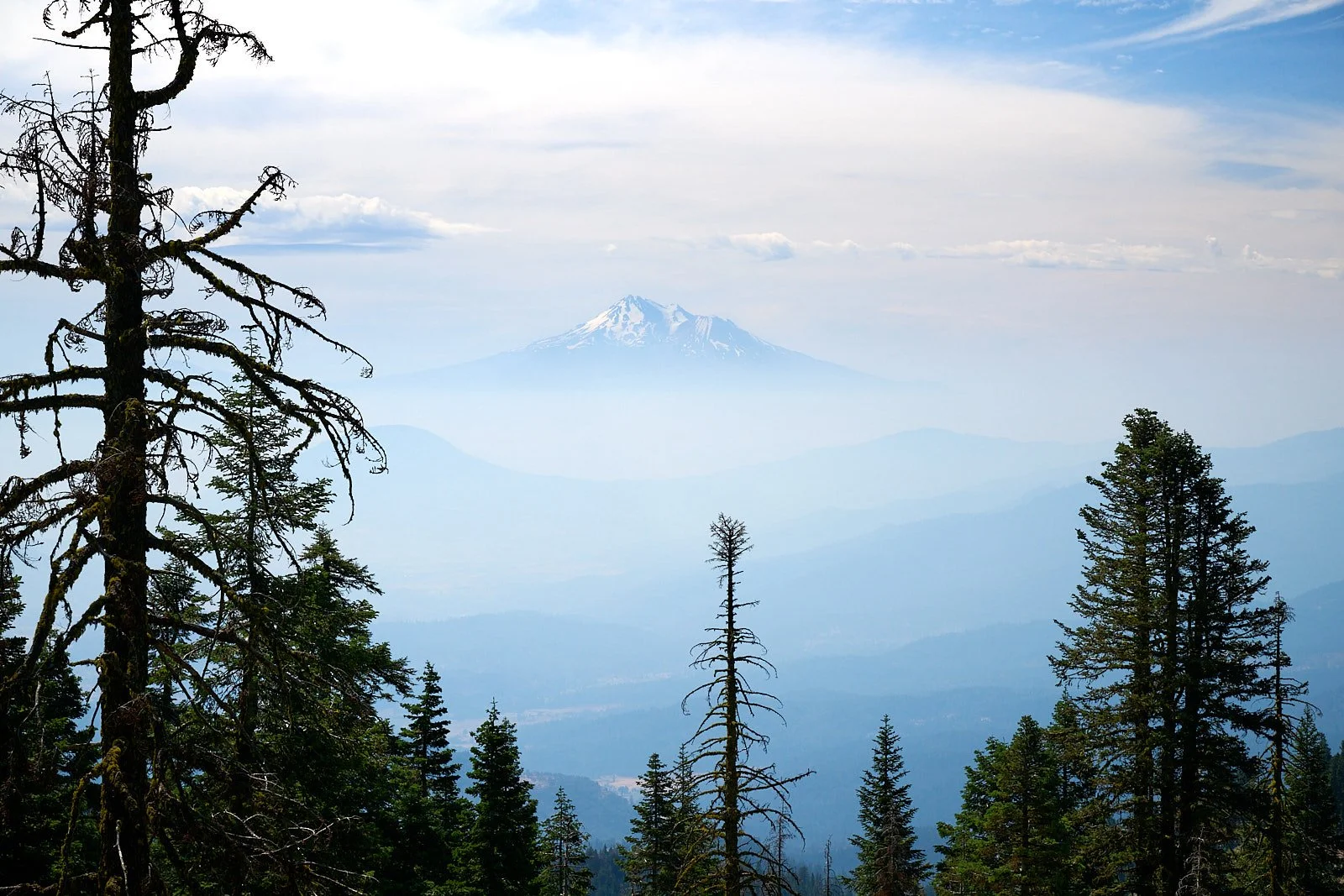
Mount Shasta seen from Mount Ashland.
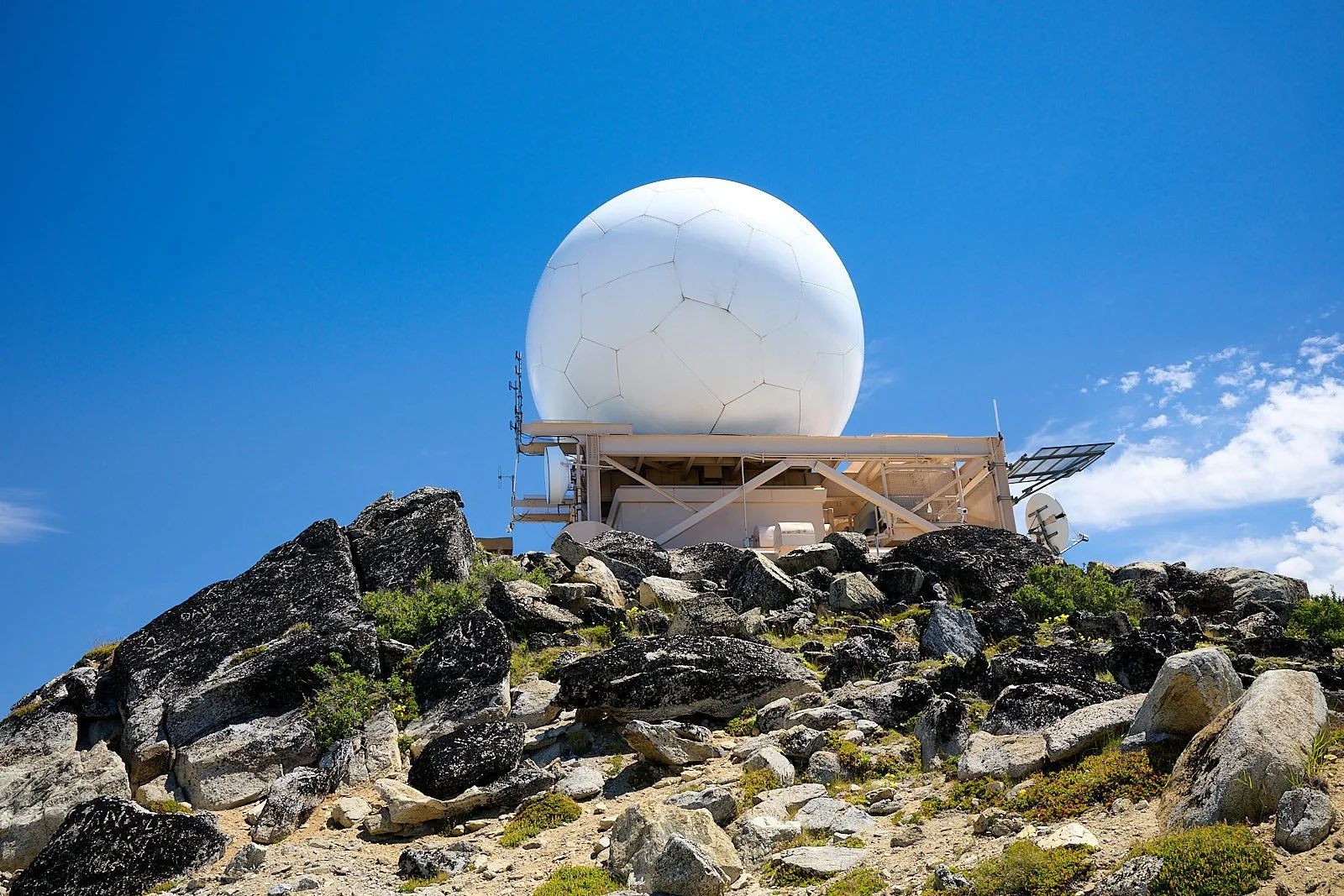
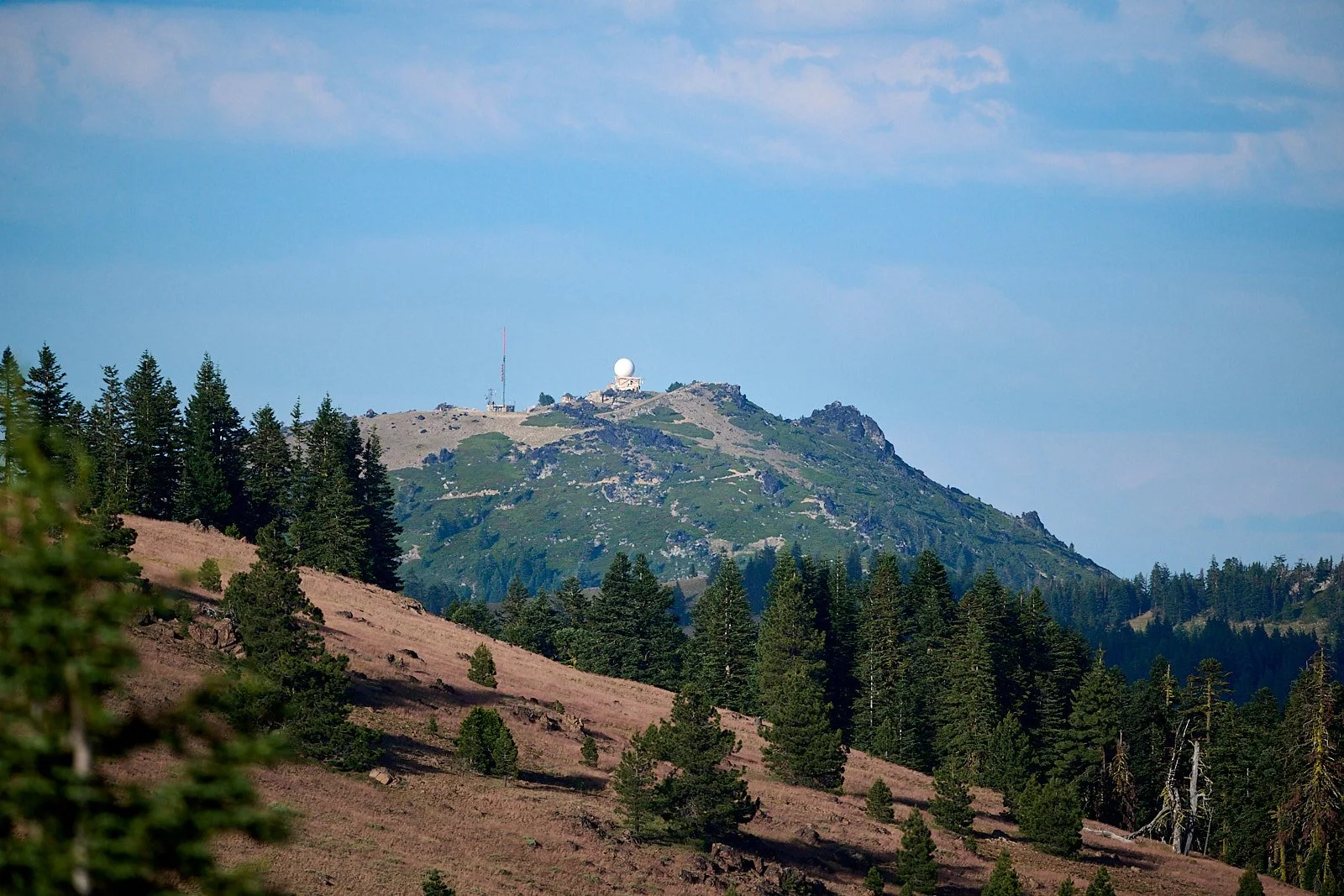
Communication equipment at Mount Ashland’s peak (7,533 feet).
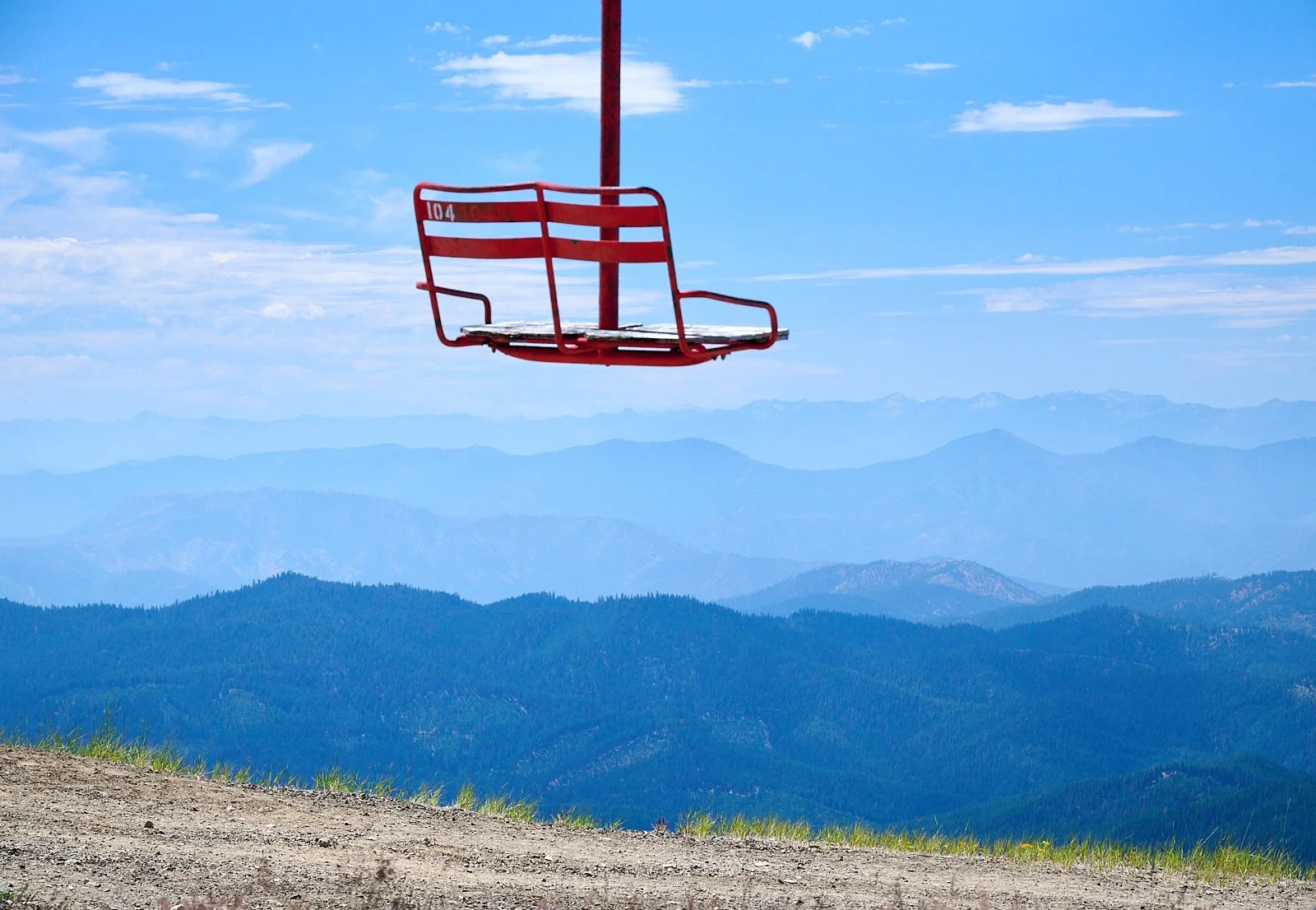
Mount Ashland summit. Waiting for snow.
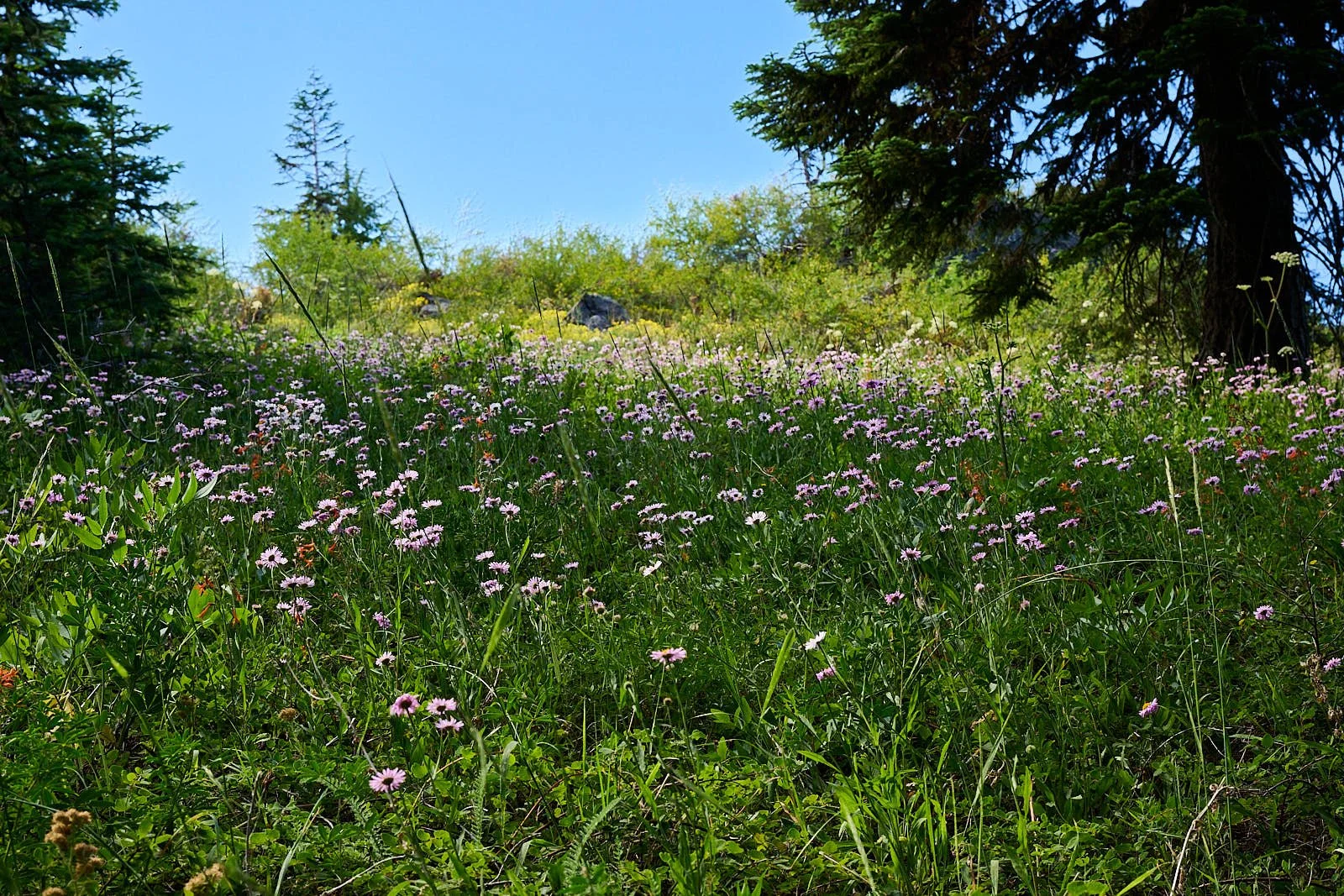
Siskiyou slope with Shasta firs, asters and scarlet gilia.
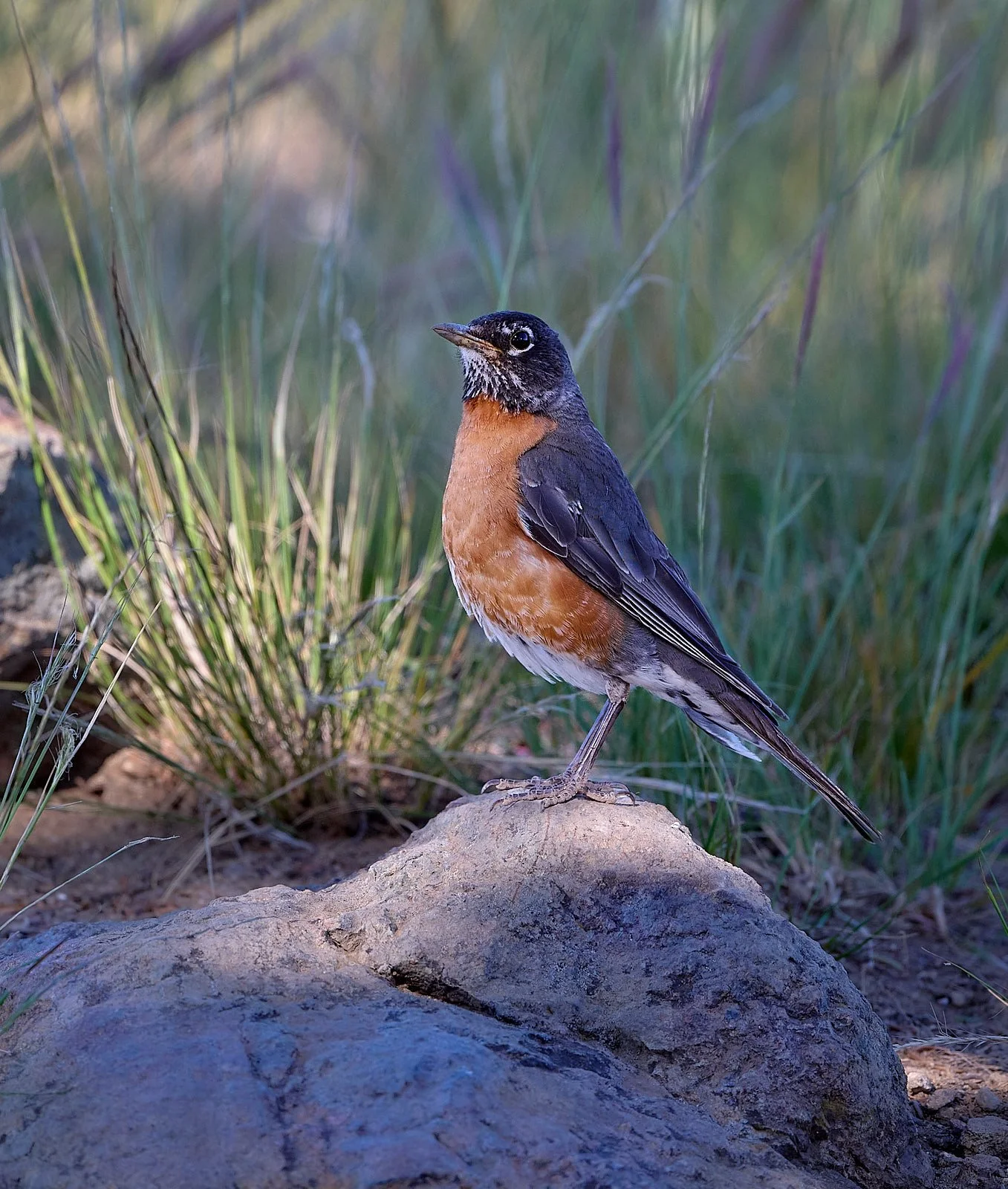
American Robin, pausing before deciding its next move.
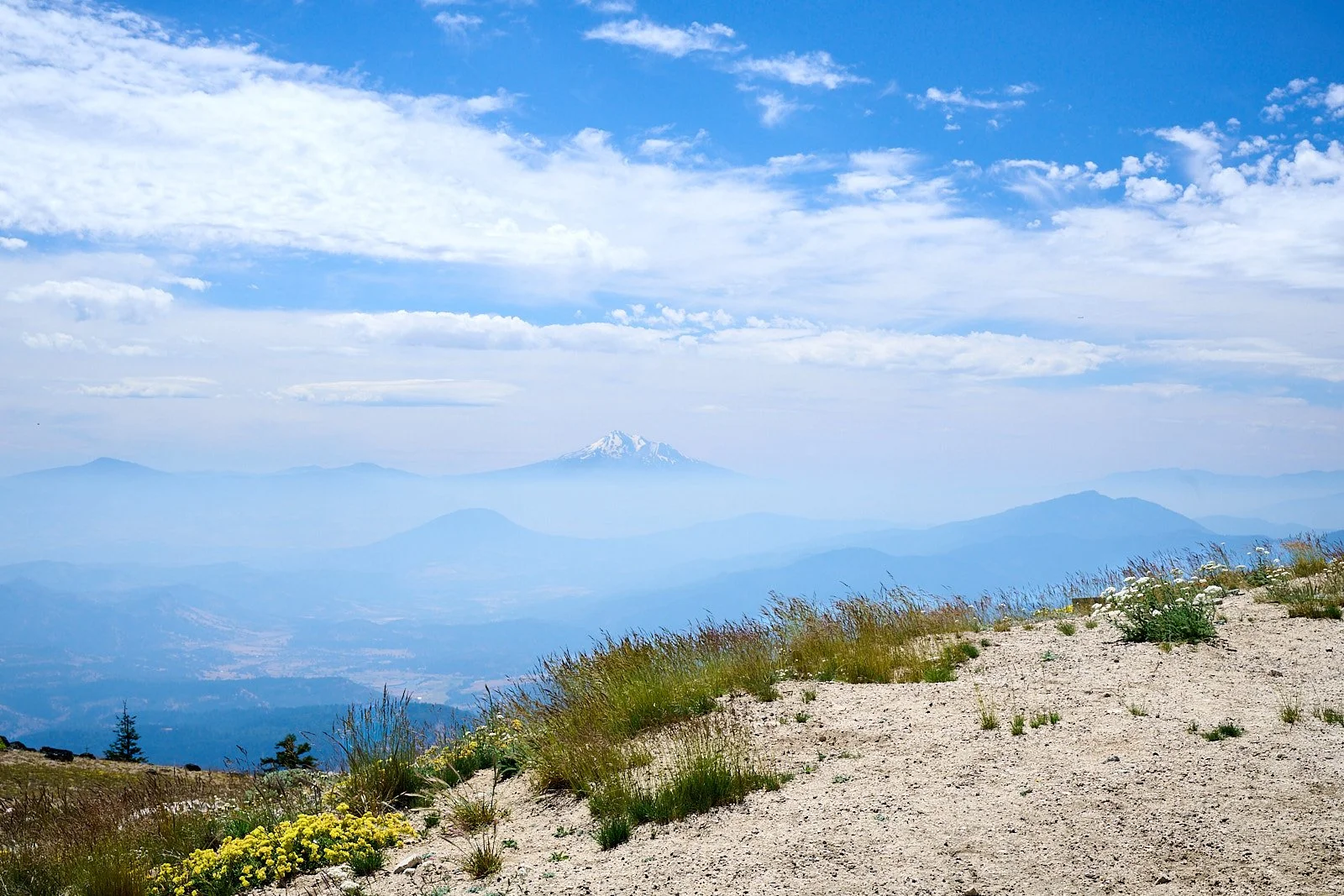
Summer scene atop of Mount Ashland.
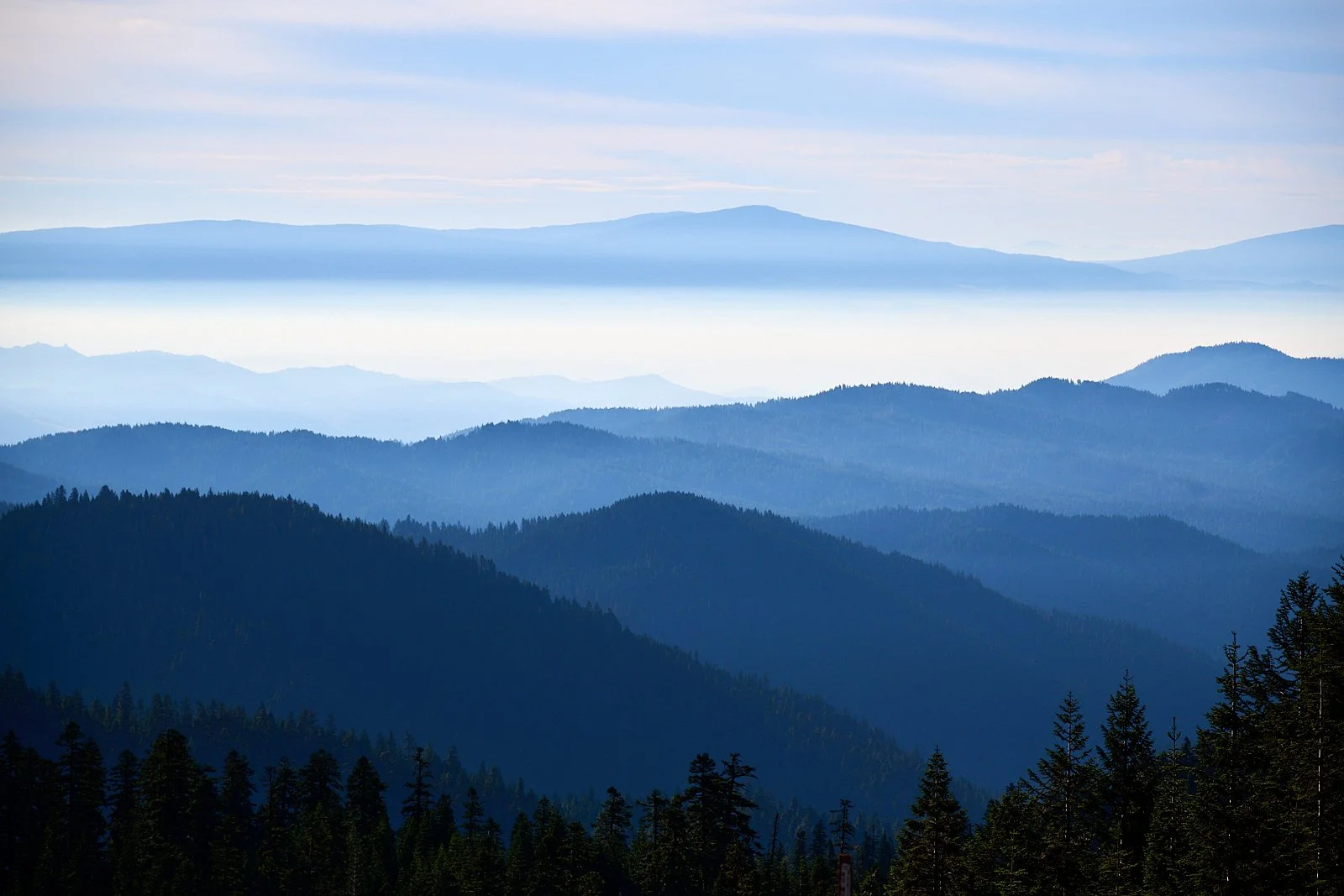
It would be hard to tire of this morning coffee view from our Siskiyou crest camp.
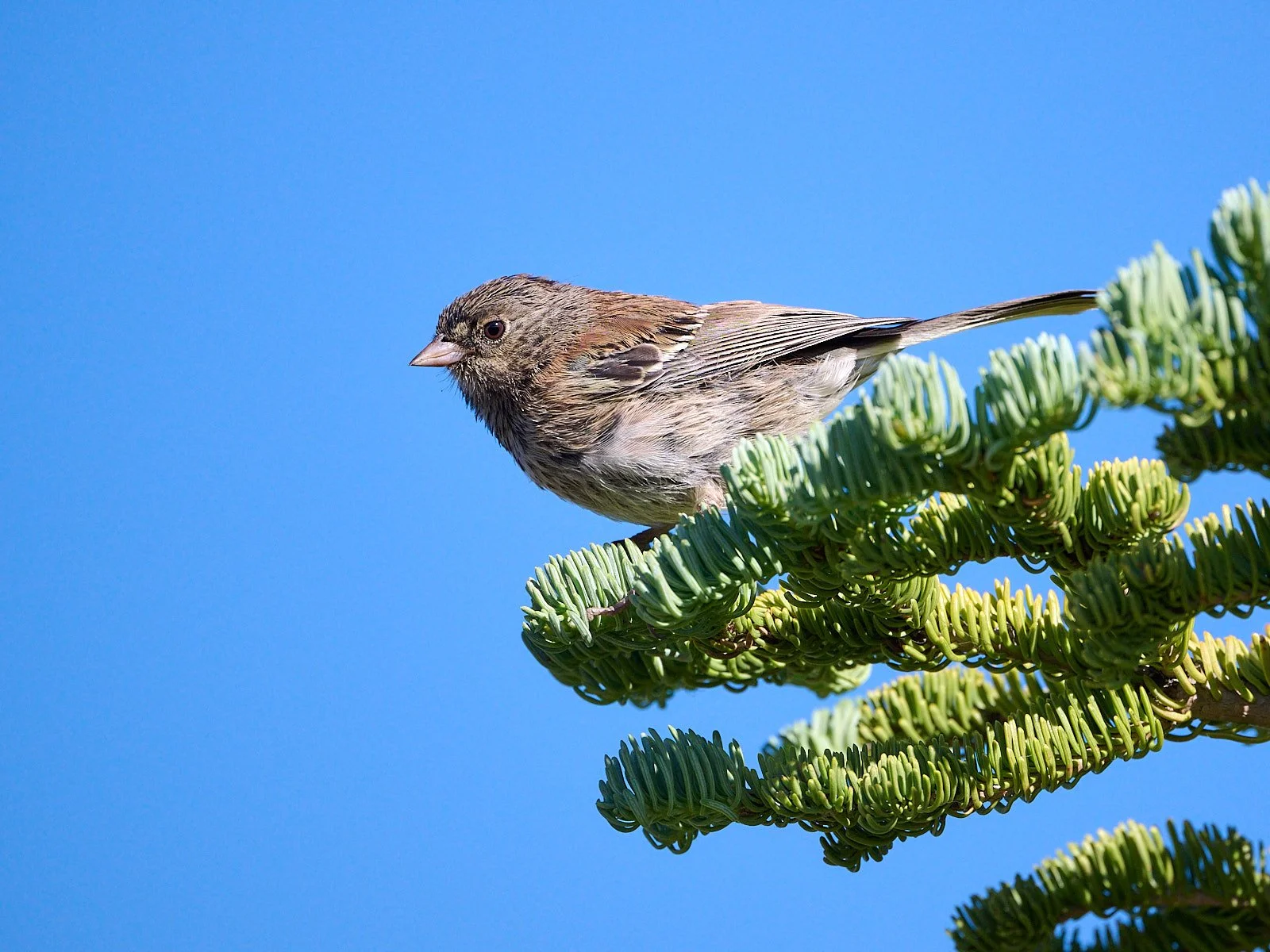
Dark-eyed Junco, immature
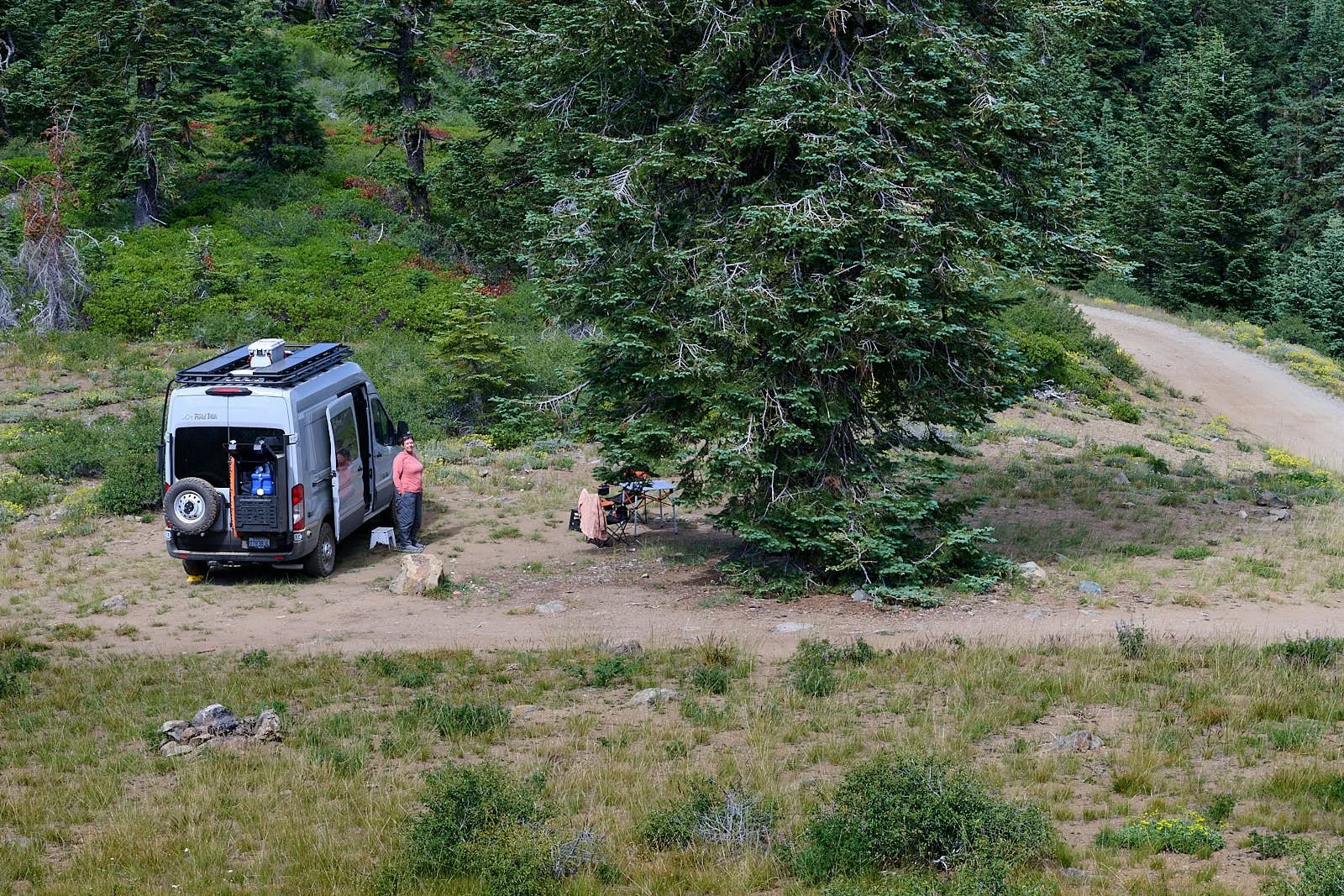
Siskiyou Crest camp (elevation 6,800 feet).
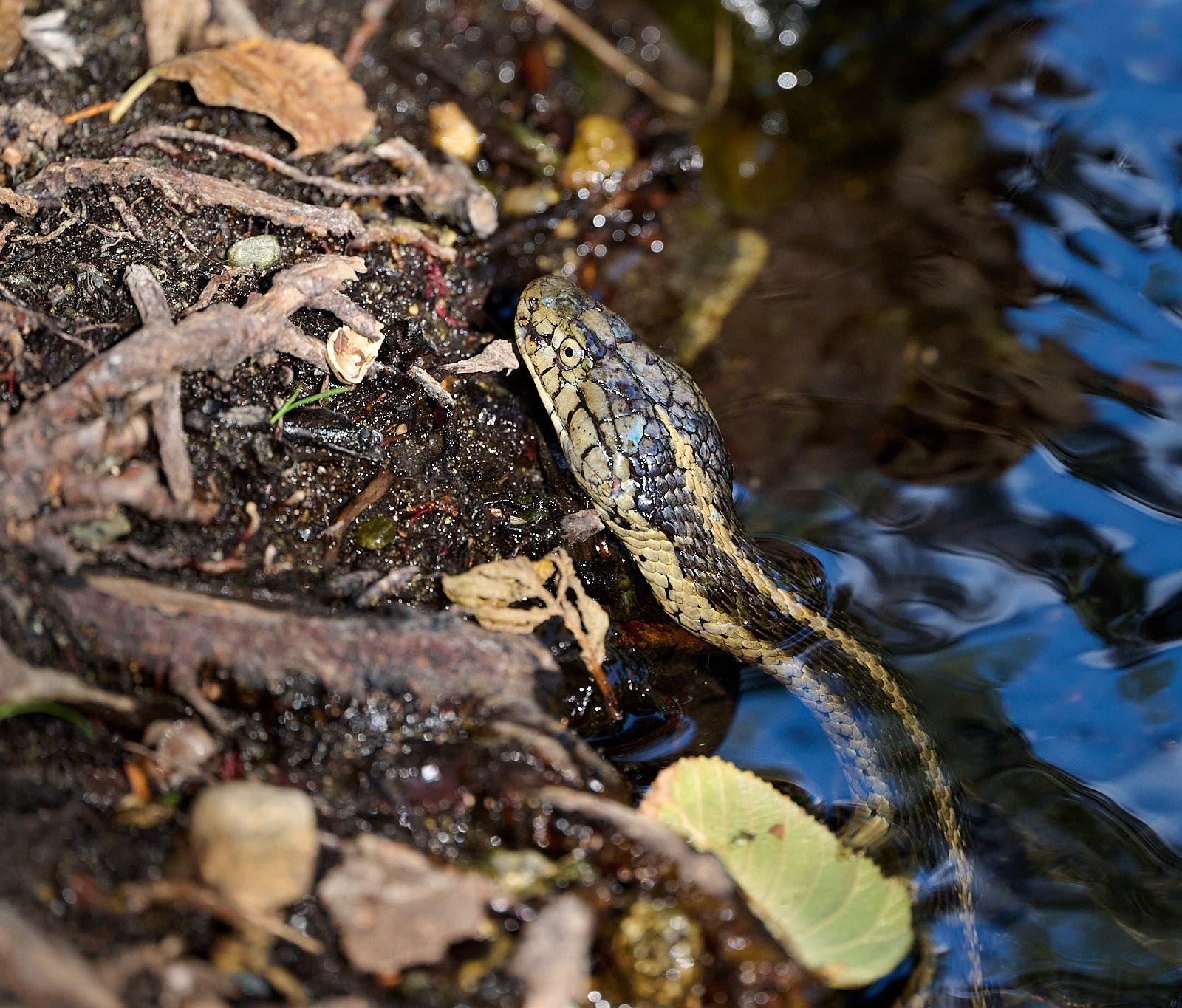
Garter snake at Beaver Creek. There are 12 subspecies of common garter snake. They are rear-fanged & their mild venom is not harmful to humans. Typical prey are frogs, small mammals, earthworms, and insects.
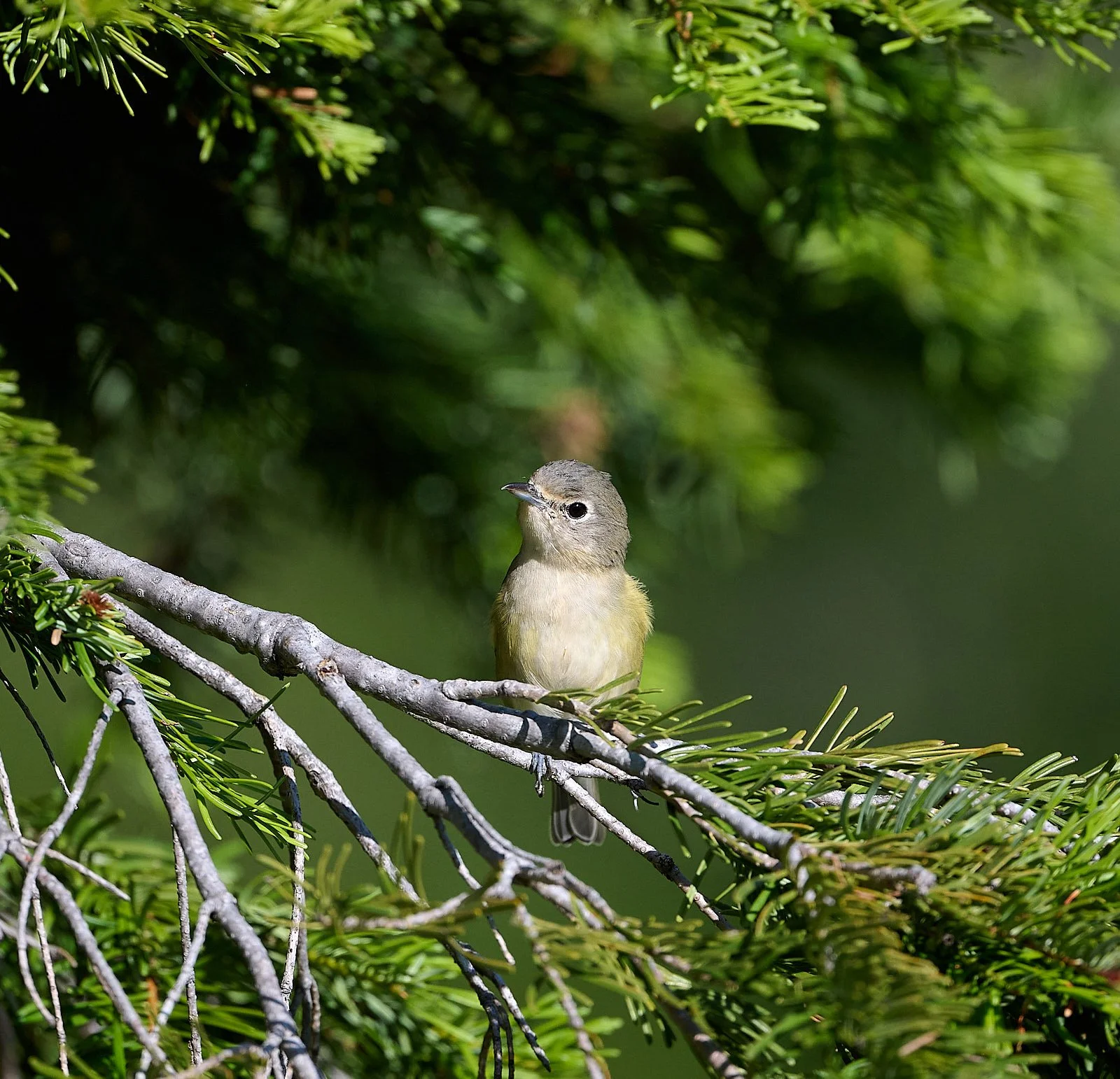
Cassin’s Vireo. It winters in Mexico and migrates to western USA and Canada in the spring to breed.
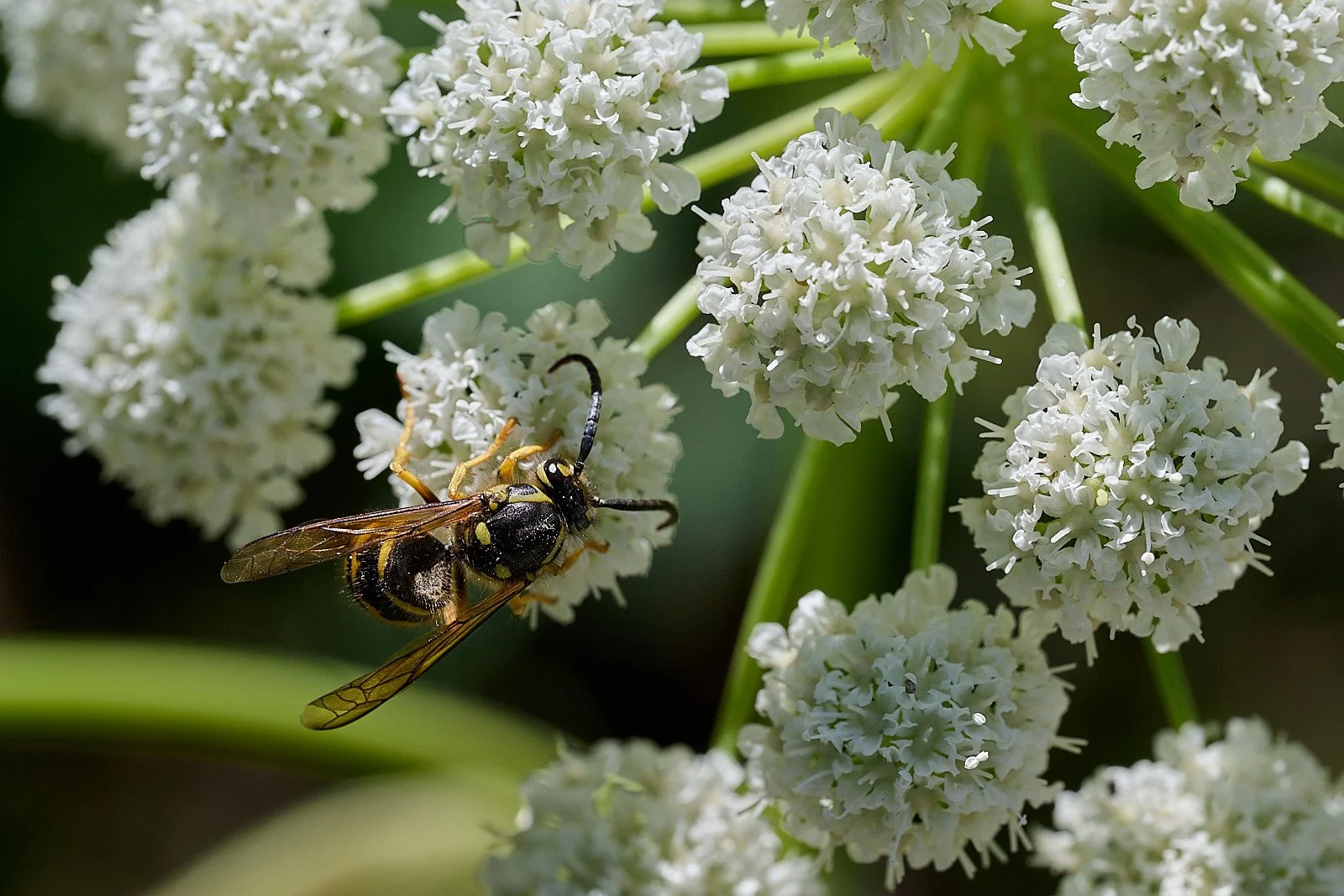
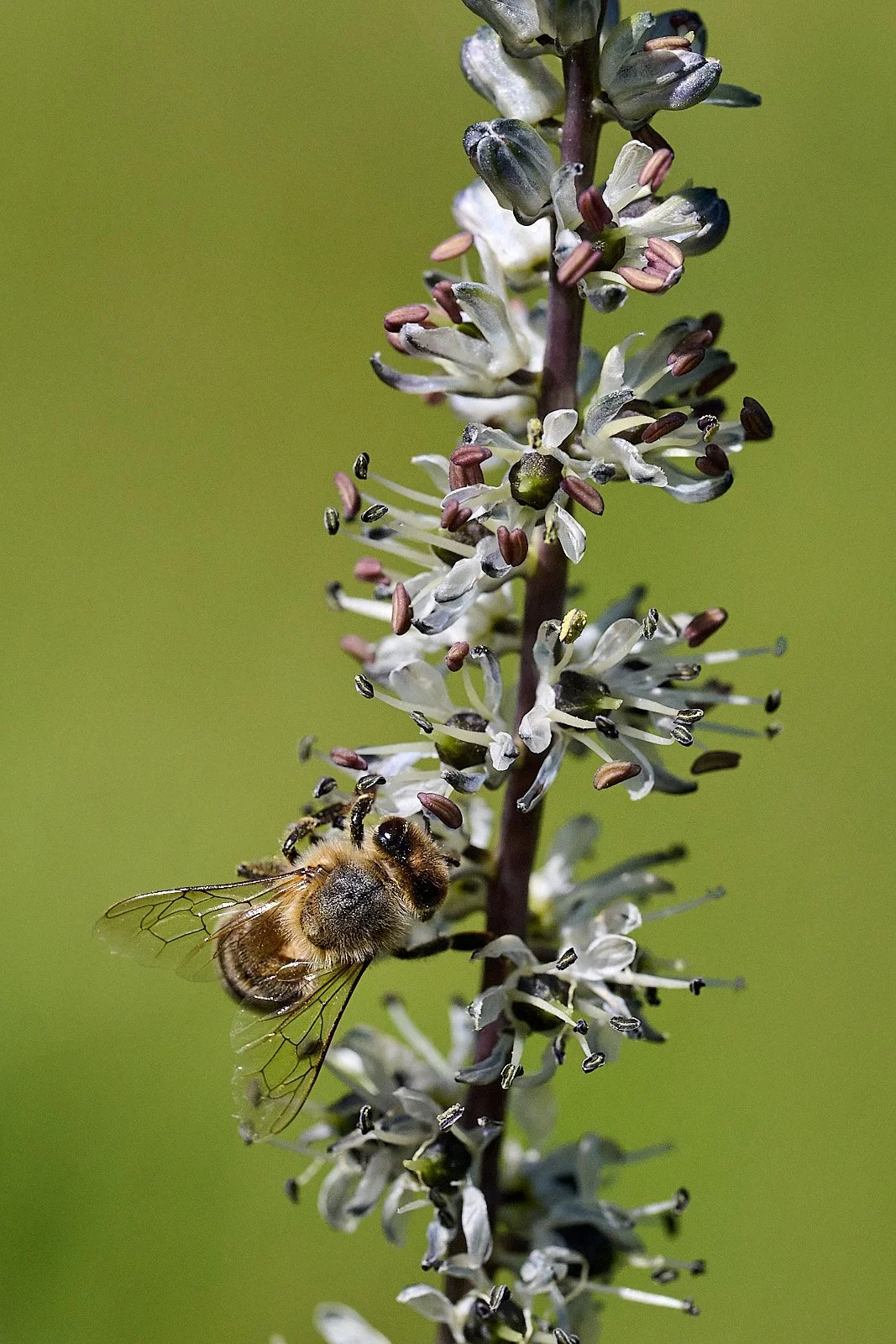
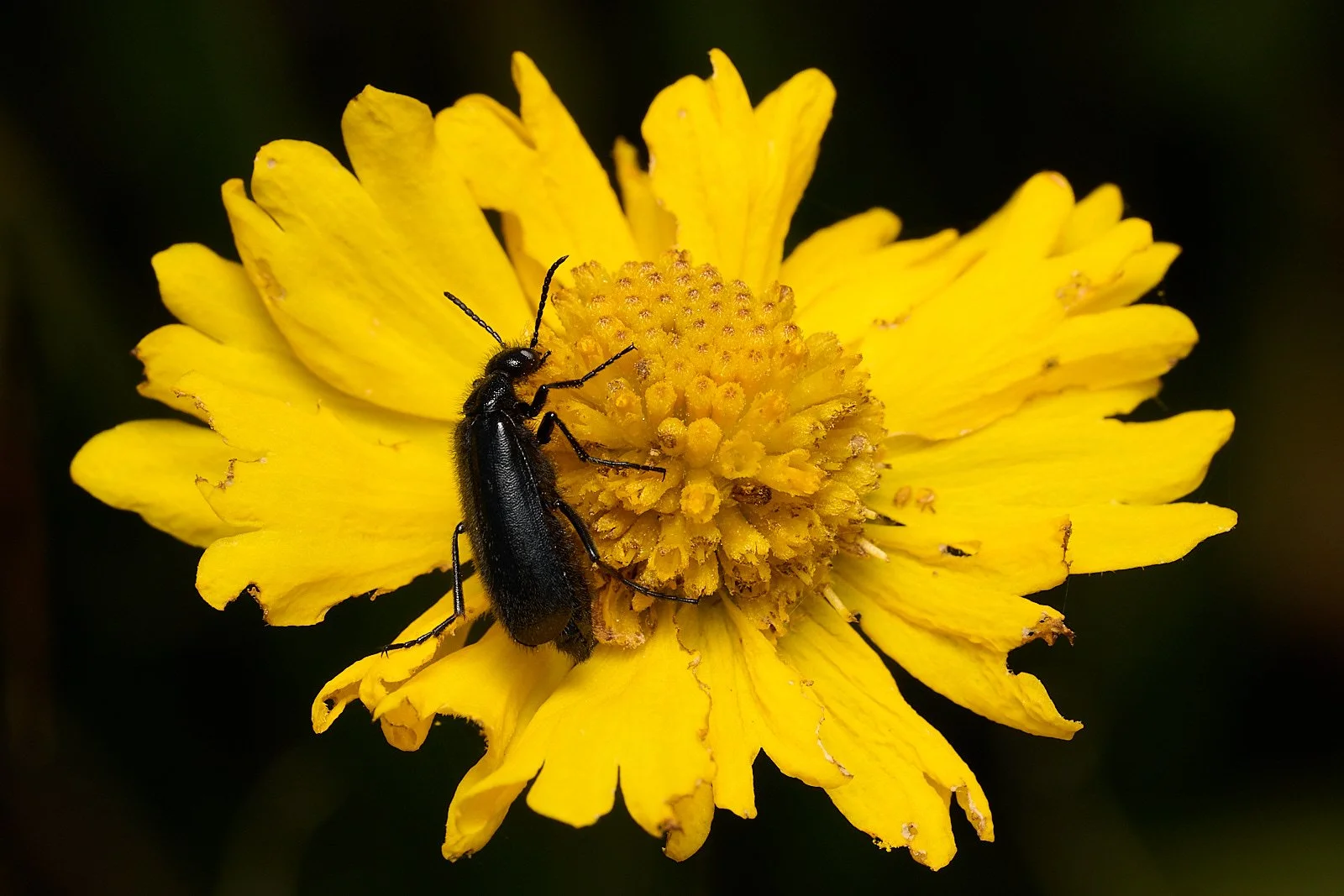
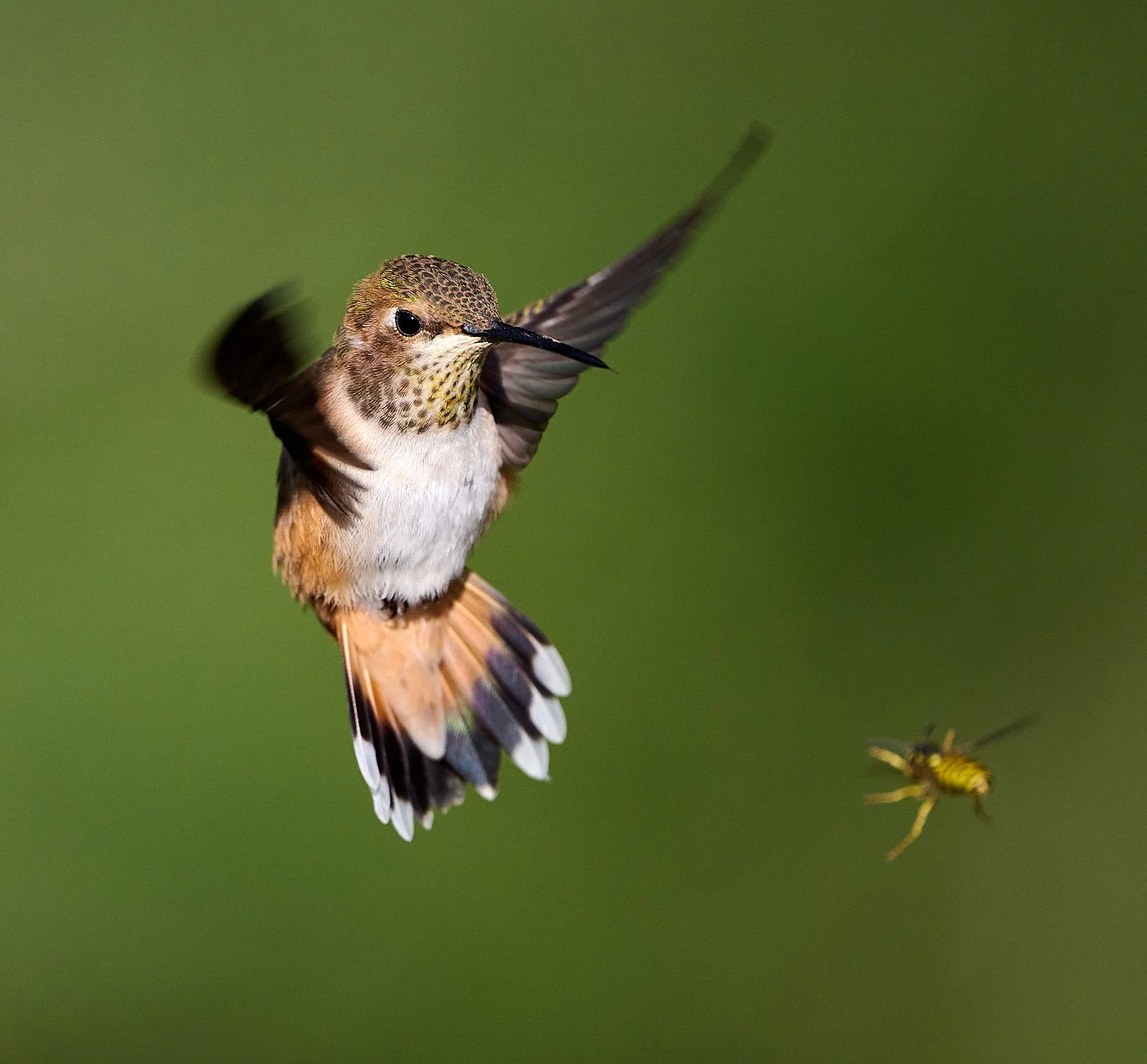
Stand-off between Rufous Hummingbird and yellow jacket wasp.
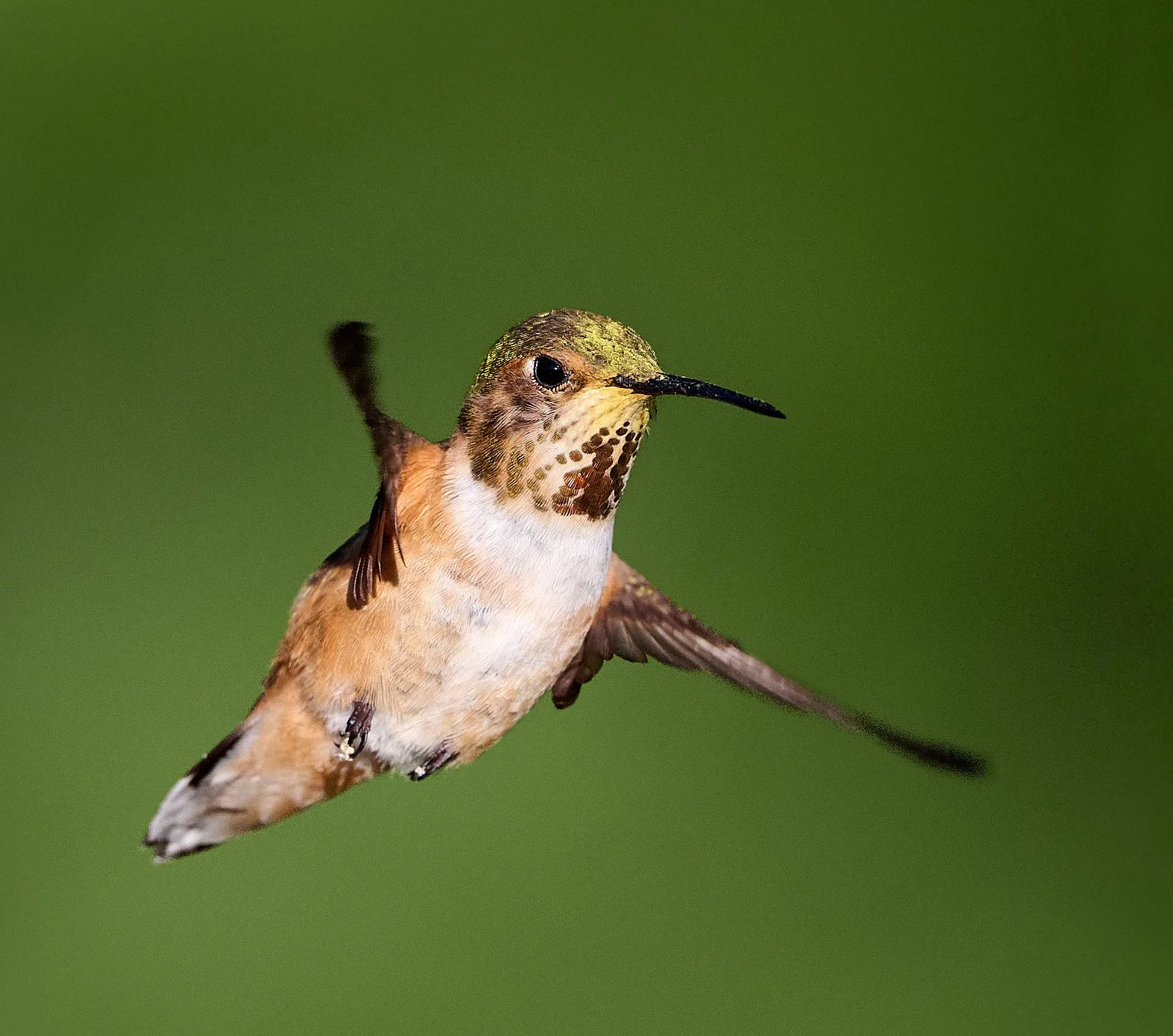
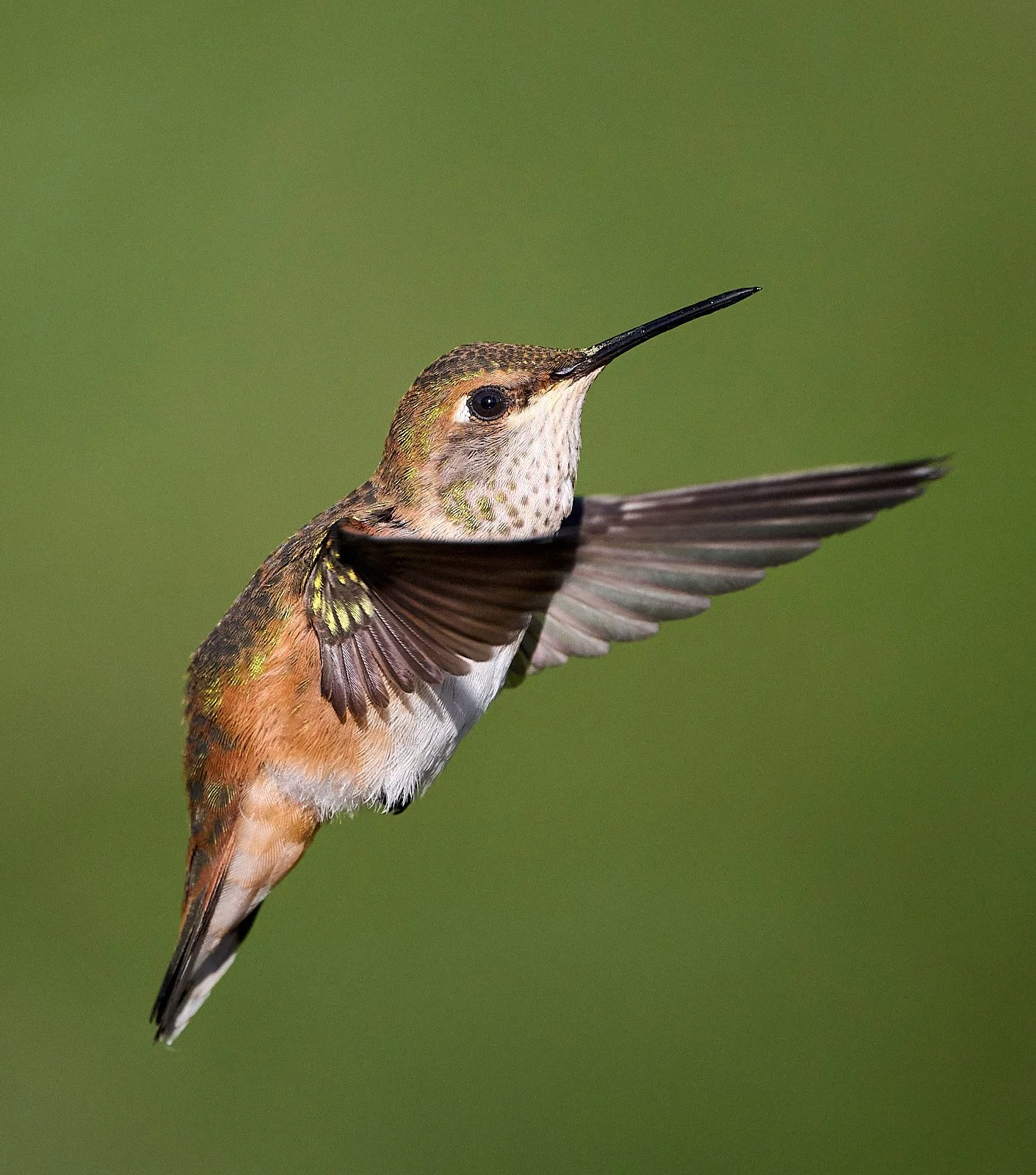
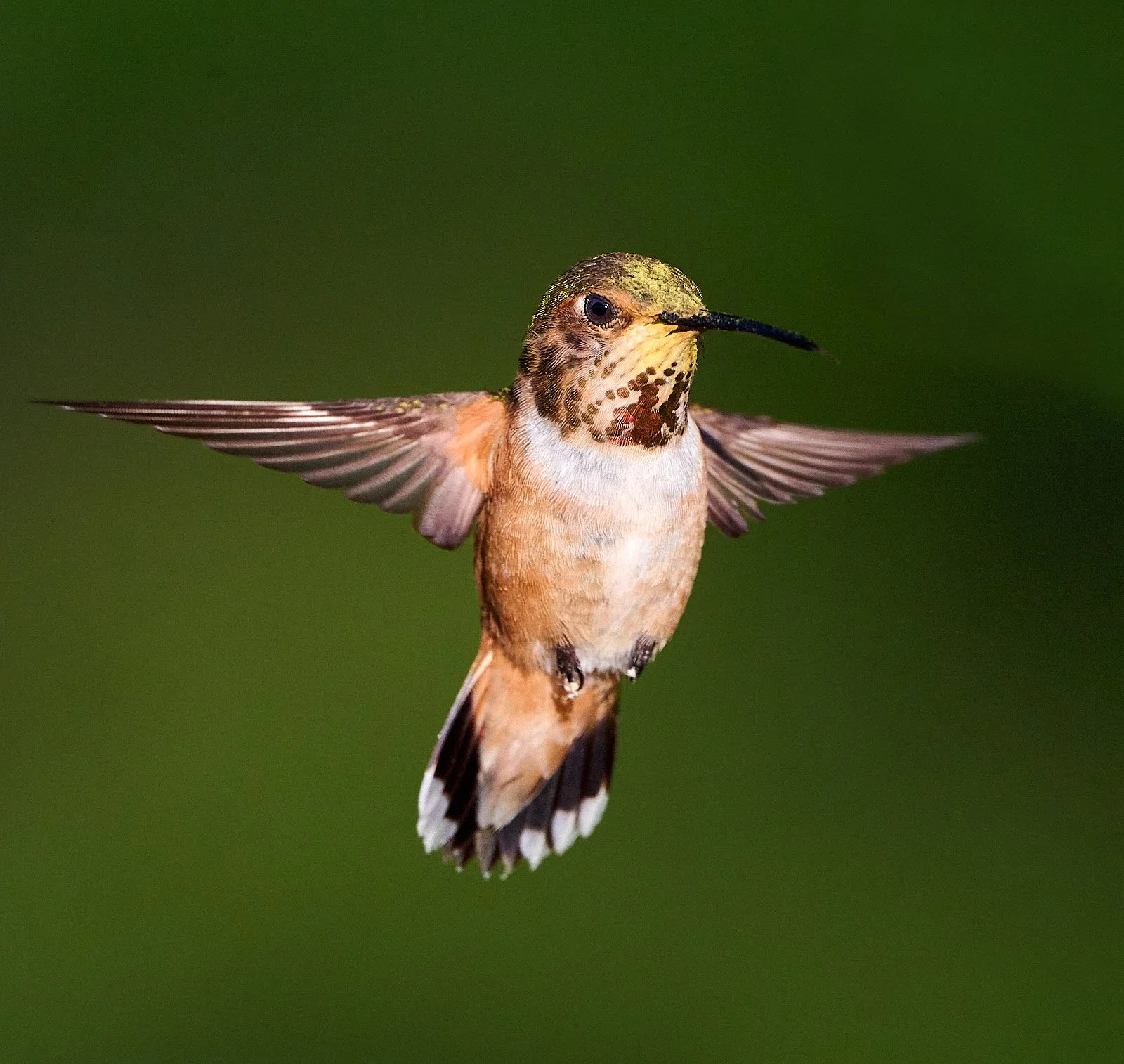
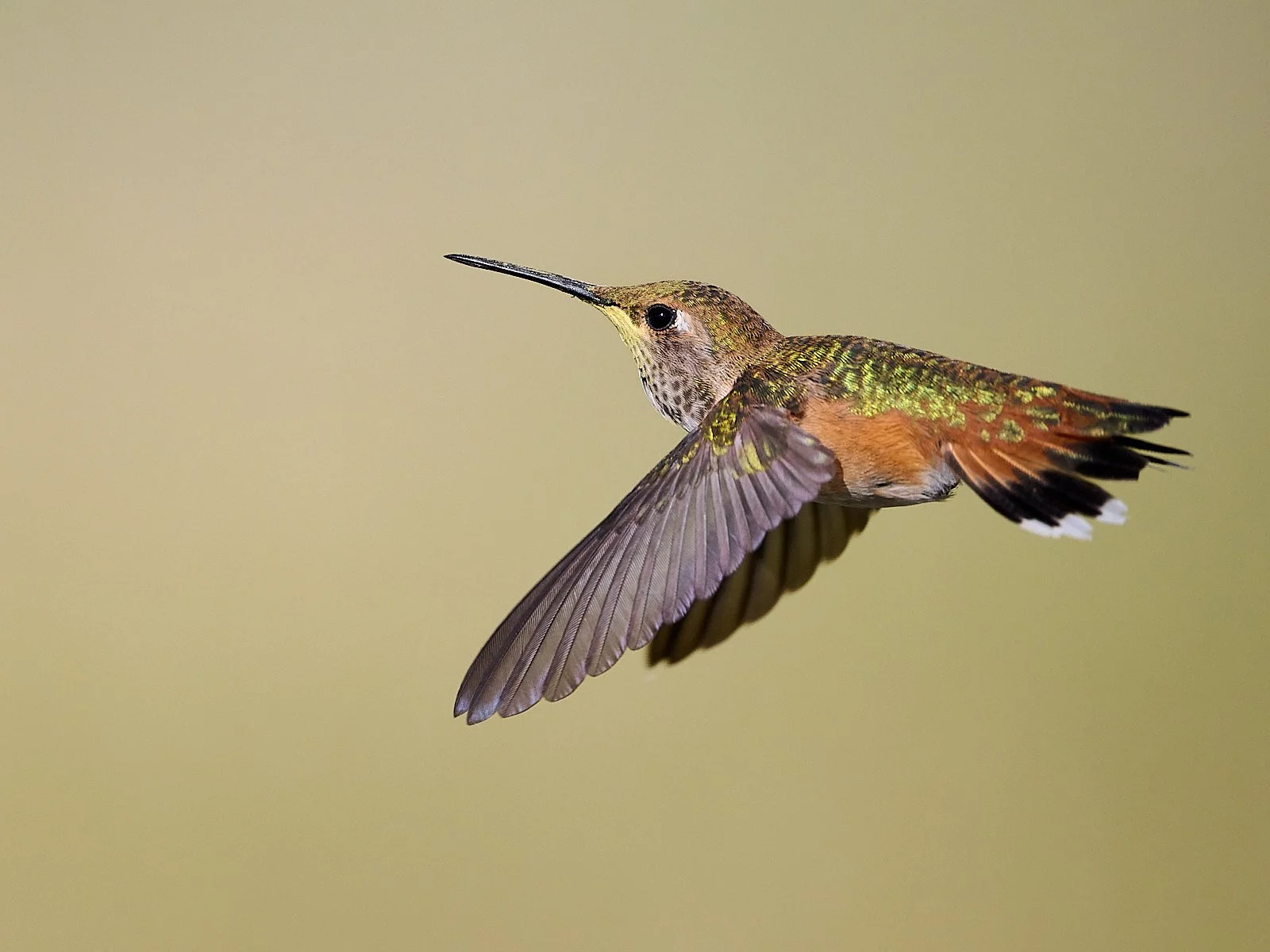
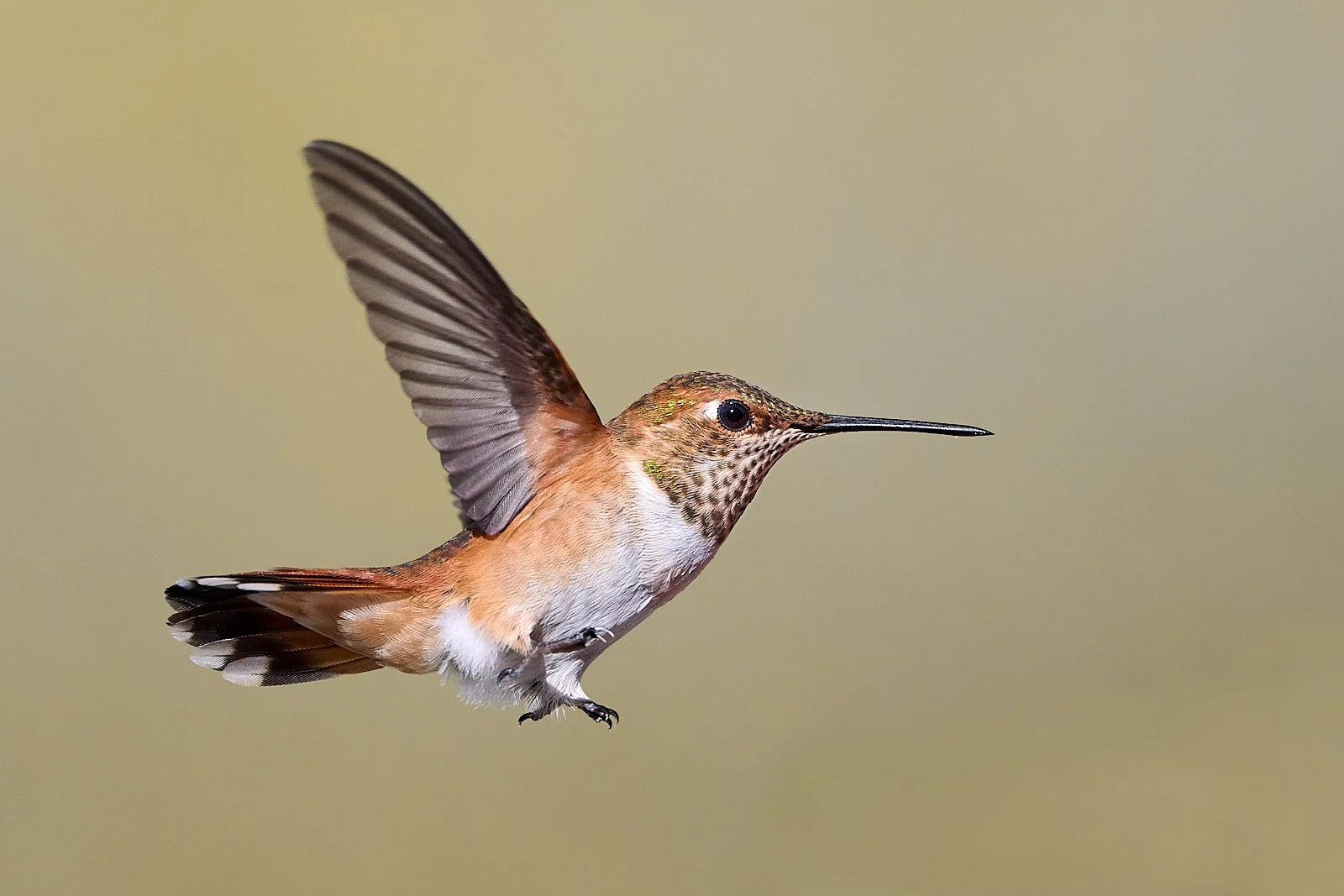
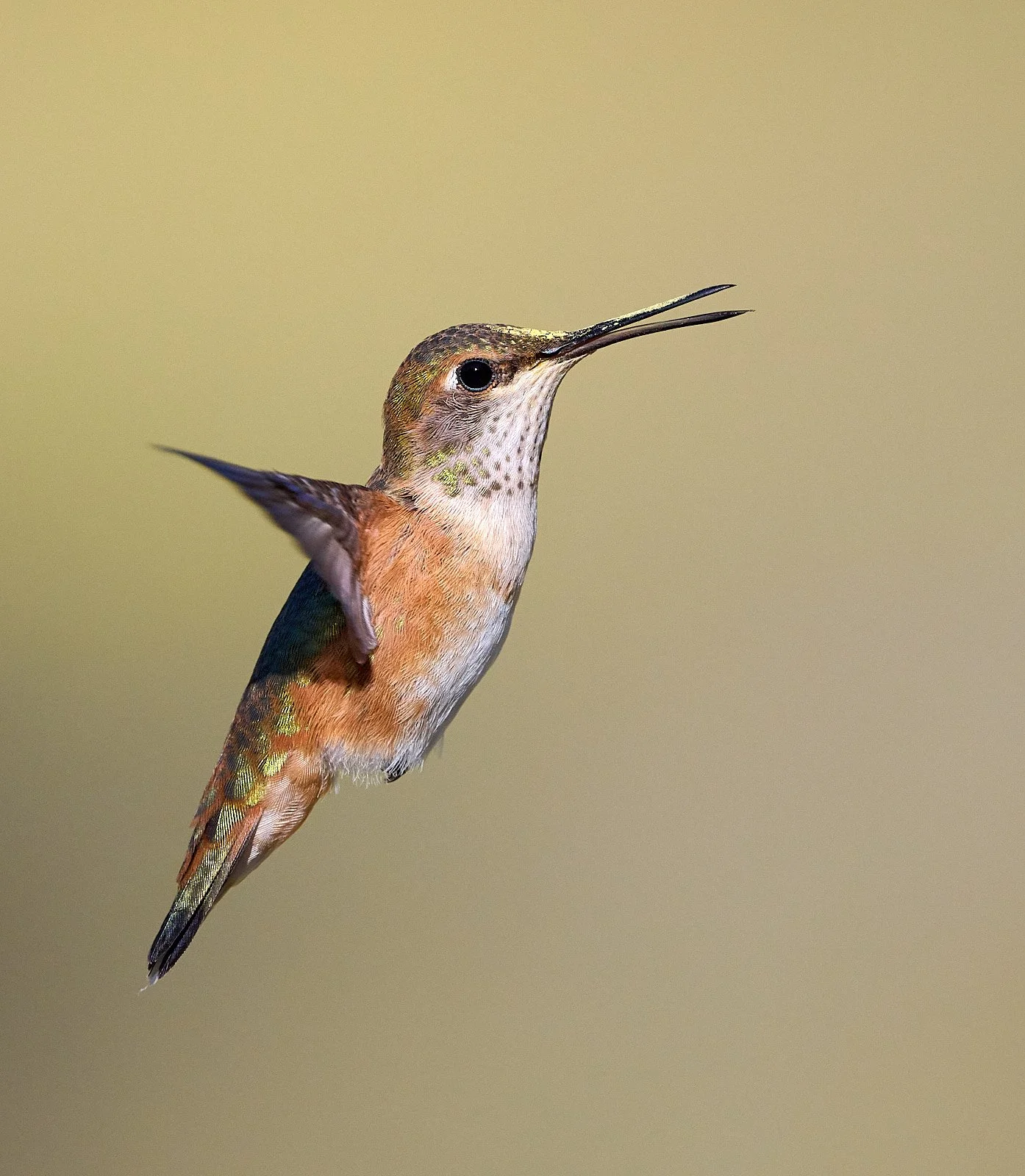
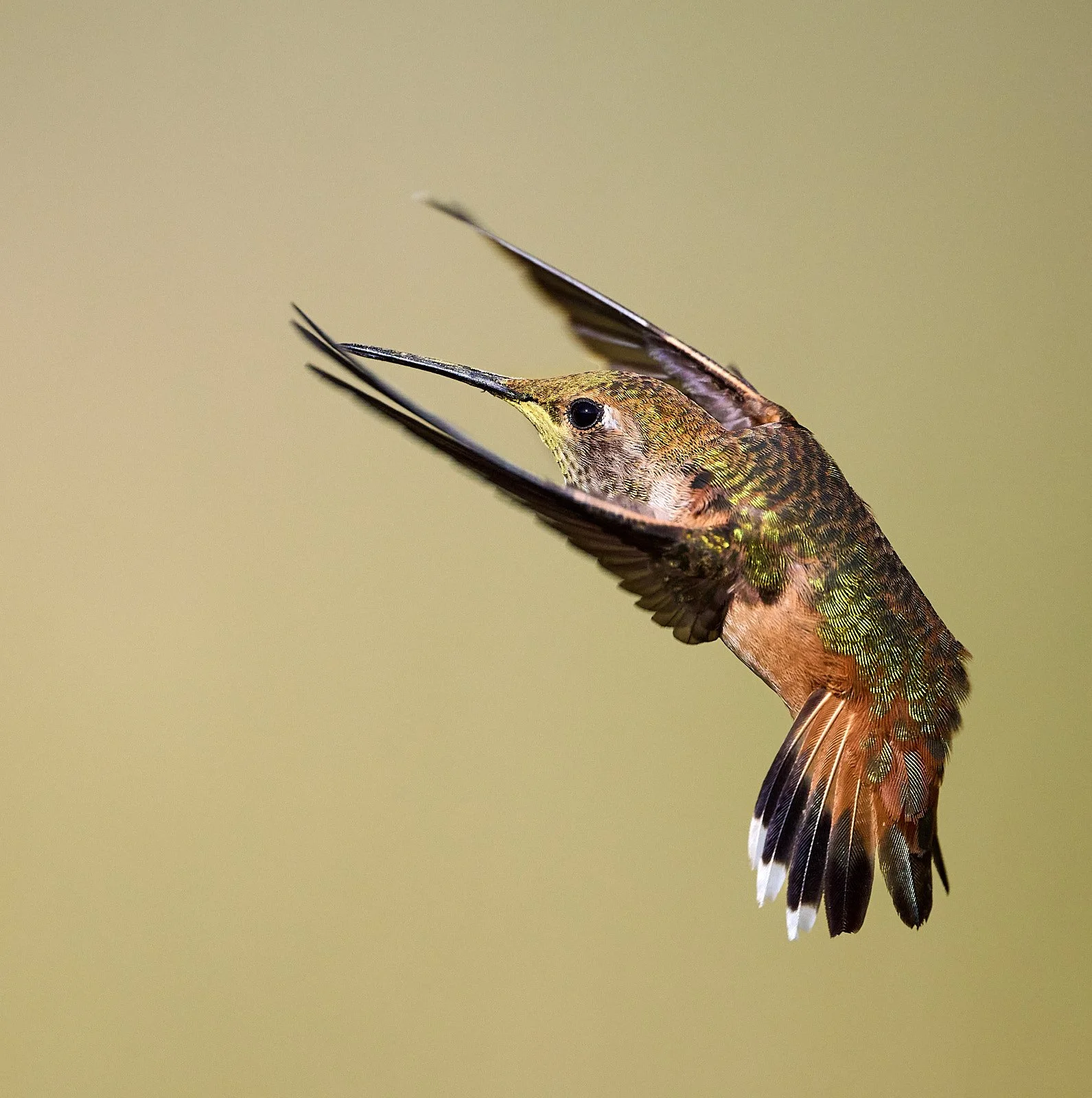
Rufous Hummingbirds
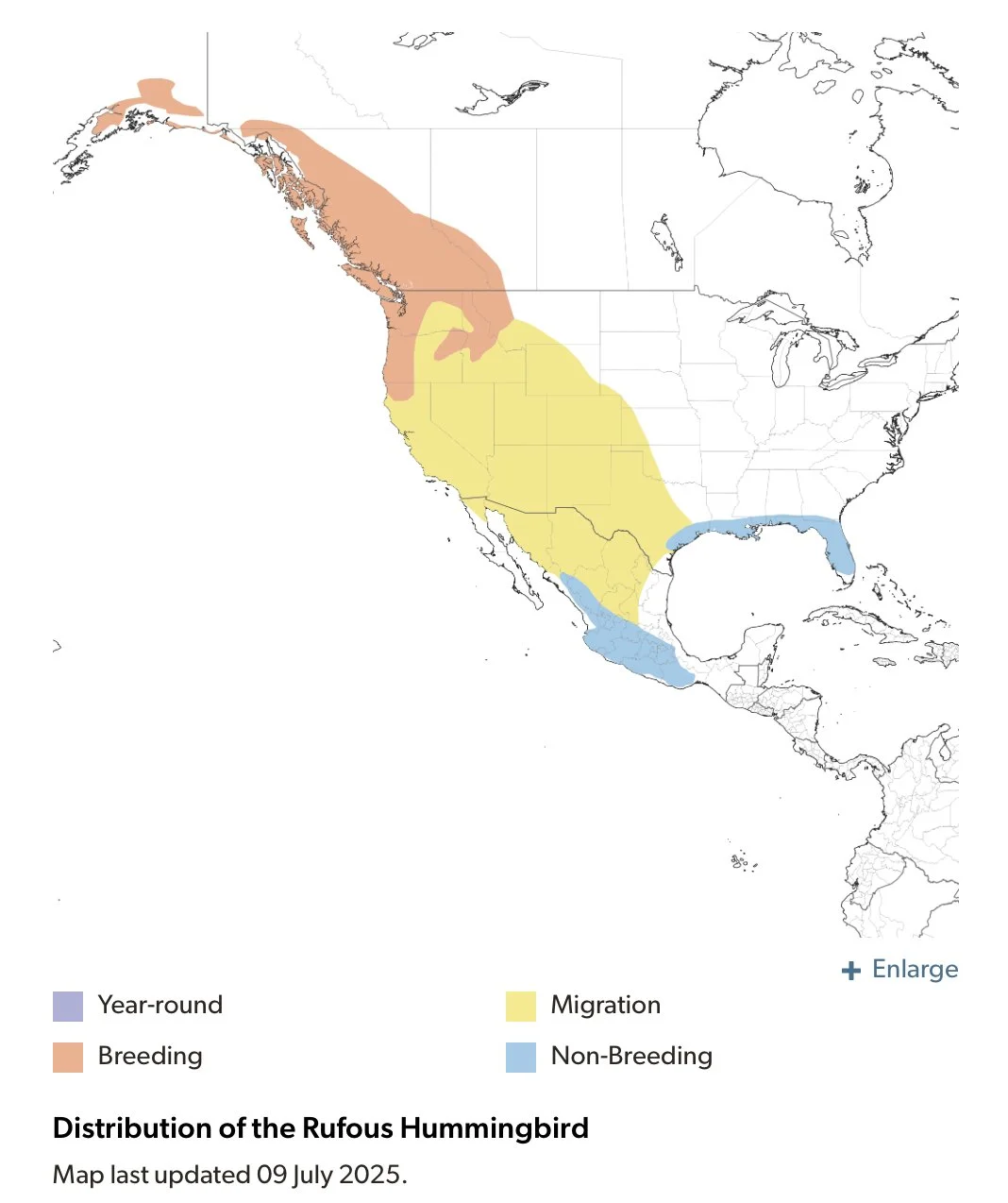
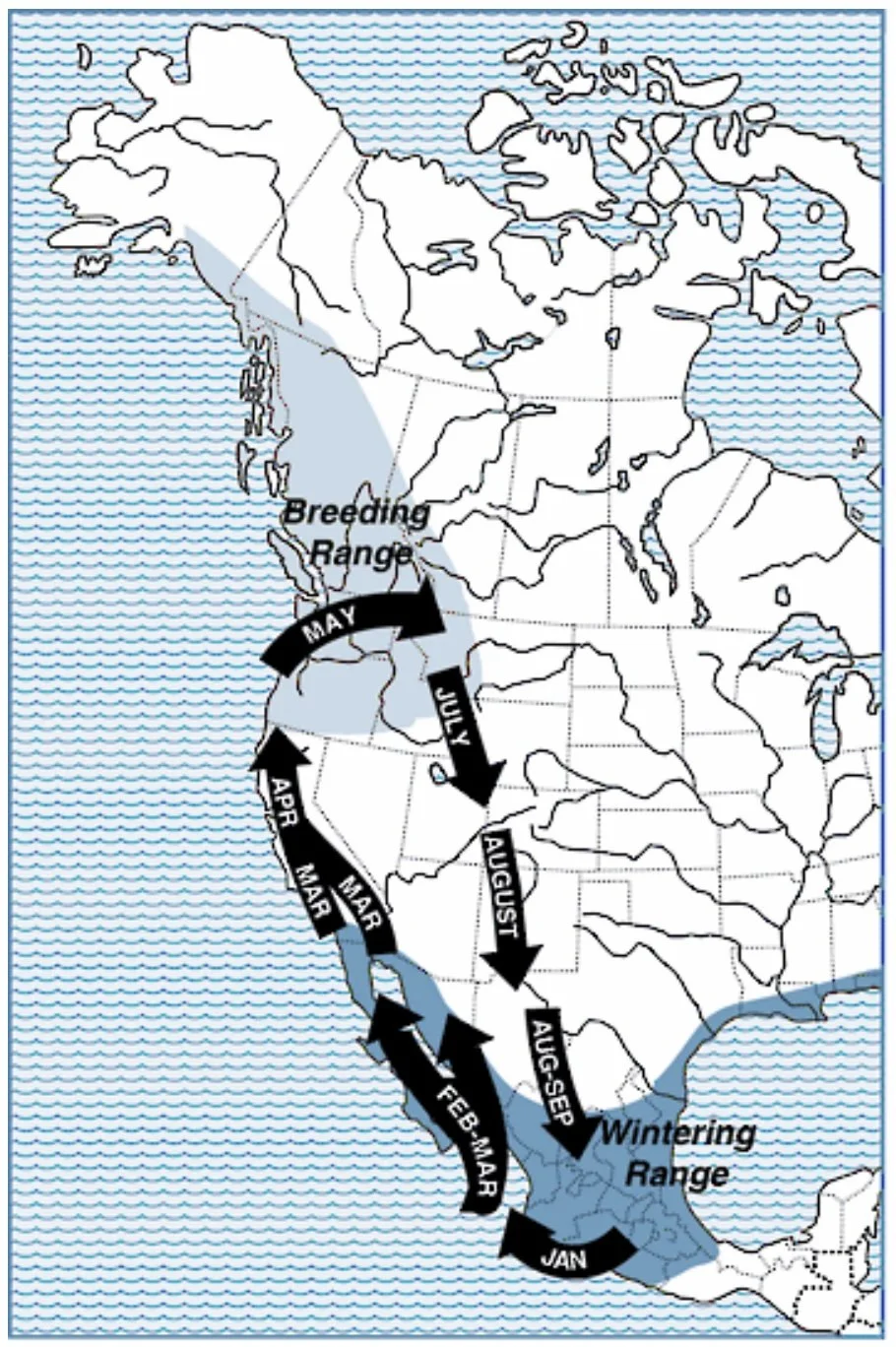
The maps below show where and when to find Rufous Hummingbirds. They utilize the flower bloom, migrating north in spring via the coastal lowlands, and returning to Central America via the highlands in fall, during the mountain wildflower display.
Researching Hummers
Energy demands for hovering flight and temperature regulation of tiny bodies draw special attention to hummingbirds, of which the Rufous has become one of the best known physiologically. And it is uniquely suitable for studies of hummingbird migration. In the 1,500+ km belt separating its southern limits of breeding and northern limits of wintering, all observed Rufous are transients, providing an opportunity to study migration free of confusion with local breeders. In July and August, large numbers of southbound Rufous, refueling on the seasonal abundance of subalpine and alpine flowers, have become a model system for investigating foraging behavior and pollen transfer. (From: Birds of the World, Cornel Lab of Ornithology.)
Better than TV
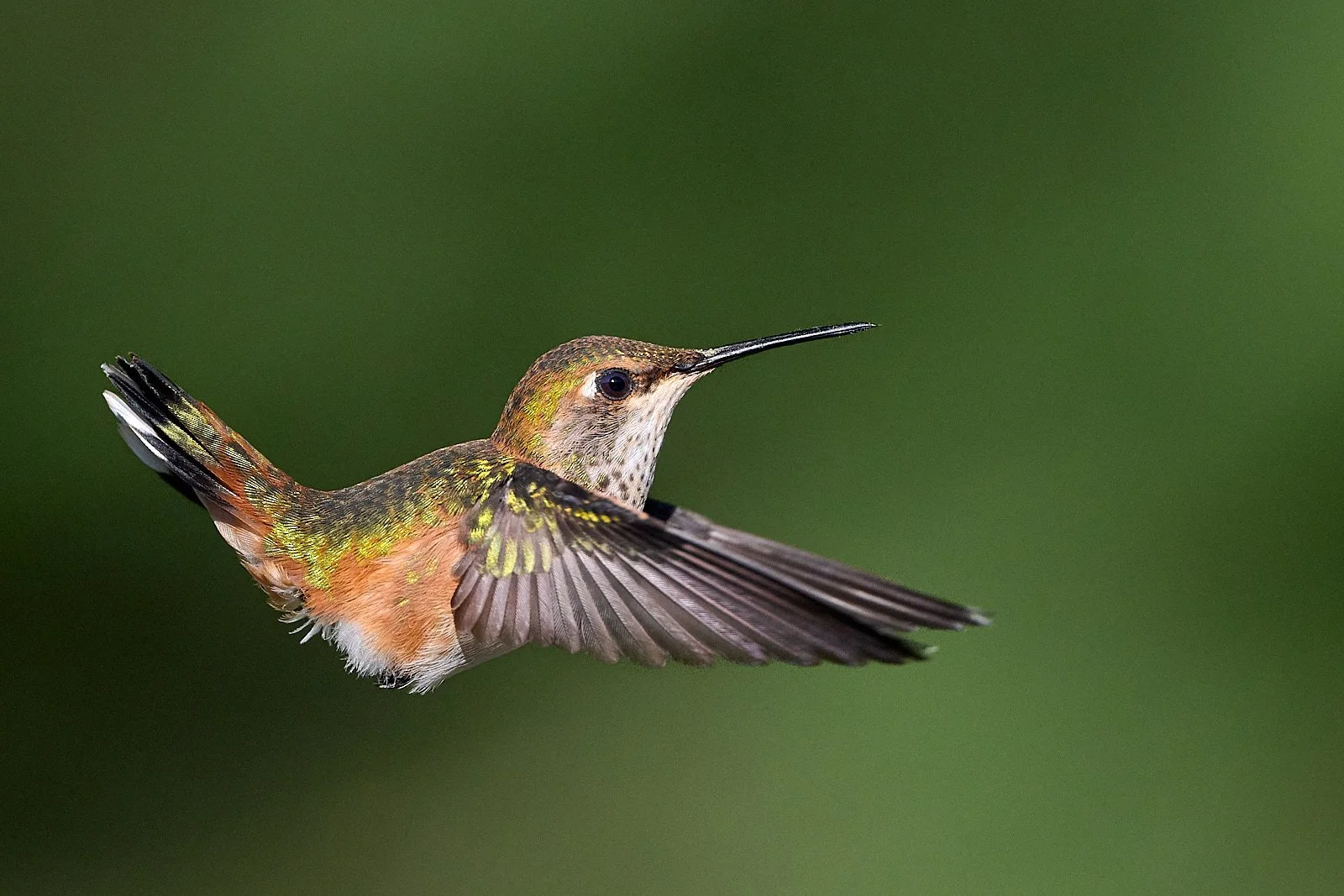
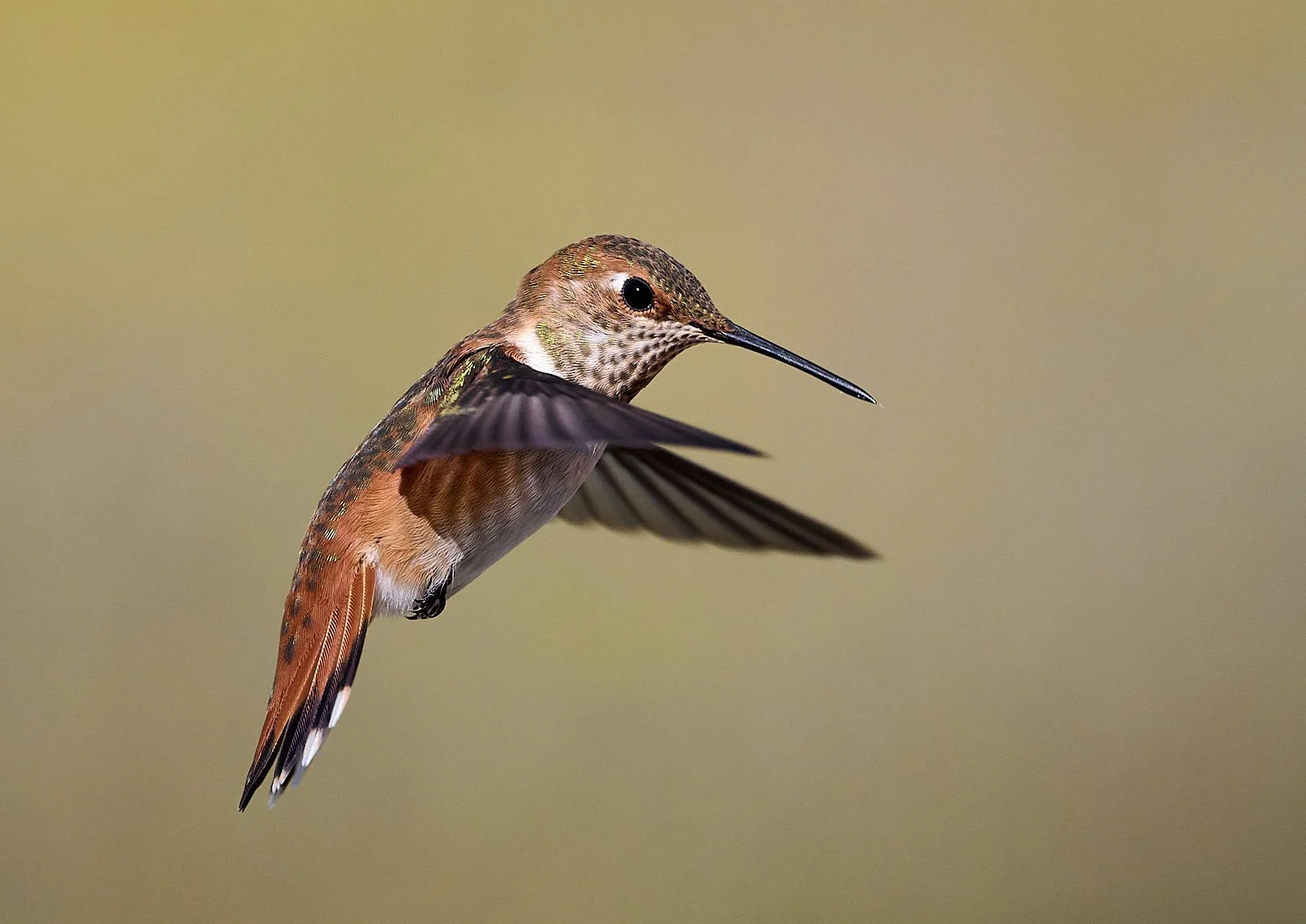
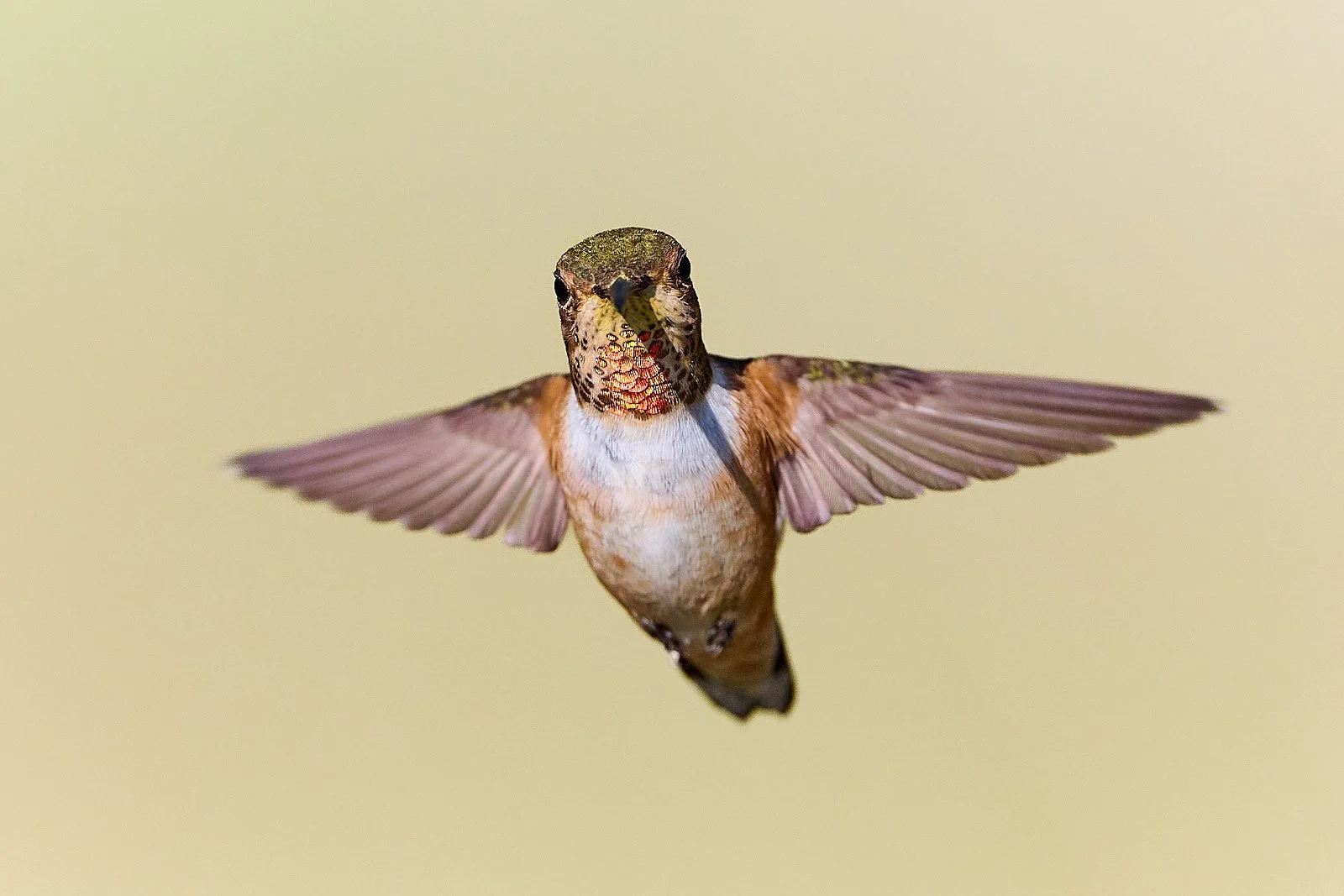
At camp, we set up two nectar feeders. The hummingbirds usually find them within a few hours. This trip it was all Rufous Hummingbirds, and they provided us with advertisement-free entertainment from dawn to dusk.
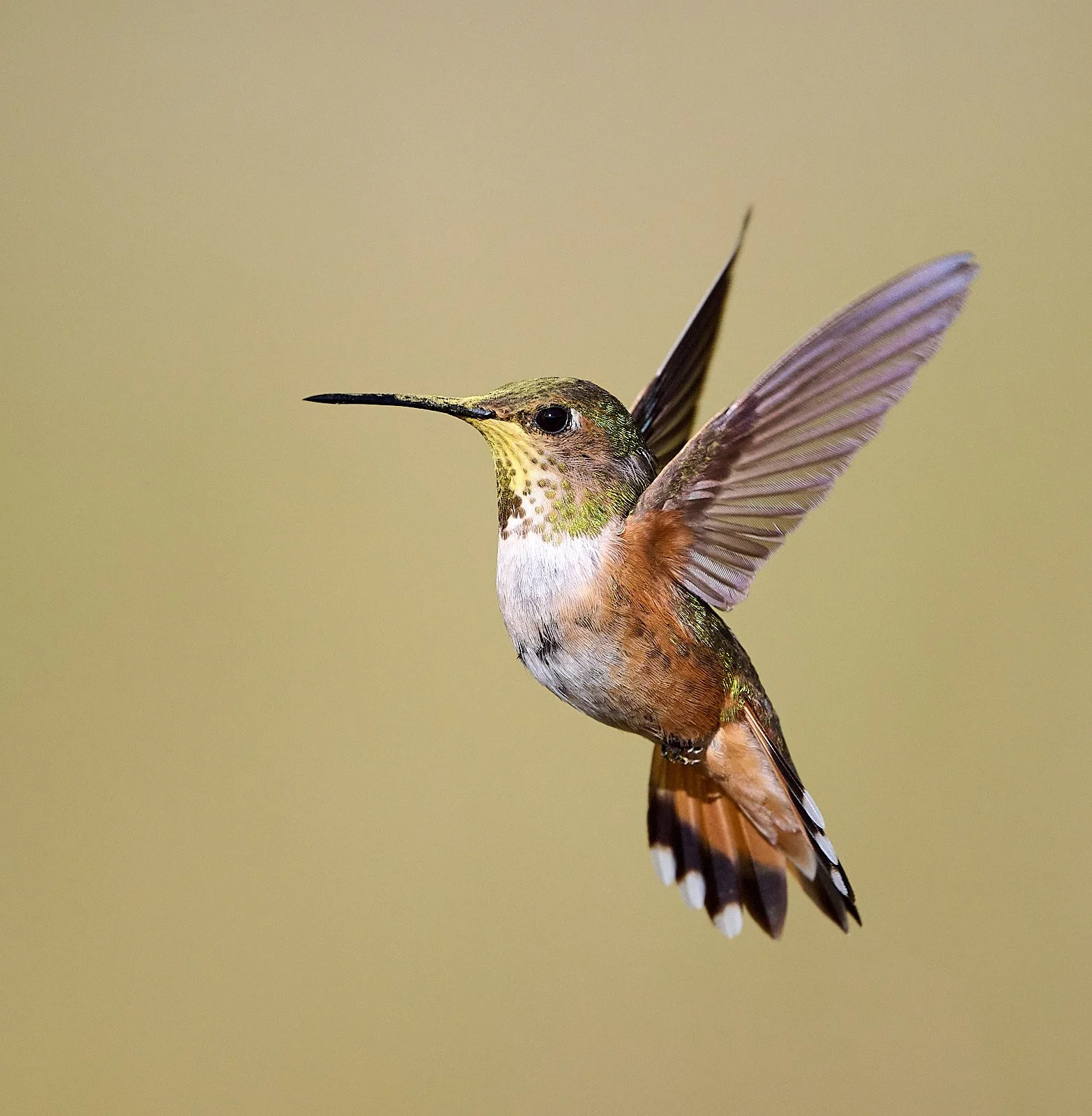
Note the pollen grains and yellow dusting on the throat.
It’s just another day - Paul & Linda McCartney, 1971.