Ecuador #1: Andes to the Amazon. February 2026.
Biodiversity
“Everything alive needs food. Everything alive is potential food.” John Kricher, 2017
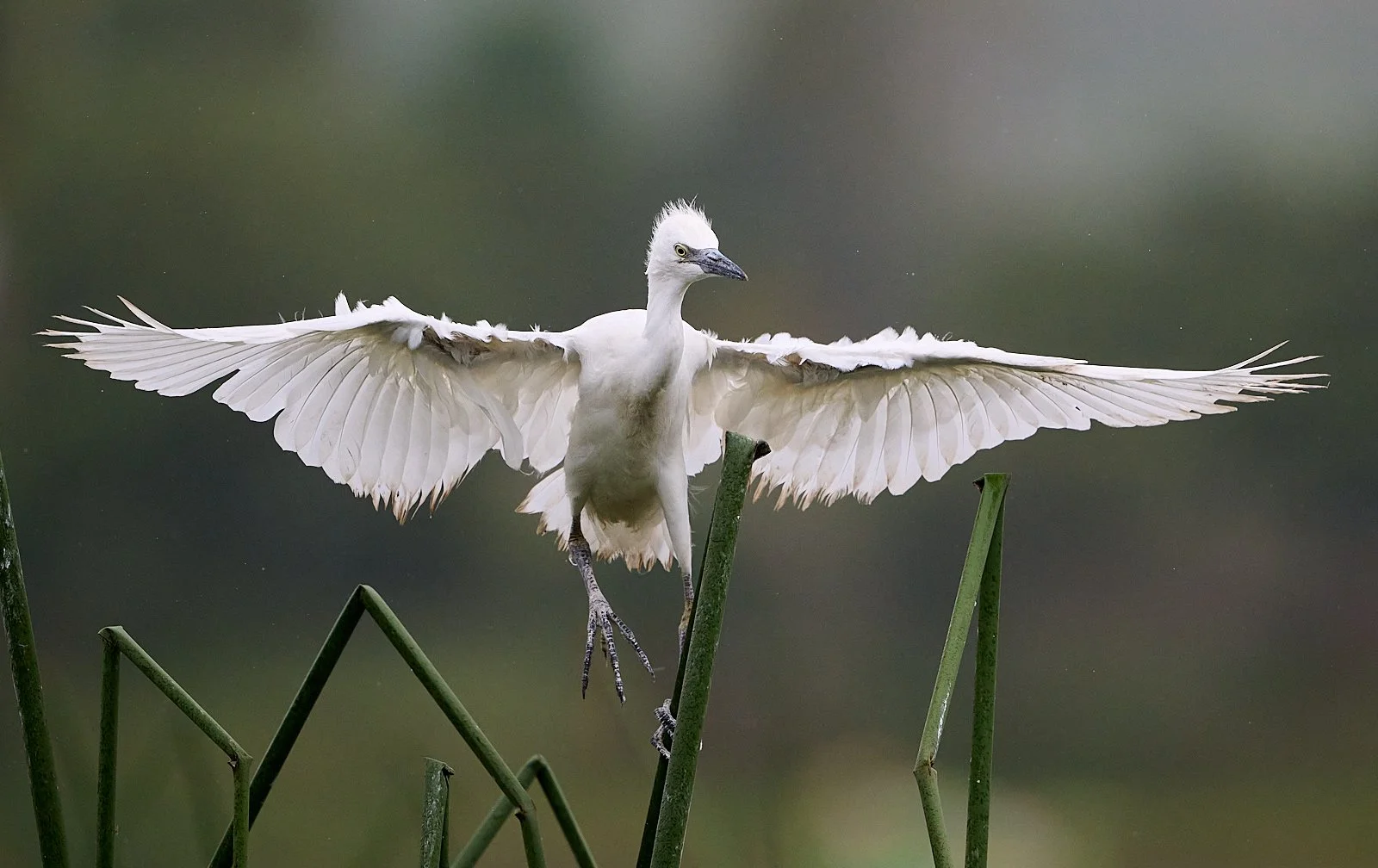
Cattle Egret fledgling testing its wings
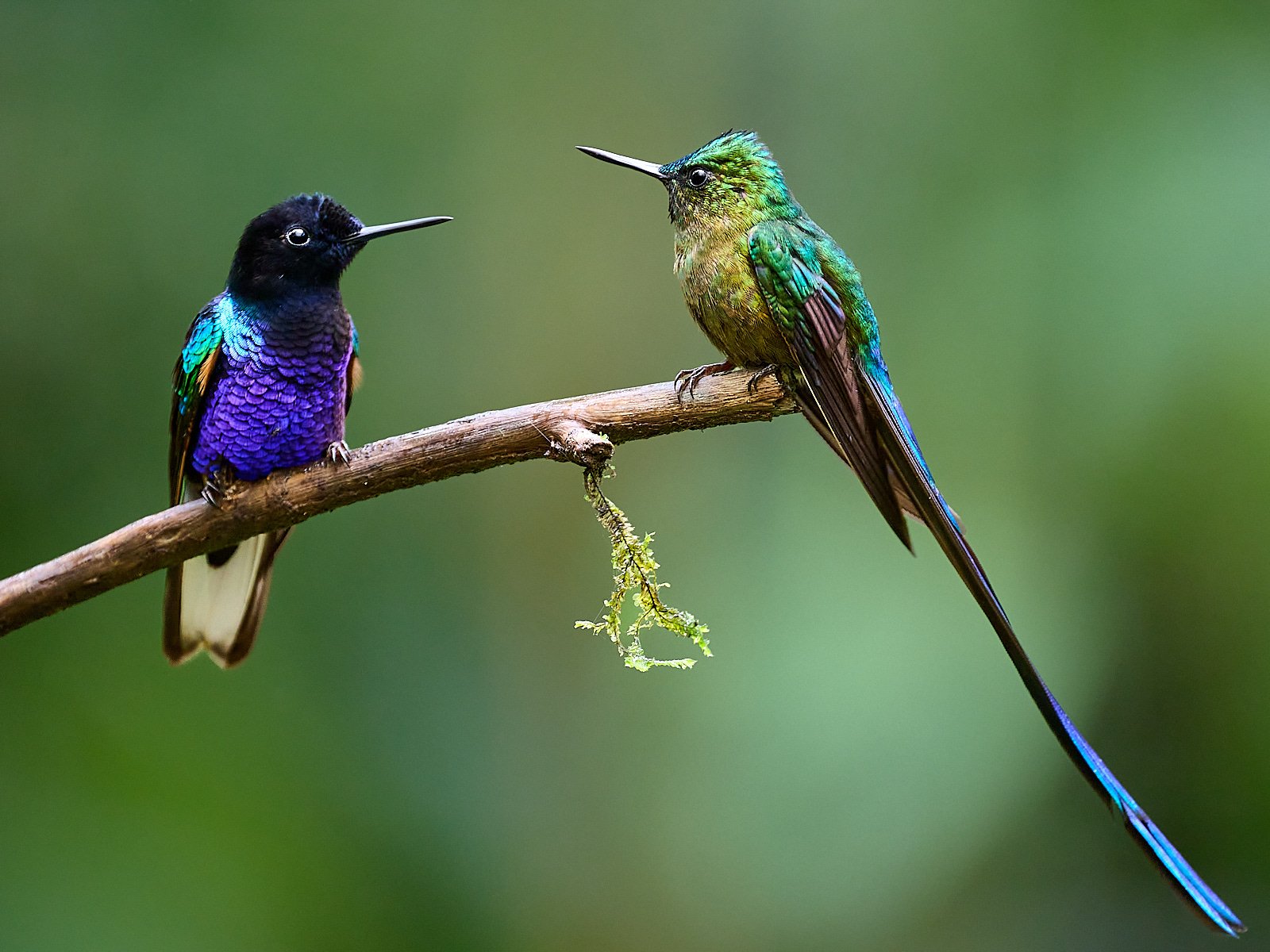
Velvet-purple Coronet (L) and Long-tailed Sylph (R)
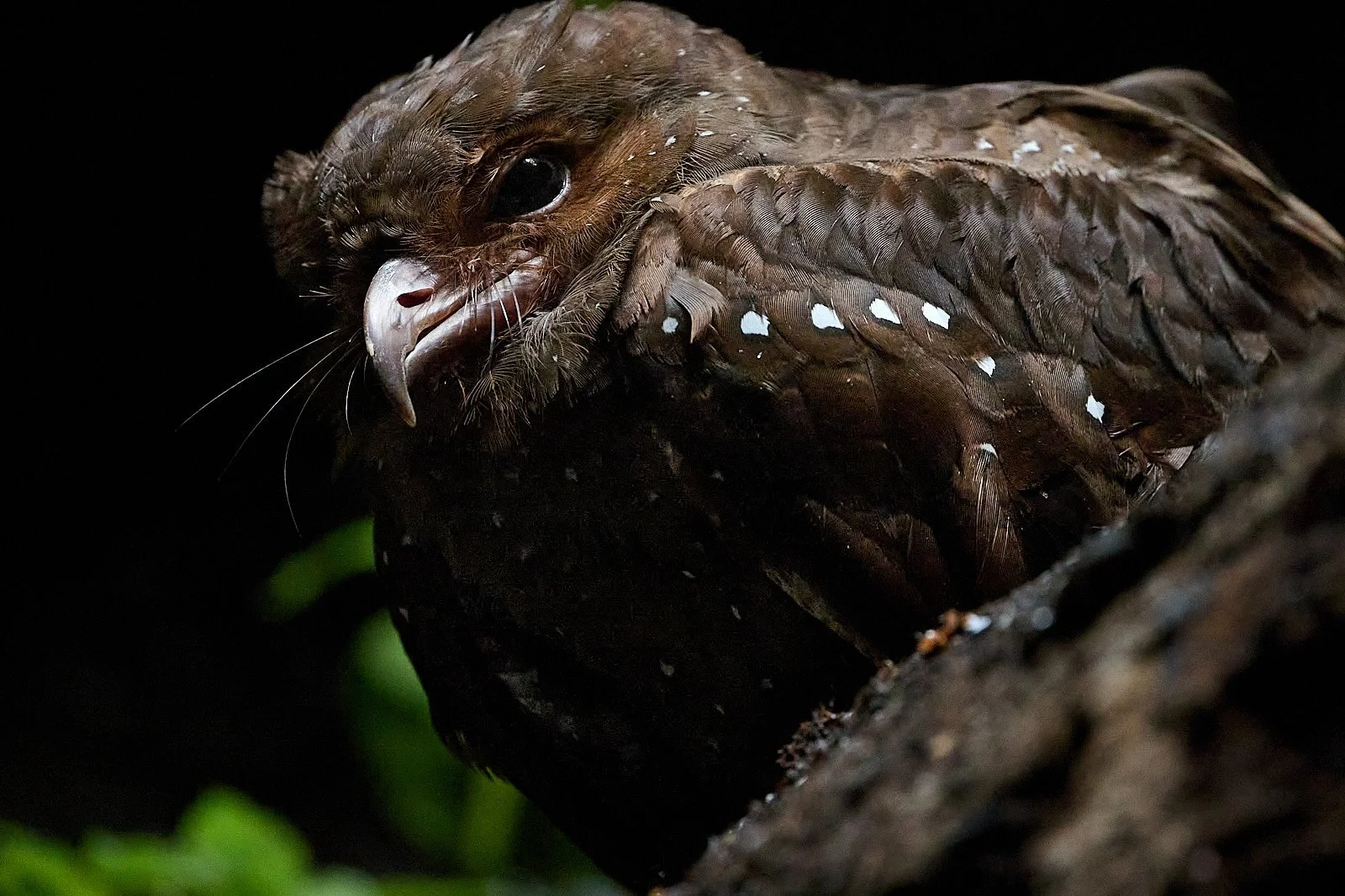
Oilbird
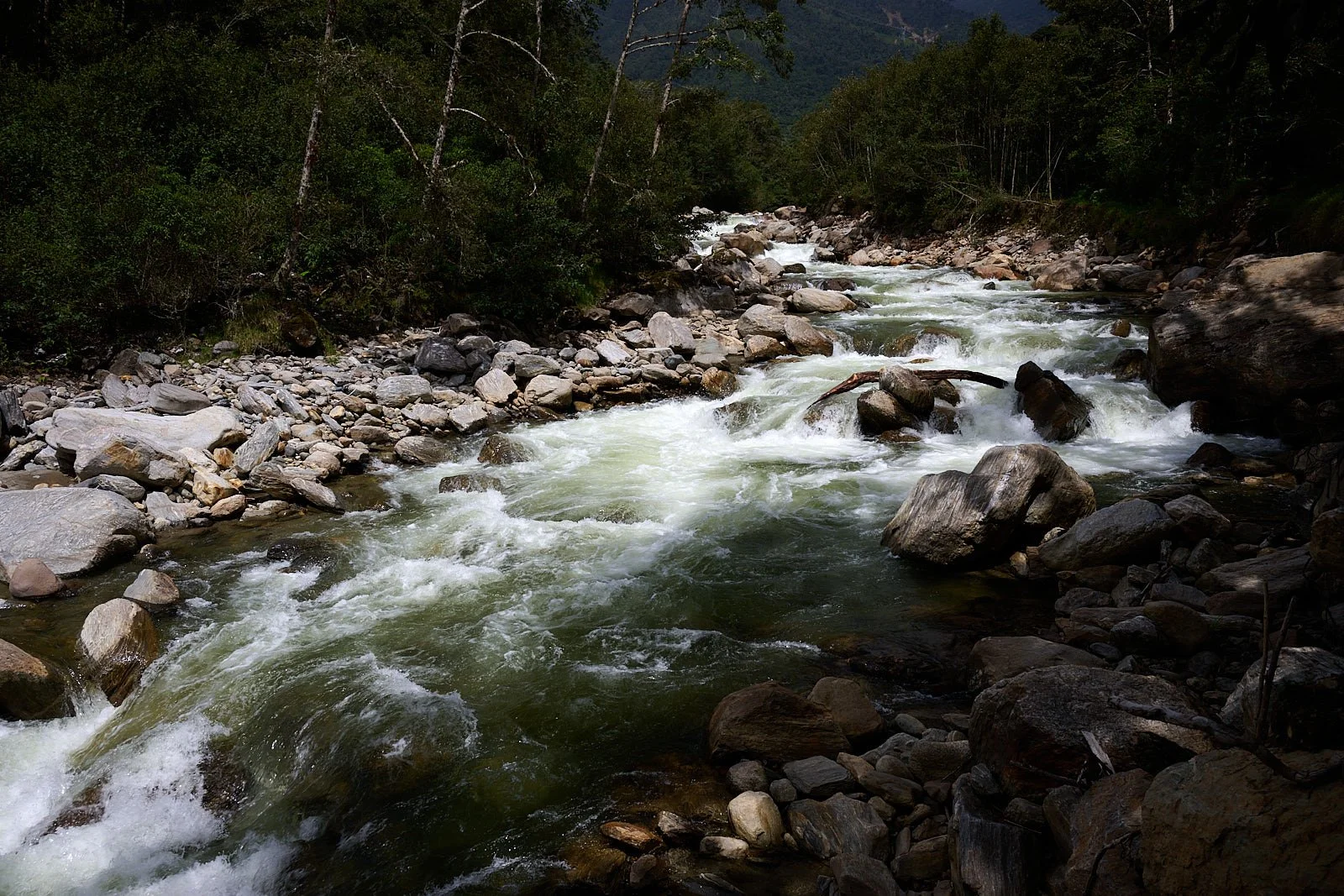
East Andean stream
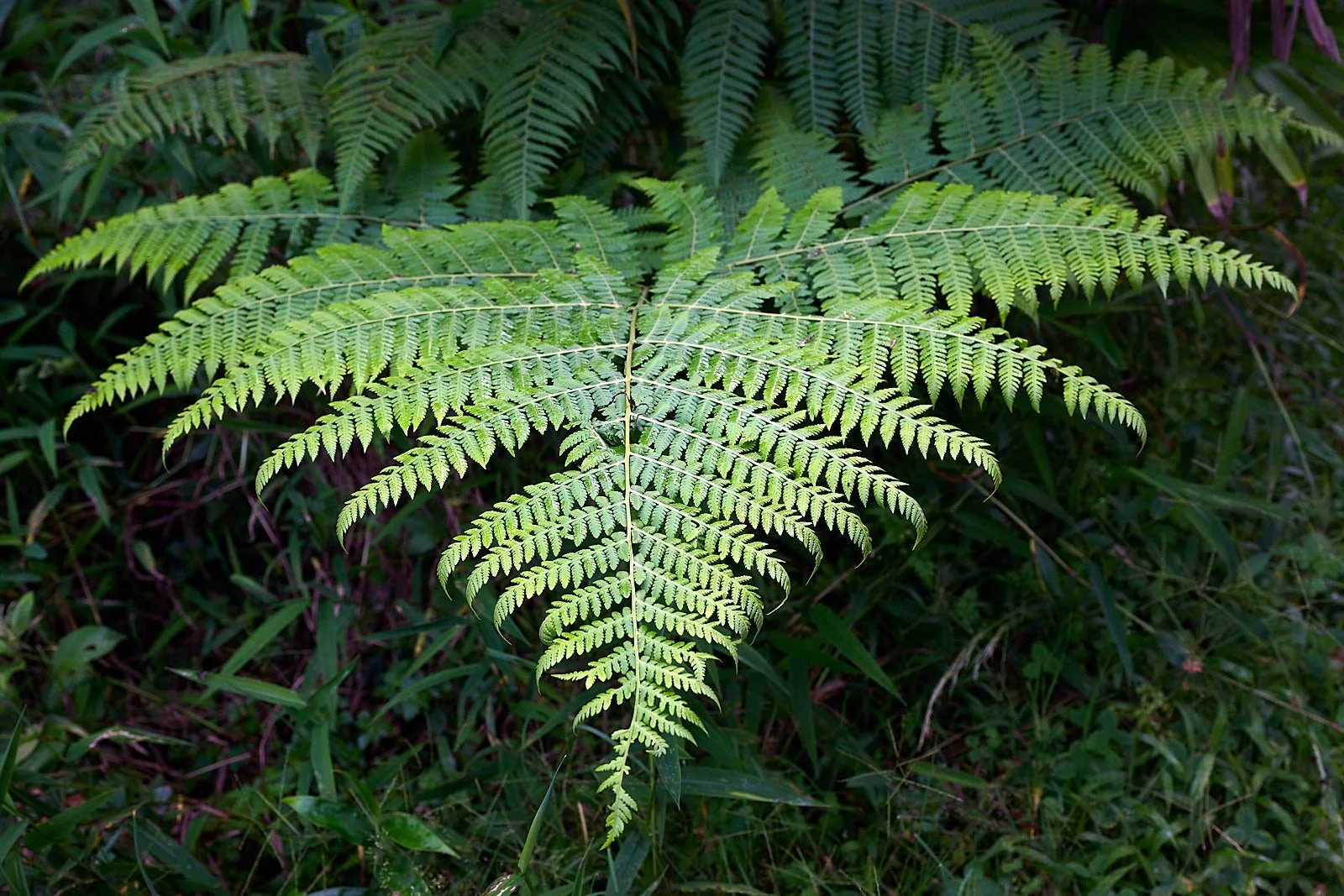
Rainforest fern
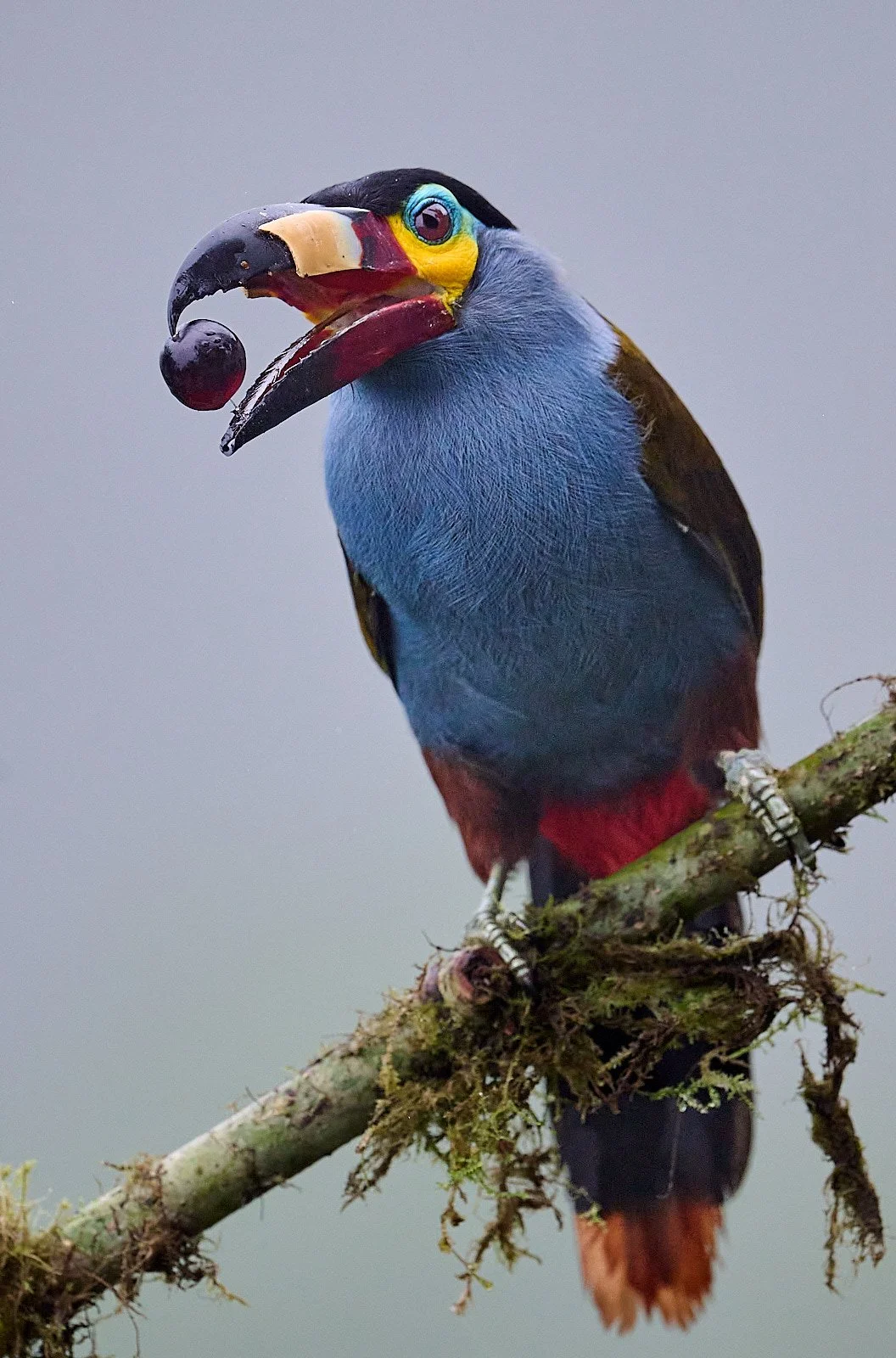
Plate-billed Mountain-Toucan
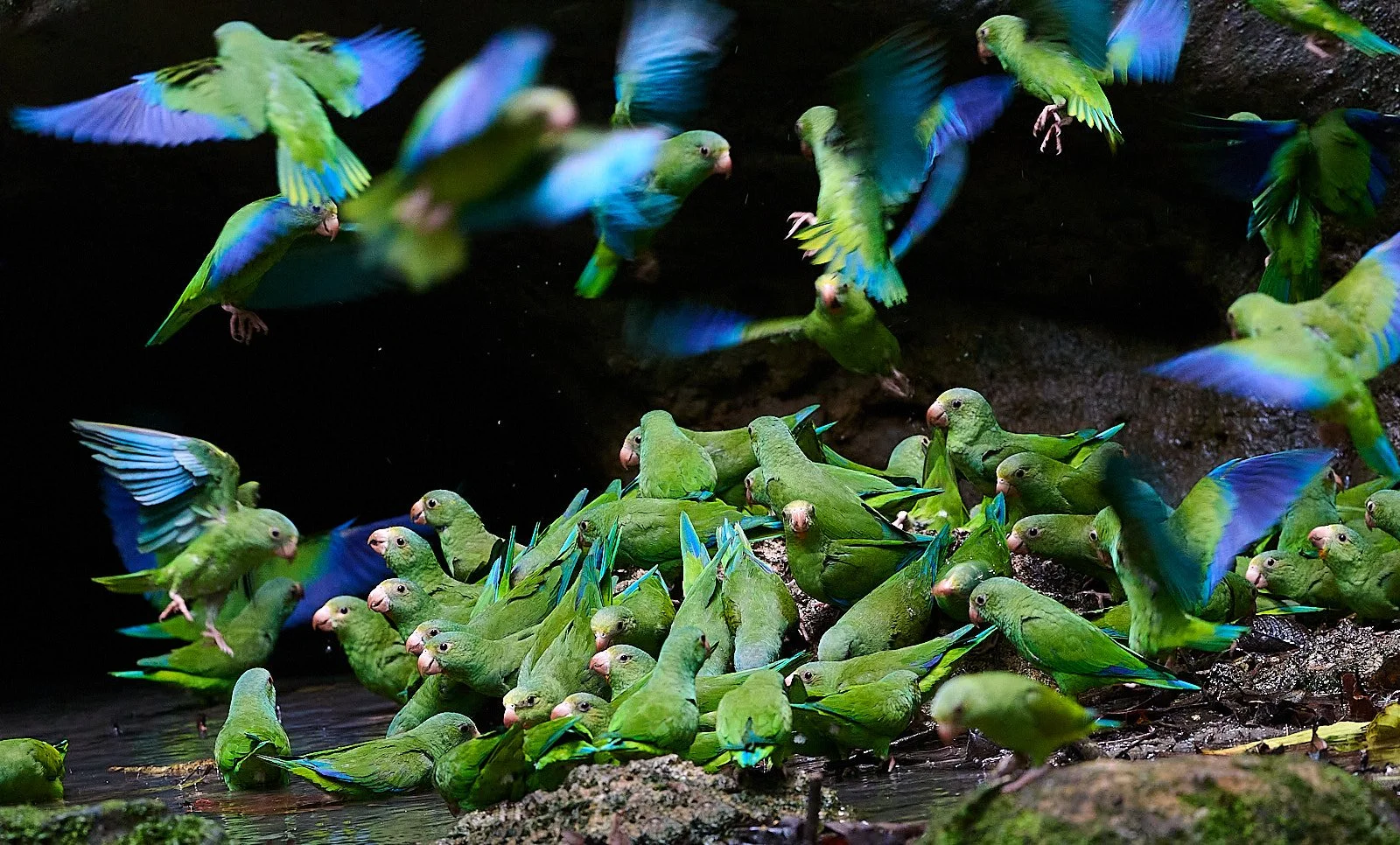
Cobalt-winged Parakeet
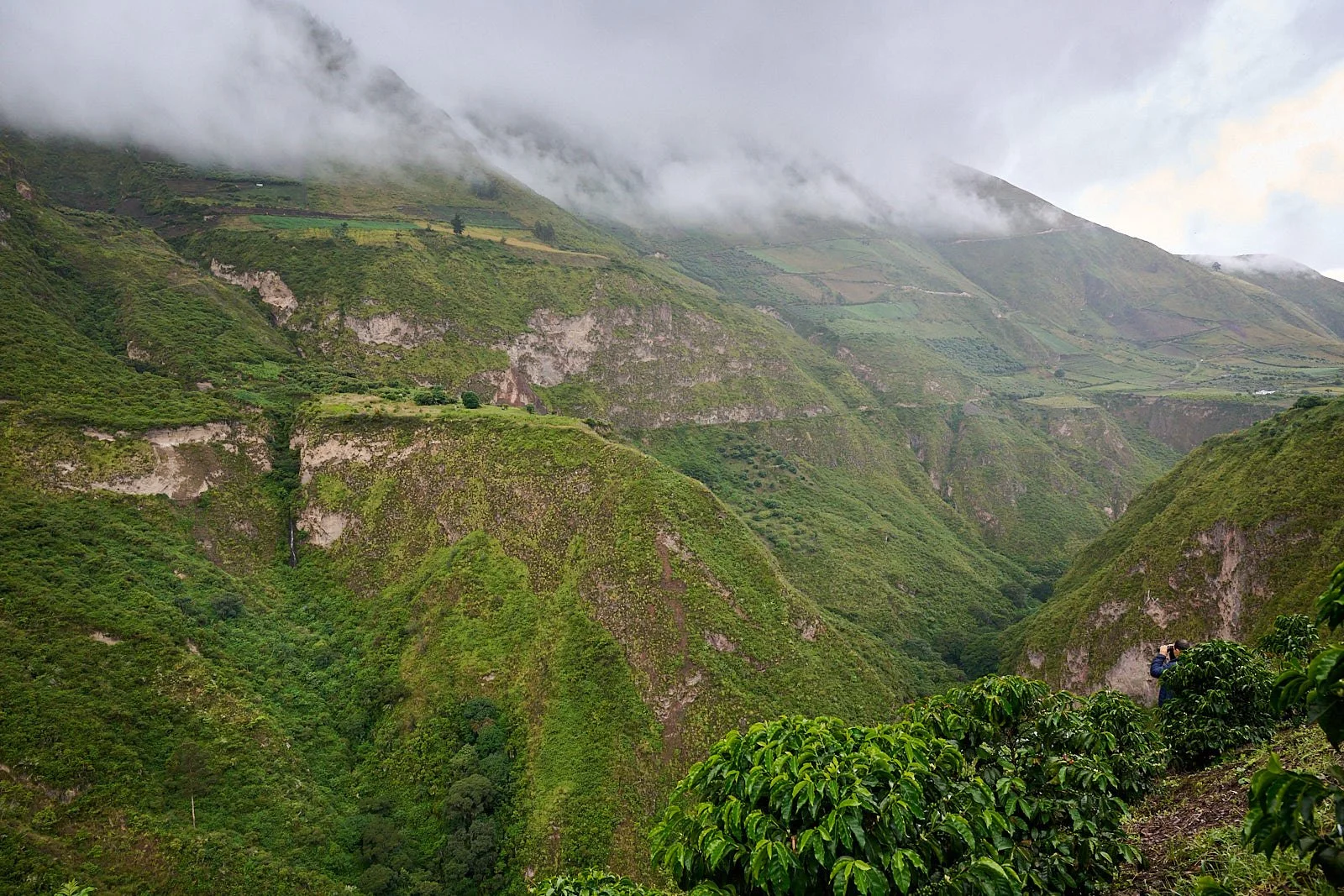
Inter-Andean valleys
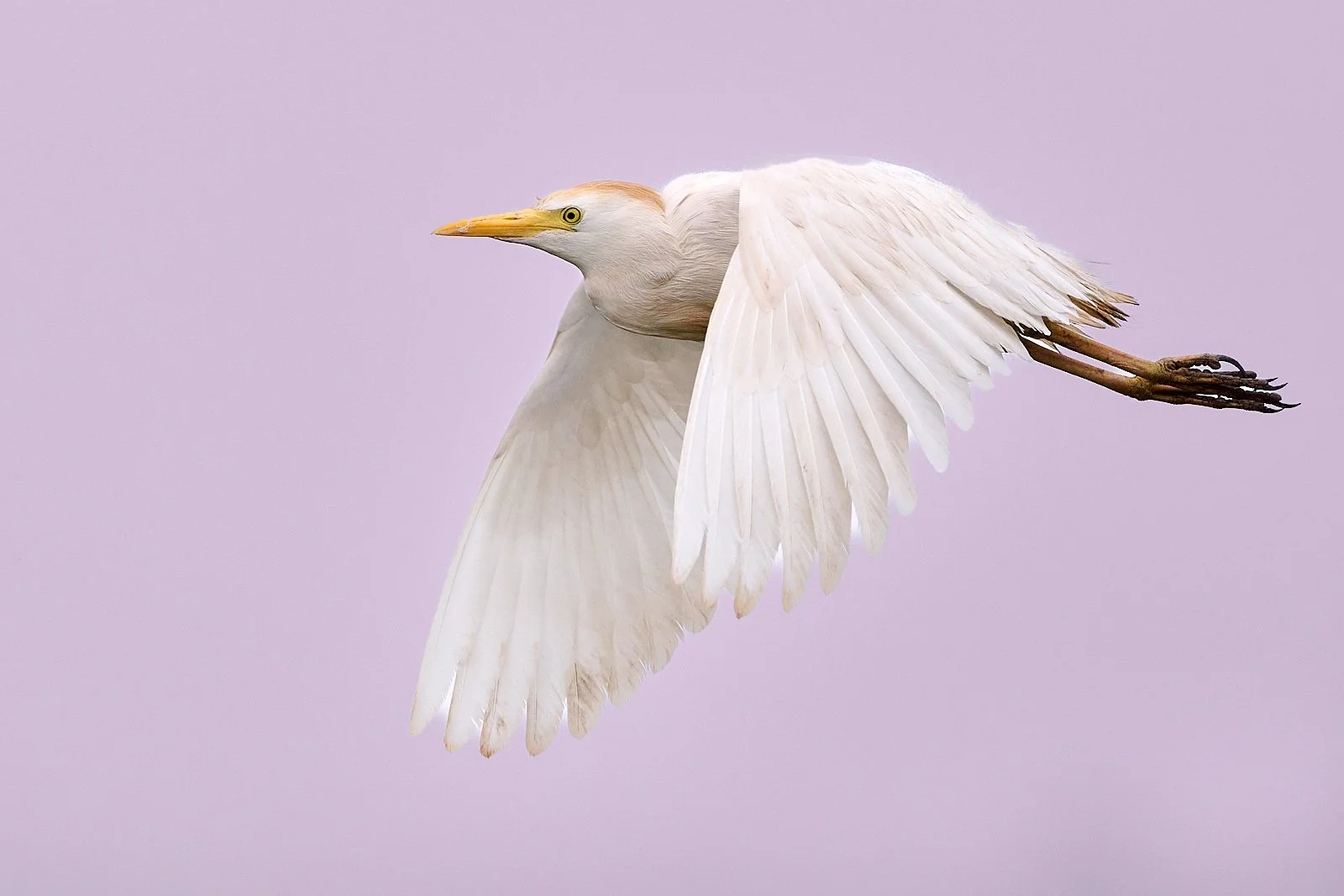
Cattle Egret
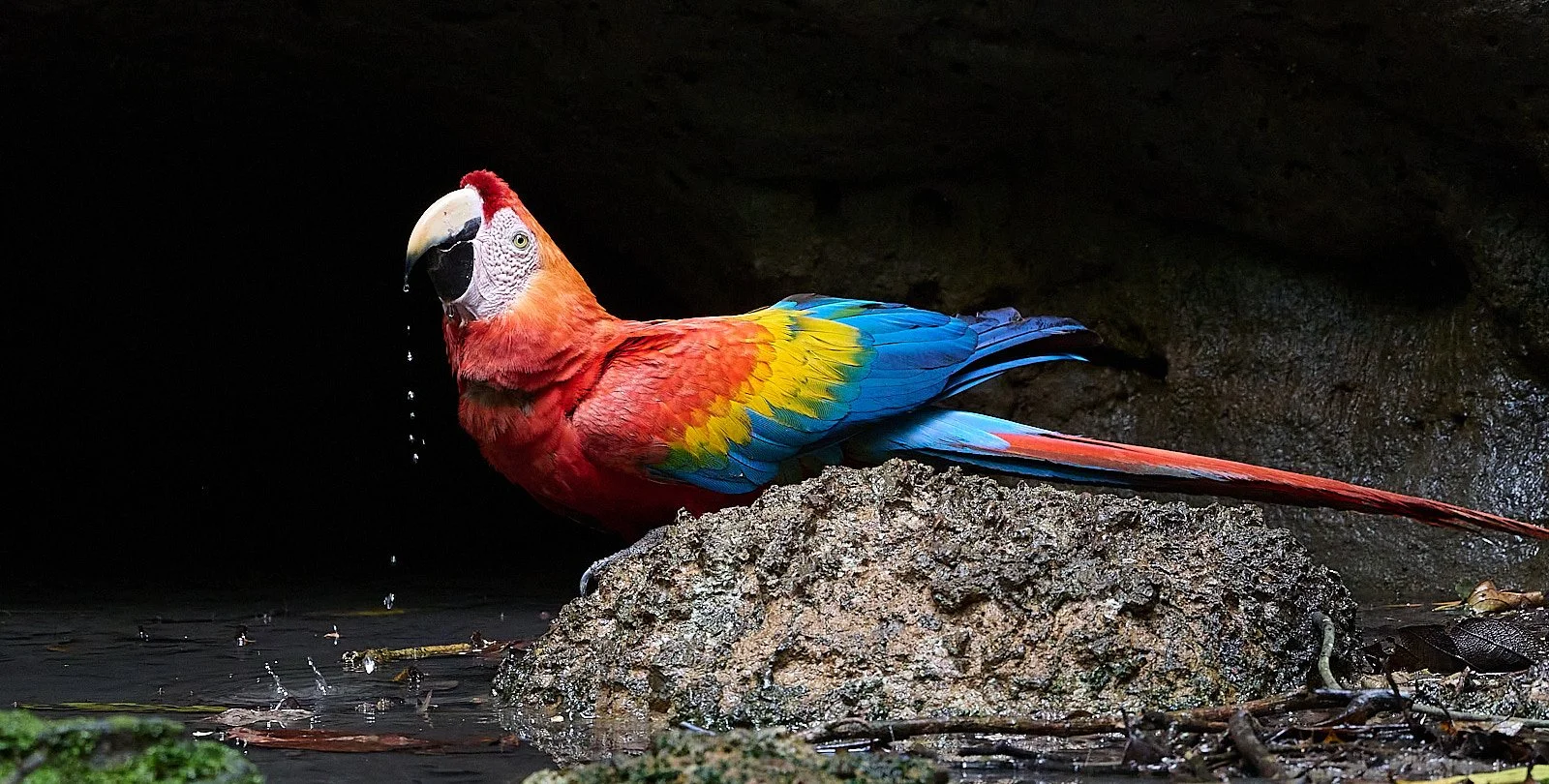
Scarlet Macaw
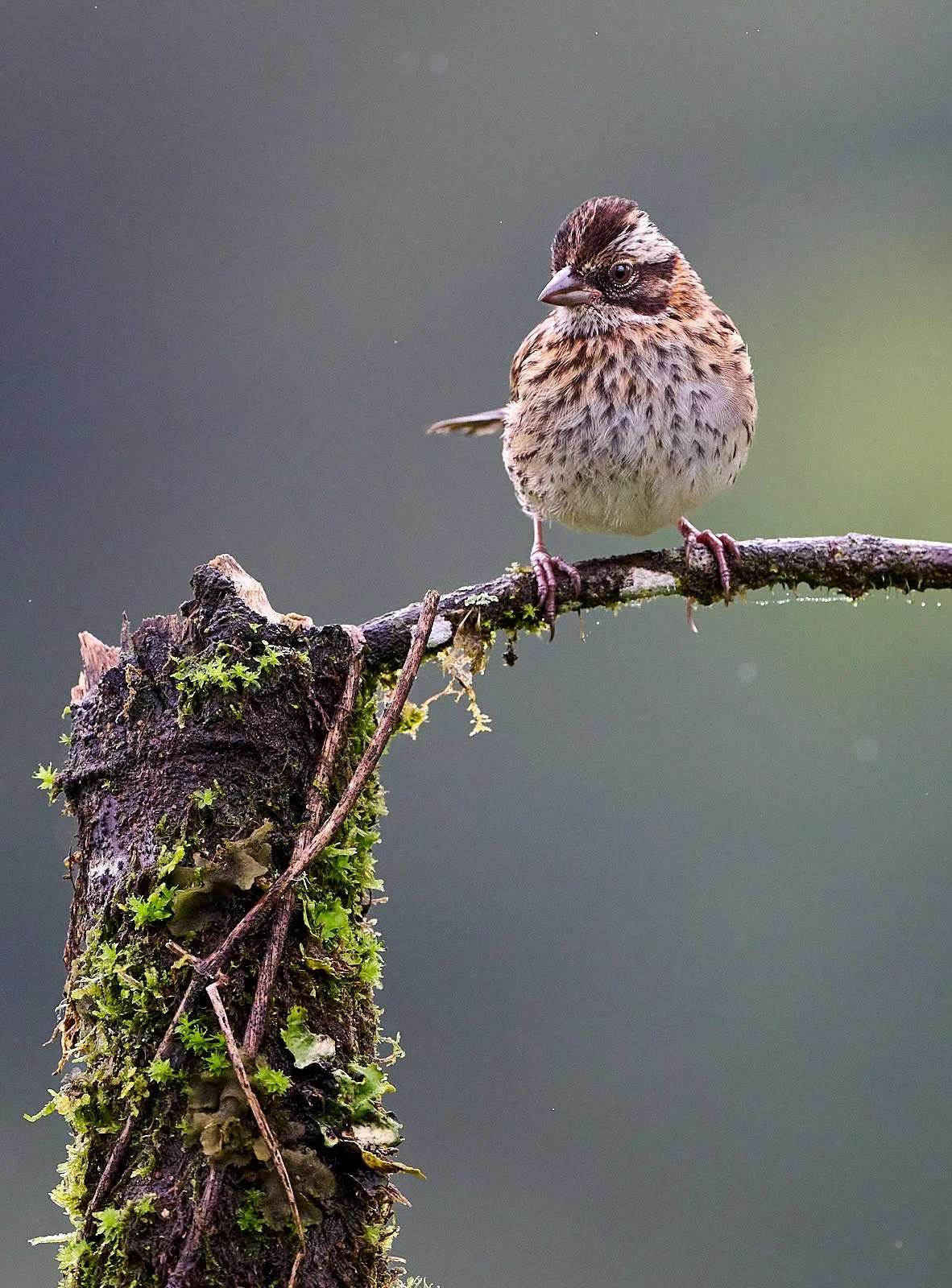
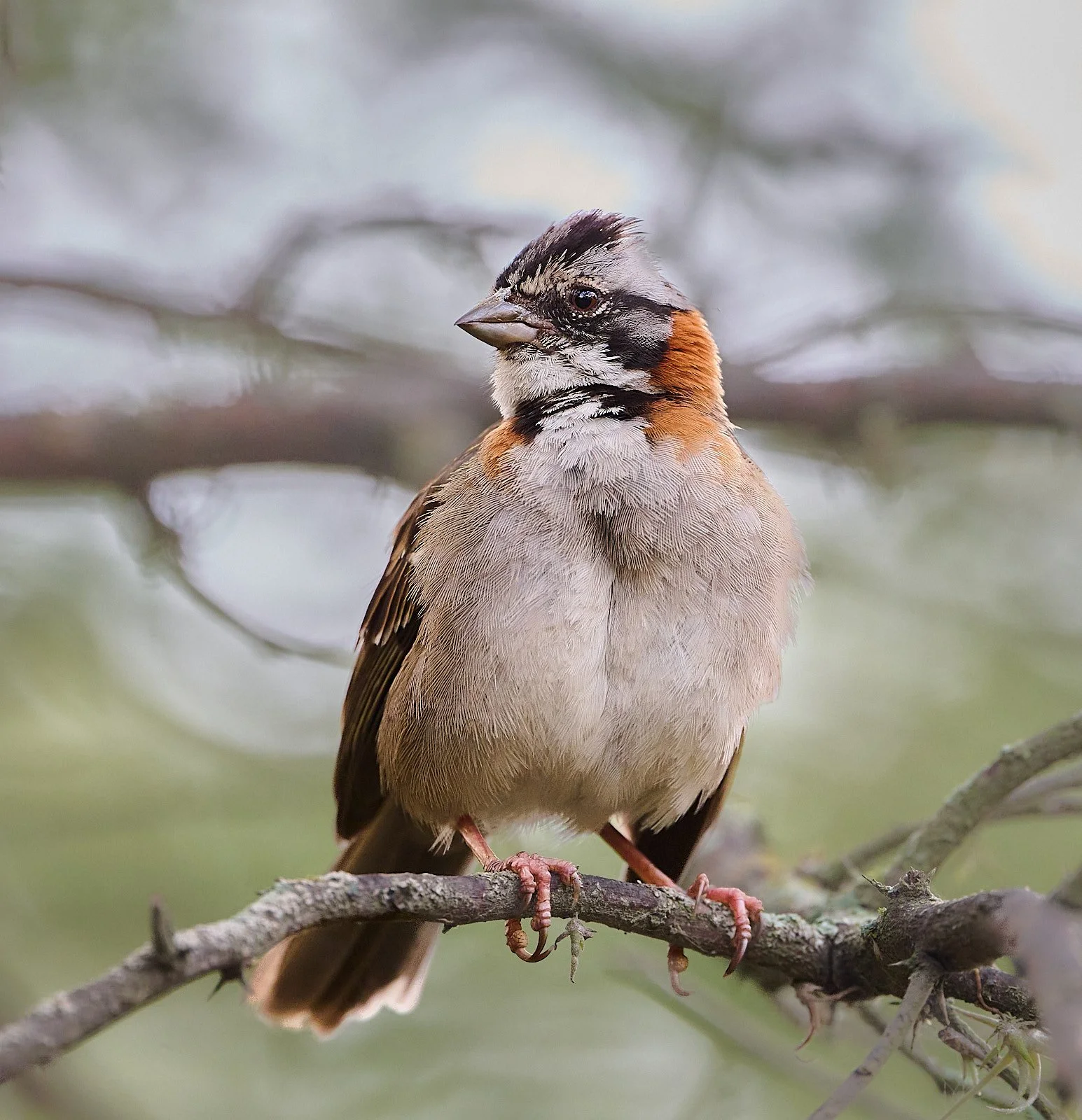
Rufous-collared Sparrow
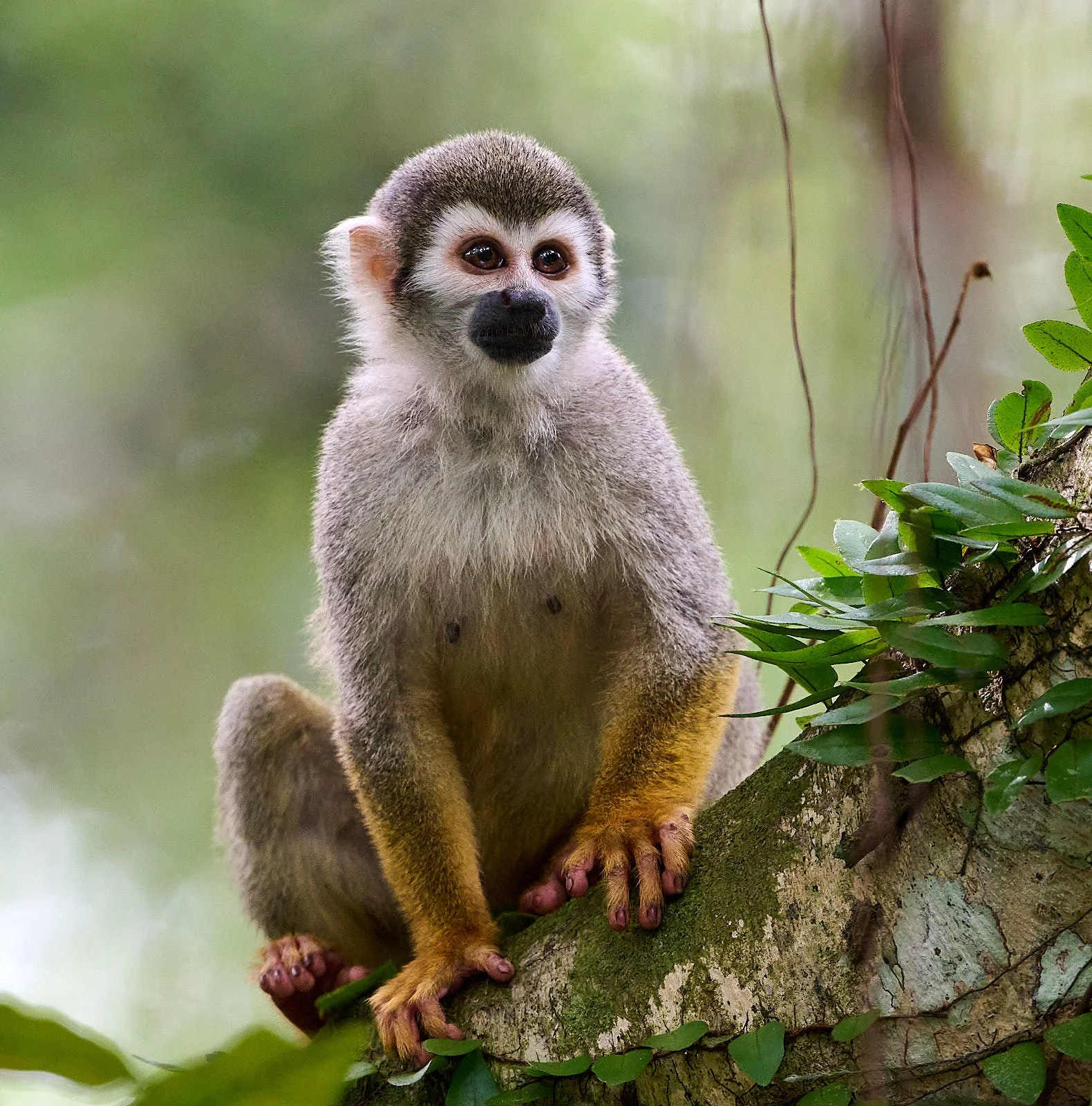
Ecuadorian squirrel monkey
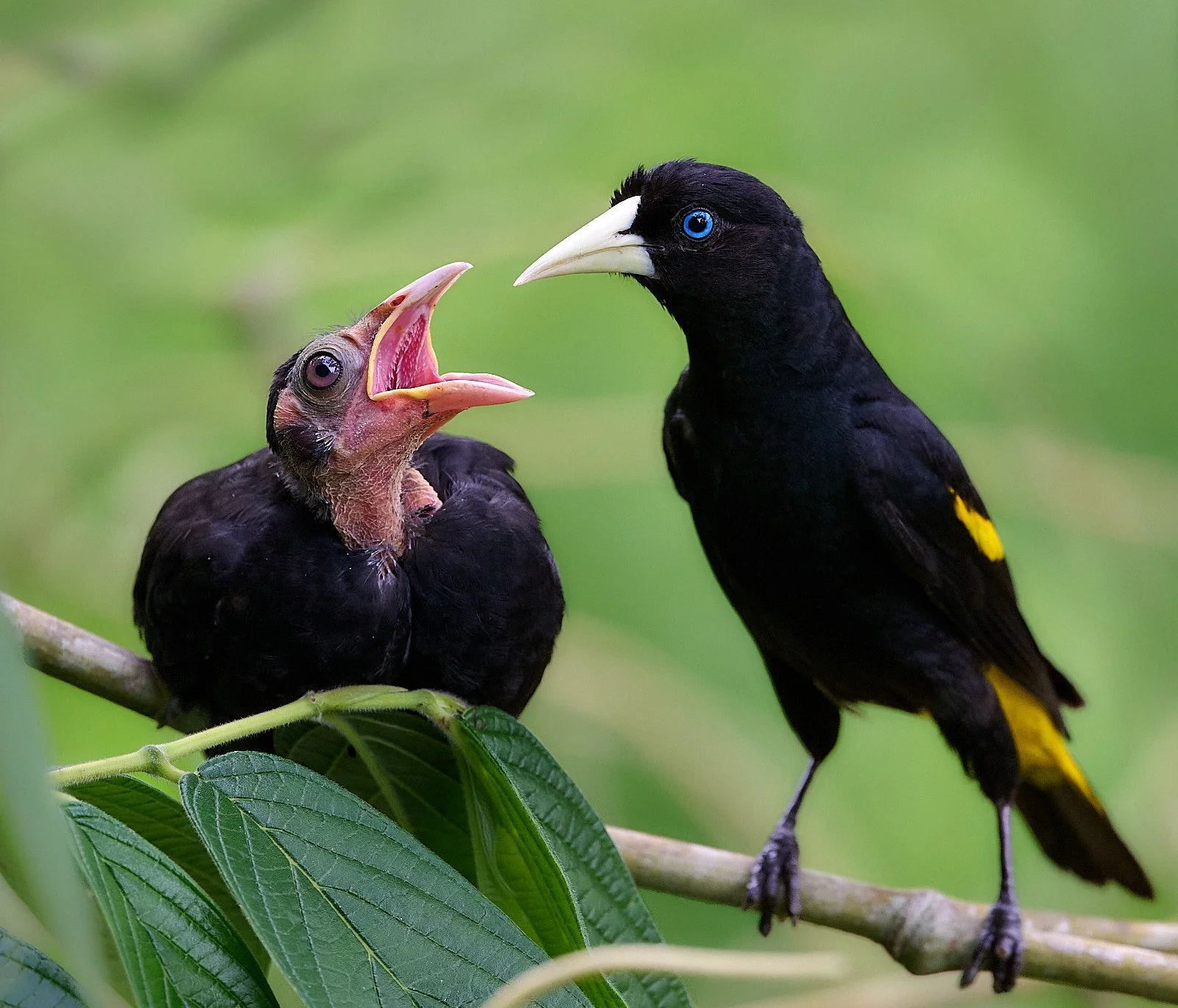
Yellow-rumped Cacique with fledgling
Photosynthesis
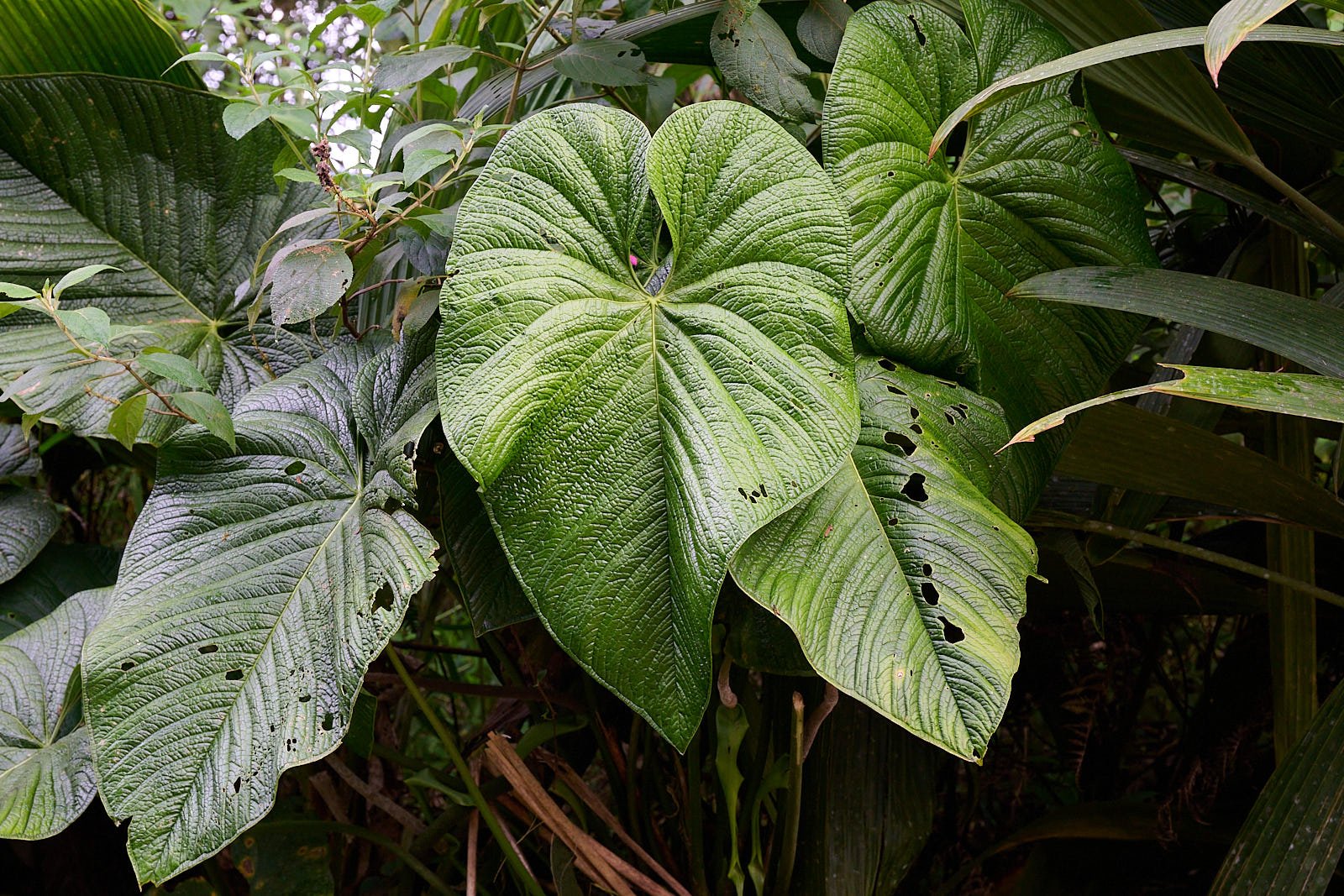
Forest’s edges contain a profusion of plants with massive leaves that take advantage of the bright sunlight
Web of Life
Photosynthesis is a 3-billion-year-old process and the key to life on Earth. Plants employ the pigment chlorophyll to absorb red and green light and use that radiant energy to split water into hydrogen and oxygen. The hydrogen is combined with carbon dioxide to make high-energy carbohydrates (food) and oxygen is released as a by-product (we can breathe).
Tropical Rainforest
Of all Earth’s terrestrial ecosystems, none accomplishes more photosynthesis than tropical rain forest. Net primary productivity (NPP) refers to the amount of carbon fixed in excess of the plant’s metabolic needs. It is the plant tissue added for growth and reproduction.
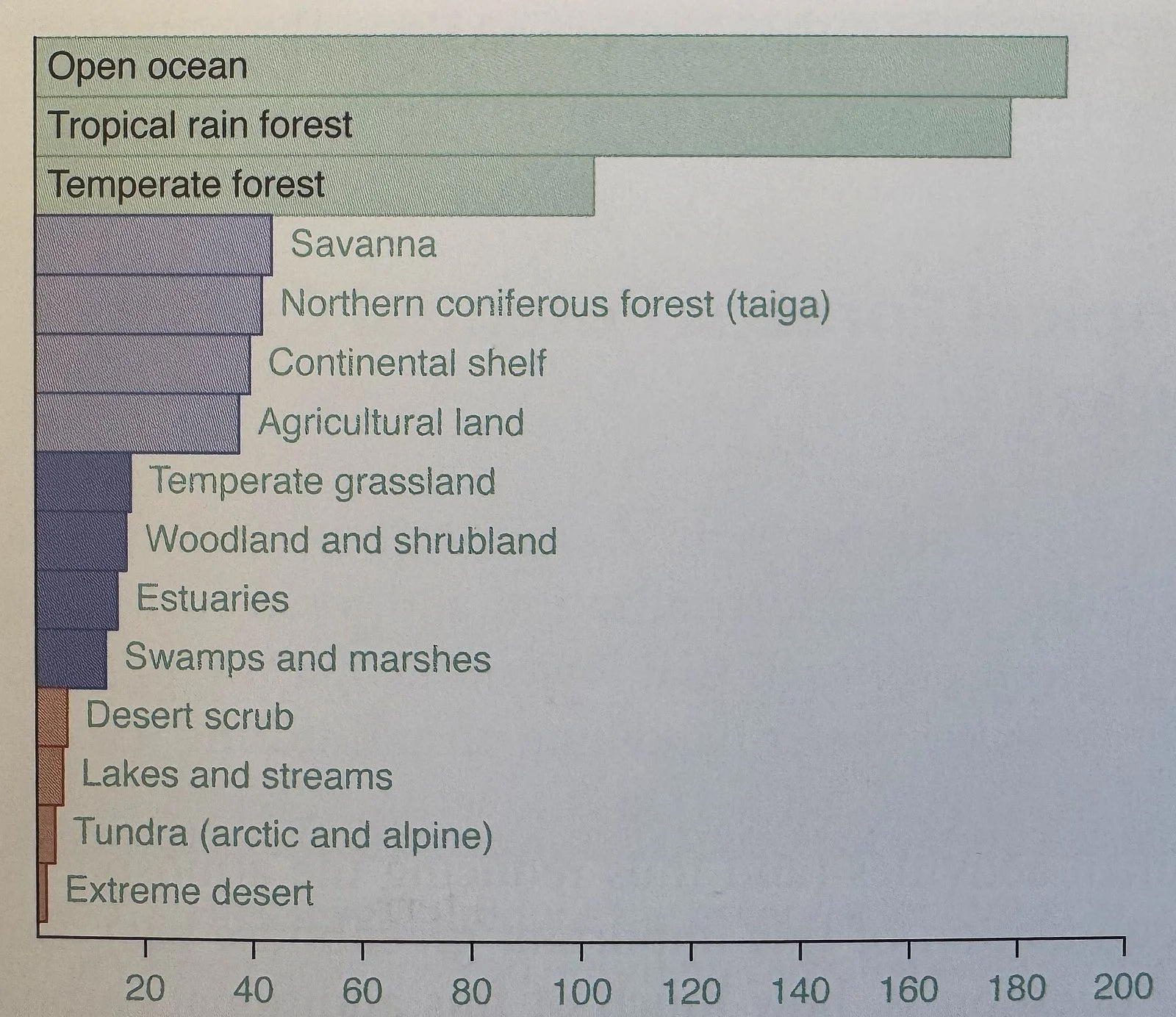
Net Primary Productivity of Ecosystems
Diagram showing net primary productivity of major ecosystem types. Open ocean (huge area) and tropical rain forest (tiny area) have similar values but different NPP per unit area.
Transition from tropical rain forest to a less productive ecosystem means reduced potential for carbon capture and less energy to support biodiversity.
The Tropics
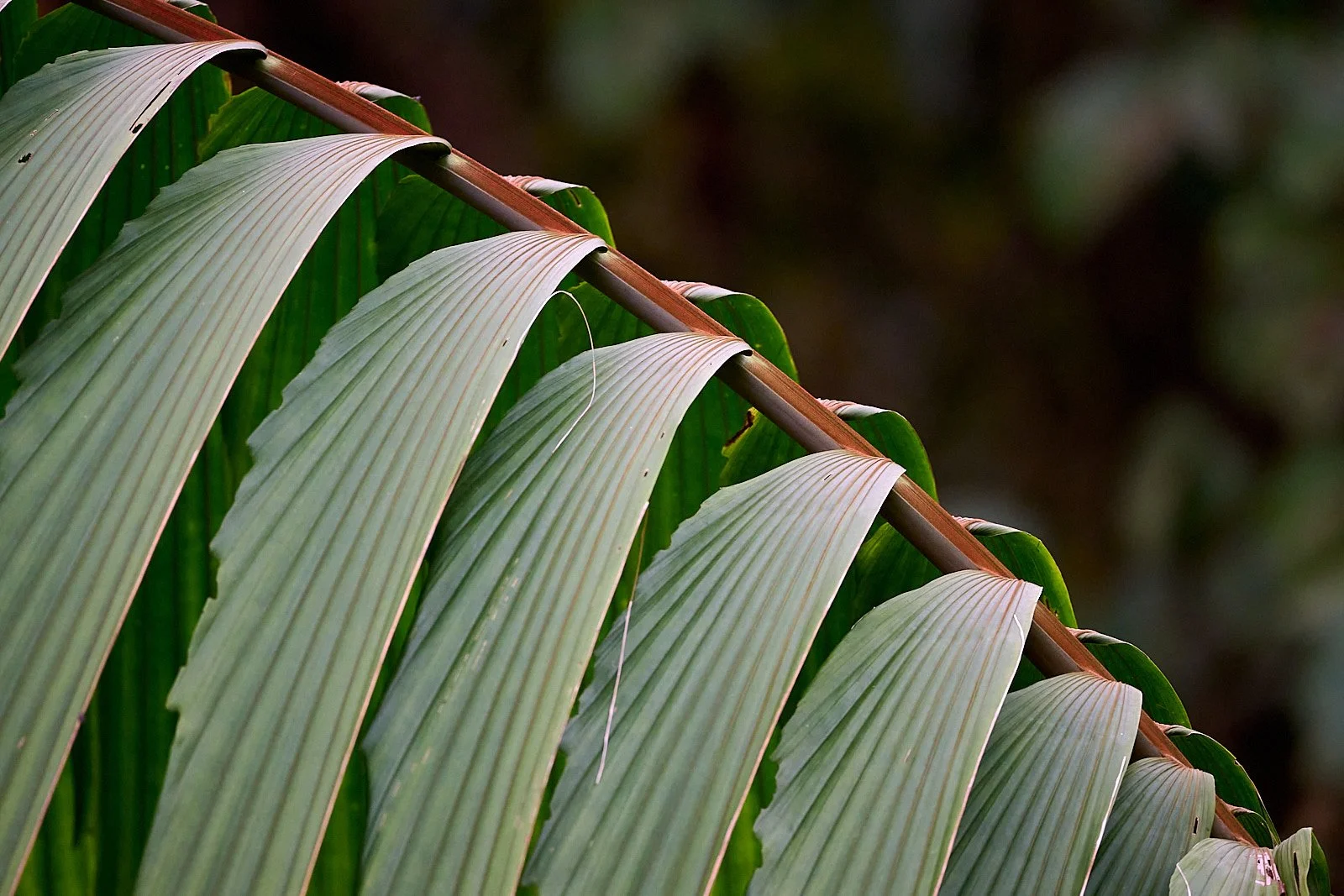
The tropics support the greatest biodiversity. Tropical terrestrial ecosystems occupy only 7% of Earth’s surface but hold more than 50% of the world’s terrestrial plant and animal species.
During our 2-week Ecuador tour which was organized by a travel company, 40 mammal and 391 bird species were identified. (Of course, the species count would have been dismal without the trip leader’s expertise.)
Where did we go?
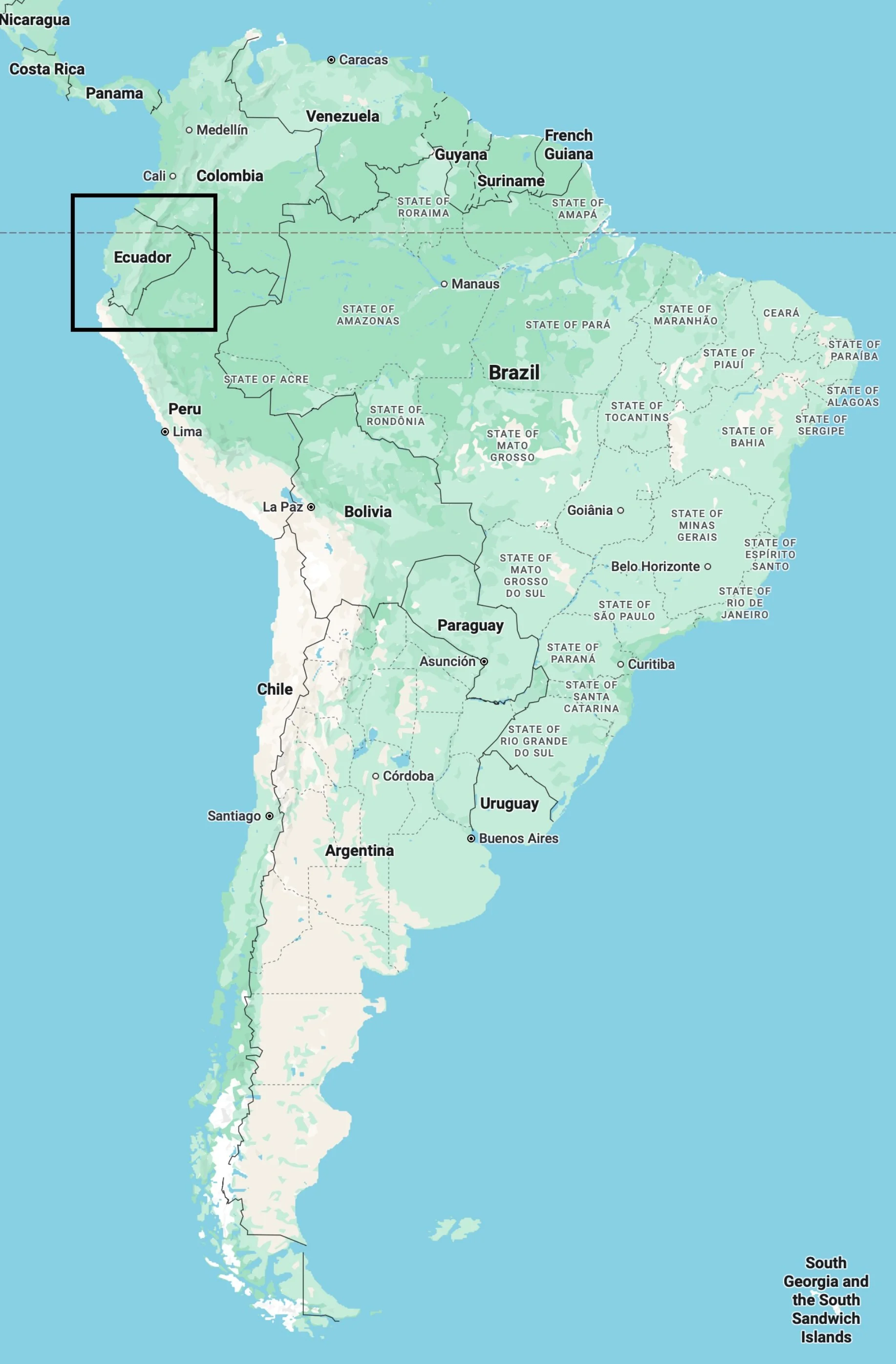
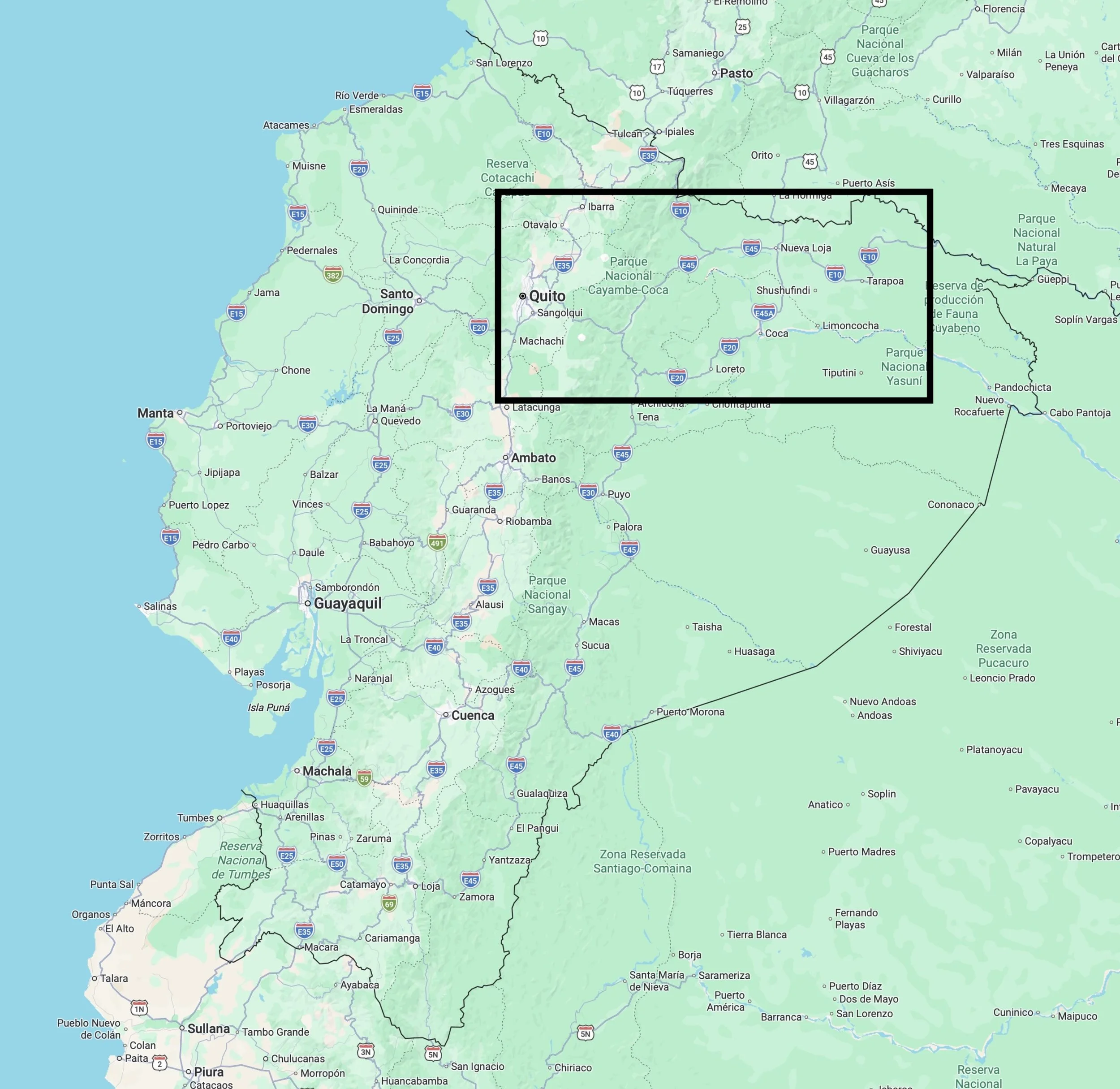
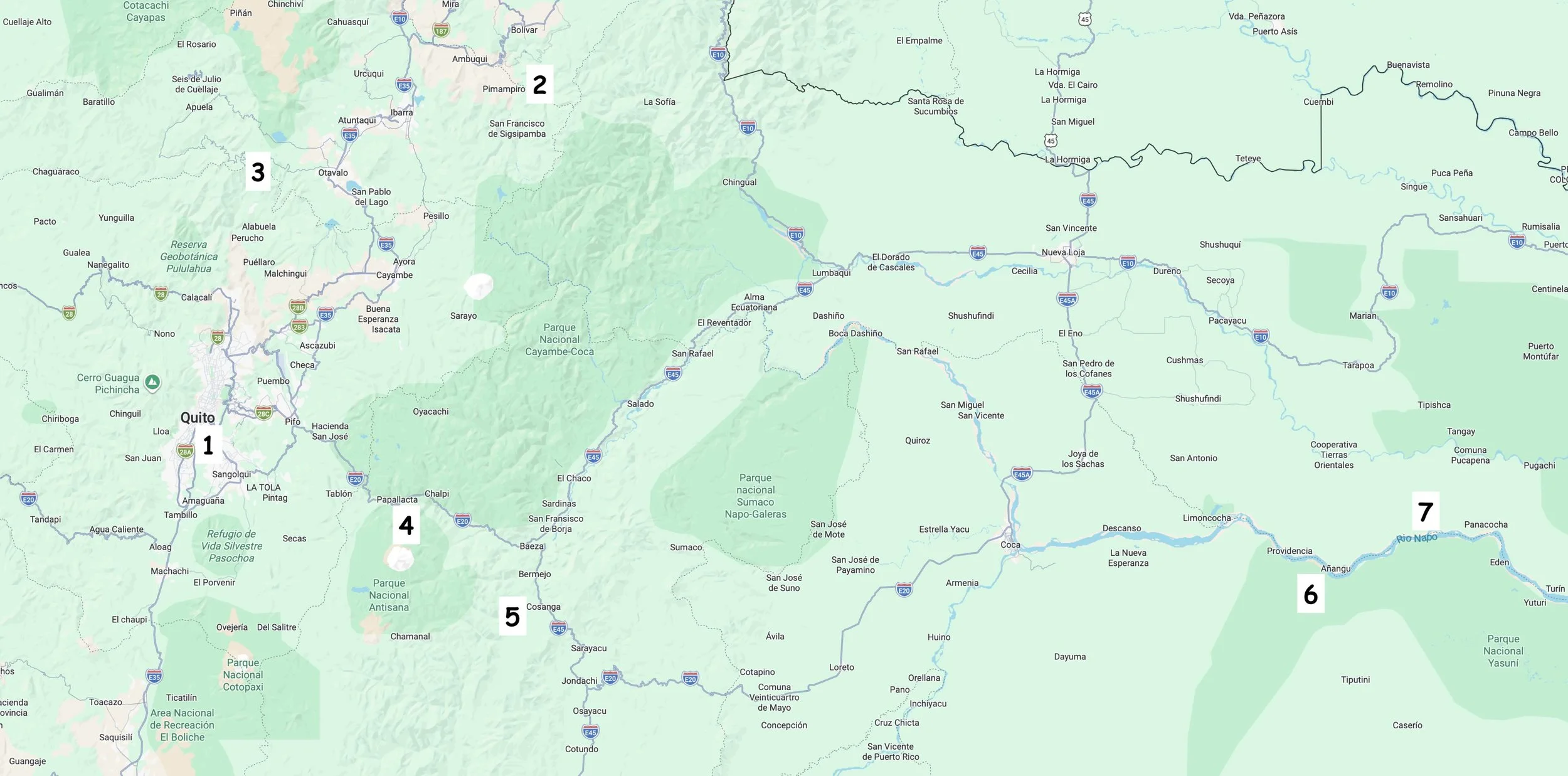
The maps show: (1) Ecuador’s position in South America; (2) The area of Ecuador that we visited; (3) The places that we stayed, #1 being our first stop, #7 the last.
Quito
We flew to Quito, Ecuador’s capital and its second-largest city (population 2.8 million). It was a great introduction to the Andes. Quito is 9,350 feet above sea-level and lies on the eastern slopes of Pichincha, an active stratovolcano.
Botanical Gardens
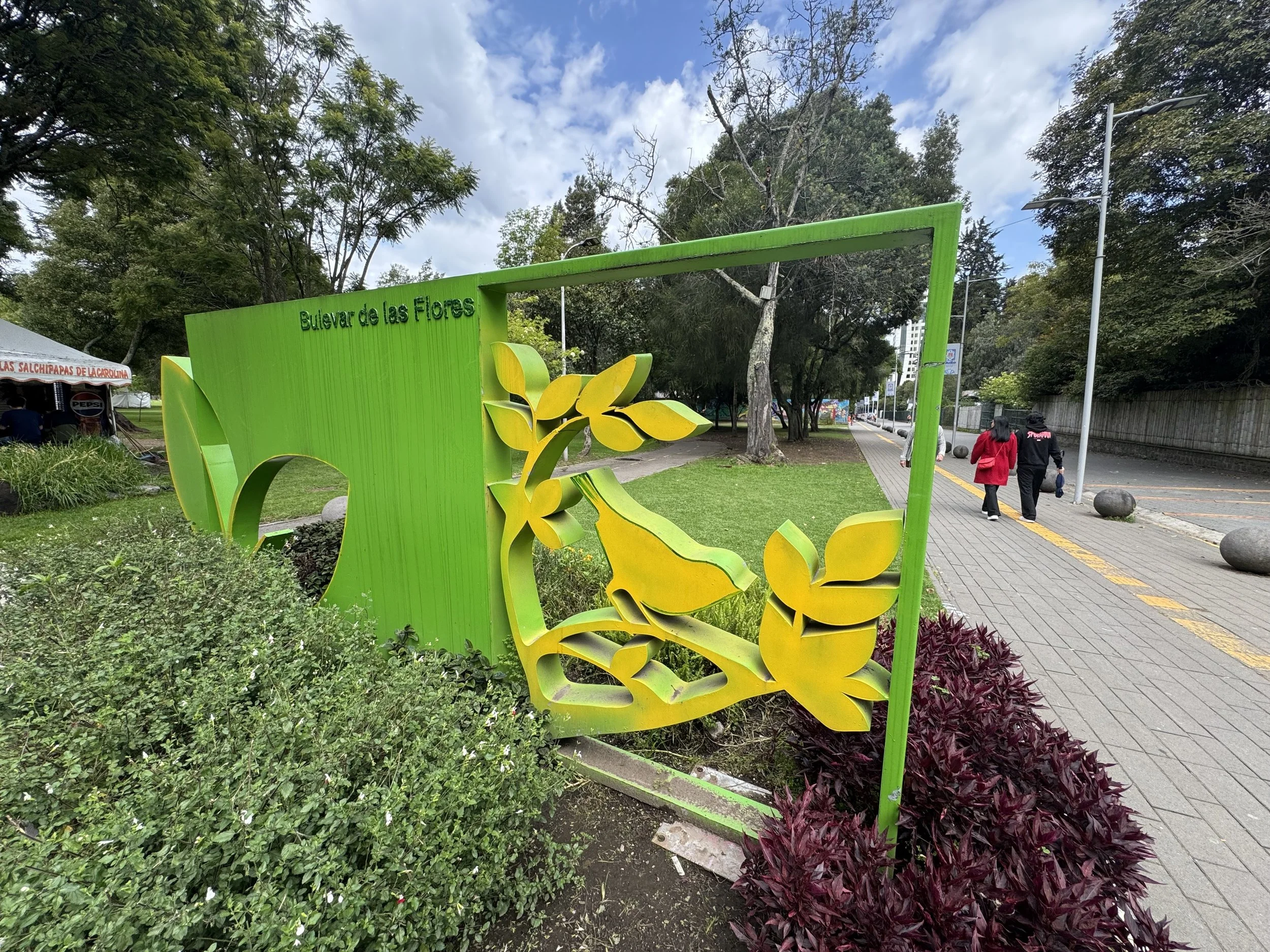
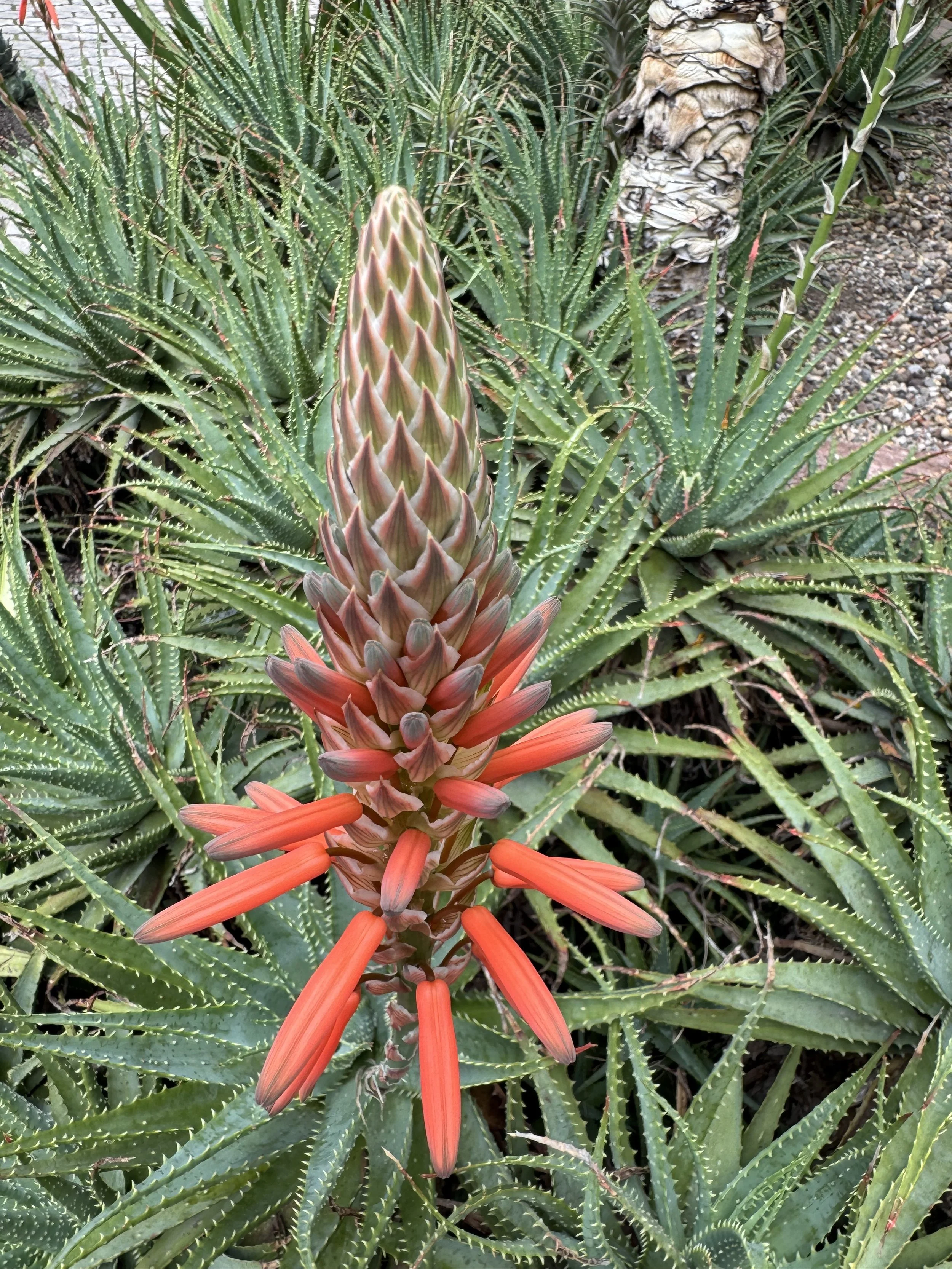
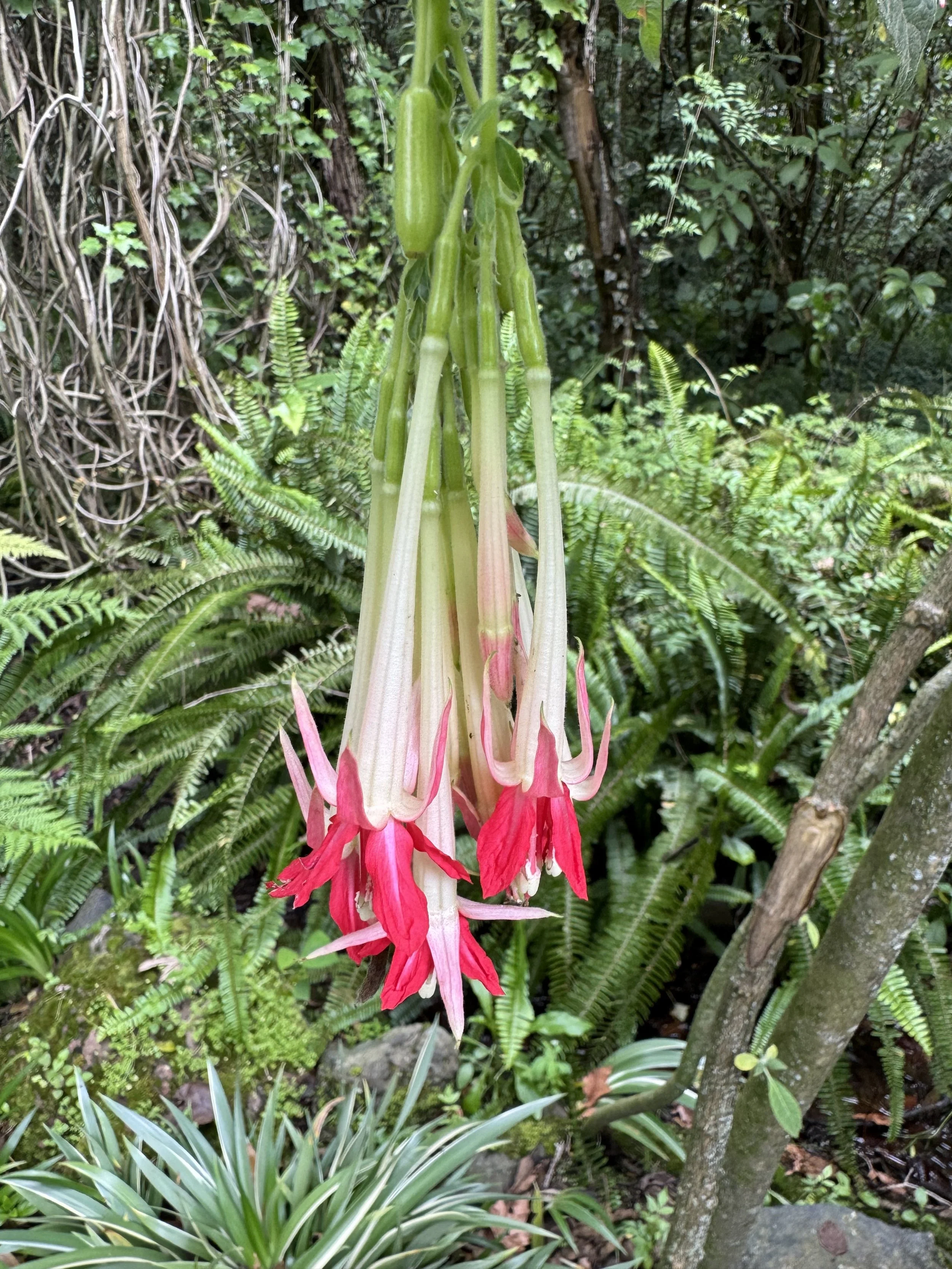
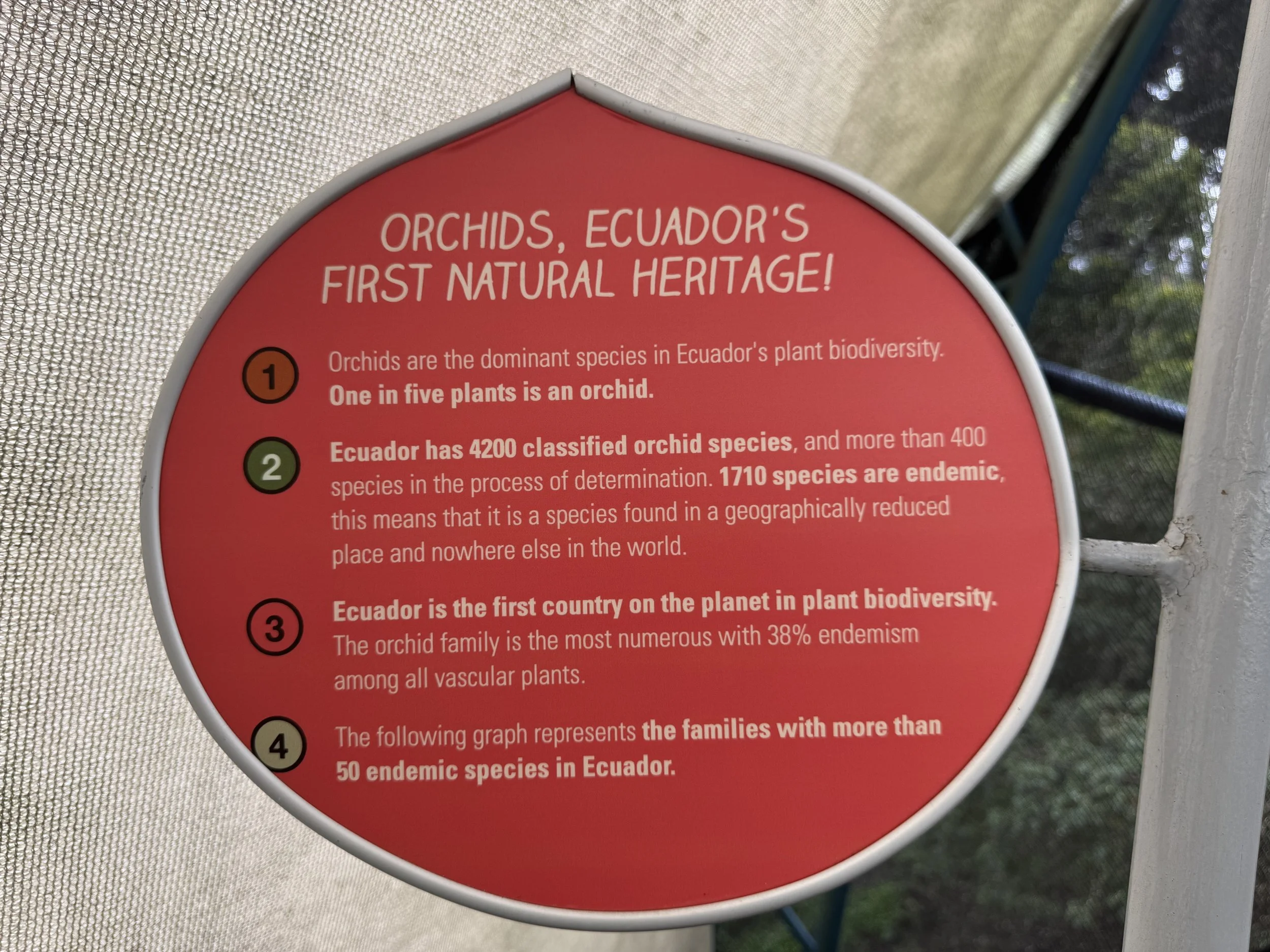
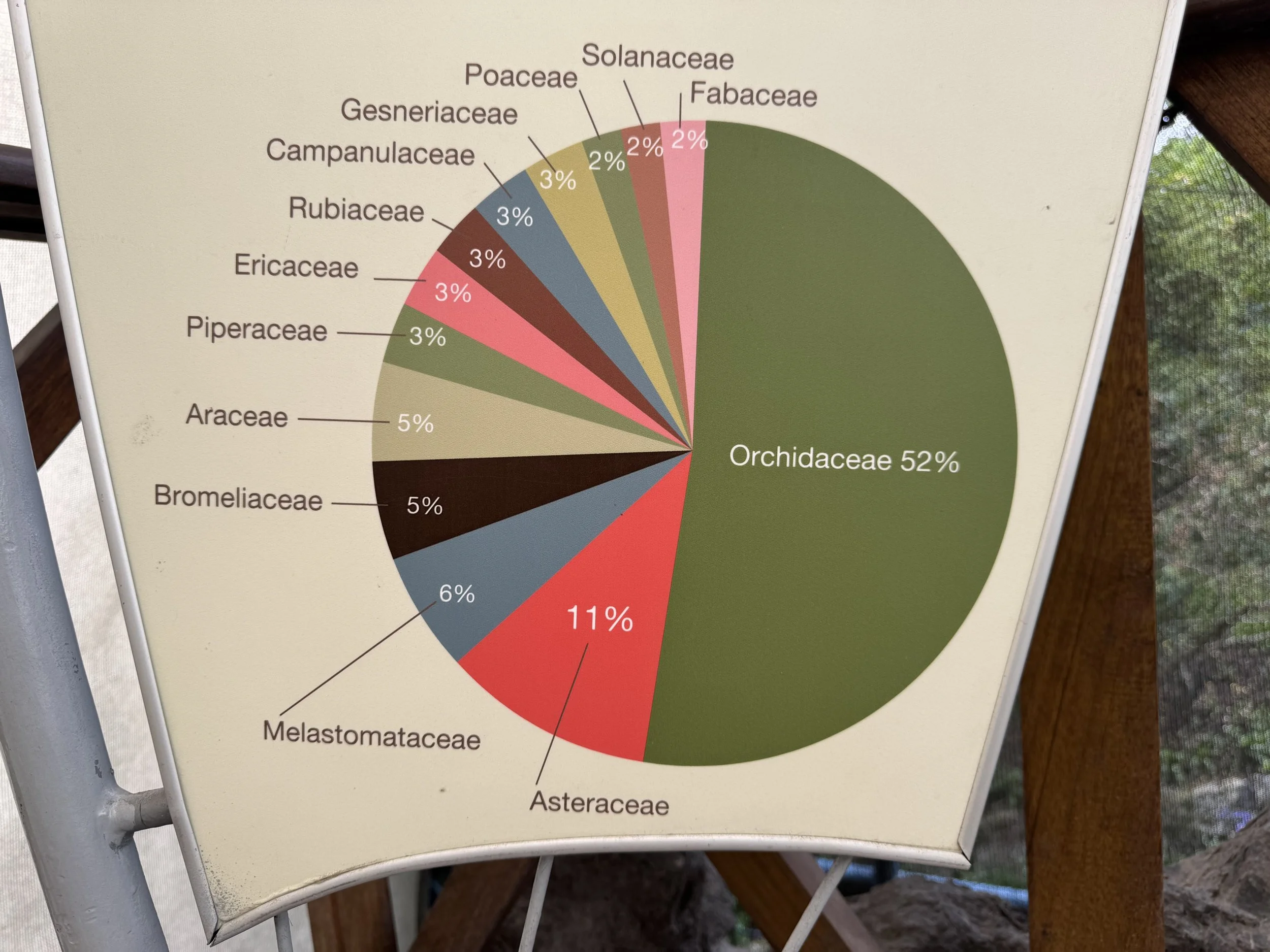
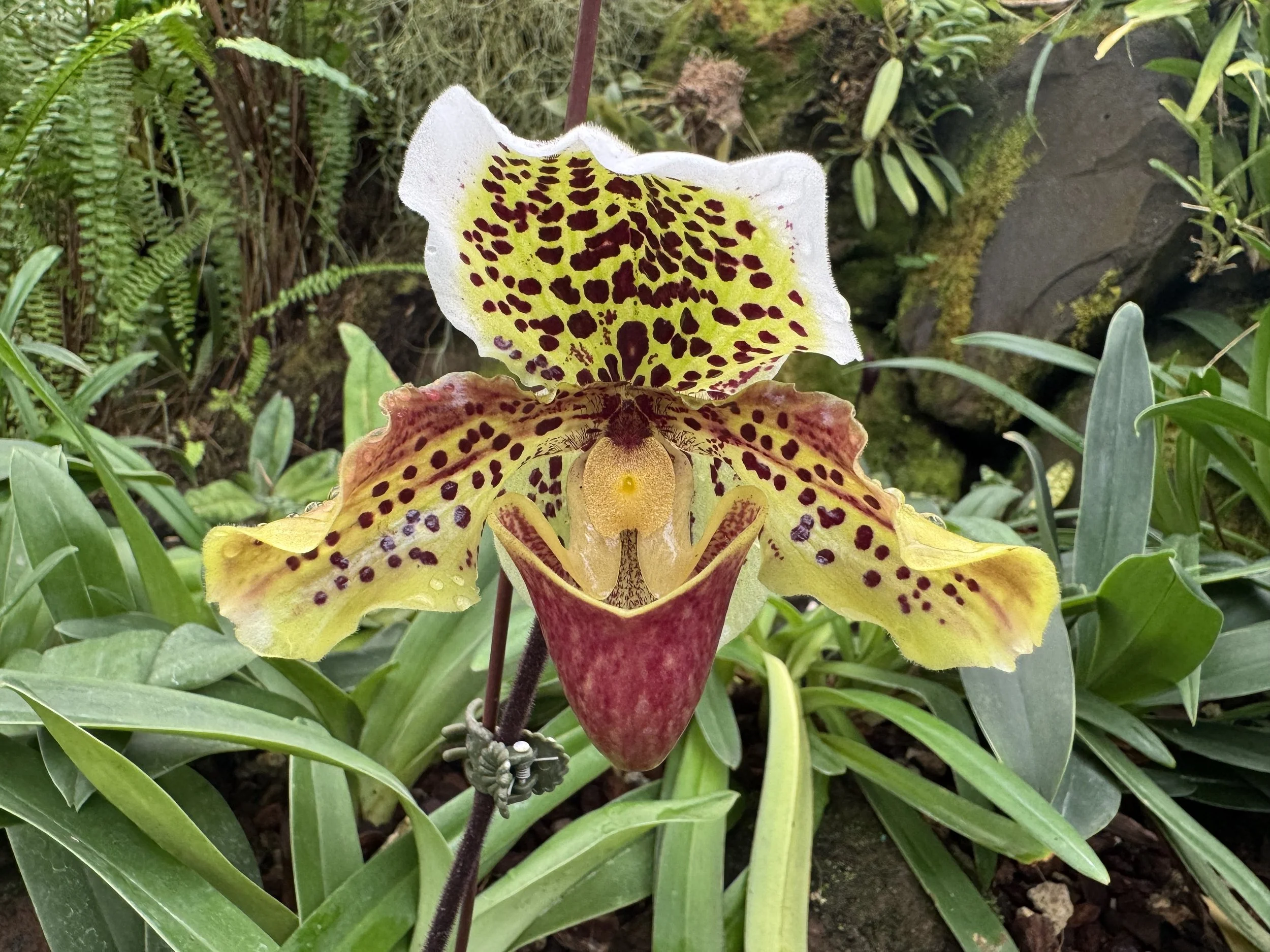
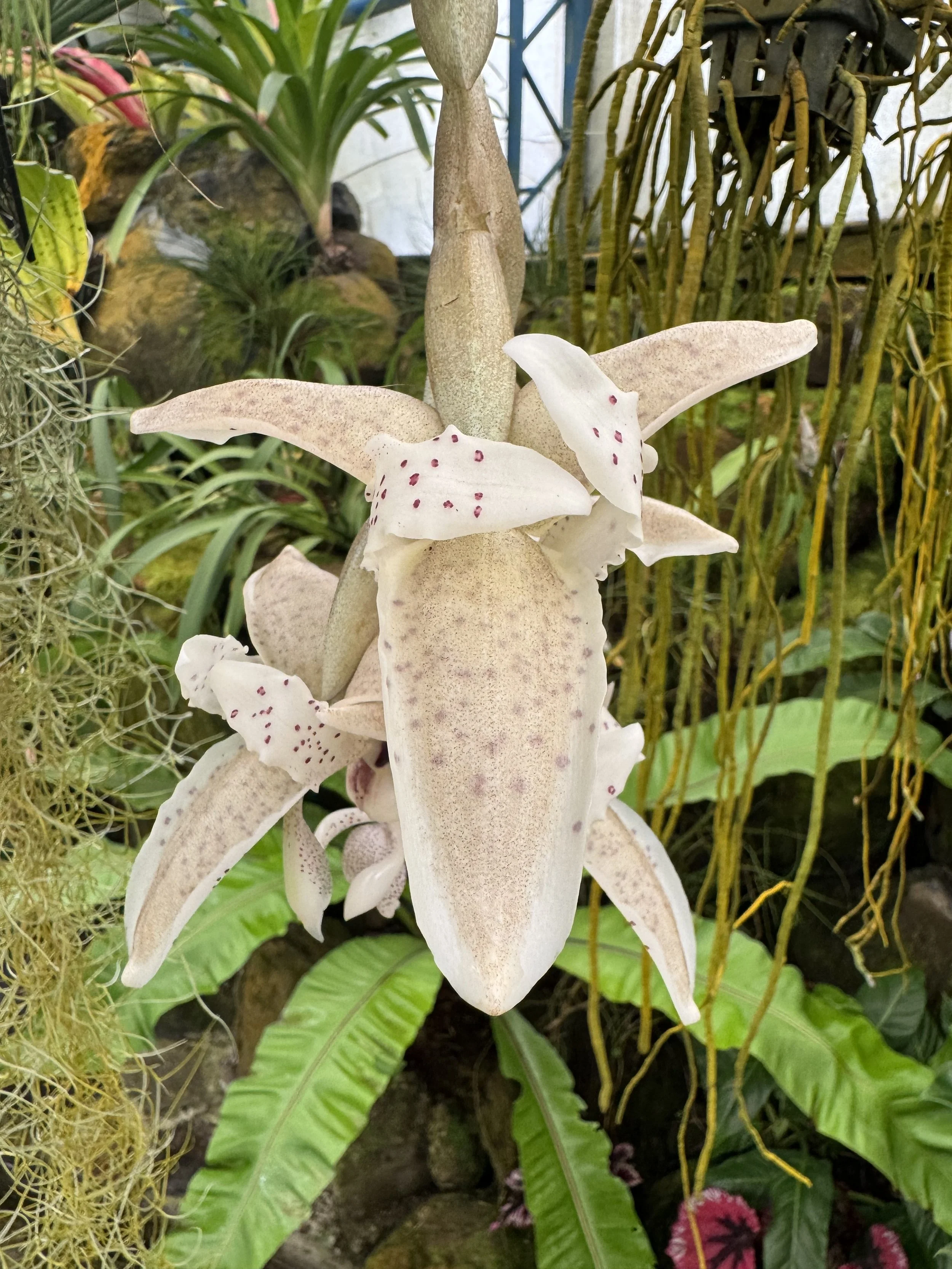
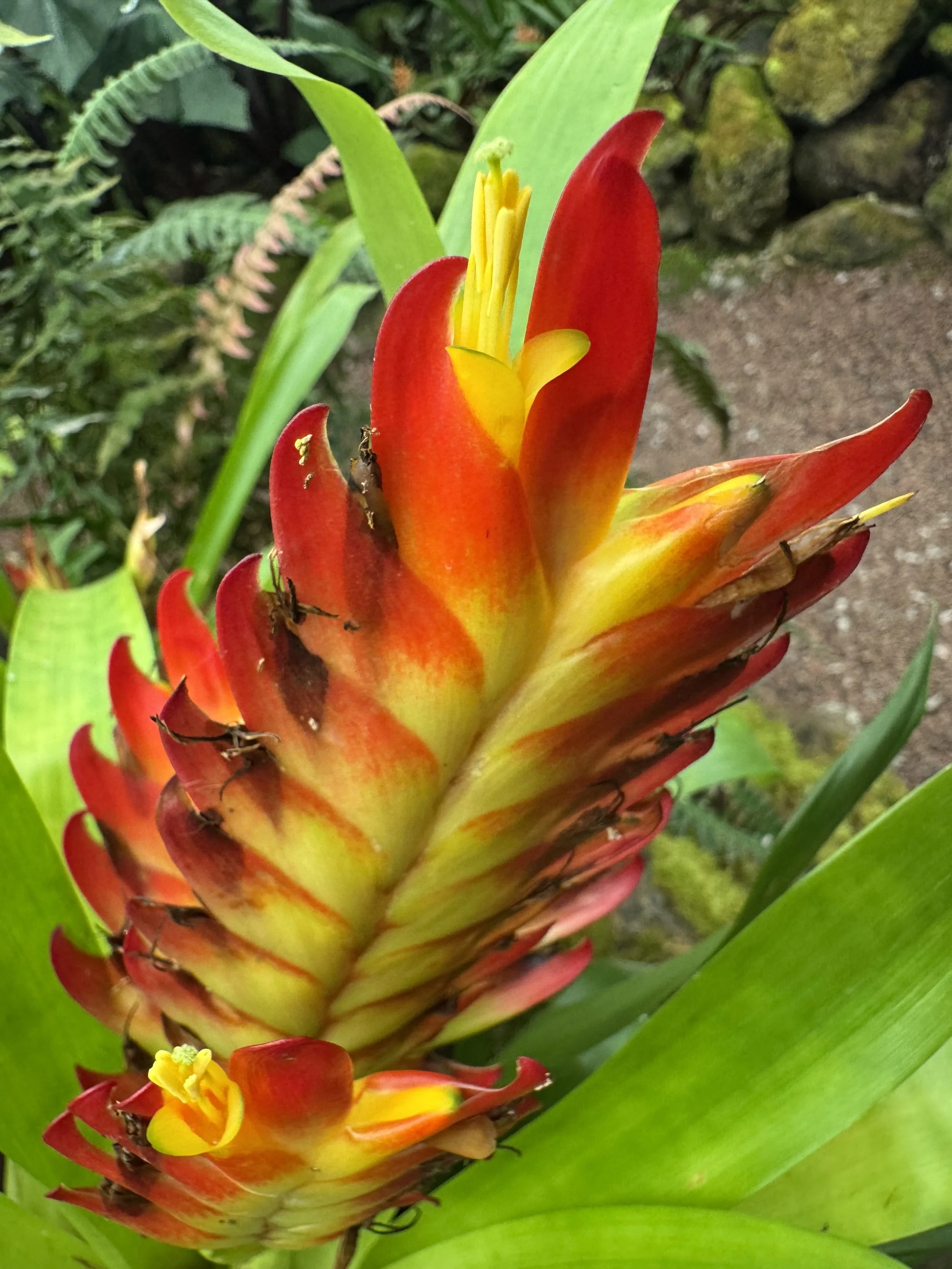
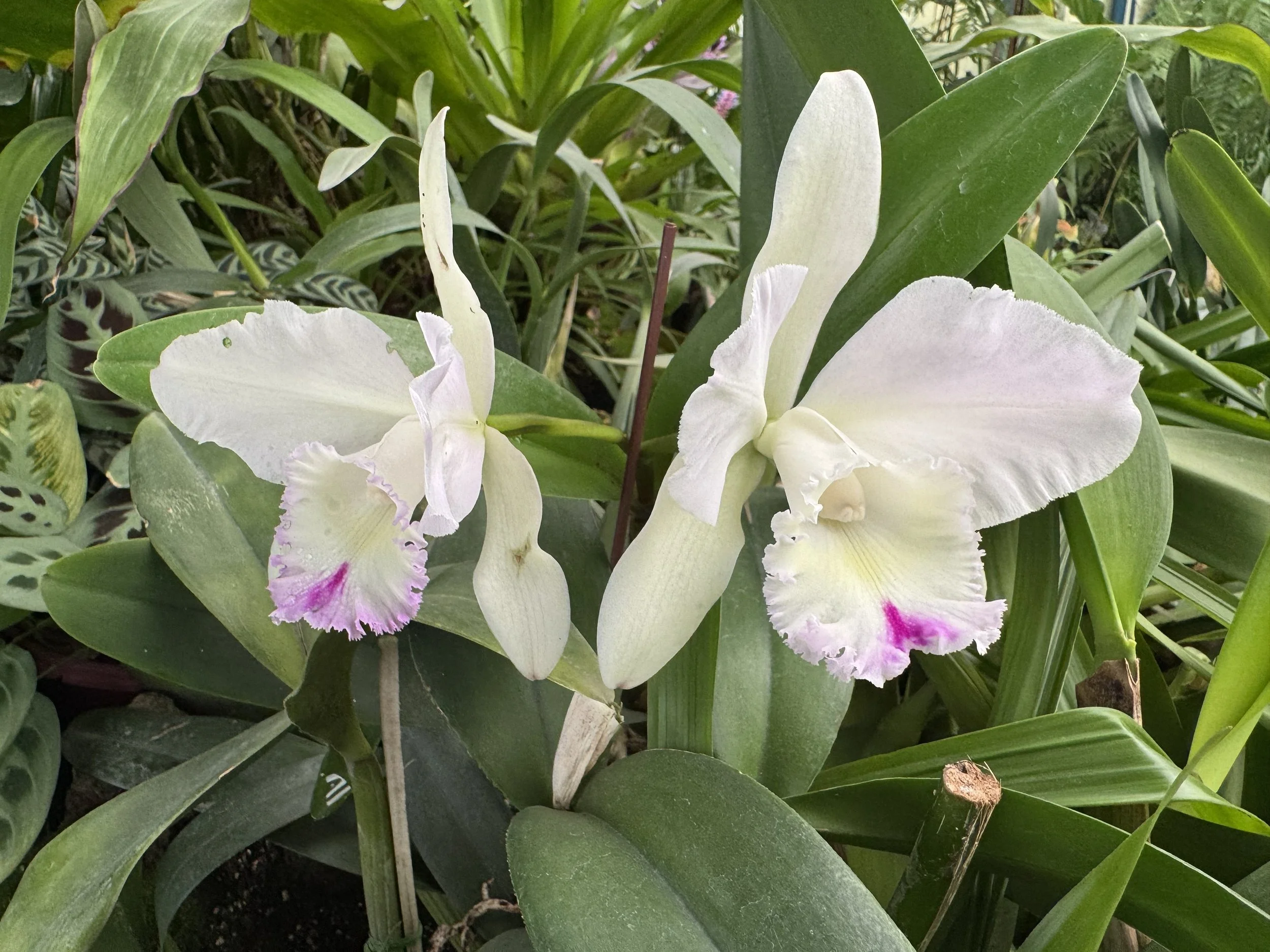
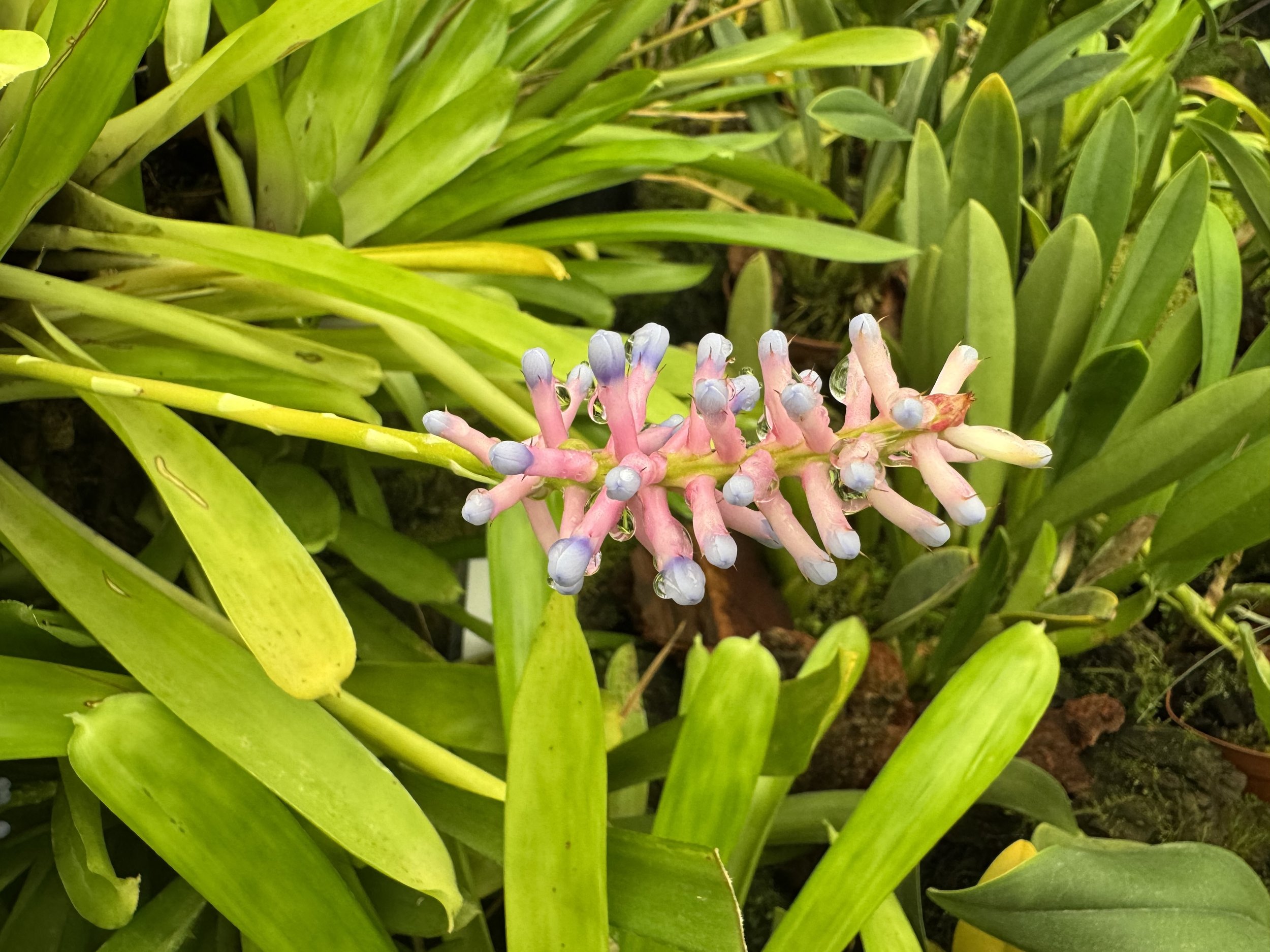
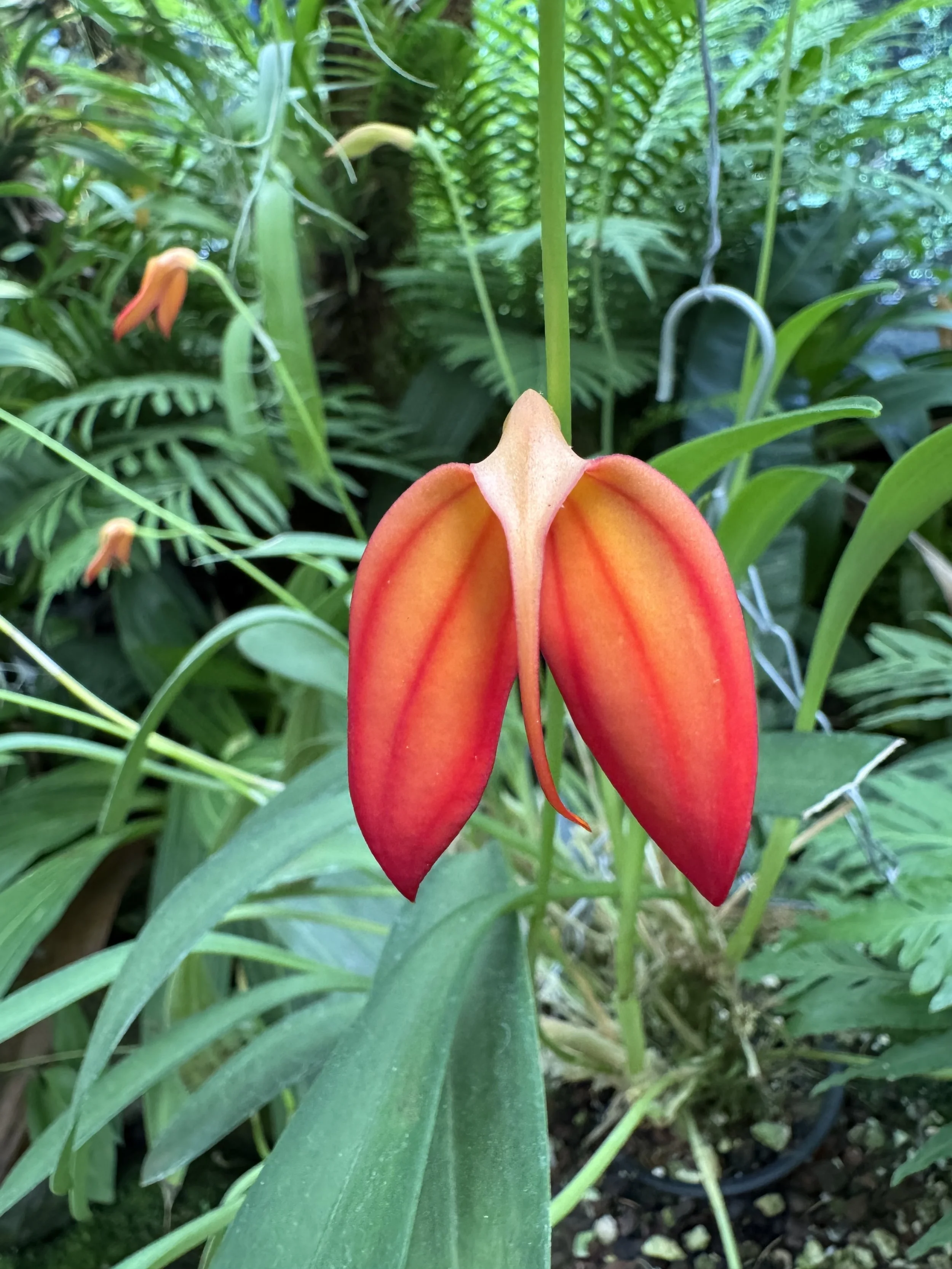
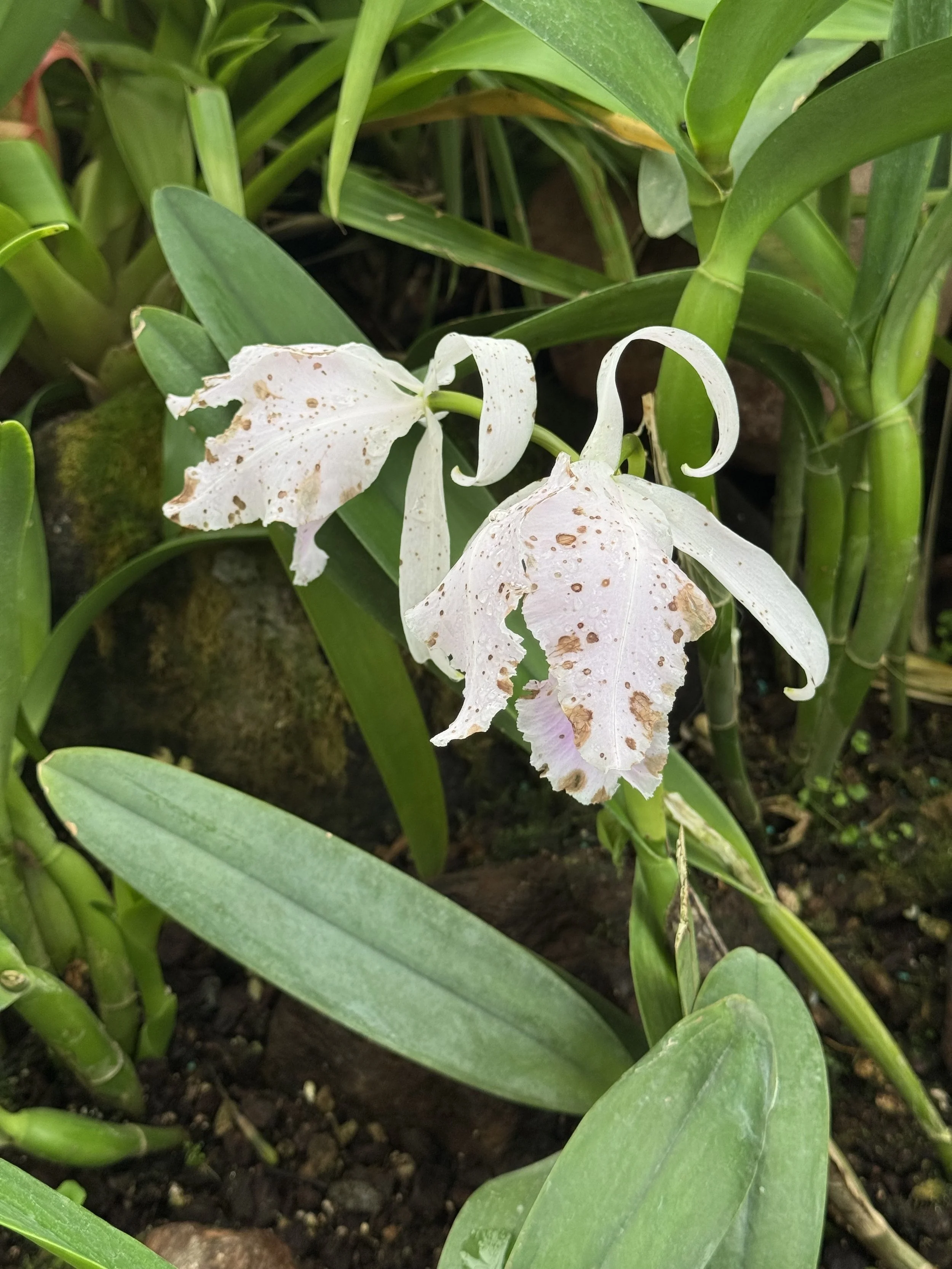
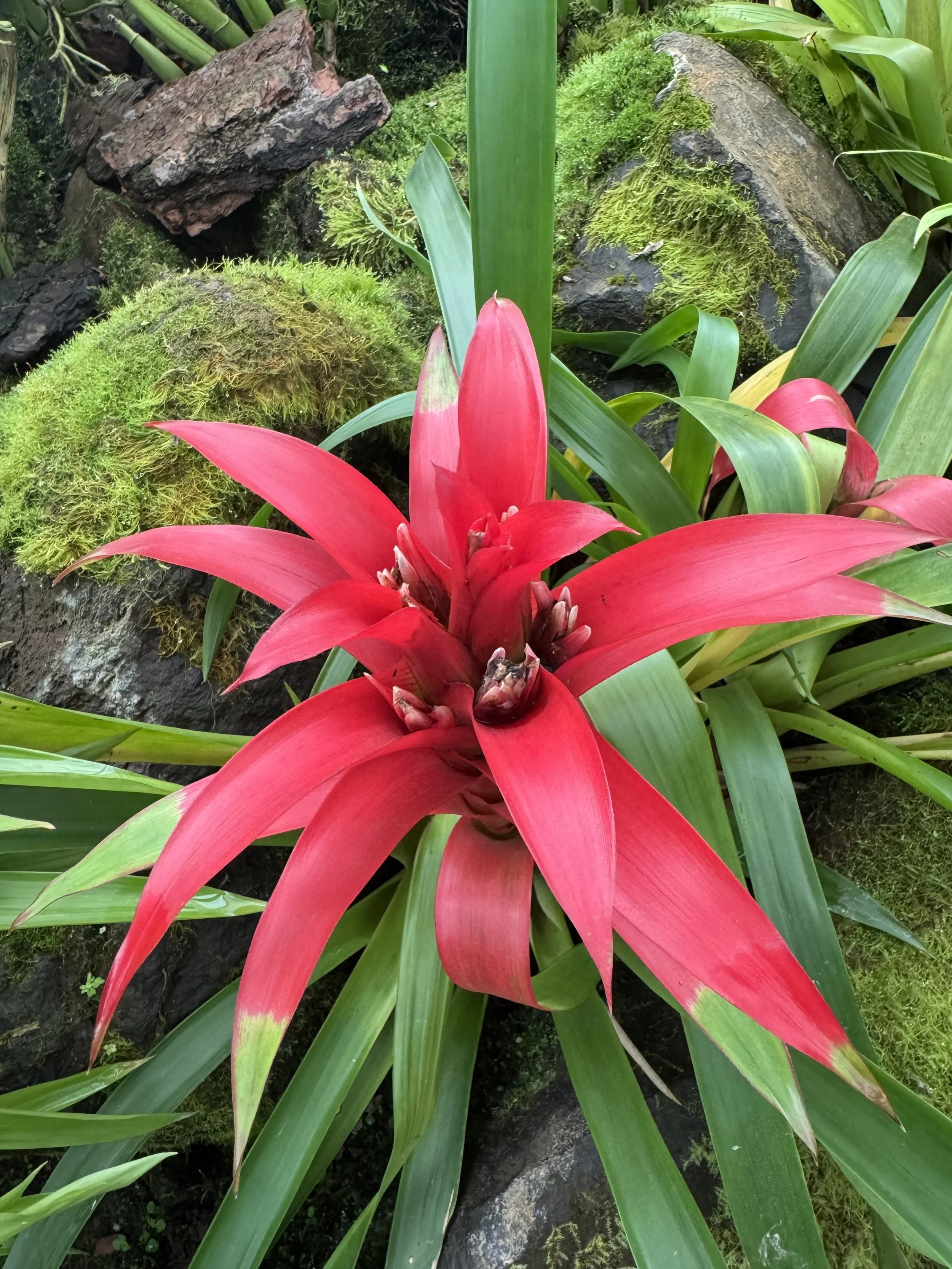
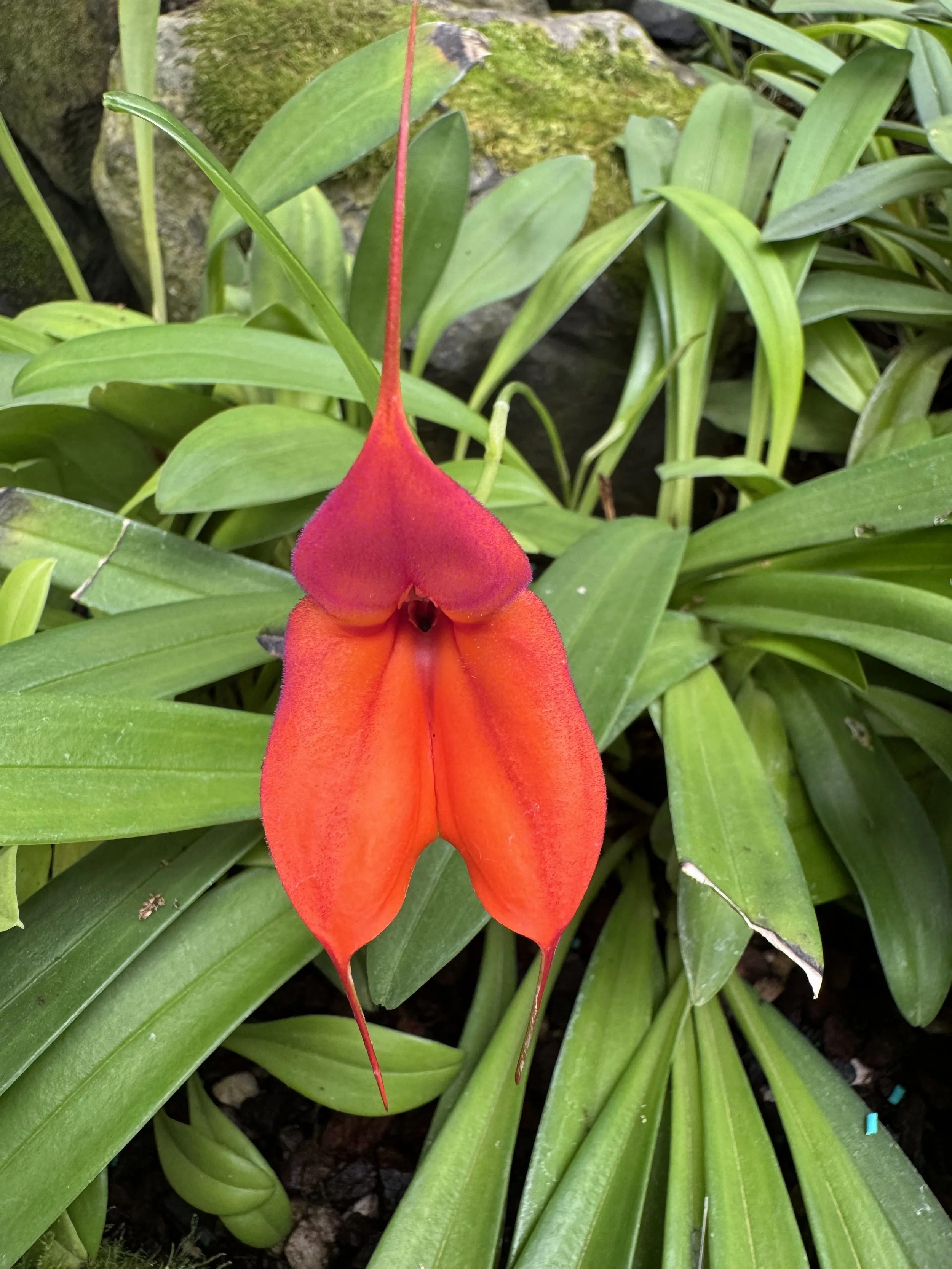
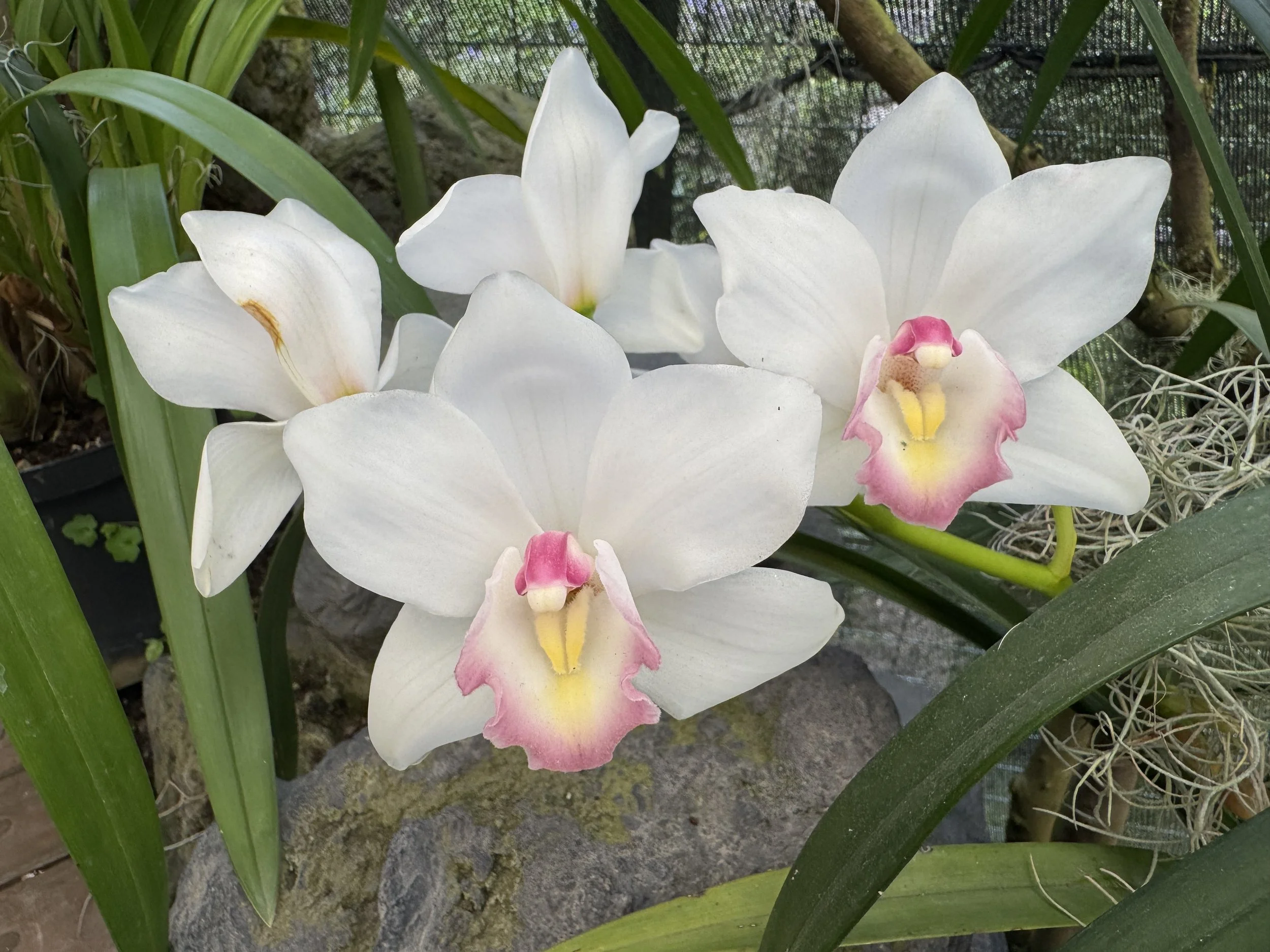
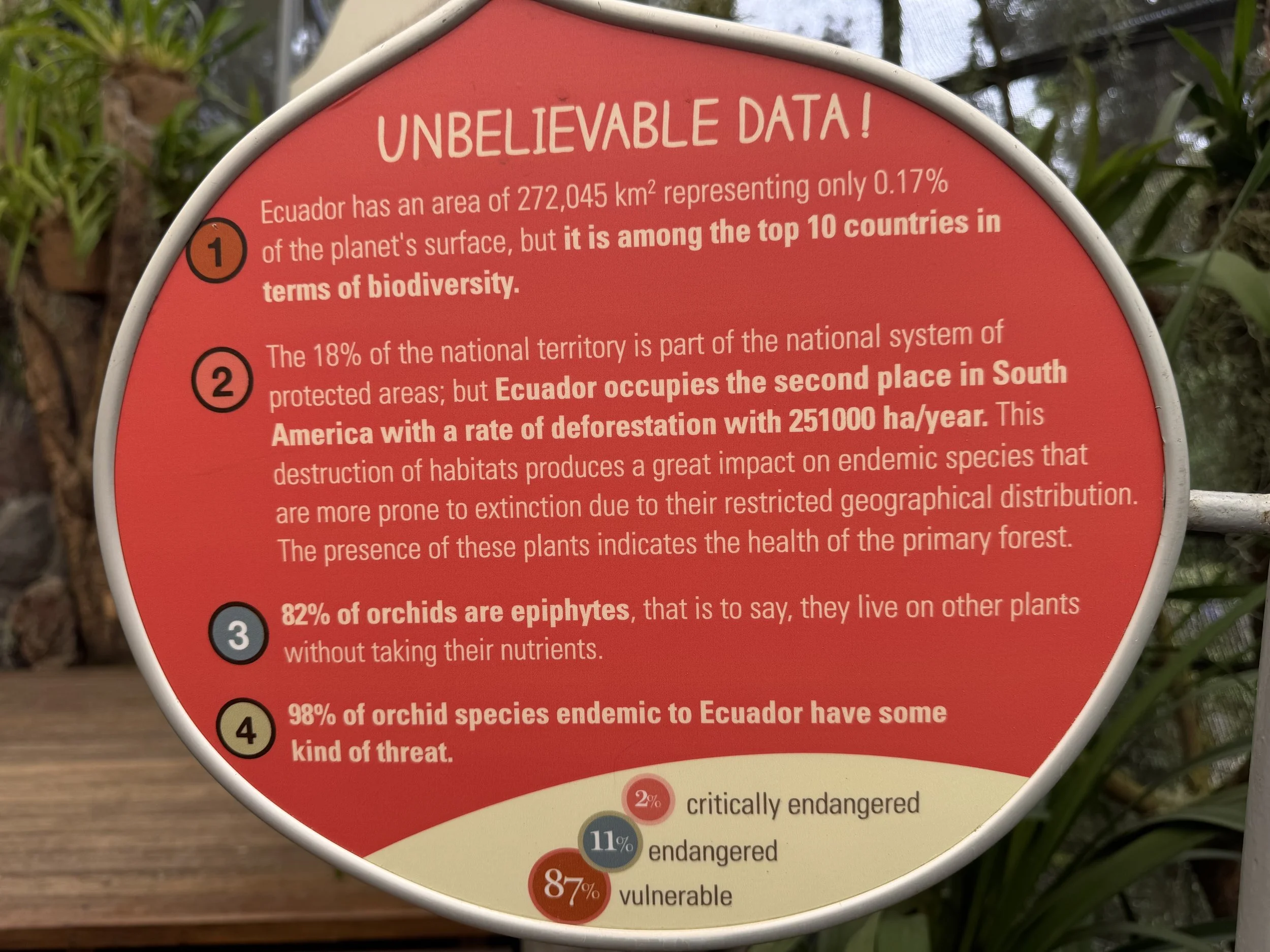
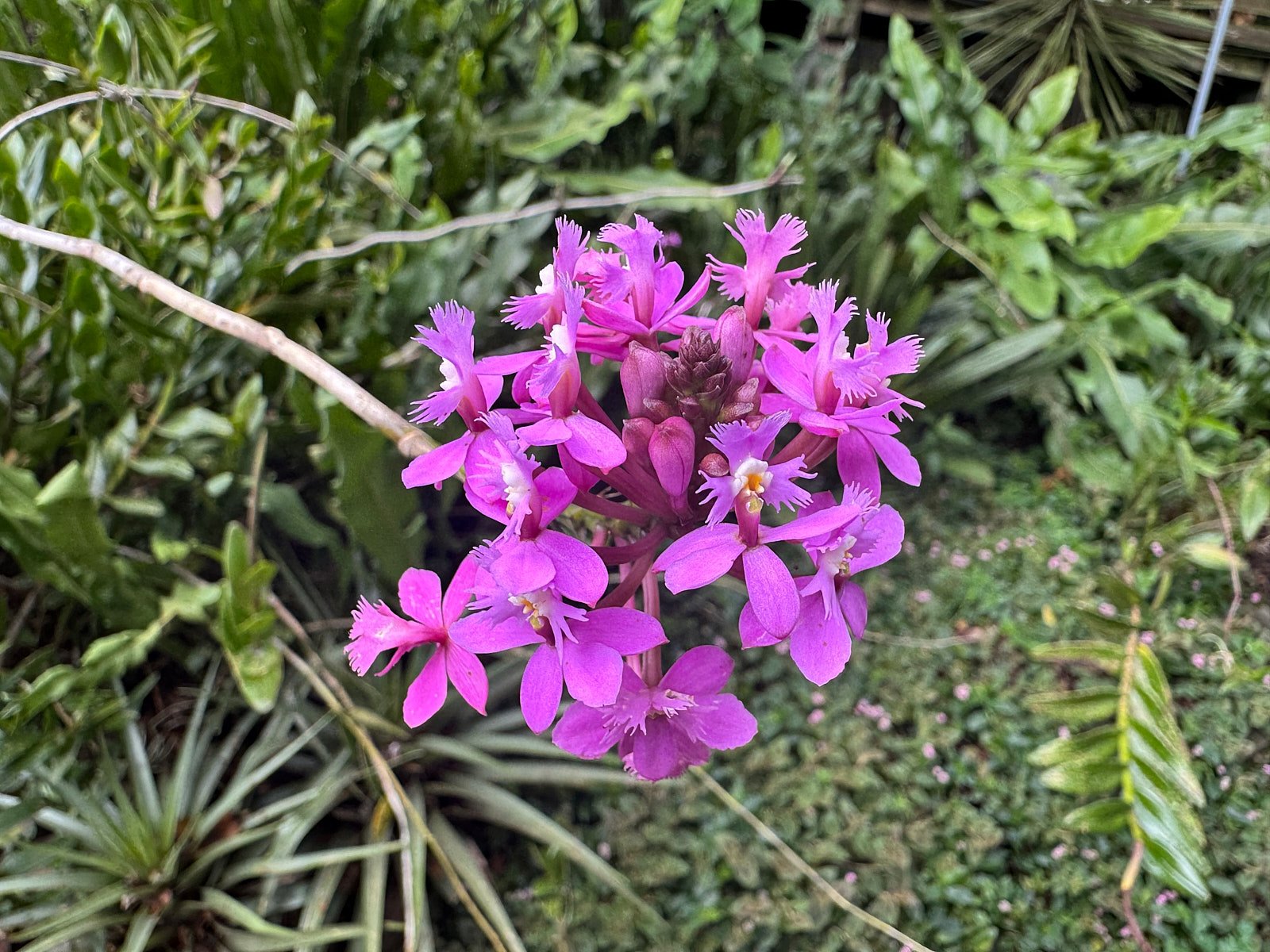
For our first exploration we visited the Botanical Gardens within La Carolina Park and delighted in the excellent displays of native flora. It became clear that epiphytes are an important component of tropical rainforests, accounting for 34 to 63 percent of plant species and up to 40 percent of total plant biomass in cloud forests.
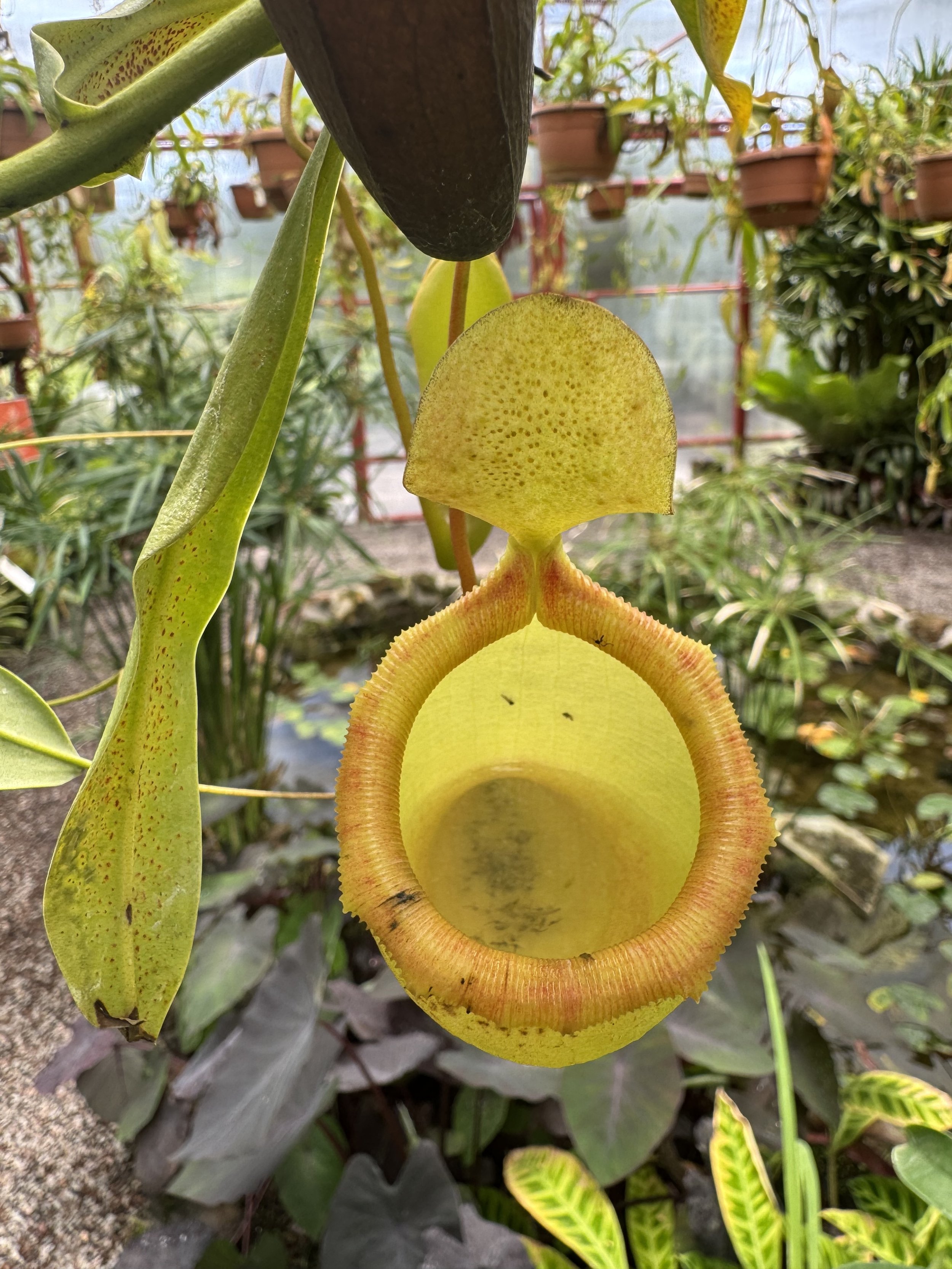
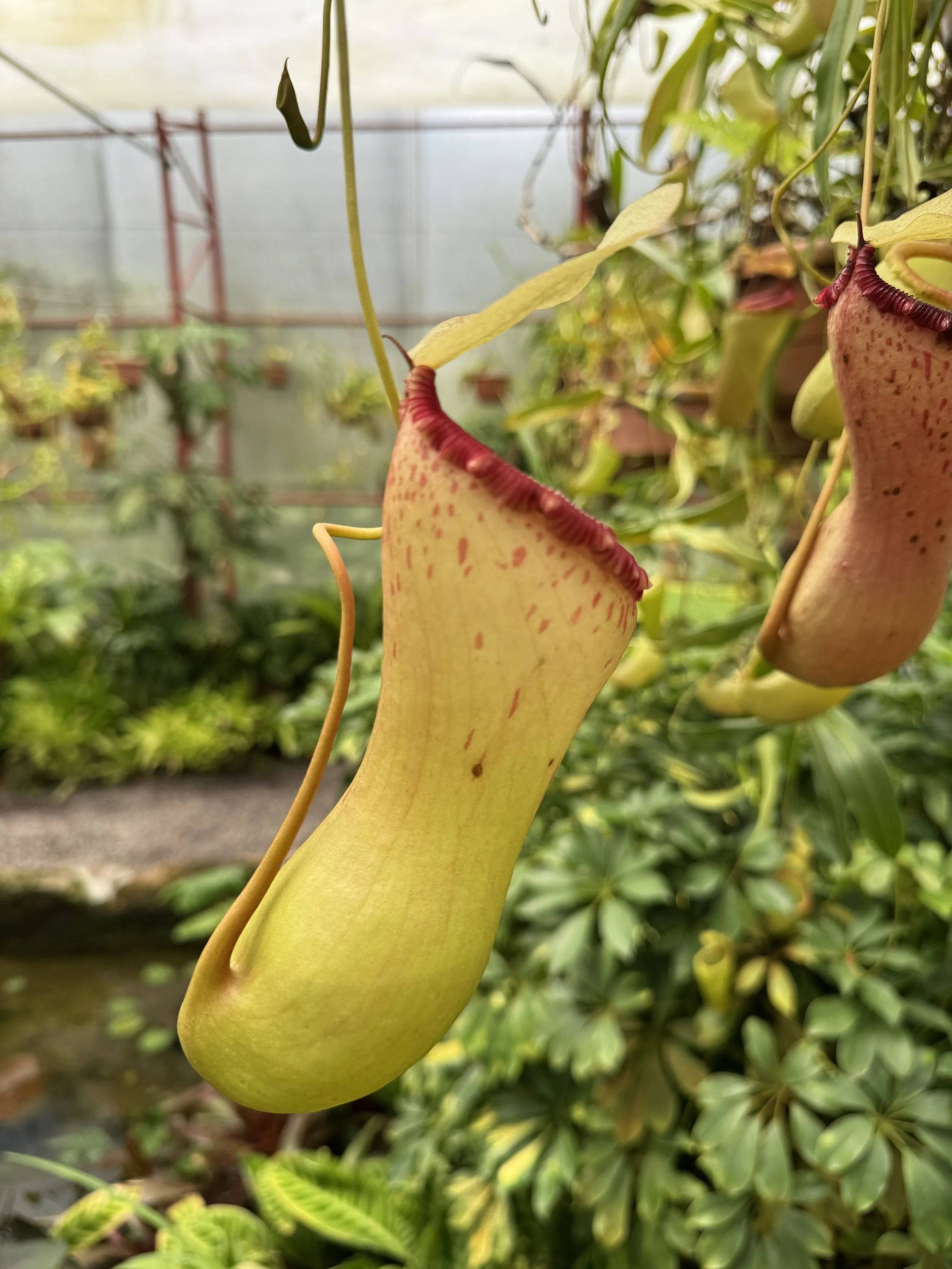
Ecuador & biodiversity
Ecuador is truly a biodiversity hotspot.
An avian example:
Ecuador ranks top in bird species density (it’s a small country).
Ranks 5th in total number of avian species (16% of global total).
Columbia leads in total number of species, followed by Peru, Brazil, and Indonesia.
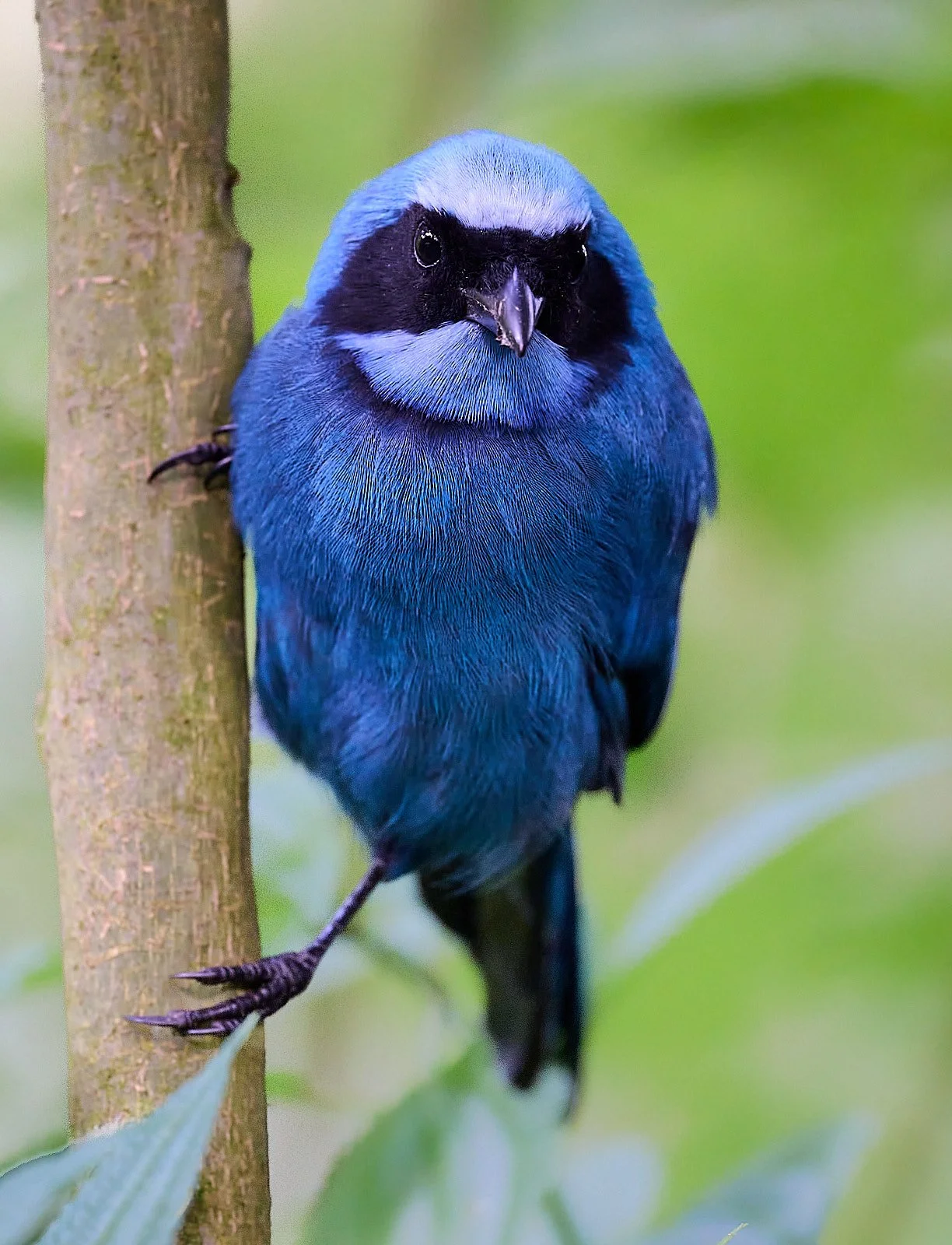
Turquoise Jay
Why such biodiversity?
A wildlife field guide authored by Andres Vasquez Nobao succinctly attributes Ecuador’s biodiversity to three factors. These are:
Equator
“Ecuador” literally means “Equator” in Spanish.
Climate is the main factor determining terrestrial ecosystems. Location at the equator ensures 12 hours of sunlight every day for exuberant plant growth, warm temperatures with freedom from freezing, minimal seasonal temperature variation, plenty of rain, and a welcoming winter home for migrants. Biodiversity is maximal in humid tropical rainforests.
The Andes Mountains
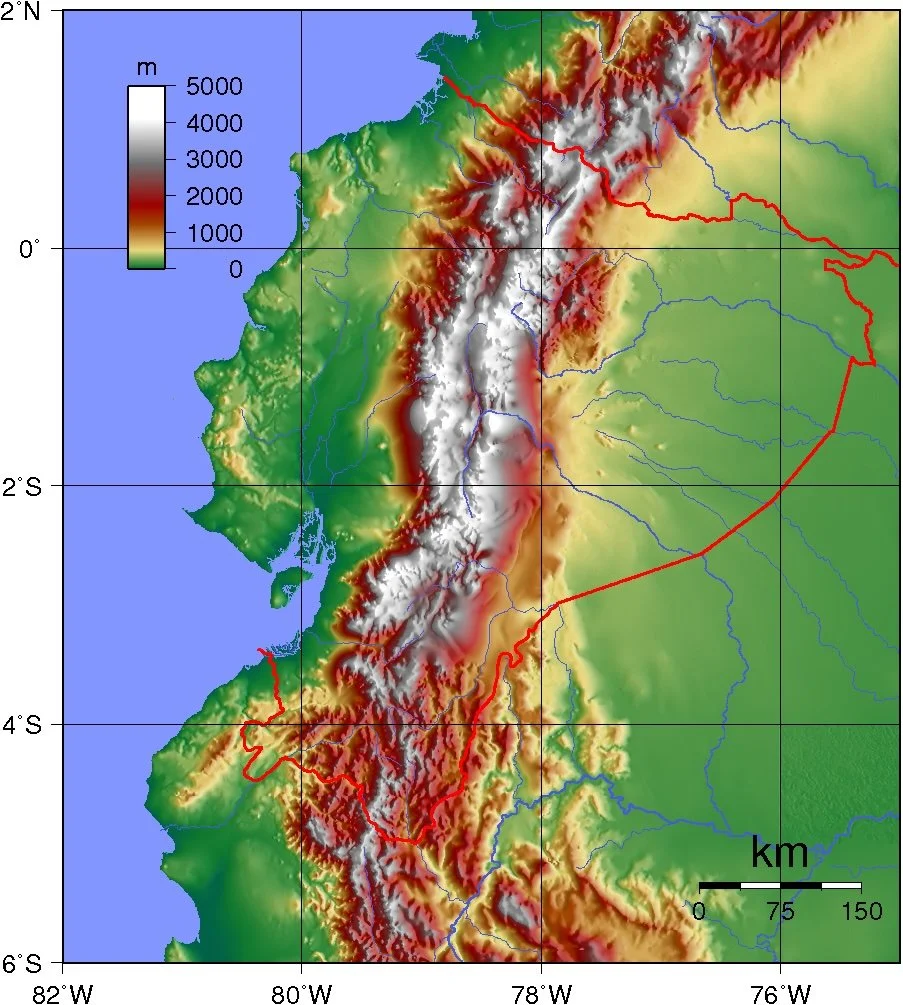
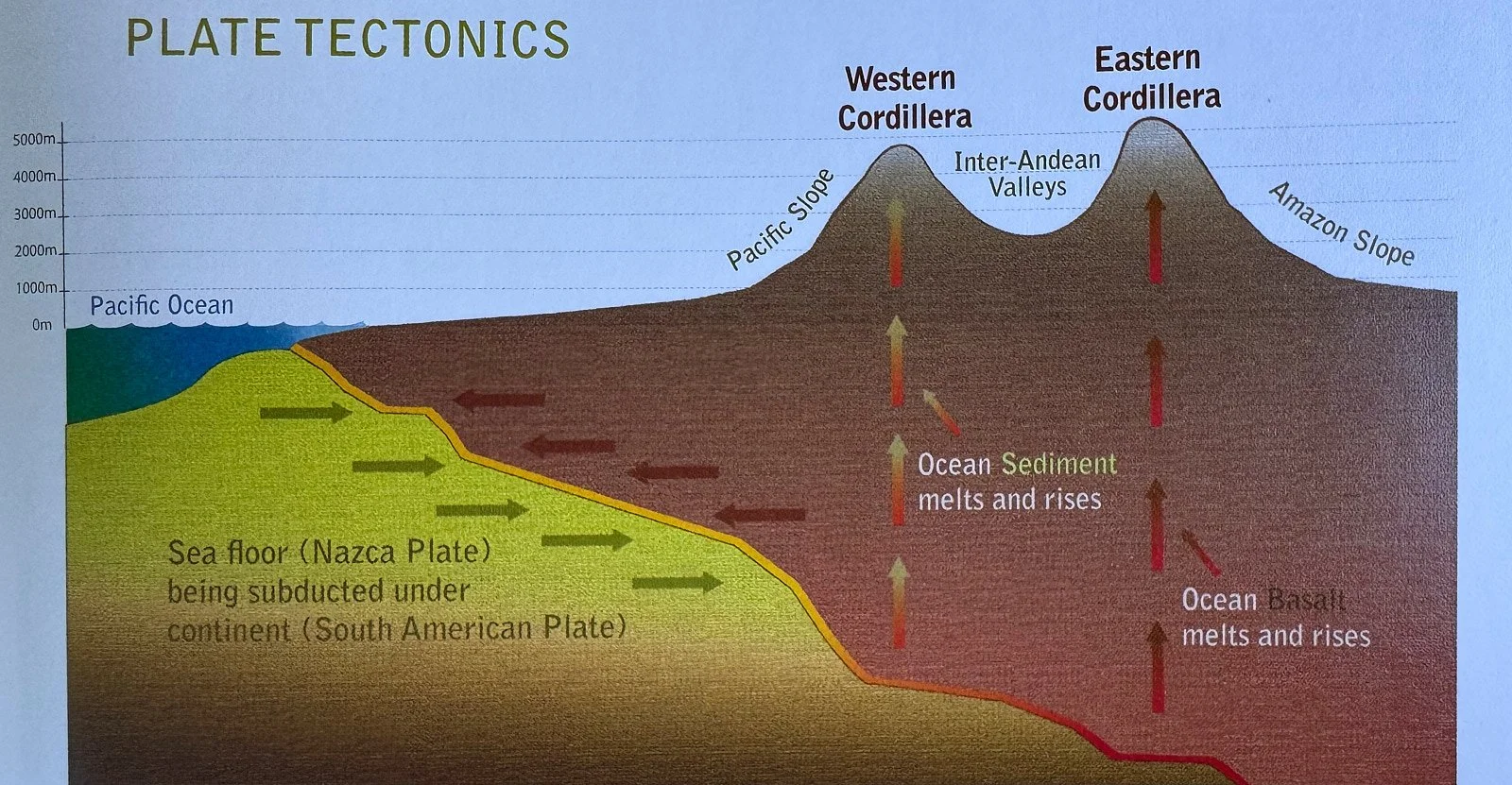
The Andes is a young mountain range. It started to form about 65 million years ago when the Nazca tectonic plate collided and subducted under the South American plate, creating extensive volcanism. In Ecuador, as the continent buckled and uplifted, the Andes rose to constitute two volcanic mountain chains – the Western Cordillera and Eastern Cordillera.
These Cordillera, and the wide inter-Andean valleys between them, effectively separated the coastal and Amazon ecosystems and allowed species to diverge. Additionally, dramatic variations in altitude created new life zones, each with their specific requirements such as temperature, rainfall, air-pressure, wind, soil type, slope gradient, aspect, and other factors.
Currents
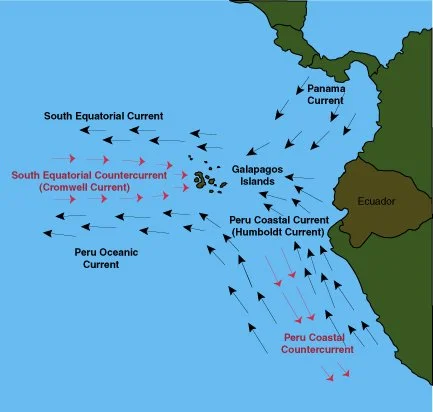
Ecuador is bathed by two major ocean currents - the Patagonia & Humboldt Currents. They are very different in character, providing diverse opportunities for specialization of life forms.
The warm Panama Current flows south from the western coasts of Central America to reach Ecuador. It then turns westward, towards Galapagos. This current generates high rainfall along the coastal lowlands and the western cloud-forested slopes of the Andes. The warm humidity encourages proliferation of life.
The cold Humboldt Current flows north from temperate South American waters, bringing extensive aridity to Ecuador’s southern coastal region conditions, before it too, turns westward towards Galapagos. Fauna and flora must adapt to the harsh conditions to survive.
Between the two Cordilleras
We left Quito and drove north within the inter-Andean valleys that separate the Eastern and Western Cordilleras. The valleys lie in a rain shadow and receive less moisture than the surrounding mountains. The area supports dry montane woodland and scrub, but much of region has been replaced by urban and agricultural areas. Many fields support the export flower industry. We visited two lakes (Lago San Pablo and Laguna de Yahuarcocha) to view the bird life.
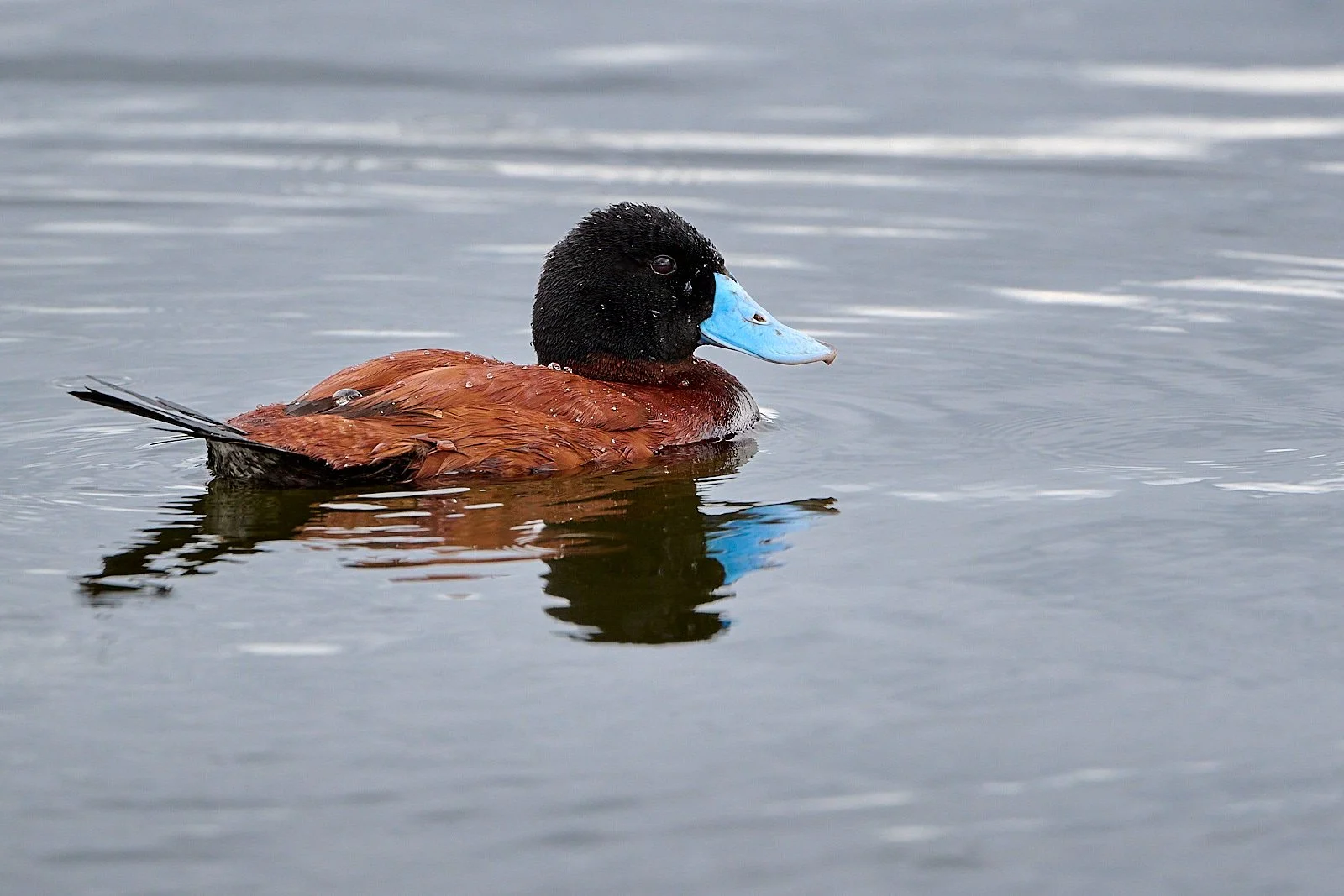
Andean Duck
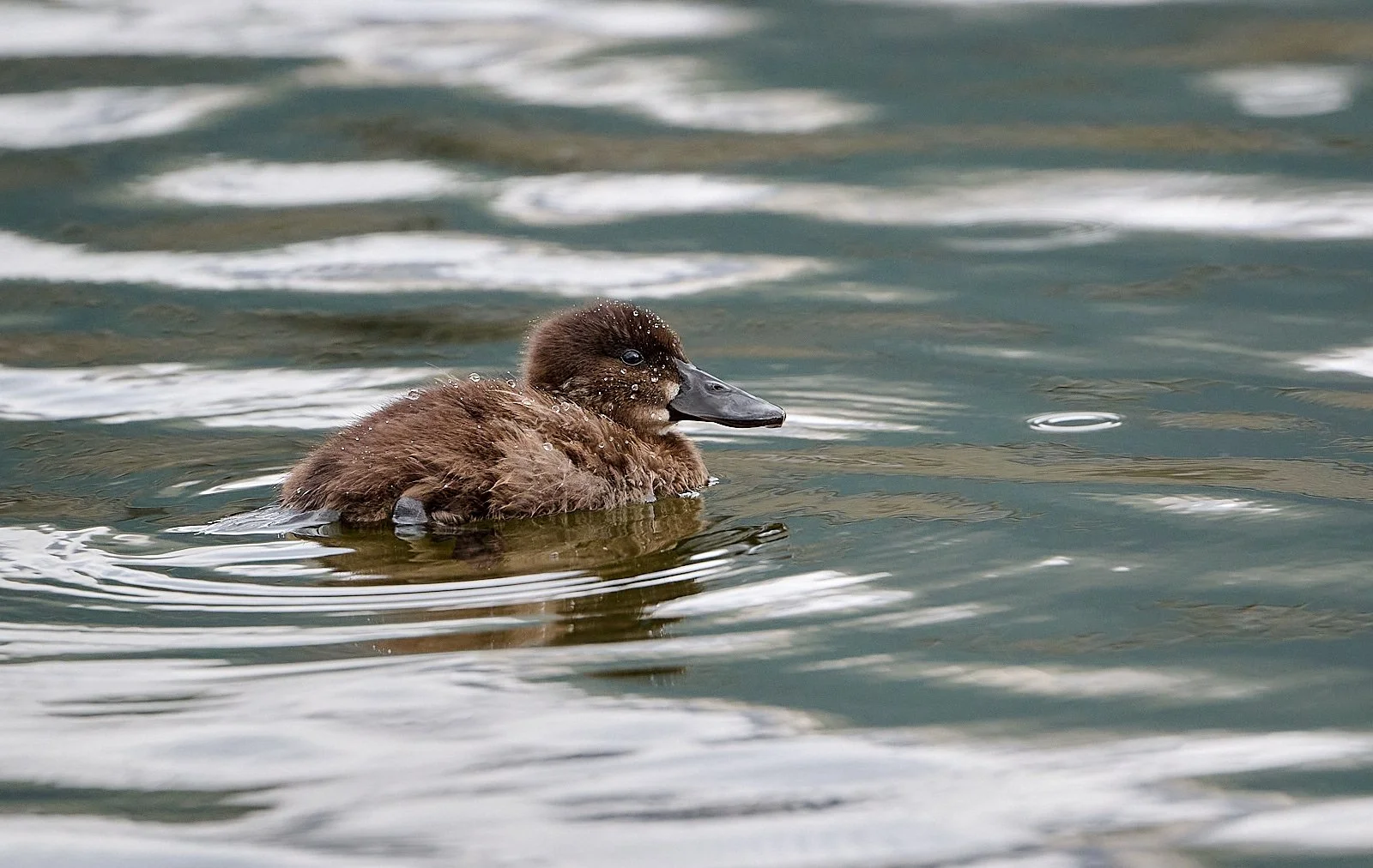
Andean duckling
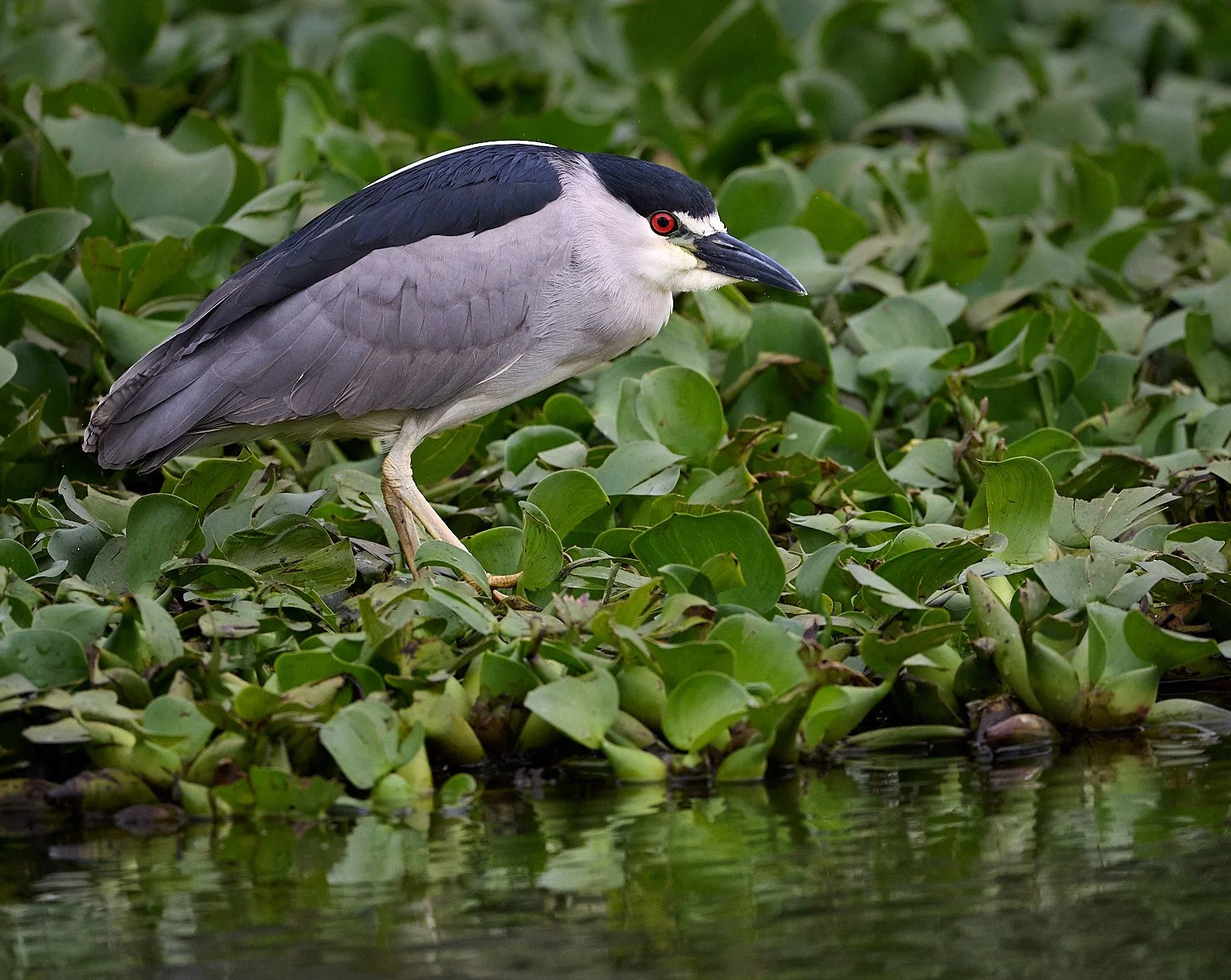
Black-crowned Night Heron
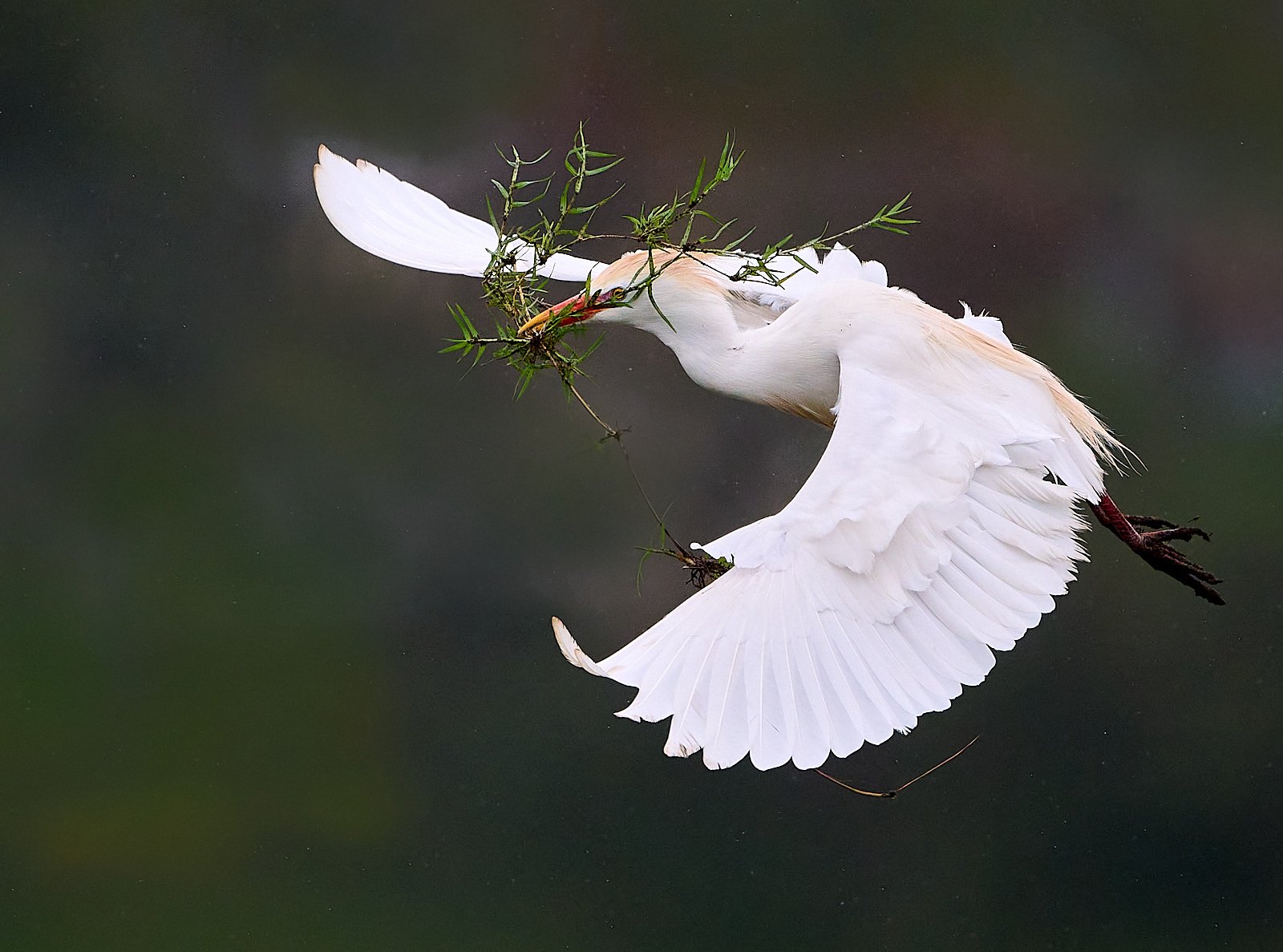
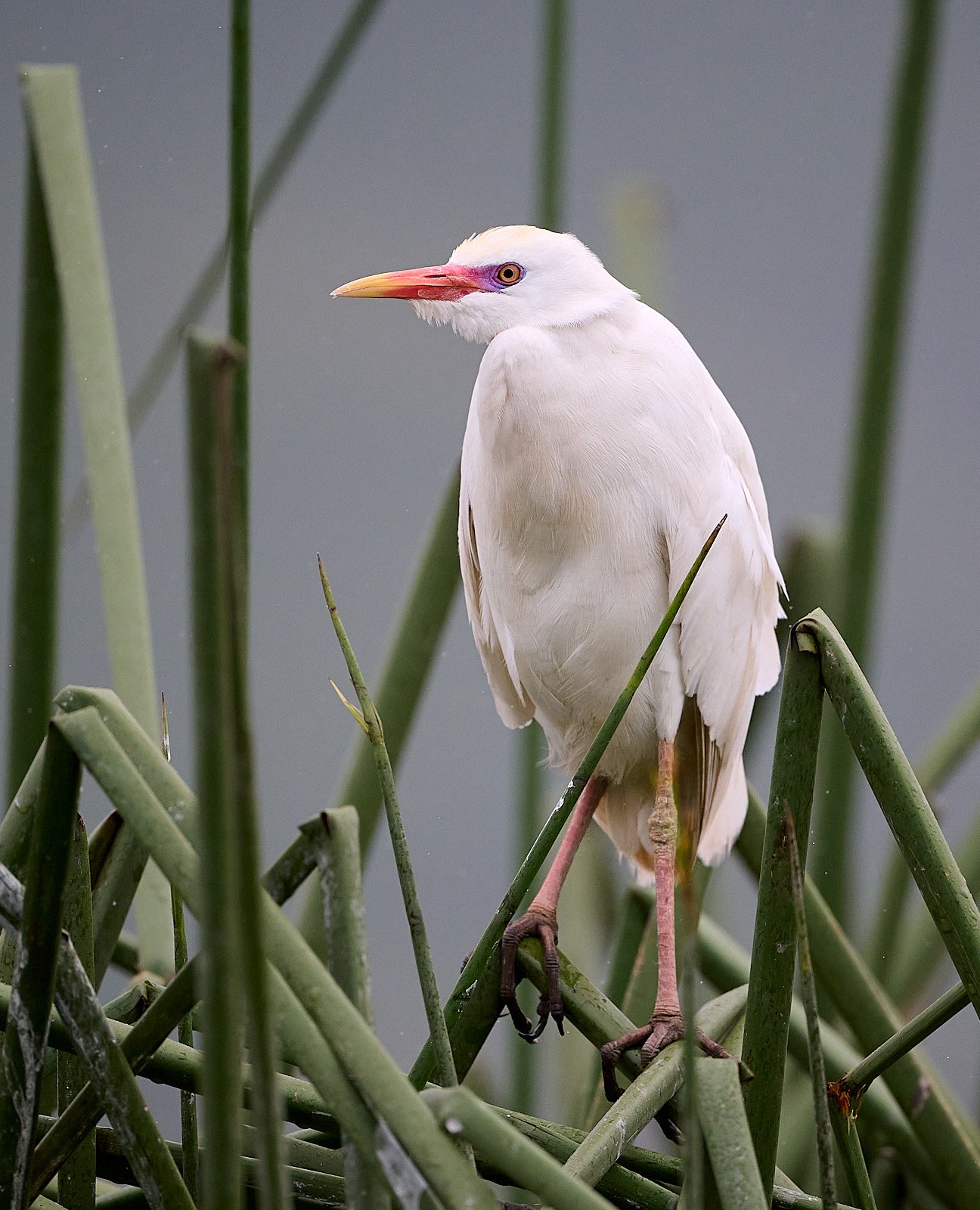
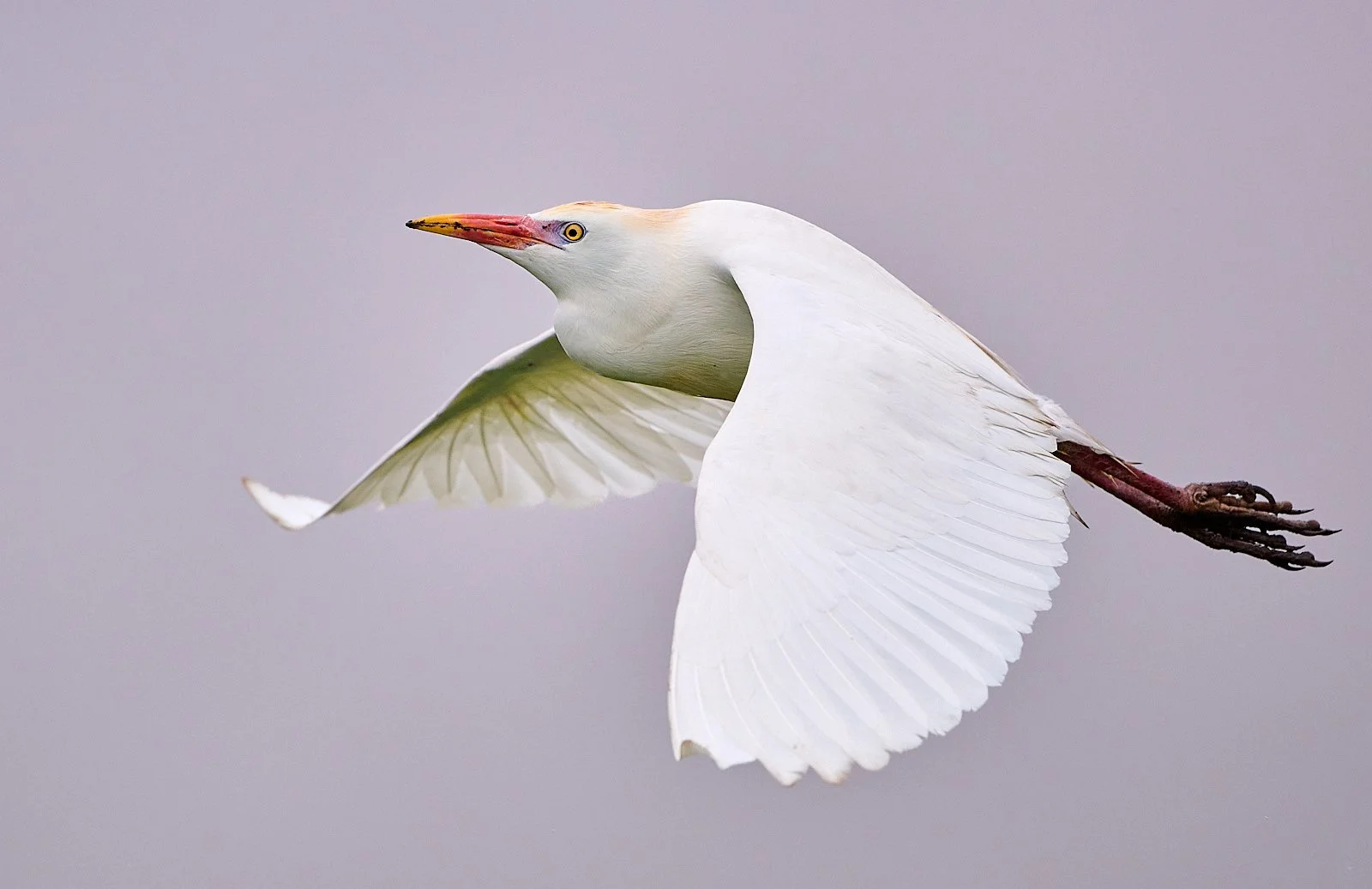
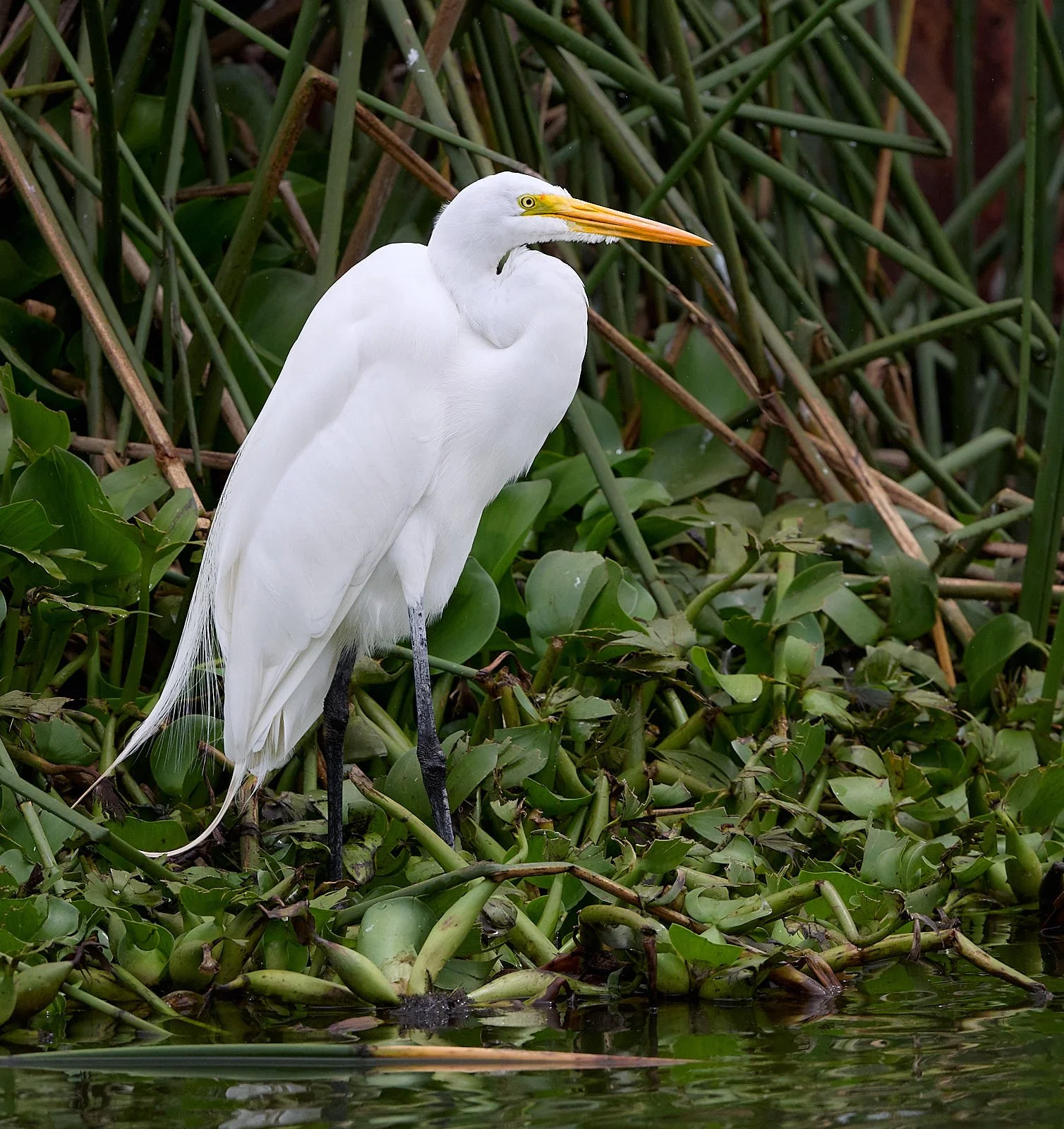
Cattle Egret
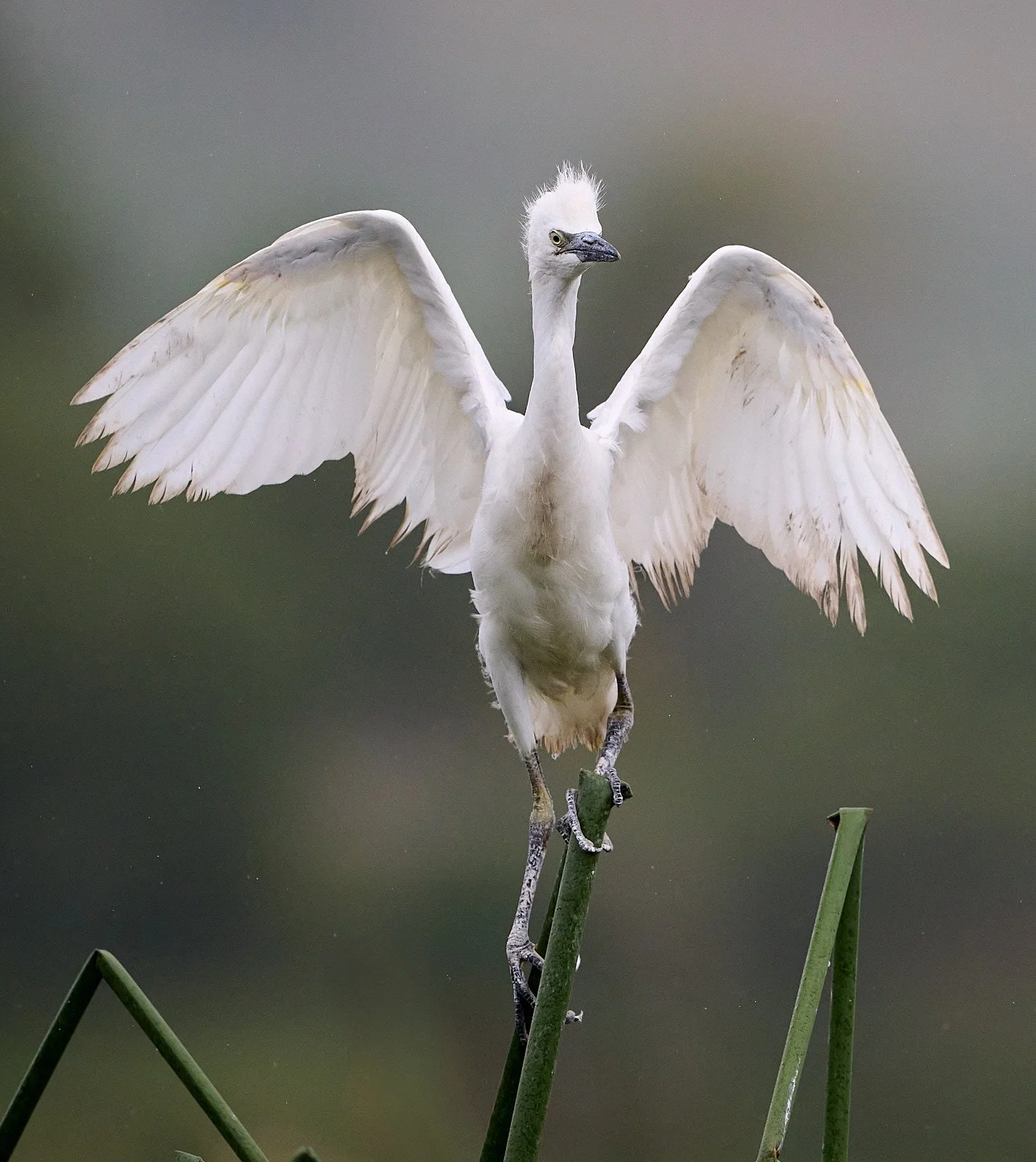
Cattle Egret youngster
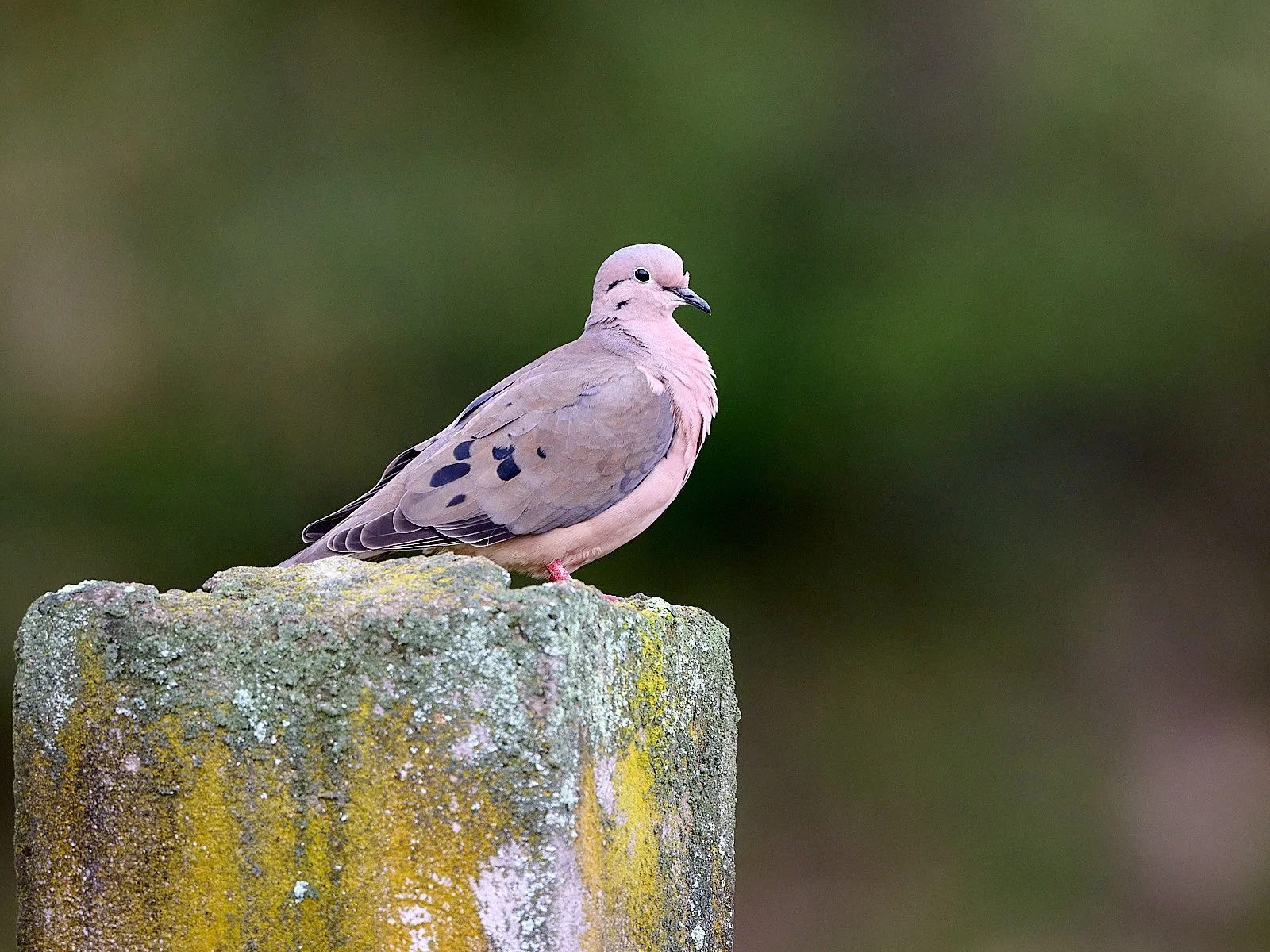
Eared Dove
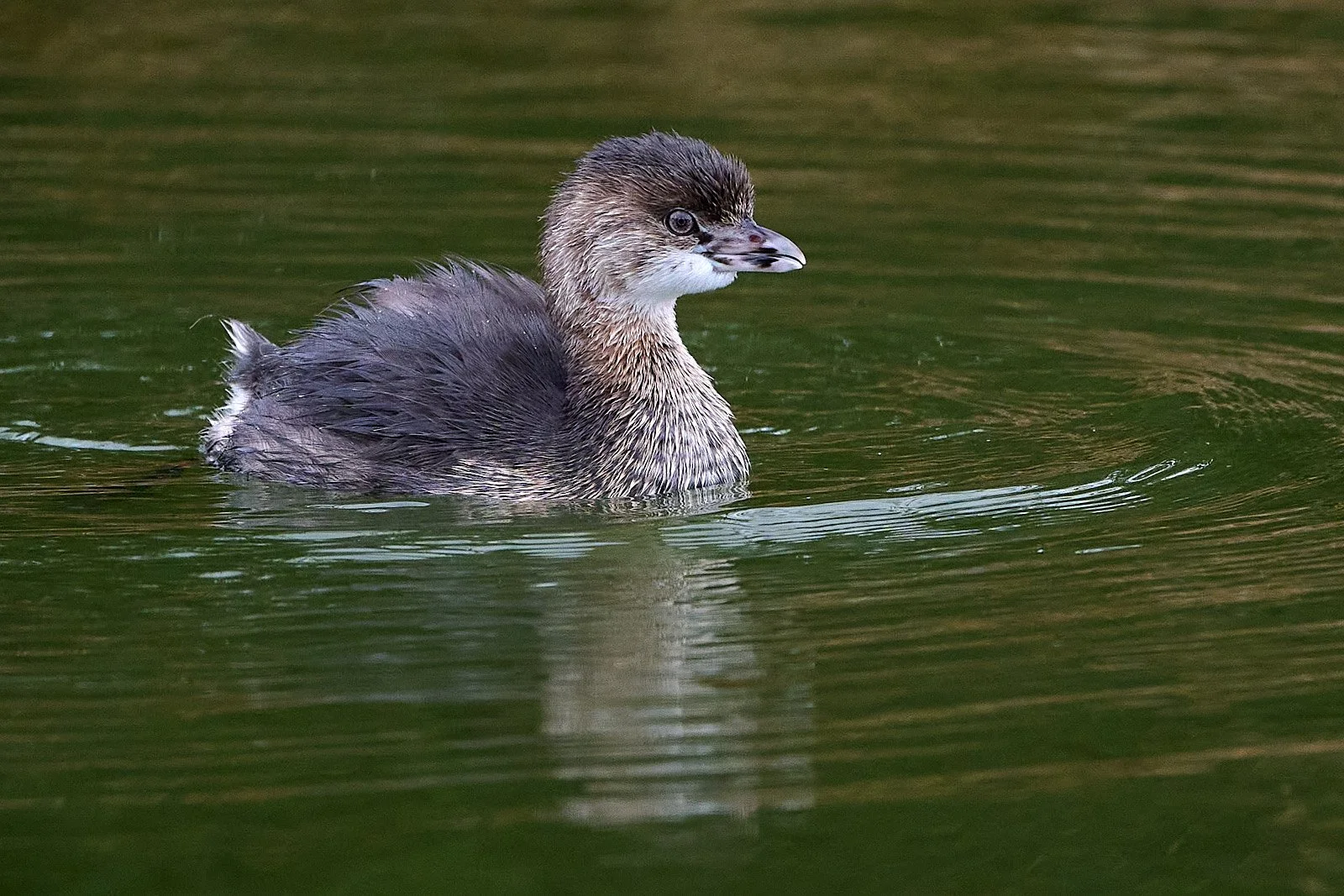
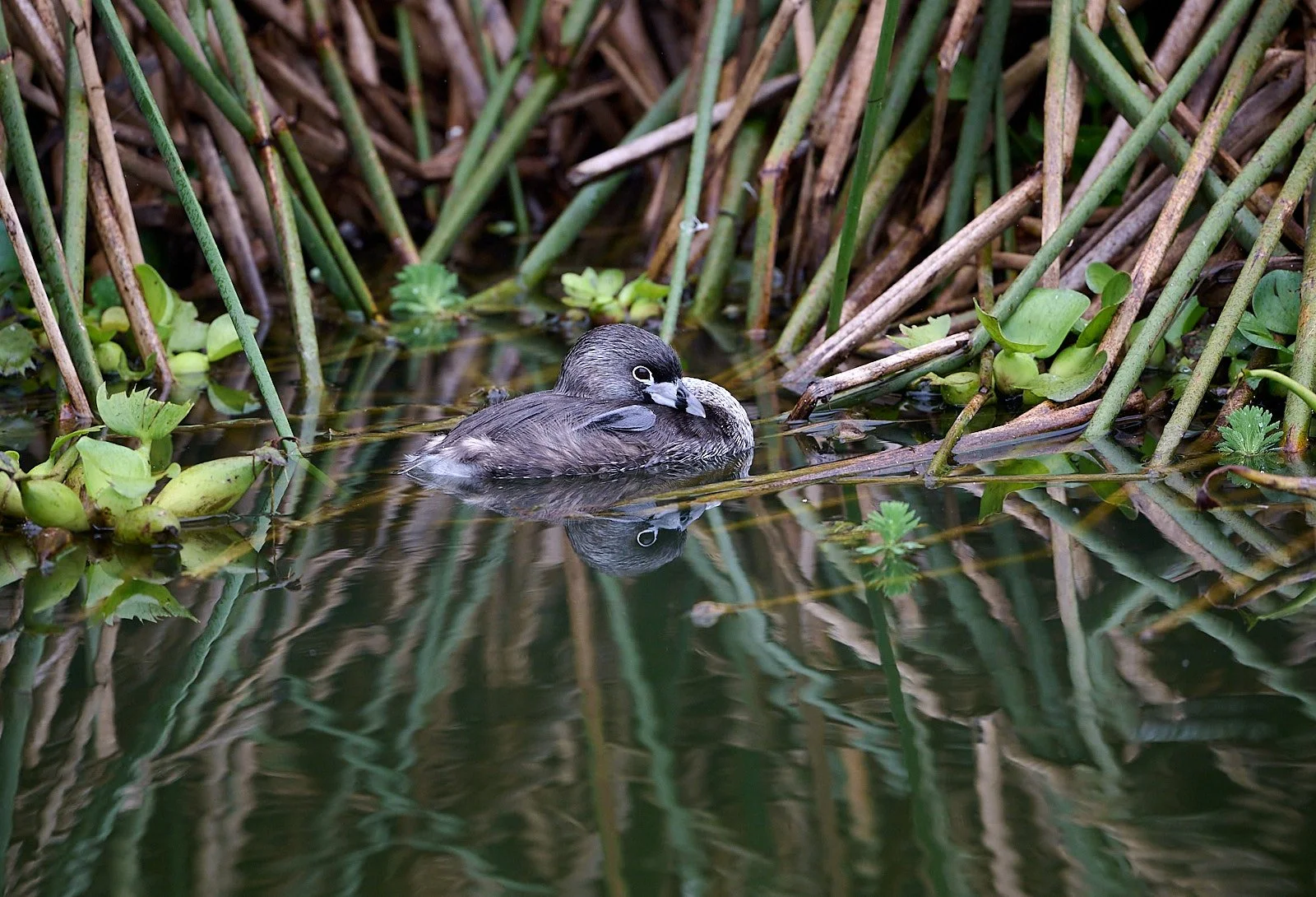
Young Pied-billed Grebe
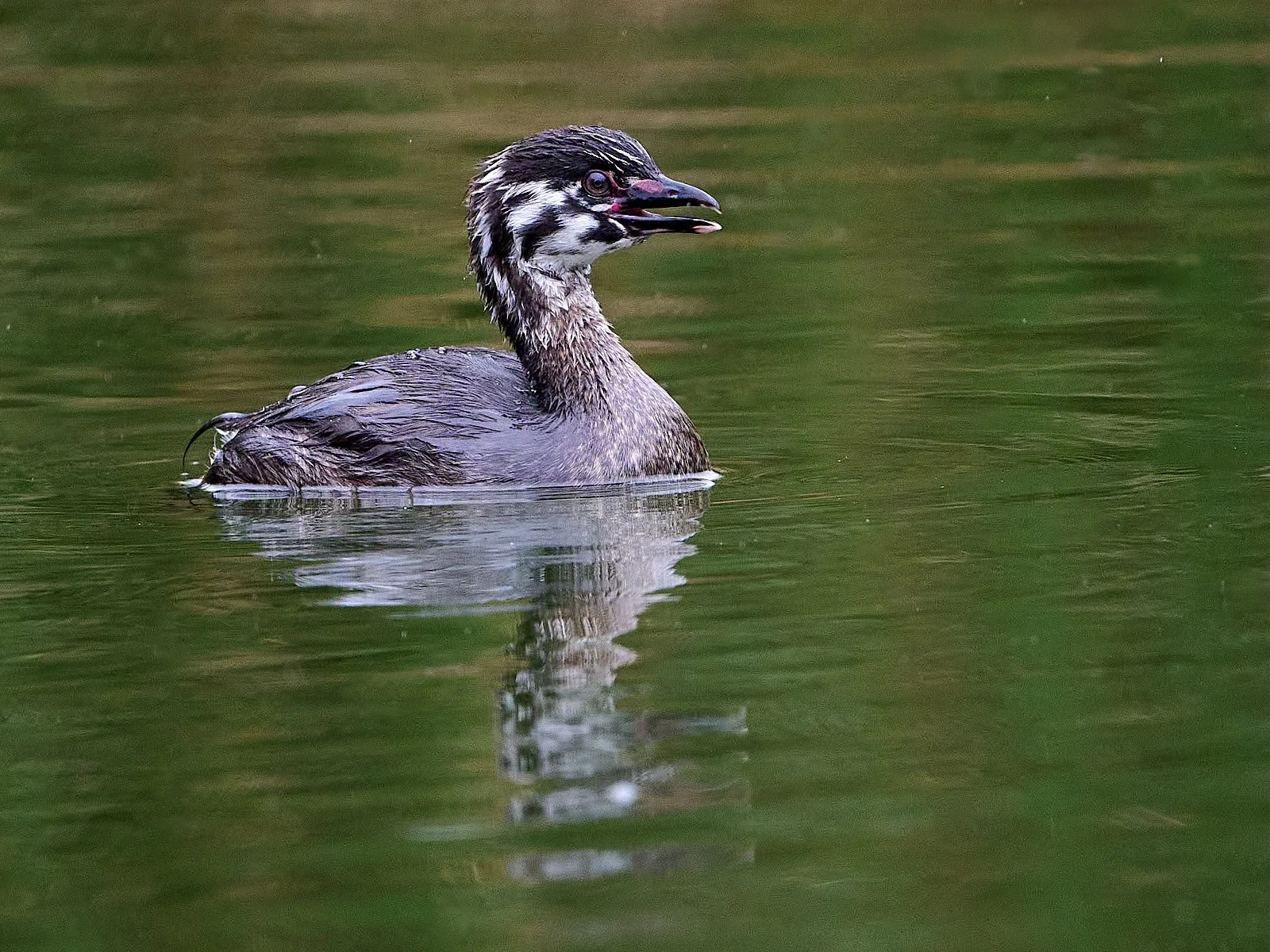
Even younger Pied-billed Grebe
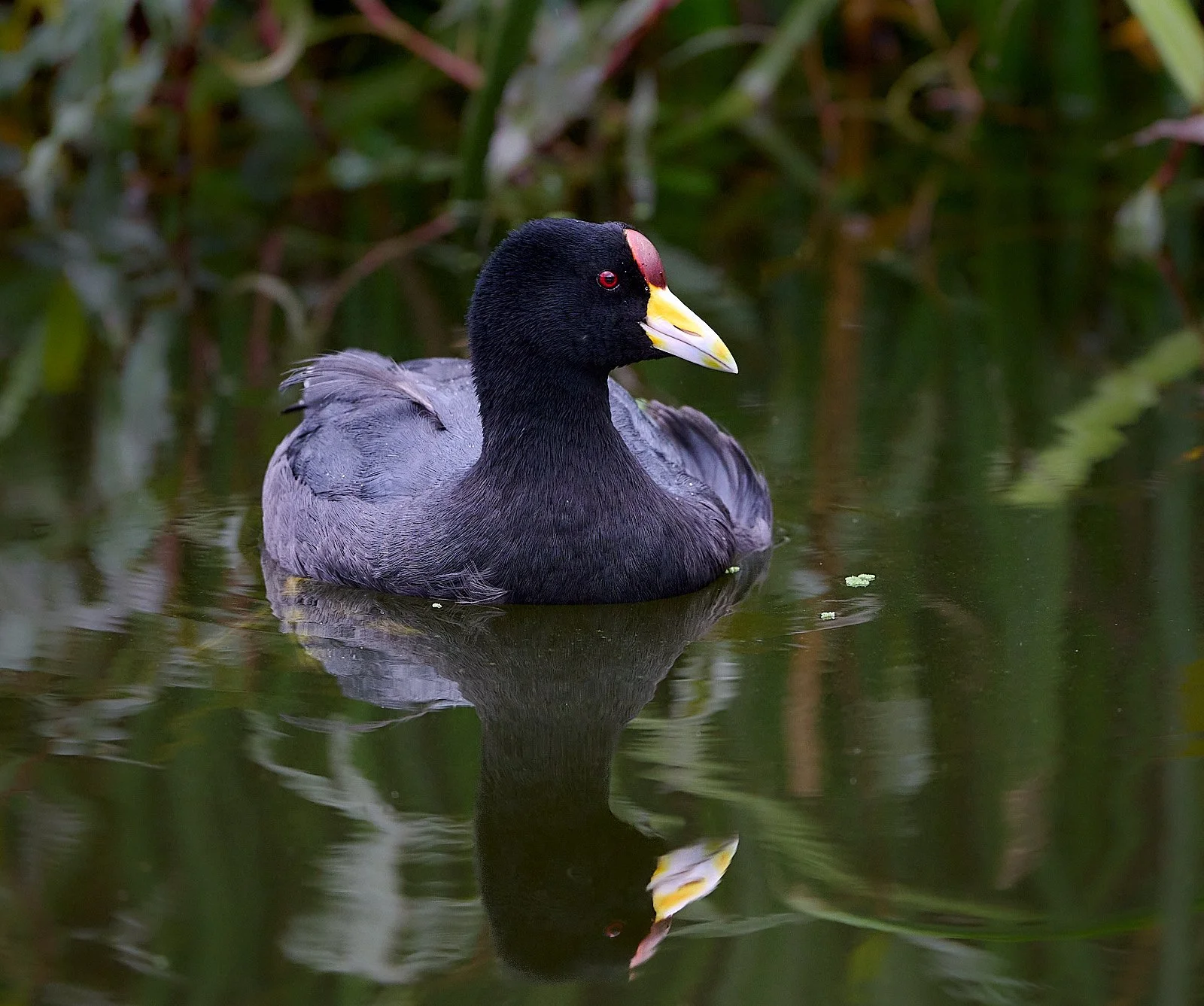
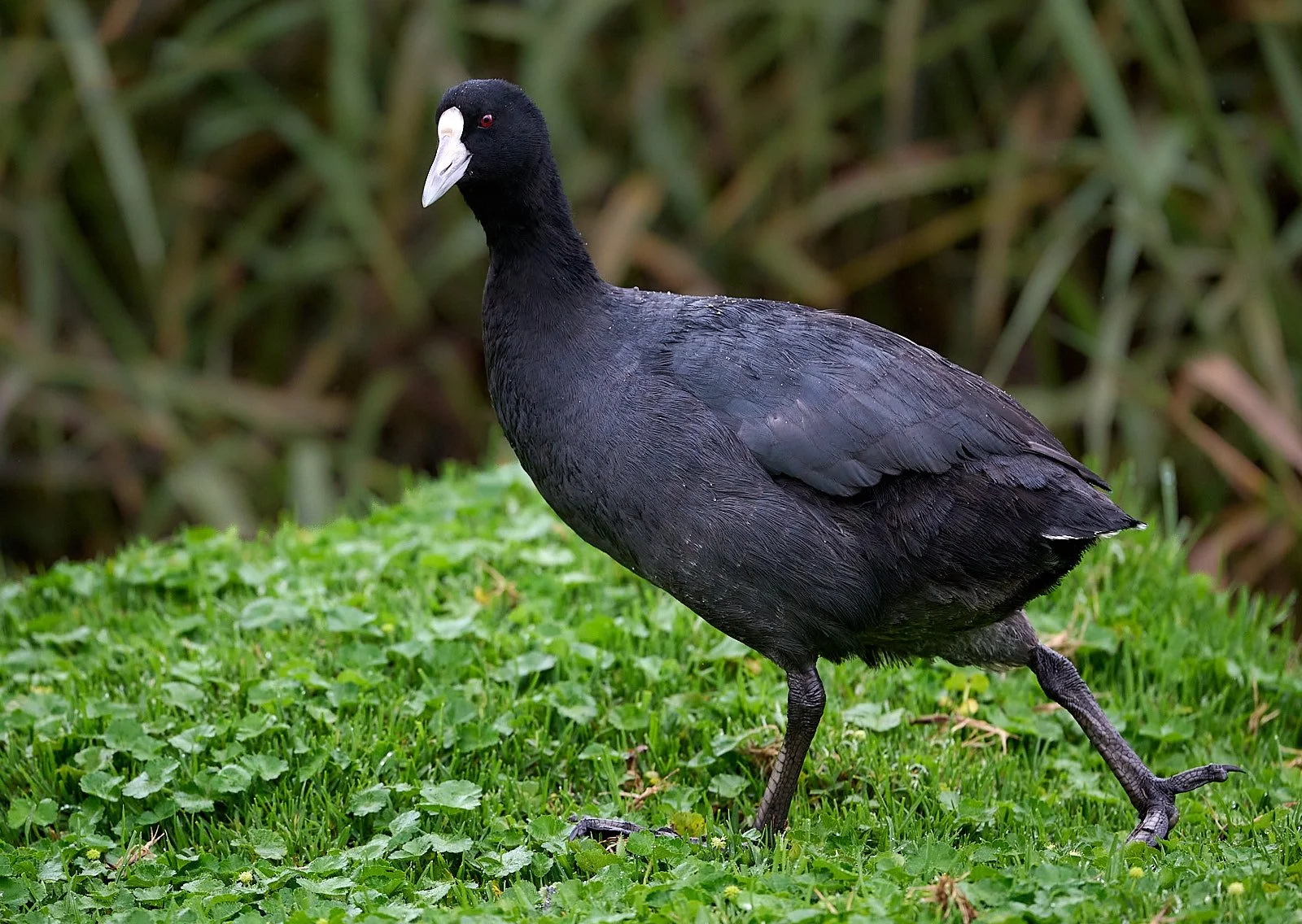
Slate-colored Coot
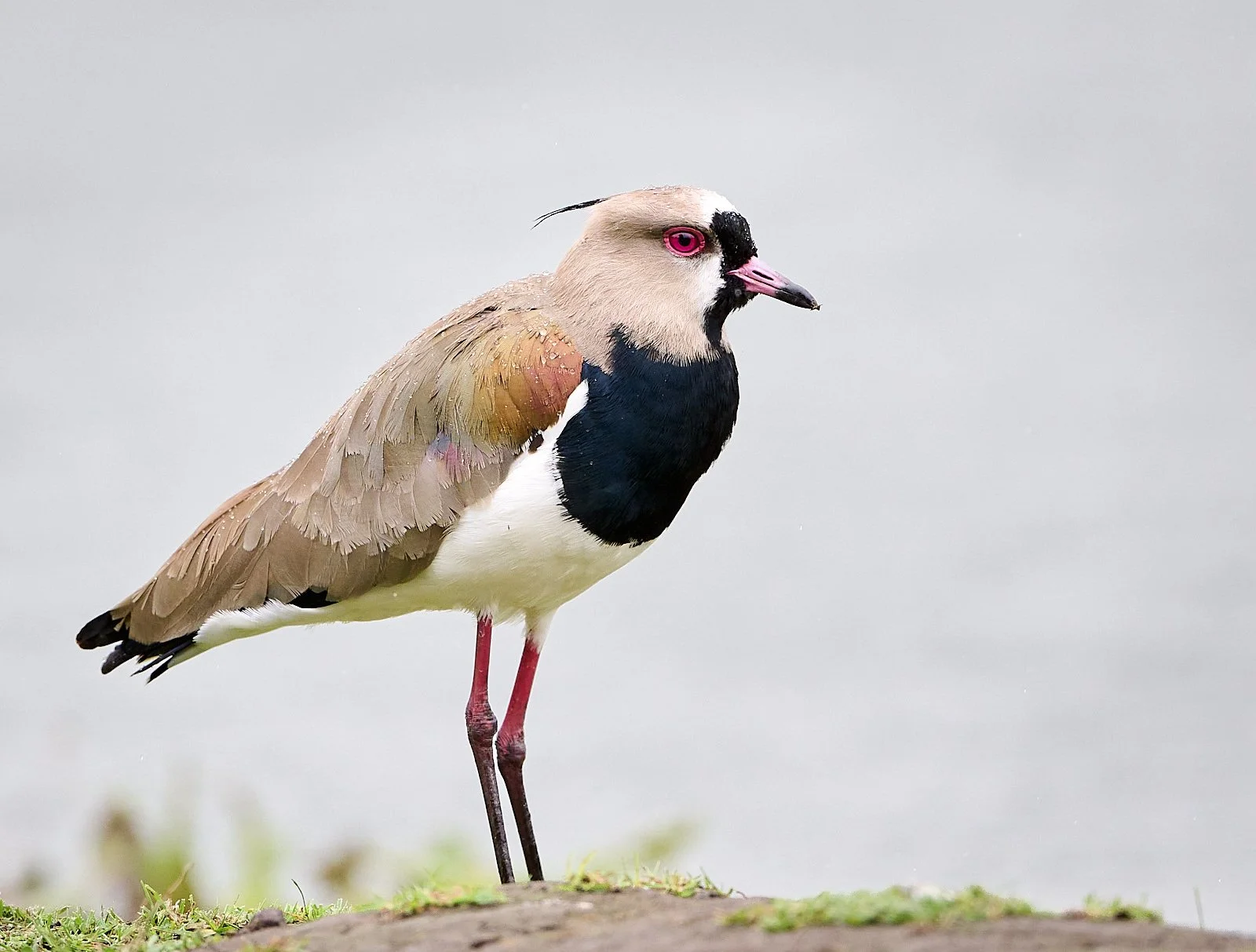
Southern Lapwing
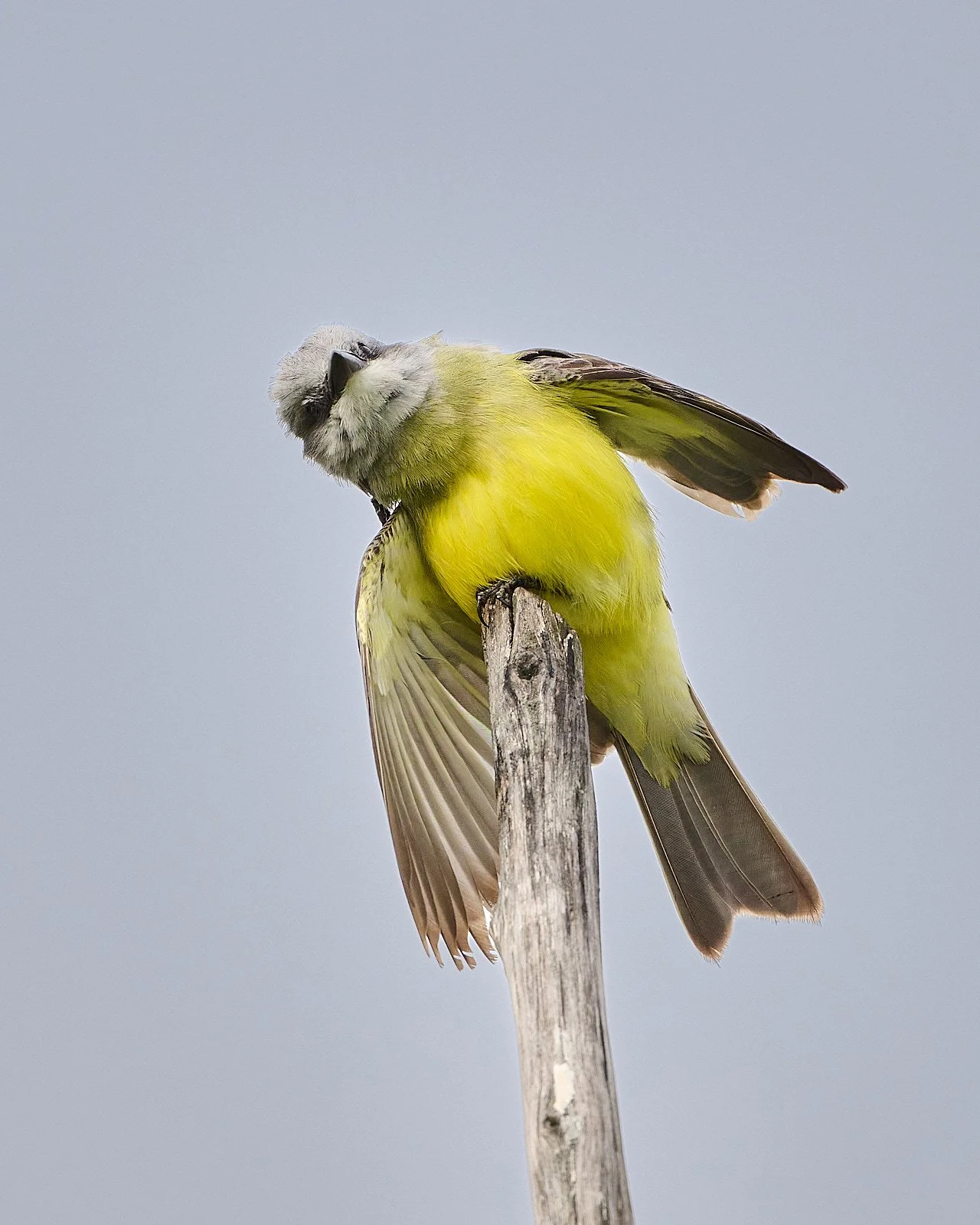
Tropical Kingbird
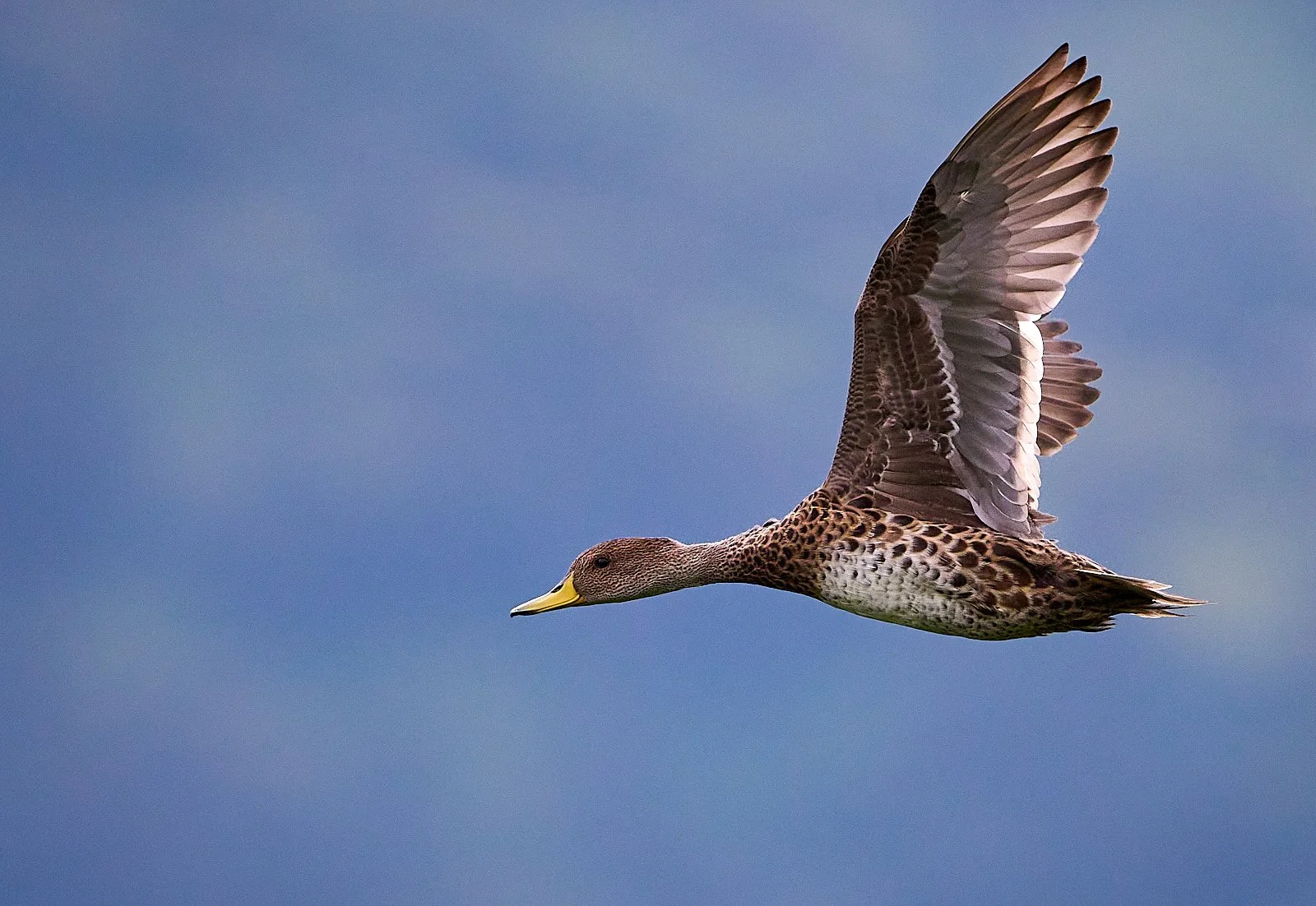
Yellow-billed Pintail
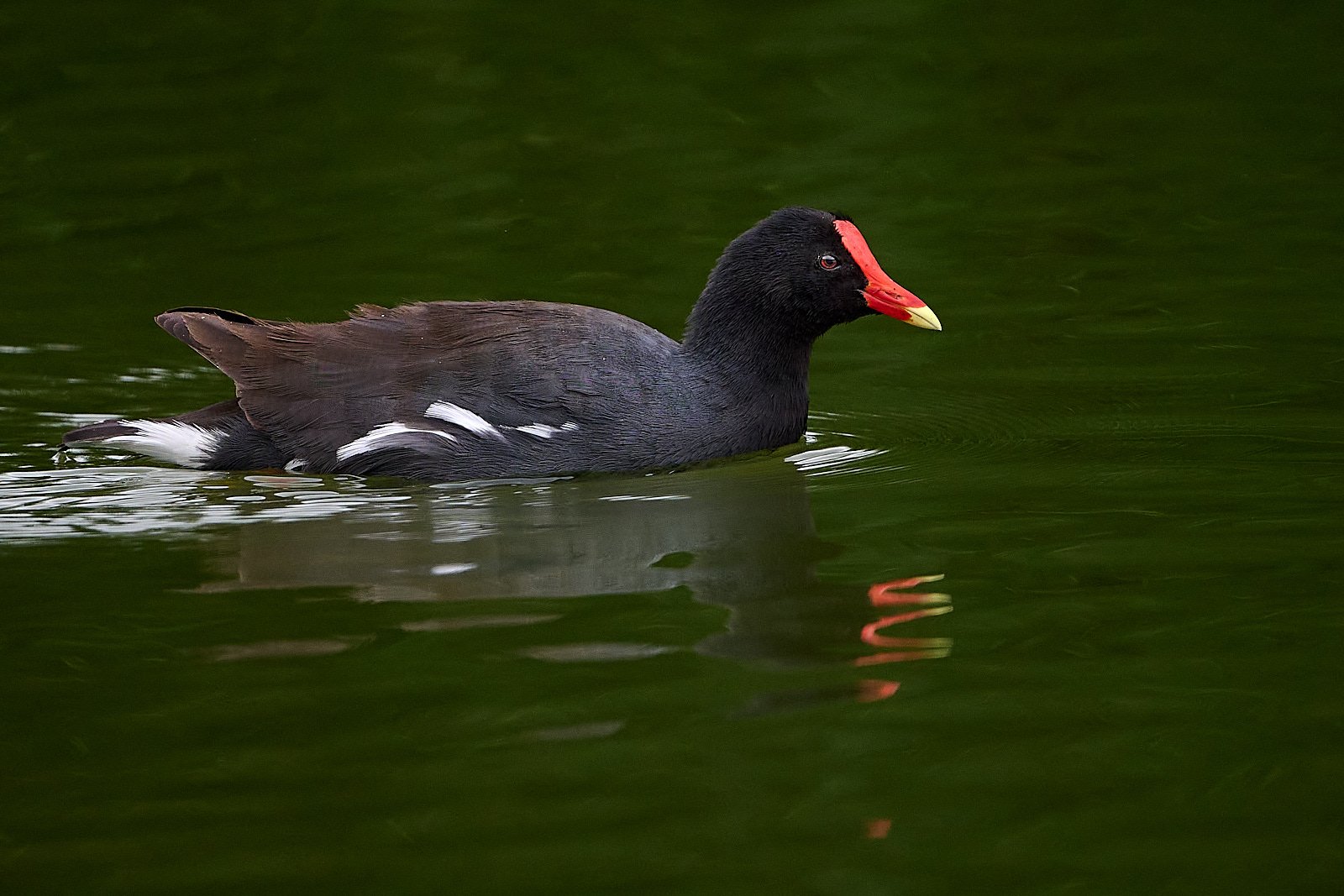
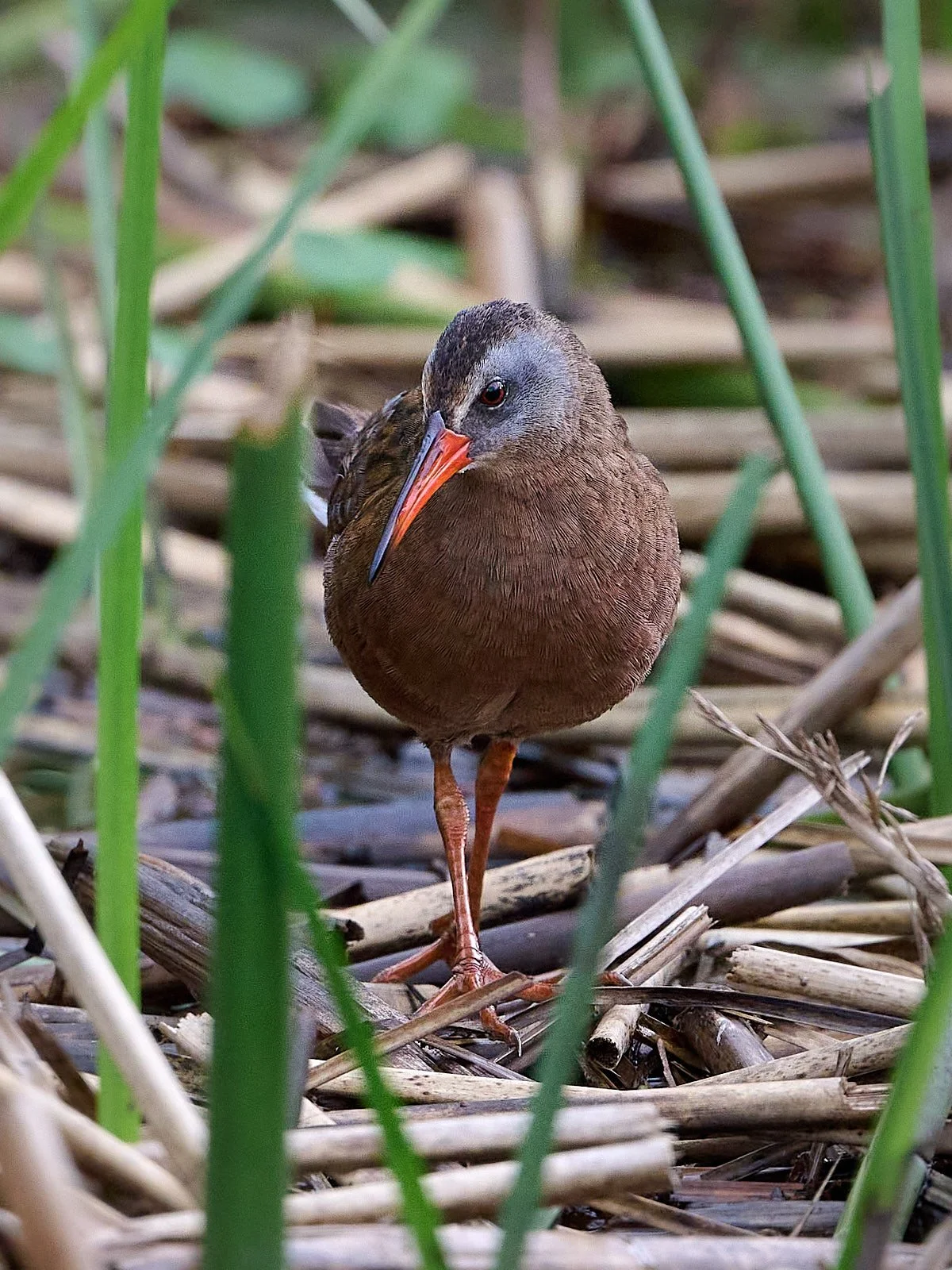
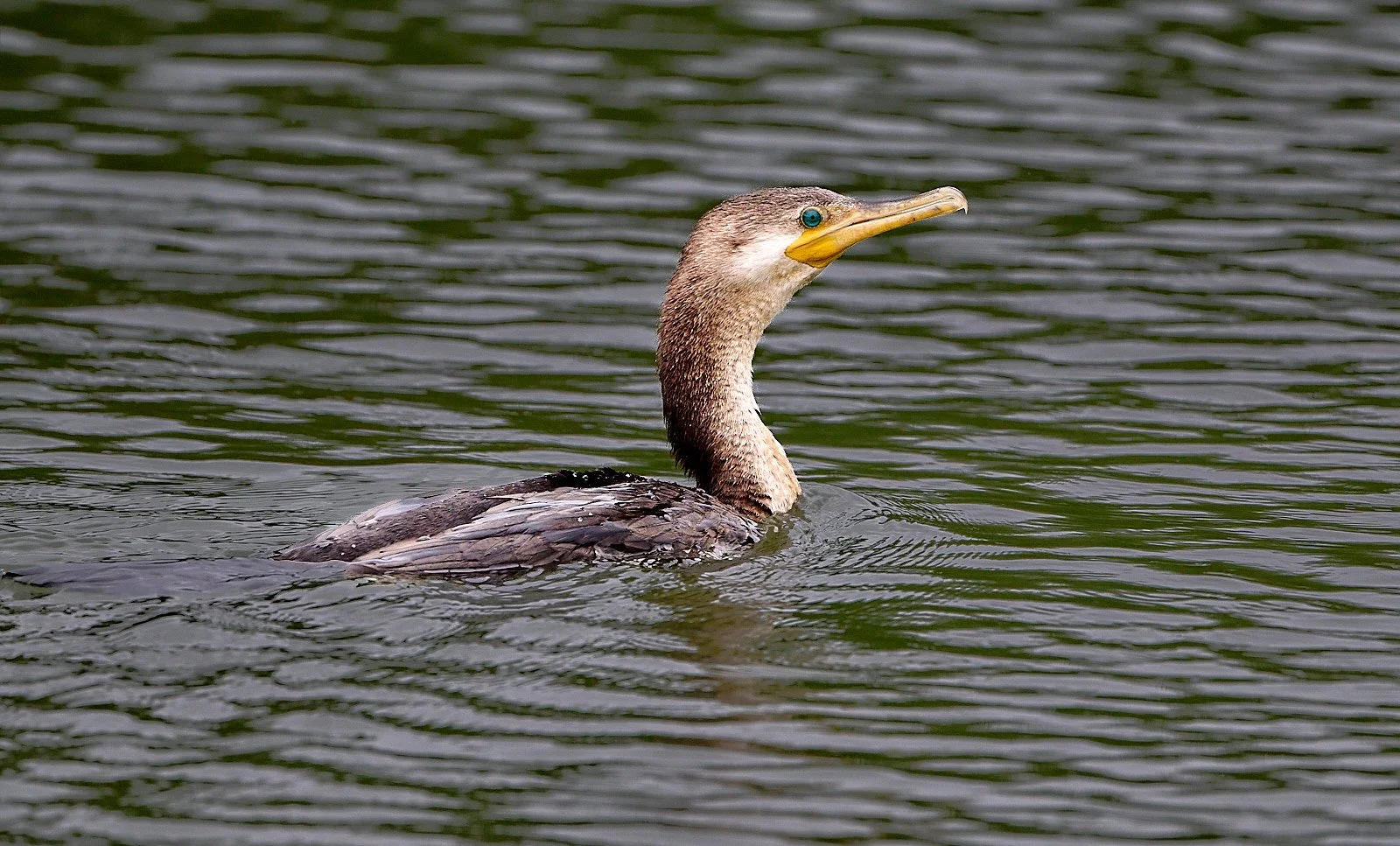
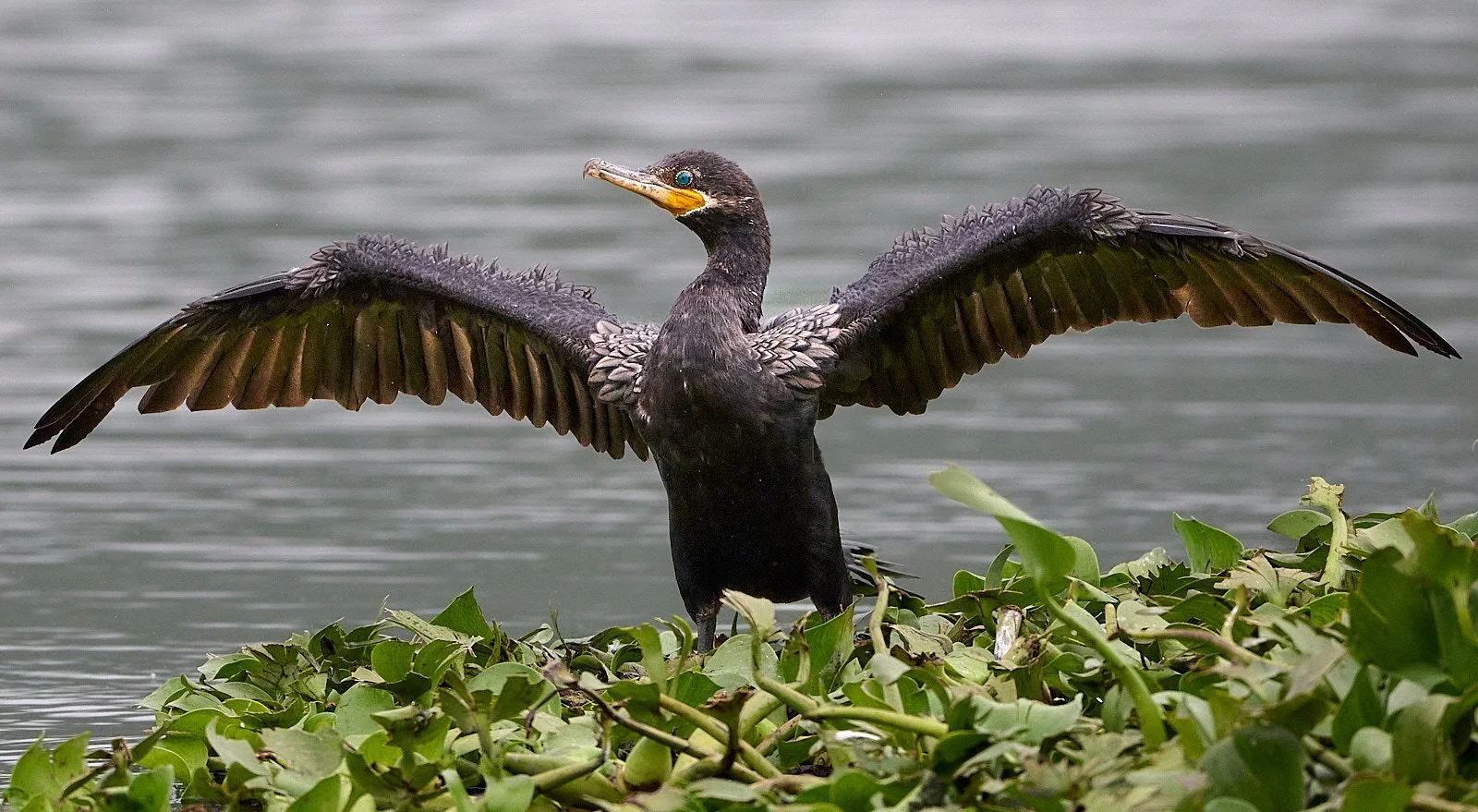
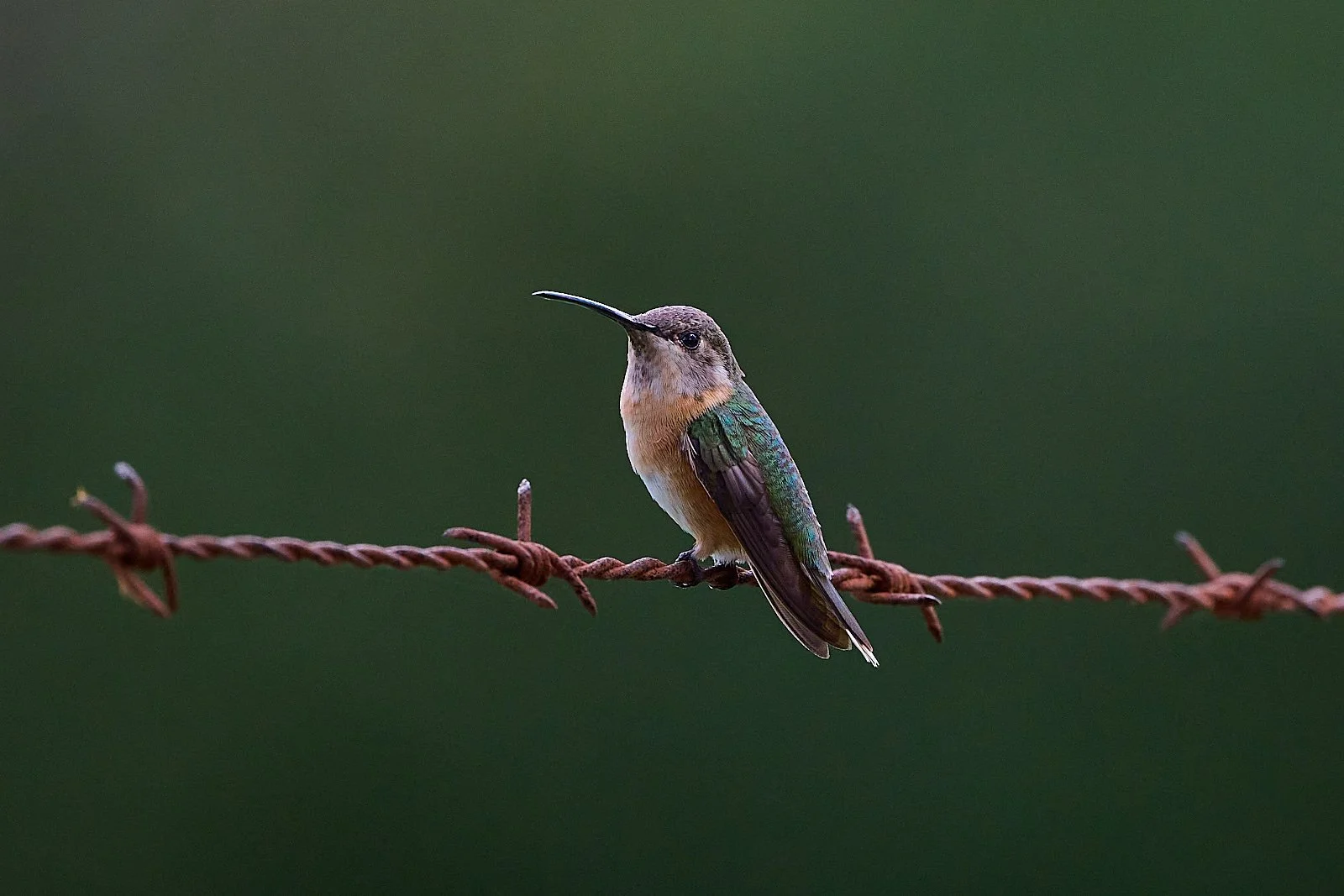
Road Stops
Birding is thirsty work!
We pulled in at a town for libations and to partake of the local cuisine.
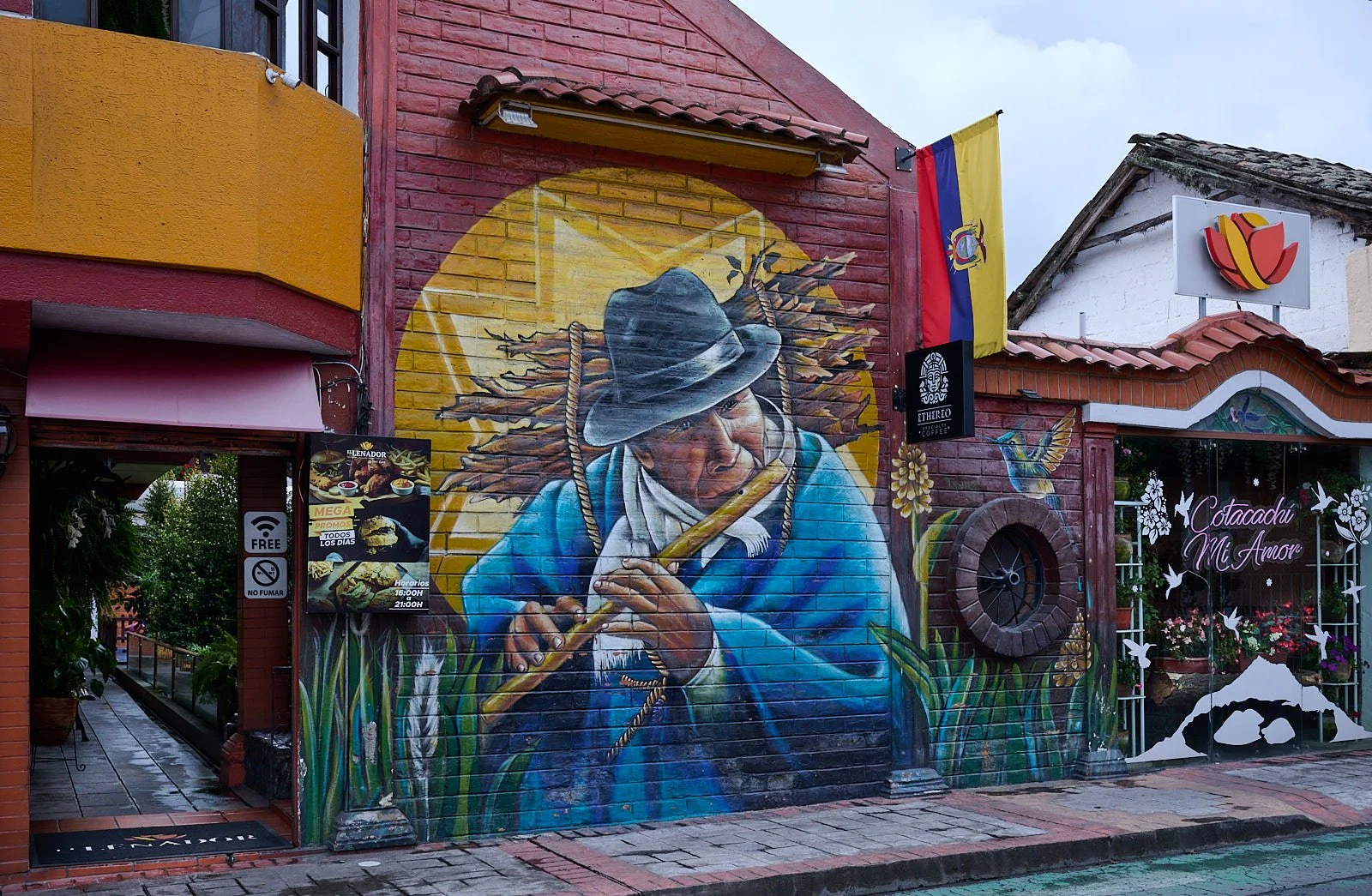
Wall mural
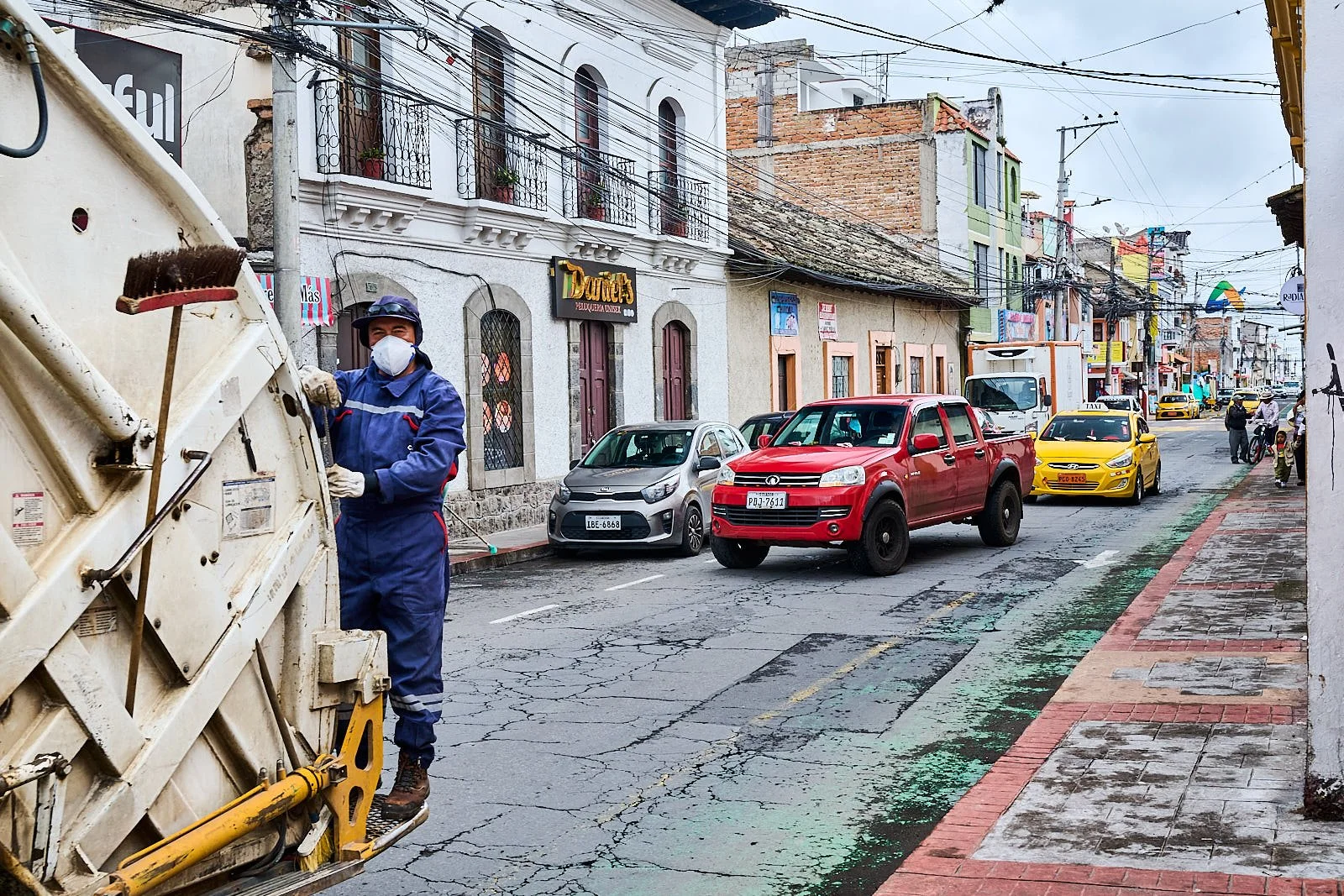
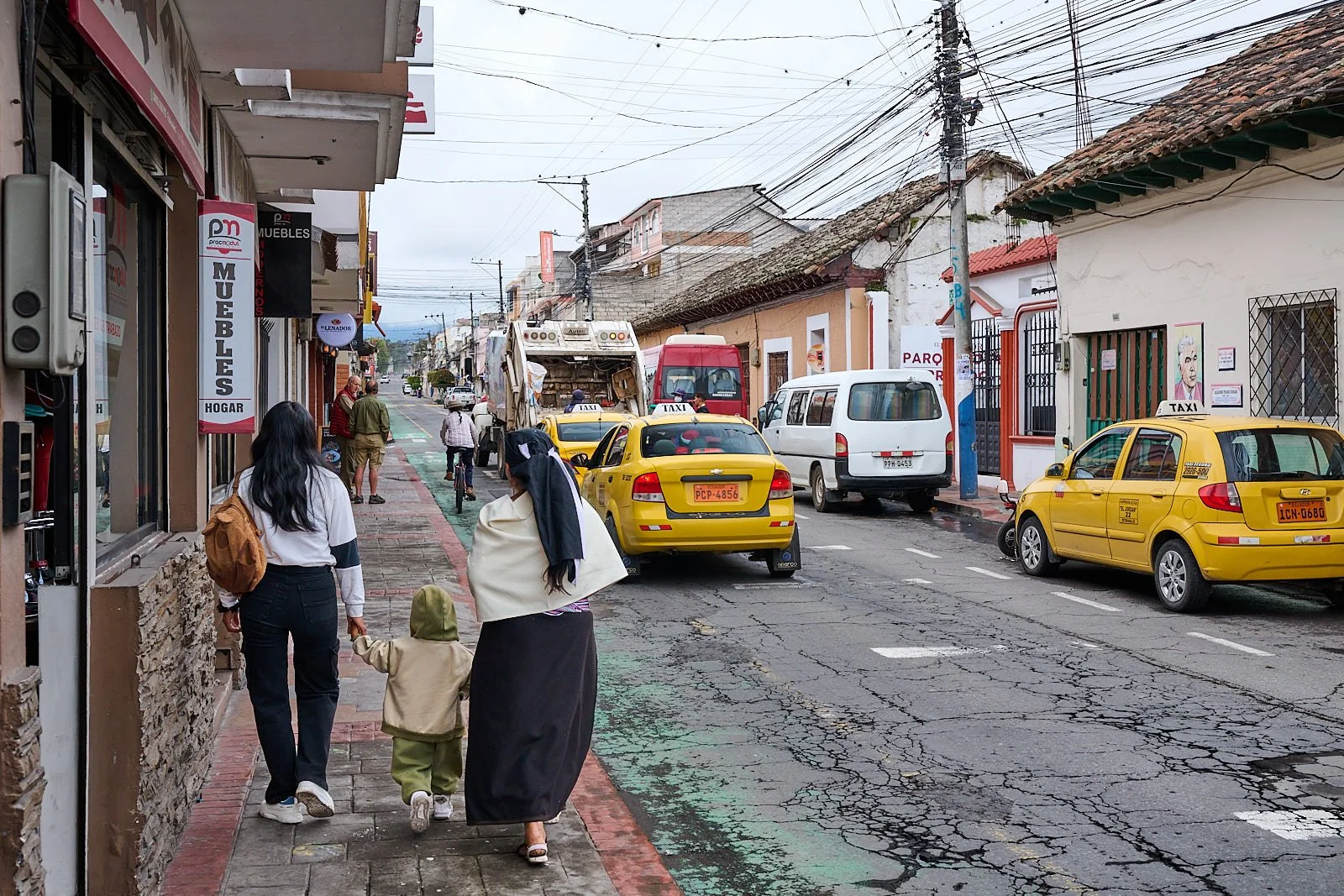
Up and down the street
Landscapes and more
We spent some time exploring the rural areas near Pimampiro, seeing fruit farms, coffee plantations and looking for the elusive spectacled bear.
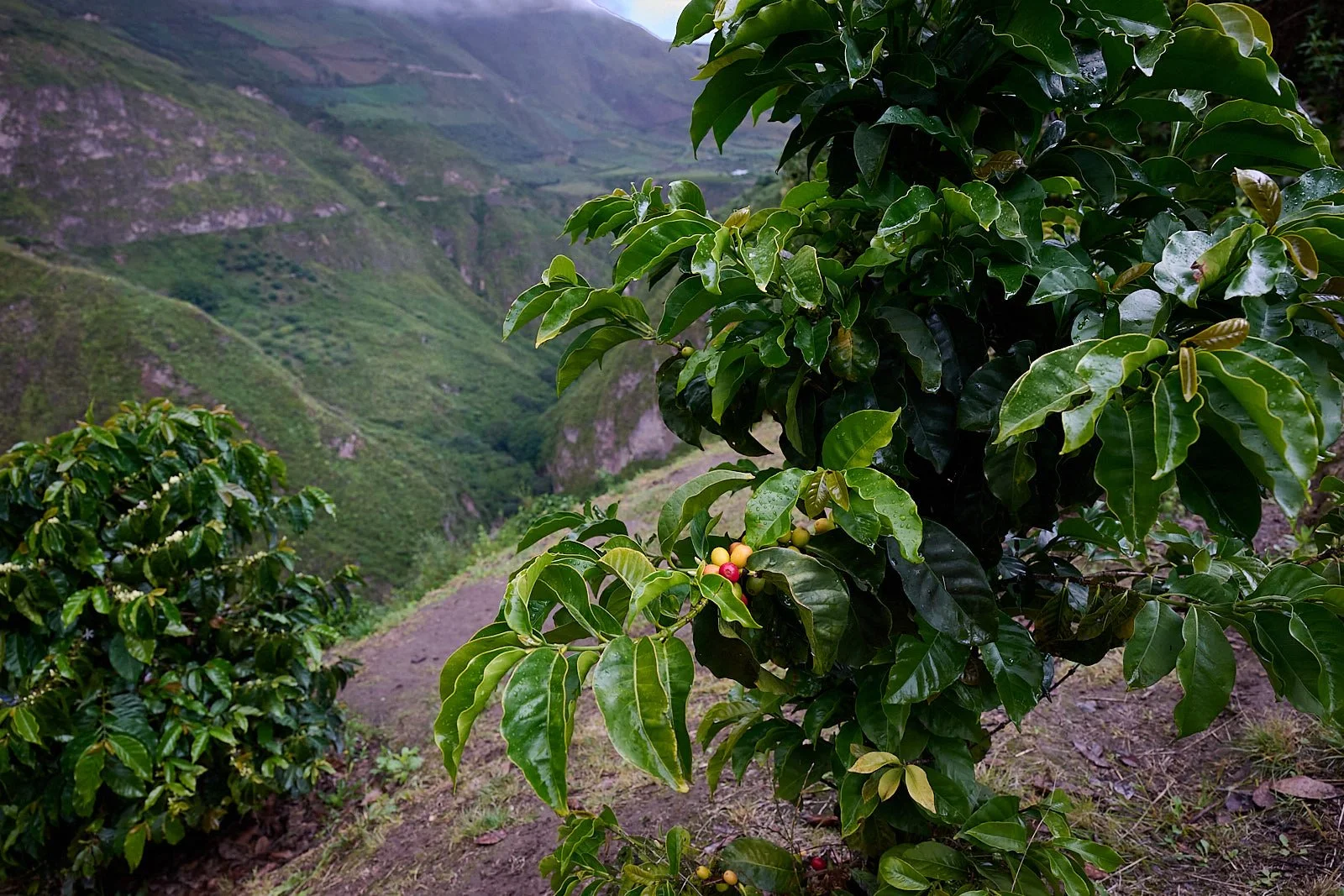
Coffee!
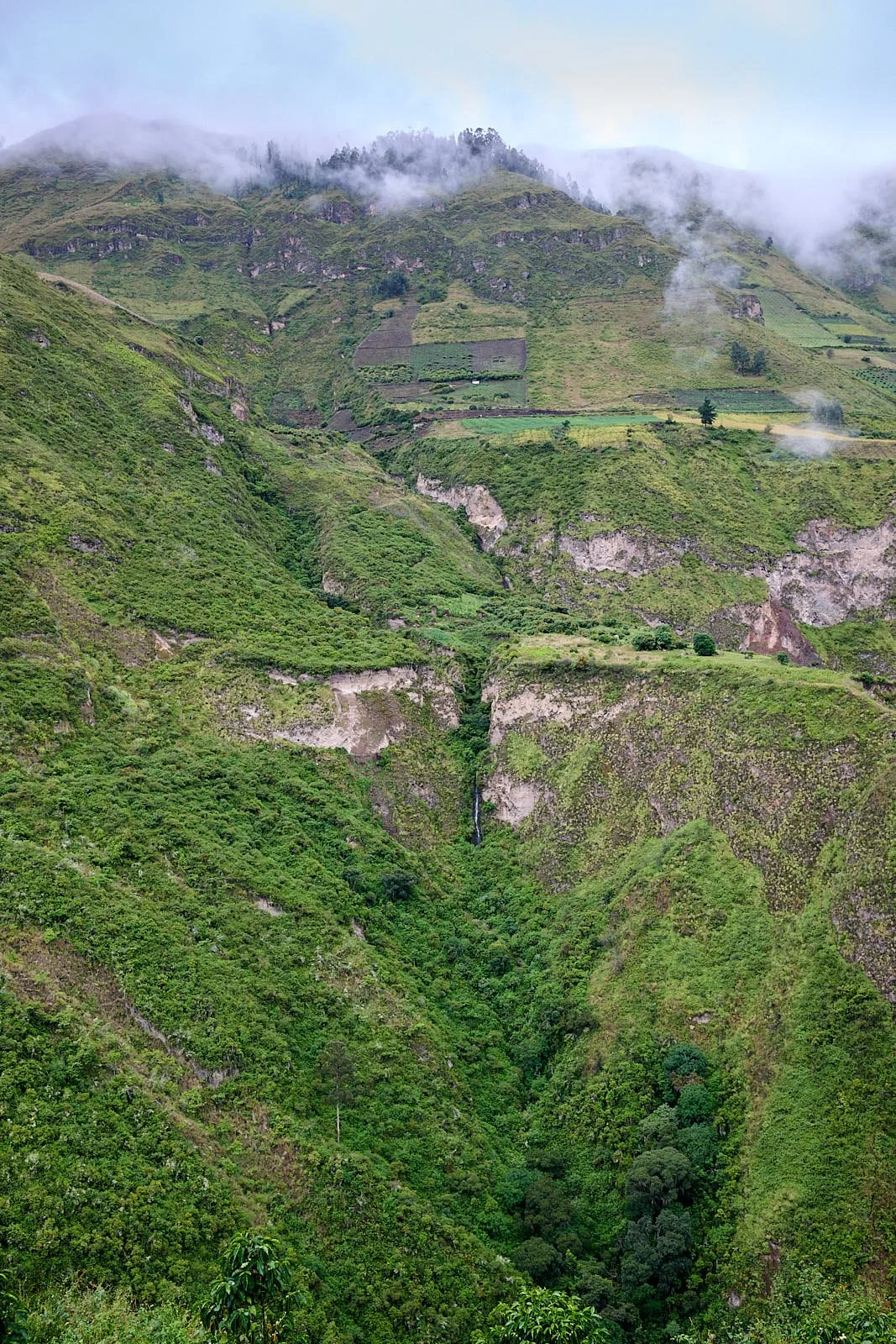
Views from coffee farm
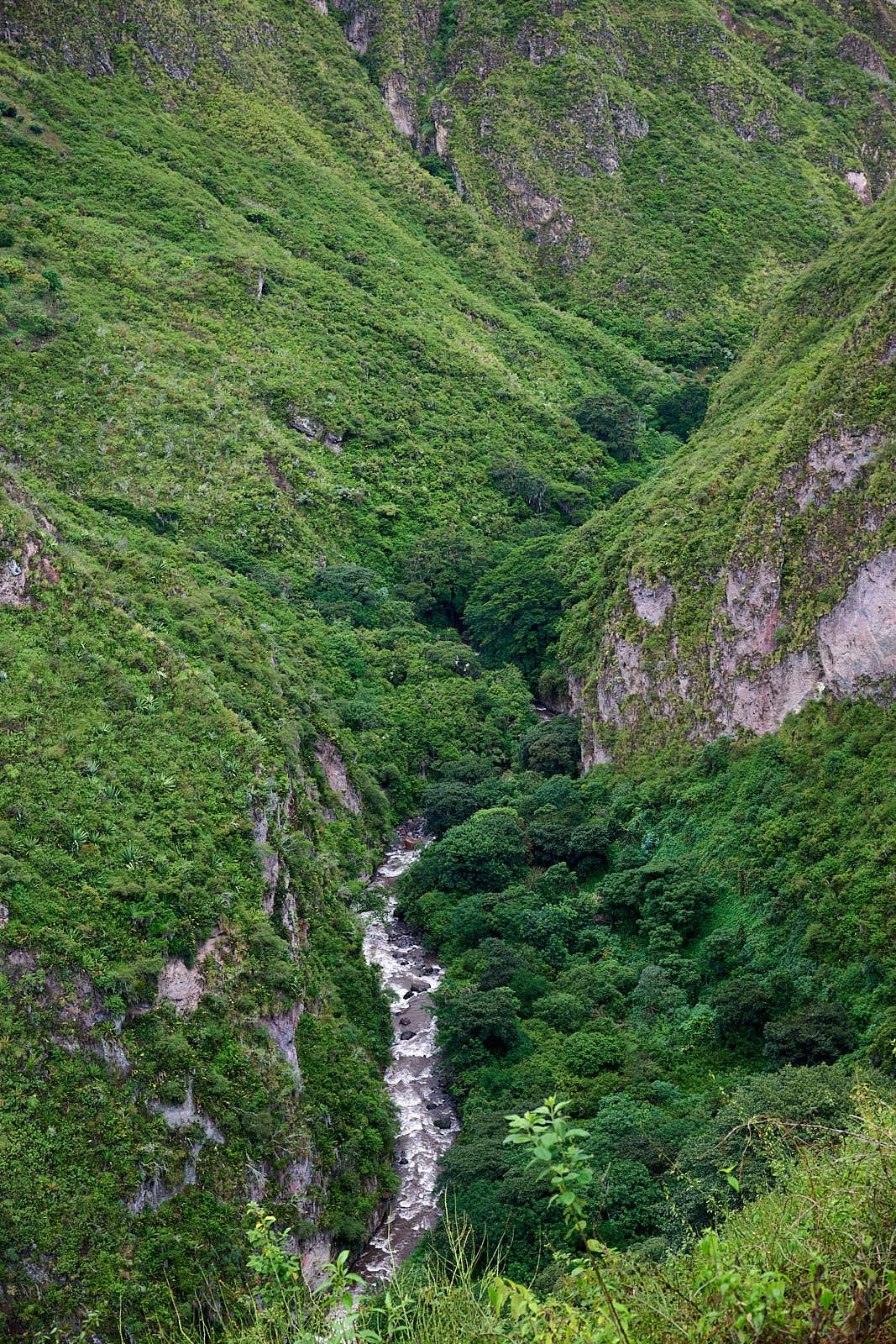
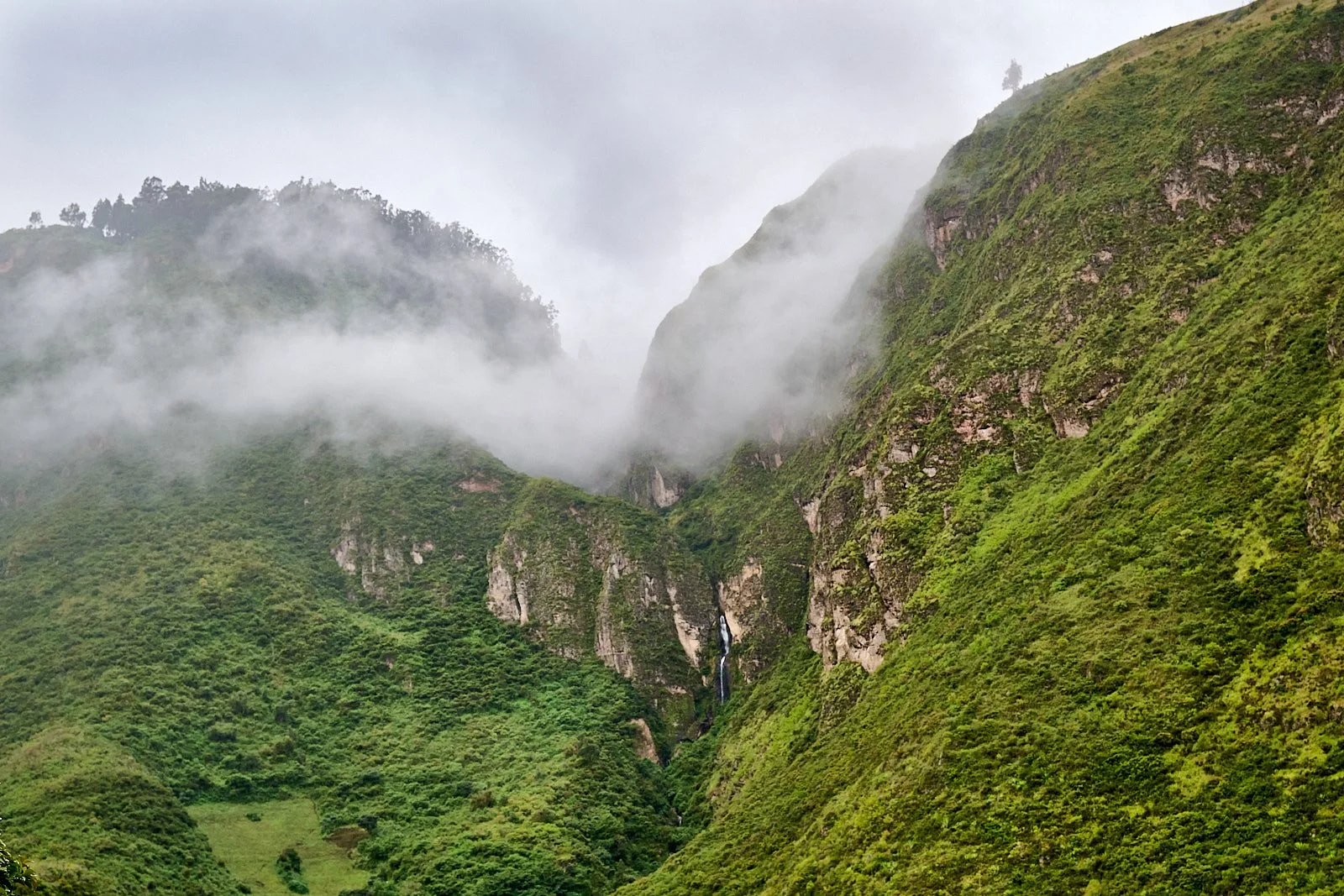
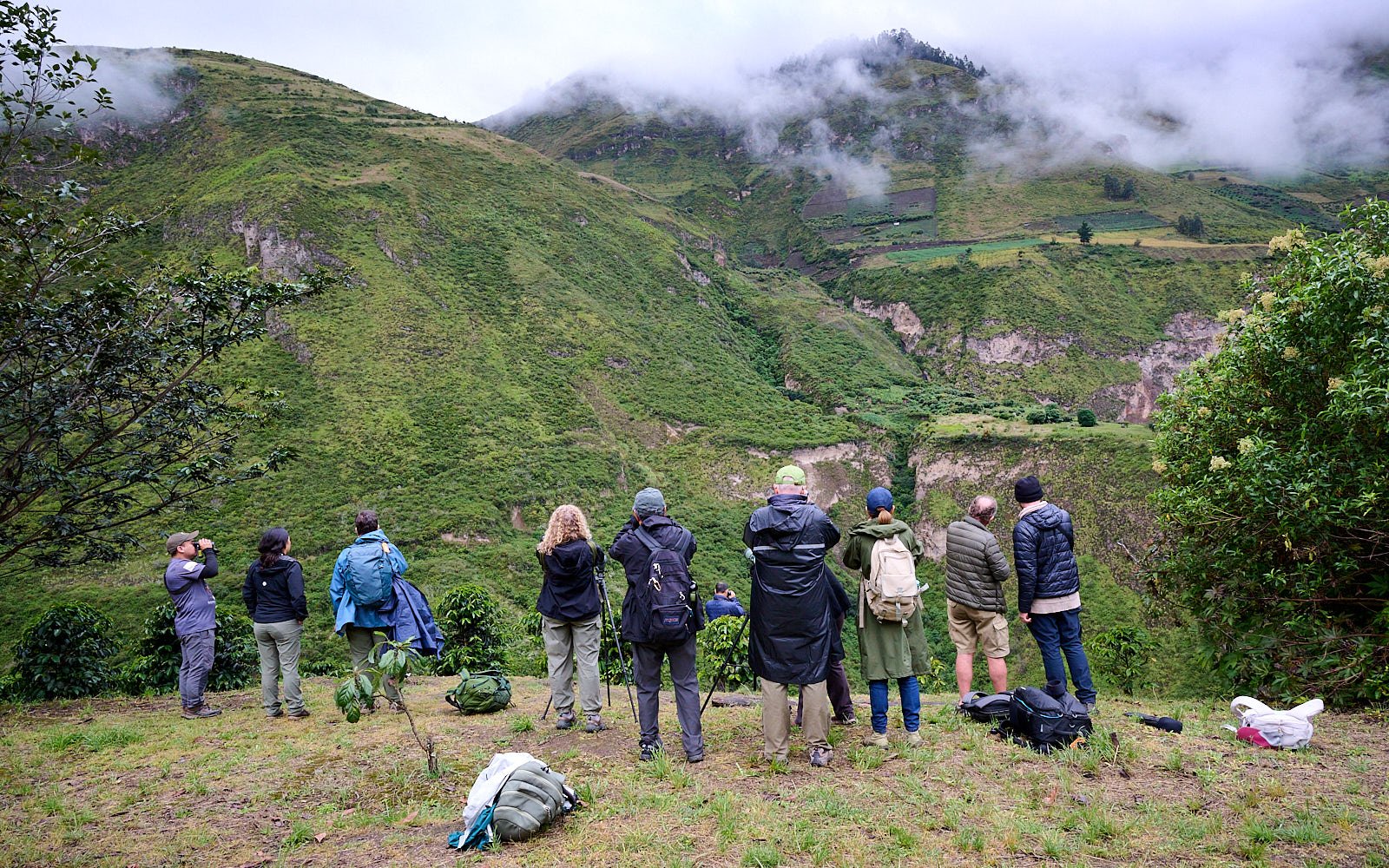
Looking for bears
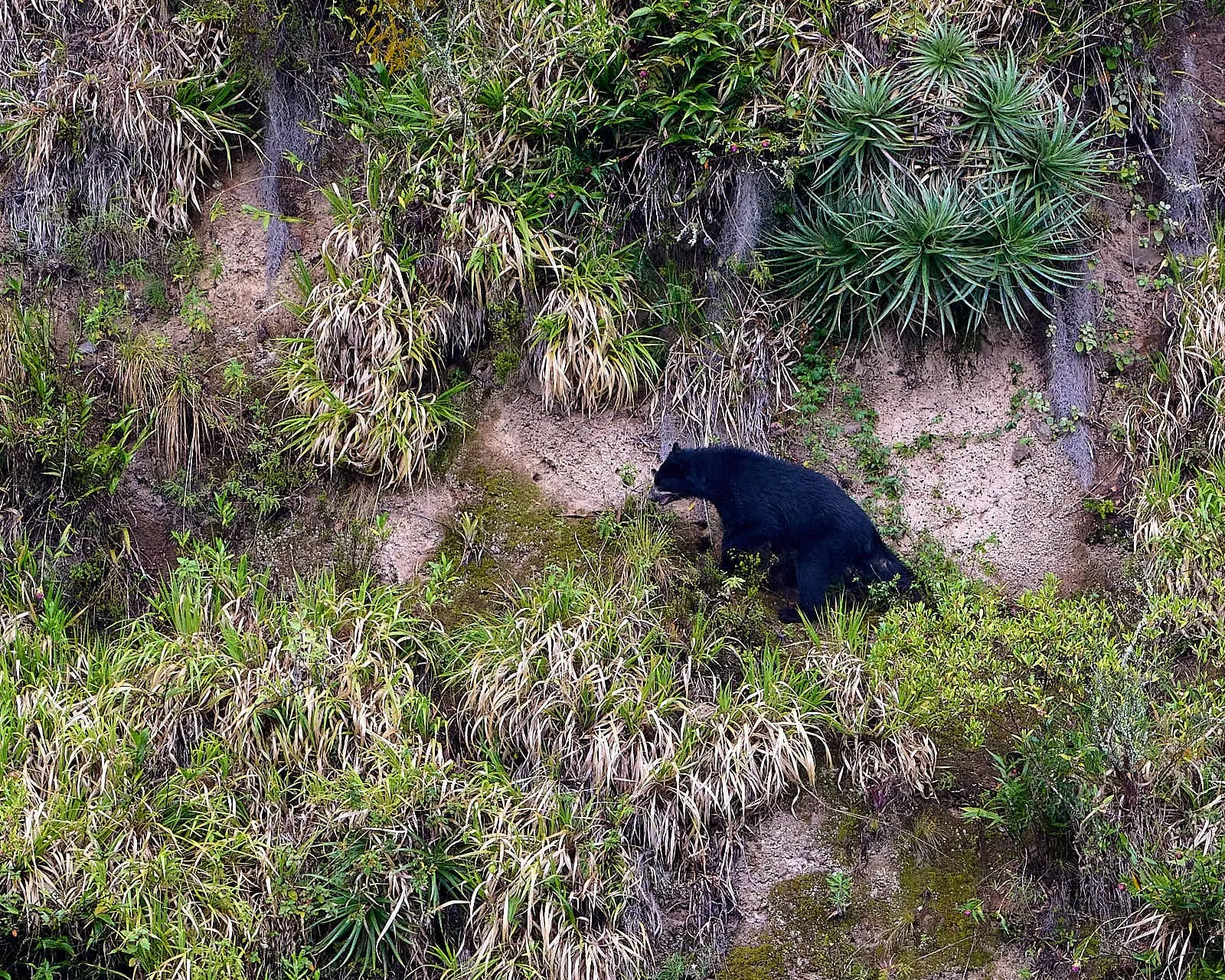
And there he was - a Spectacled bear!
Spectacled Bear
The spectacled bear (Tremarctos ornatus) is the only living bear native to South America and is found in the northern and western parts of the Andes range. It is the only surviving member of the short-faced bears (subfamily Tremarctinae). Short-faced bears diverged from Ursinae subfamily about 5.7 million years ago. Around 2.6 million years ago, during the formation of the Panama Land Bridge and the Great American Biotic Interchange, short-bear ancestors reached South America.
Spectacled bears are medium-sized bears, with considerable sexual dimorphism (males 115kg, females 65kg). They have excellent sense of smell and relatively poor eyesight. Spectacled bears are arboreal and prefer humid montane forest at 1,600 to 3,300ft elevation. The diet is mostly herbivorous, including cacti, palm nuts, fruit, bamboo, orchids, moss, and bromeliads. Animal prey is usually small (rabbits, mice, birds, arthropods, and carrion). Occasionally, they will kill deer, llama, and domestic cattle. Mating occurs more often at the onset of the wet season and birthing (1-3 cubs) in the dry season. Their lifespan is about 20 years.
Habitat loss is probably the biggest conservation concern.
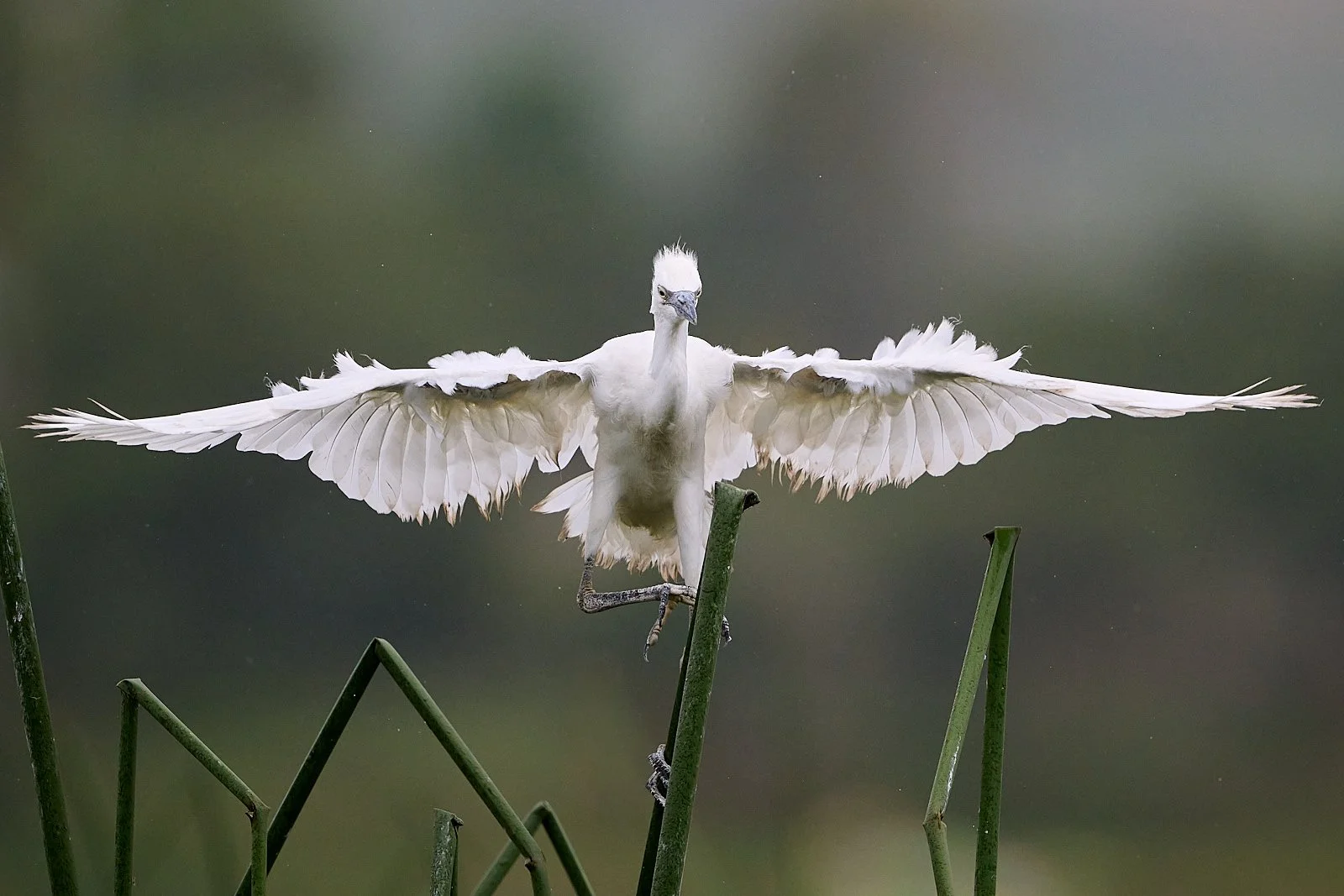
This flying thing is tricky!