Ecuador #2: Andes to the Amazon. February 2026.
Cloud Forests
“The air up there in the clouds is very pure and fine, bracing and delicious. And why shouldn’t it be?- it is the same the angels breathe”. Mark Twain, 1835-1910
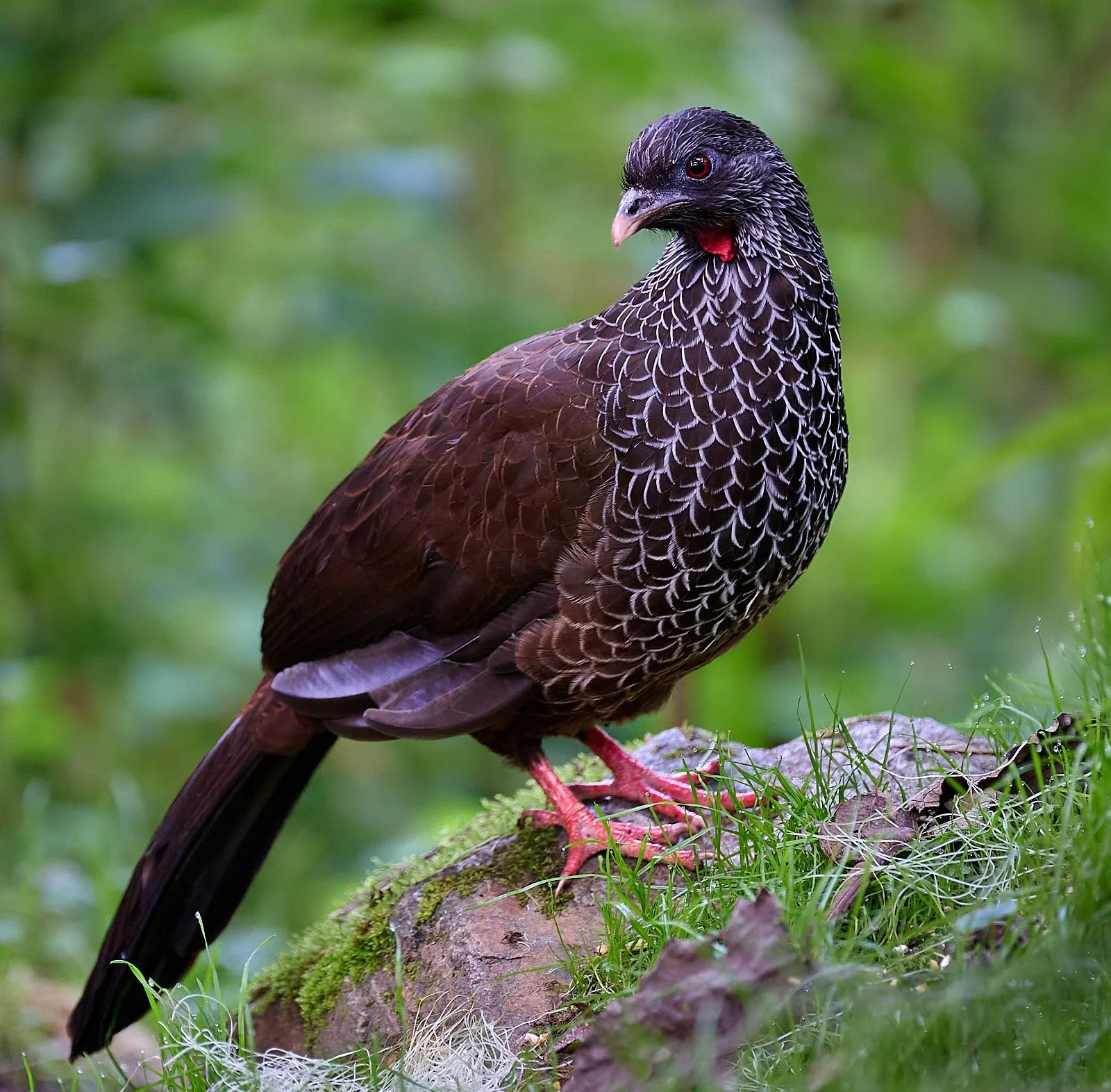
Andean Guan
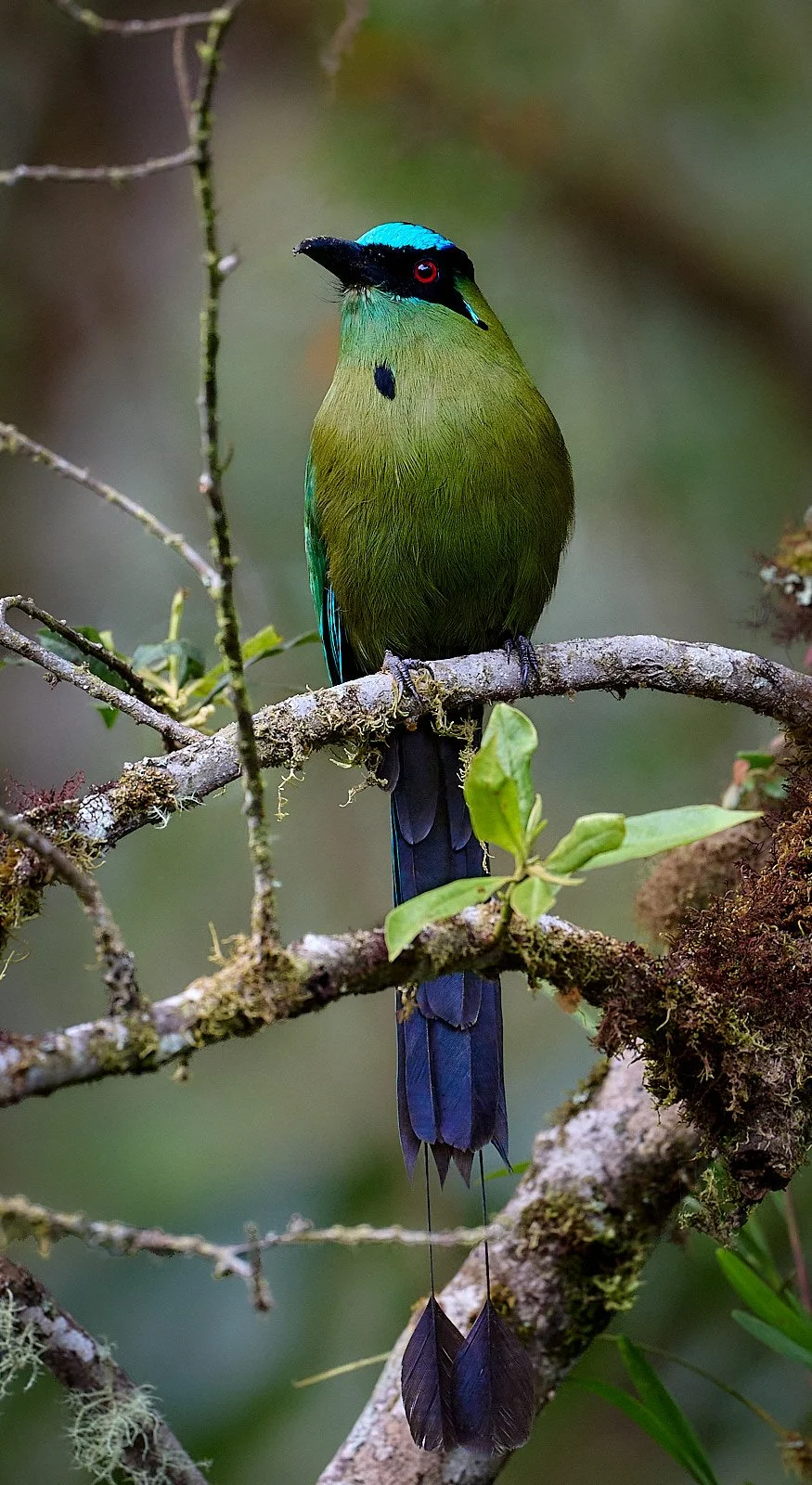
Andean Motmot
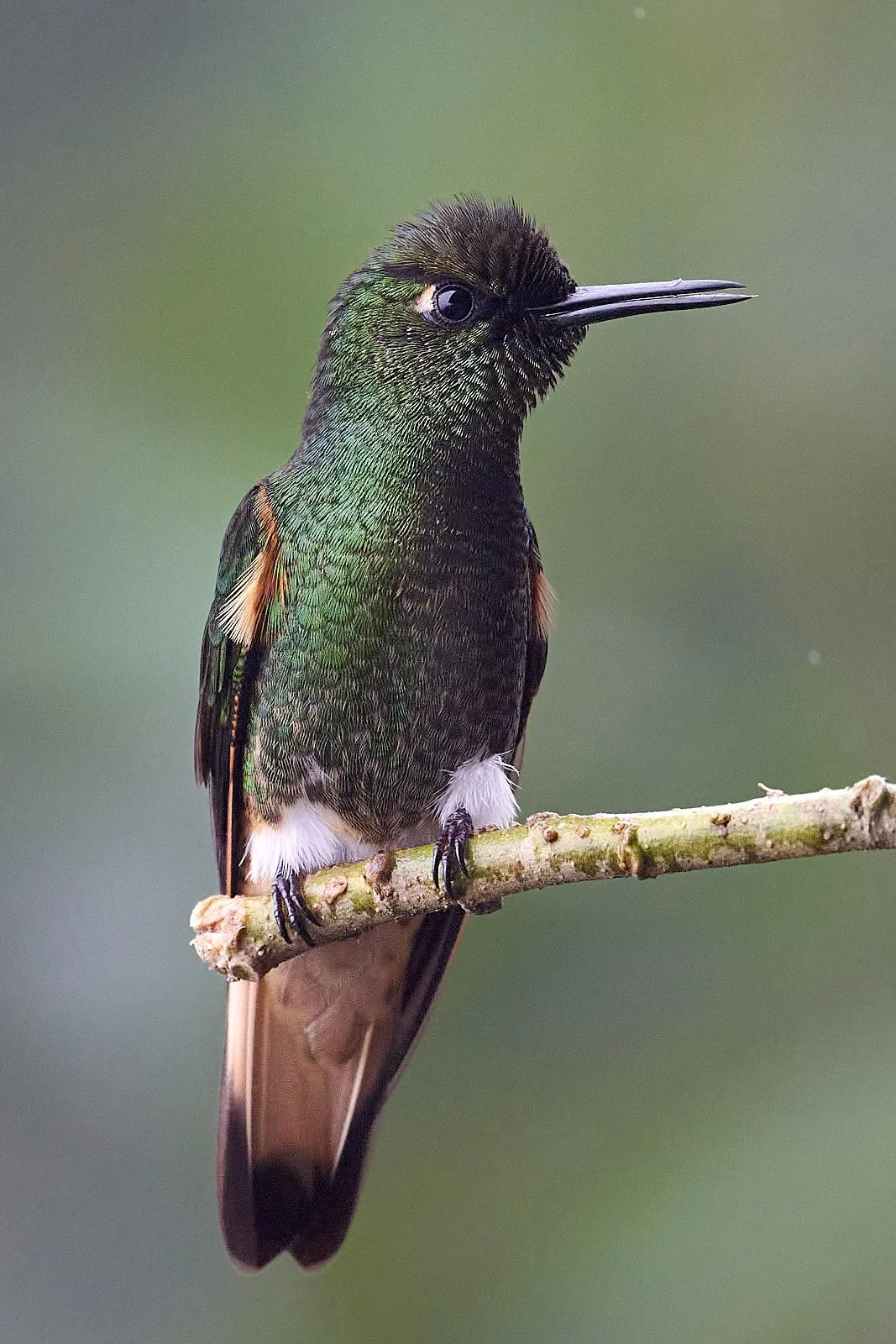
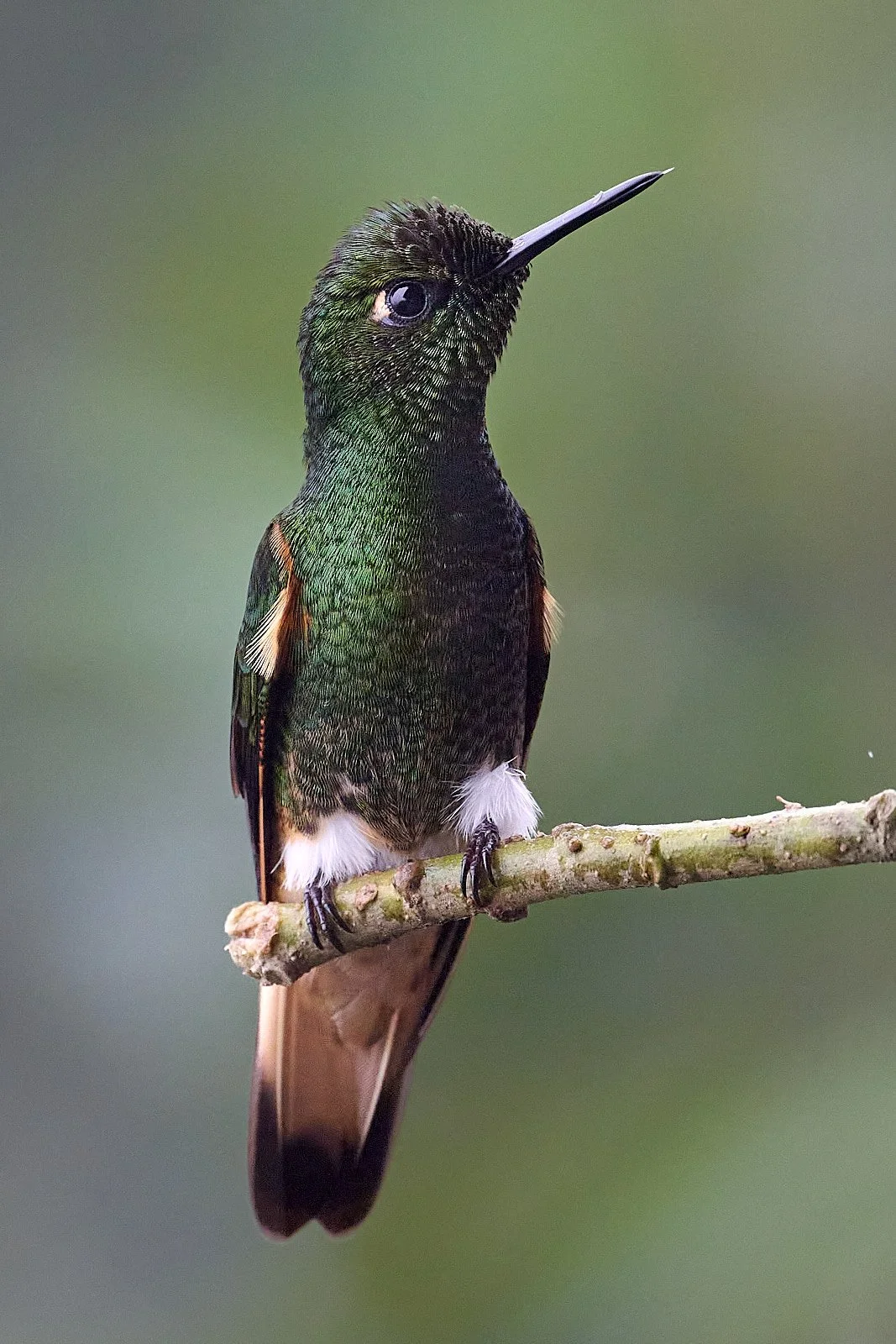
Buff-tailed Coronet
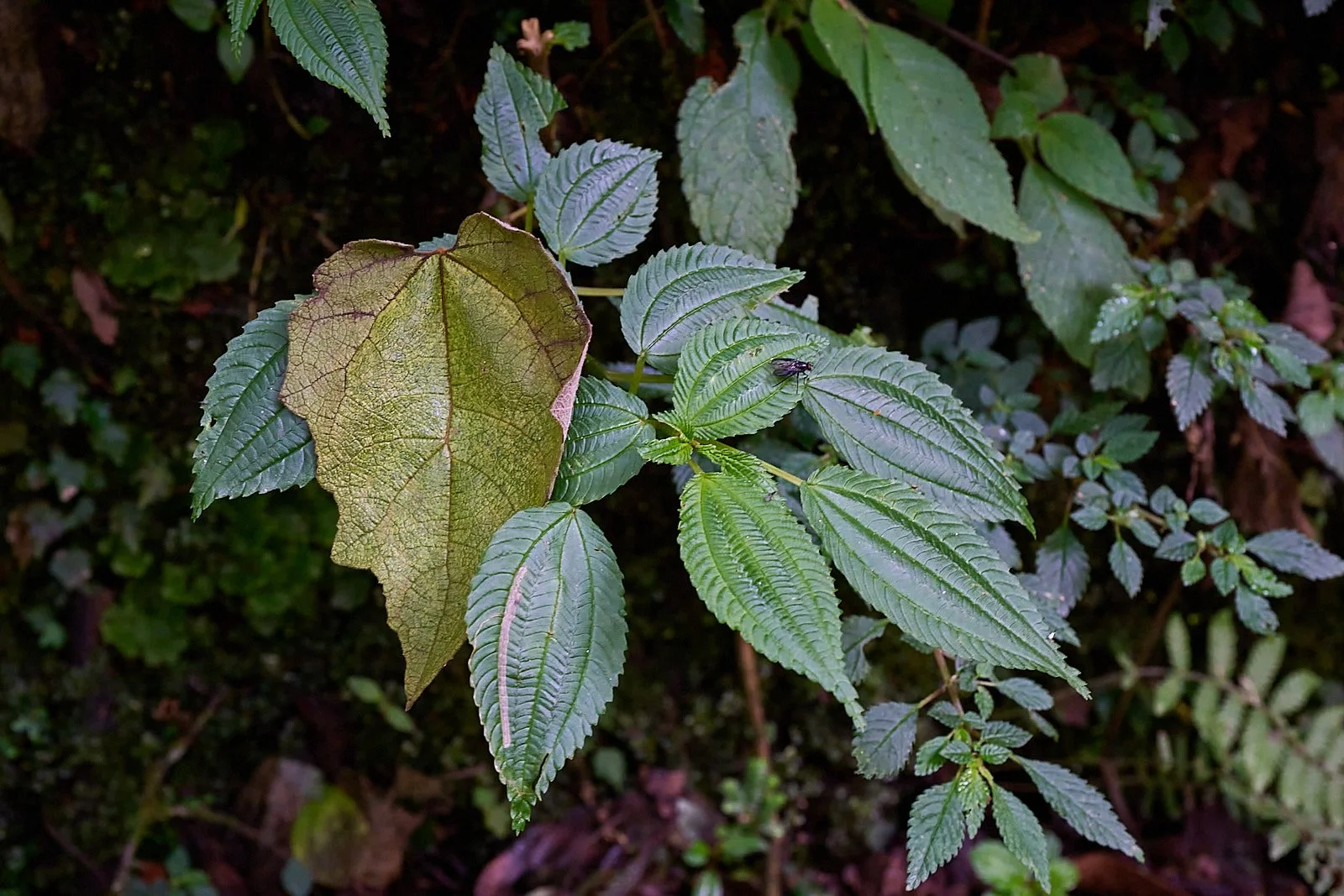
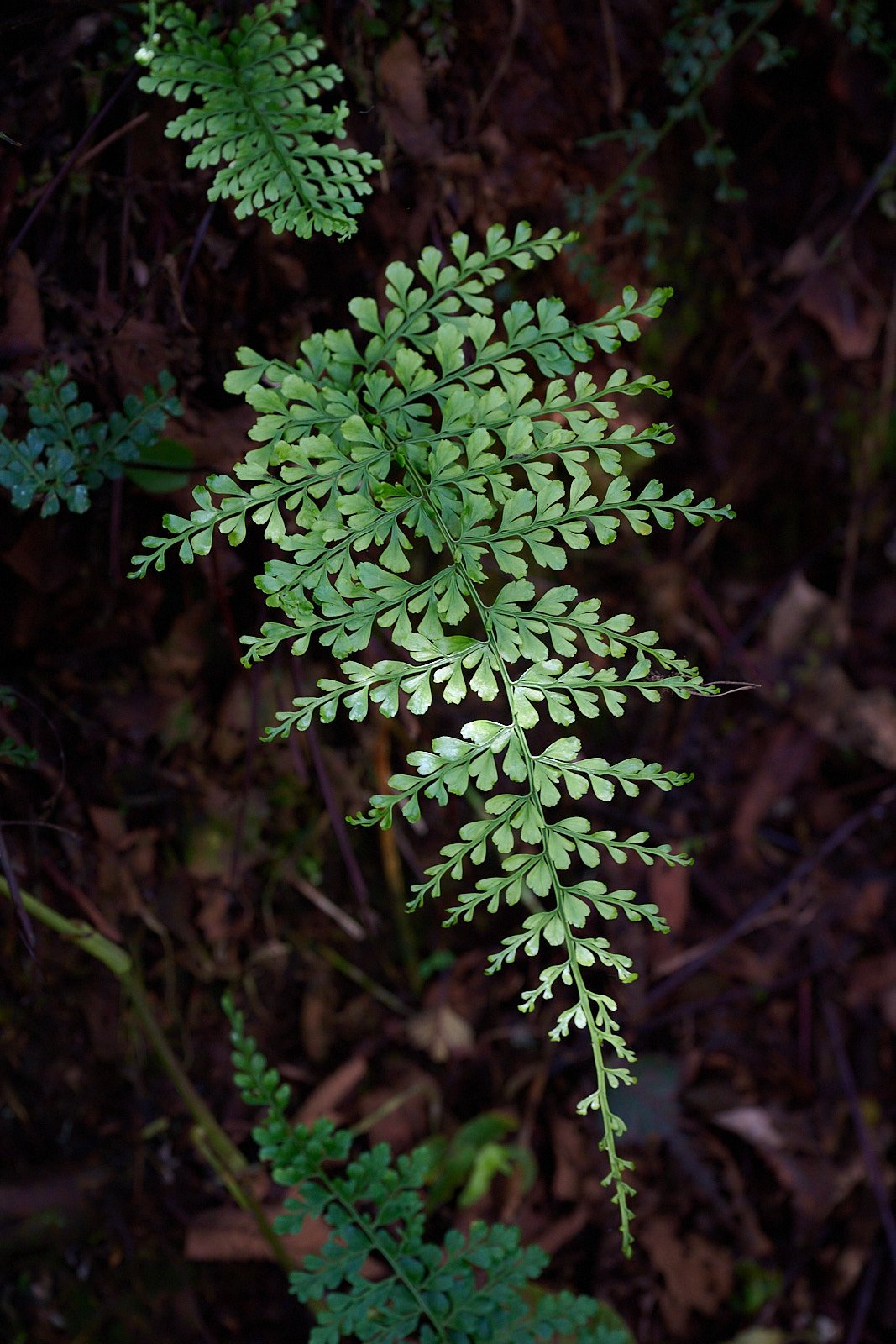
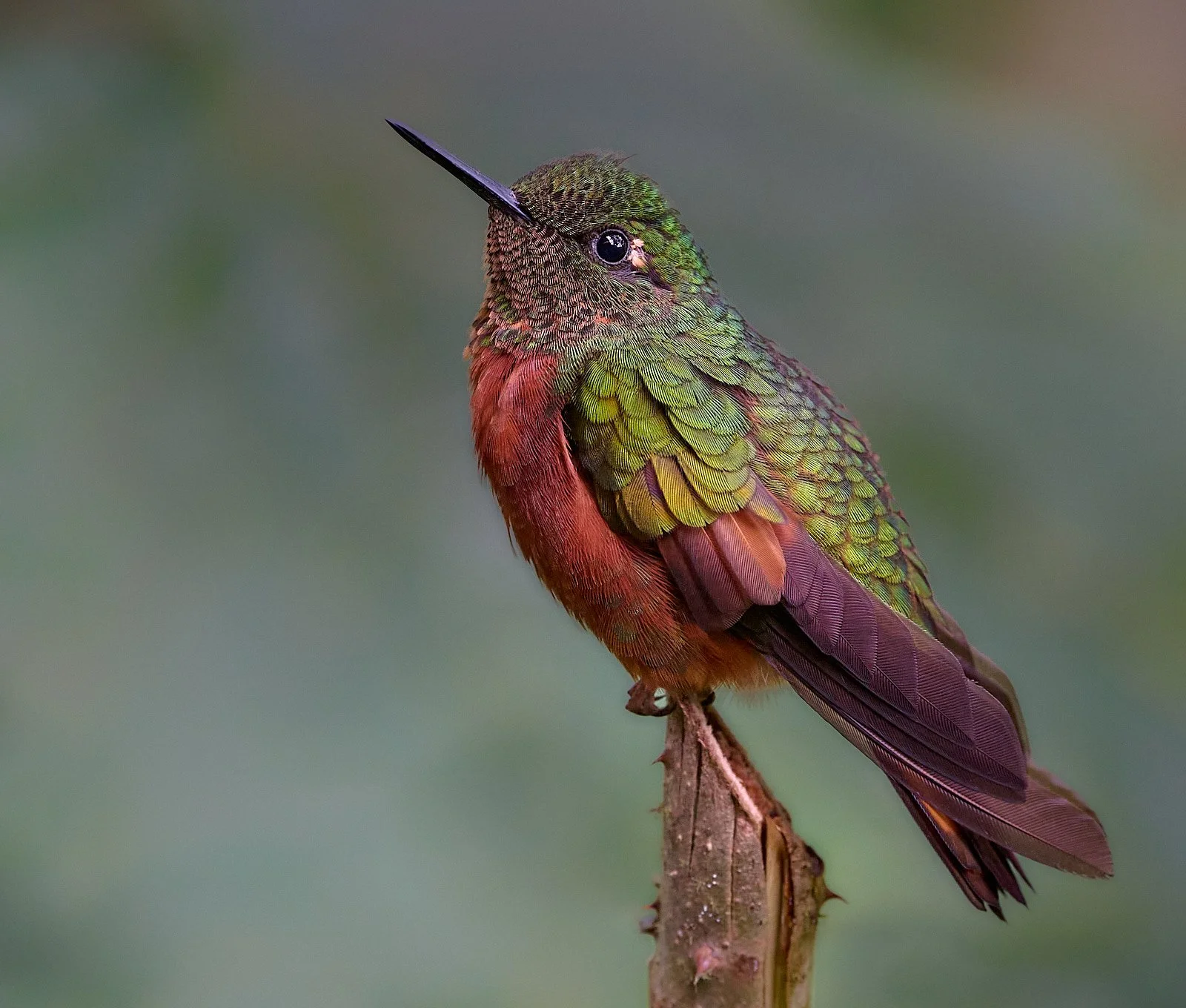
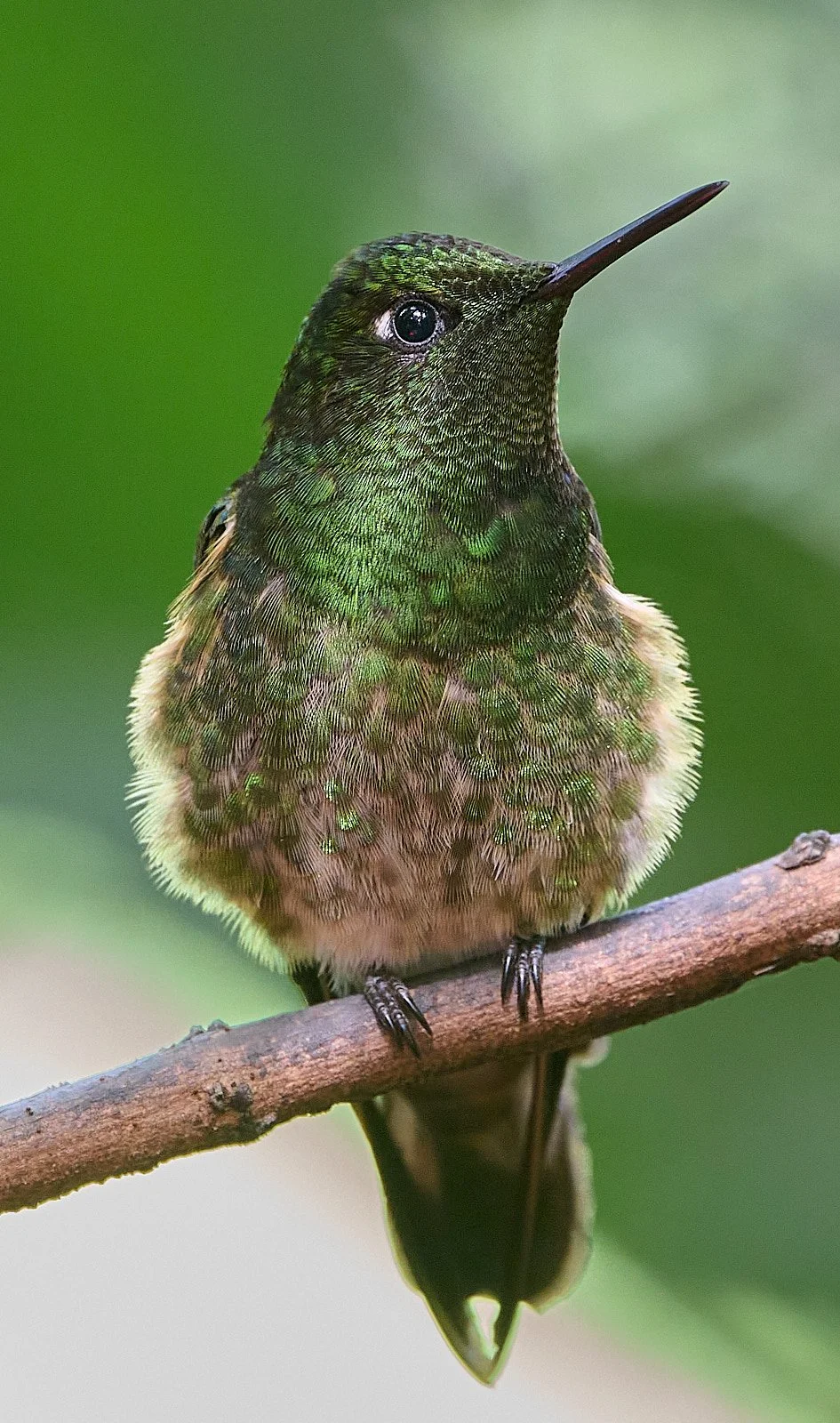
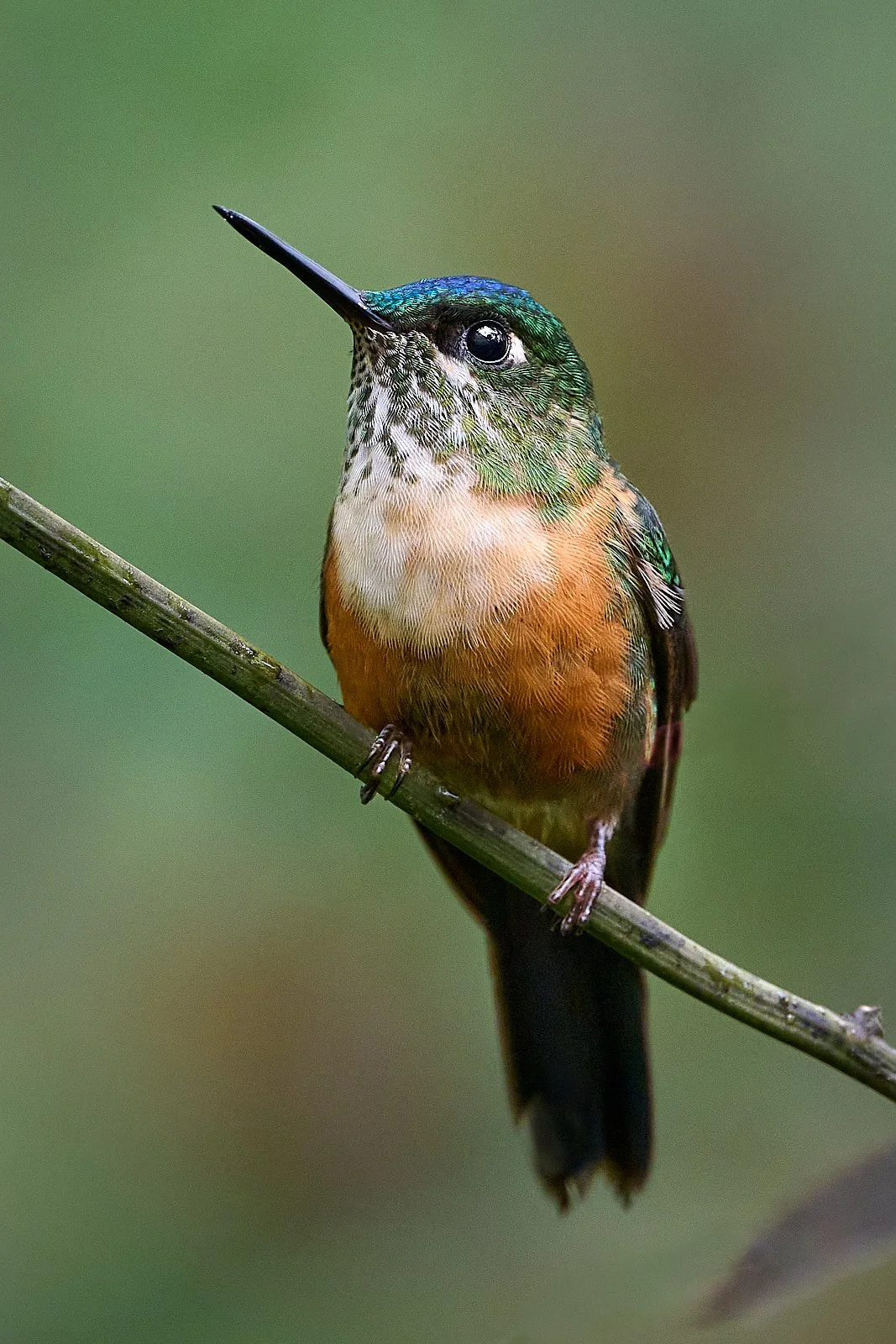
Chestnut-breasted Coronet
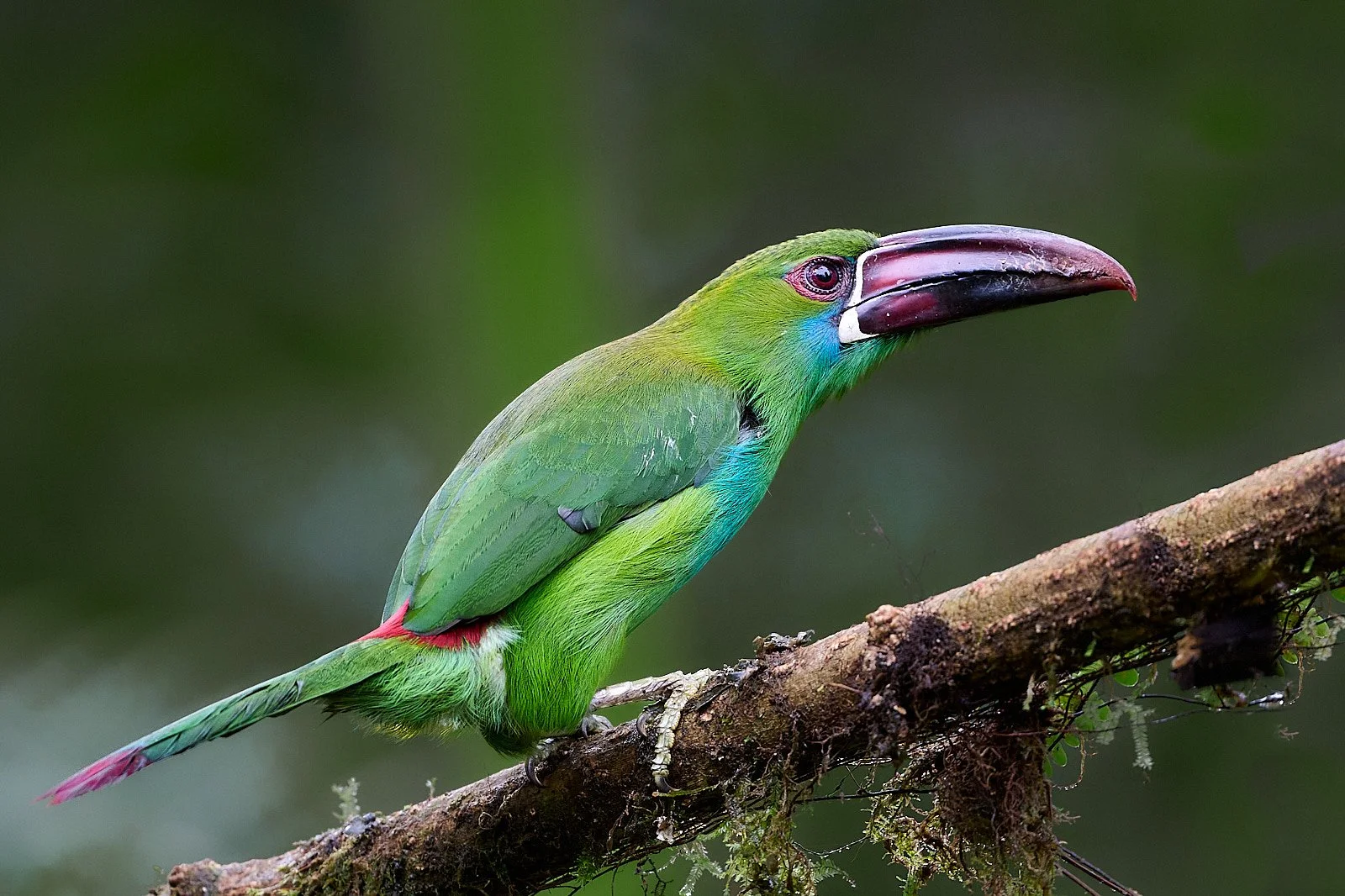
Crimson-rumped Toucanet
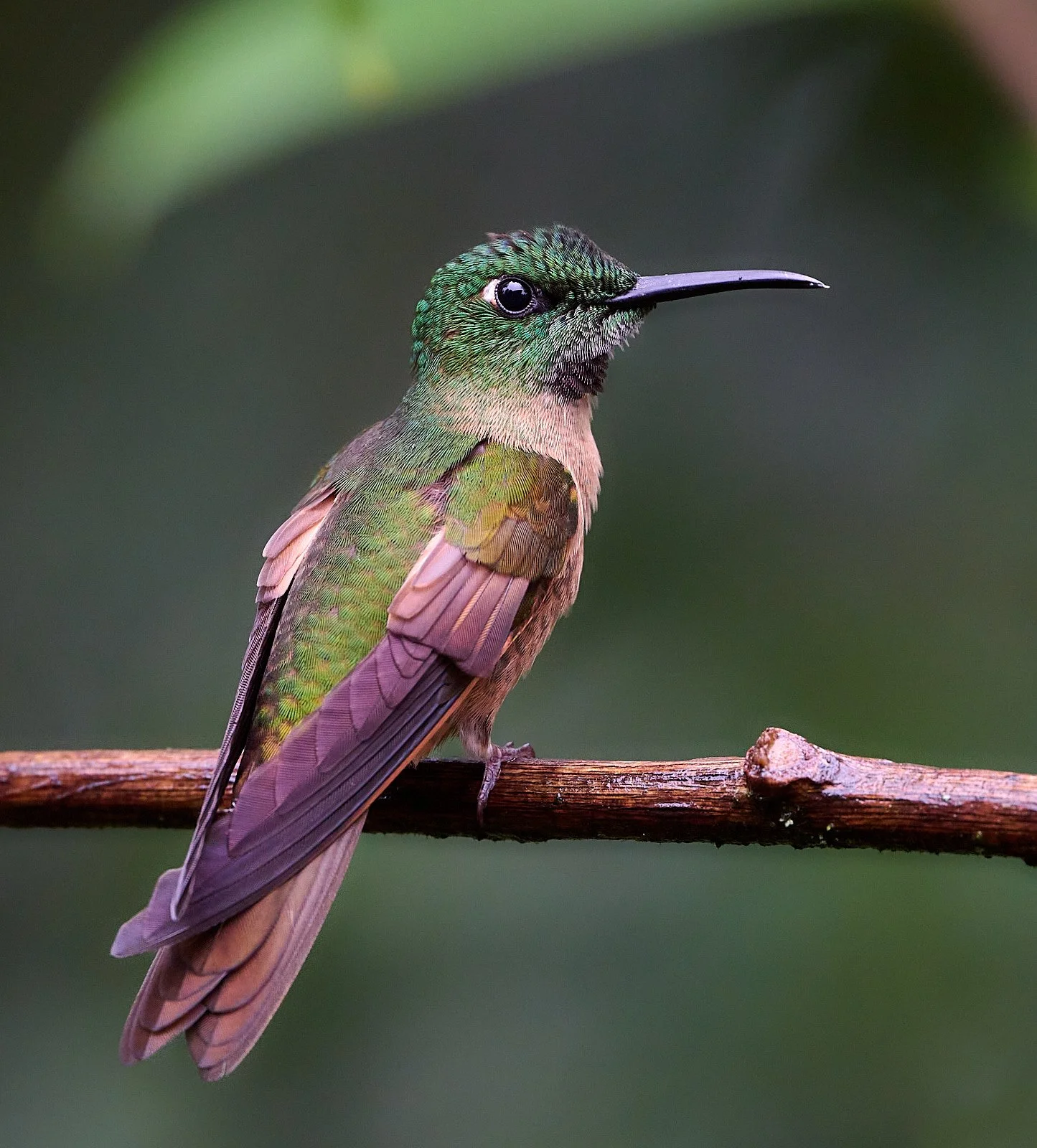
Fawn-breasted Brilliant

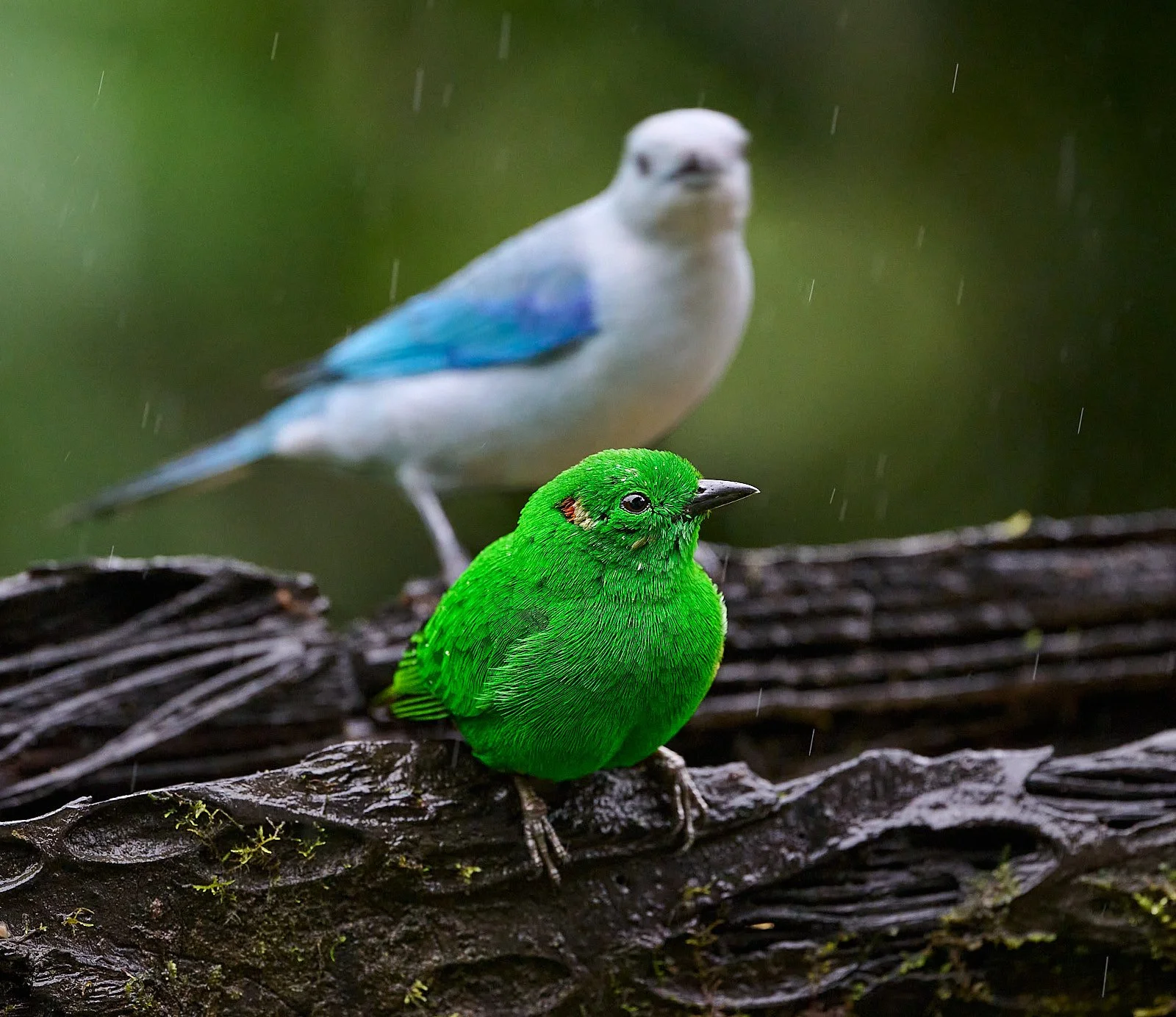
Glistening-green Tanager
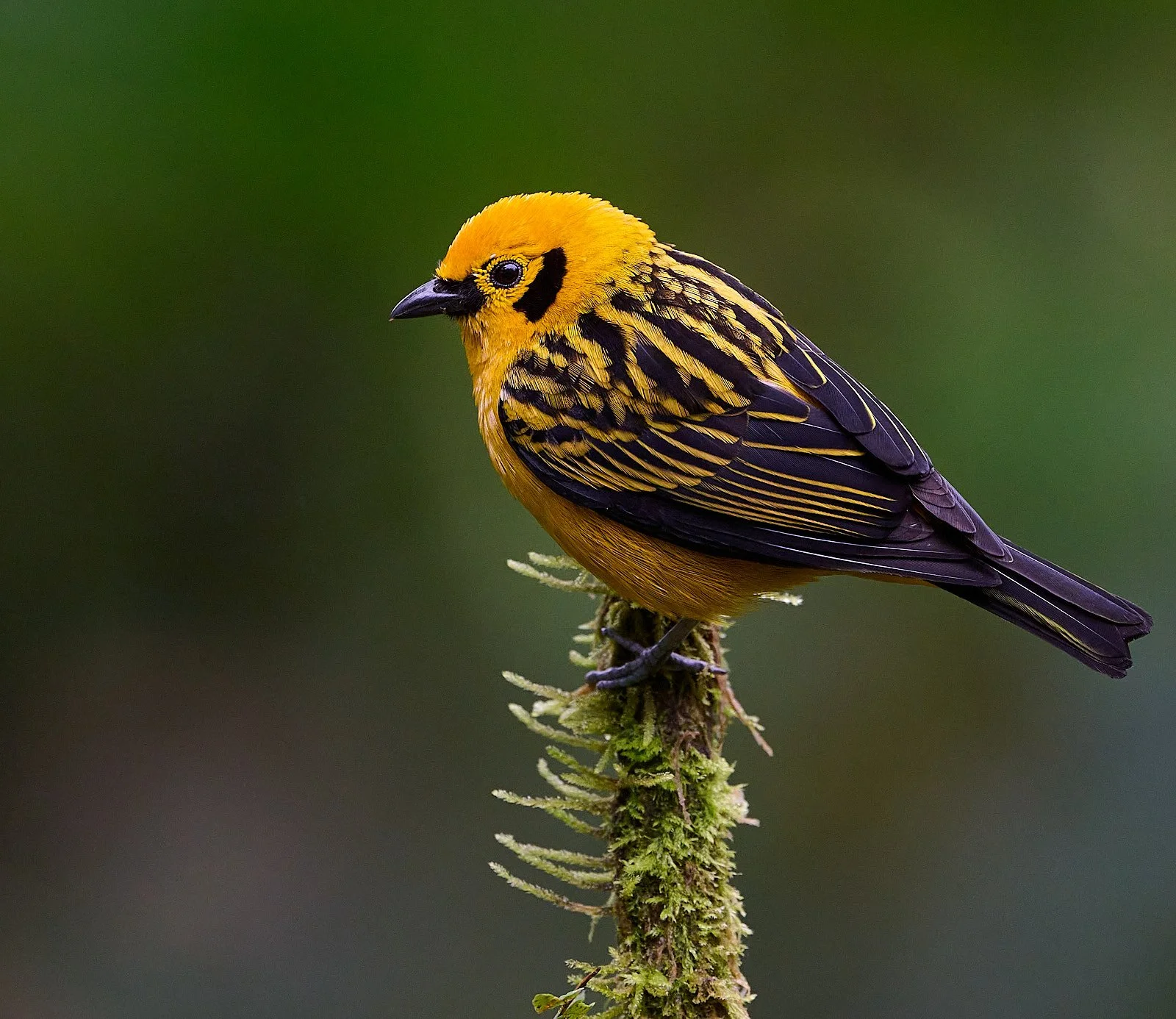
Golden Tanager
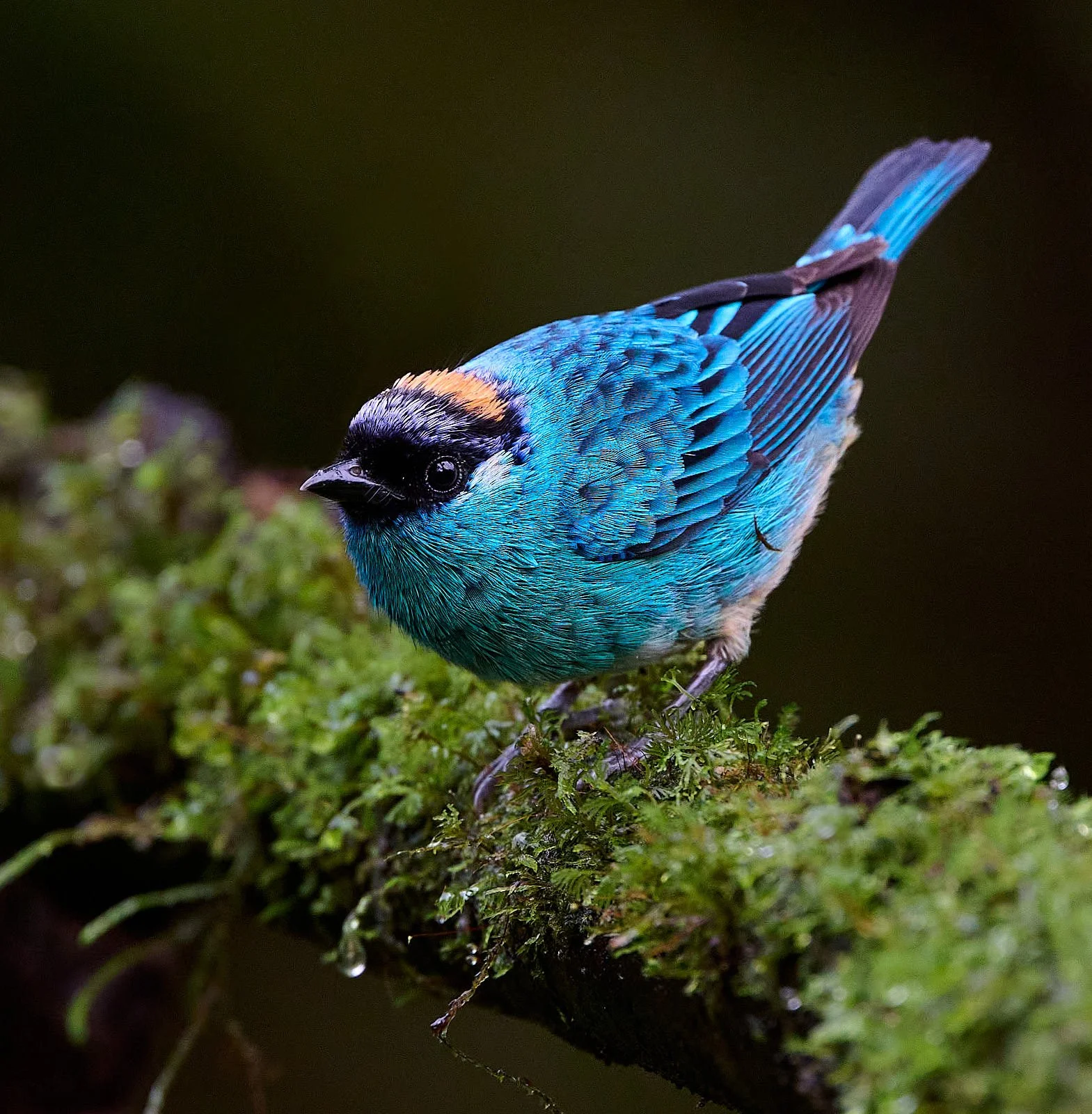
Golden-naped Tanager

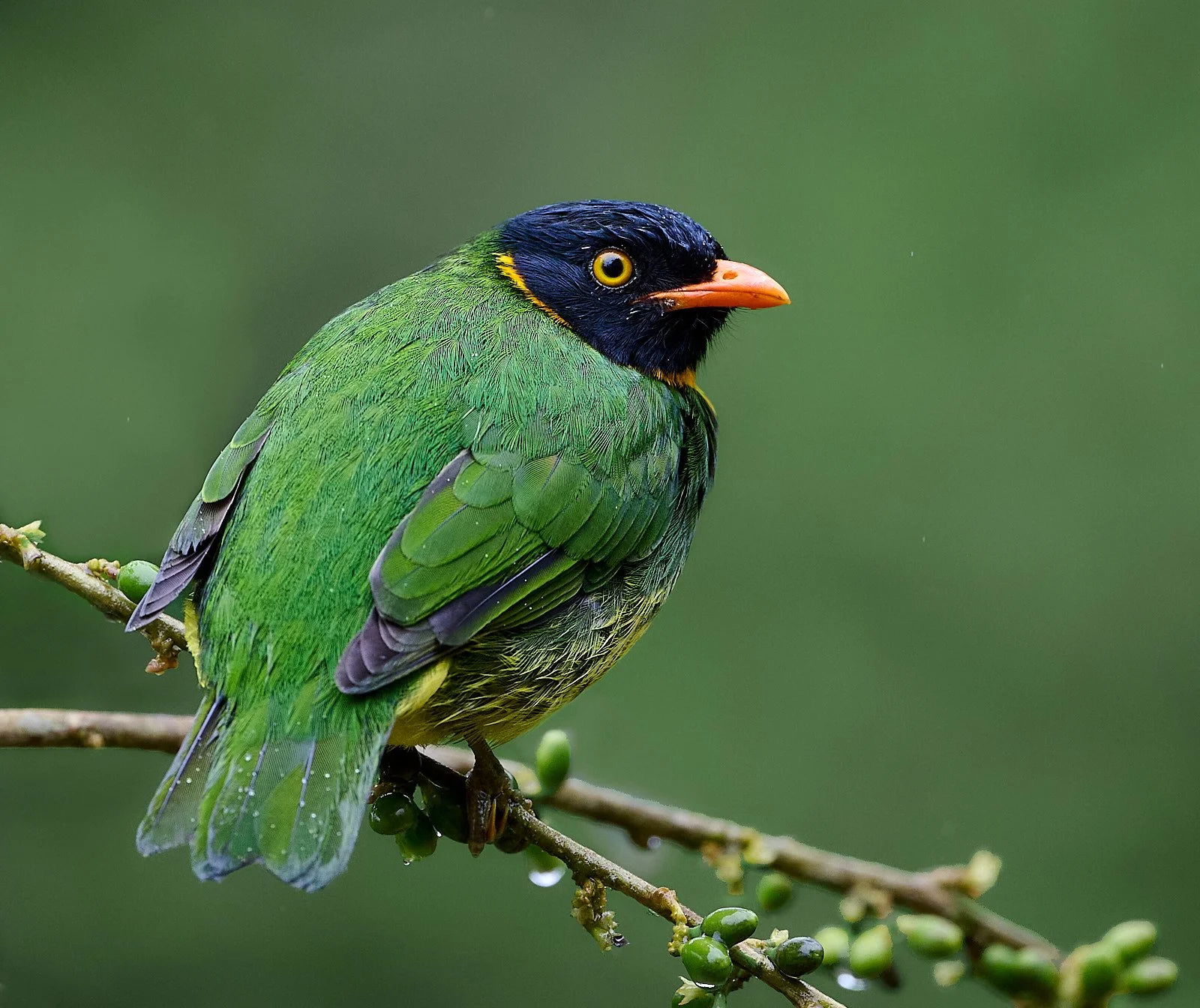
Orange-breasted Fruiteater
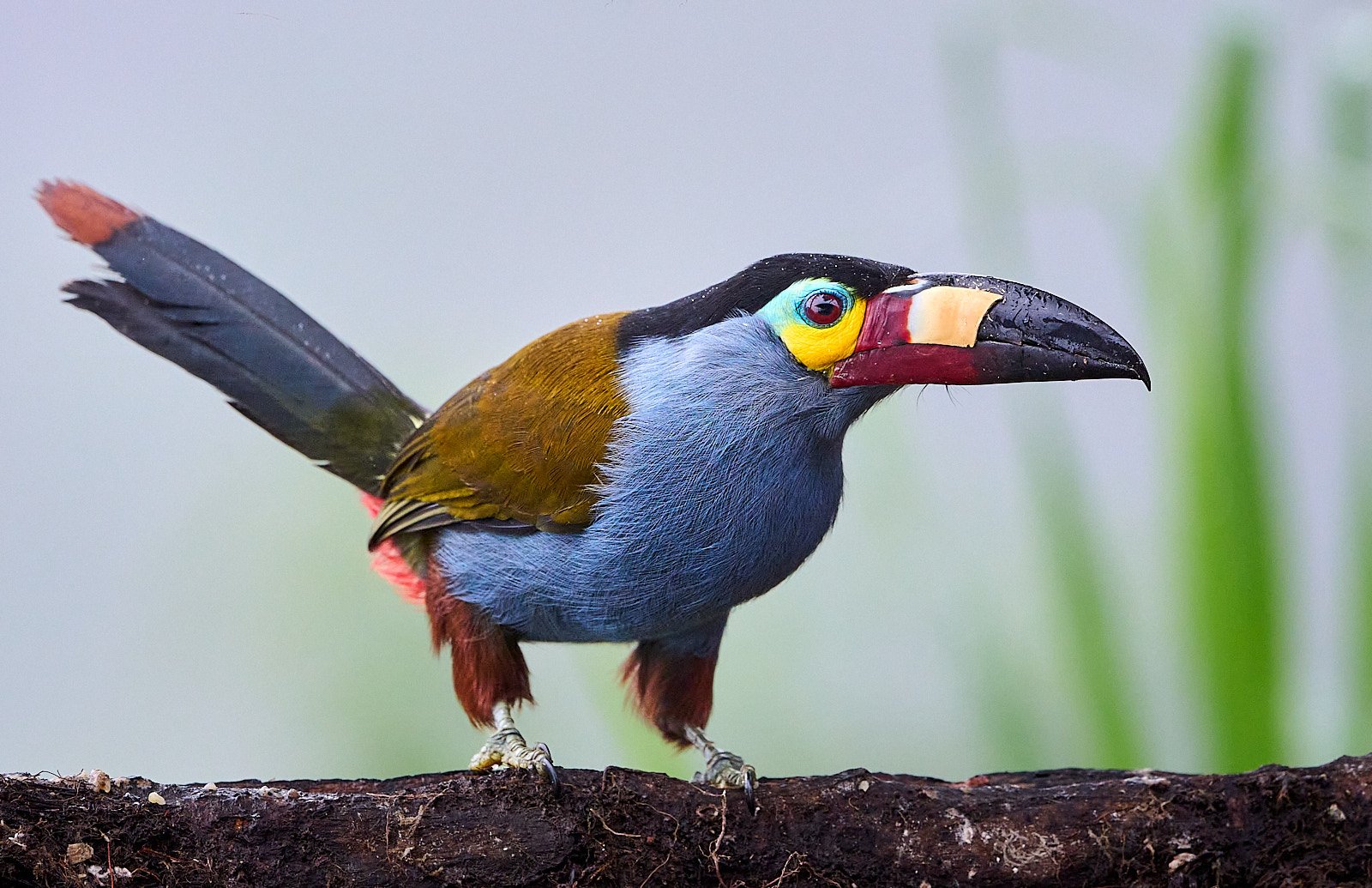
Plate-billed Mountain-Toucan
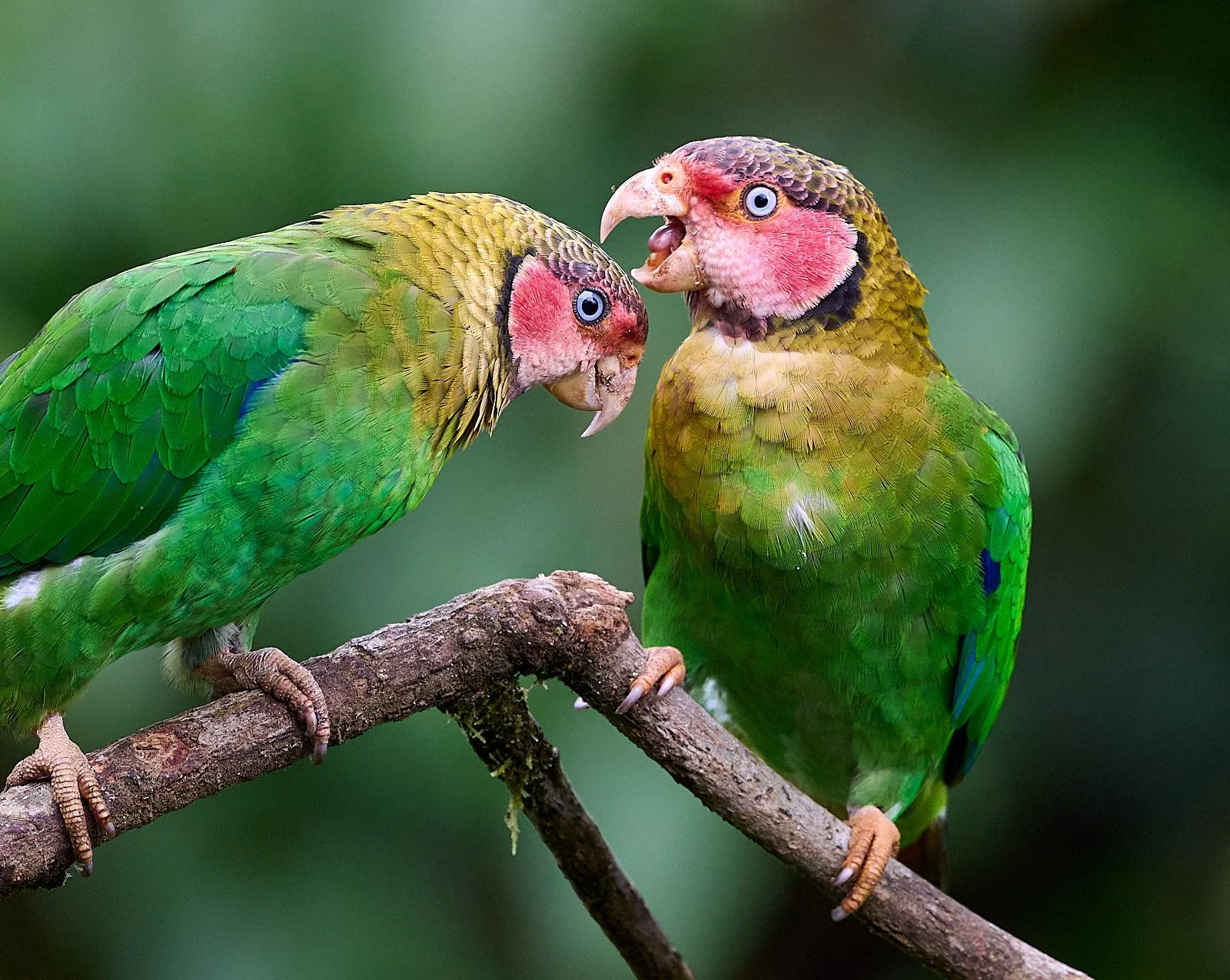
Rose-faced Parrot
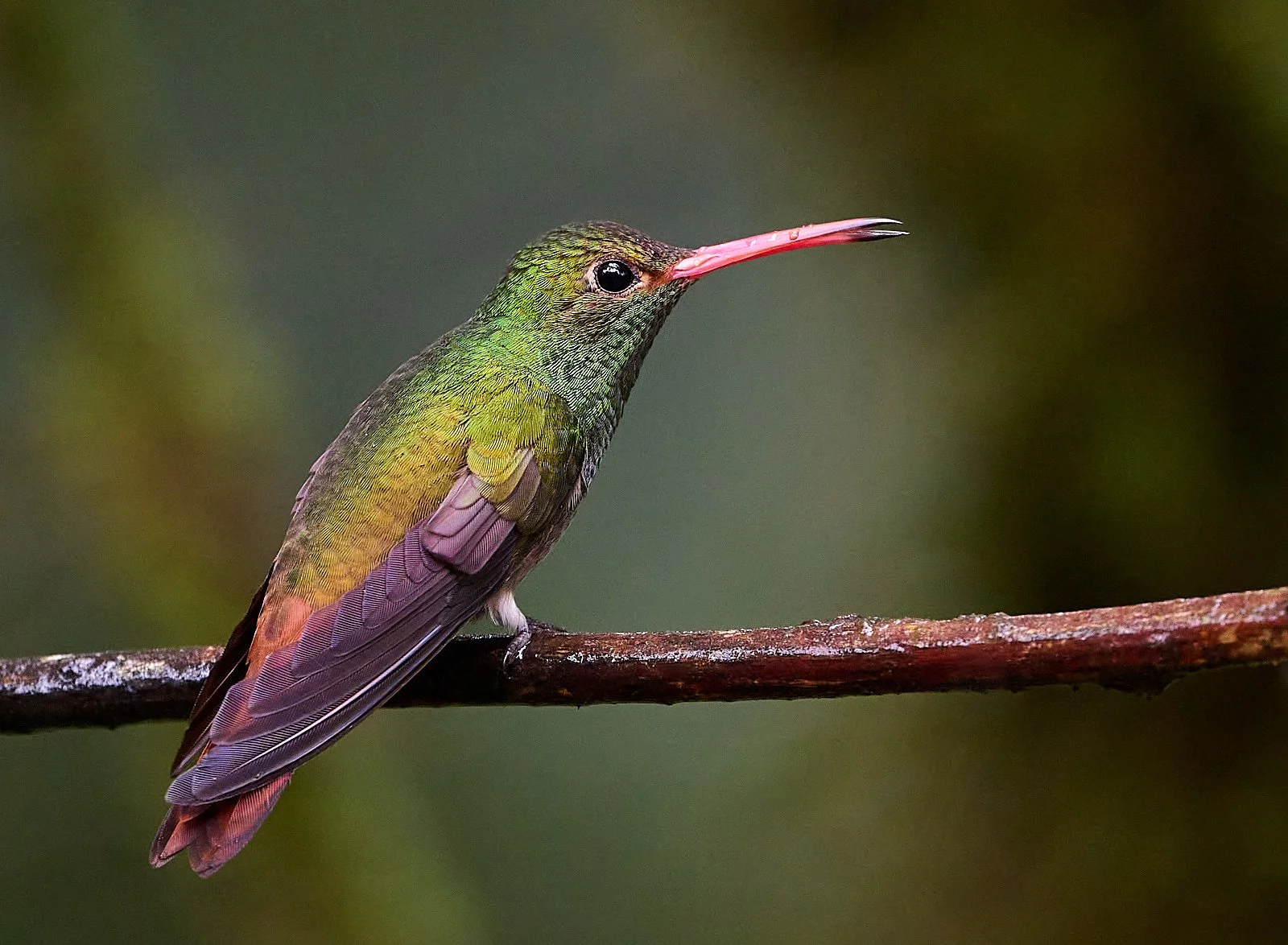
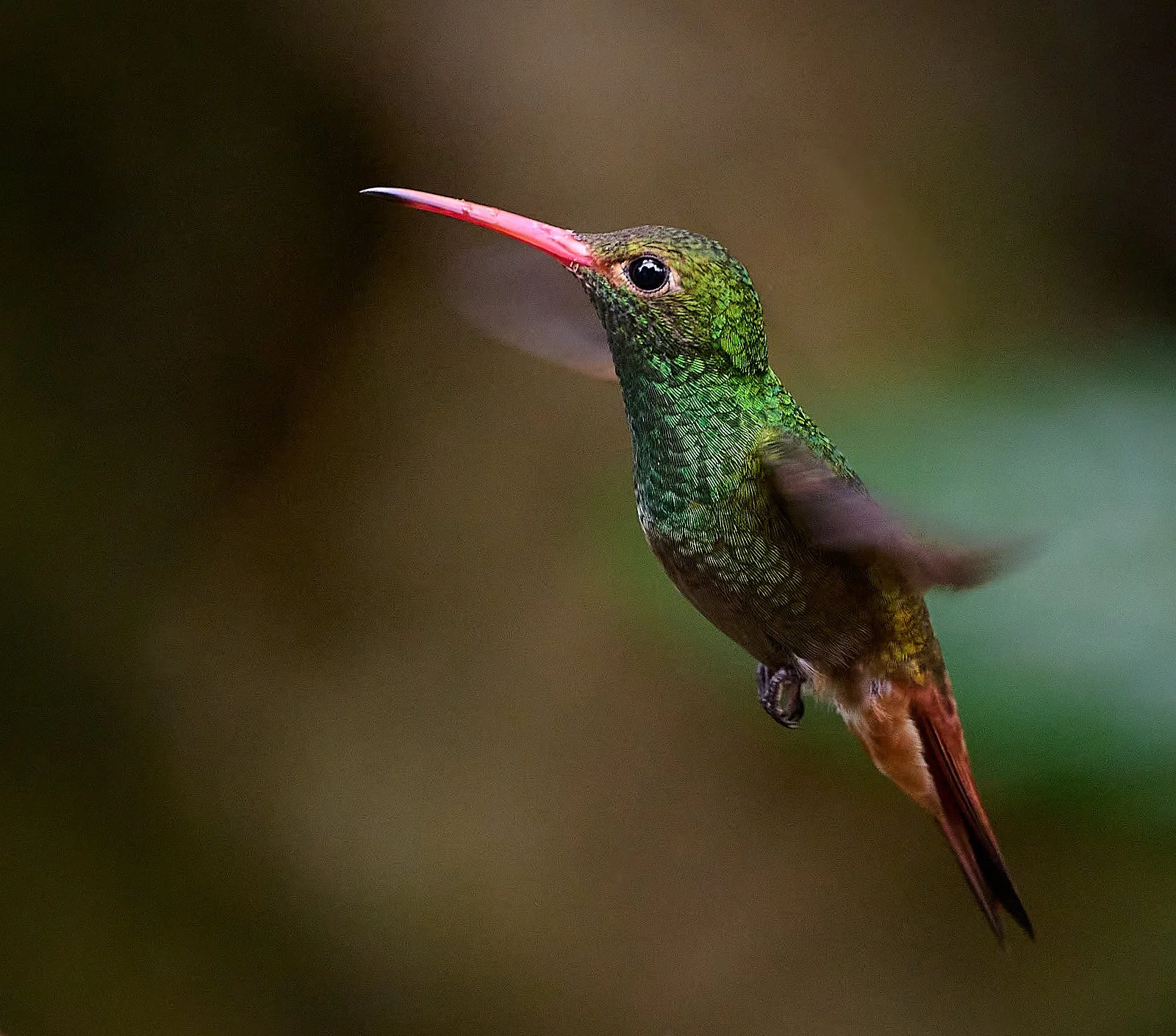
Rufous-tailed Hummingbird
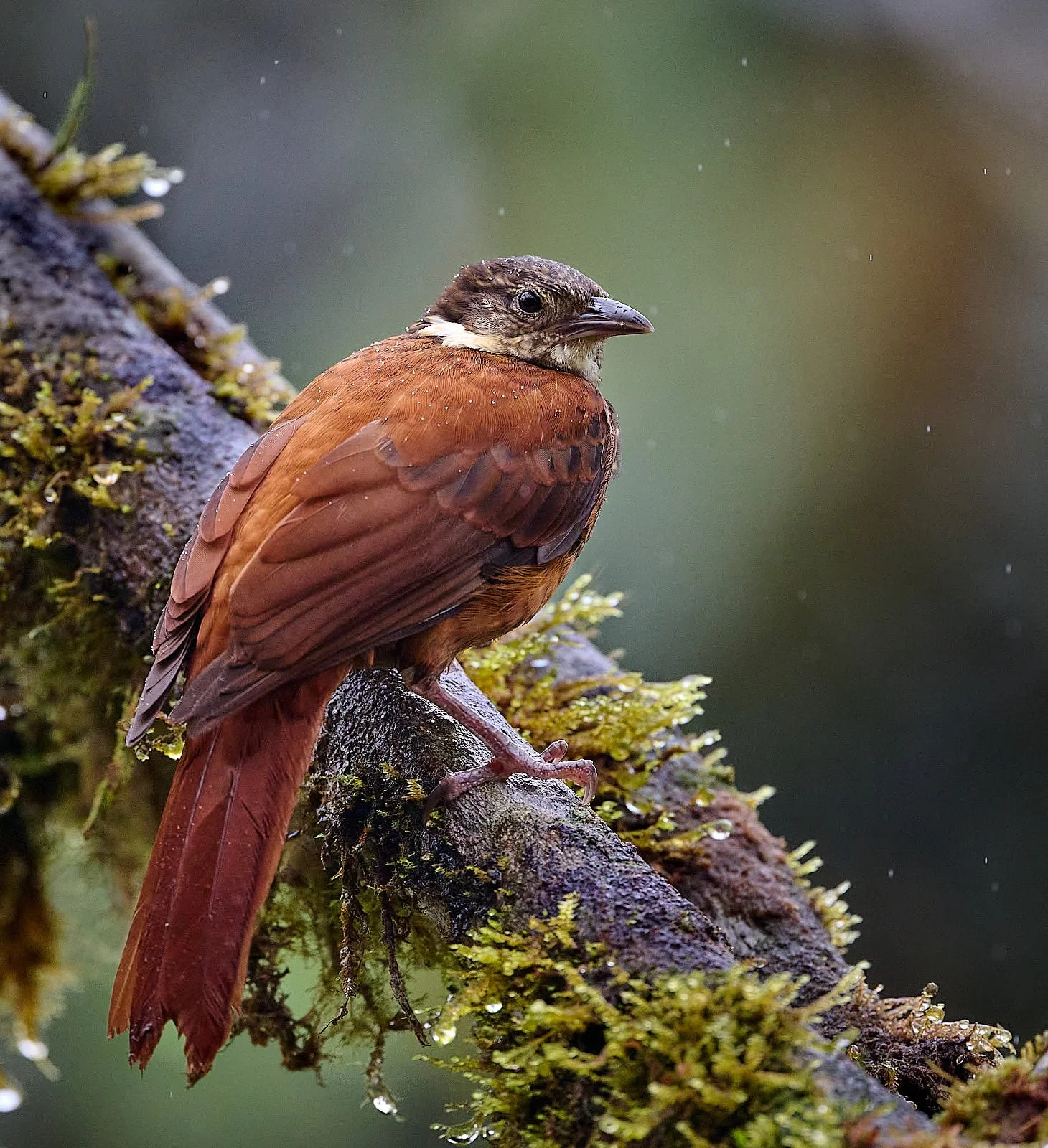
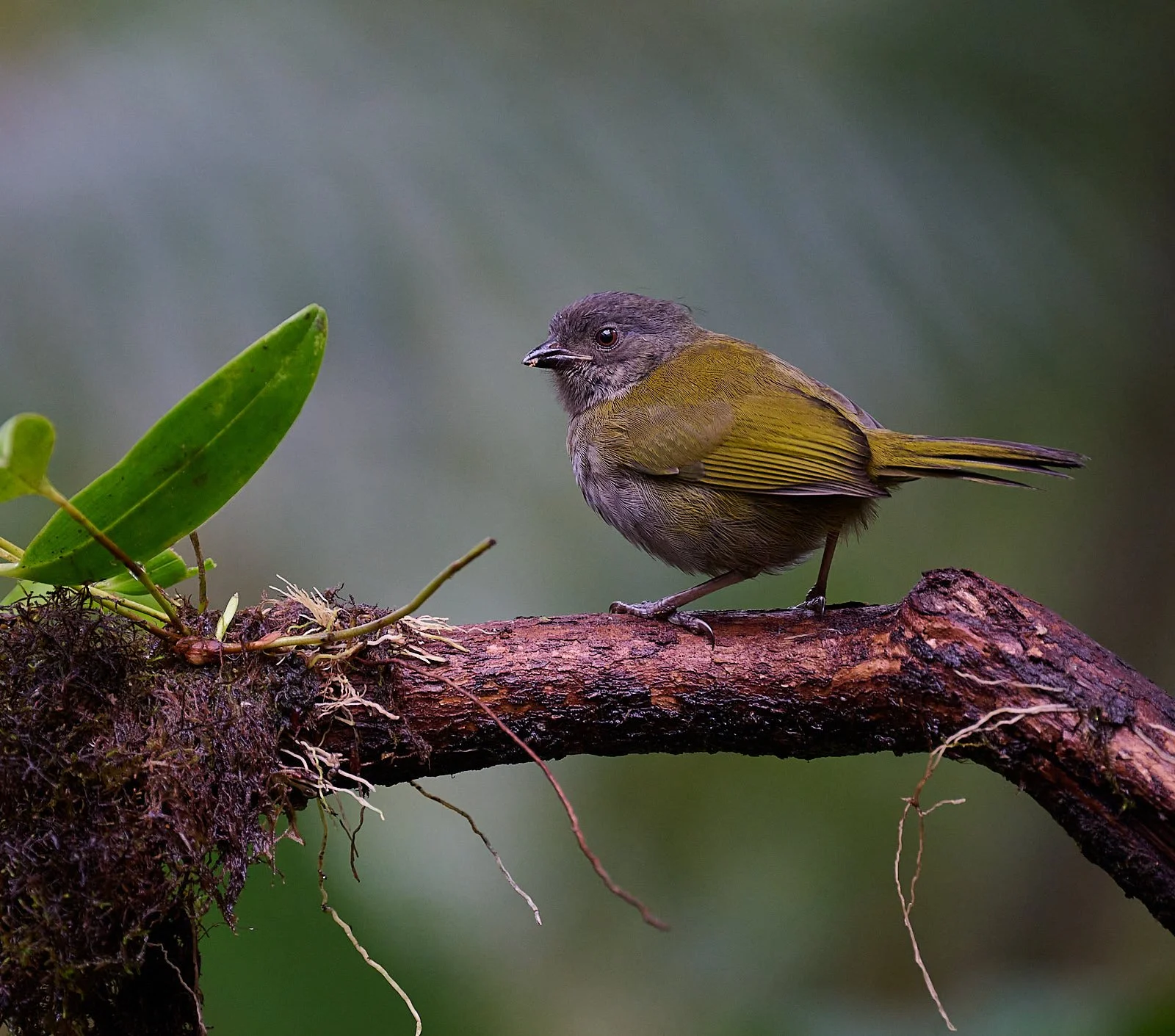
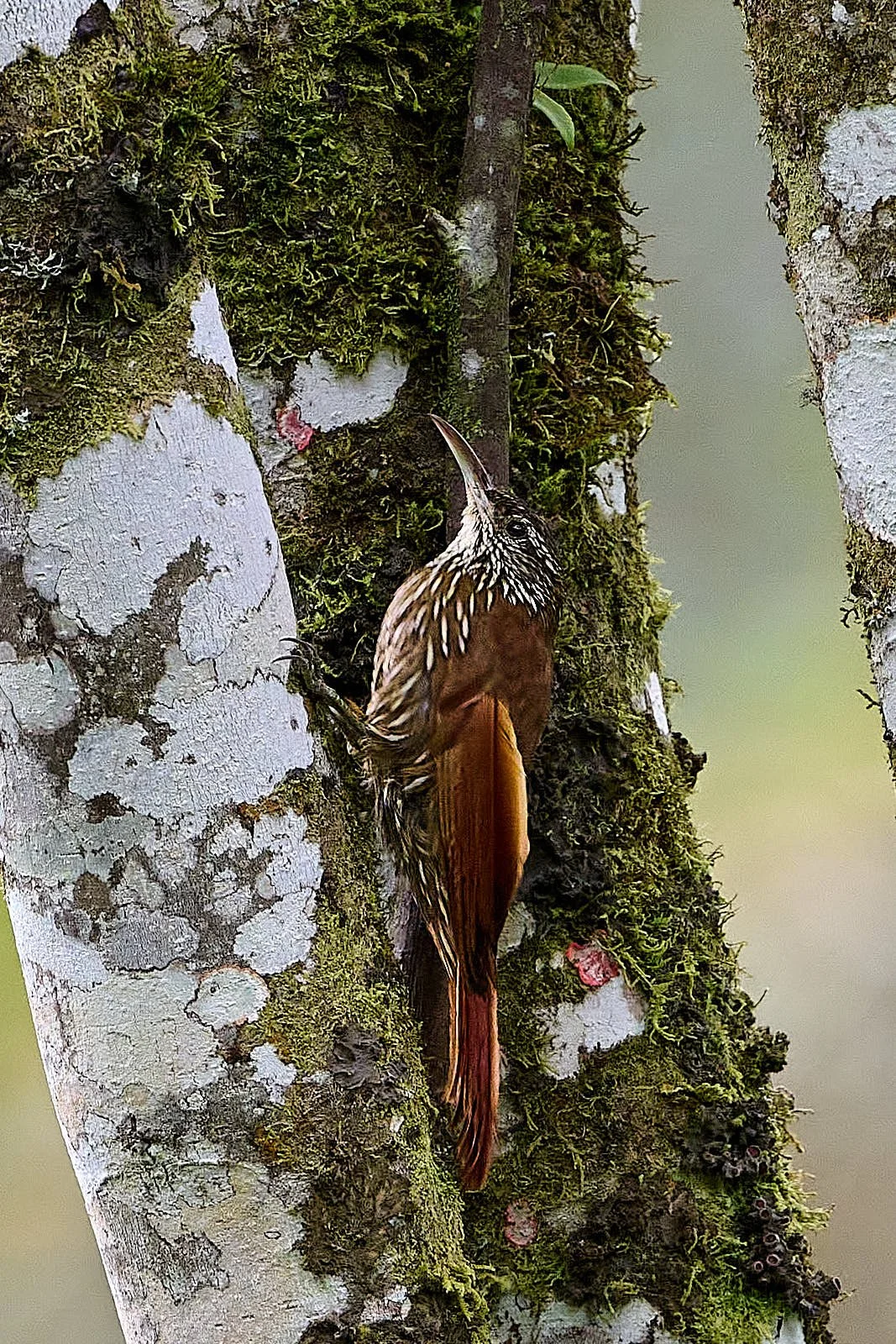
Scaly-throated Foliage-gleaner
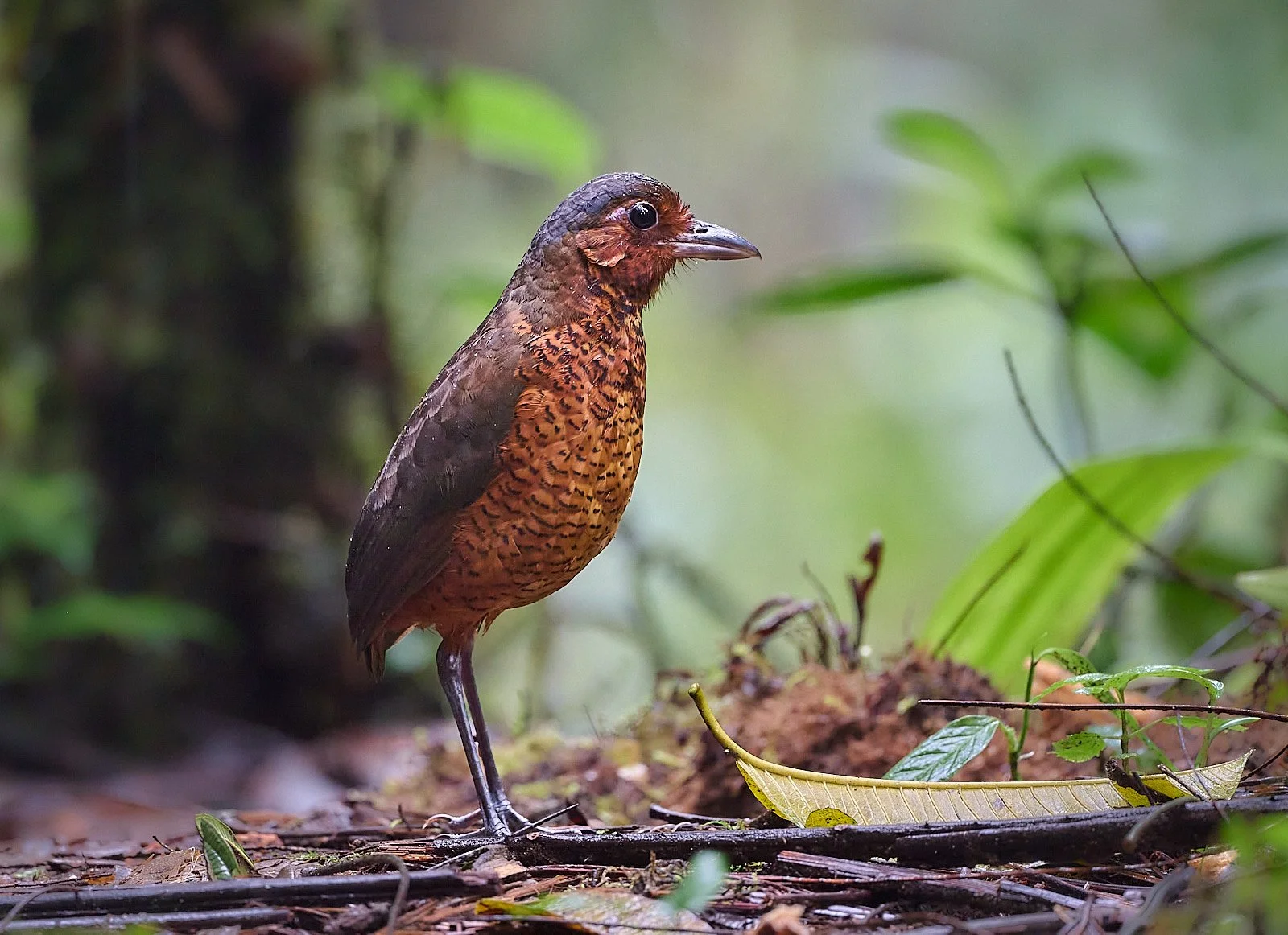
Giant Antpitta
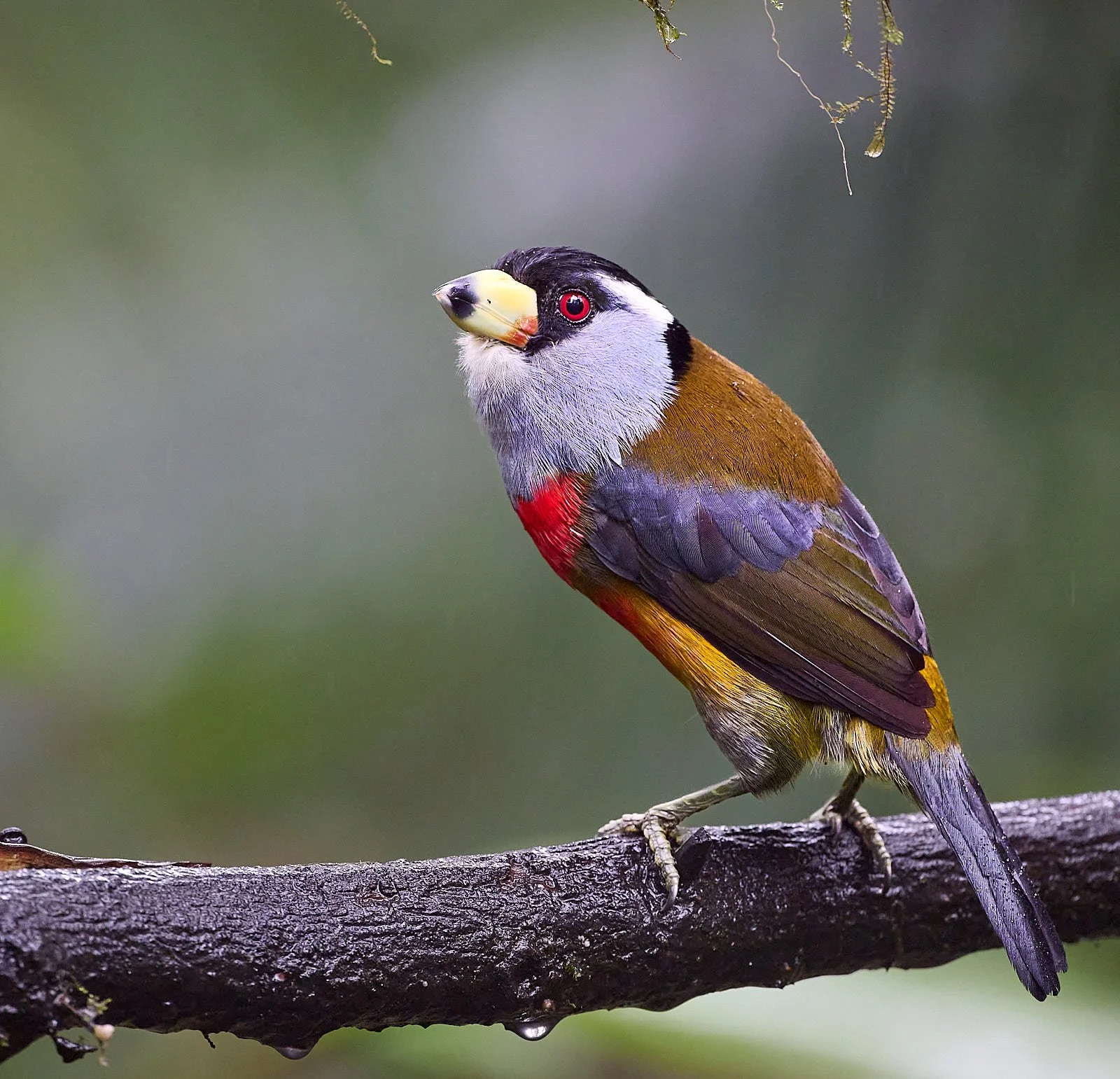
Toucan Barbet
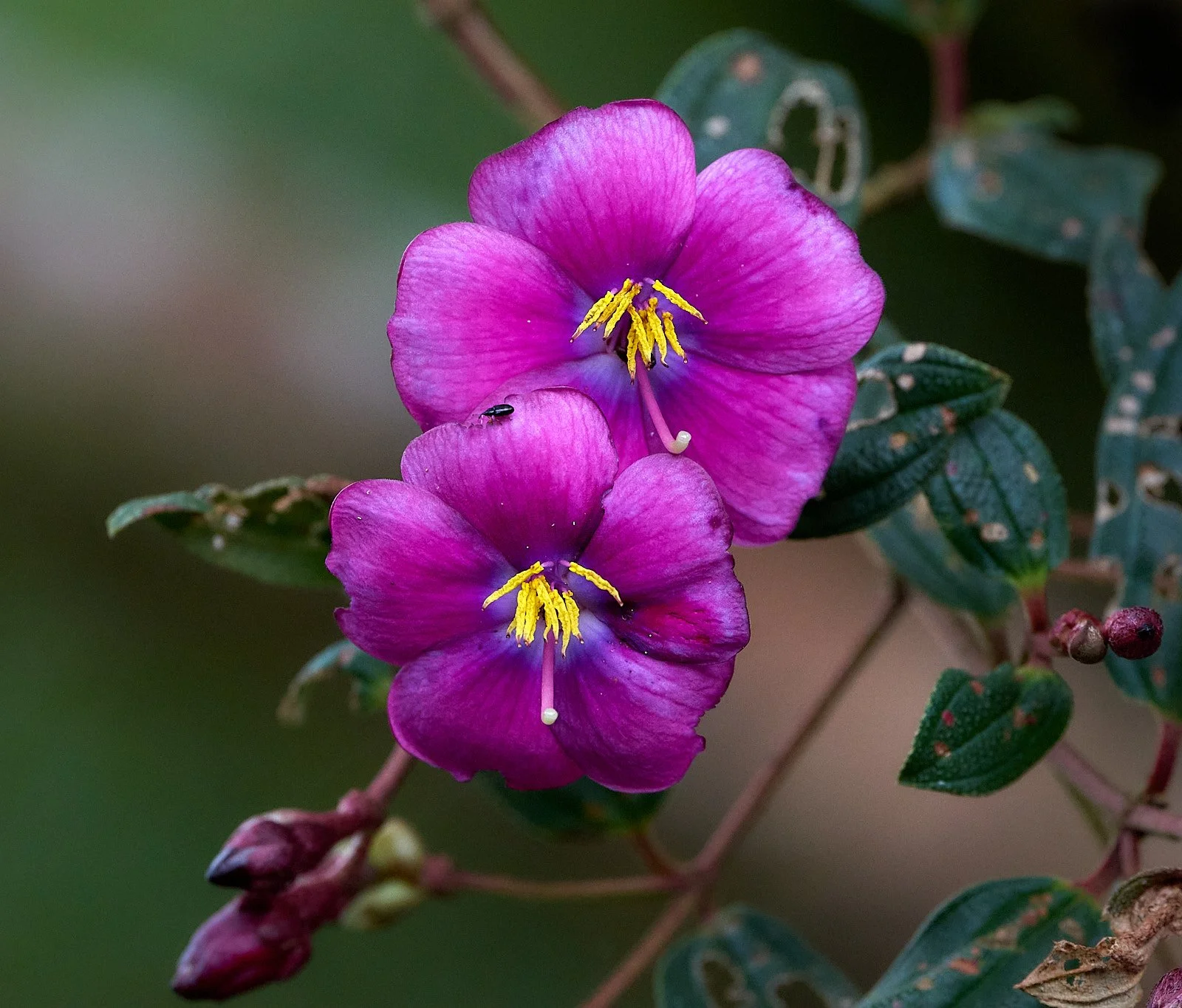
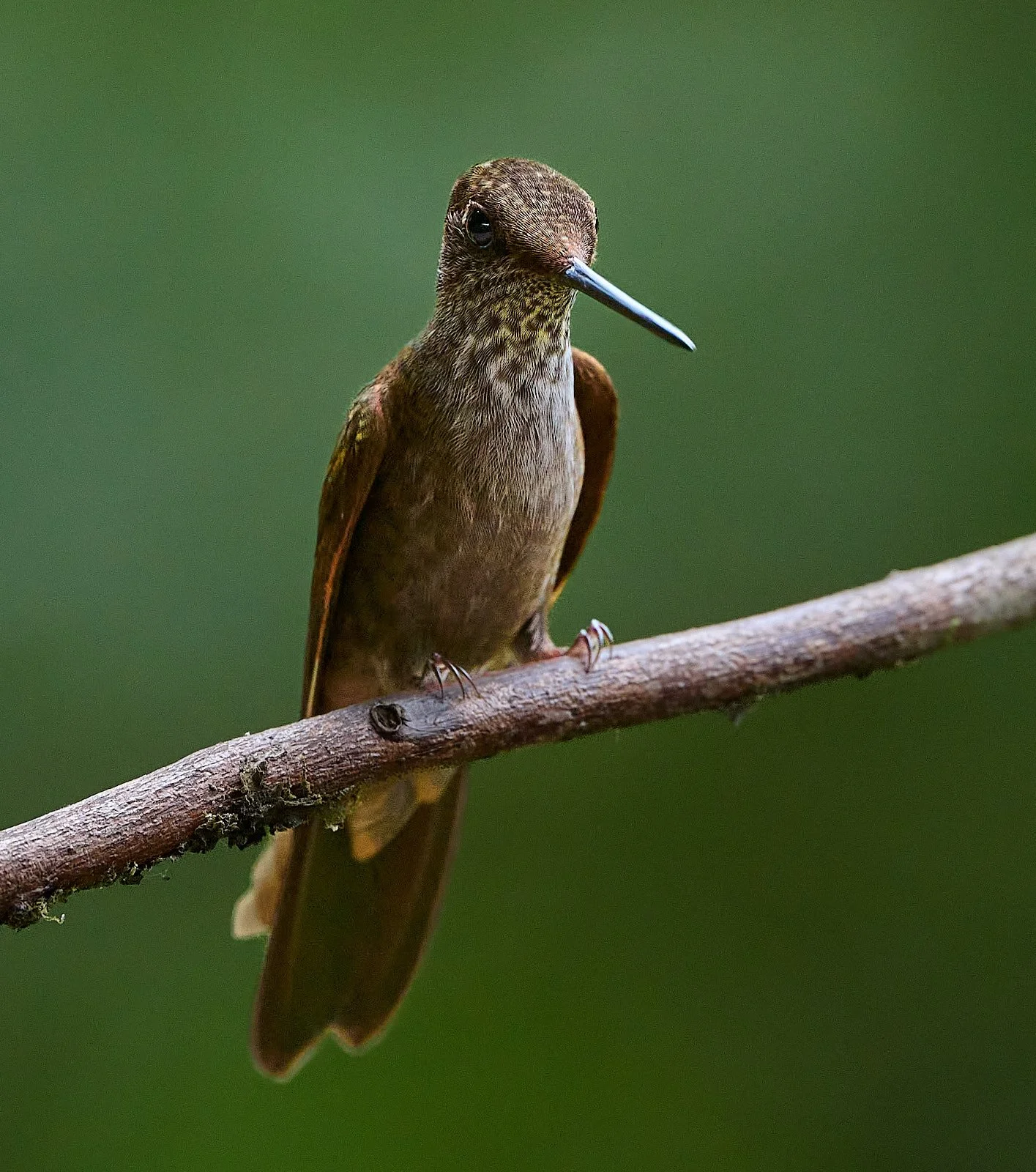
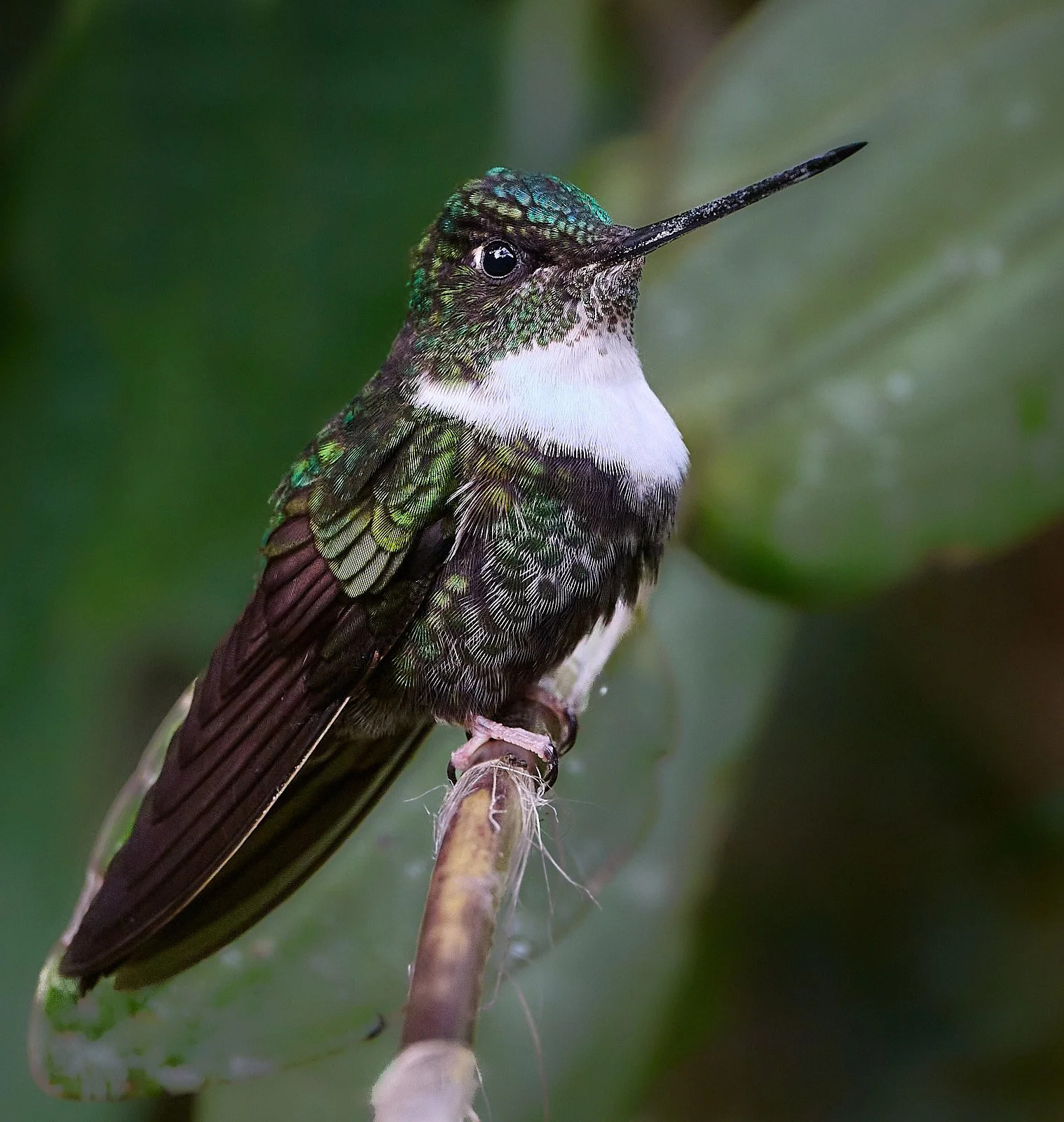
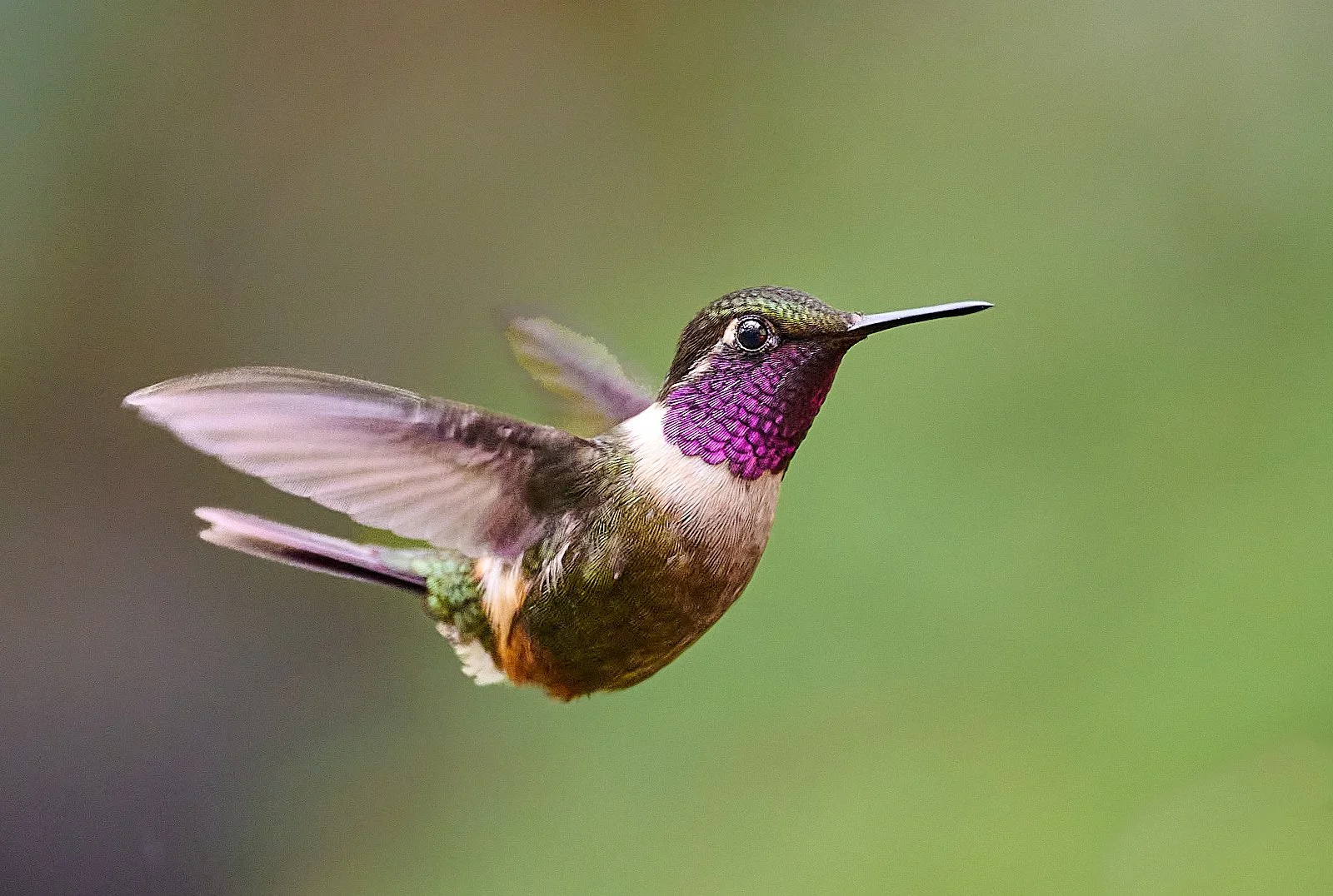
Velvet-purple Coronet
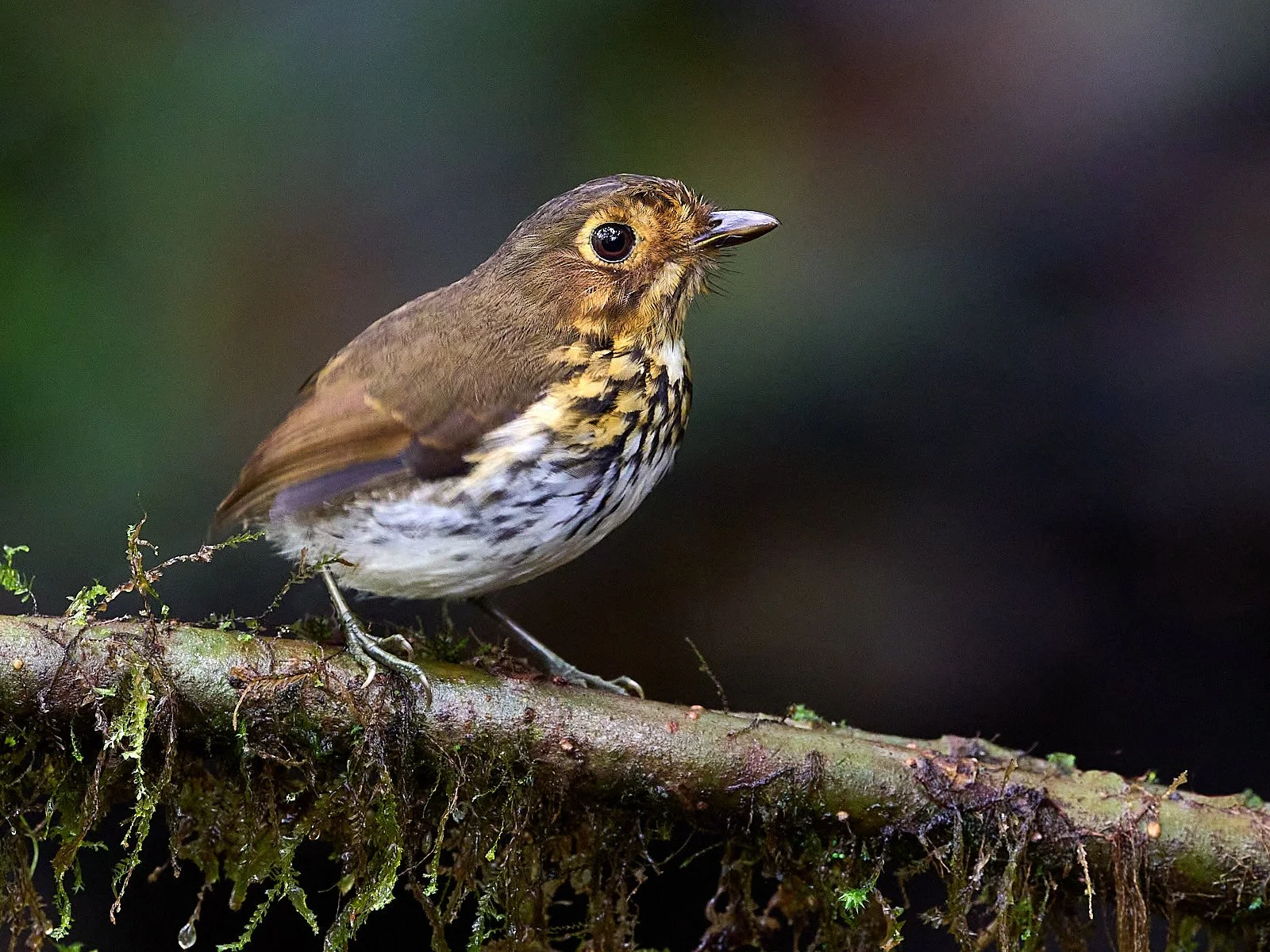
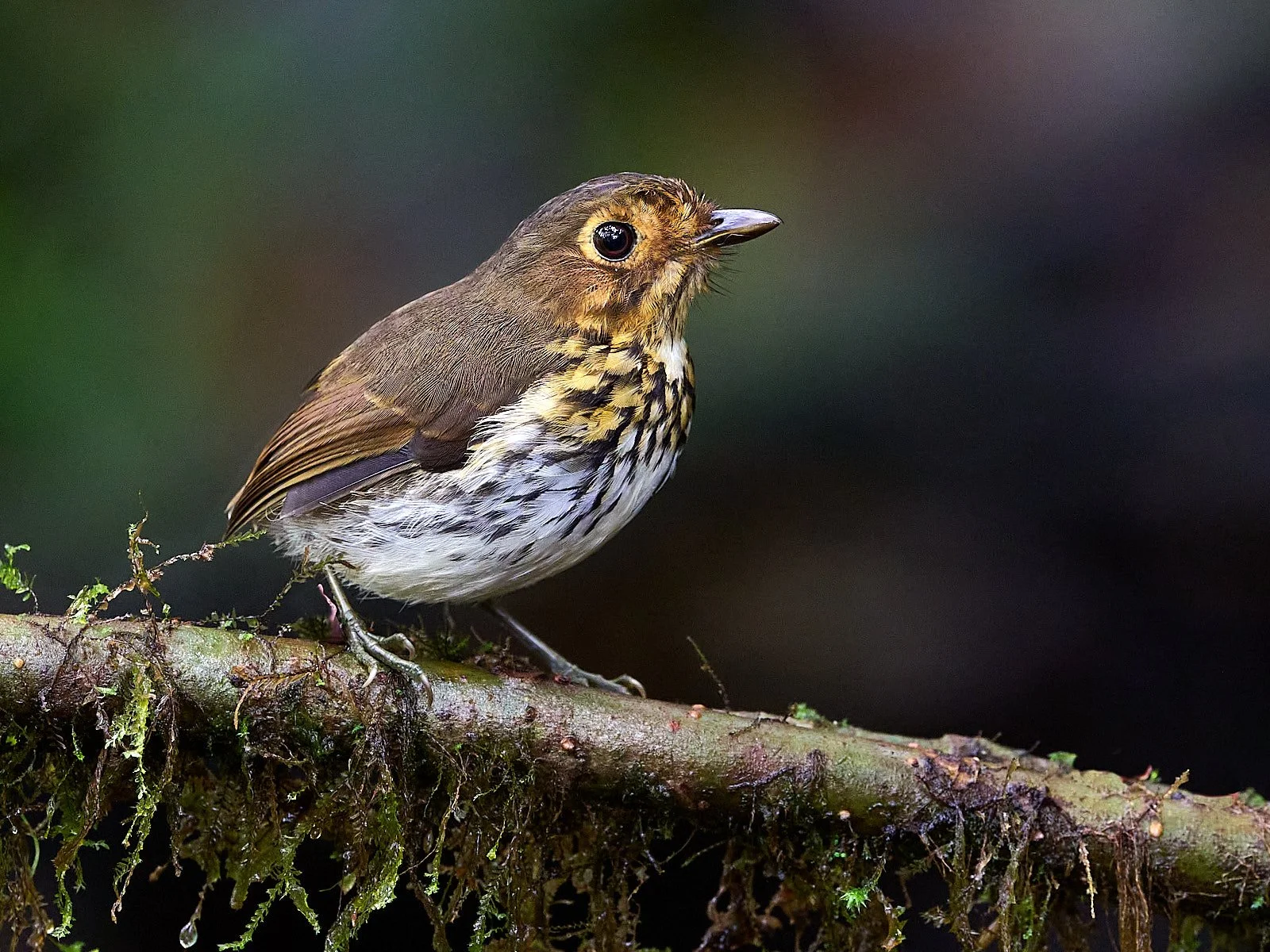
Ochre-breasted Antpitta
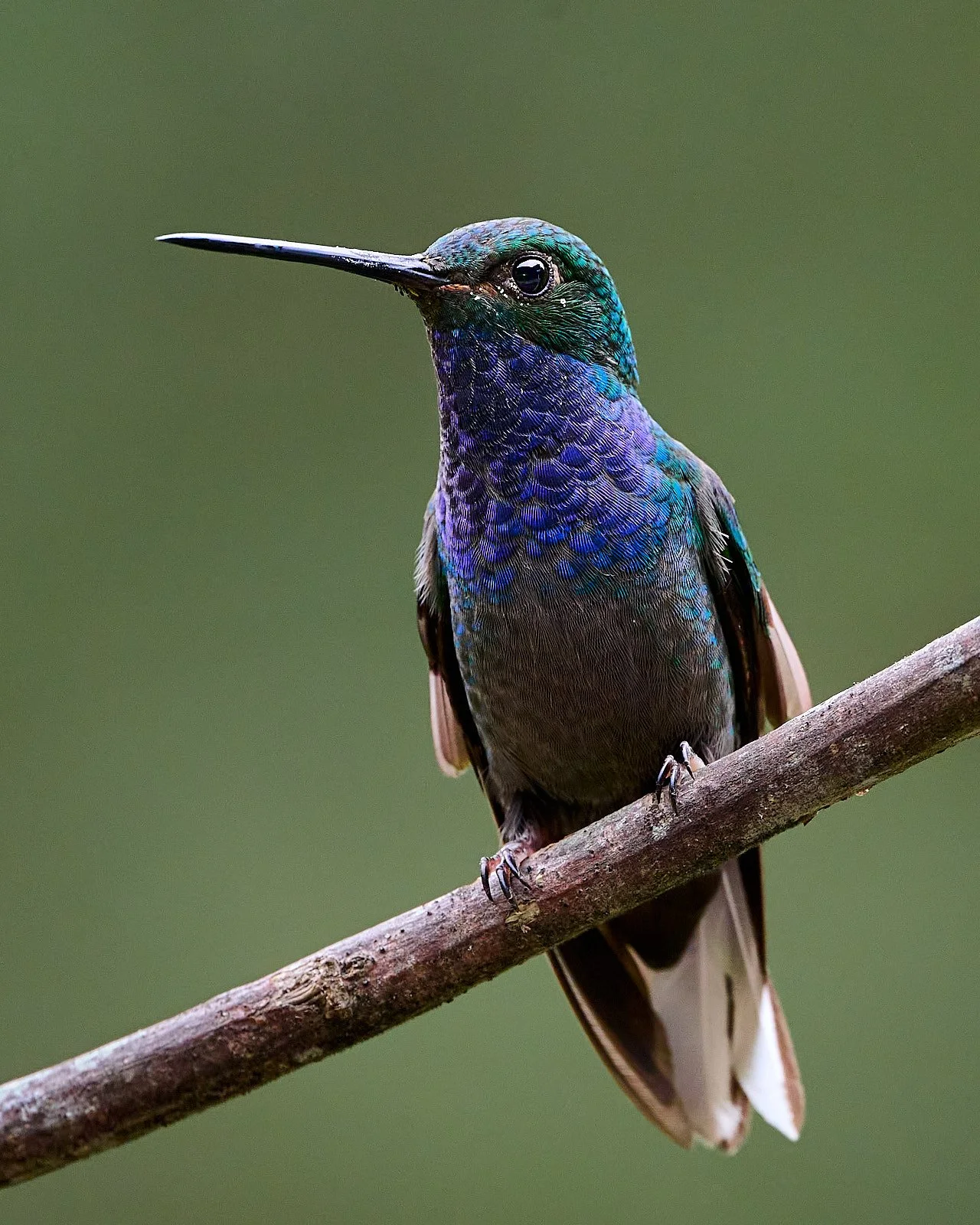
Violet-fronted Brilliant
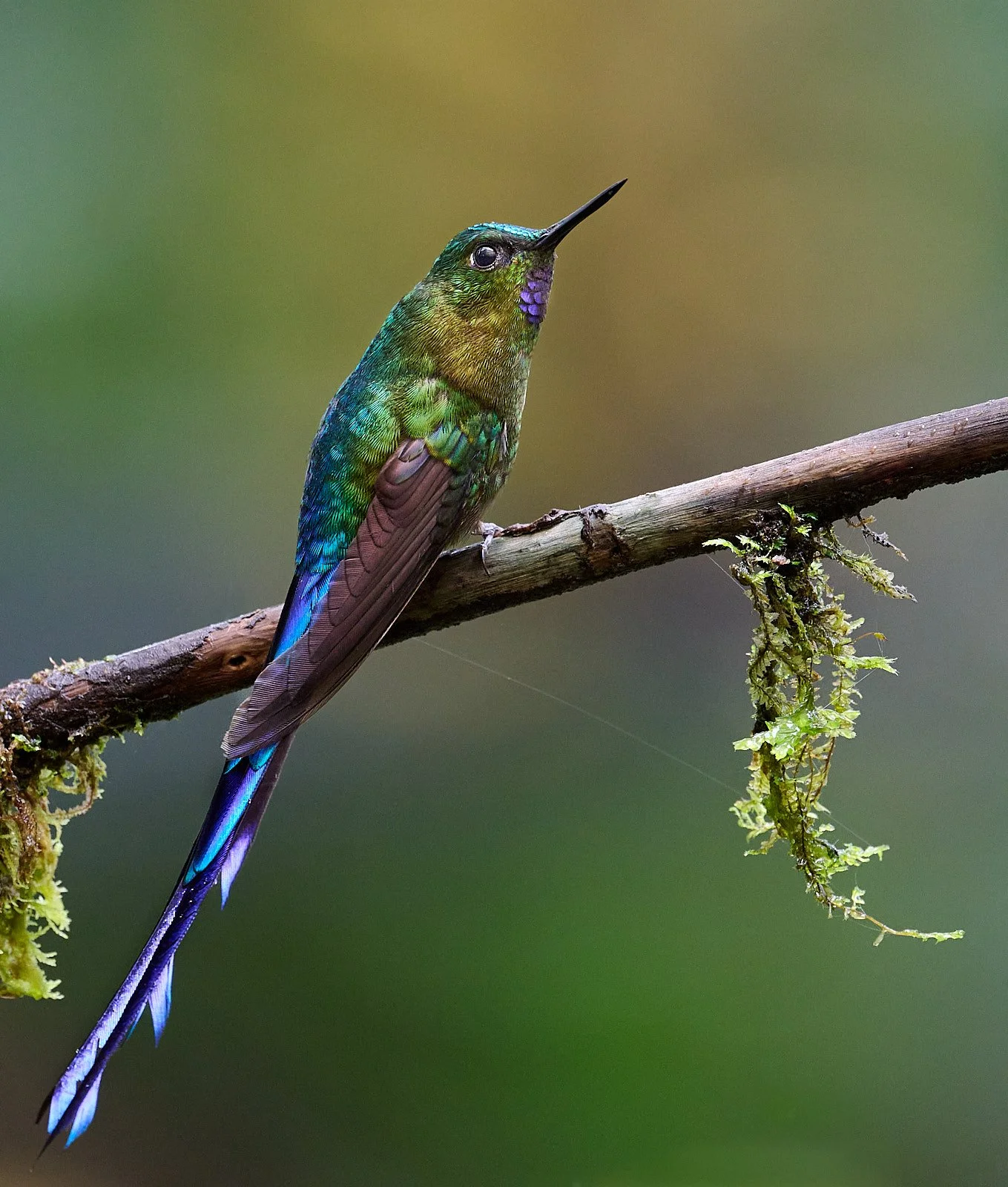
Violet-tailed Sylph
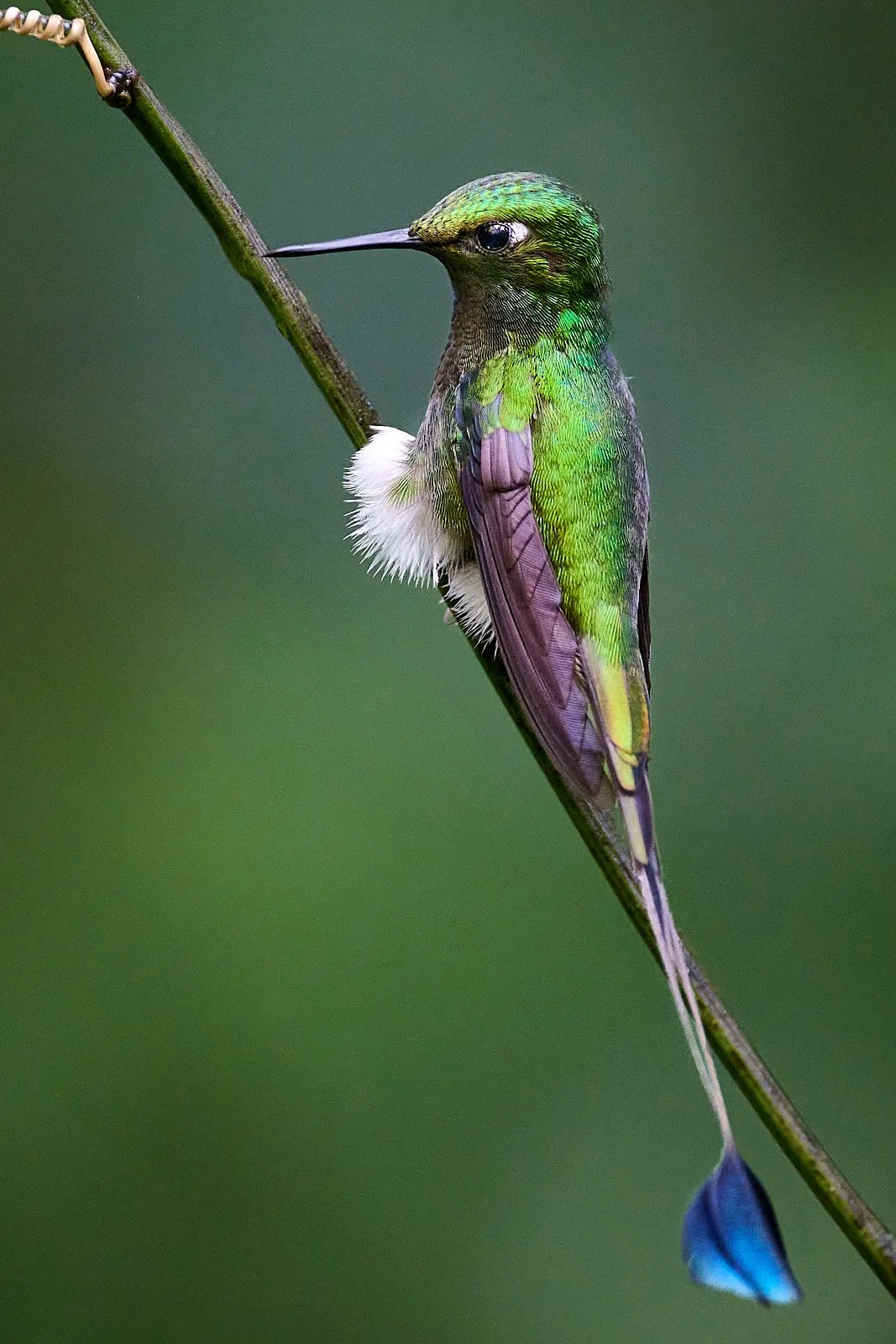
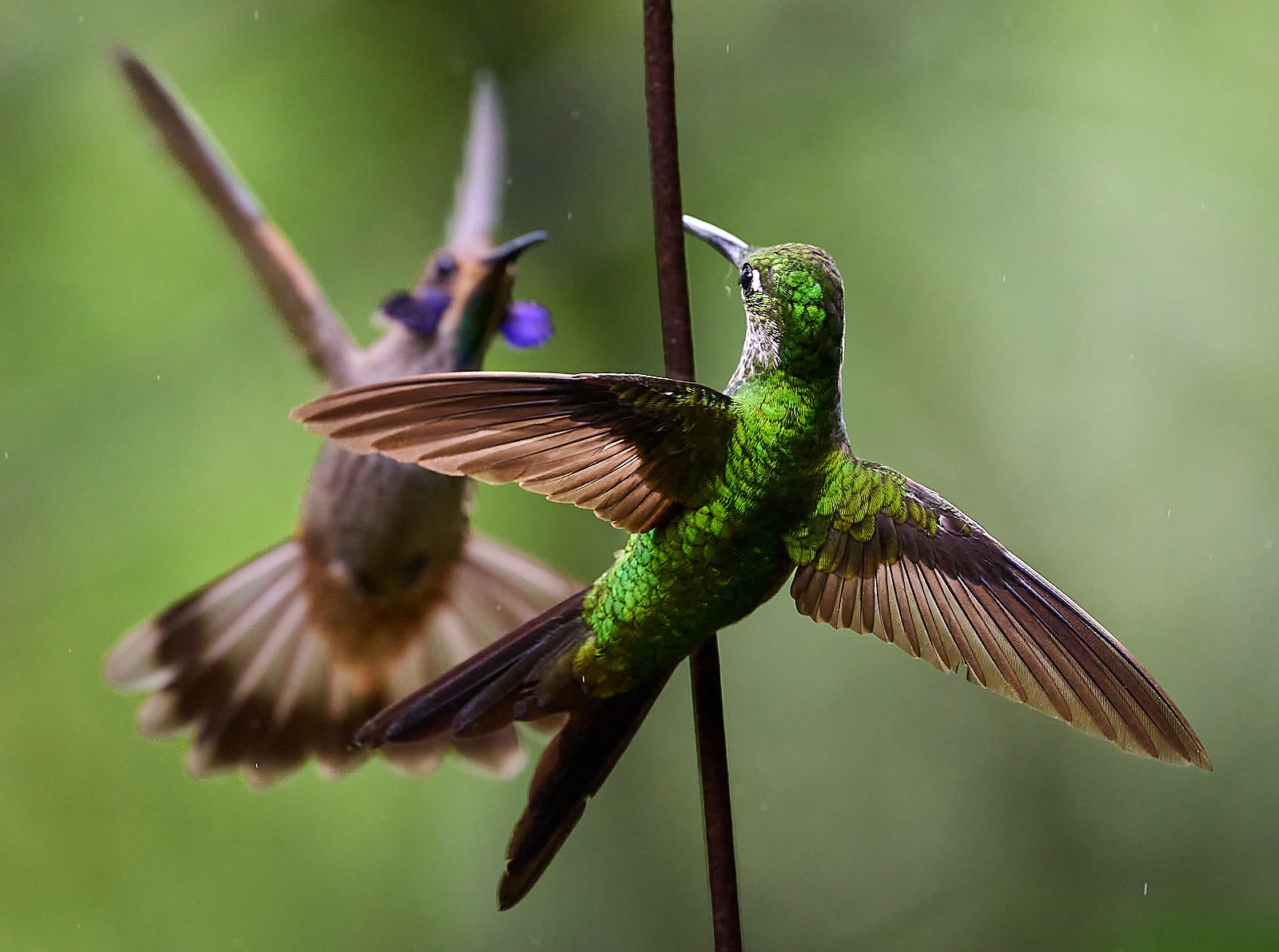
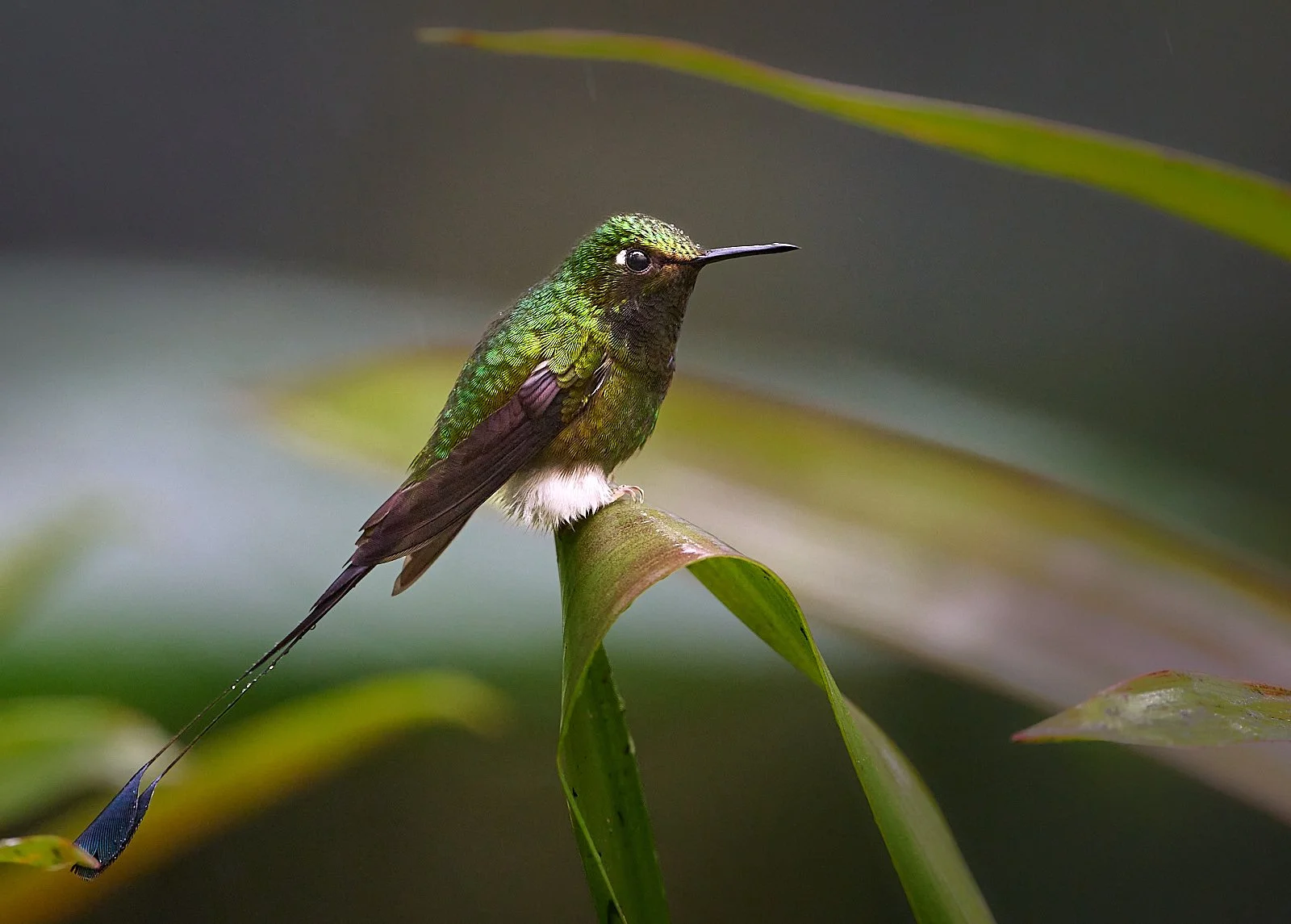
White-booted Racket-tail
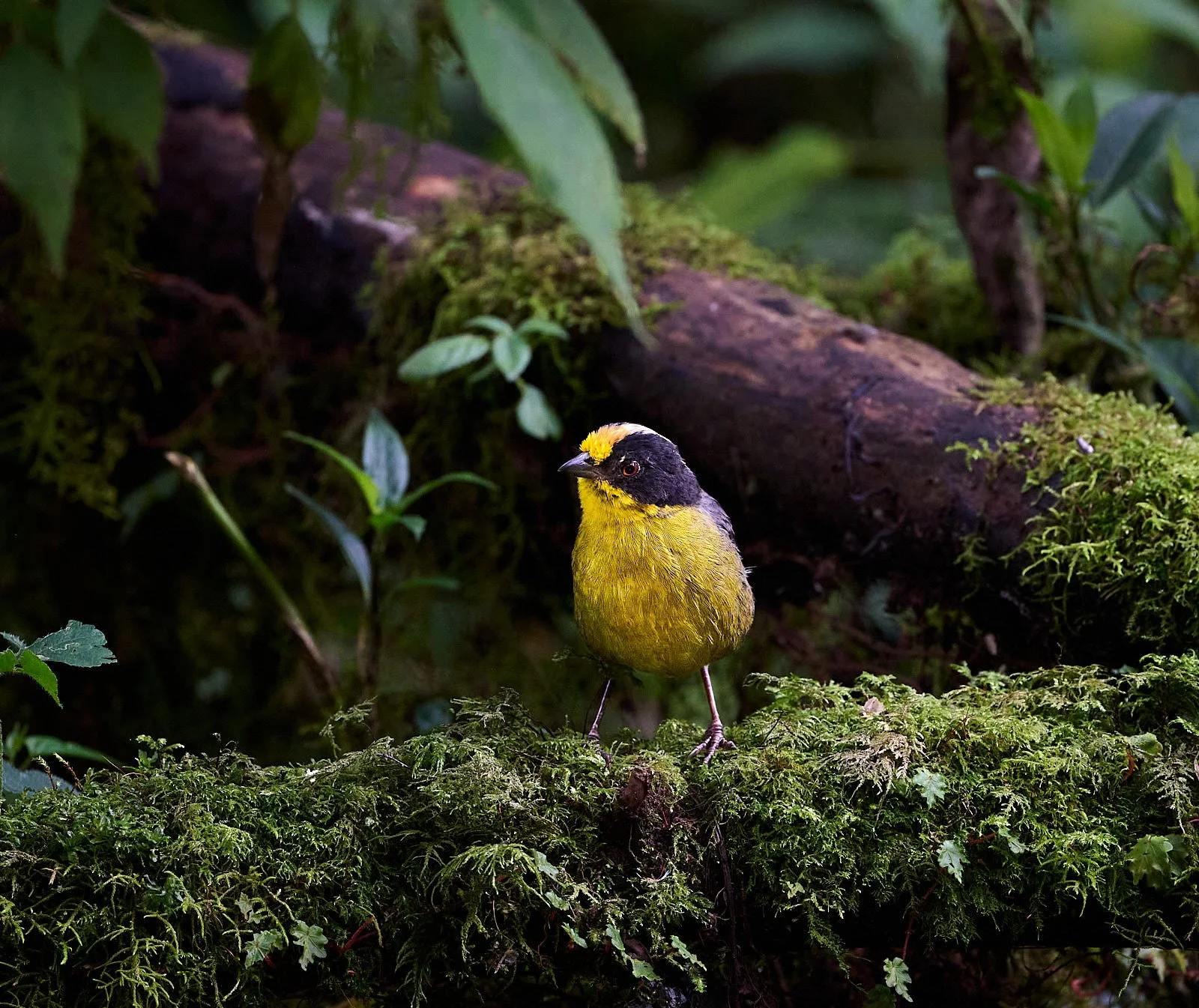
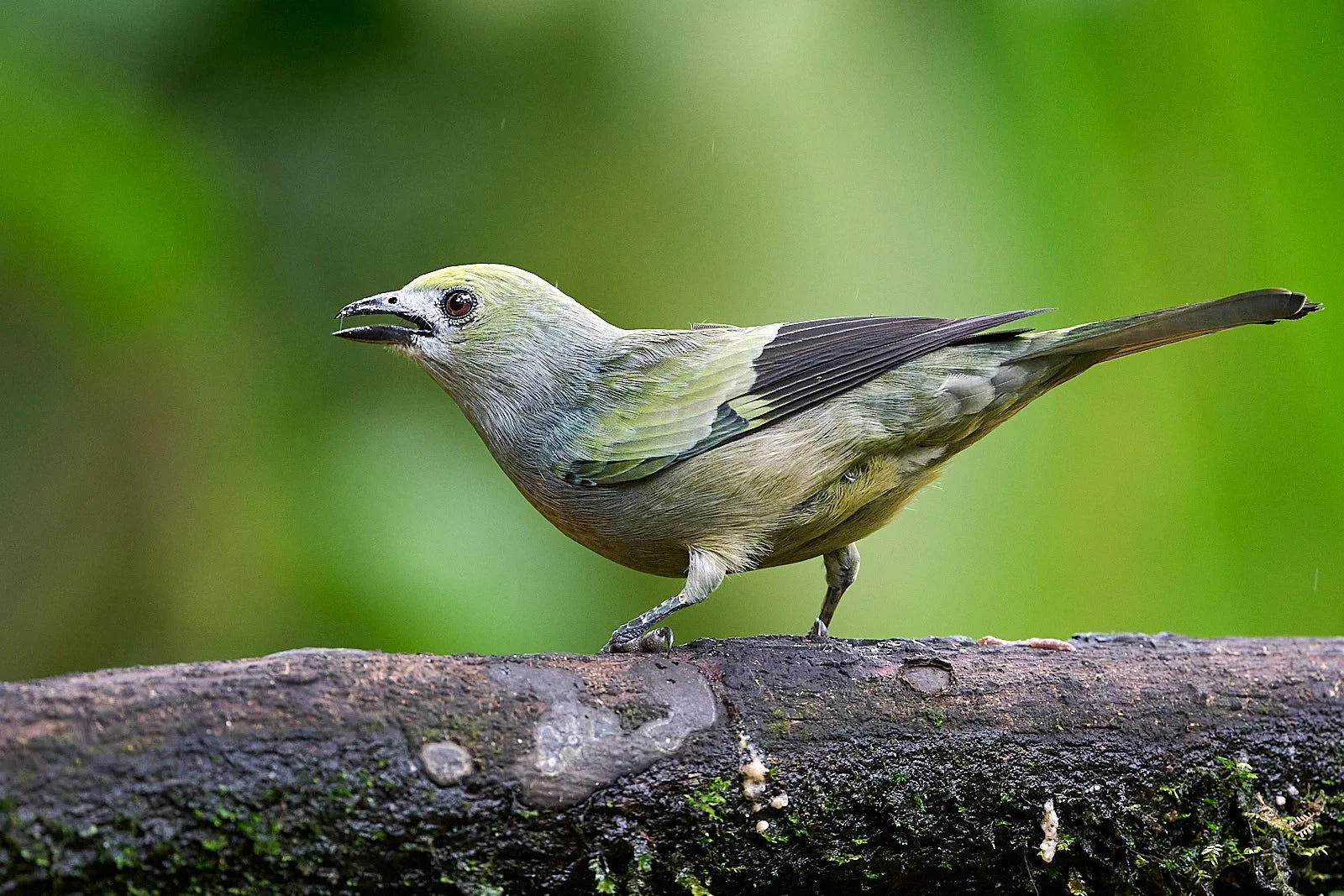
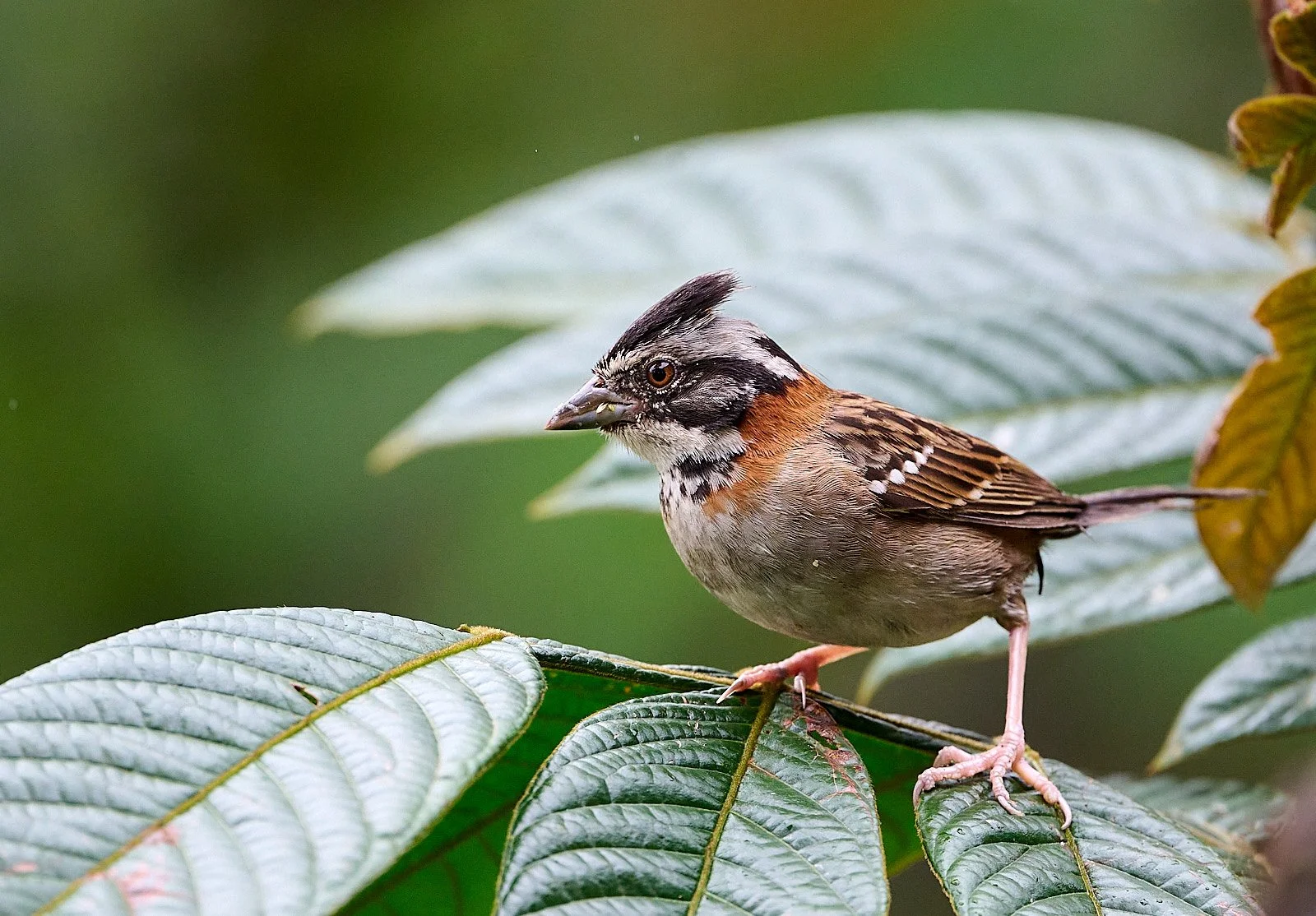
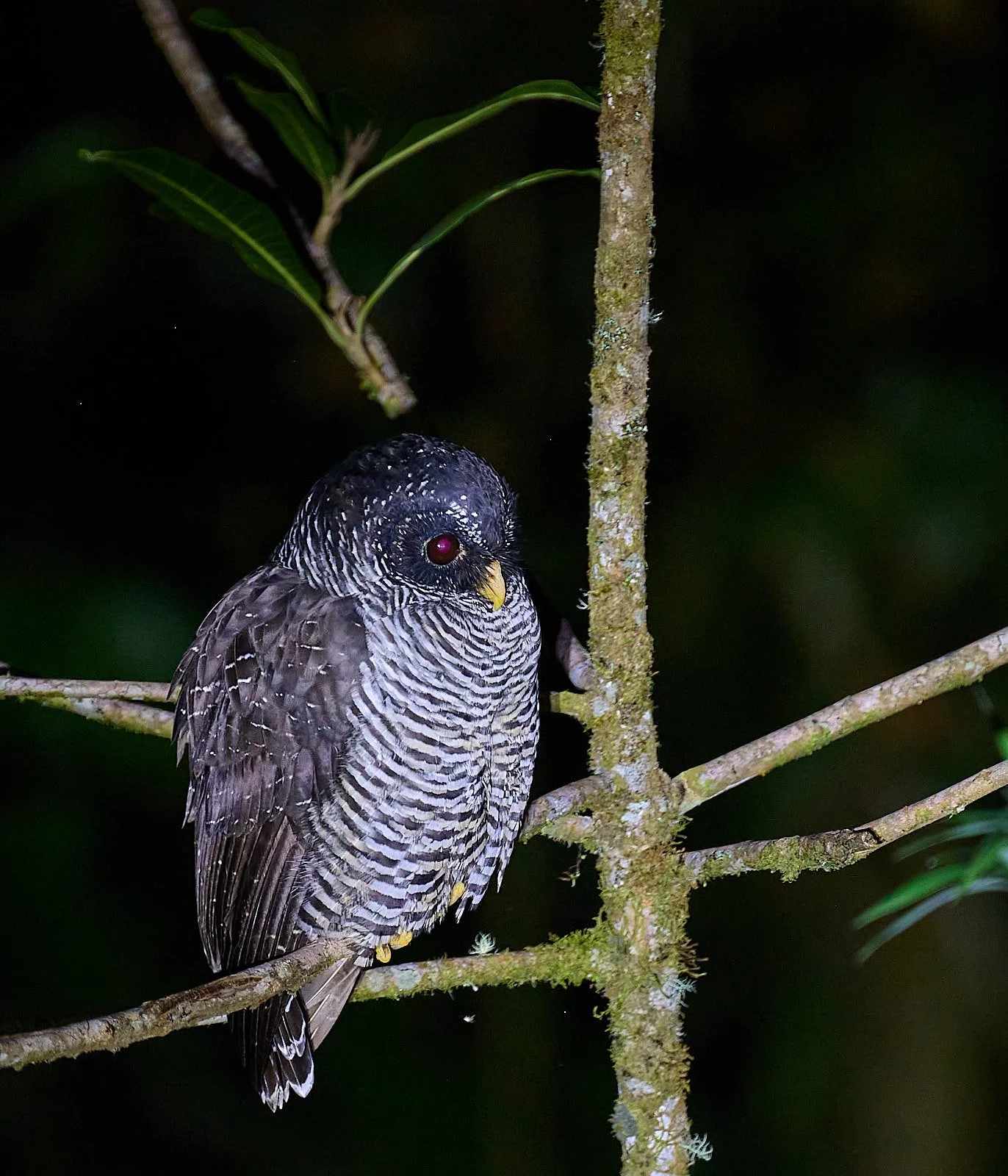
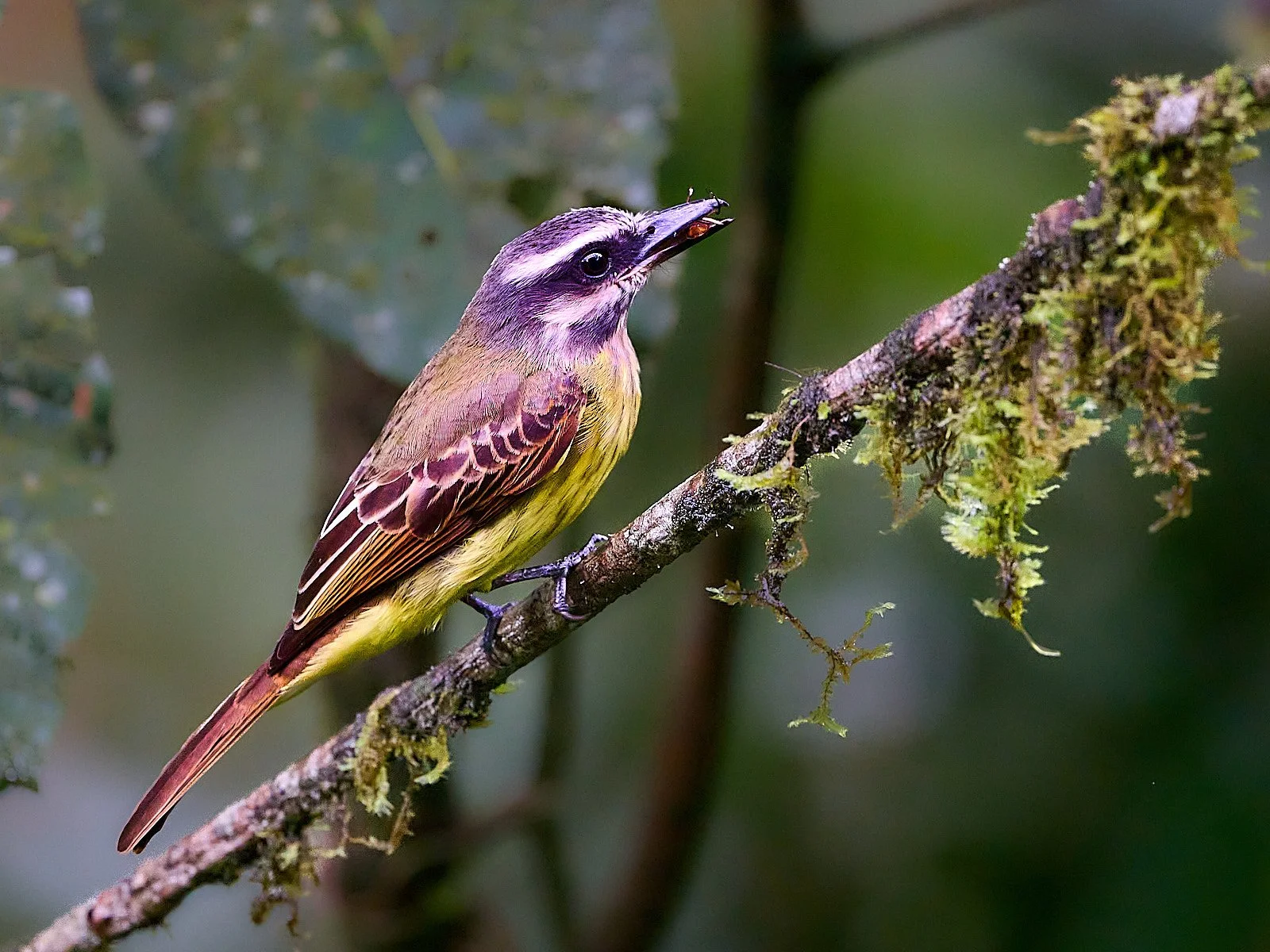
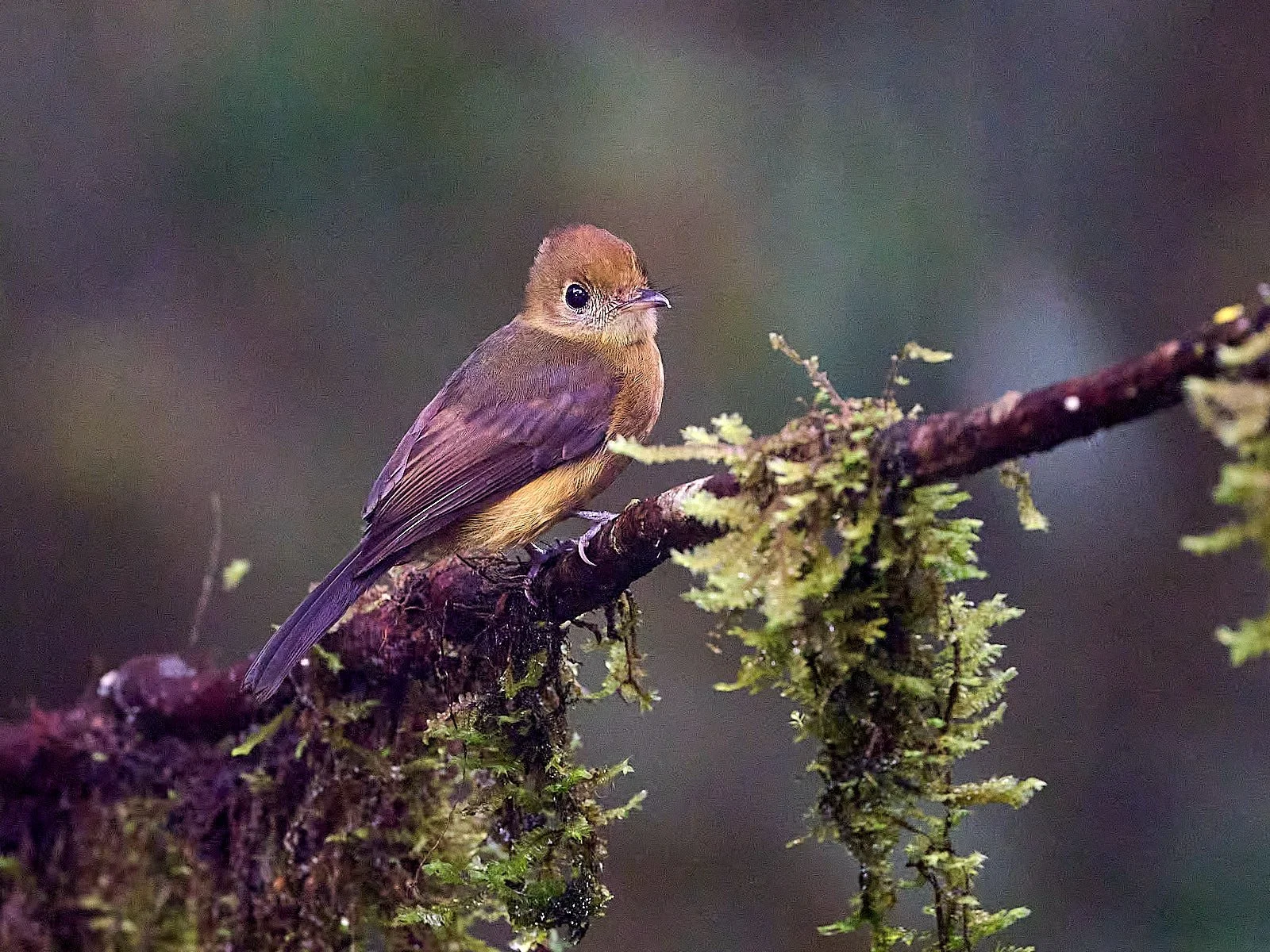
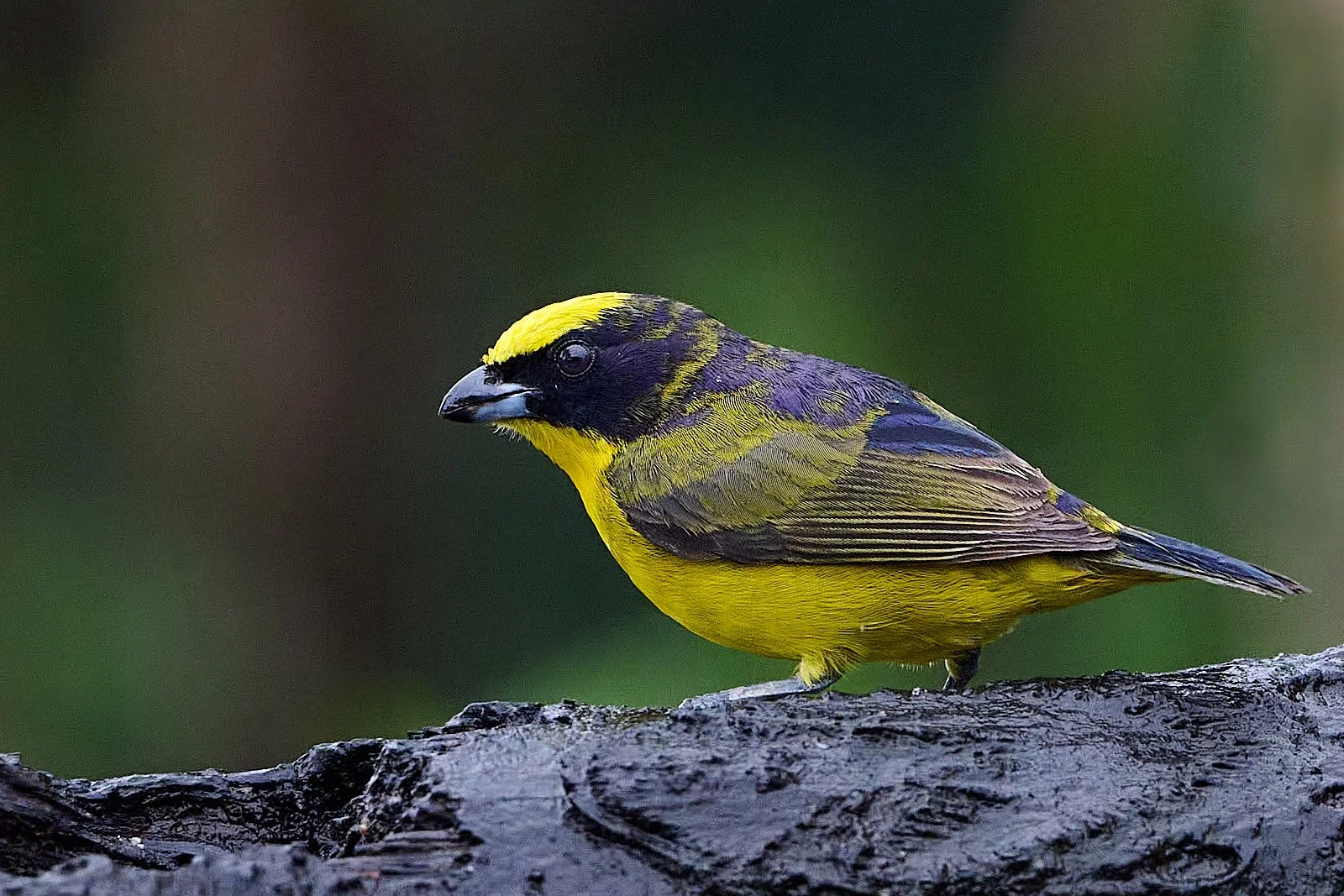
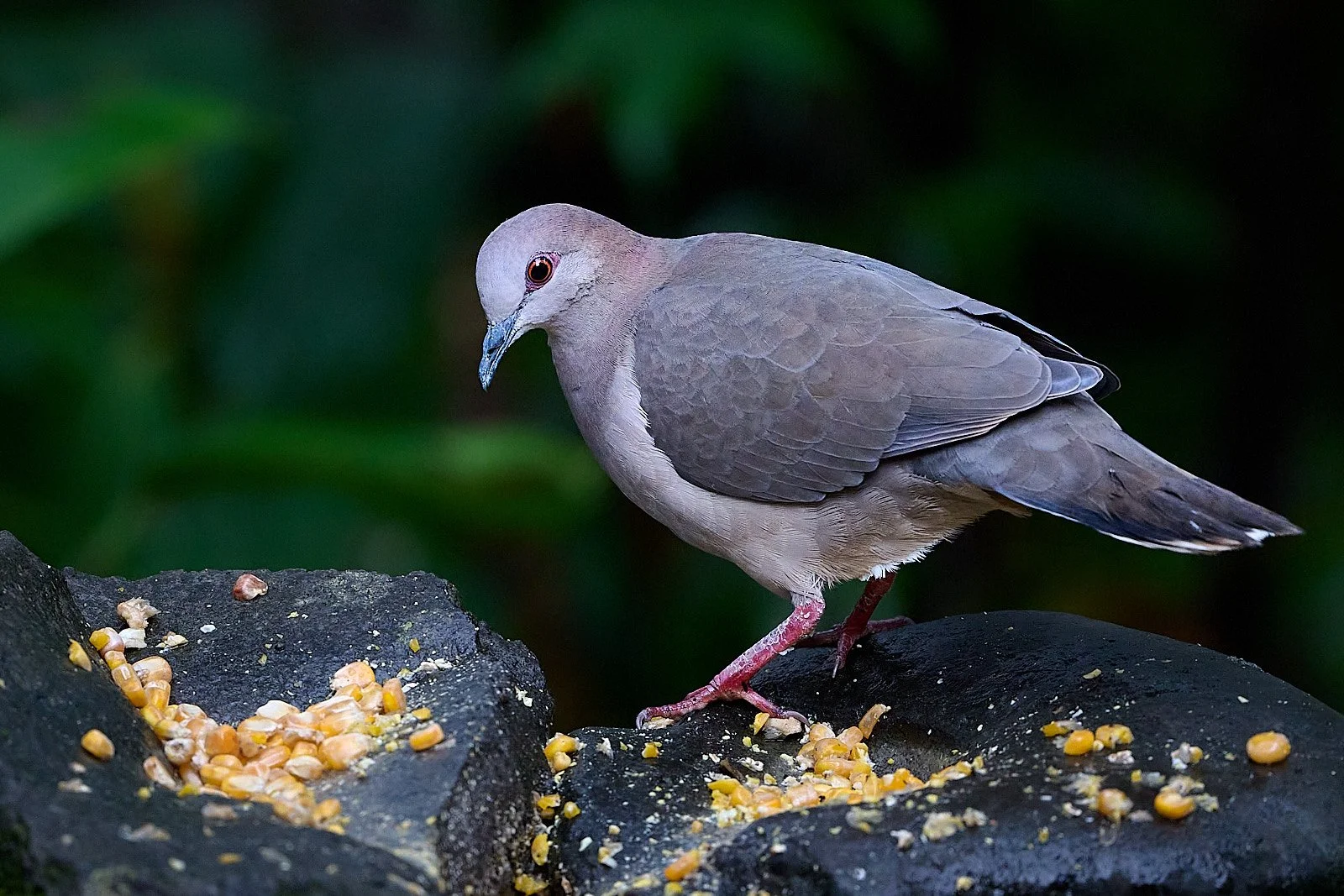
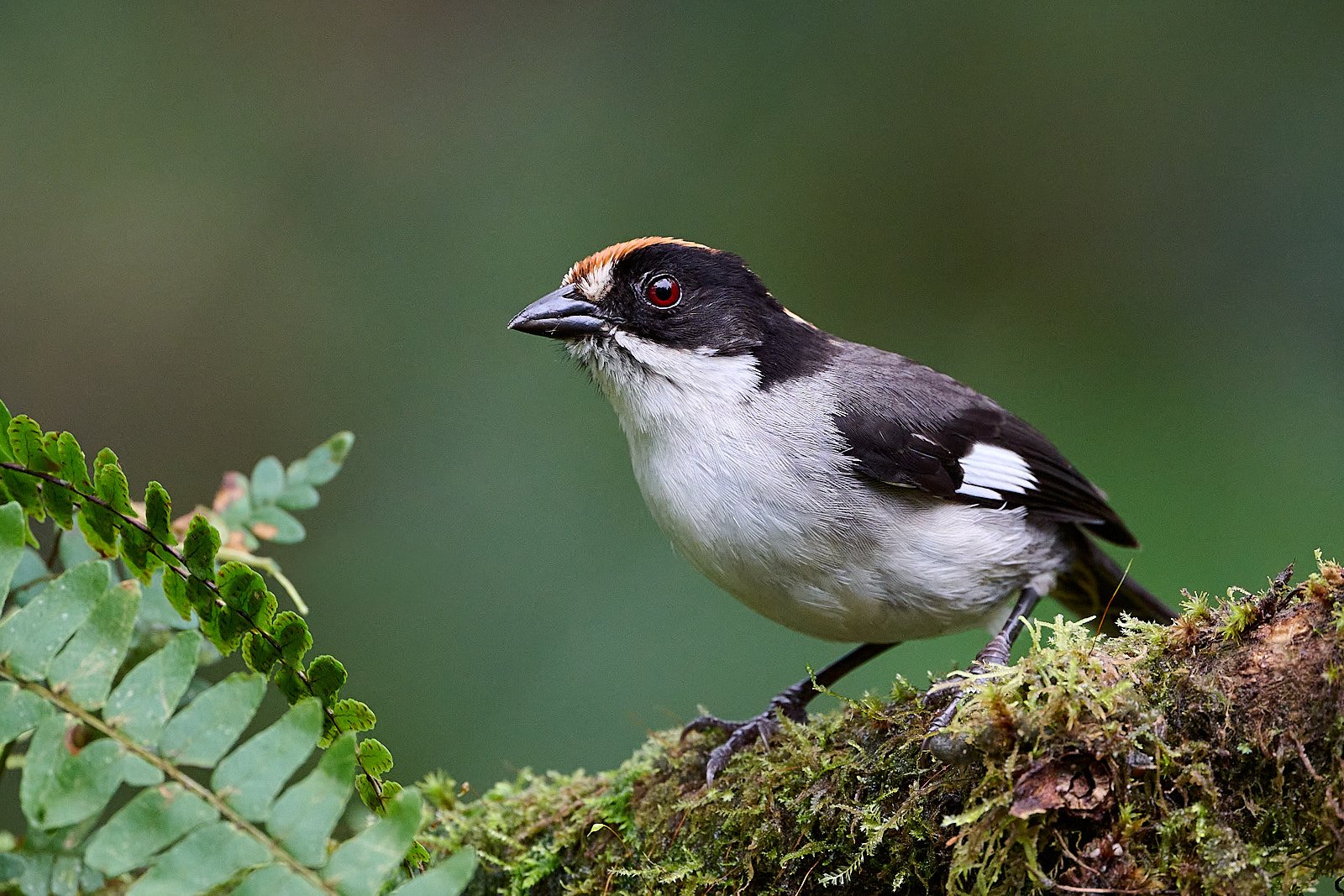
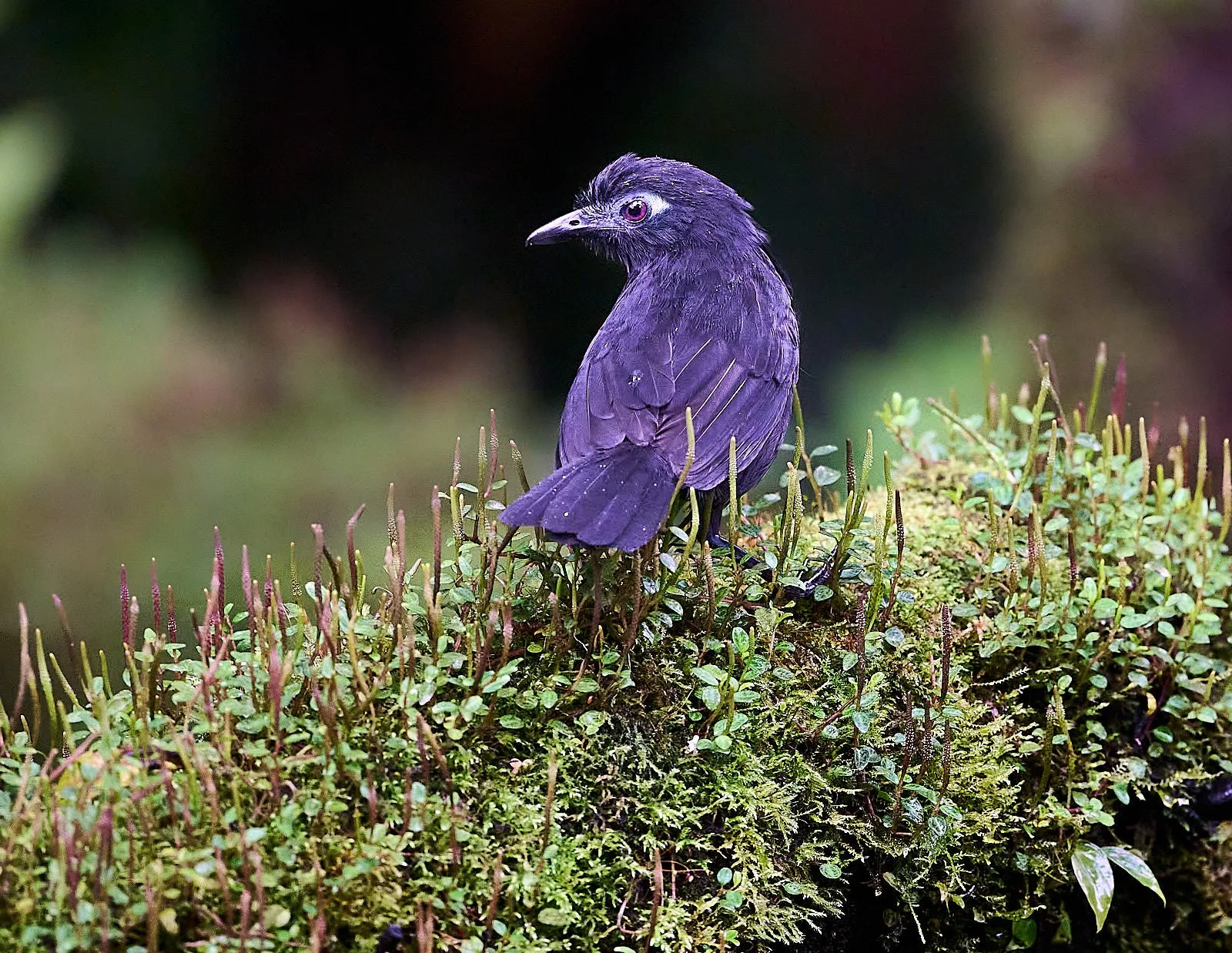
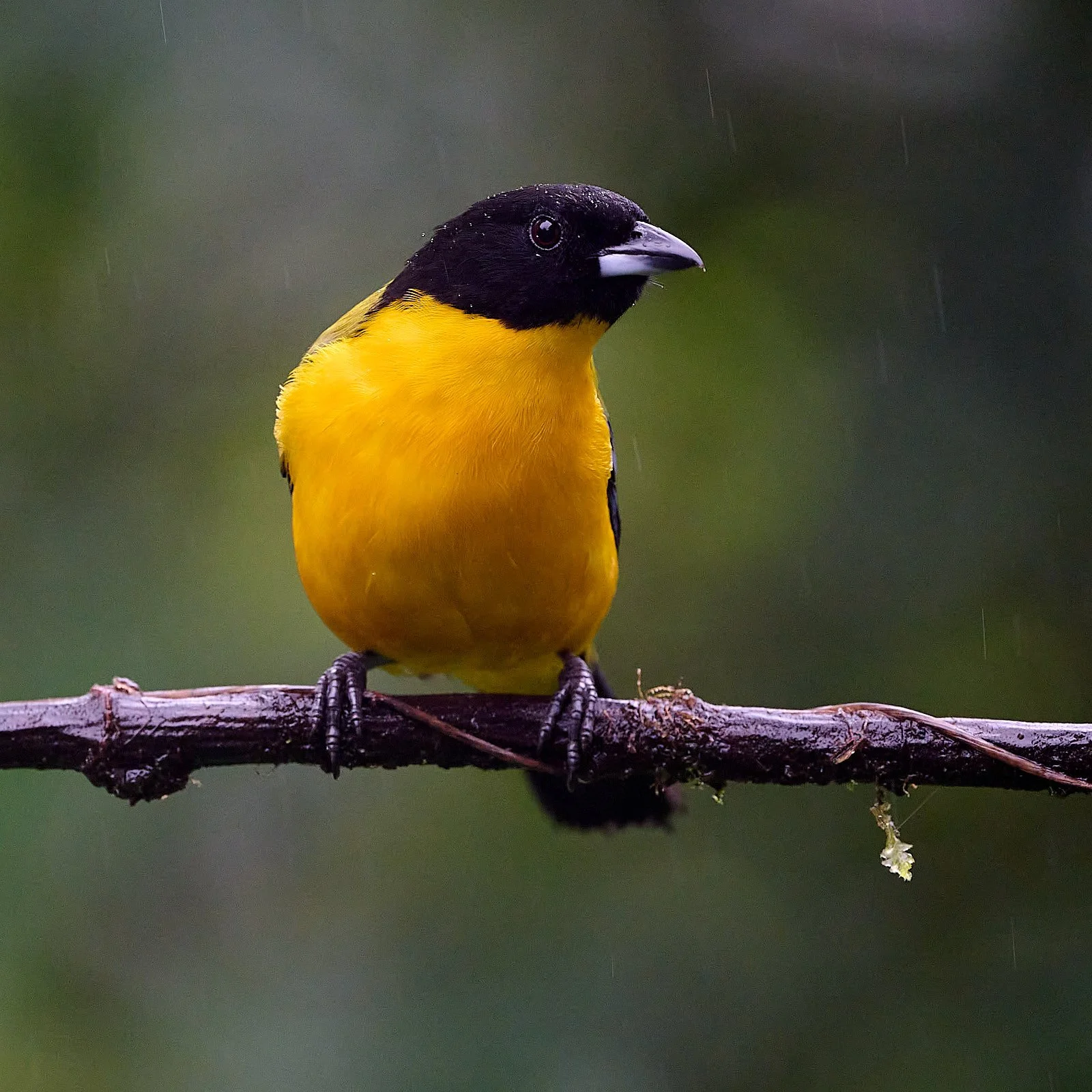
Cloud Forests
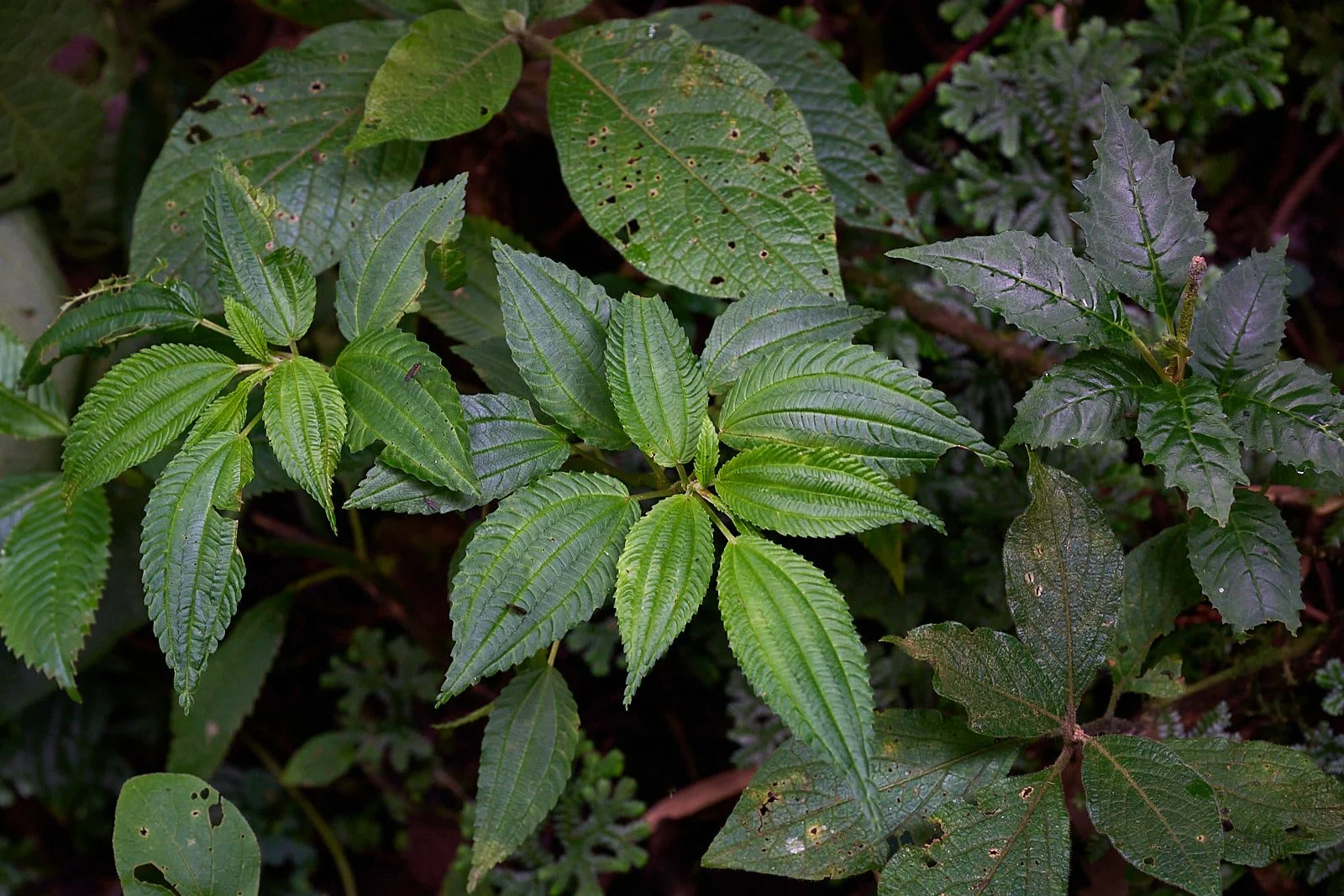
As airborne moisture from the lowland tropical forest meets the Andes it rises and cools, and mid-elevation montane forest becomes enshrouded in dense mist and fog – a cloud forest – for at least part of each day. This is true both for the western slopes of the Western Cordillera (moisture from the warm Panama current), and the eastern slopes of the Eastern Cordillera (moisture from the warm Amazon Basin).

Cloud forests look and feel overcast and damp, because you are literally walking in a cloud. They are found along a narrow altitudinal belt from 4,600-11,500 feet.
Cloud Forest Characteristics
Tropical cloud forests share some general characteristics:
Various species inhabit distinct elevation zones. Species richness diminishes with altitude, but ferns and orchids may exhibit higher diversities than in lowland rain forest.
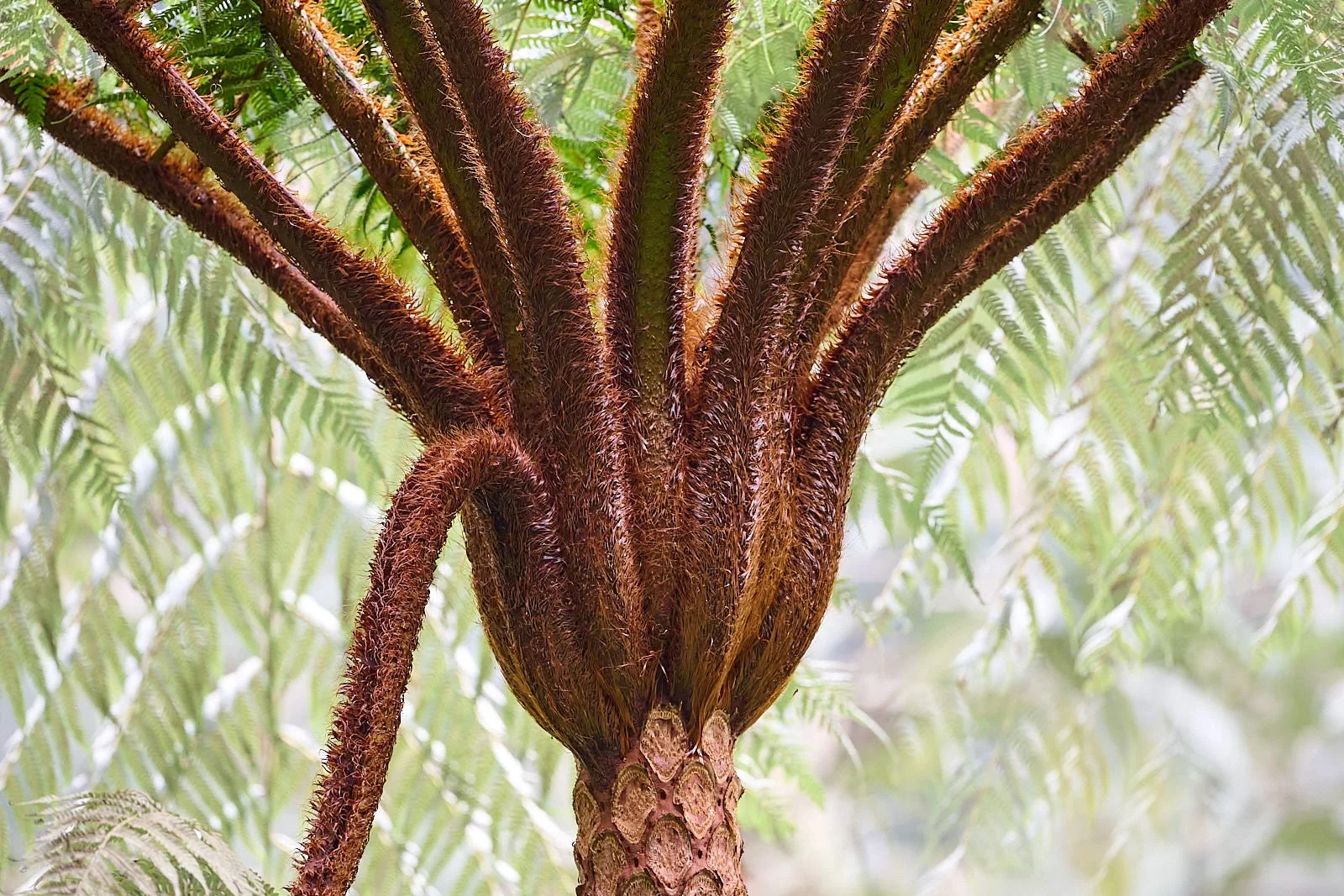
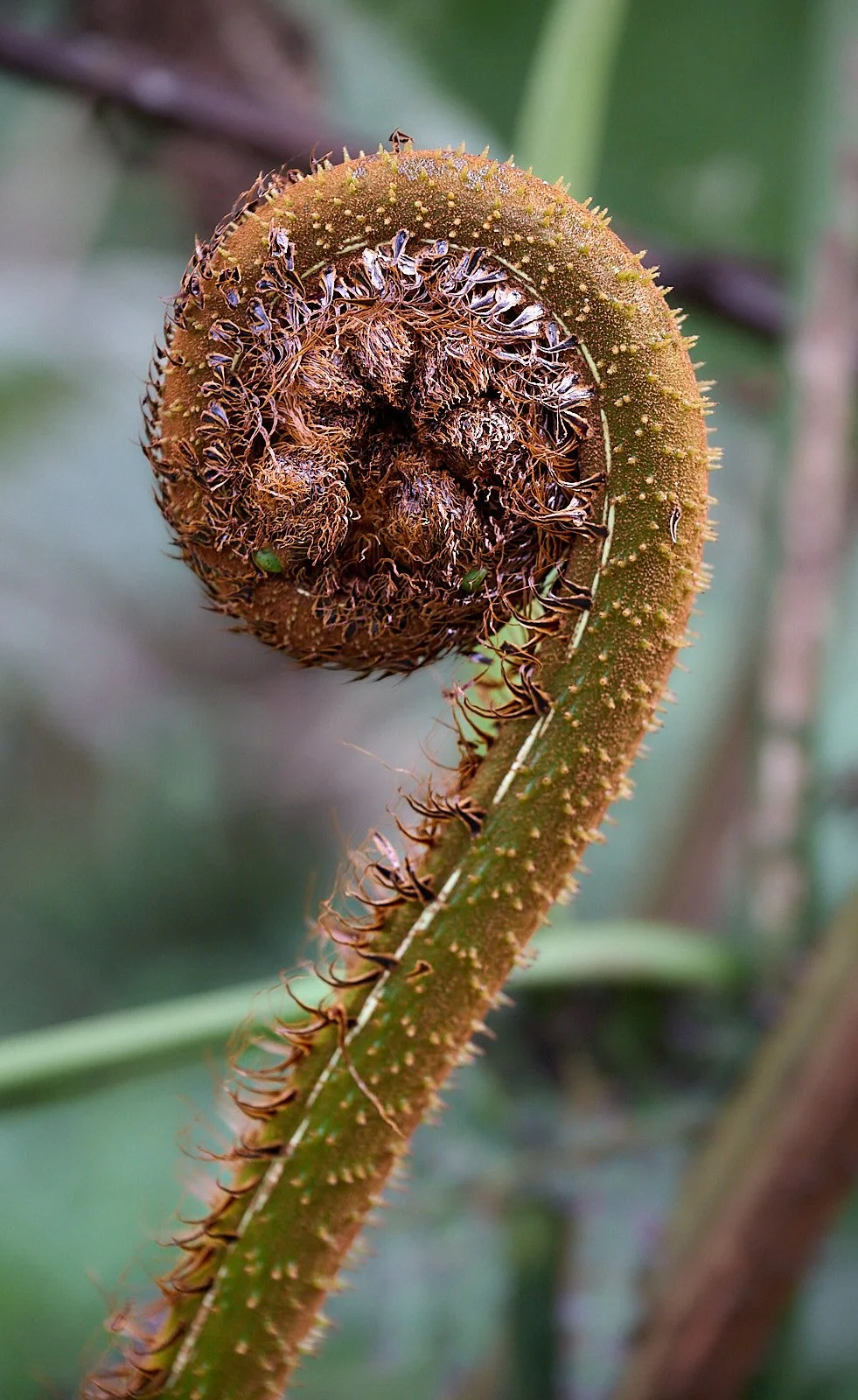
Moisture-seeking plants such as mosses and ferns (especially tree ferns) are abundant.
Most species of cloud forest plants and animals have close taxonomic affinities with low-elevation rain forest. Some groups (e.g.: tanagers and hummingbirds) are better represented in the montane forest.
Tree height diminishes at higher elevation, sometimes forming an elfin forest.
Fog diminishes the sunlight and reduces plant productivity.
Precipitation is high. Forests in western Ecuador’s Choco area receive >150 inches of rain in a year.
The saturated air inhibits evapotranspiration, making it more difficult for plants to obtain mineral nutrients from soil, a factor that limits plant productivity.
Precipitation also occurs as fog drip, wherein water from fog condenses on vegetation and drips to the forest floor.
Soil tends to become water-saturated and acidic, creating bog-like conditions that inhibit decomposition. The litter layer becomes thicker and spongy.
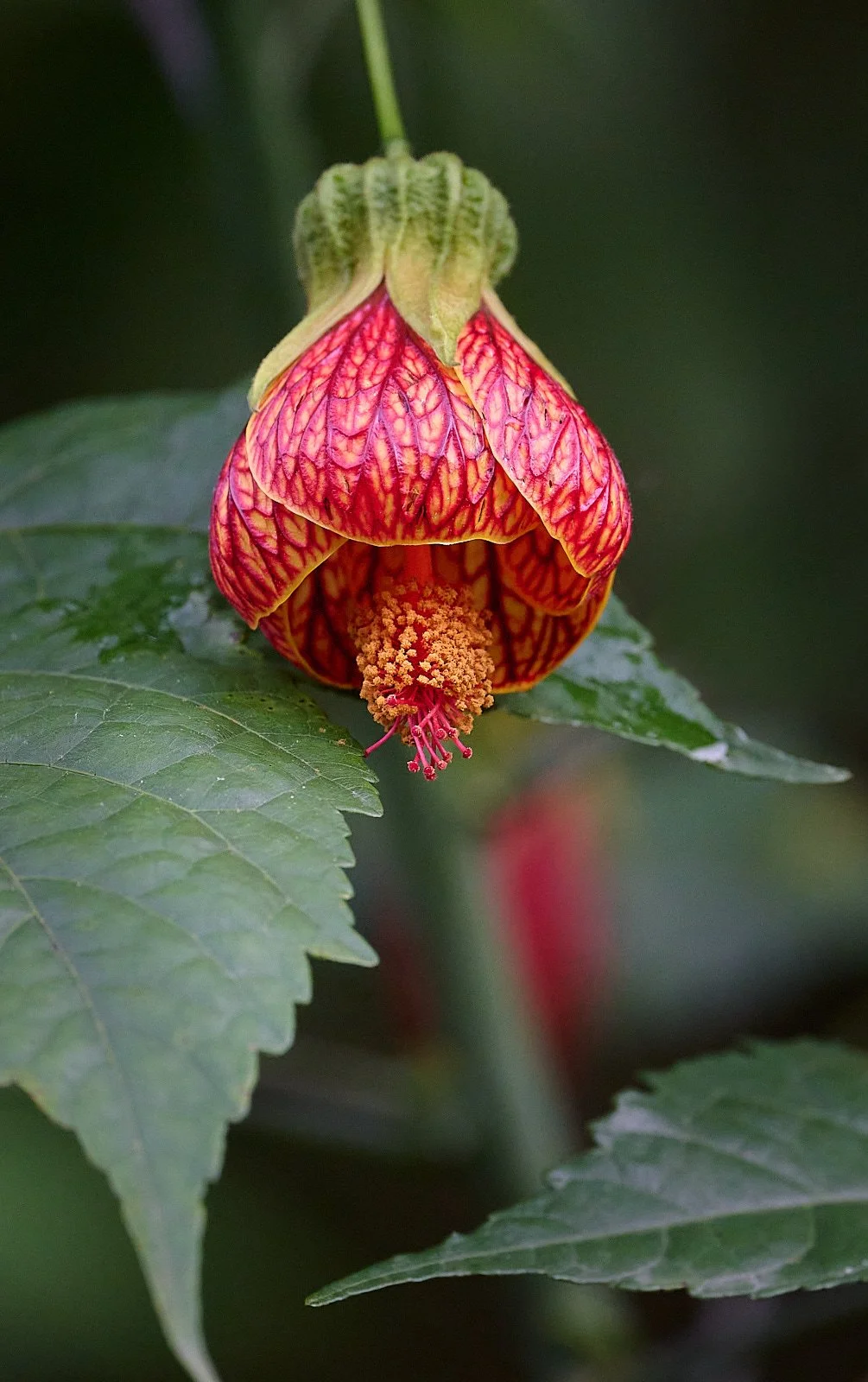
Inside a Rainforest
Epiphytes
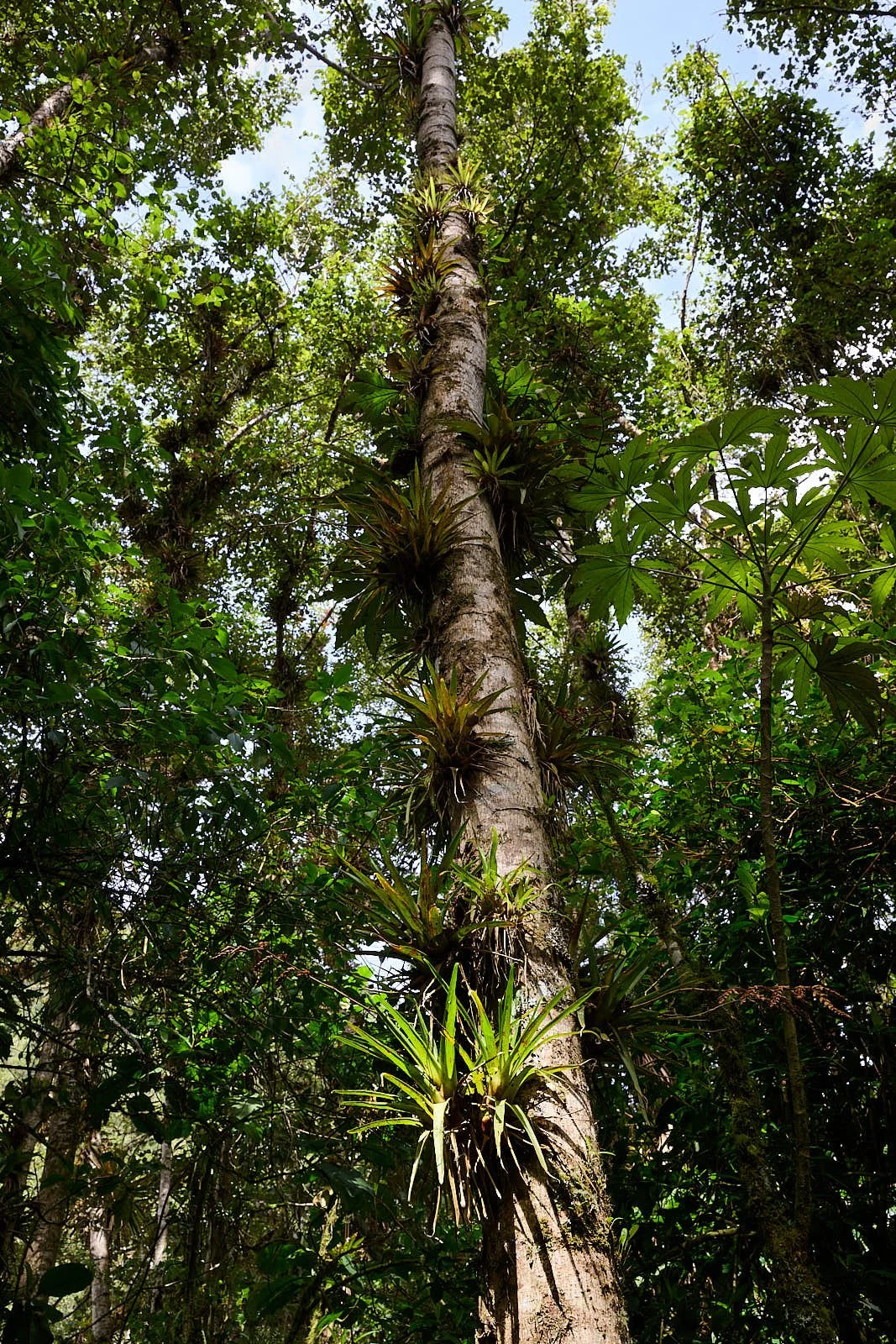
Neotropical cloud forests are lush, with high biomass, and obvious abundance of epiphytic orchids, bromeliads, ferns, and mosses.
Epiphytes play a crucial role in the cloud forest. They can assimilate airborne nutrients that would otherwise be lost, and they interact with many other species by providing shelter and food.
Any significant reduction of epiphytes is likely to have consequences that reverberate throughout the system.
Other Forest Components
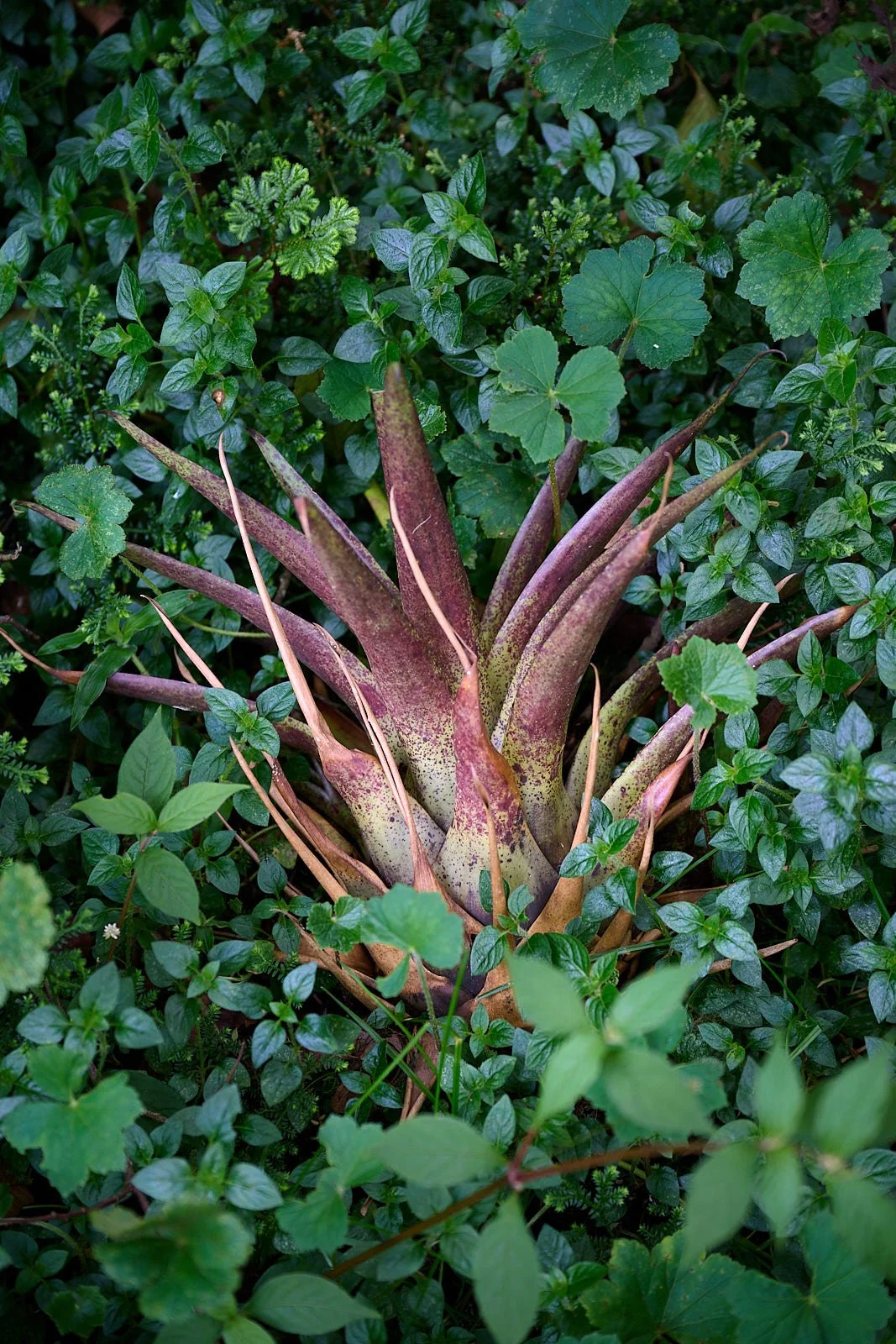
Vines are less common than in lowland forests. Shrubs are abundant.
There is a tree canopy and an understory of small trees. Buttressing is common. Leaves are small, hard, waxy, and usually thick.
Palms, bamboo, and pines are often present.
Endemism
High endemism is present.
The tropical Andes and the Amazon Basin each contain similar numbers of bird species (791 and 788, respectively) but the Andes have more than twice as many endemic species (318, compared with 152)
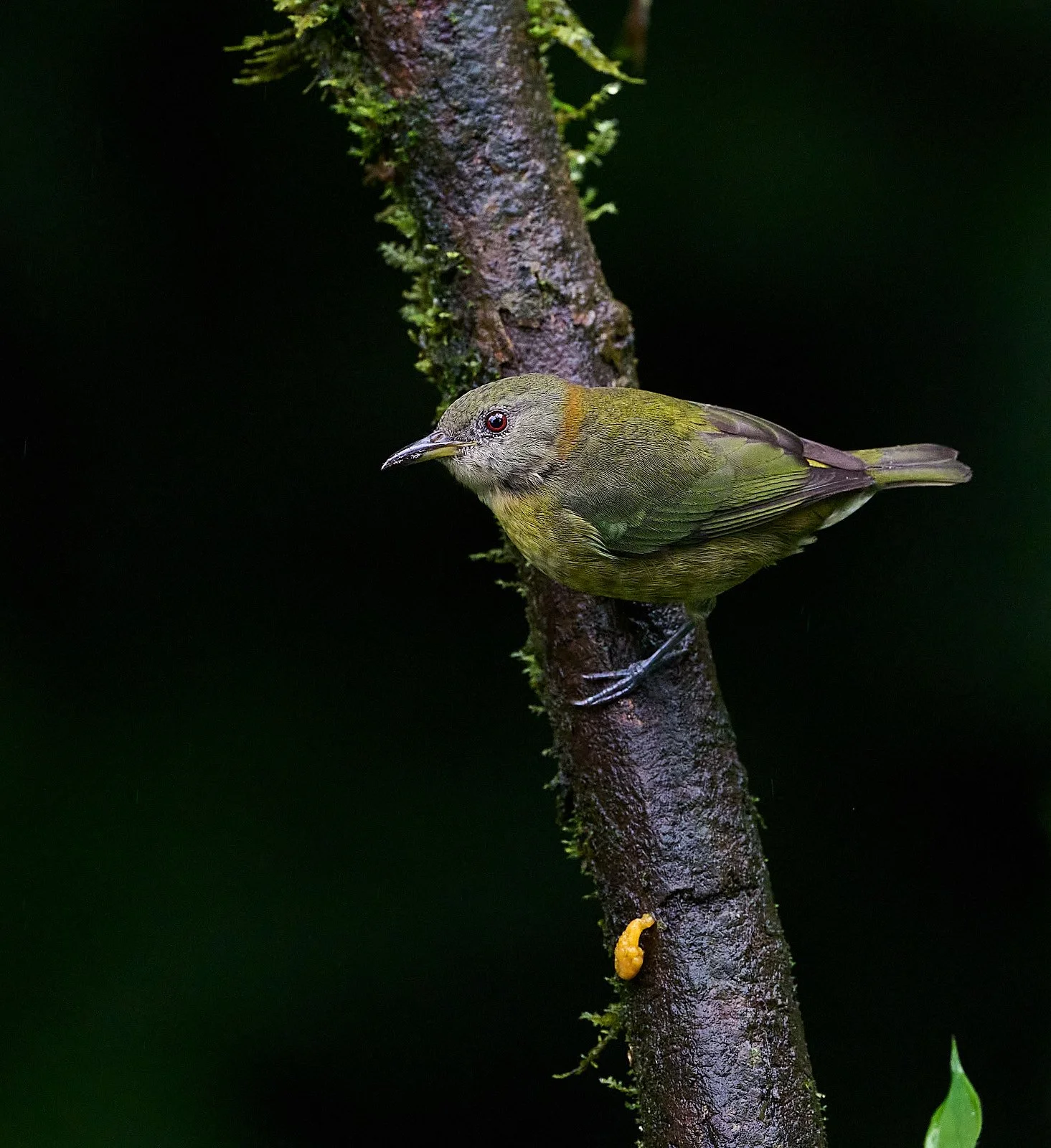
Golden-collared Honeycreeper.
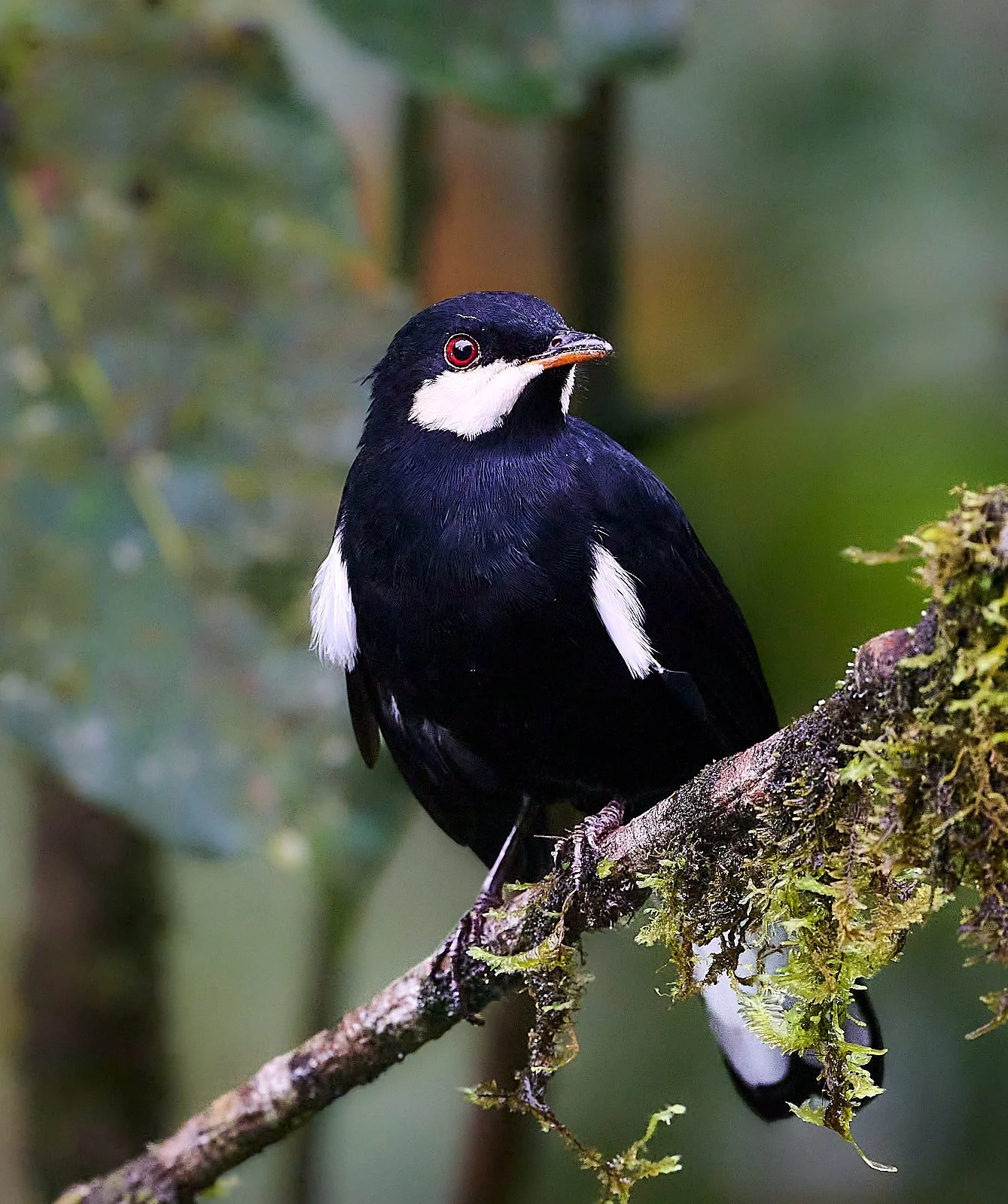
Black Solitaire
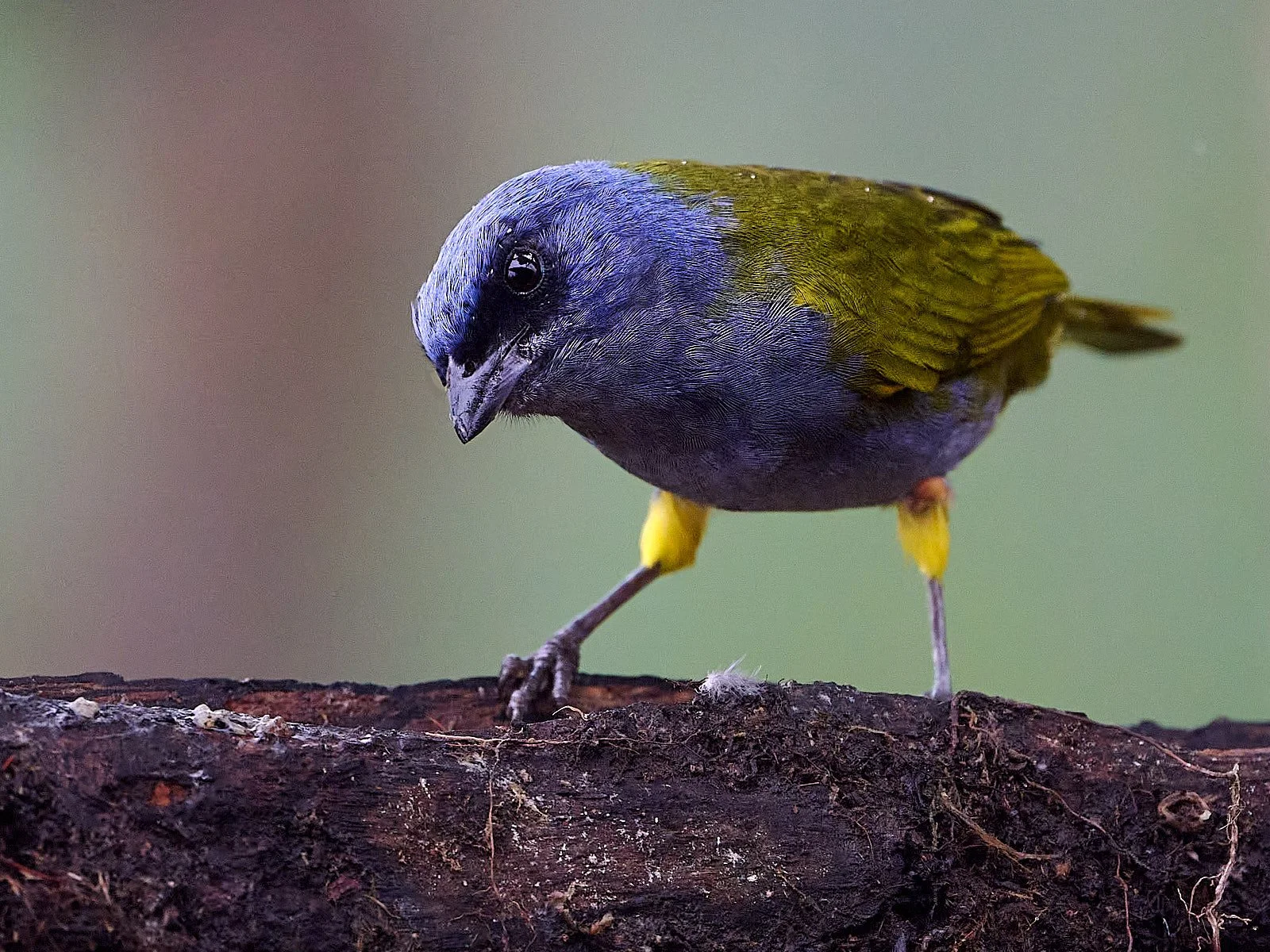
Blue-capped Tanager
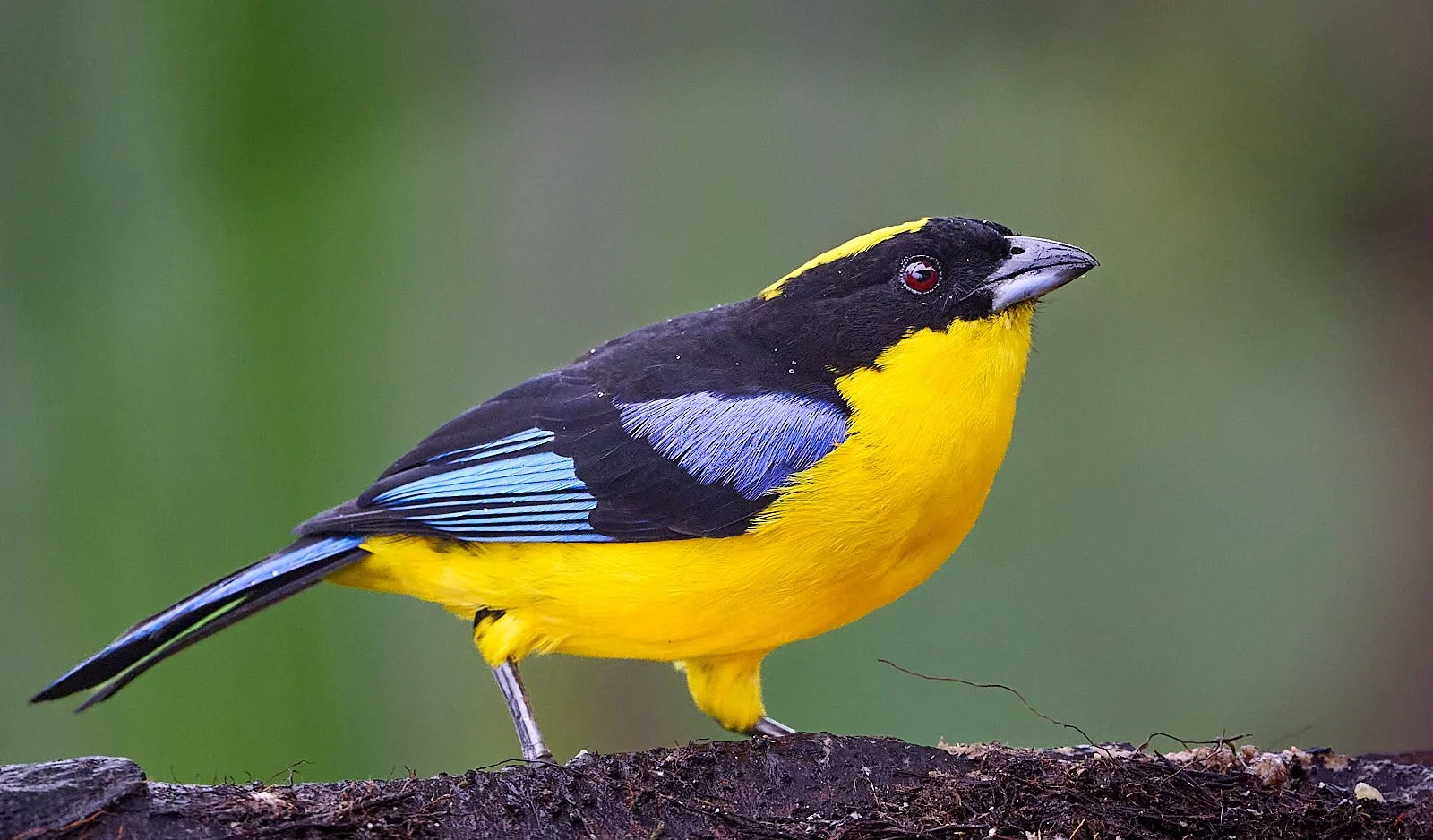
Blue-winged Mountain Tanager
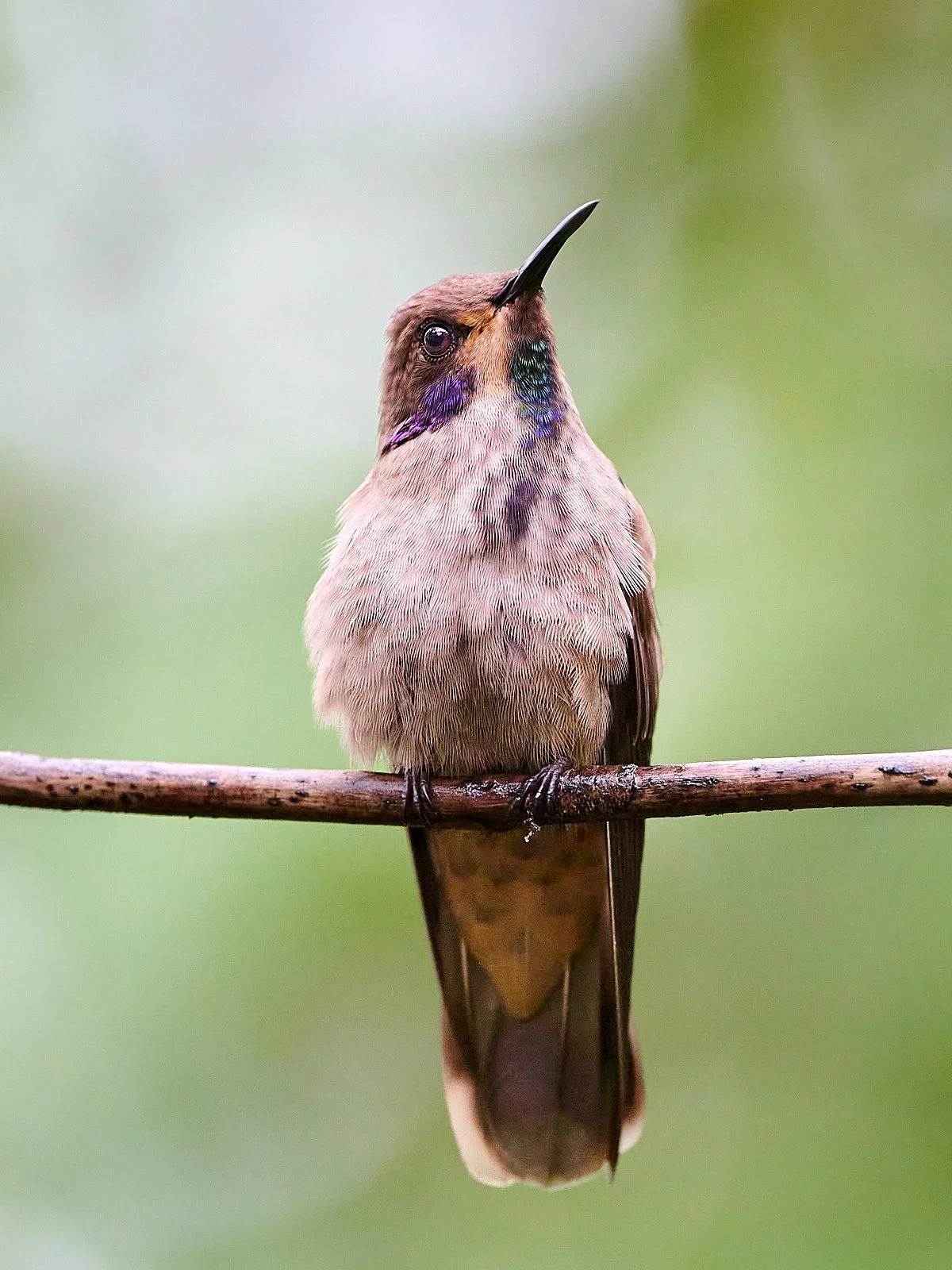
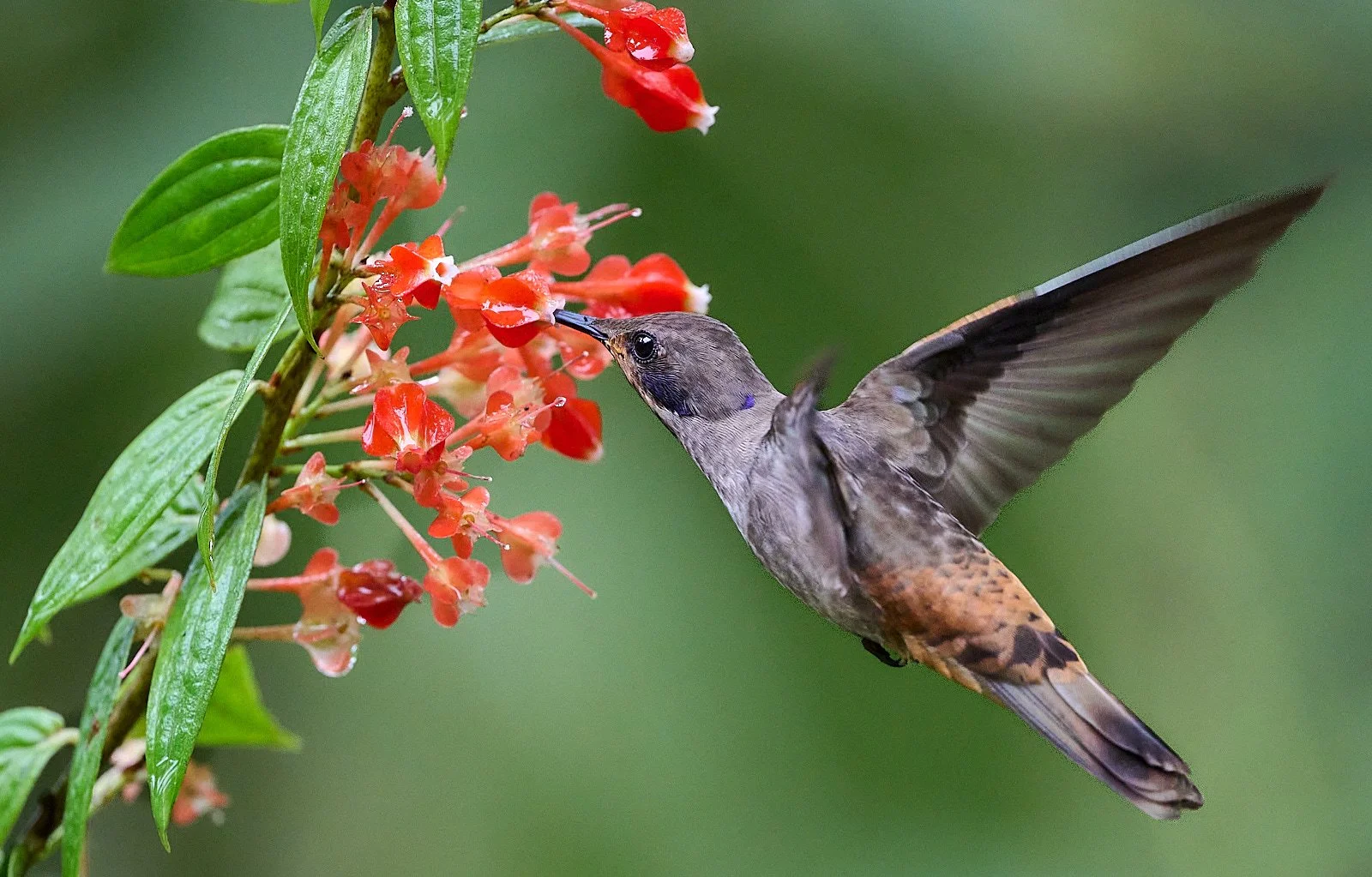
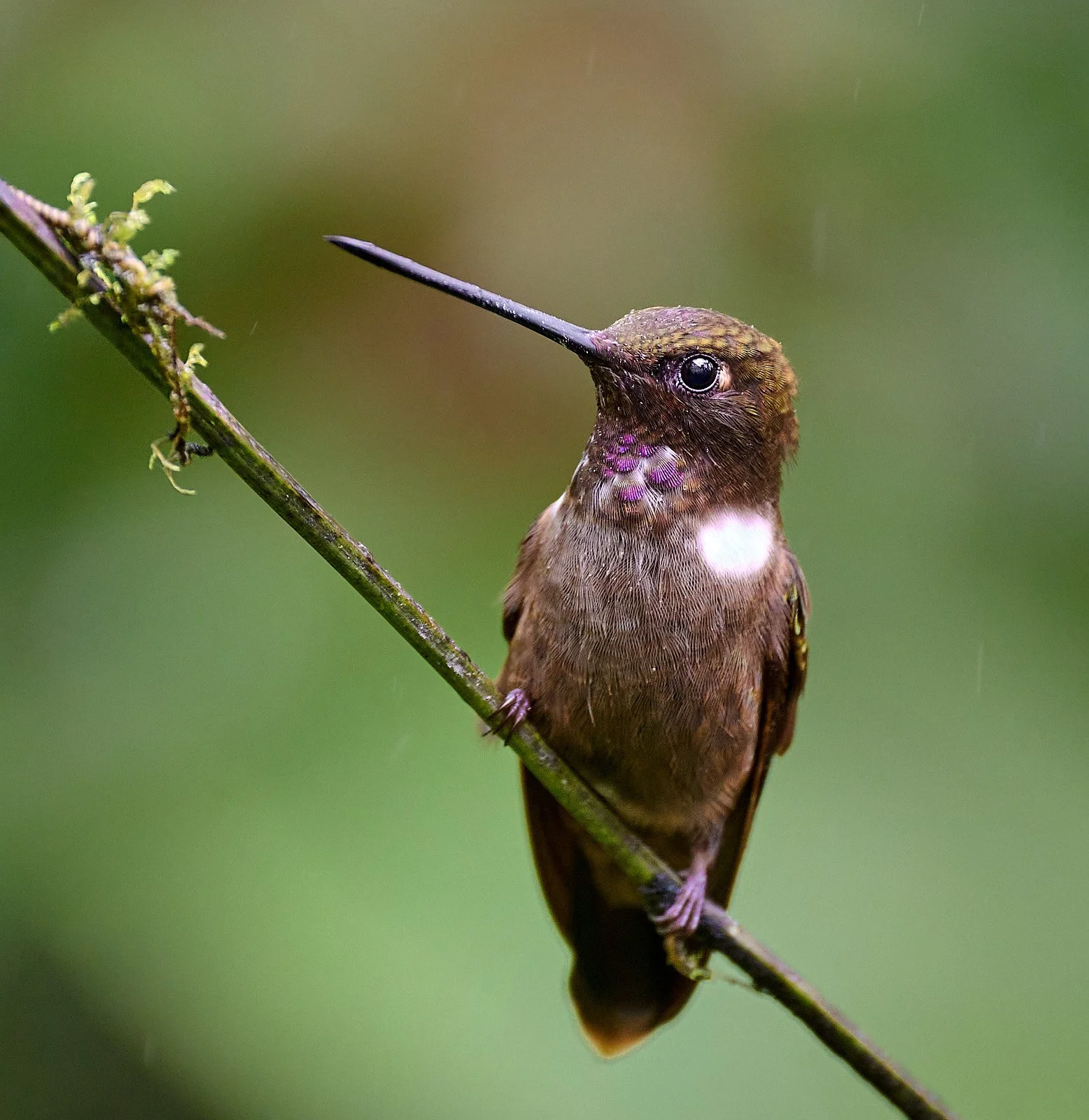
Brown Violetear
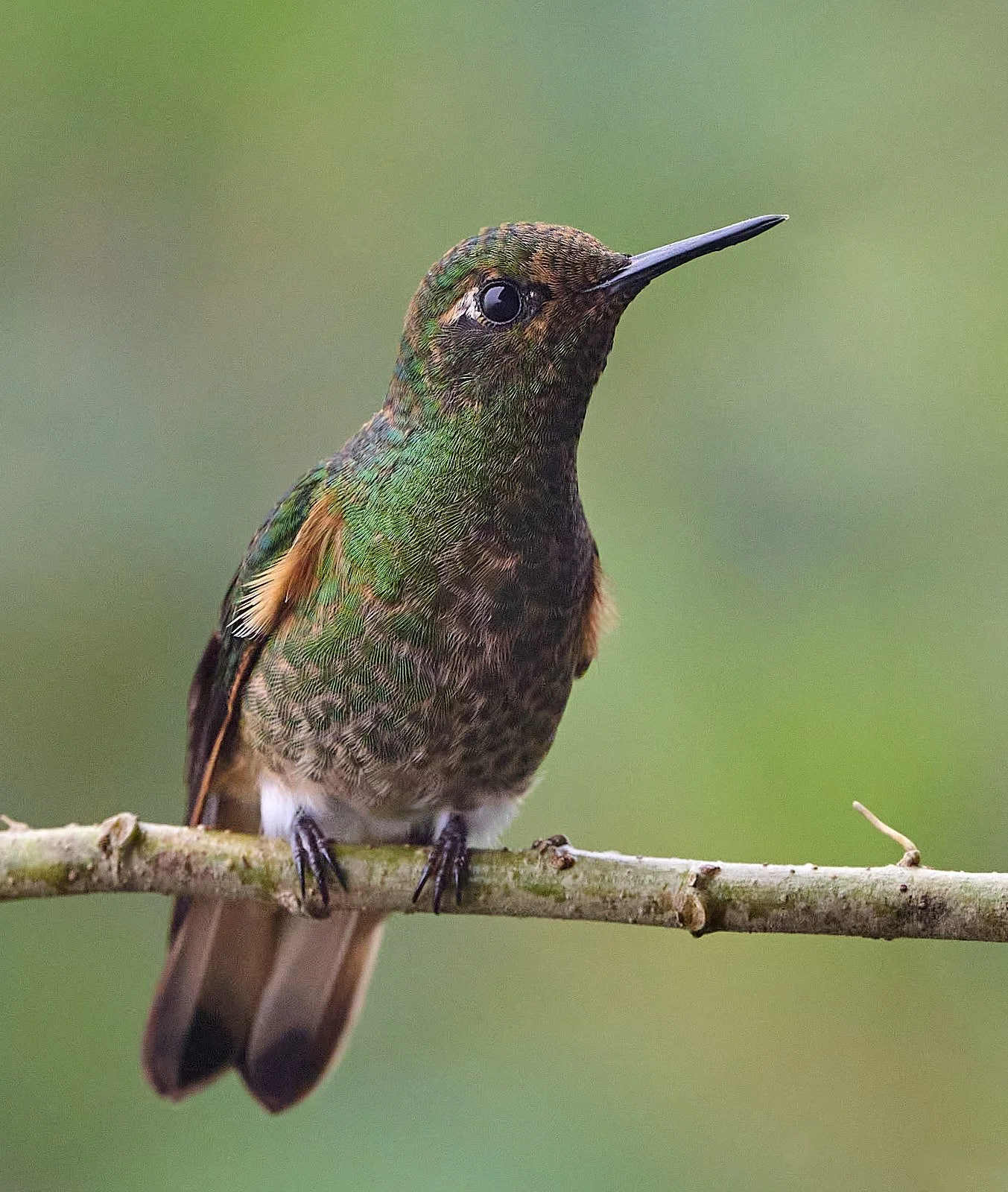
Buff-tailed Coronet
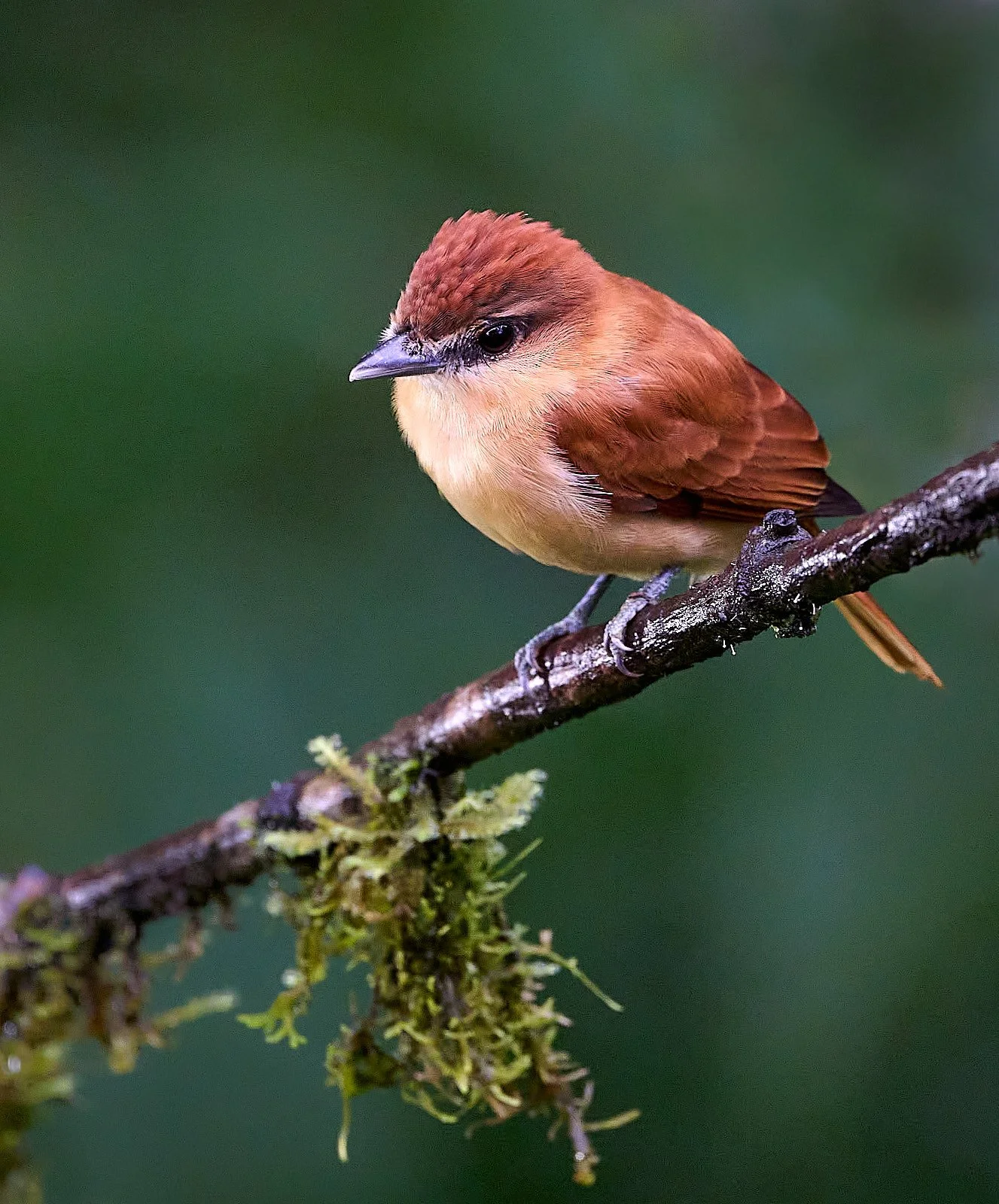
Cinnamon Becard
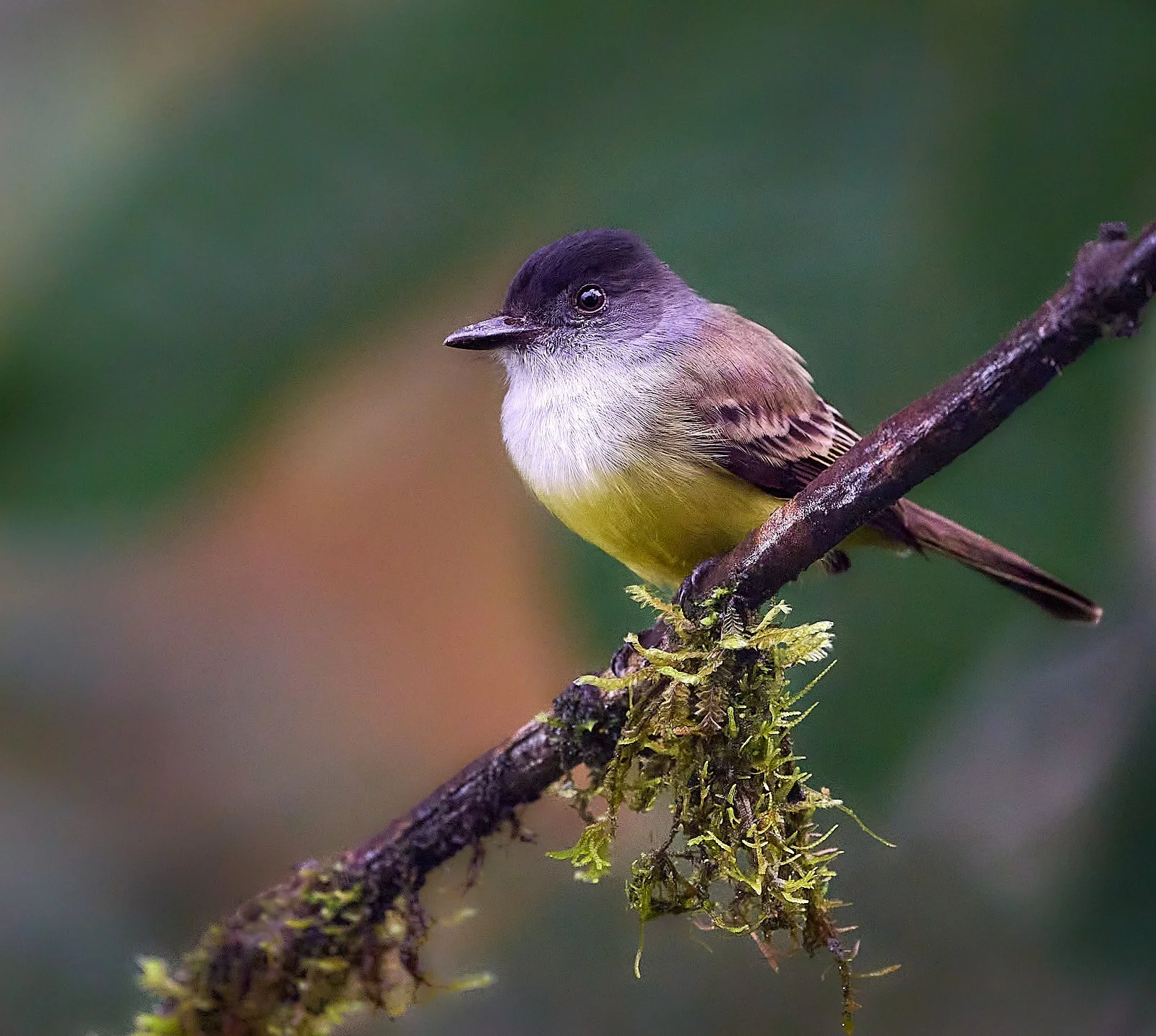
Dusky-capped Flycatcher
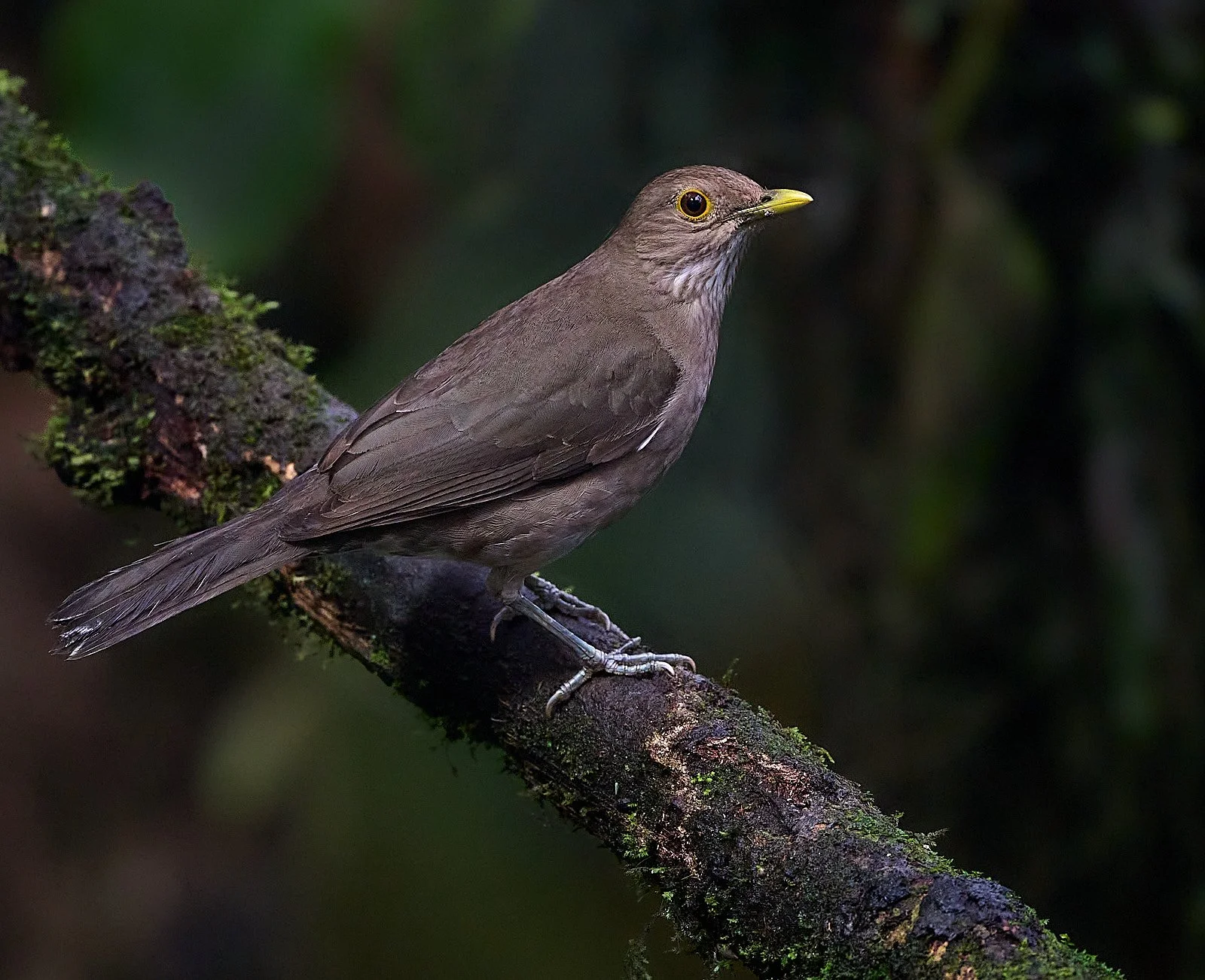
Ecuadorian Thrush
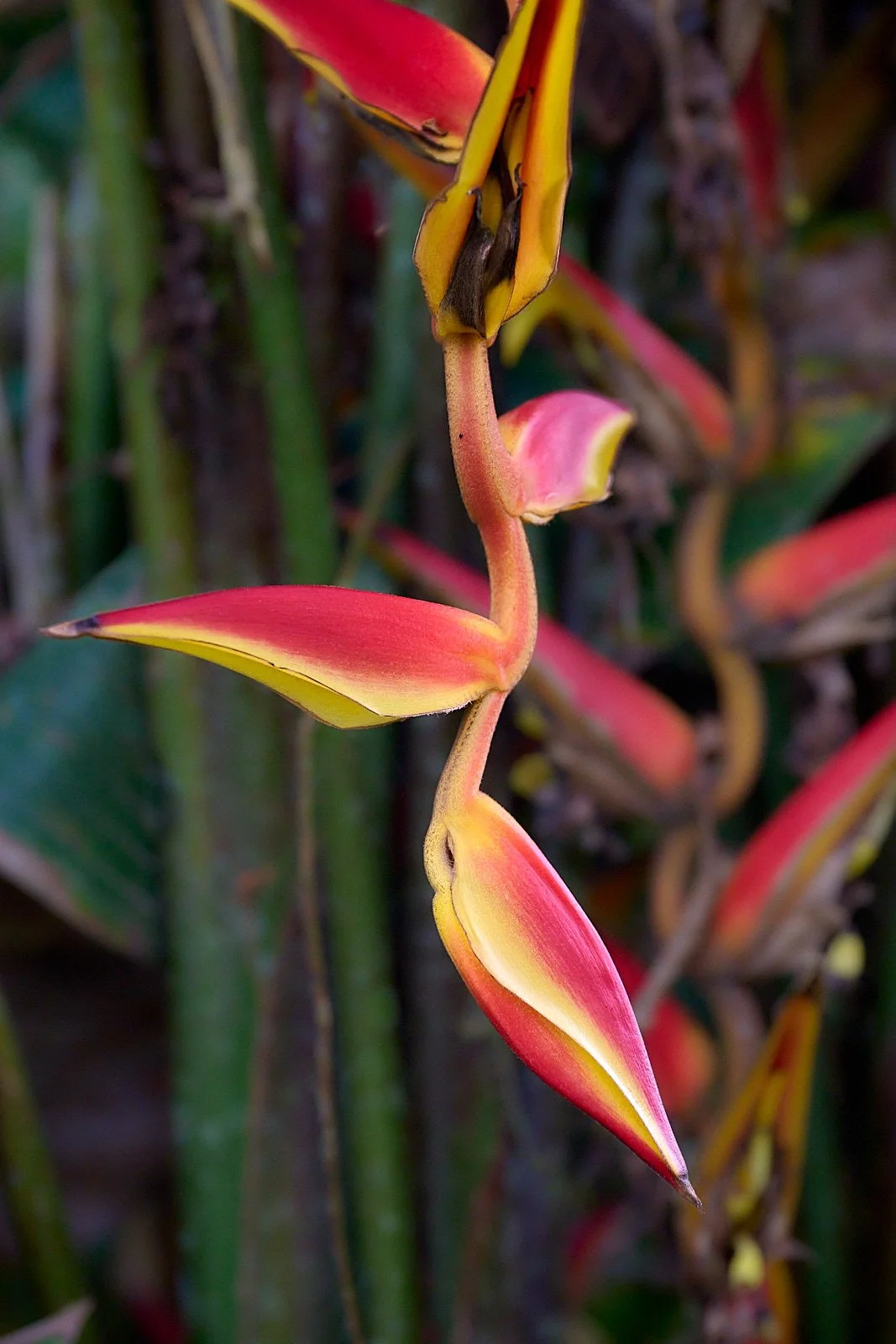
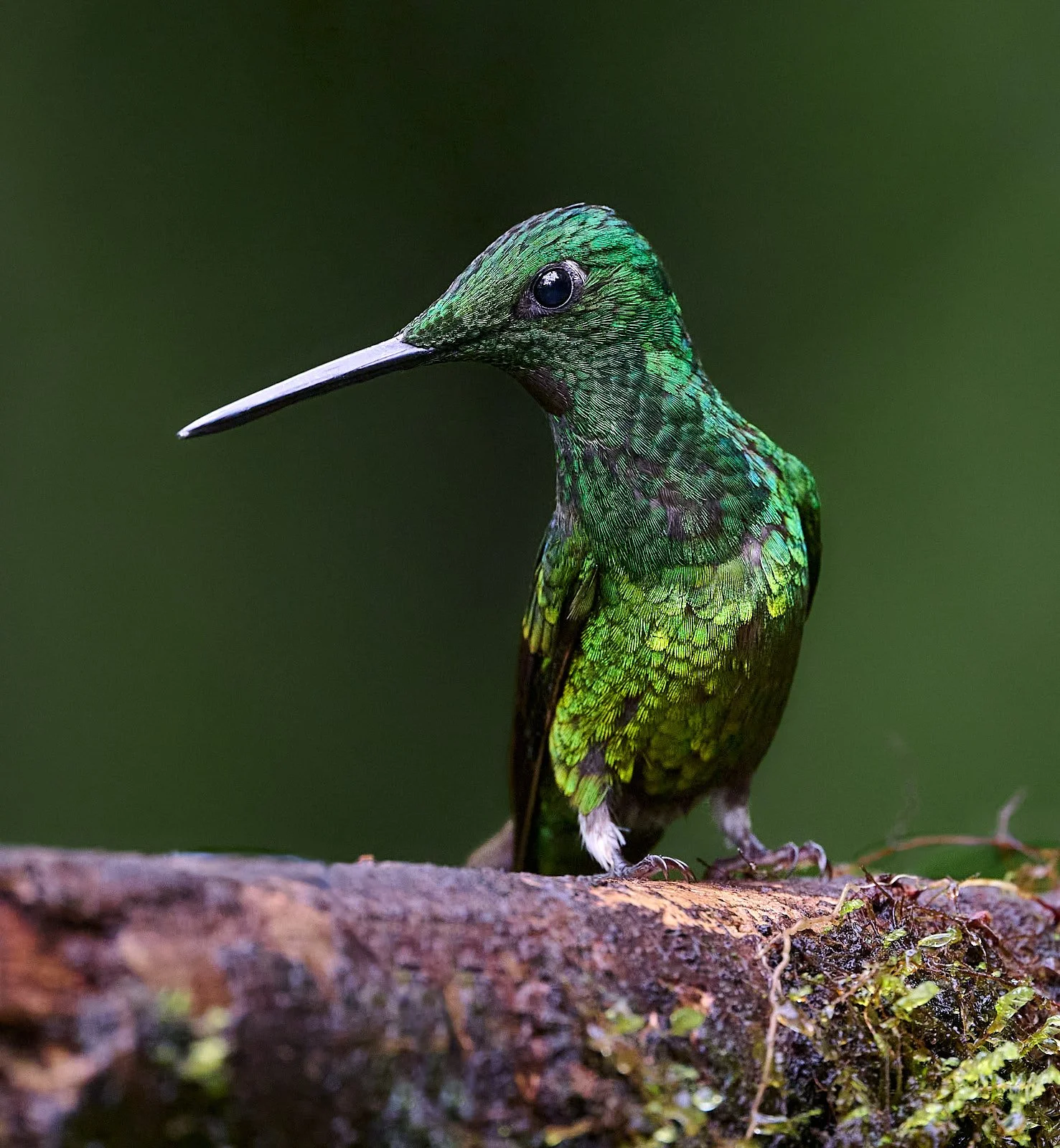
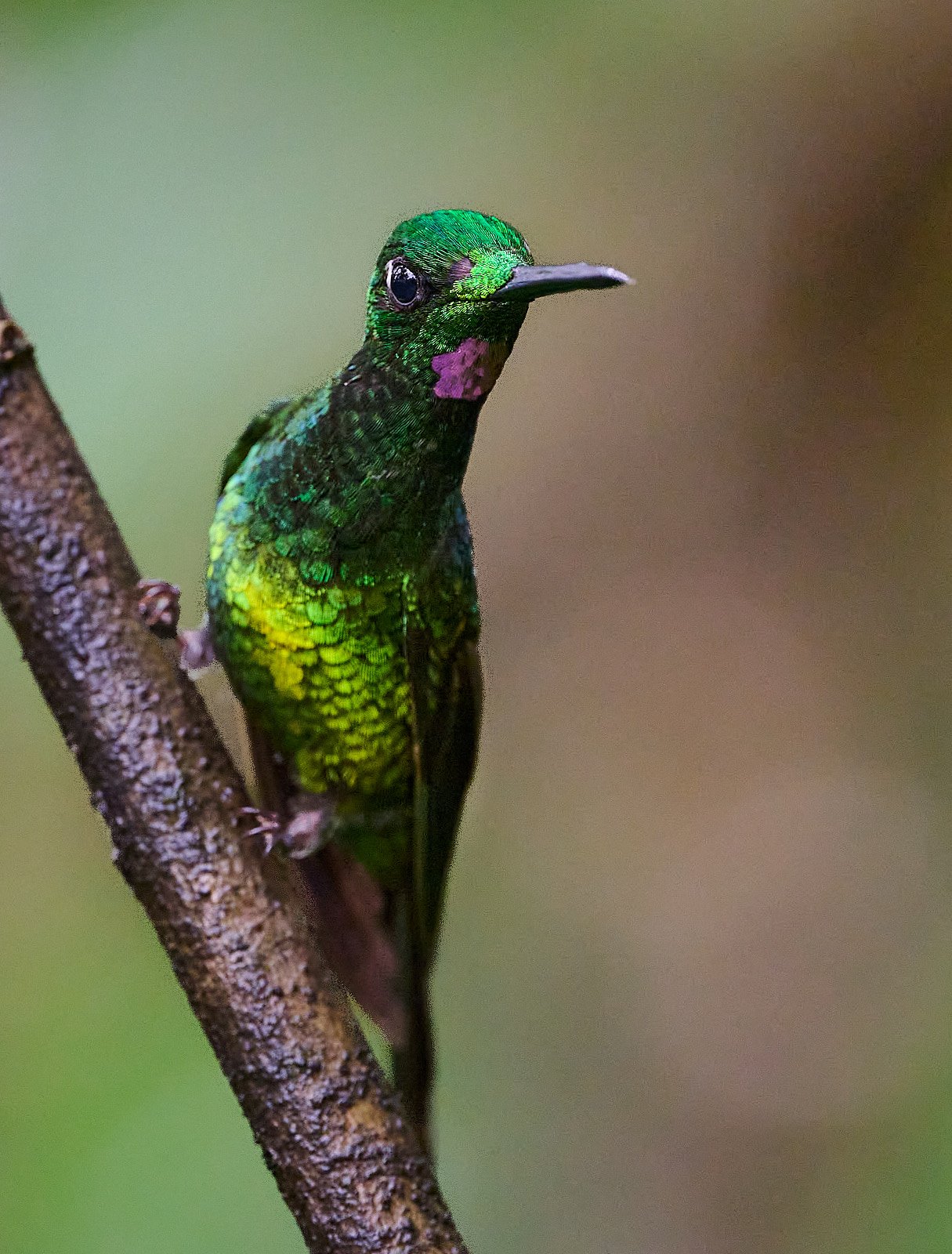
Empress Brilliant
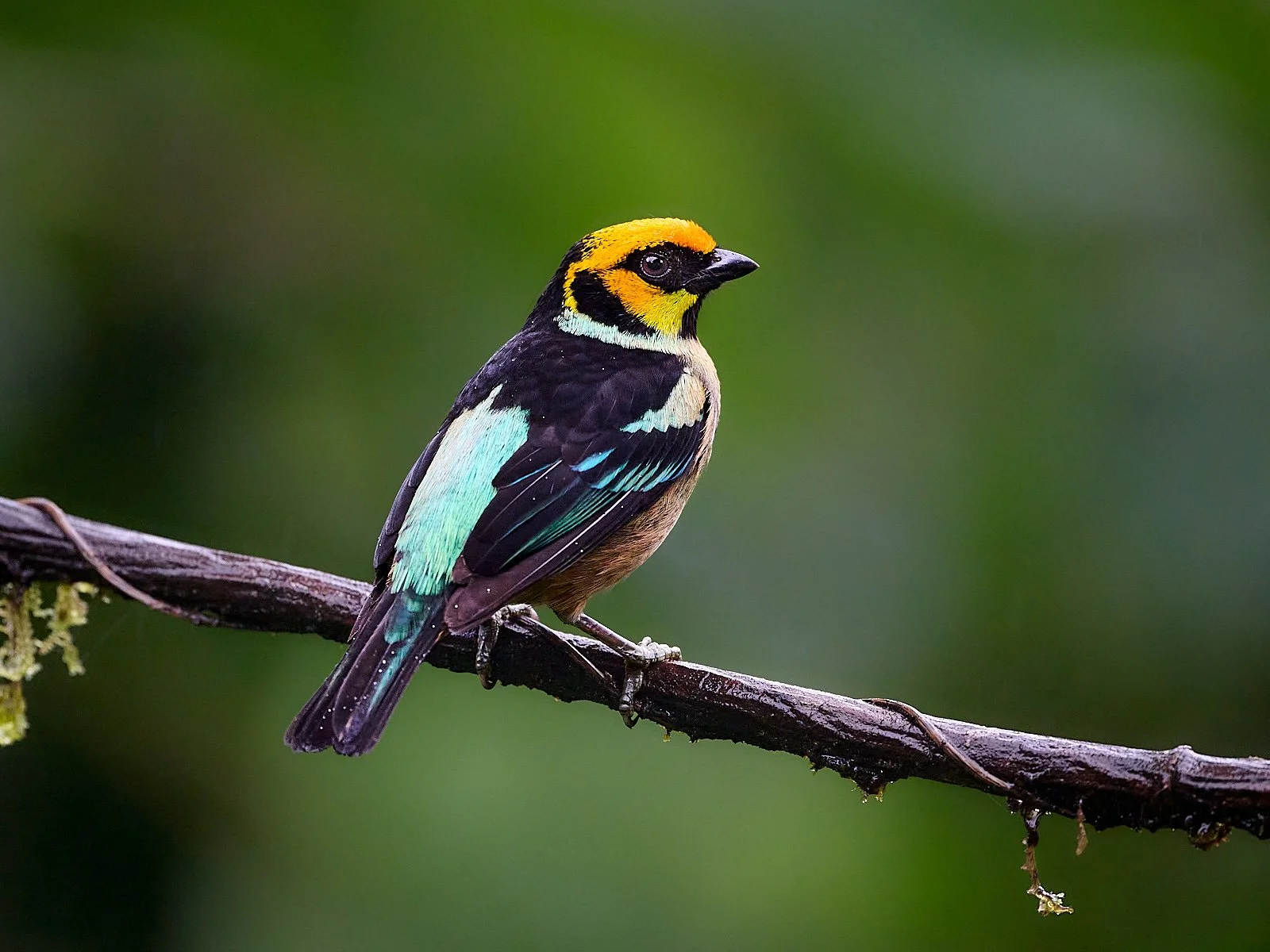
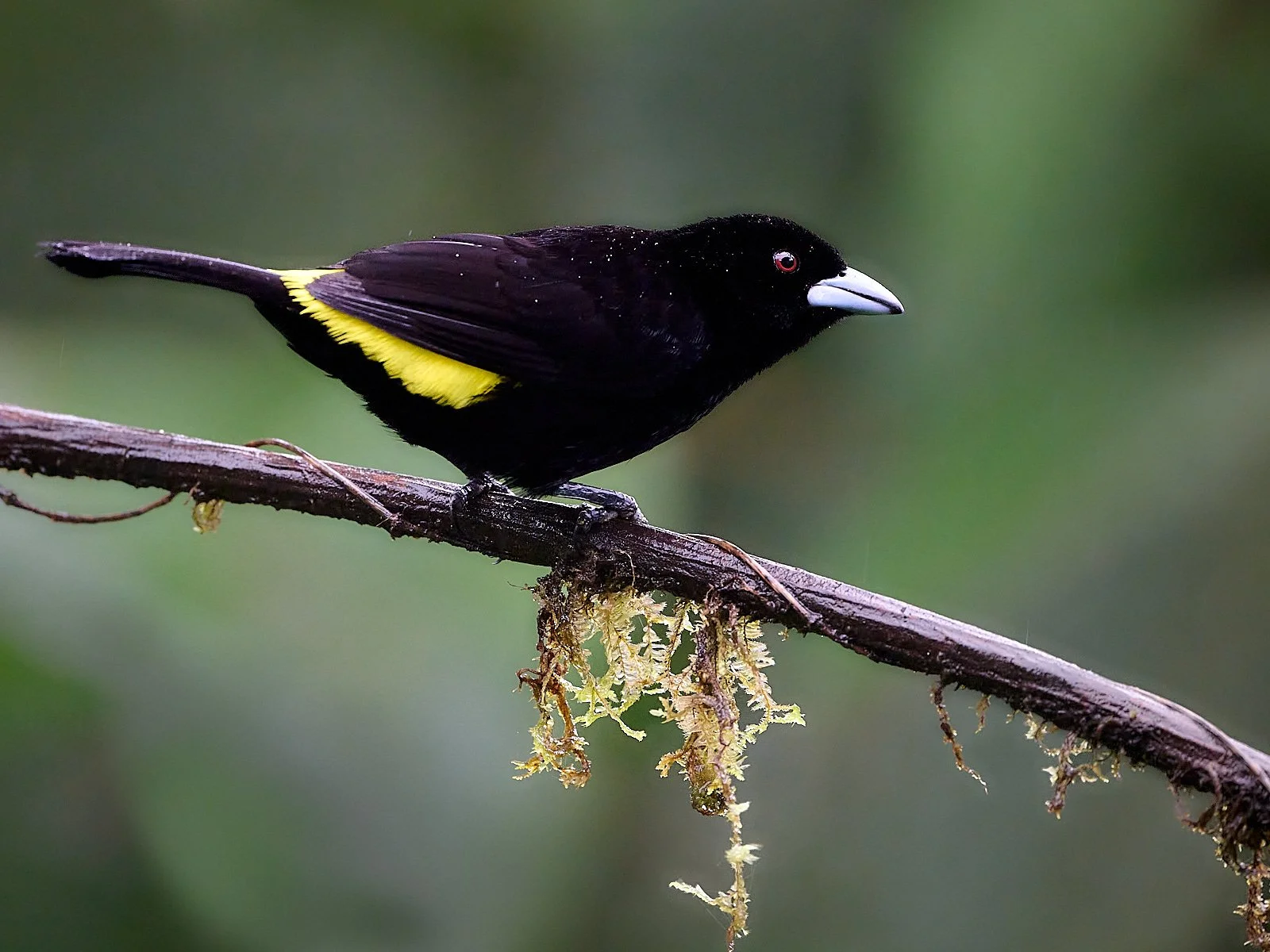
Flame-faced Tanager
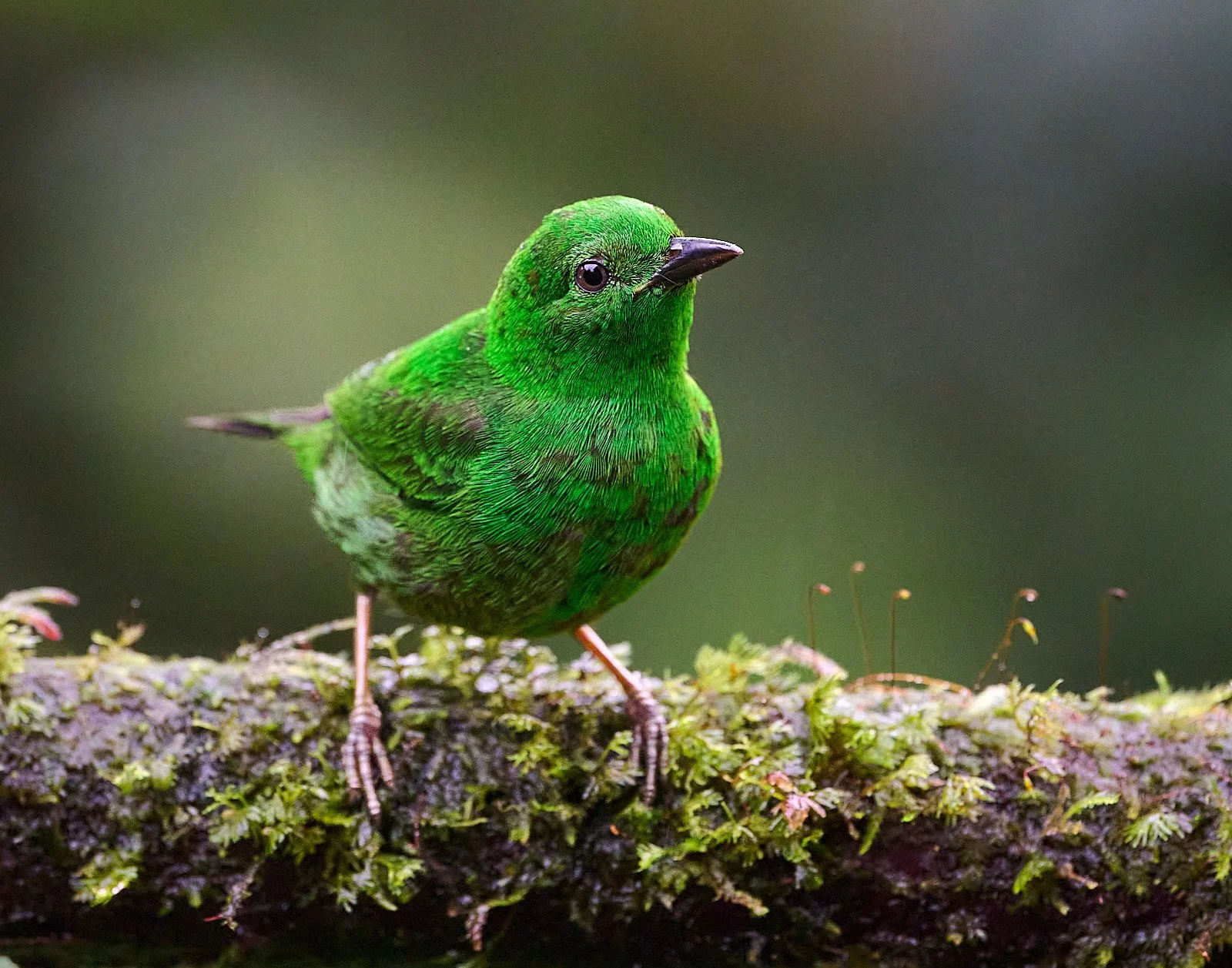
Glistening-green Tanager
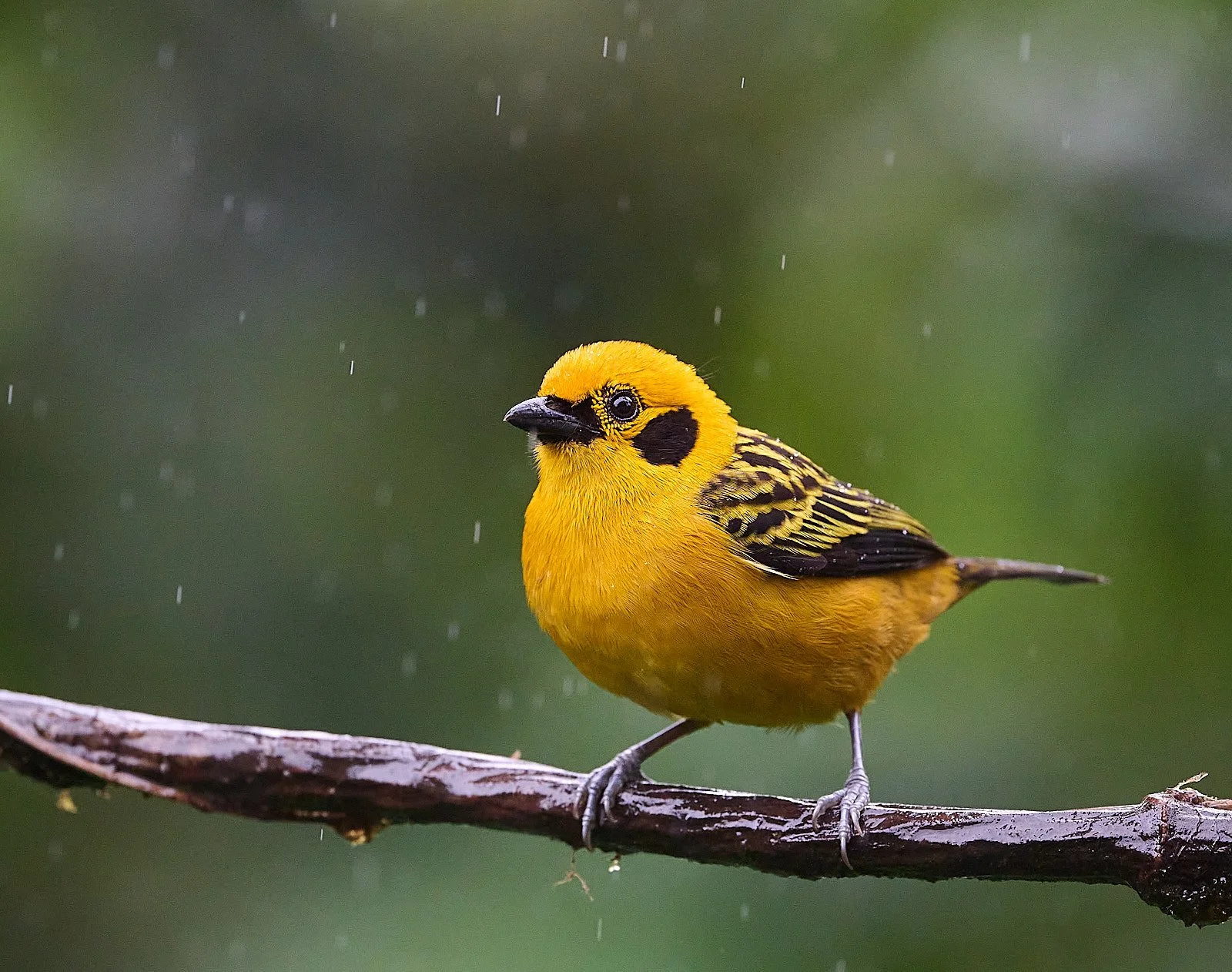
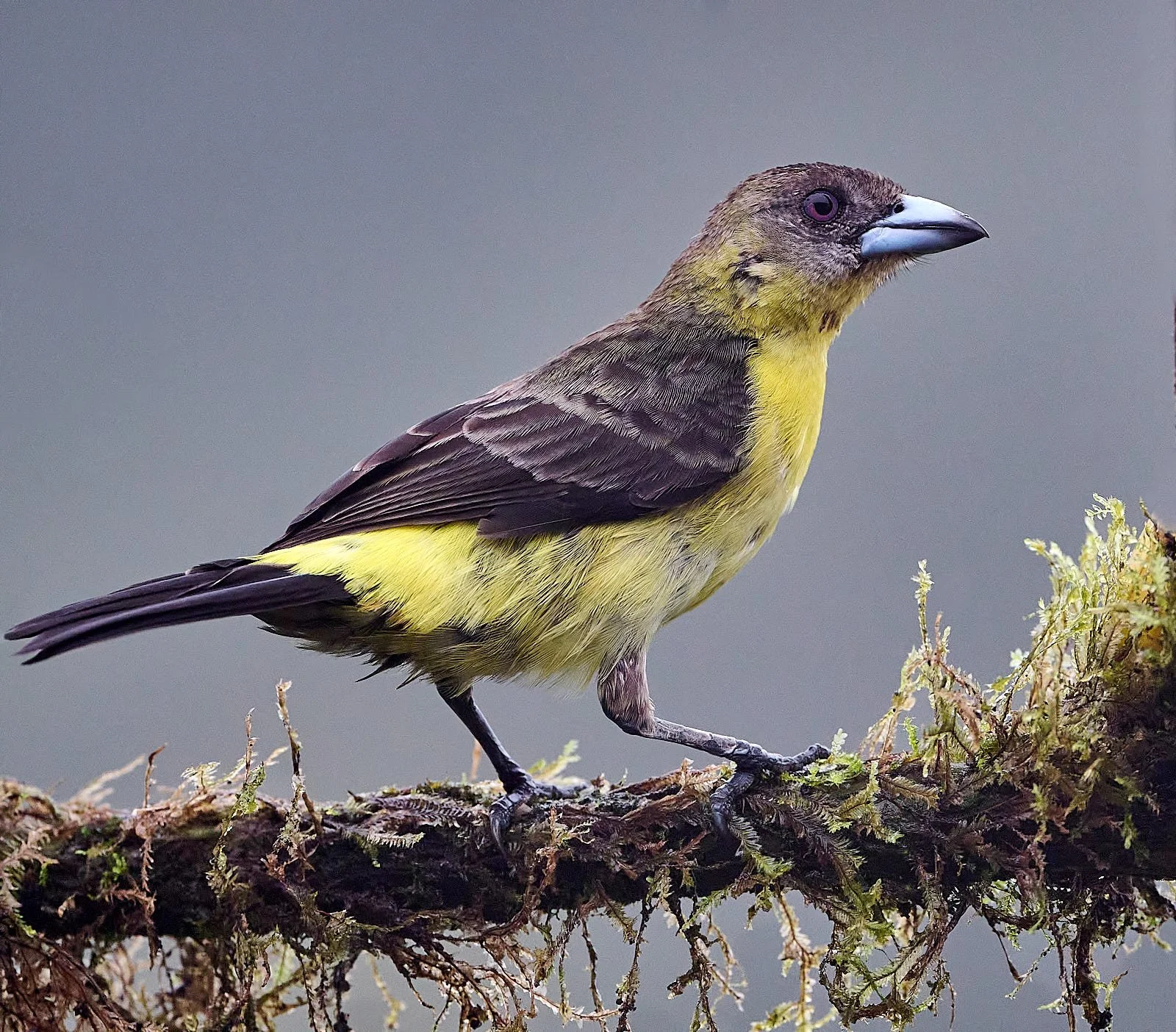
Golden Tanager
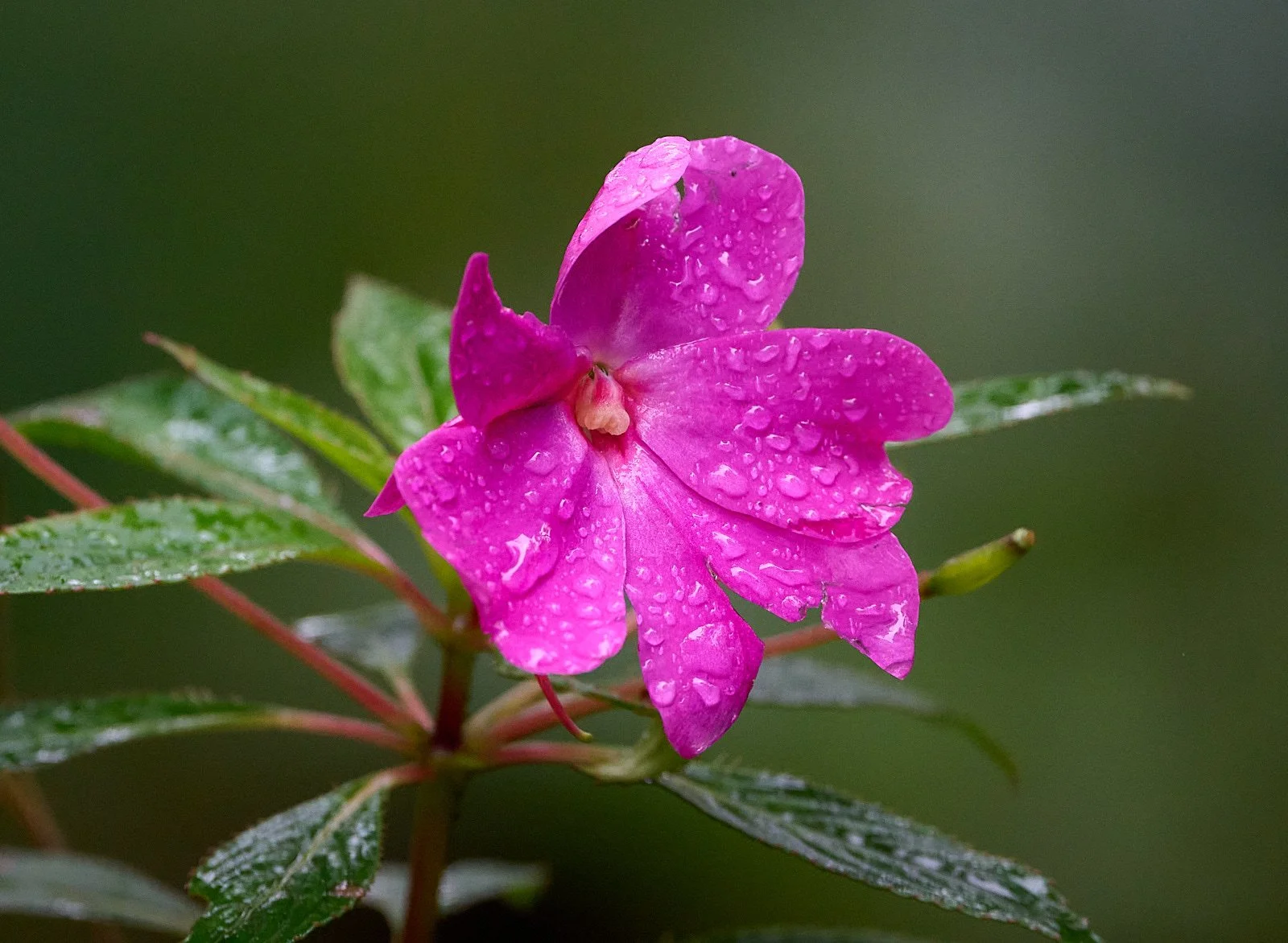
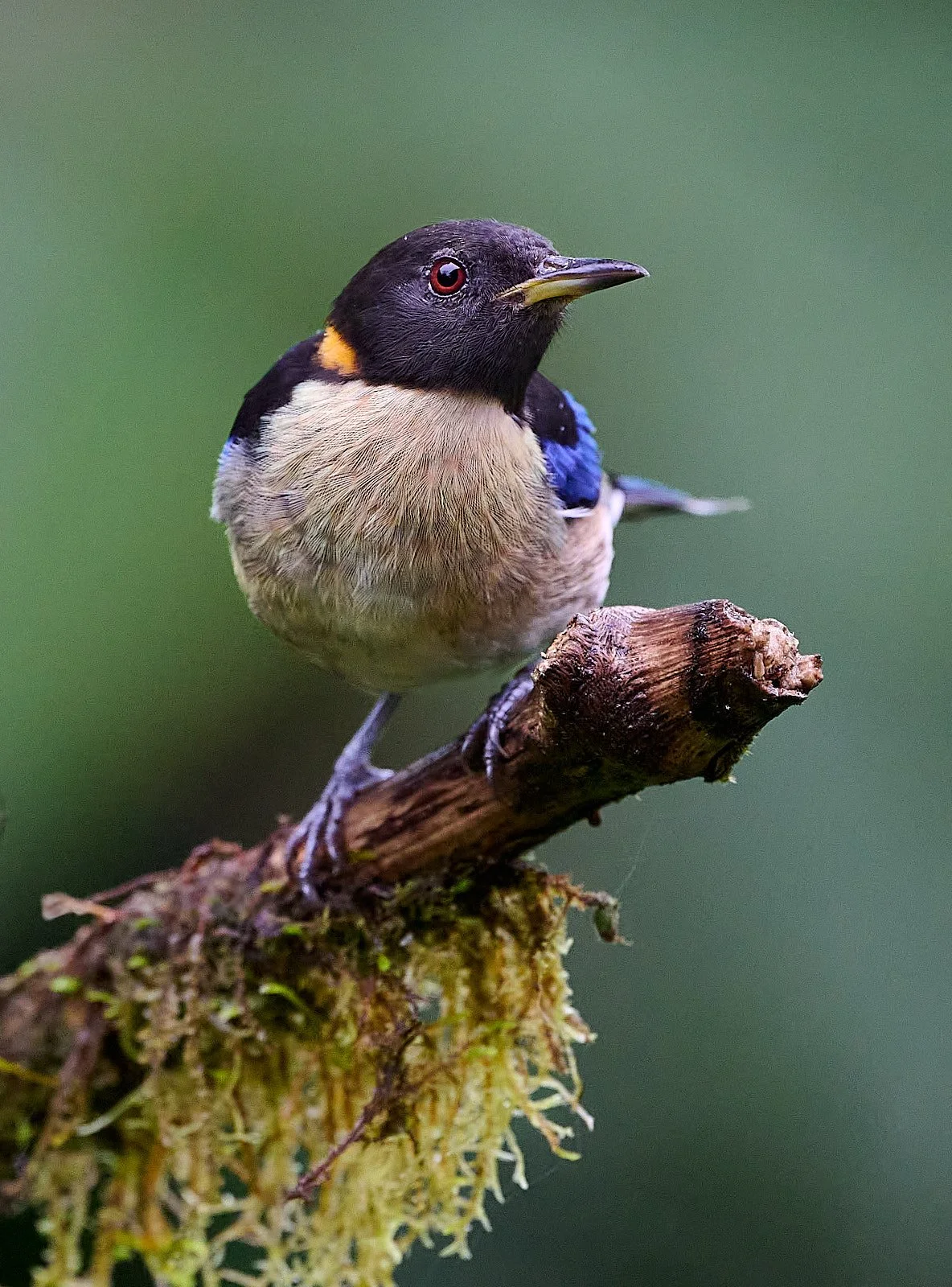
Golden-collared Honeycreeper
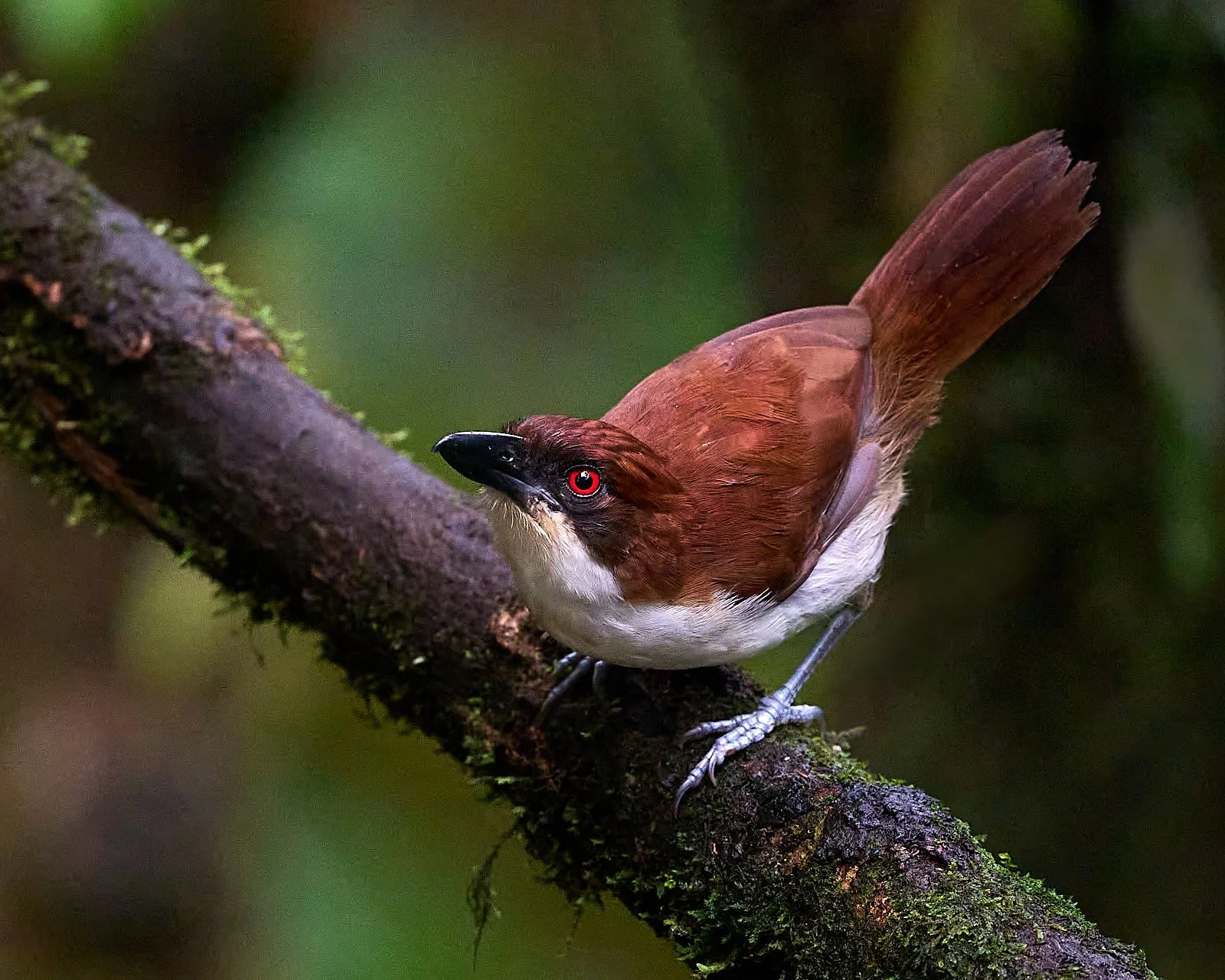
Great Antshrike
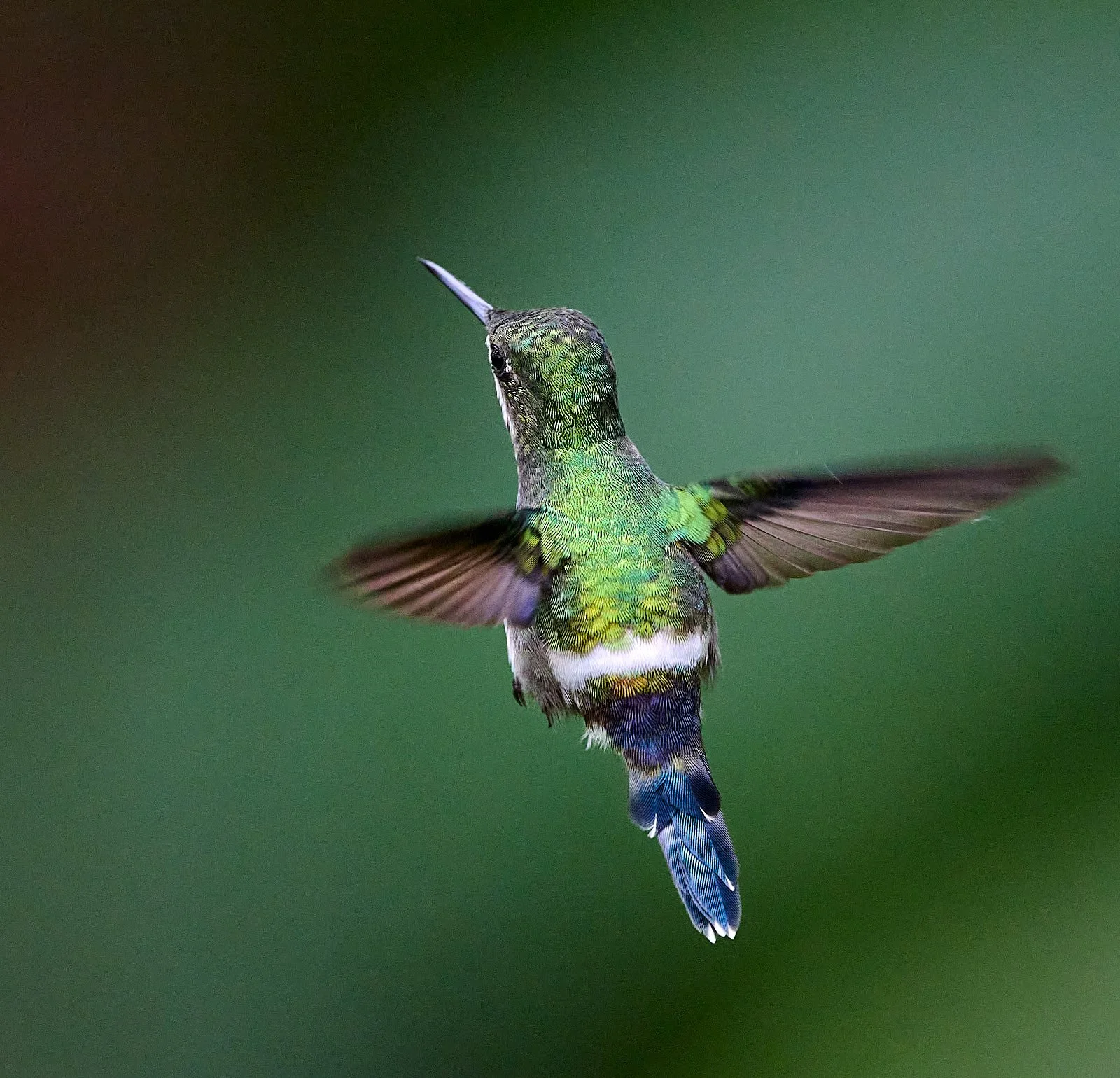
Green Thorntail
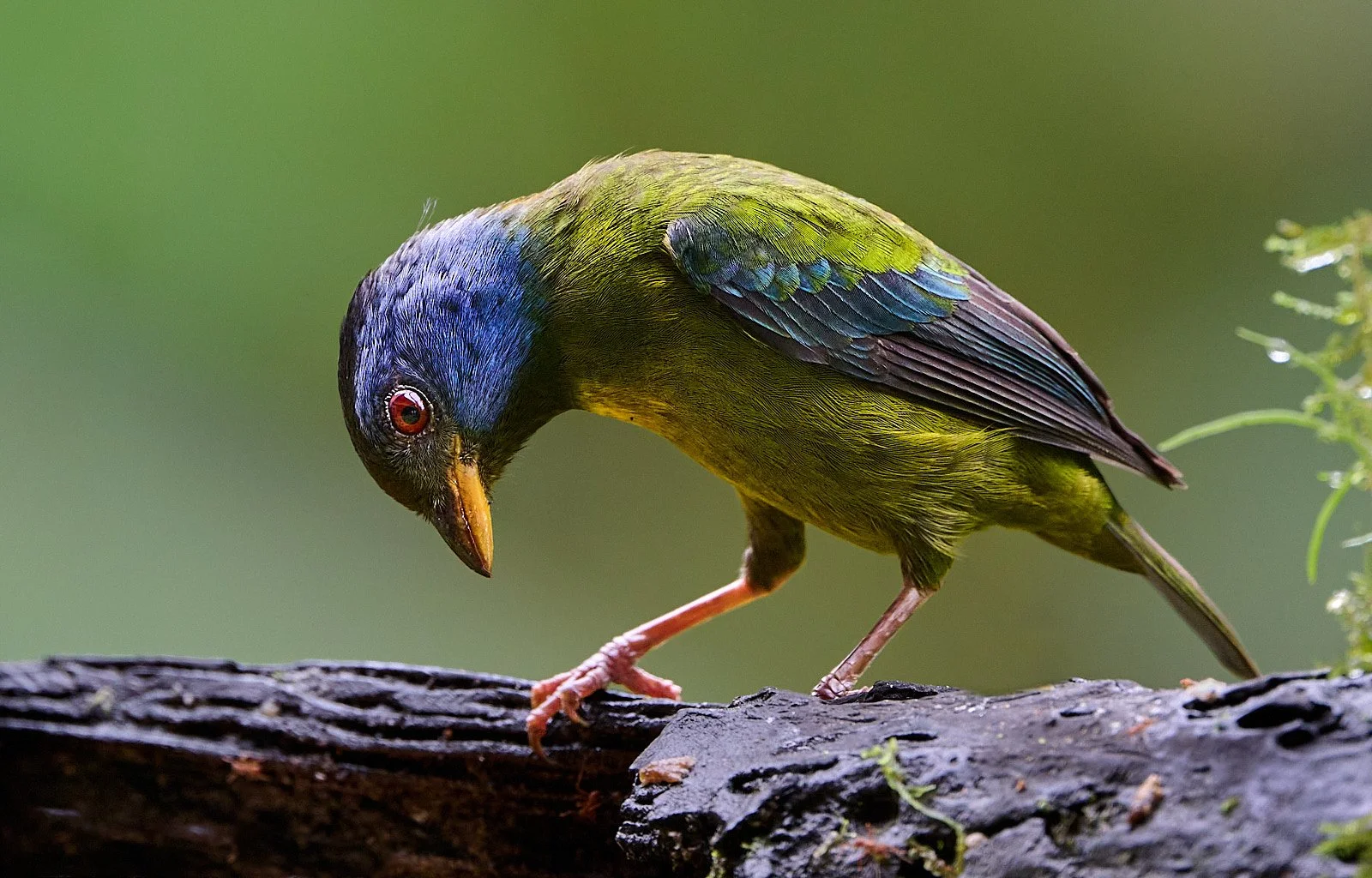
Moss-backed Tanager
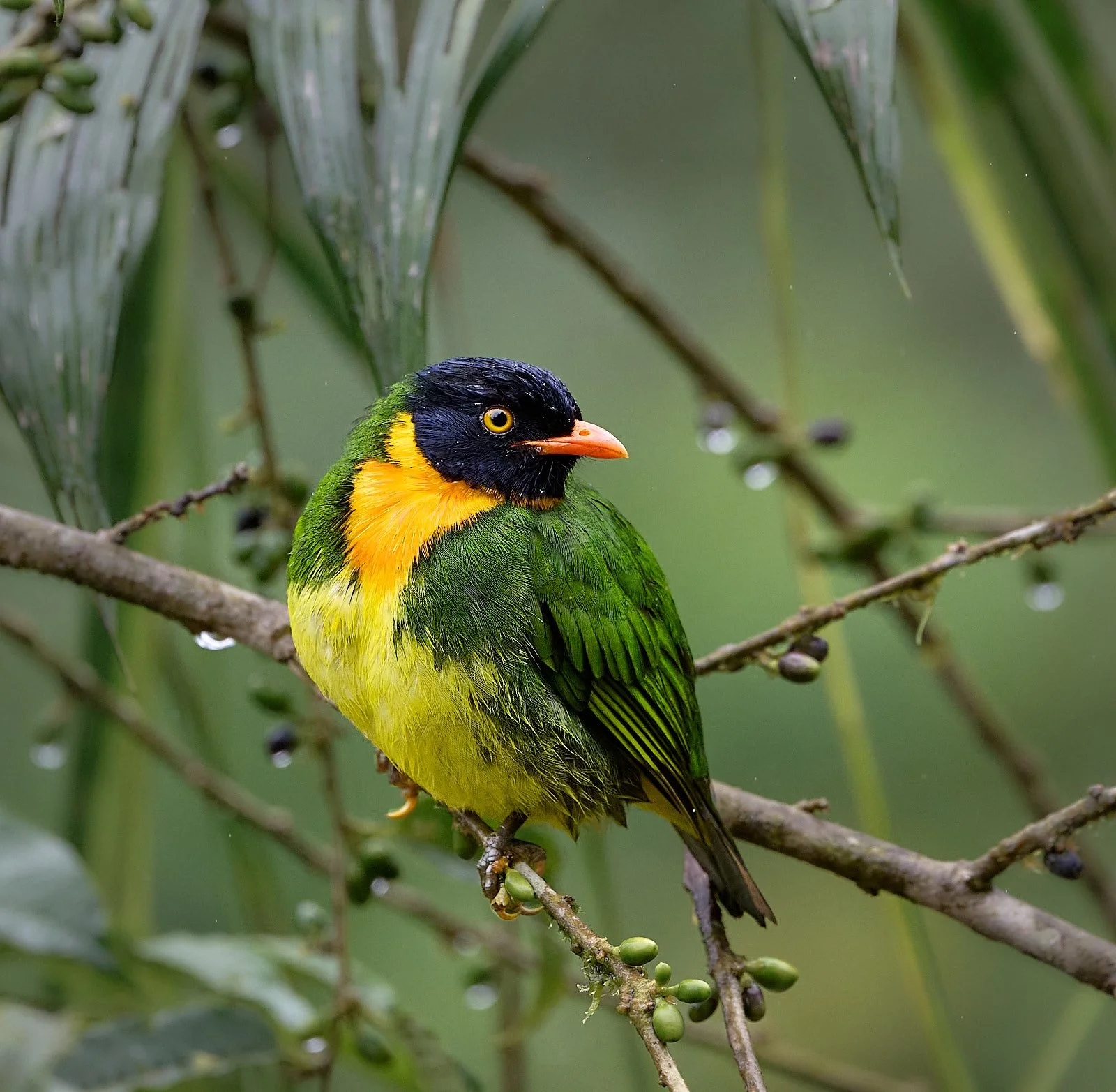
Orange-breasted Fruiteater, male
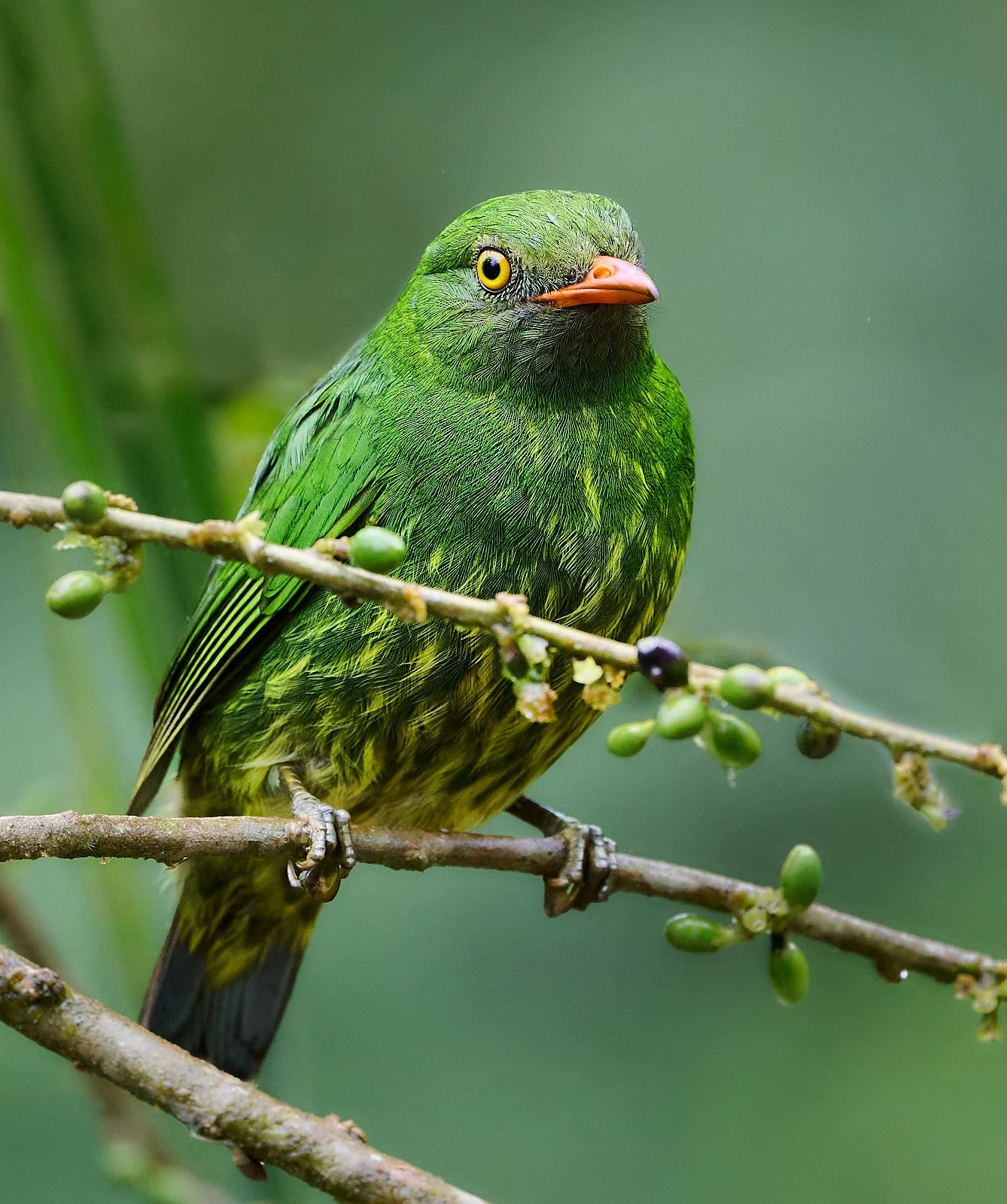
Orange-breasted Fruiteater, female
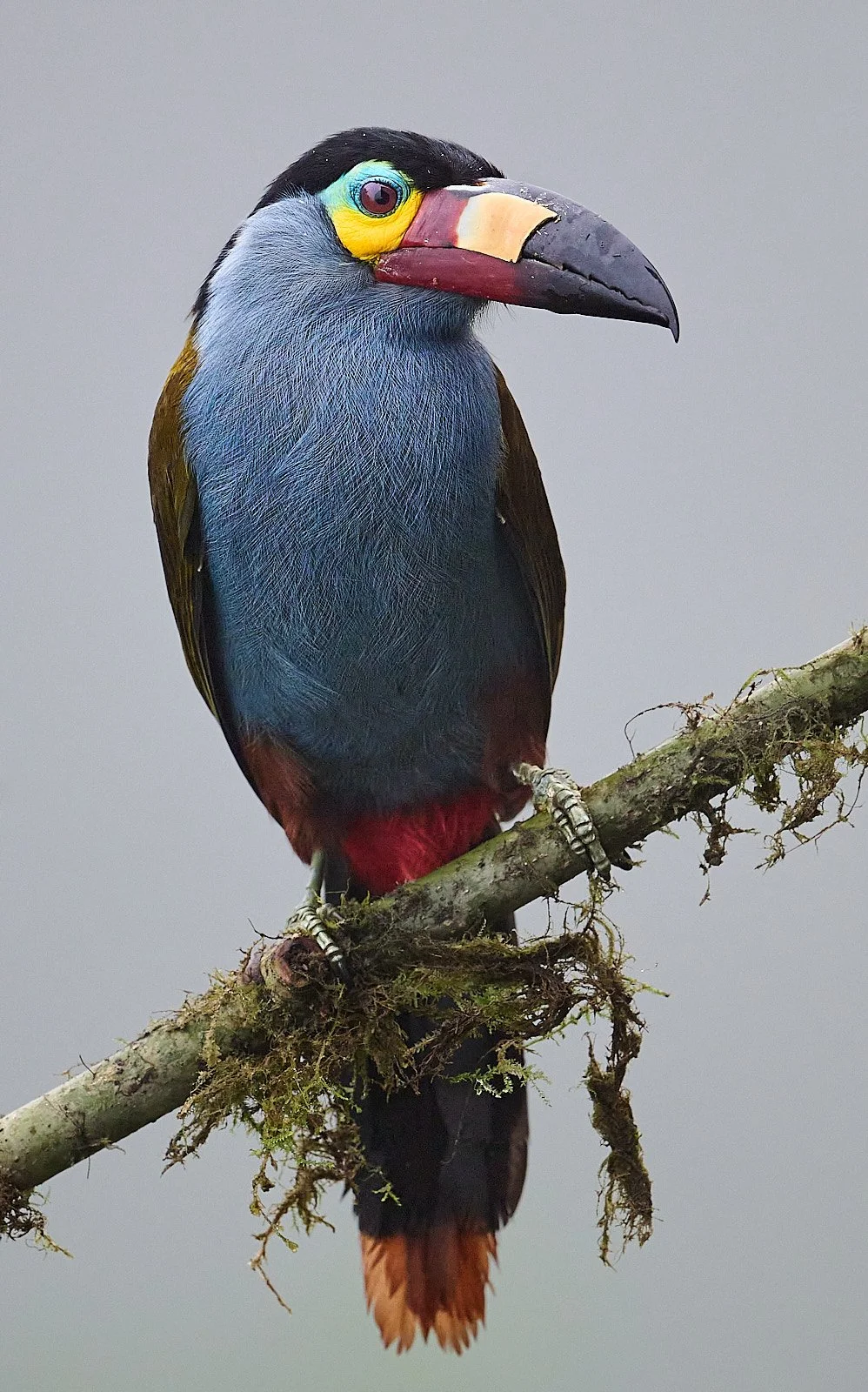
Plate-billed Mountain-Toucan

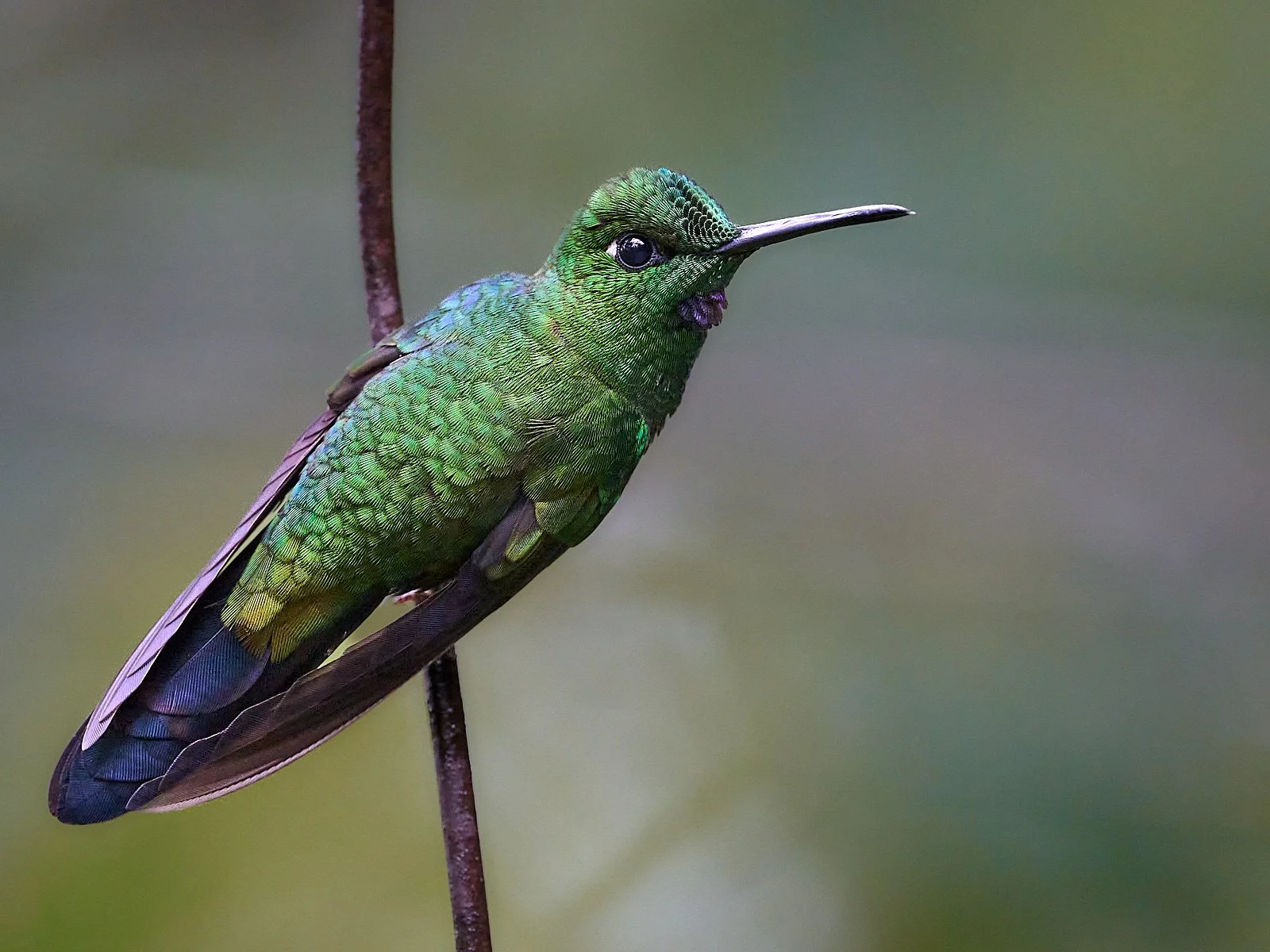
Purple-bibbed Whitetip
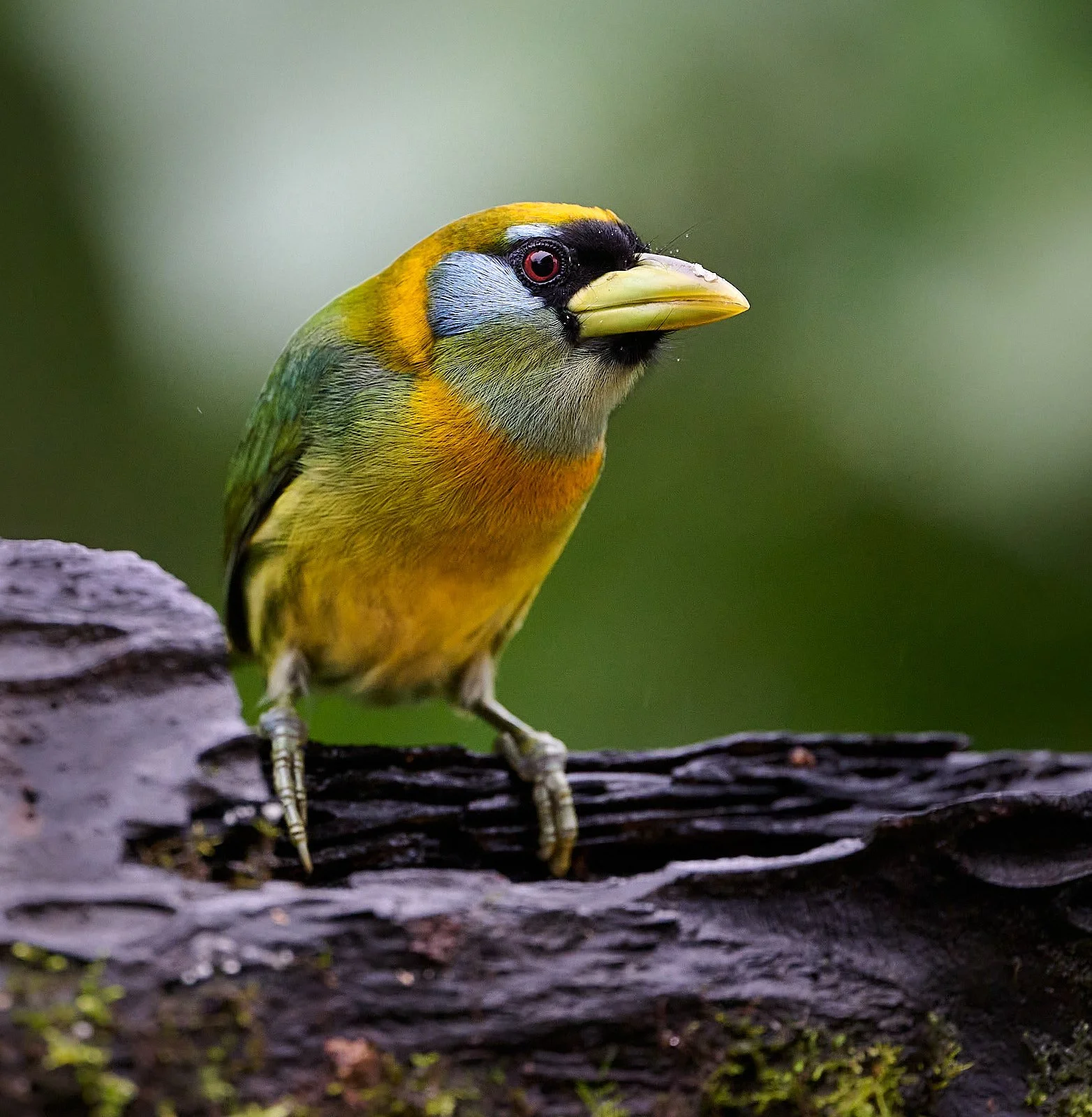
Red-headed Barbet, female
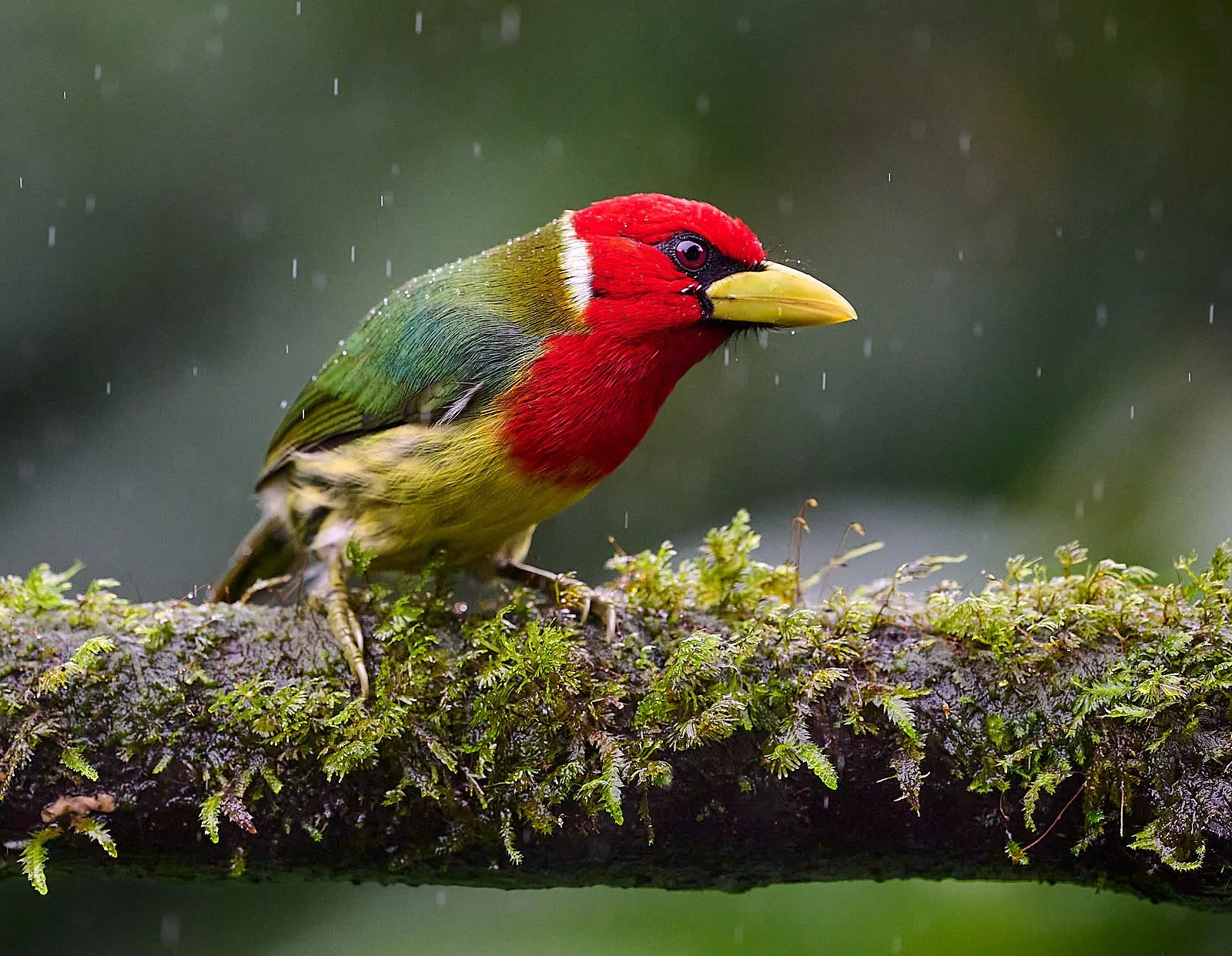
Red-headed Barbet, male
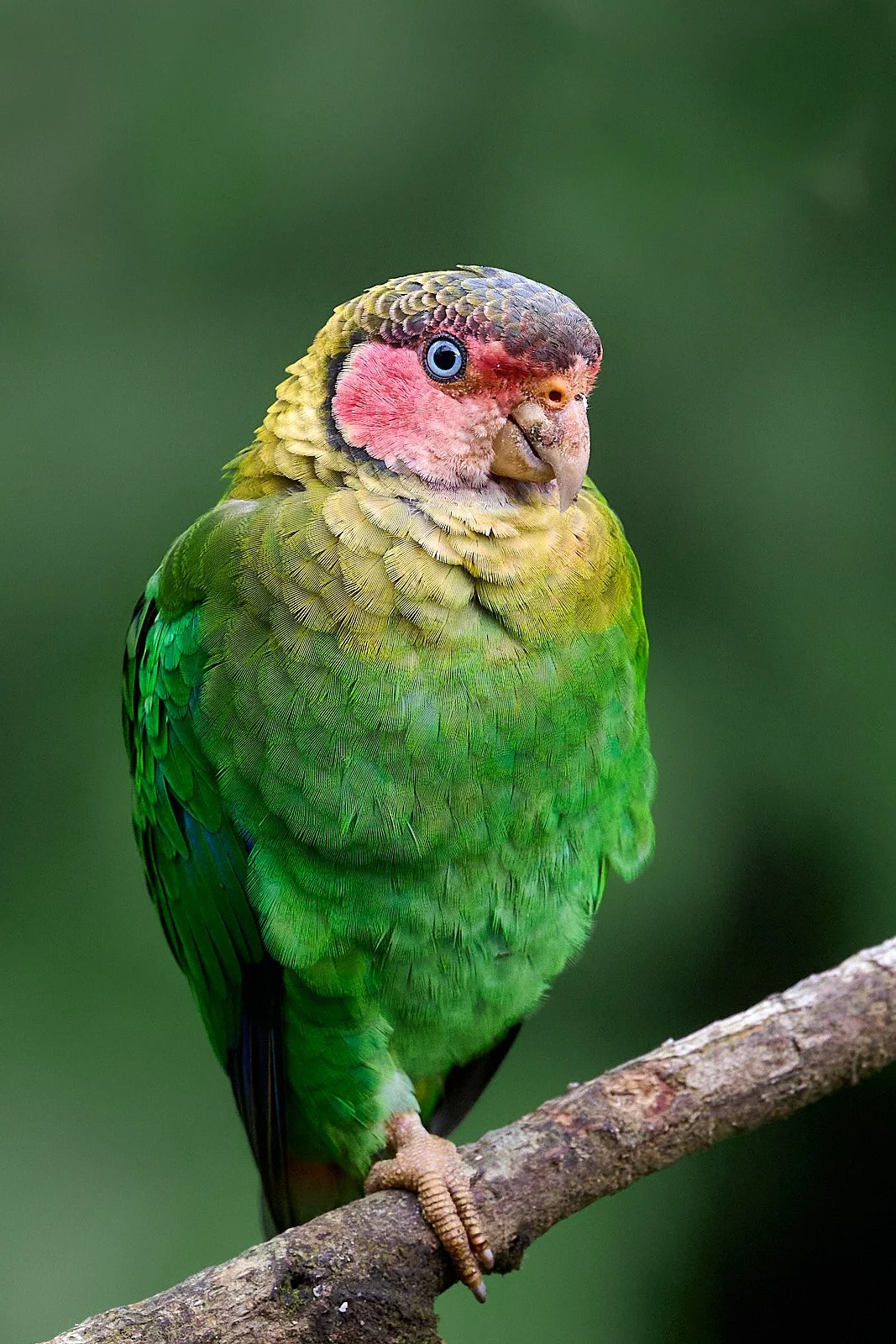
Rose-faced Parrot
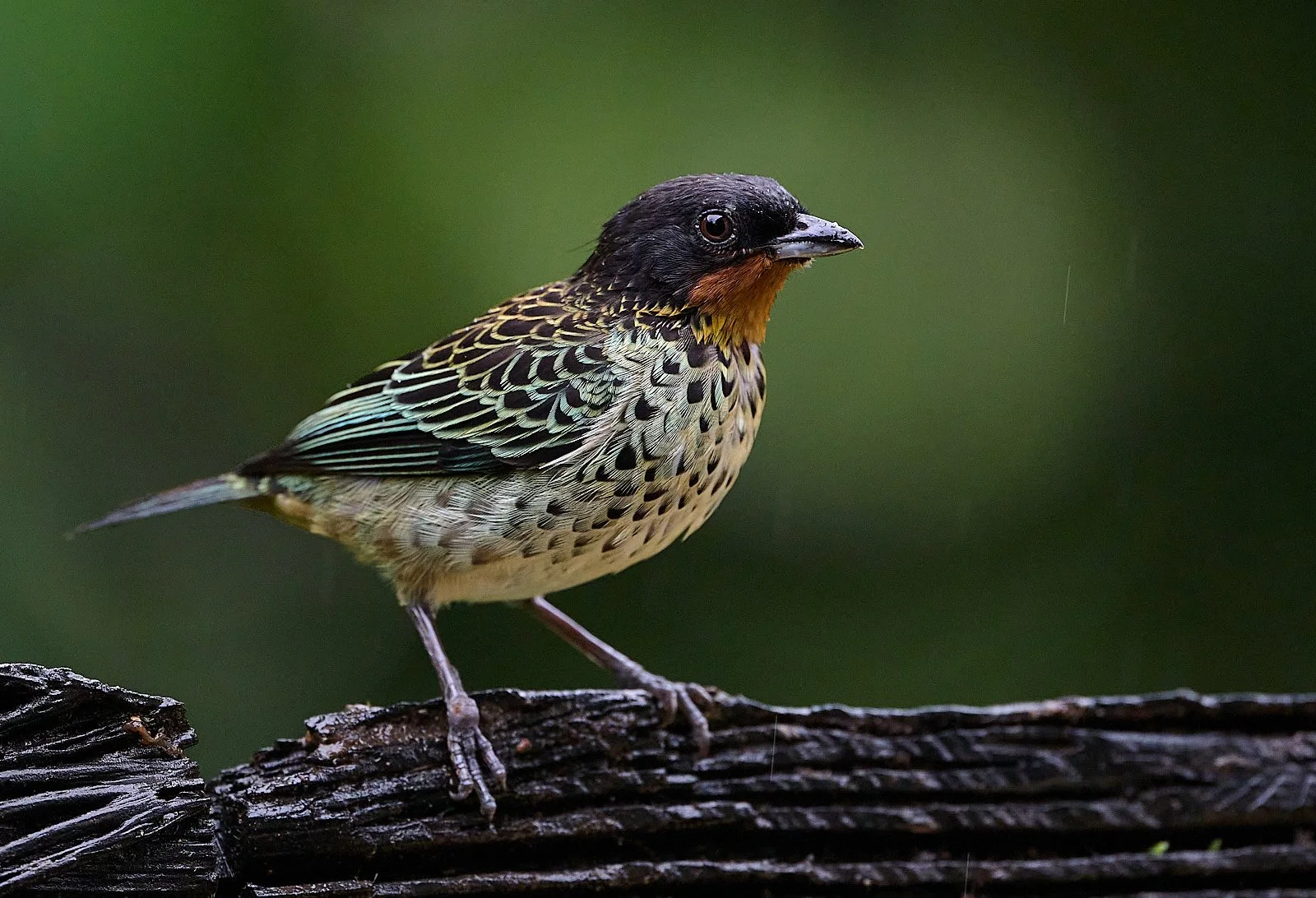
Rufous-throated Tanager
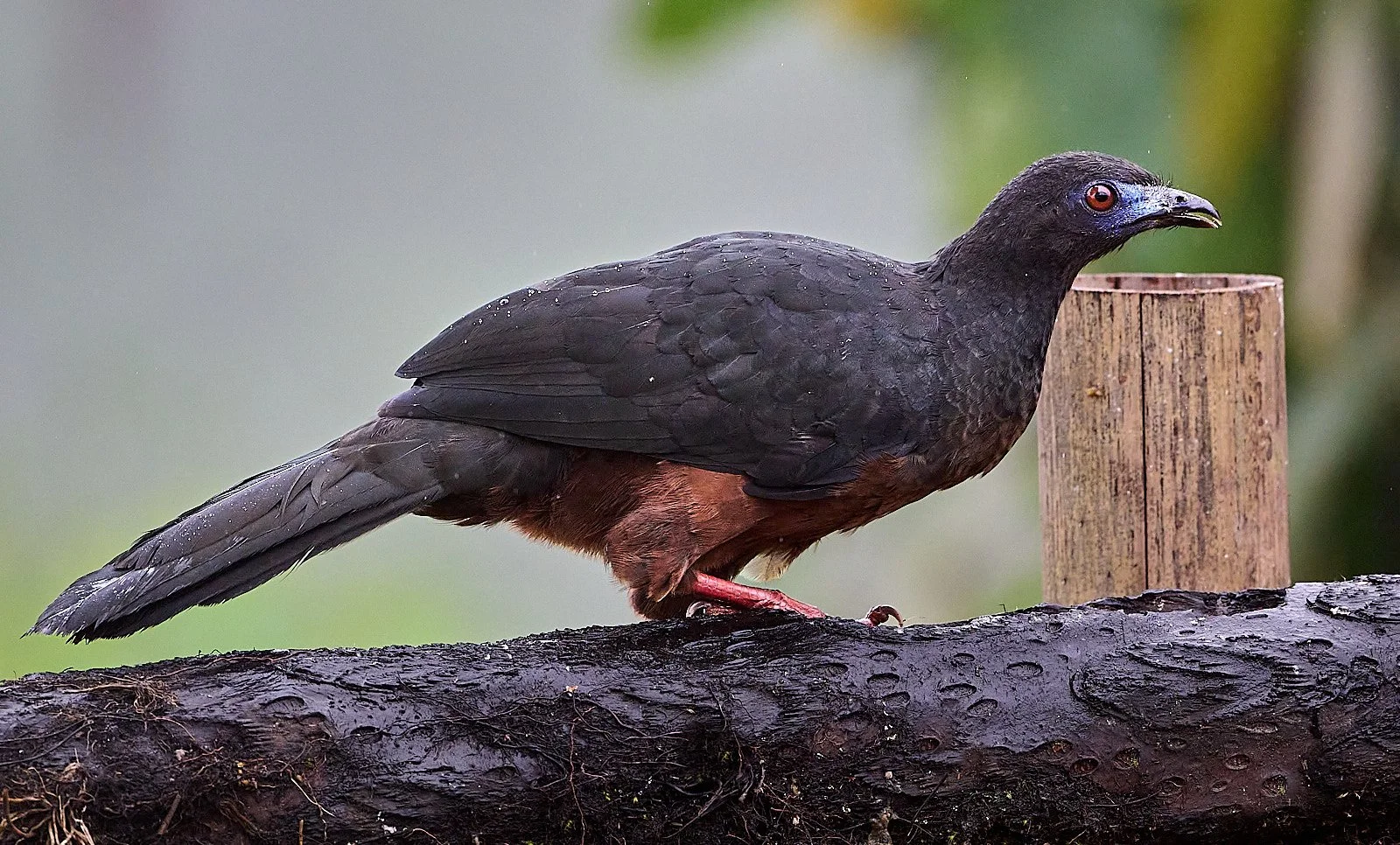
Sickle-winged Guan
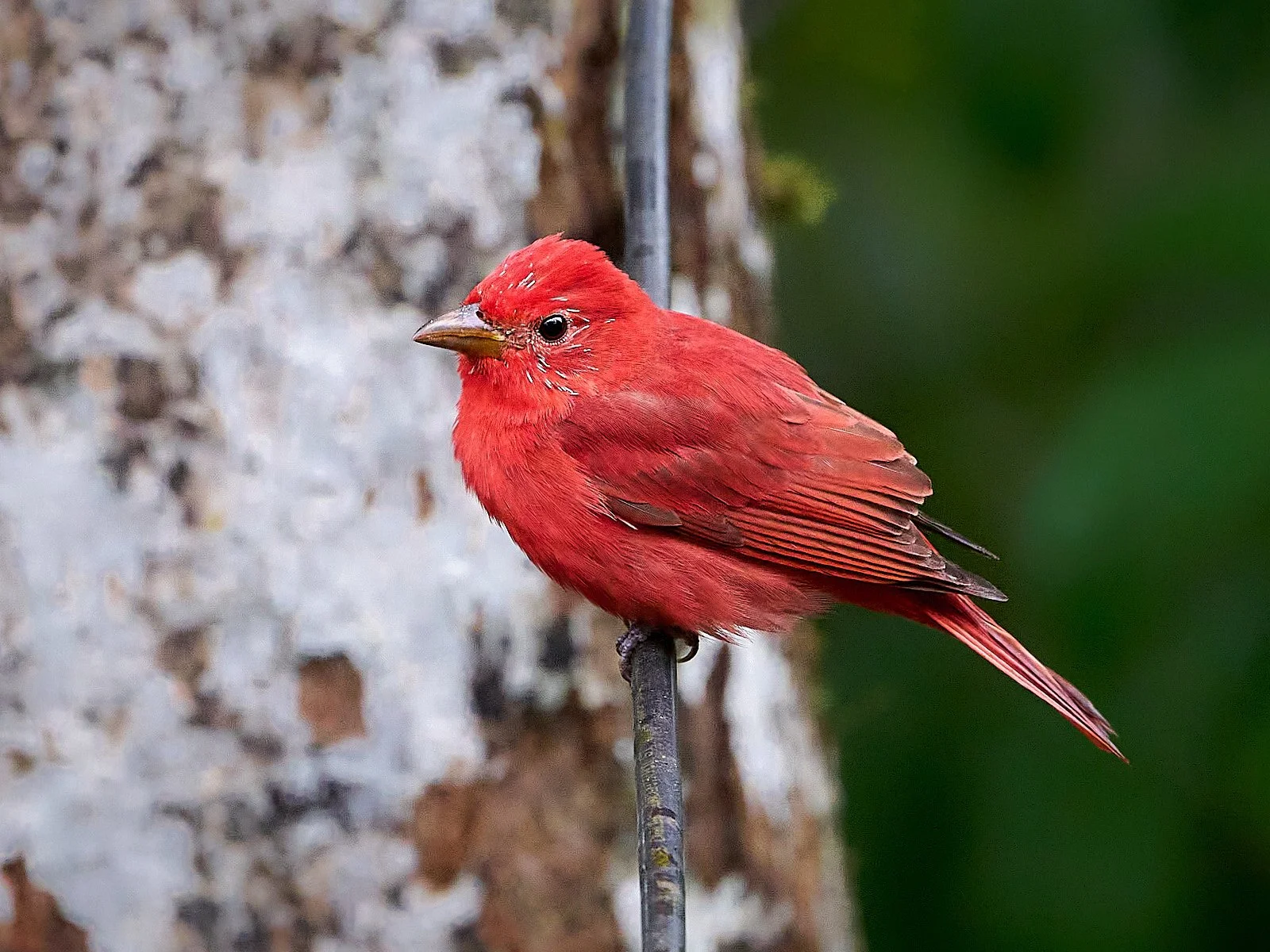
Summer Tanager
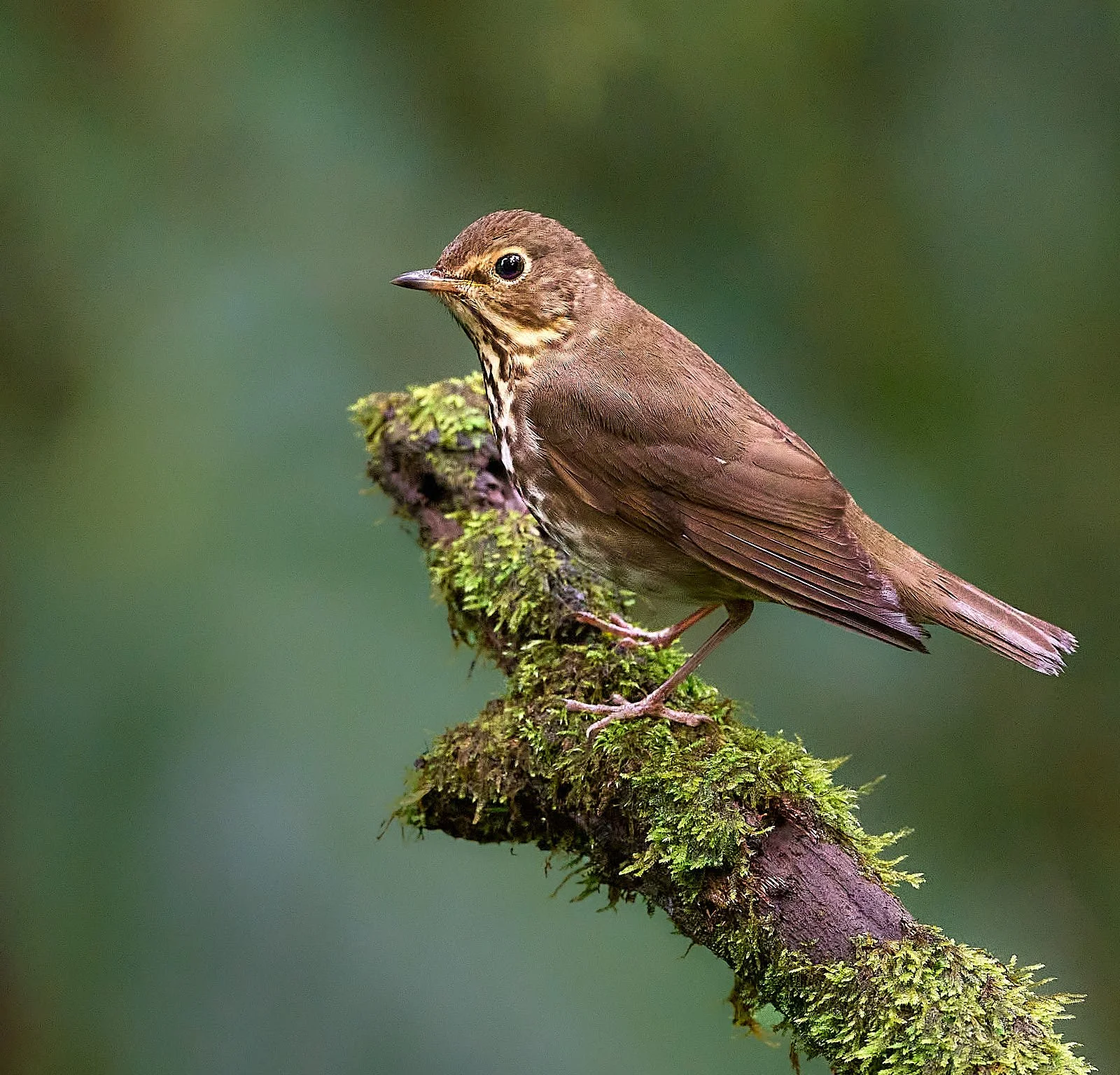
Swainson's Thrush
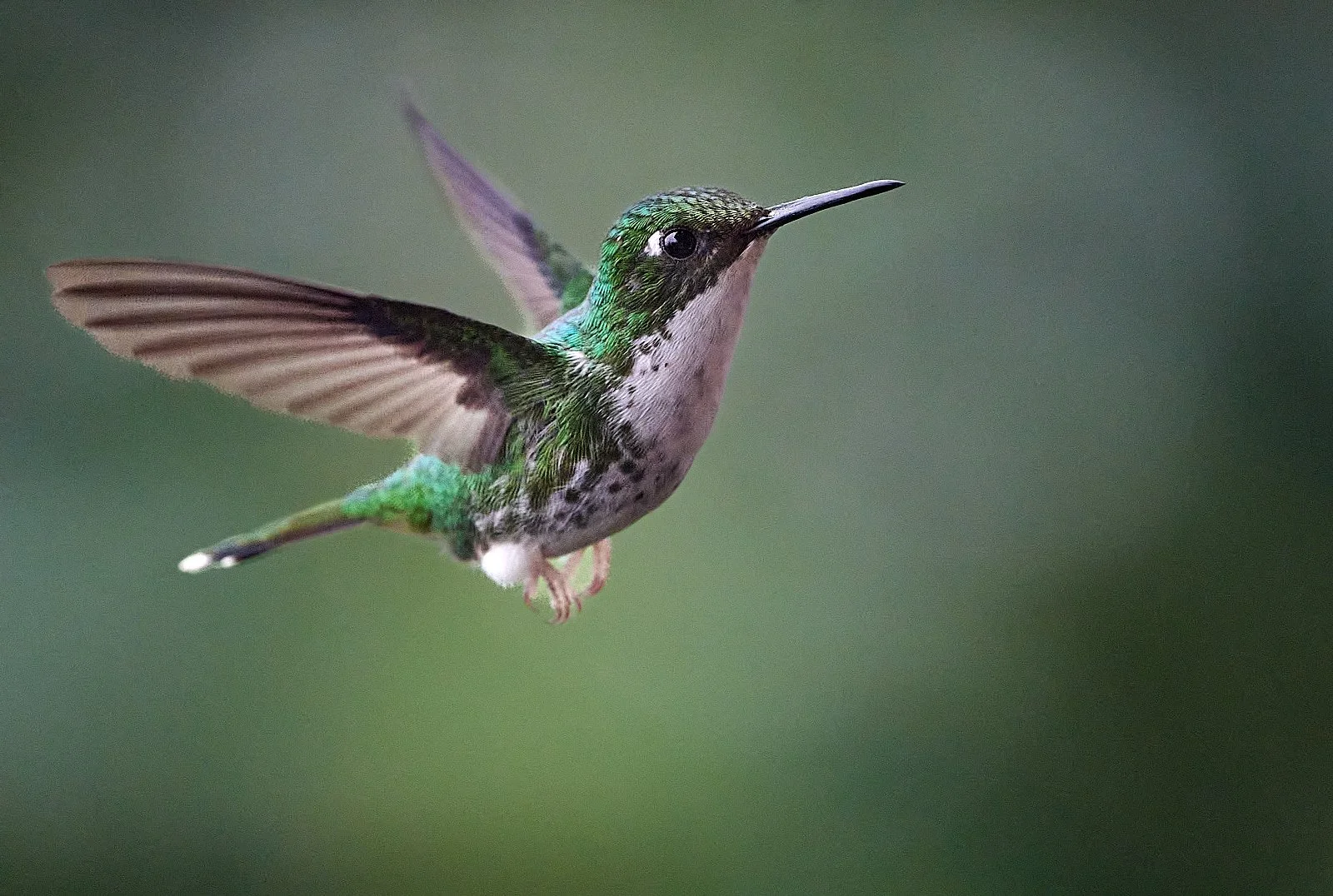
White-booted Racket-tail
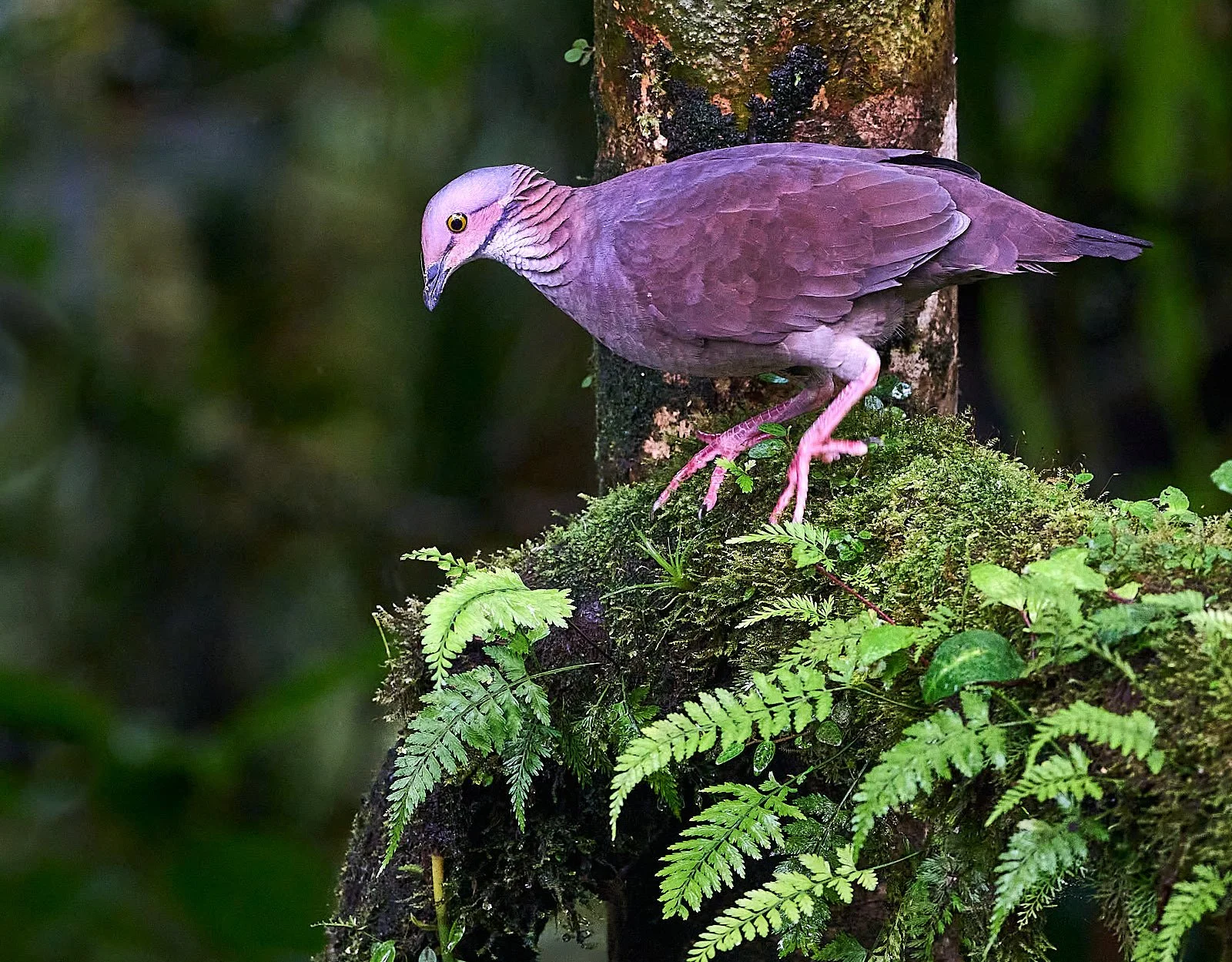
White-throated Quail-dove
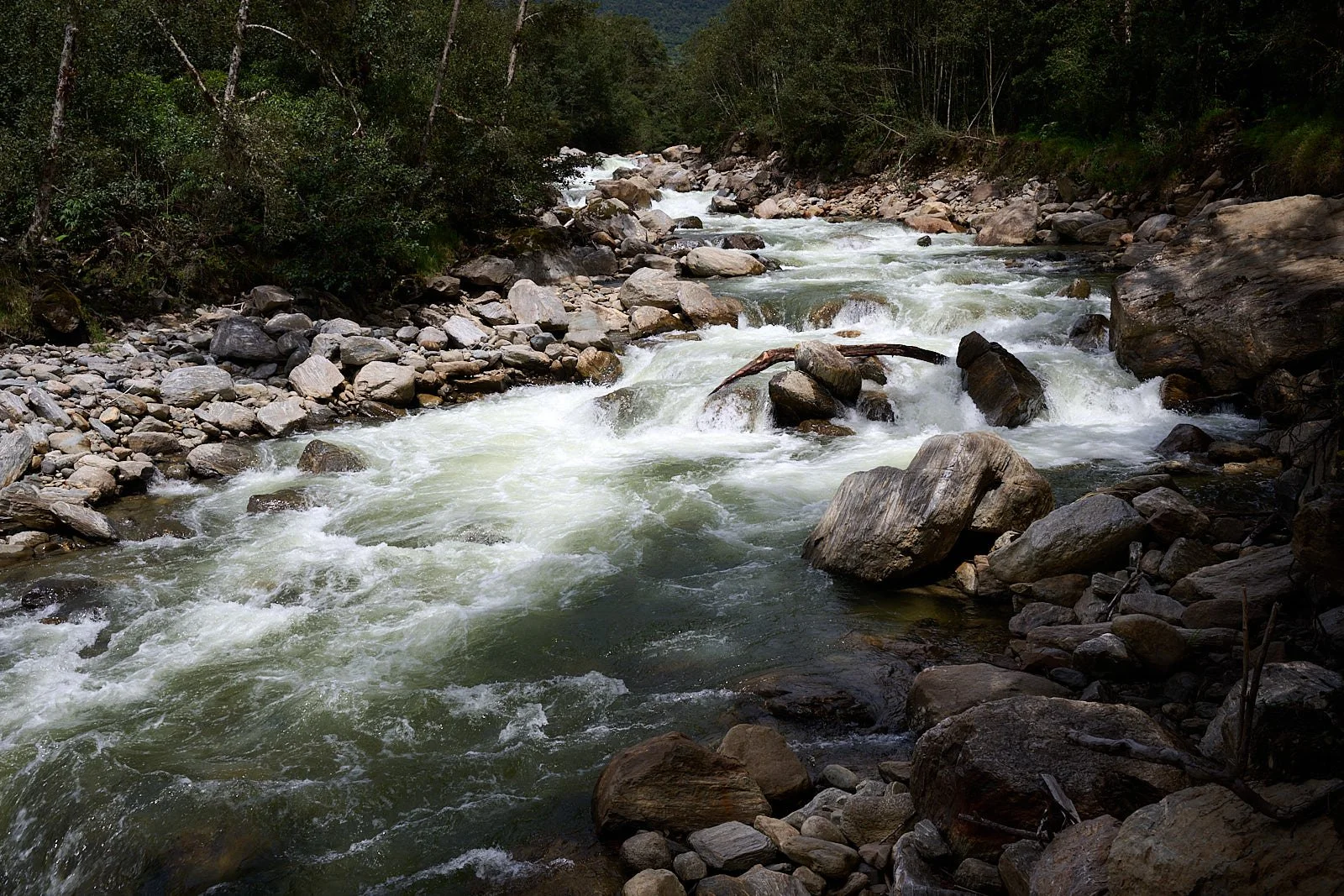
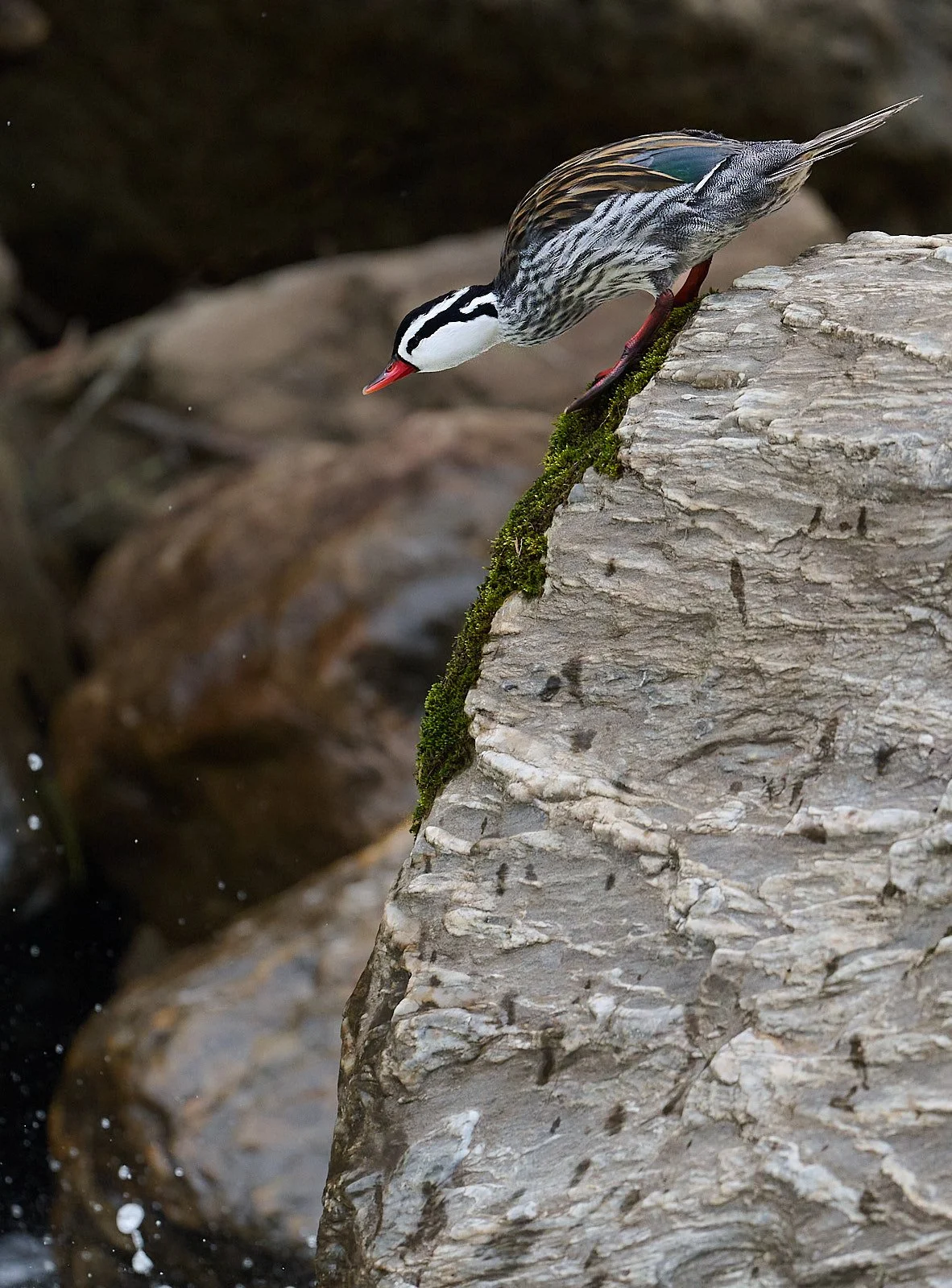
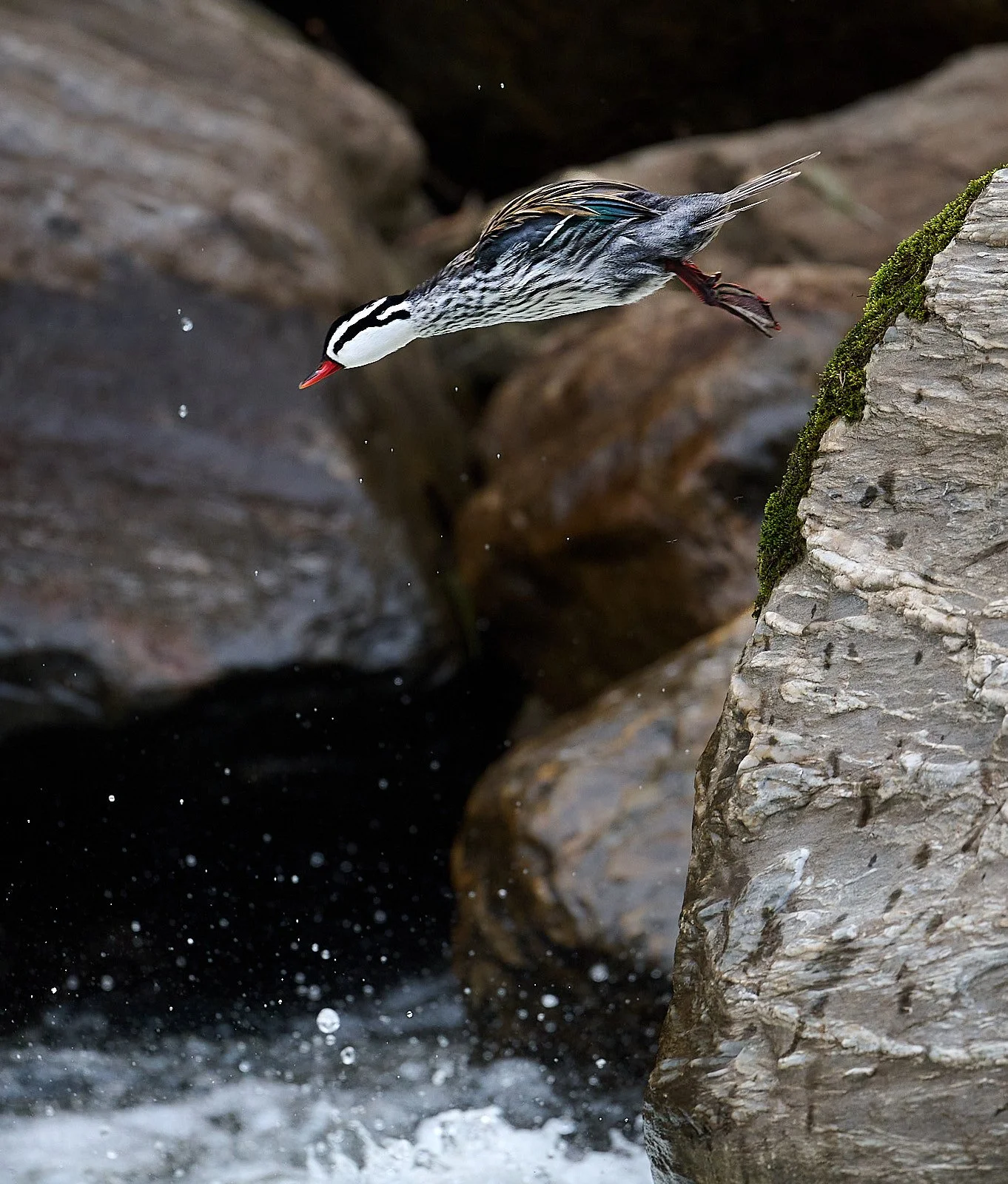
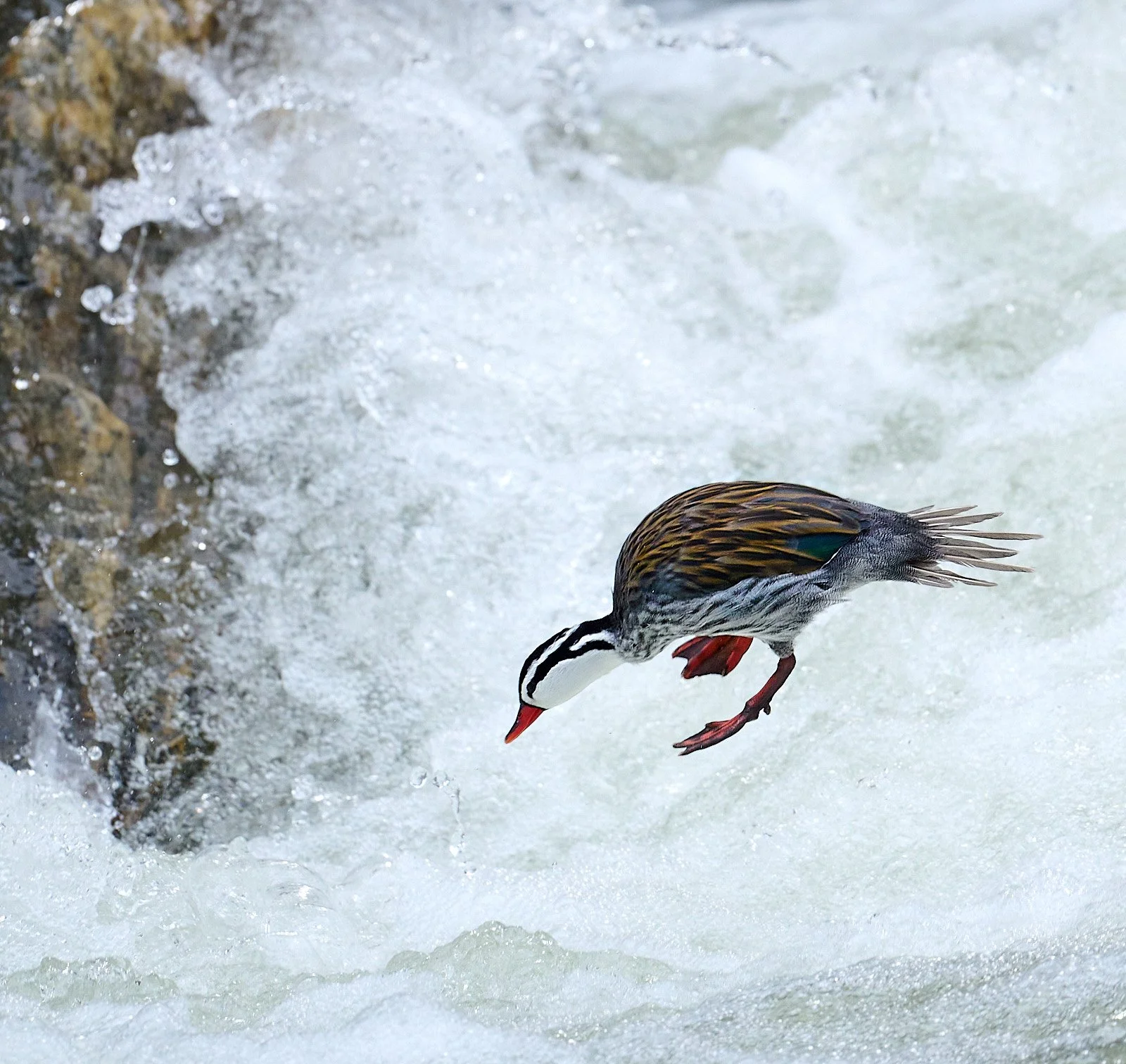
A pair of Torrent Ducks were seen here.
Andean Streams & Torrent Ducks
The Torrent Duck is an Andean endemic and a specialist of cold fast-flowing mountain streams, a tumultous and fairly unproductive environment to which only three other species of duck in the world that have been able to adapt.
Torrent Ducks find their invertebrate food in well oxygenated waters moving over a rock substratum. The ducks dive into the fast currents and use their flexible, slender, conical bill to forage for insect larvae.
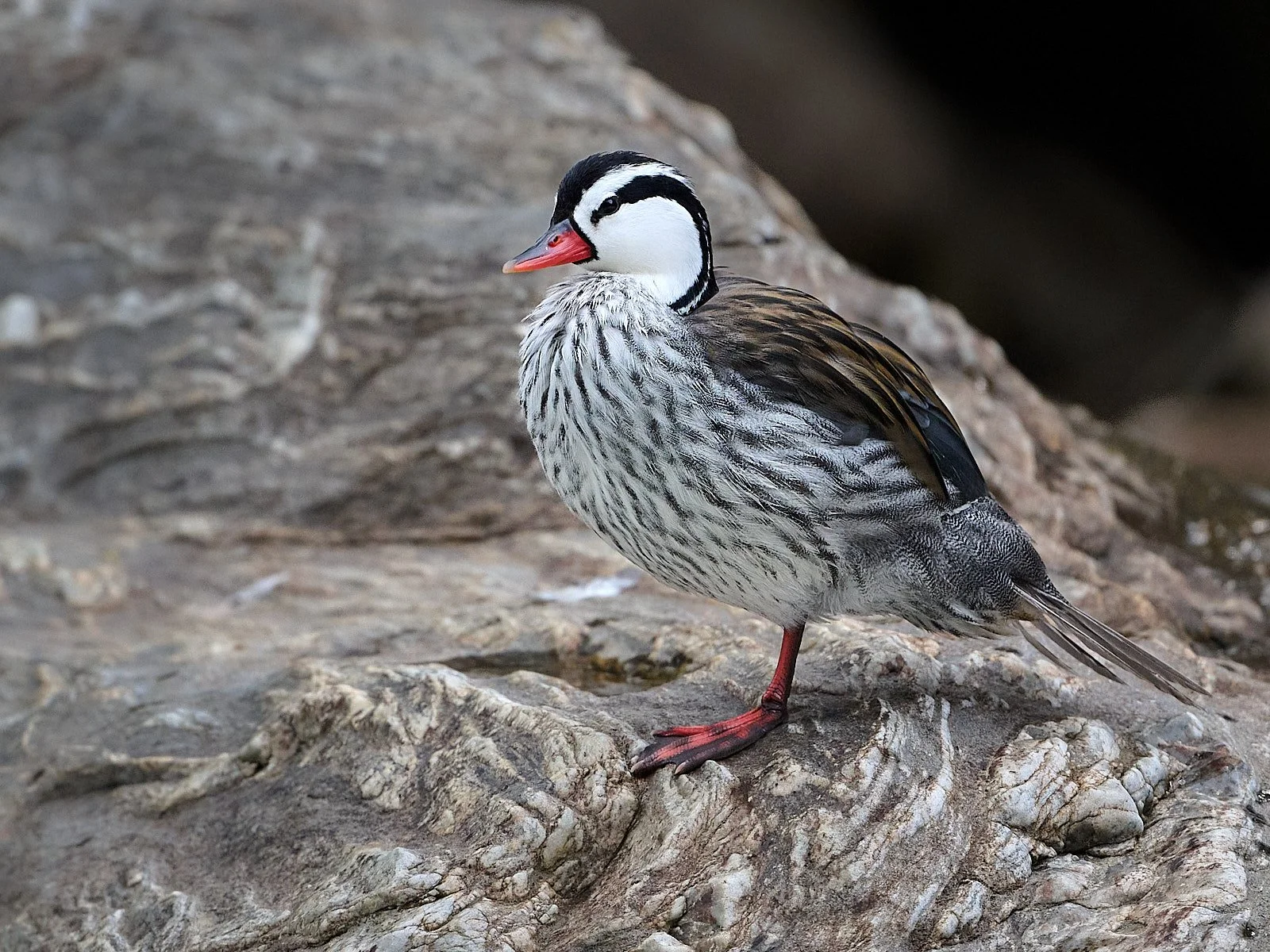
Torrent Duck, male
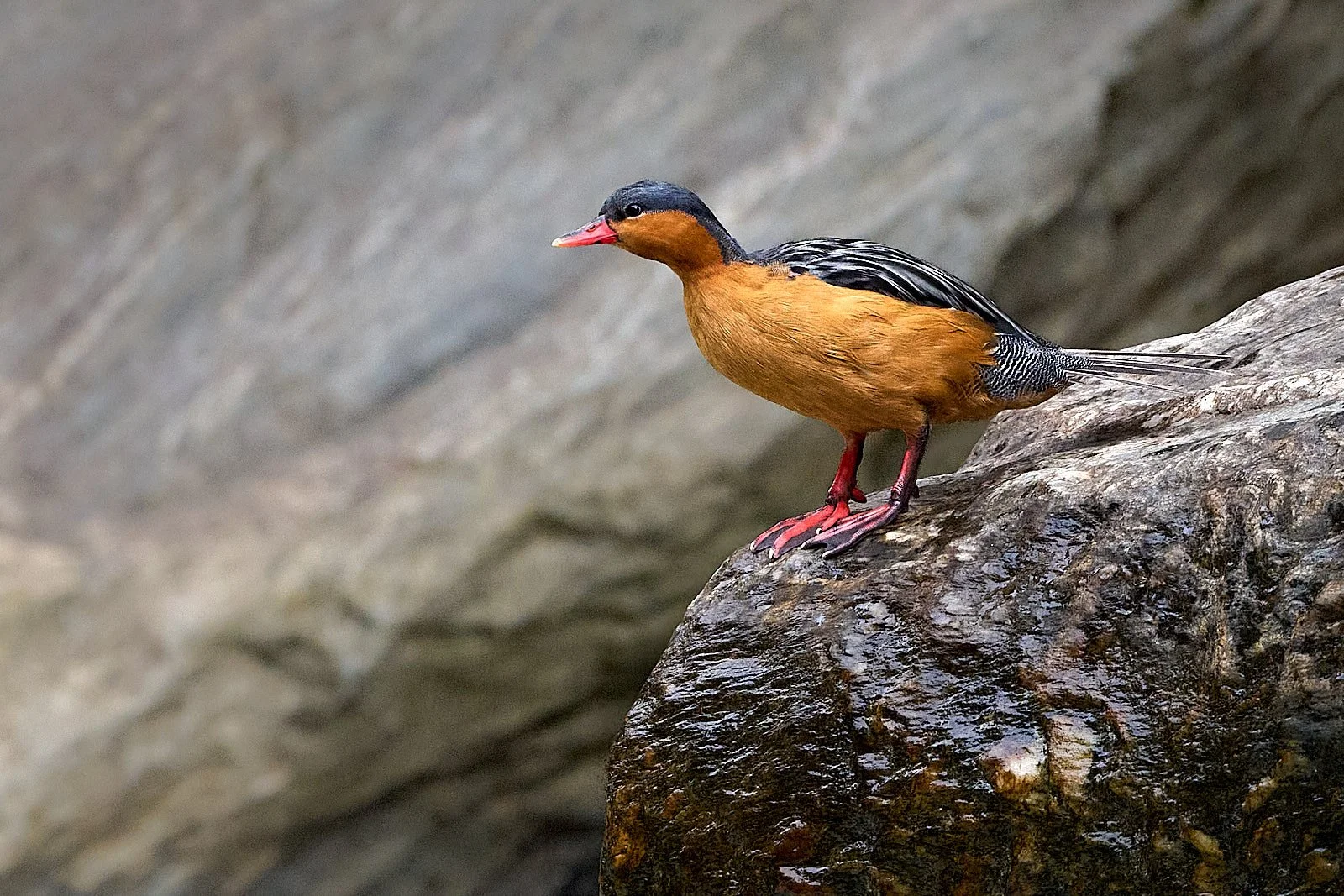
Torrent Duck, female

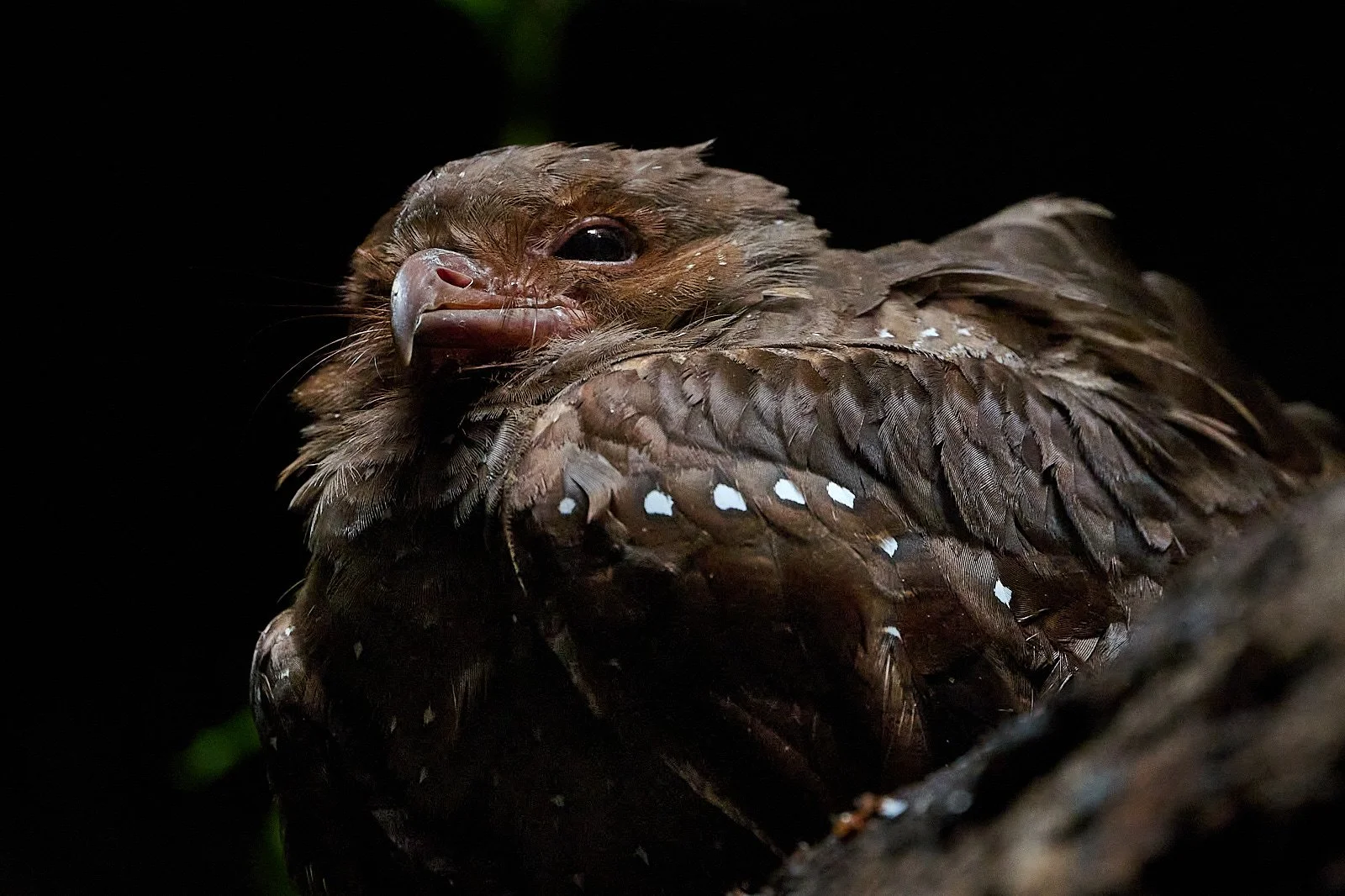
Oilbird resting in a cave during the day
The Oilbird: a unique frugivore
Oilbirds are the only species in the family Steatornithidae and are related to Nightjars. They have a broad head and bulging eyes, and are colonial, nocturnal birds that nest in caves. Oilbirds eat the fat-rich fruit of palms and laurel trees, often flying long distances at night to find their food. They hover at trees, picking fruit on the wing with their sharp, hooked beaks. Food is located using their night-vision and sense of smell. The birds echolocate to find their way in dark caves, an ability unique to Oilbirds and a few species of Asian swiflets.
Evolution of the Oilbird
In the 1960’s, David Snow hypothesized how Oilbirds evolved over time. Like nightjars, they were probably initially insectivorous, solitary and did not live in caves. The Neotropics lack big frugivorous bats that can exploit the high-calorie resource of large fruits. Therefore, Oilbird ancestors shifted to a fruit diet.
This initiated a cascade of adaptations. Their olfactory sense improved to aid in fruit location, social behavior became advantageous because birds collect at fruiting trees. The diet is rich in calories but is protein-poor. Consequently, incubation times are prolonged. Once hatched, the nestlings fatten up quickly but stay in the nest for about 100 days (compared to 30 days for nightjars) in order to acquire enough protein for adequate bone, muscle and nerve growth. (The name Oilbird refers to the fact that juveniles contain so much fat that they can be boiled down to render oil.)
Such an extended development time would make it risky to nest on the ground like nightjars. Piles of regurgitated seeds would attract predators. The oilbirds shifted to nesting in caves. Colonial behavior increased because caves are not widely abundant. Caves are safe and dark. This prompted an increase in clutch size (less predator pressure), the development of echolocation, utilization the same cave for a long time, and mating for life.
A study in Venezuela demonstrated that Oilbirds may fly up to 100 miles between feeding sites. Each bird consumed about 50 fruit per day, and the colony regurgitated about 15 million seeds each month - 60 percent of which are dispersed in the forest. Therefore, Oilbirds are important for maintaining forest diversity and merit strict conservation measures.
Antpittas
Antpittas (Grallariidae) are found in a variety of forest types in the neotropics and are the duller equivalent of Old World pittas (Pittidae). Antpittas have a wide range of body sizes, but all are largely terrestrial. With their long legs and upright posture, they often hop when foraging for terrestrial invertebrates.
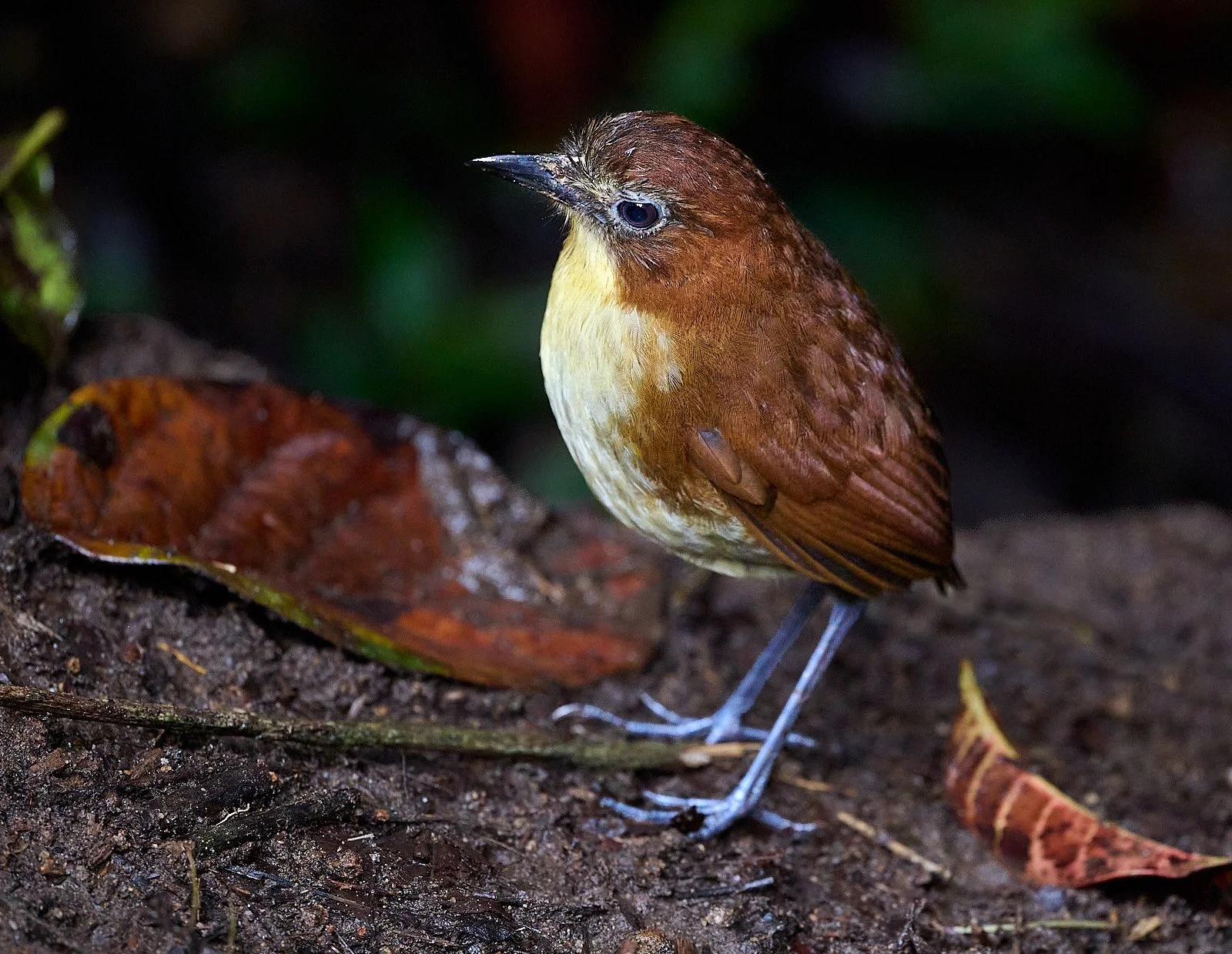
Yellow-breasted Antpitta
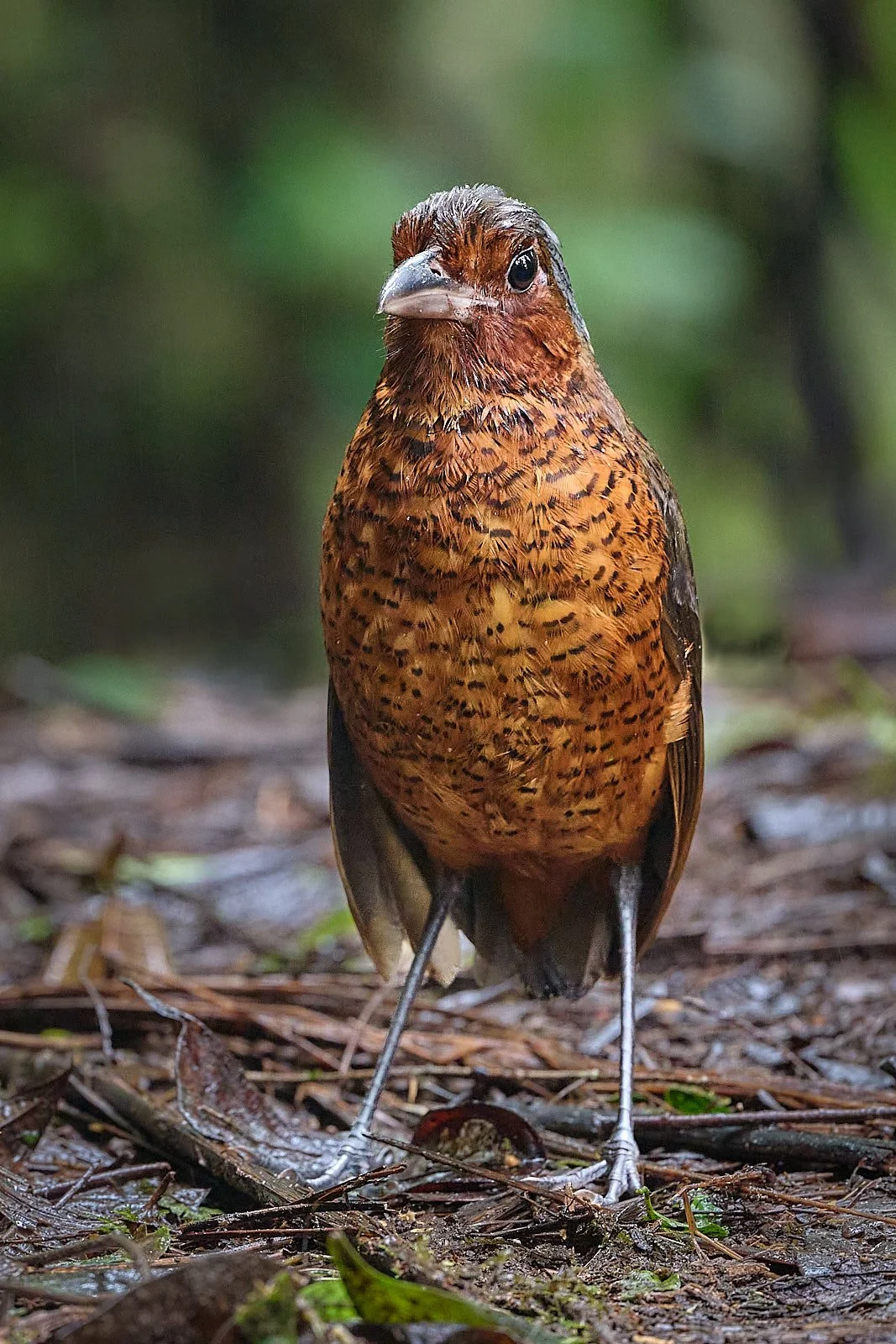
Giant Antpitta
Maria, Maria
The Giant Antpitta is a huge antpitta, rare and seldom seen until recently. It is found largely in Ecuador, but also occurs in southernmost Colombia. Recently this awesome antpitta became much easier to see in a spot close to Quito, Ecuador where an entrepreneurial local man (Angel Paz) habituated a pair of these antpittas to take worms from him, luring them out into the trail so that birders could see the bird.
Paz was immensely successful in his efforts, and the birds, particularly "Maria", the female, have become well known characters on the bird touring circuit. Paz has been able to move from berry farming to ecotourism, and his methodology is being copied throughout Ecuador with great results. (from: Birds of the World, Cornell Lab of Ornithology)

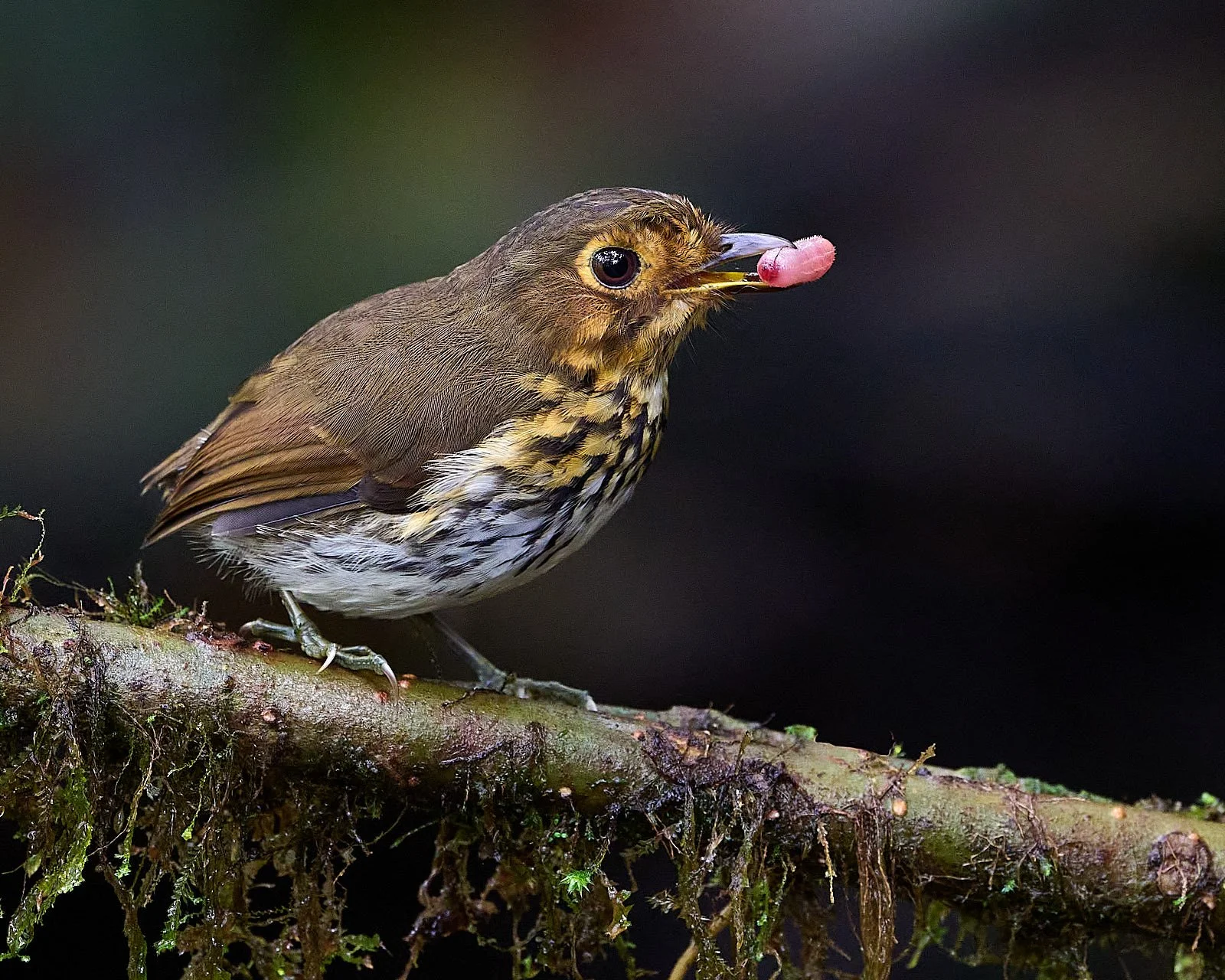
Ochre-breasted Antpitta
A tiny, short-legged antpitta that, unlike other antpittas, is arboreal.
It often sways its “hips”, prompting Angel Paz to call tamed individuals “Shakira” after a pop star.
(Click the image to see the hips twitch.)
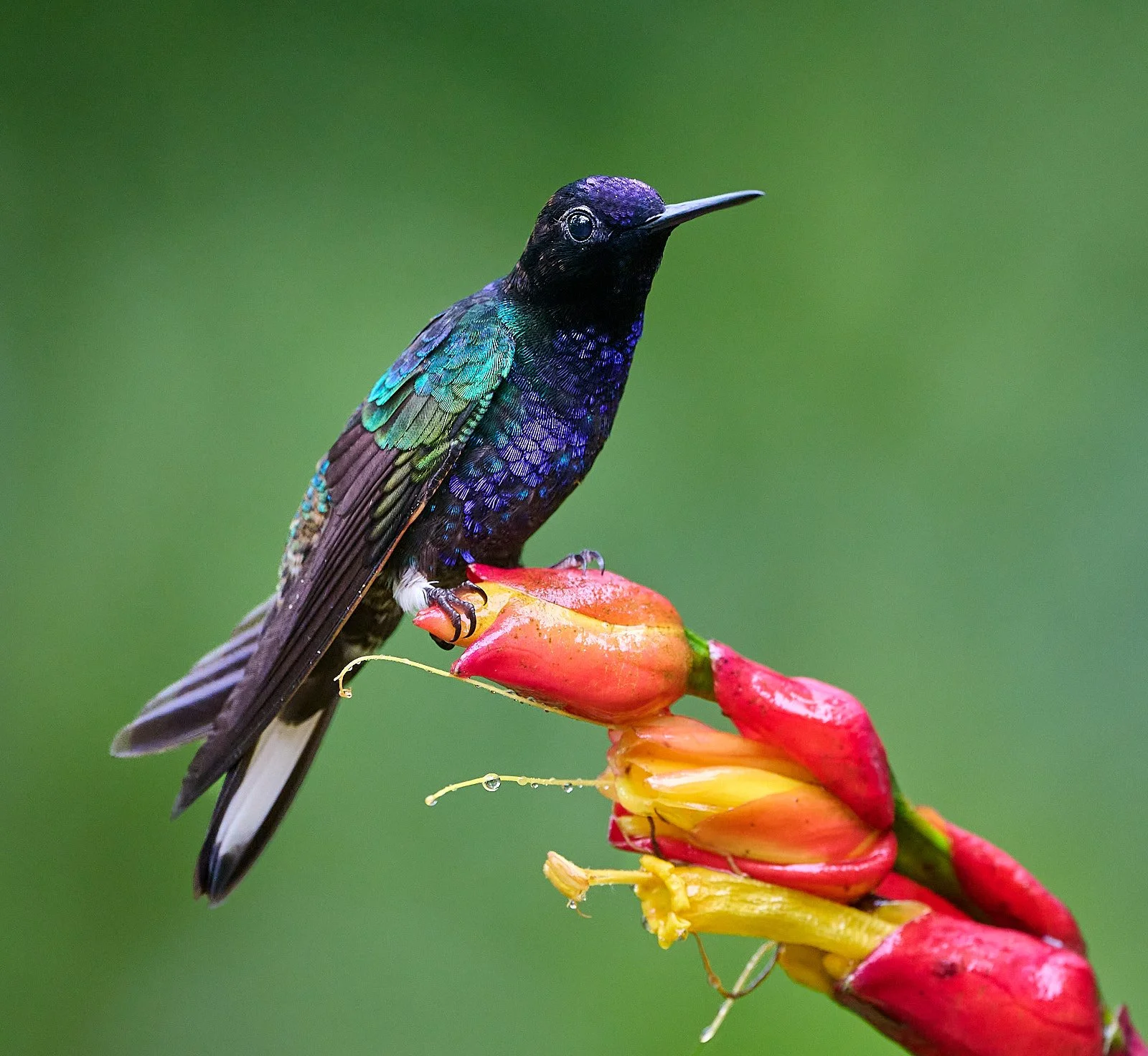
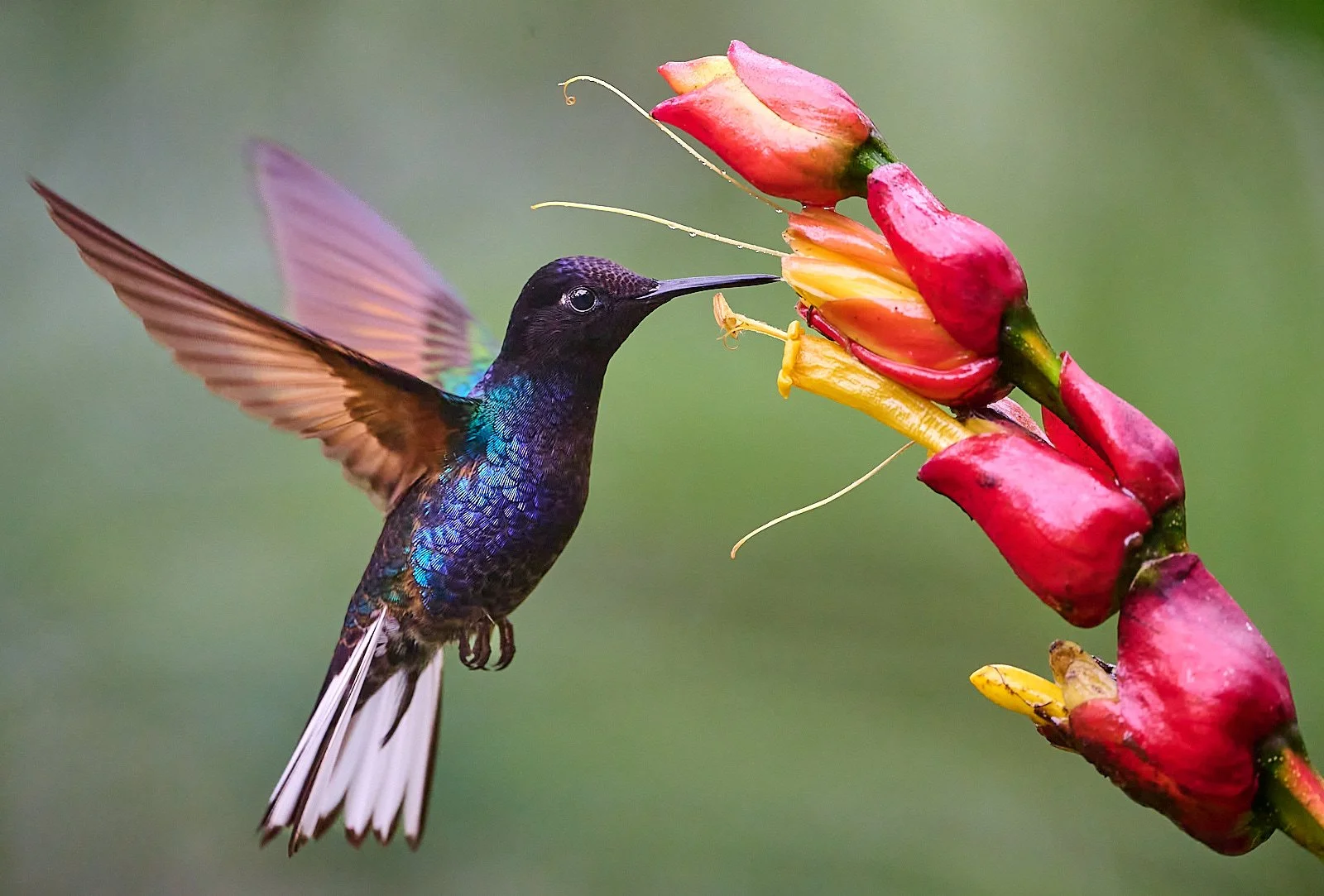
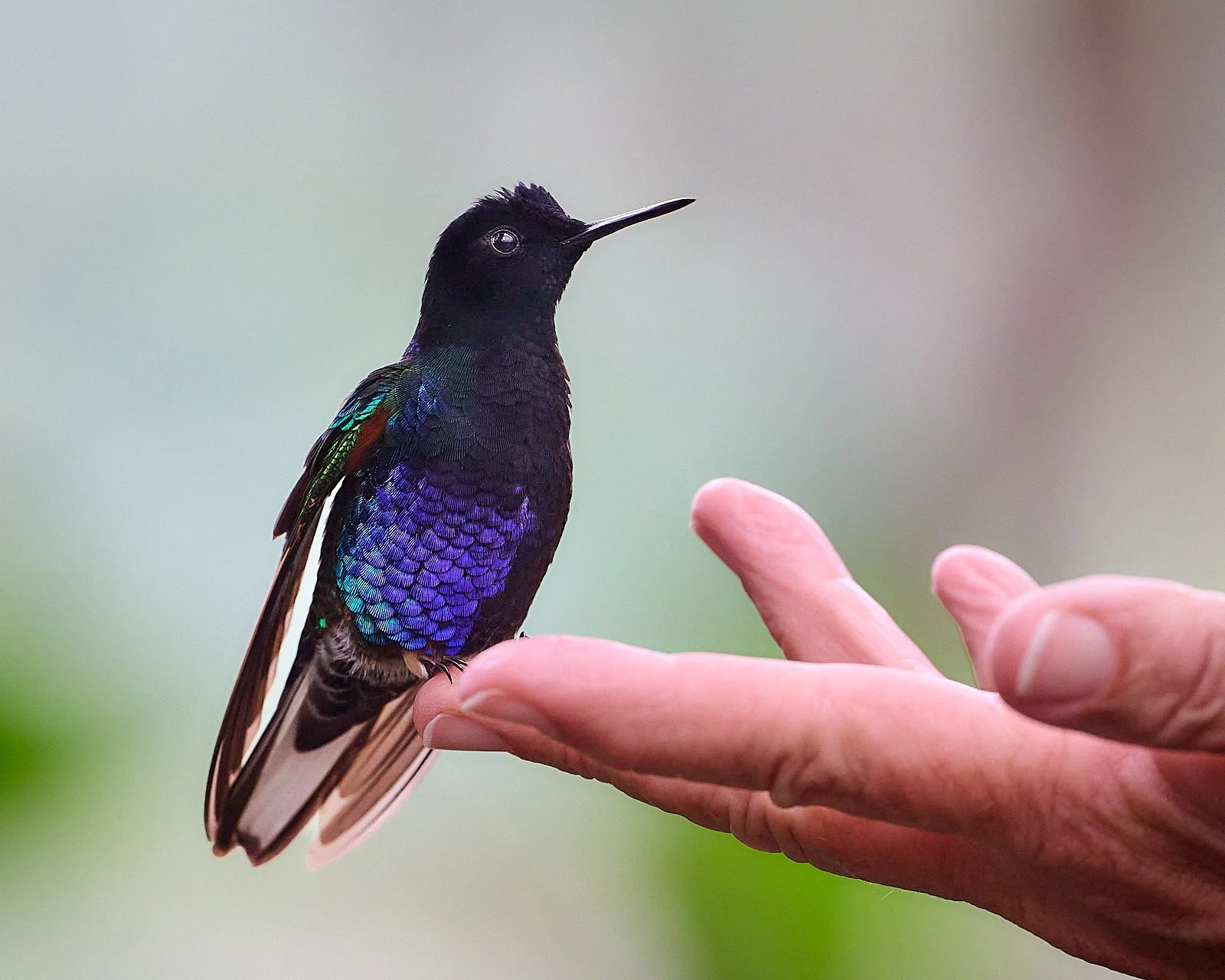
Velvet-purple Coronet
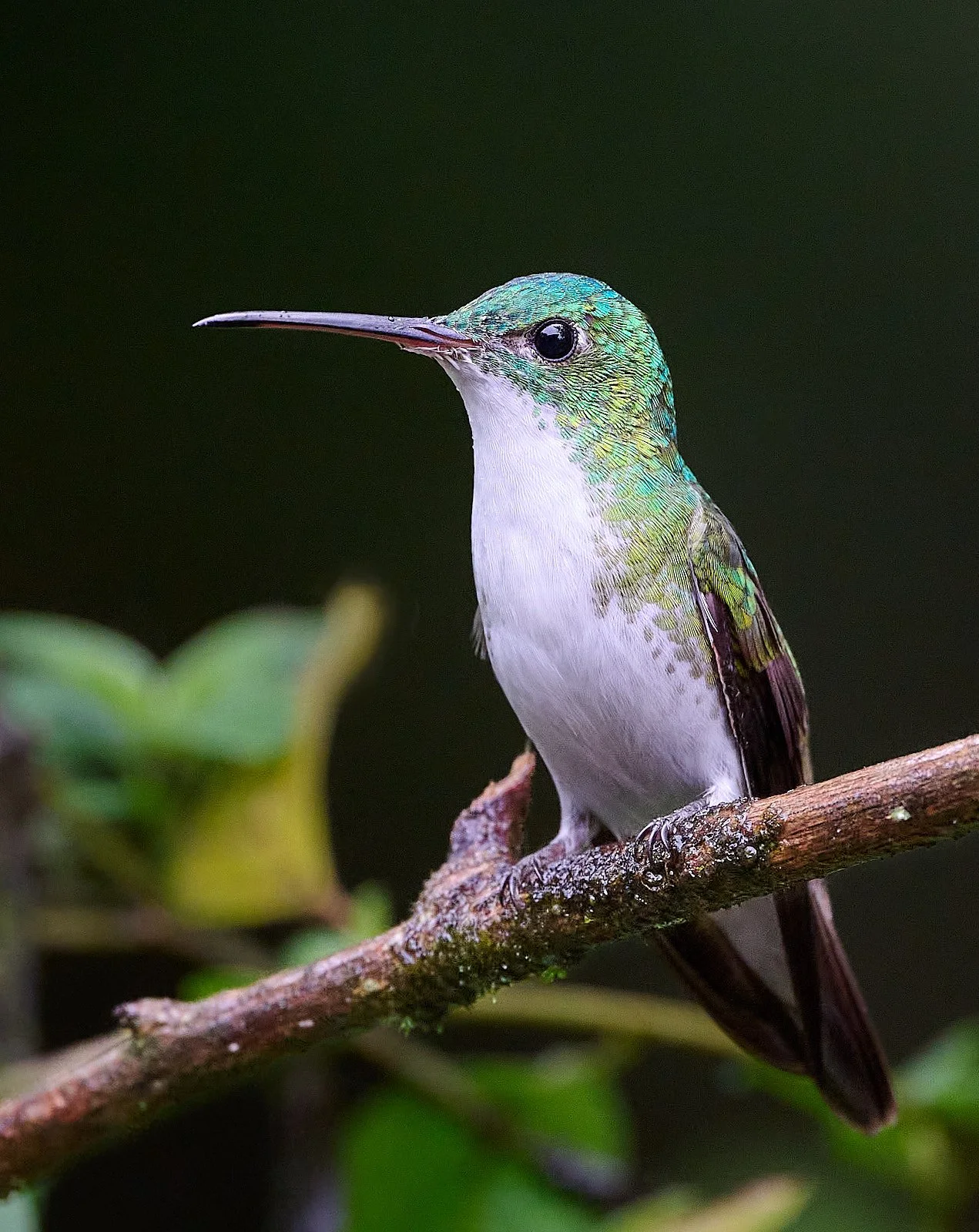
Hummingbird – plant coevolution
Adaptive radiation occurs when an organism evolves to give rise to many different species, each adapted to exploit a somewhat different set of environmental resources. Darwin’s finches in the Galapagos are a classic example. Hummingbirds are another.
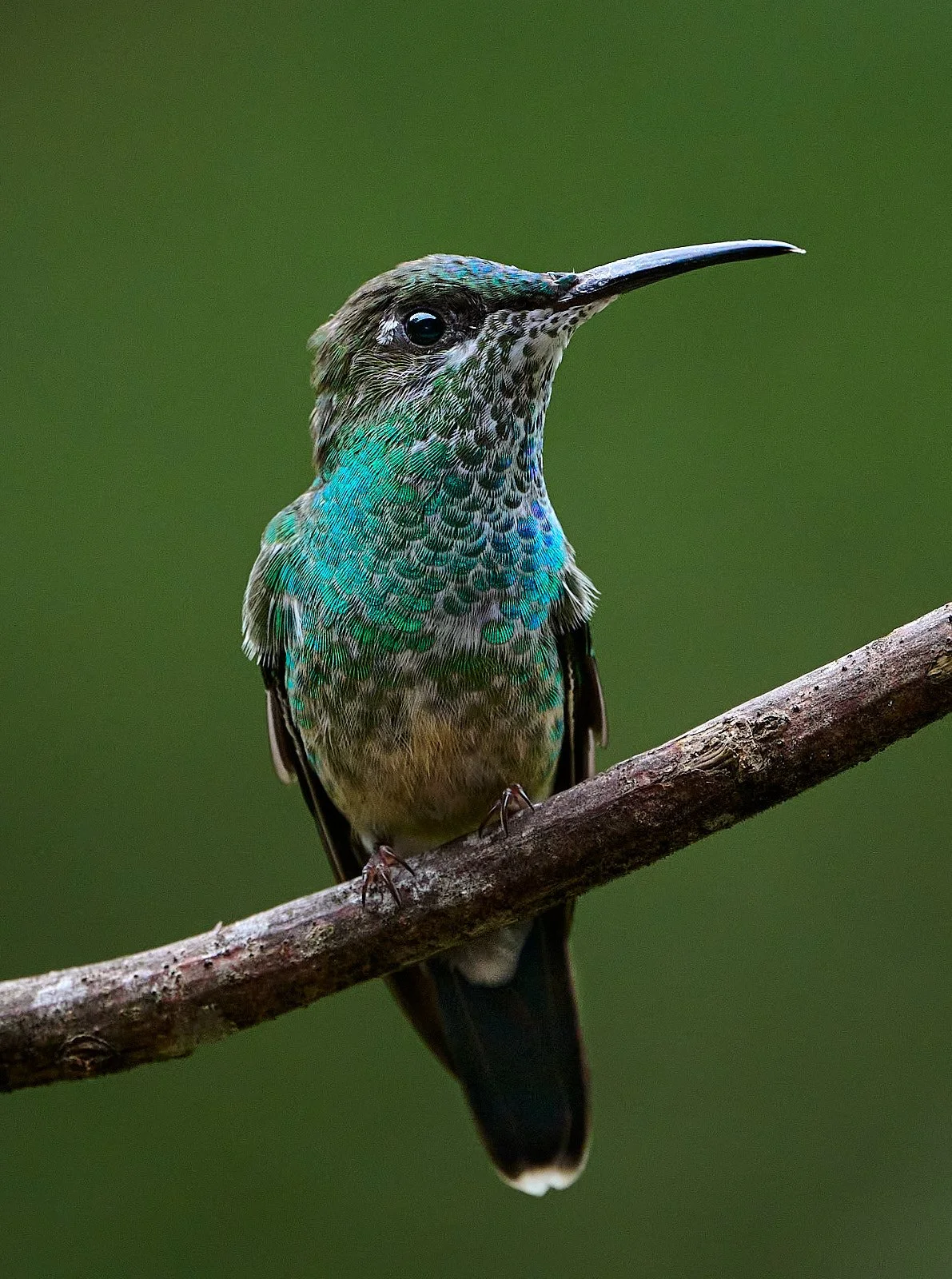
There are about 350 hummingbird species. The variations in their bill shape and size correlates with the diversity in shape of nectar flowers. Some hummers have evolved beaks to feed on only a few flower types while others have less specialized bill shapes. Feeding strategies also differ, including foraging in a sequence (traplining), defending a cluster of flowers (territorialists), marauders (muscle their way in), filchers (zip in and out quickly), and generalists (adapt their behavior to suit the situation).
Hummingbirds have evolved mutualistic relationships with plants, feeding on nectar and facilitating cross-pollination. At higher Andean altitudes, hummingbirds are the main pollinators because insect activity is inhibited by the cold.
Some plants manipulate their nectar output to enhance cross-pollination. This is called a bonanza-blank pattern. In a single plant species, some flowers contain abundant nectar (bonanza), while others have none (blank). This forces the hummingbird to visit many flowers to harvest sufficient nectar, thus aiding cross-pollination.
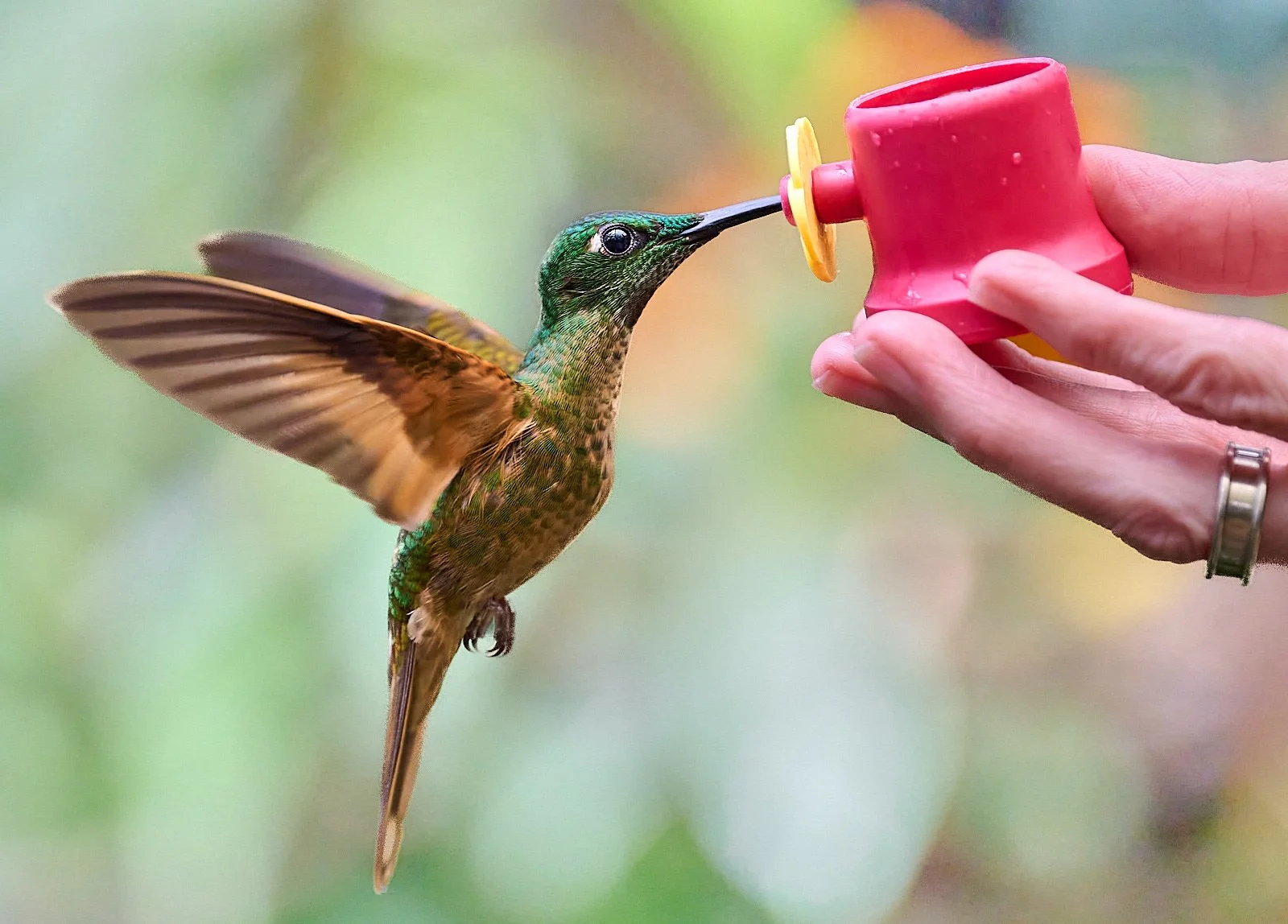
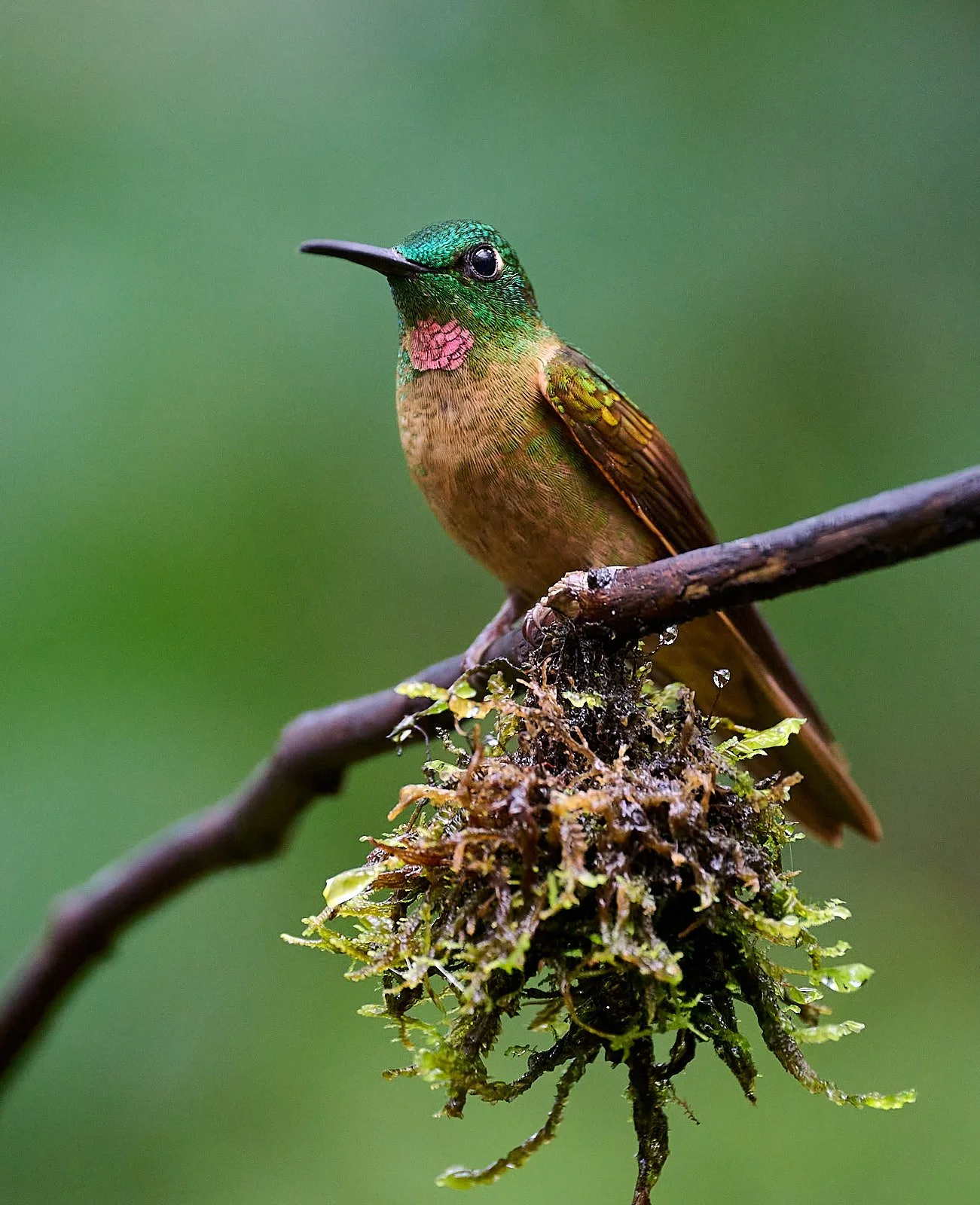
Hummingbird Distribution
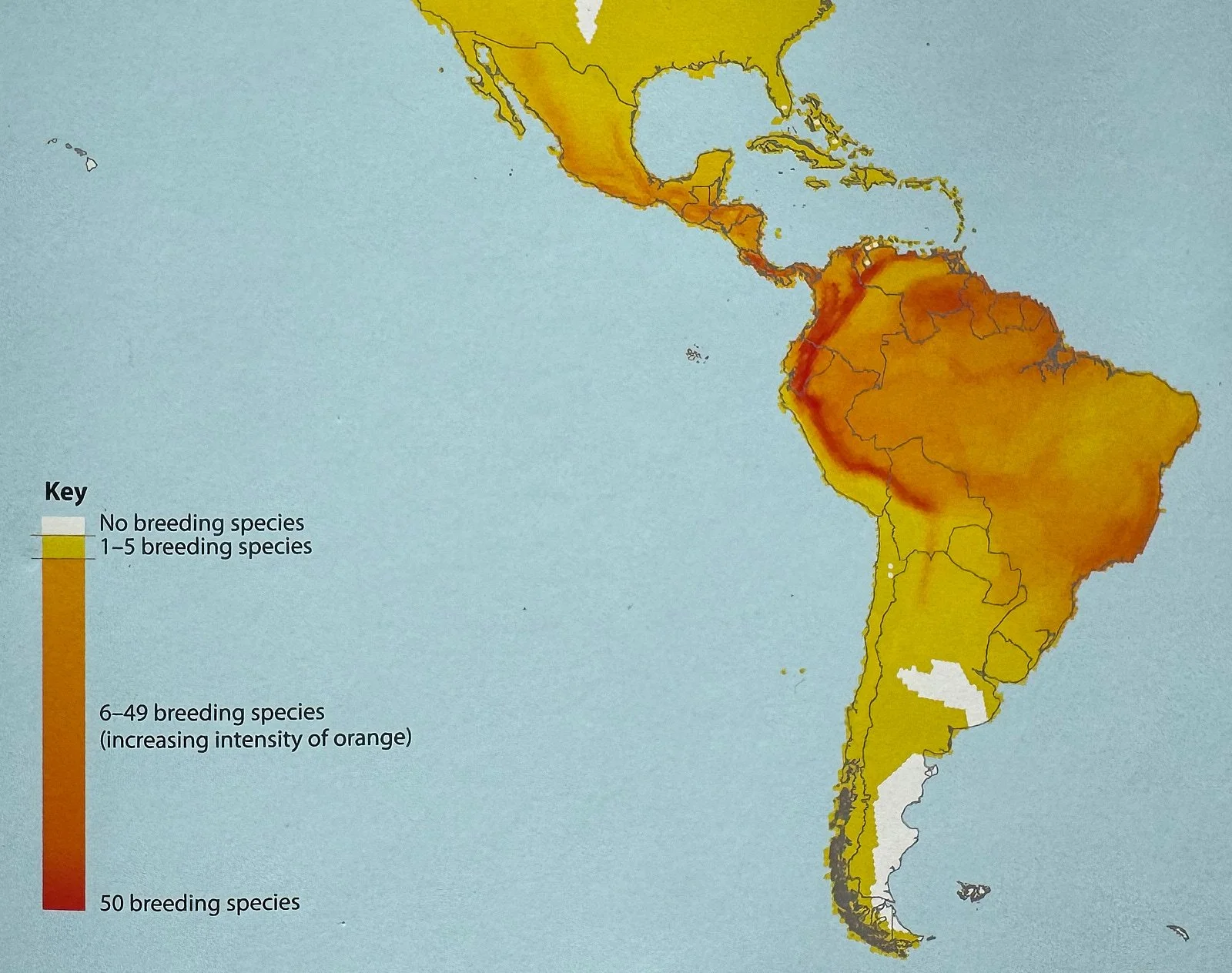
South America has 279 of the world’s 369 hummingbird species. Hummingbirds have evolved to live virtually anywhere there are flowering plants, even near the snowline at 16,400 feet elevation. Hummingbird diversity is greatest near the equator, with more species in the west than the east. Diversity peaks in the tropical northern Andes of Columbia (162 species) and Ecuador (136 species). Formation of the Andes created great habitat diversity and raised barriers to dispersal, offering niche opportunities for coevolving flowering plants and hummingbirds.
Below is a map showing hummingbird distribution. (From: datazone.birdlife.org)
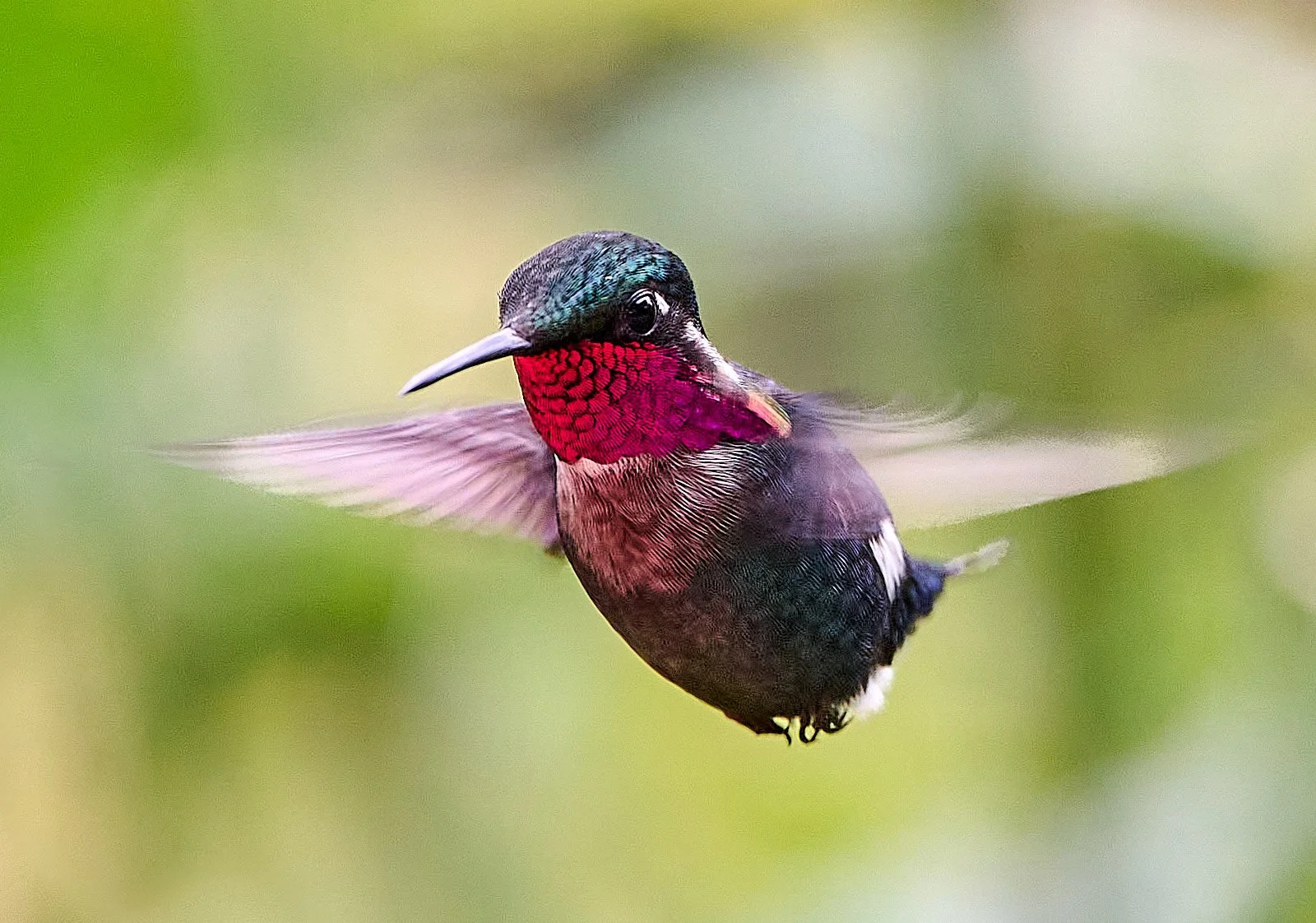
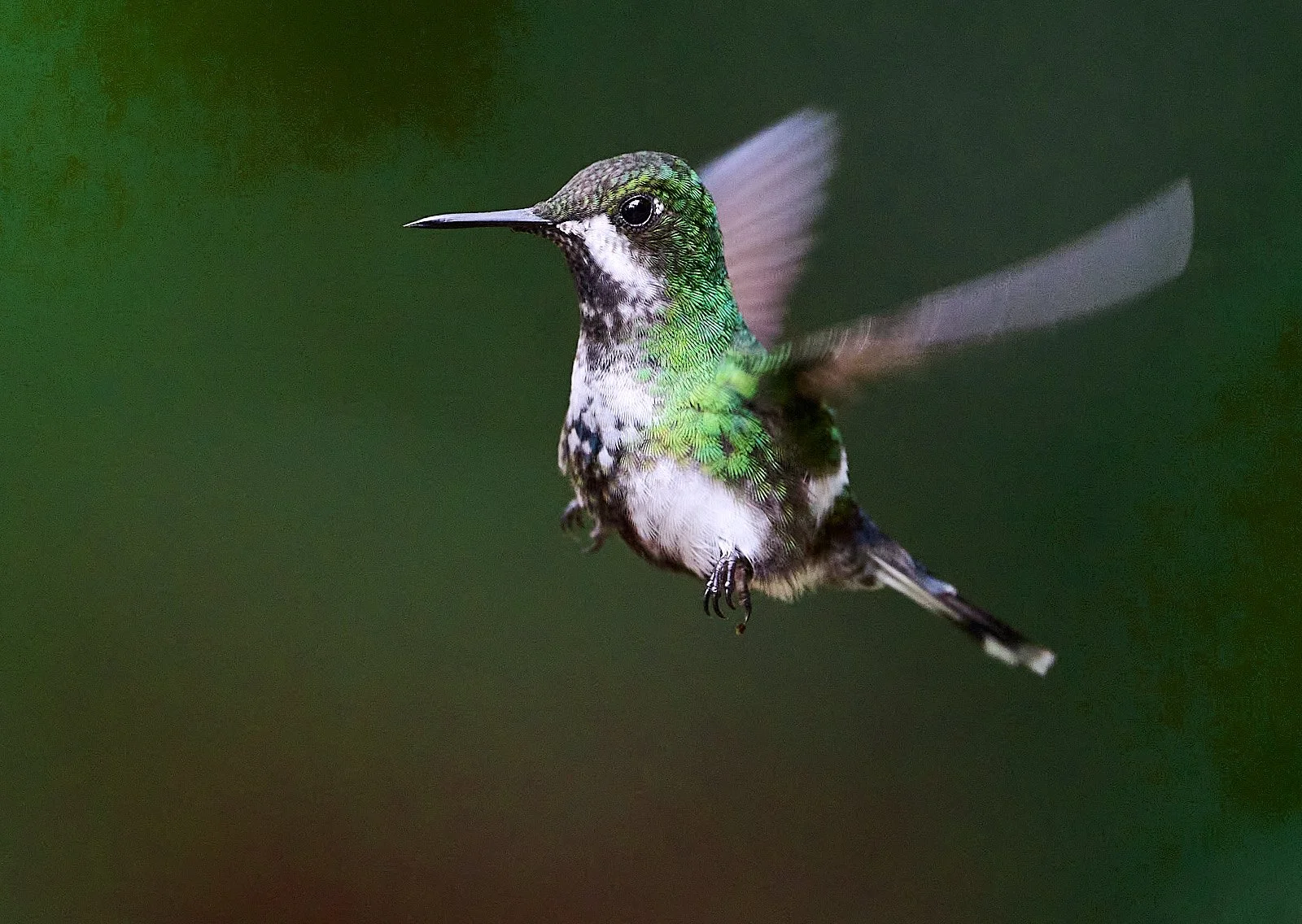
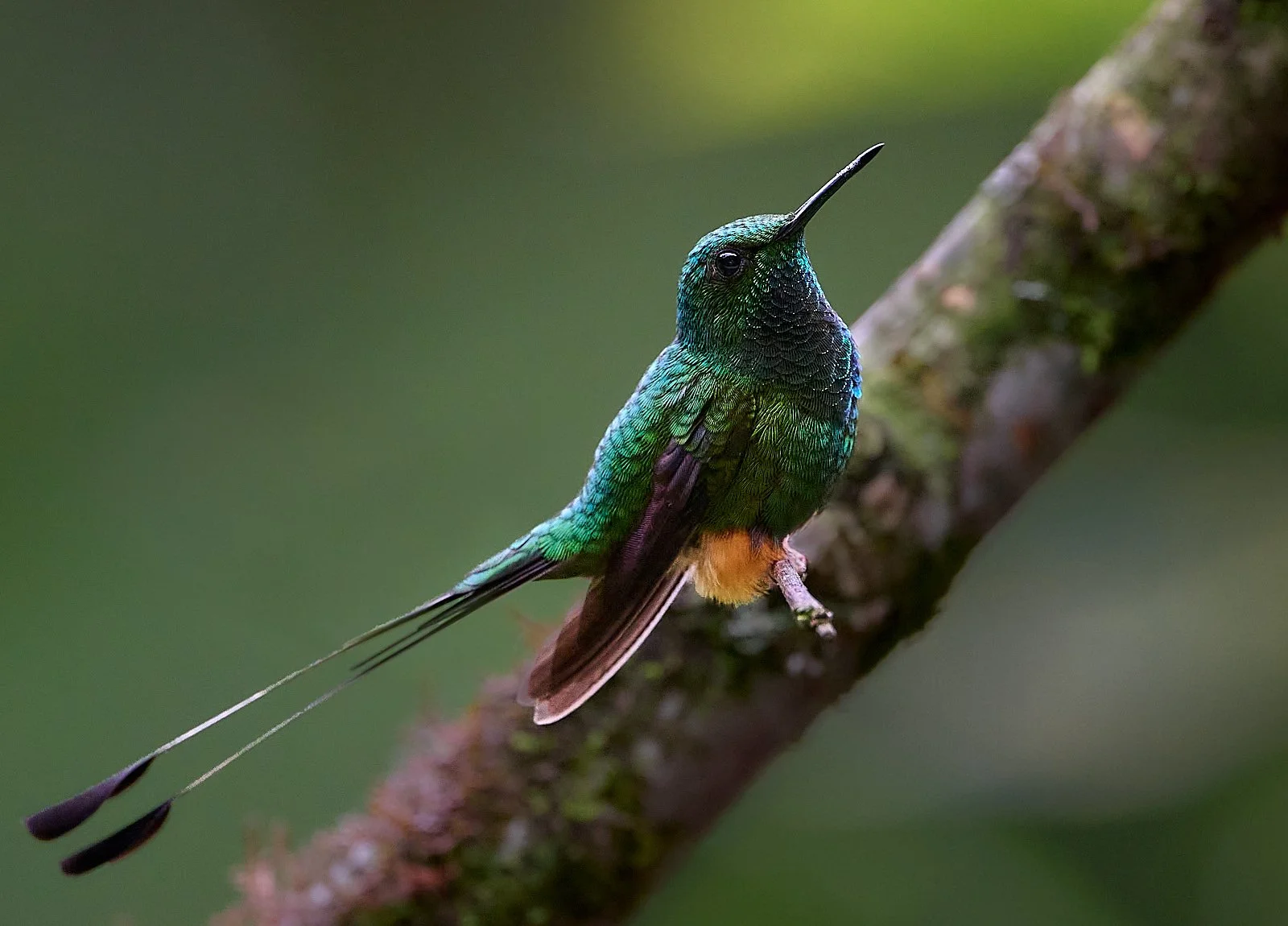
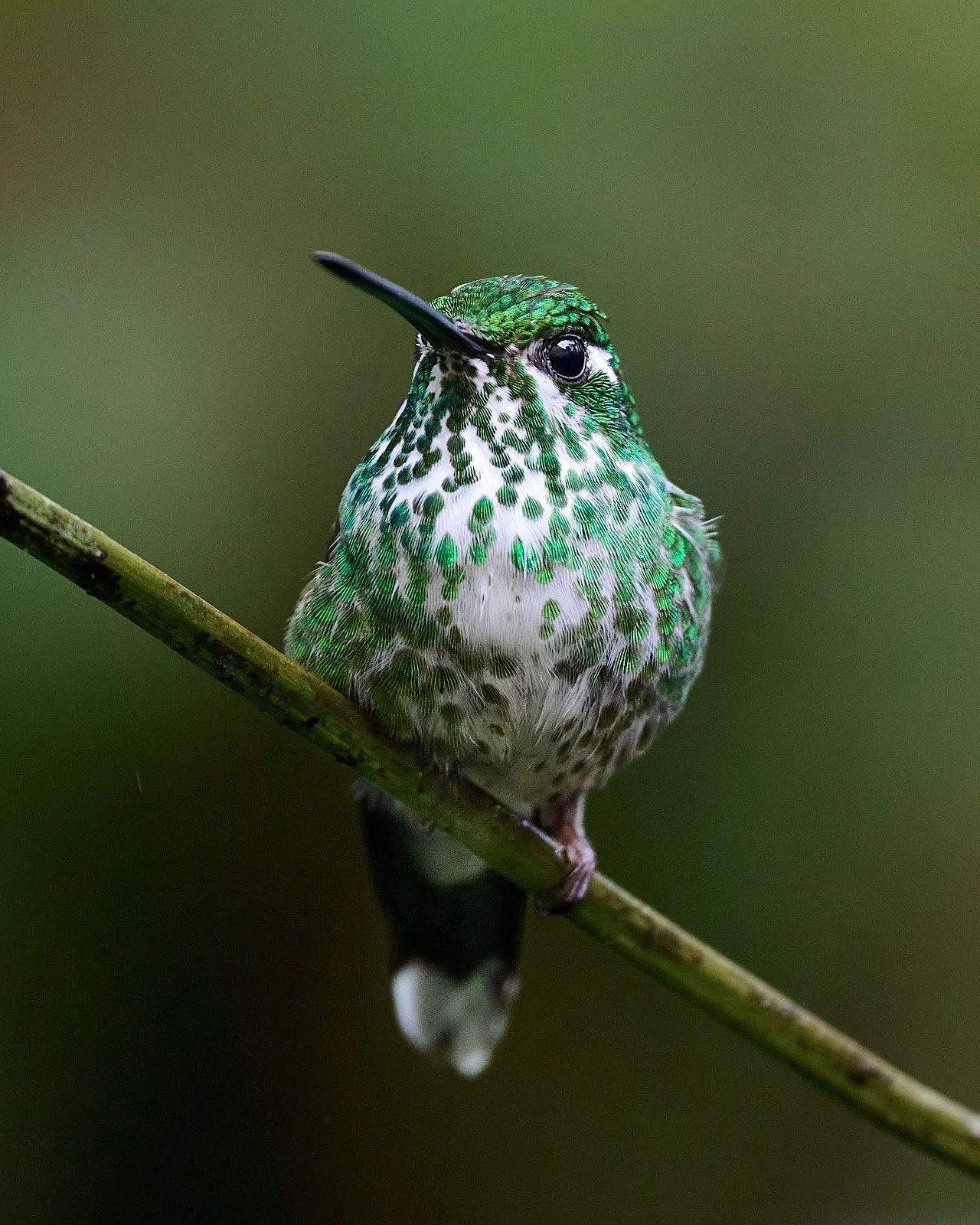
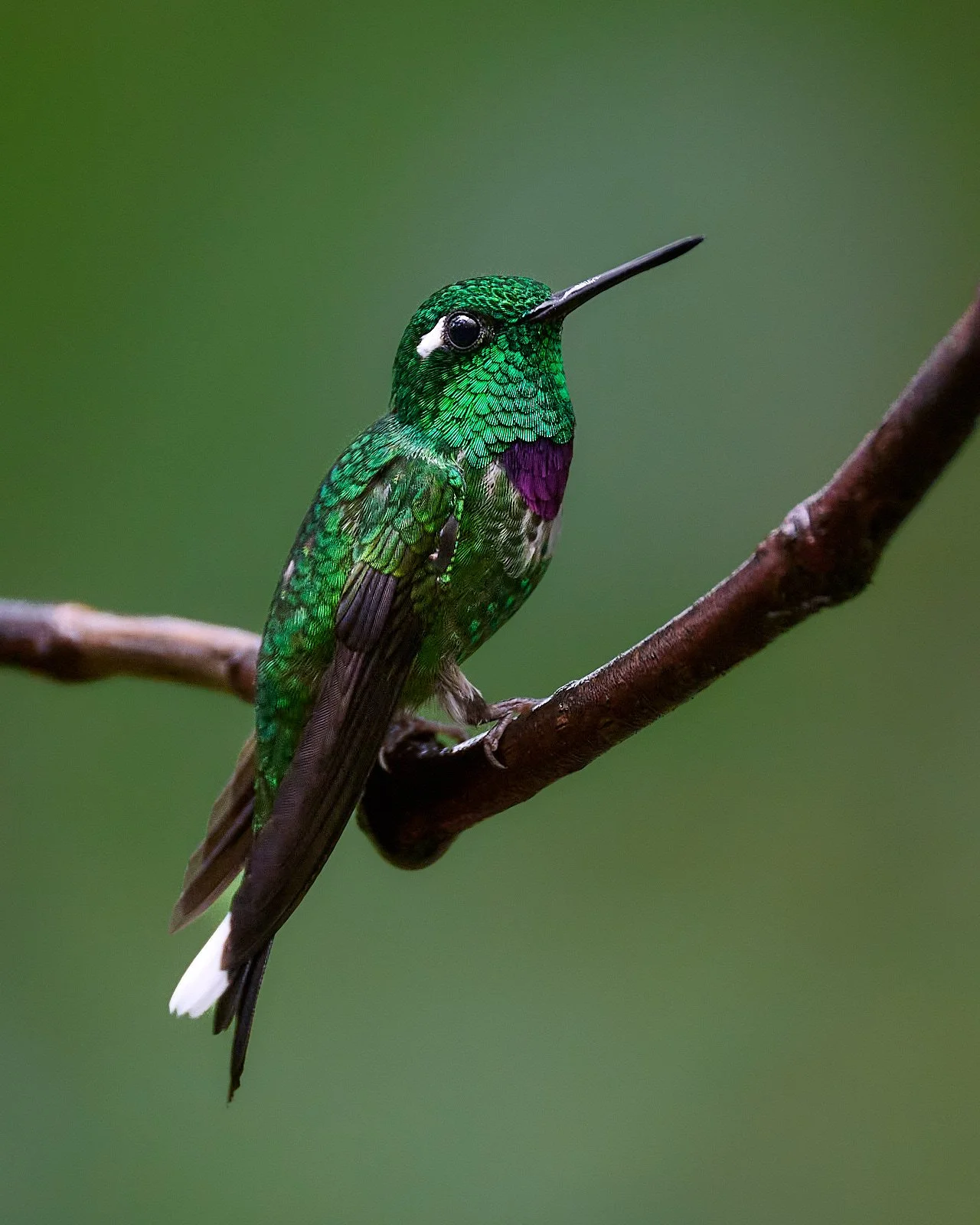
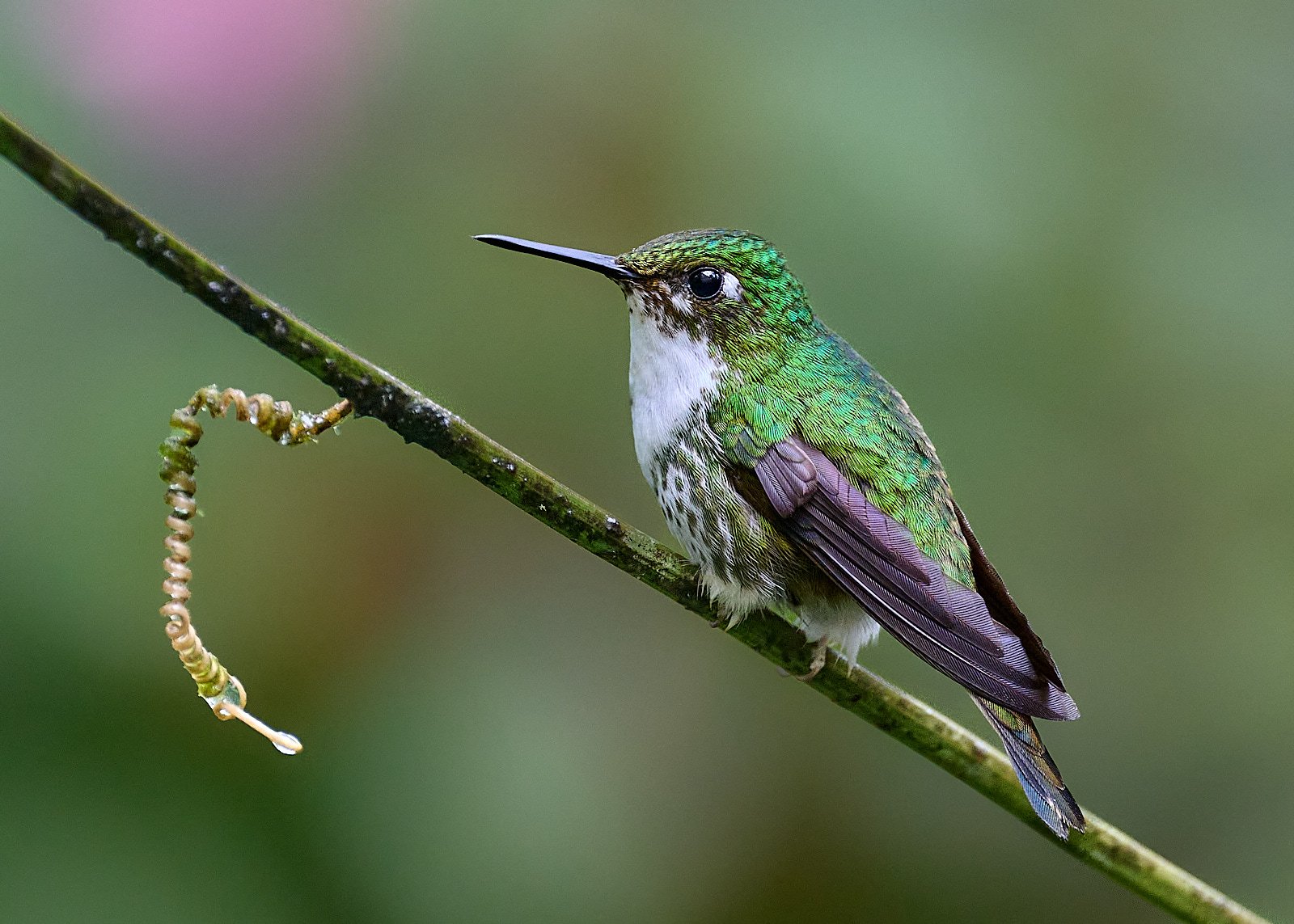
Cloud Forest Hummingbirds
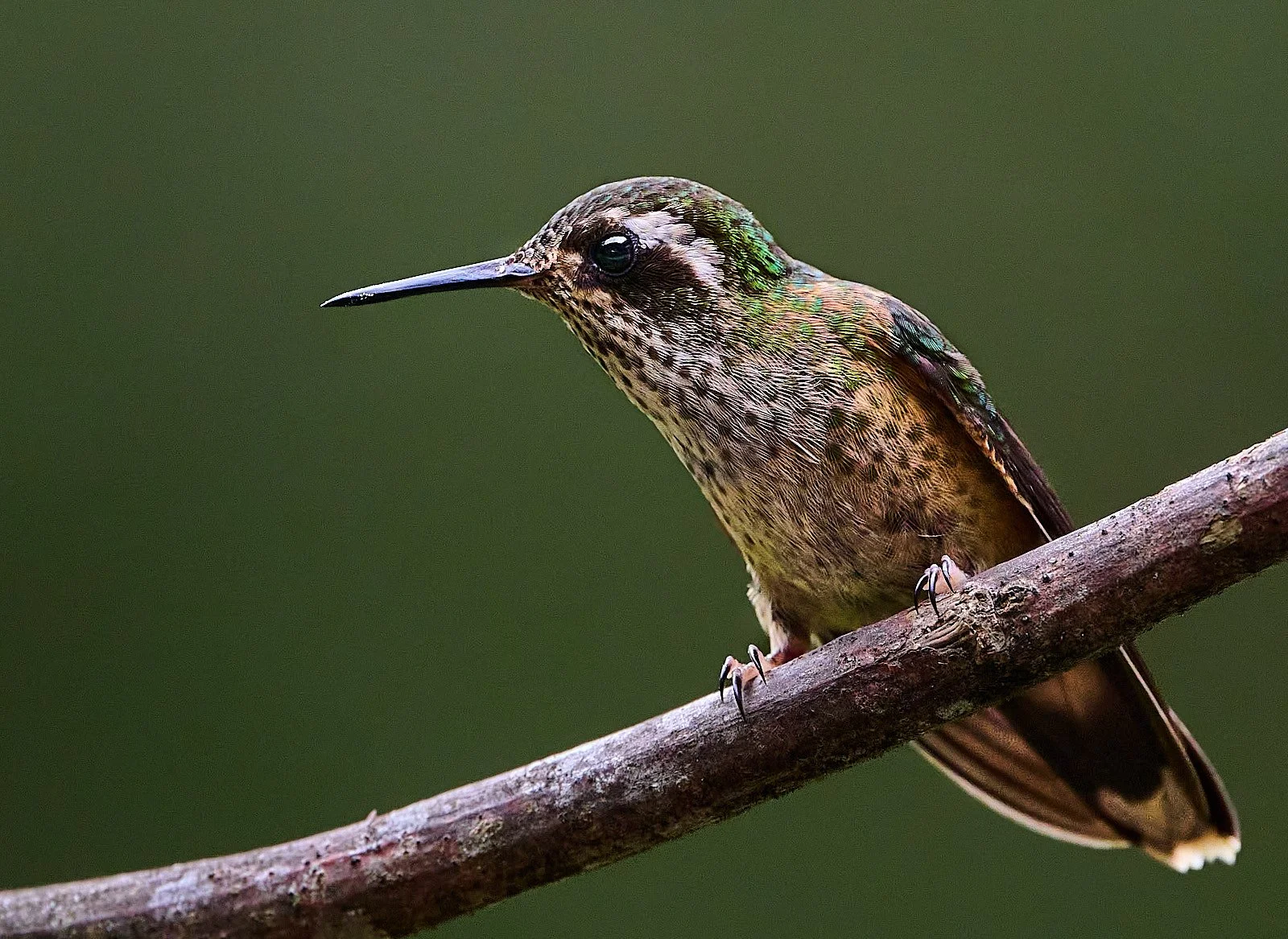
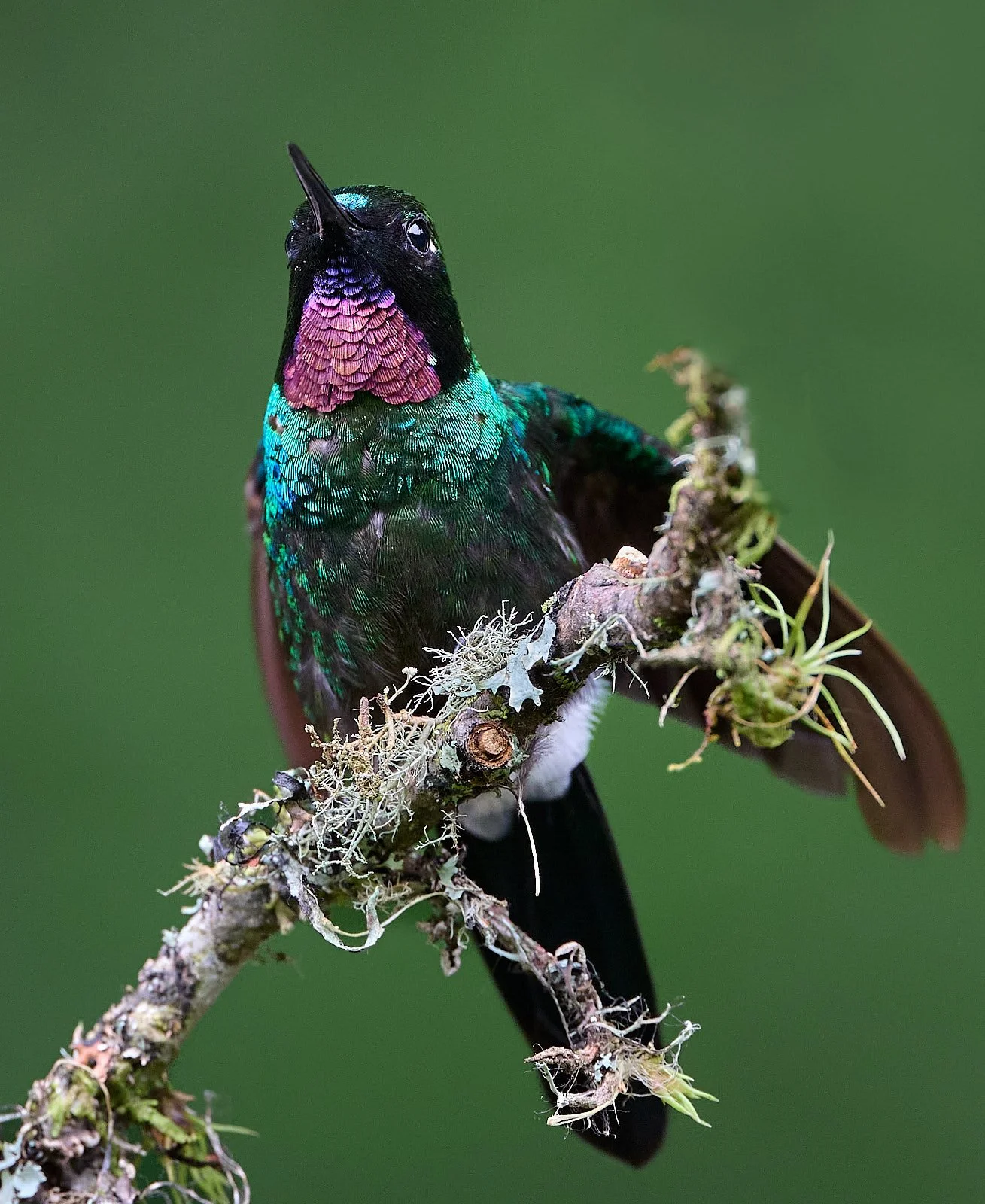
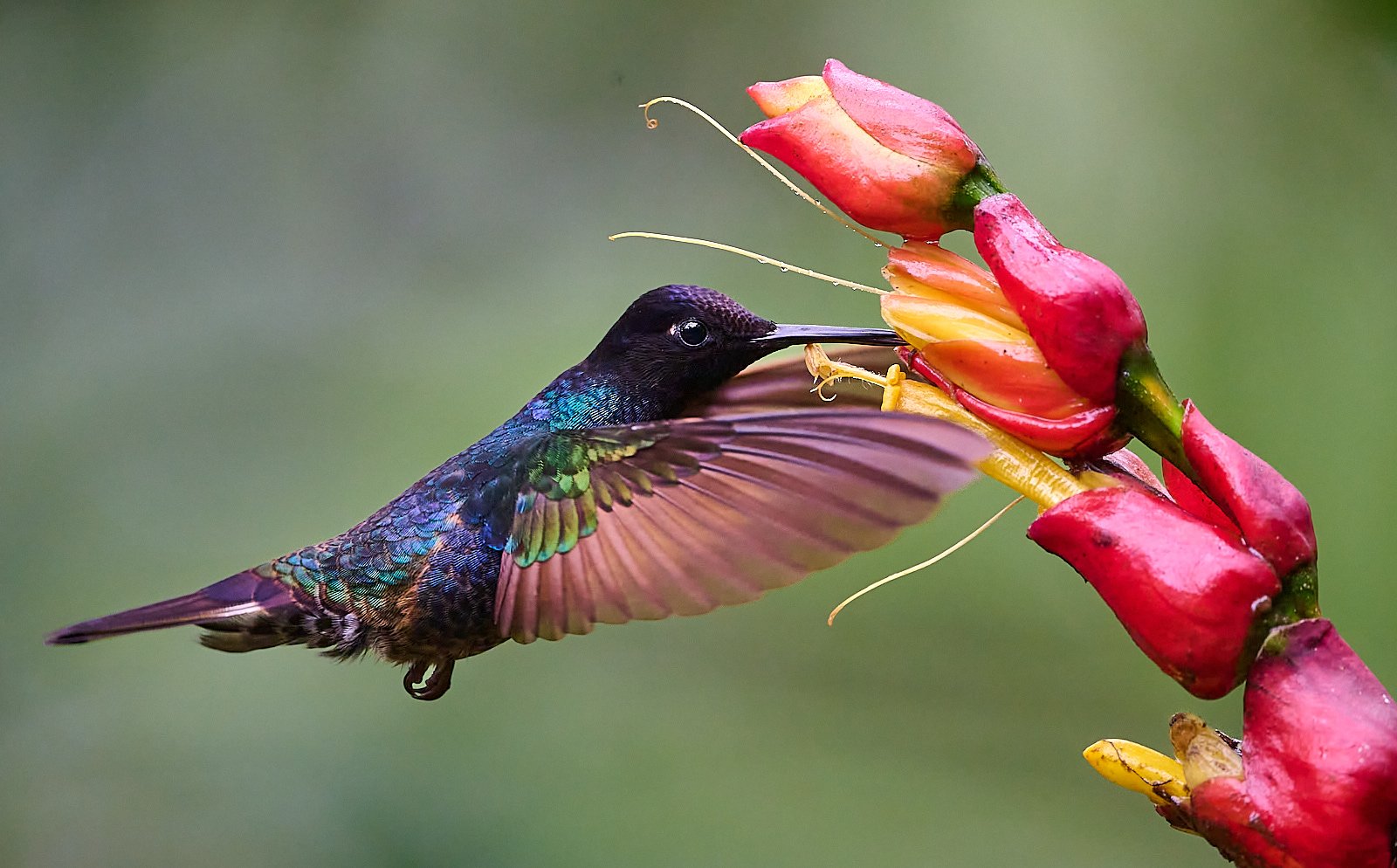
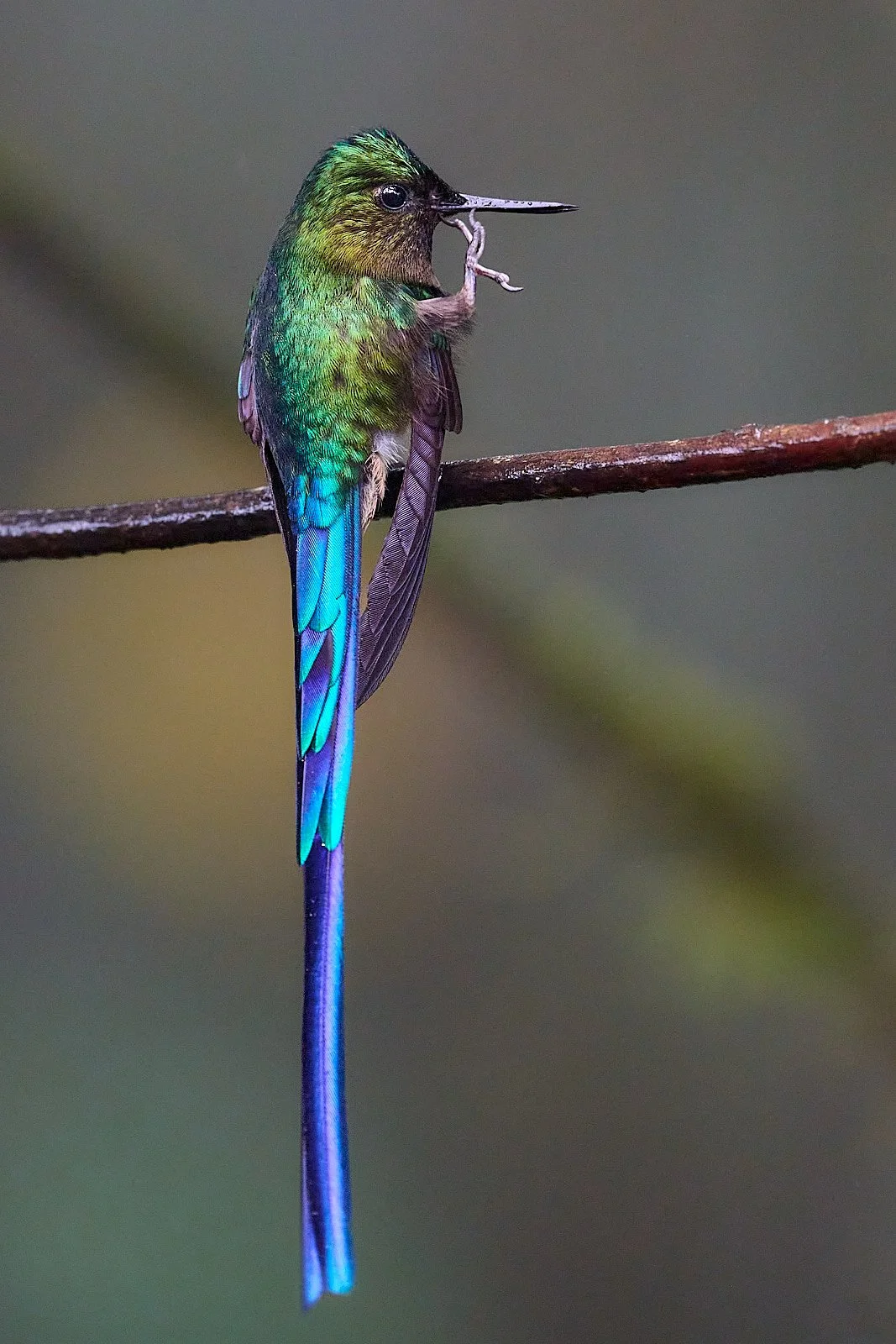
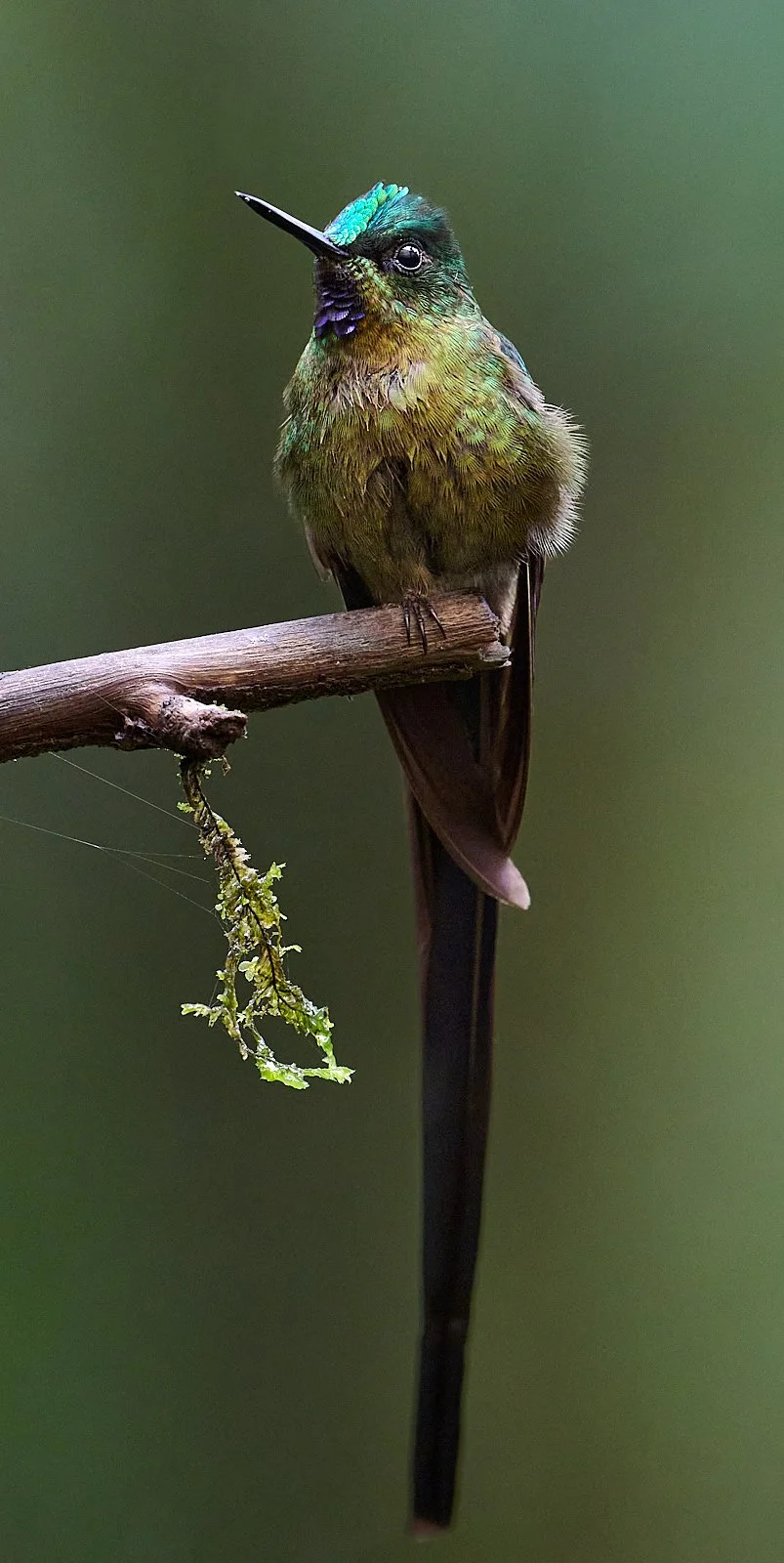
More species of hummingbird can be found in the cloud forest than in any other habitat type. Vertebrates (hummingbirds, bats, small mammals), not insects, are the key pollinators. For much of the year a ‘core” assemblage of >12 species can occur, each often exploiting the plentiful nectar sources in different forest strata to minimize competition. During the peak flowering season, migrants from lower or higher altitudes may double the number of species.
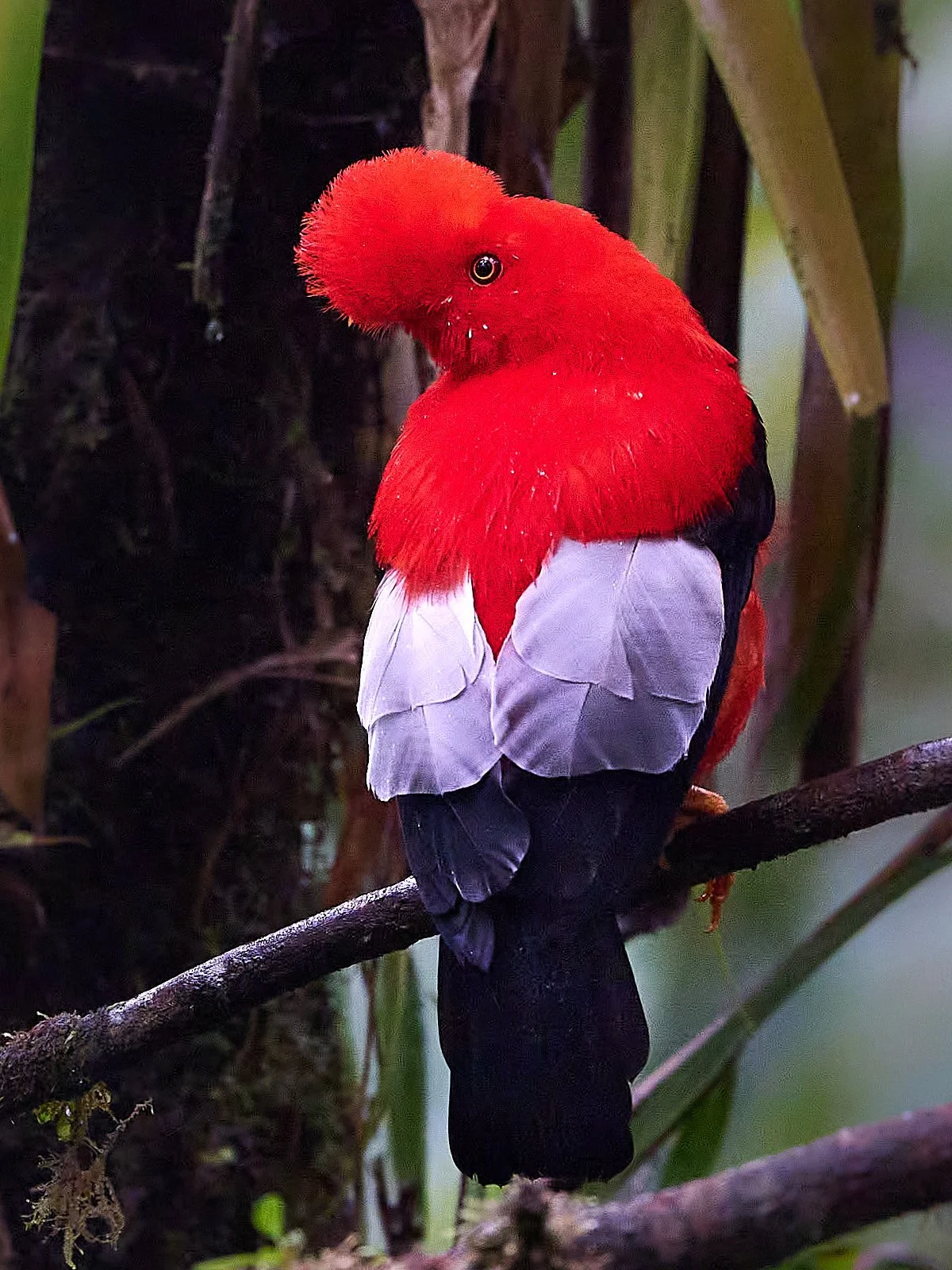
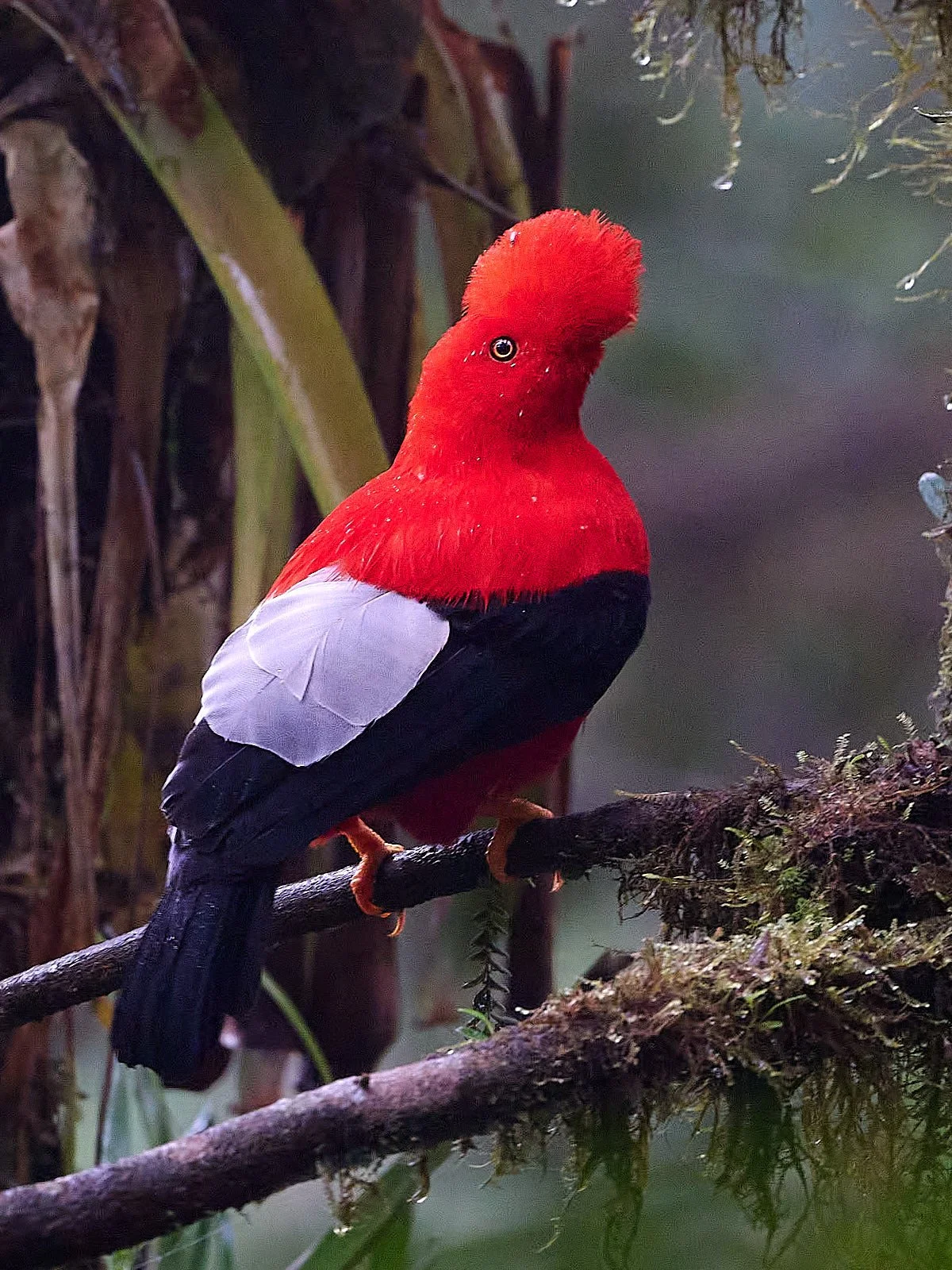
Andean Cock of the Rock, male
Darwin, sexual selection, leks, and a fruit diet
The Andean Cock-of-the-rock is a cotinga that nests in rocky ravines near streams in low and mid-elevation montane forests. Only the males are a blaze of color, the female is brown and has a much smaller crest. Males gather at subcanopy leks at daybreak to court females. When a female appears, males dance, jump, bow, flap wings and vocalize. Groups of two males seem to cooperate during the courtship, although only the dominant male will mate with the hen. No extended pair bond is formed. The cock returns to the lek, continuing to court passing hens, while the female attends to nest building, egg-laying, incubation and raising the young.
Darwin proposed that female choice of mating partner drives the male’s appearance and behavior. Over many generations of female selection, the male characteristics preferred by females become enhanced and refined. While the intrinsic appeal of “beauty” may be important, recent work suggests that females are able to discern the male’s health and general survival fitness. To a human observer, the males participating in a lek may all look the same. However, the females know what they want – in a lek of 55 males, one cock conducted 30% of the matings and 67% of males failed to mate.
Most members of the Neotropical Cotingidae (65 species) and Pipridae (Manakins, 51 species) families have colorful males that perform elaborate courtship behaviors. These species have fruit-heavy diets. Tropical rainforests abound with fruit and it may be that easy access to food frees time for complex male courtship strategies and allows the female to adequately tend, by herself, to the young.
An outrageous appearance has its downsides. Males could become easy targets for predation. Therefore, their coloration may represent a compromise between female and natural selection. Male absence from nest duties might have evolved because their presence would compromise nest safety.