Beasts, Birds, and Botany. March-April 2026.
Travels in southwestern USA
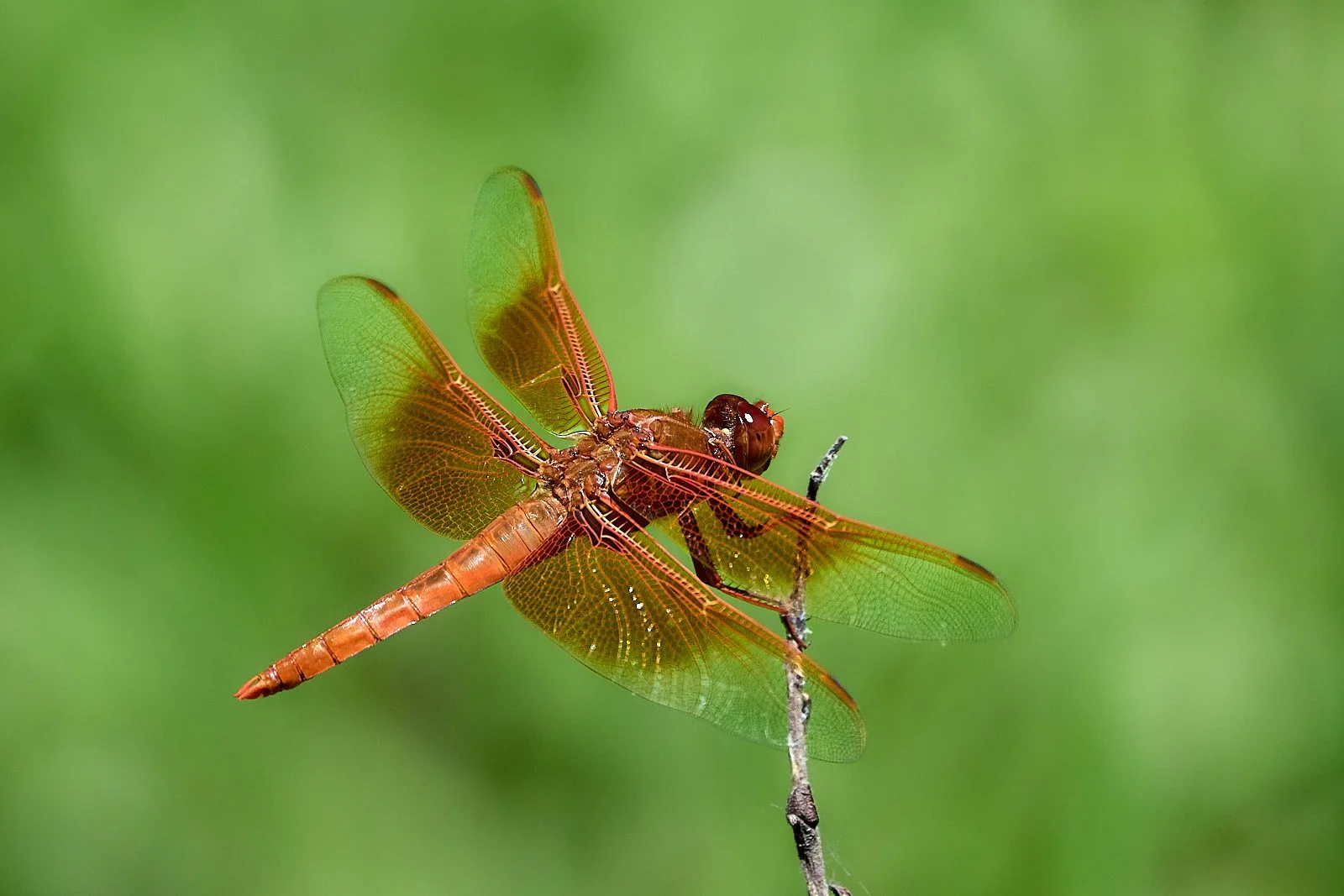
Flame Skimmer (Libellula saturata)
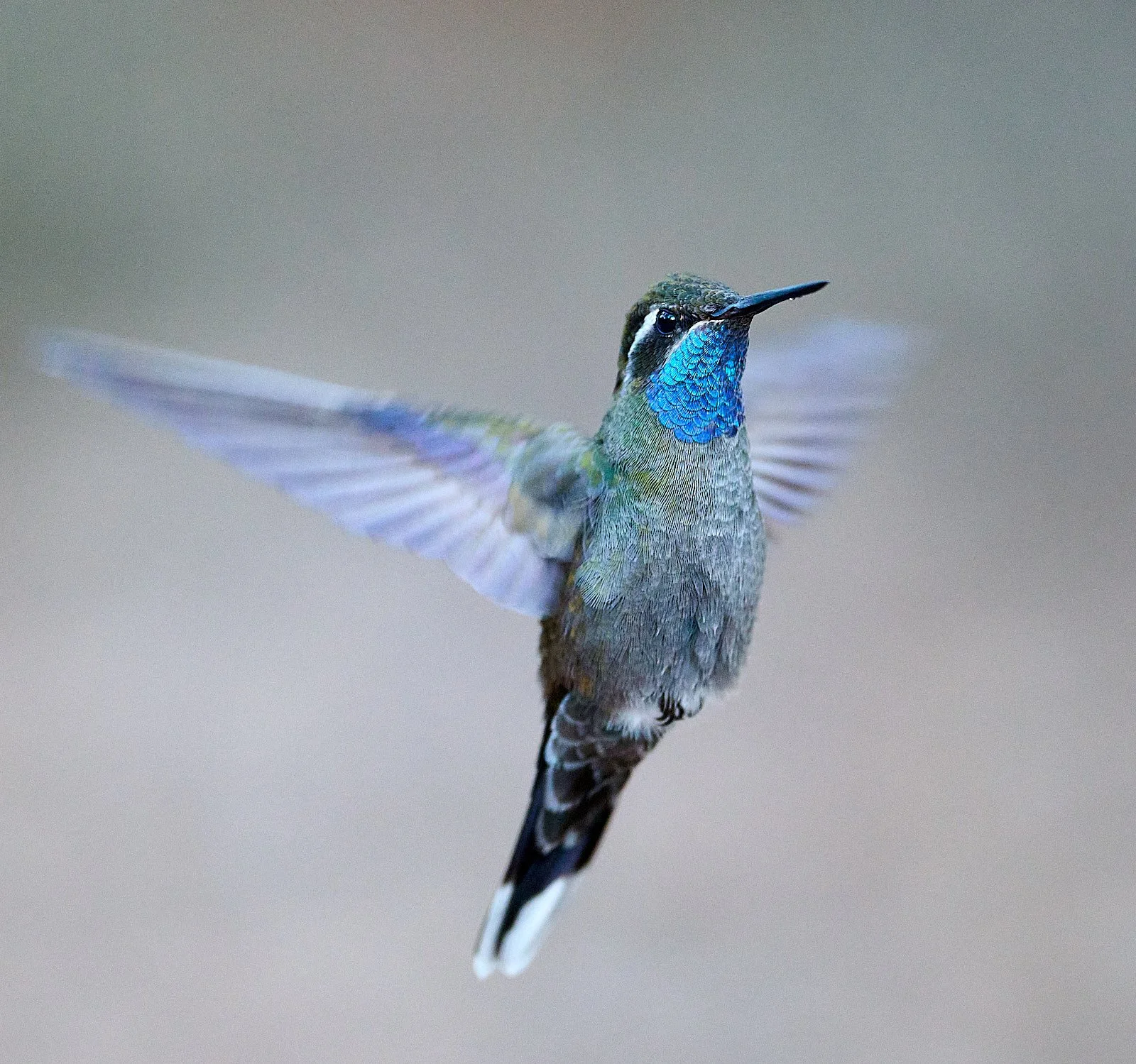
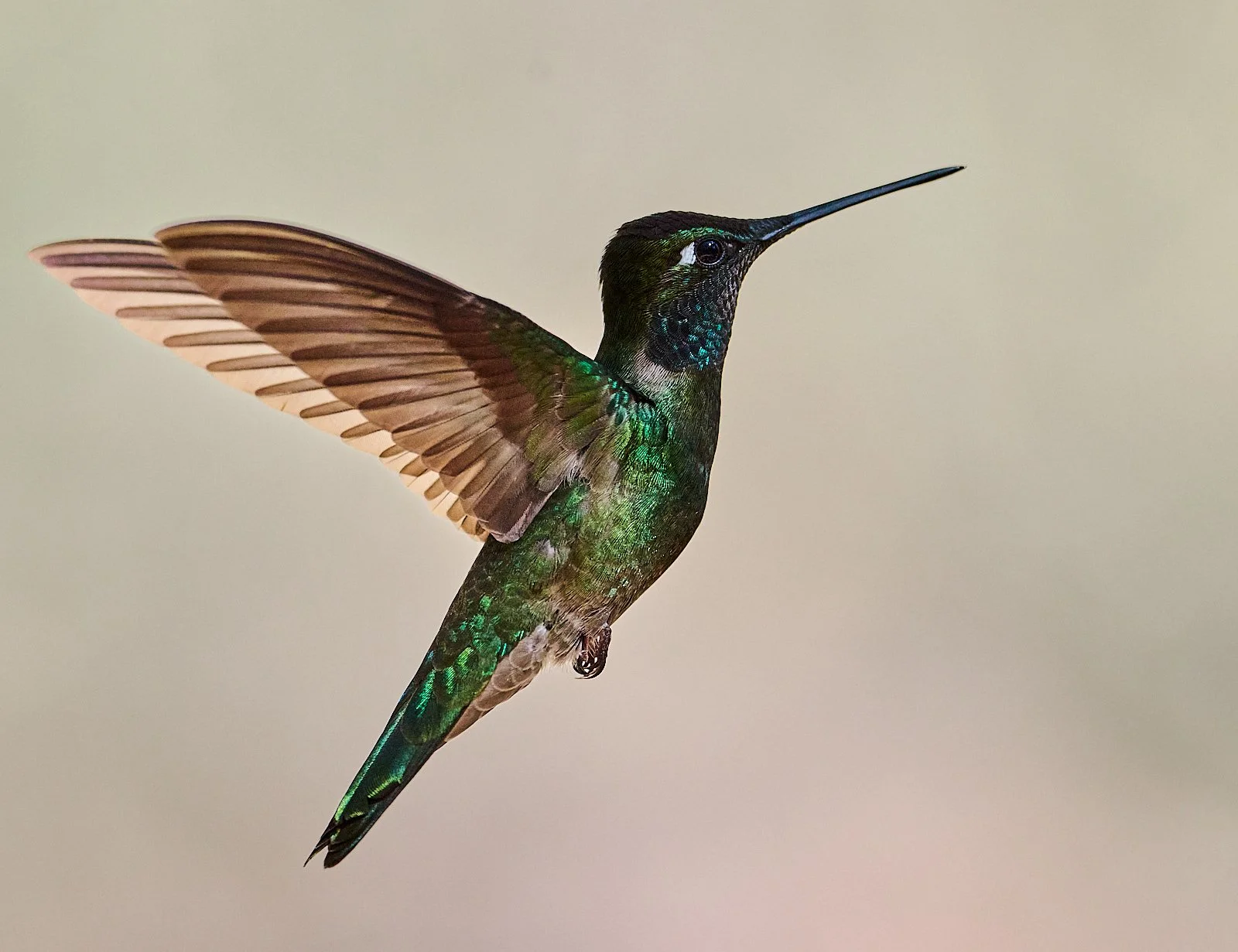
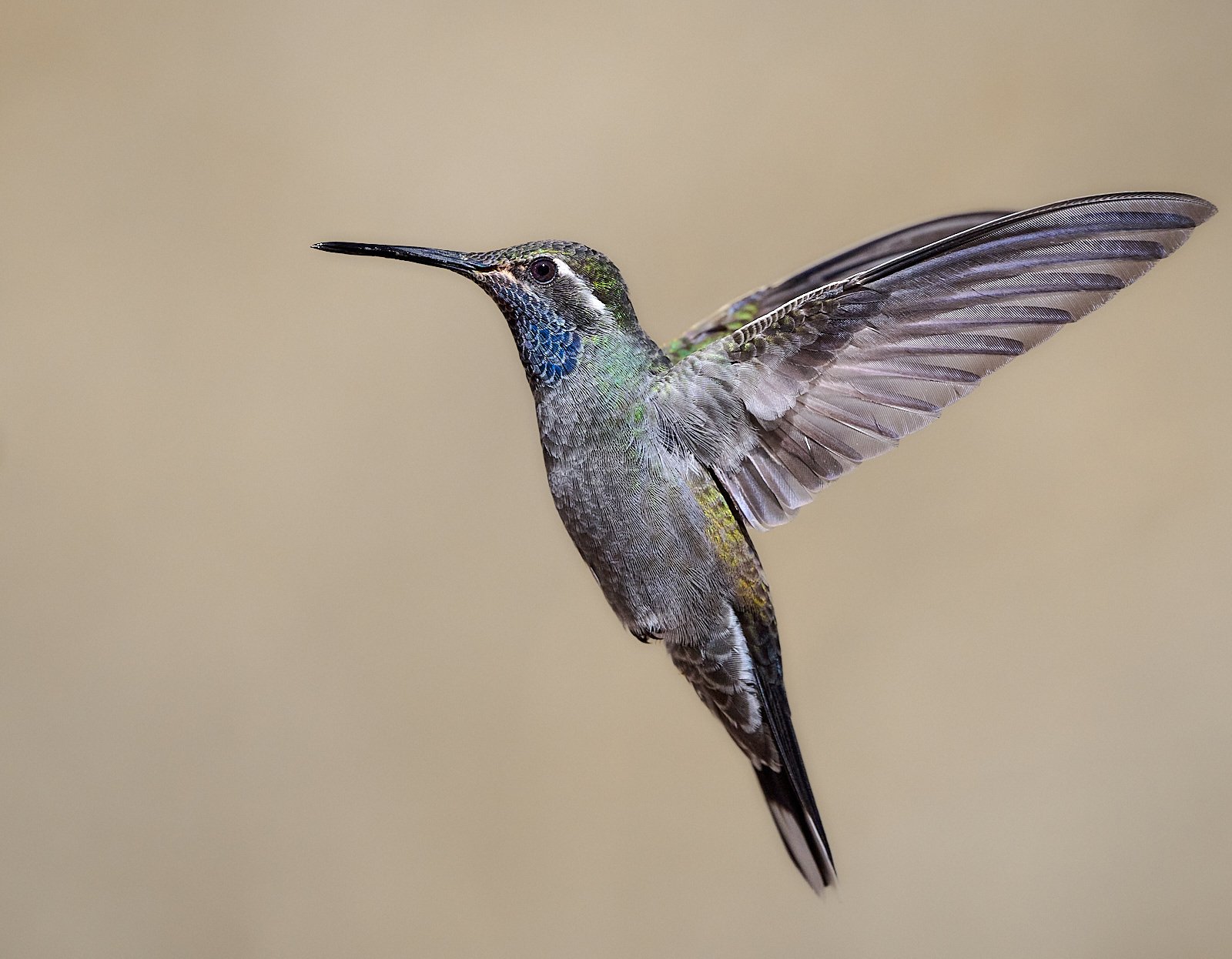
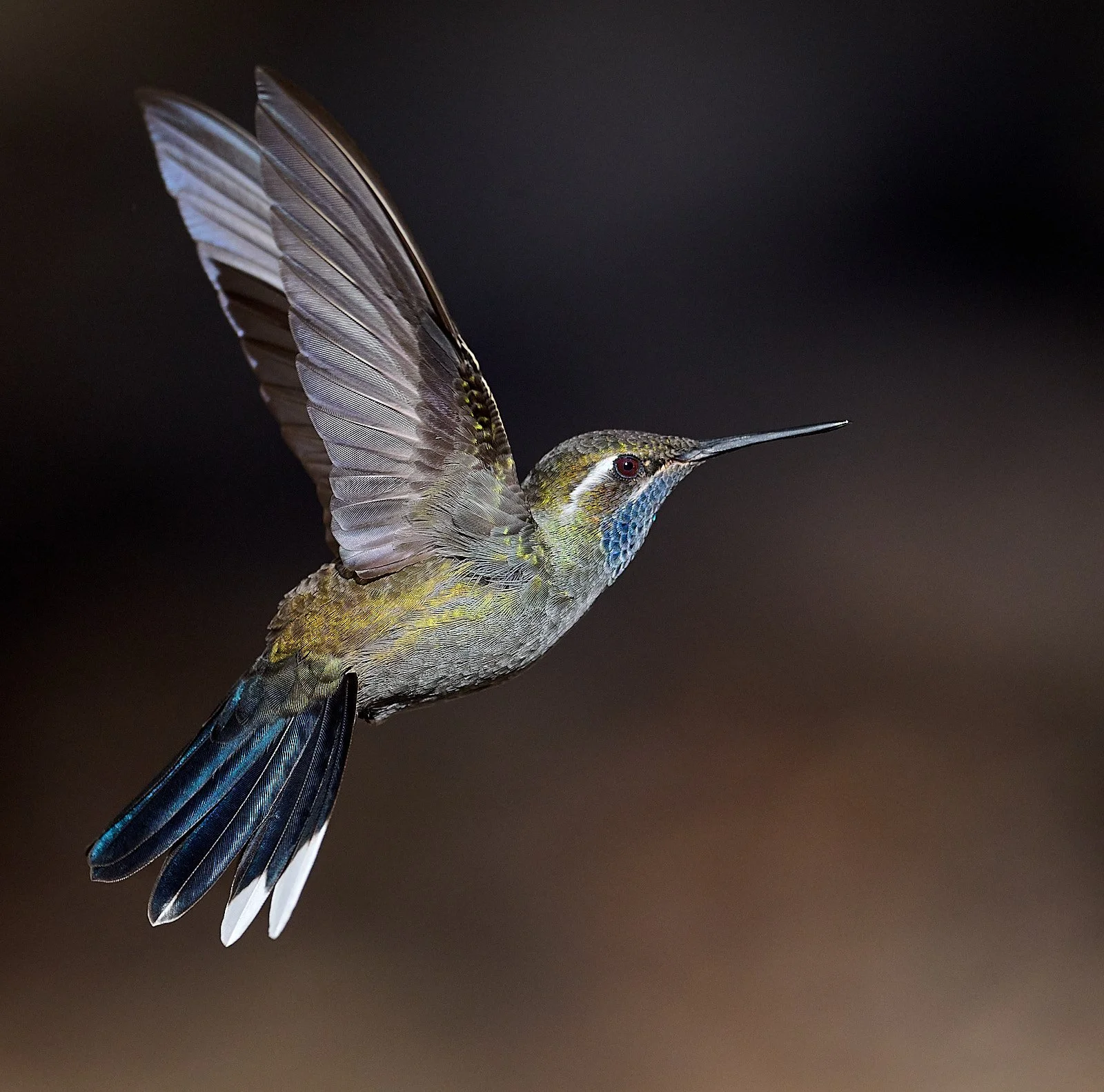
Blue-throated Mountain-gem
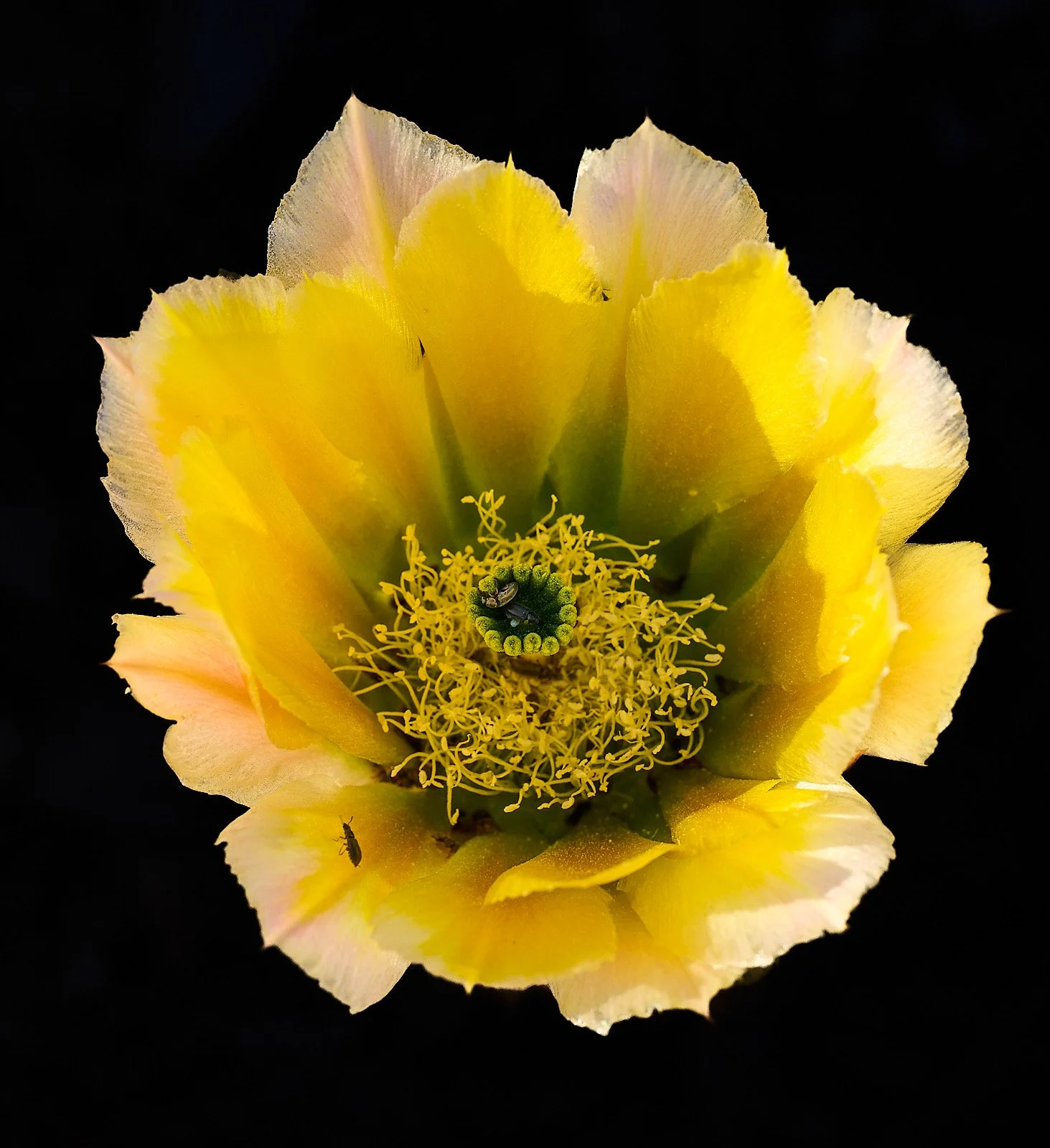
Rainbow cactus
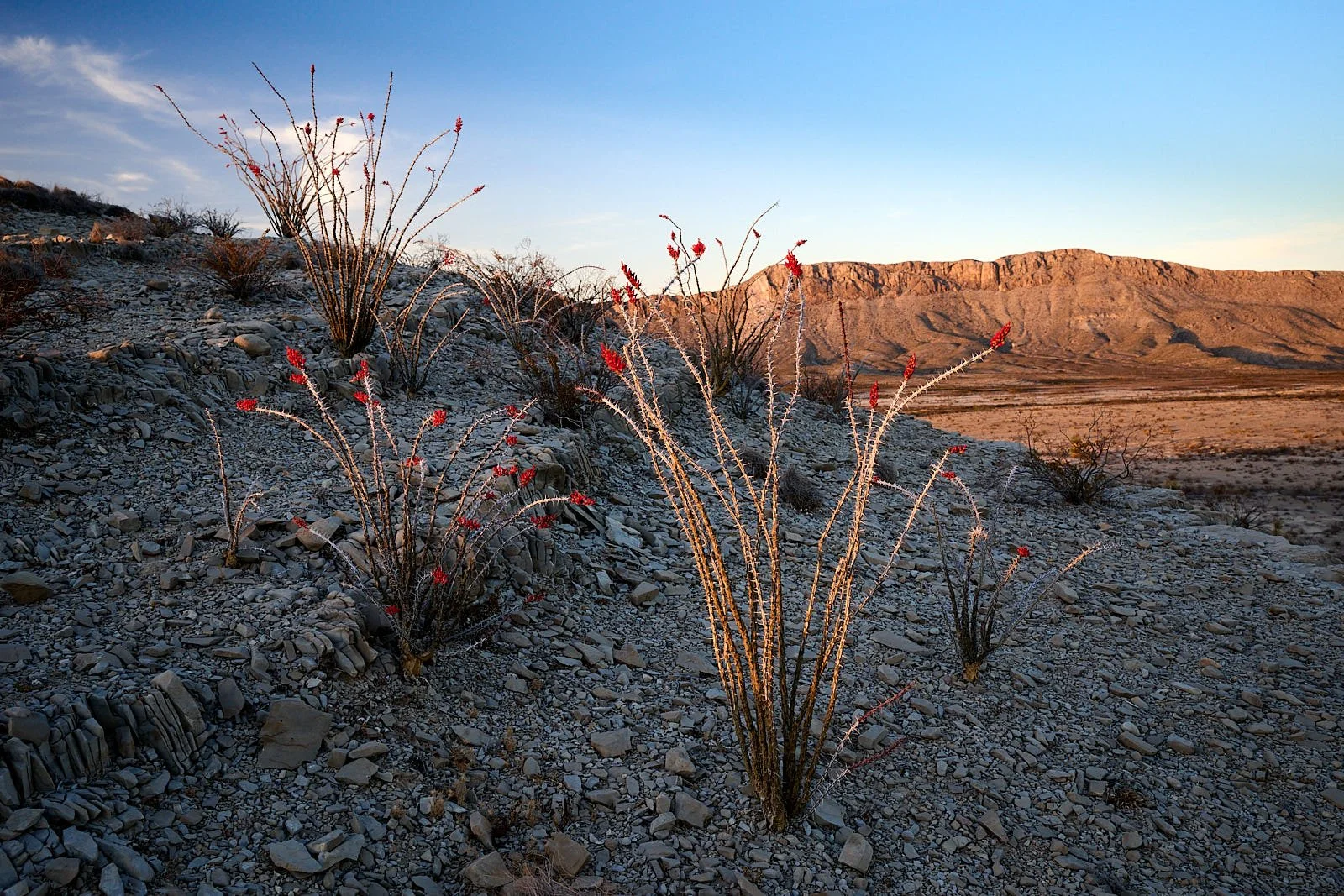
Nine Point Draw, Big Bend, Texas
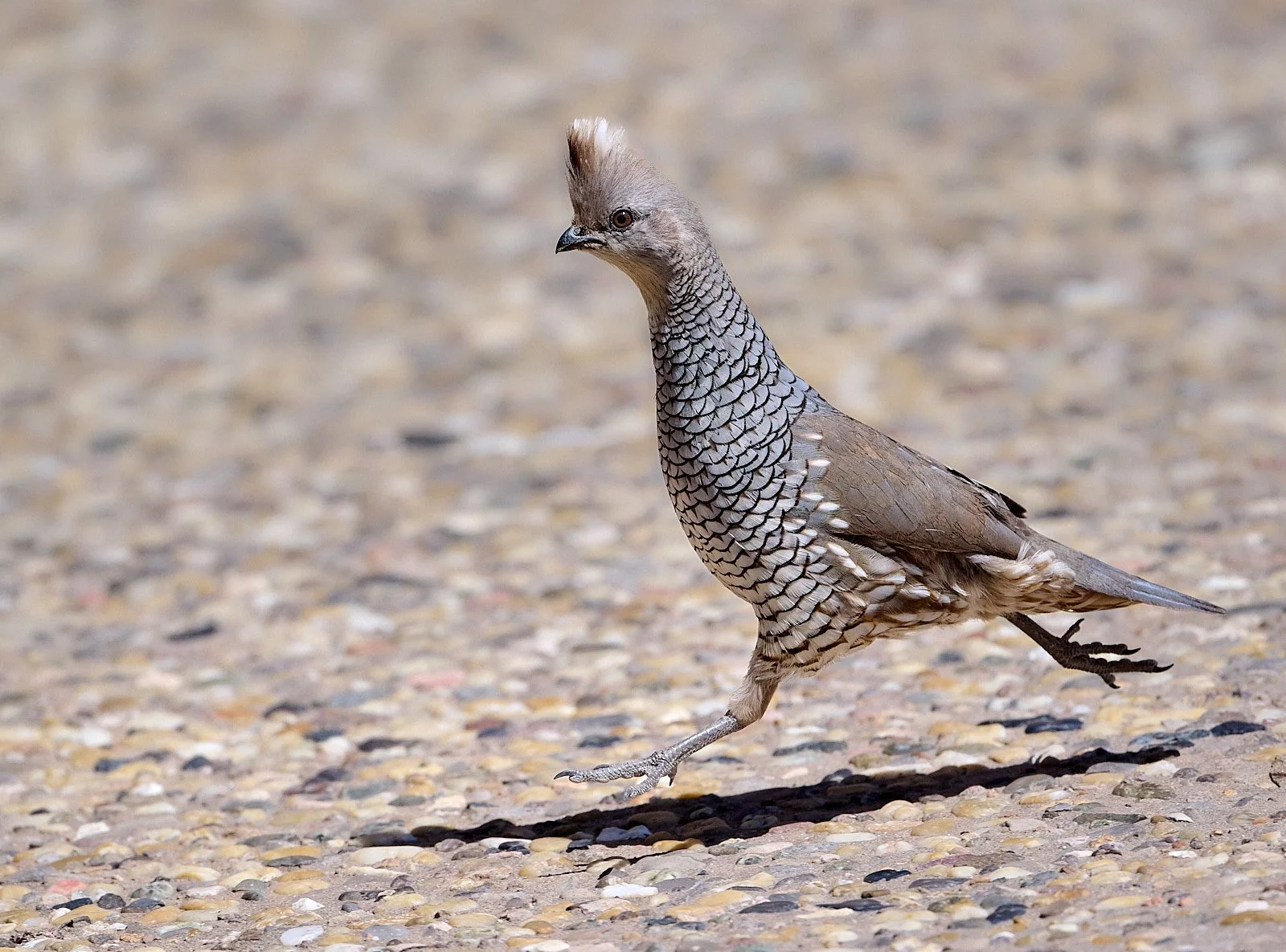
Scaled Quail
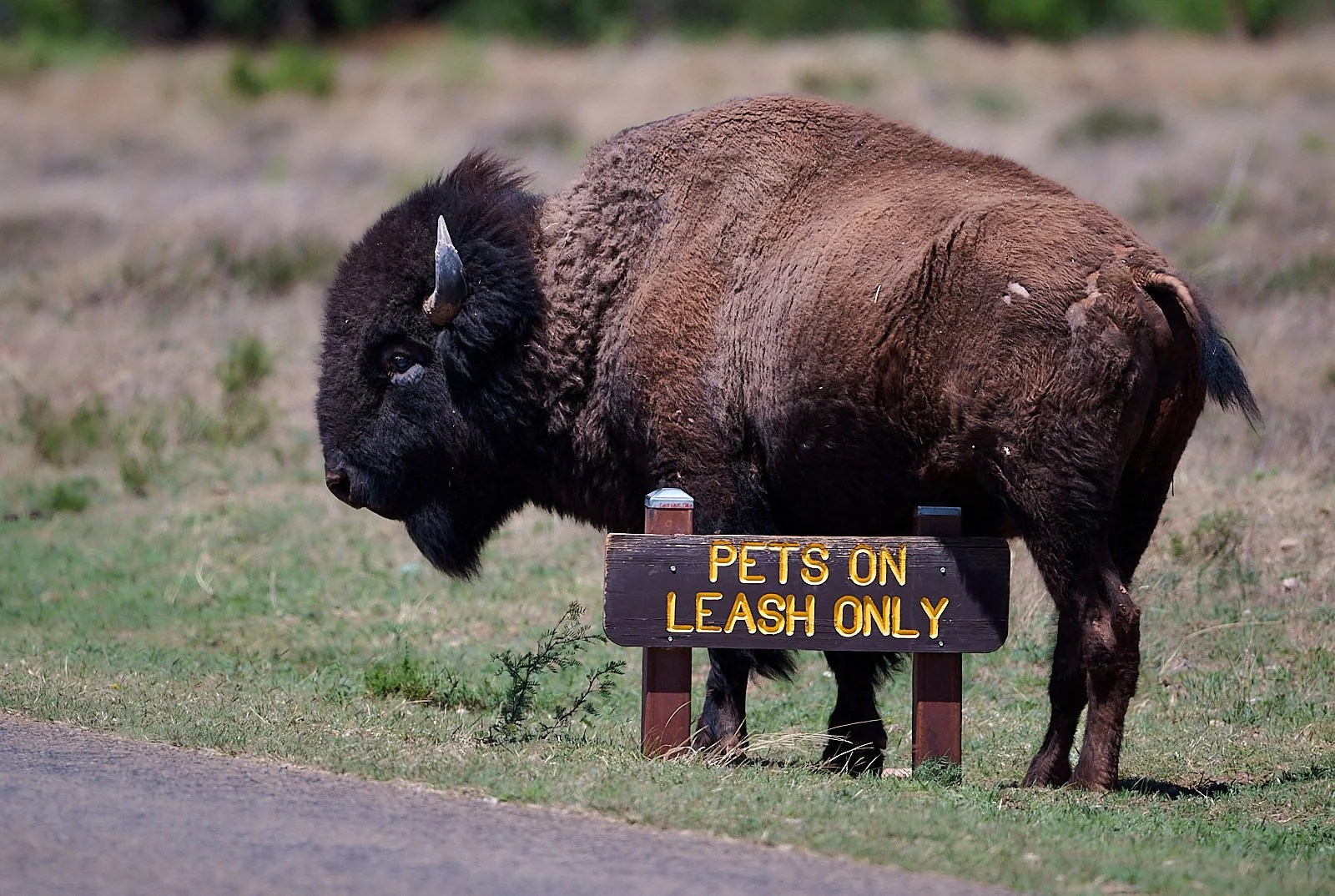
Off leash. Caprock State Park, Texas
The Journey
Two weeks after returning from Ecuador, we departed on a 67-day road trip to southwest USA.
The turn-around point was Goose Island, on the Texas coast near Corpus Christi.
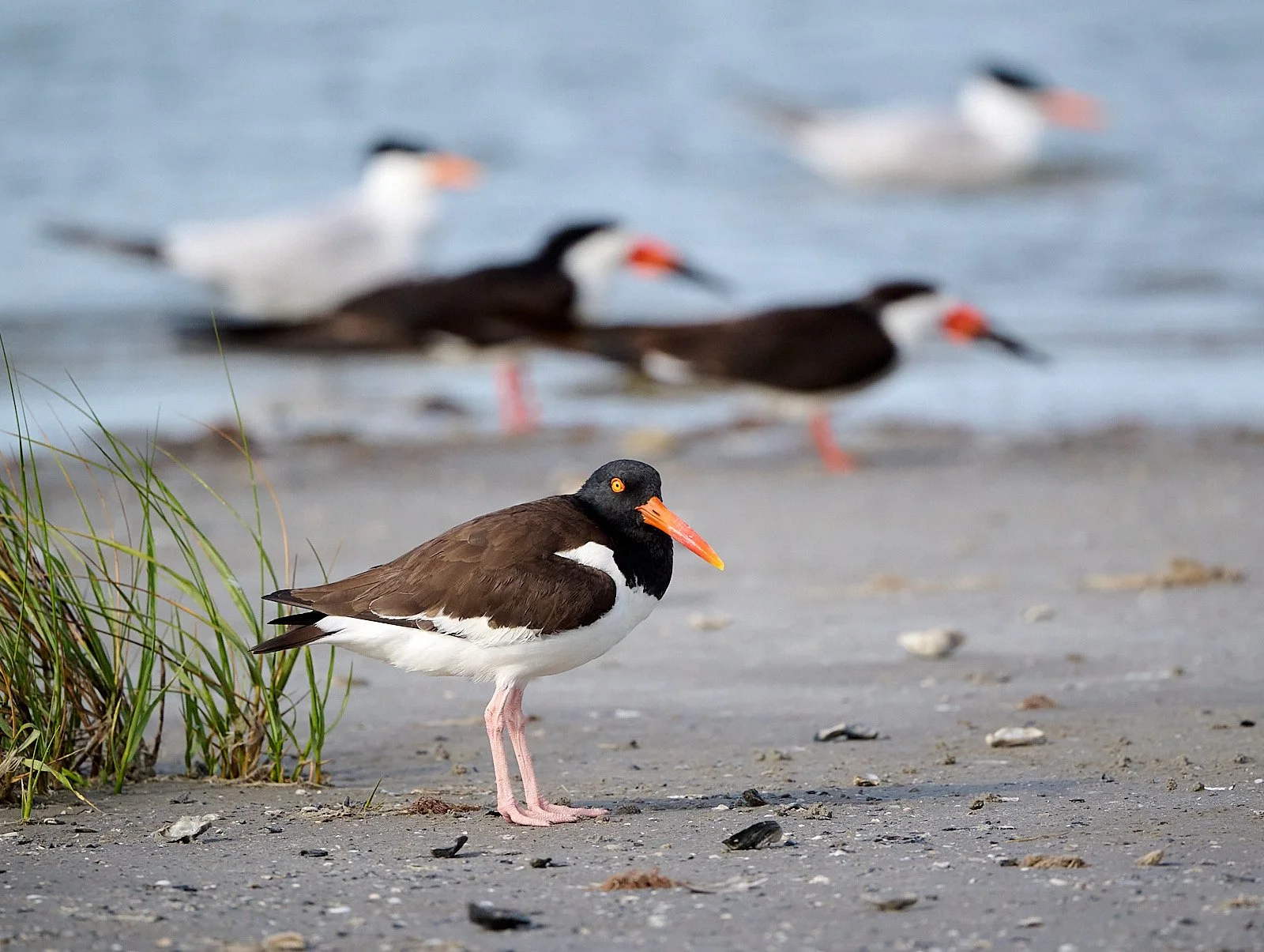
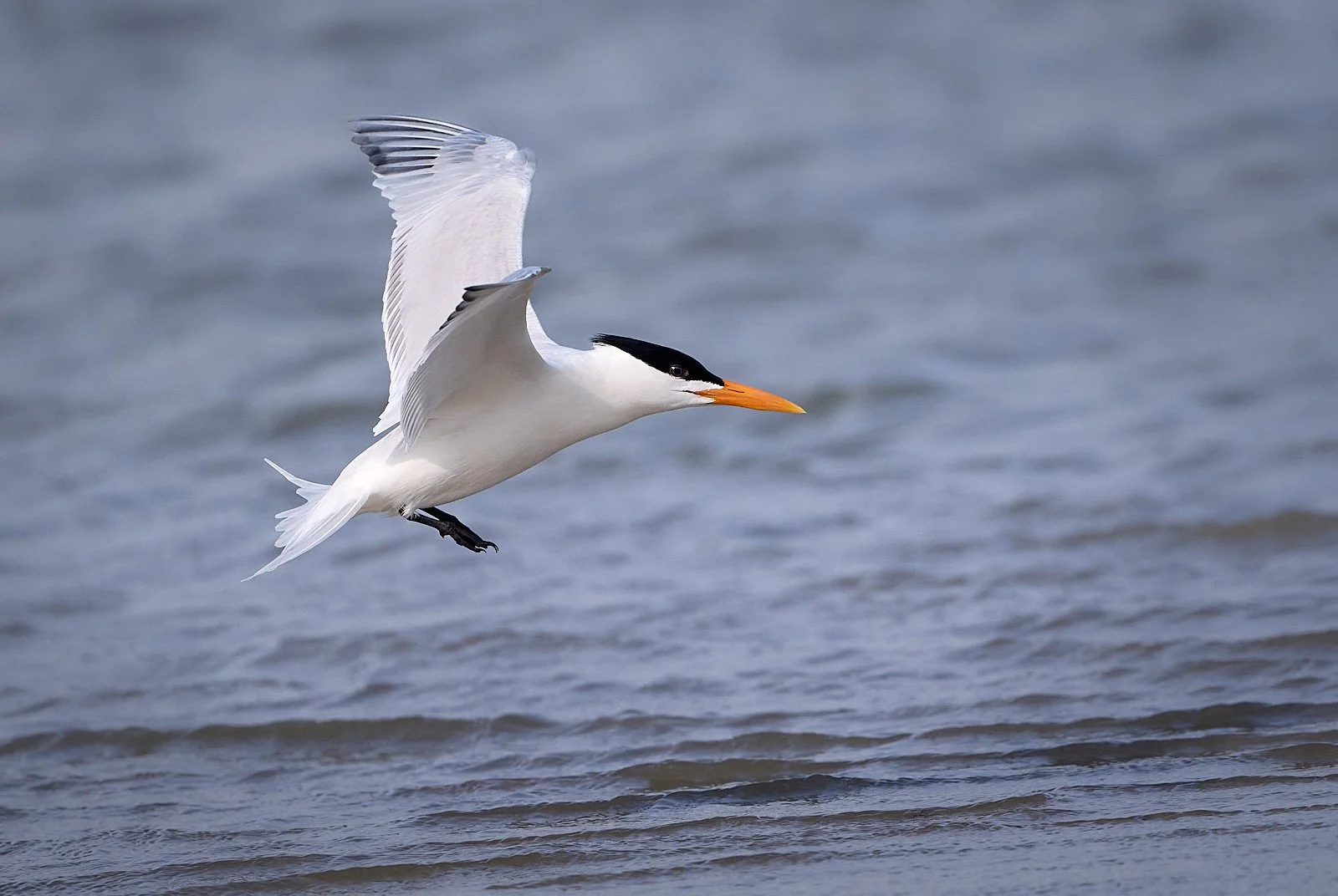
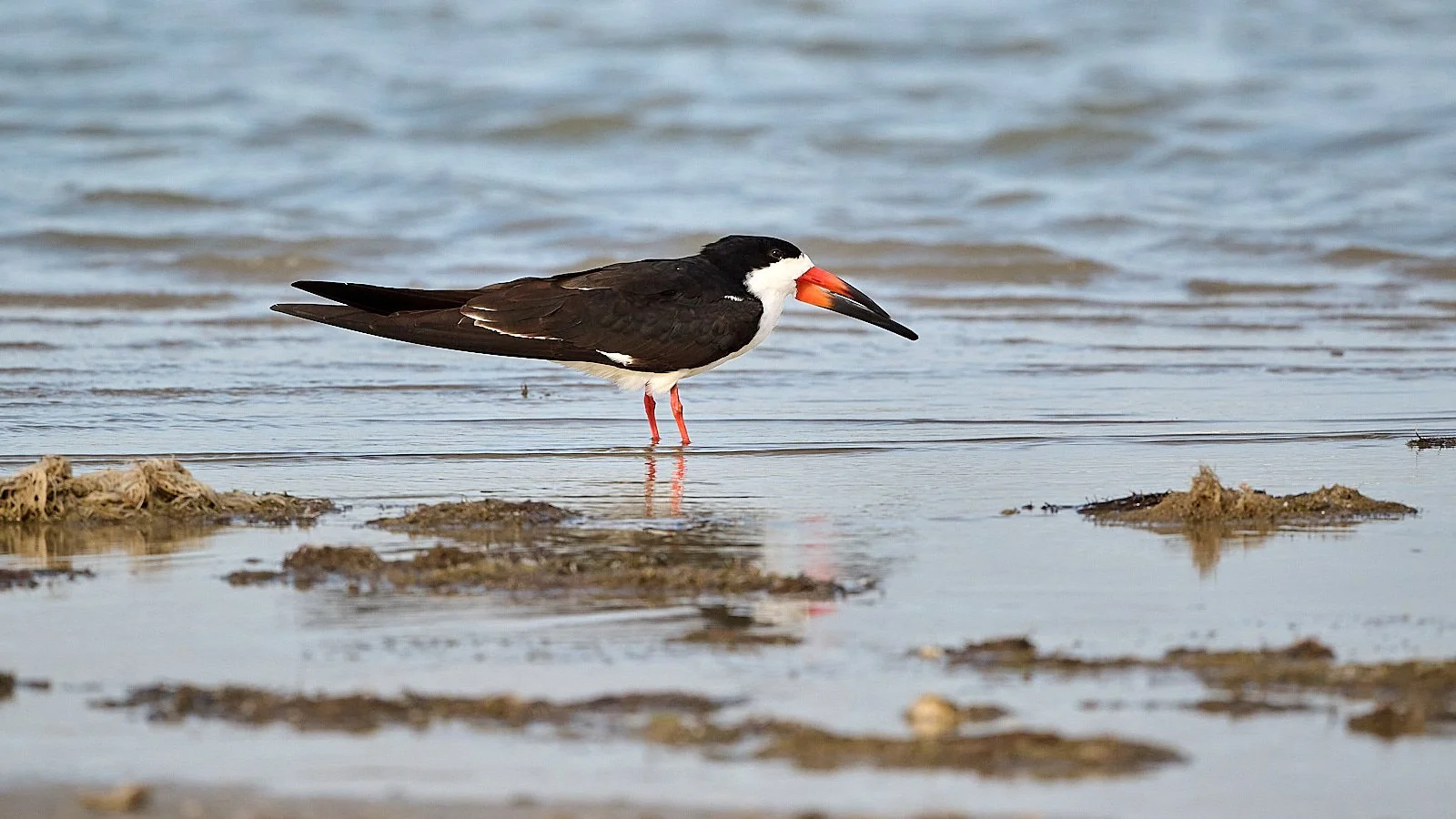
American Oystercatcher, with Black Skimmers and Royal Terns behind.
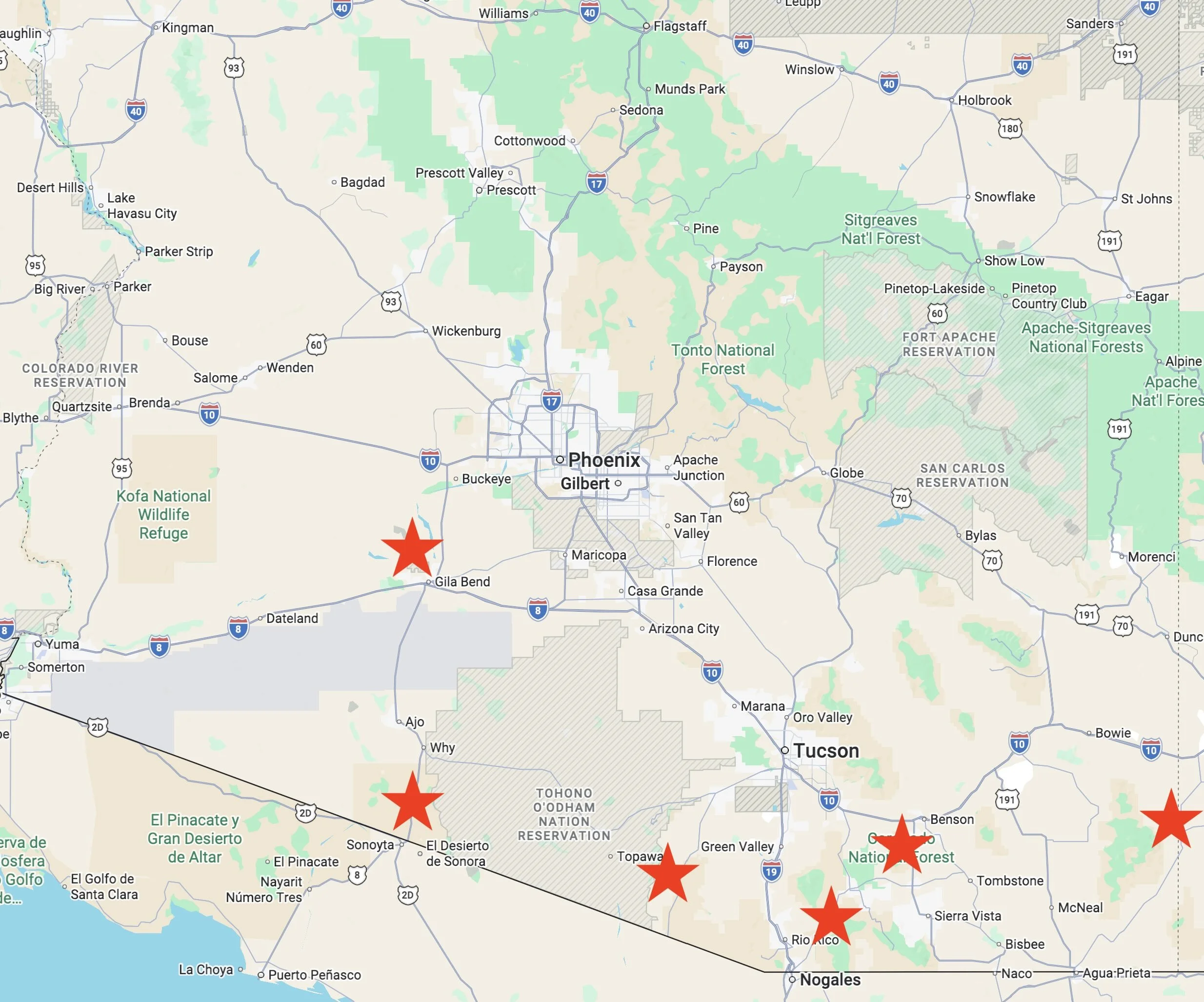
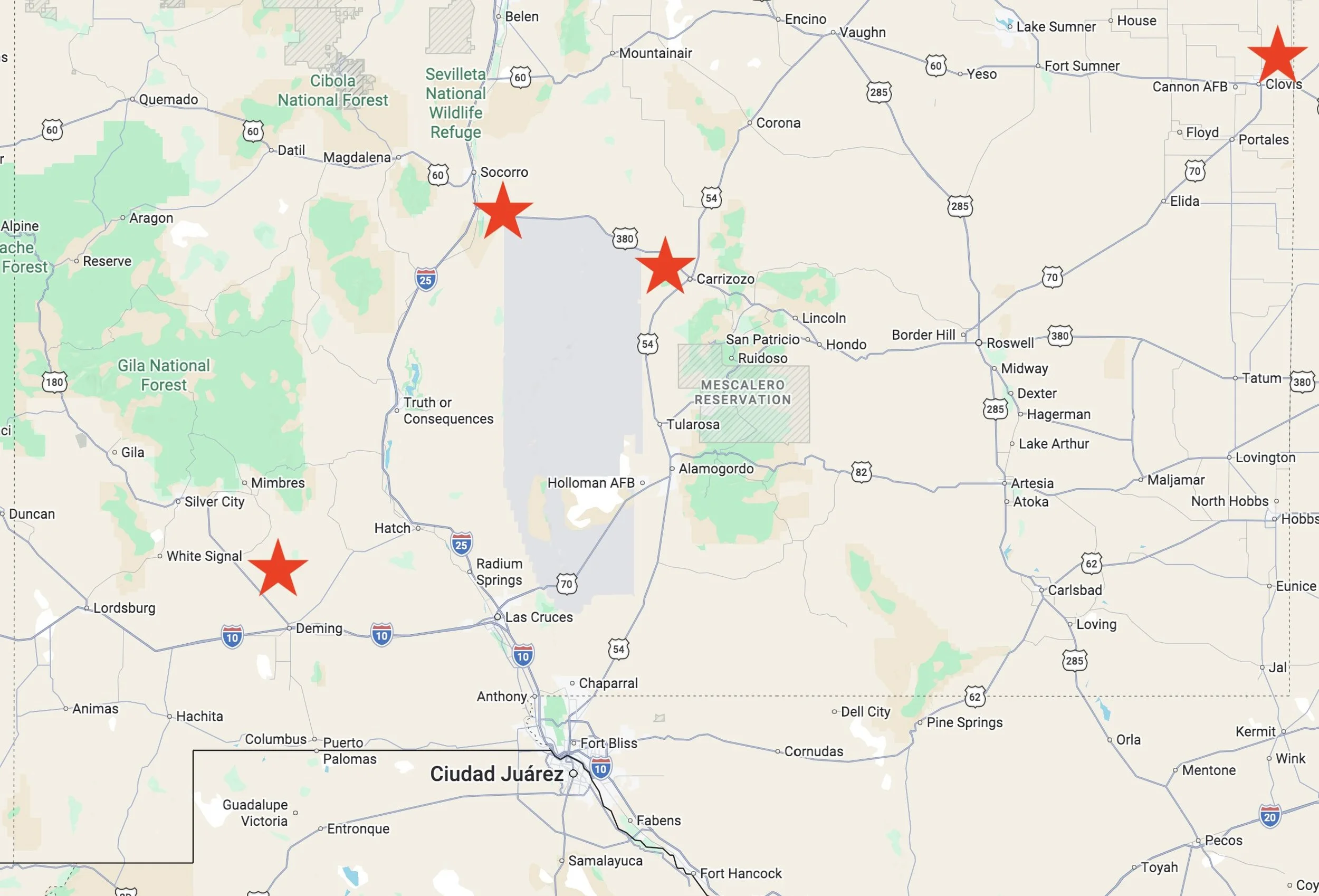
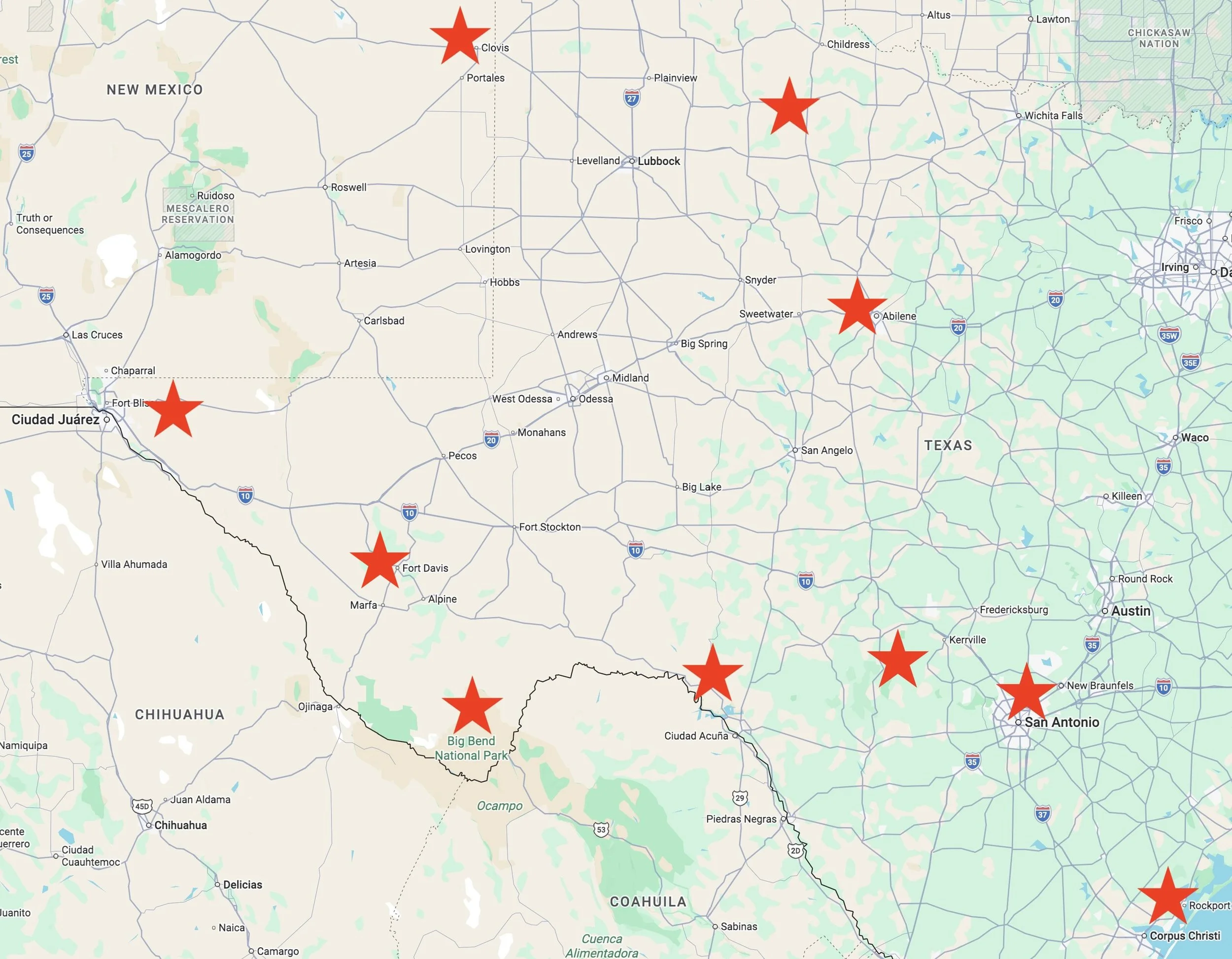
Where we went
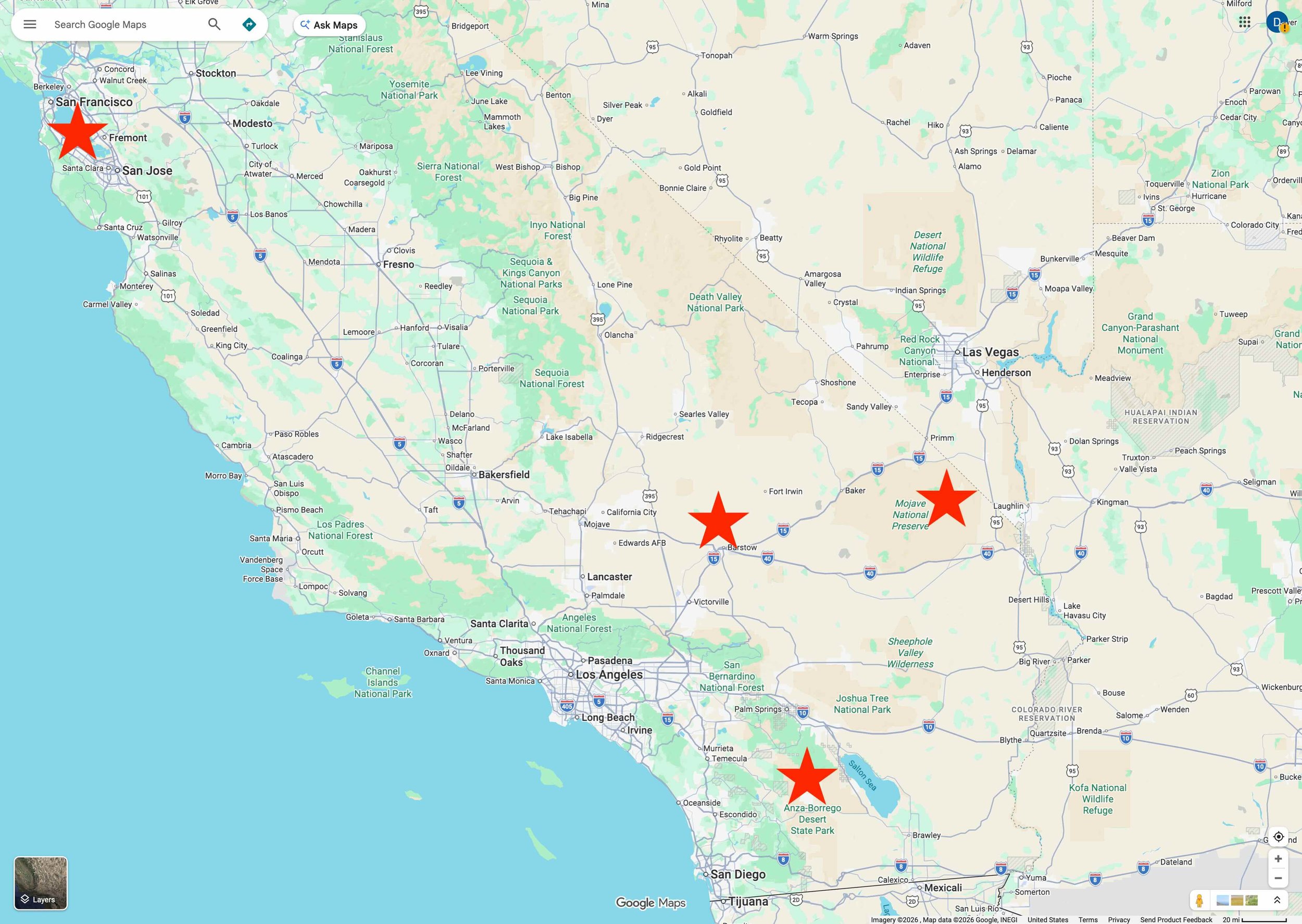
See maps below. (Red stars indicate places where we stayed.)
Why did we go?
Our objectives were the usual:
Botany
Decent rains in the late fall and early spring suggested a good showing of desert wildflowers.
Birding
The timing of our arrival at Goose Island was planned to coincide with the northward migration of birds from Central and South America.
Friends
Our travel buddies B&T had booked campsites for the latter part of March at Big Bend National Park. We met them there.
We also connected with long-time friends: A, J & T in Organ Pipe Cactus National Park, D at Sunny Flat campground within Arizona’s Chiricahua National Forest, N in San Antonio, and B&T again in the Mojave National Monument.
New acquaintances included the Durango crew (S&S, P&A), A from Montana, and K from Seattle.
Have fun
Of course.
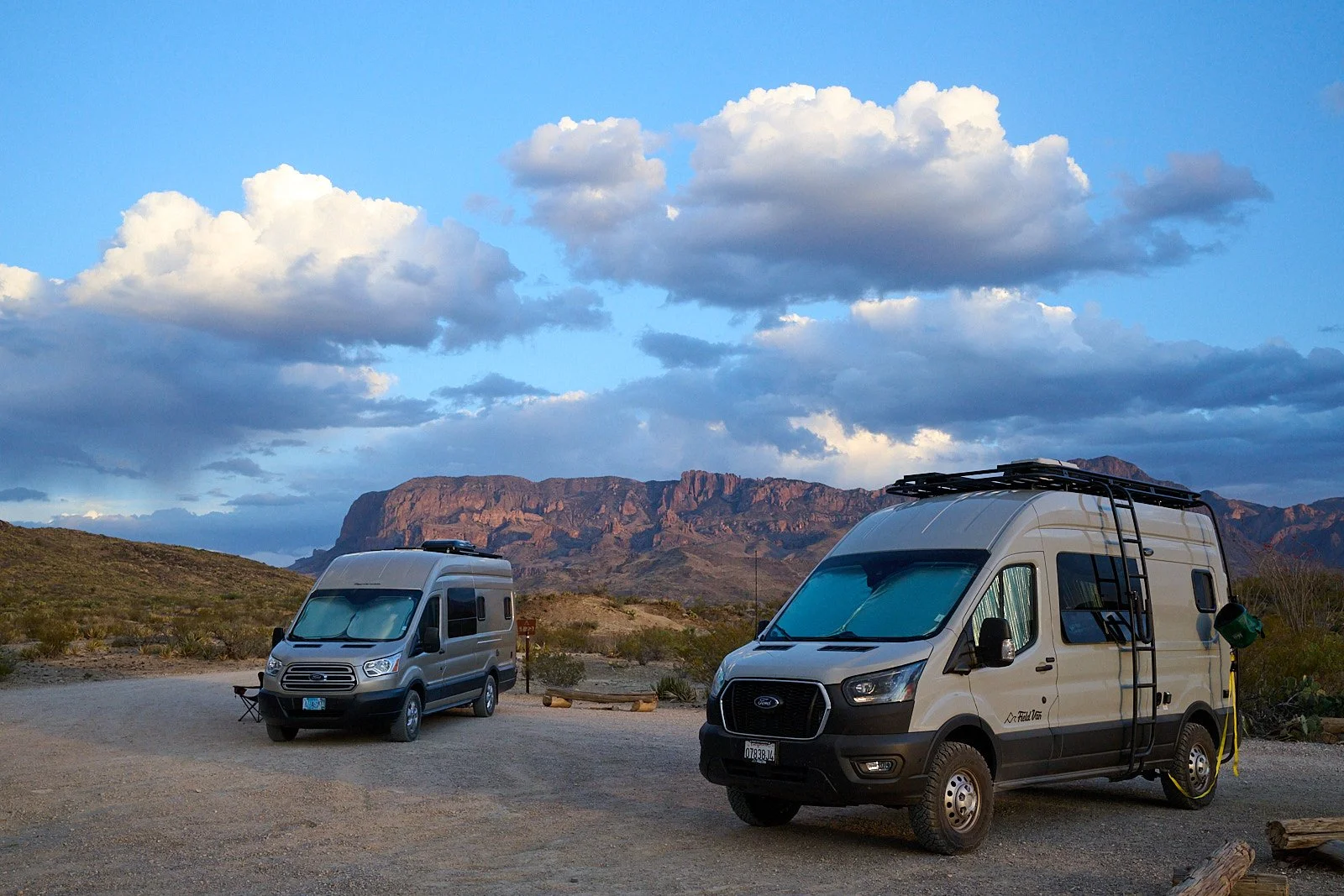
Camping with B&T at Croton Spring, Big Bend, Texas
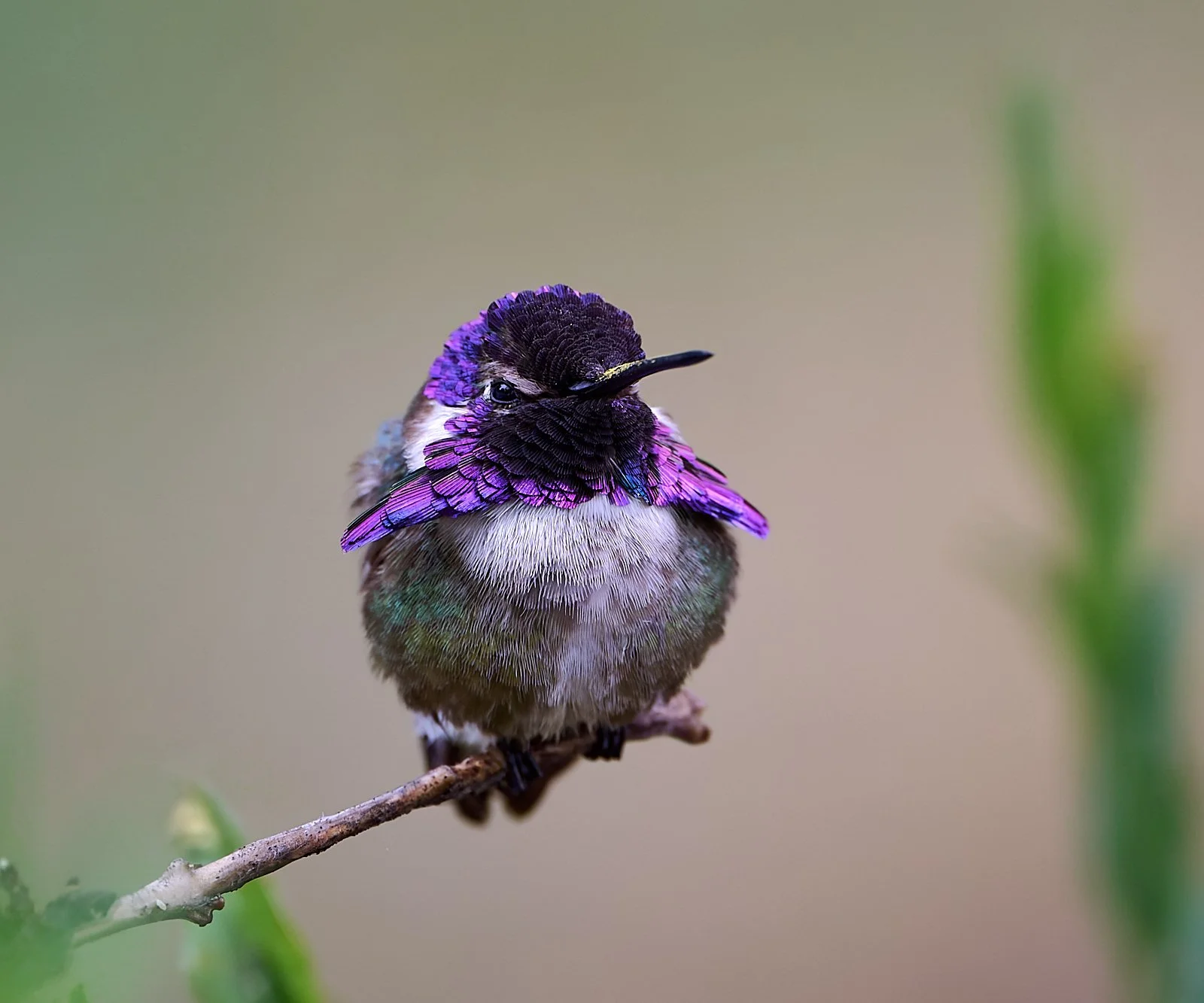
Costa’s Hummingbird
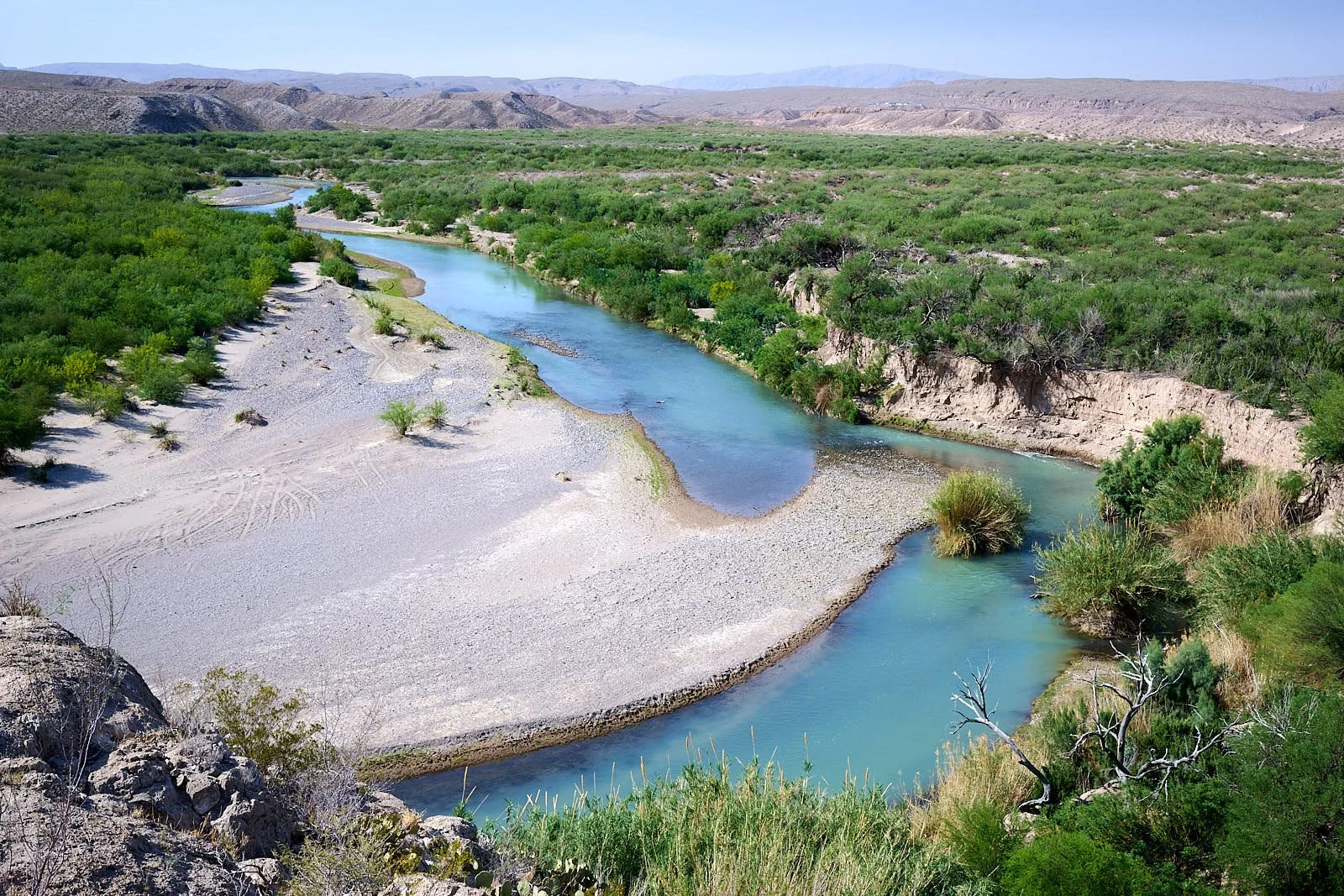
Rio Grande at Boquillas Canyon, Big Bend, Texas
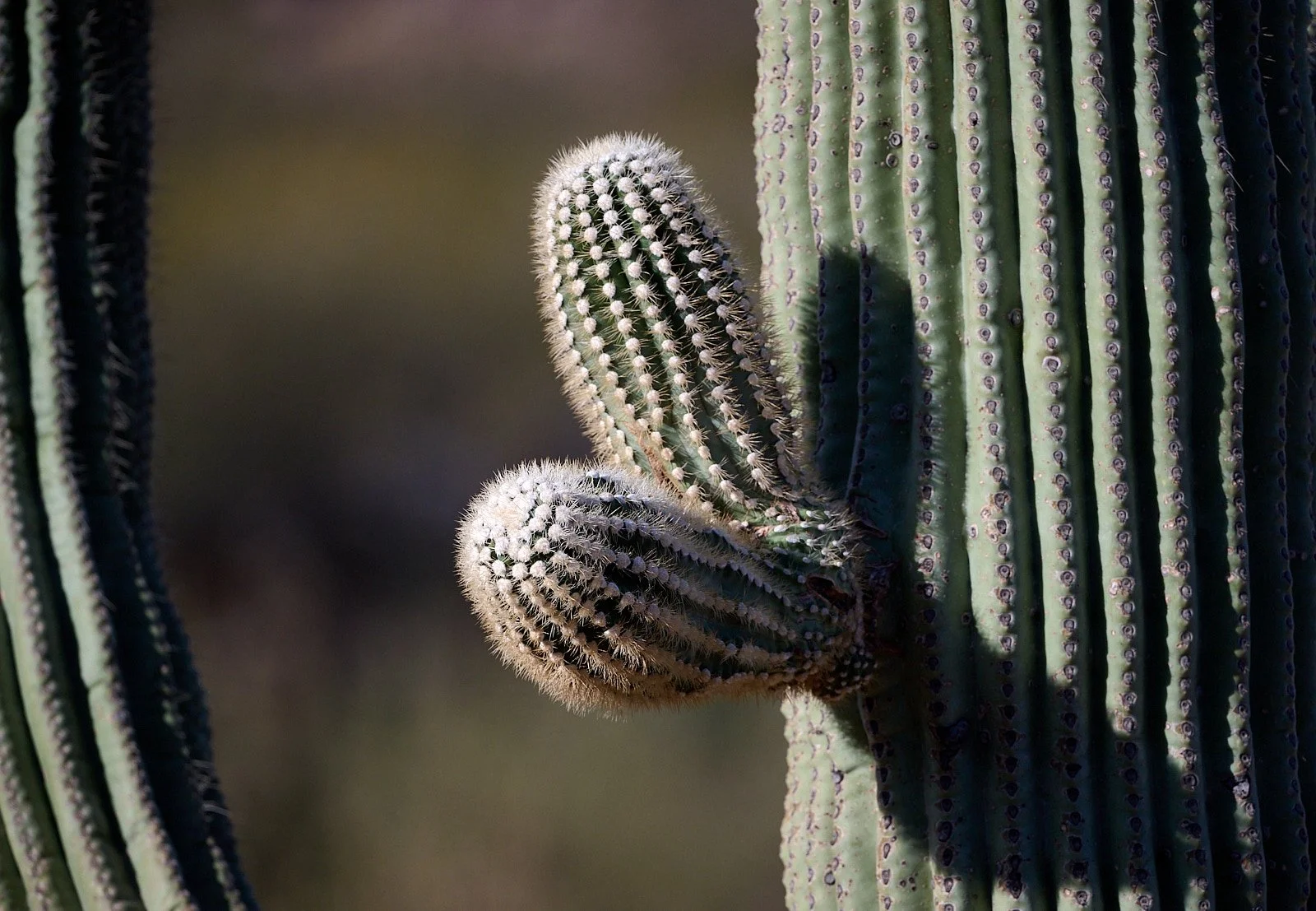
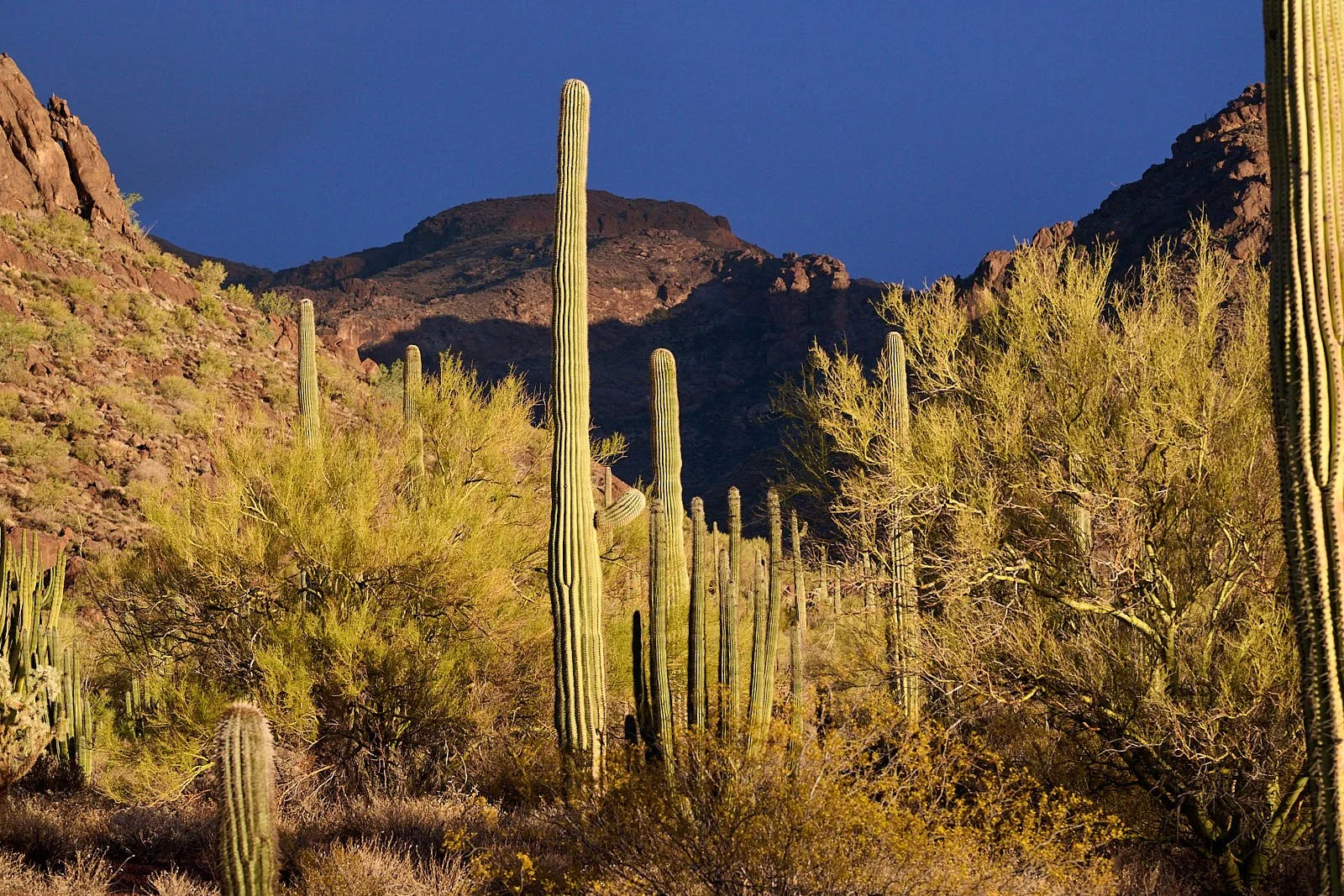
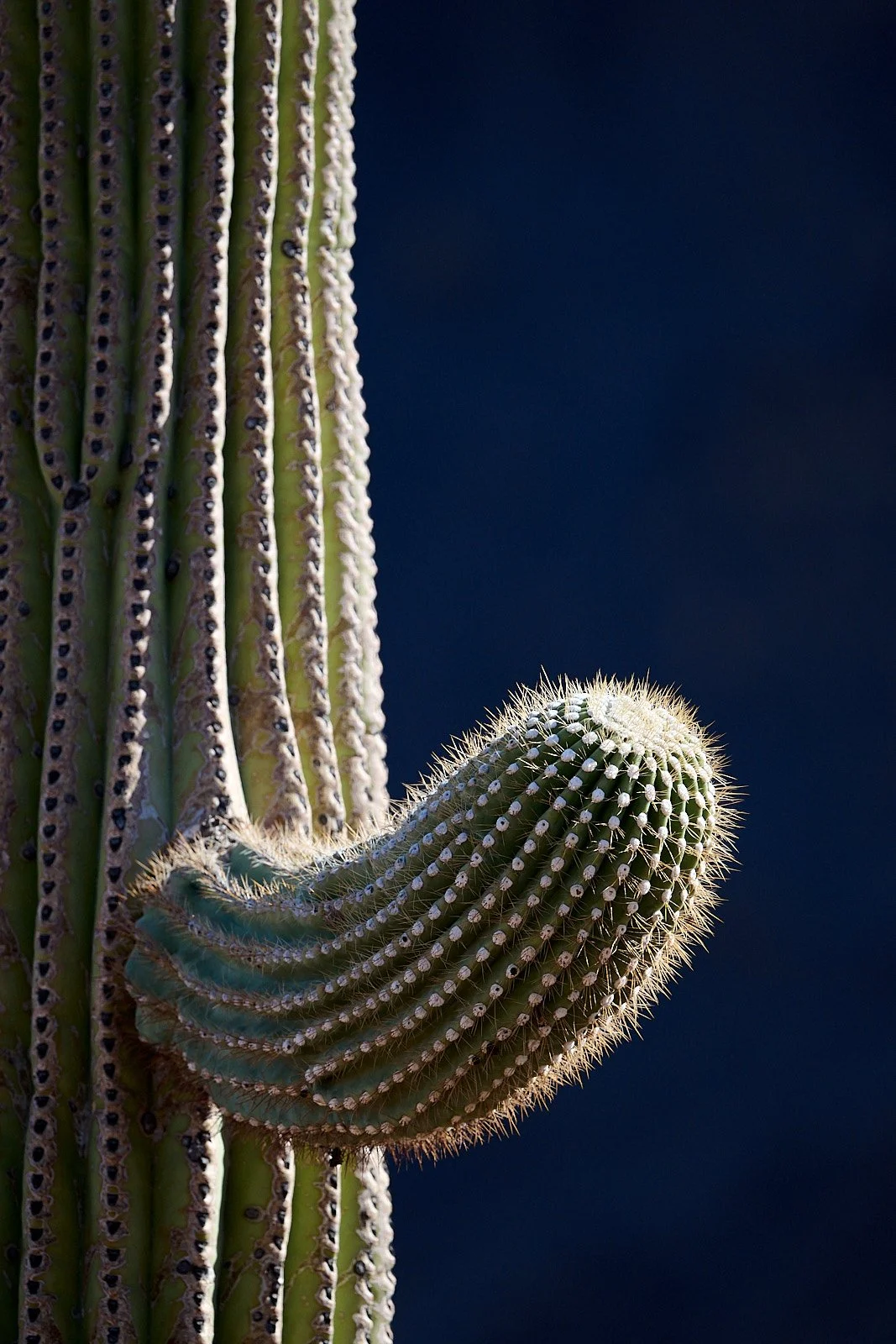
Saguaro, Organ Pipe Cactus National Monument, Arizona
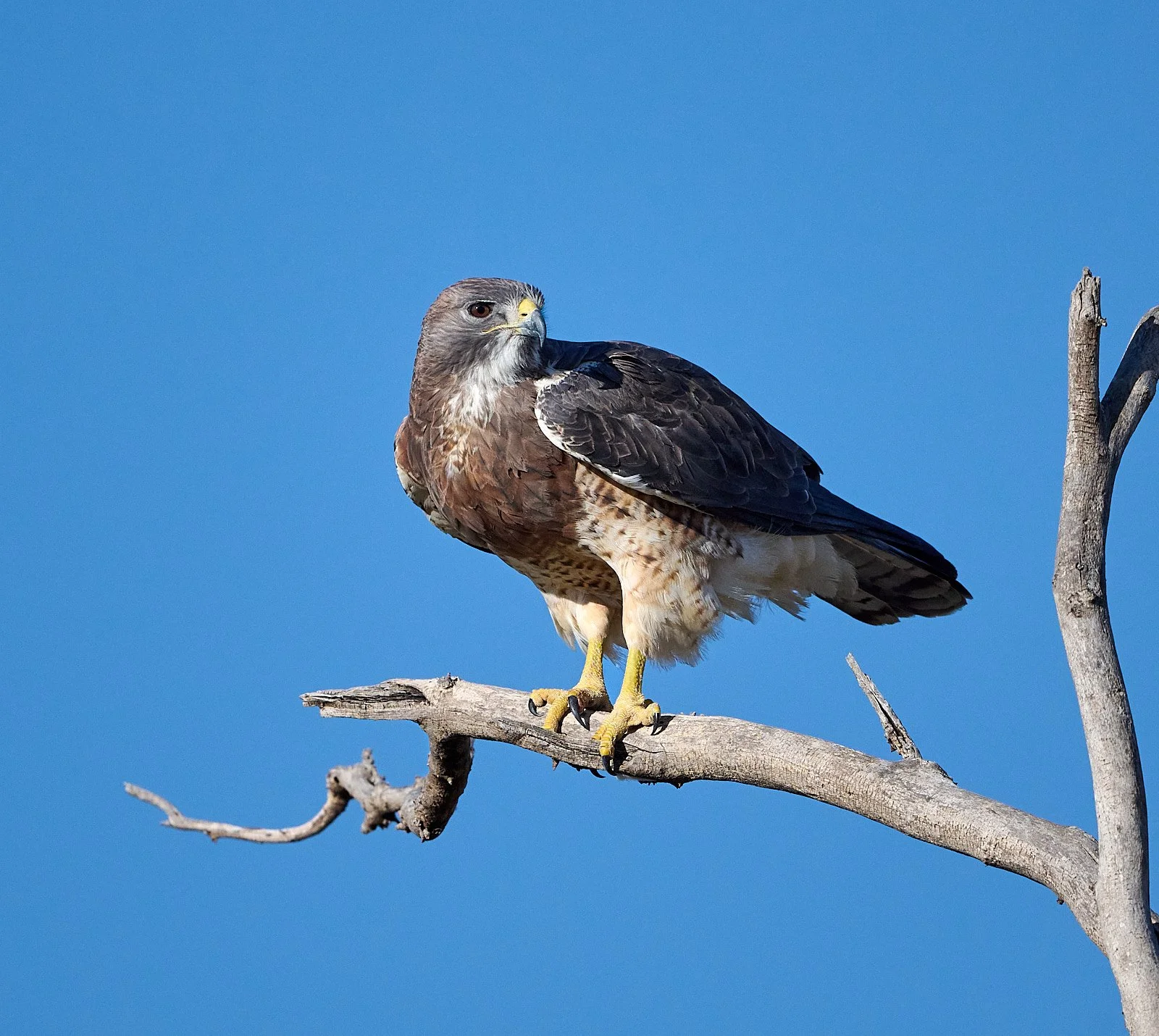
Swainson’s Hawk
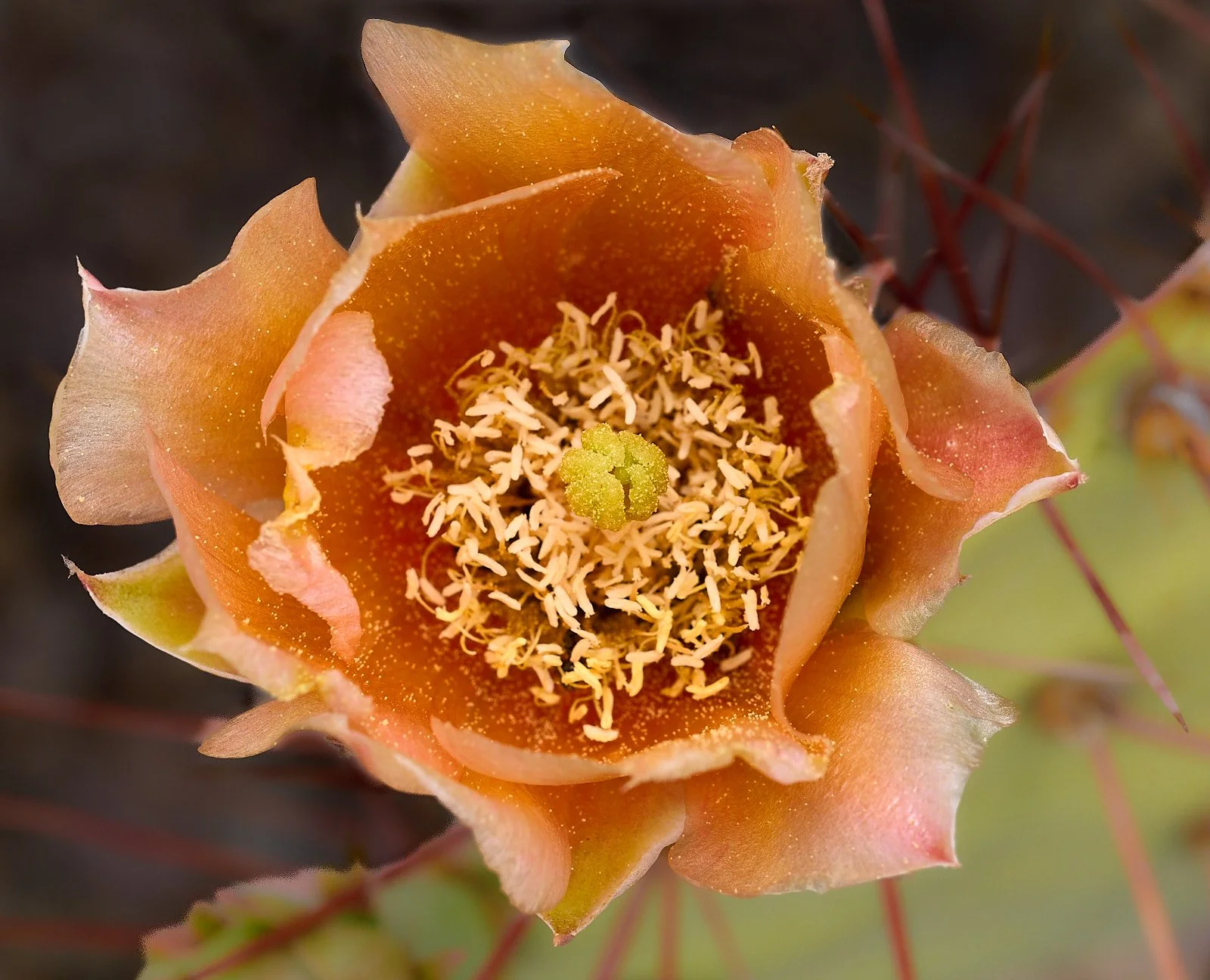
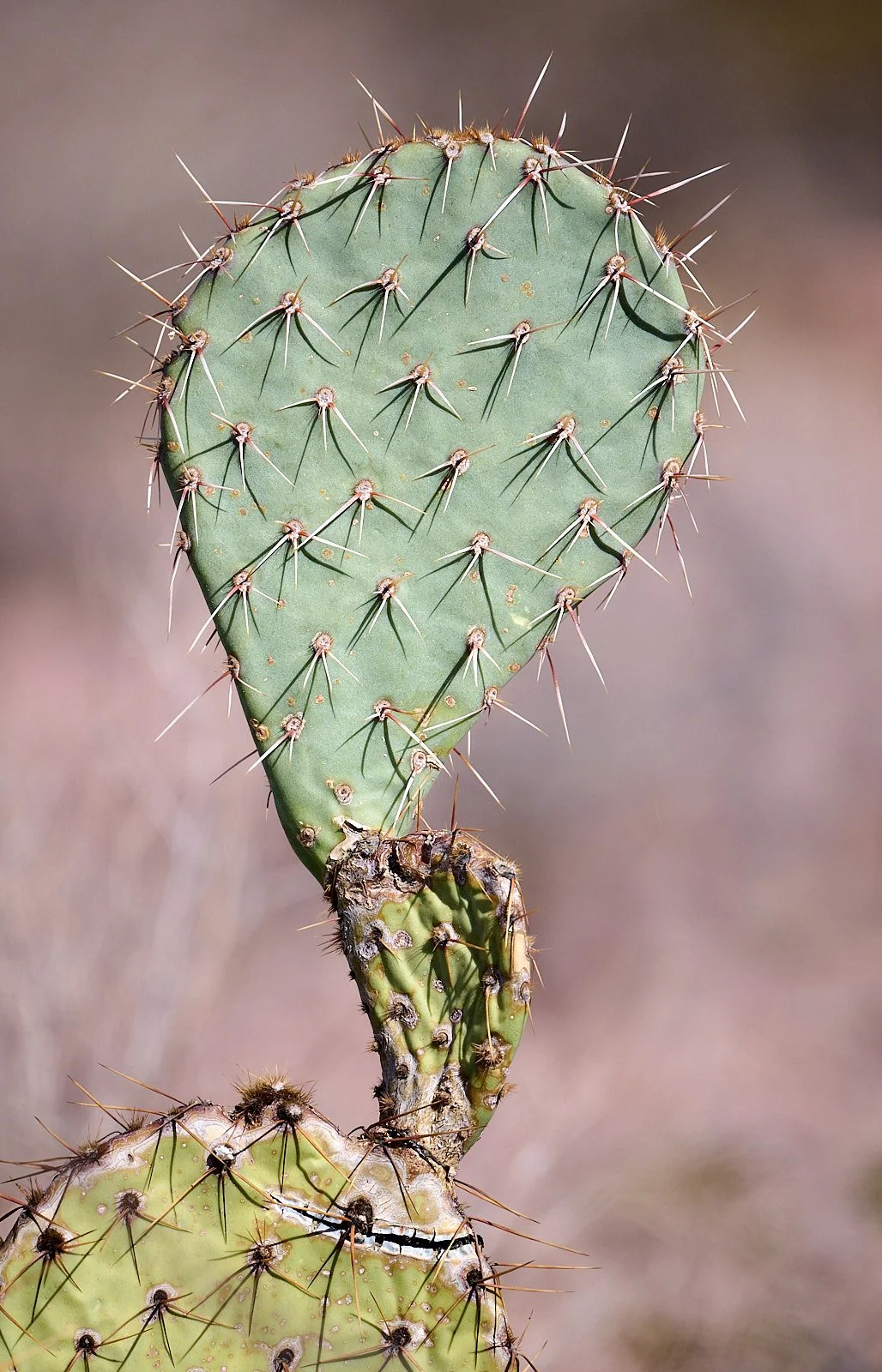
Opuntia azurea
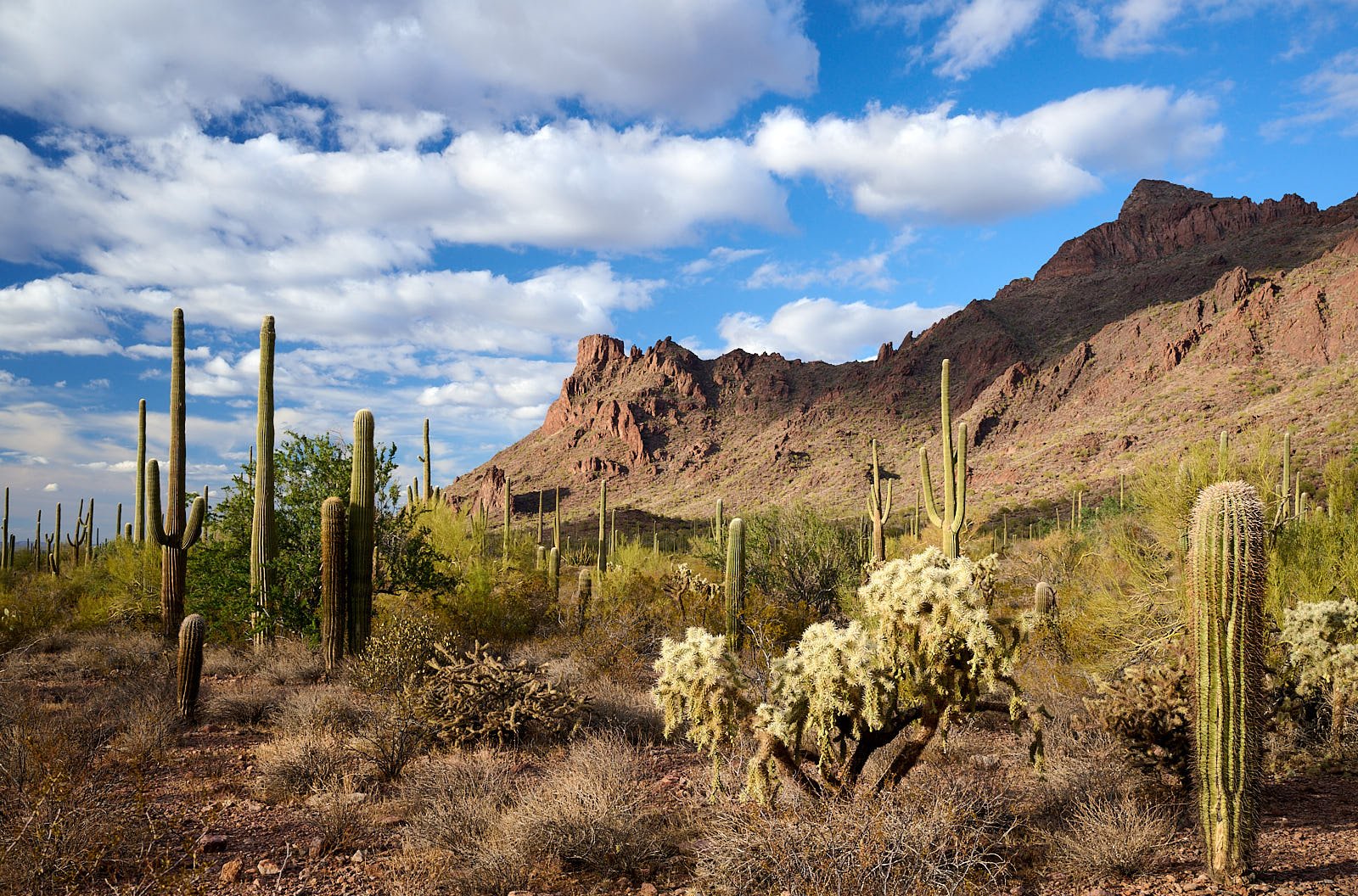
Ajo Range, Organ Pipe Cactus National Monument, Arizona
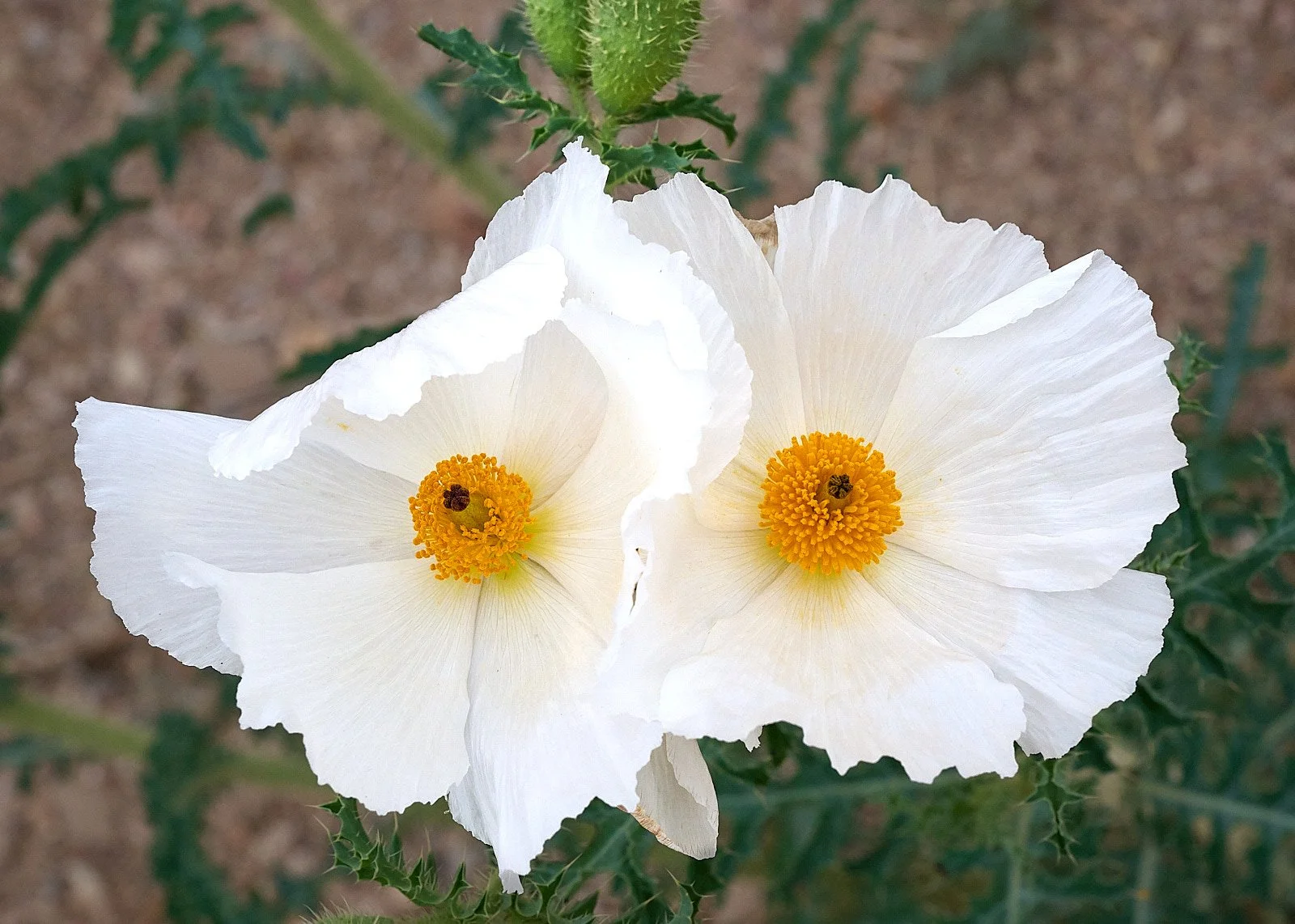
Prickly poppies
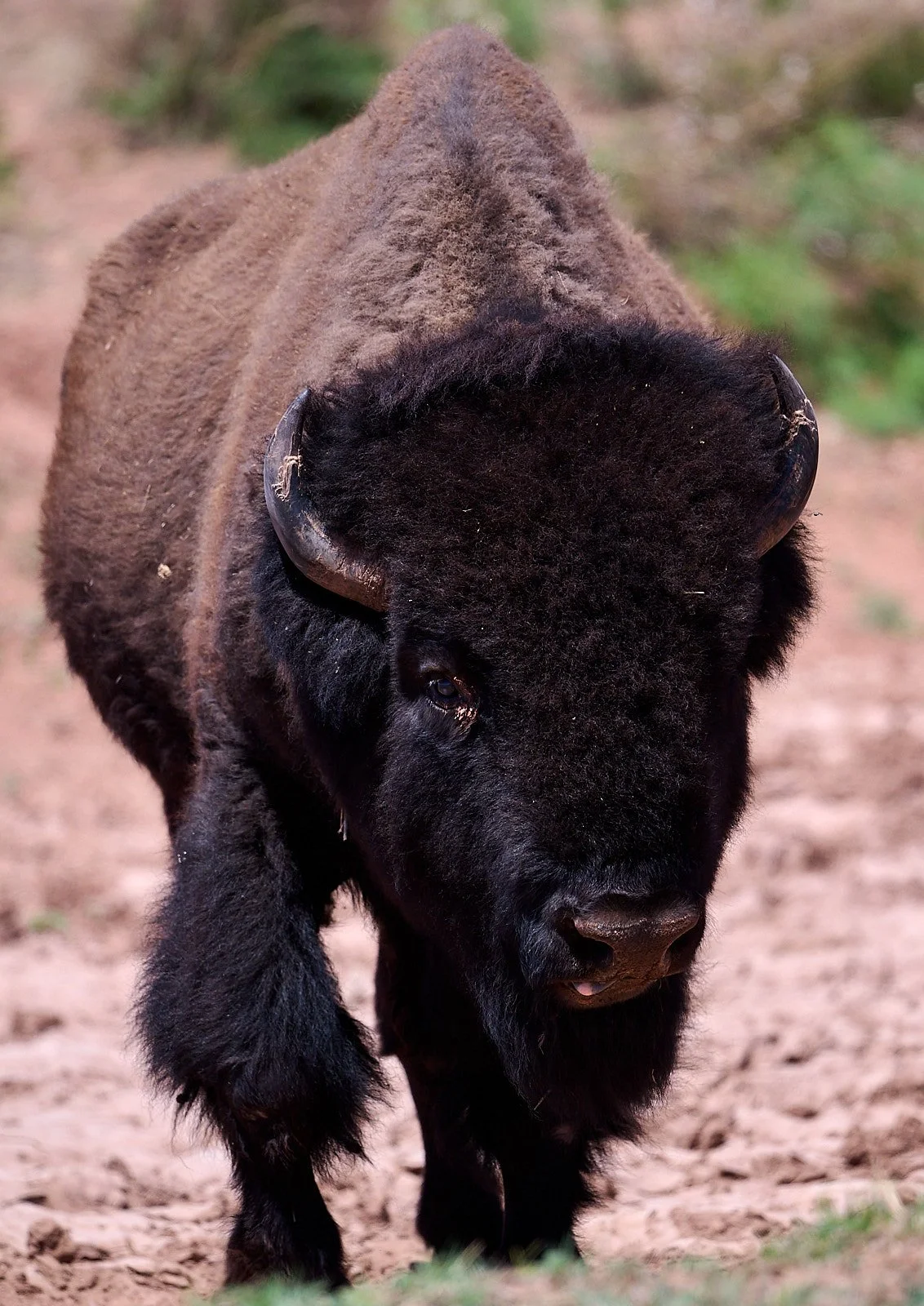
Bison
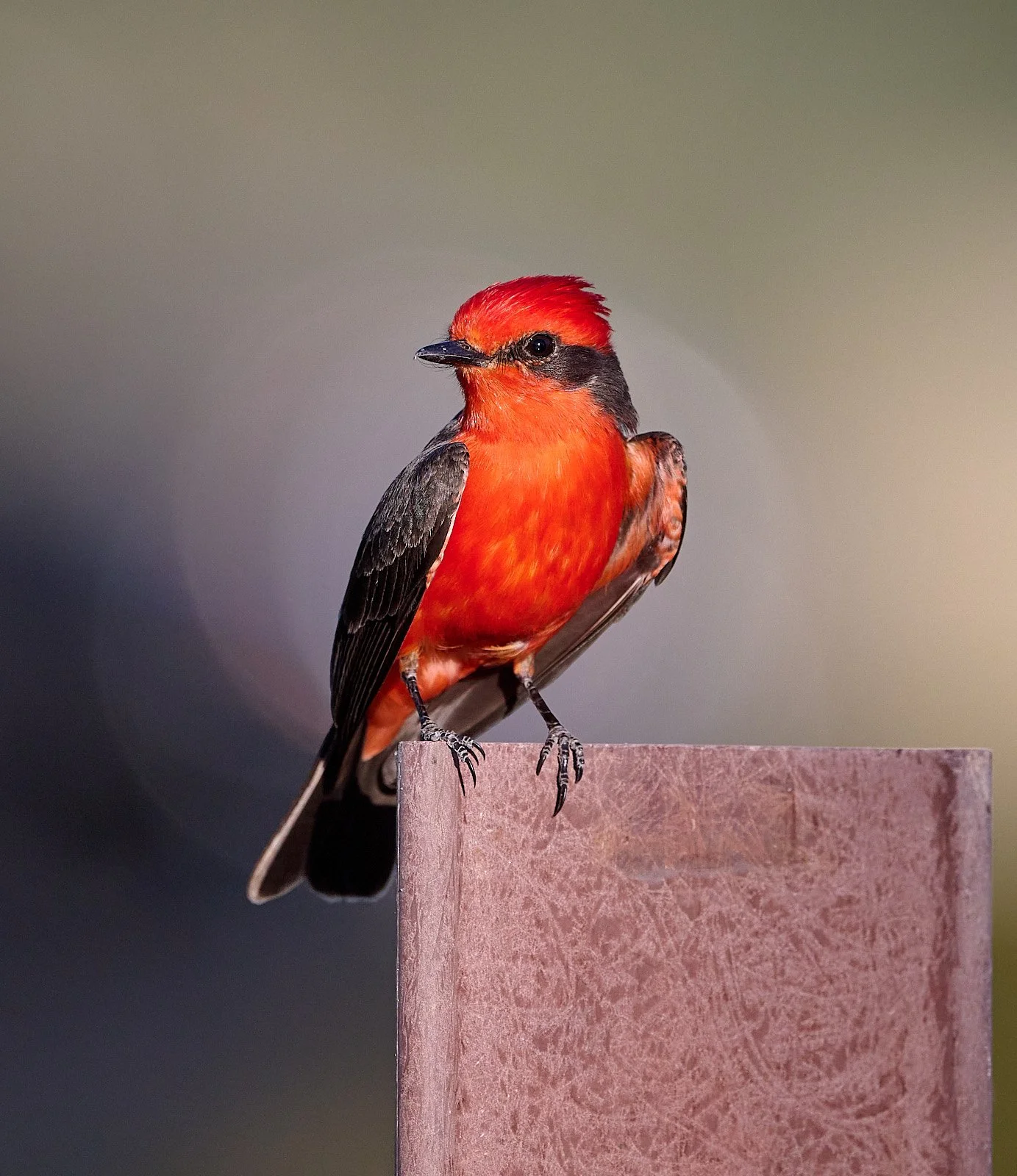
Vermillion Flycatcher
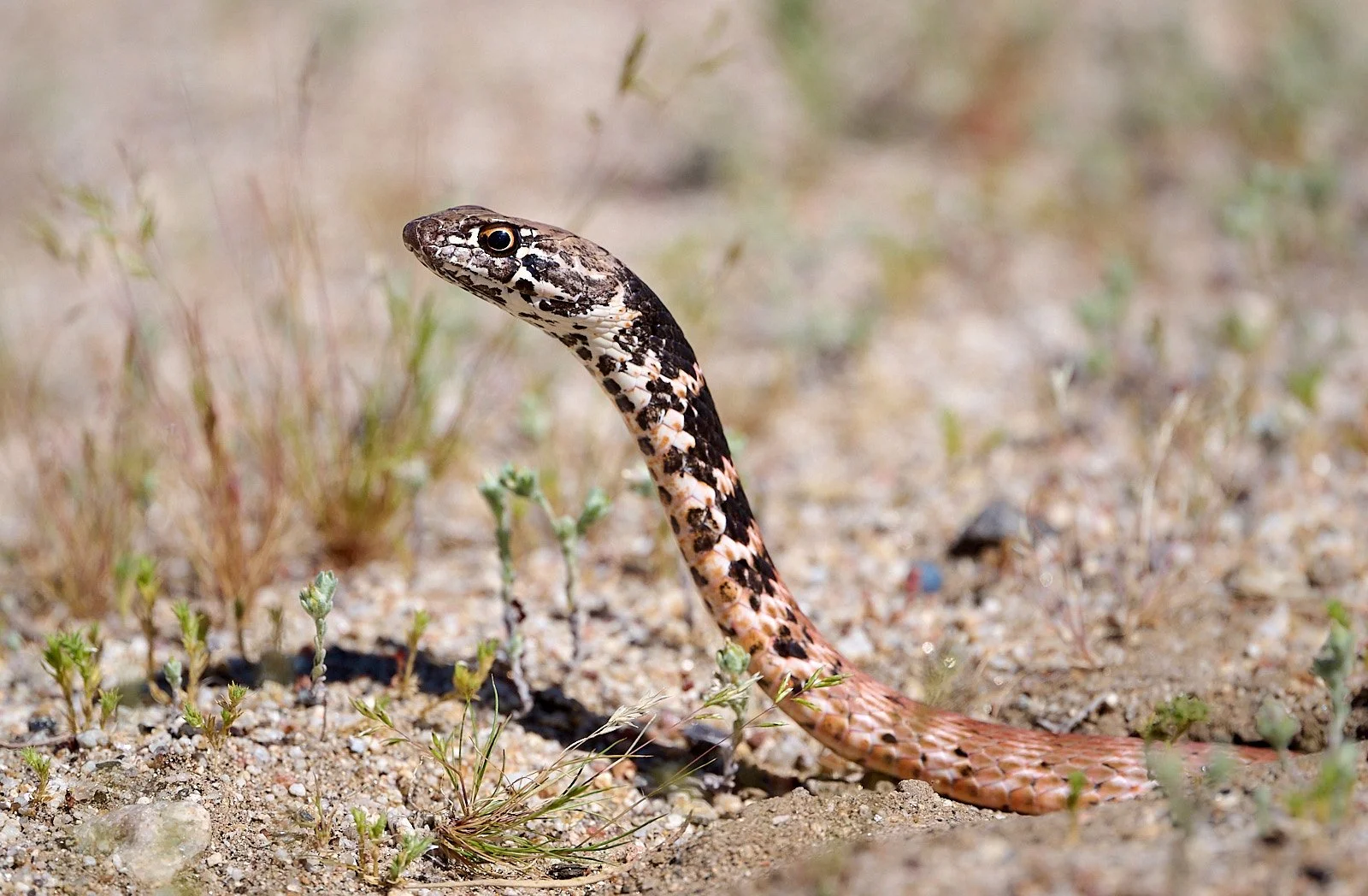
Red Racer
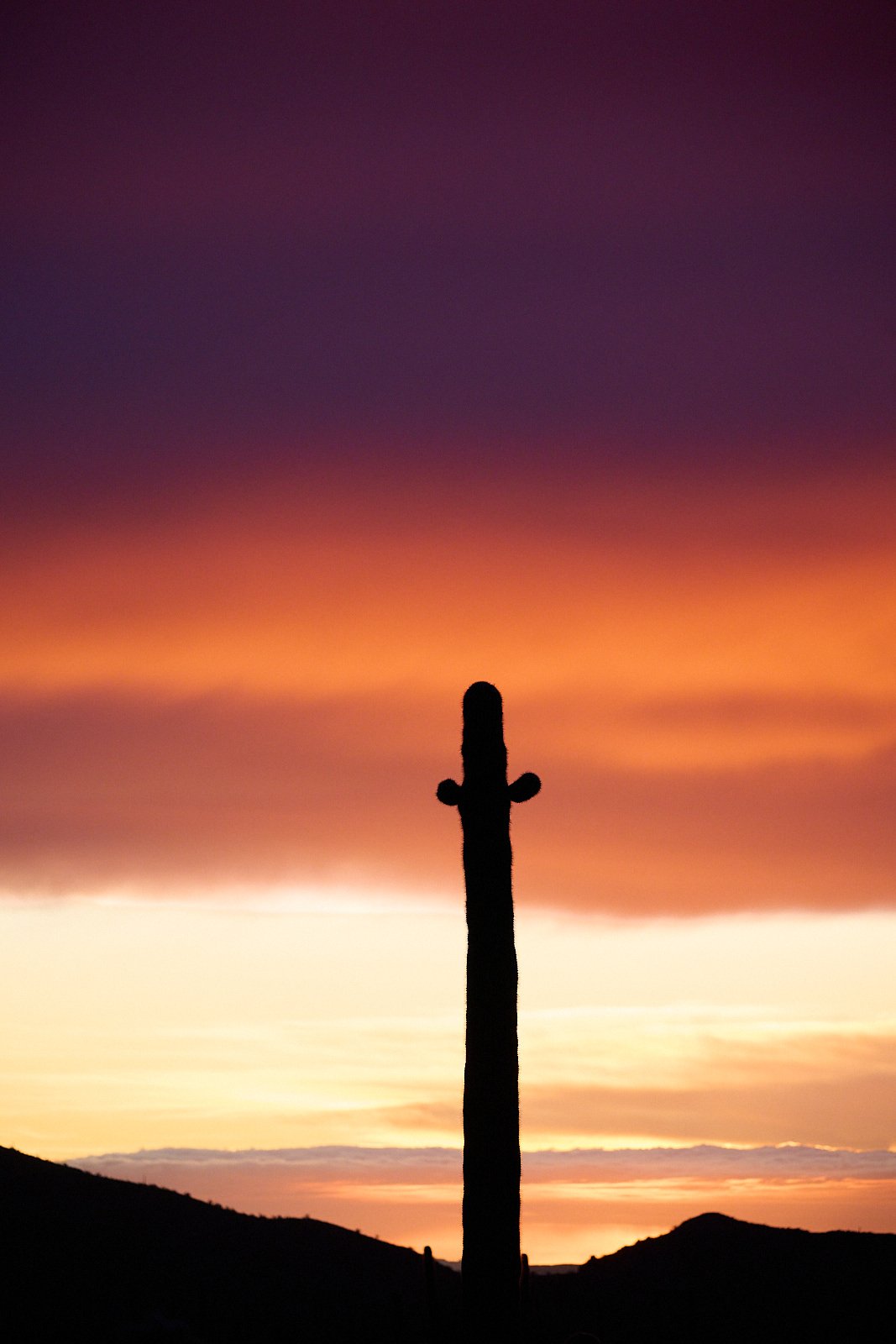
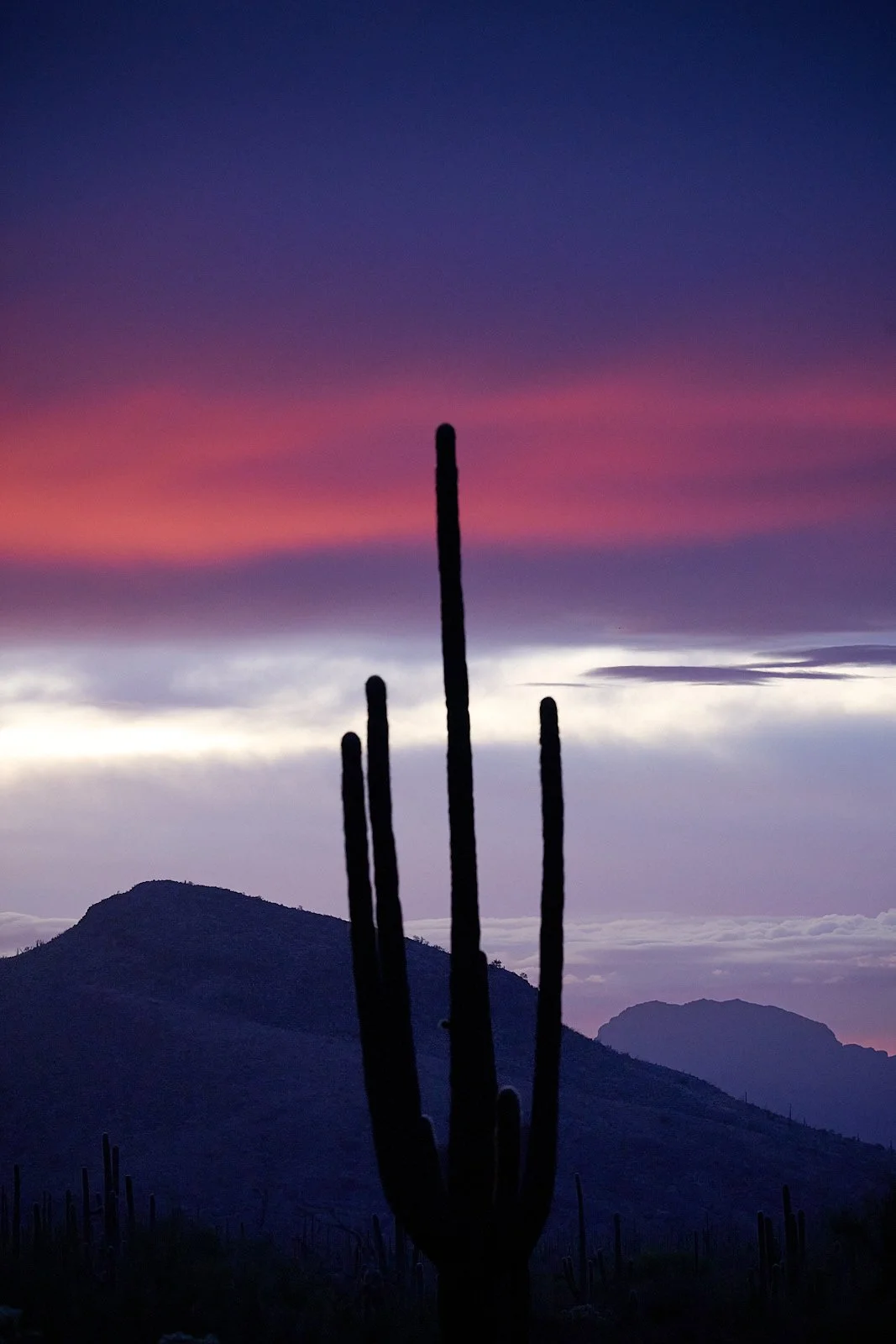
Sunset, Organ Pipe Cactus National Monument
Special locations
We visited some of our favorite spots:
Desert Dog Café, Morongo Valley, California. Coffee & ice cream!
Borrego Springs in Anza Borrego State Park, California. Annual Plein Air invitational art event was in progress at the Art Institute.
Alamo Canyon in Organ Pipe Cactus National Monument, Arizona. Although the region was bone dry, the canyon wash nurtured a trickle of water.
Remote camping in Buenos Aires National Wildlife Refuge, Arizona. Many options for camping sites.
La Gitana Cantina in Arivaca, Arizona. Tasty food, friendly people.
Gathering Grounds coffee shop in Patagonia, Arizona. The best.
Bob Rodrigues’s bird garden near Portal, Arizona. The nicest gentleman, with a deep knowledge of birds.
Hueco Tanks, Texas. Popular with the rock climbing crowd.
Davis Mountain State Park, Texas. Two bird blinds.
Rio Grand Village, Big Bend National Park, Texas. Great vistas of the Rio Grande. Javelinas in camp.
Valley of Fires, New Mexico. Spent time with a lovely Las Cruces couple who were passionate and well informed about the environment.
City of Rocks, New Mexico. Excellent spot to relax.
Hole in the Wall, Mojave National Monument. Scenic campground with good hikes.
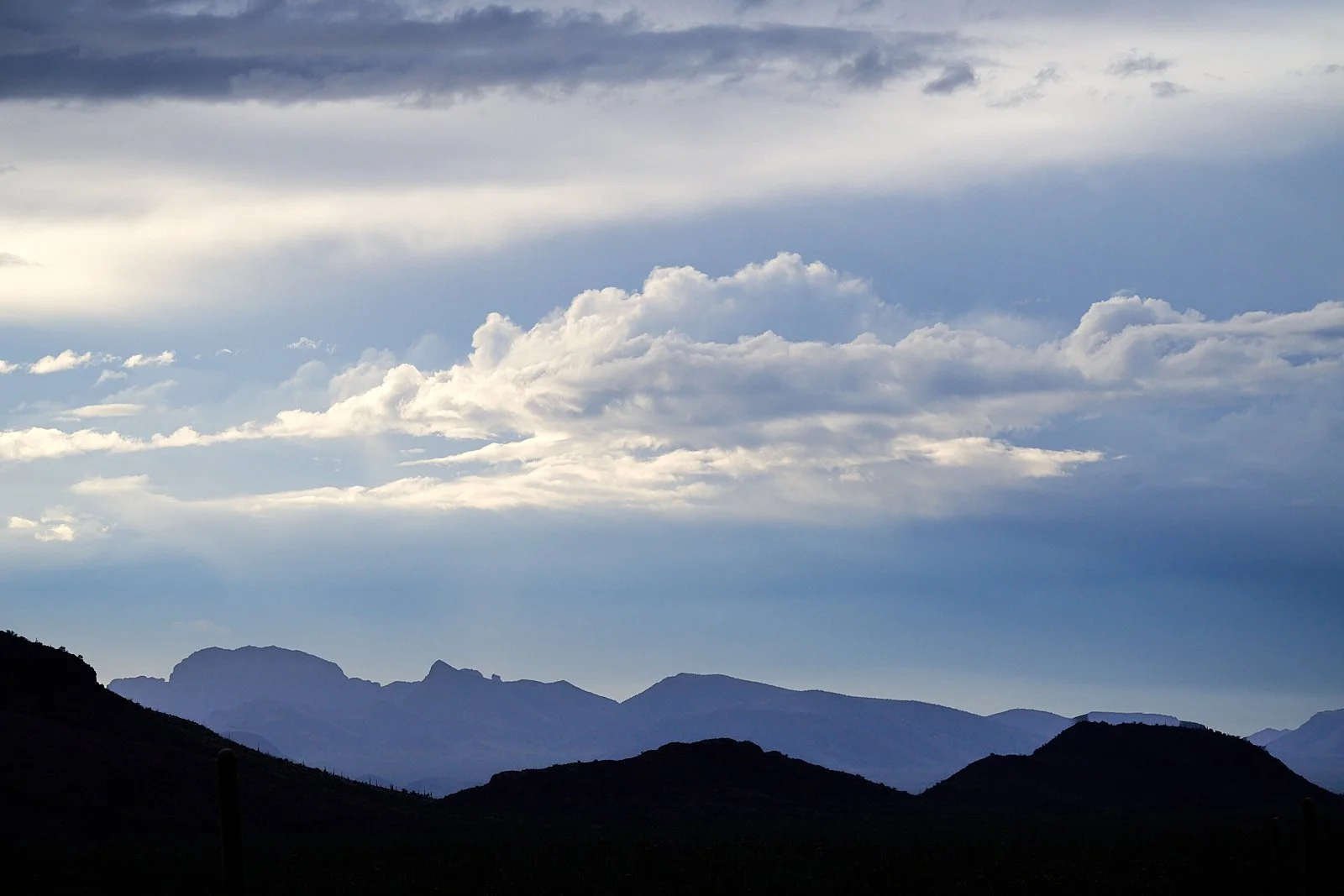
Organ Pipe Cactus Monument
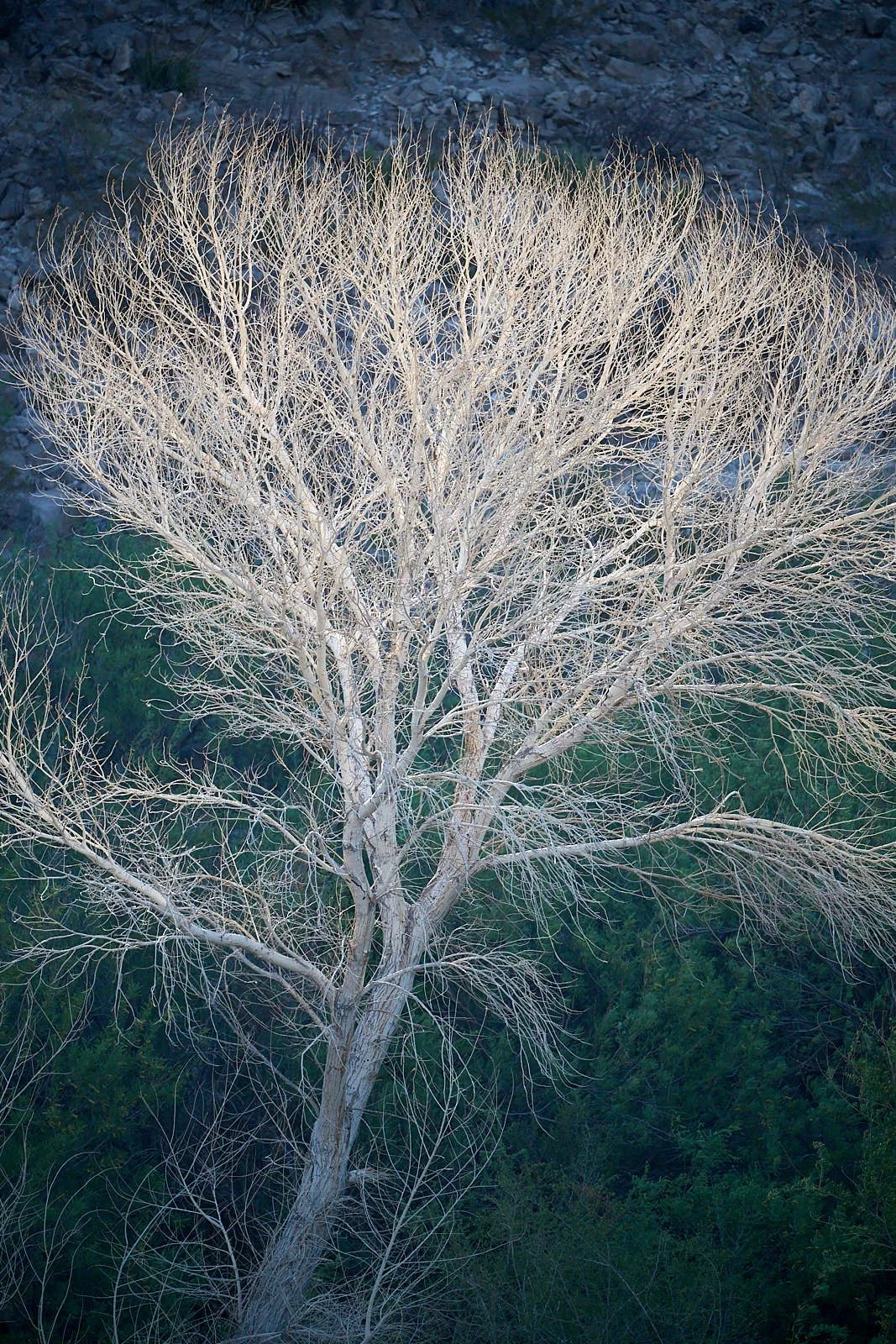
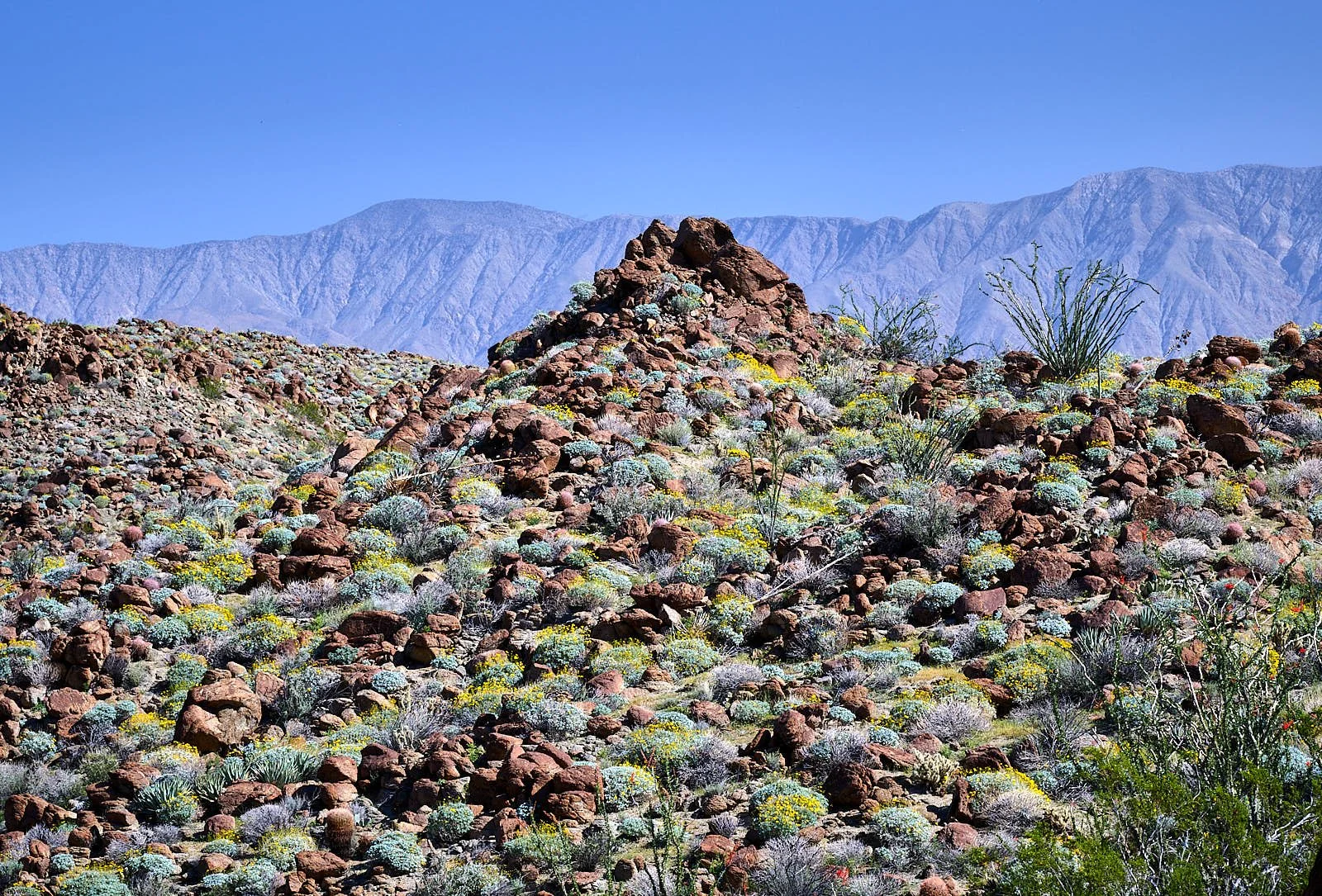
Anza Borrego Desert State Park
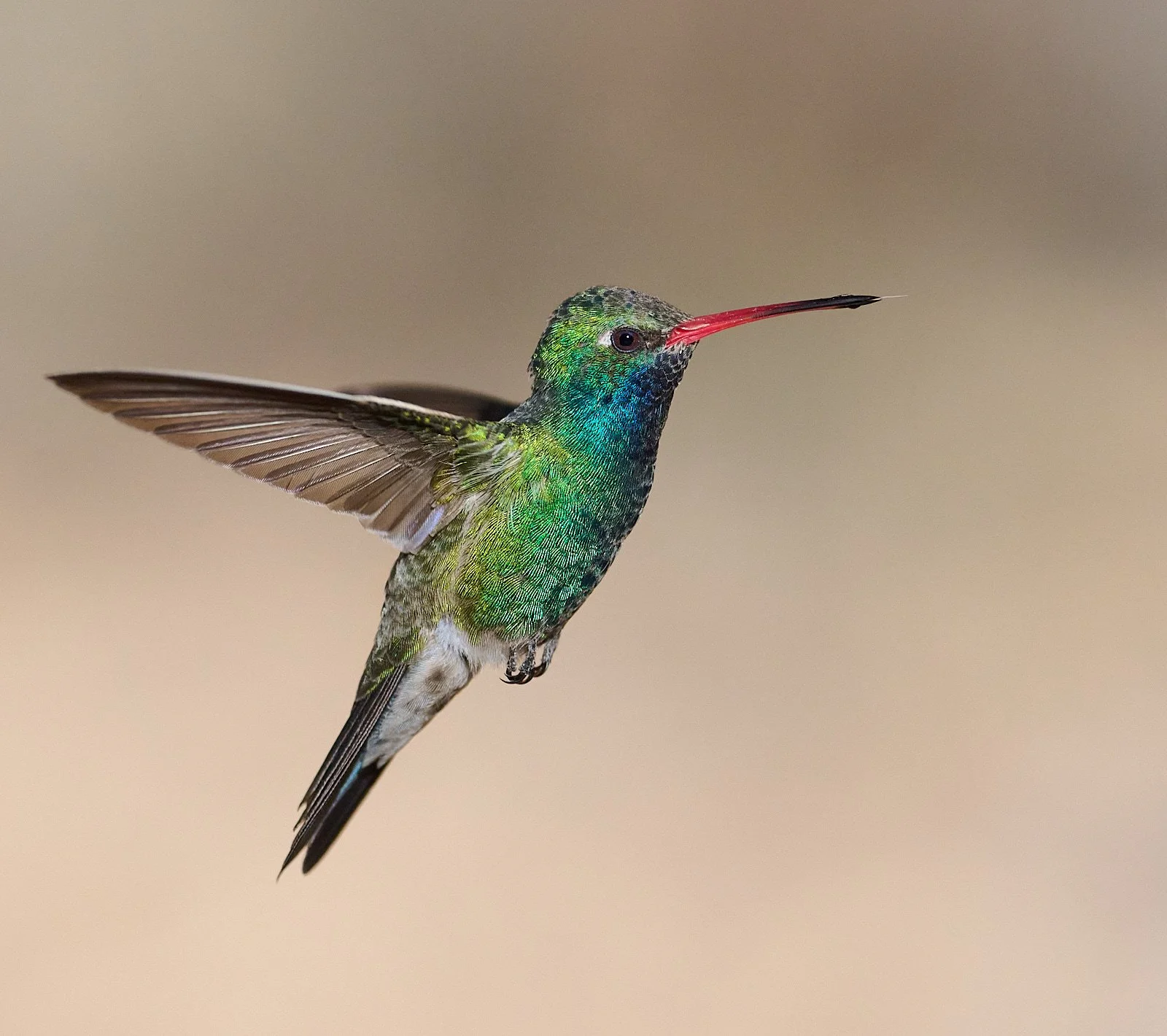
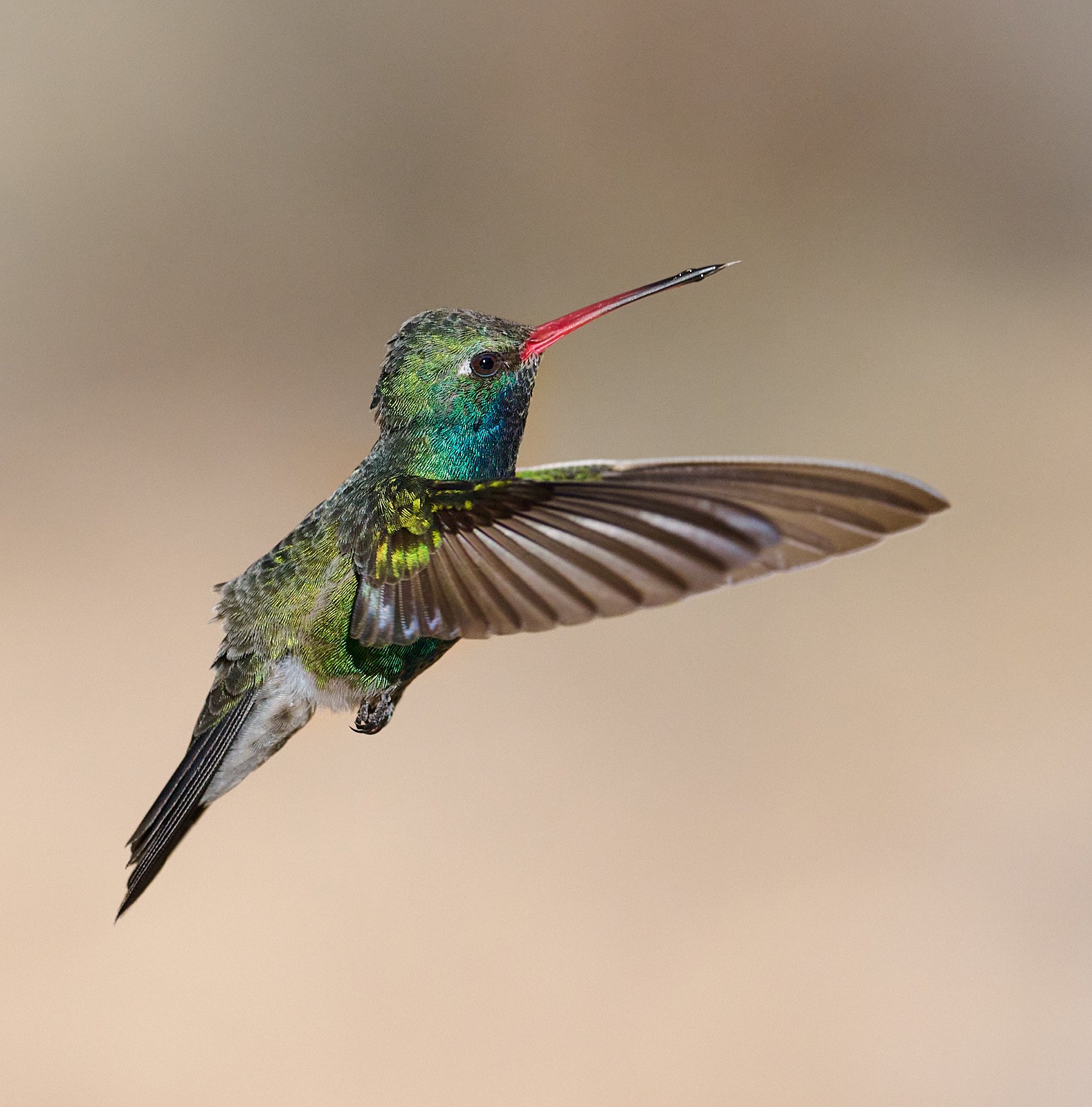
Broad-billed Hummingbird
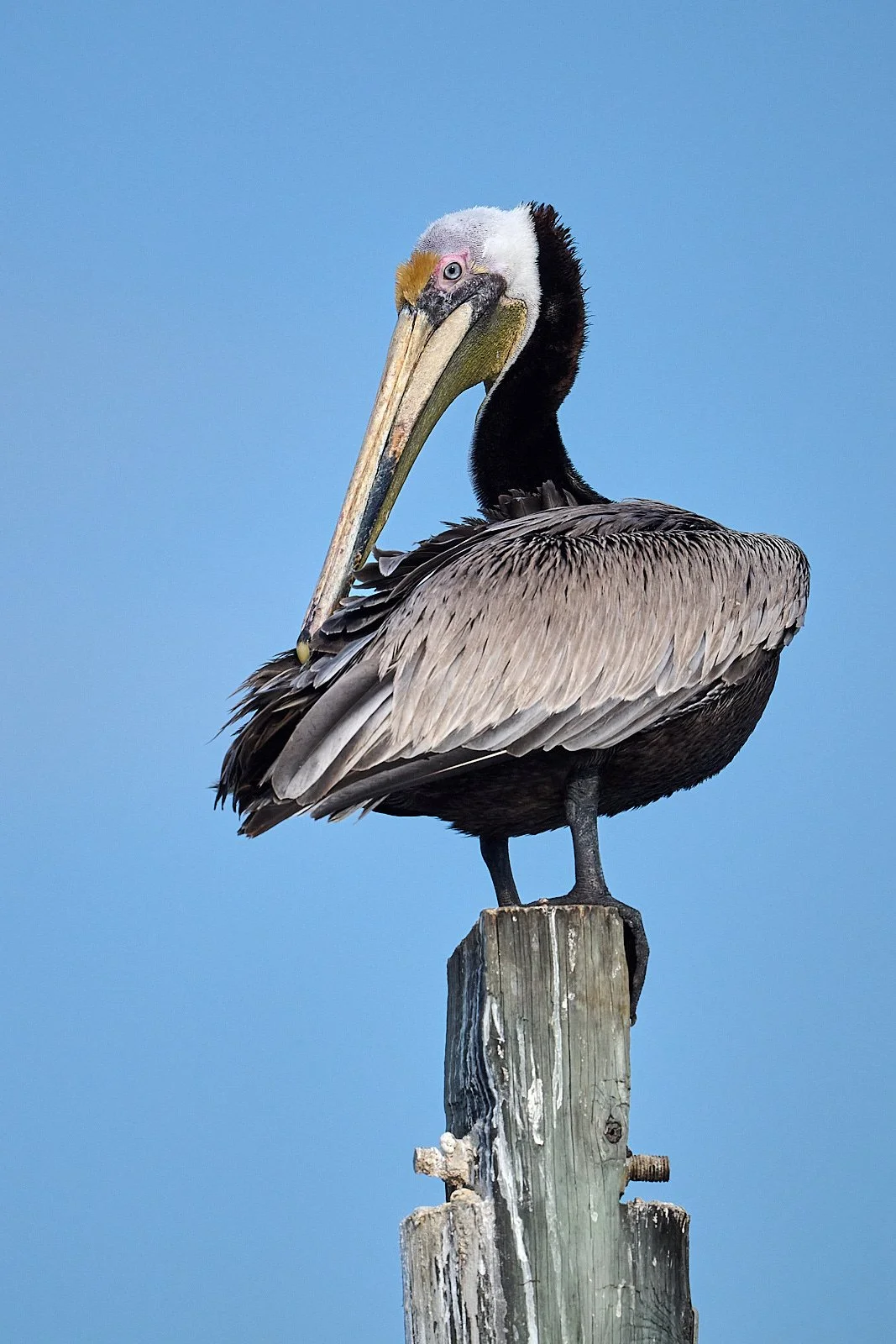
Brown Pelican
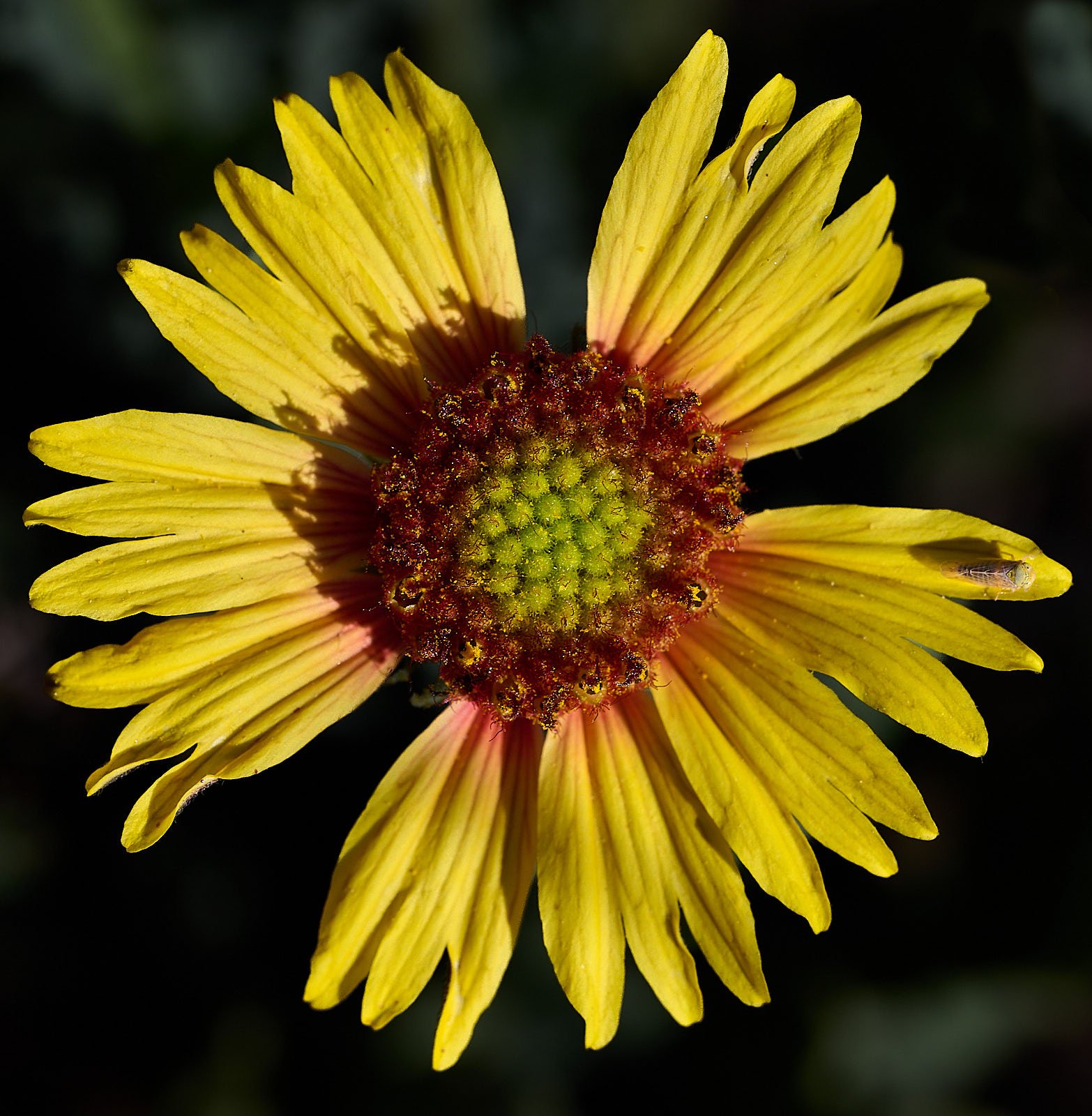
Spanish blanket
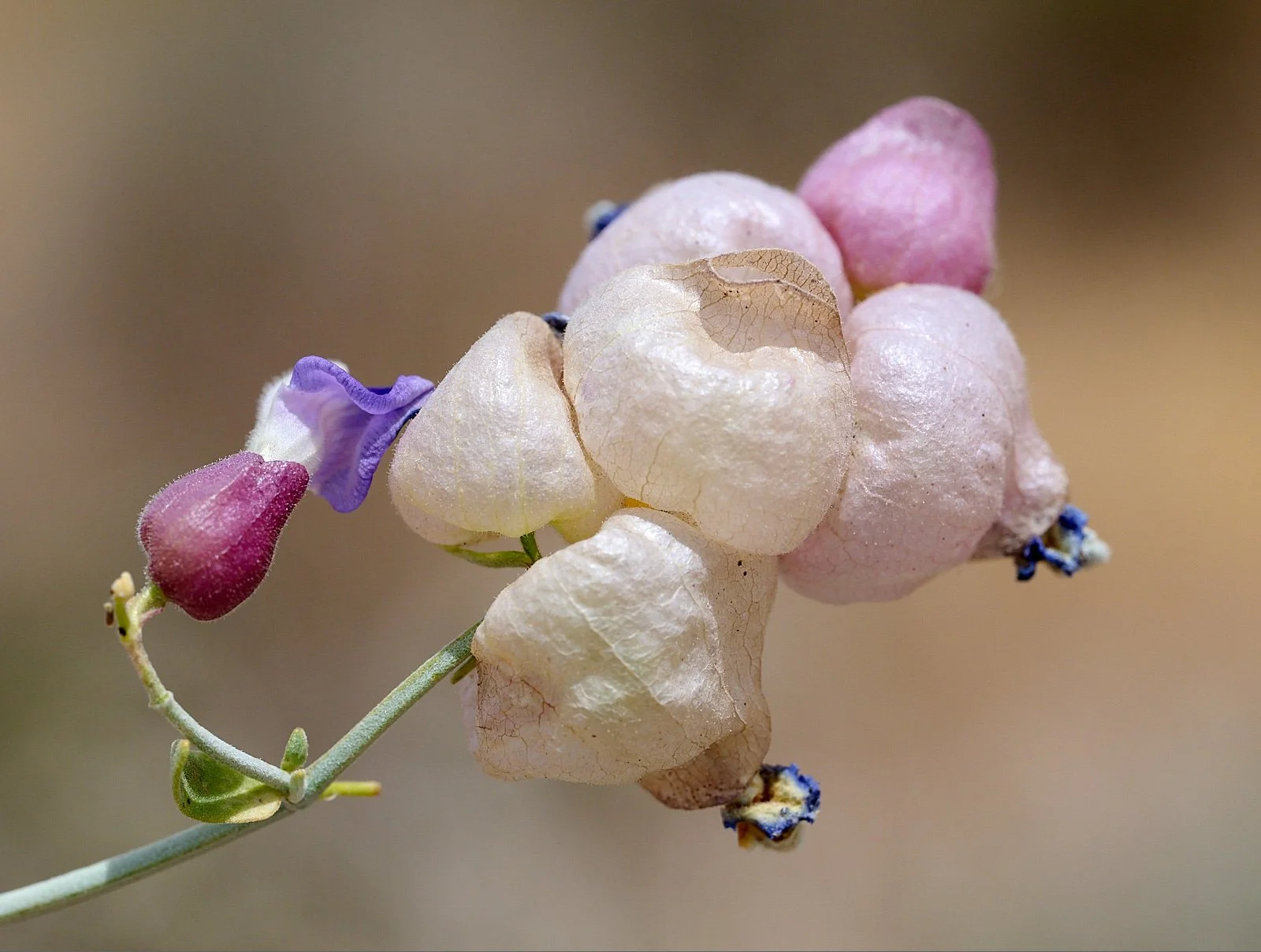
Paper-bag bush
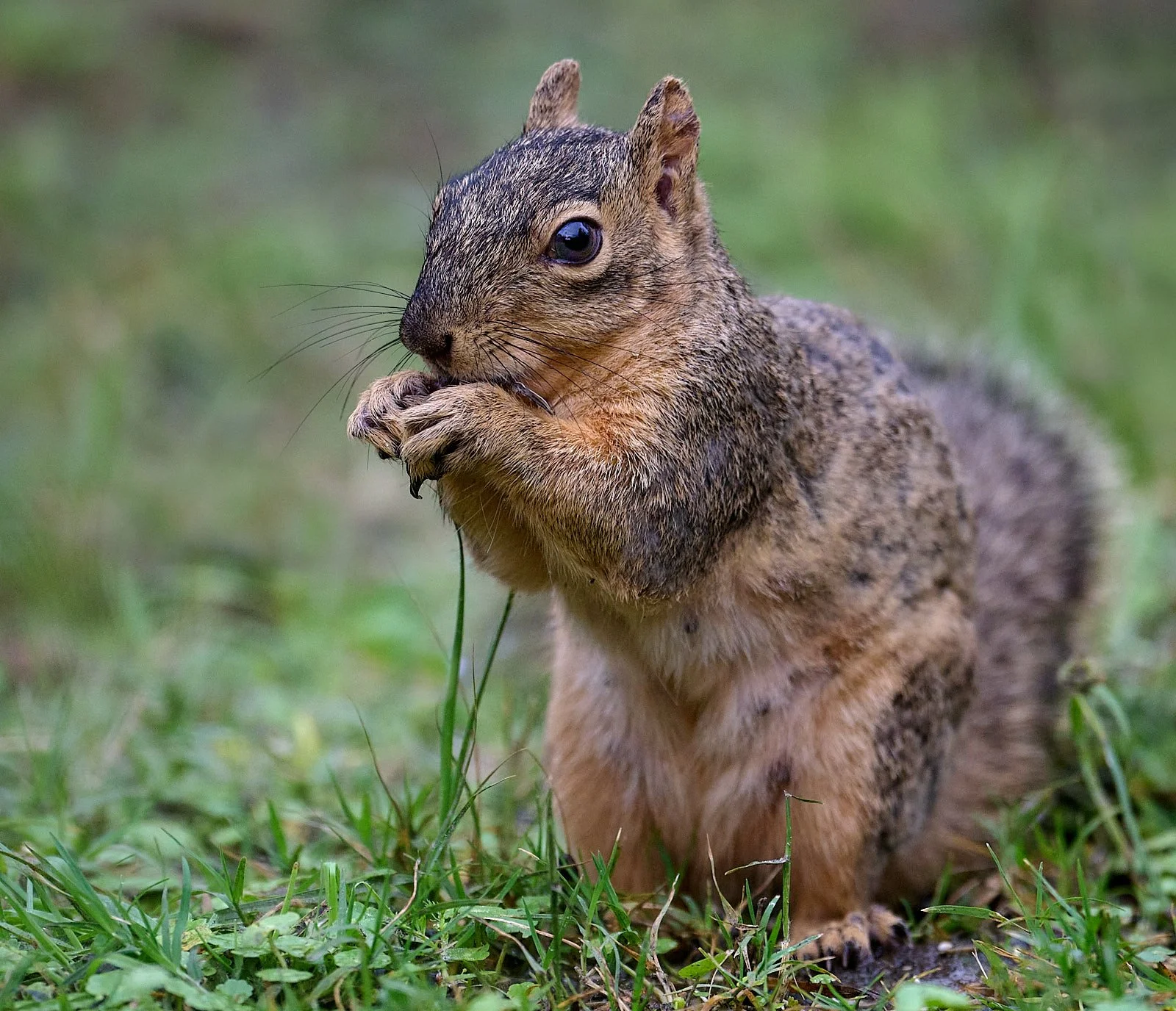
Eastern fox squirrel (maybe)
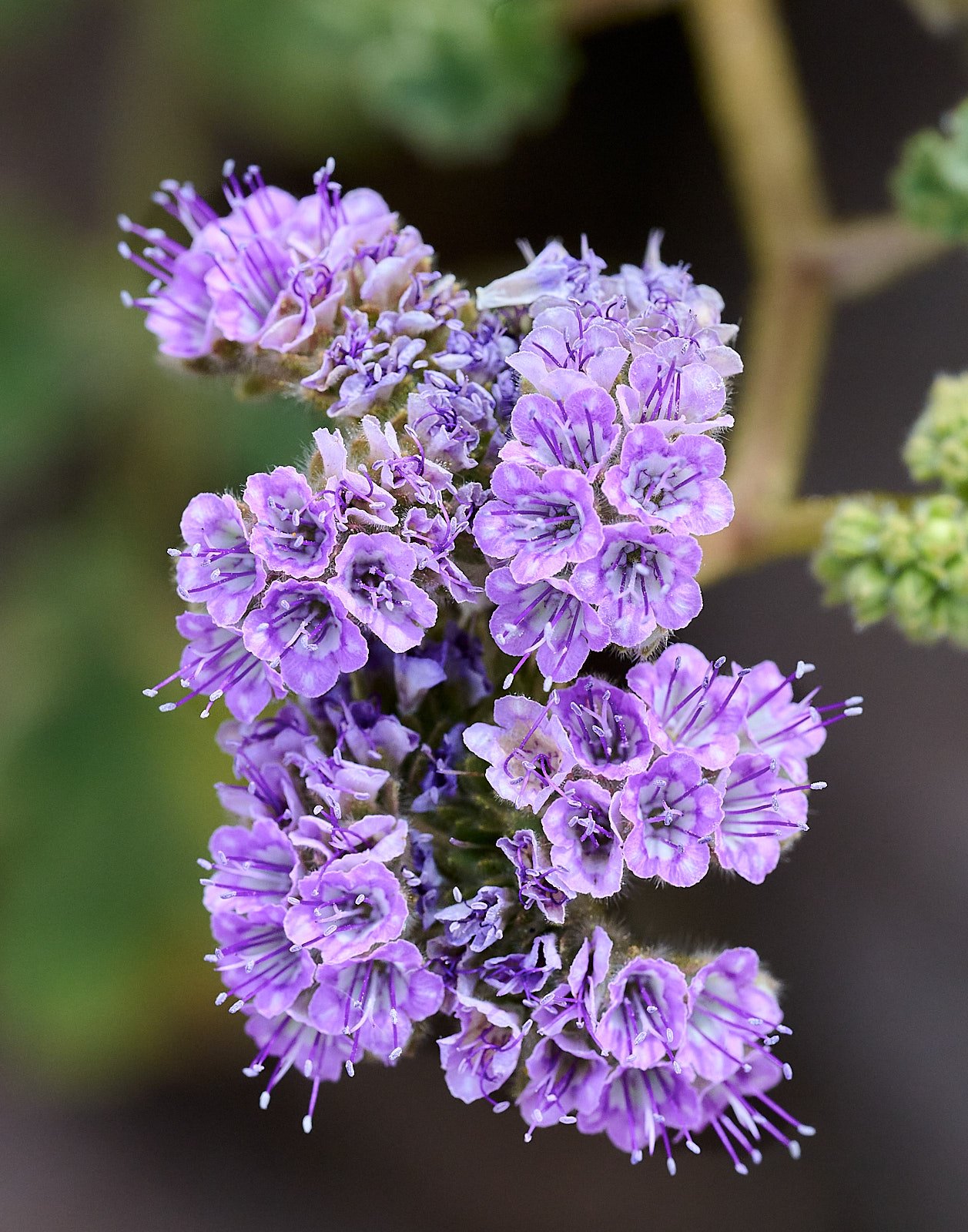
Phacelia
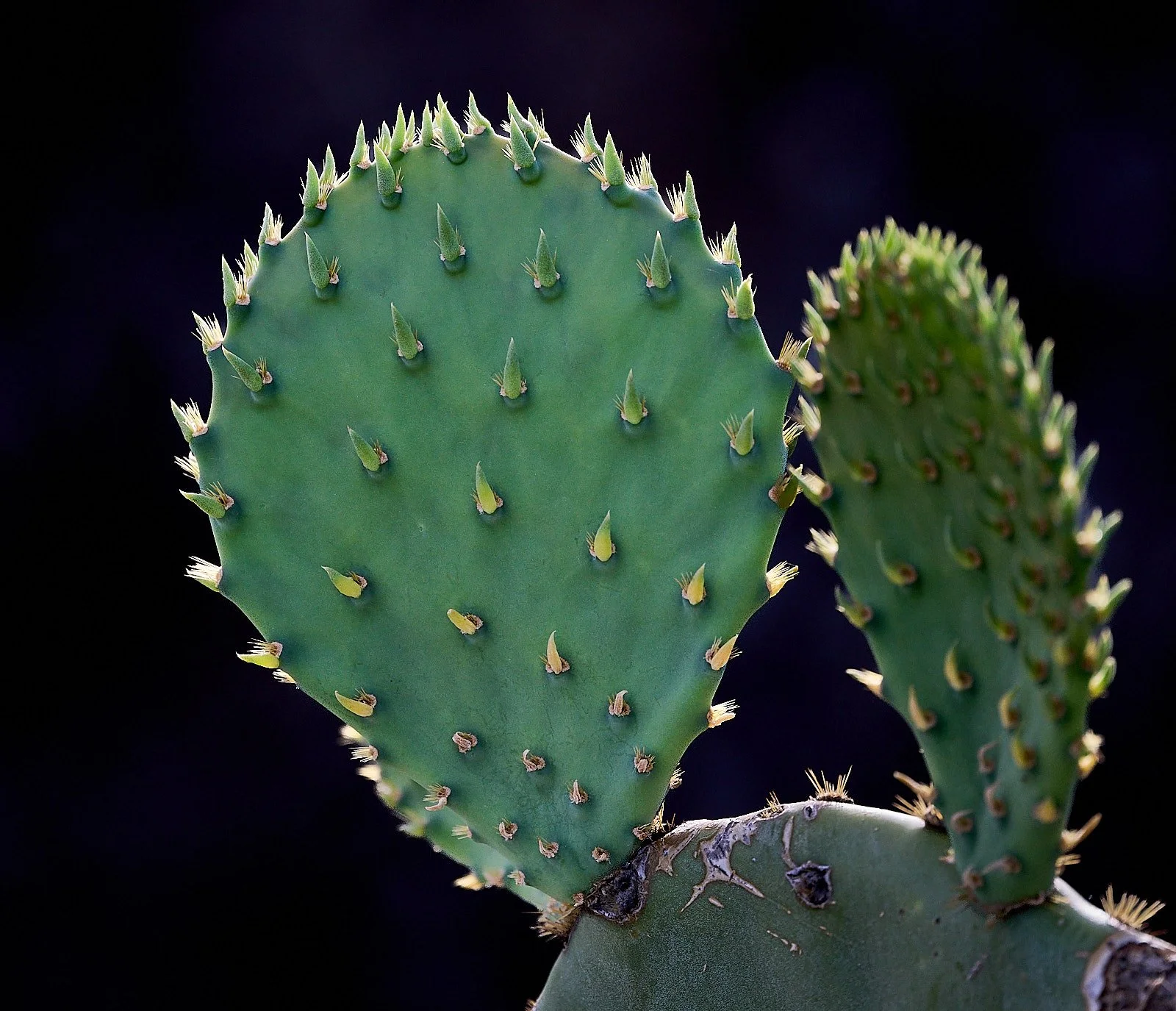
Opuntia spp
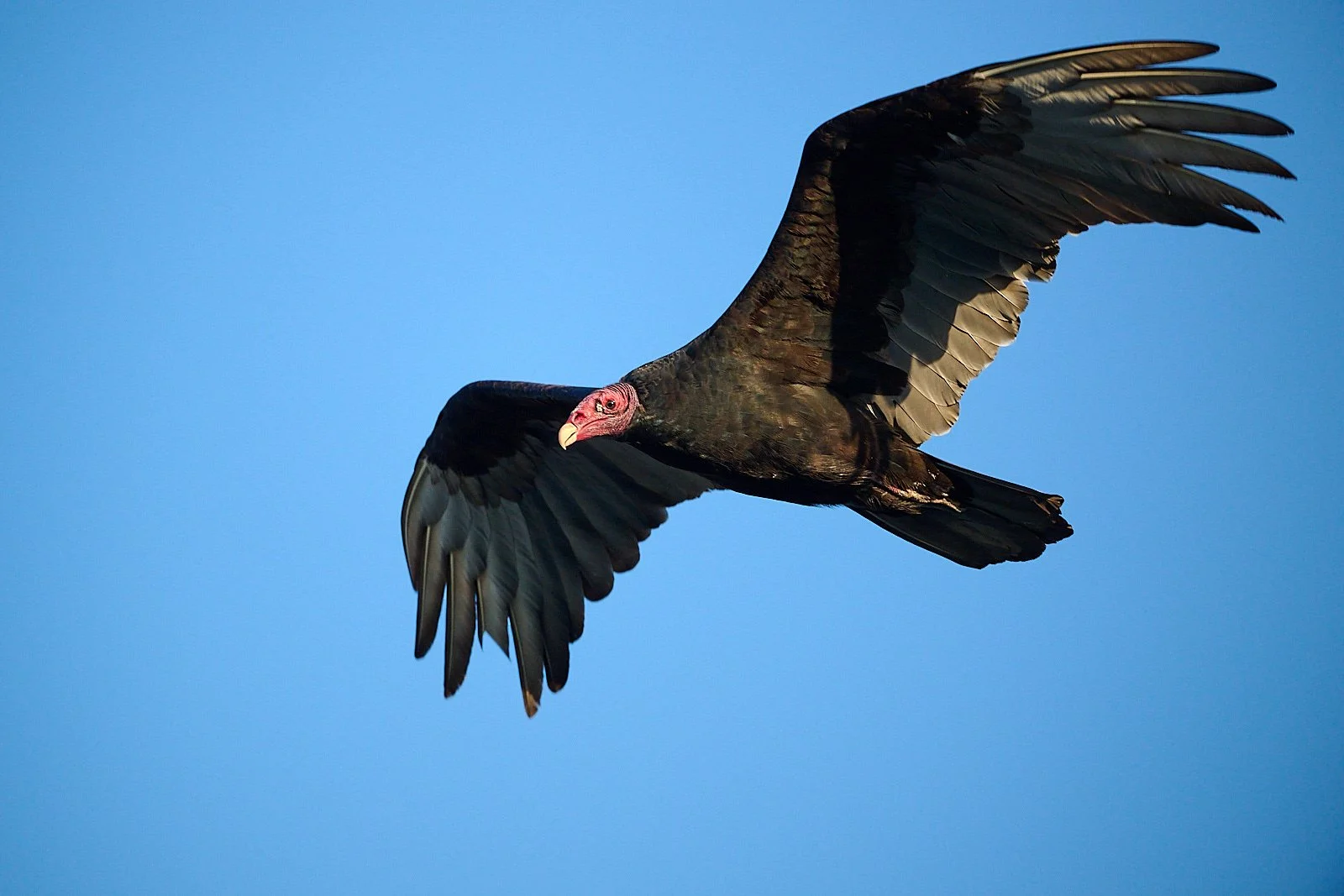
Turkey Vulture
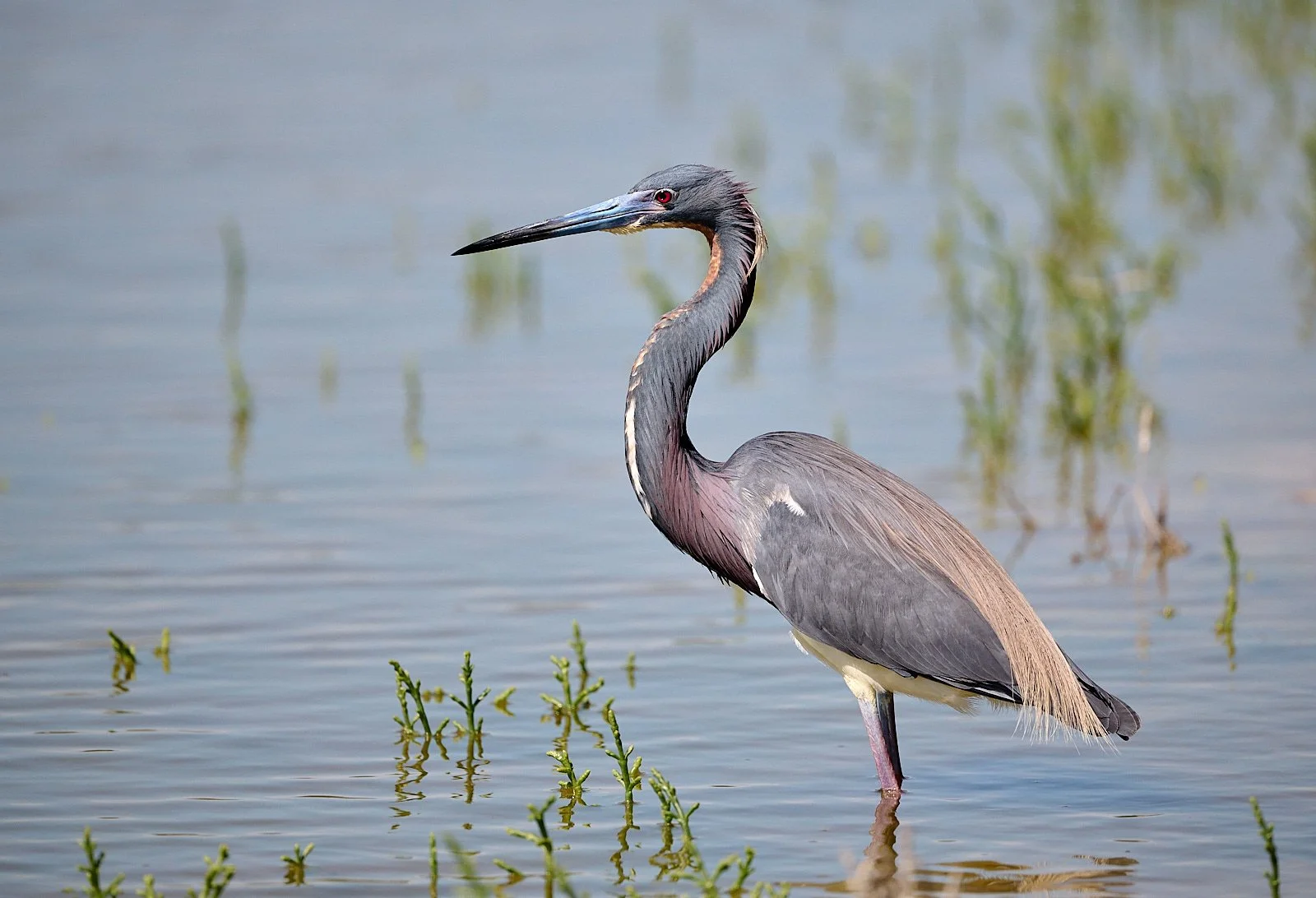
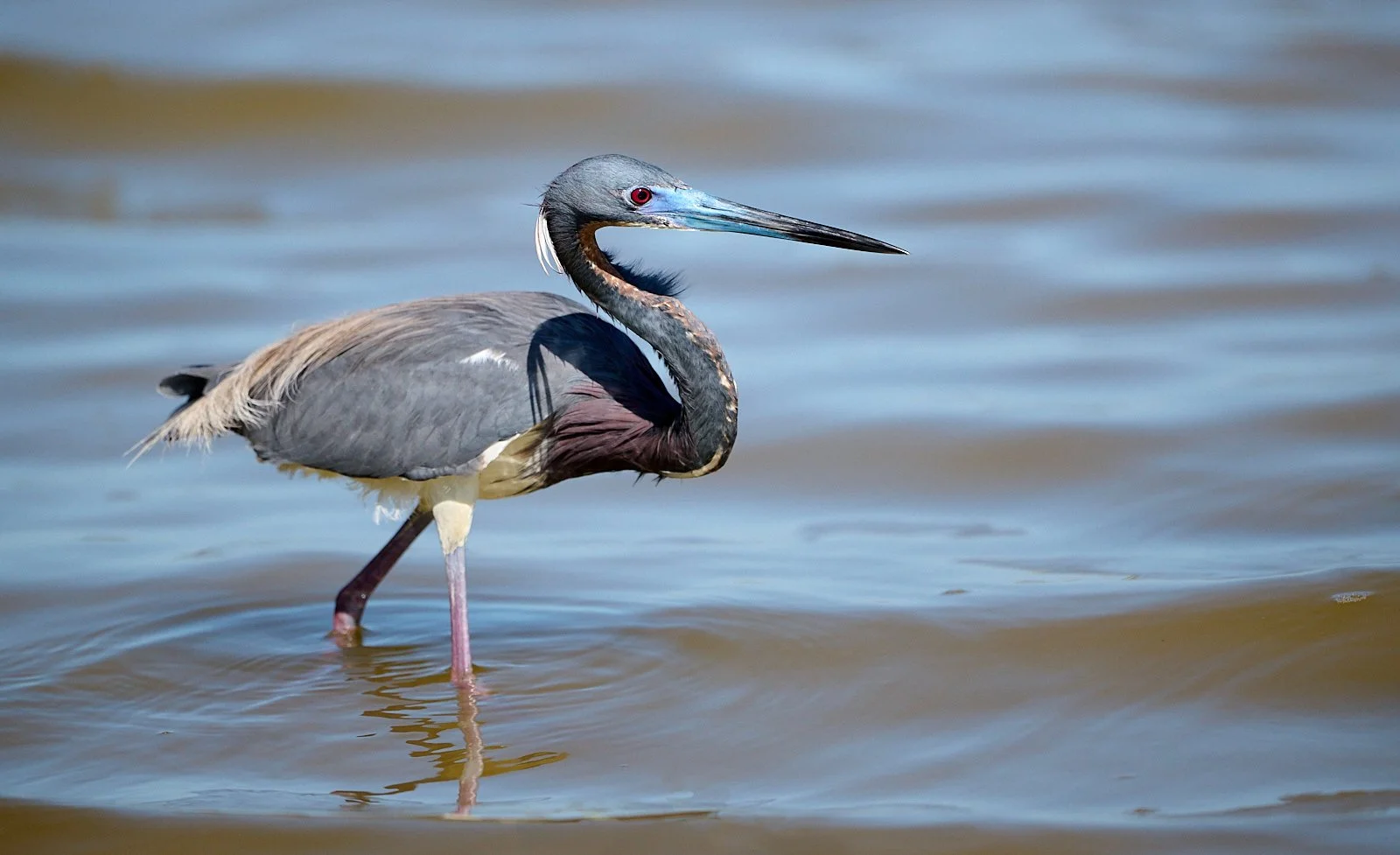
Tricolored Heron
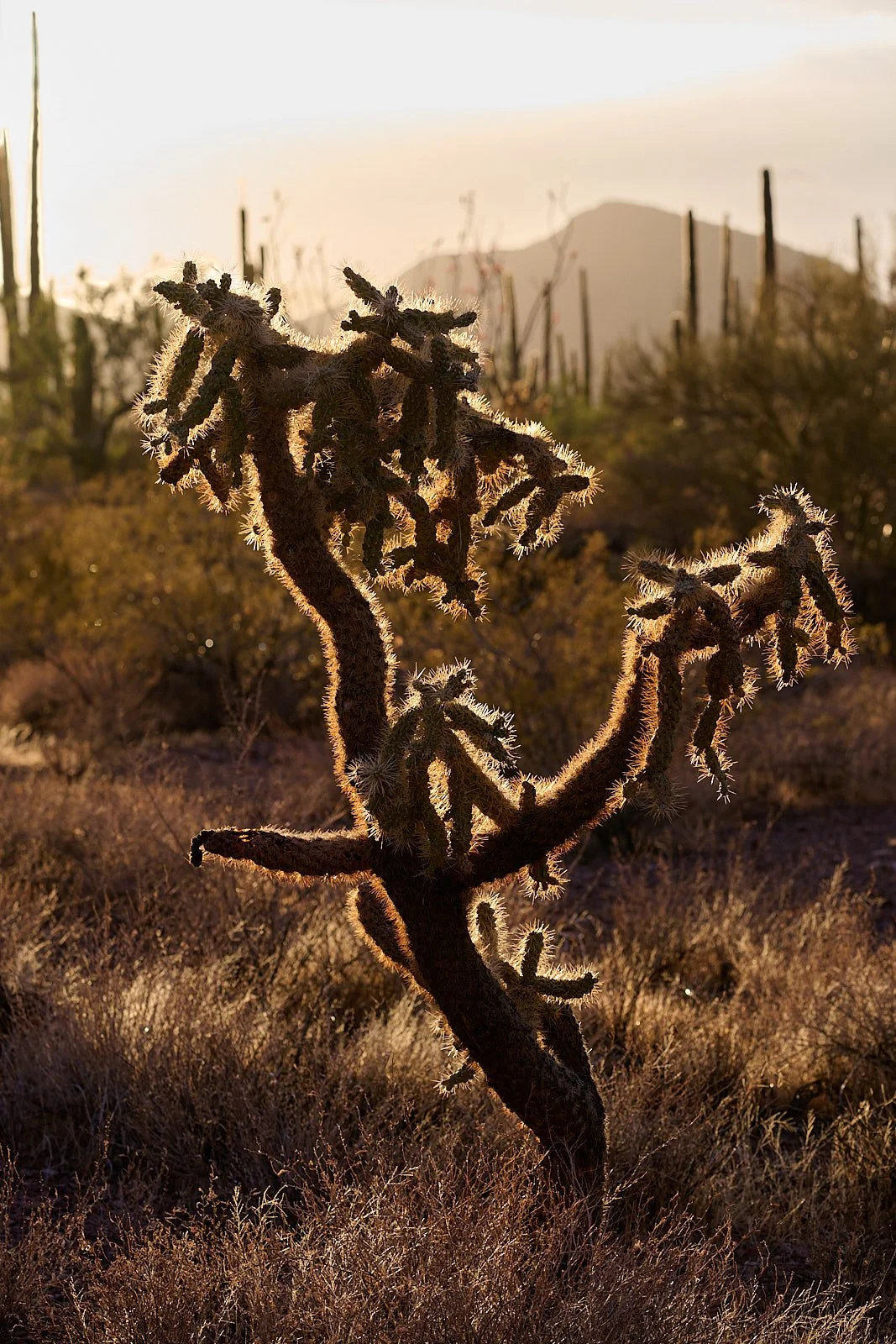
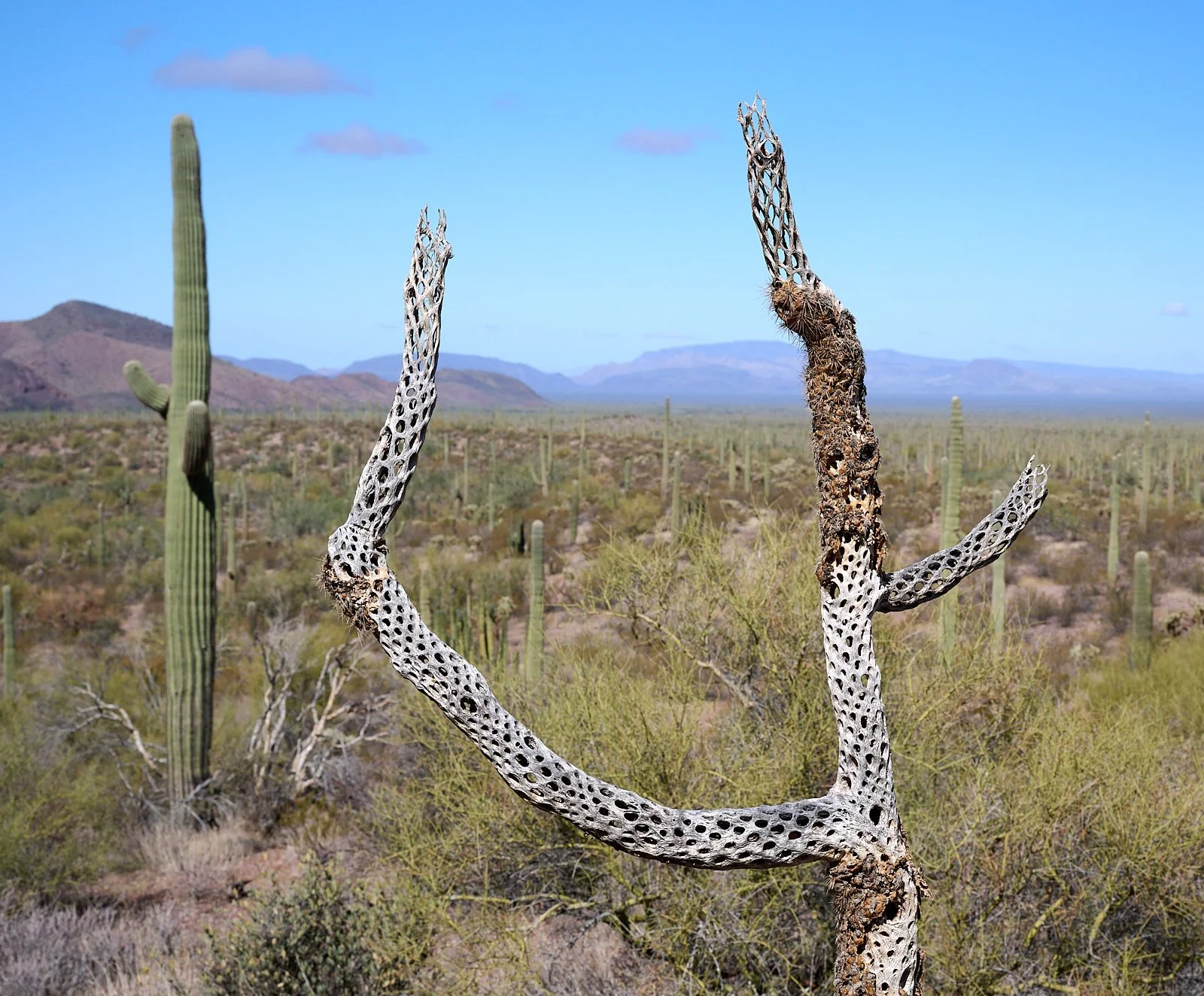
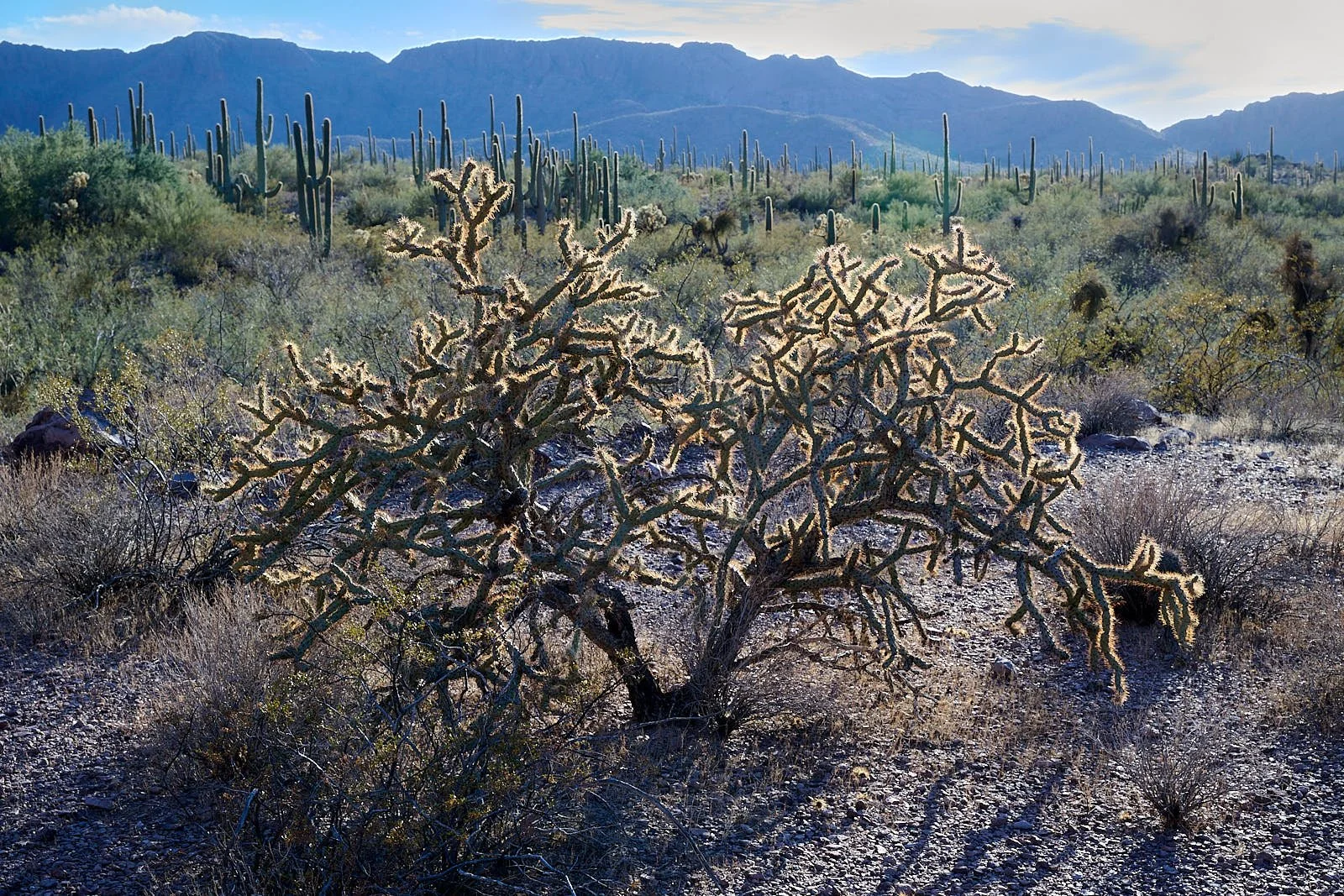
Chain link cholla, Organ Pipe Cactus National Monument
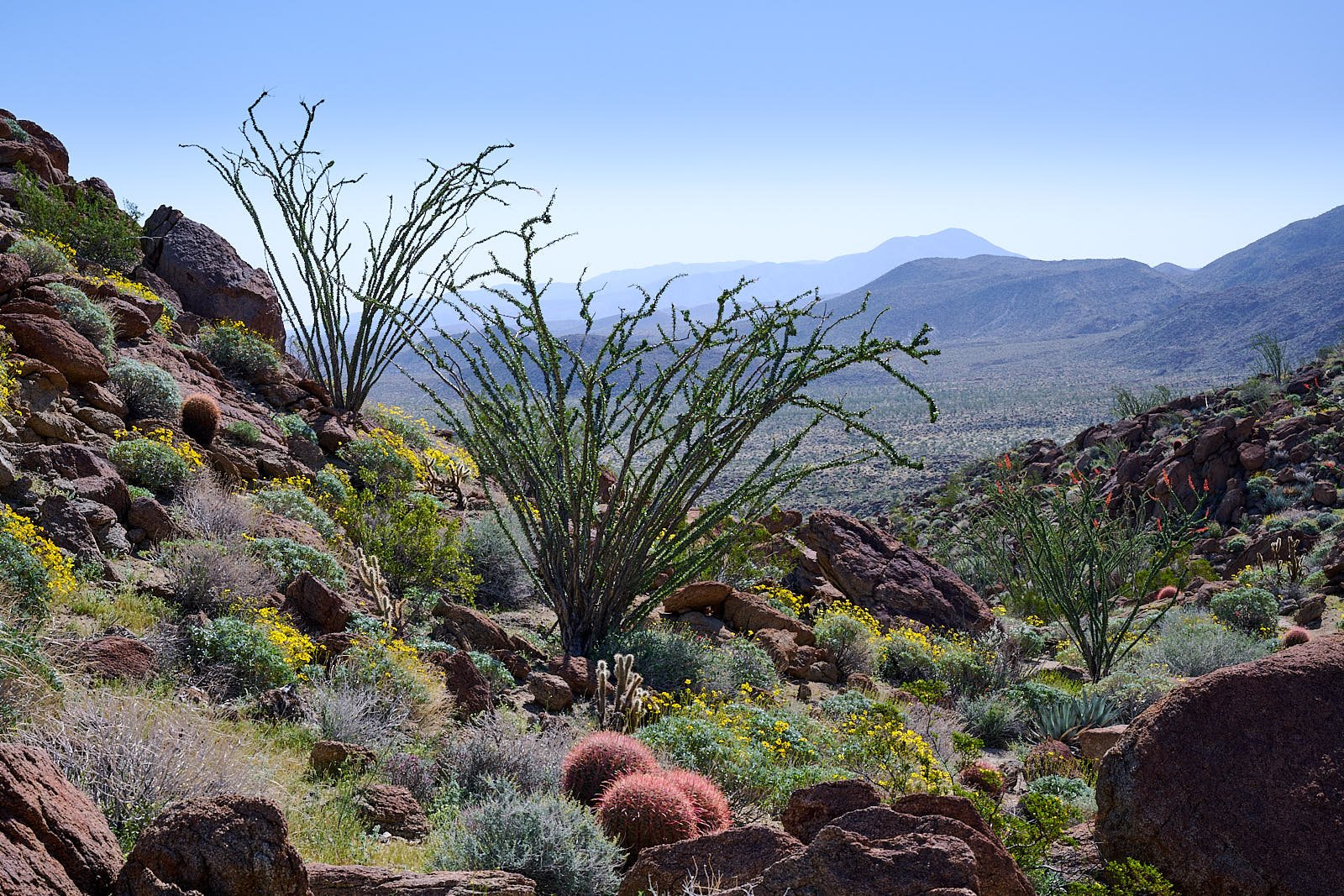
Anza Borrego Desert State Park
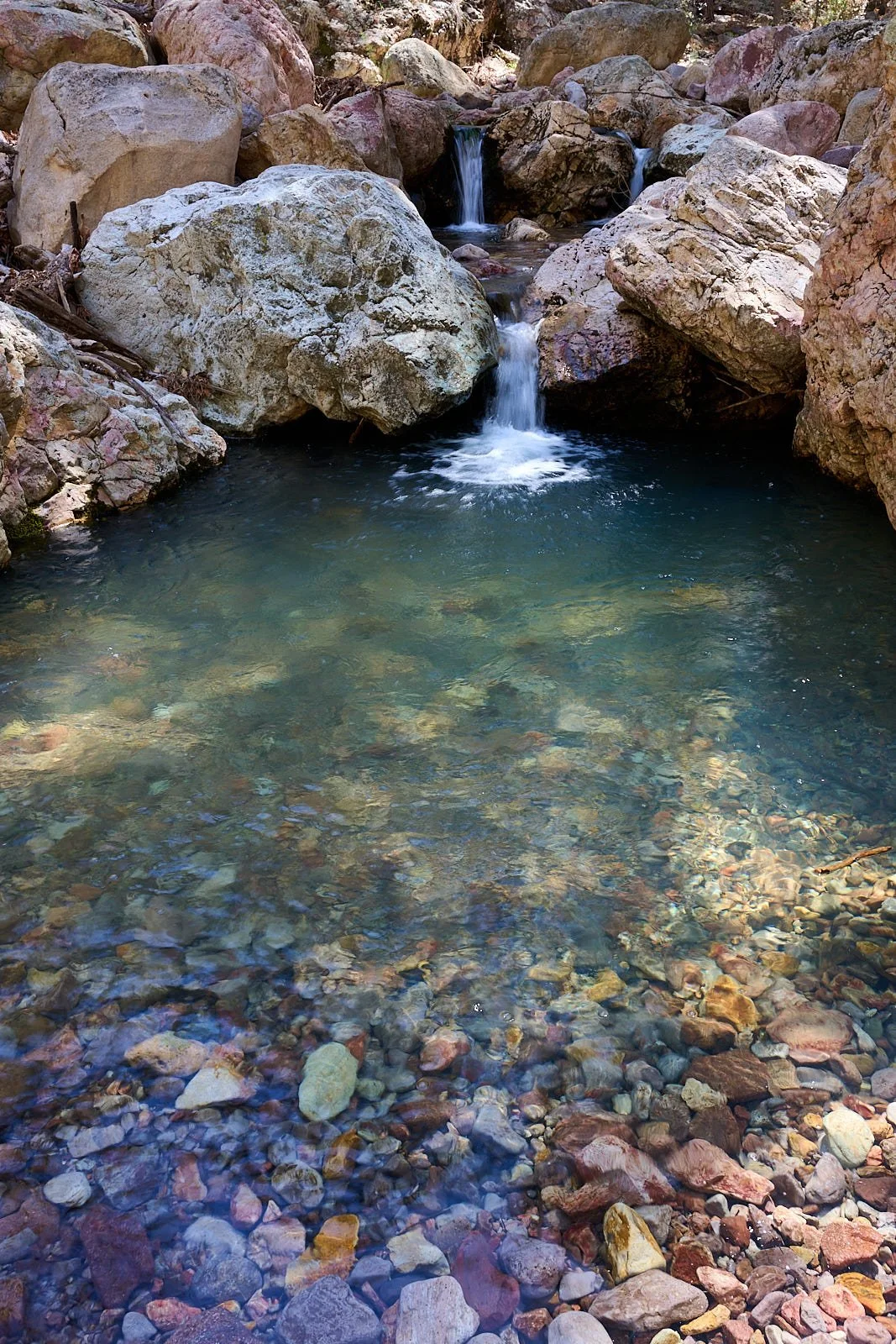
South Fork, Cave Creek, Chiricahua National Forest
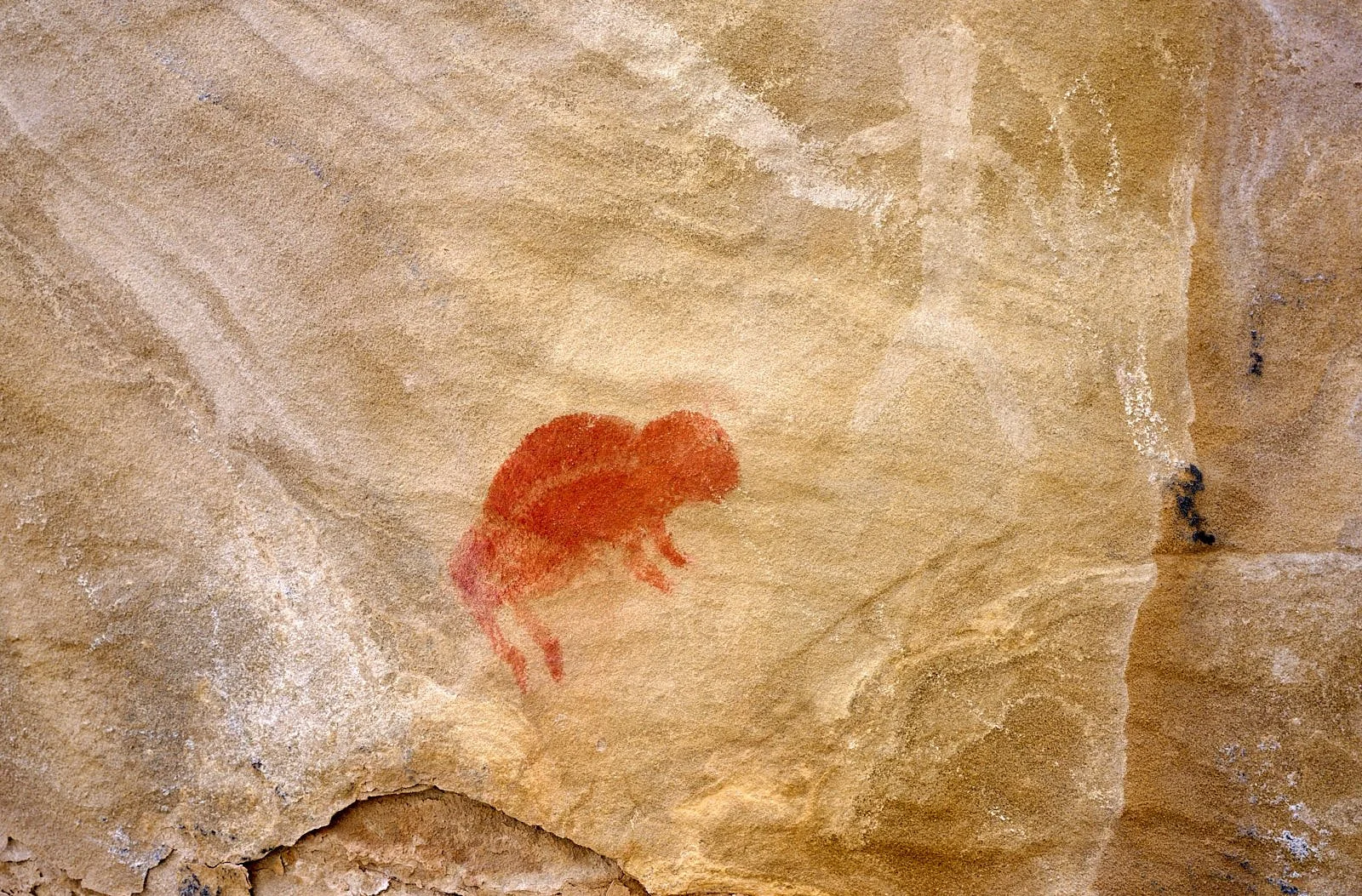
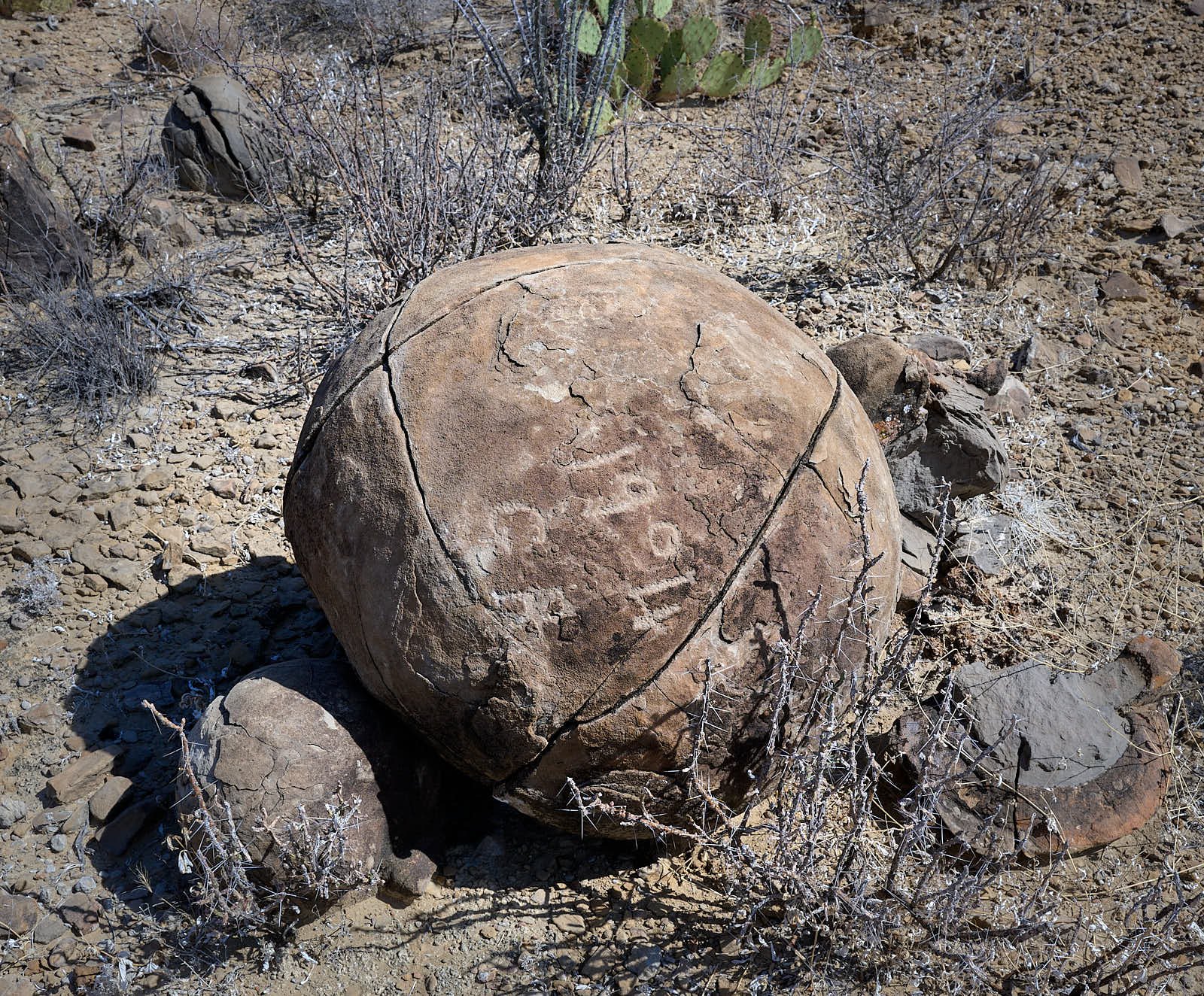
Pictograph, Big Bend National Park, Texas
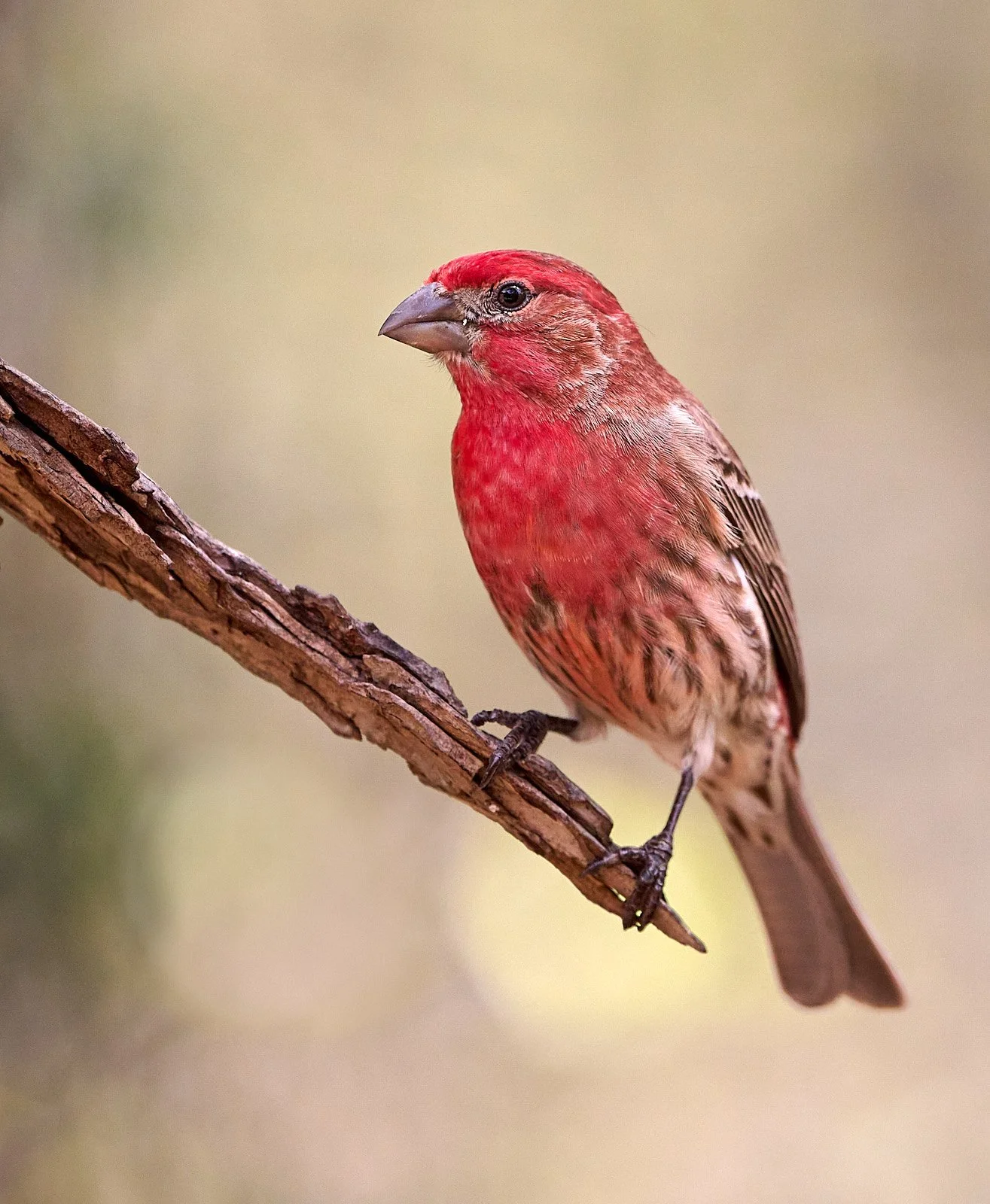
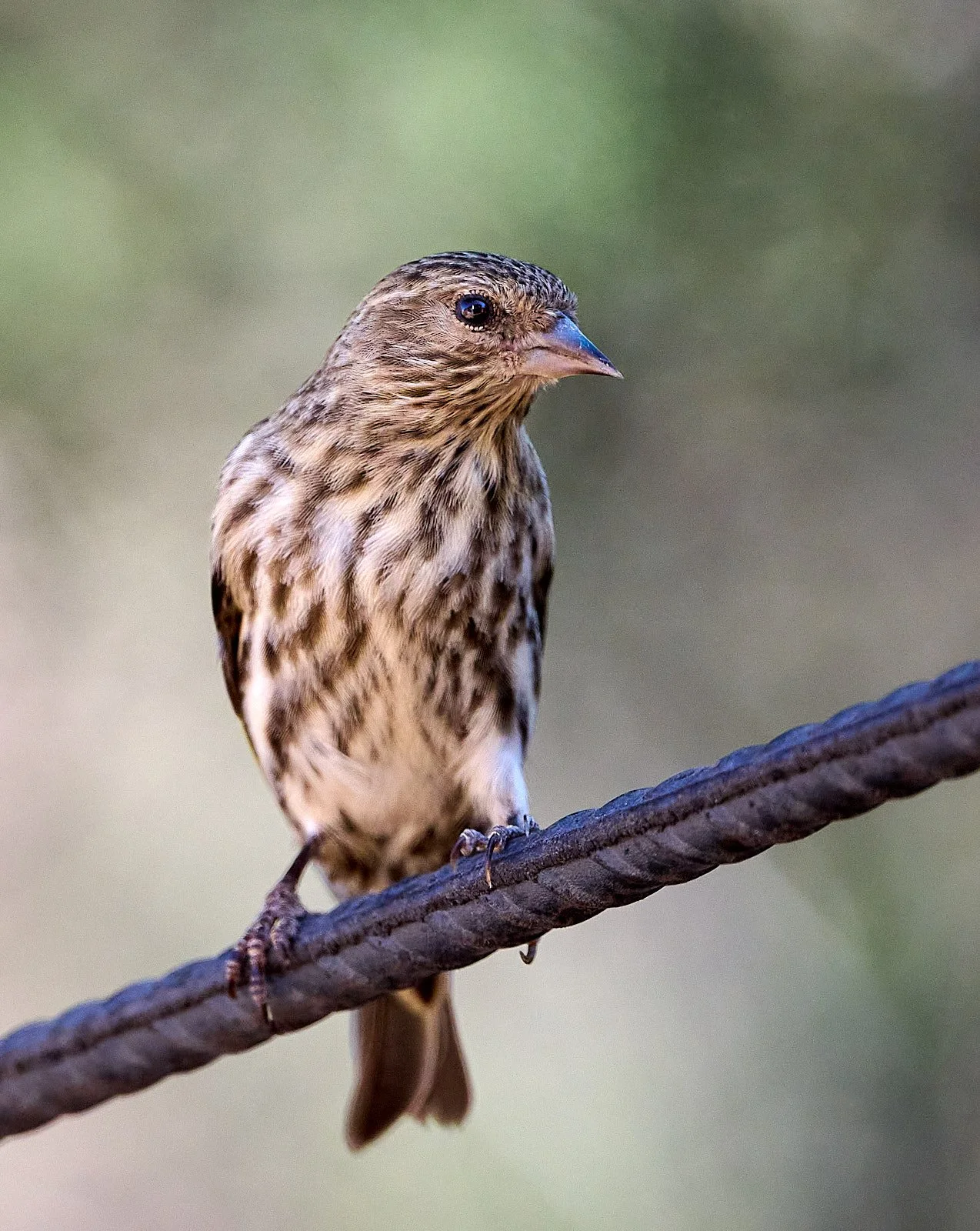
House Finch, male
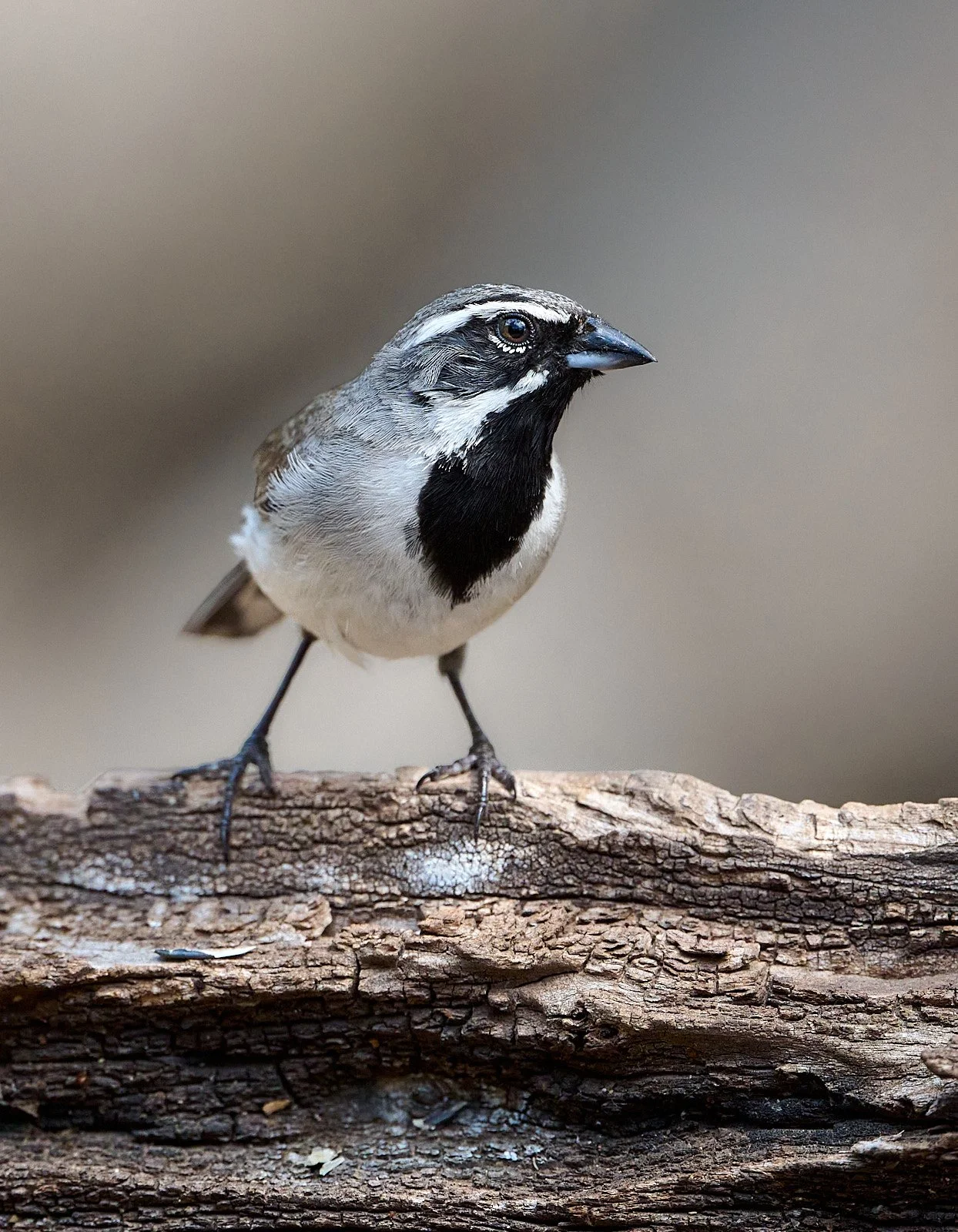
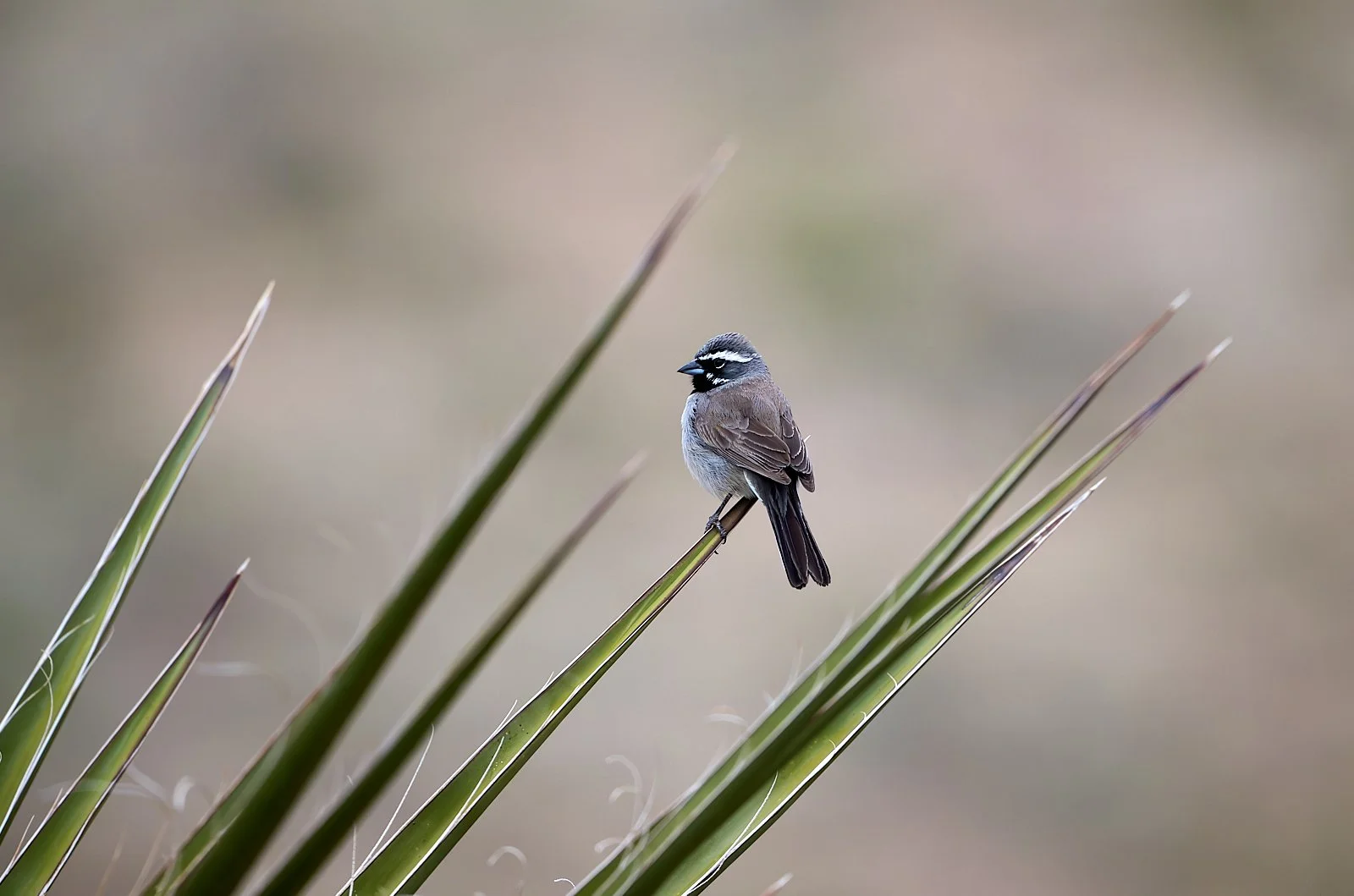
Black-throated Sparrow
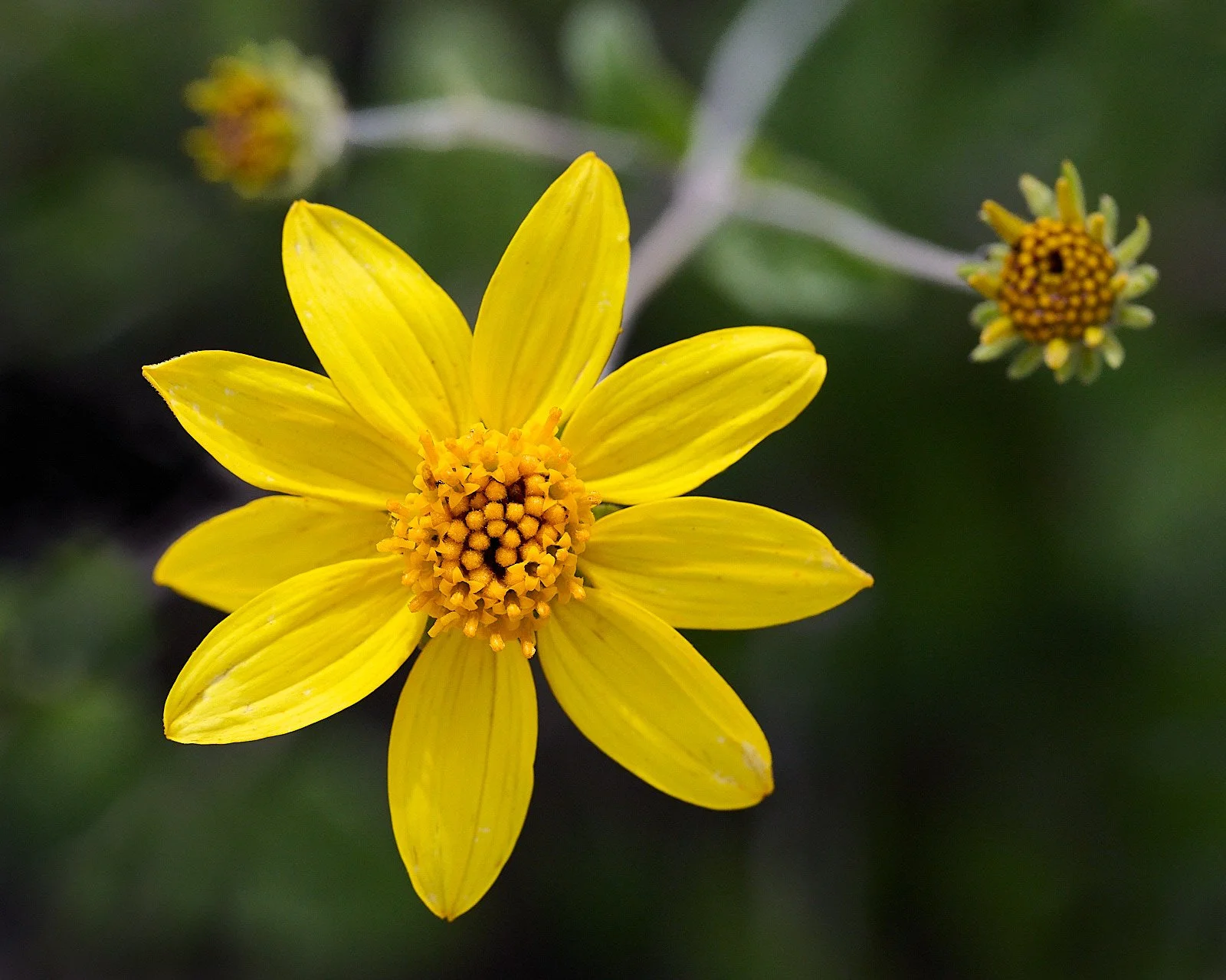
Encelia spp
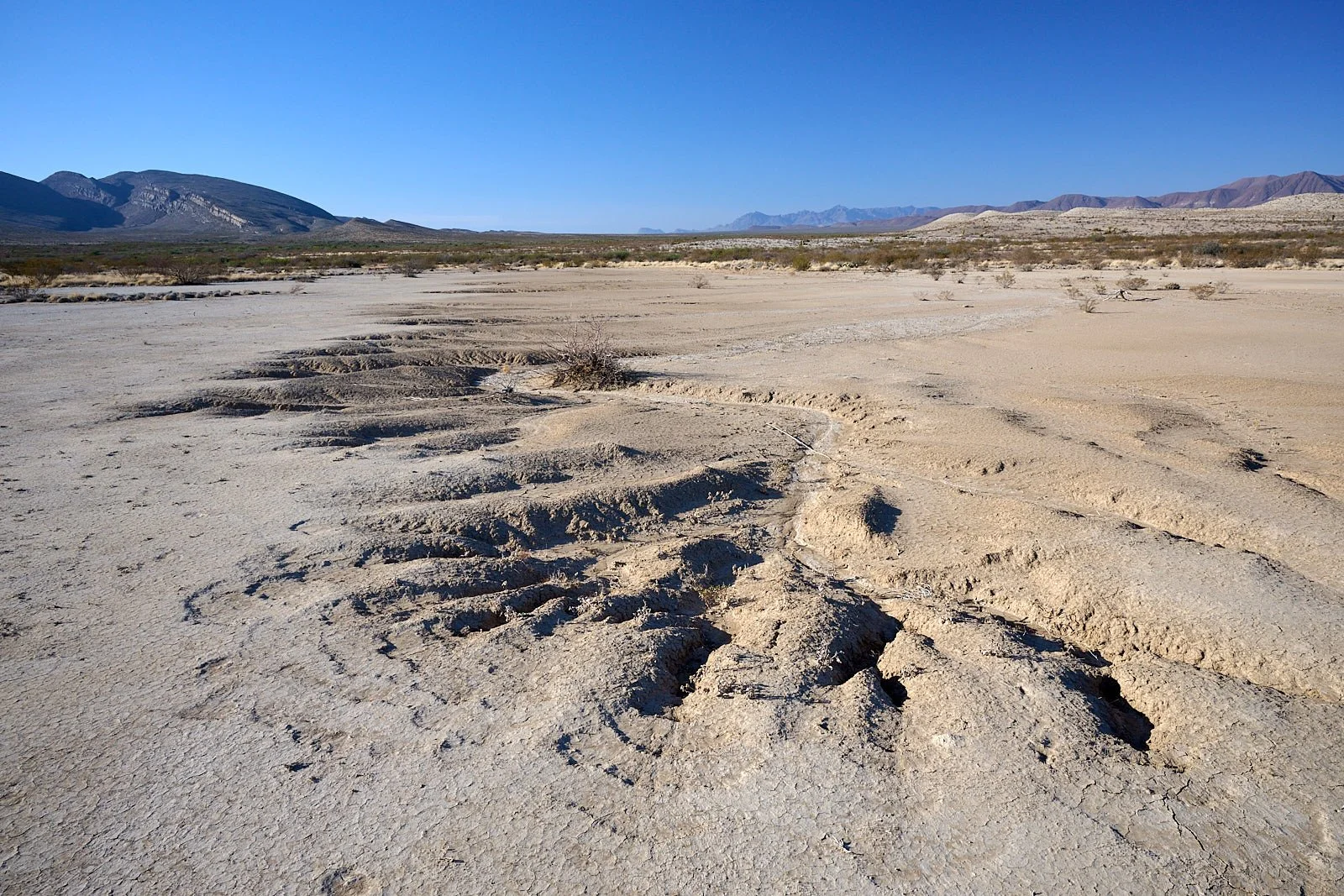
Dog Canyon, Big Bend National Park
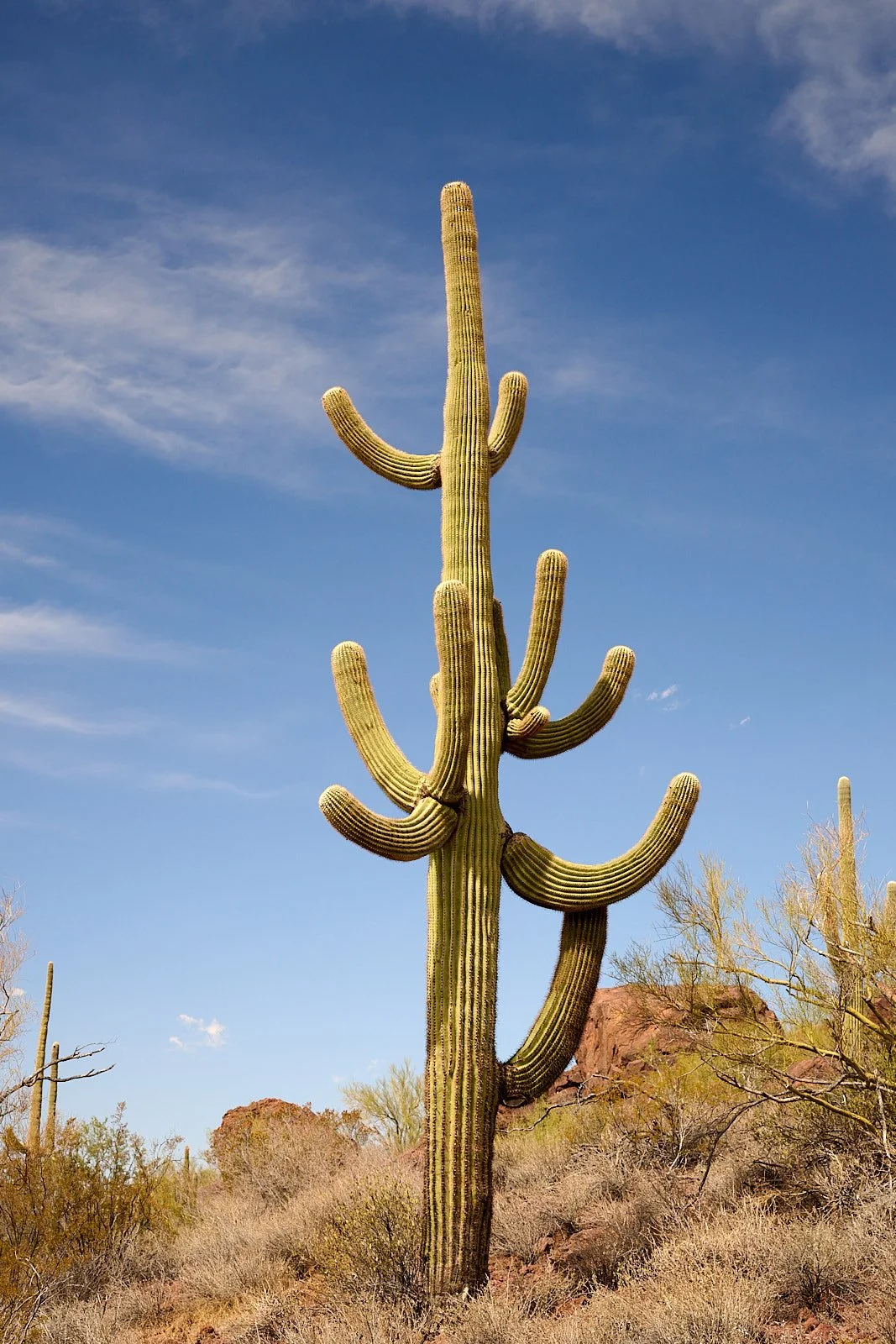
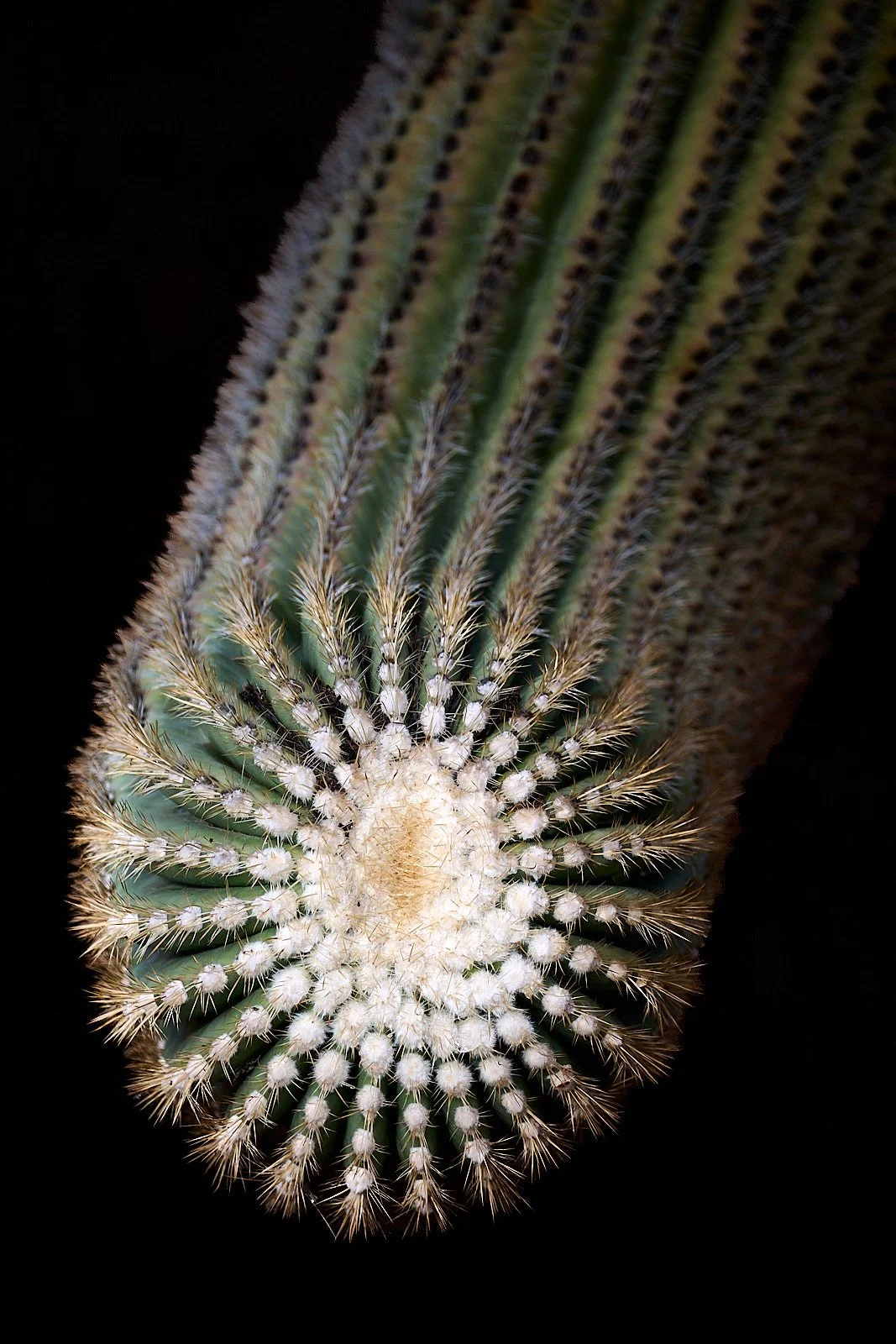
Saguaro
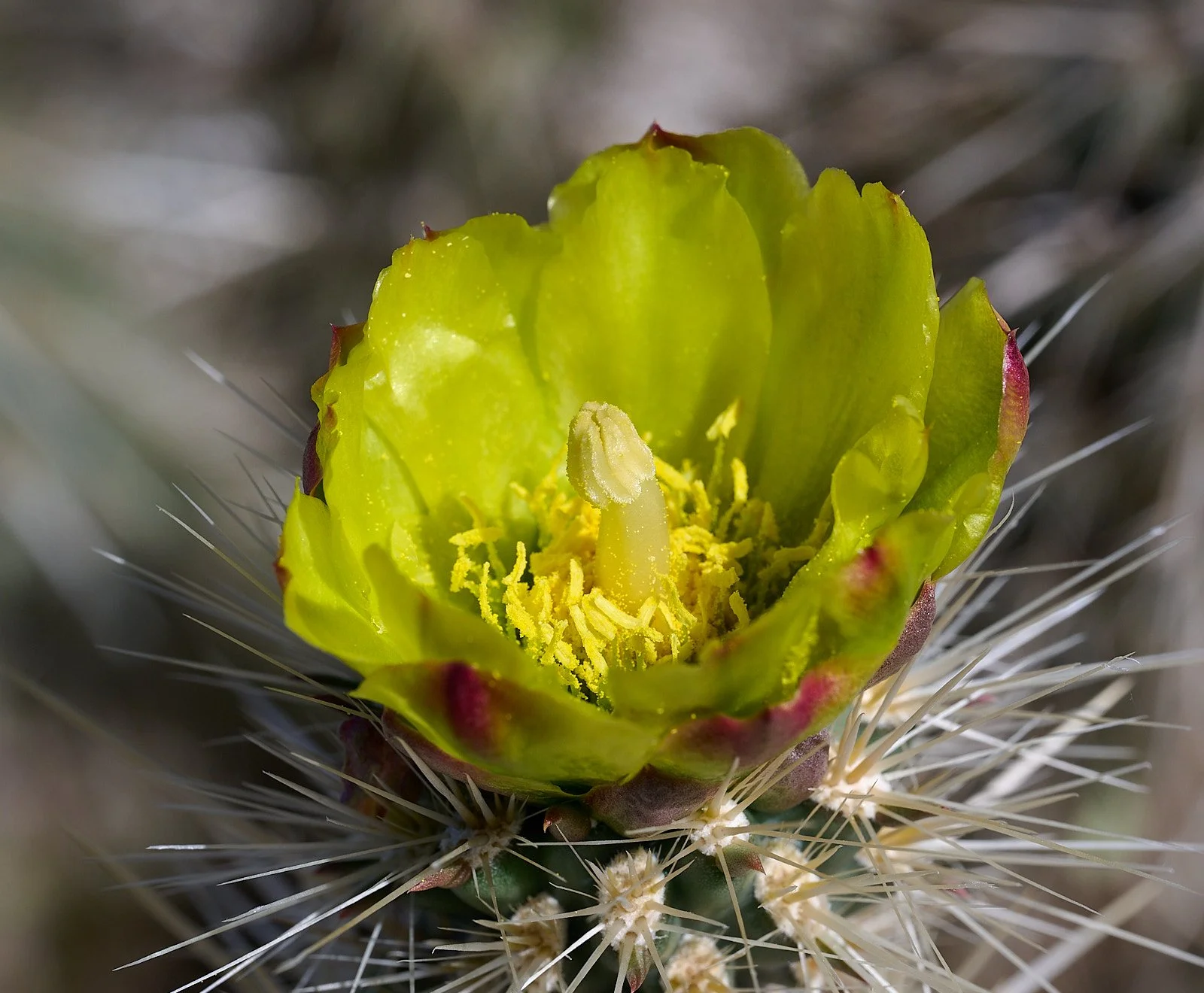
Silver cholla
New finds
Interesting places that were new to us included:
Herb Martyr campground, Chiricahua National Forest, Arizona.
Walnut campground, Chiricahua National Forest, Arizona.
Goose Island State Park, Texas
San Antonio Botanical Gardens, Texas
Lost Maples State Park, Texas
Caprock State Park, Texas
Blackwater Draw, New Mexico.
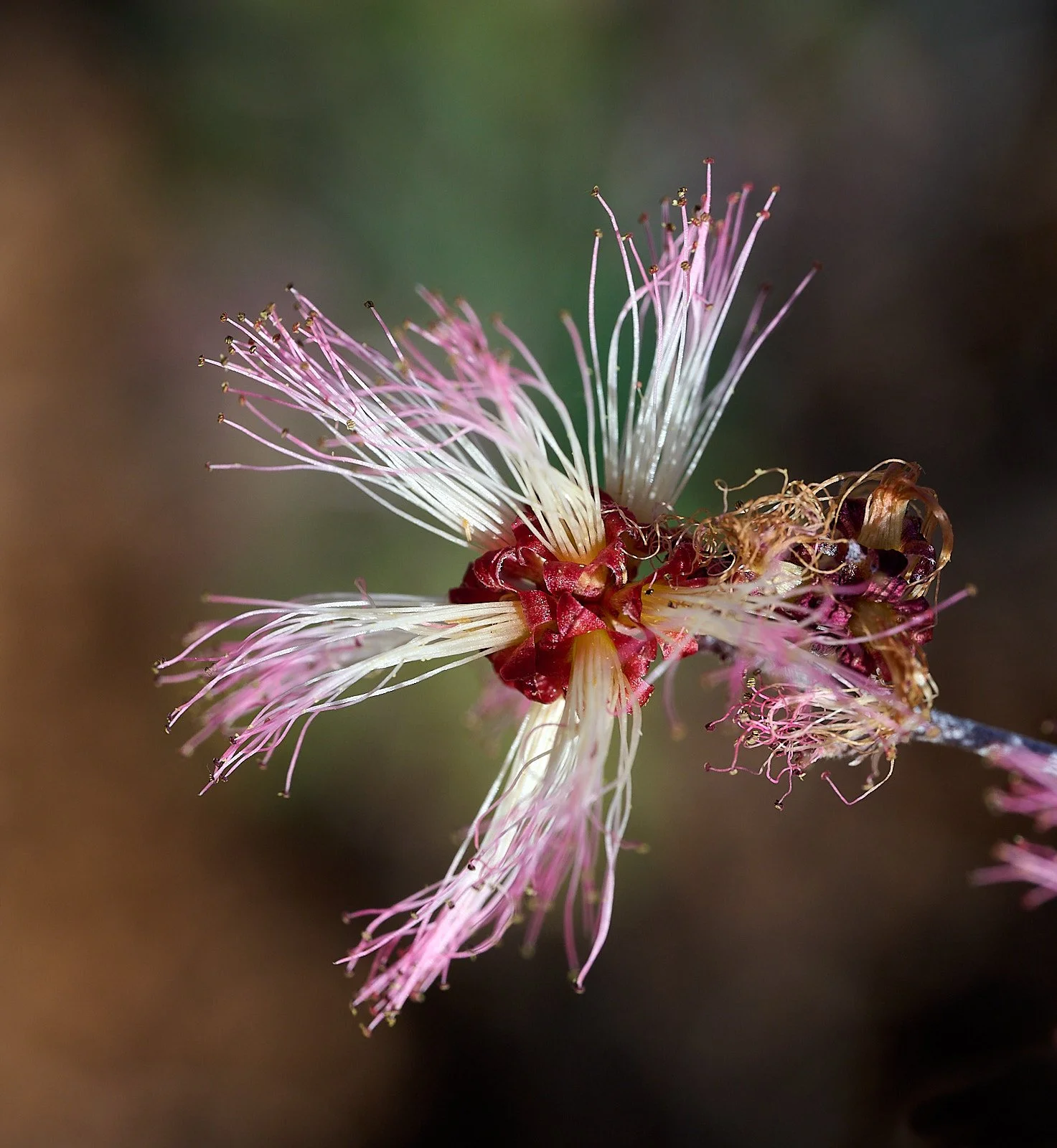
Fairy duster
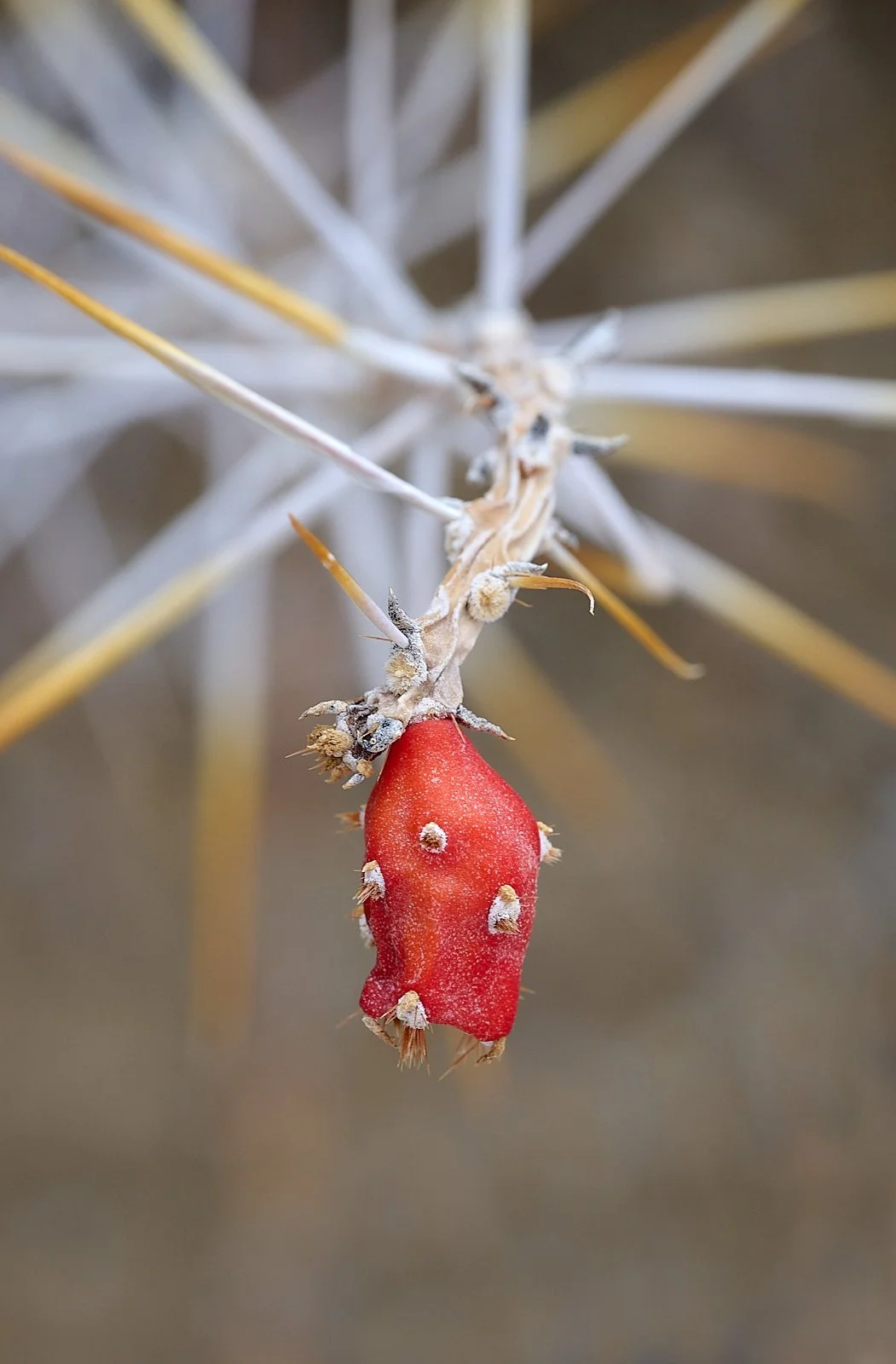
Christmas cactus
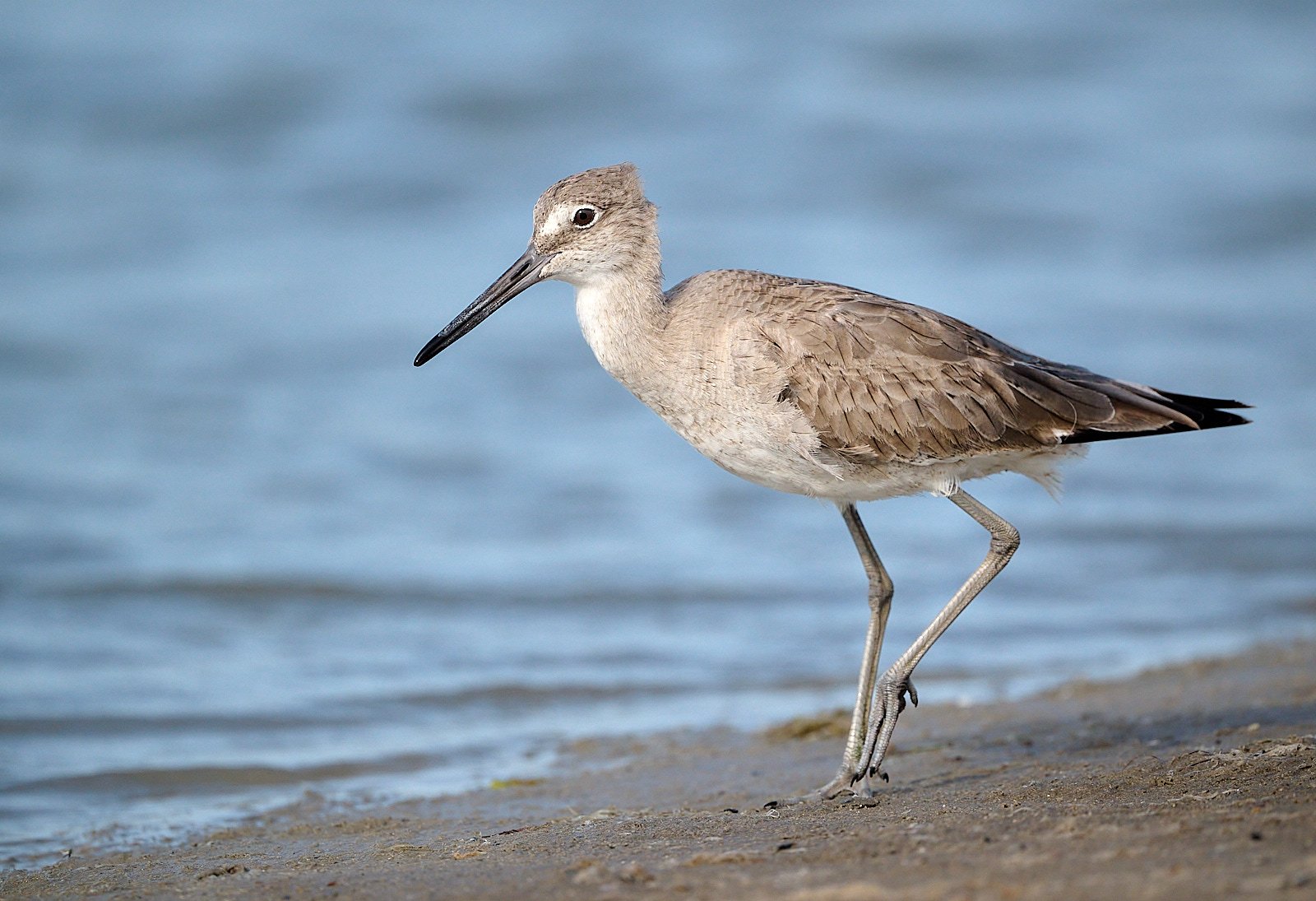
Willet
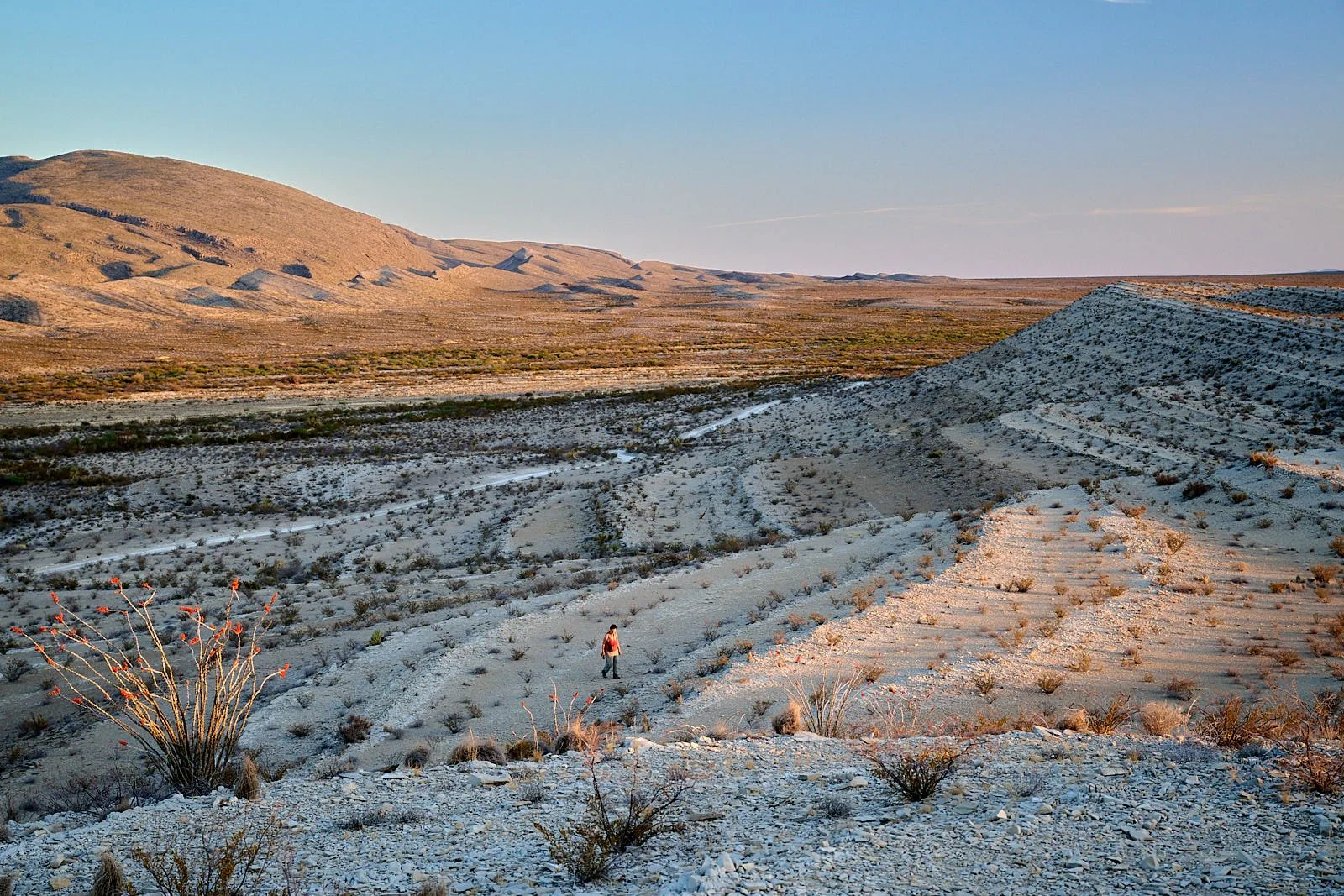
Nine Point Draw, Big Bend National Park, Texas
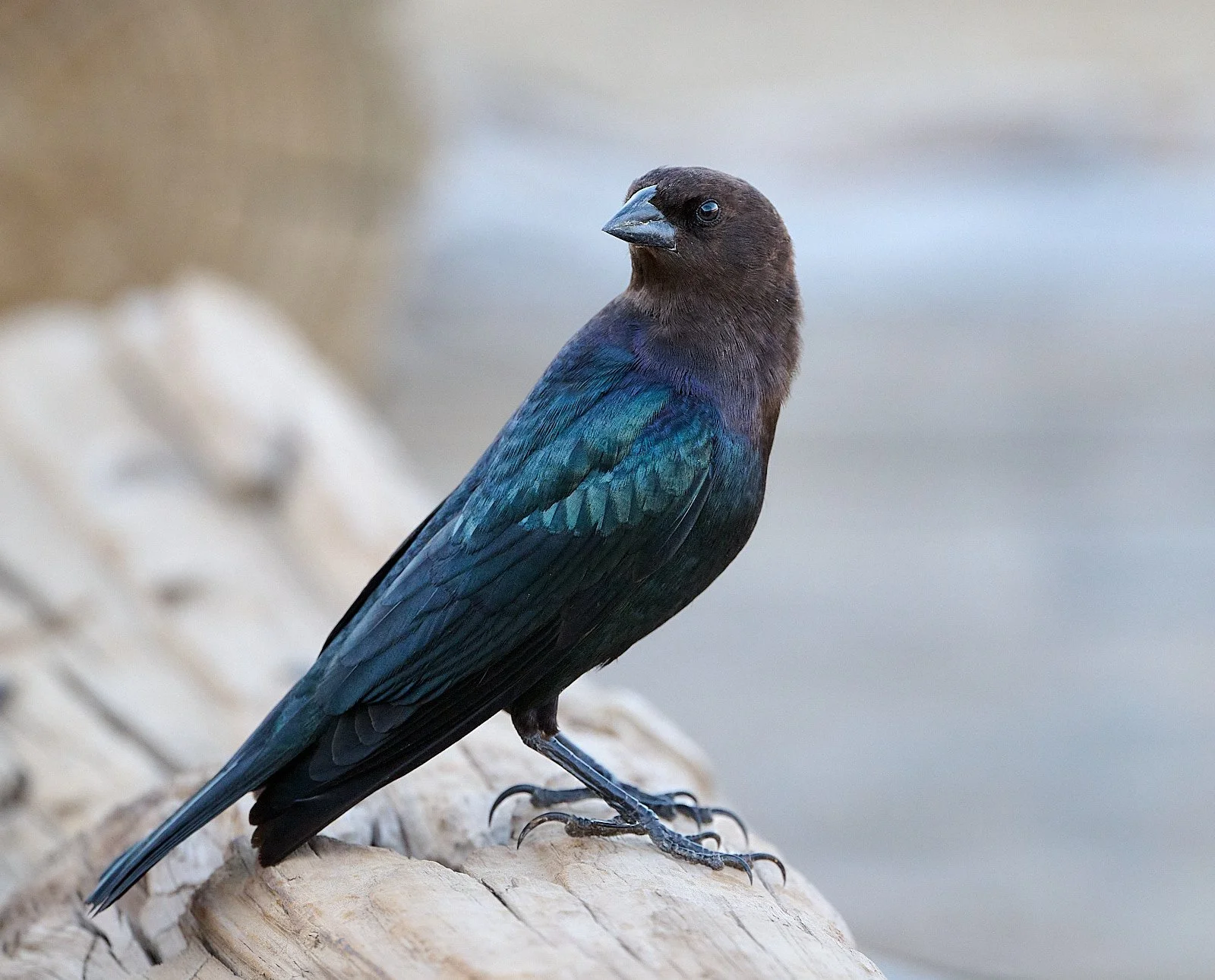
Brown-headed Cowbird
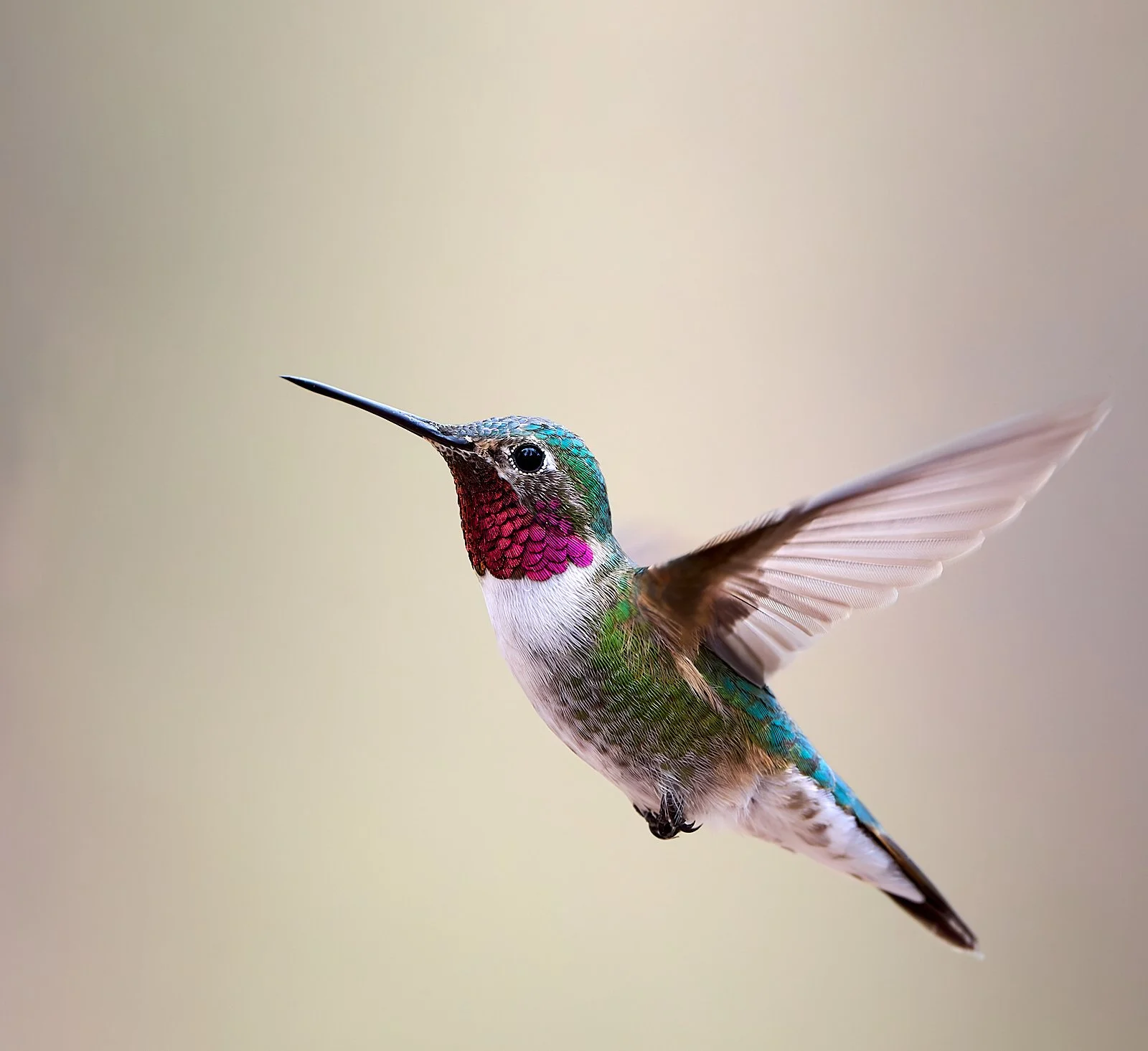
Broad-tailed Hummingbird
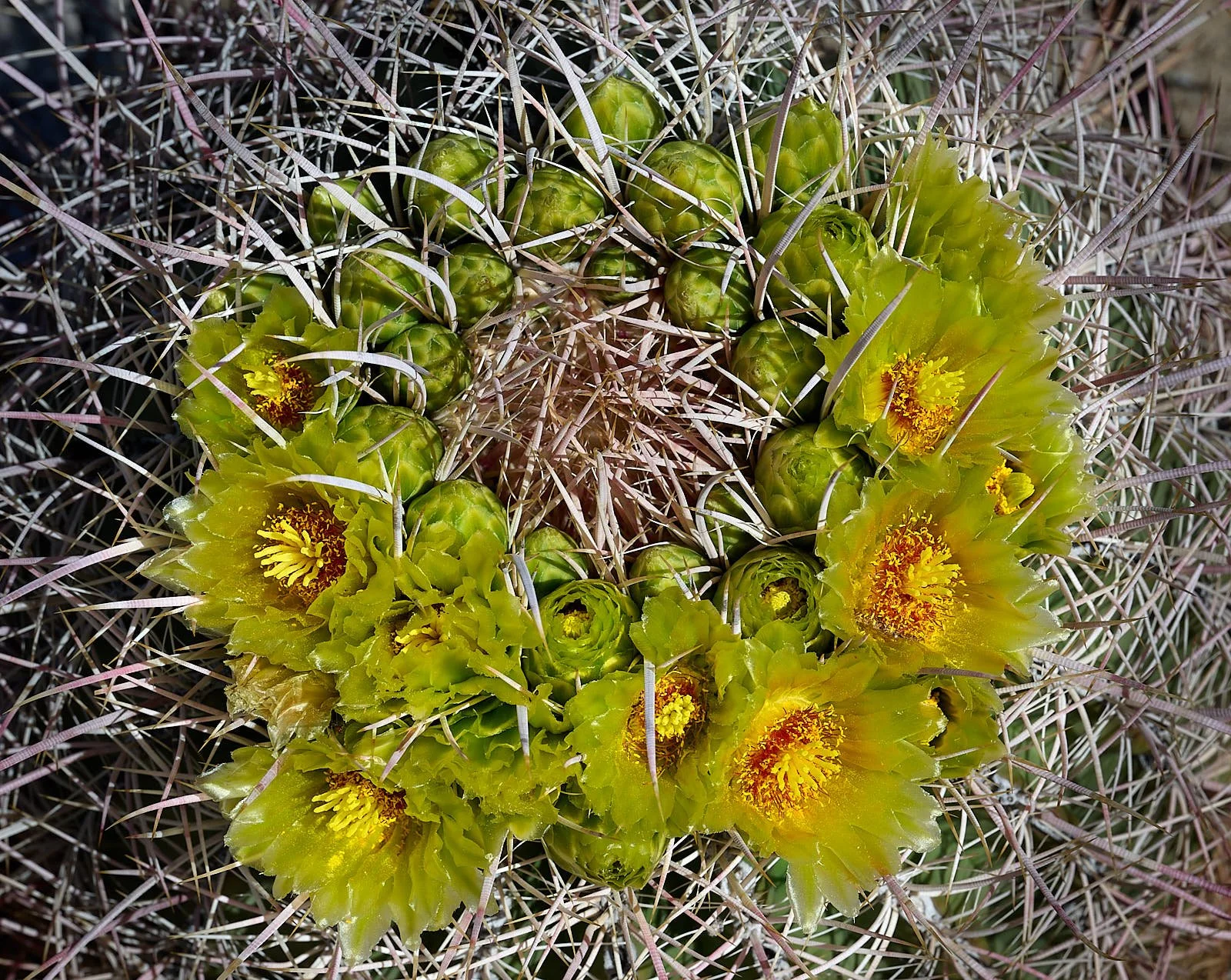
Barrel cactus
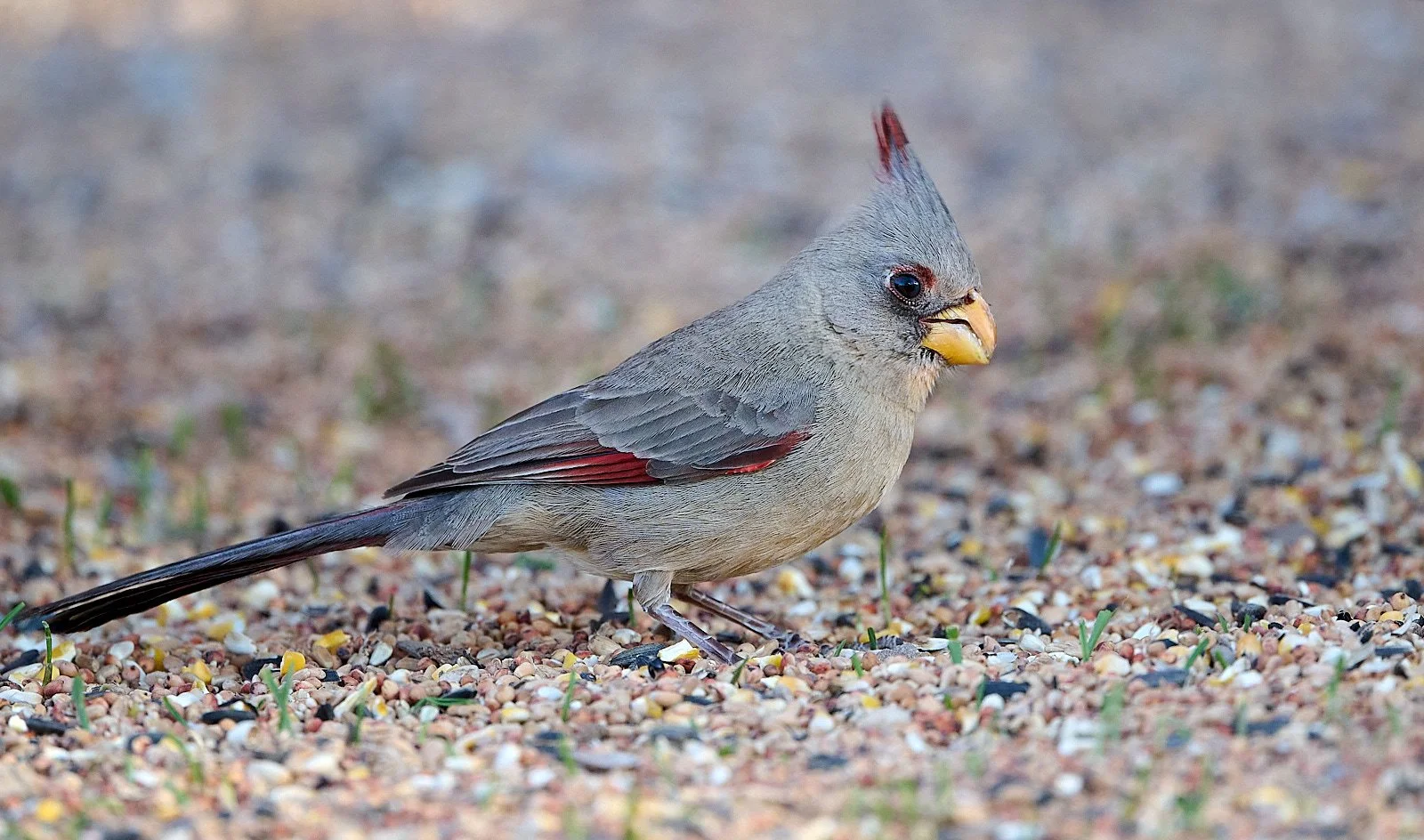
Pyrrhuloxia
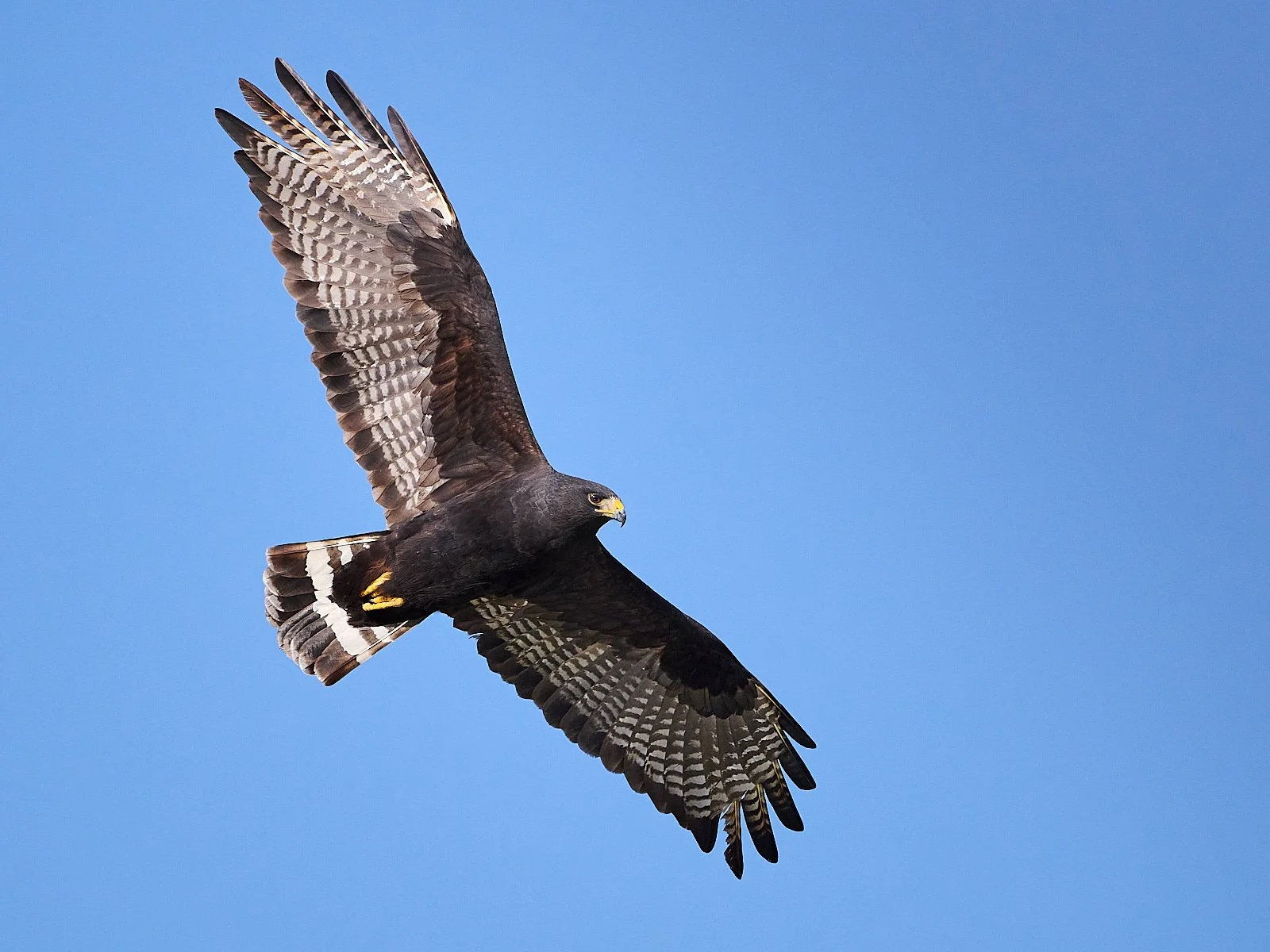
Common Black Hawk
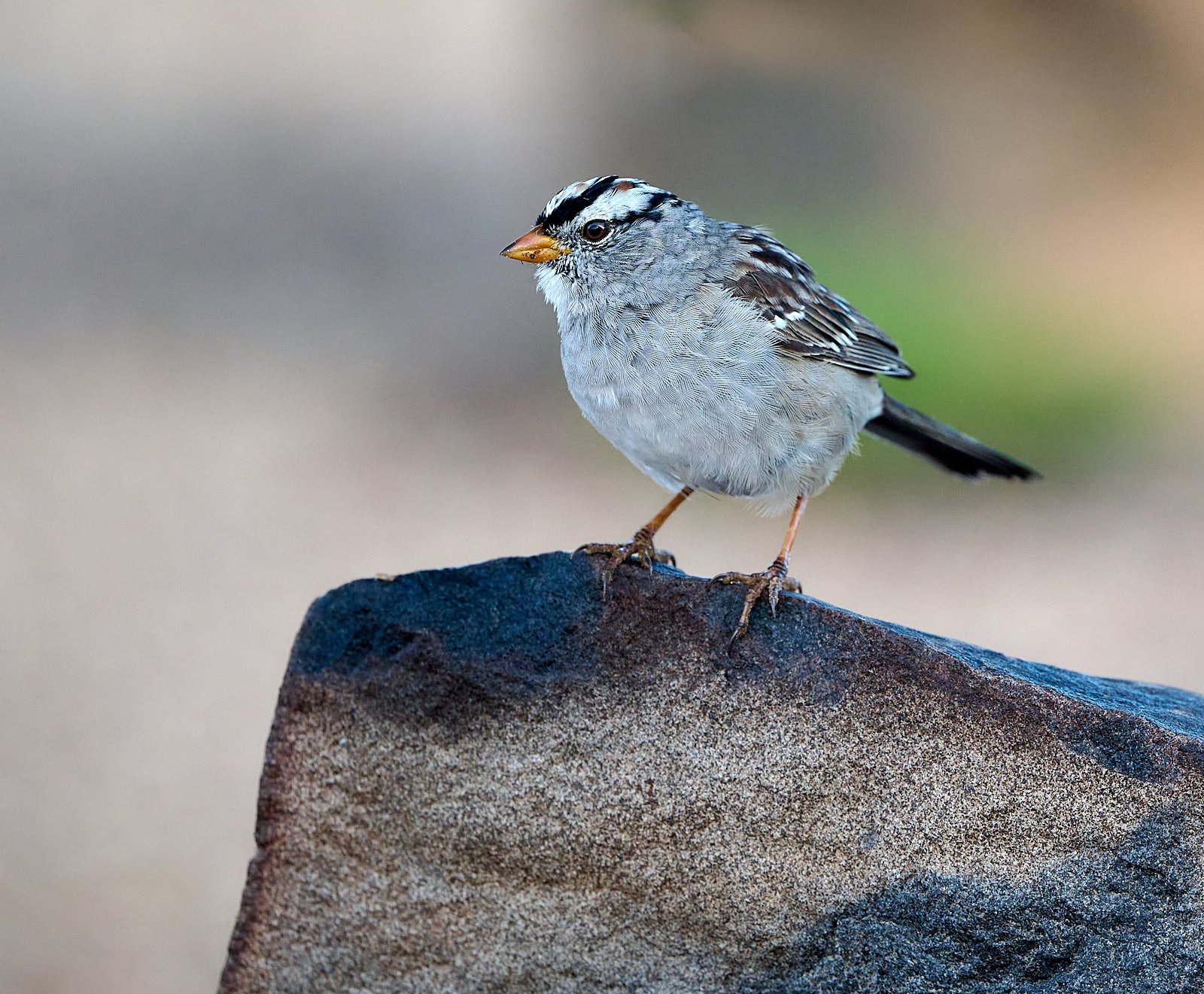
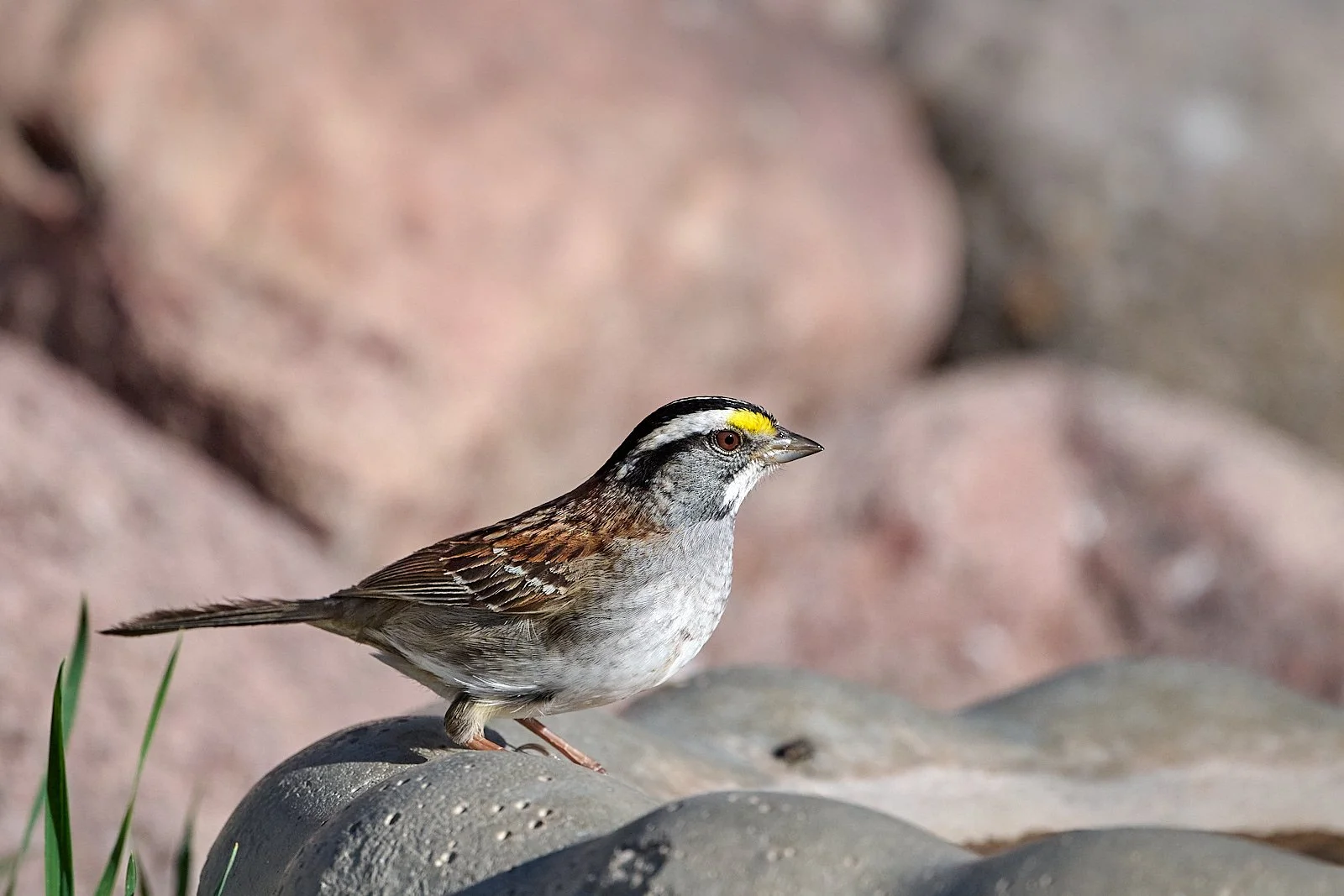
White-crowned Sparrow
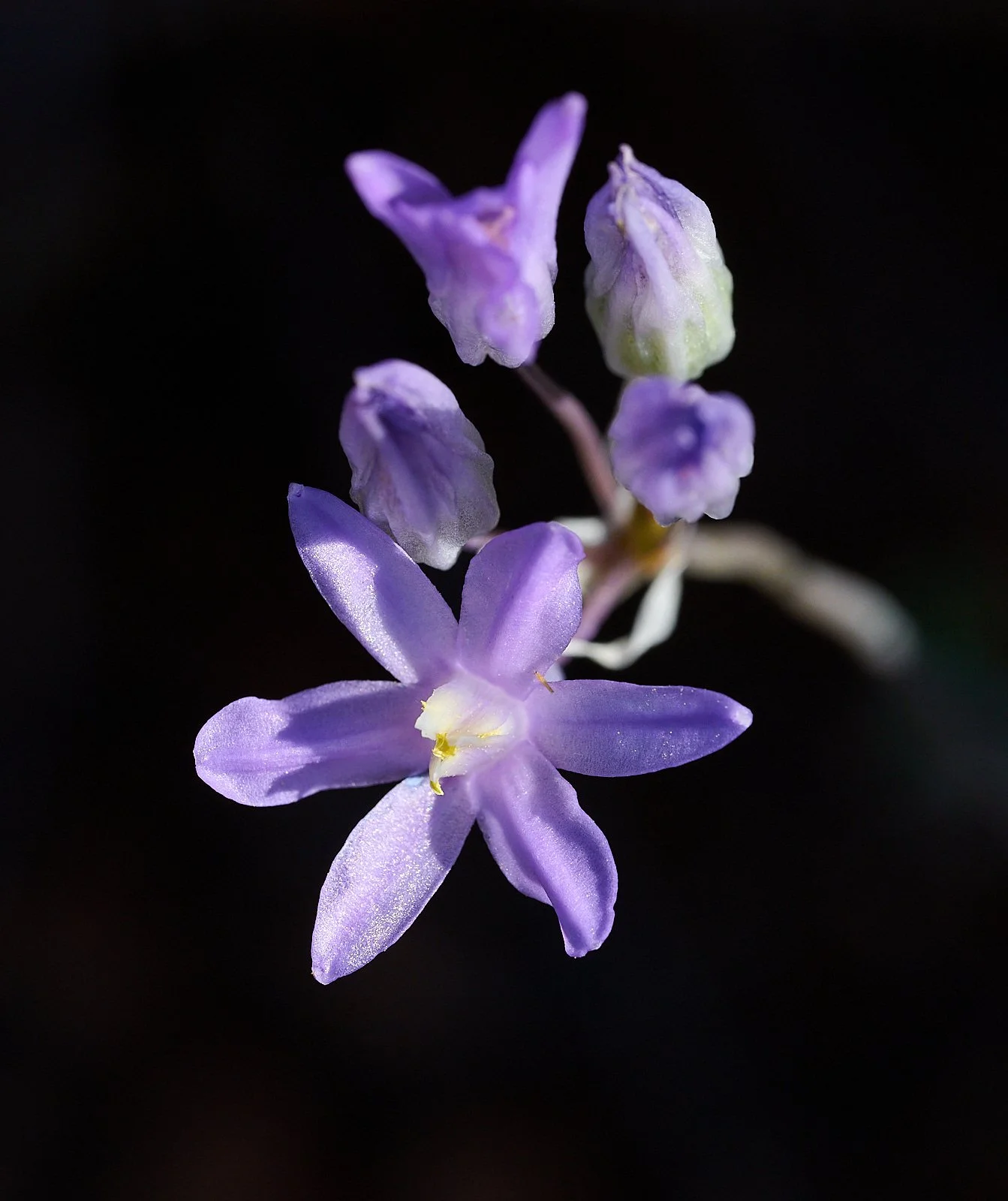
Blue dicks
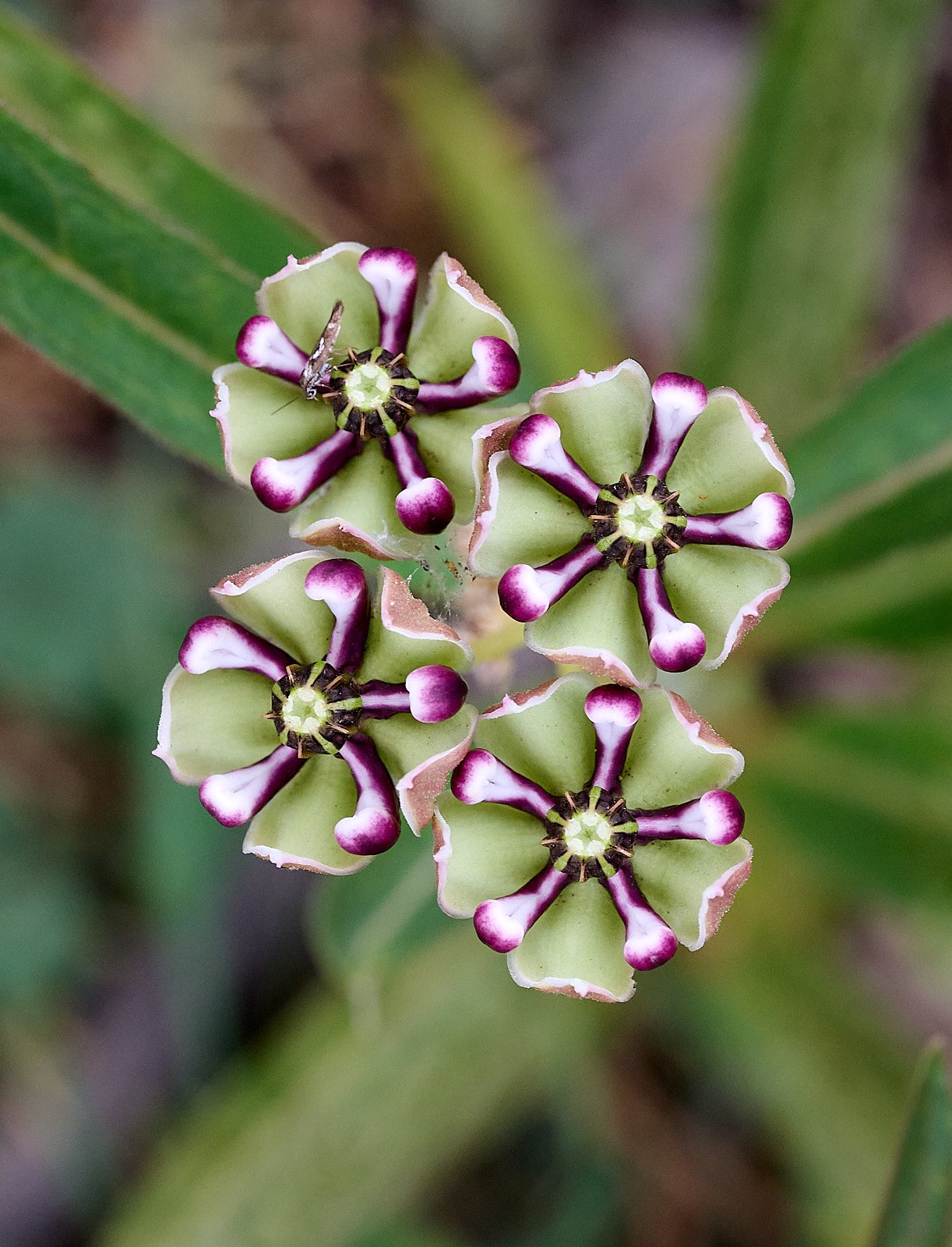
Milkweed
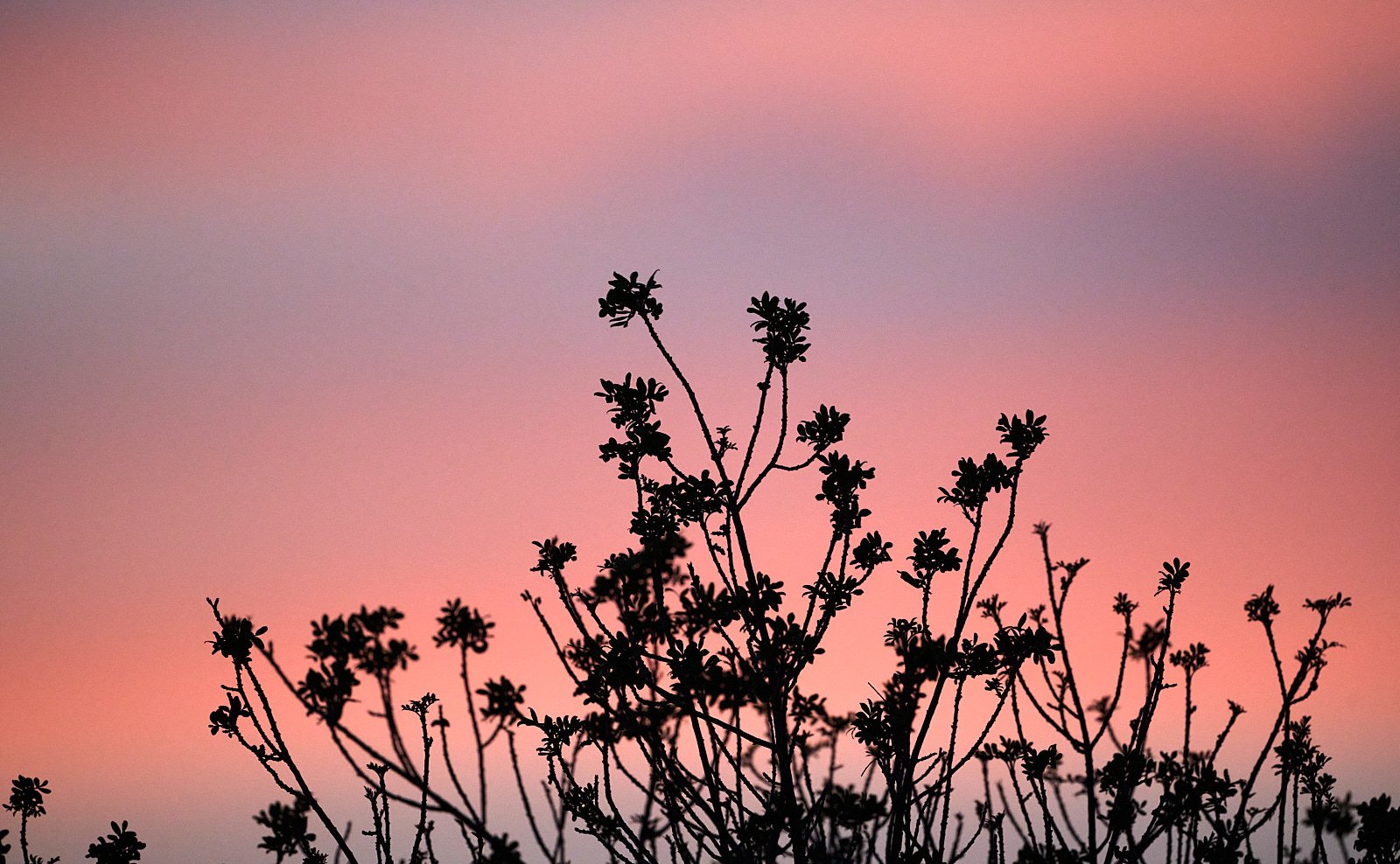
Texas twilight
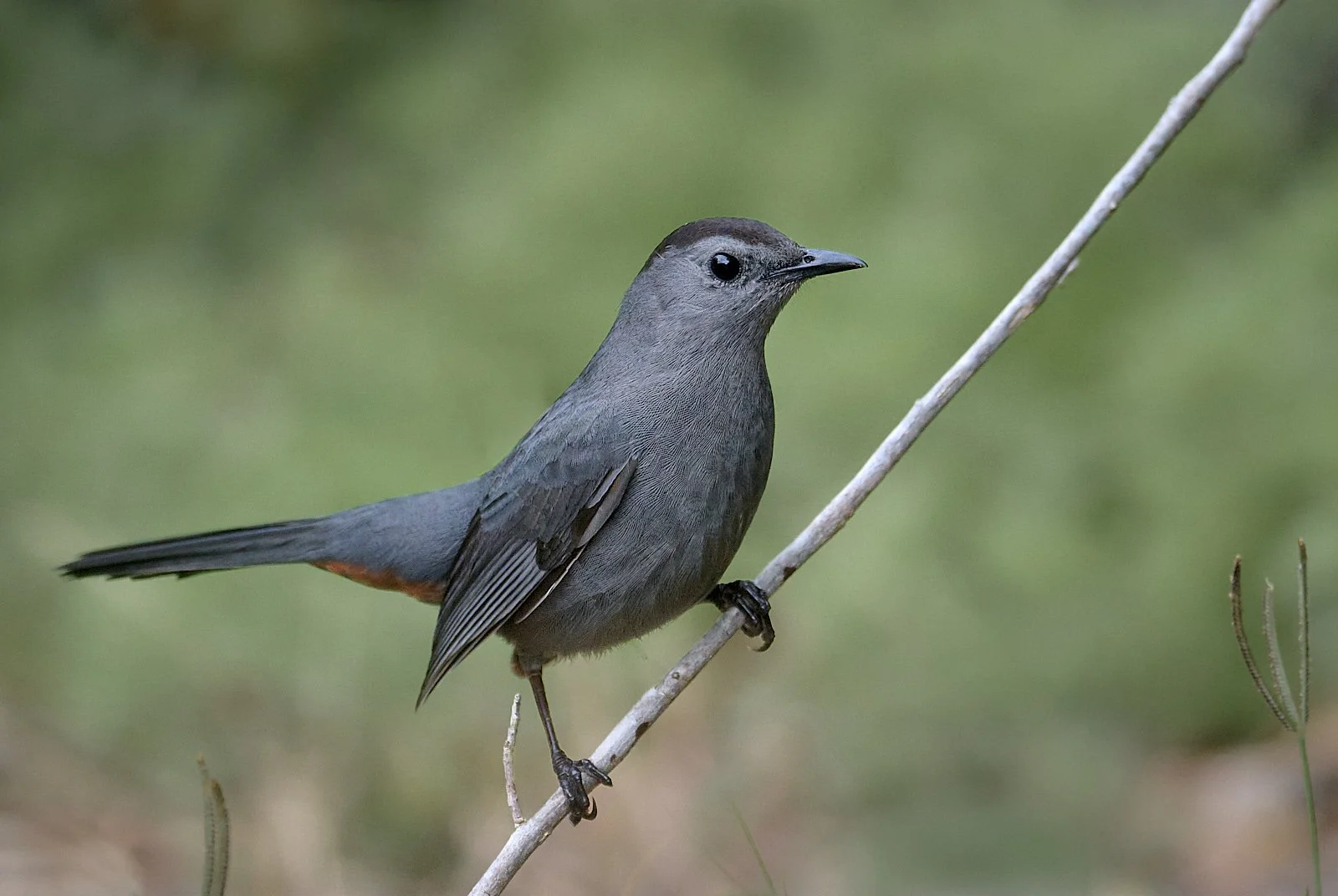
Catbird
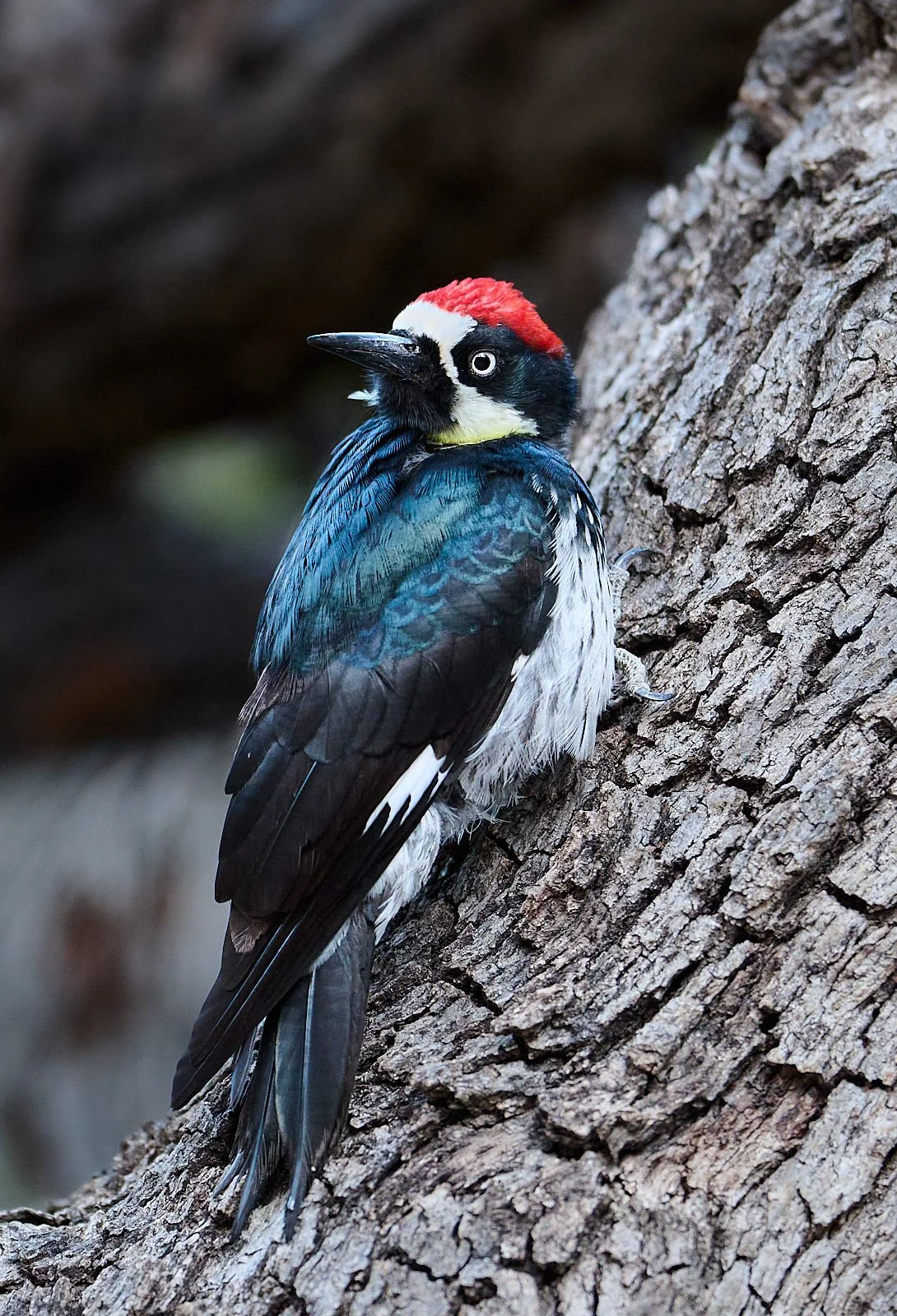
Acorn Woodpecker
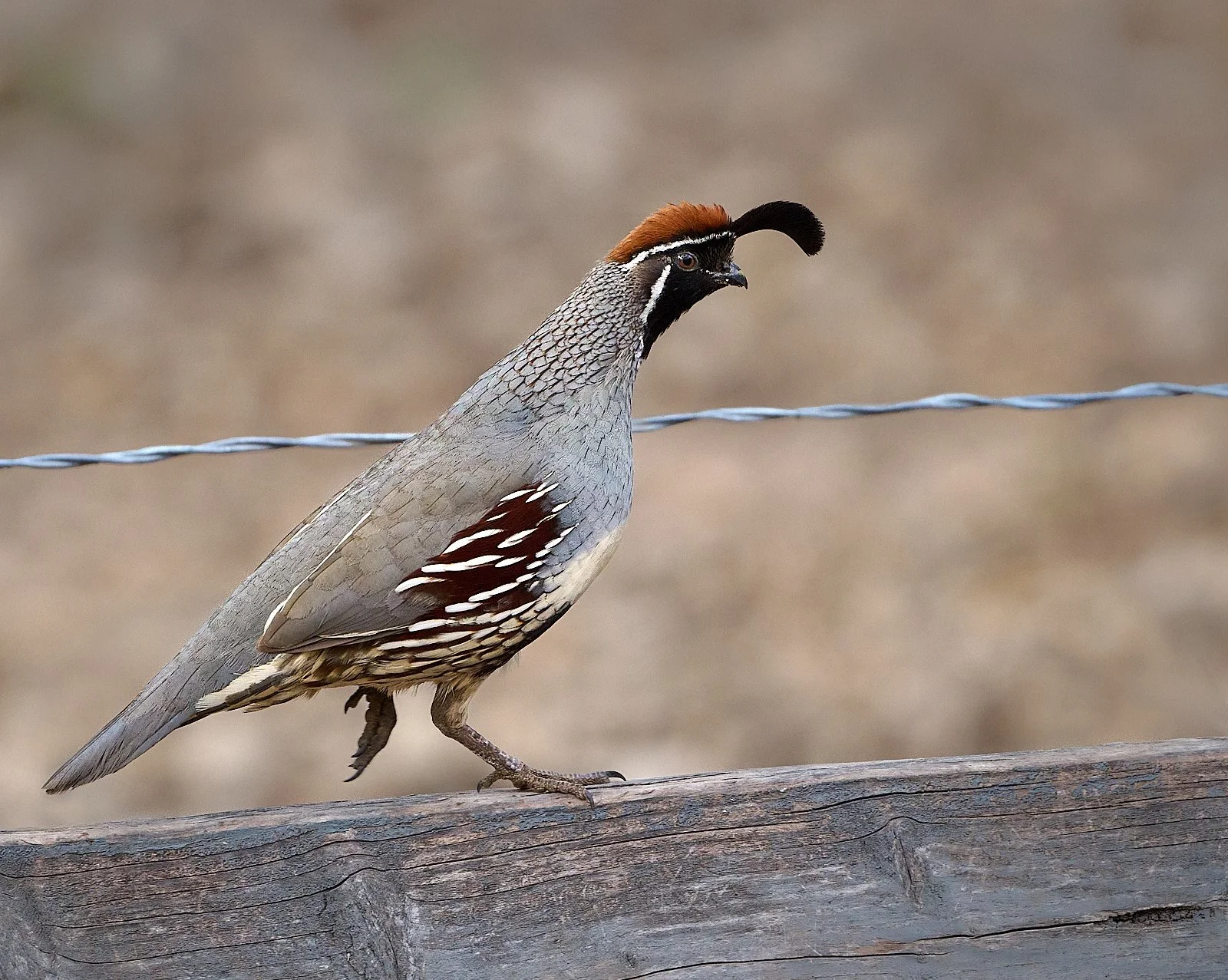
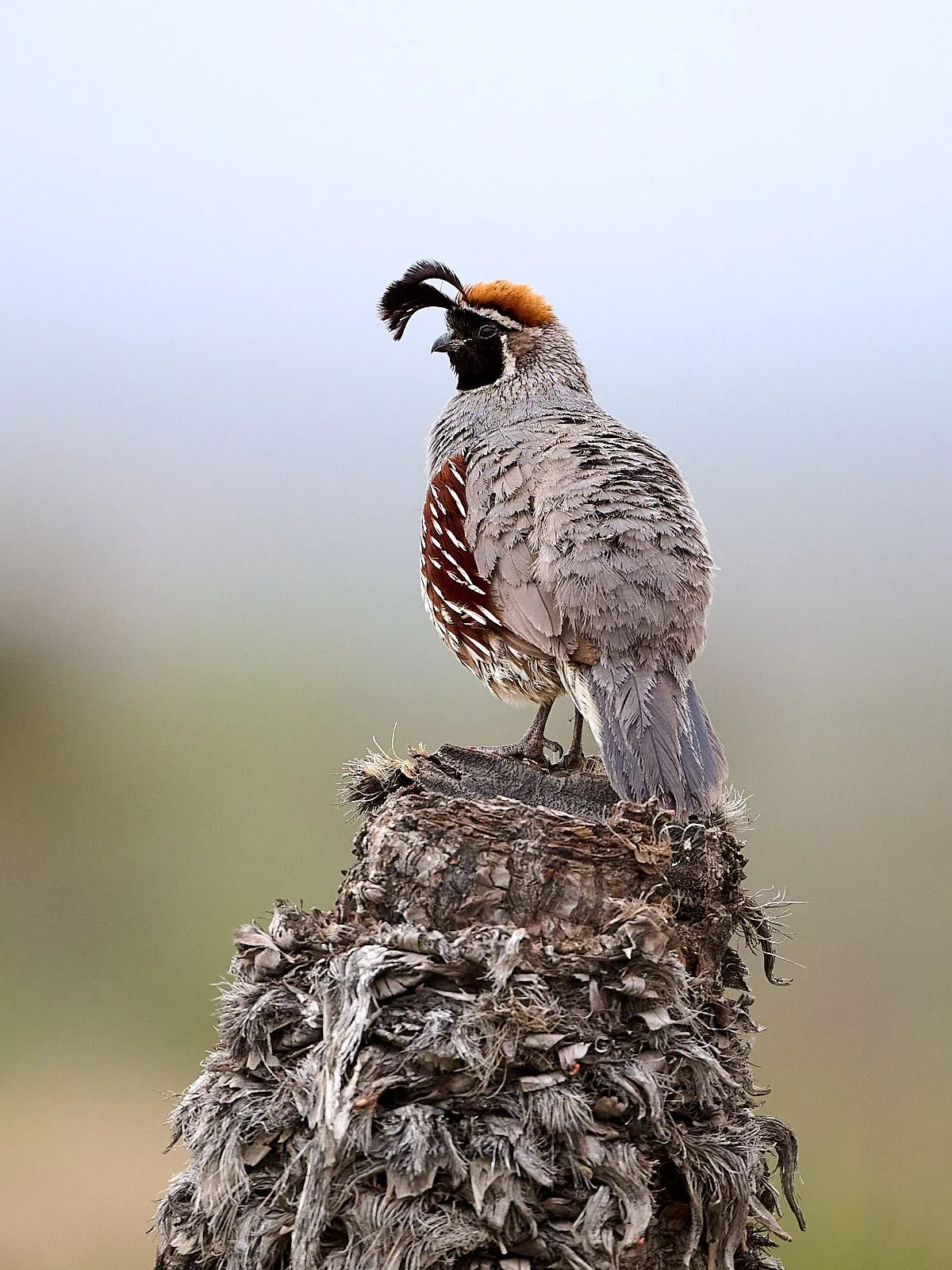
Gambel’s Quail
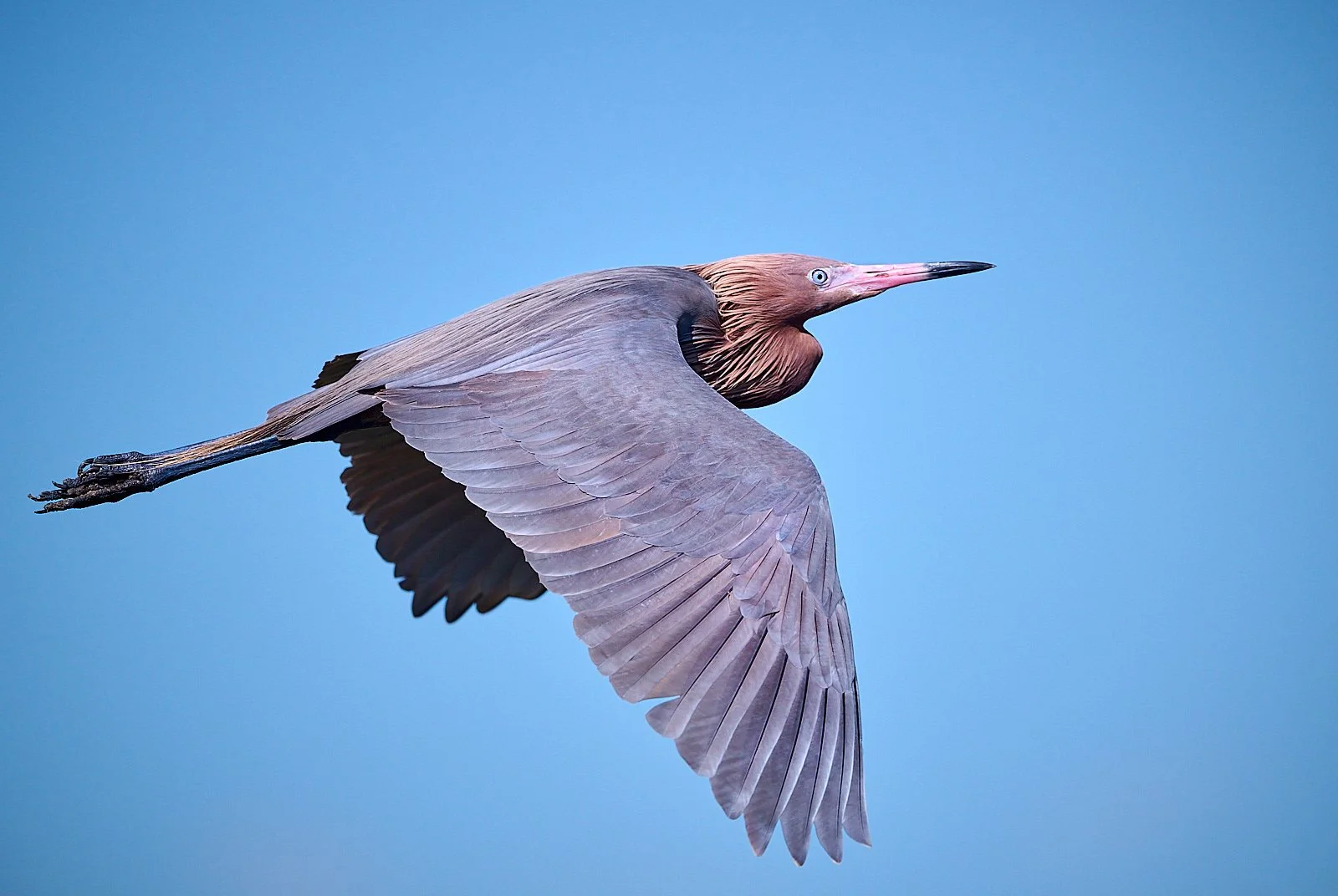
Reddish Egret
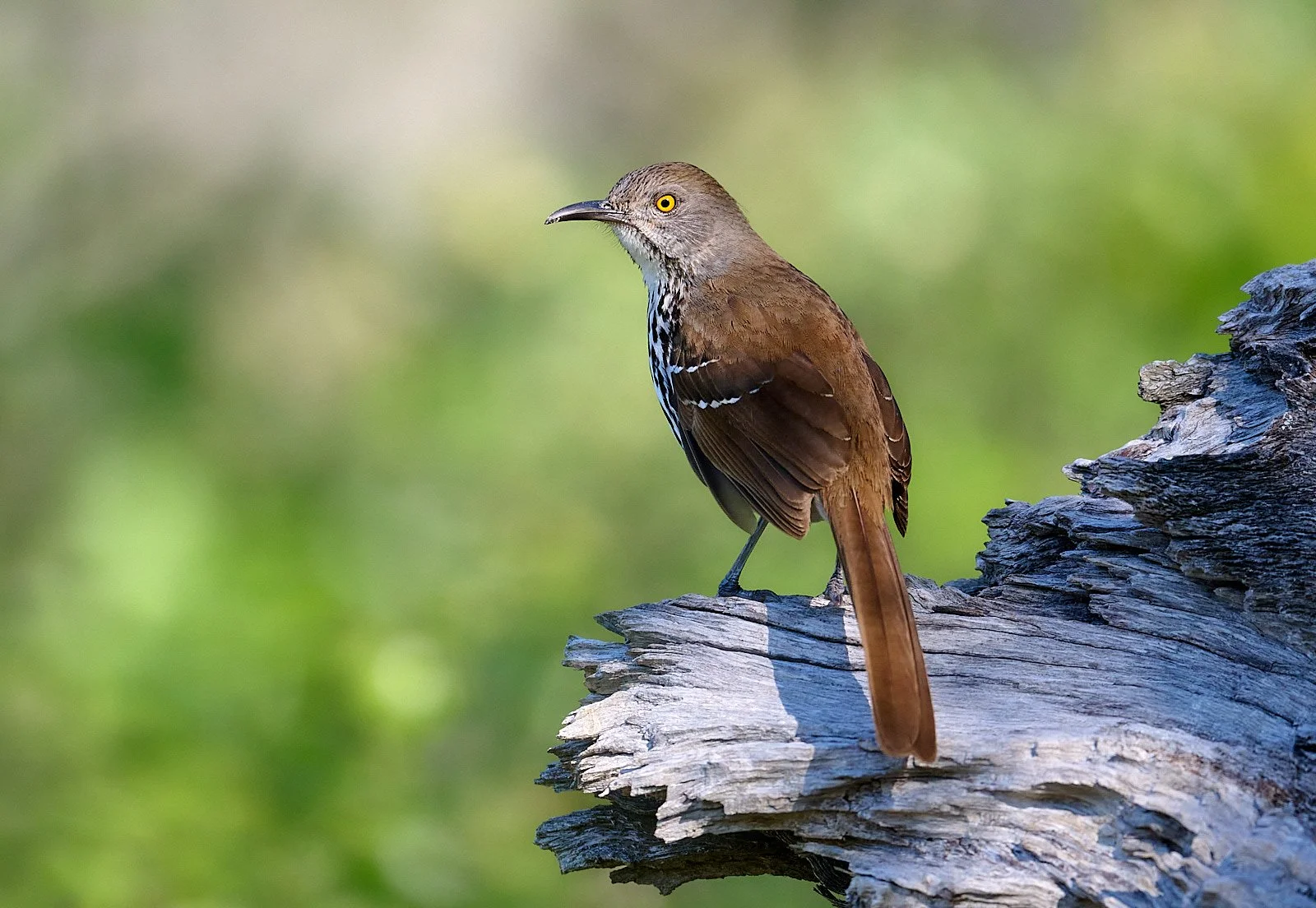
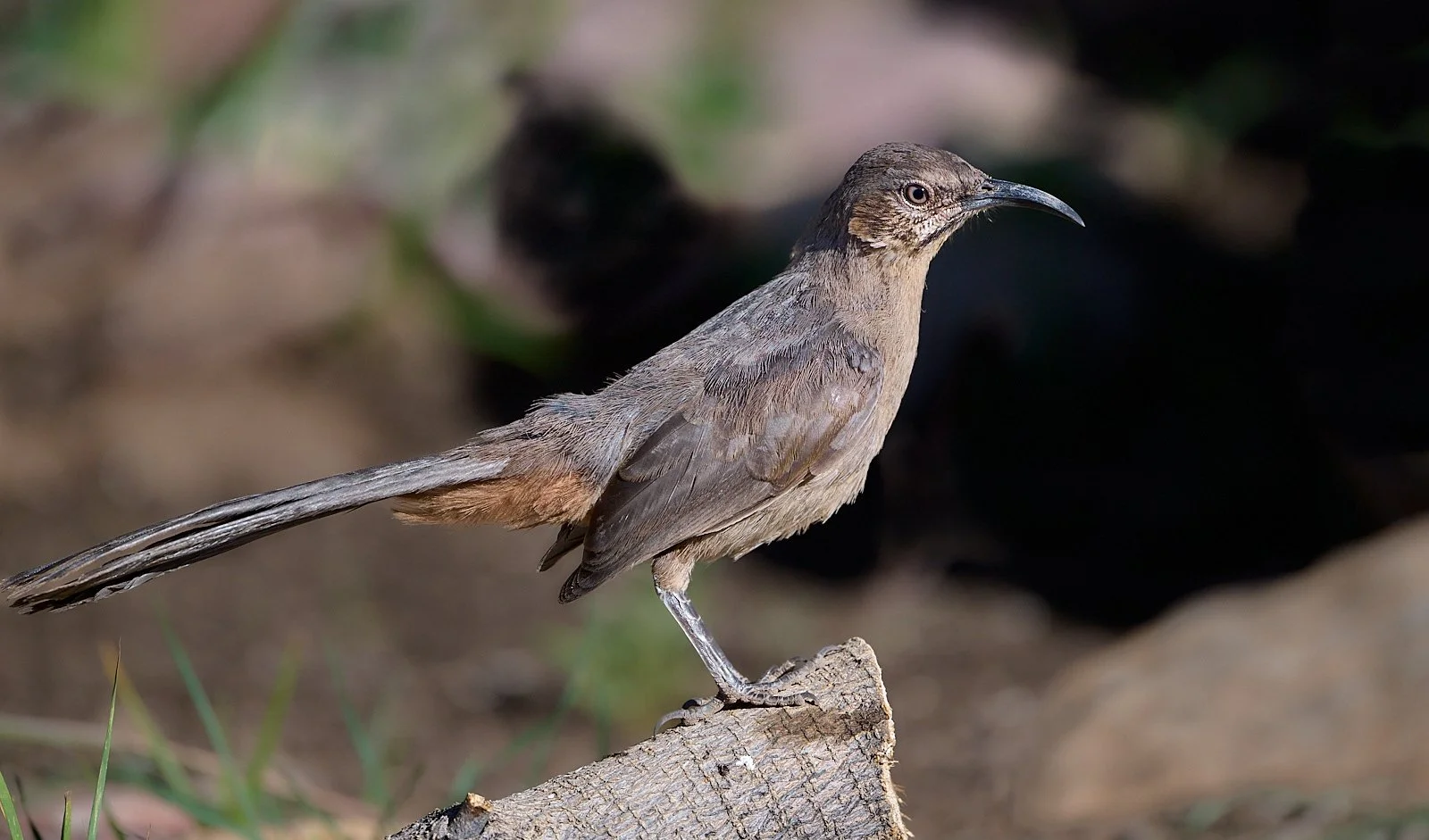
Long-billed Thrasher
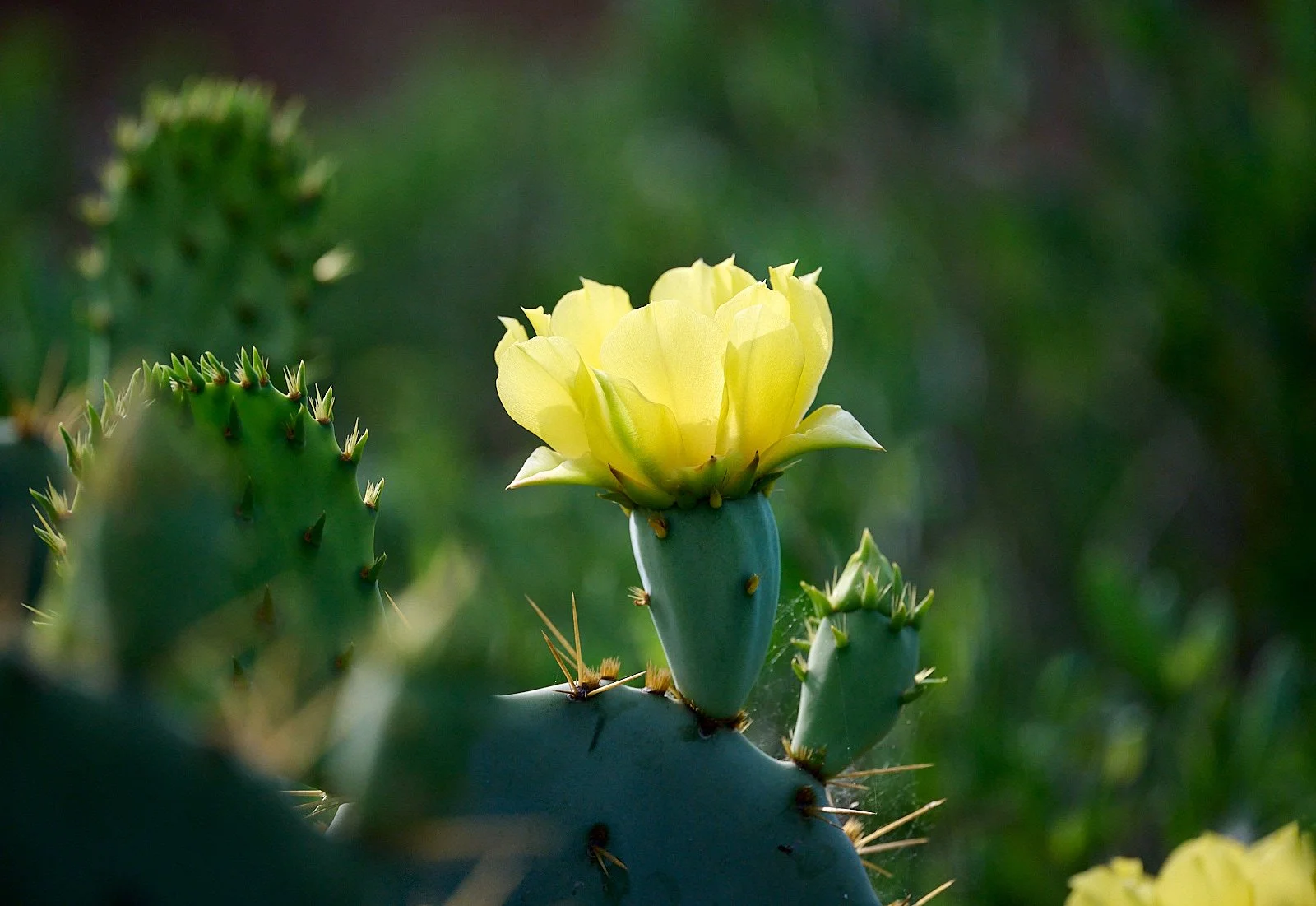
Texas prickly pear
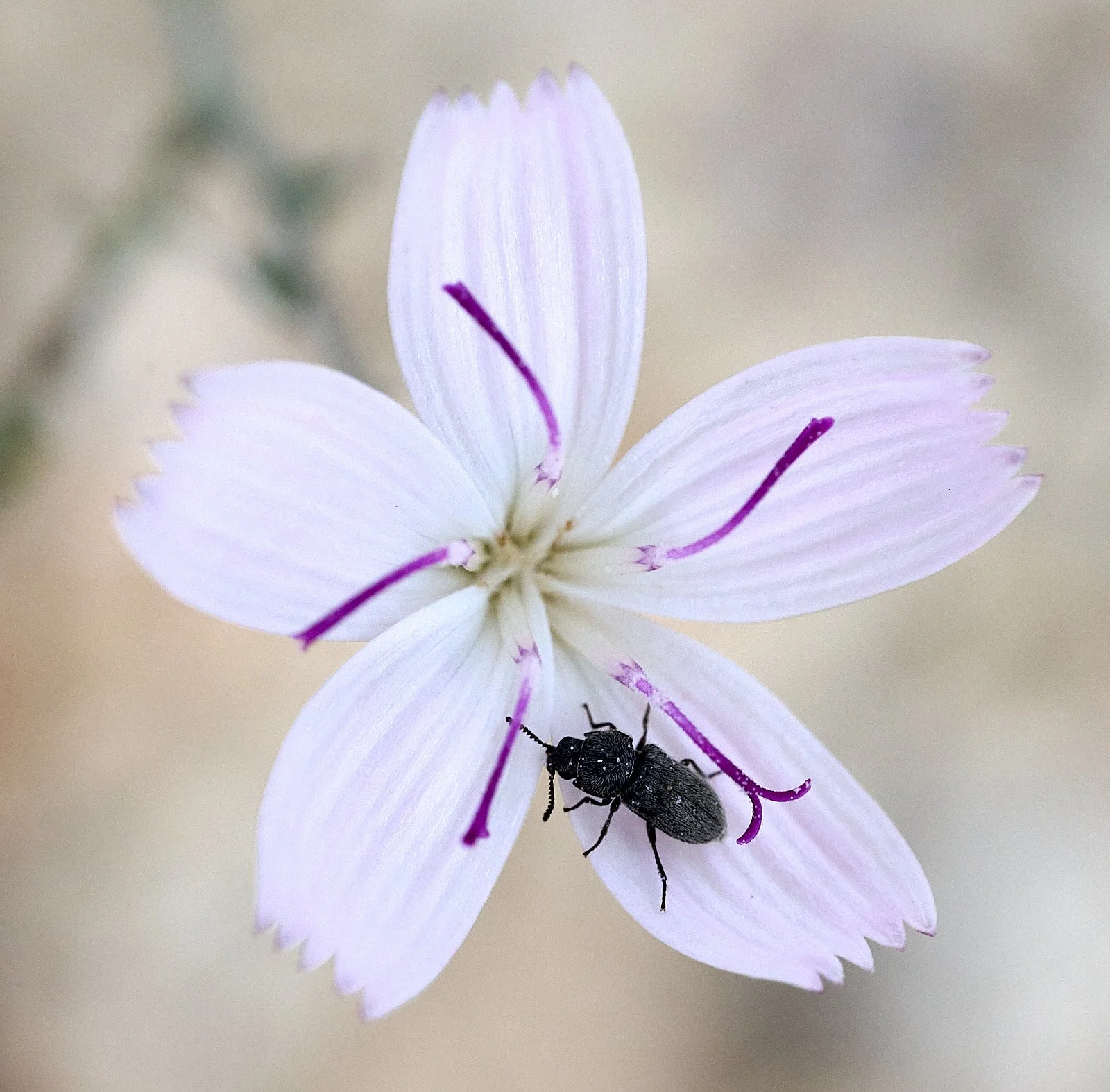
Wire lettuce
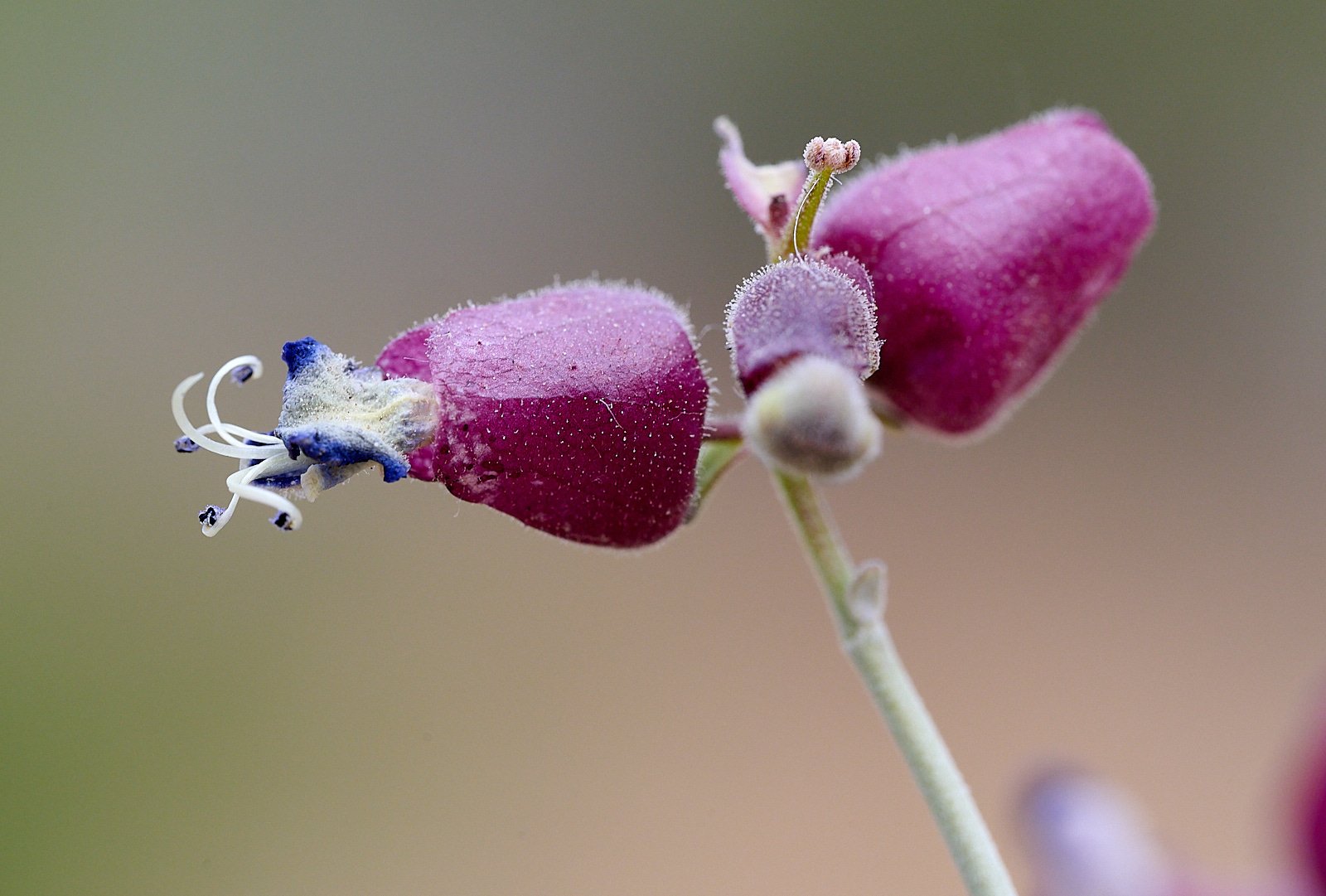
Scutellaria mexicana
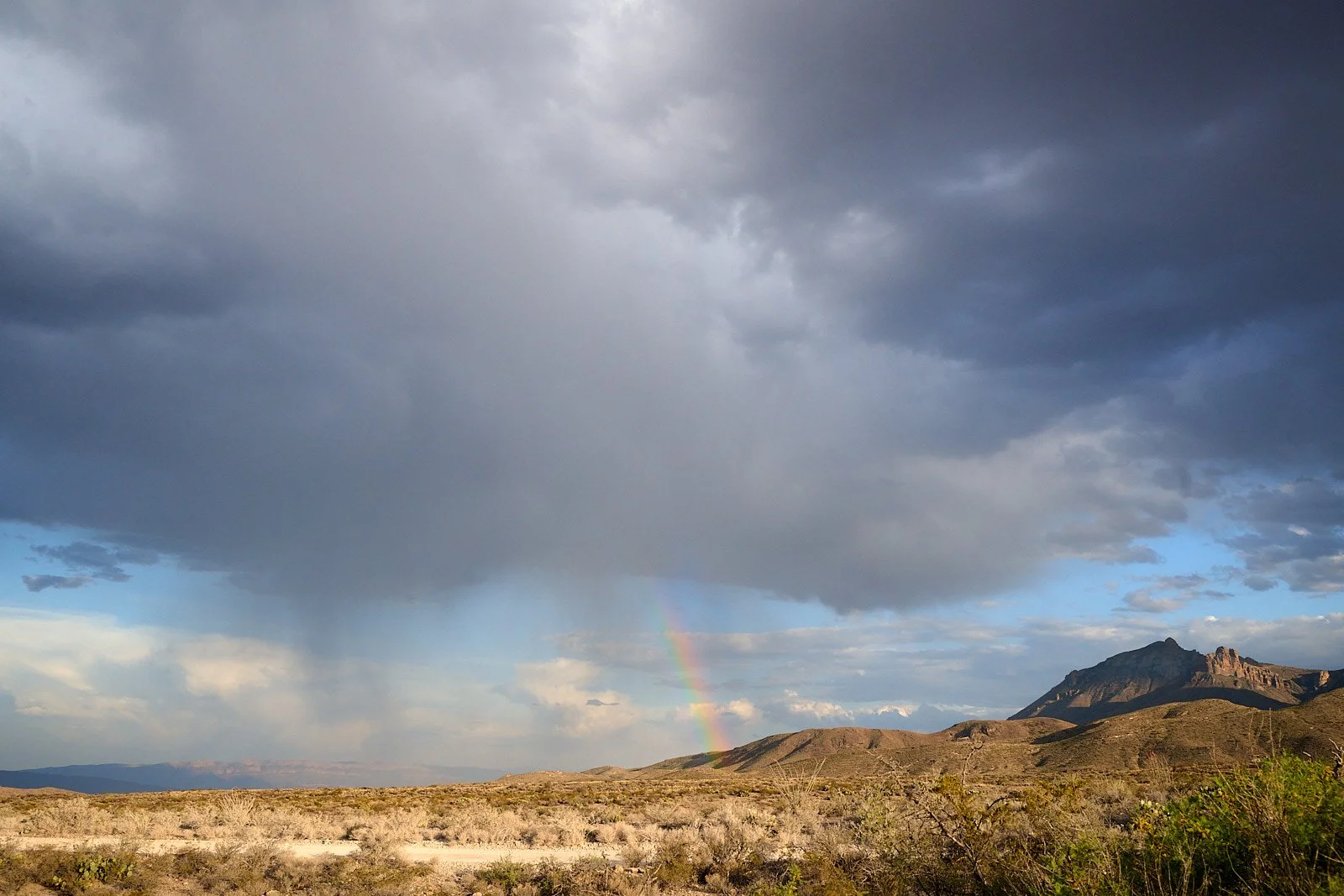
Afternoon thunderstorm, Big Bend National Park, Texas
New ecoregions
West Texas, including the Trans-Pecos, south Texas brush country, Gulf prairies and marshes, Post oak savanah, Edwards Plateau (Hill Country), Rolling plains, and High plains. Link: https://tpwd.texas.gov/education/hunter-education/online-course/wildlife-conservation/texas-ecoregions
Bitter Lake National Wildlife Refuge, New Mexico. (Part of the Pecos river watershed.)
Bosque del Apache National Wildlife Refuge, New Mexico
Rucker Canyon, Chiricahua National Forest, Arizona
Las Cienegas National Conservation Area, Arizona
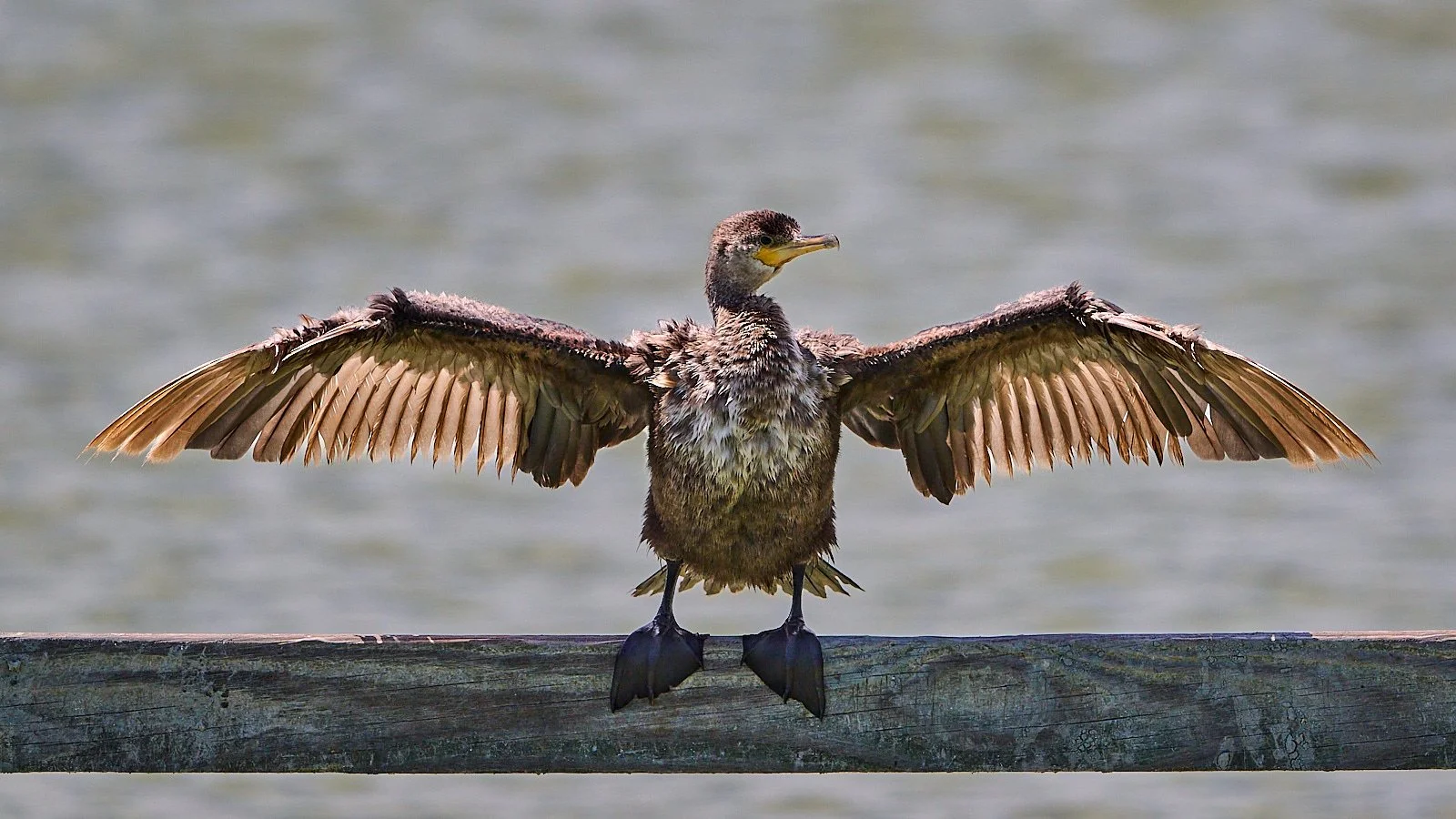
Neotropic Cormorant
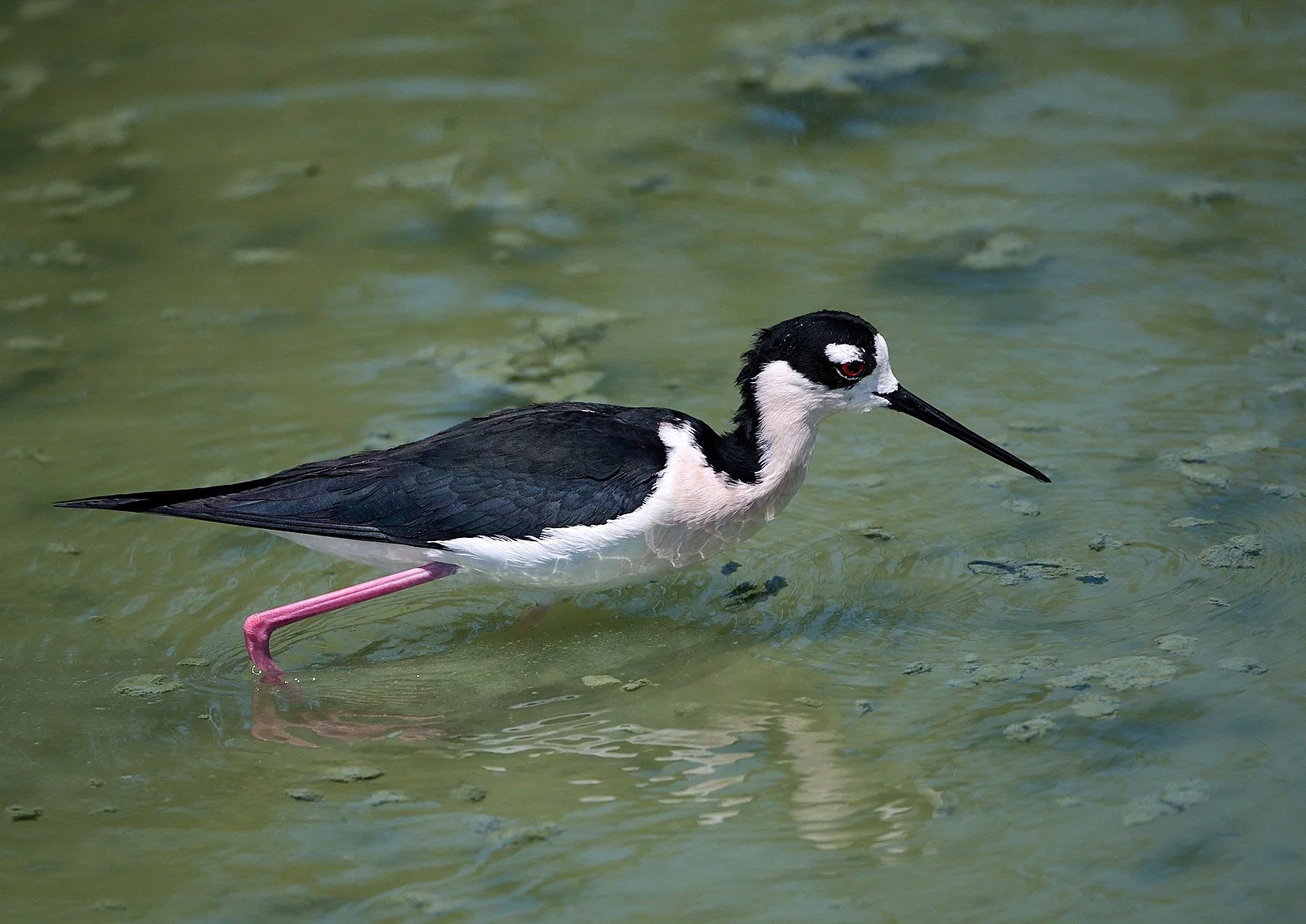
Black-necked Stilt
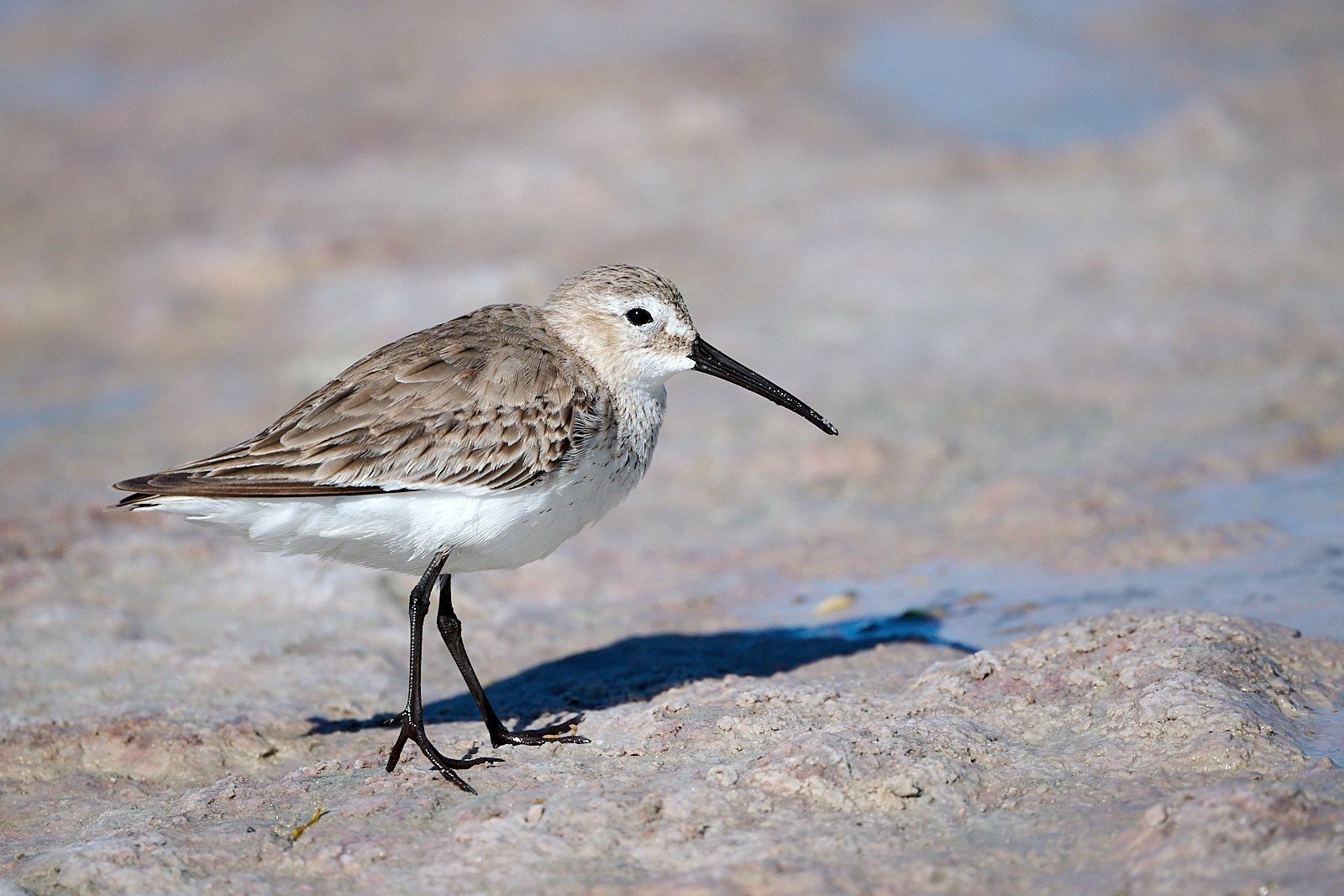
Dunlin
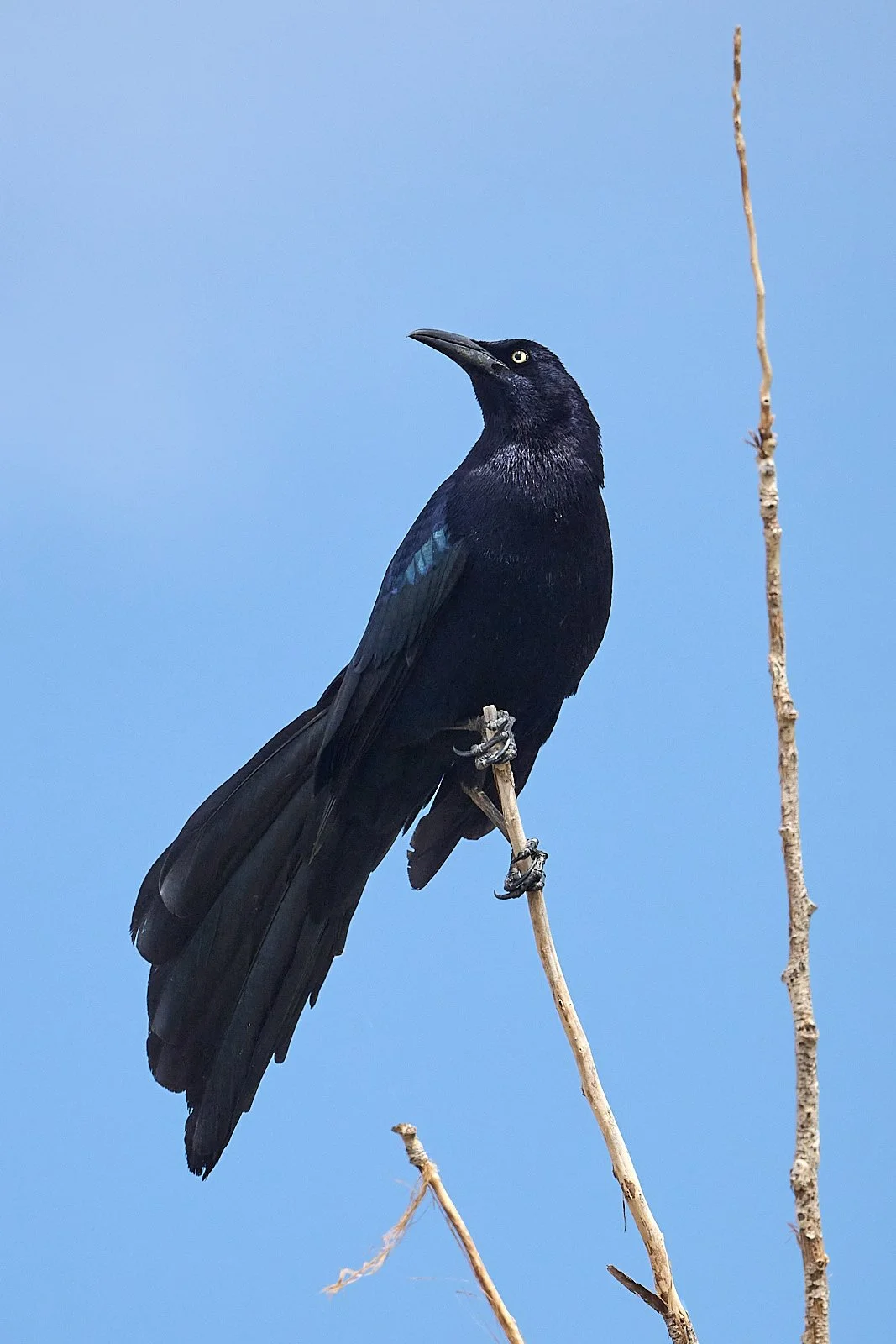
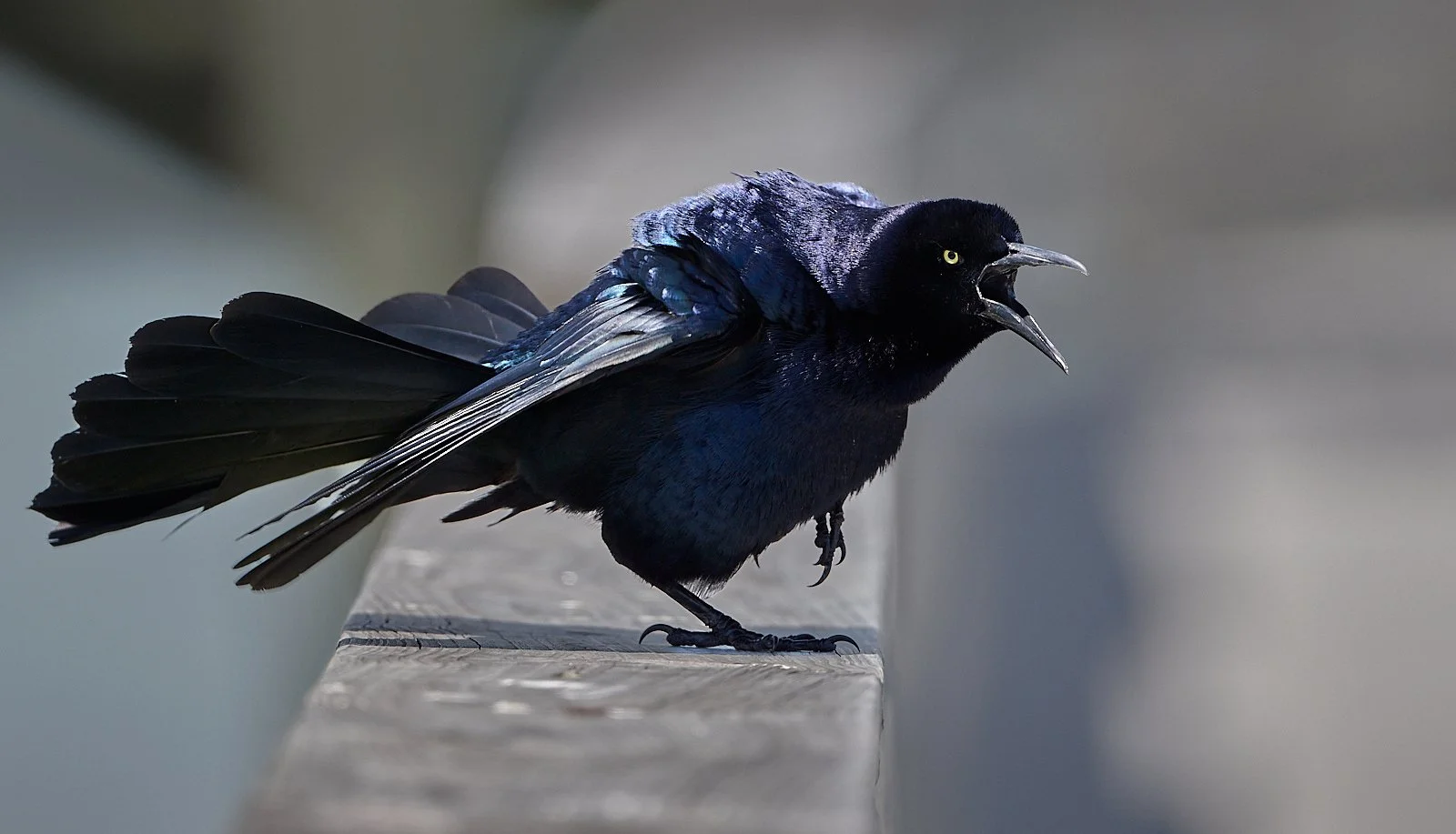
Great-tailed Grackle
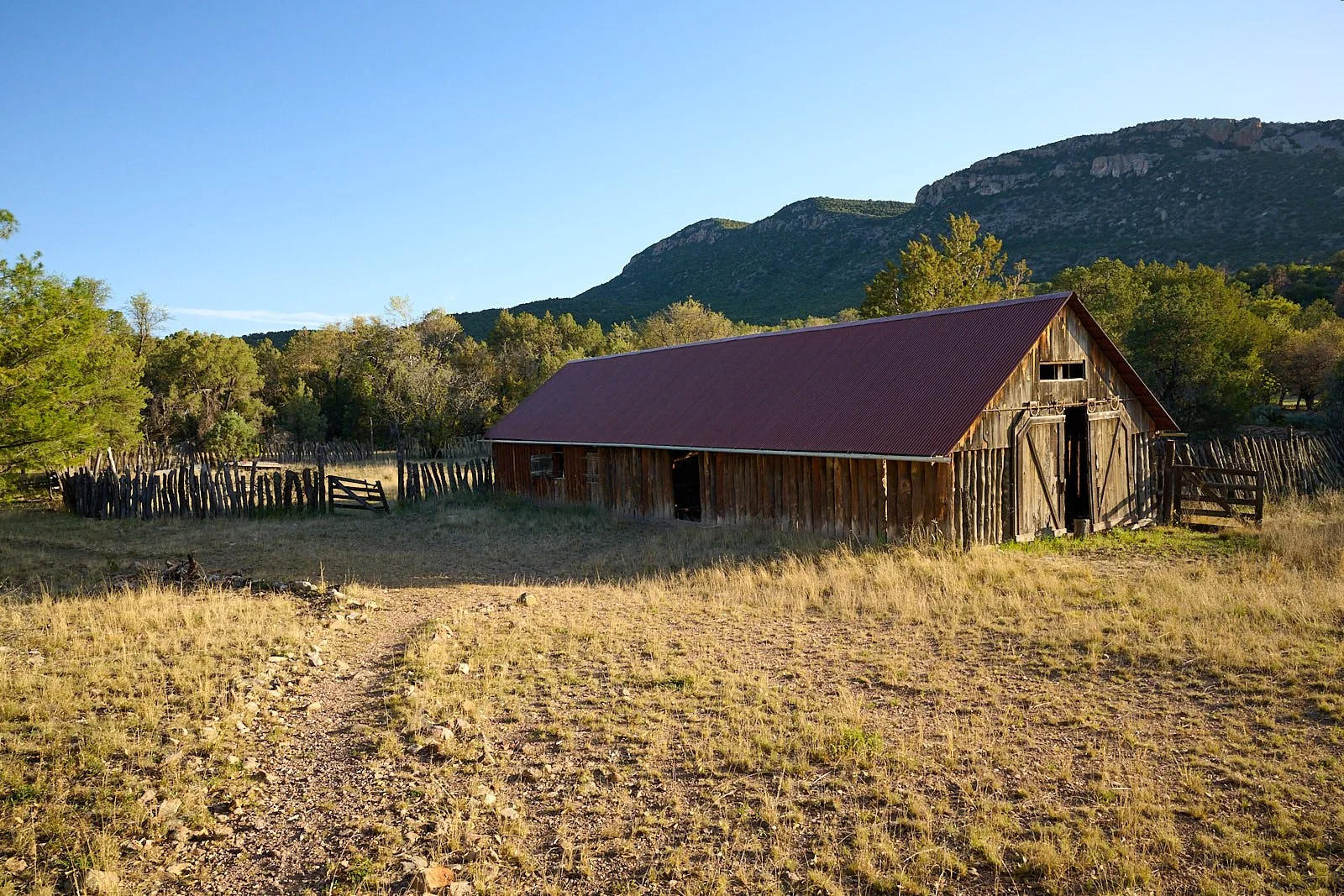
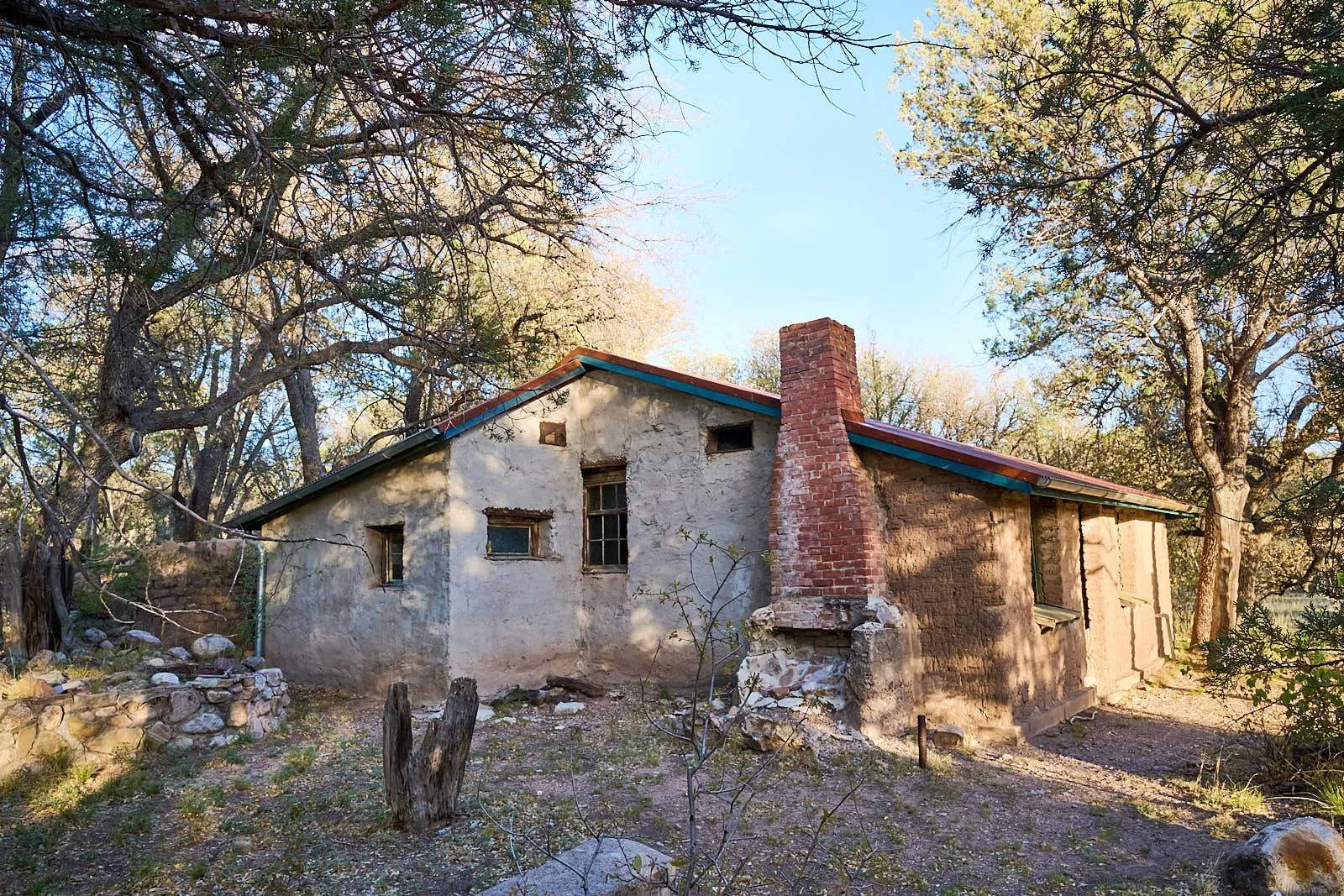
Historic Rucker Camp, Chiricahua National Forest, Arizona
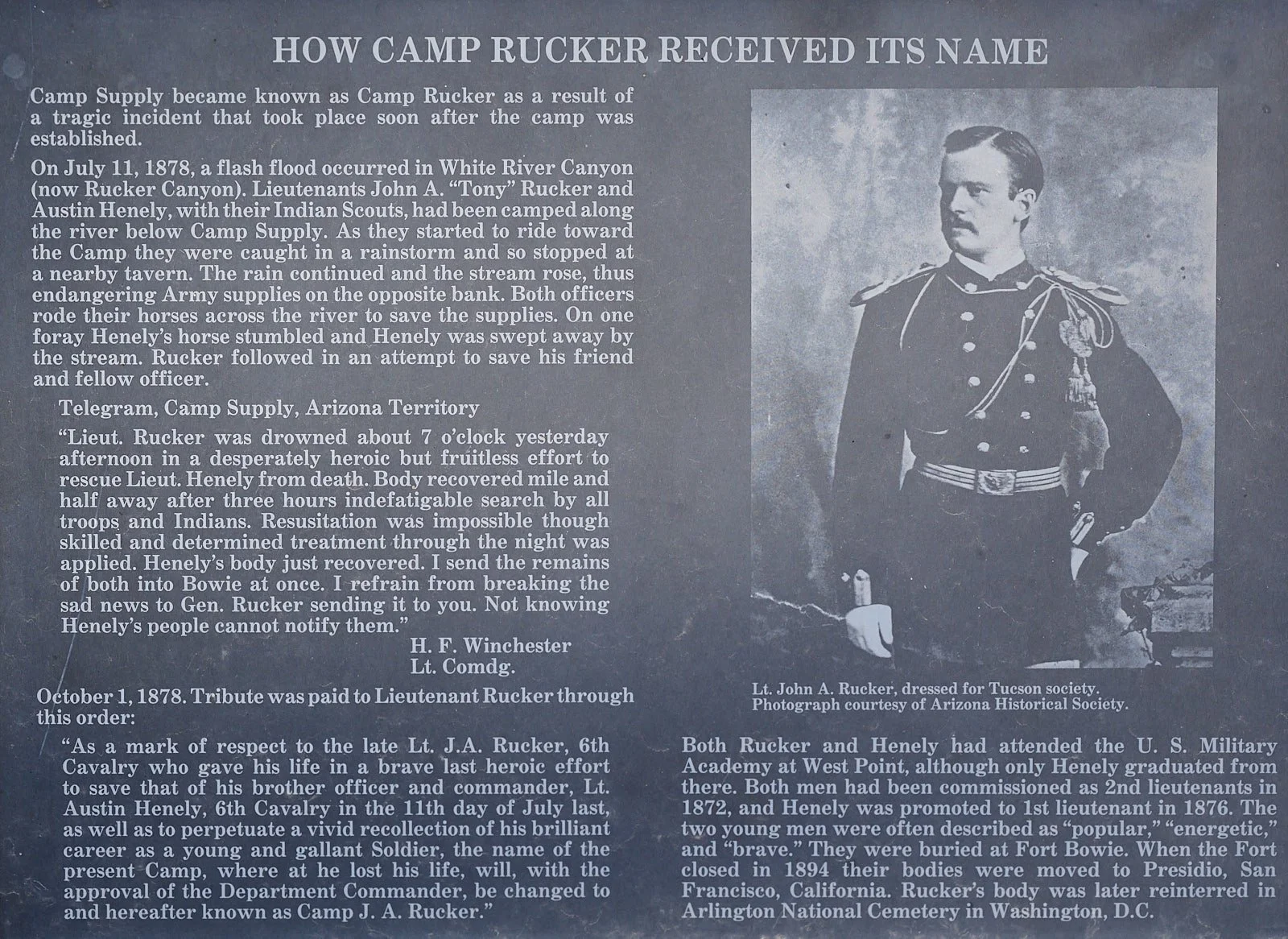
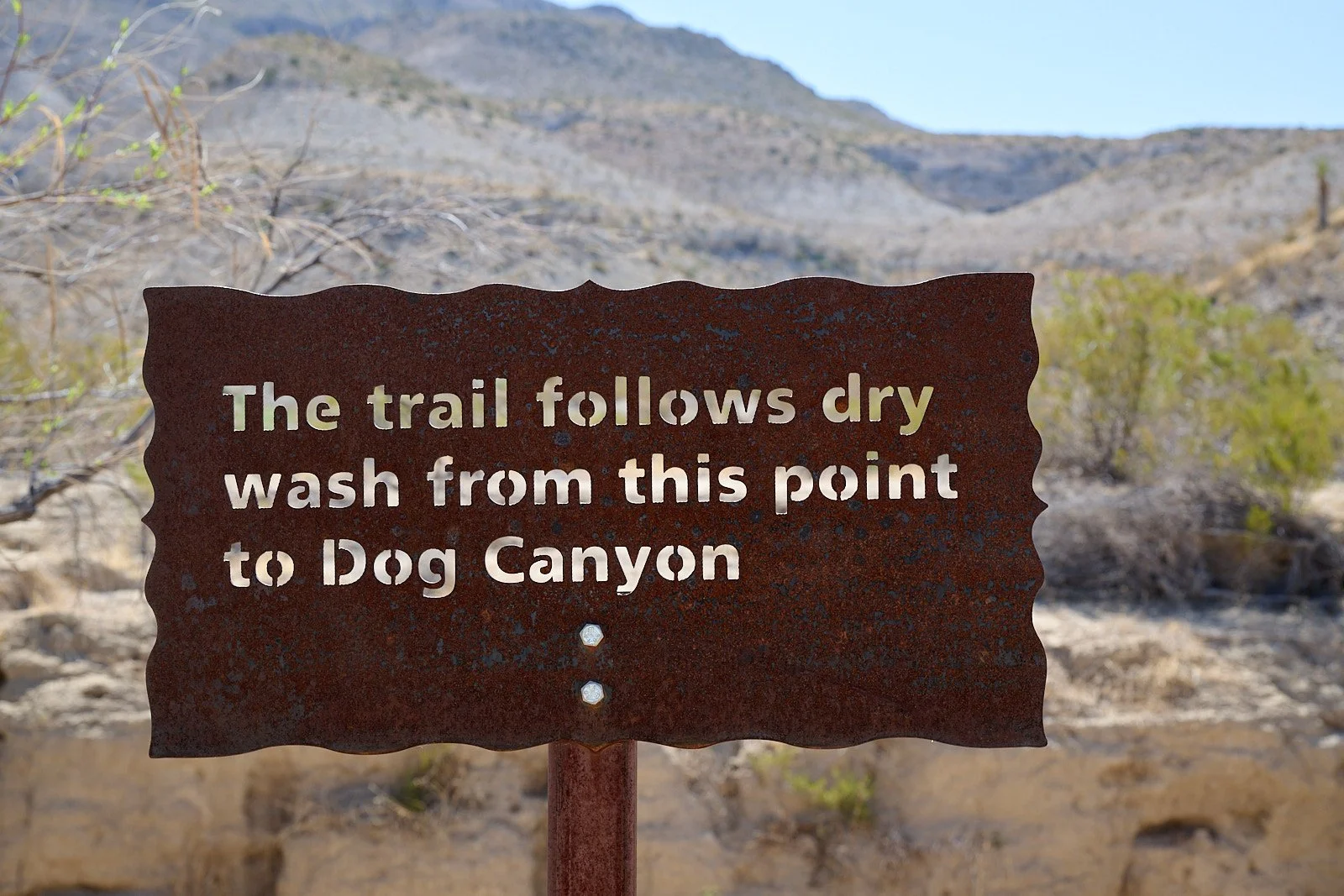
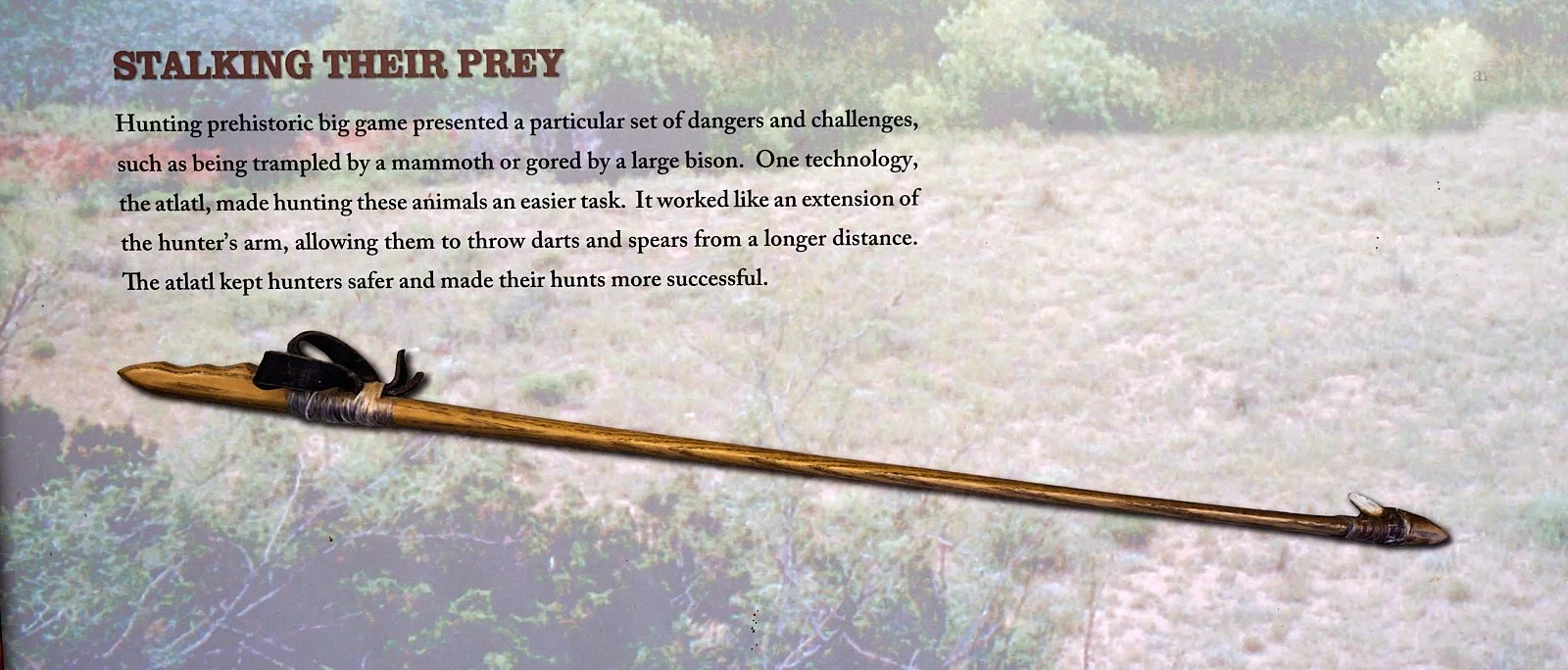
Interpretive signage
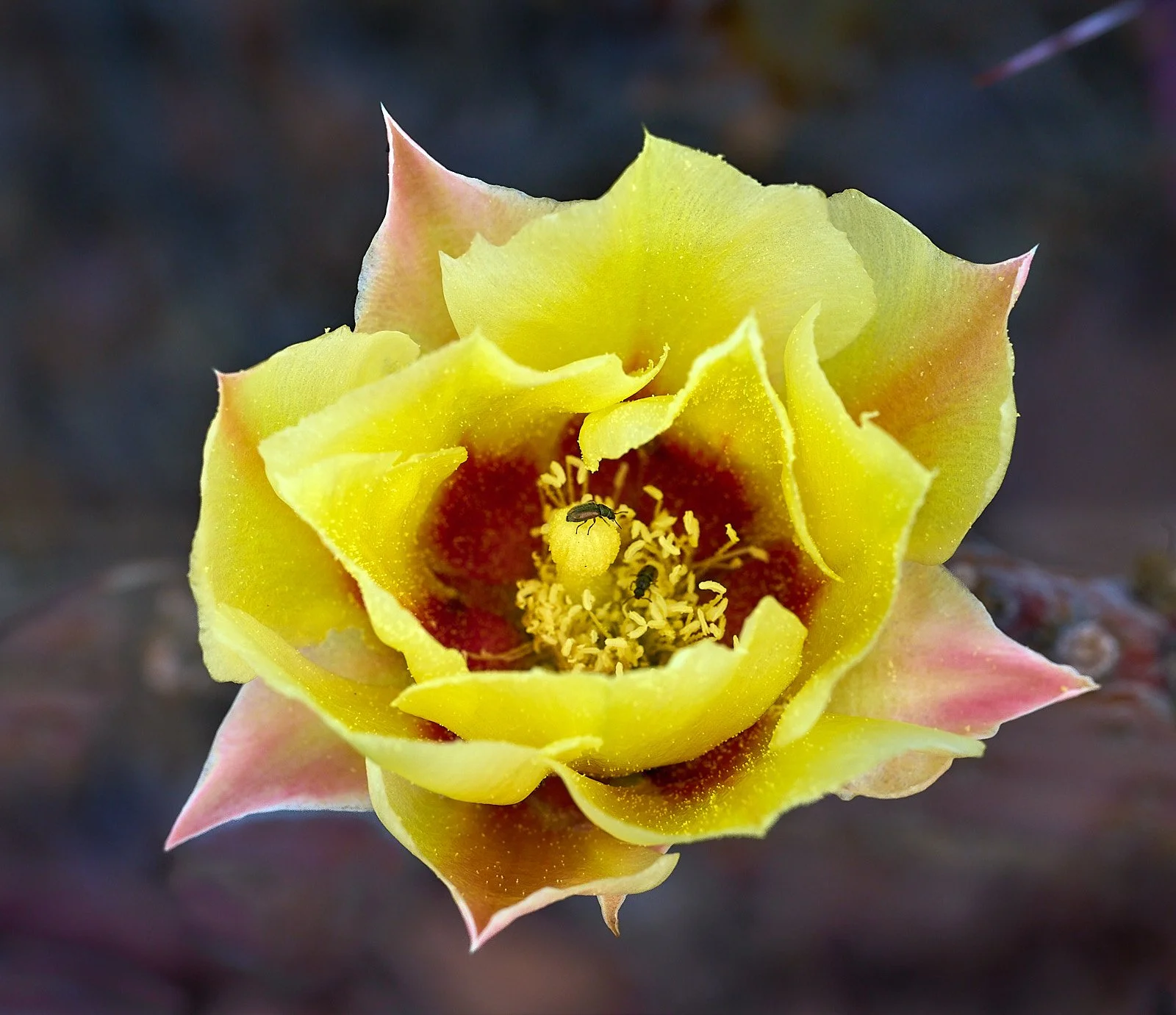
Opuntia azurea
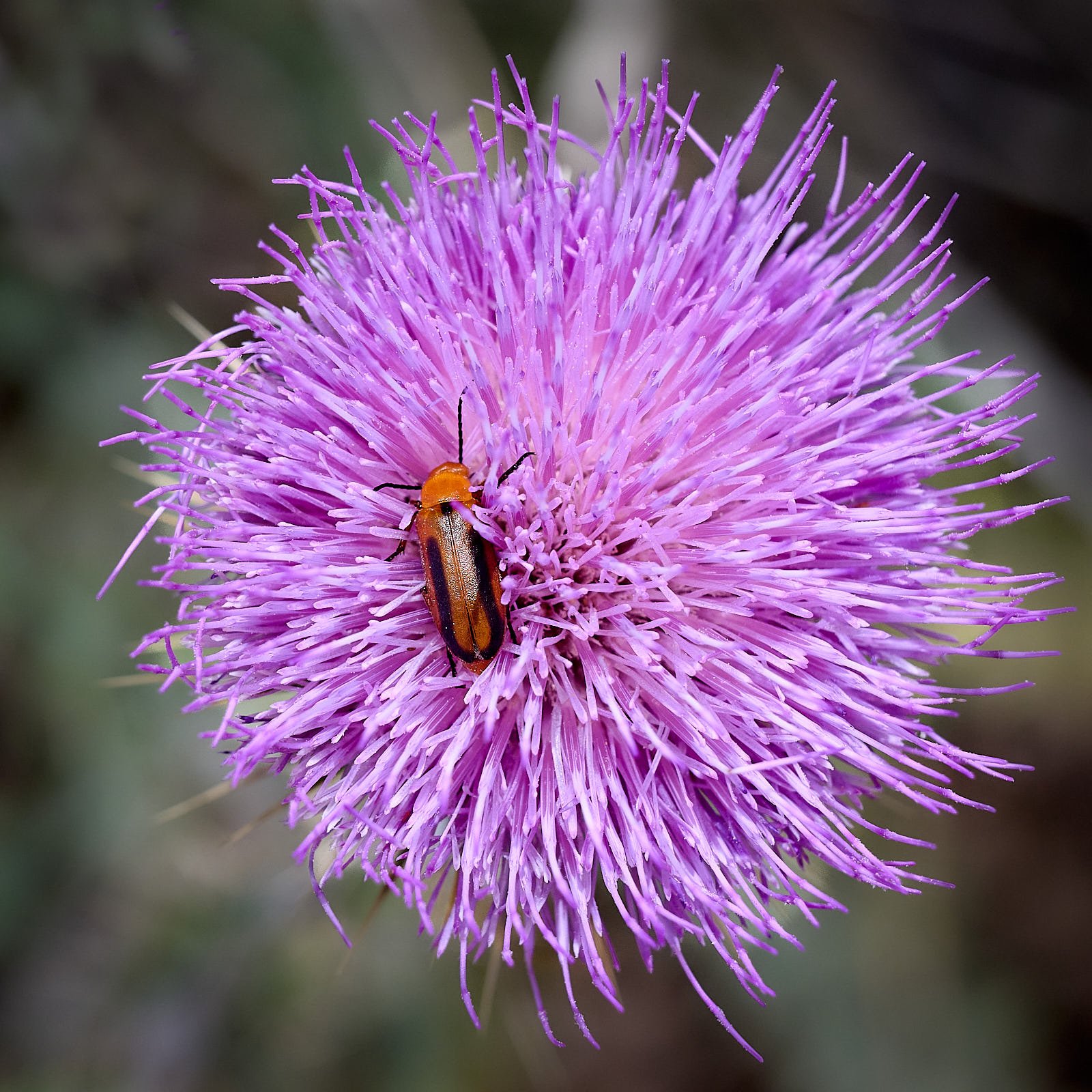
Cirsium neomexicanum
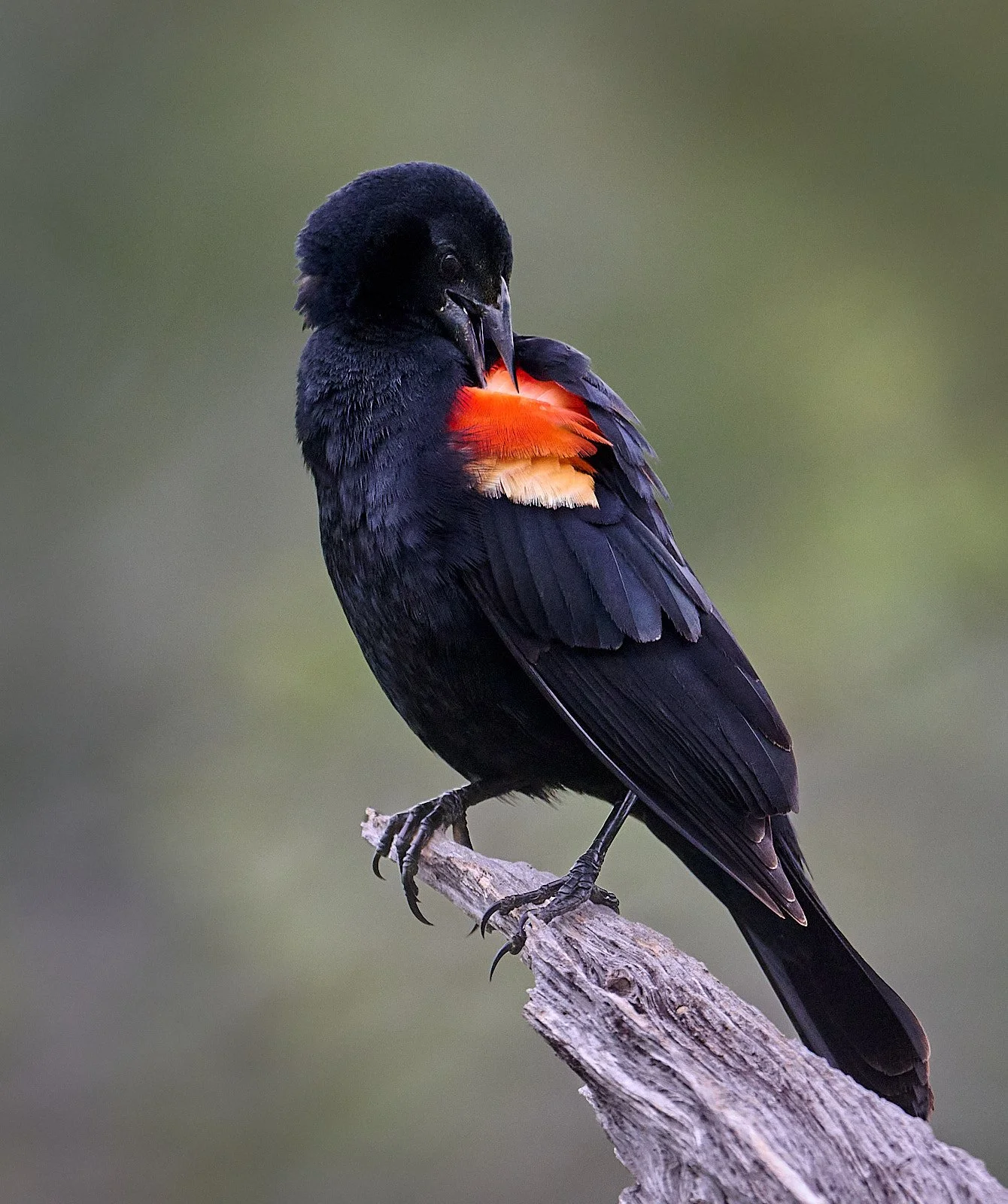
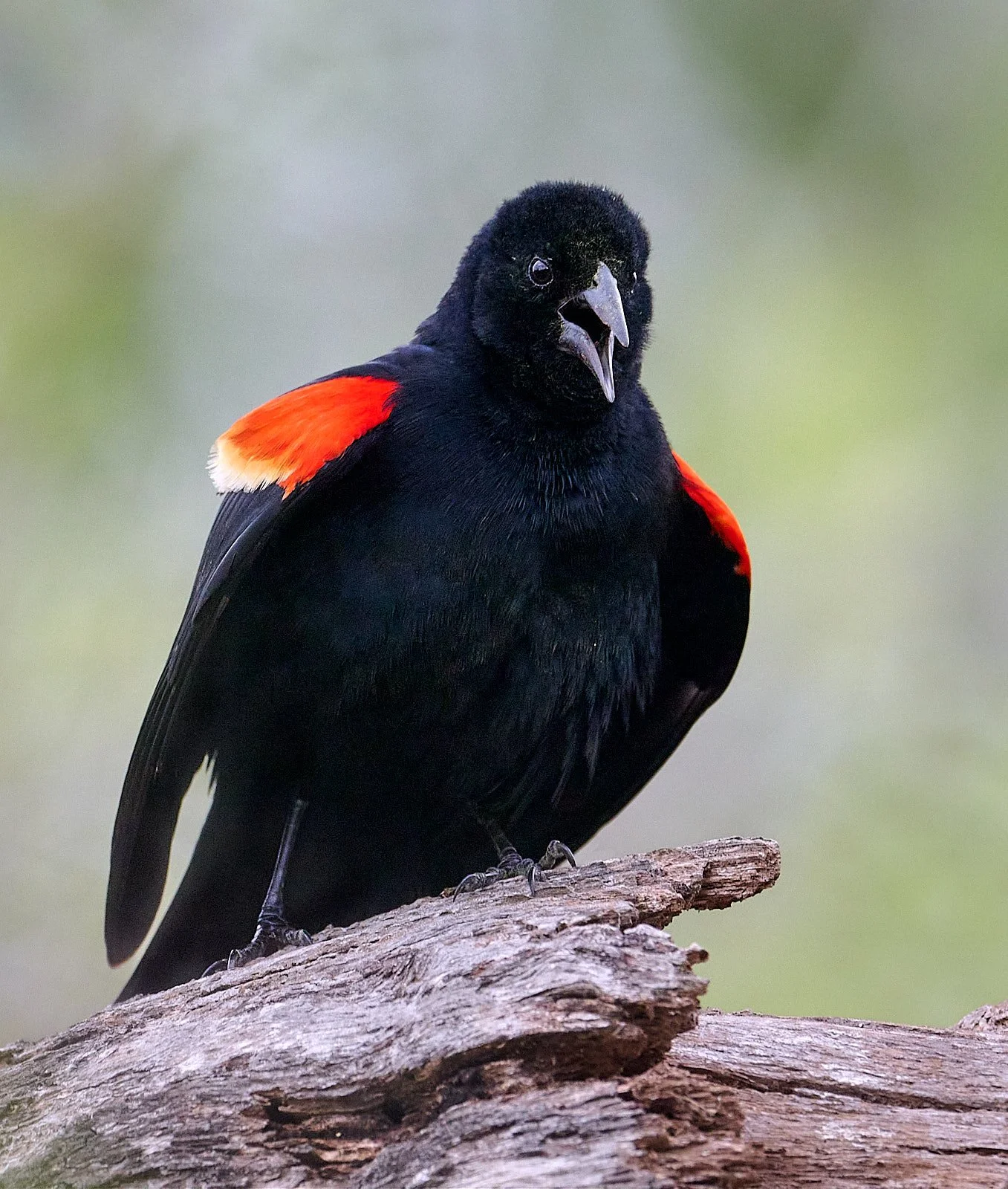
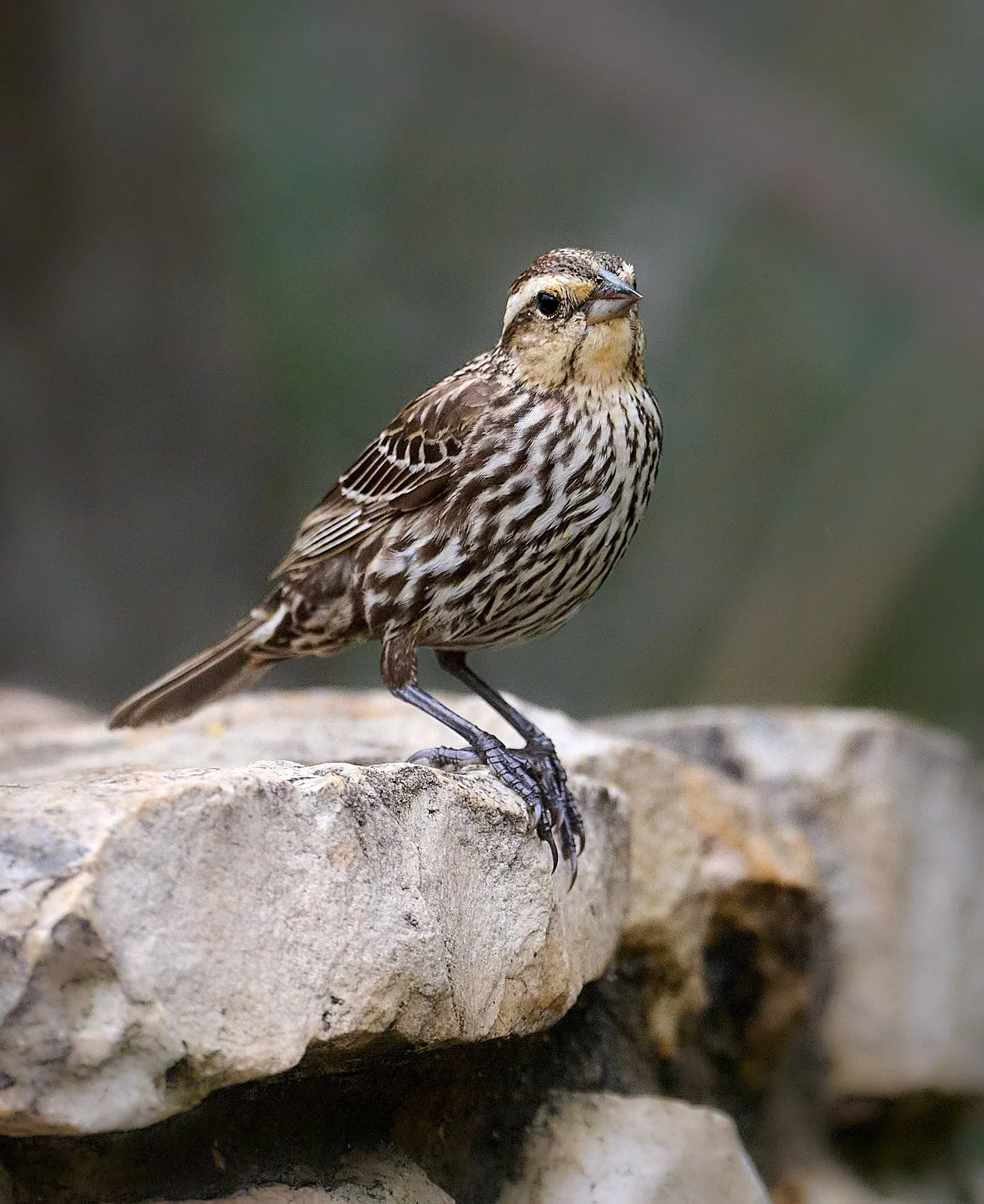
Red-winged Blackbird
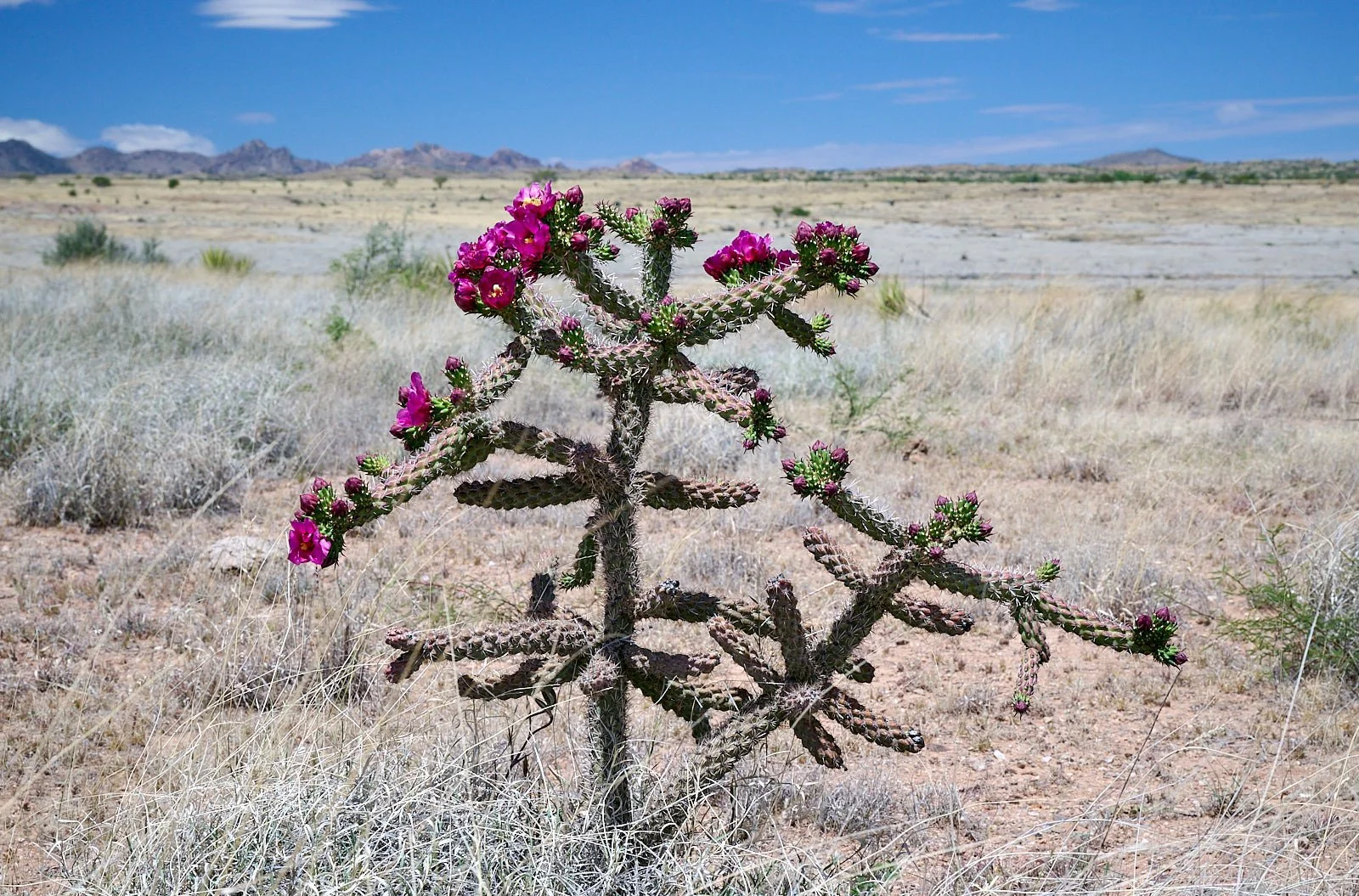
Cane cholla, Las Cienegas, Arizona
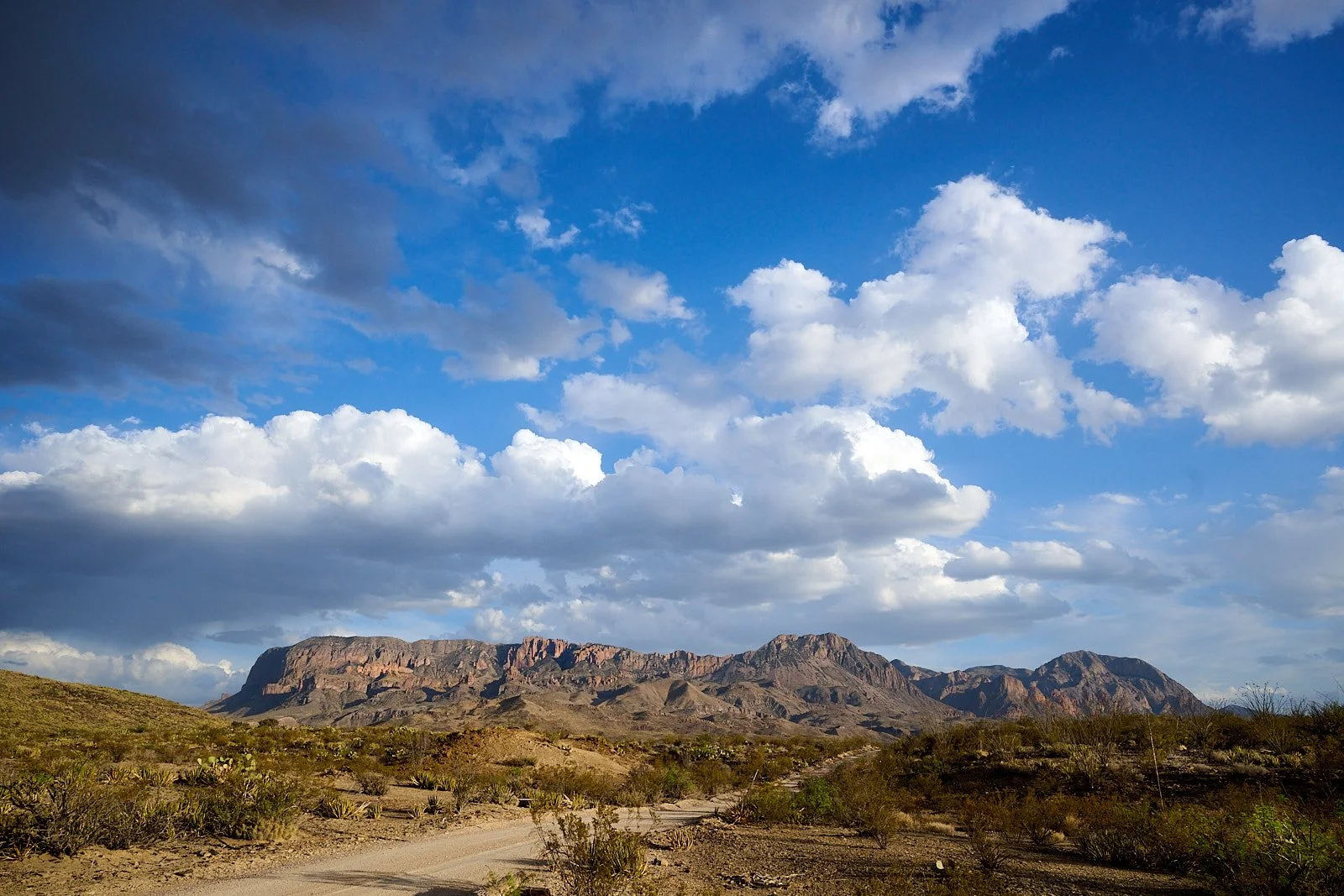
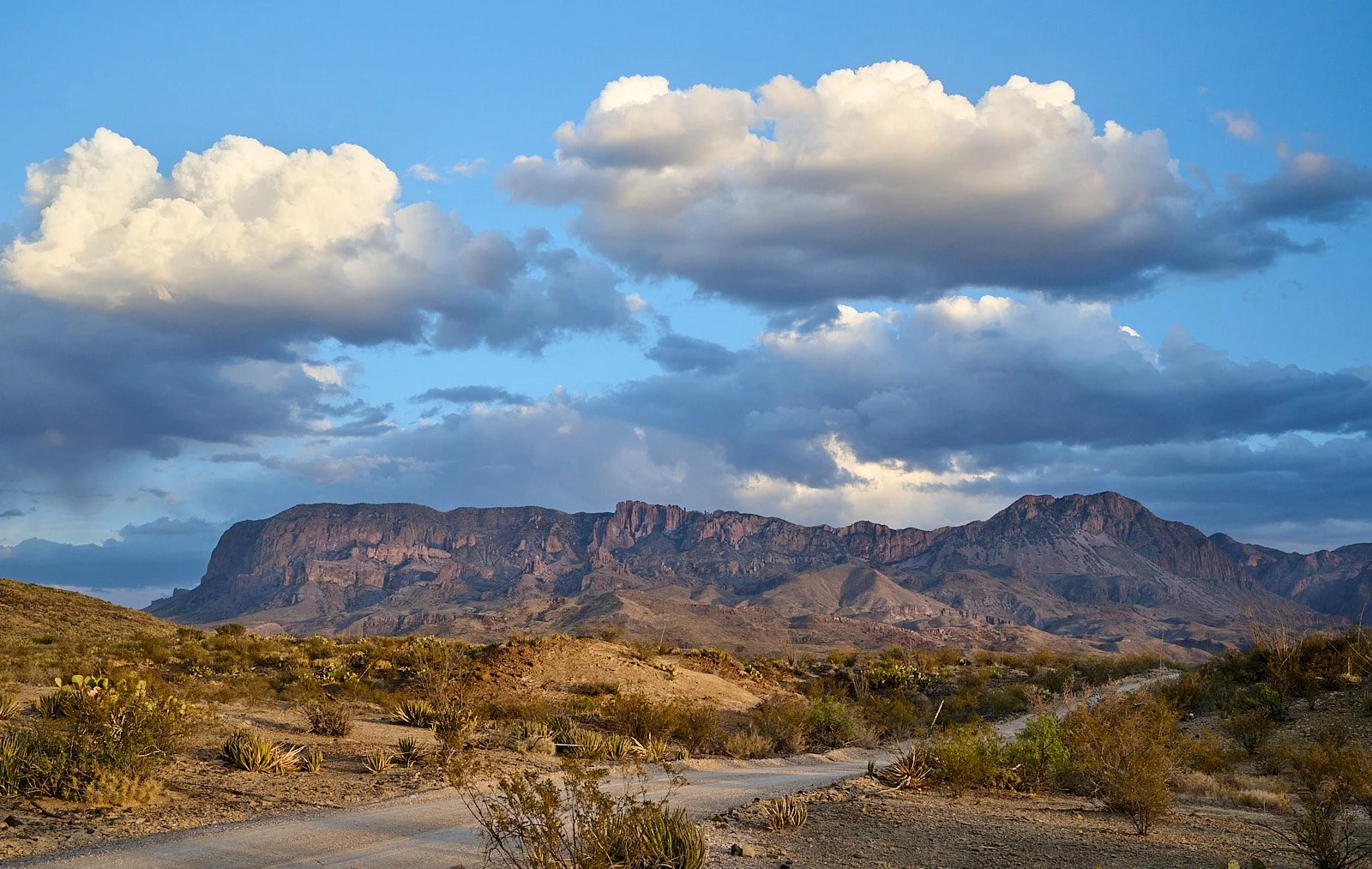
Chisos range, Big Bend National Park, Texas
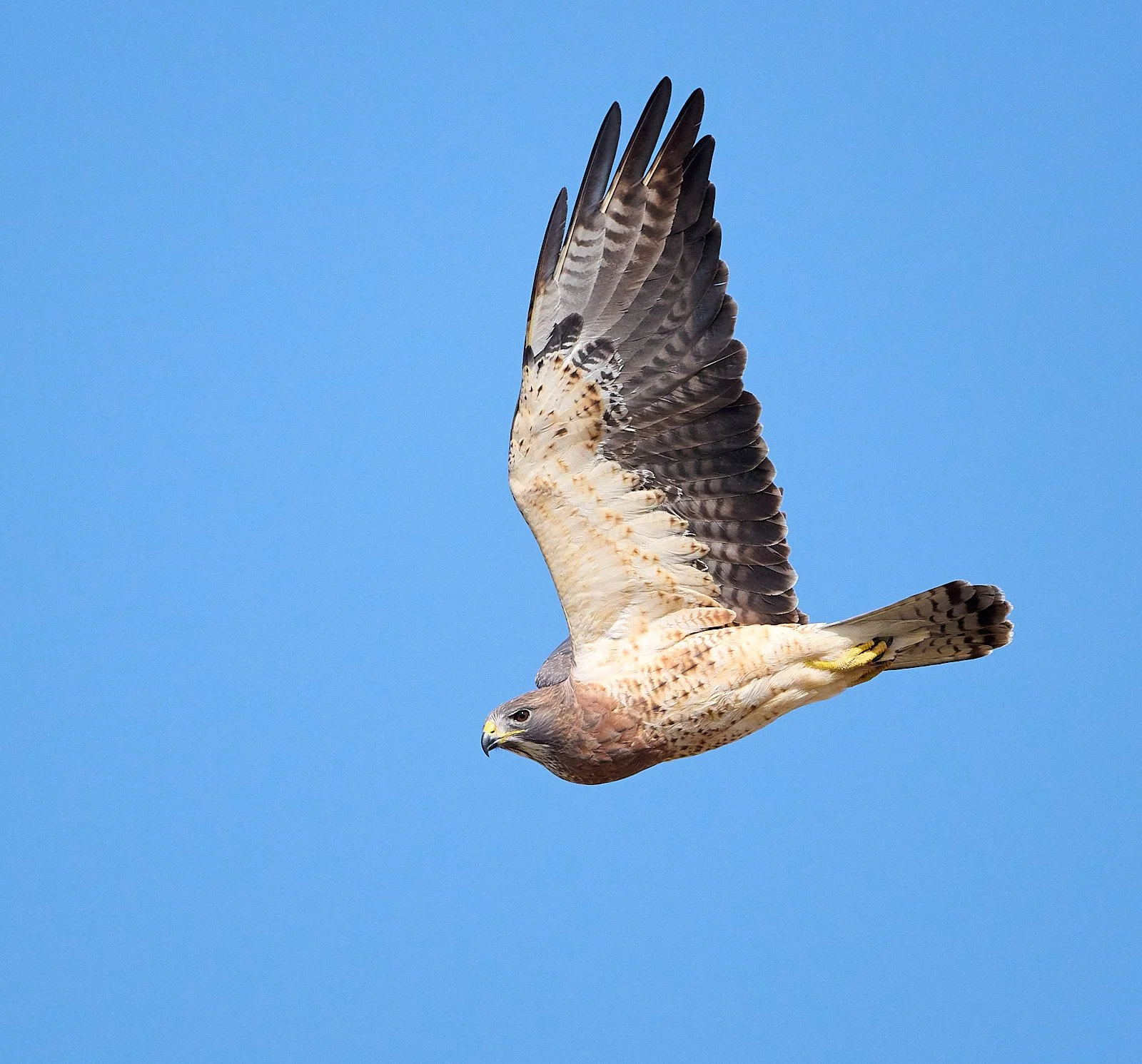
Swainson’s Hawk
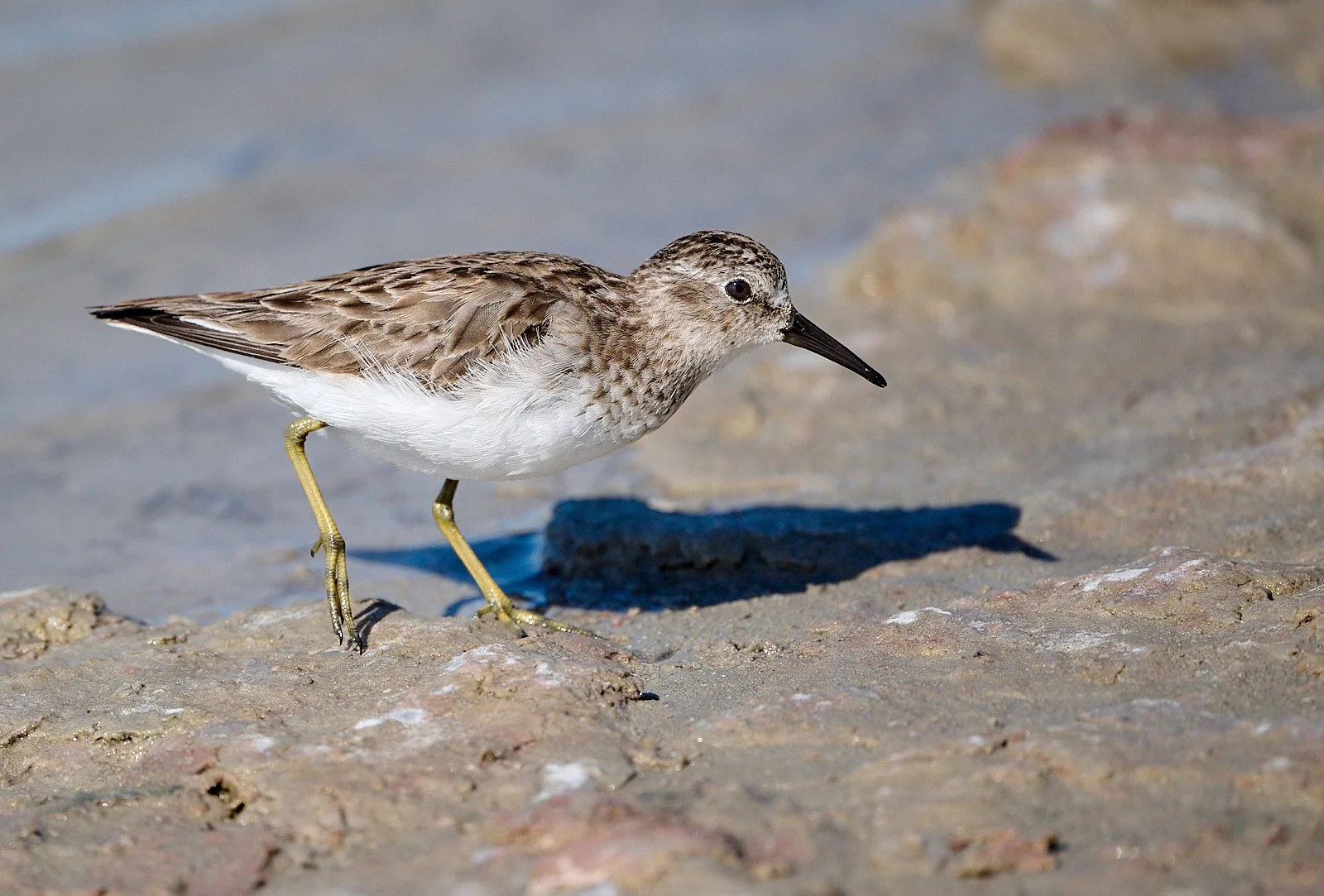
Least Sandpiper
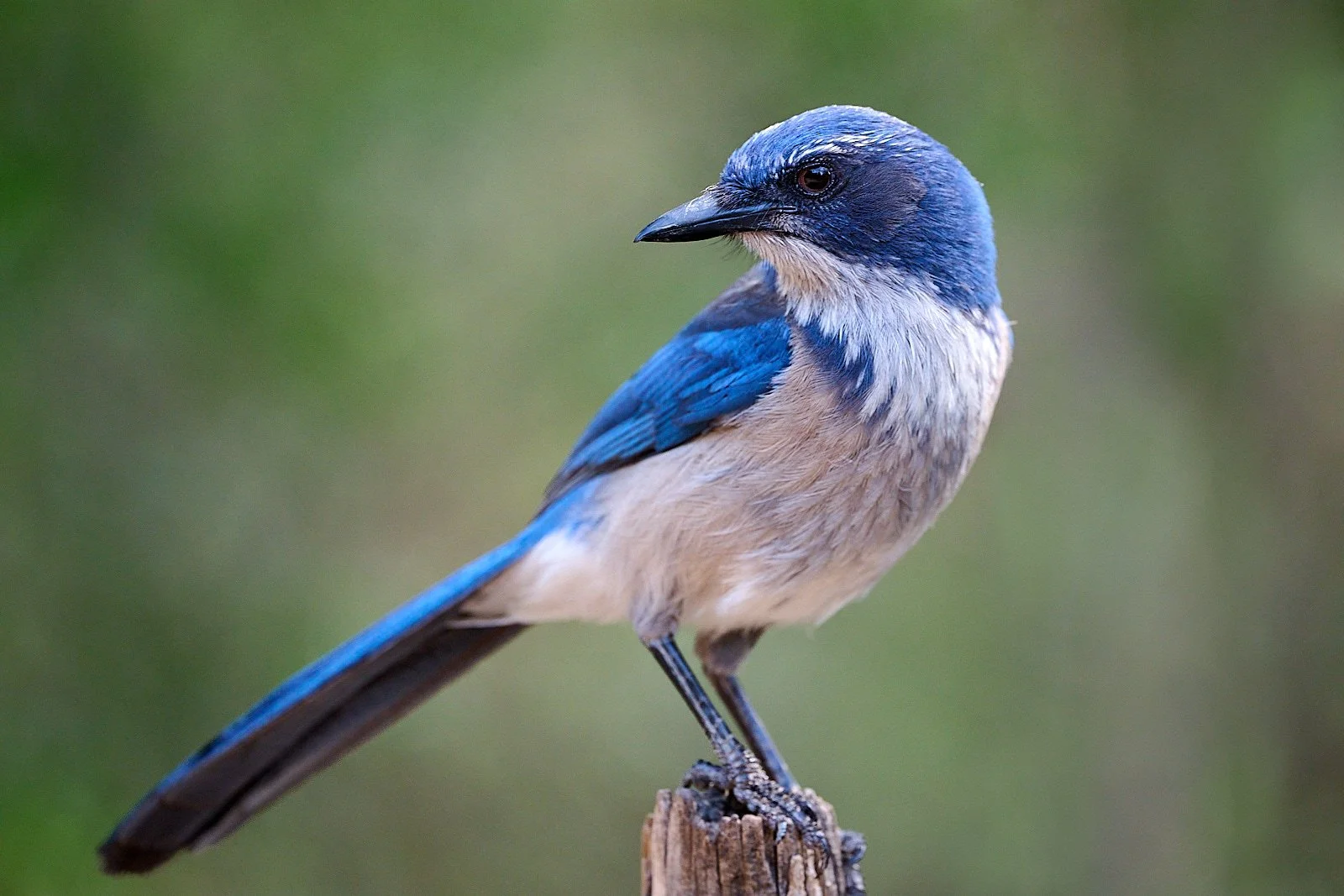
Woodhouse’s Jay
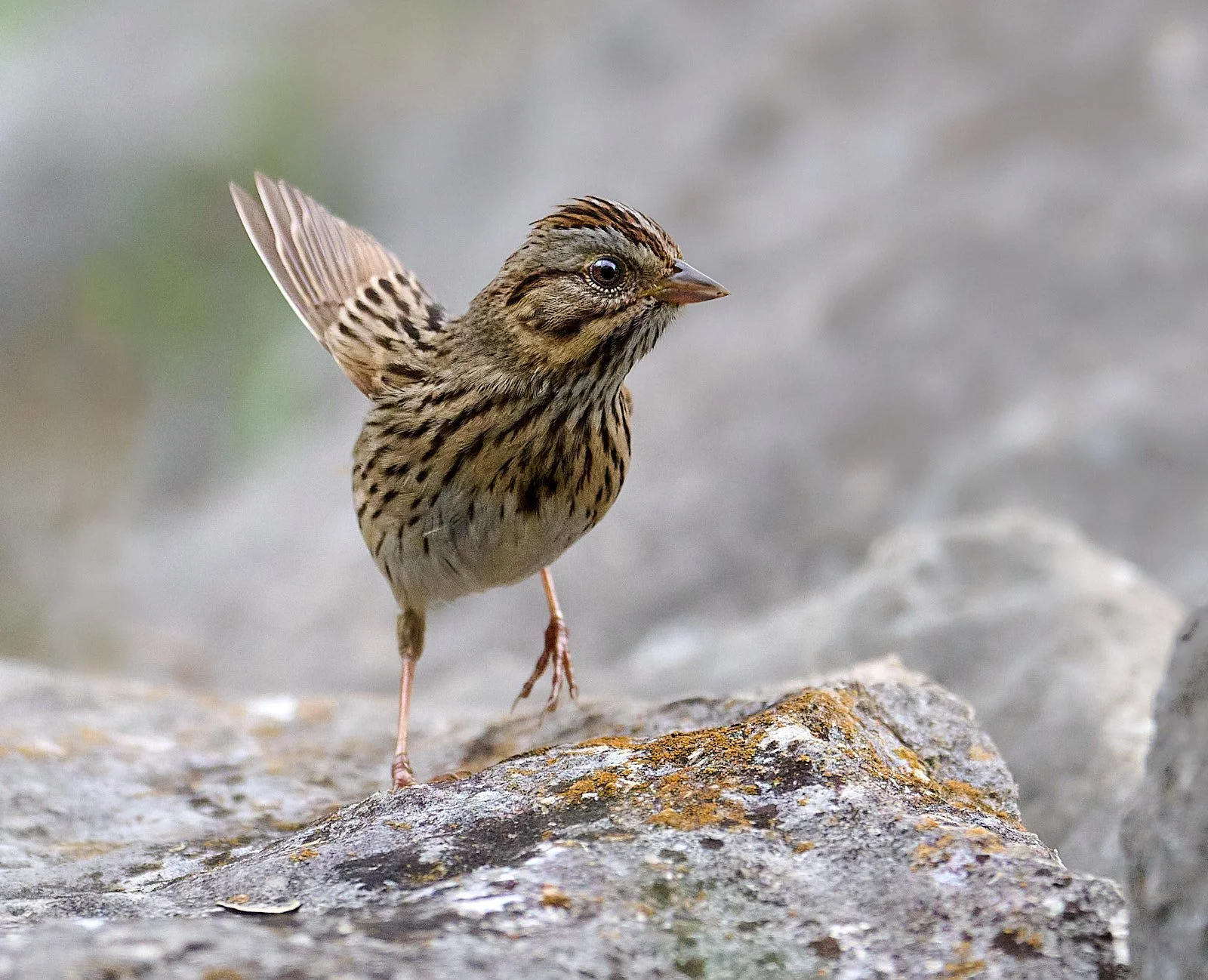
Lincoln’s Sparrow
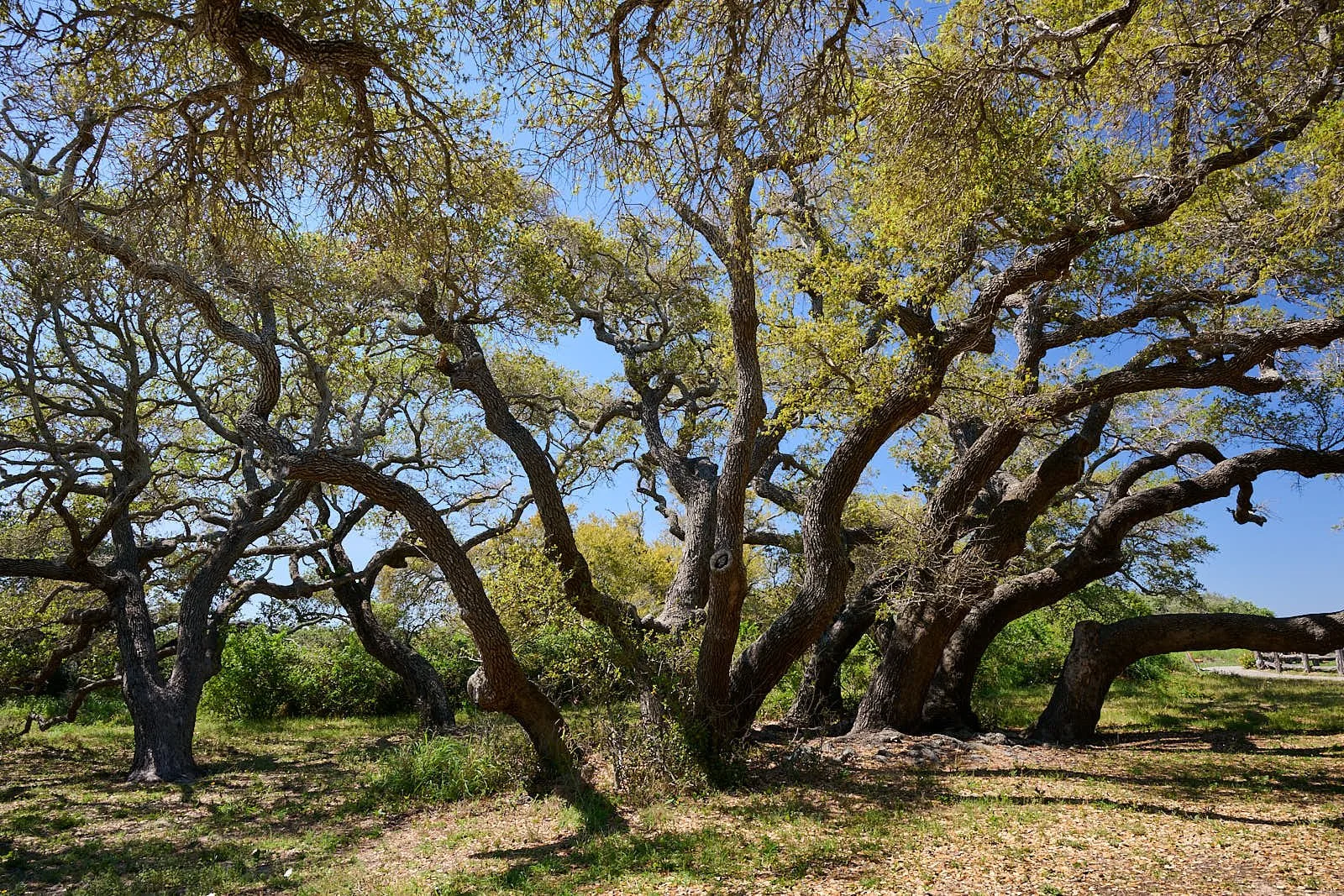
Impressions of West Texas
While traveling east from Big Bend, we first learnt of “Texas toast” when ordering breakfast at Carizzo Springs. Over the next few days, we noticed that many items carry the word “Texas”. It appears that State identity has impact when marketing to Texans.
The roads were in good condition (better than California’s). We saw many trucks and very few electric vehicles; oil wells were plentiful. Border Patrol had a presence. State Parks were generally well maintained. We particularly enjoyed camping among oaks at Goose Island State Park.
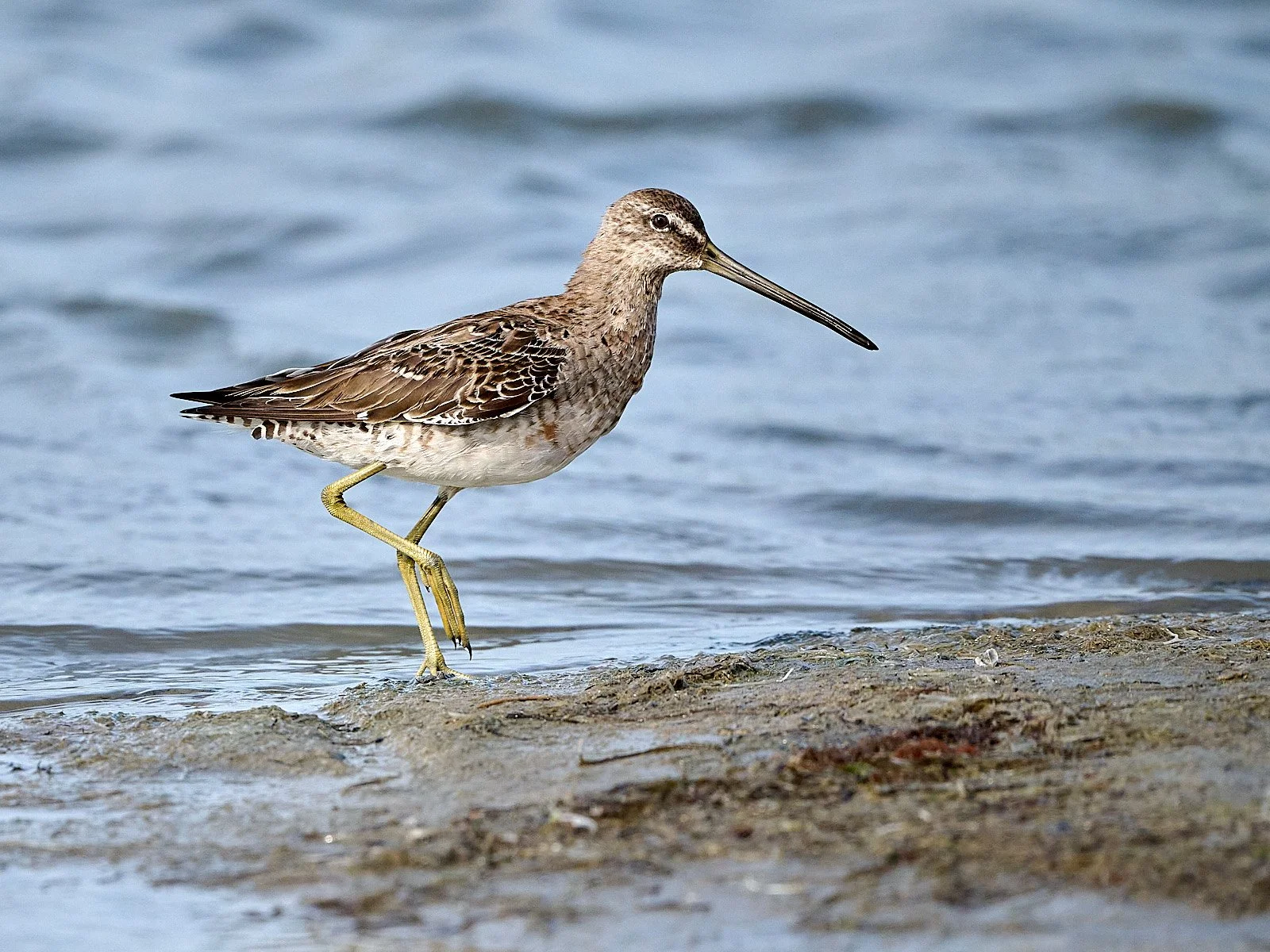
Gulf Coast
Our route took us through 7 of the 10 Texan ecoregions. West Texas was repeatedly inundated by ancient seas and thick limestone layers are ubiquitous. South Texas plains vegetation is predominantly a thorny brush of mesquite, acacia, and prickly pear.
The Gulf coast is shallow and muddy, layered with delta sediment. There are numerous barrier islands and estuaries with remnant tallgrass prairies and oak mottes. We visited the Aransas National Wildlife Refuge and had a distant view of Whooping Cranes. Further inland, we encountered a savannah patchwork of oak woodland and grassland (Post oak woodland), with many cattle ranches.
Long-billed Dowitcher
Edwards Plateau
The central Edwards Plateau (Texas Hill Country) has shallow soils, many springs, and steep canyons. It supports several endemic plants and animals.
The region is underlain by limestone that is honeycombed with caves and the Edwards Aquifer lies beneath the eastern edge of the Plateau.
Vegetation types include grasslands, juniper/oak woodlands, and plateau live oak or mesquite savannah. It resembled, we thought, the thornveld of southern Africa.
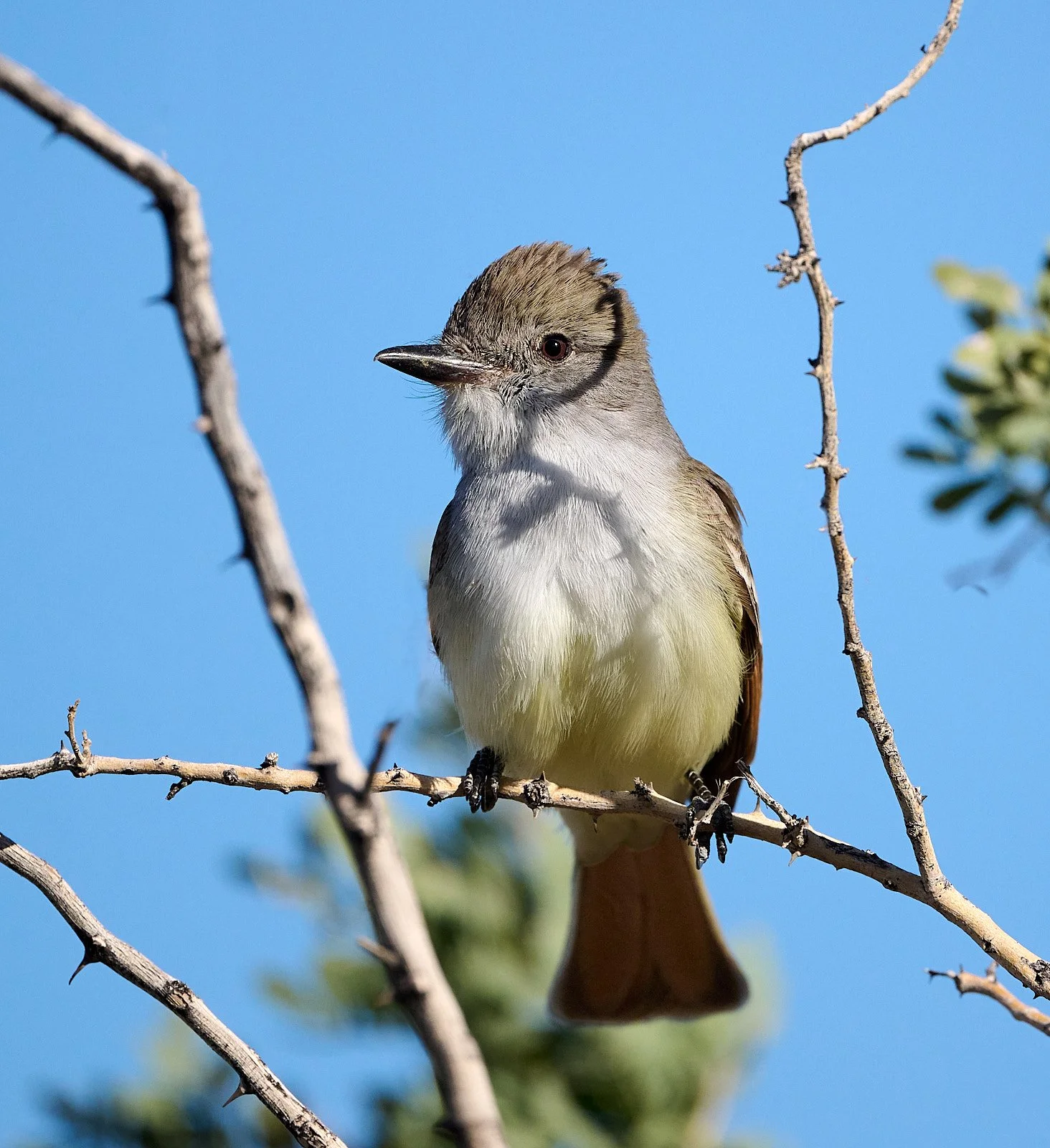
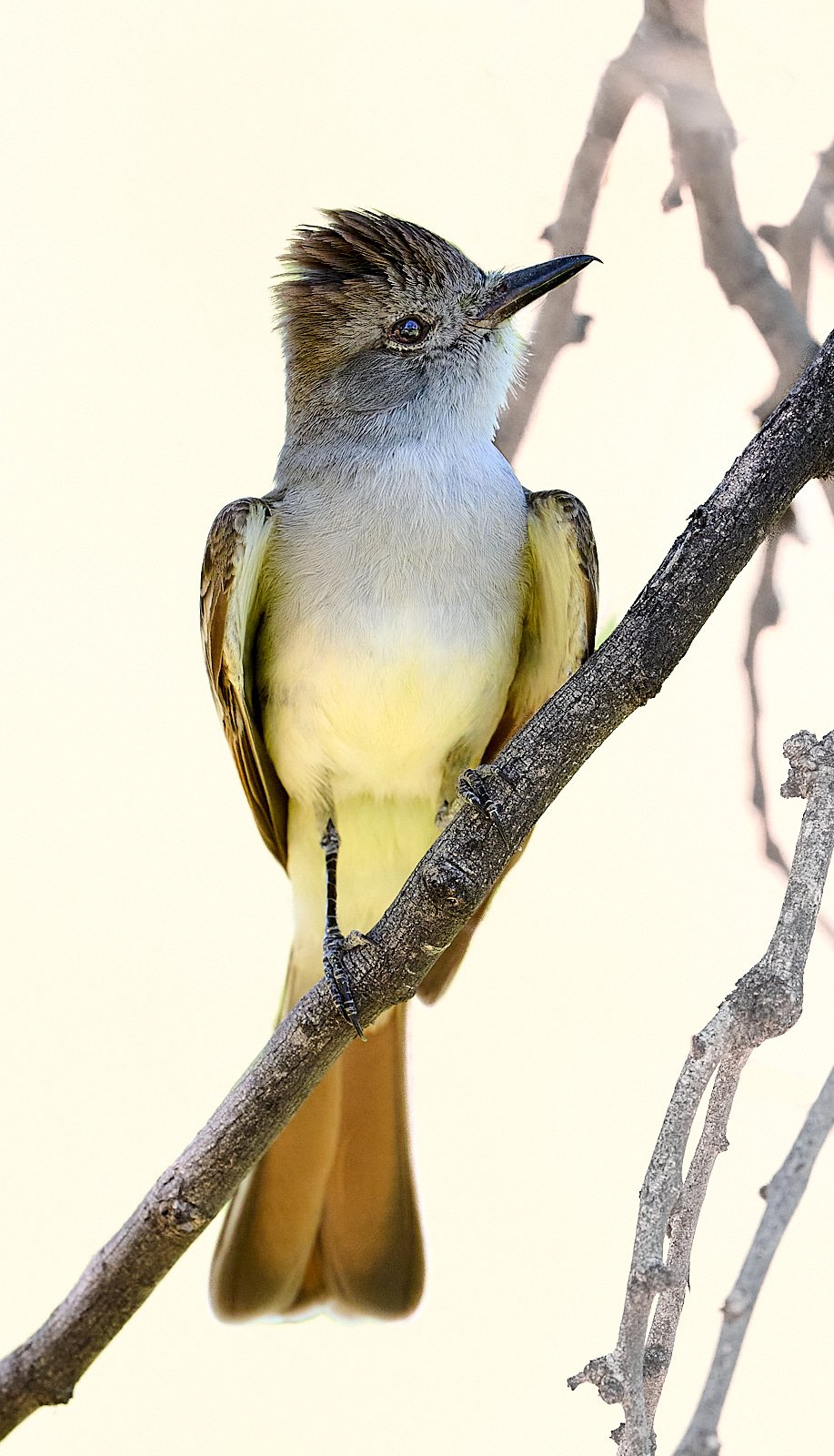
Ash-throated Flycatcher
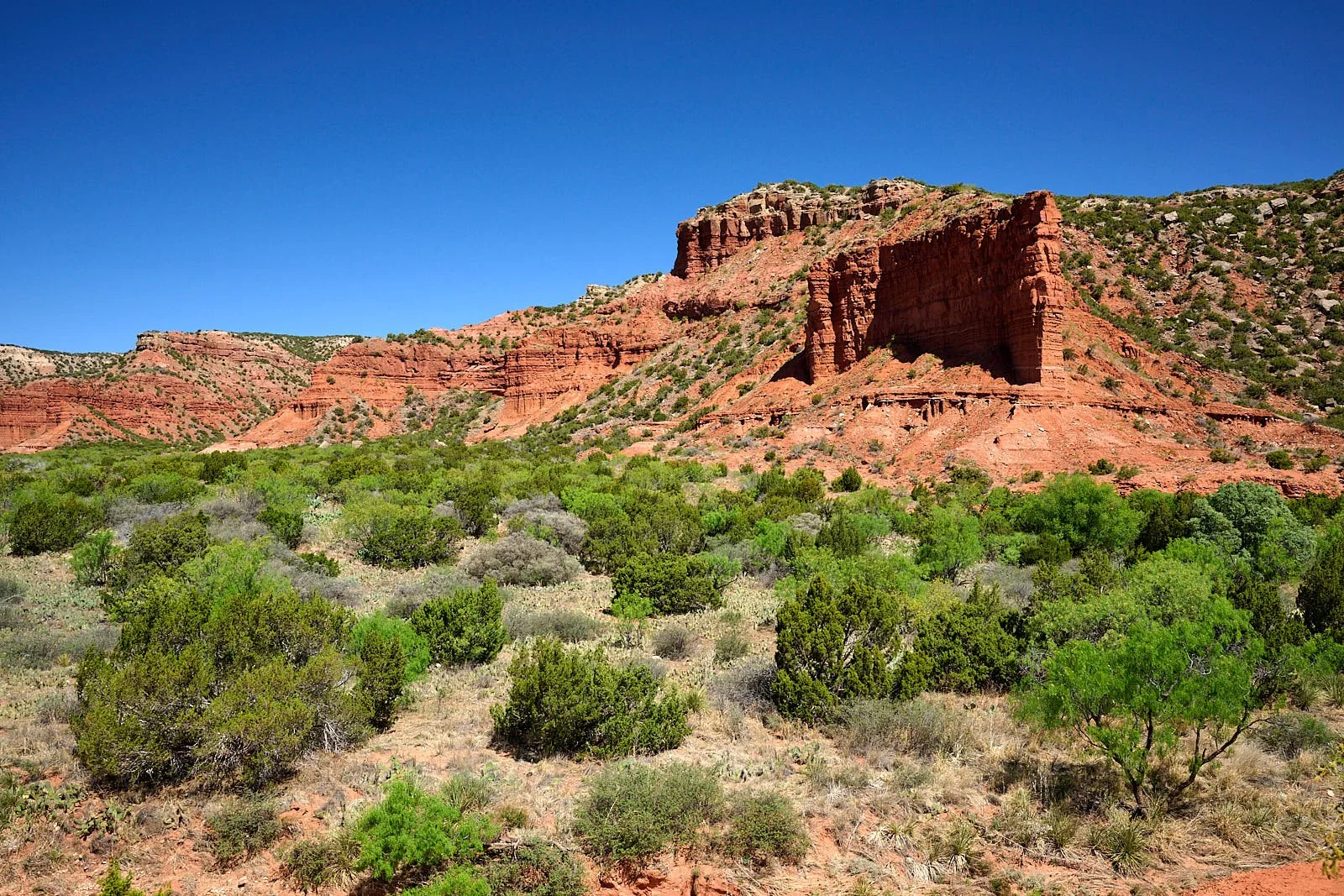
Caprock Escarpment
The High Plains region, together with the Rolling Plains comprise the southern end of the Great Plains of the central United States. The High Plains is a relatively level high plateau, separated from the lower Rolling Plains by the Caprock Escarpment.
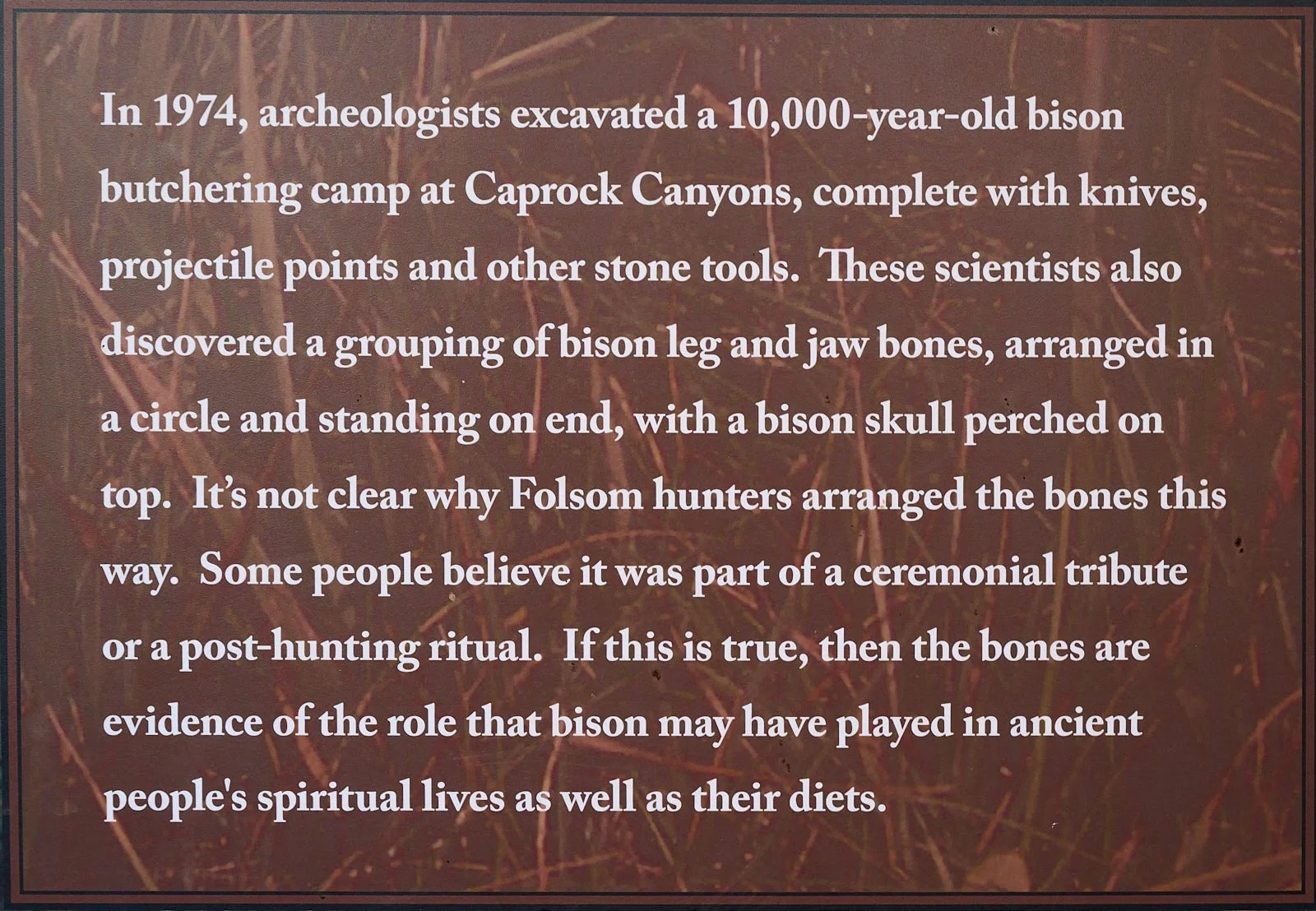
Caprock State Park lies at the escarpment and its canyons reveal the colorful geology. The top layer (caprock caliche) is rich in calcium carbonate and resists erosion. Beneath it lies the Ogallala Formation which consists of 10 million year-old eroded sediments from the Rockies. Below that is the Dockum Group - 210 million year-old gravel carried by freshwater streams. The lowest layer, gloriously colored in reds, are soils from the 250 million year-old Permean Basin, sediment from an ancient sea that covered most of West Texas.
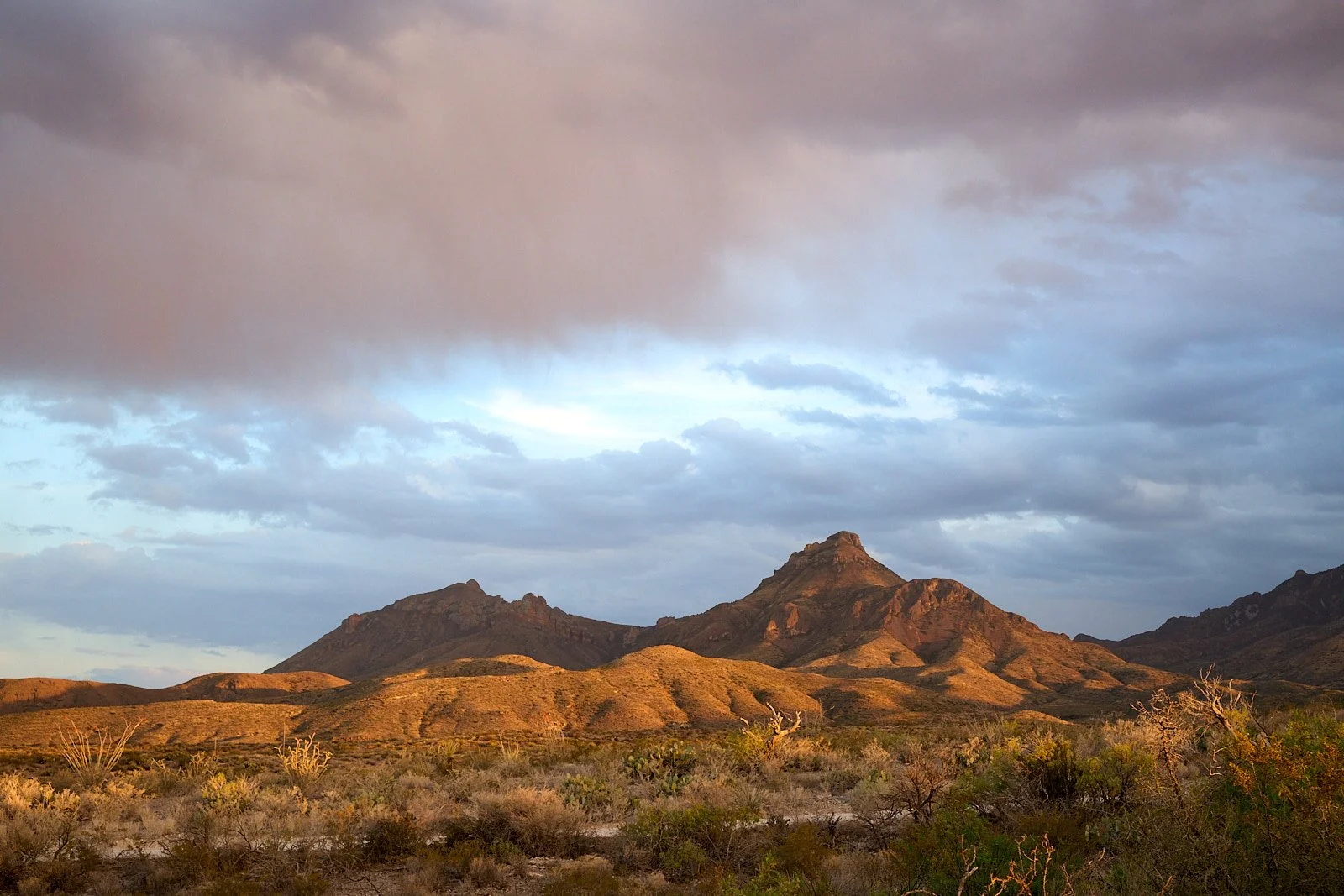
Trans-Pecos
The Trans-Pecos has complex geology and is the Texan area we best know. It includes Permean Basin soils, volcanics, and limestone. The flora is mostly Chihuahuan Desert species, with oak/juniper/ pine woodland on the upper reaches of sky islands.
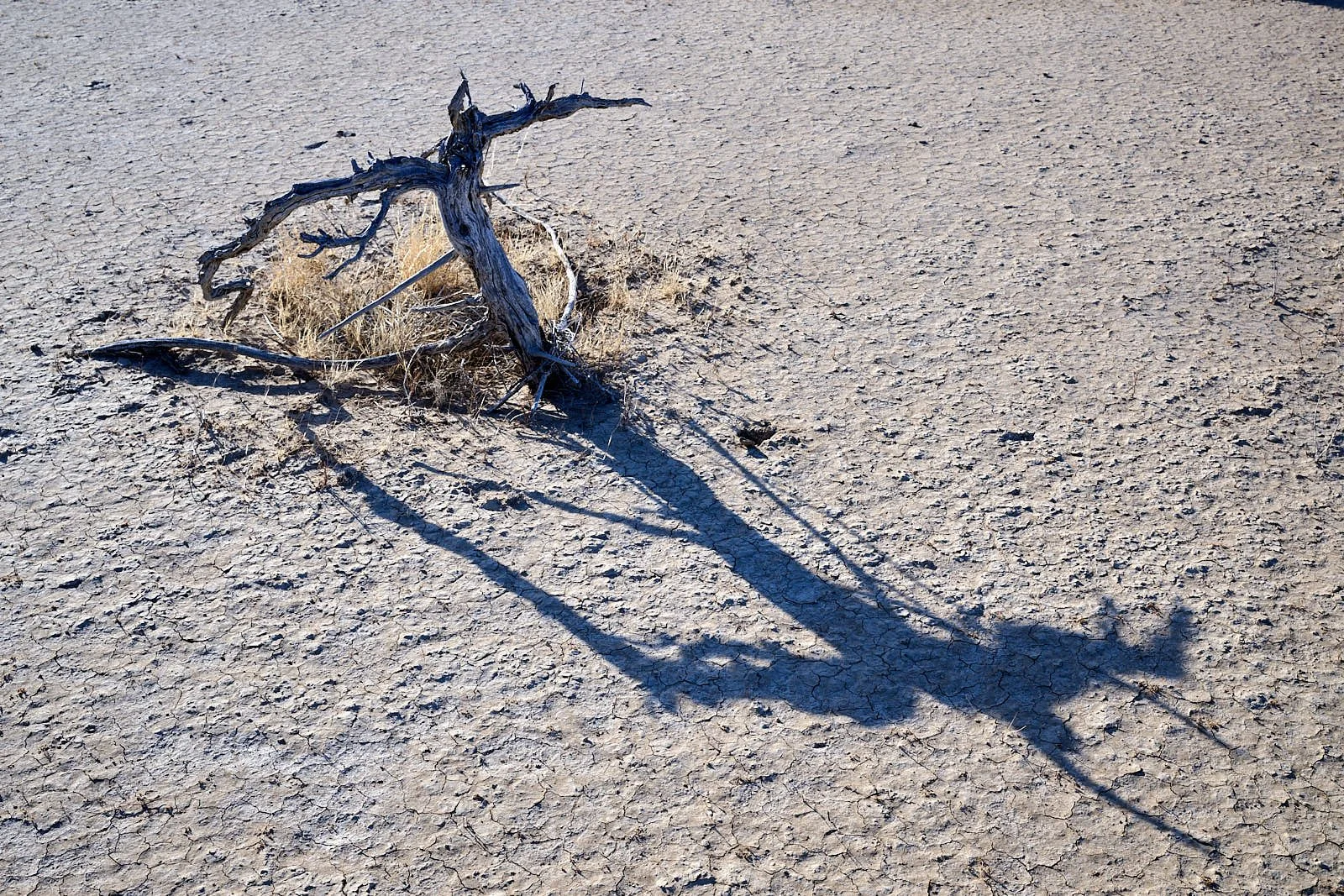
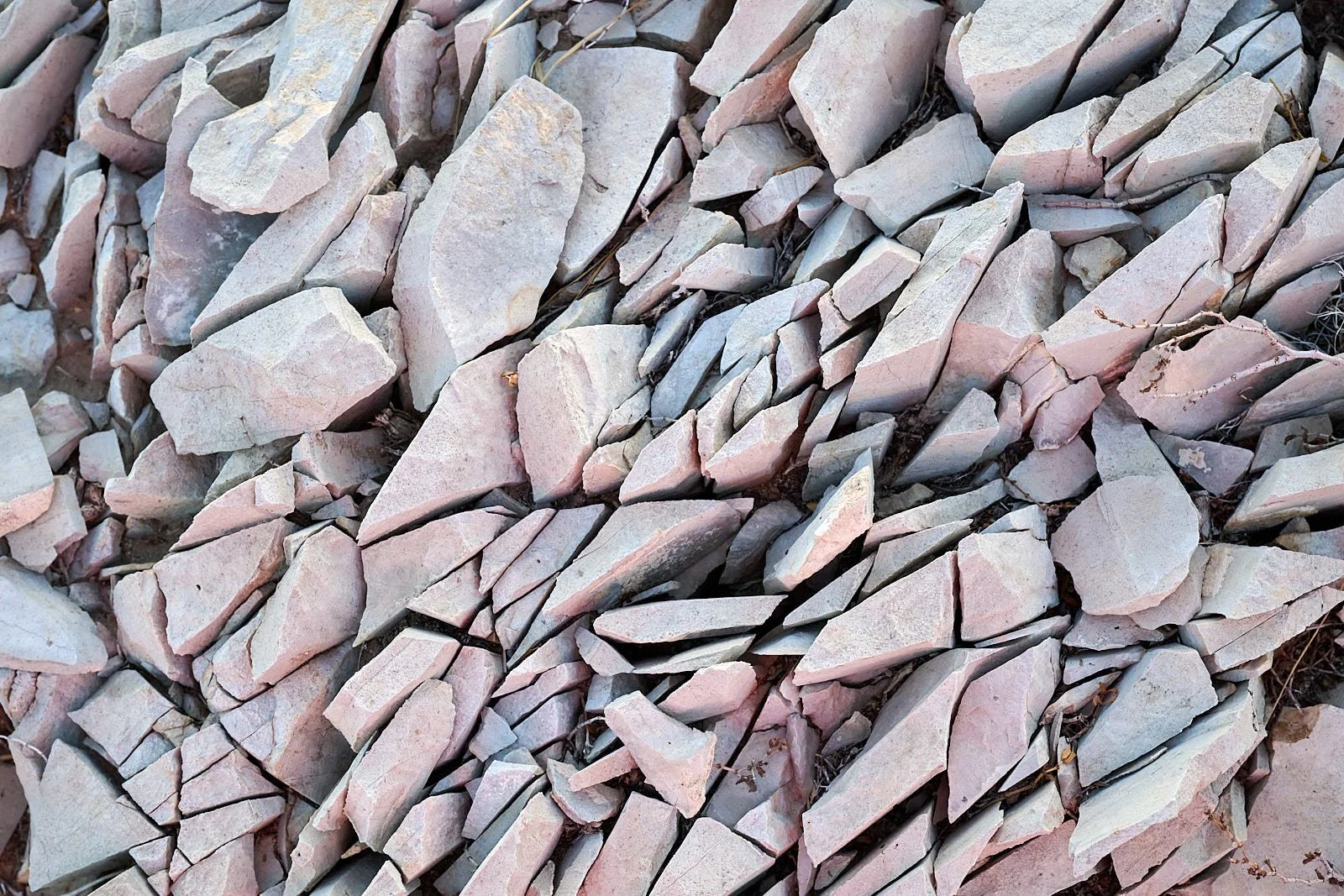
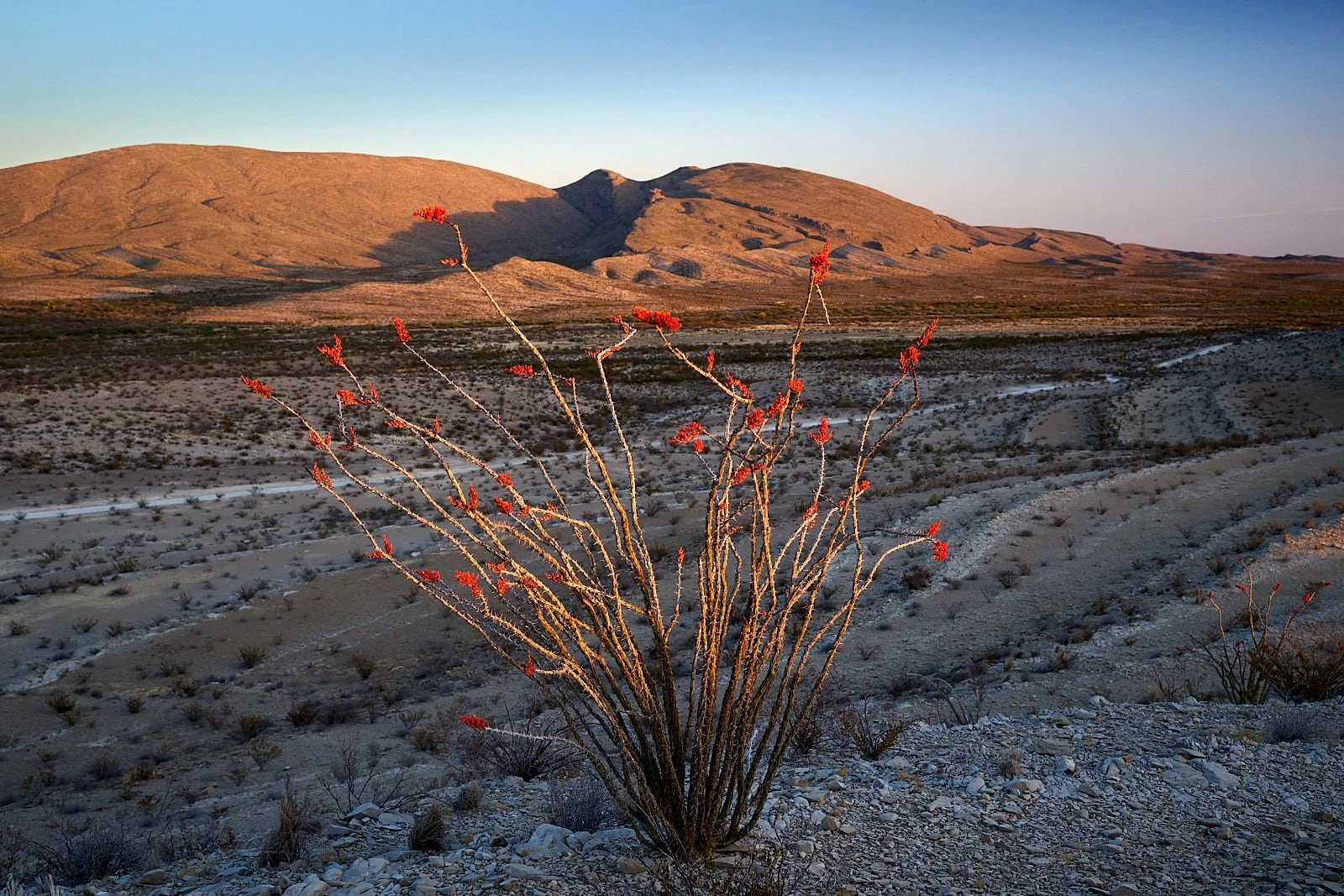
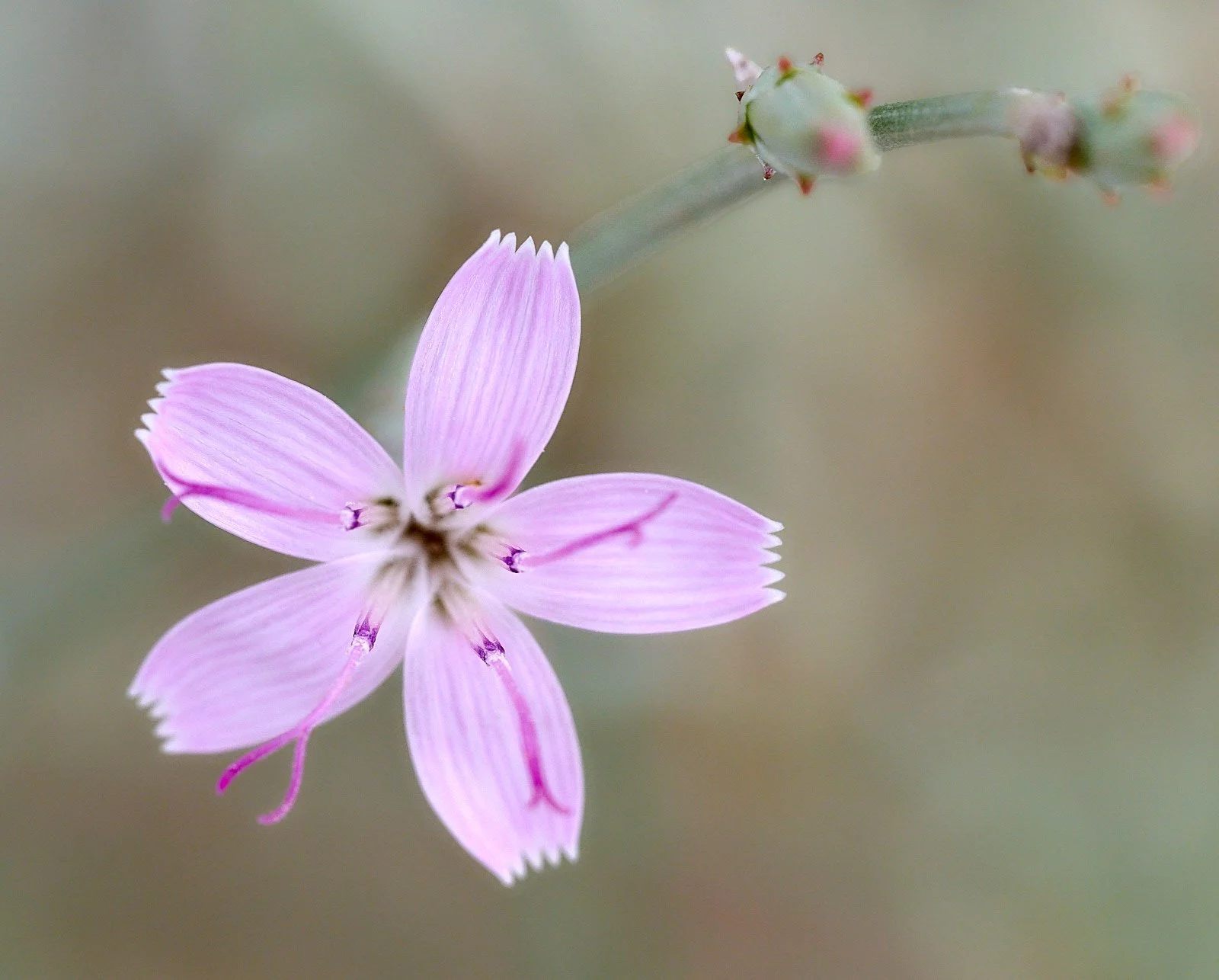
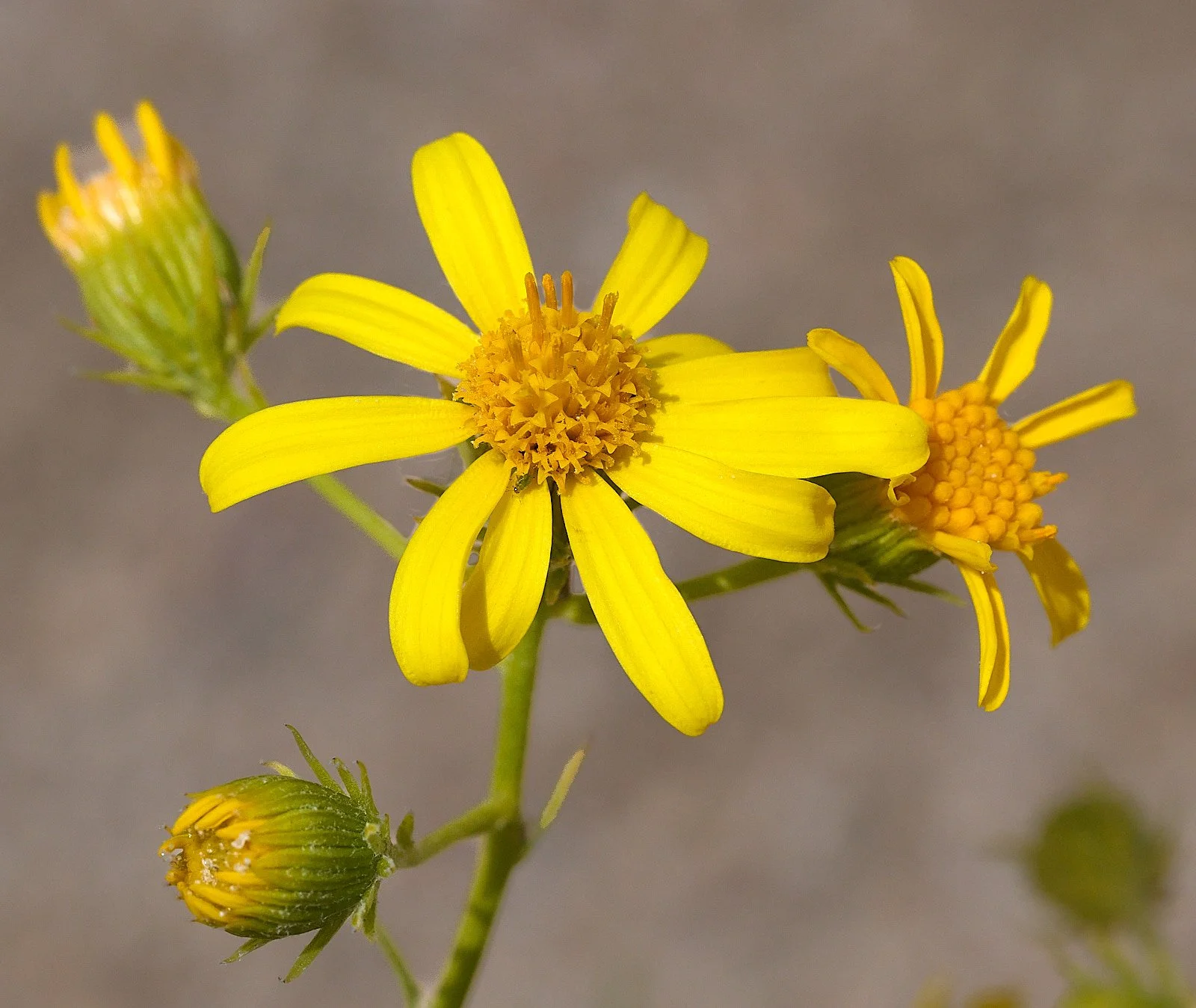
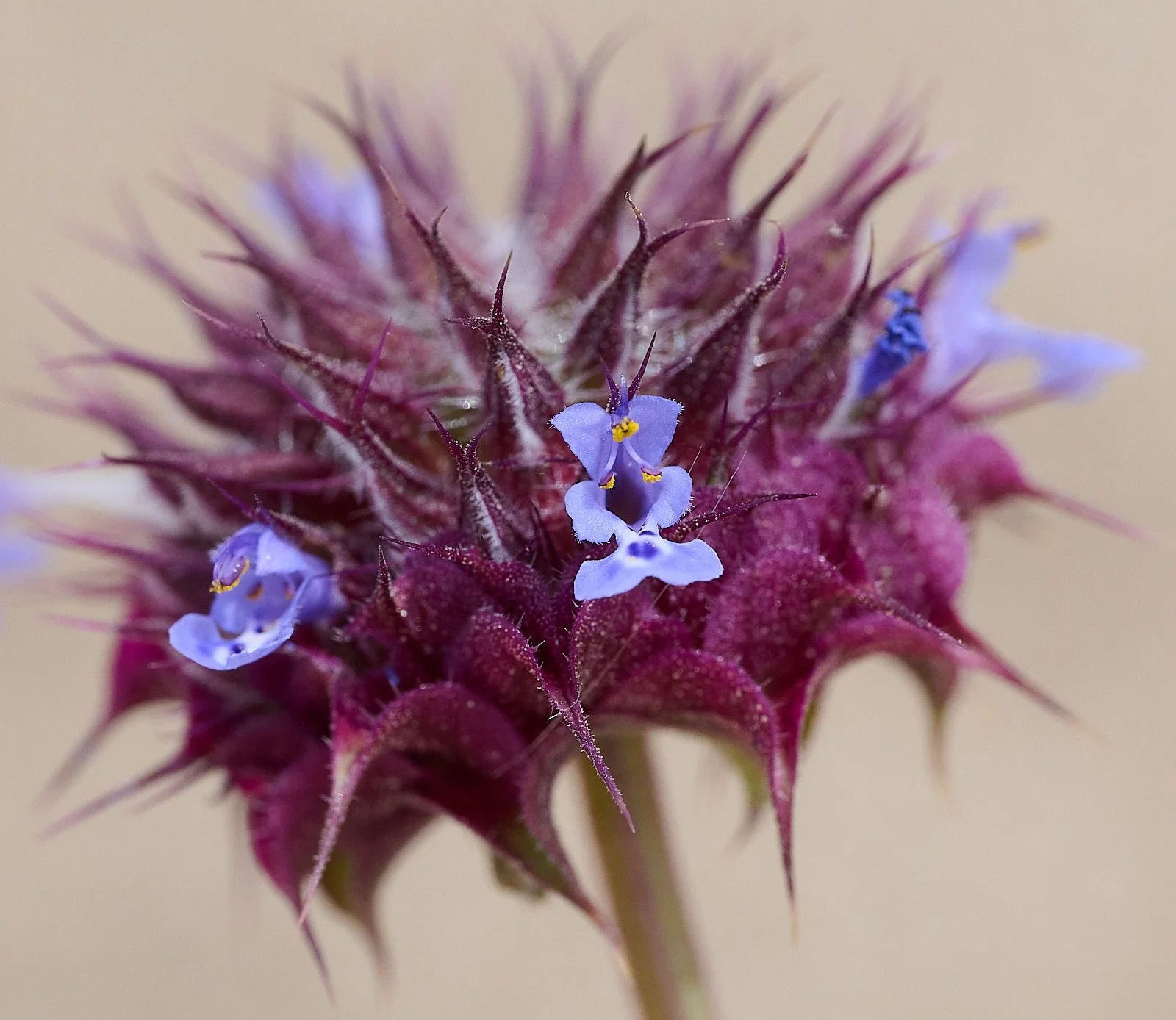
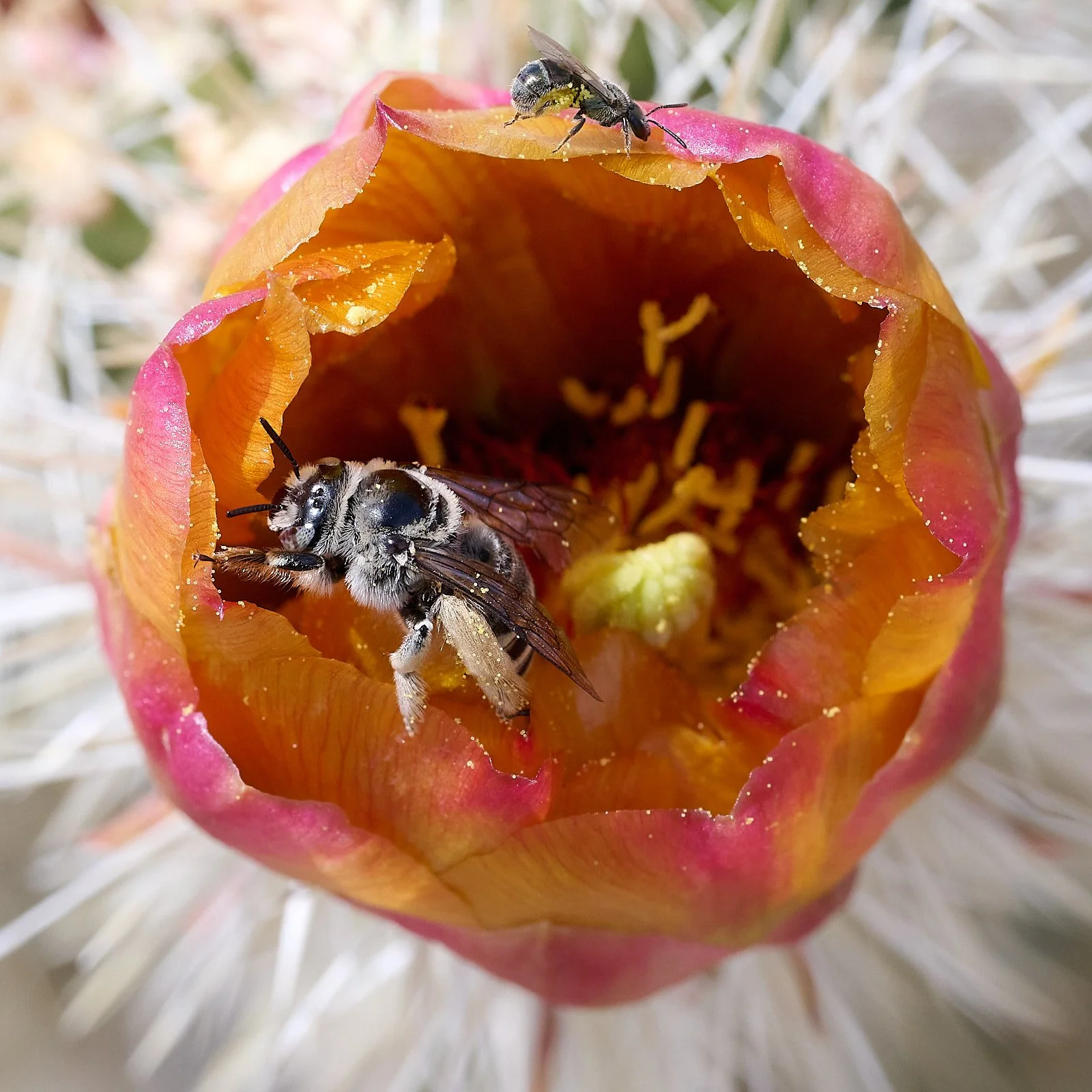
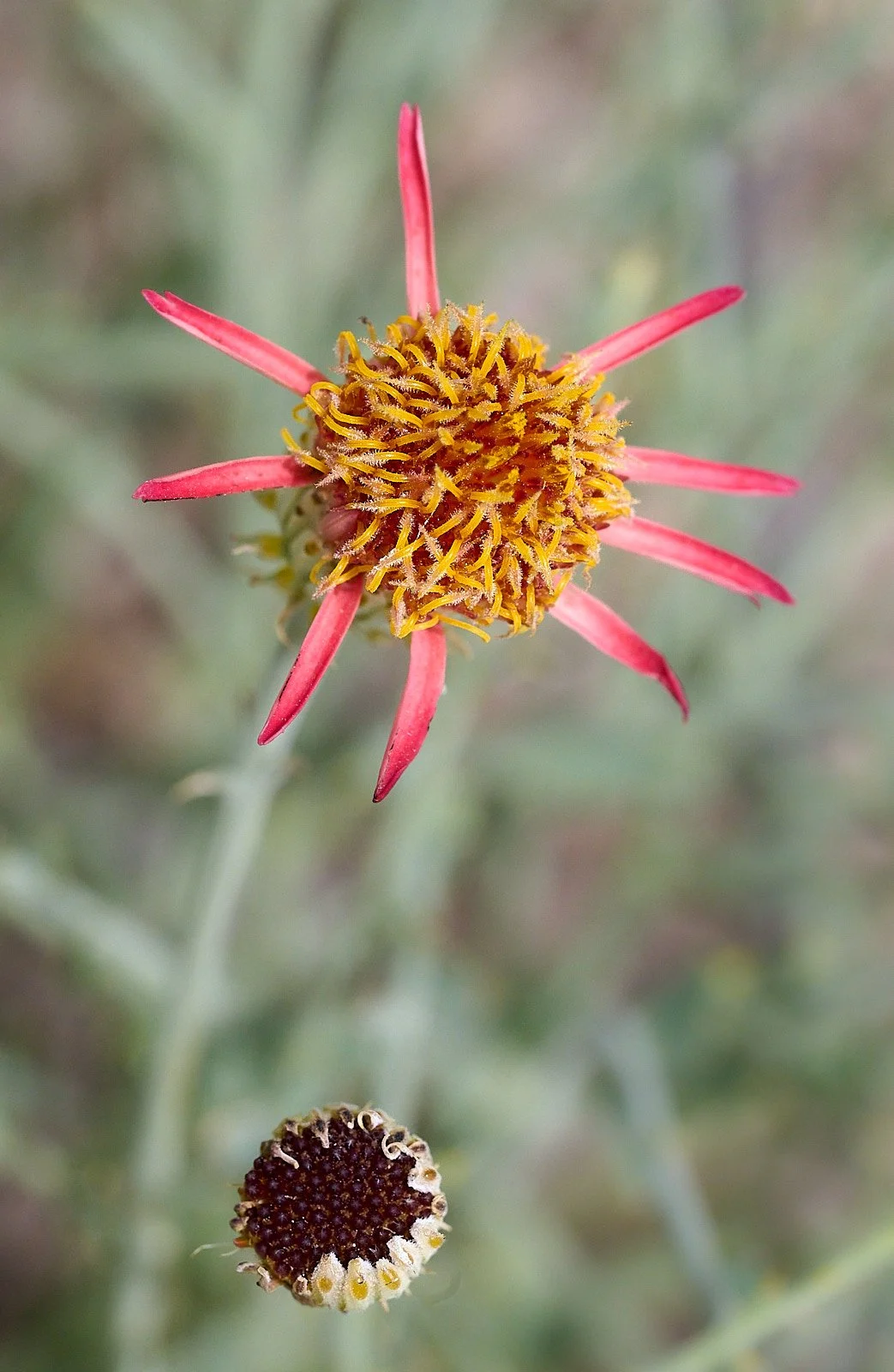
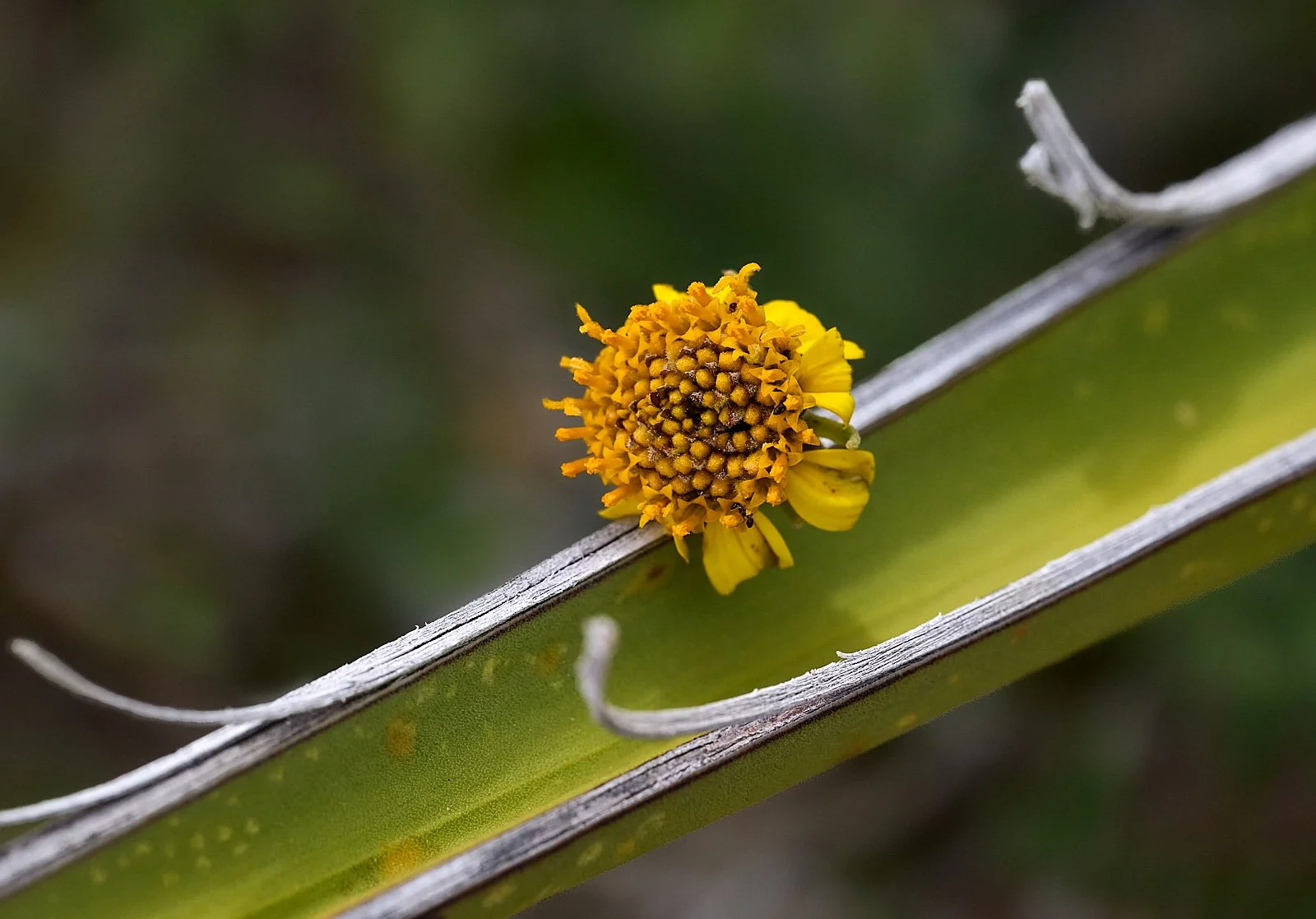
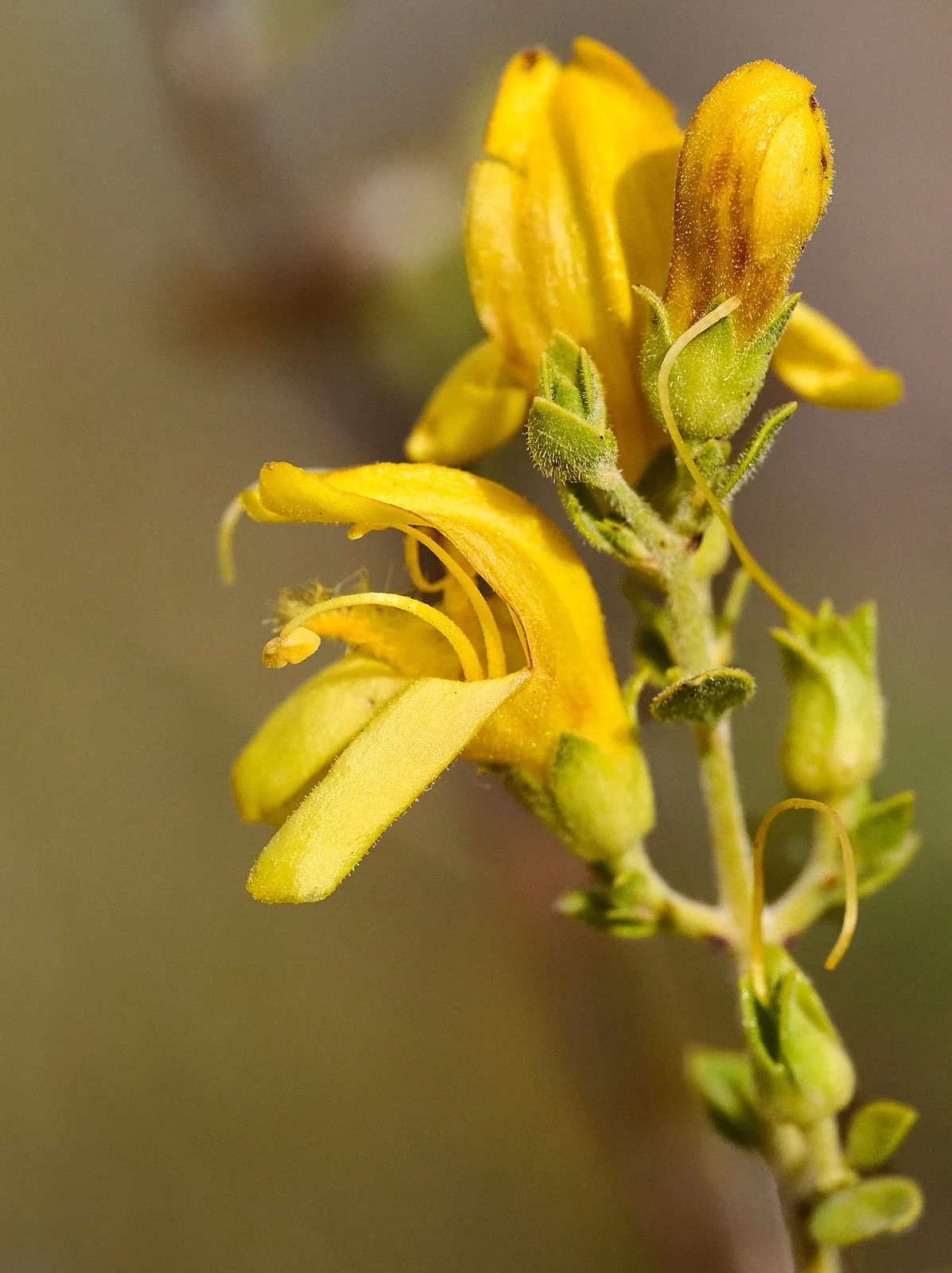
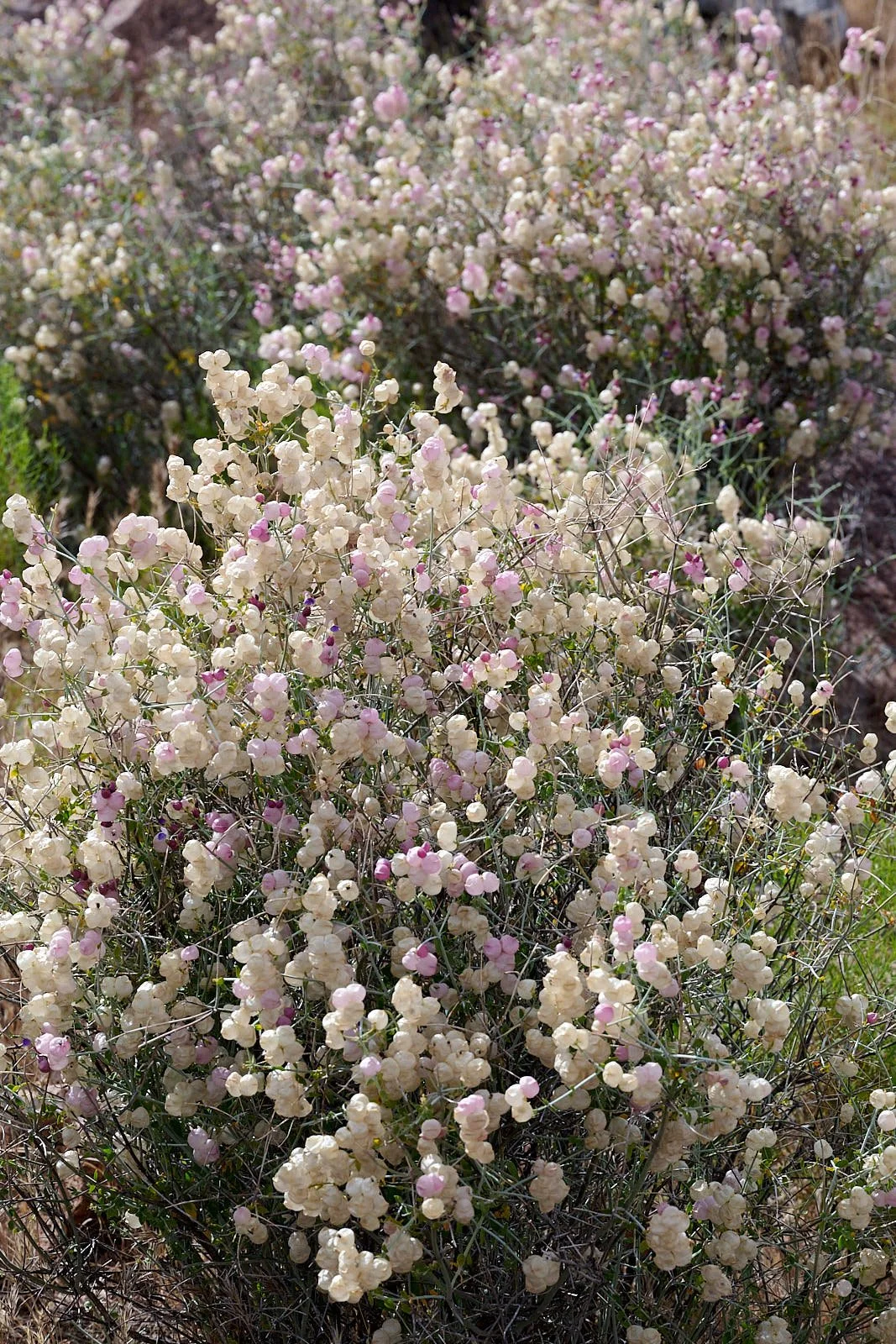
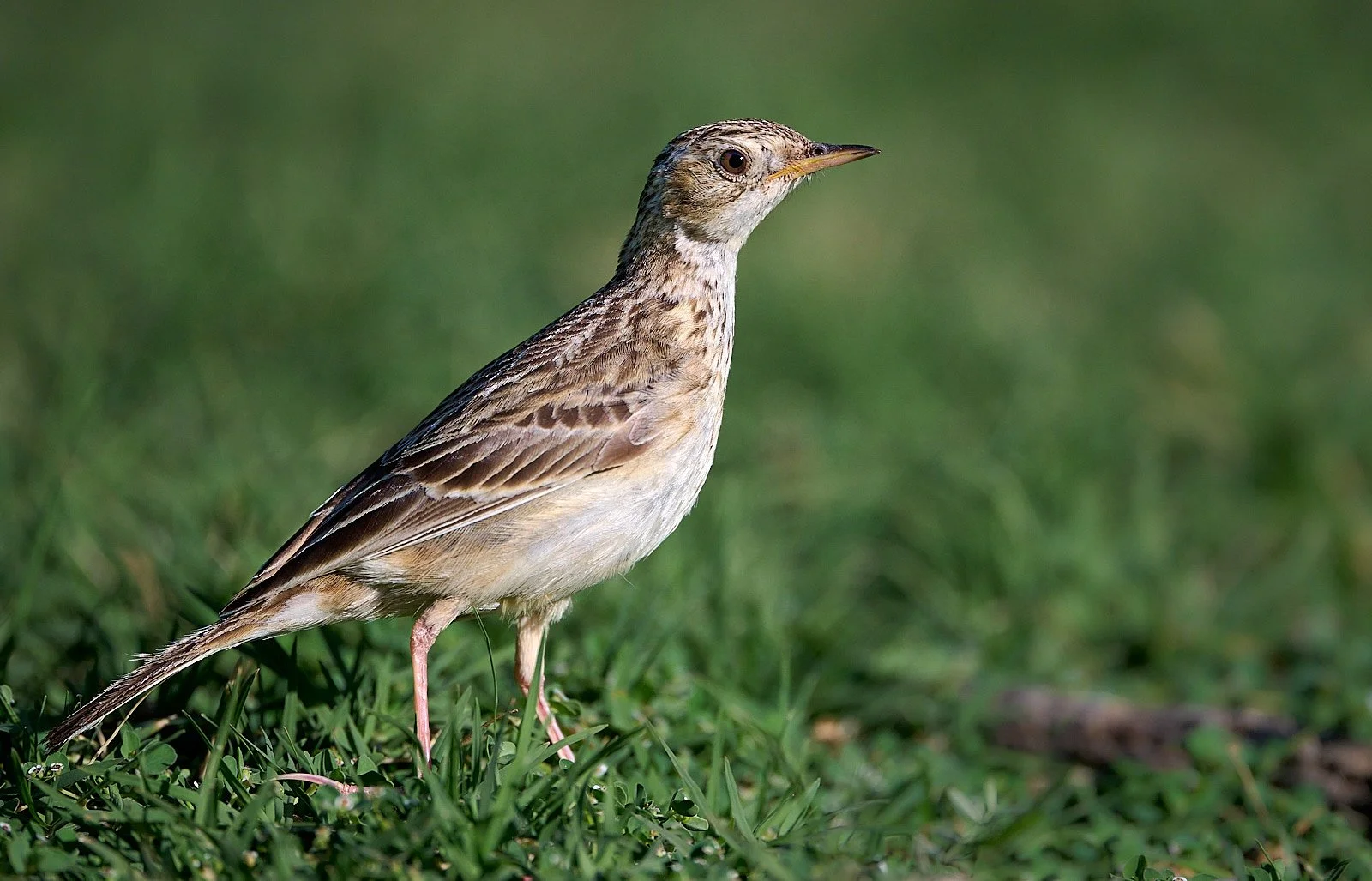
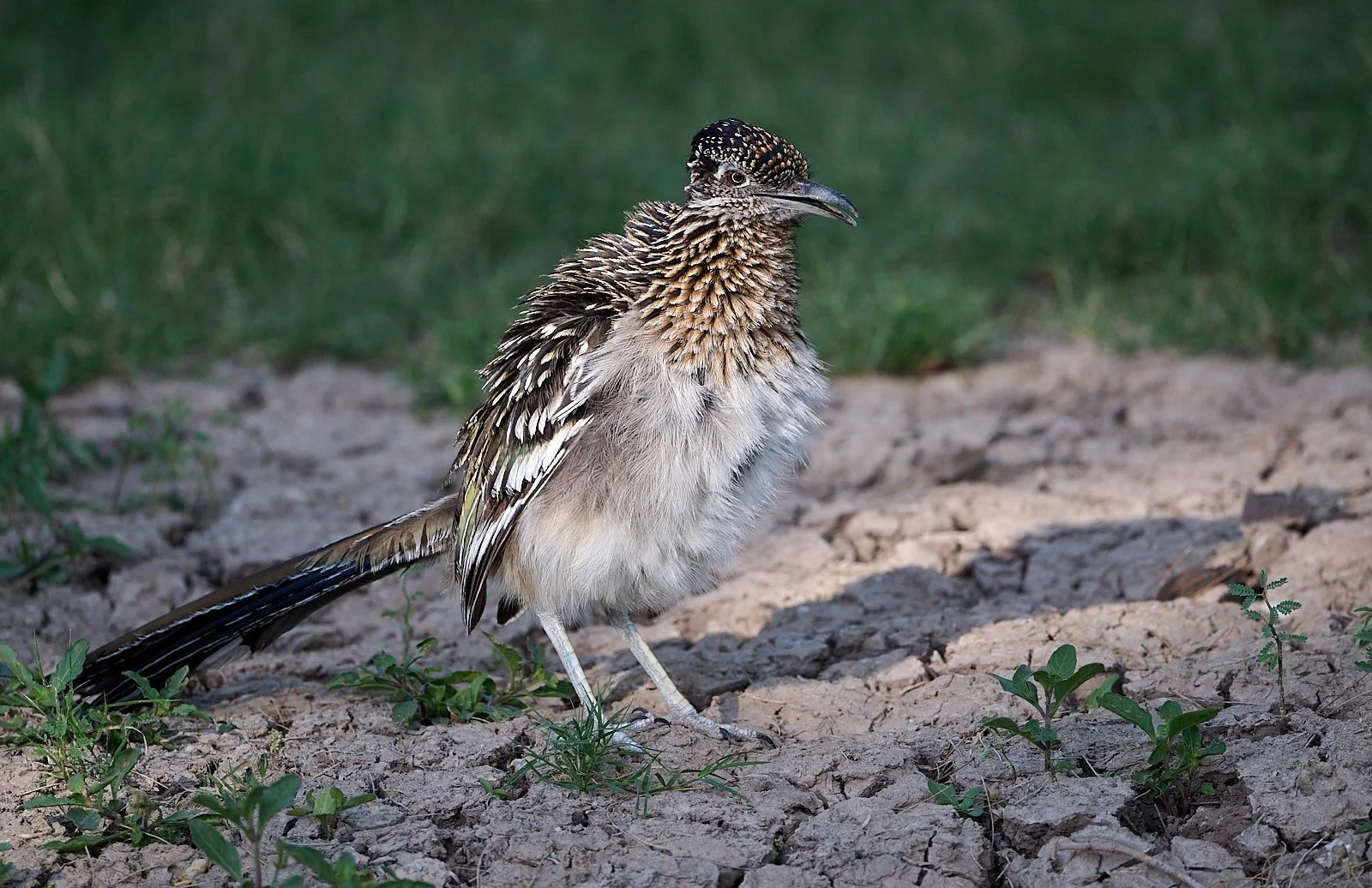
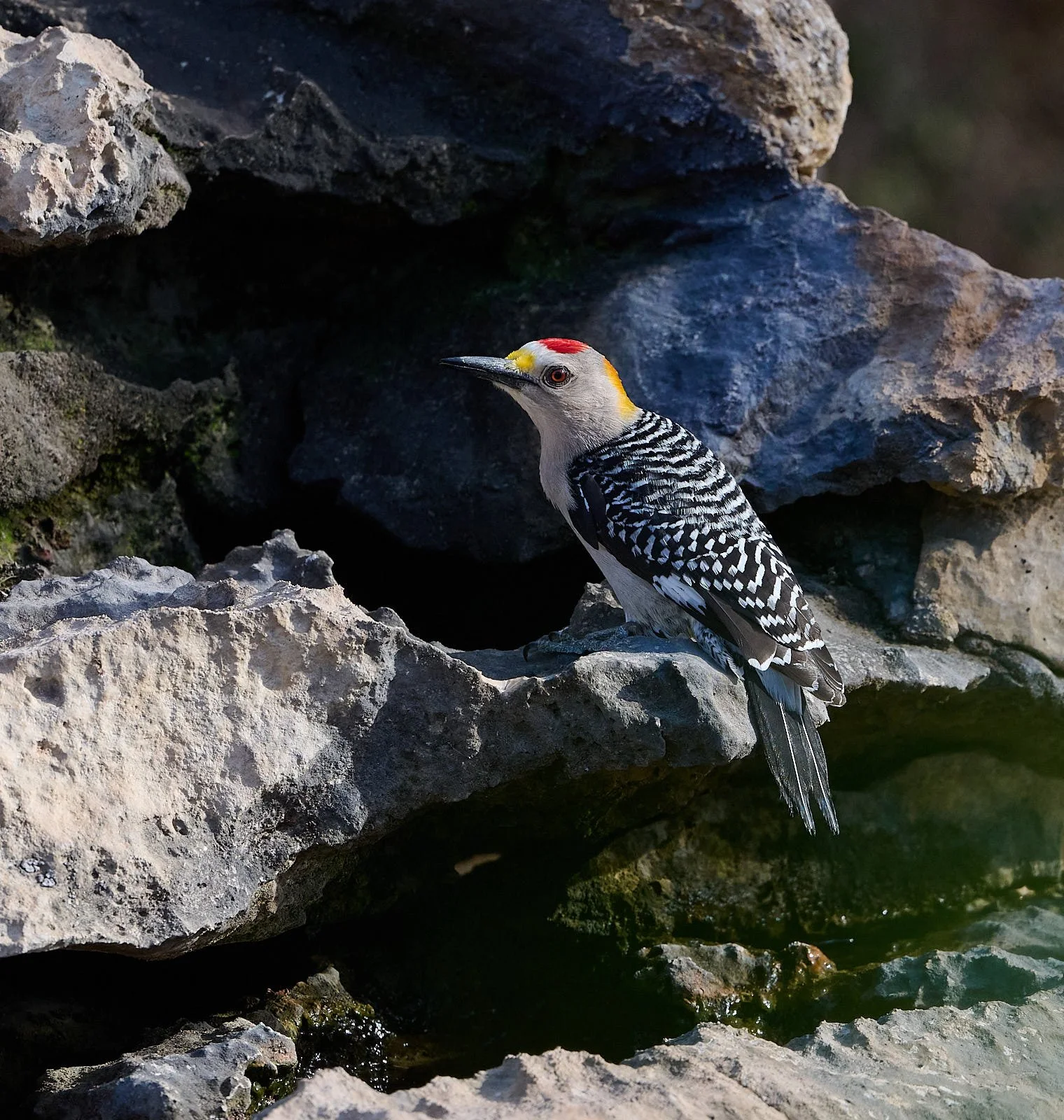
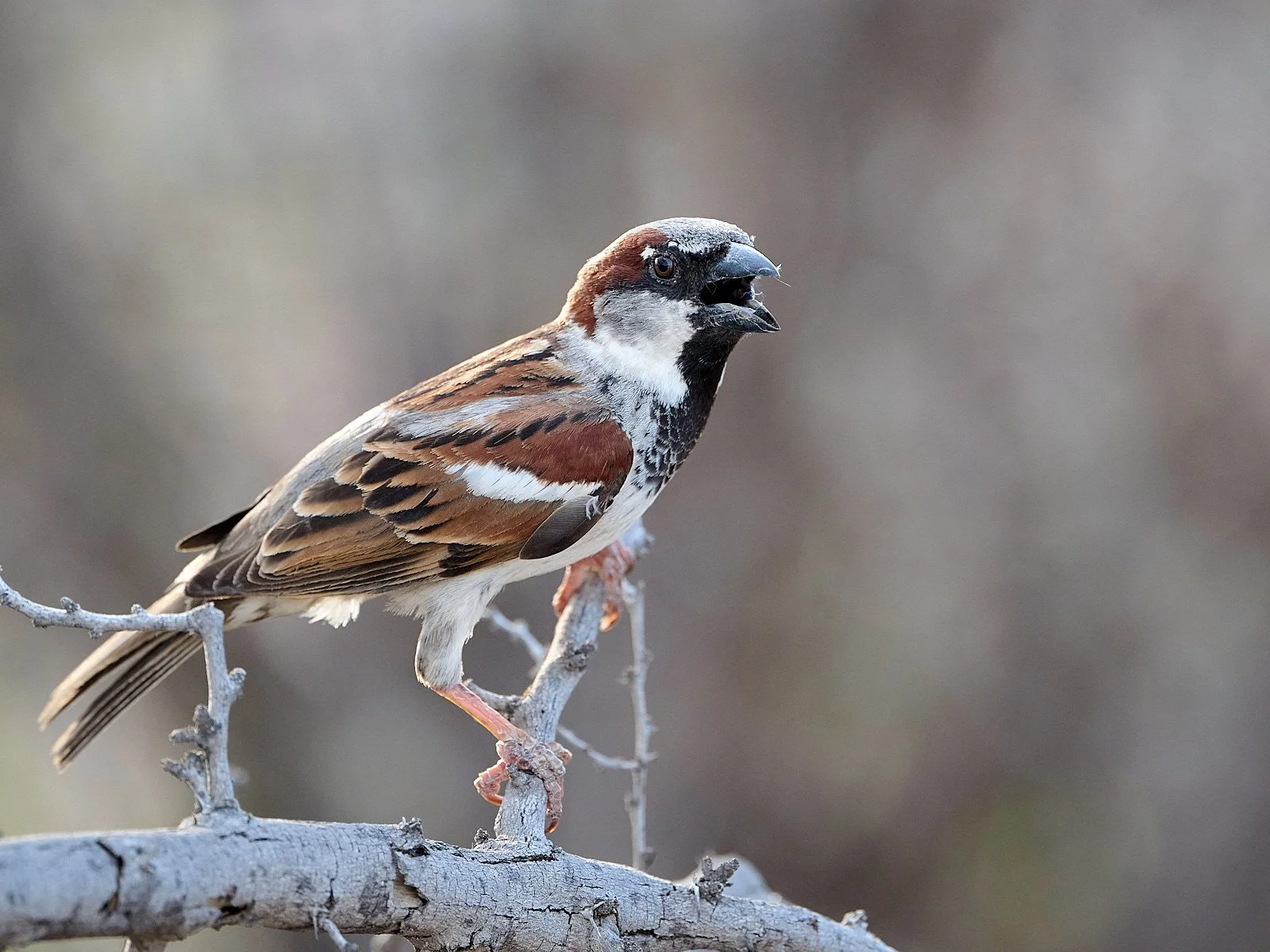
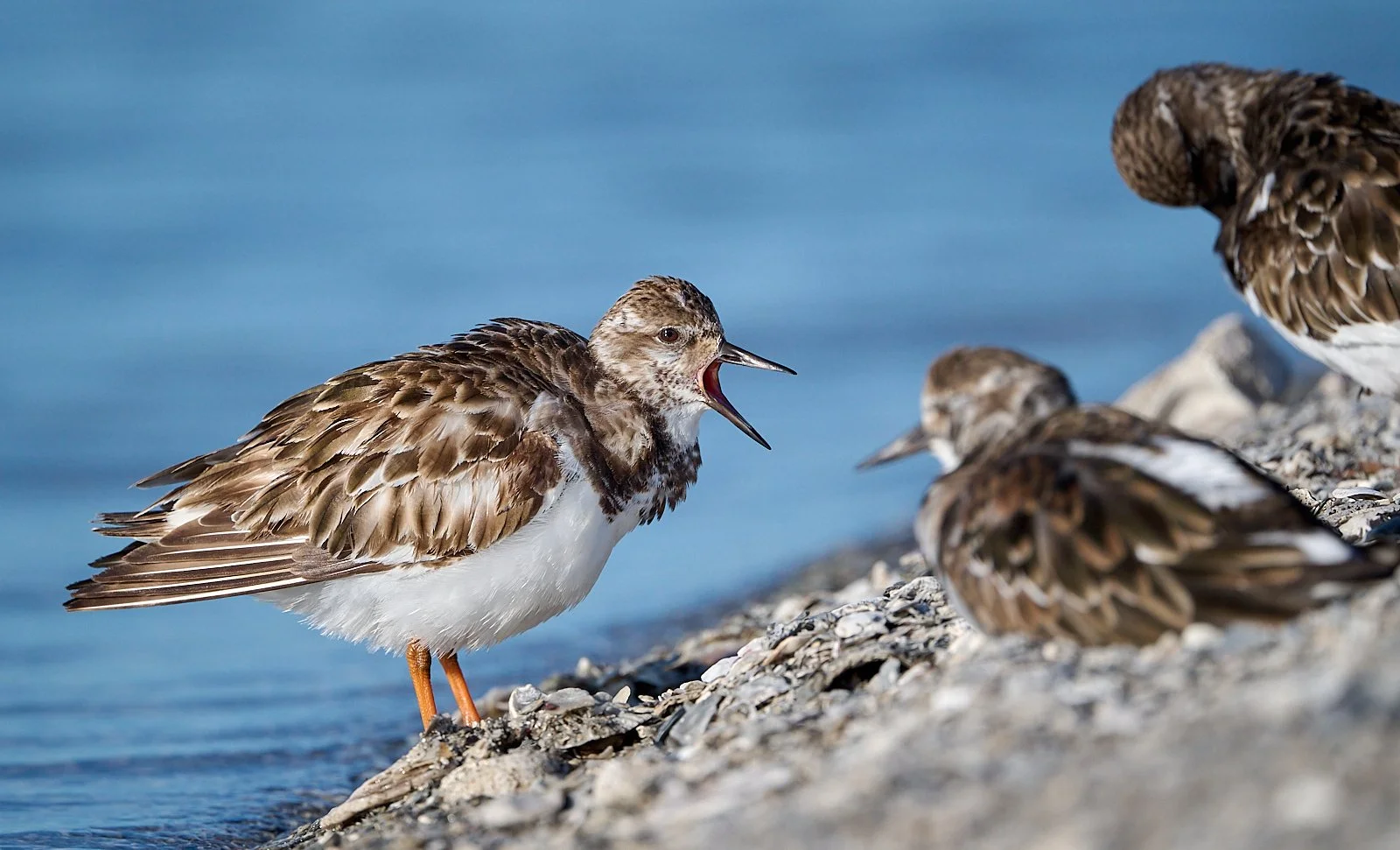
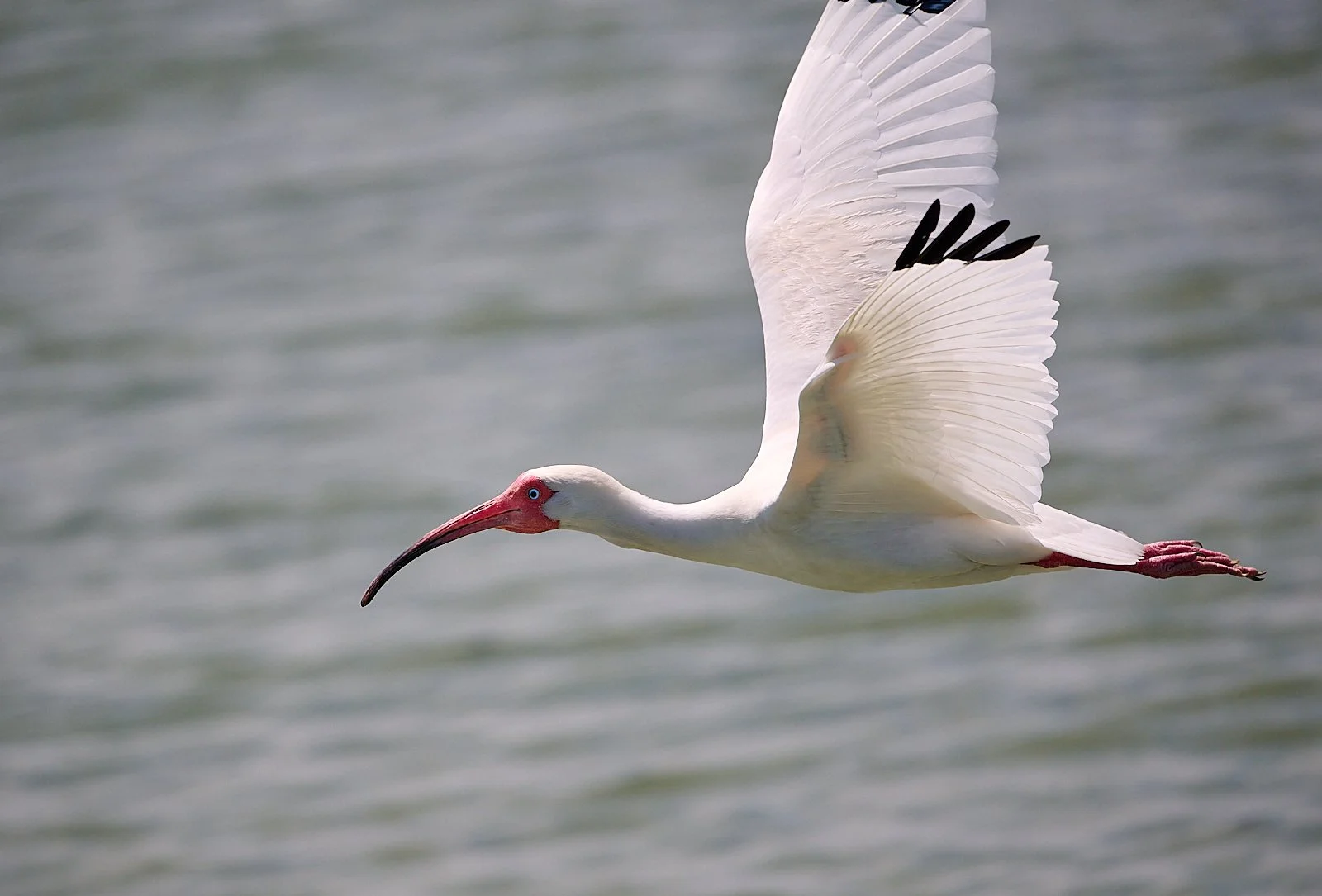
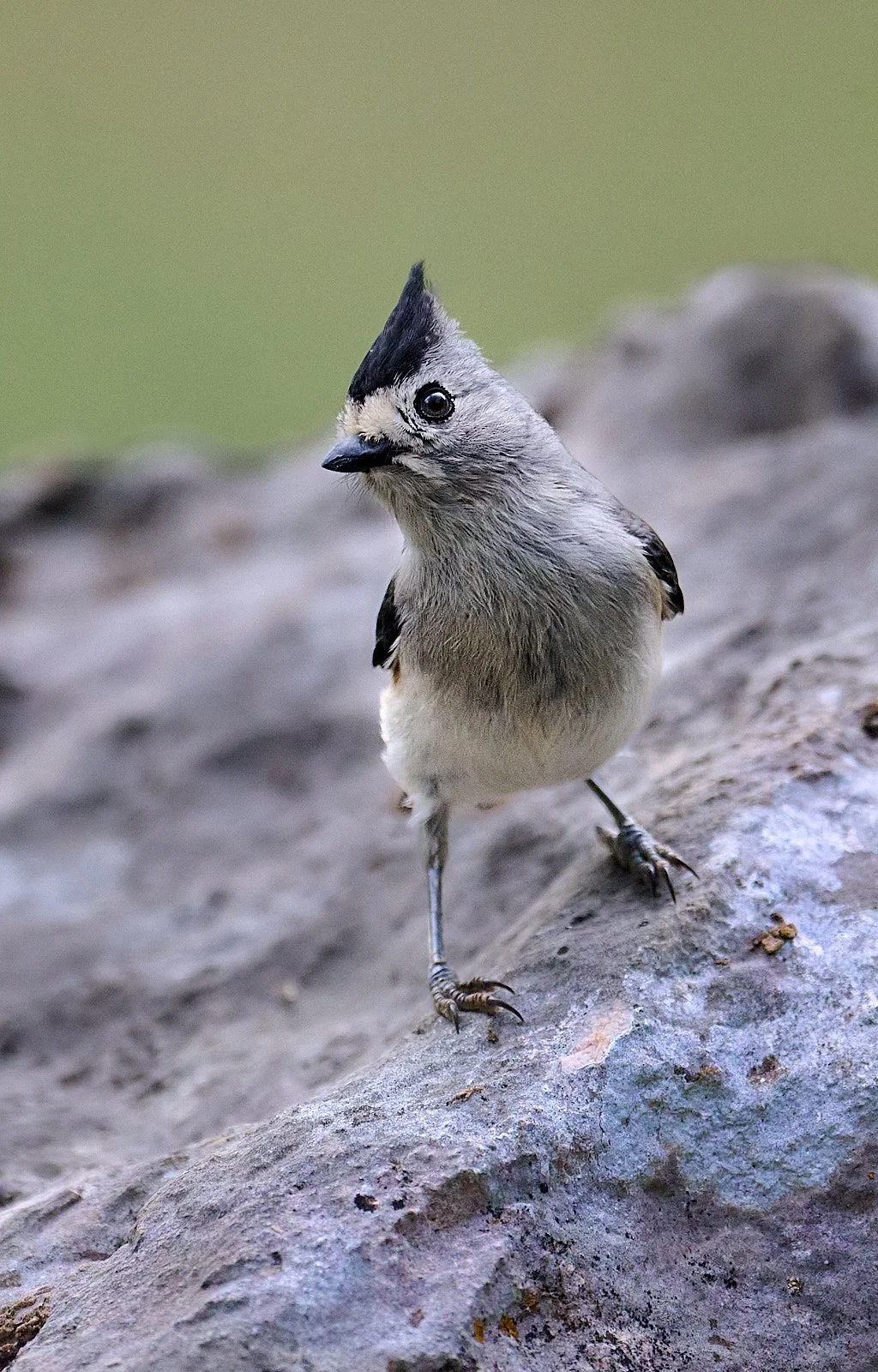
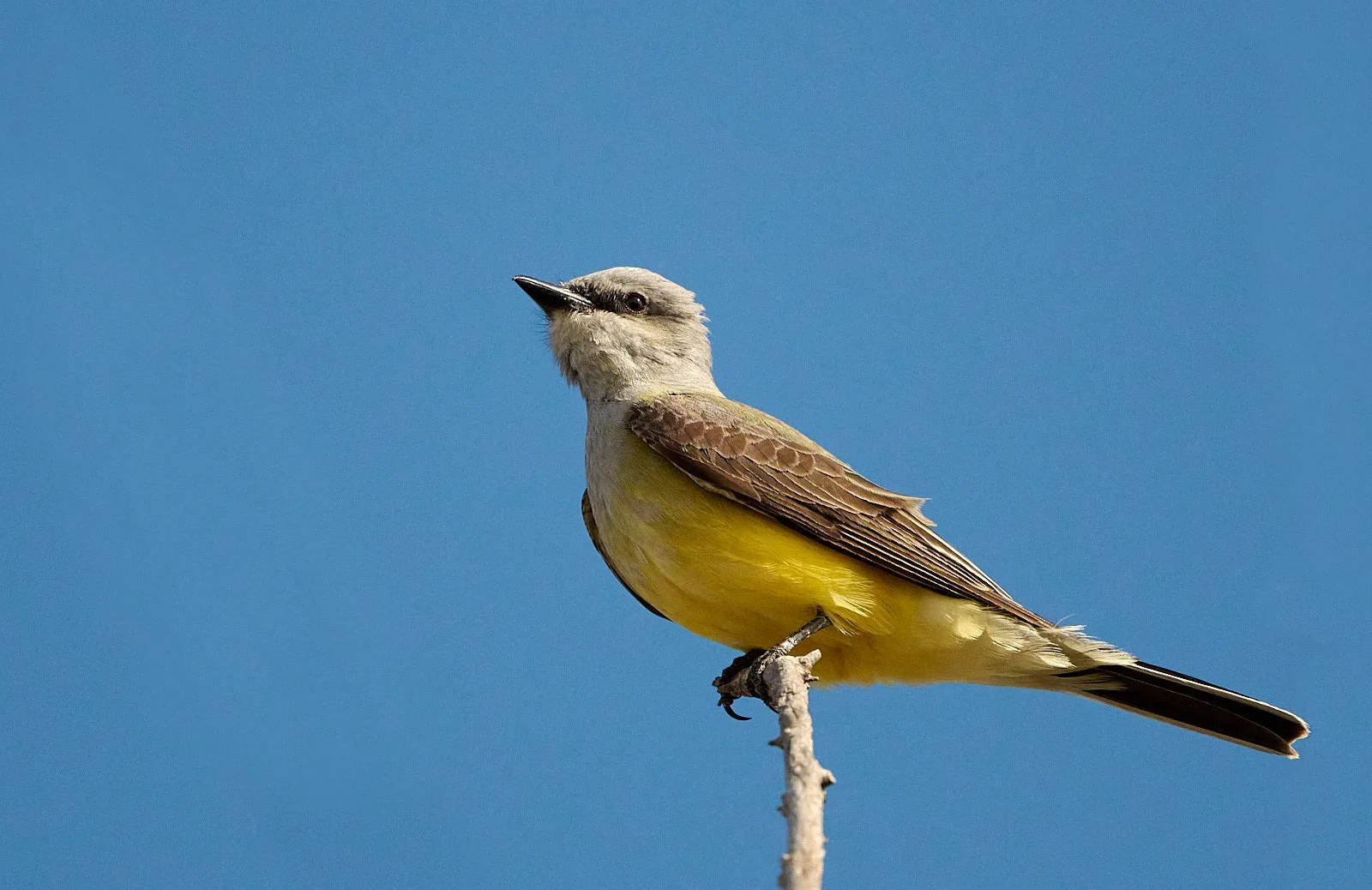
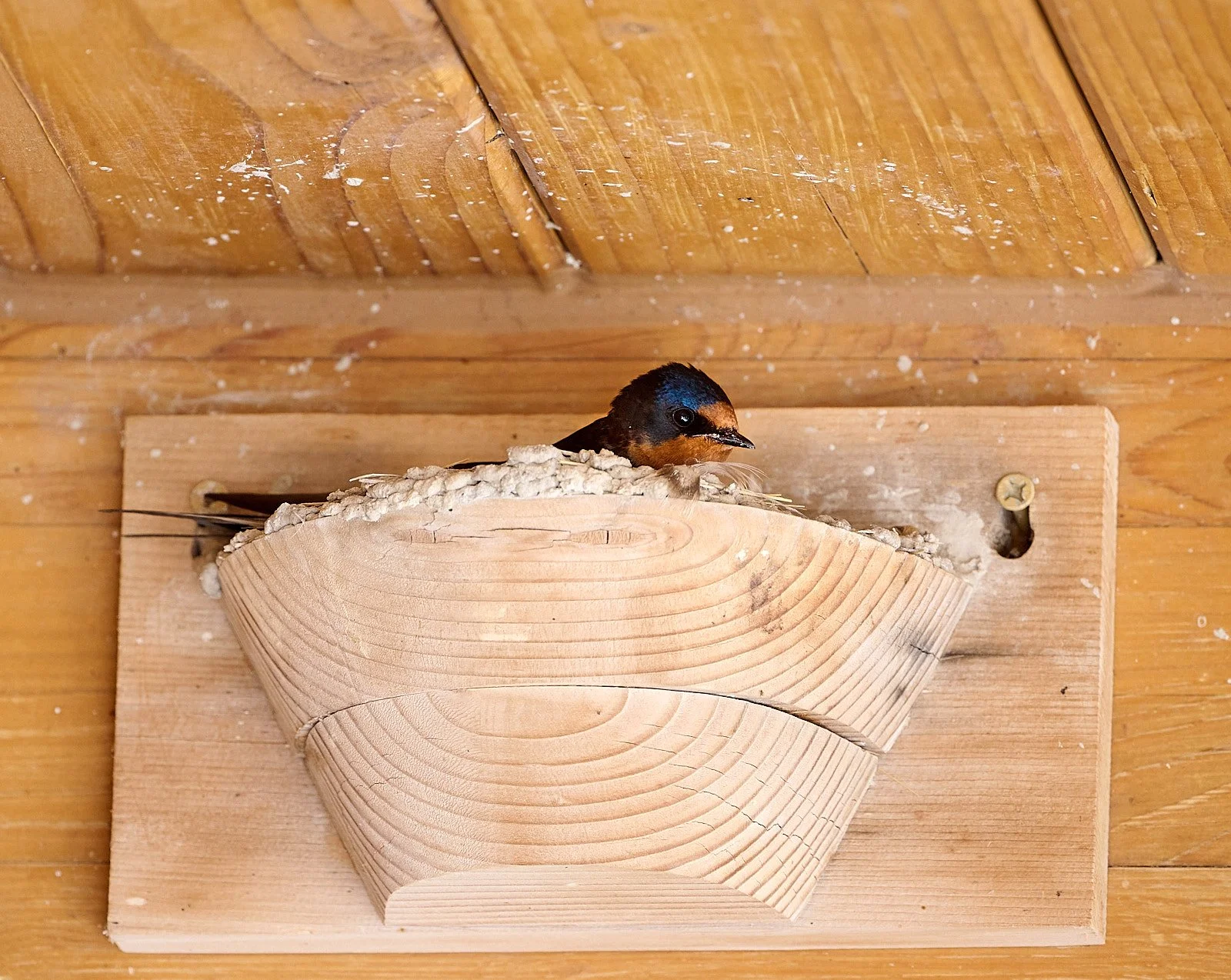
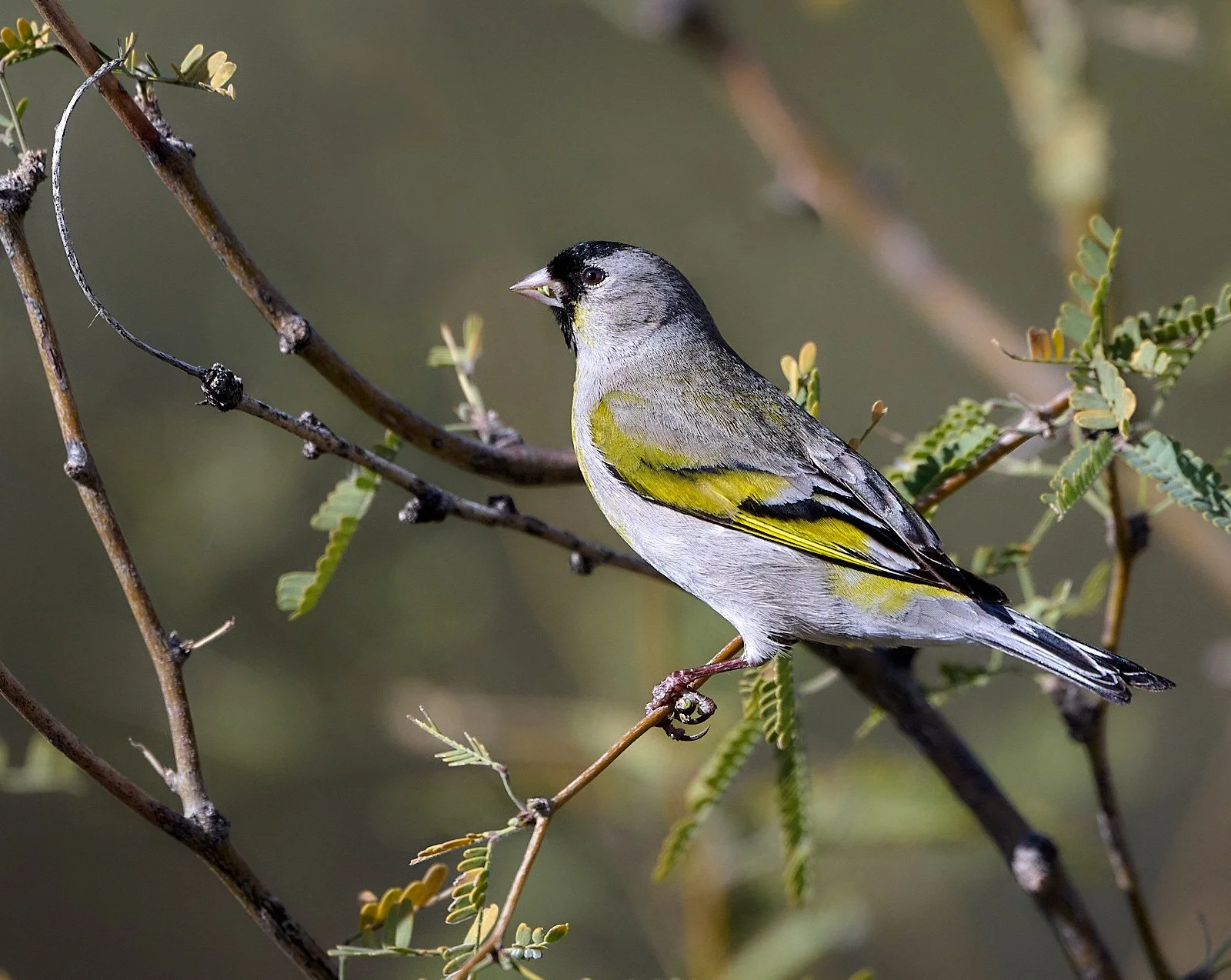
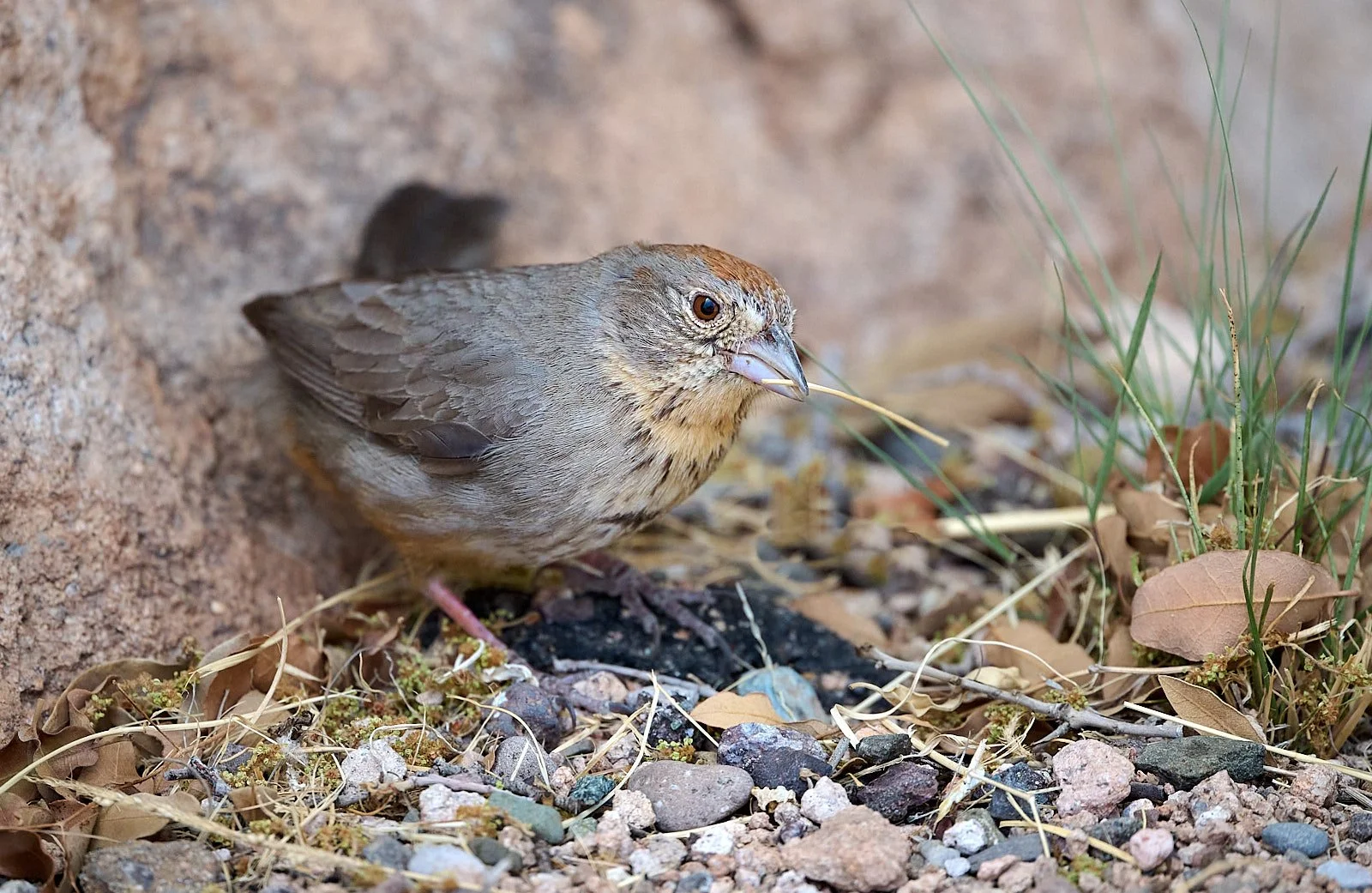
A Potpourri of Images
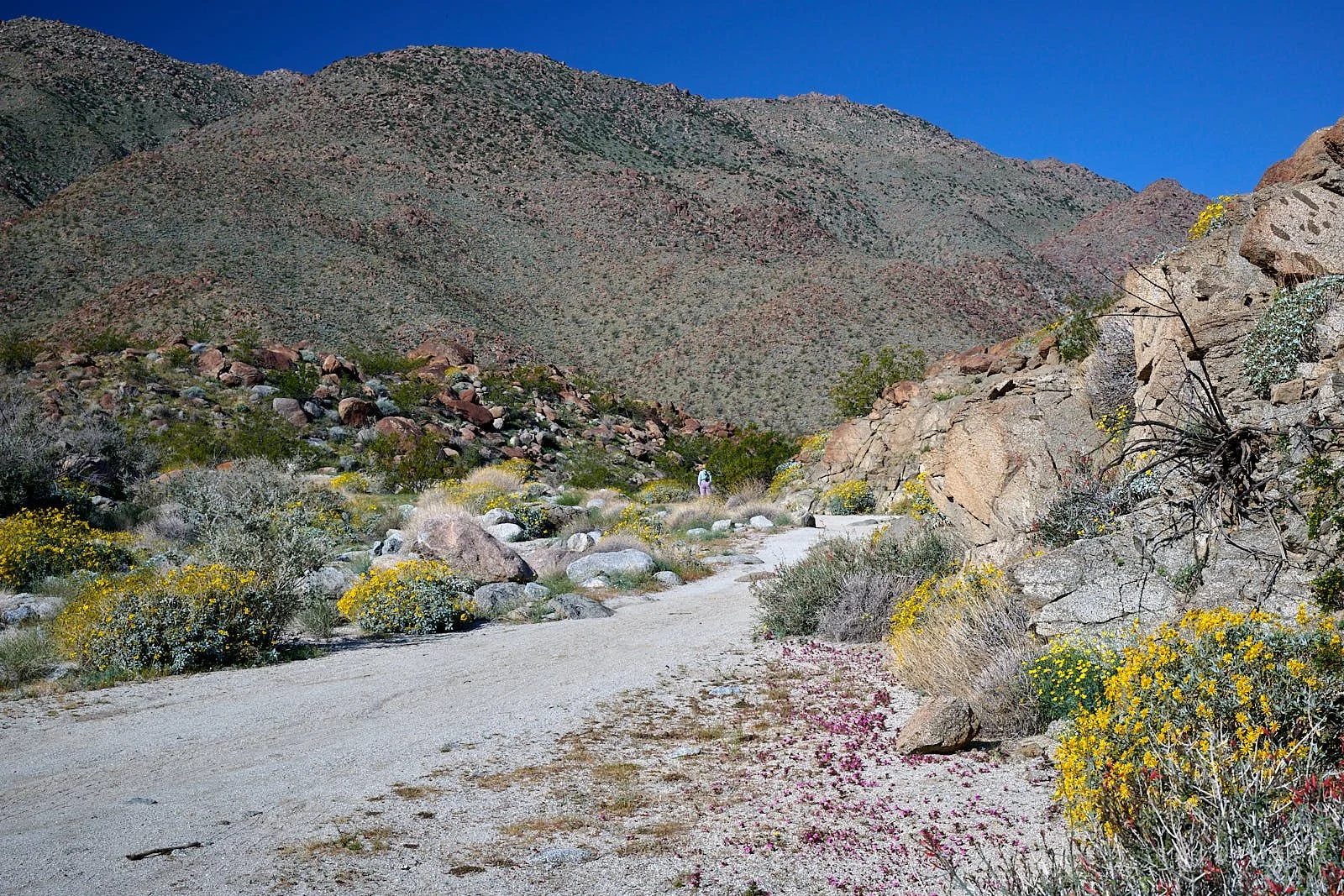
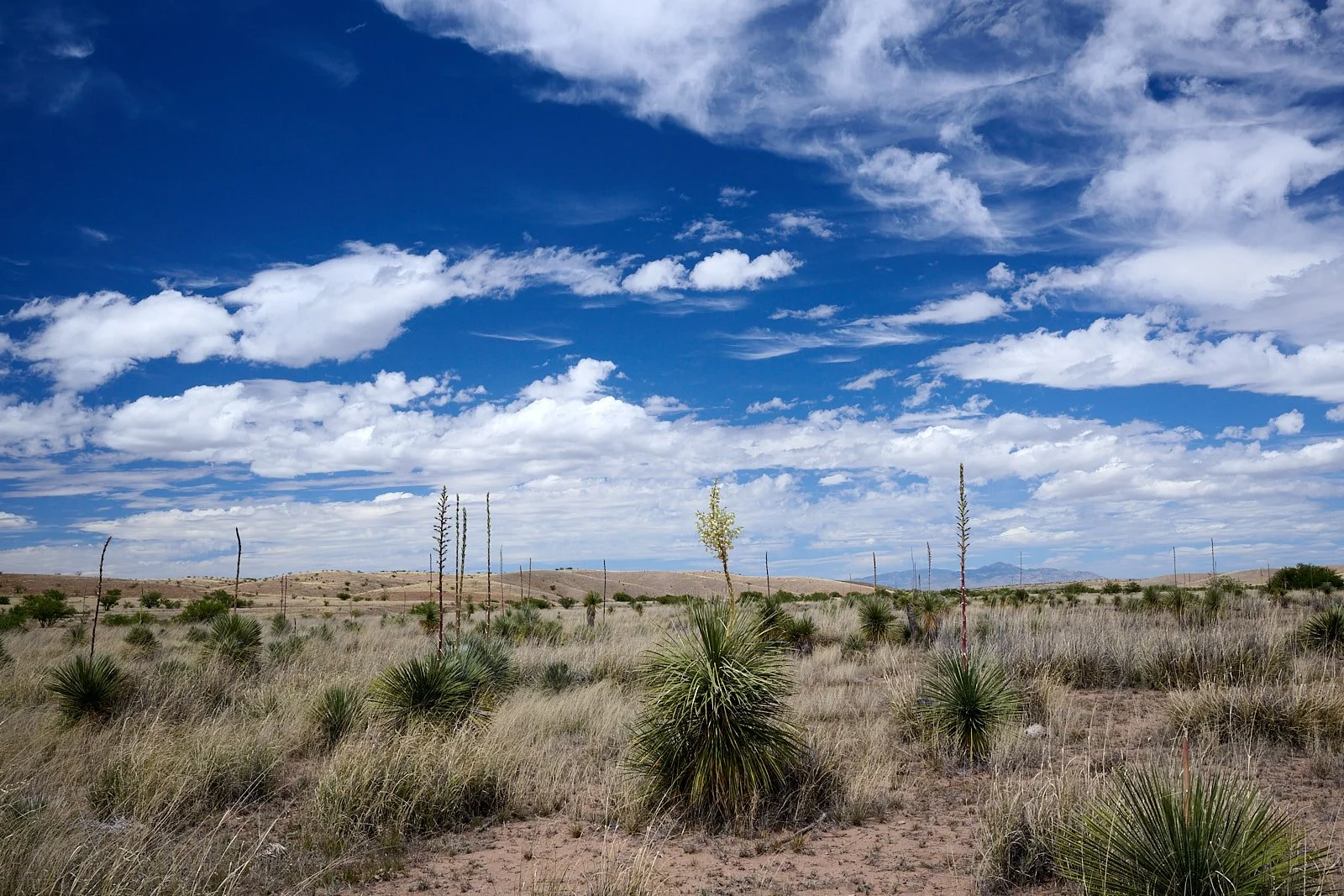
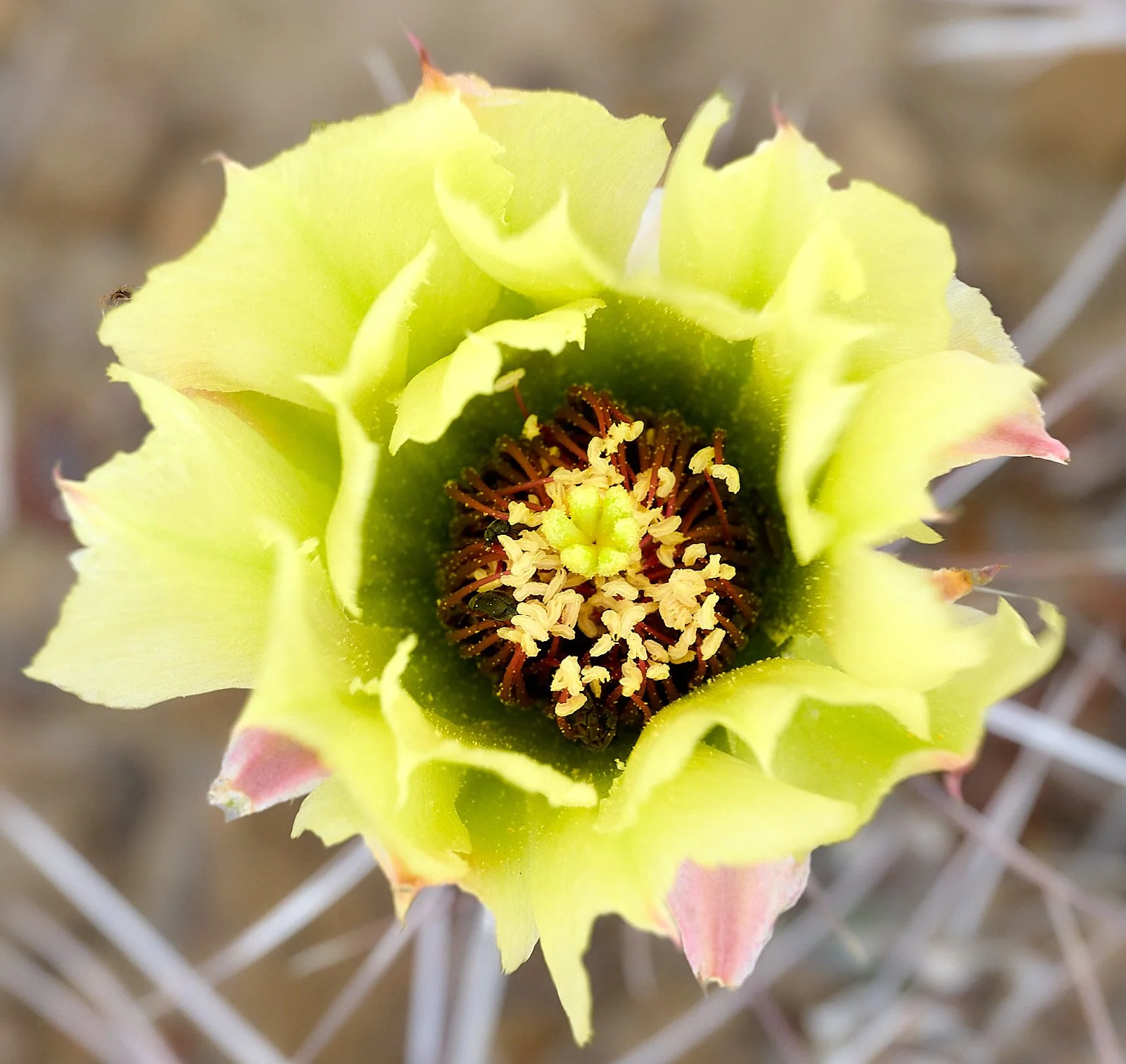
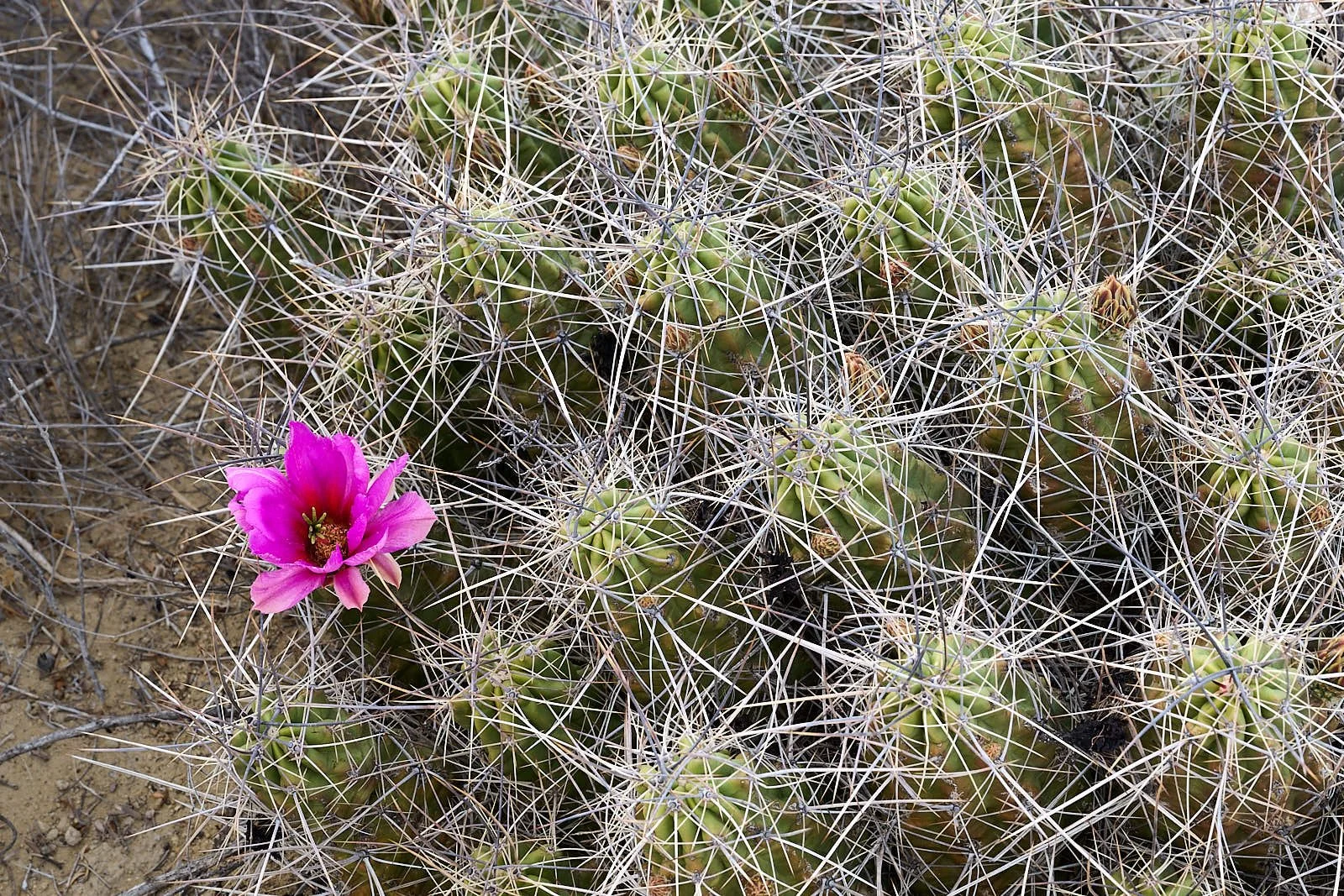
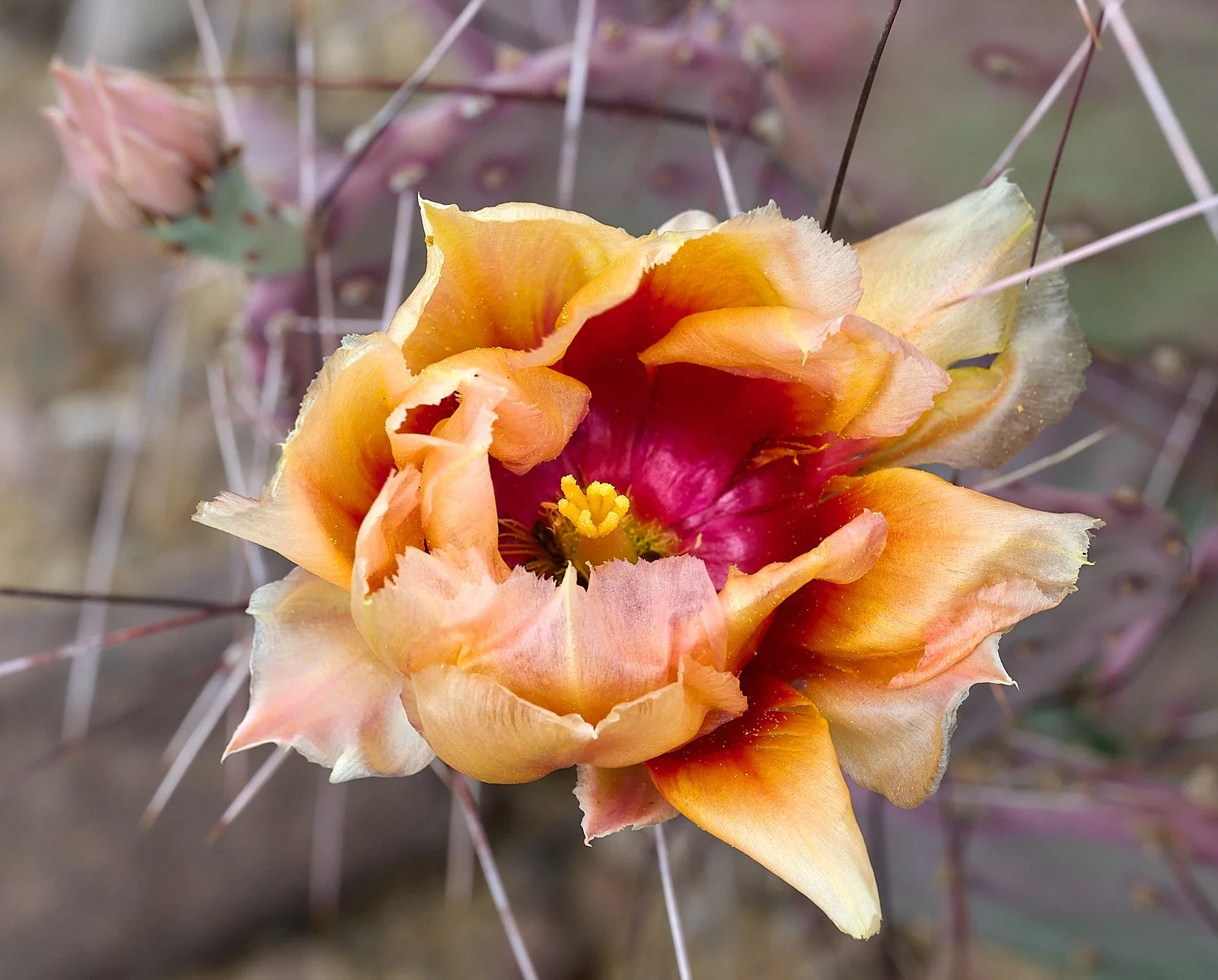
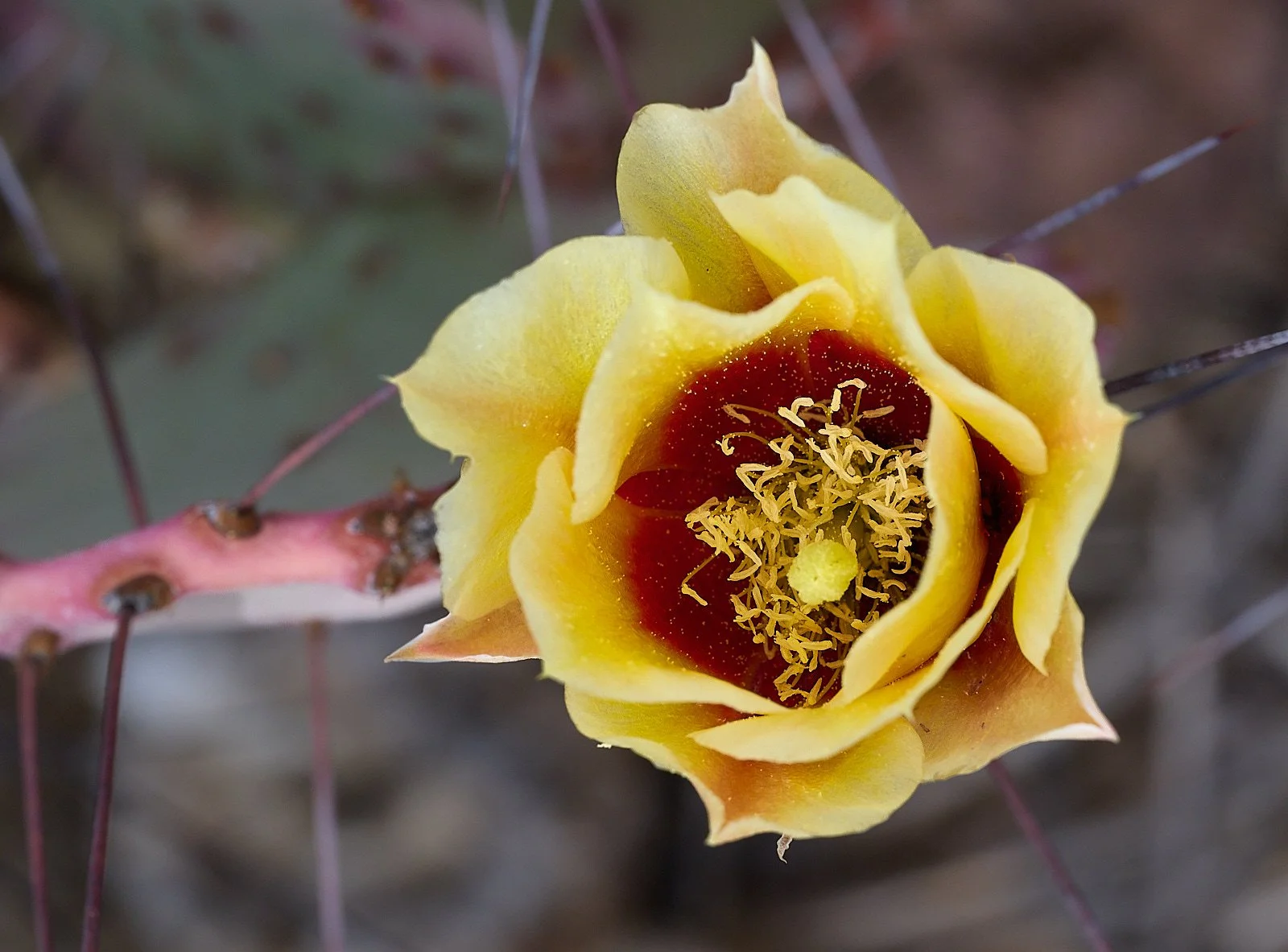
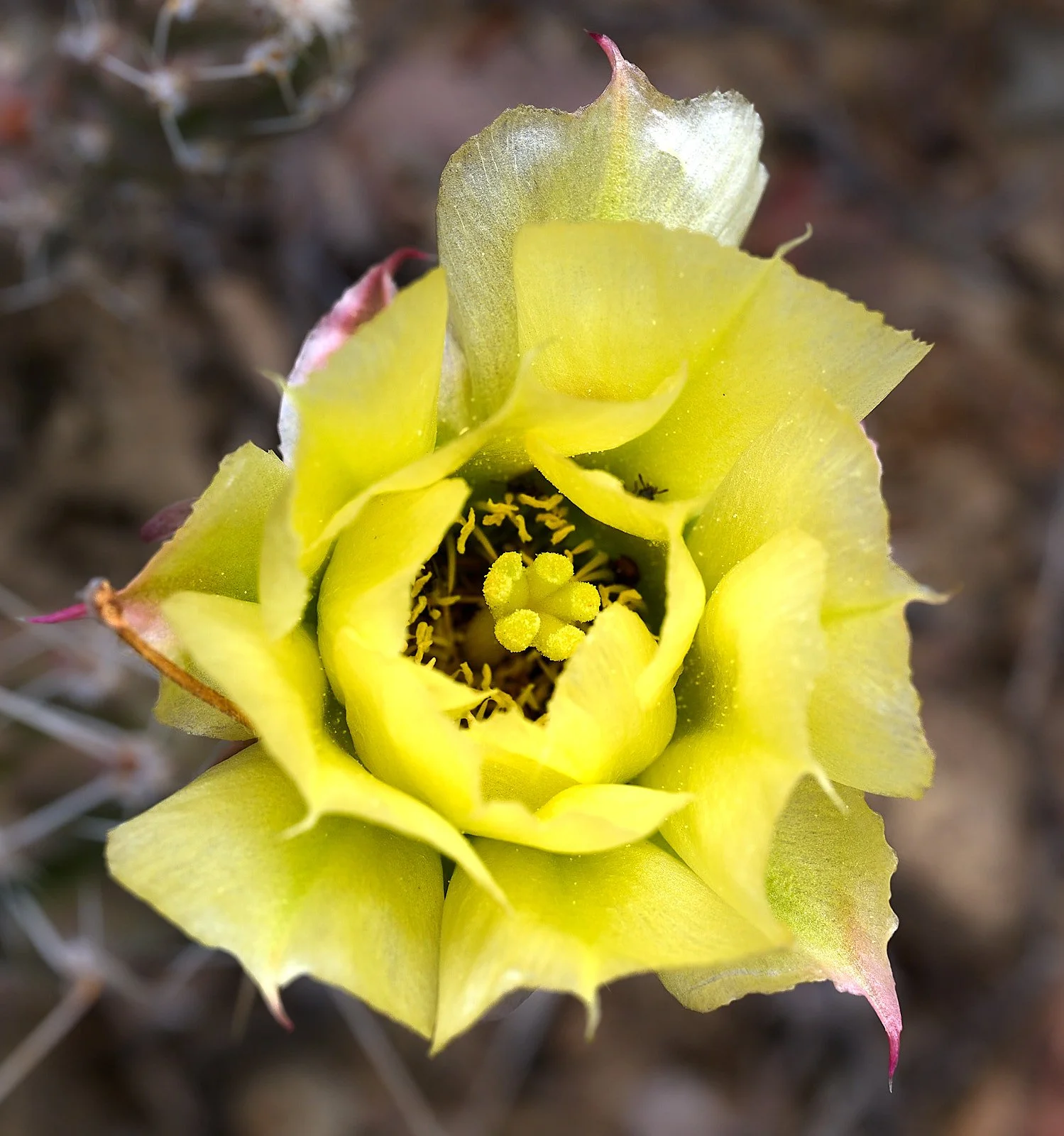
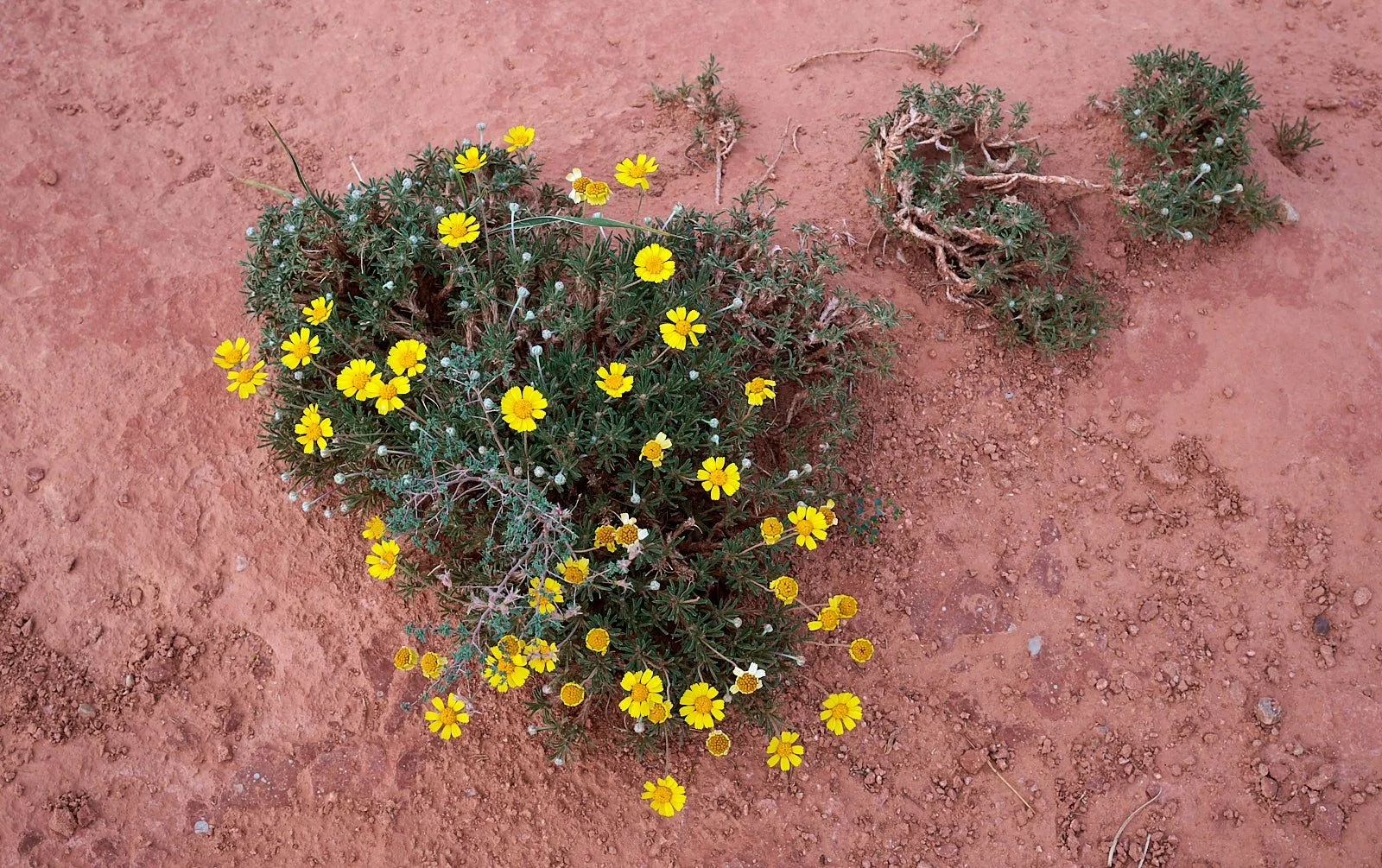
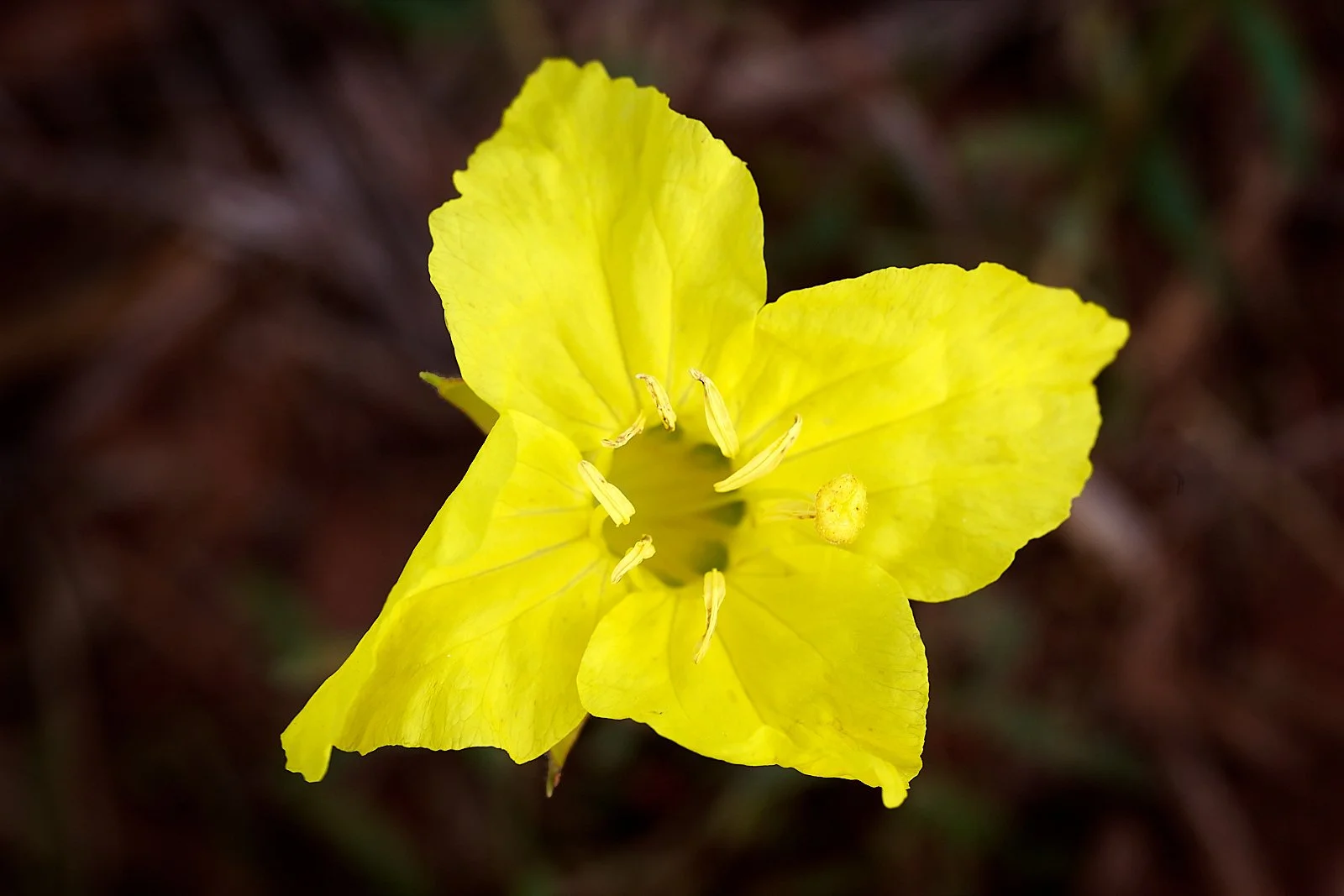
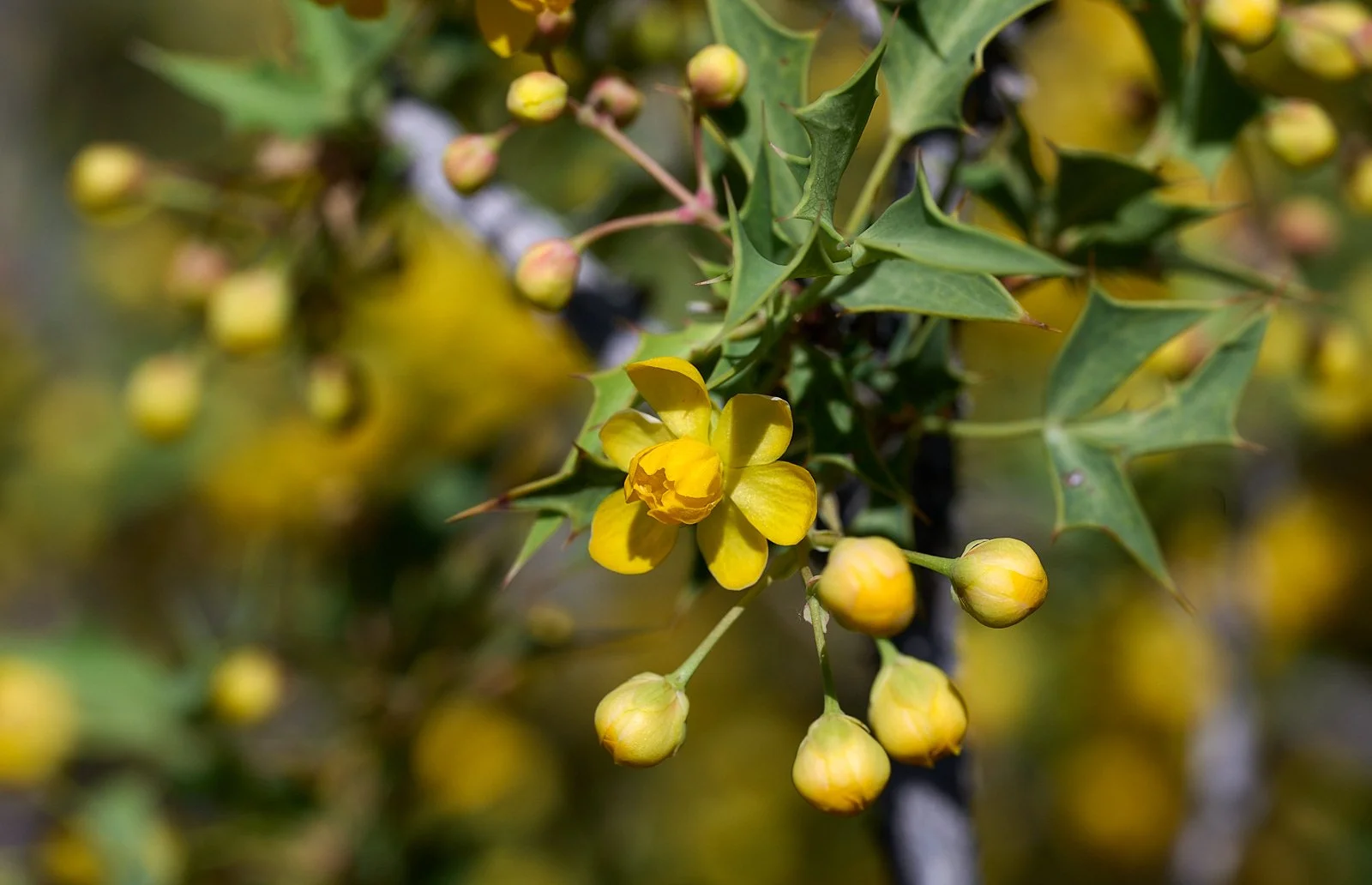
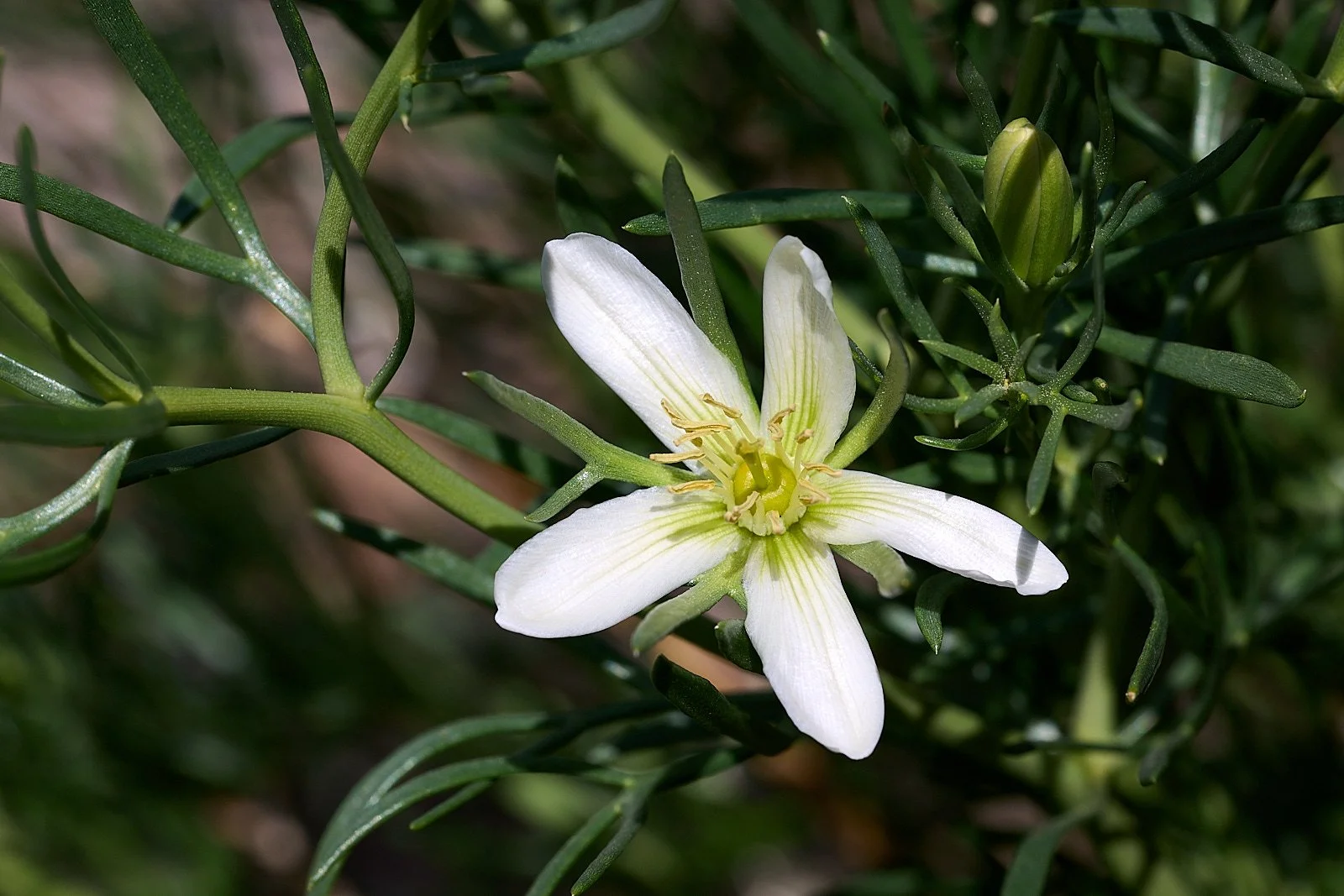
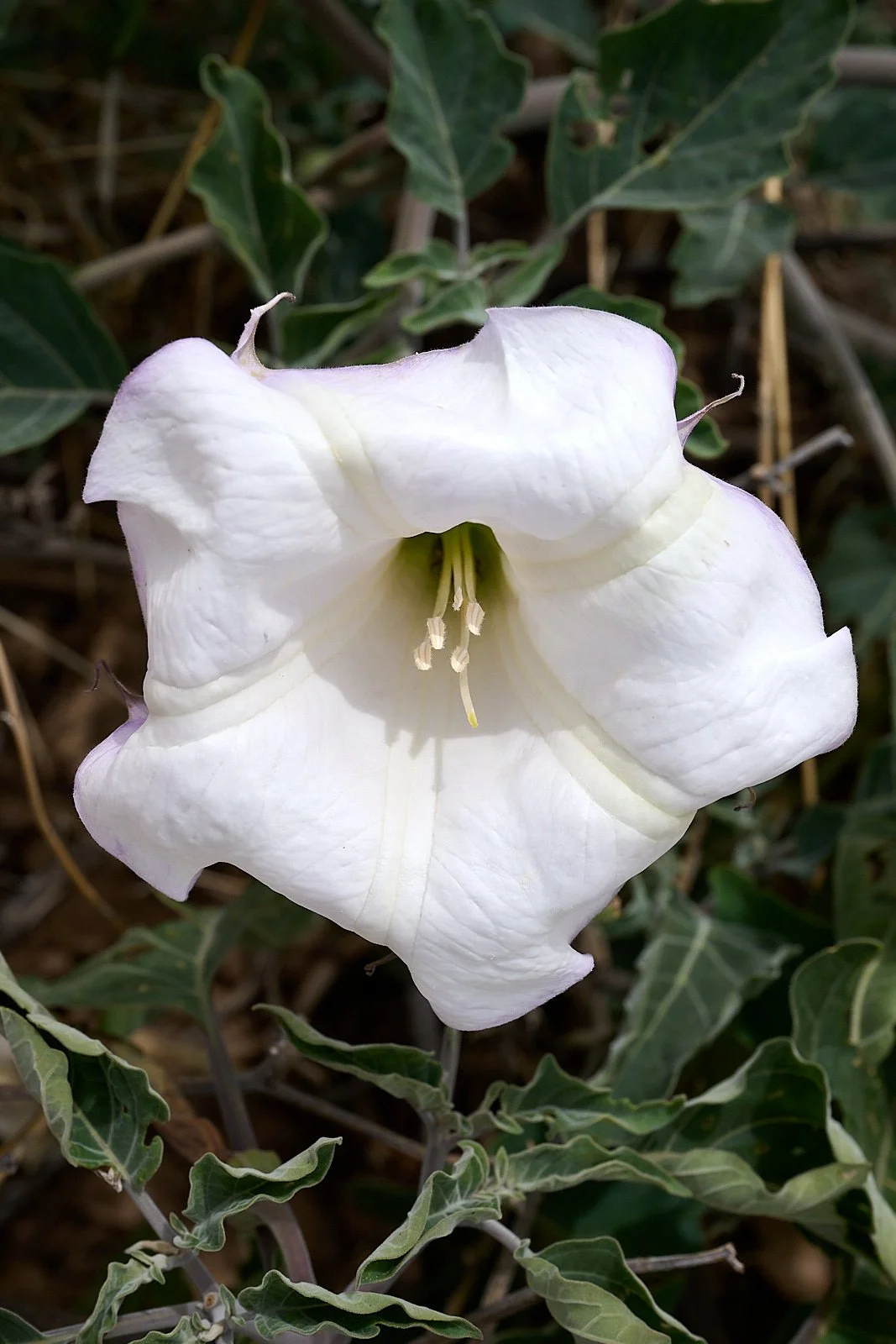
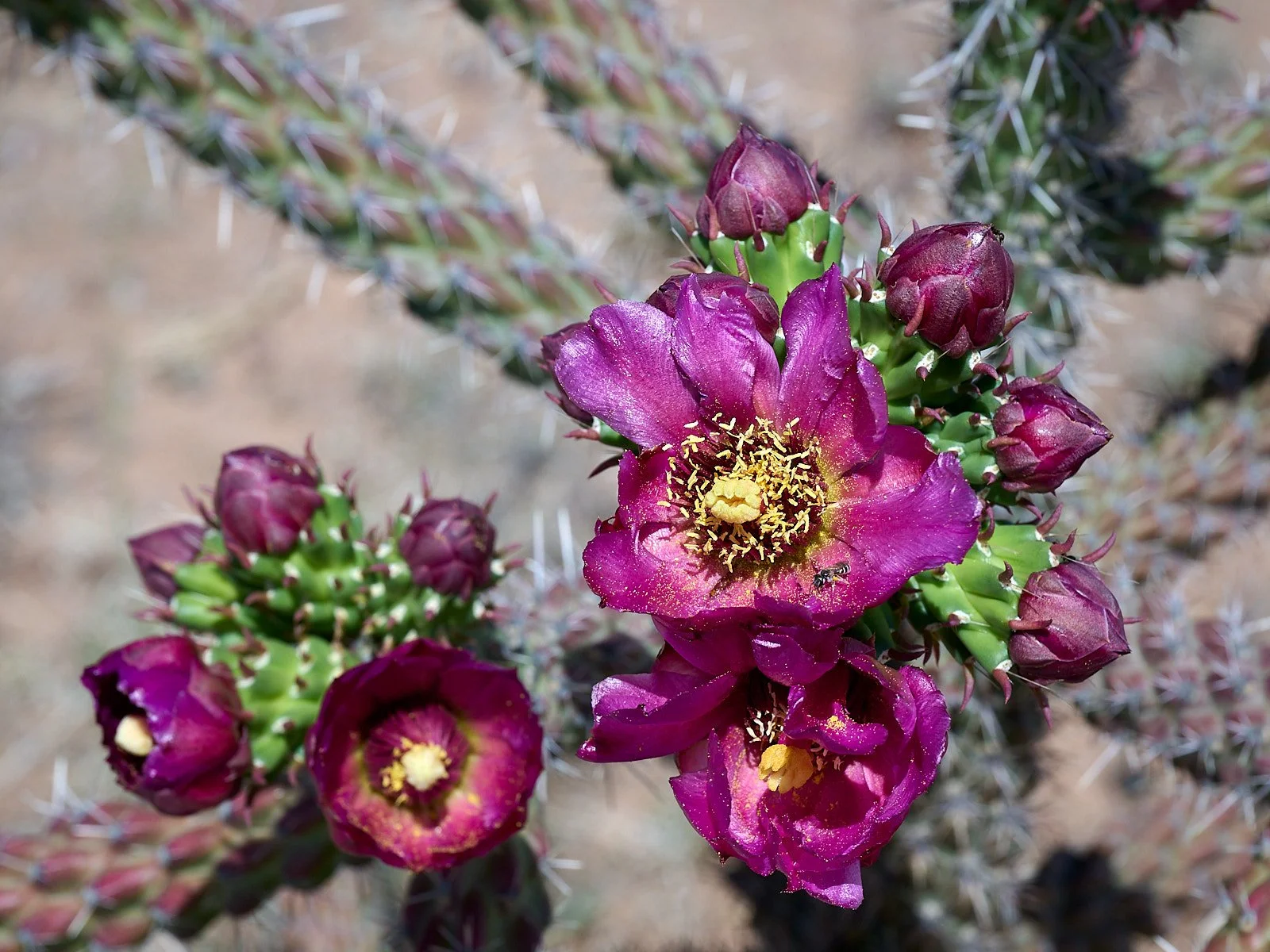
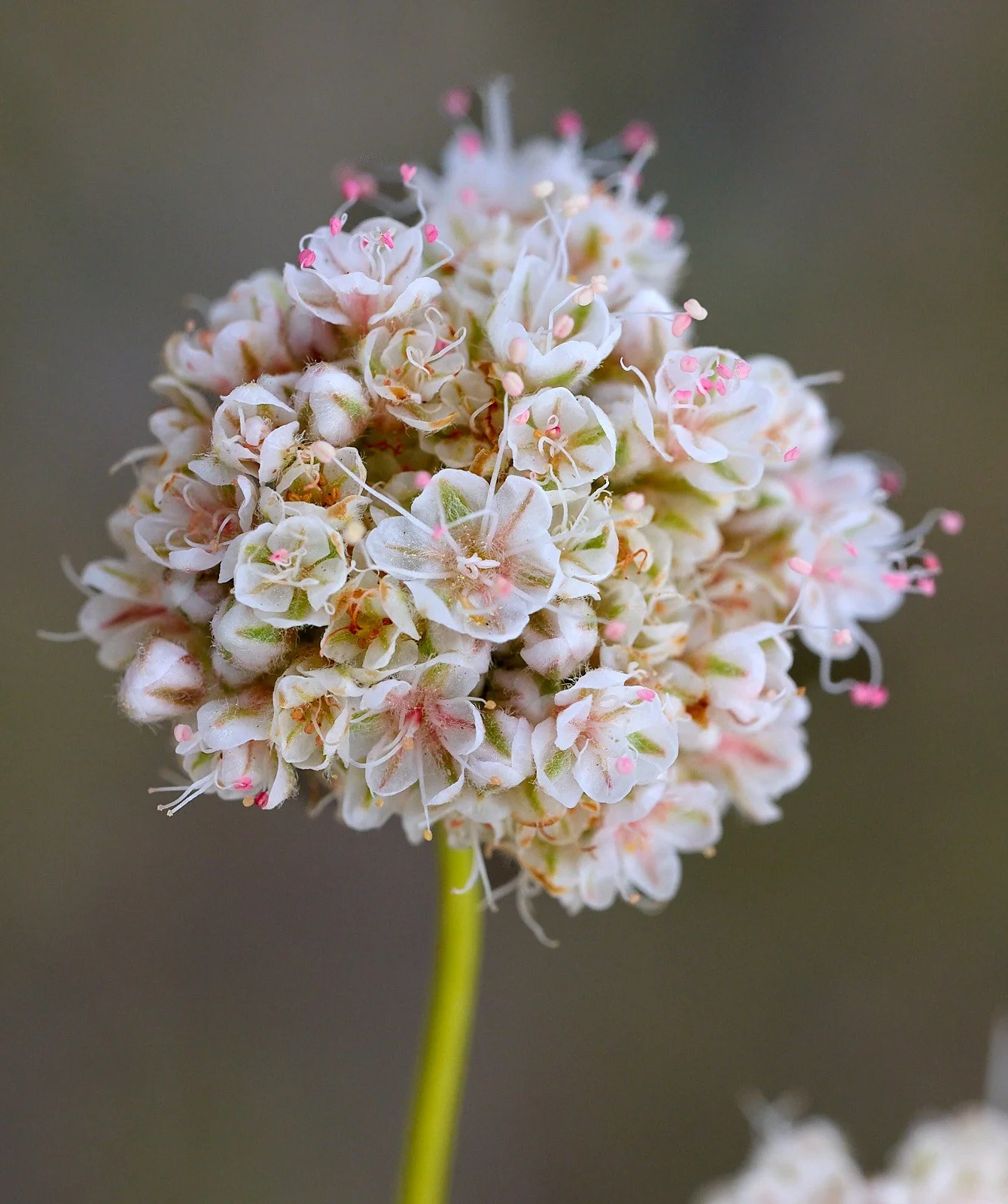
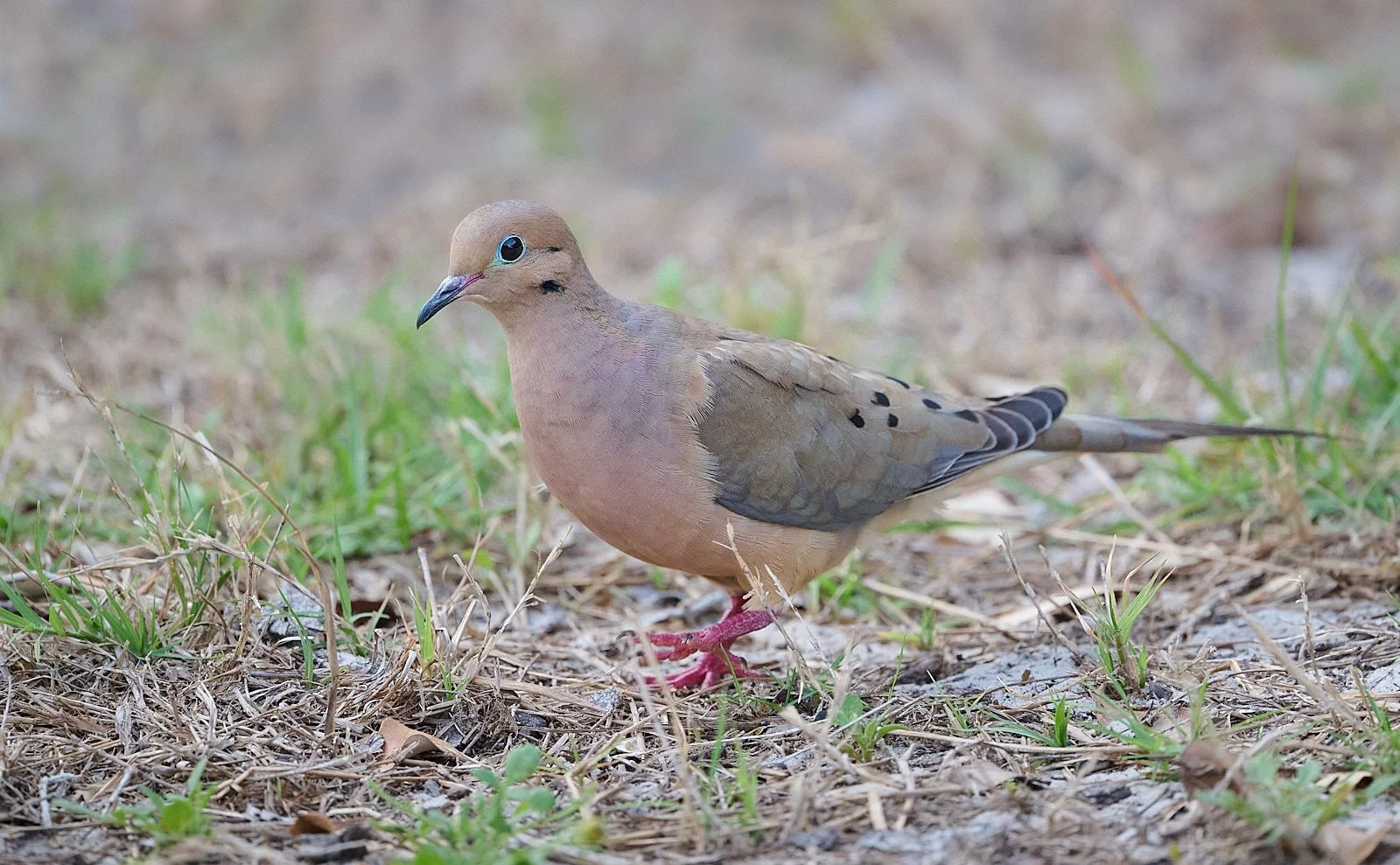
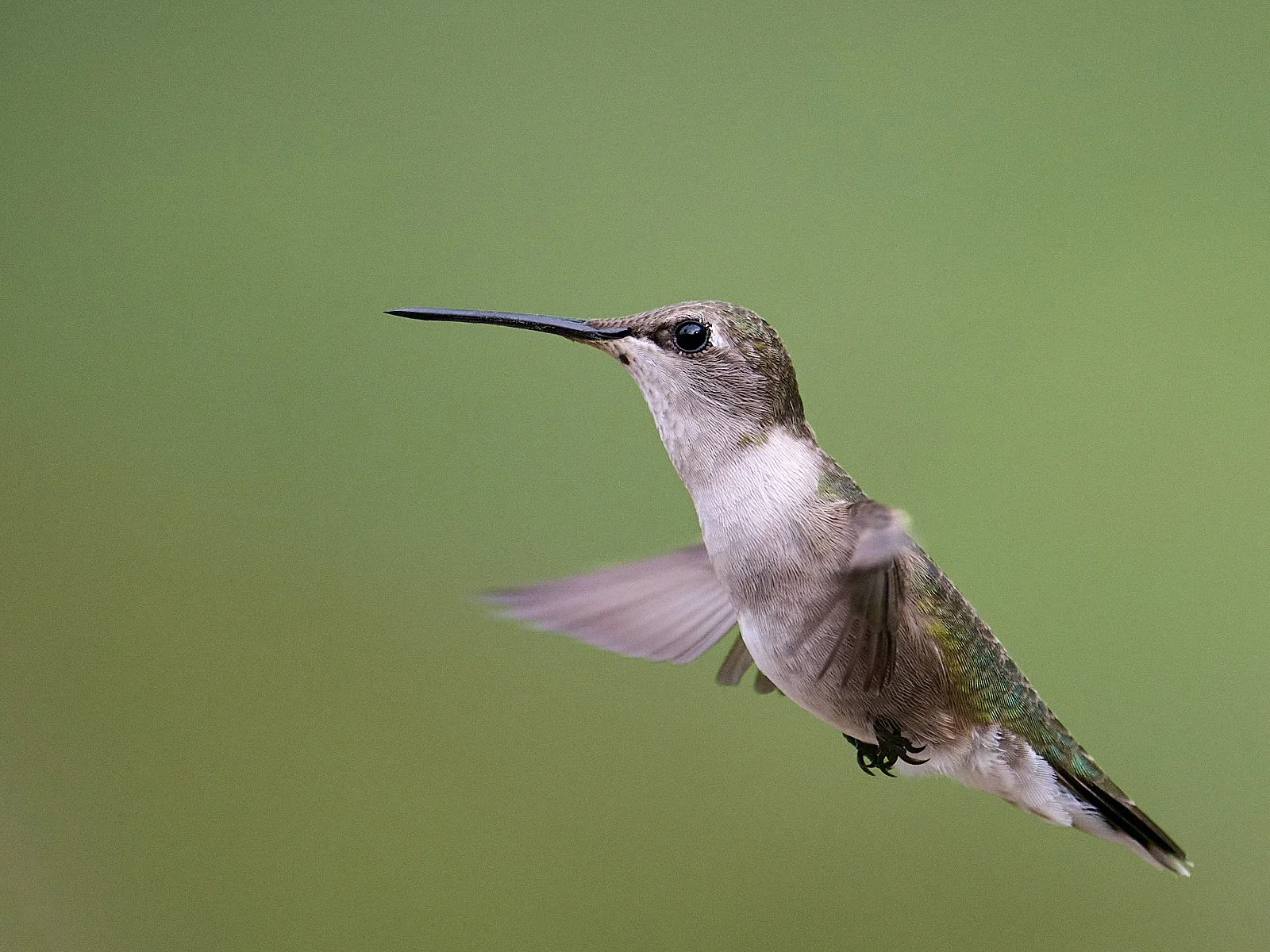
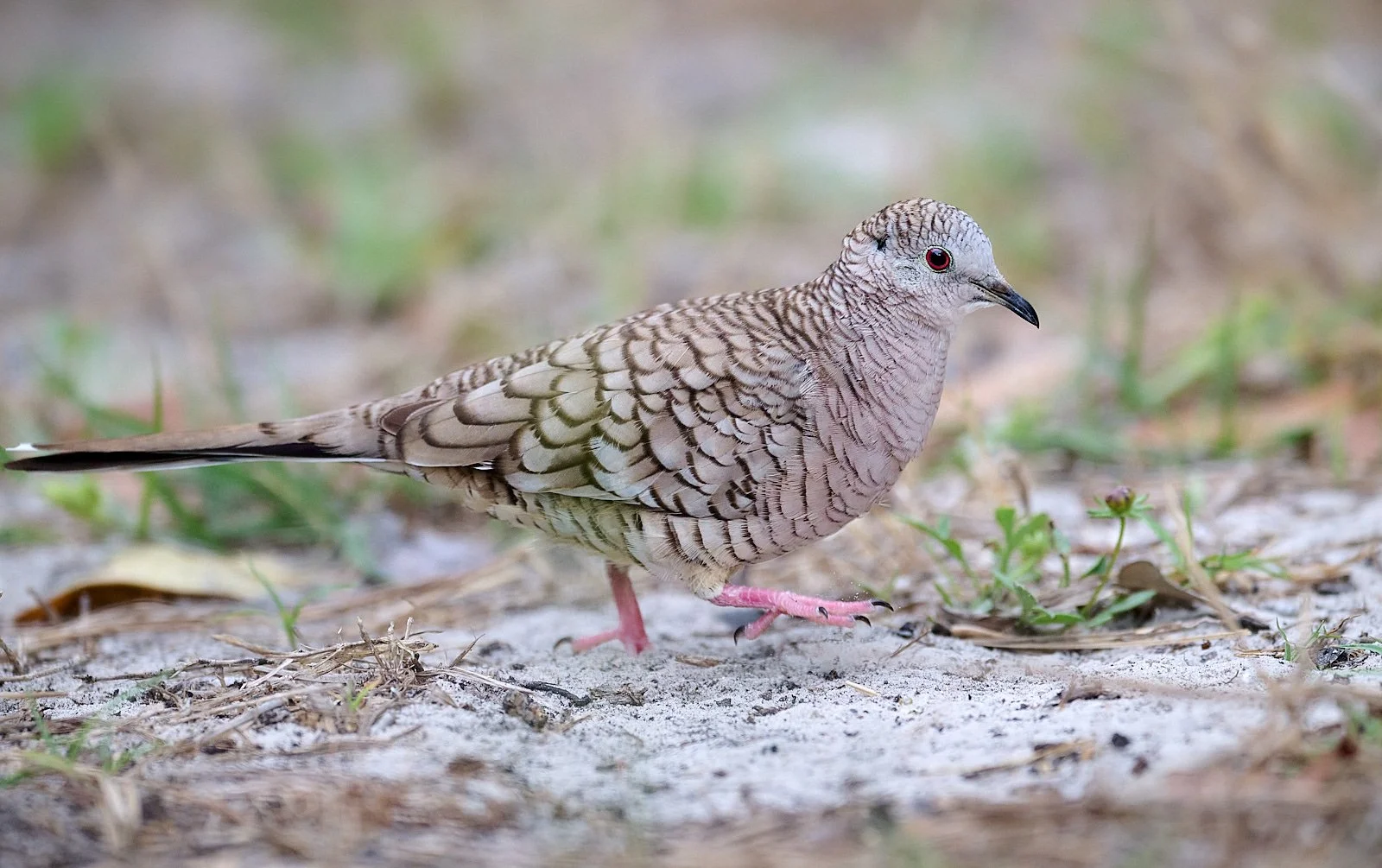
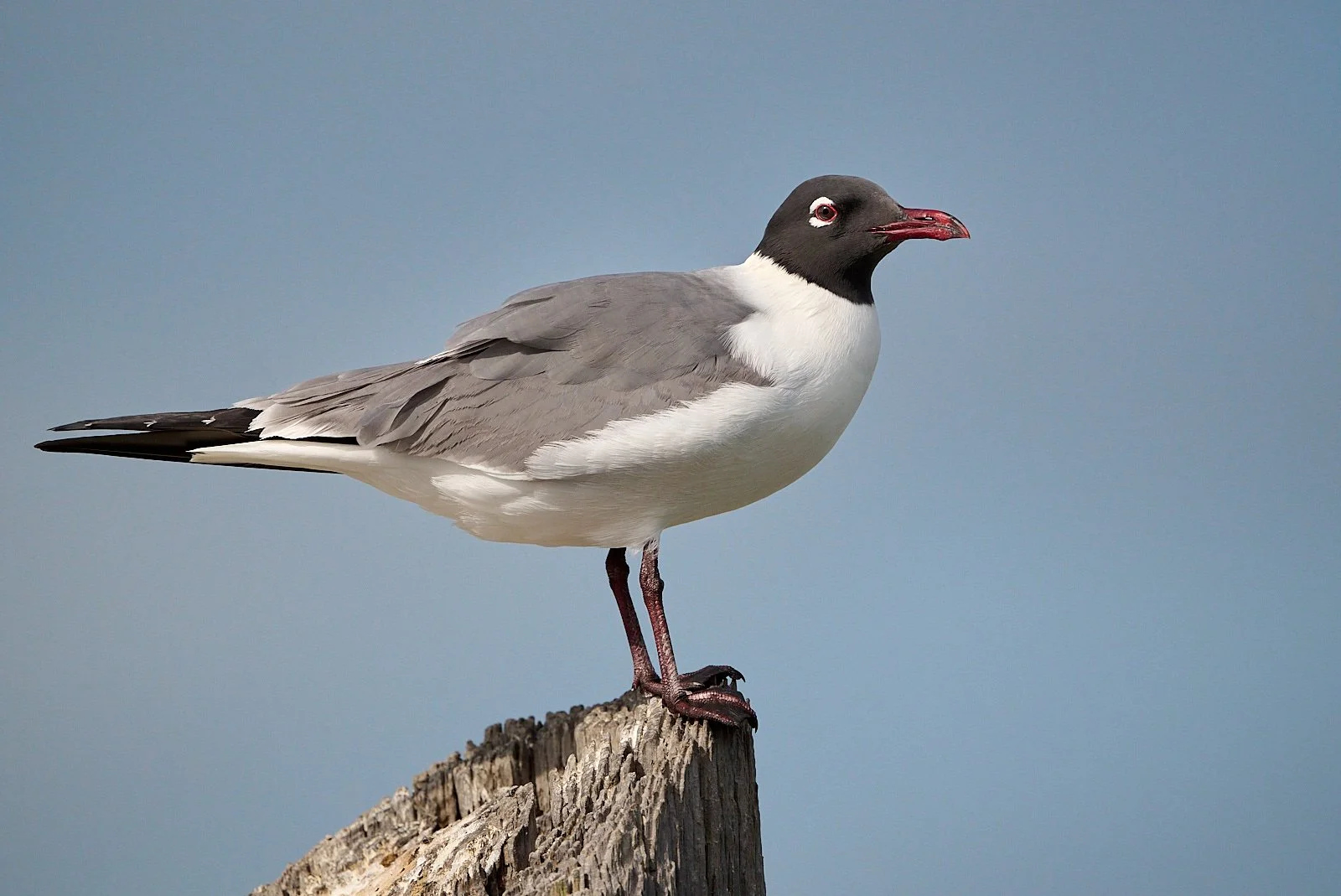
Memorable Moments
Notable events included:
Red Racer (coachwhip snake) hunting kangaroo rats (Anza Borrego).
Woody Guthrie musical presented by Patagonia residents, Arizona.
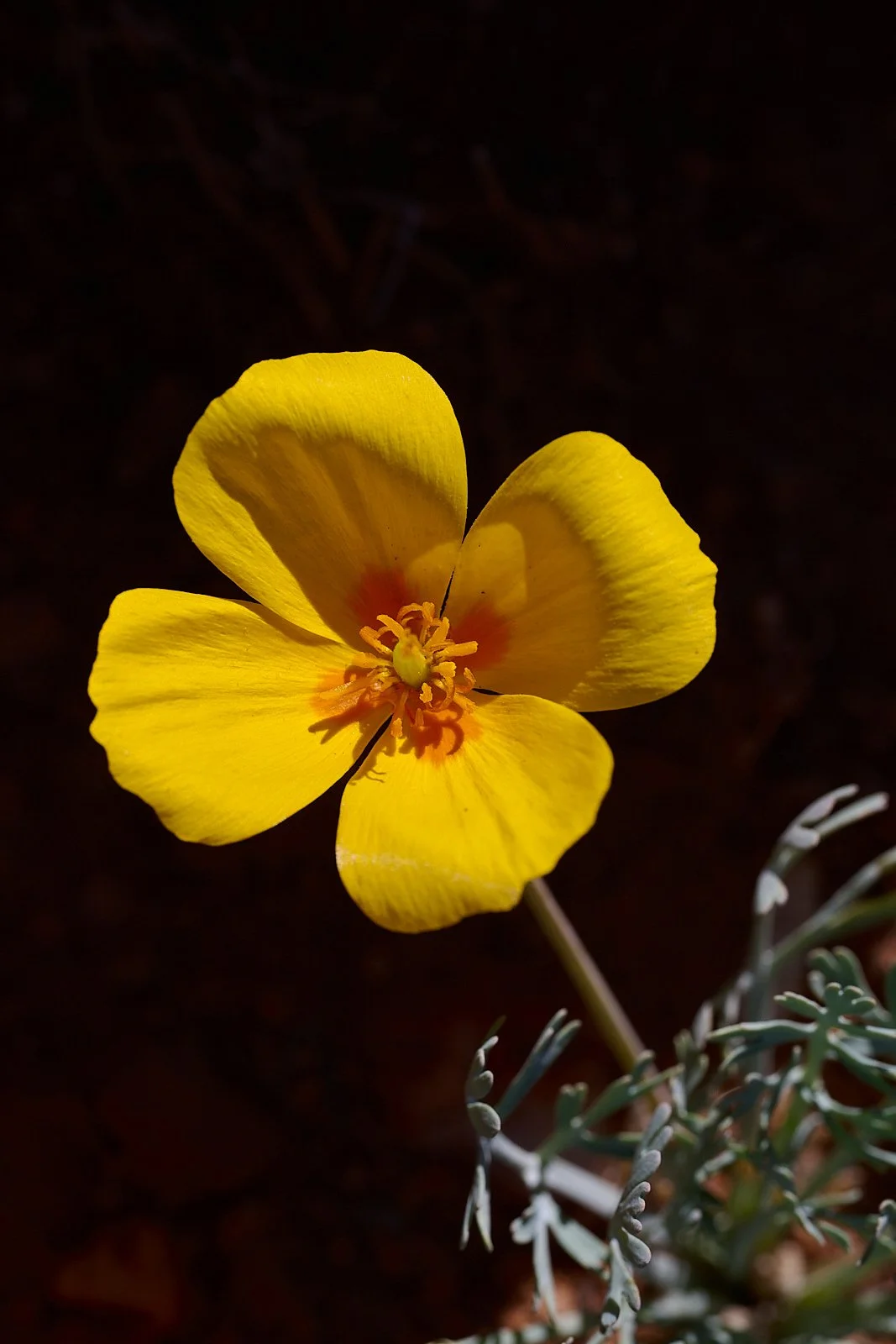
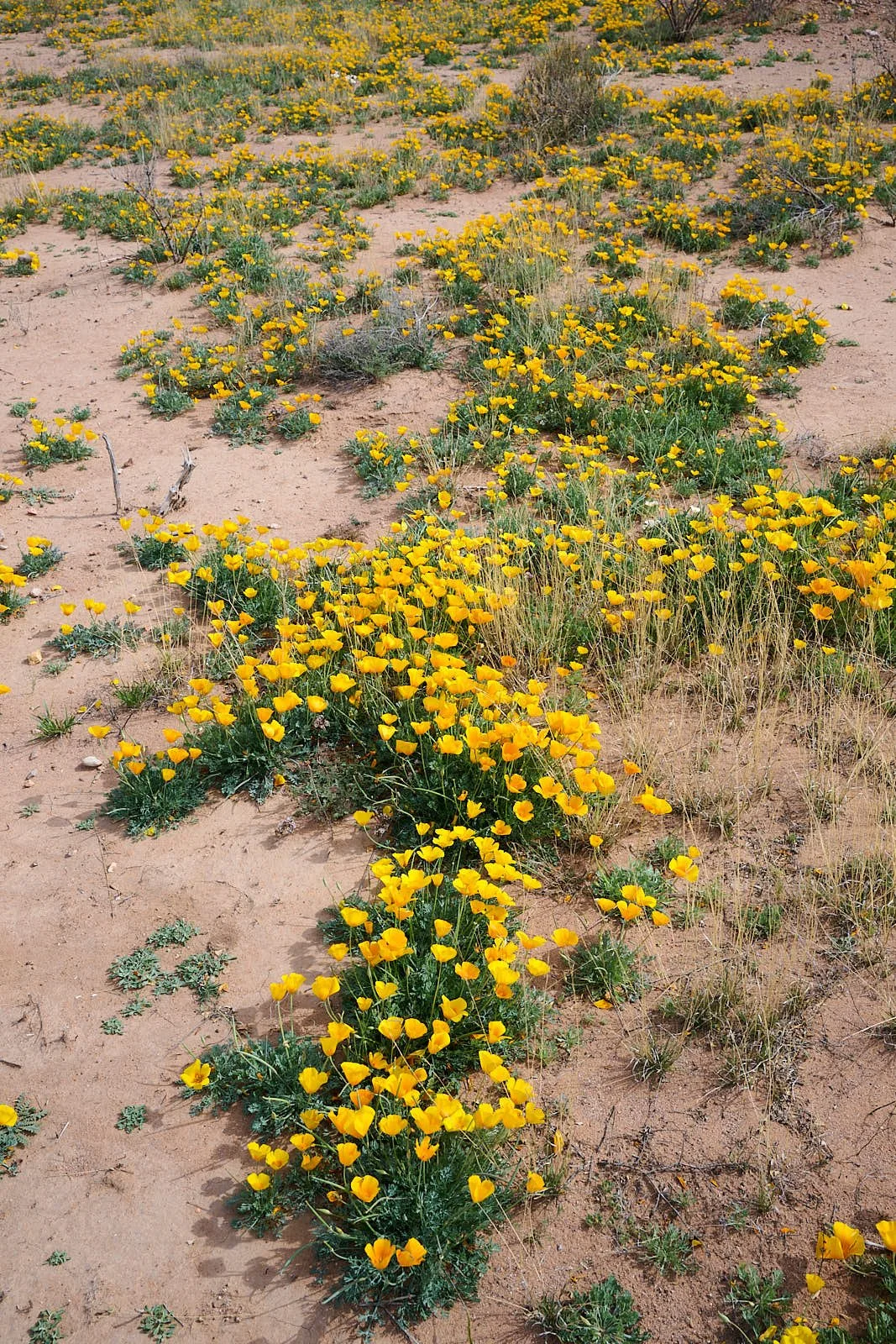
Fields of Mexican Poppies, Rodeo, New Mexico.
Whirlwind destruction of our van awning, Big Bend, Texas.
Chicken tamales, purchased from a pleasant Mexican gentleman on a horse at Big Bend’s Boquillas Canyon, Texas.
Scarlet Tanager at Lamar Burton Birding Preserve, Texas.
A desert rattlesnake washed shiny clean by a torrential downpour (Alamo Canyon).
Texas barbeque in San Antonio.
Golden-cheeked Warblers singing at Lost Maples State Natural Area, Texas.
Black-tailed prairie dogs at Caprock State Park, Texas.
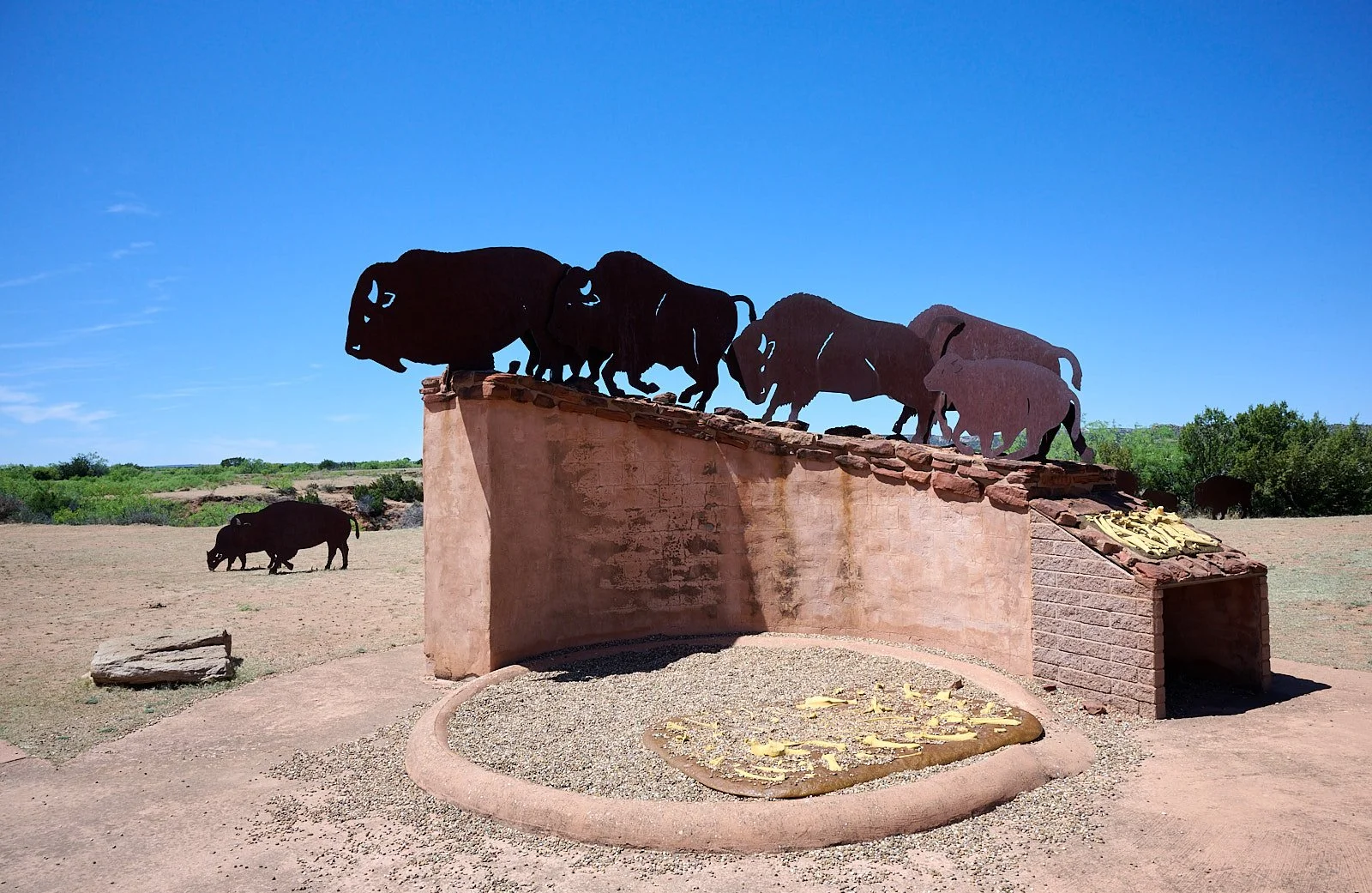
Ancient Clovis culture at Blackwater Draw National Historic Landmark and Museum, New Mexico.
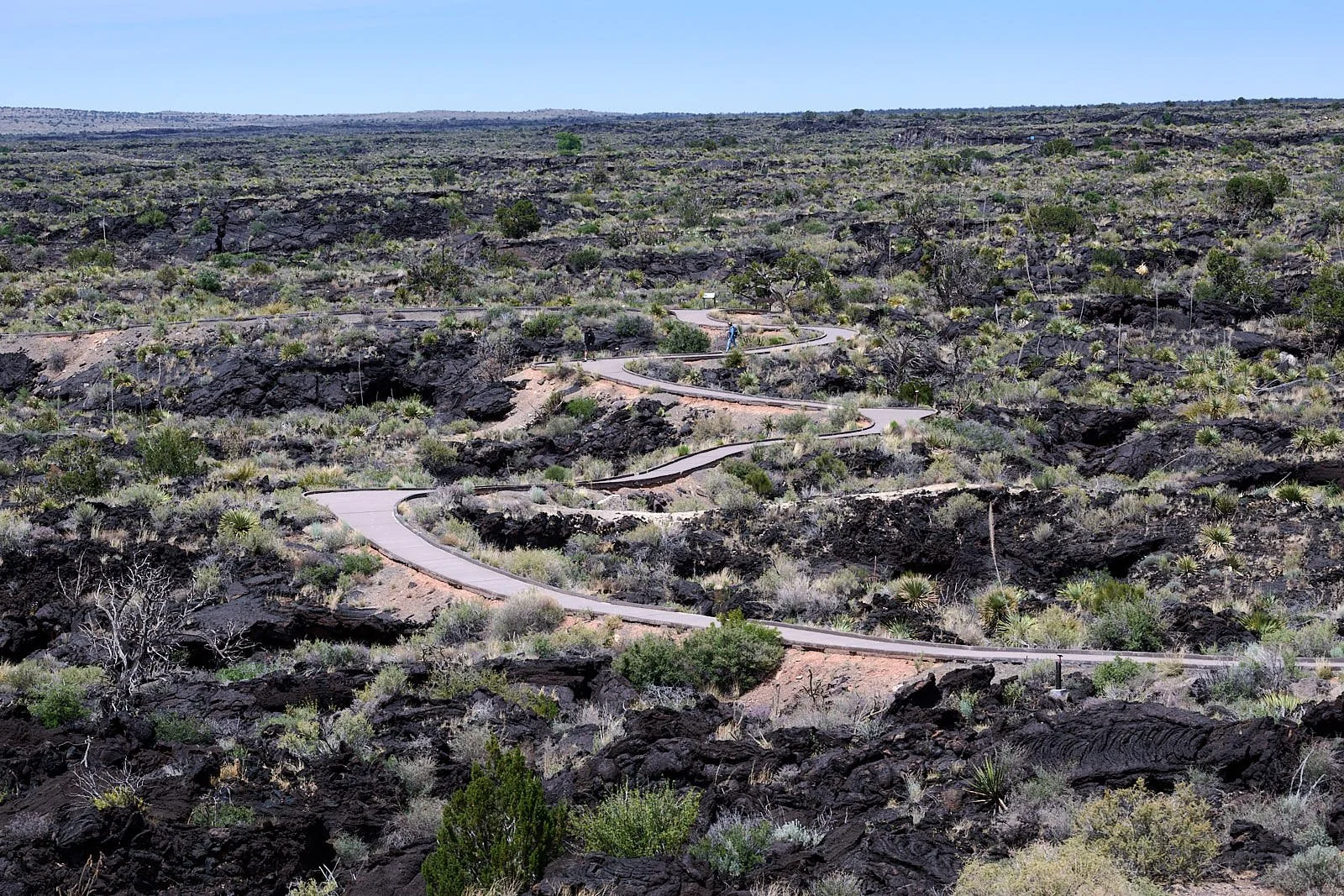
Glorious flowers among black lava at Valley of Fires, New Mexico.
Journey back to 1878 at Rucker camp, Arizona.
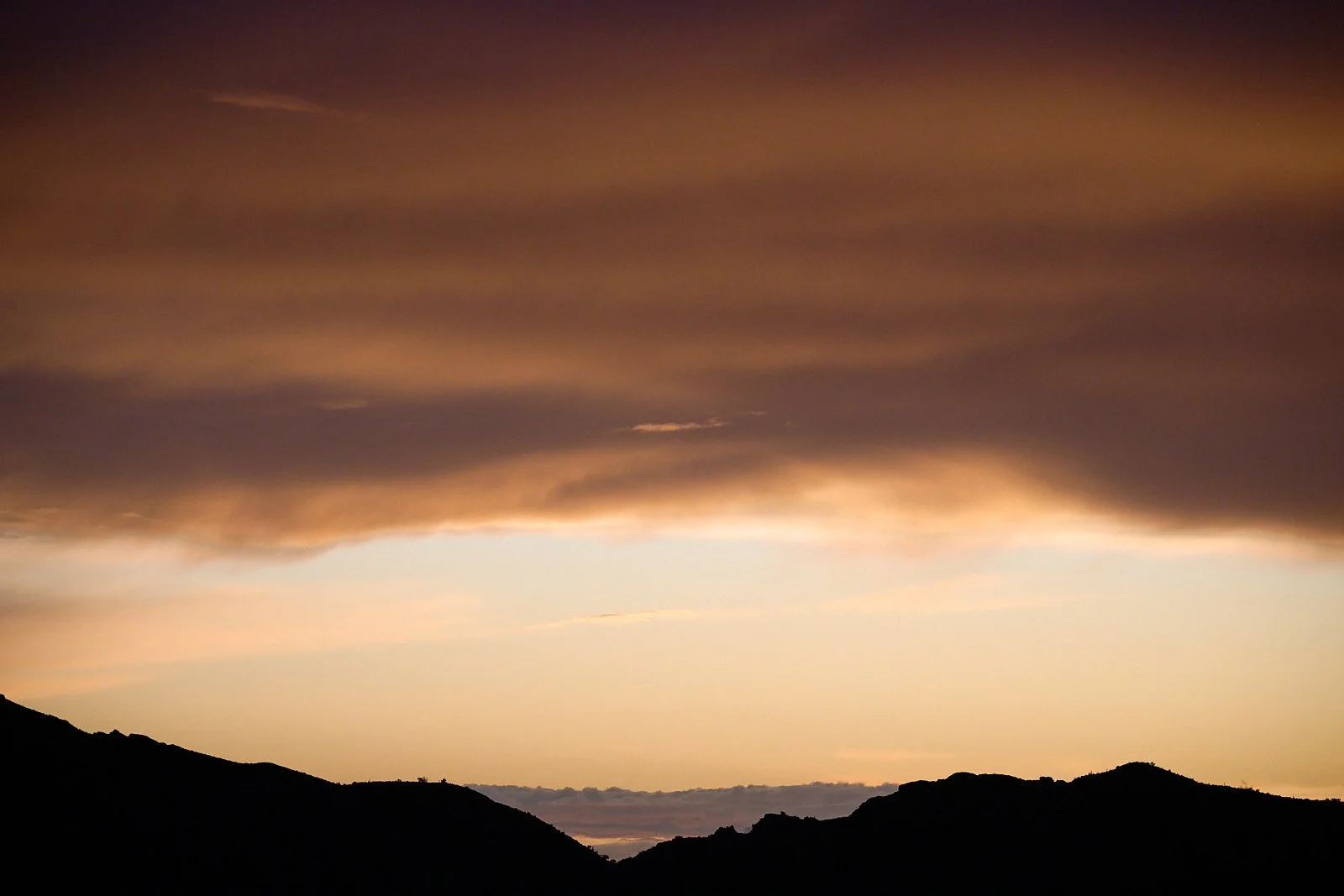
Sunset and rising moon at Painted Rocks, Arizona.
Blooming cacti and cholla at Mid Hills, Mojave, California.
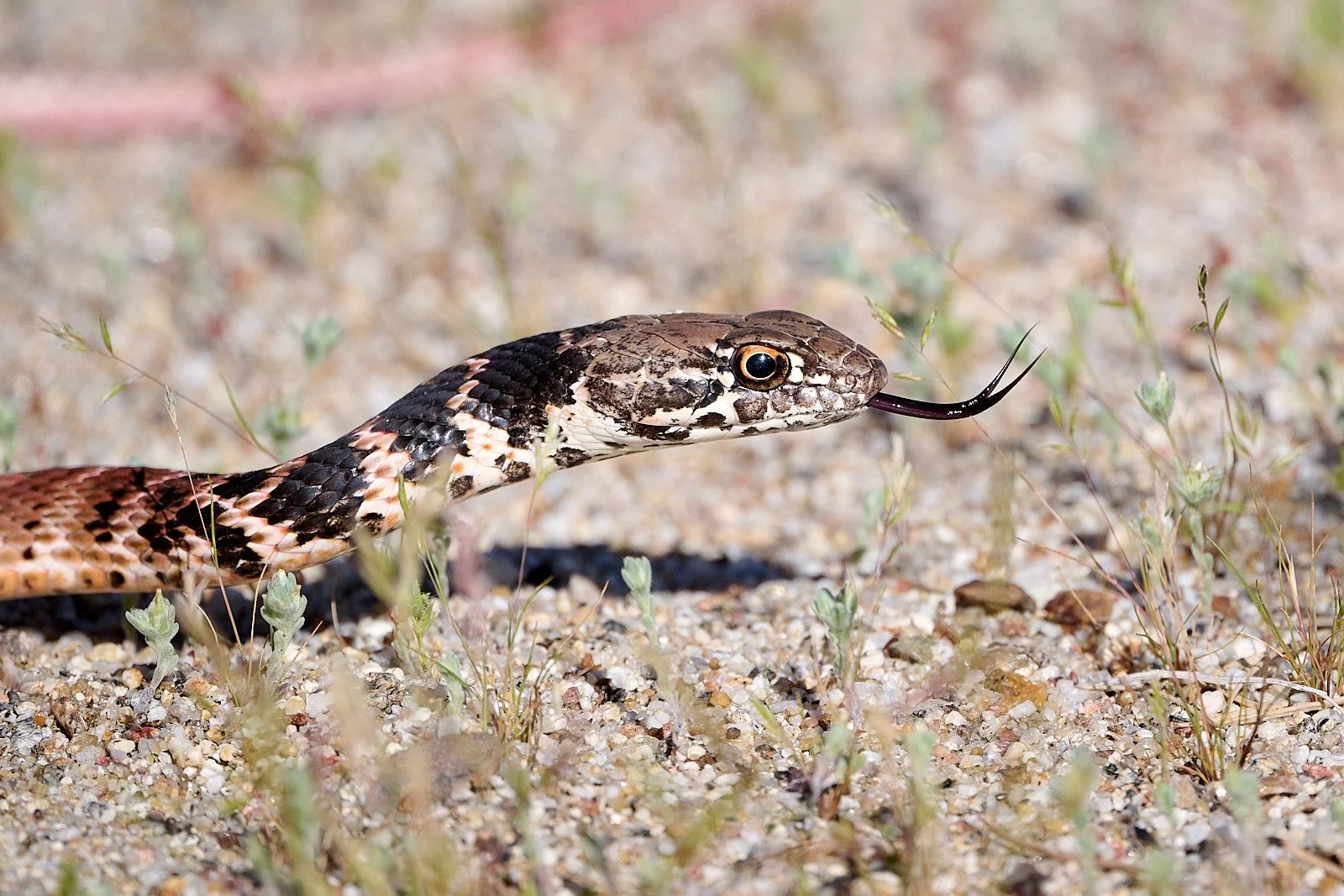
Red racer (coachwhip)
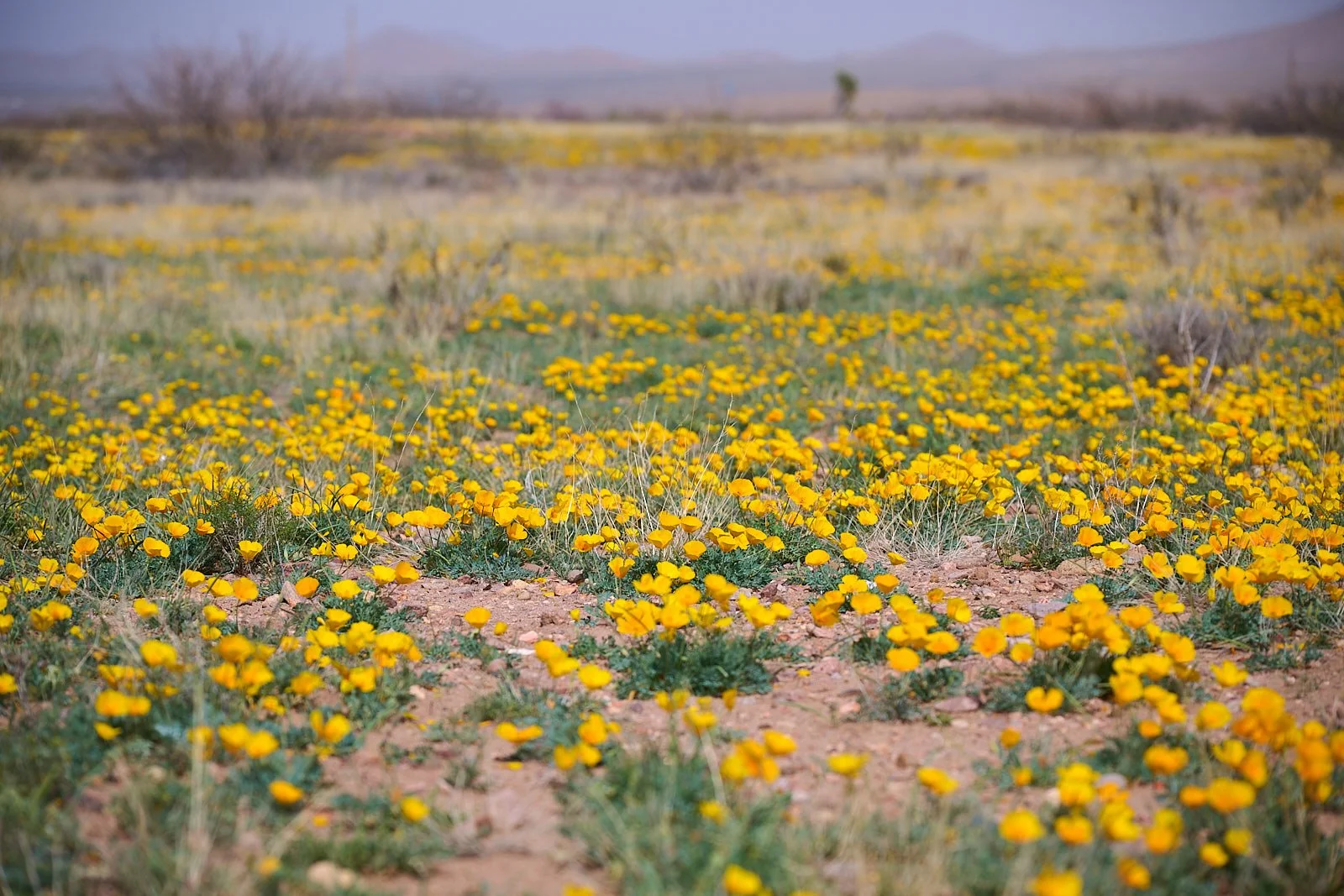
Mexican gold poppies, a subspecies of California poppy (Eschscholzia Californica)
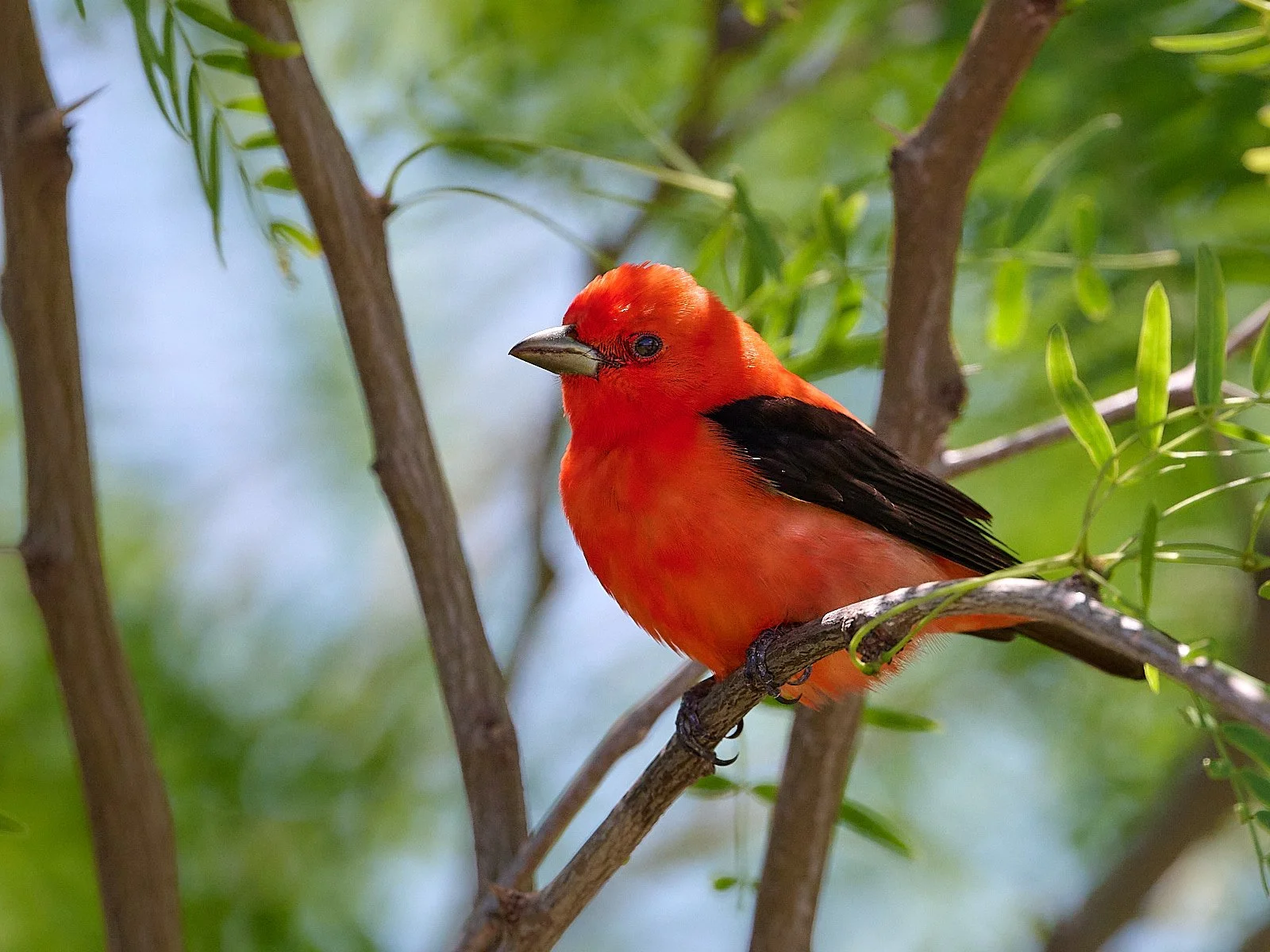
Scarlet Tanager
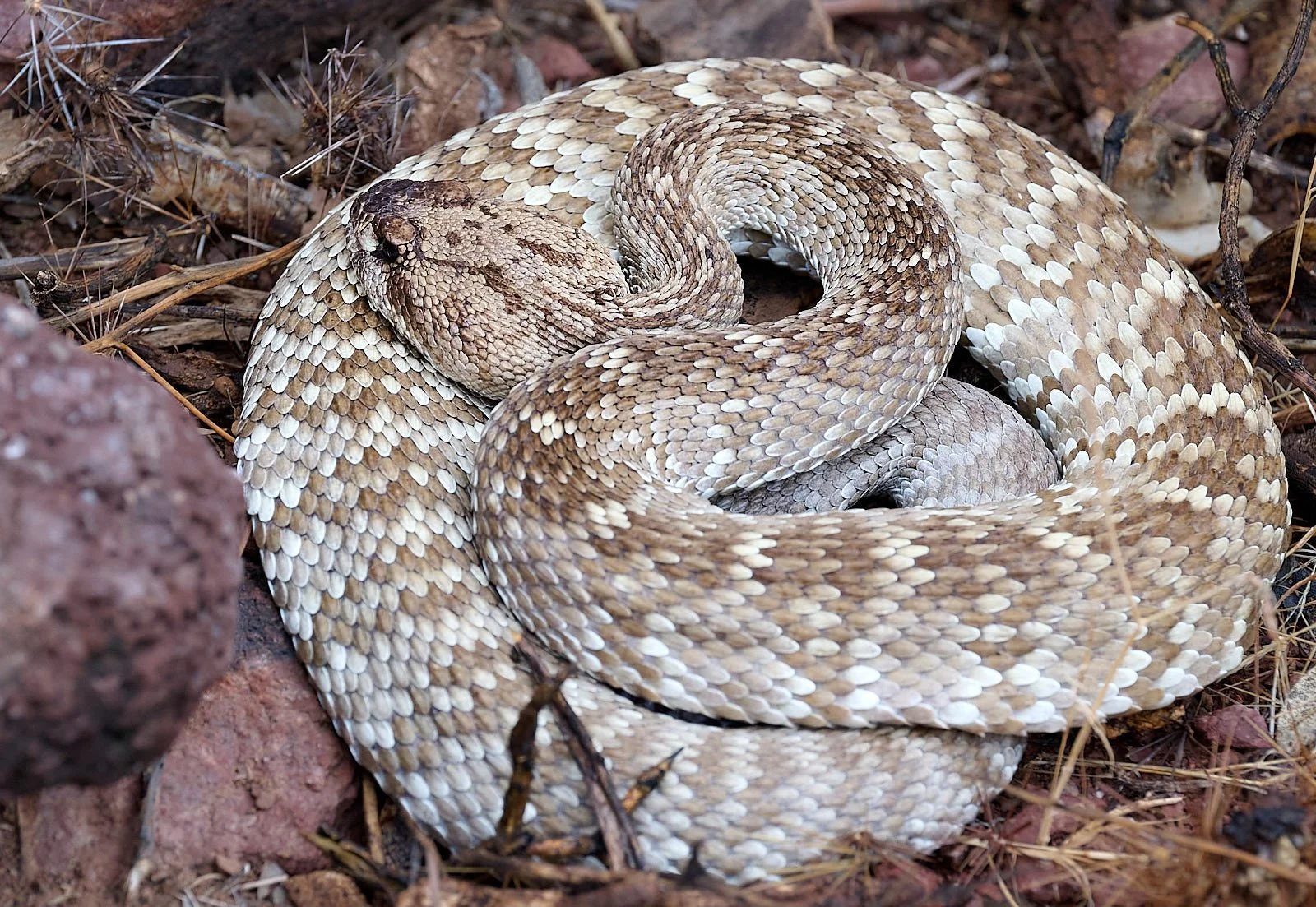
Black-tailed rattlesnake
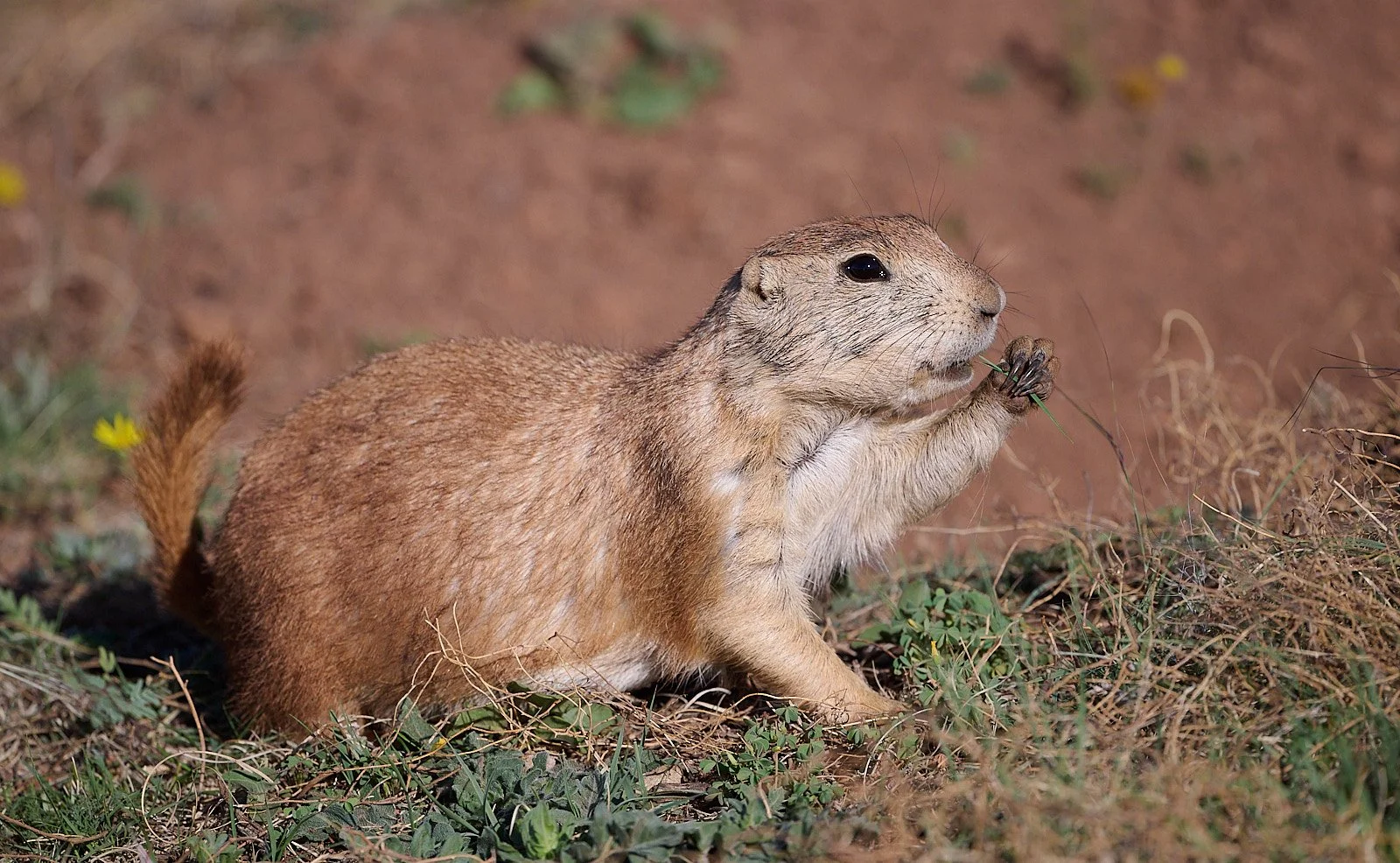
Black-tailed prairie dog
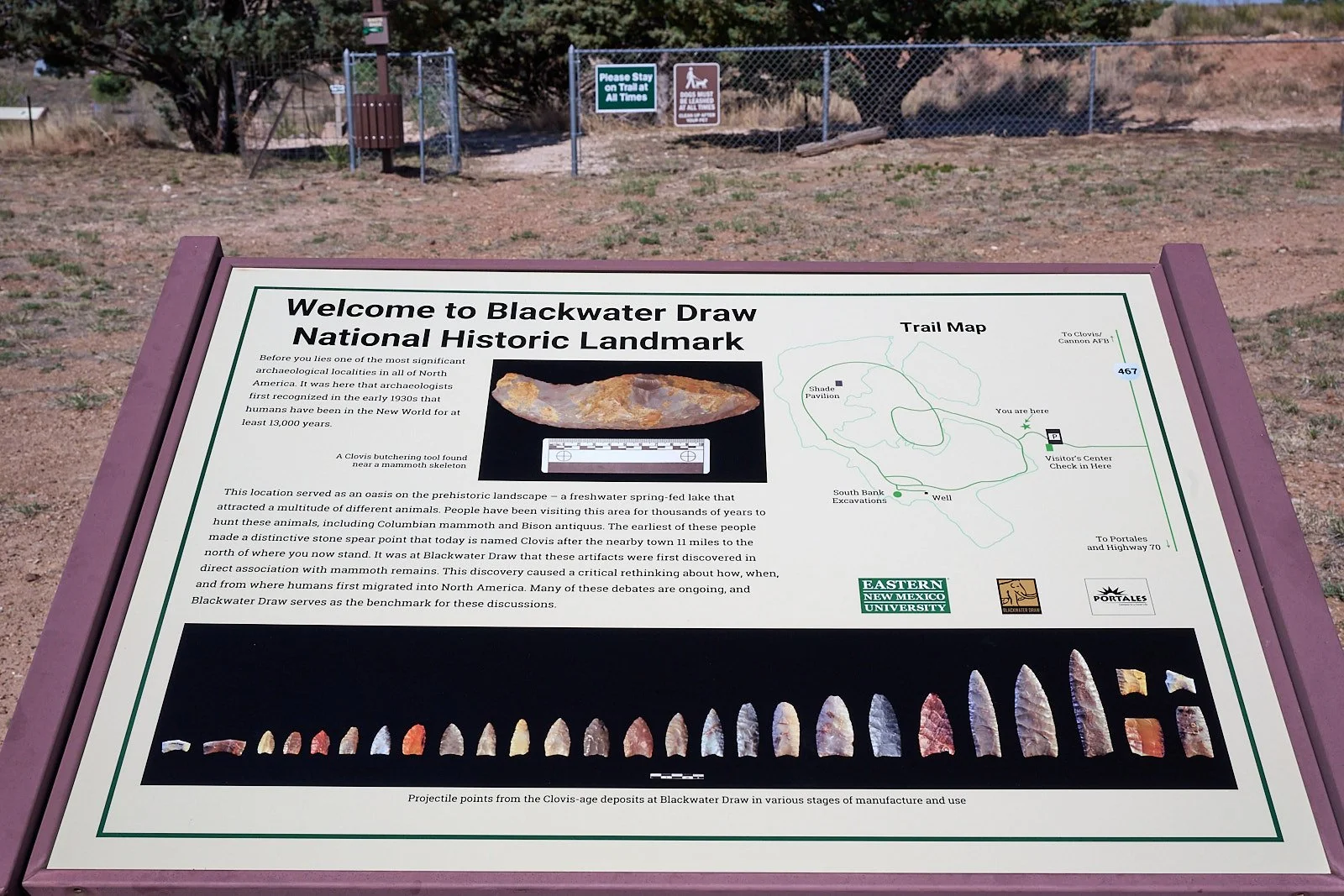
Site of discovery of the Clovis Culture, humans who lived 13,000 years ago
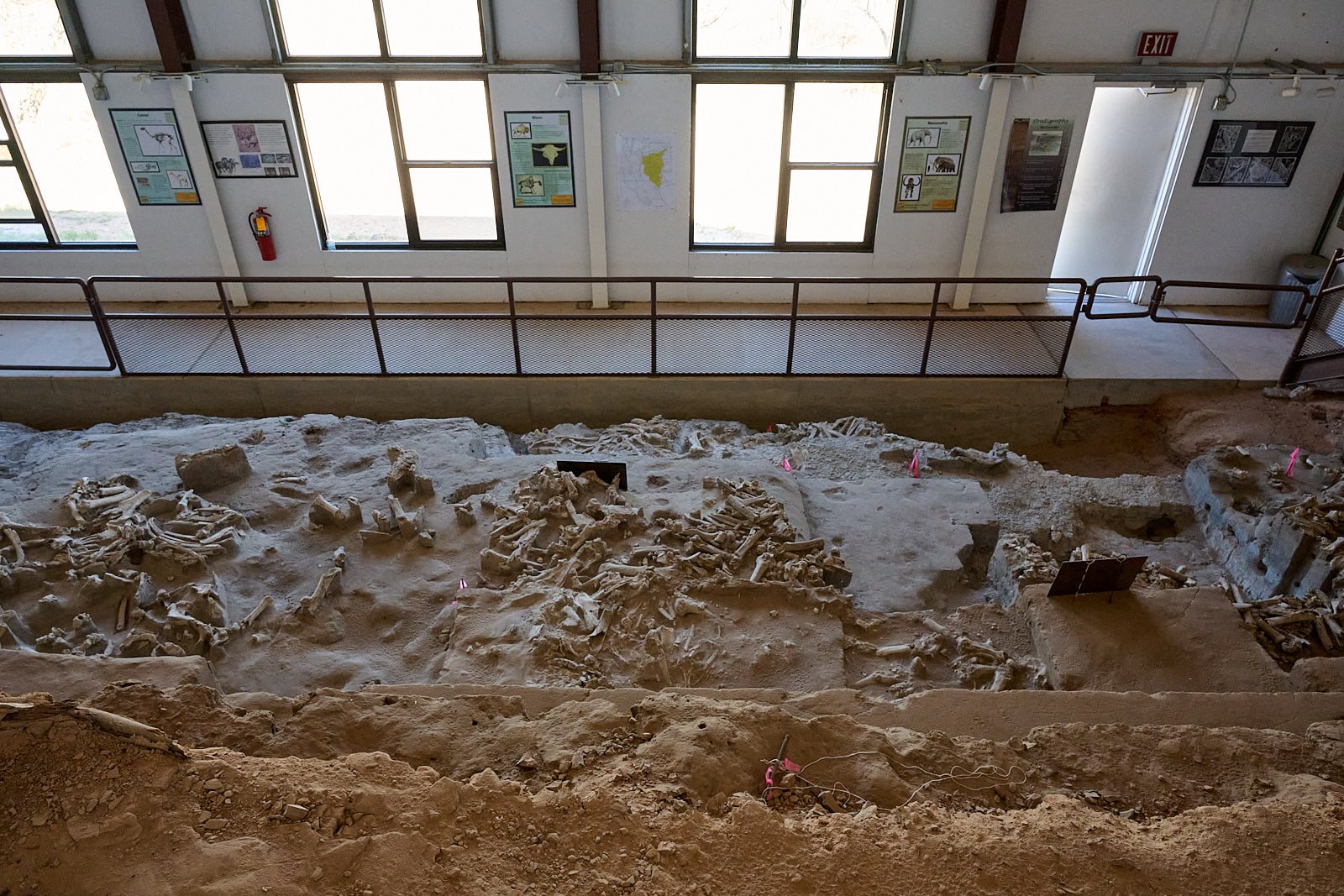
Blackwater Draw archeological dig
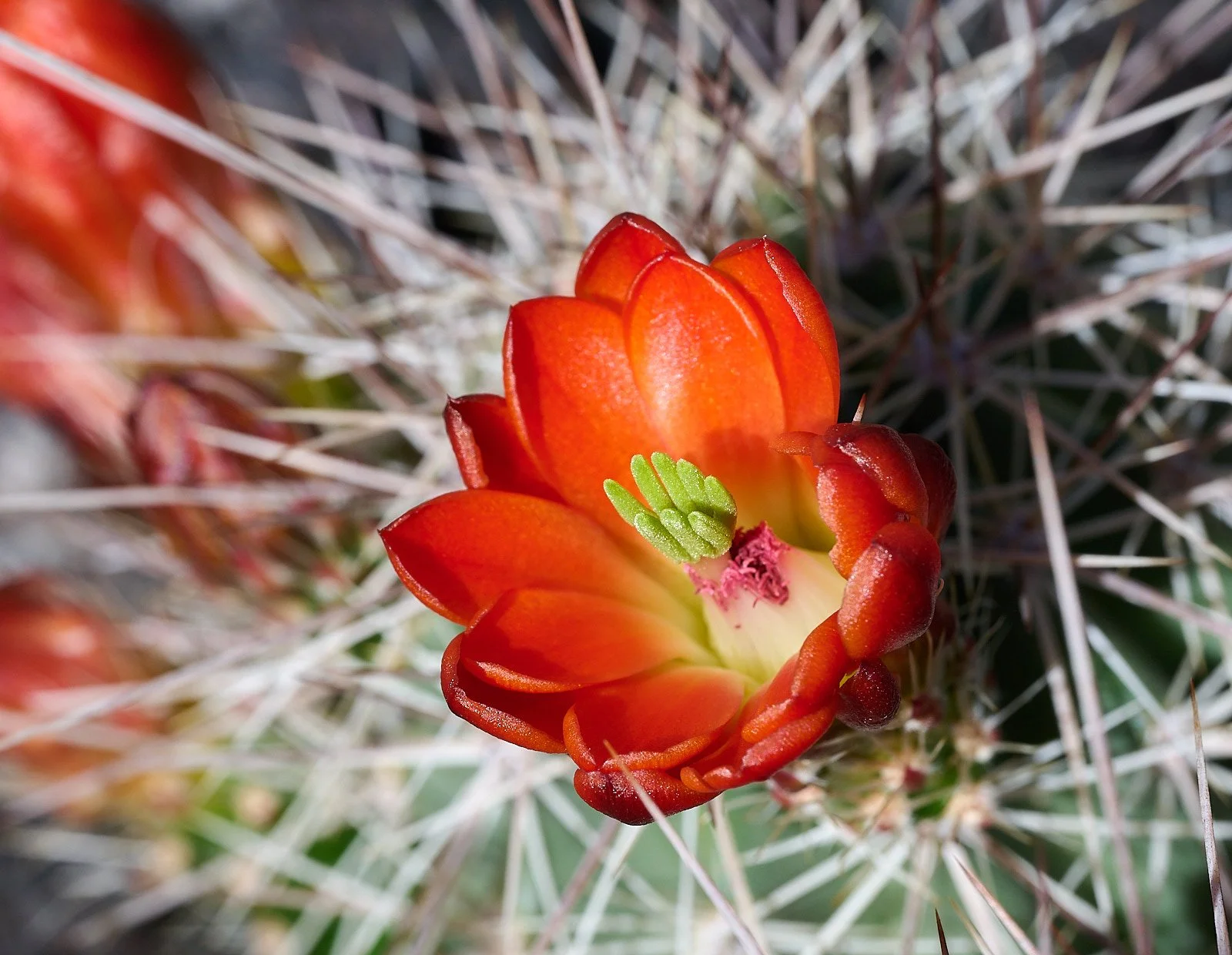
Claret cup cactus at Valley of Fires
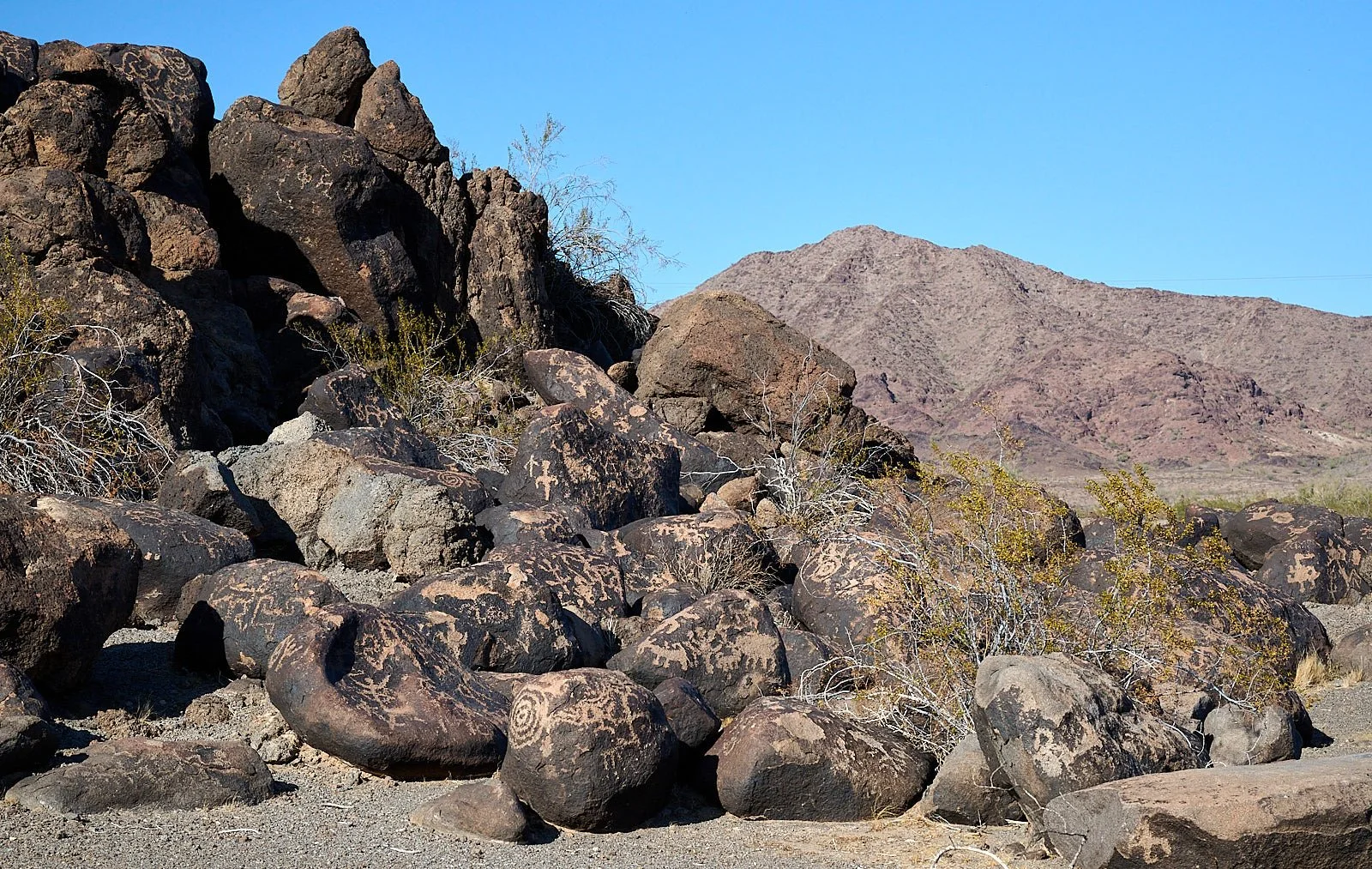
Painted Rocks acheological site, Arizona
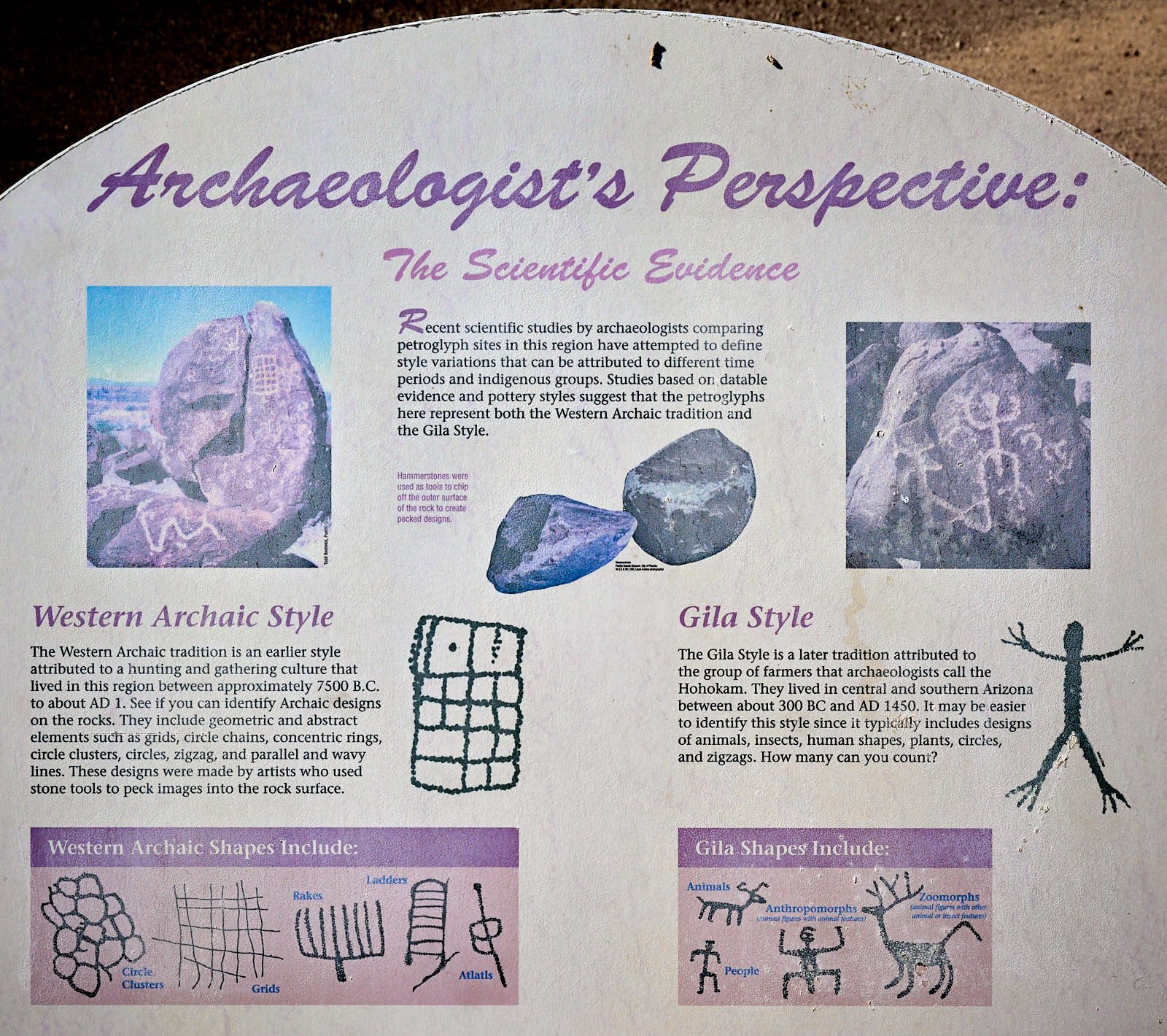
Signage
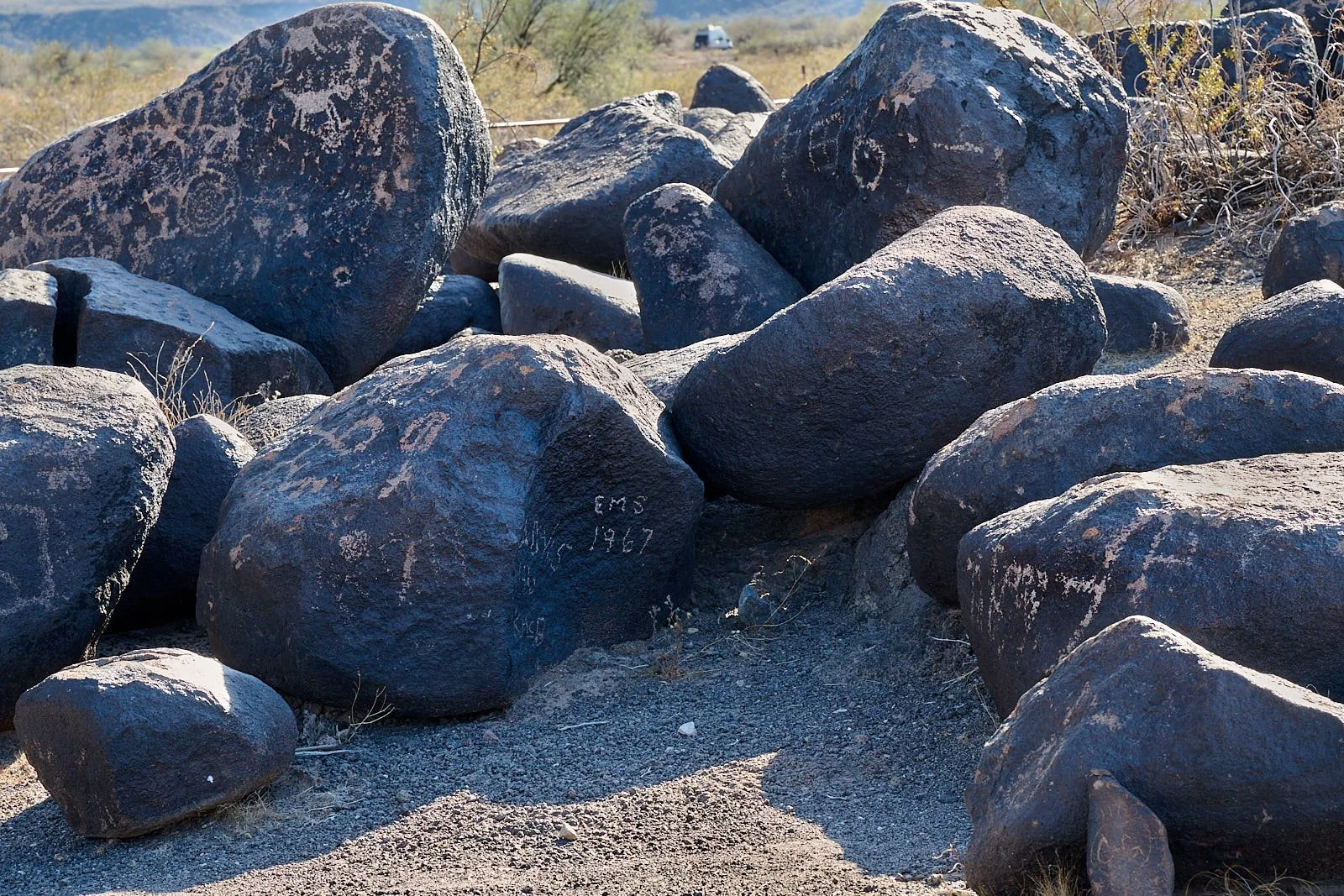
Can you see the modern “artist”?
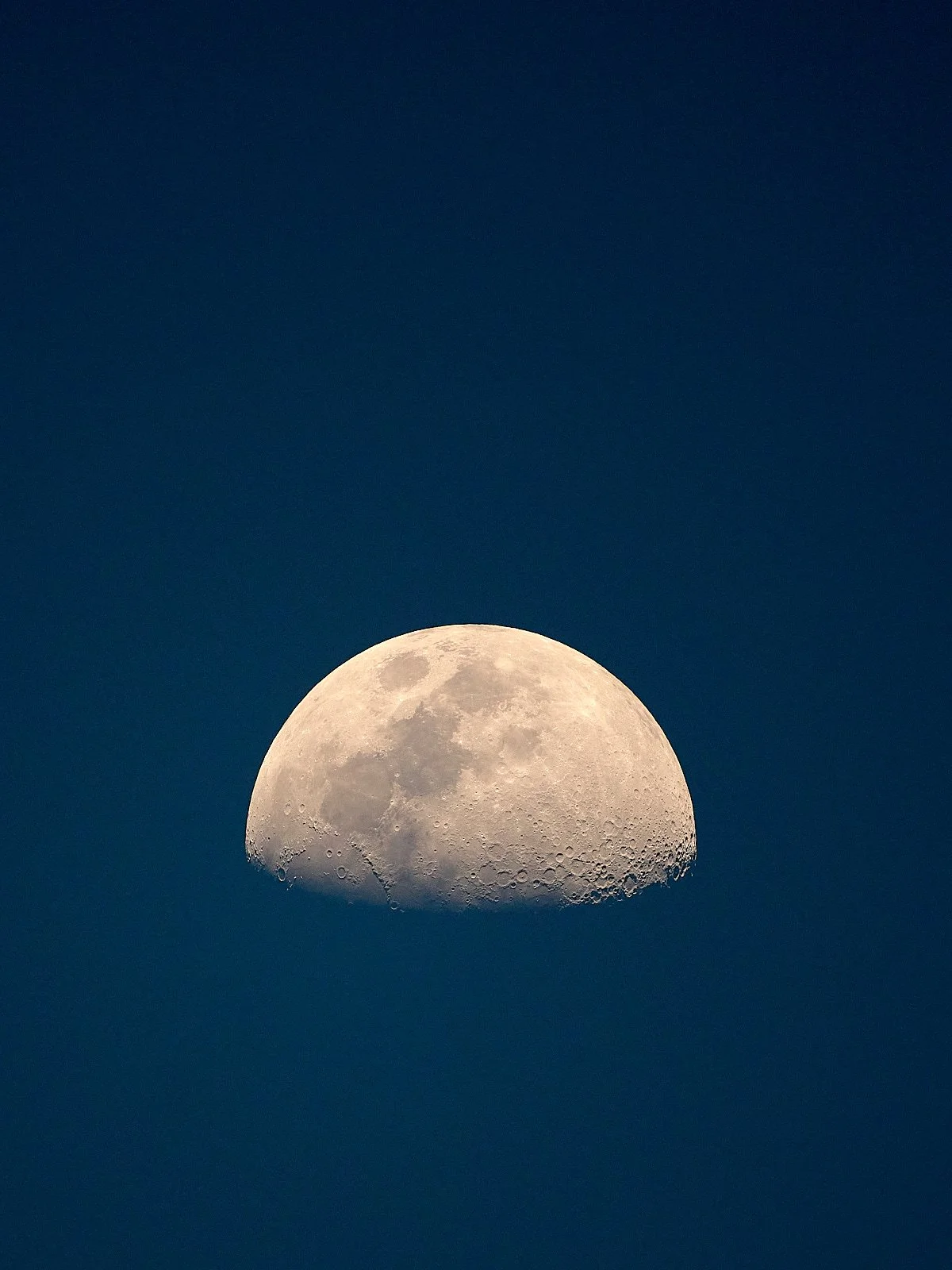
Artemis II in left upper corner
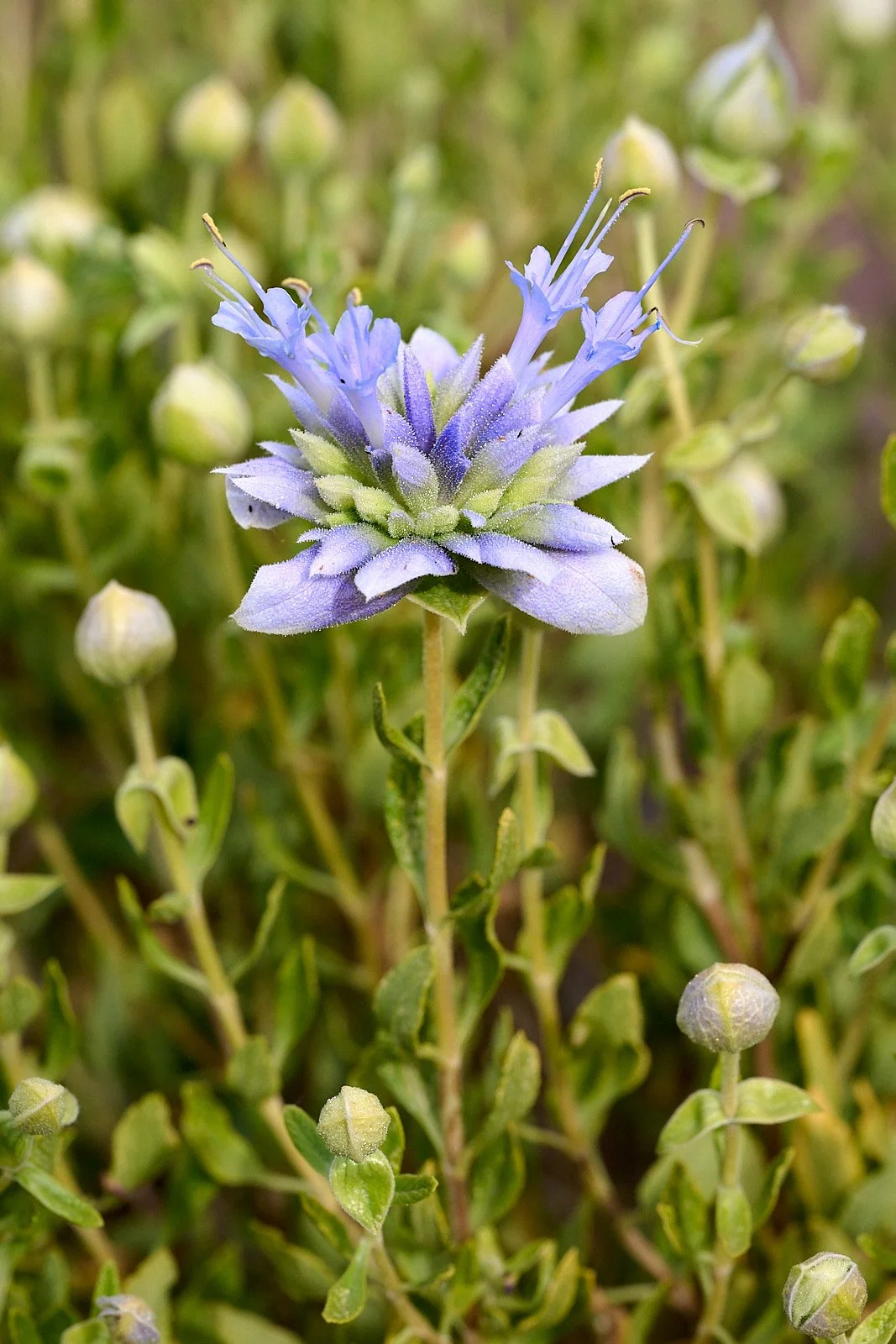
Mojave sage
Long reach of the internet
While traveling, we intermittently had cell phone connectivity and enjoyed interacting with family.
We also kept up with the news and learnt that America and Israel had bombed Iran.
As time passes, it feels like a long, sad goodbye to the America that we, as immigrants, respected. There is an intentional erosion of democracy. Trump is blatantly corrupt, and the ultra-wealthy have used the opportunity to advance their agendas. The Administration’s toxic actions have been at the expense of human rights, societal obligations, the rule of law, the pursuit of knowledge, global stability, and Earth’s resilience.
It took the energy of a hummingbird, a thrasher’s warbles, the scent of a desert sage, and the camaraderie of friends to buoy our spirits.
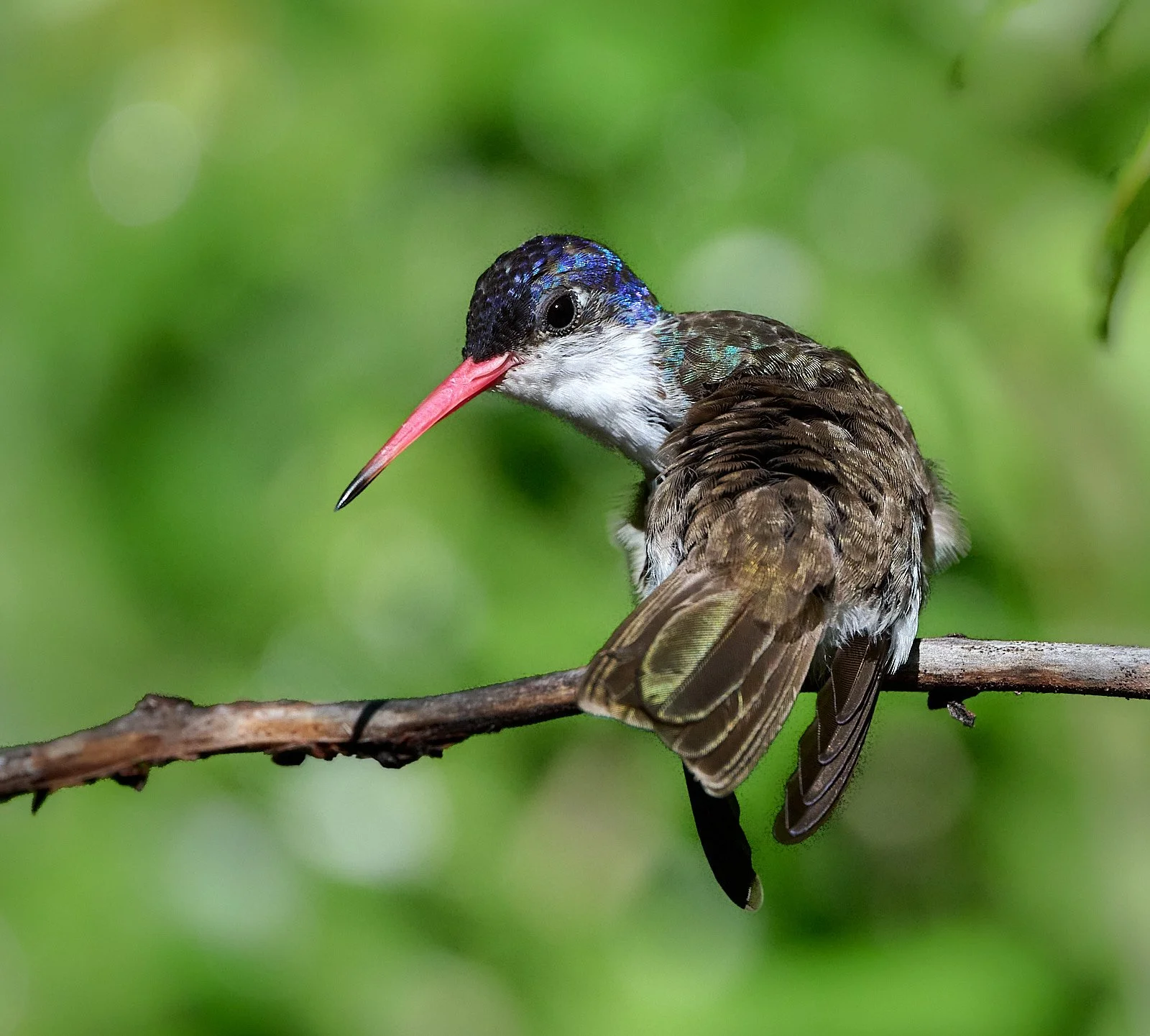
Violet-crowned Hummingbird
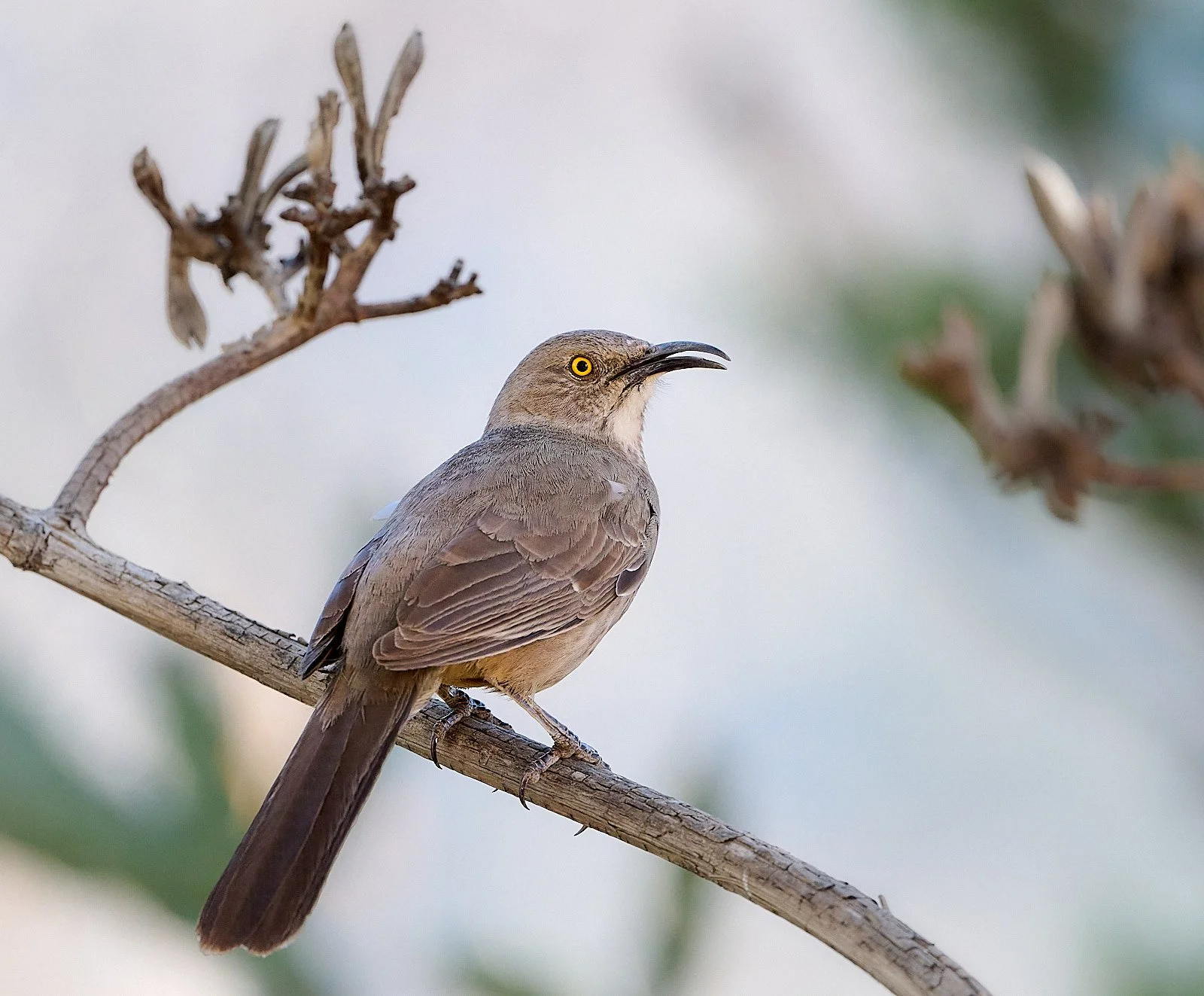
Curve-billed Thrasher
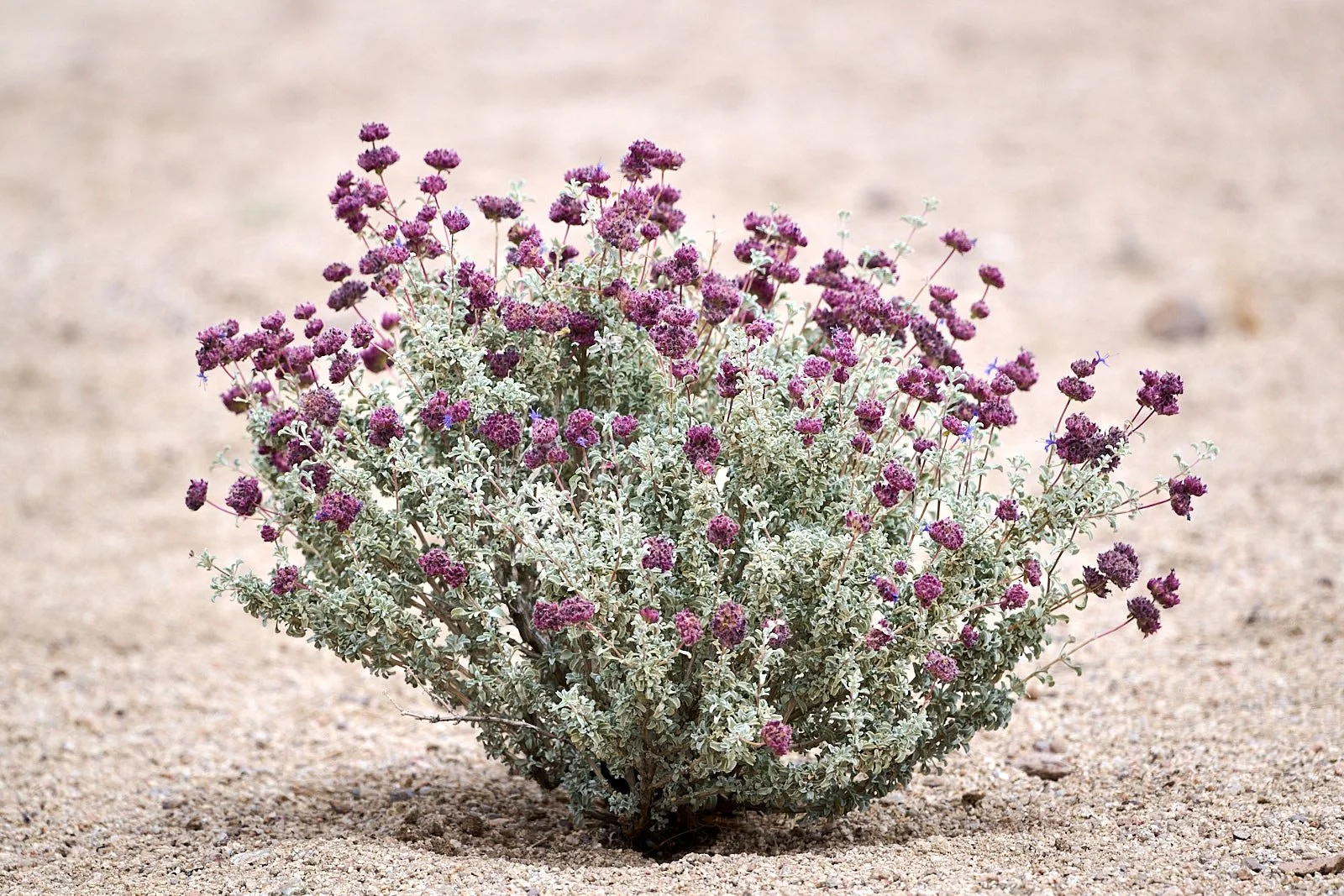
Salvia dorrii
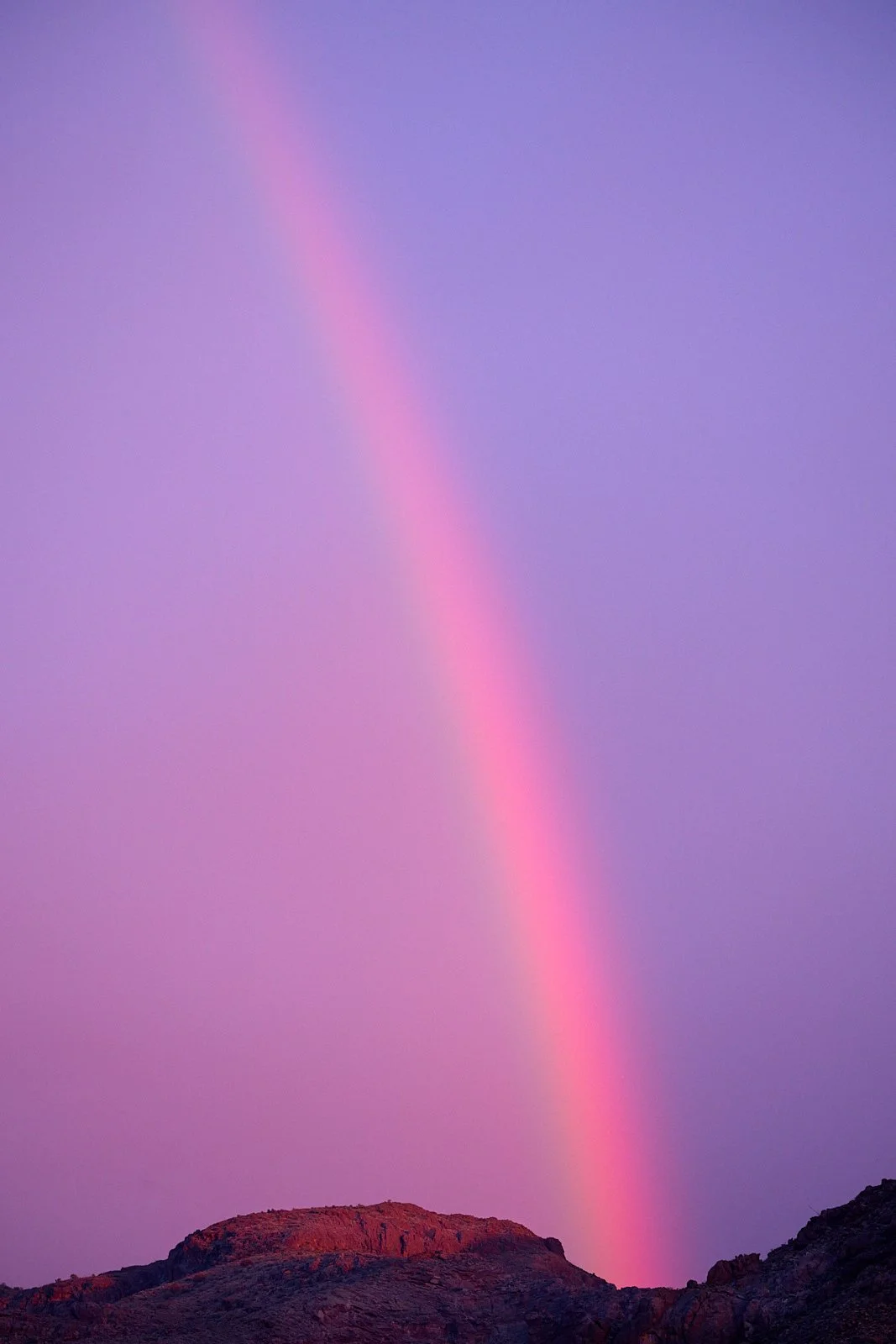
On the plus side, opposition to the insanity is rising.