Migrating Southwest: February - April, 2025
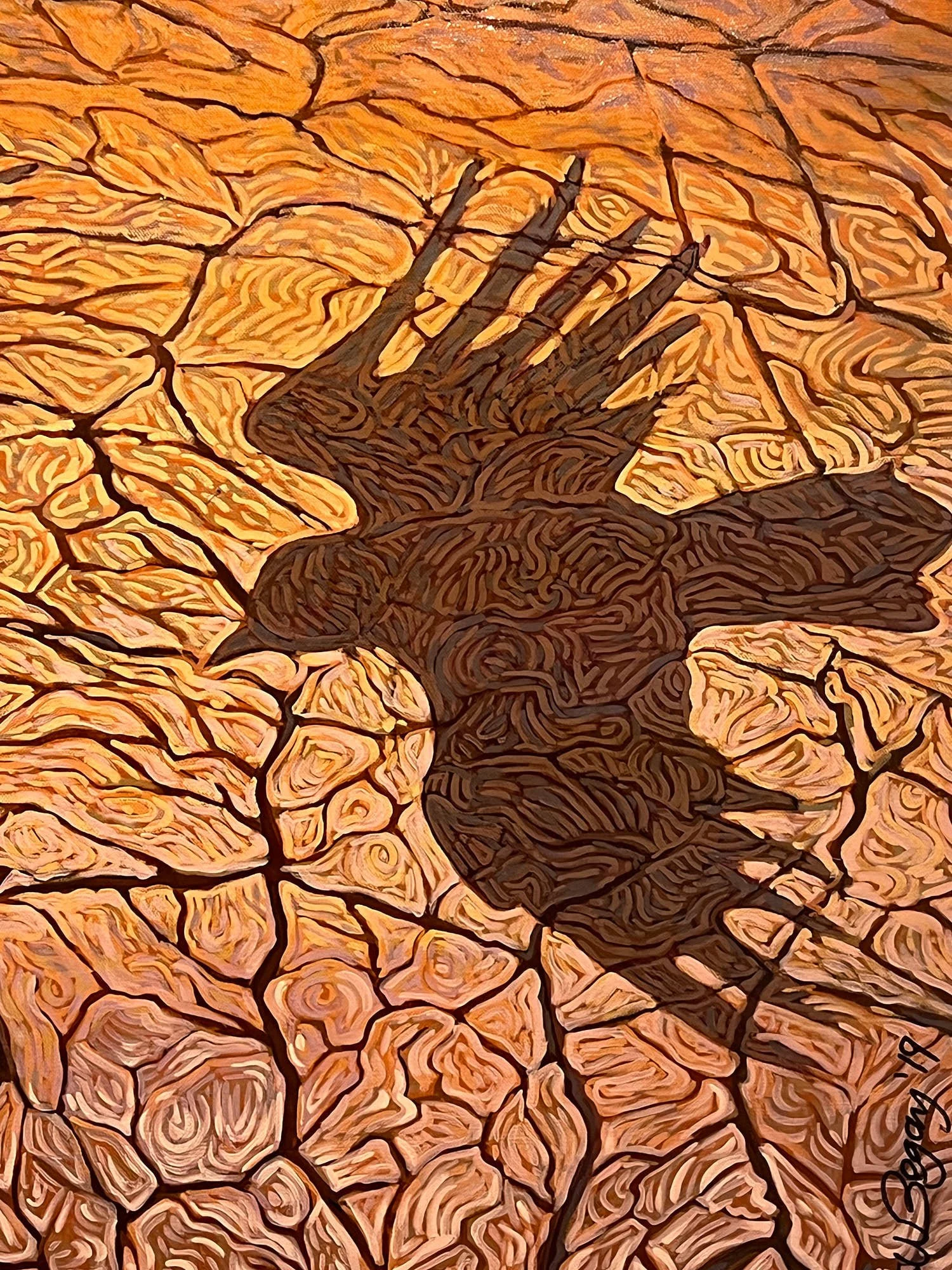
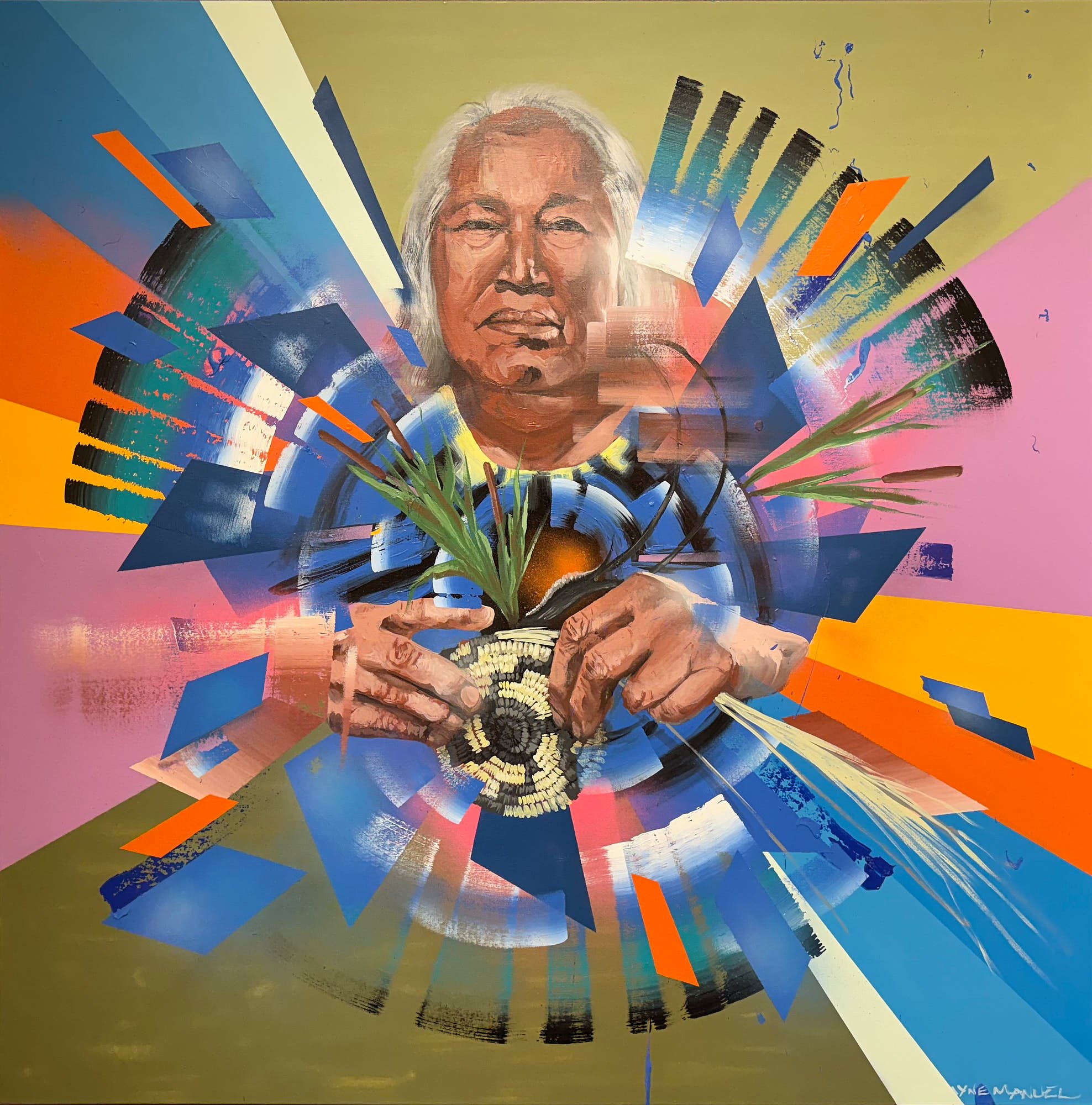
Shonto Begay. Diné, b. 1954
Above Parched Ground, 2019. Acrylic on canvas. Tucson Museum of Art.
“The raven is a lesson from an apocalyptic dream. The earth finally sucks its last drop of water and humanity is on the cusp of extinction.”
Fancy Flights
Two groups of “avian” migrants pass through the Southwest during winter and spring:
Humans from the North: Snowbirds escaping the chill often arrive before November, although some delay their journey south to sunshine until after the year-end festivities.
Birds from the South: In early spring, feathered species depart from their tropical wintering grounds and fly north to take advantage of seasonal feeding and breeding opportunities in temperate and arctic zones.
We spent six weeks in southern California and Arizona, with the hope of intersecting with friends, warm weather, and migrating birds.
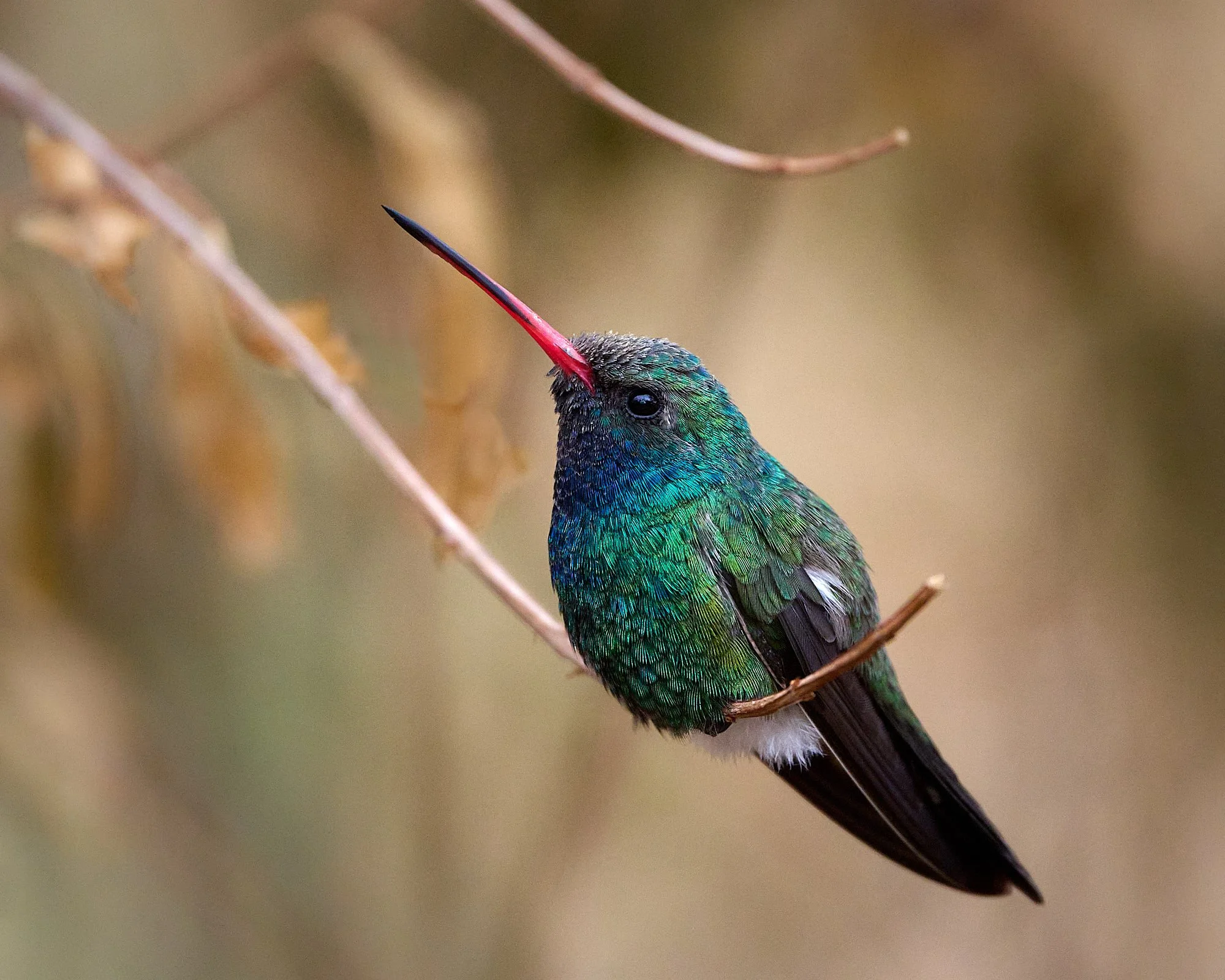
Broad-billed Hummingbird, male
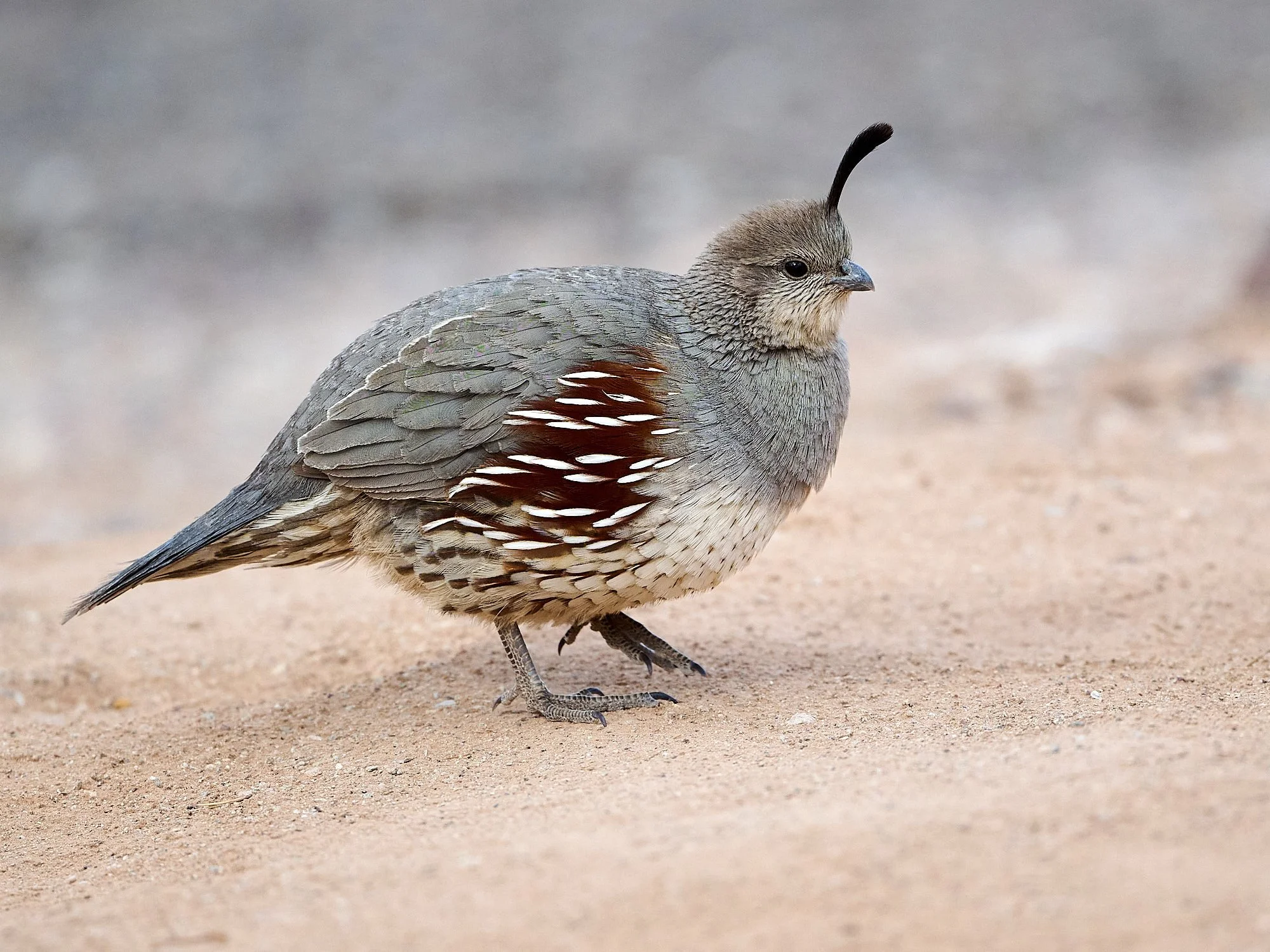
Gambel’s Quail, female
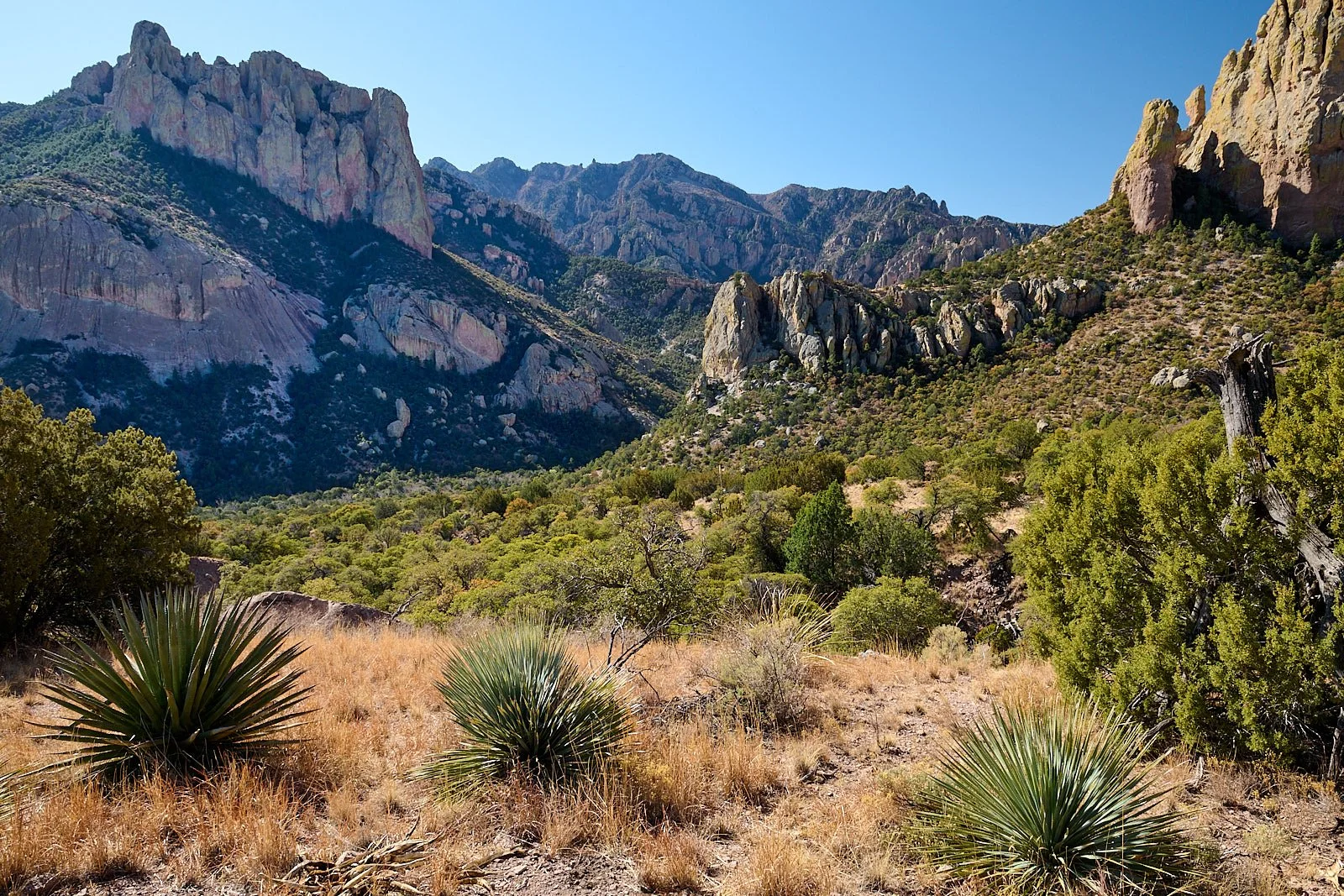
Cave Creek Canyon, Chiricahua Mountains, Arizona

Yucca spp
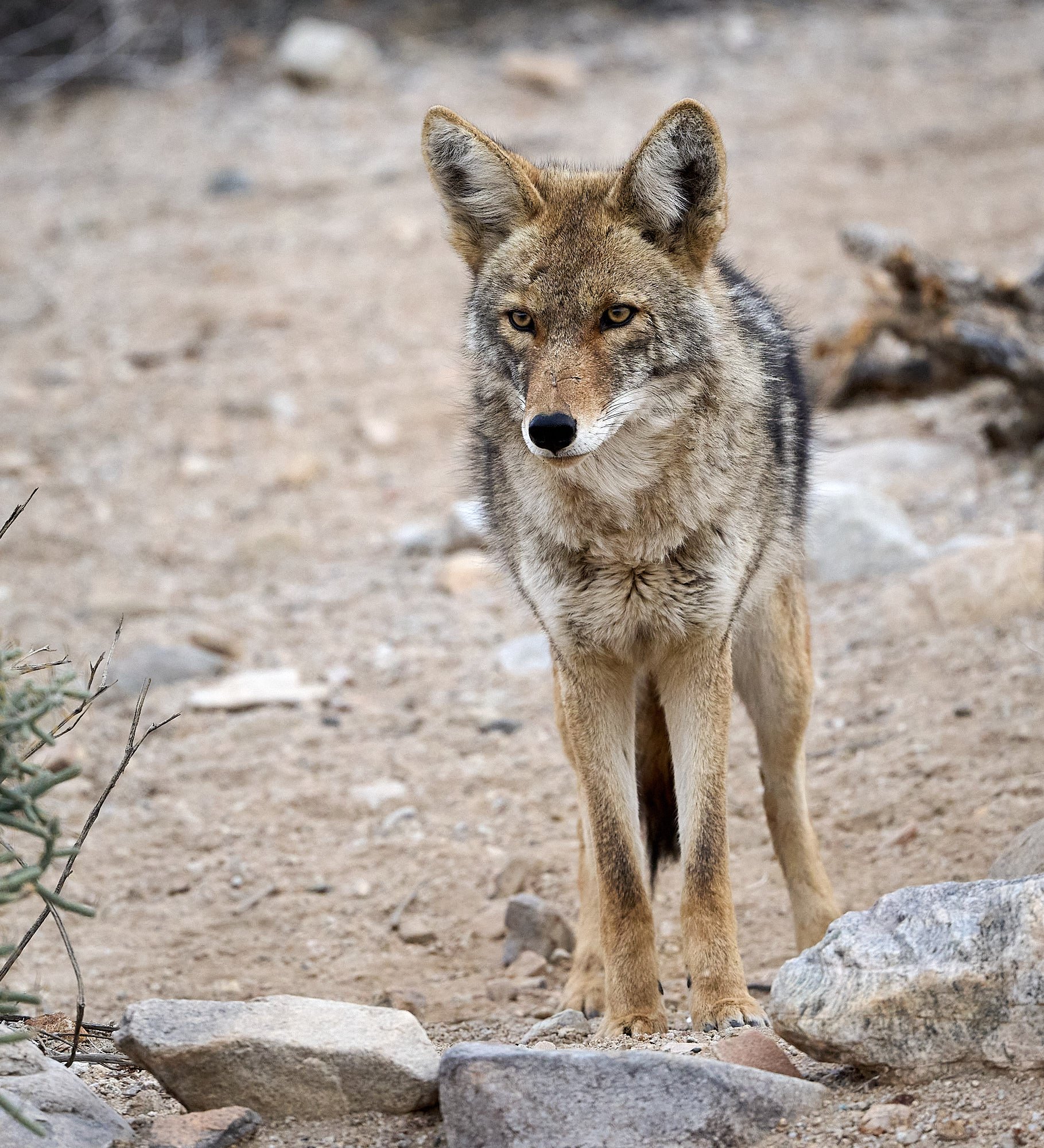
Coyote
Trip Route
Red stars on the maps below indicate places where we stayed.
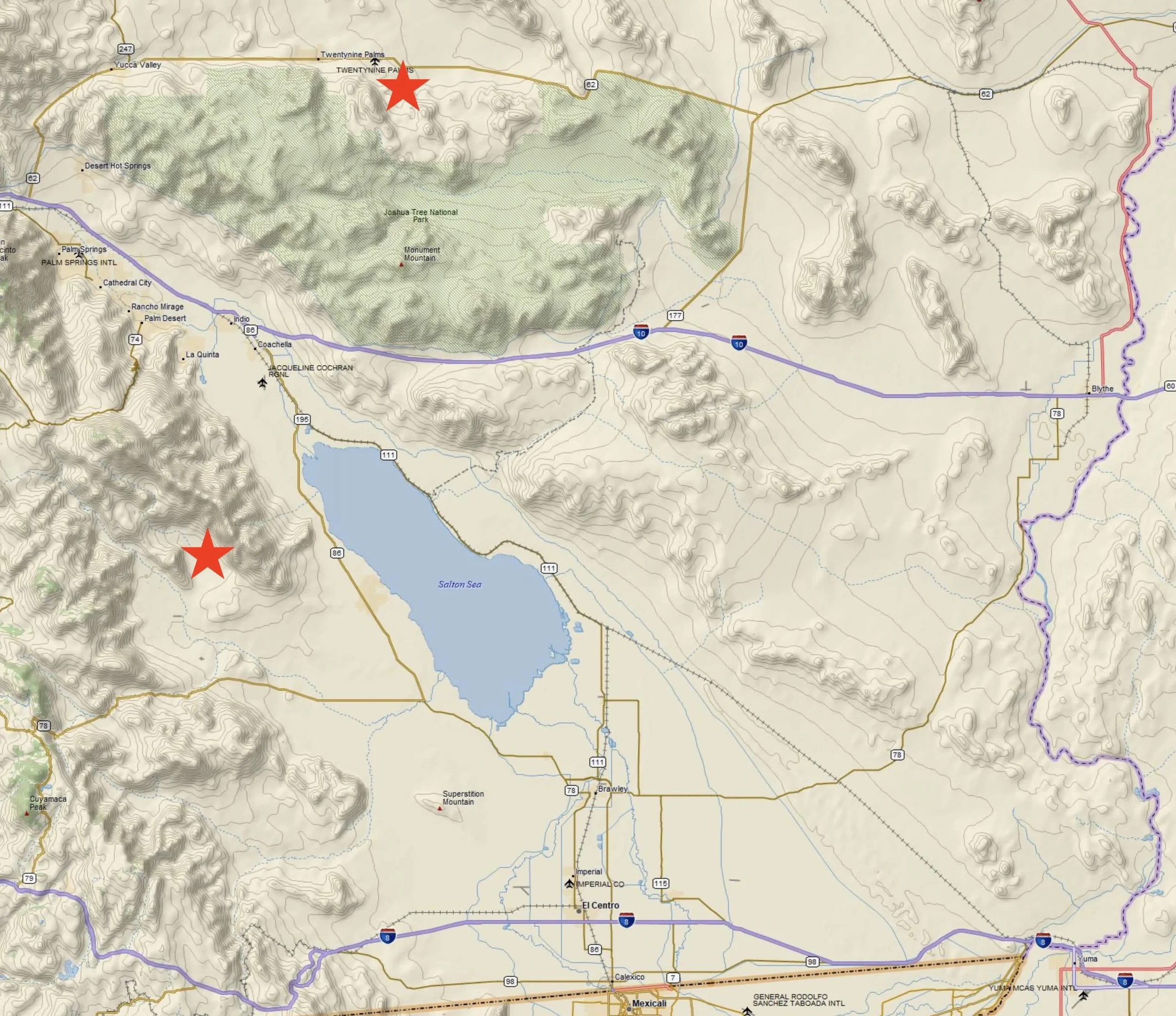
Southern California hinterland - includes Mojave and Sonoran desert ecosystems
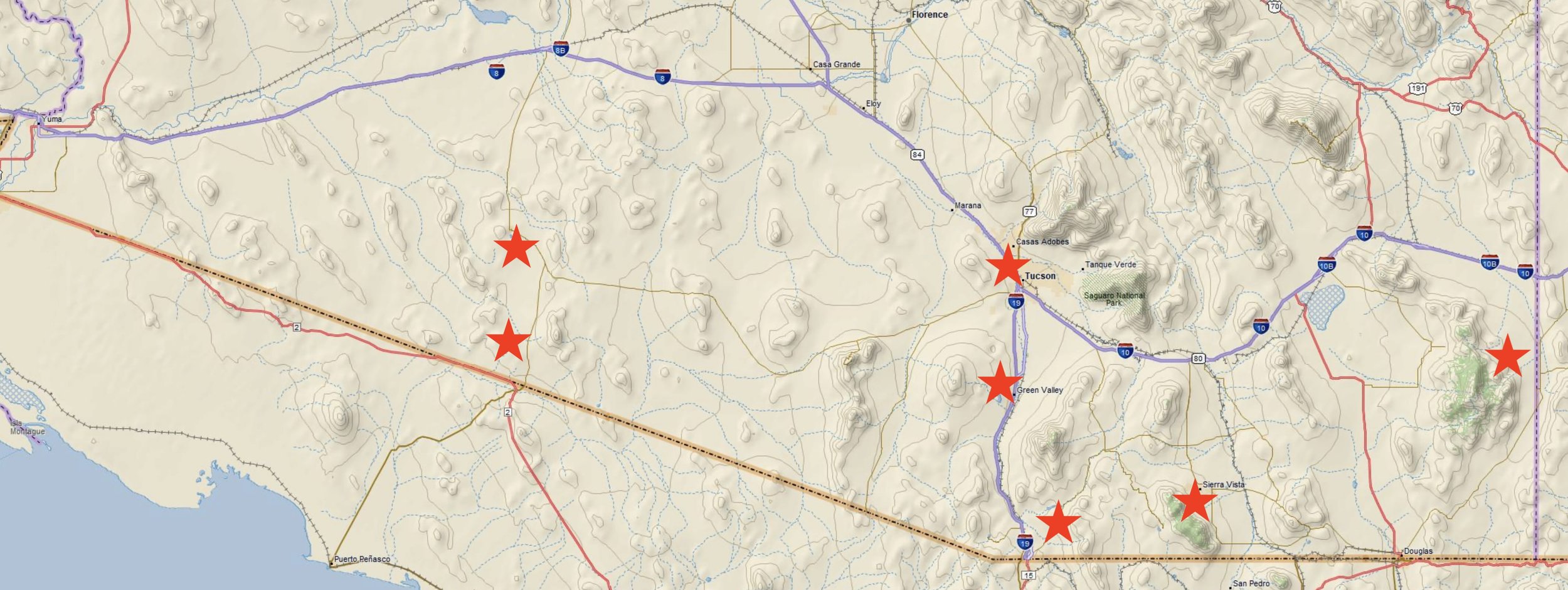
Southern Arizona - includes Sonoran and Chihuahuan desert ecosystems
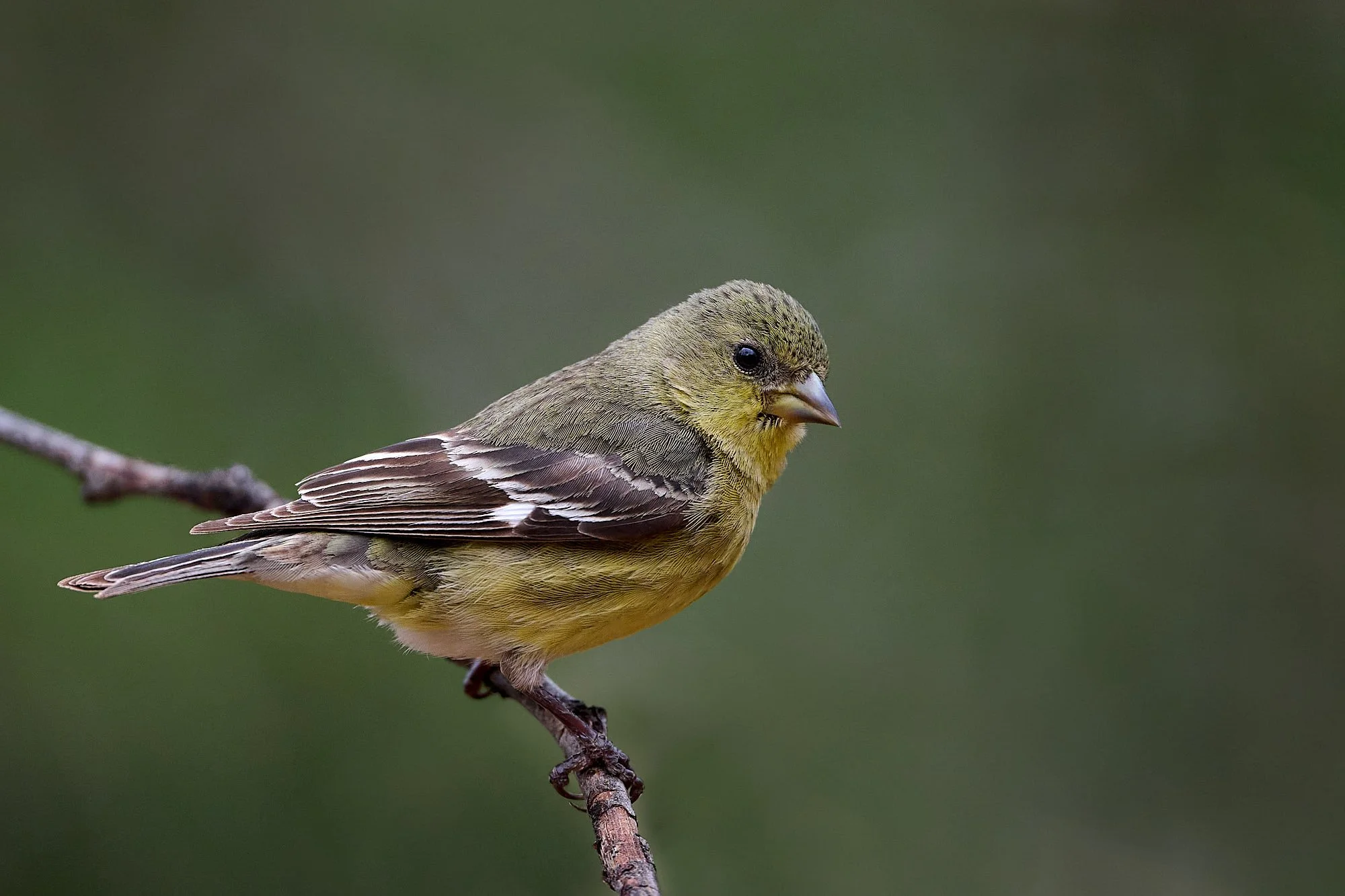
Lesser Goldfinch
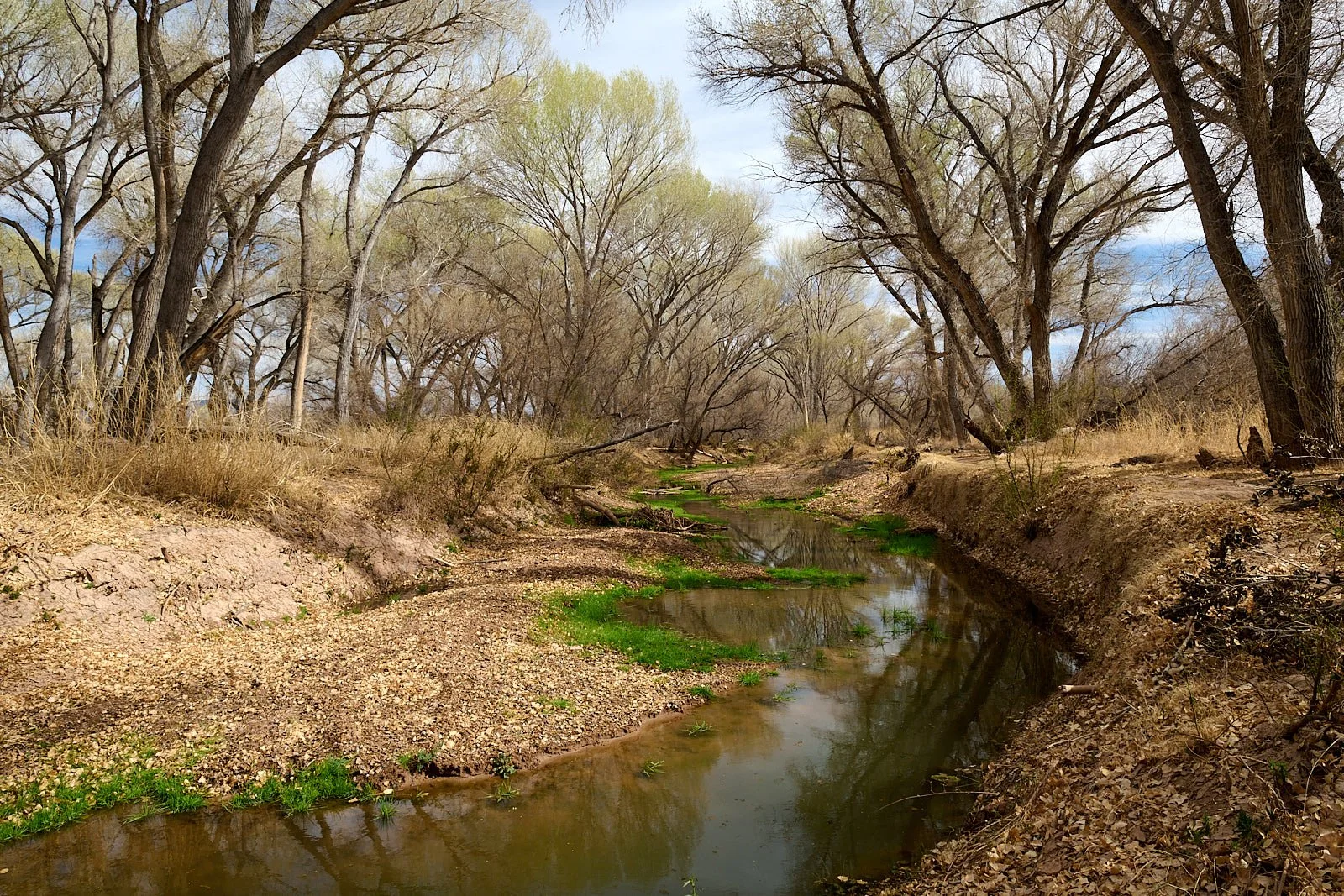
San Pedro River, Arizona
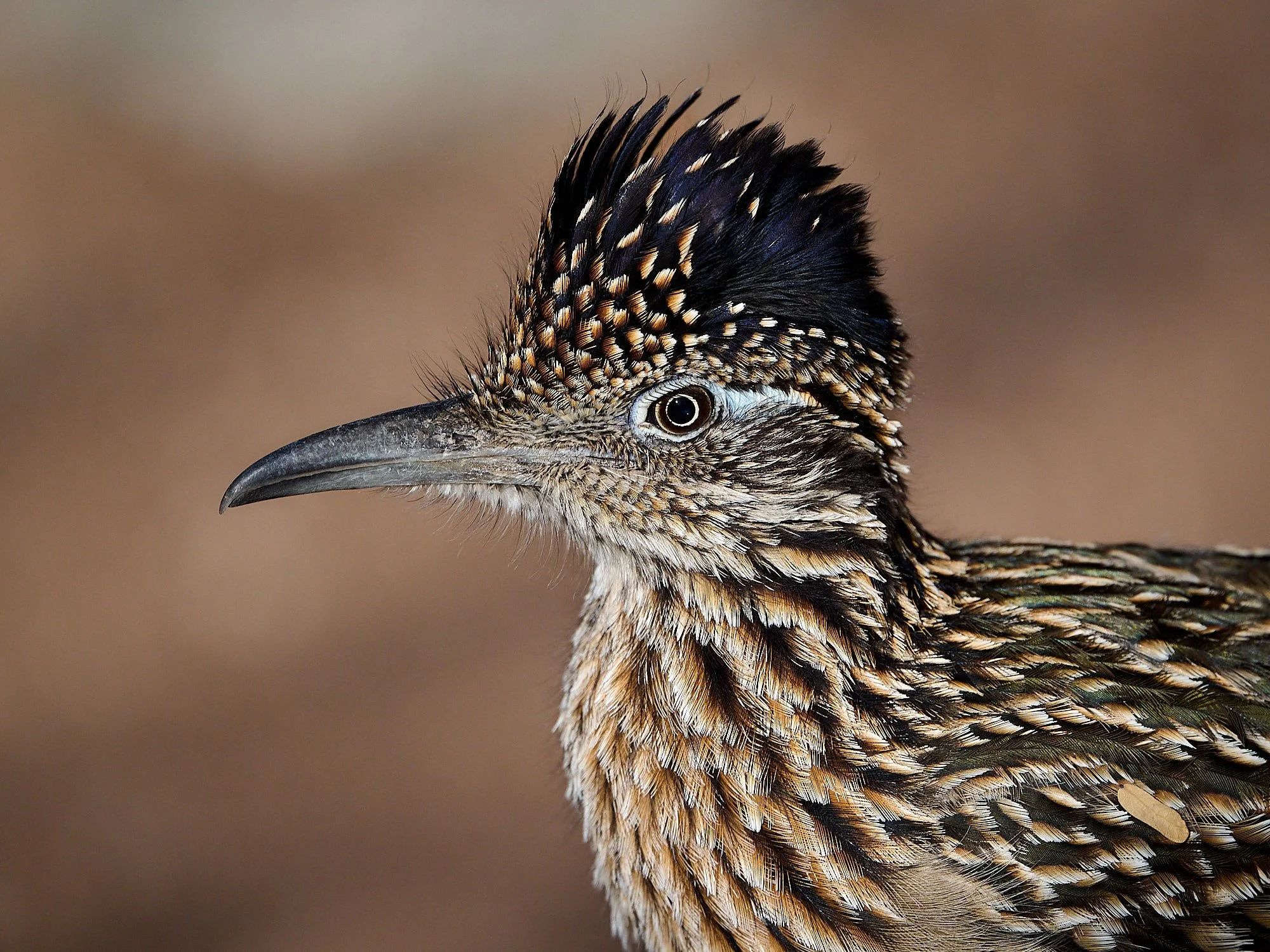
Greater Roadrunner
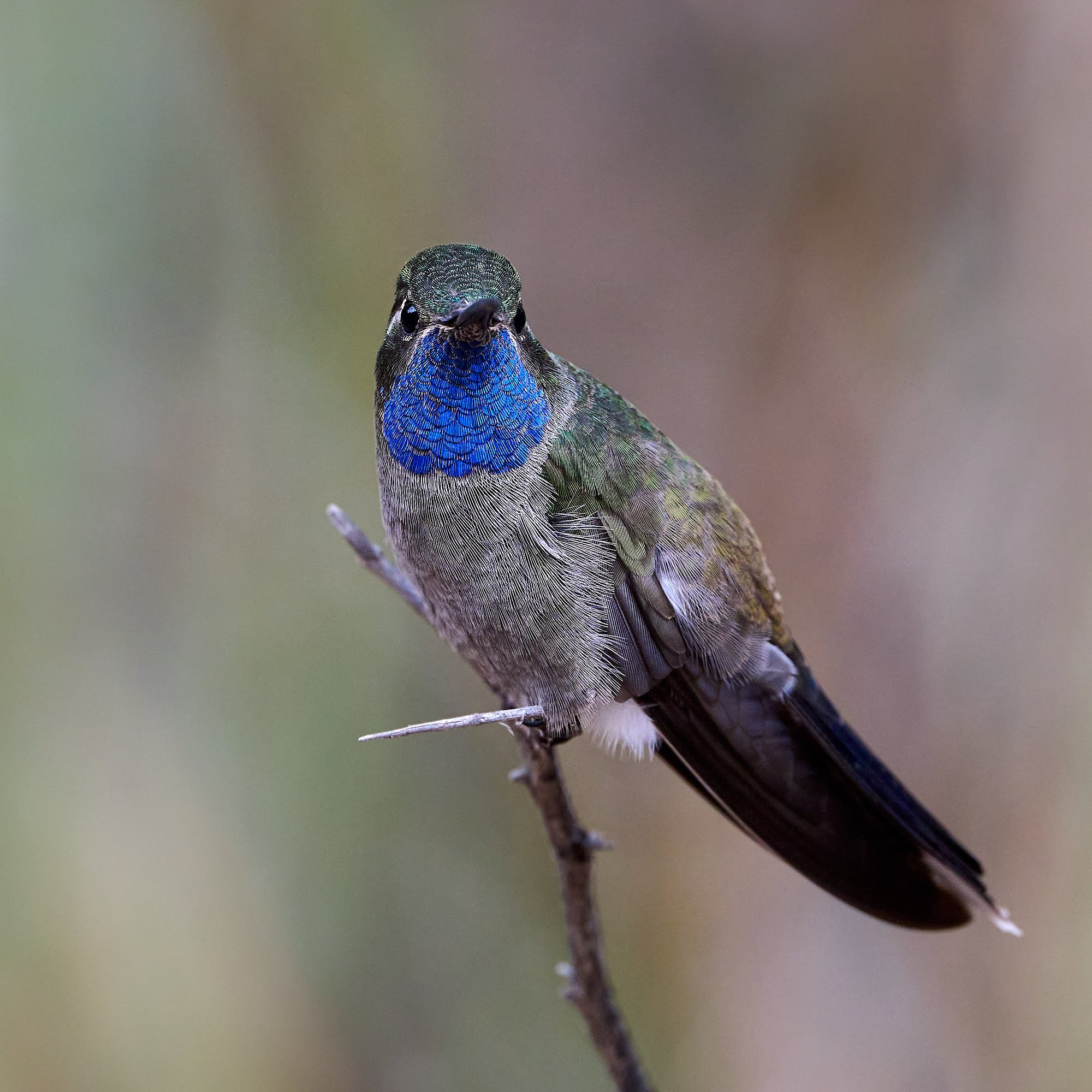
Blue-throated Mountain Gem, male
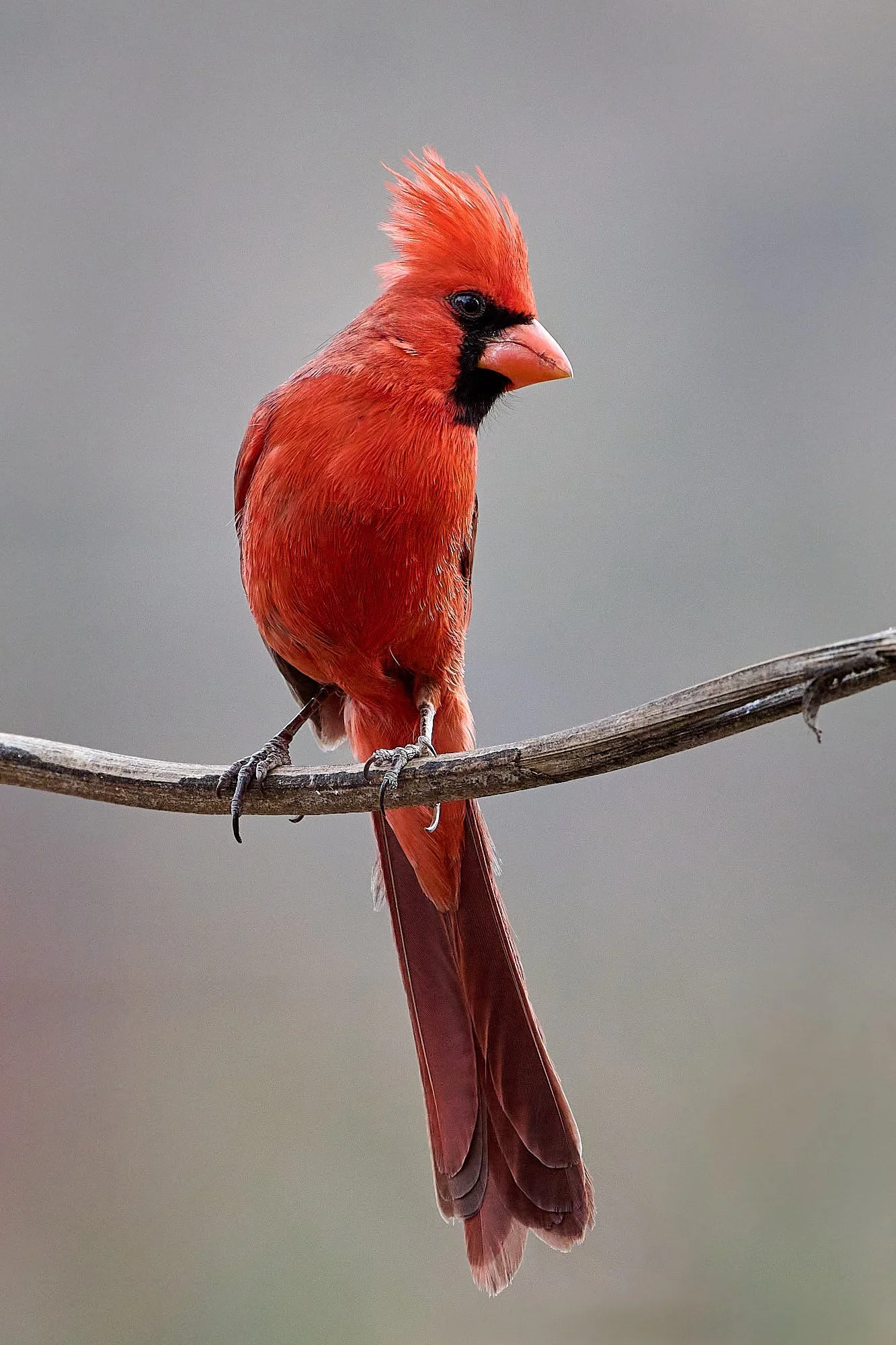
Northern Cardinal, male
Memorable Moments
The southwest was drier than usual this year; annual wildflowers were almost entirely absent. We anticipated this scenario and concentrated more on birding.
(Full disclosure: this blog has a lot of bird photographs.)
We also enjoyed some pleasant trails, such as Lucky Boy loop in Joshua Tree, Hellhole Canyon near Borrego Springs, Greater Morongo Basin Preserve, San Pedro River in the National Conservation Area, Sonoita Creek at Patagonia, Madera Creek in Madera Canyon, and Cave Creek’s South Fork within the Chiricahua Mountains.
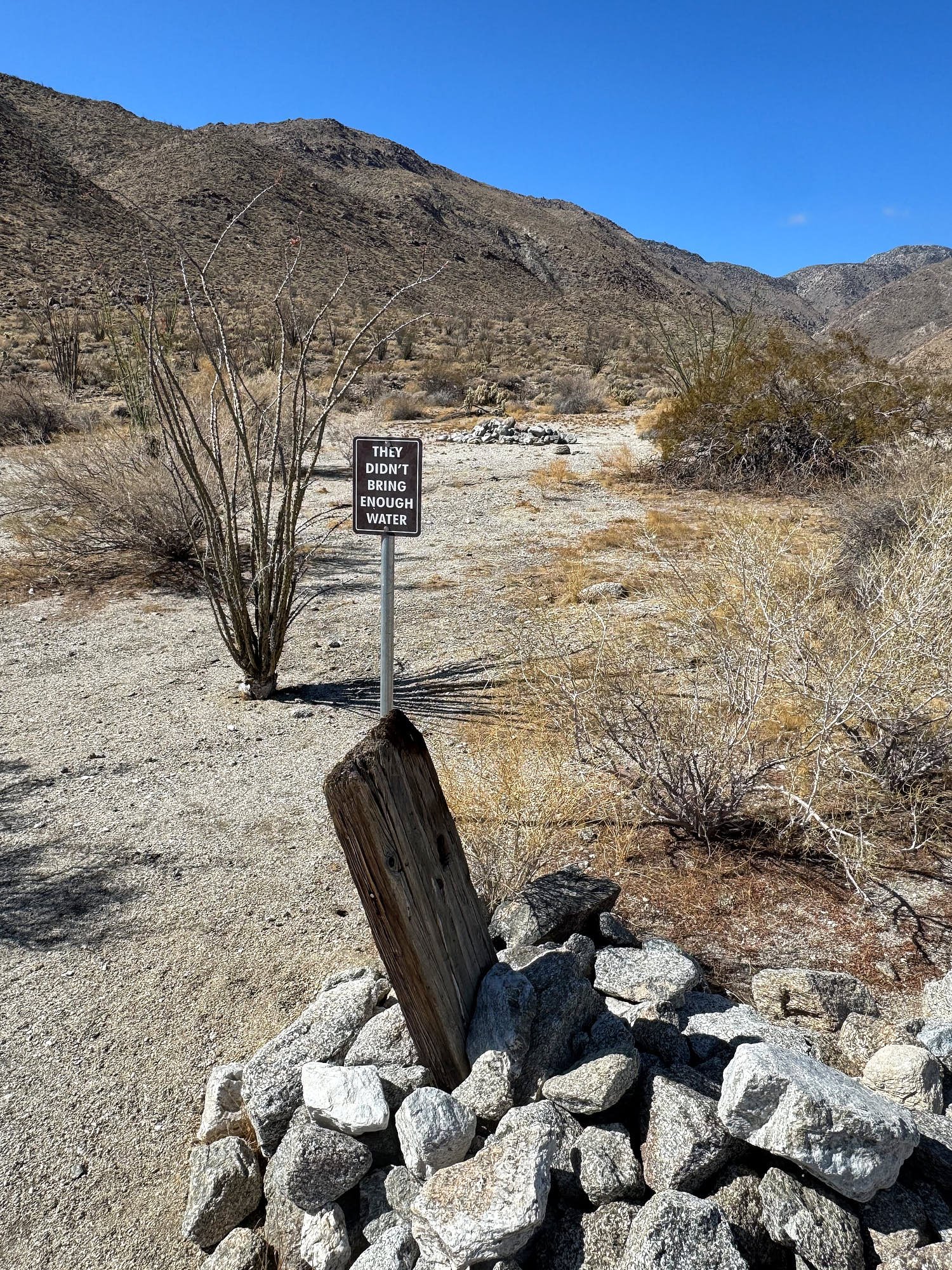
A gentle reminder near the start of the Hellhole Canyon trail.
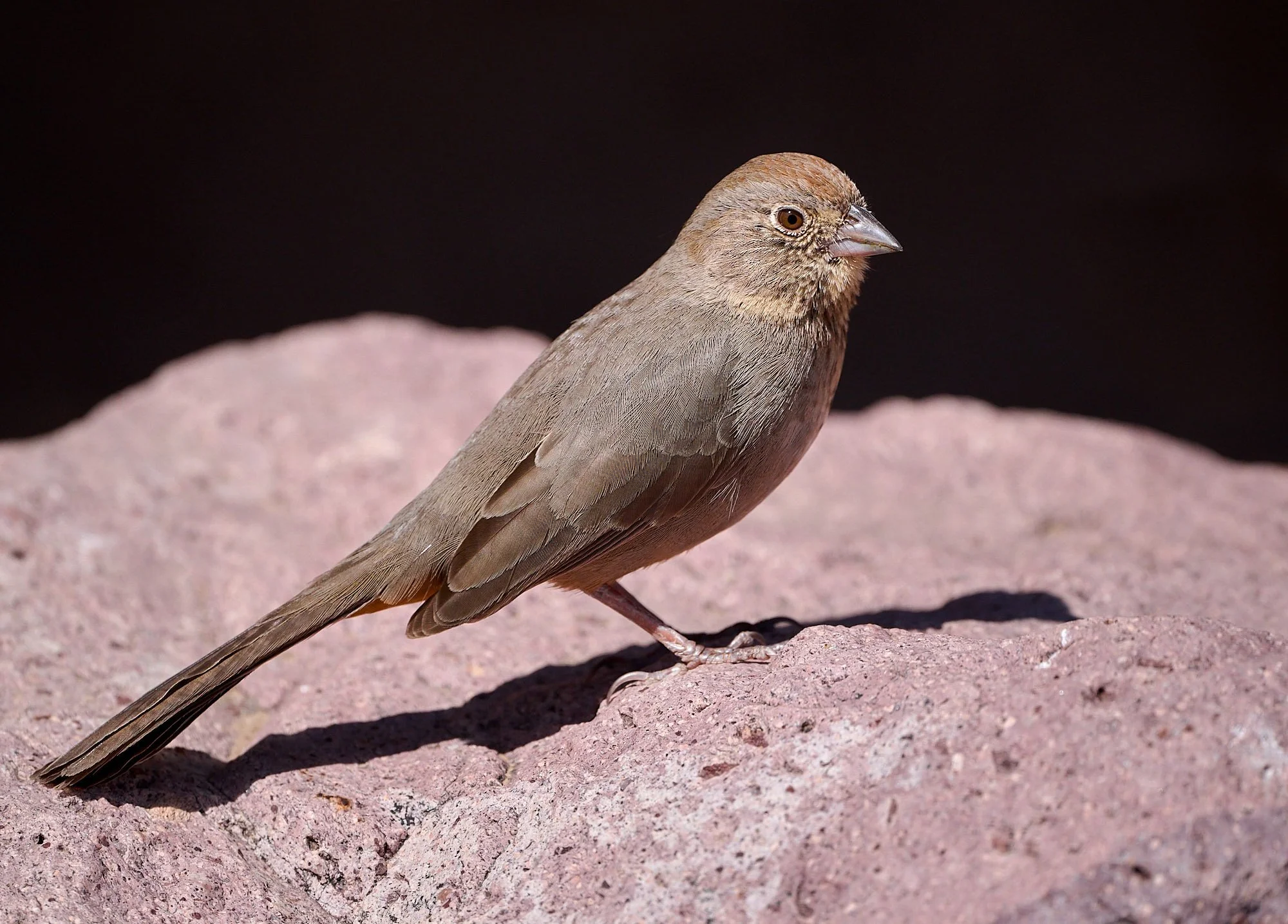
Canyon Towhee
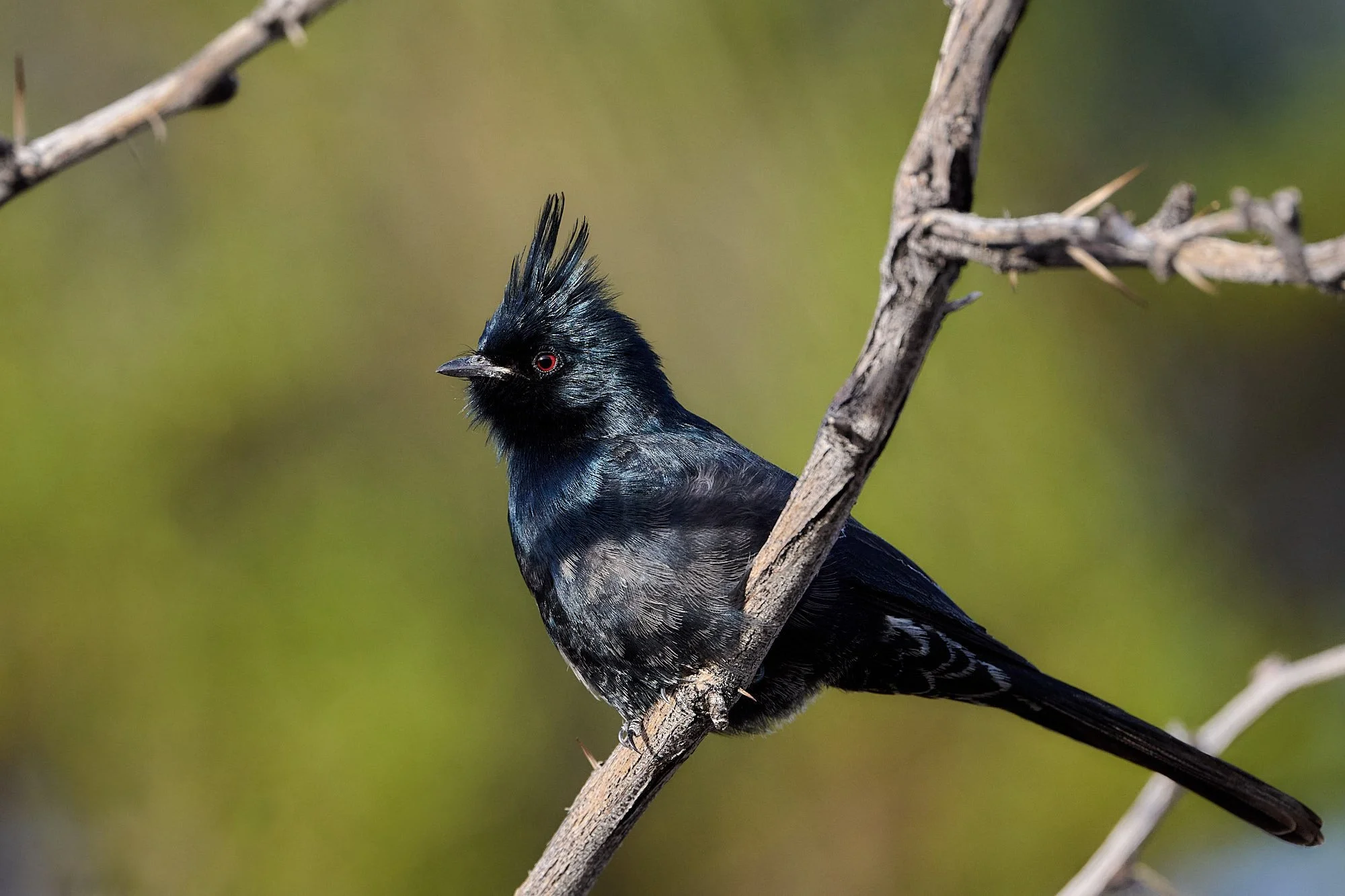
Phainopepla
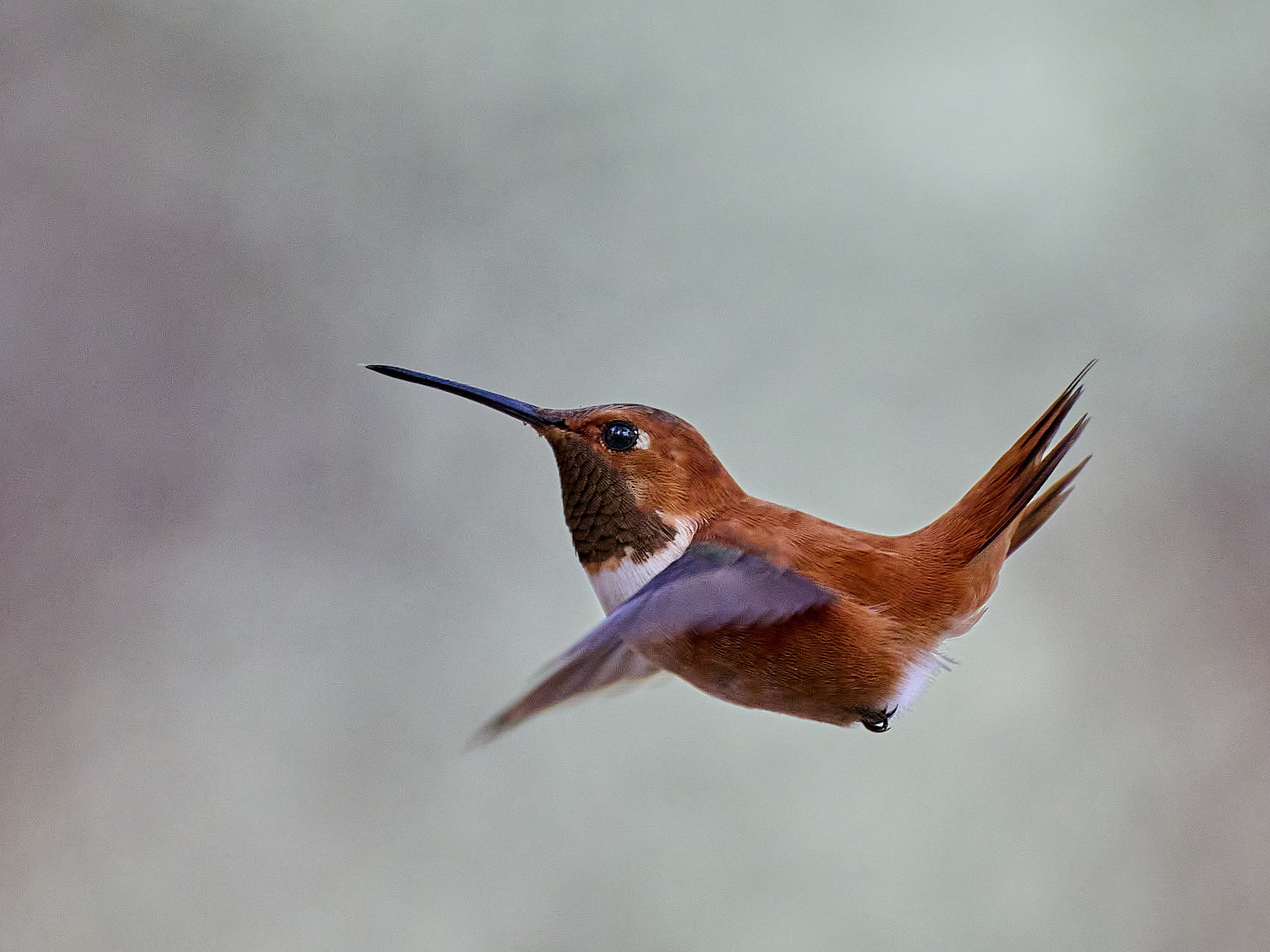
Rufous Hummingbird, male
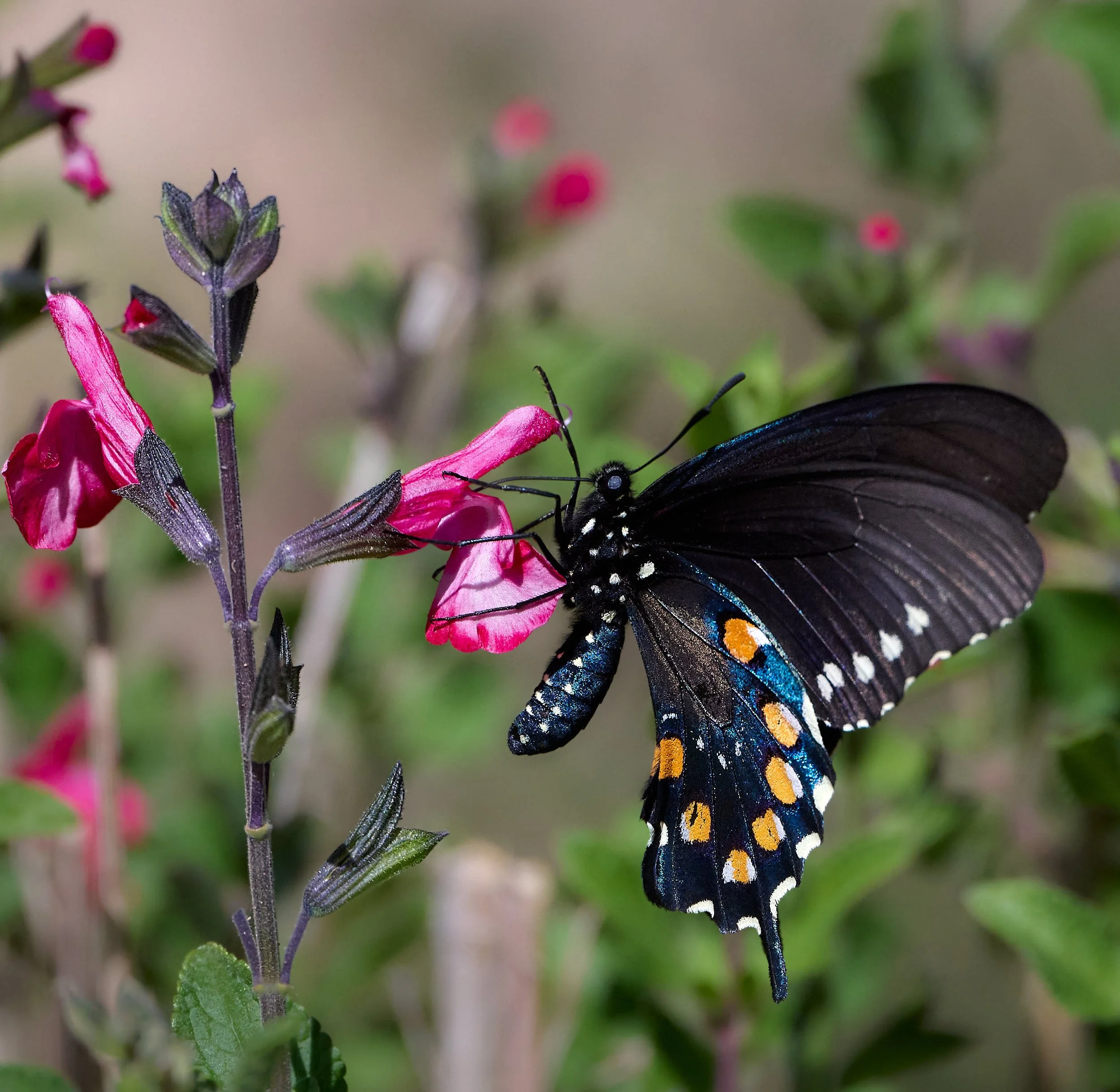
Desert Black Swallowtail
California Native Plant Society (Mojave Desert Chapter) outing
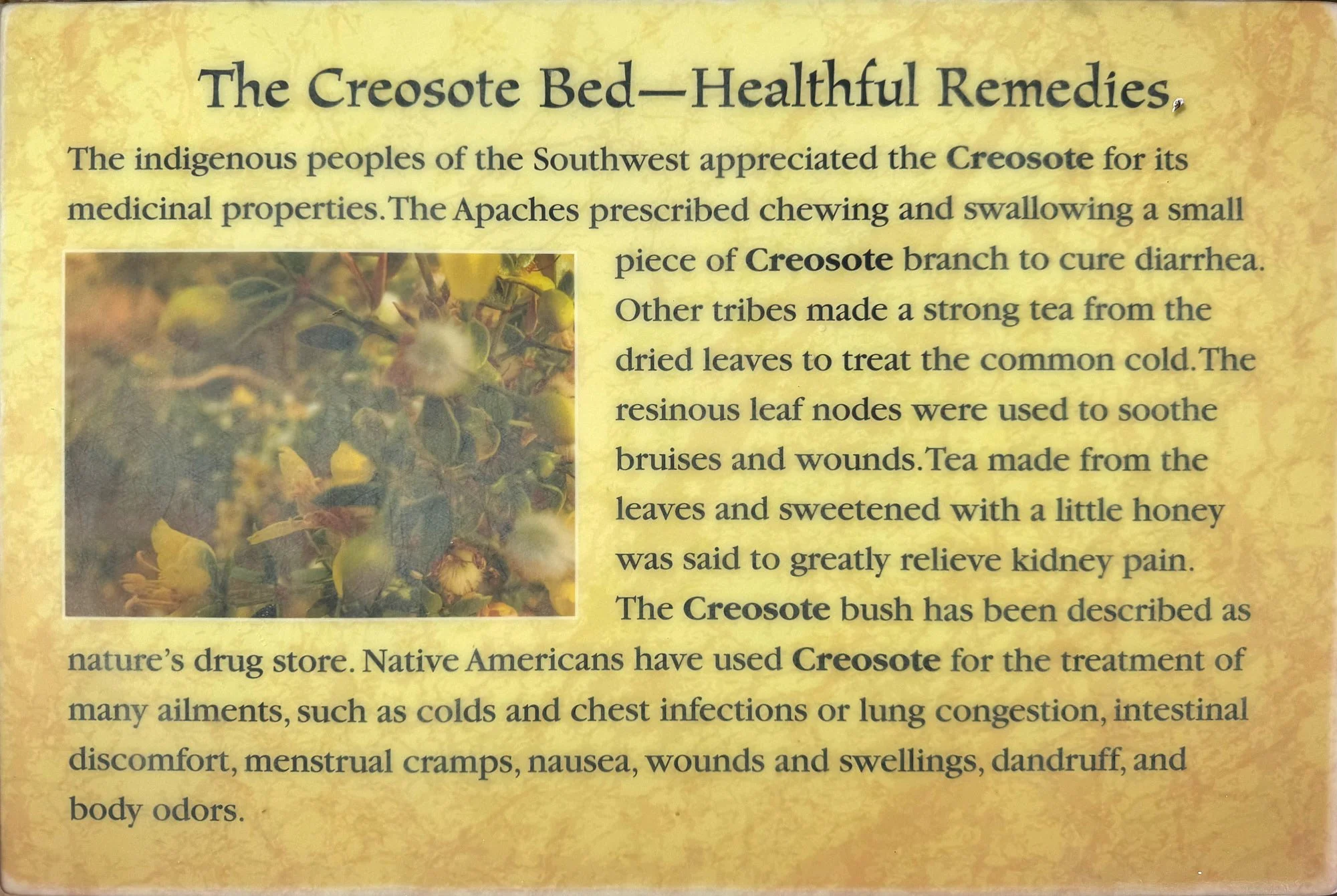
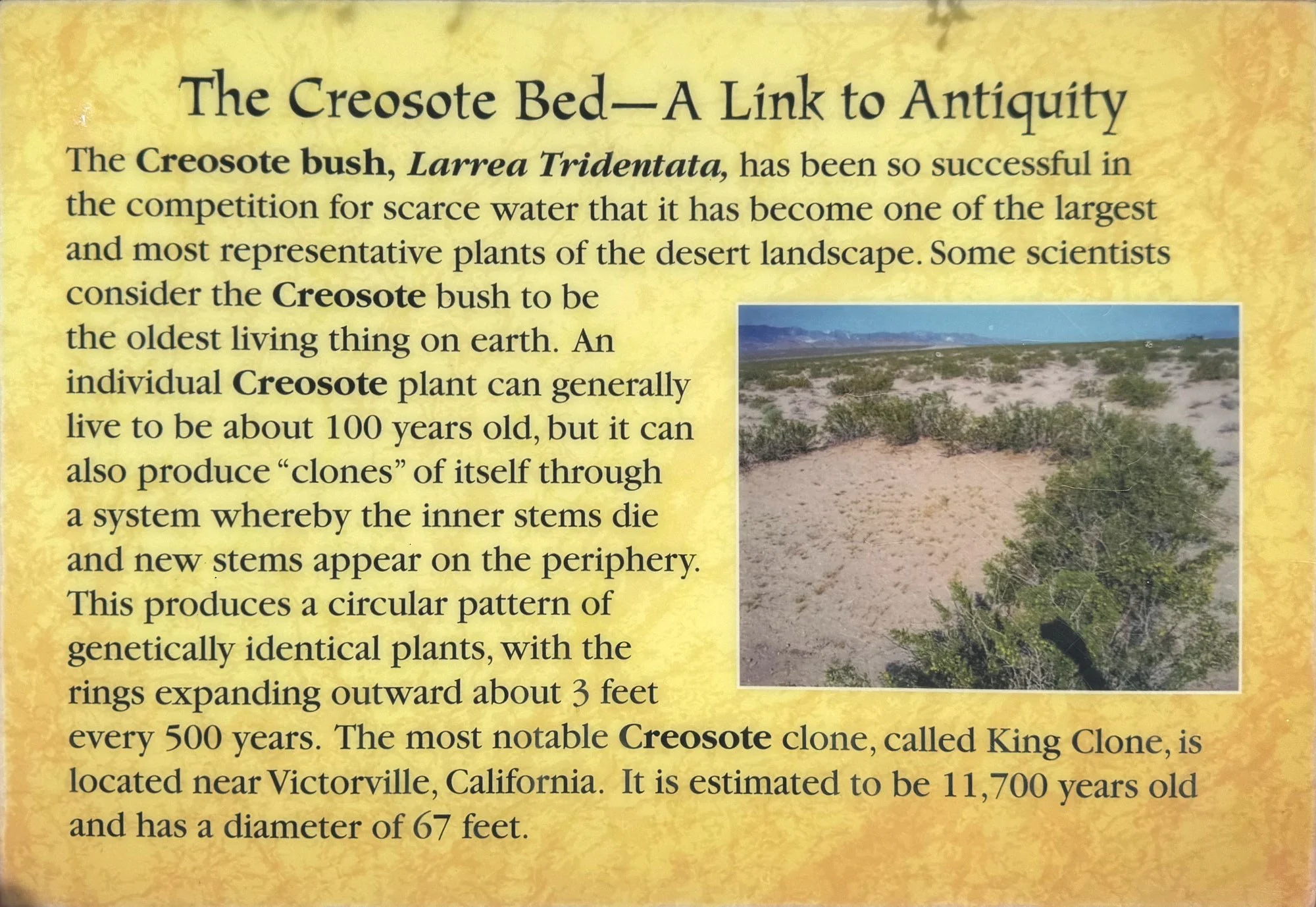
While staying near Joshua Tree National Park, we drove to Morongo Valley and attended a presentation lead by Christina Sanchez, a botanist and bioregional herbalist, on the herbal uses of native plants. Learning how desert people utilized available plant resources enhanced our understanding of the way they lived. Without the benefit of double-blinded, cross-over clinical trials and FDA oversight, it must have taken many generations of accumulated experience to tease out the pharmaceutical properties of Mojave’s vegetation.
Creosote
Creosote bushes possess a strong aroma that reminds one of the fragrance of fresh summer rain. The species is common in the Mojave, Chihuahua and Sonoran deserts and can tolerate as little as 4 inches of annual rainfall. Creosote bushes are typically surrounded by a barren area. It has been shown that the root systems of mature creosote plants are so efficient at absorbing water that seeds of other plant species lack sufficient moisture to germinate, effectively eliminating competition.
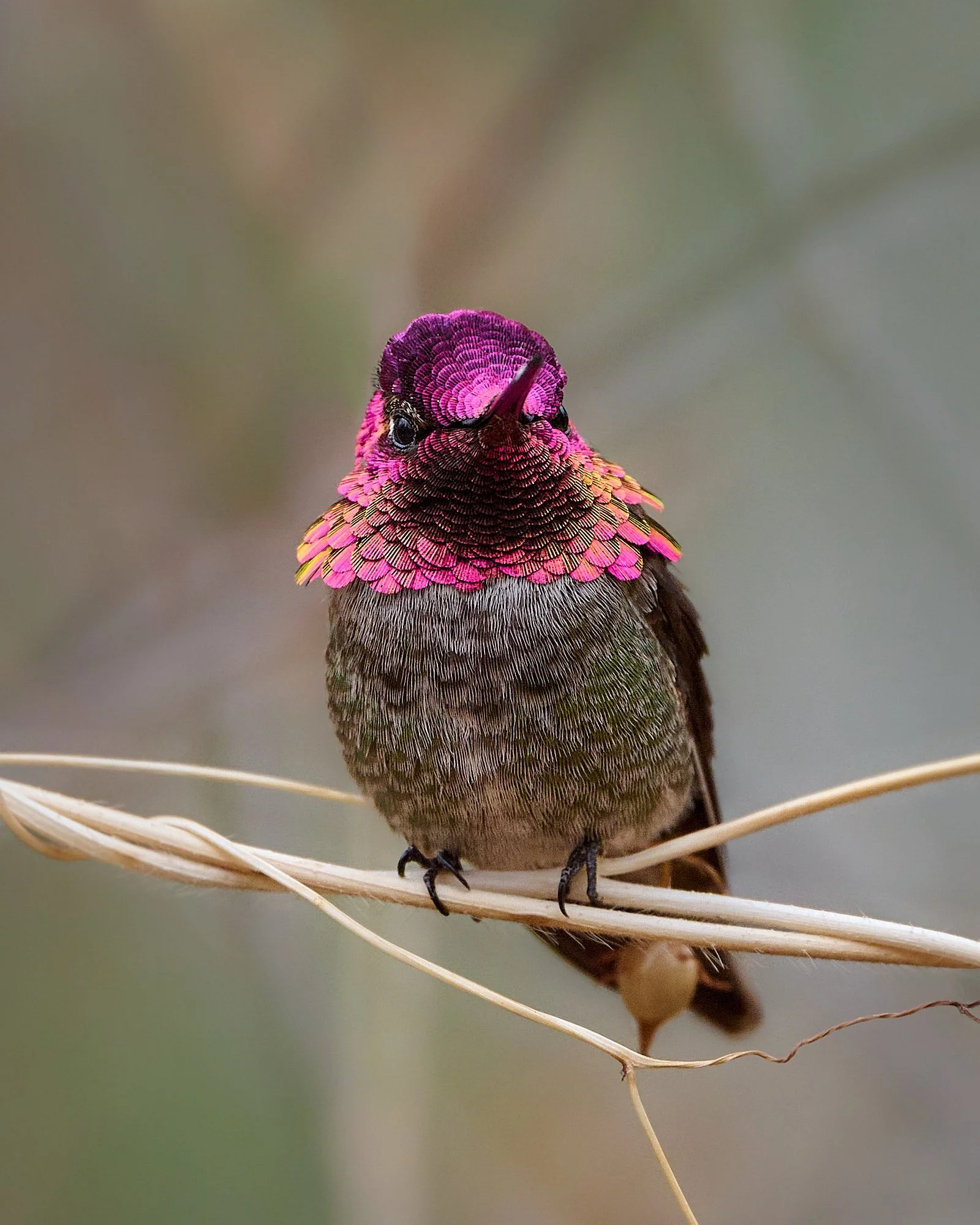
Anna’s Hummingbird, male
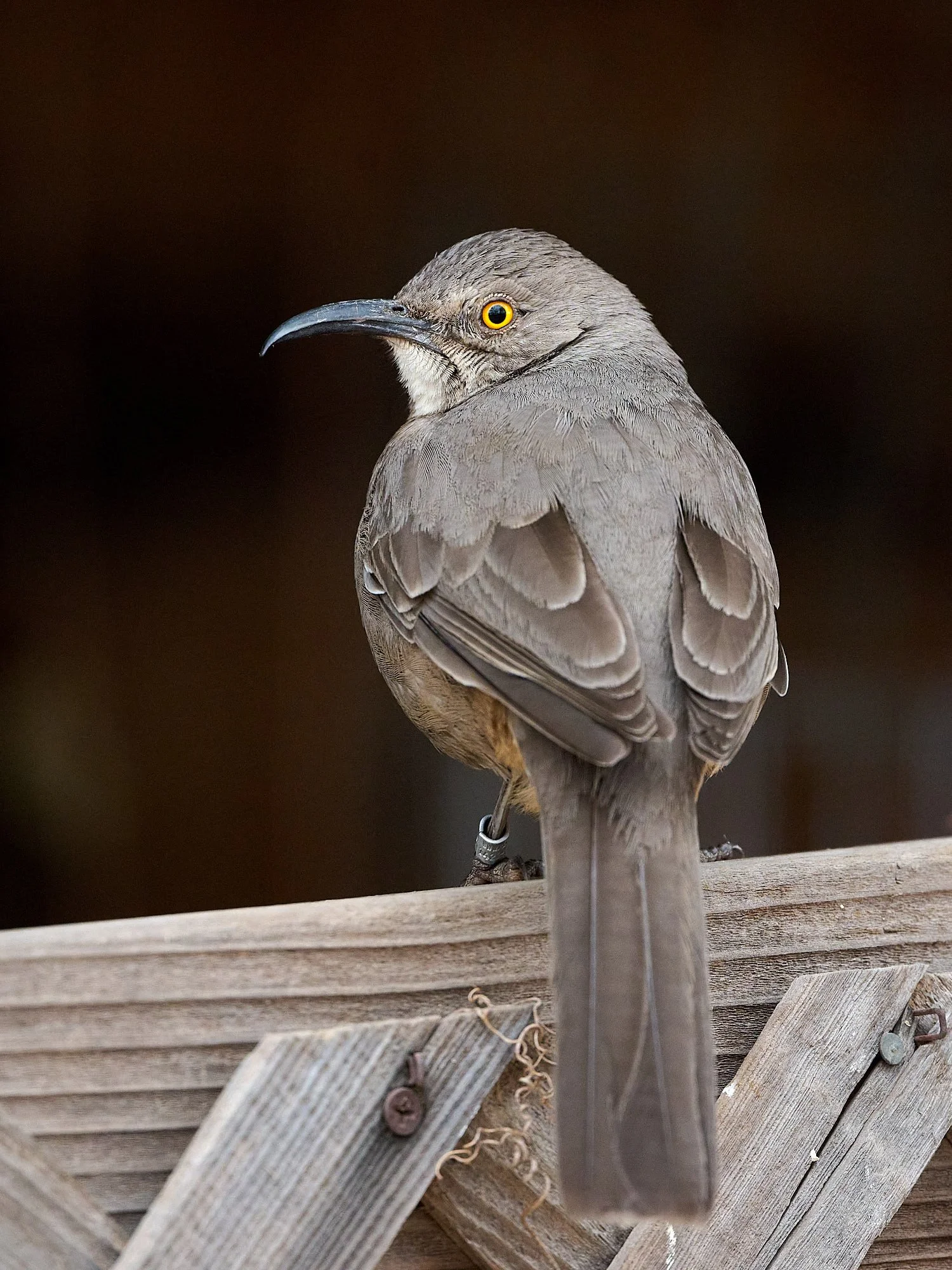
Curve-billed Thrasher with identification band
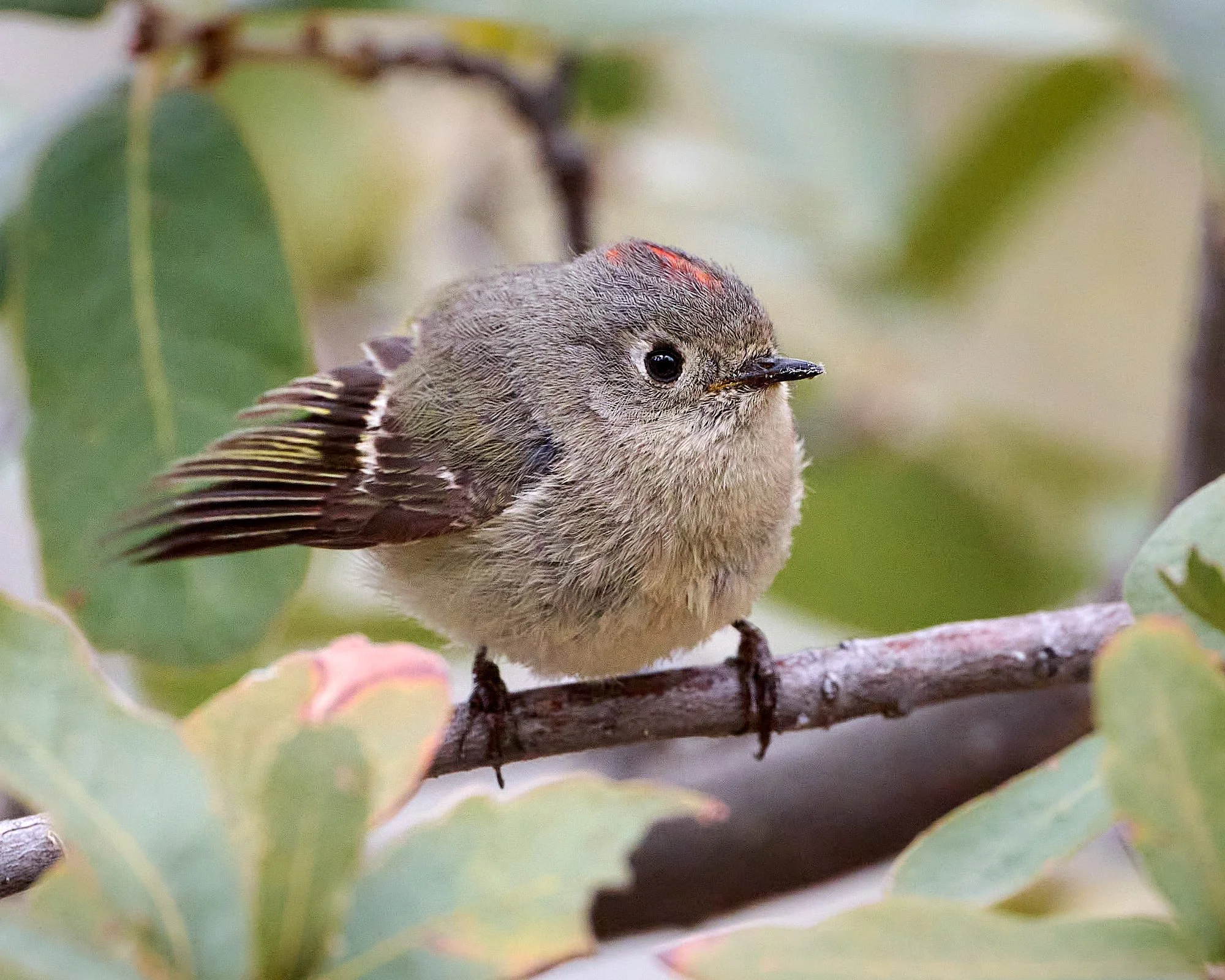
Ruby-crowned Kinglet
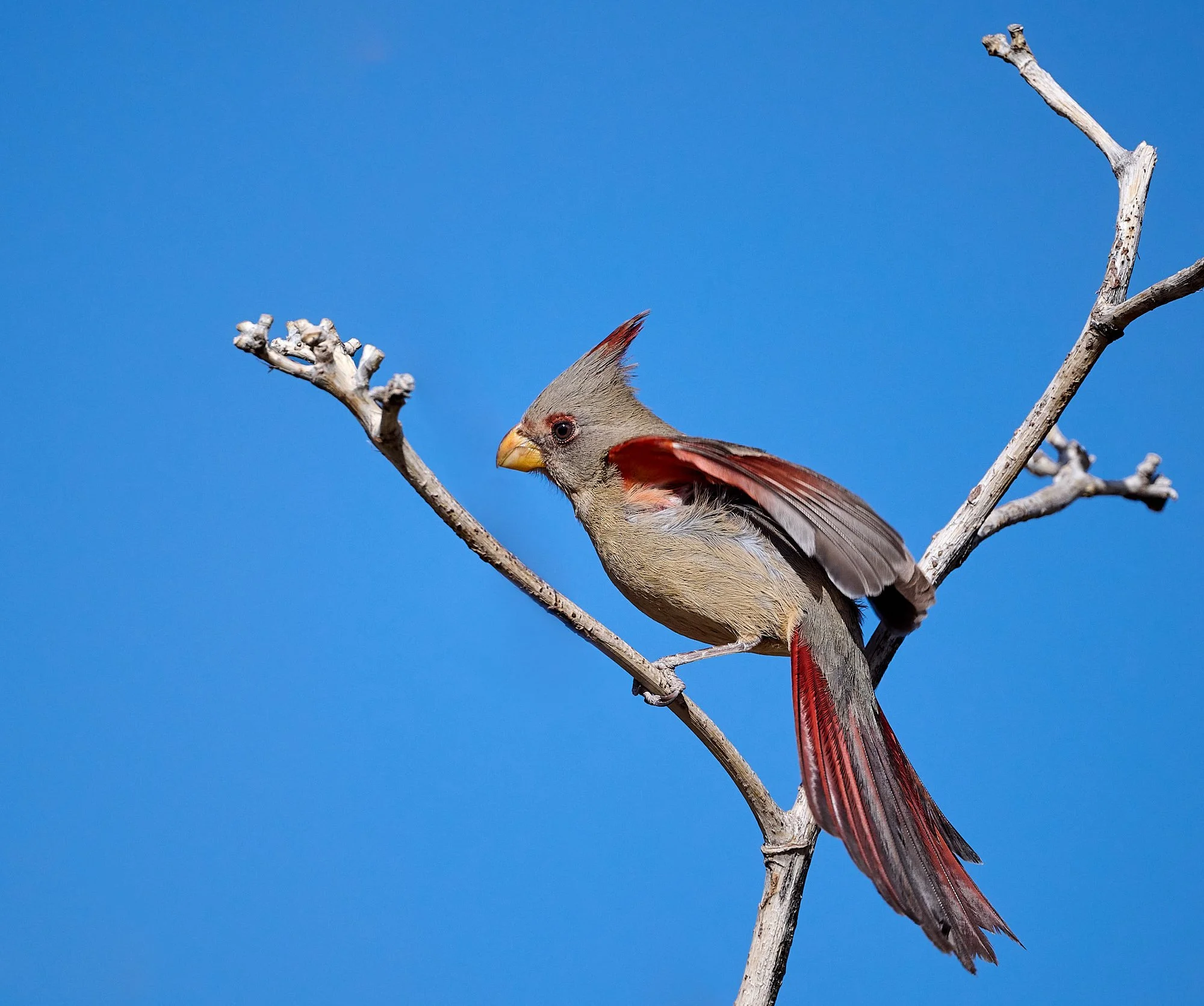
Pyrrholoxia
Sans Van
Some months ago, we felt the moment was right to sell our beloved Sportsmobile and upgrade to a newer camper-van. Delivery of the new vehicle is many moons away.
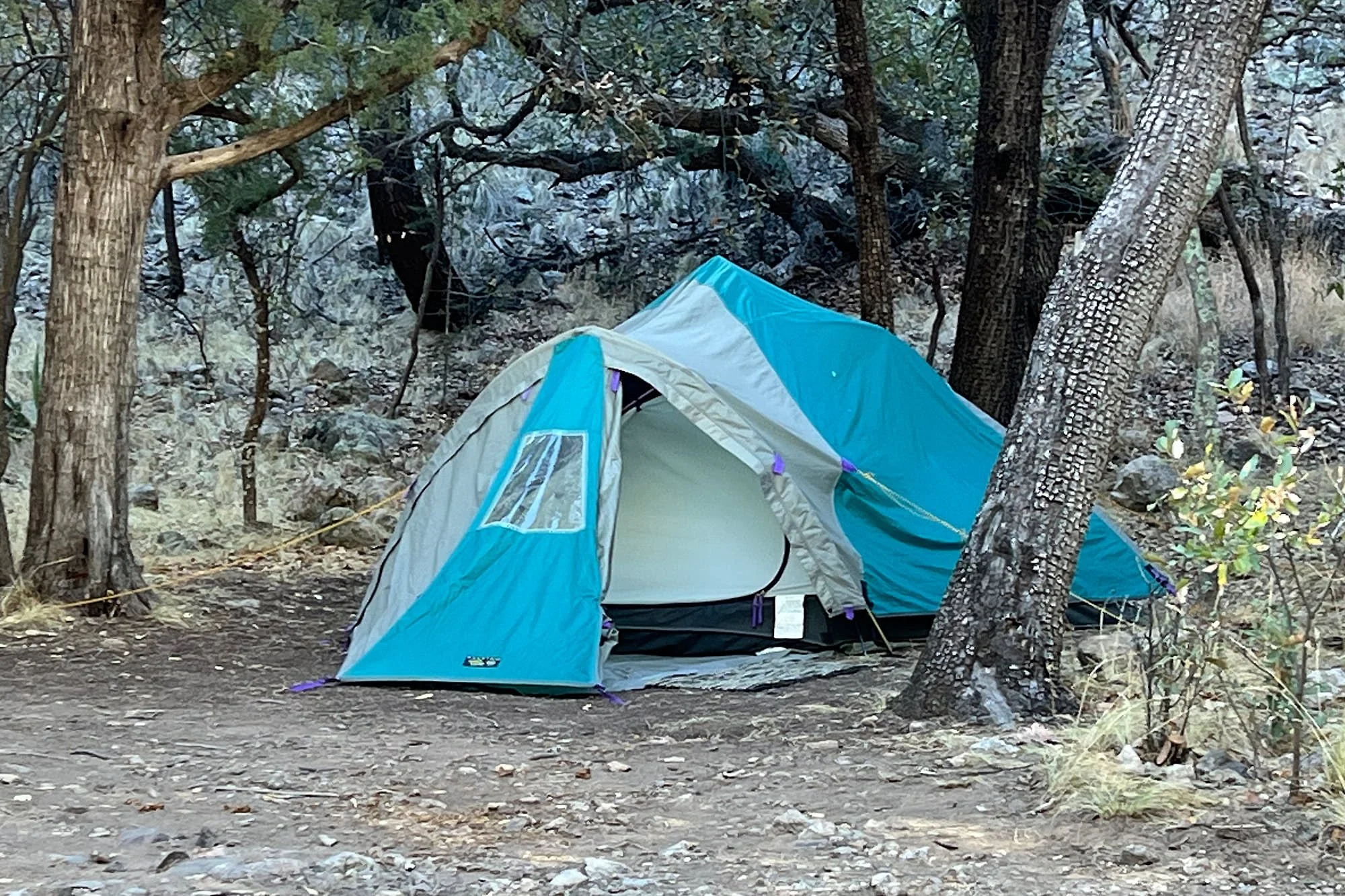
Consequently, this trip was planned to be a mix of civilized accommodation (hotels, rentals, friends’ homes) and tent camping. Our car-camping tent is probably 30 years old but worked perfectly.
Deflated
Unfortunately, the hiking inflatable mattresses were less impressive. On the first night of camping, both mattresses tore irreparably, and it was several weeks of cold, hard ground before we could acquire new units from Tucson REI. The southwest is engulfed in a long drought, seemingly relentless until we reached Anzo Borrego State Park, where the wind howled and rain bucketed down. It was pointless trying to use the camp stove; off to Borrego Springs restaurants we went.
After these experiences, we concluded that car-camping was best for short trips - until we met Ian and his 11-year old dog Shadow. They have been on the road continuously for perhaps 4 years (including a trip to Alaska’s Arctic circle), travelling and sleeping in a Subaru Outback.
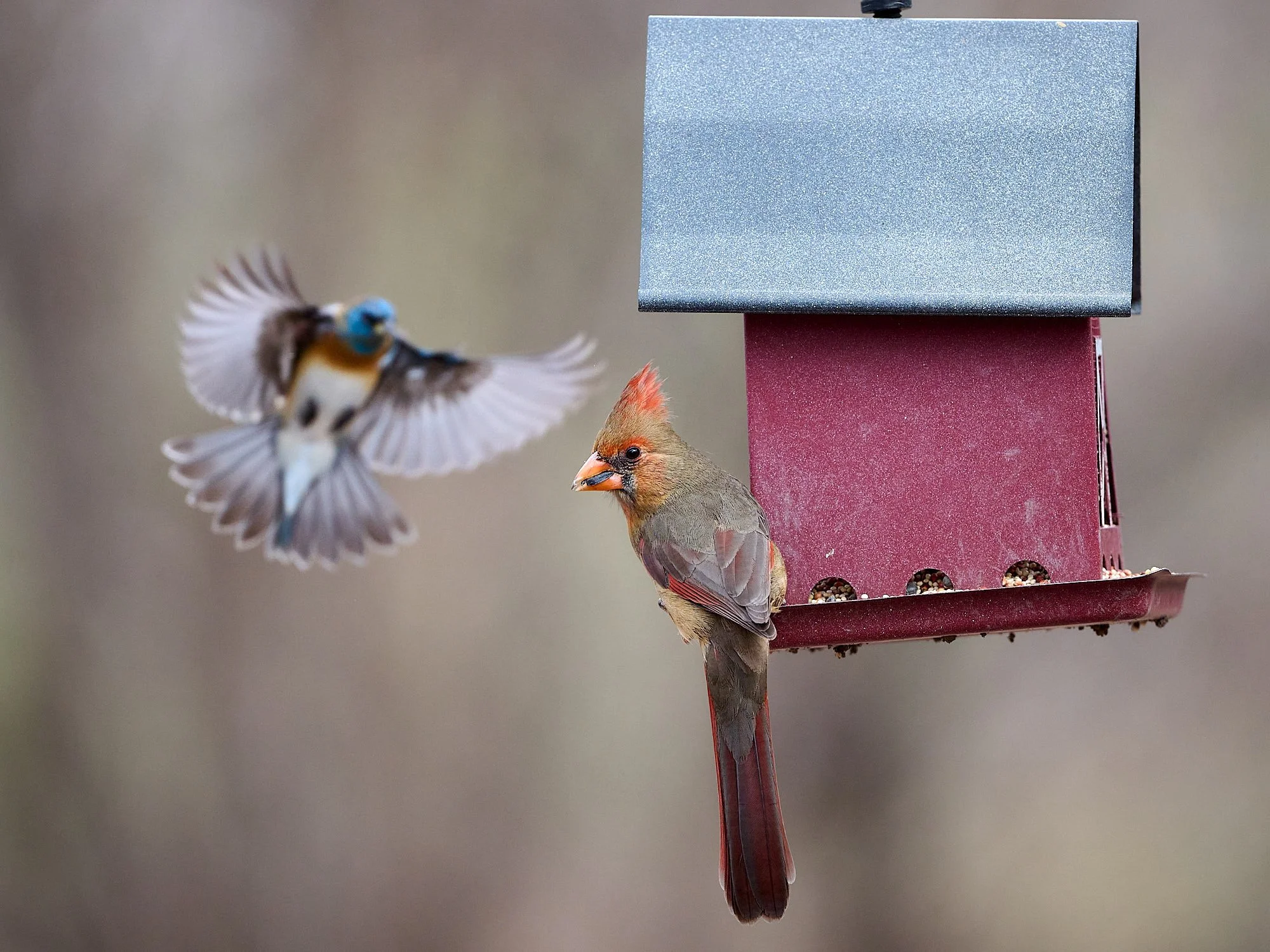
Female Northern Cardinal at feeder, Lazuli Bunting arriving. Paton Center, Patagonia, Arizona
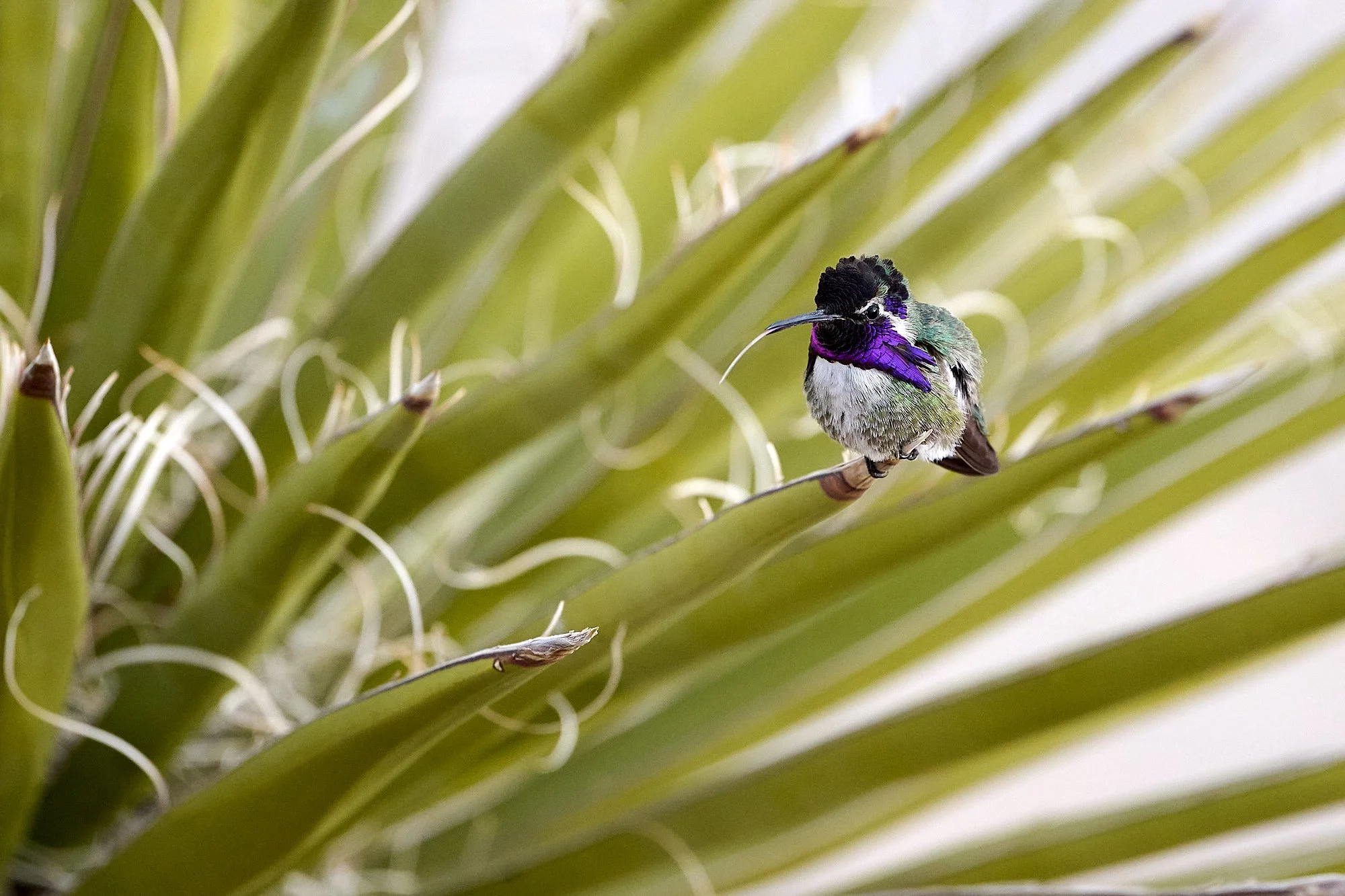
Costa’s Hummingbird on yucca
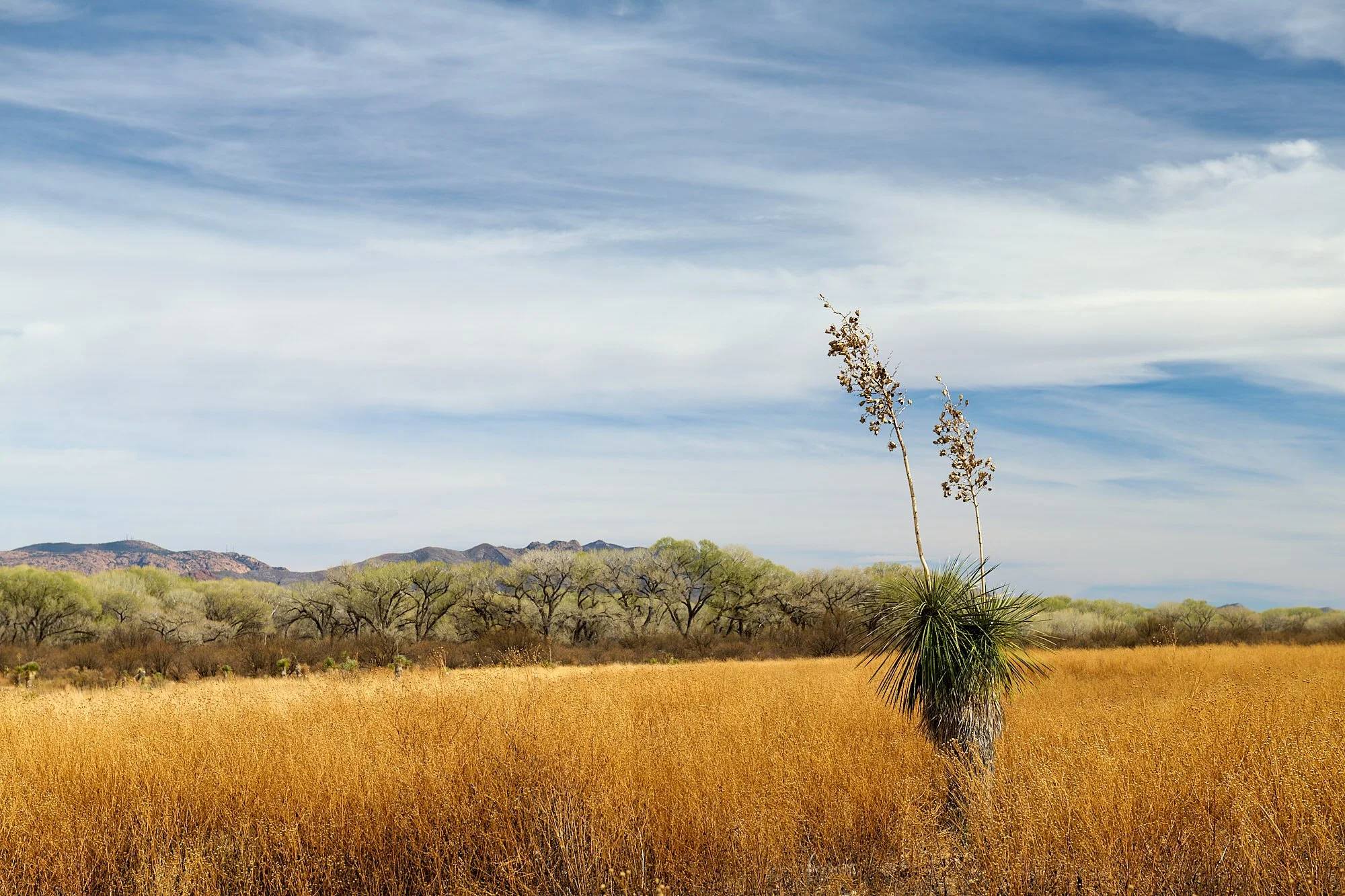
San Pedro National Wildlife Area, Arizona
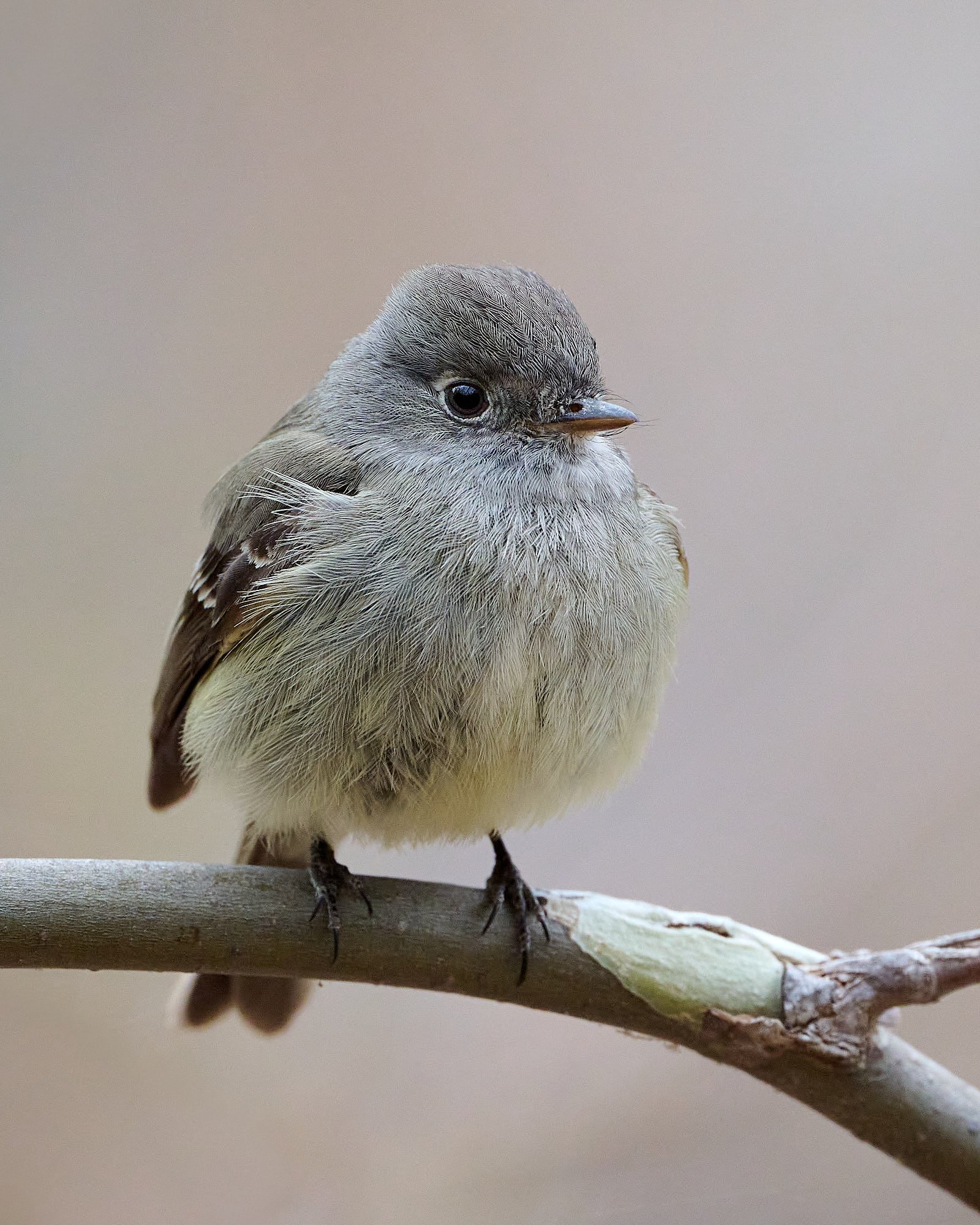
Dusky Flycatcher
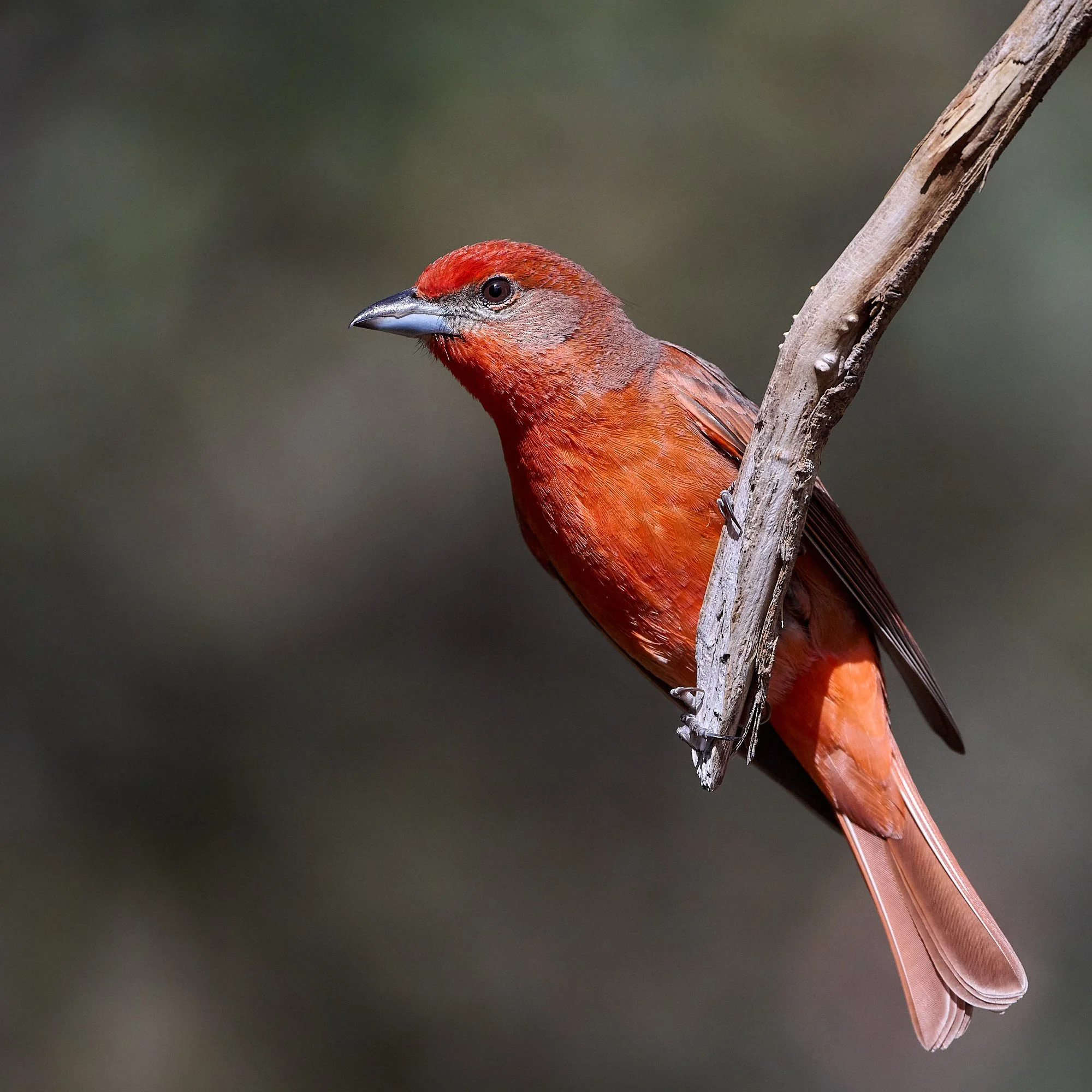
Hepatic Tanager
Delectable Discoveries
One of the perks of road travel is the freedom to stop anywhere and anytime. Try that in an airplane.
Often our explorative diversions from the highway are initiated to placate the stomach’s desires. We stumbled upon several treasures during our journey – Cafecito coffee shop in Yuma, Just A Small Town Grill in Morongo, Urbano in Sierra Vista, Gathering Grounds in Patagonia, and the Lodge, Store & Café in Portal. All recommended.
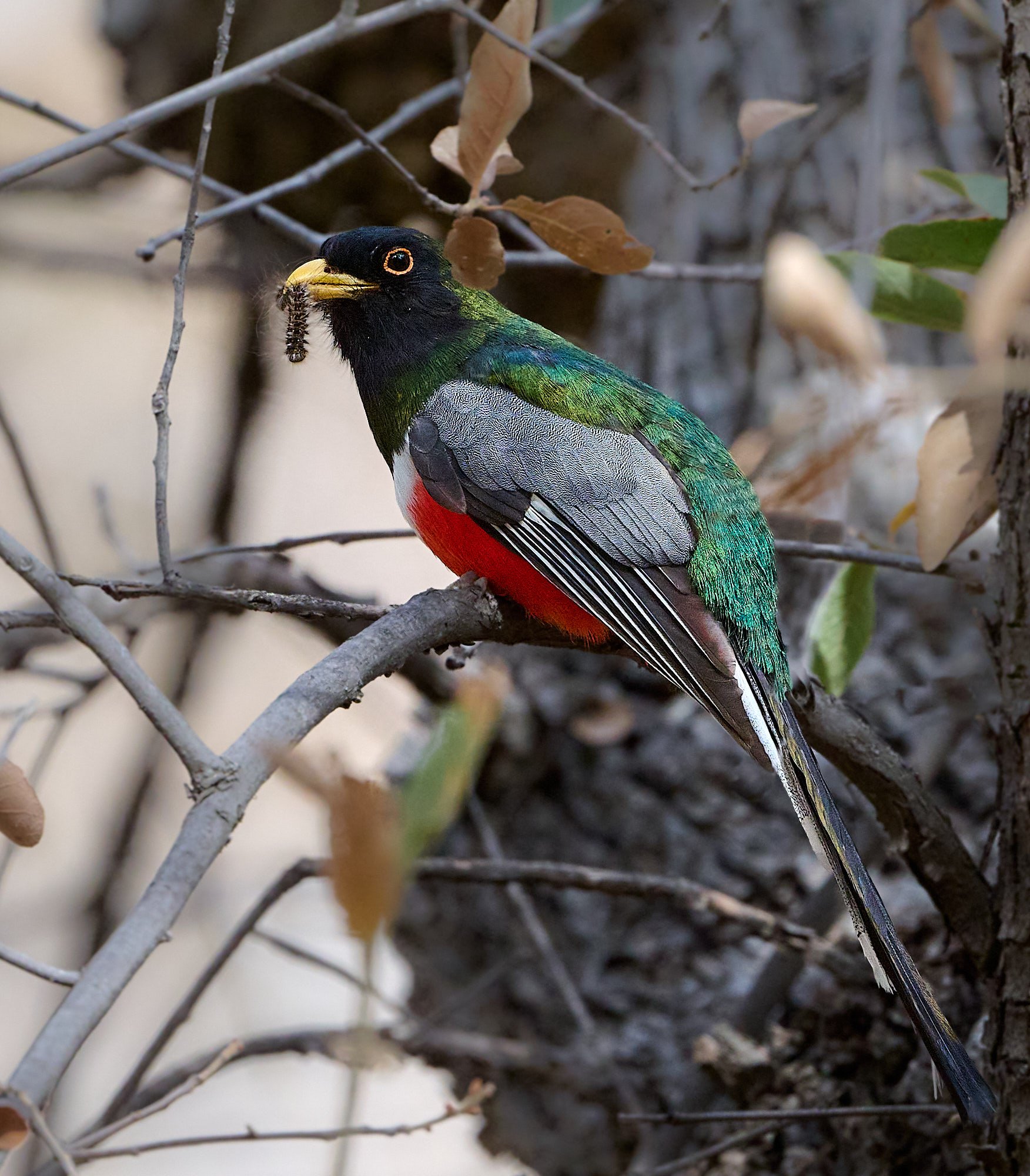
Elegant Trogon with edible treat
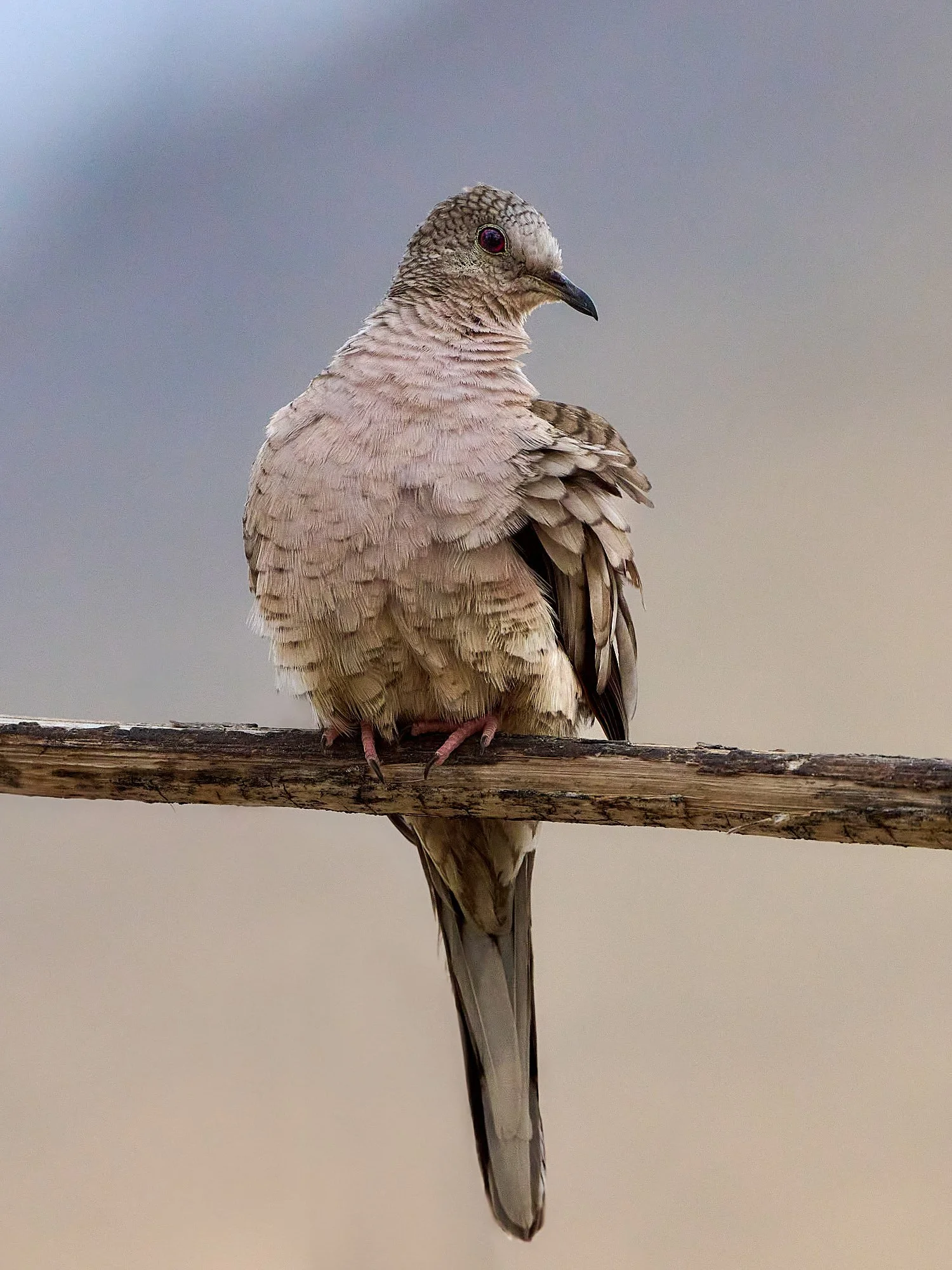
Inca Dove
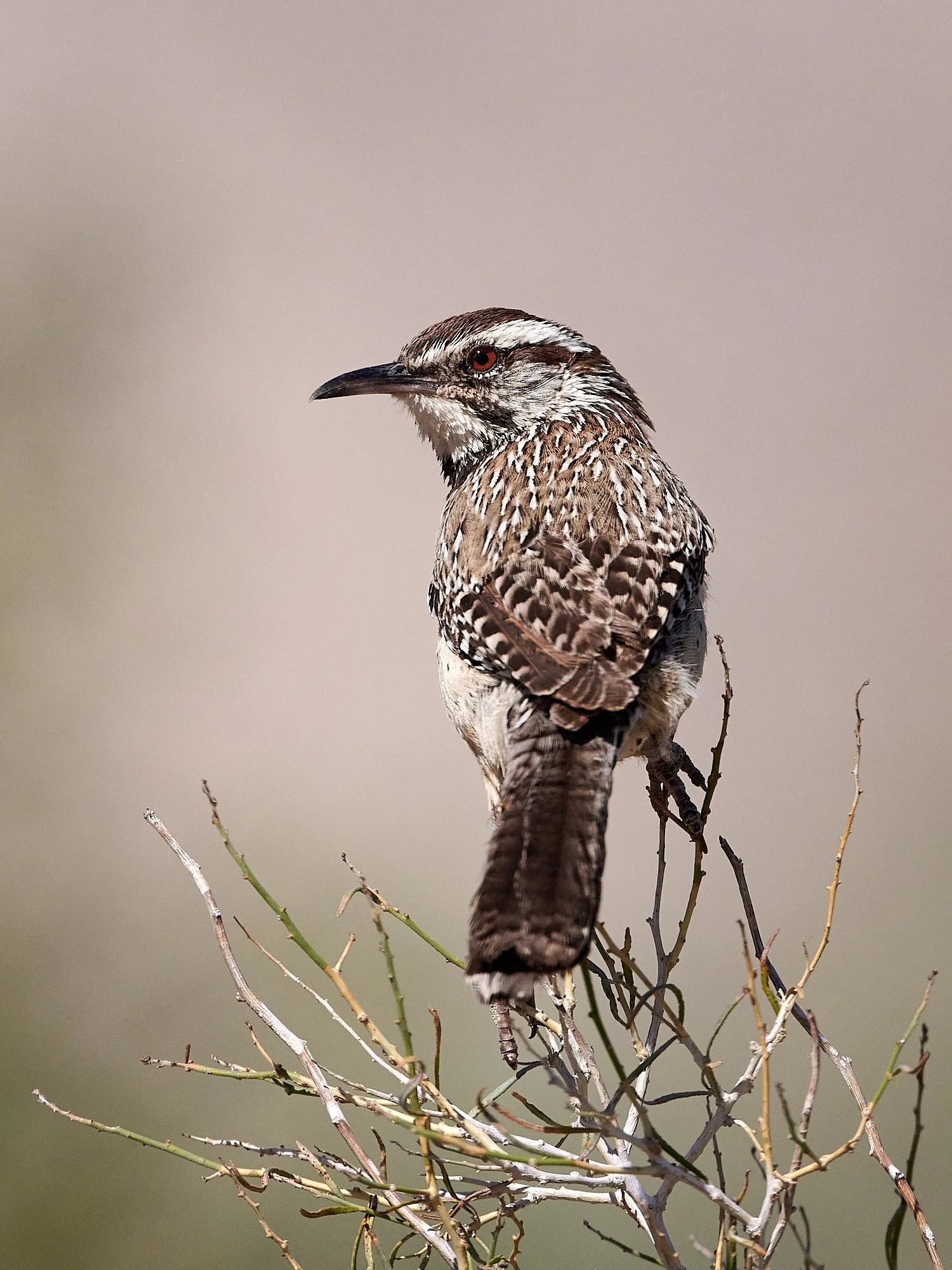
Cactus Wren
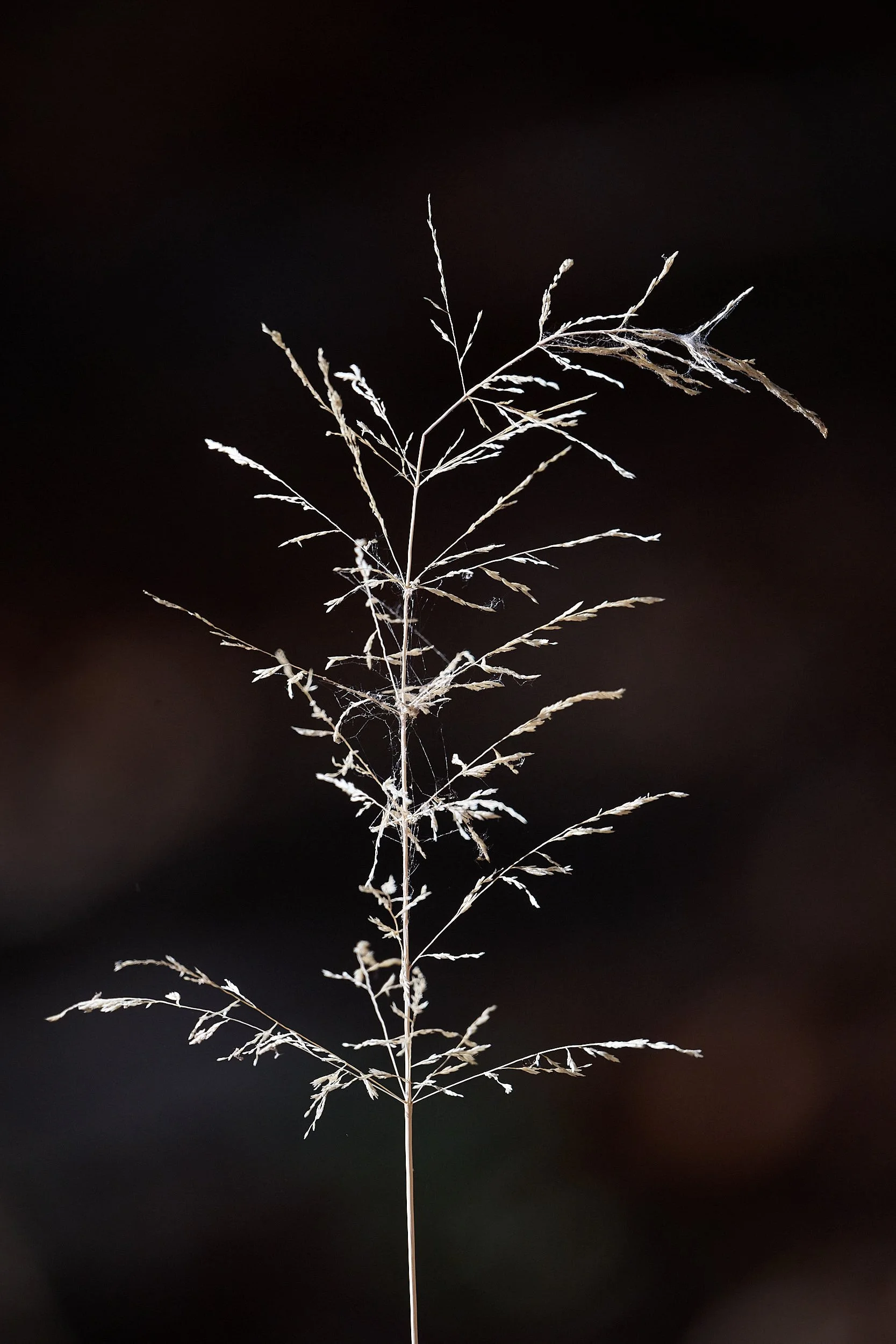
Unidentified grass
Travel Friends
It is heartwarming to encounter so many nice people when traveling. This trip was no exception. People in Portal were universally generous and welcoming. An Uber driver in Tucson sang gospel and country for us. An elderly Navajo gentleman humorously recounted how he participated in several western movies. He was instructed to modify the delivery of his lines to sound “More like an Indian”.

Essential Equipment
We visited long-time buddies in Ajo and Tucson, bumped into travelers that we knew from previous trips, and enjoyed casual time with fellow campers.
One highlight was a musical evening of mandolins, guitar, box drum, and vocals.
Another was a detailed tour of Jim’s composting toilet. We were so impressed that we’ve ordered one for our new van.
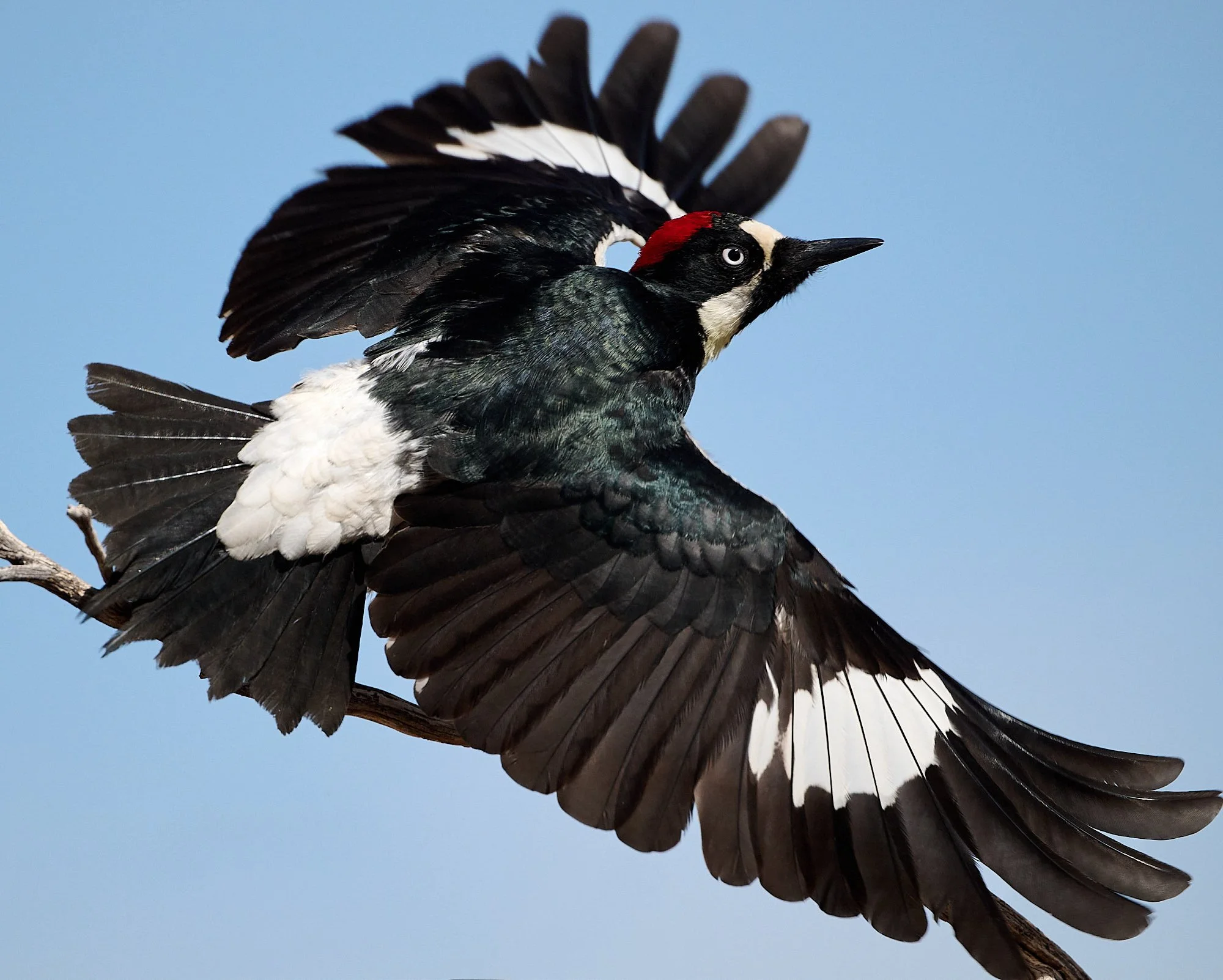
Acorn Woodpecker, female
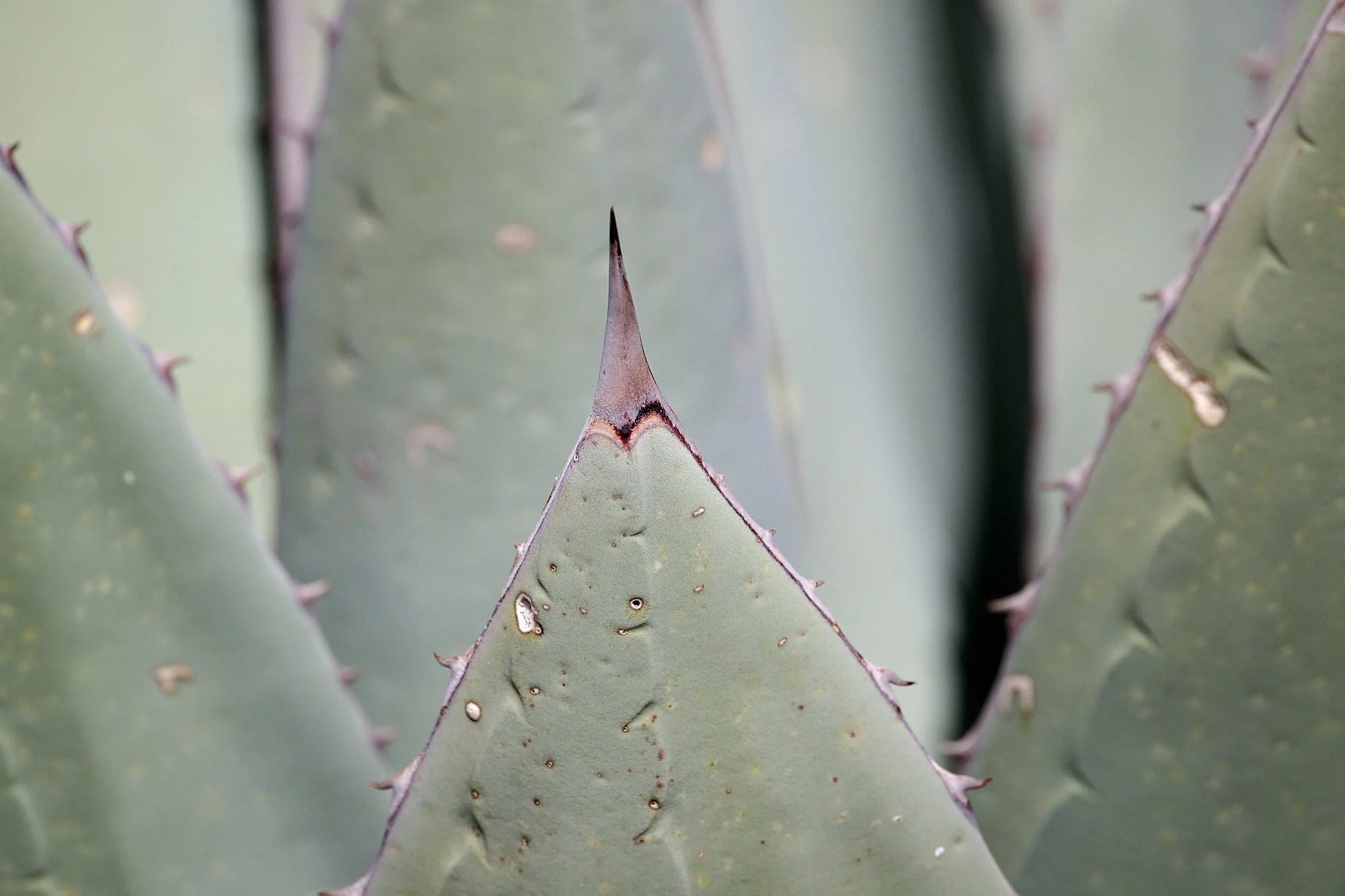
Agave
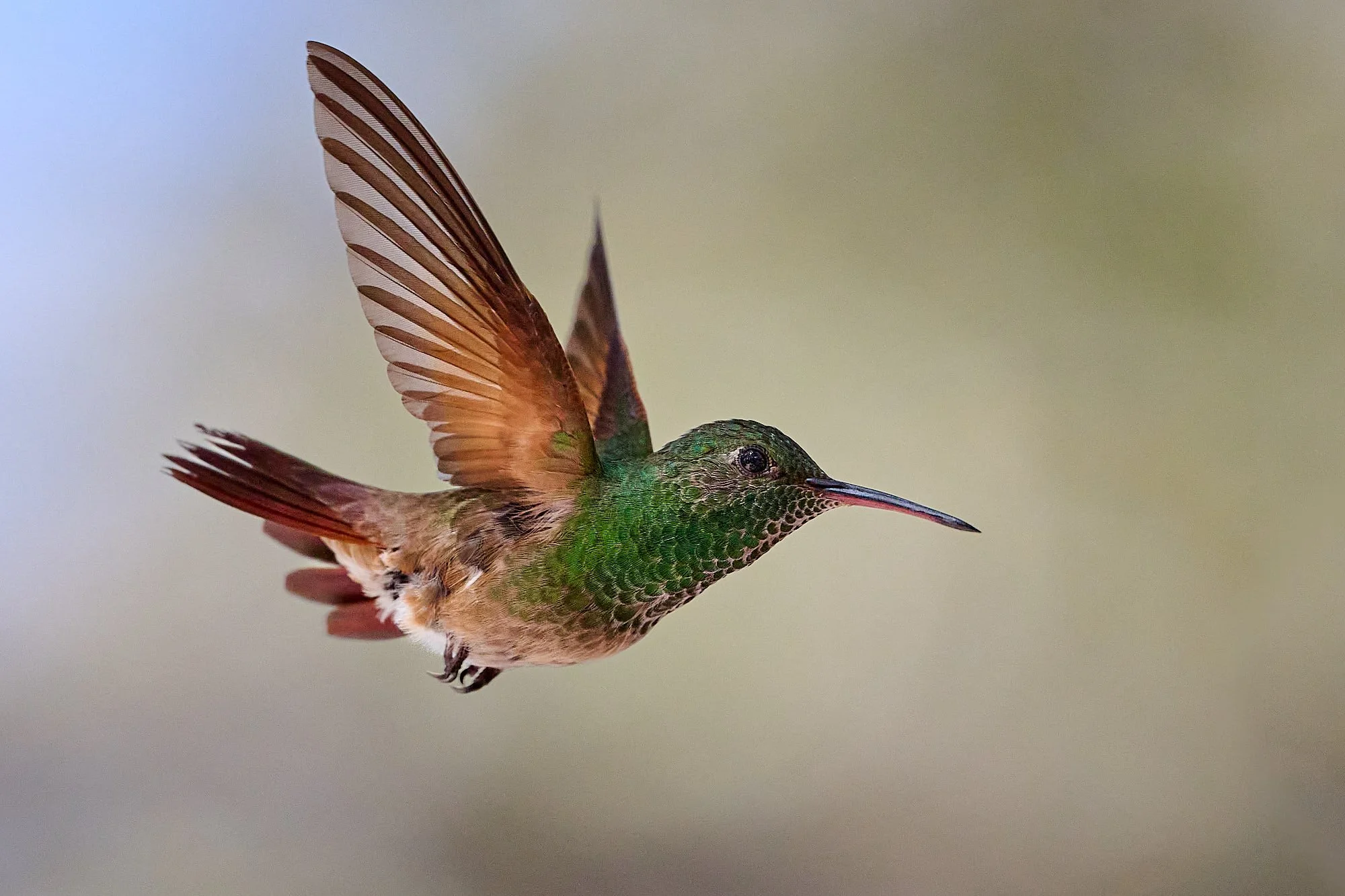
Berylline Hummingbird, male
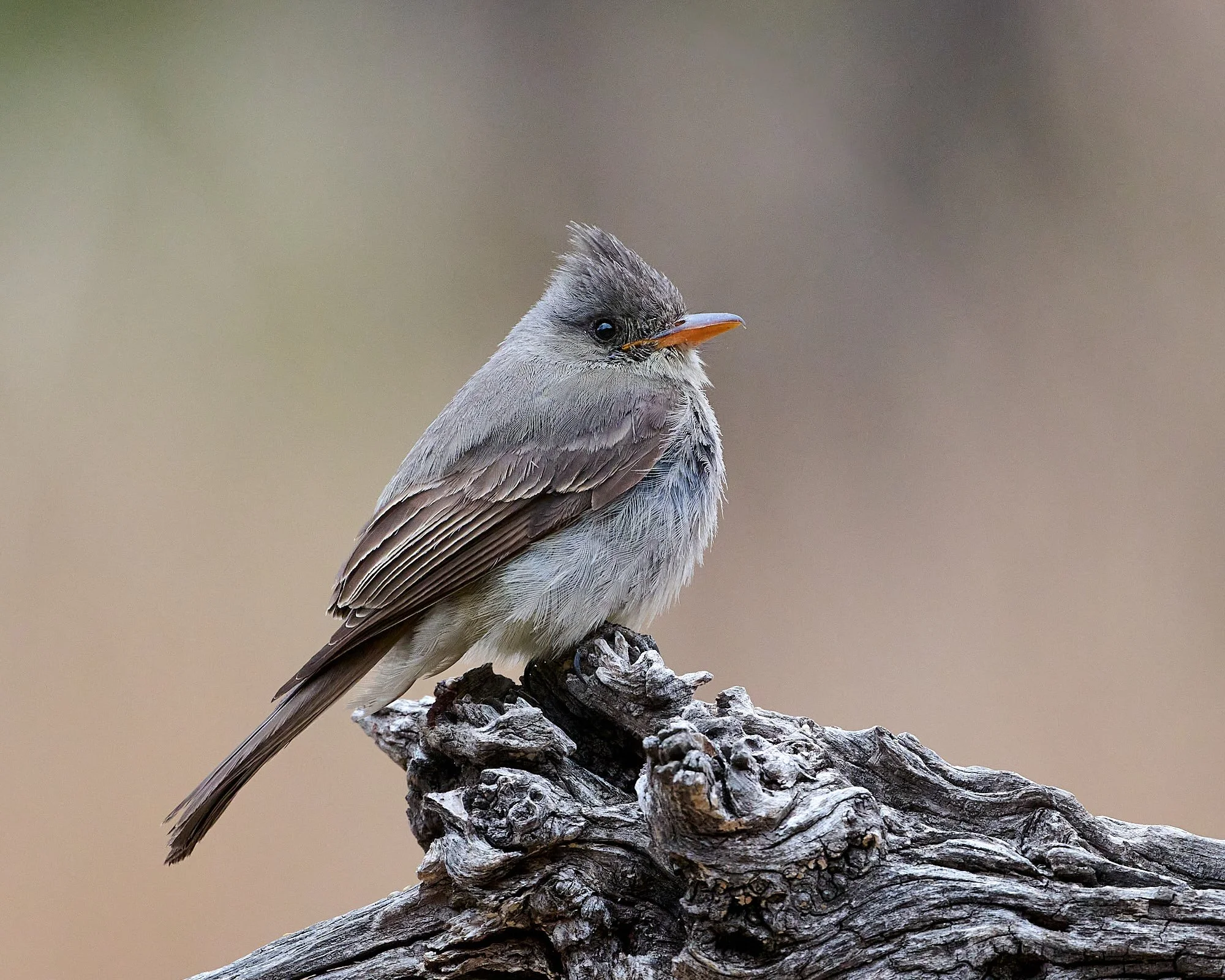
Greater Peewee
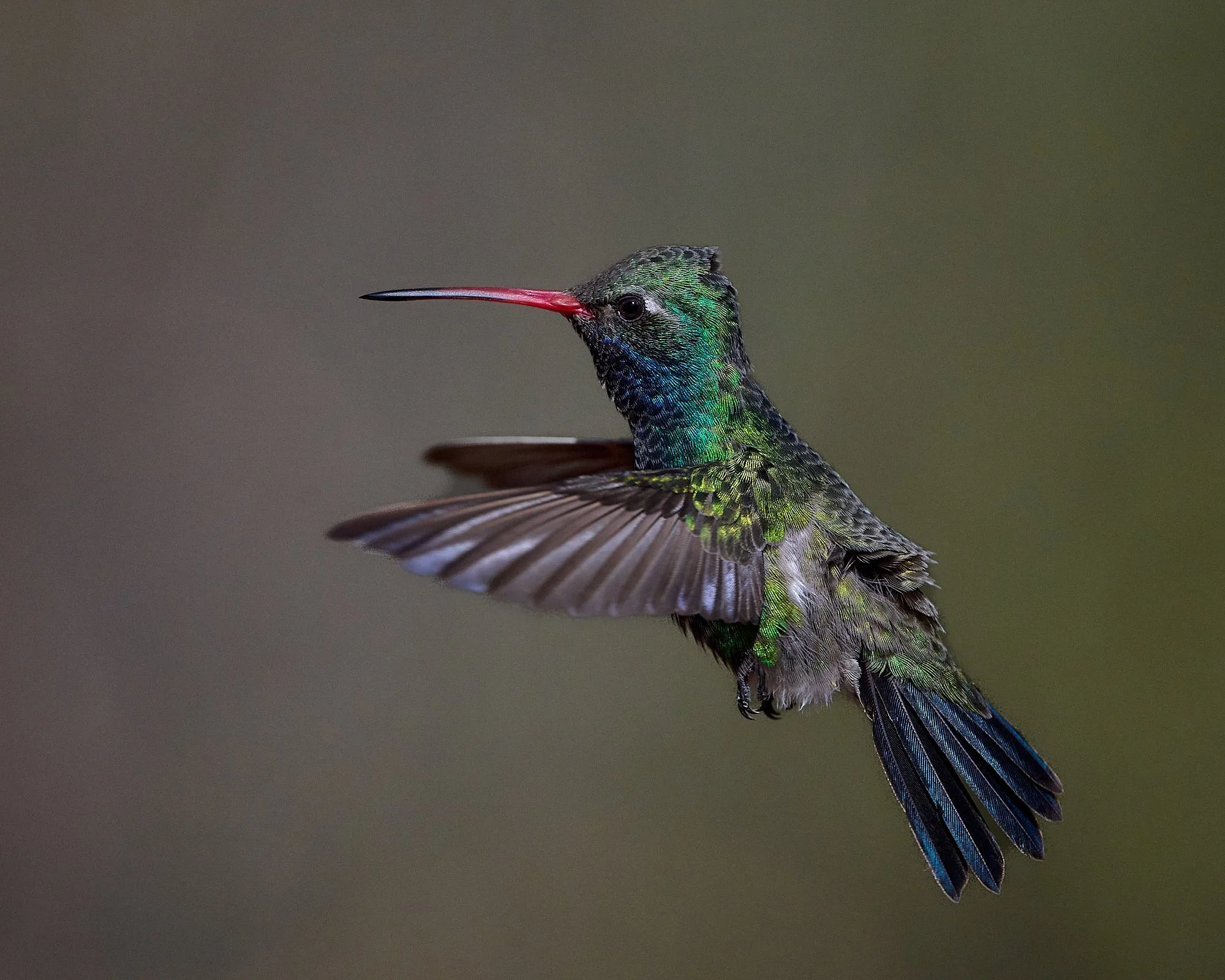
Broad-billed Hummingbird
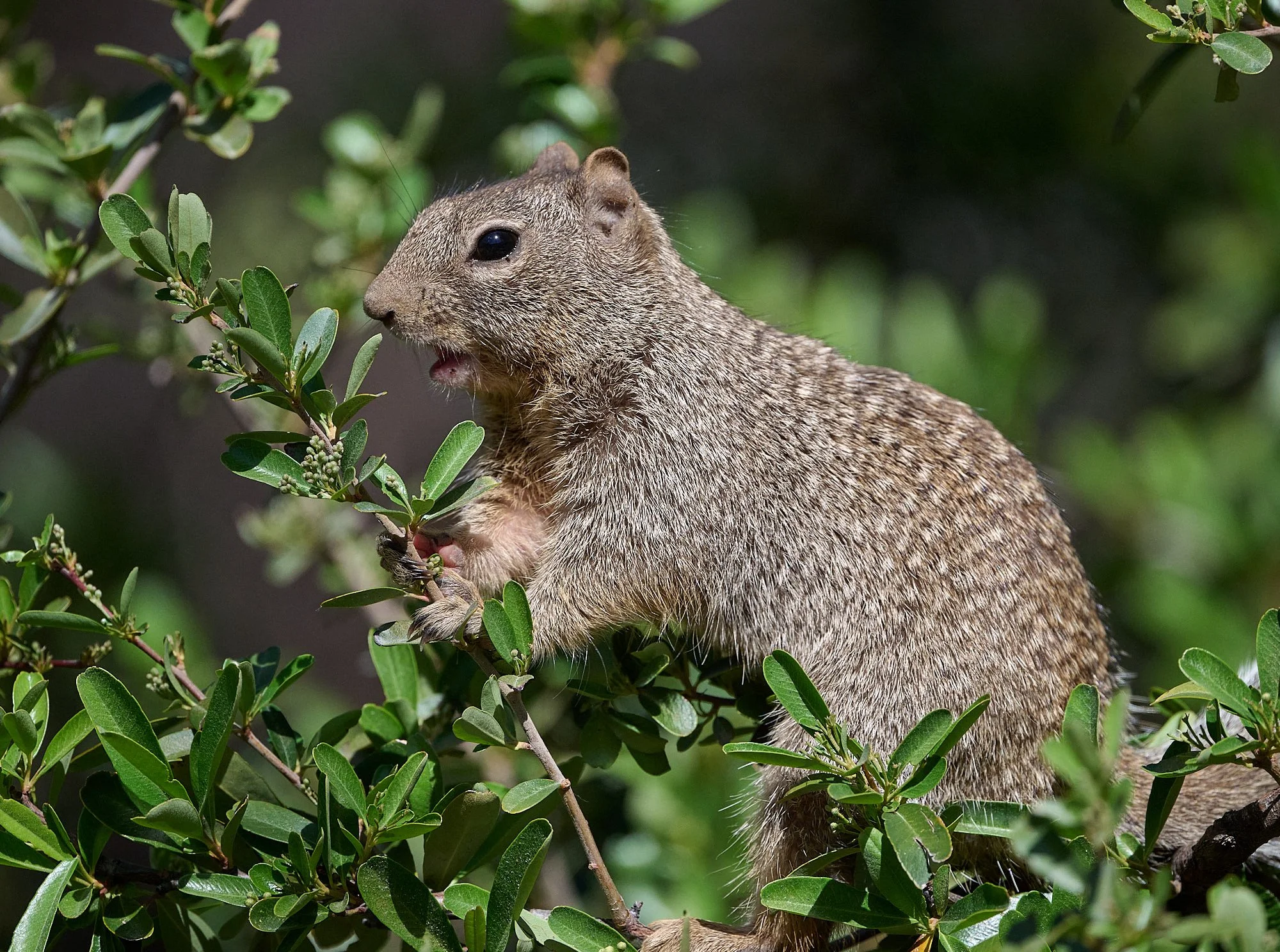
Ground squirrel
Raptor Fly-over
We visited Tubac to check out the Hawkwatch station at Morrison Park. It is situated alongside the Santa Cruz River, which is a preferred travel route for migrating raptors. A sample of what observers counted this spring includes 419 Black Hawk, 42 Broad-winged Hawk, 451 Swainson’s Hawk, 43 Grey Hawk, 111 Zone-tailed Hawk, 35 Harris’s Hawk, and 20 Peregrine Falcon.
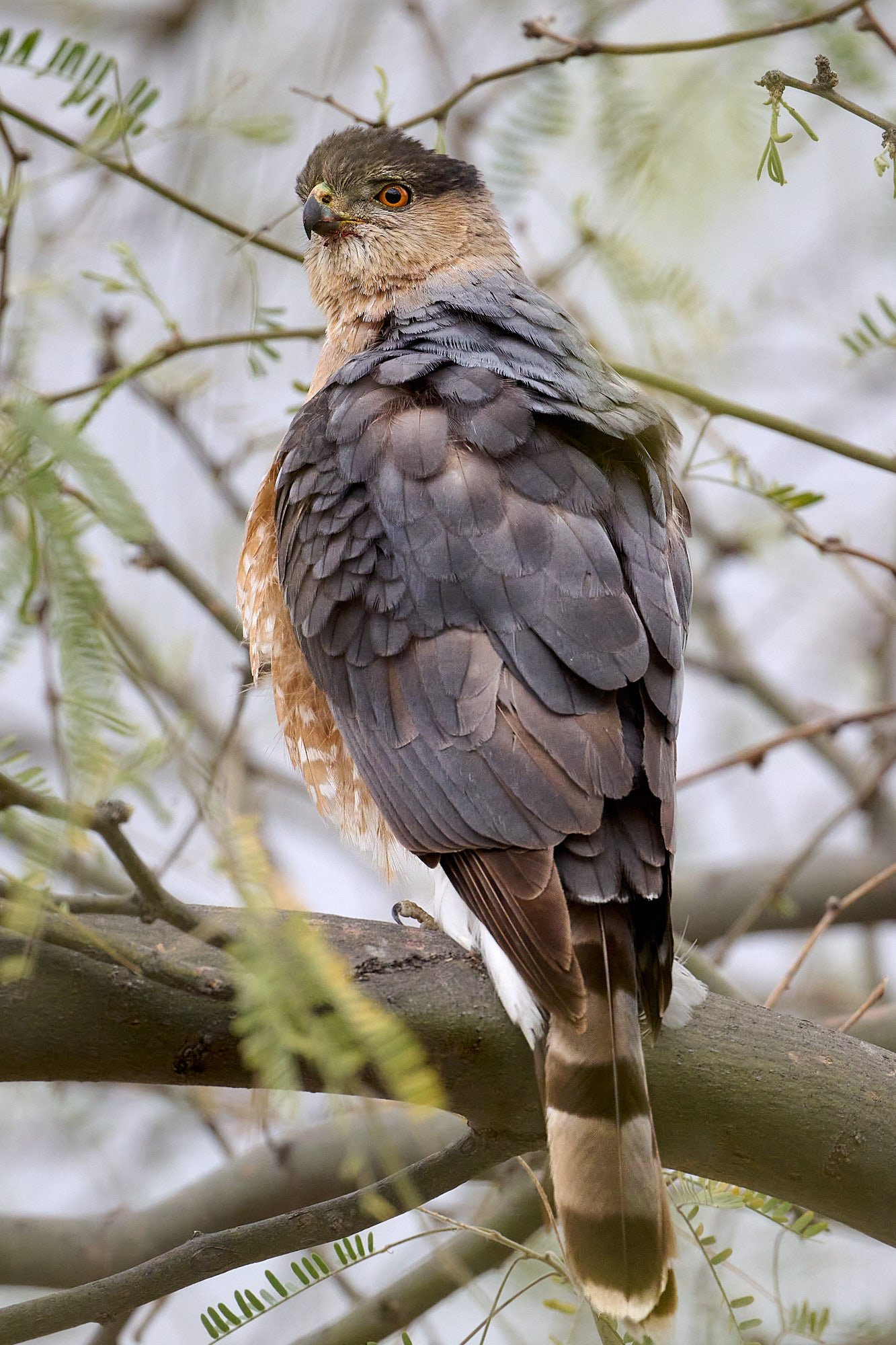
Cooper’s Hawk
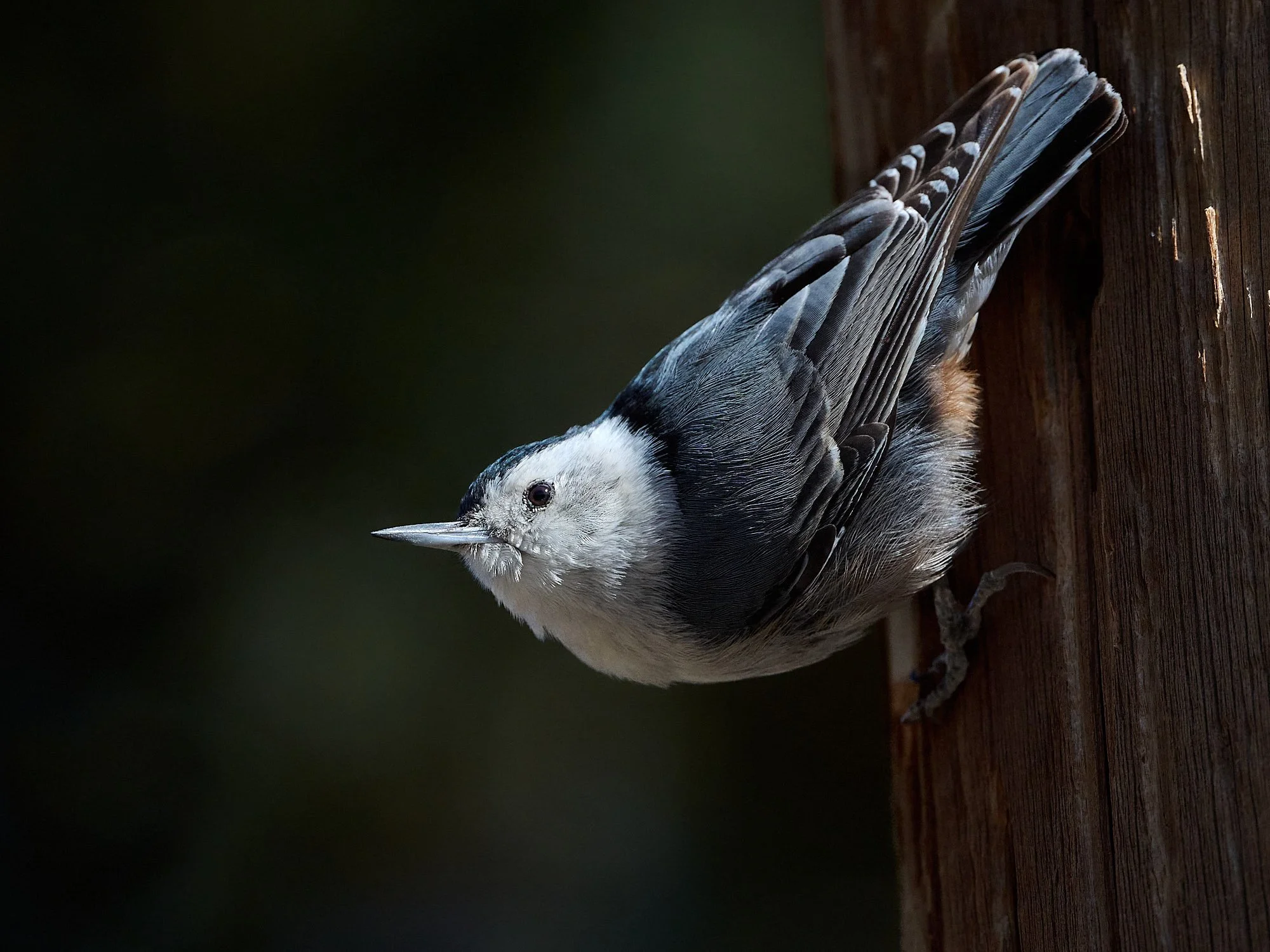
White-breasted Nuthatch
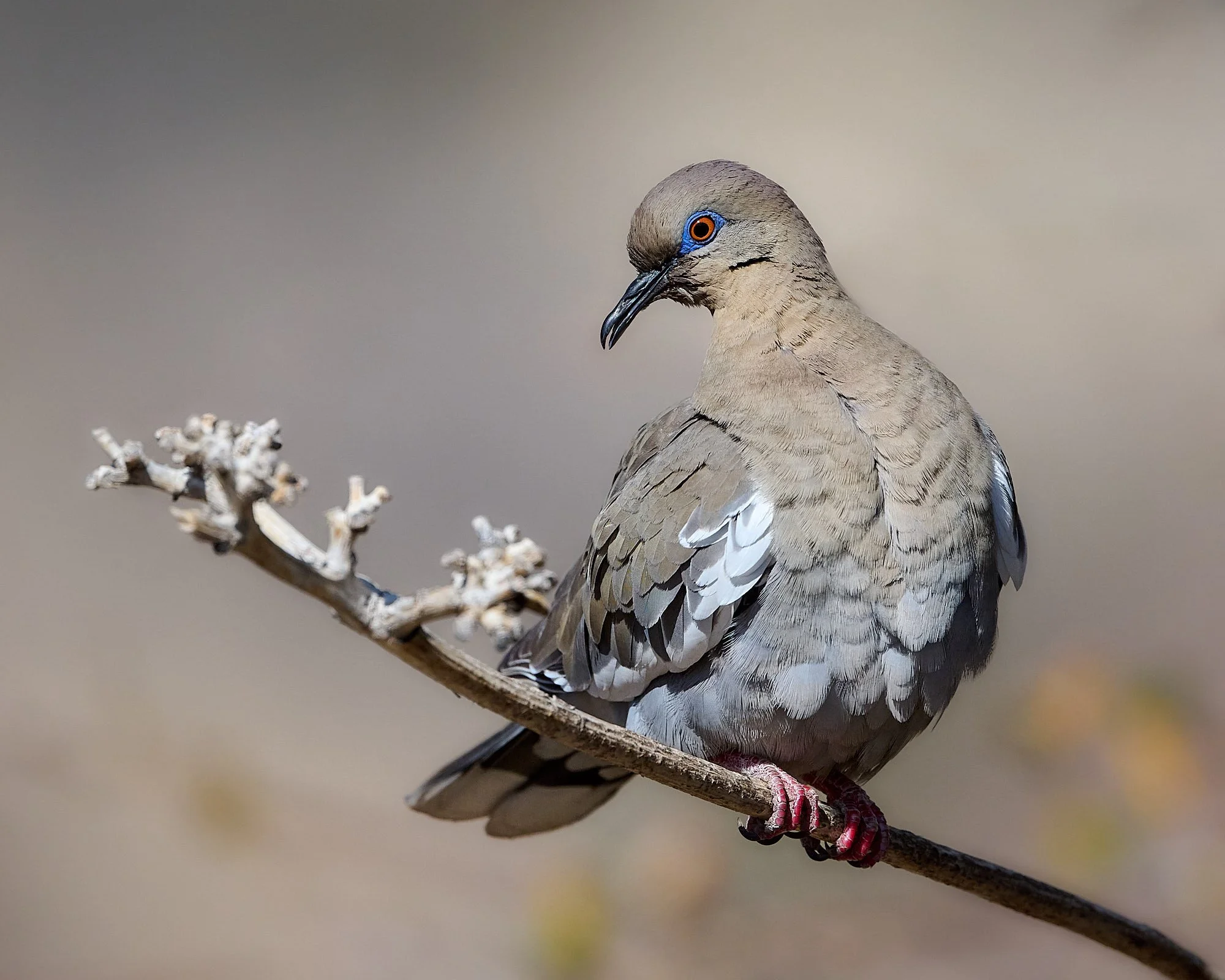
White-winged Dove
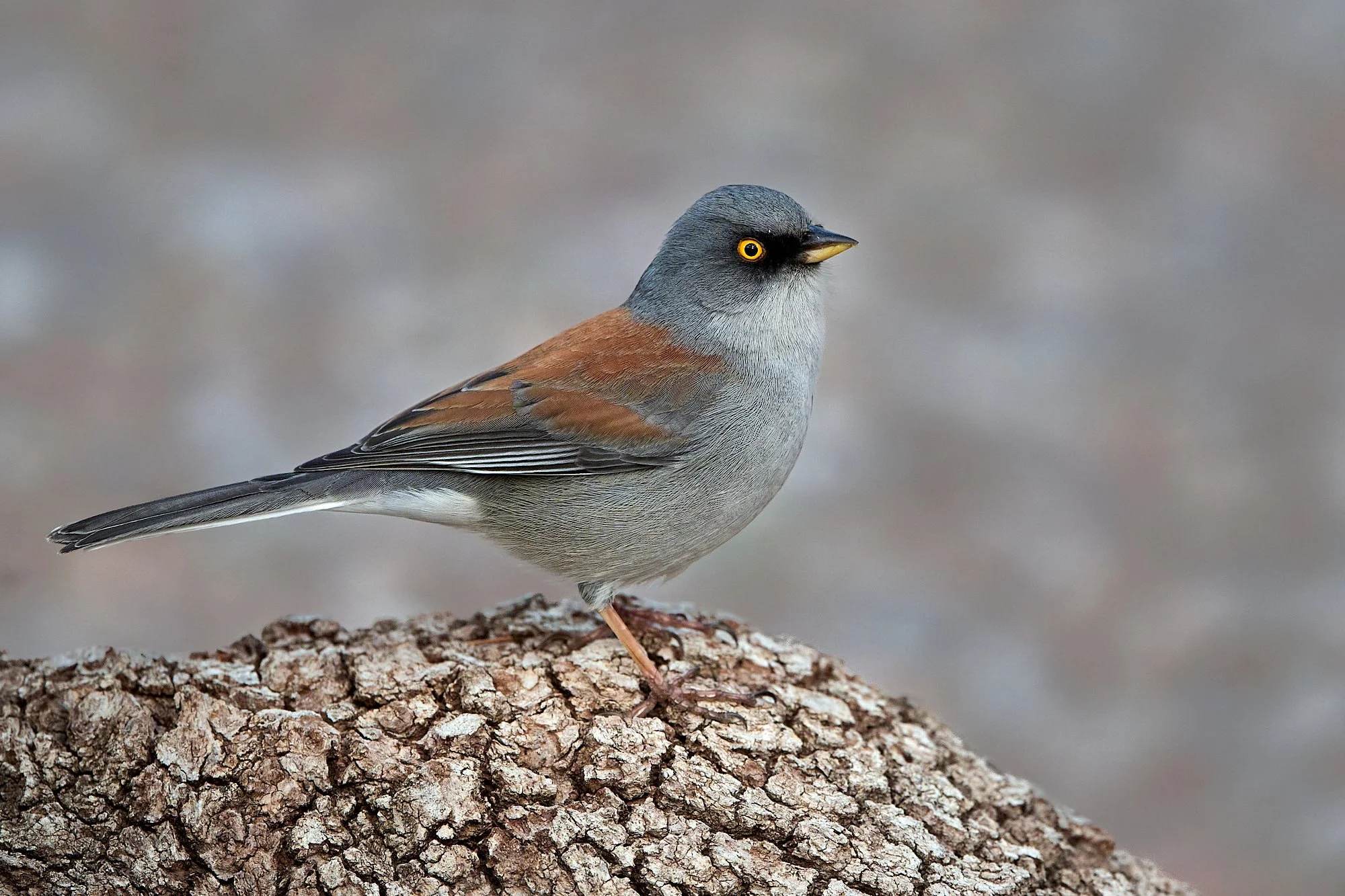
Yellow-eyed Junco
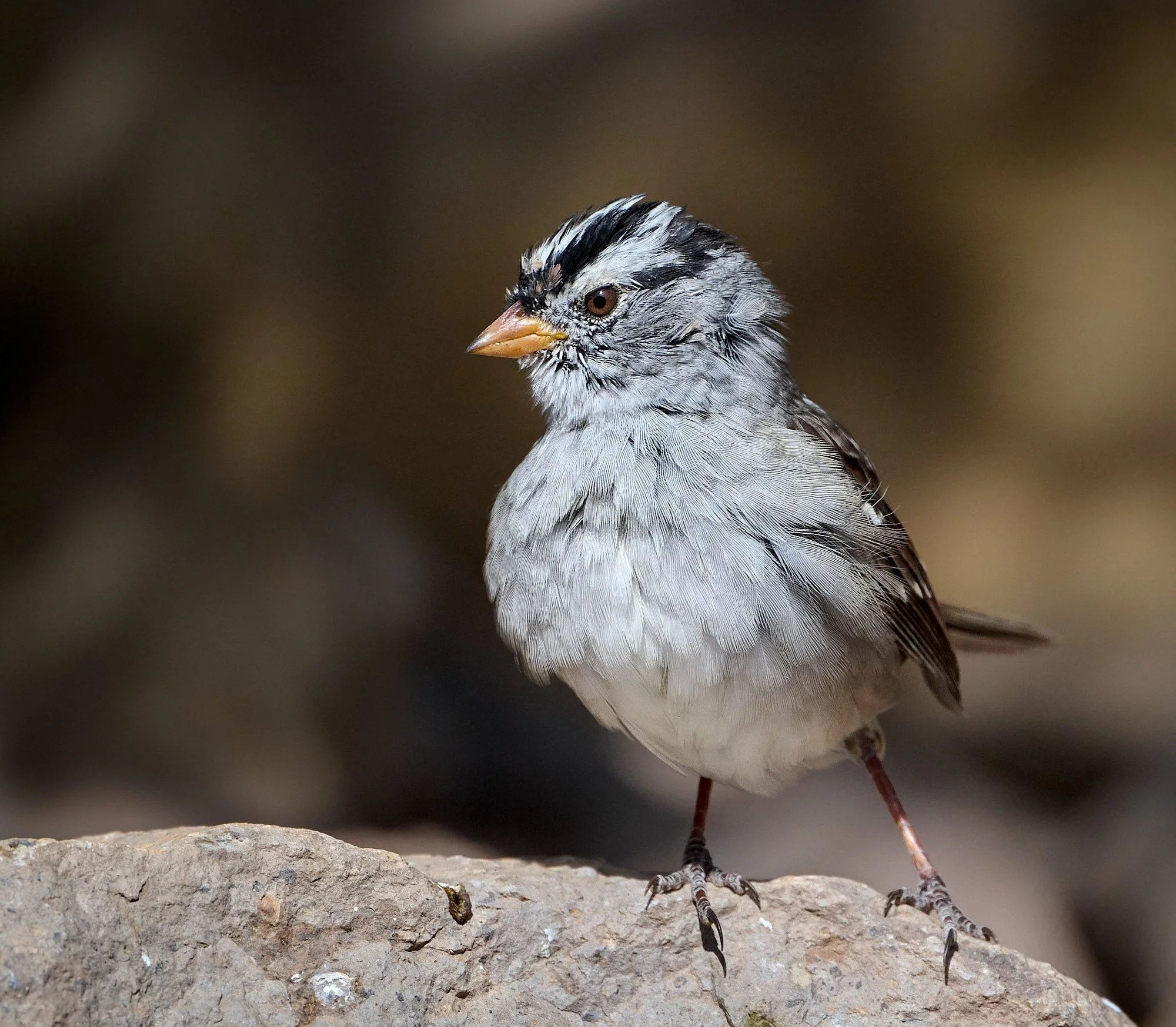
White-crowned Sparrow
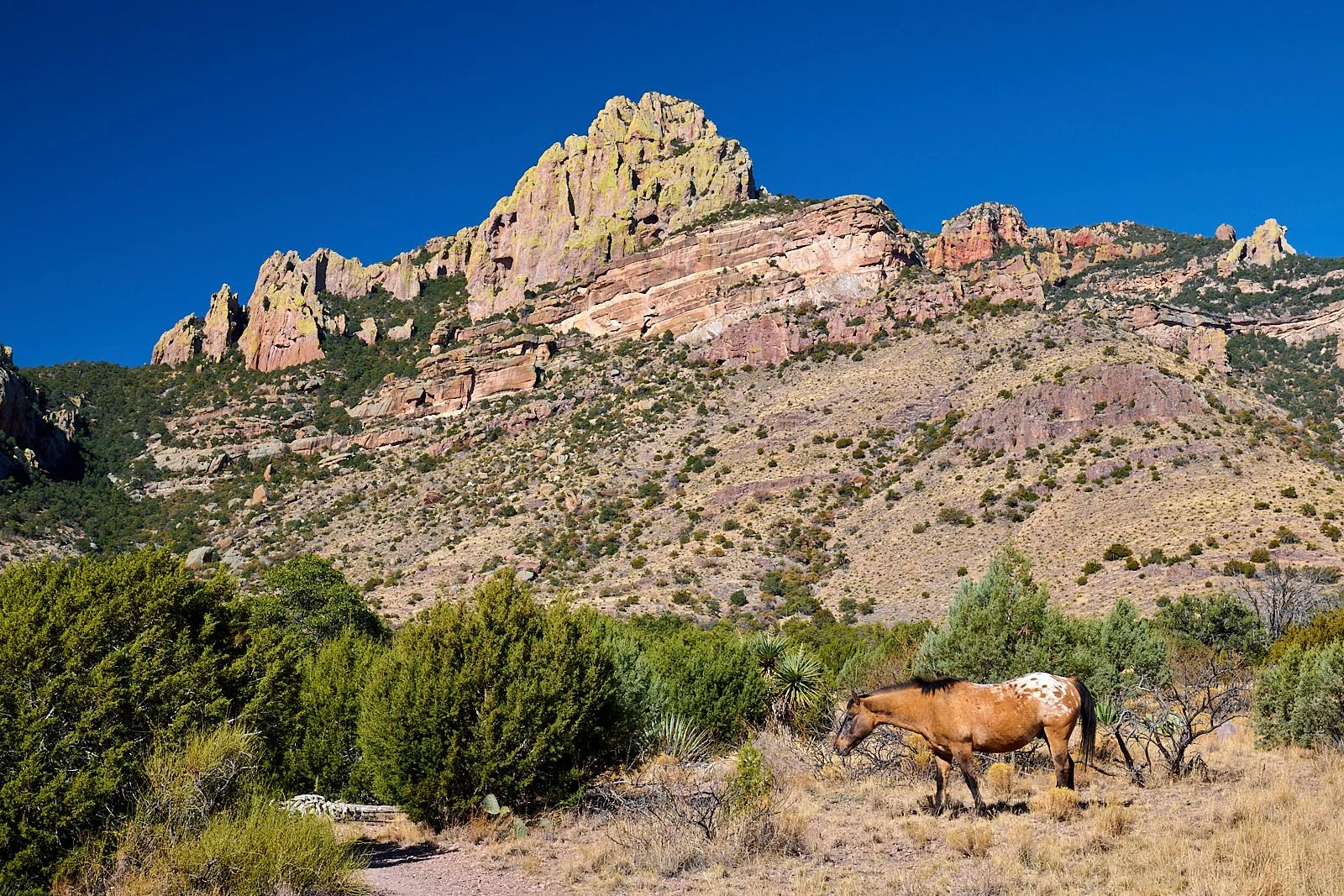
Silver Peak, Chiricahua Mountains, Arizona
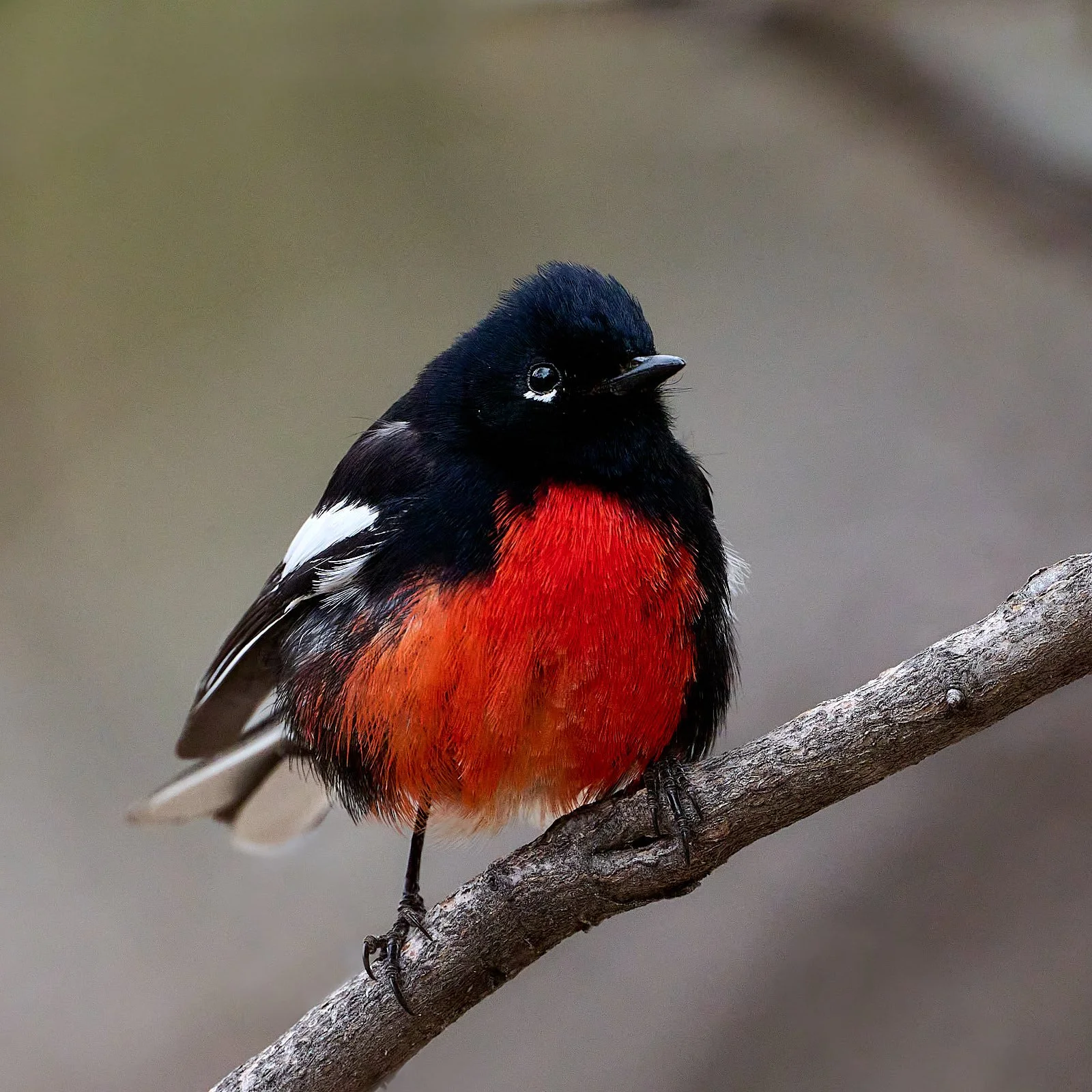
Painted Redstart
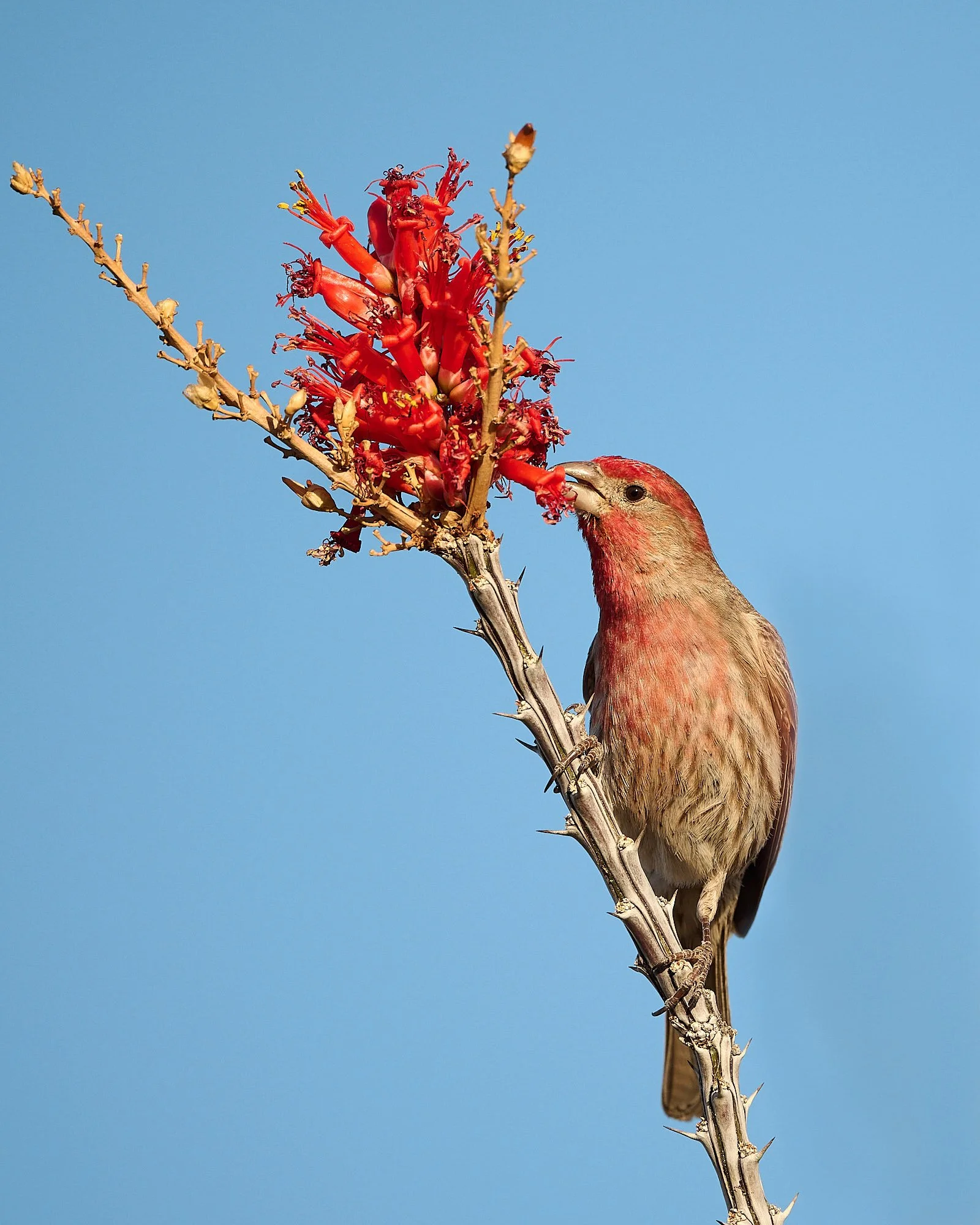
House Finch eating ocotillo flowers
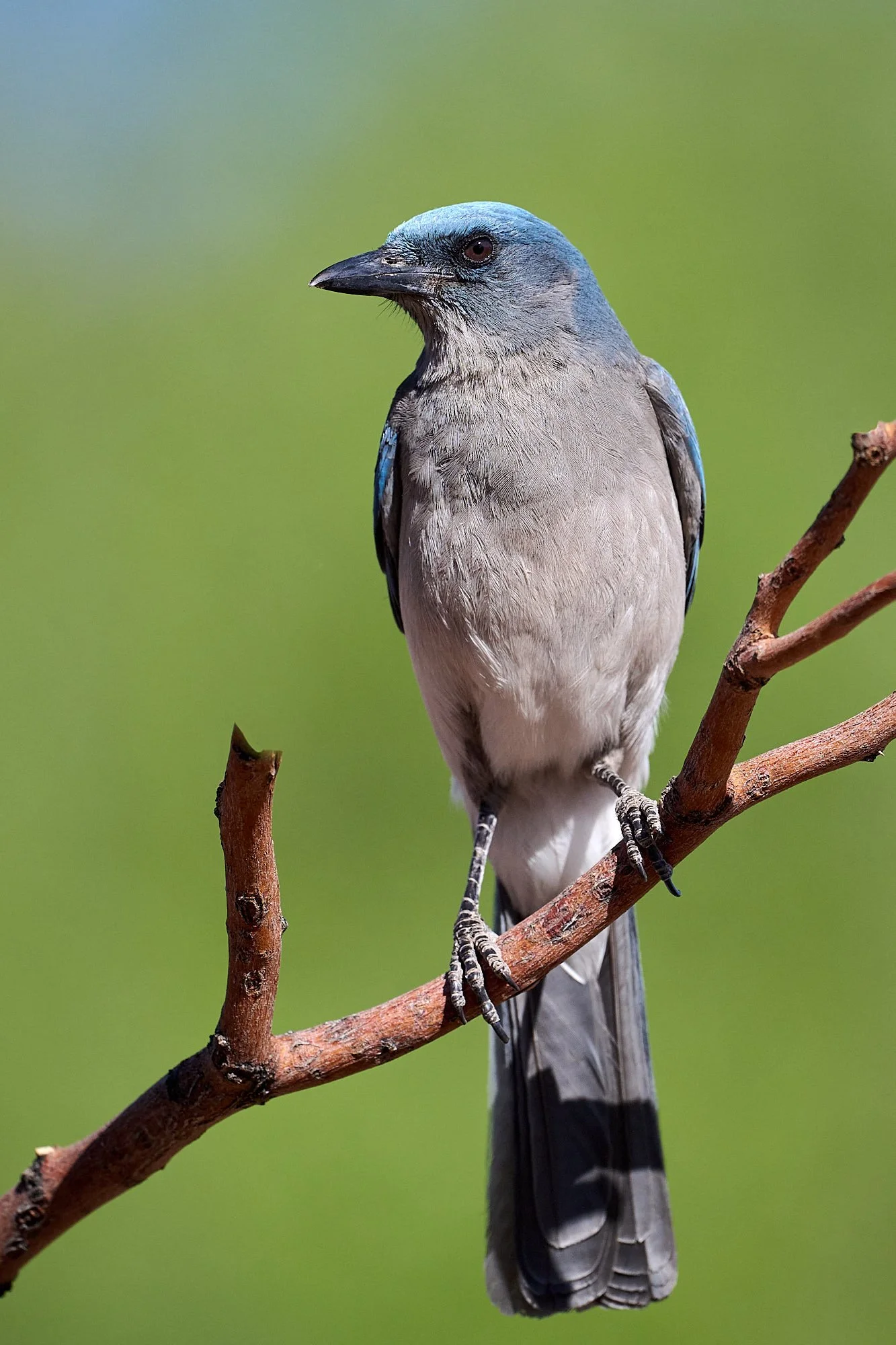
Mexican Jay
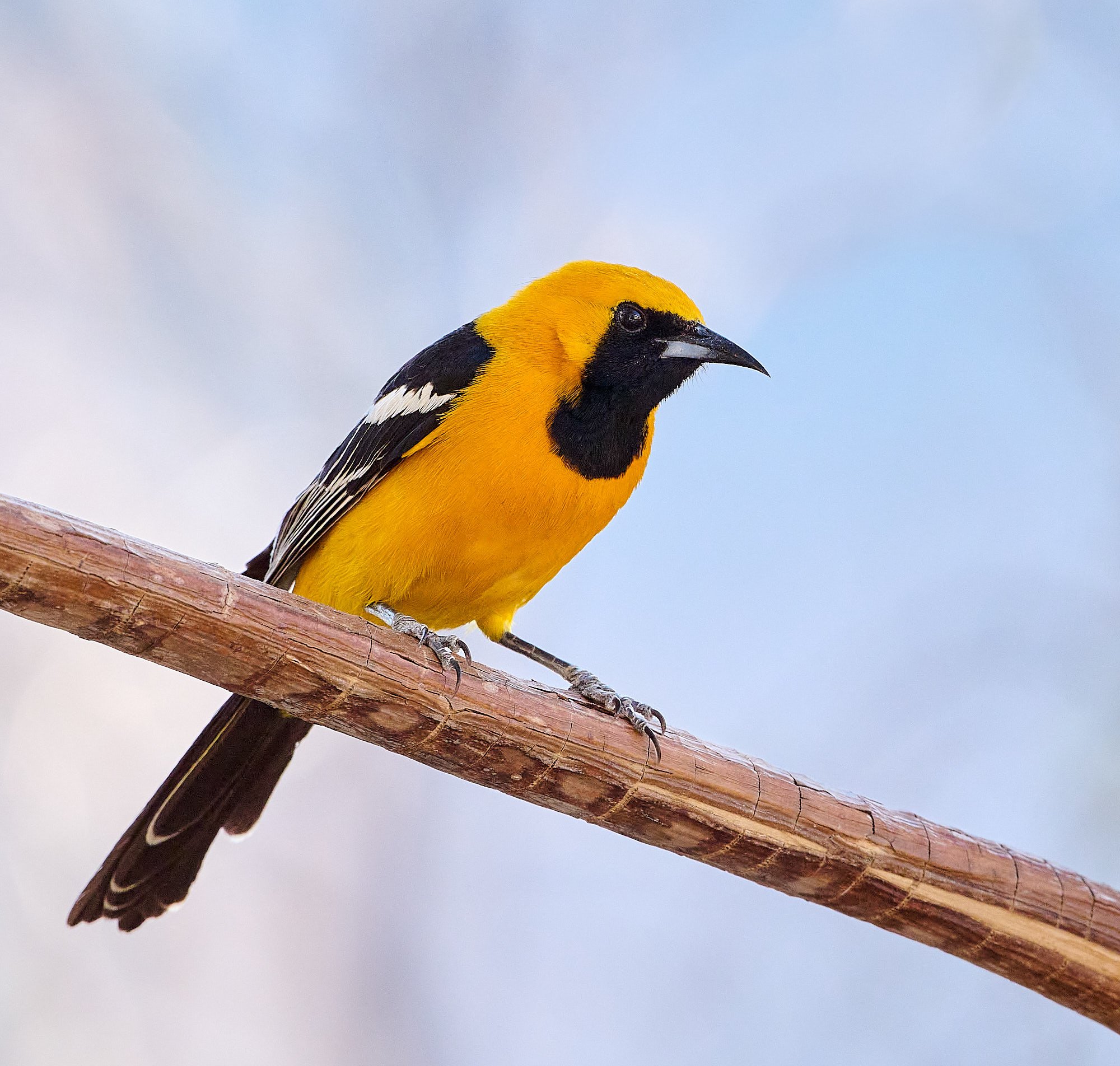
Hooded Oriole
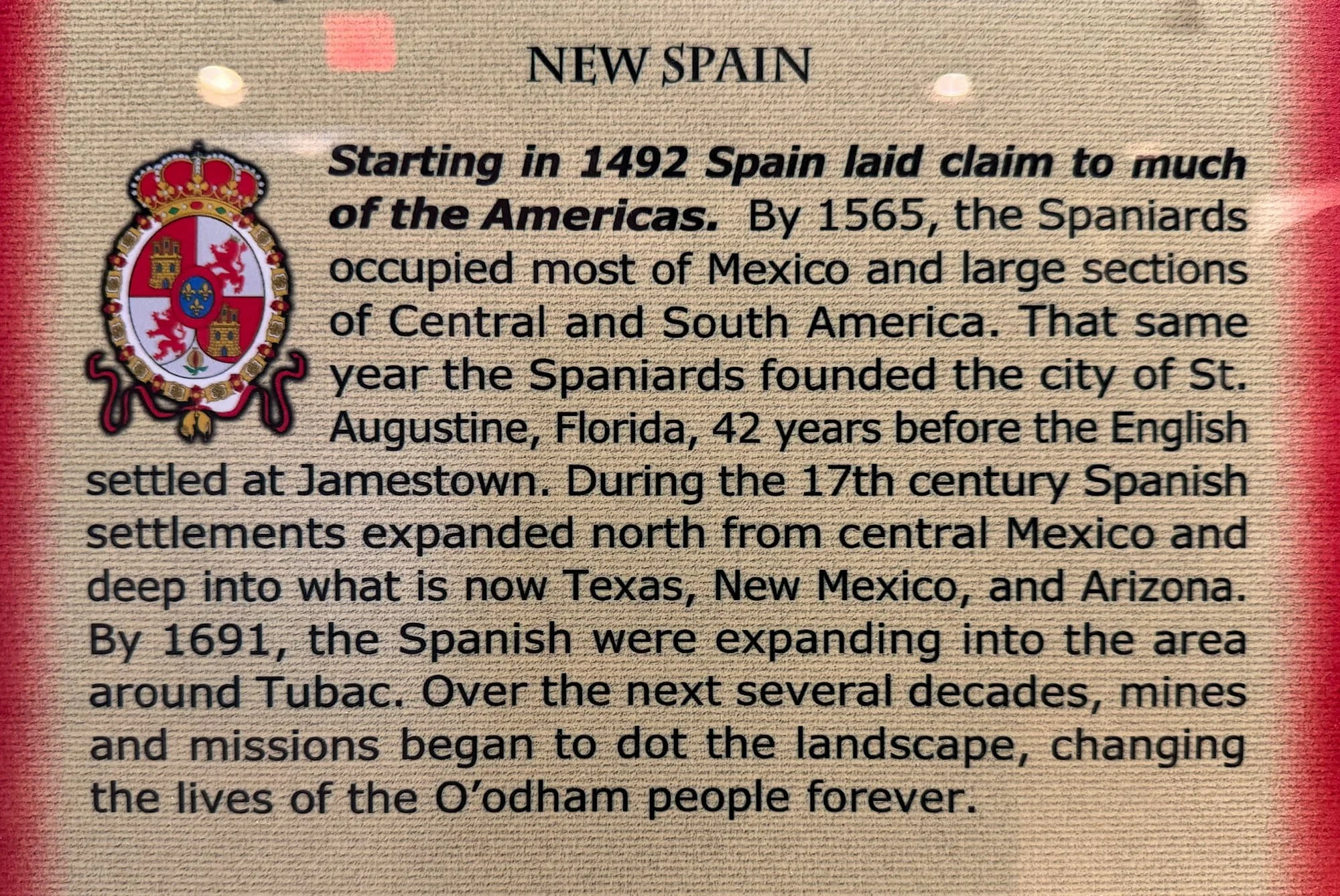
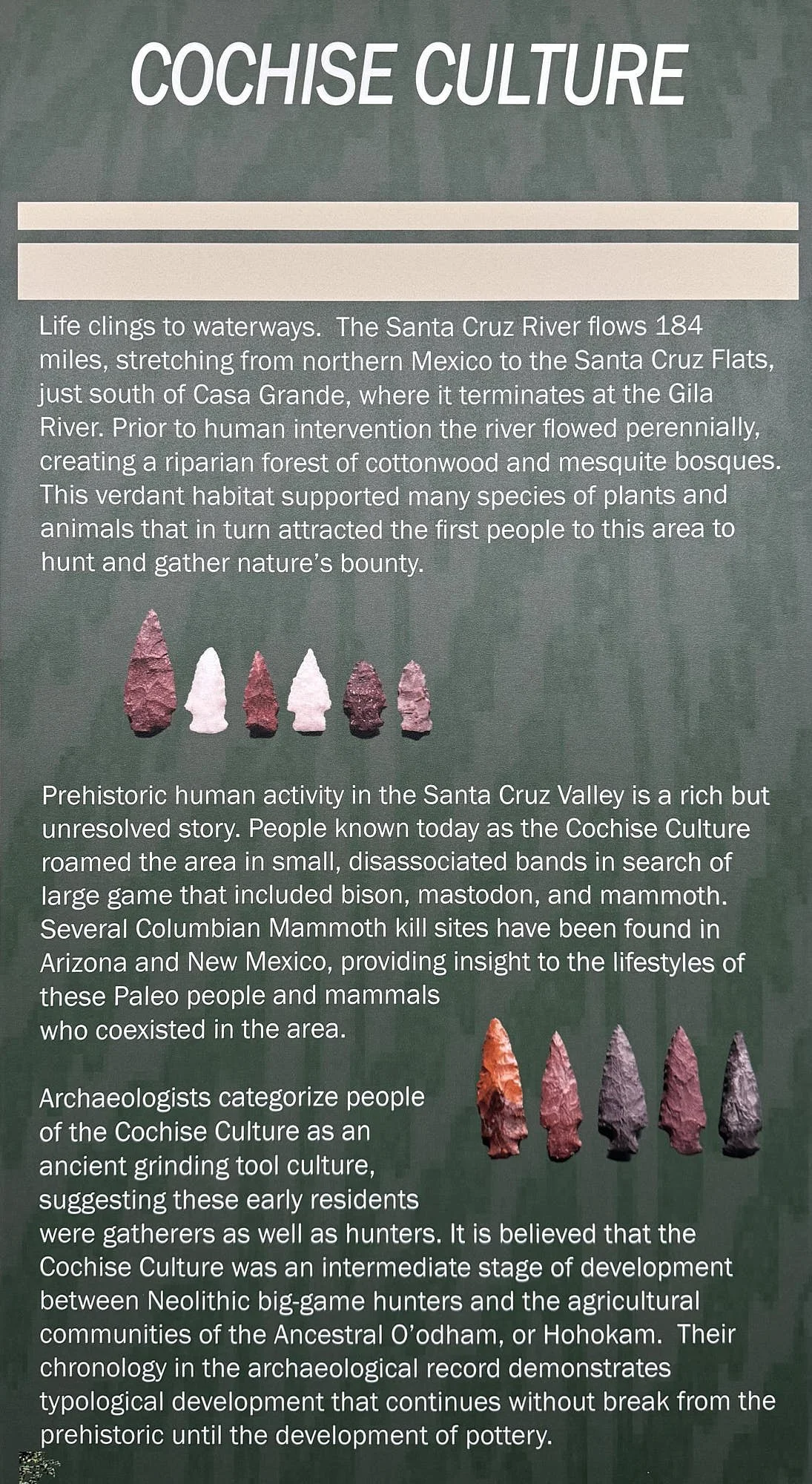
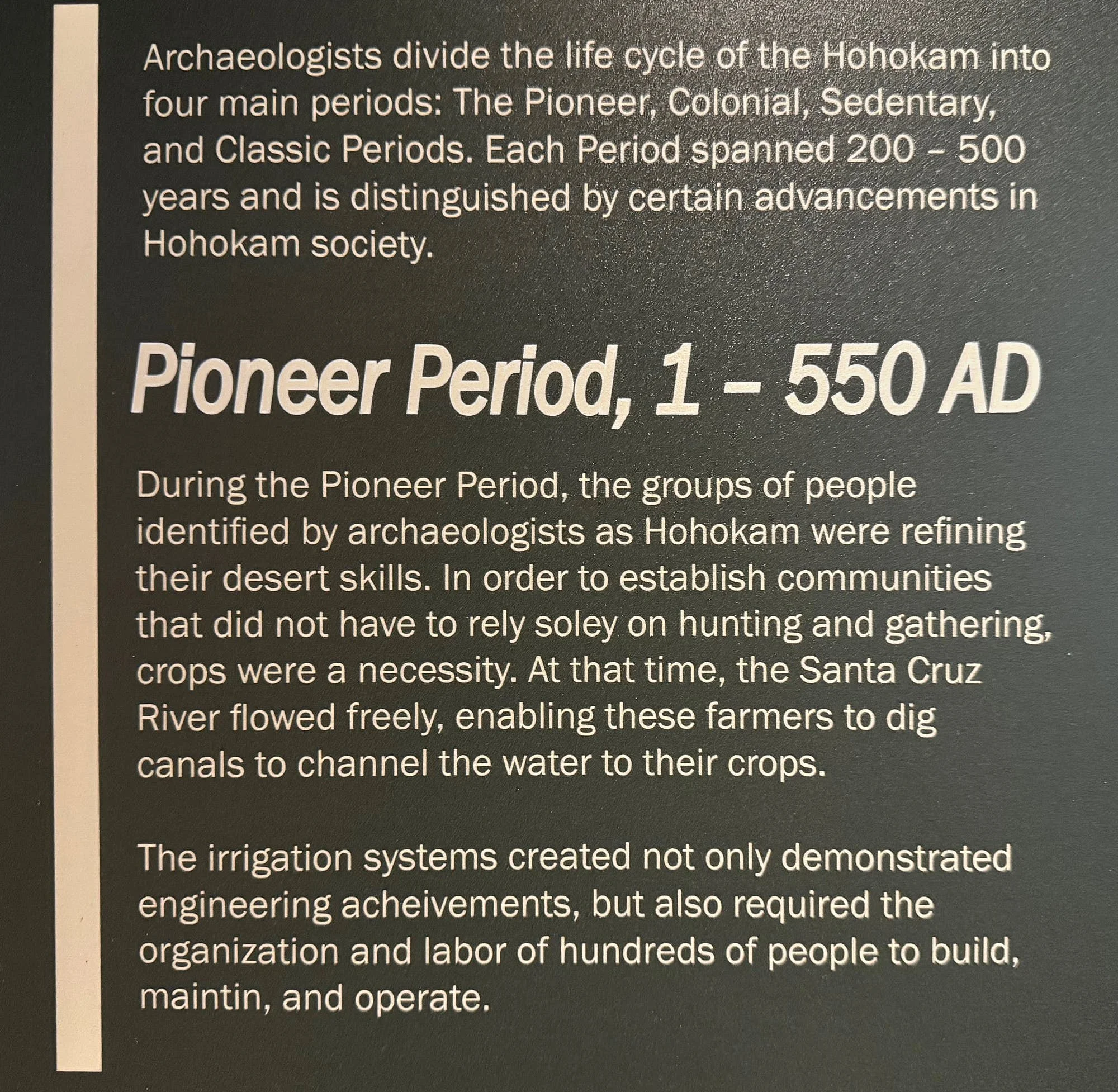
Tubac, Arizona
Tubac Presidio State Historic Park preserves the ruins of the oldest Spanish Presidio site in Arizona, San Ignacio de Tubac, established in 1752. Juan Bautista de Anza III was the second commander and the person who organized and led an expedition to California that resulted in the founding of San Francisco in 1776.
An old schoolhouse, built in 1885, is fun to explore. The Park’s museum reviews the history of the Tubac area in a series of displays with interesting artifacts.
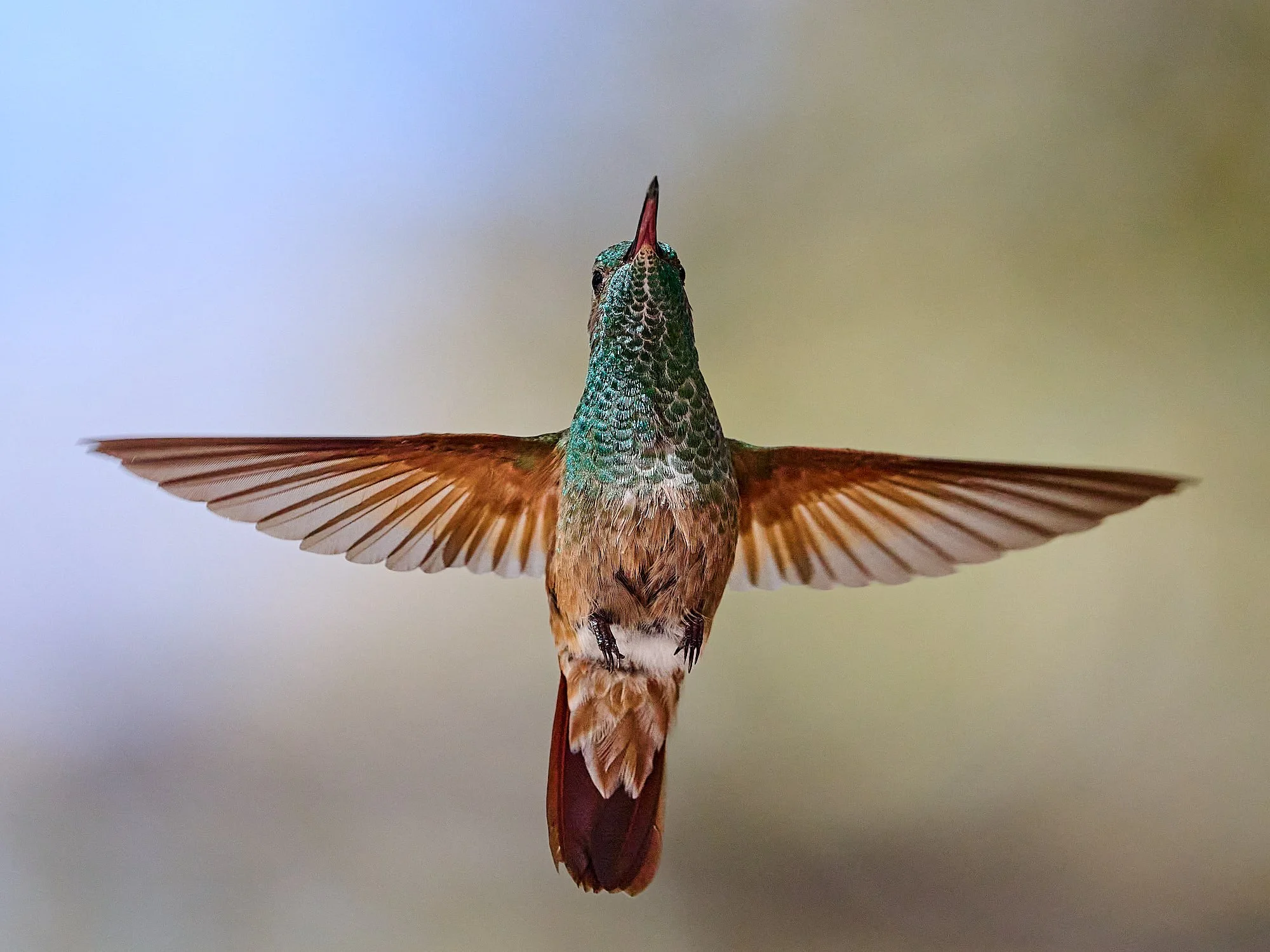
Berylline Hummingbird
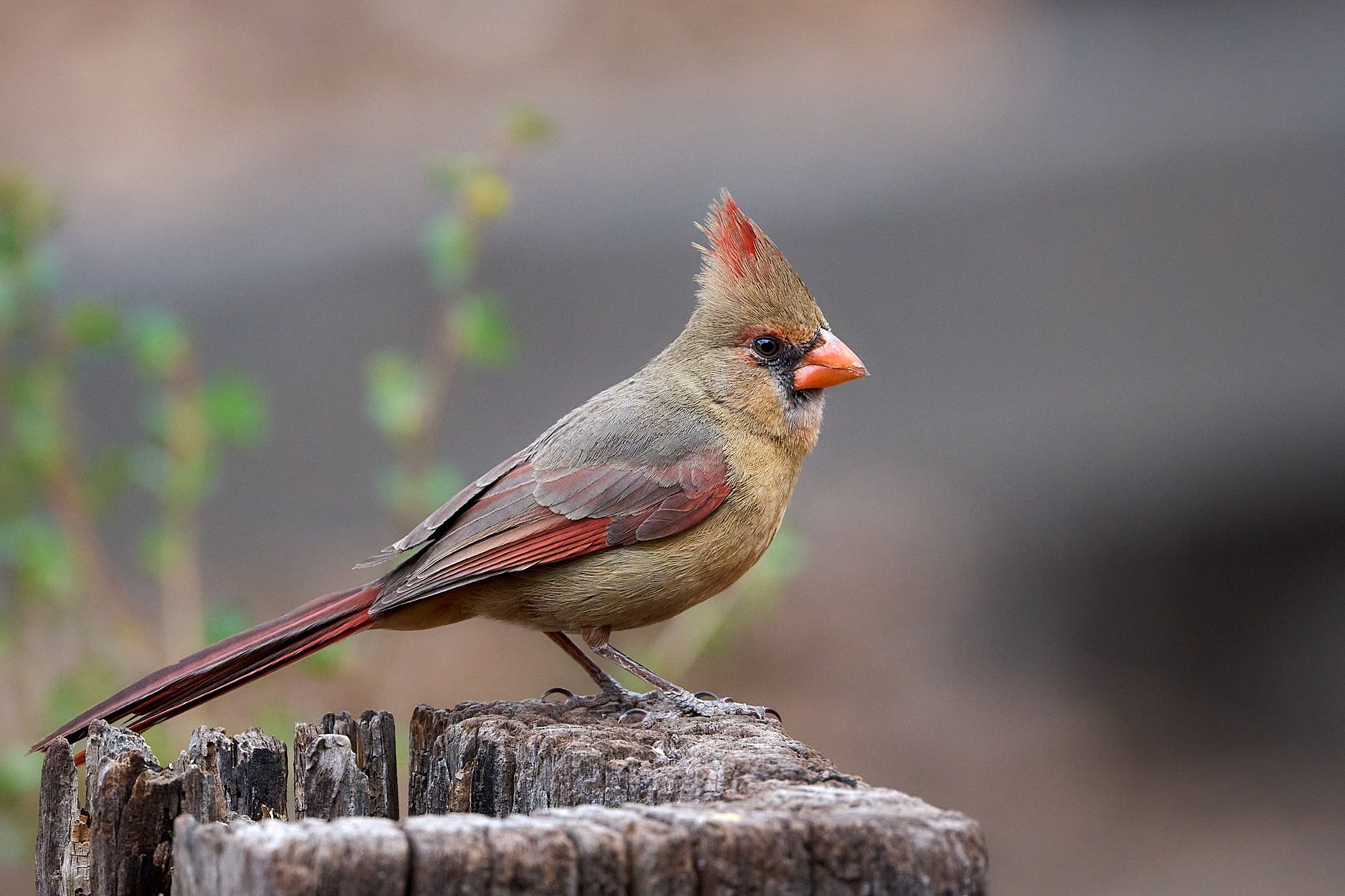
Northern Cardinal
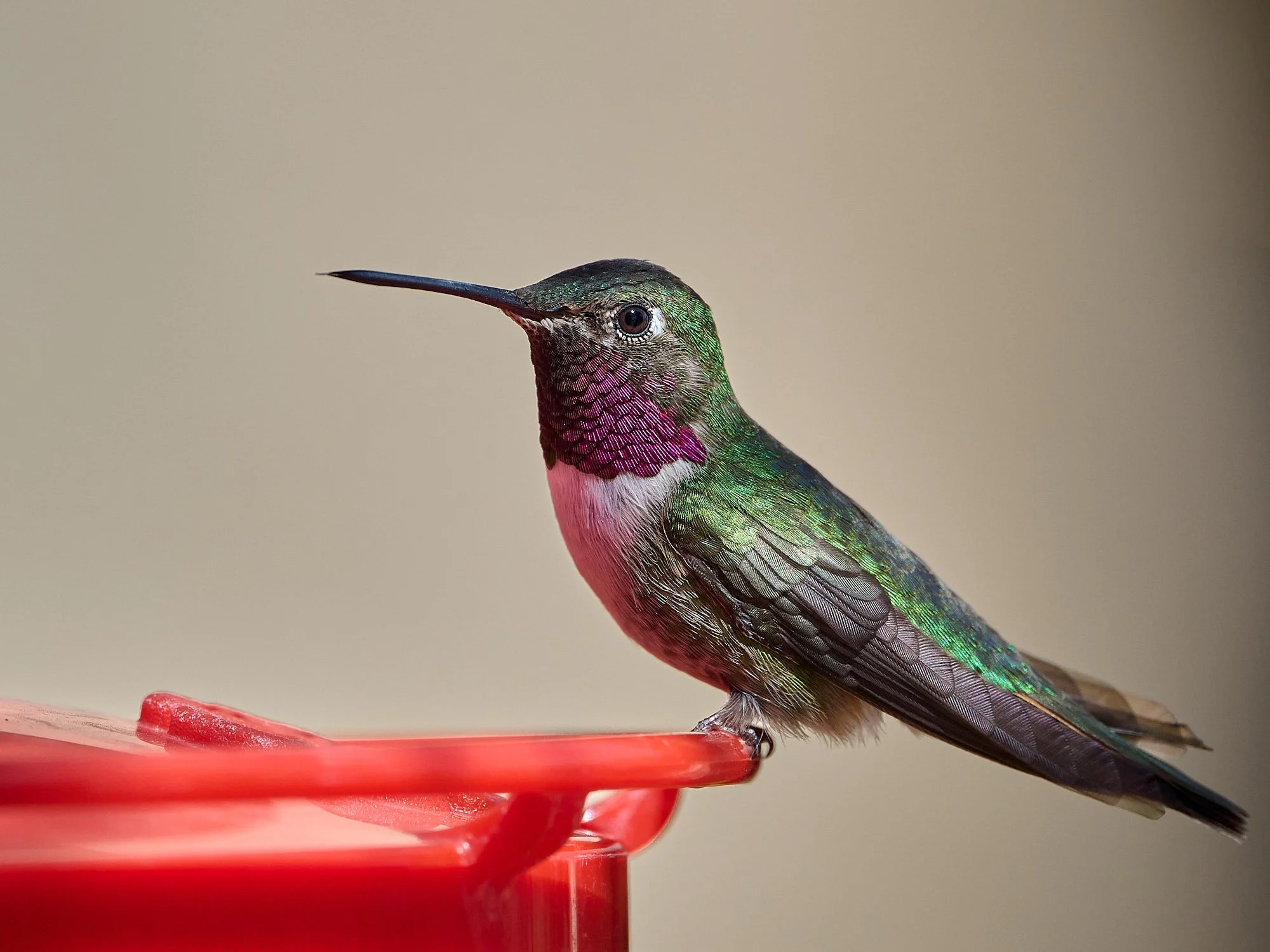
Broad-tailed Hummingbird
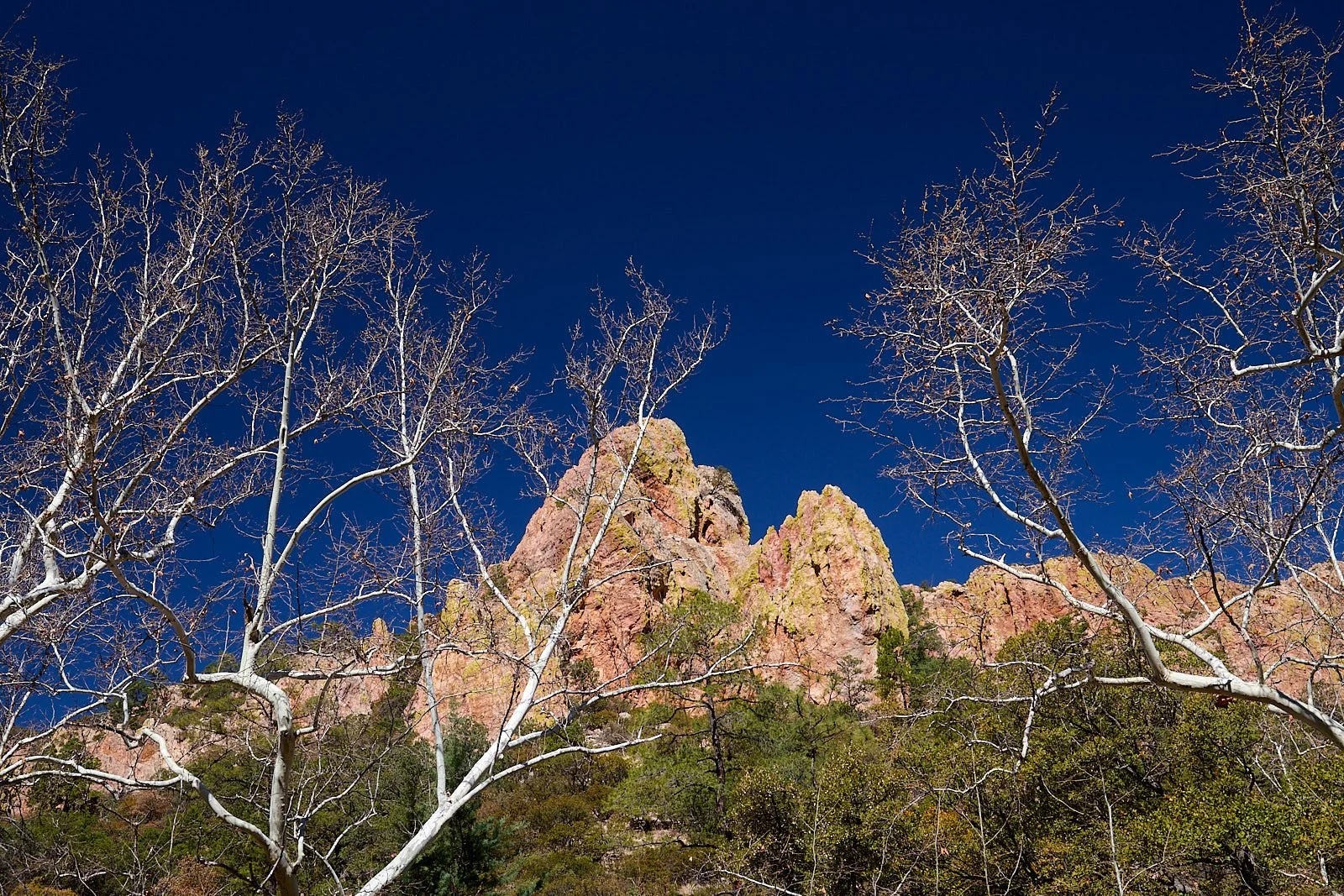
View from South Fork trail, Chiricahua Mountains
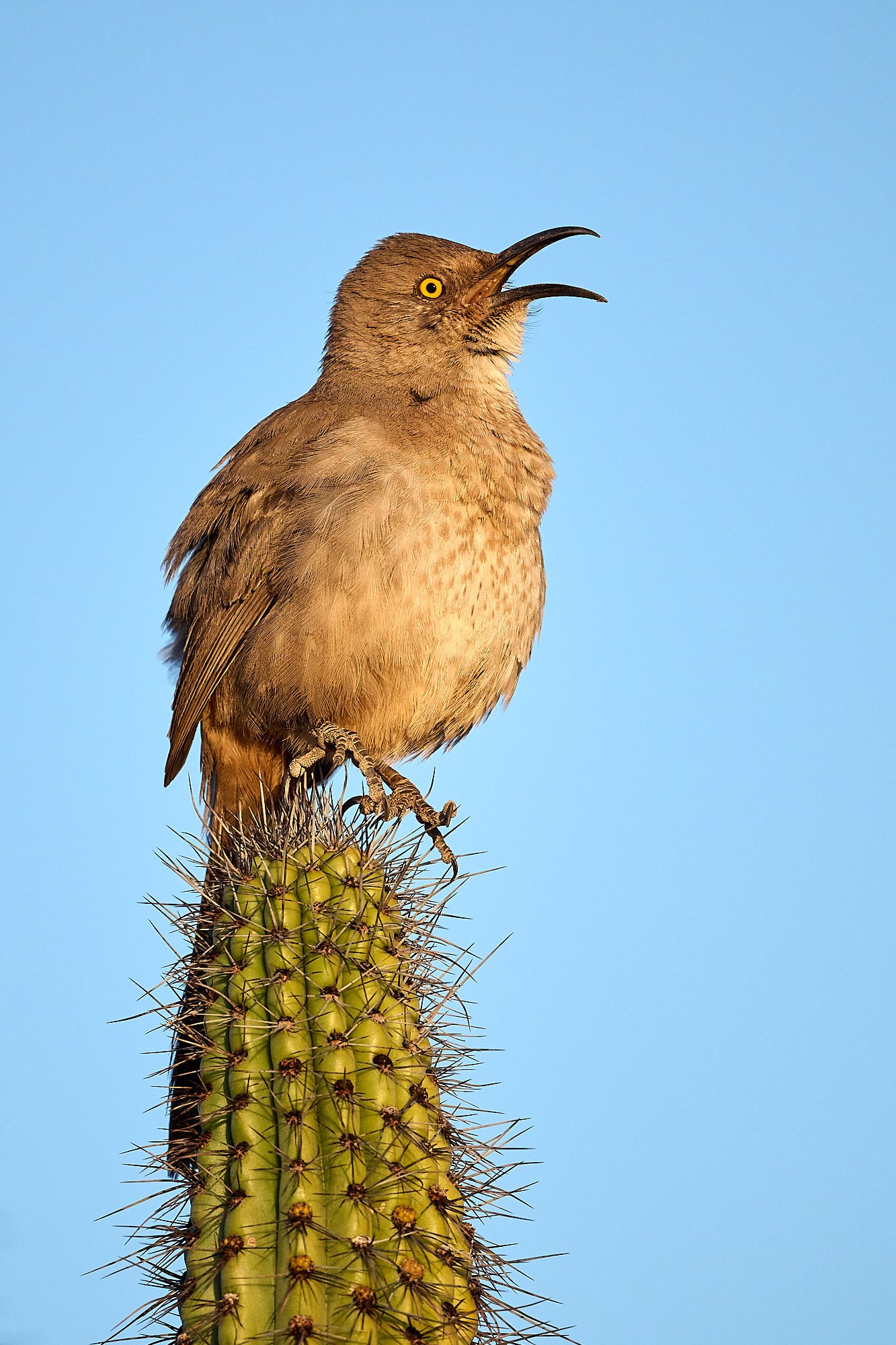
Curve-billed Thrasher singing a love song
Good Art
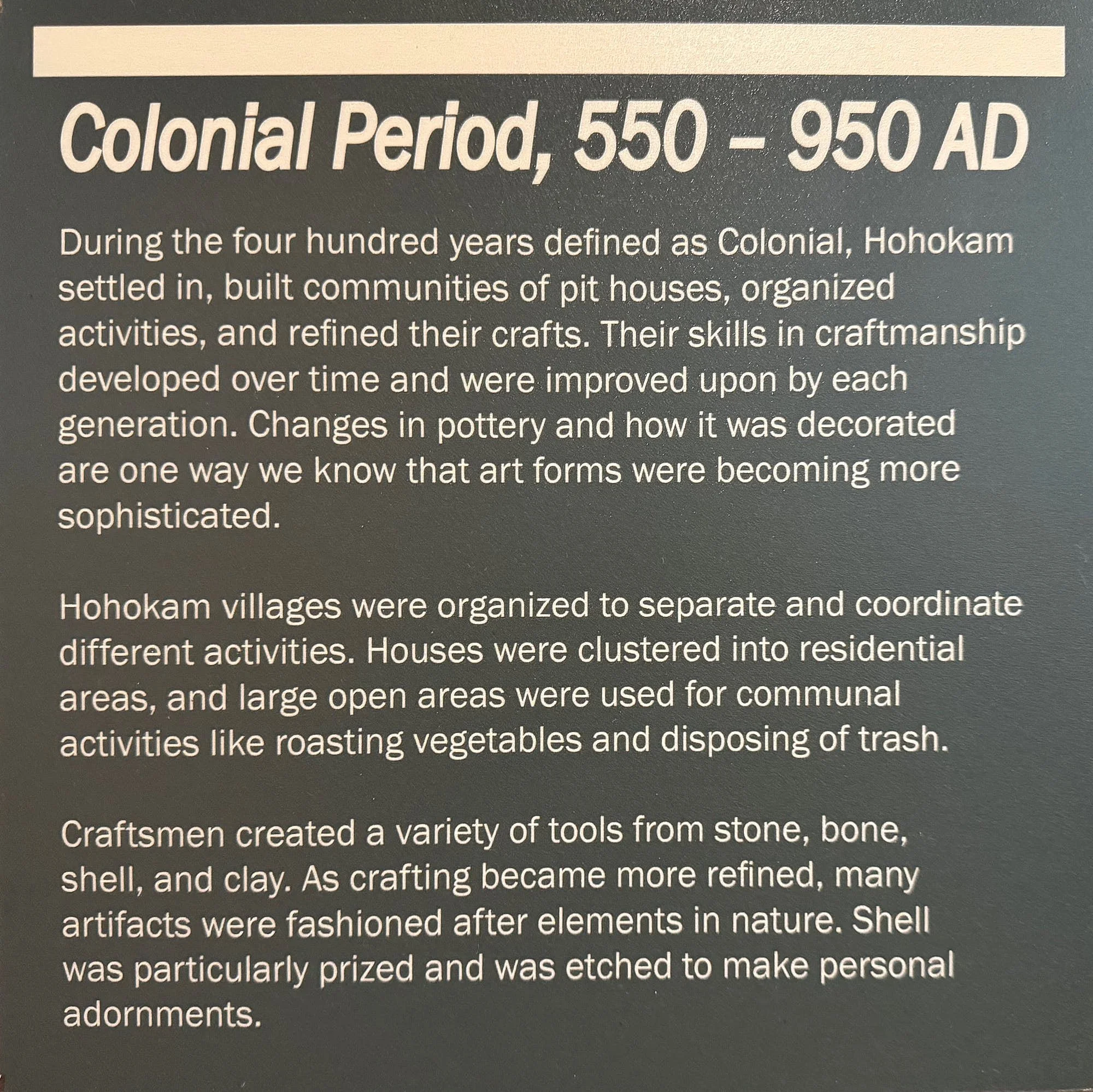
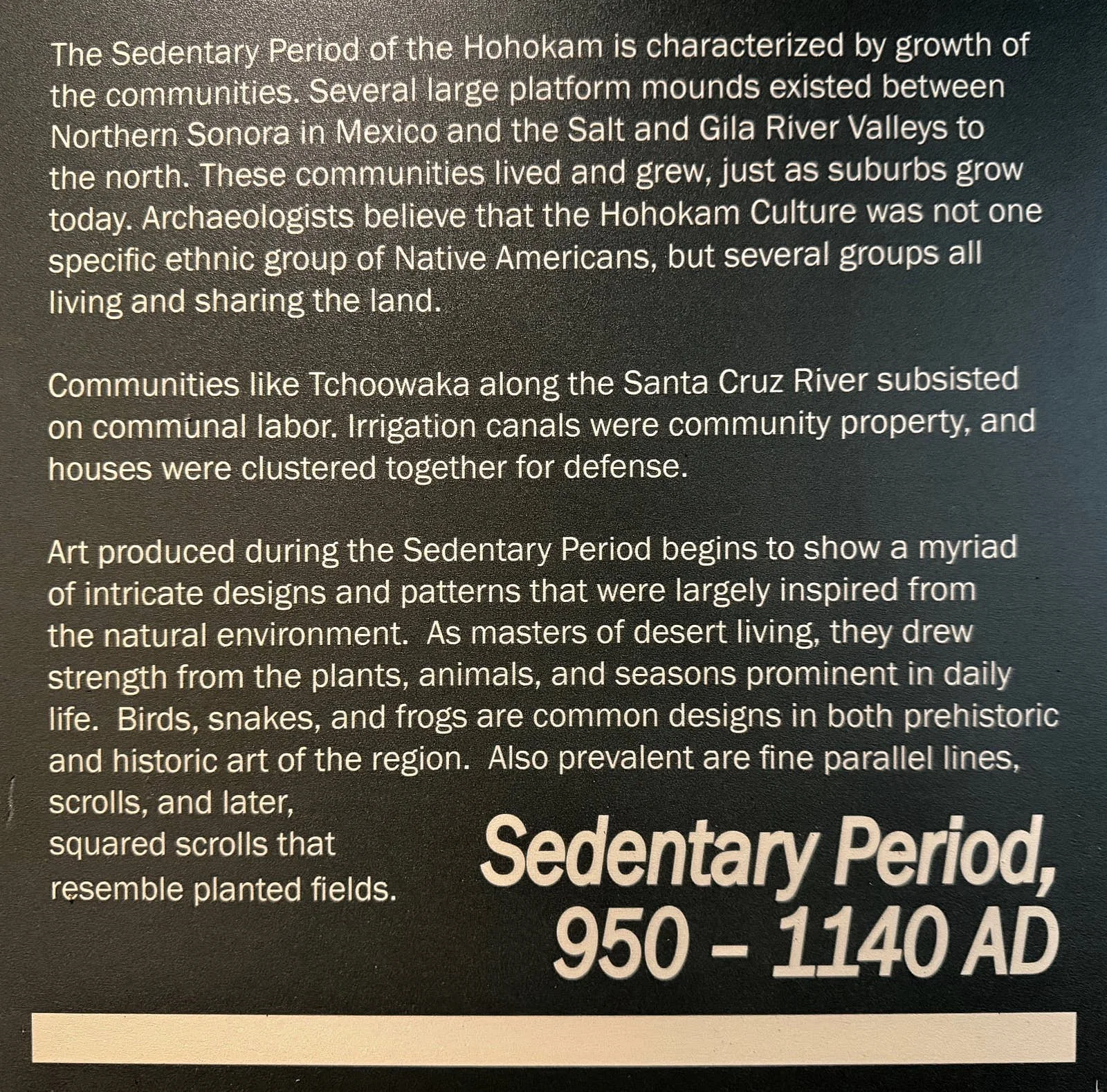
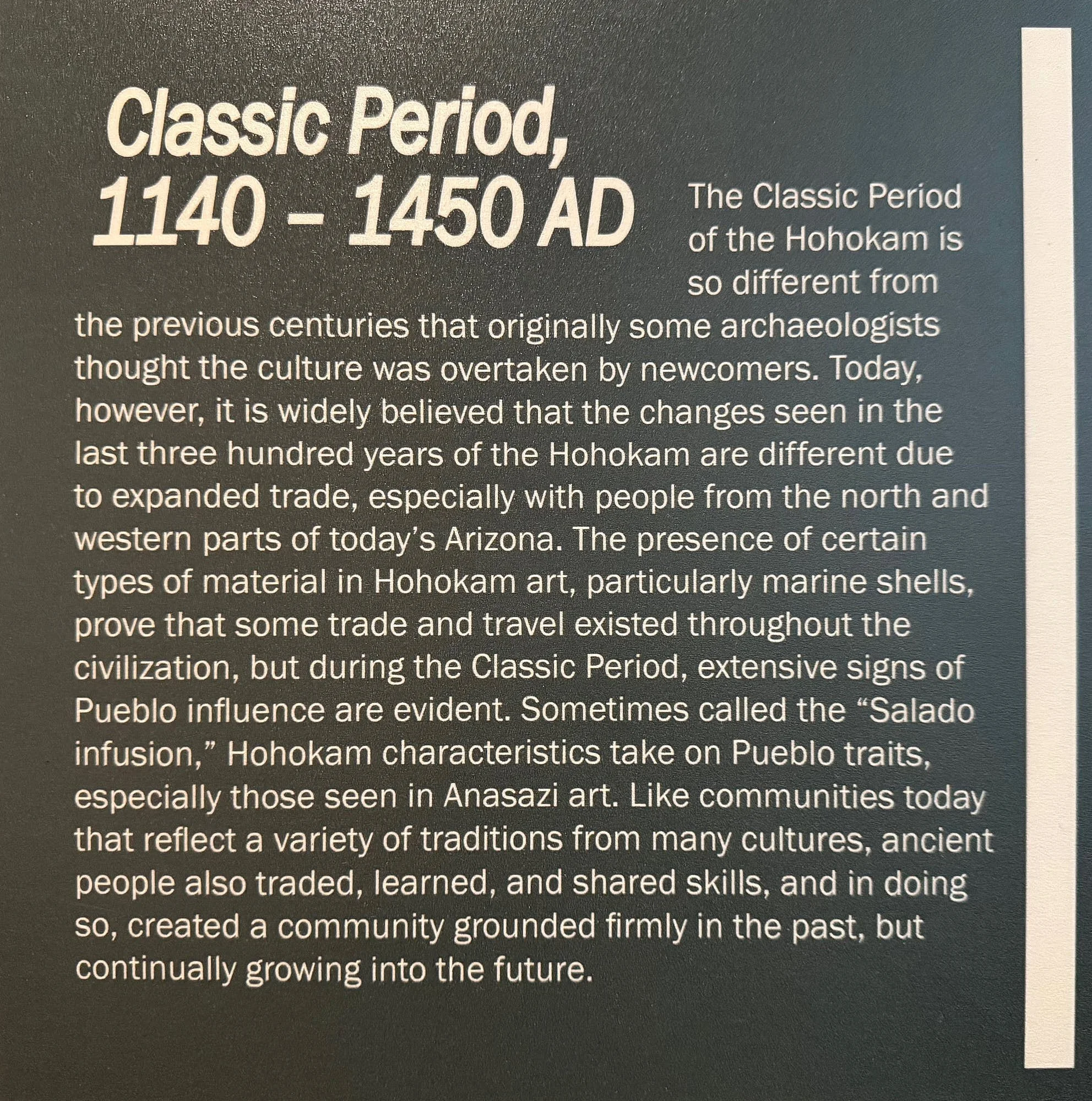
While in Green Valley, we drove into Tucson to explore the Museum of Art.
Wow, we loved it! The building’s layout is spacious and peaceful, the themes of the various exhibits were clearly explained, and the artwork certainly held our attention. The featured show was Western Art in the 21st Century. Can thoroughly recommend a visit.

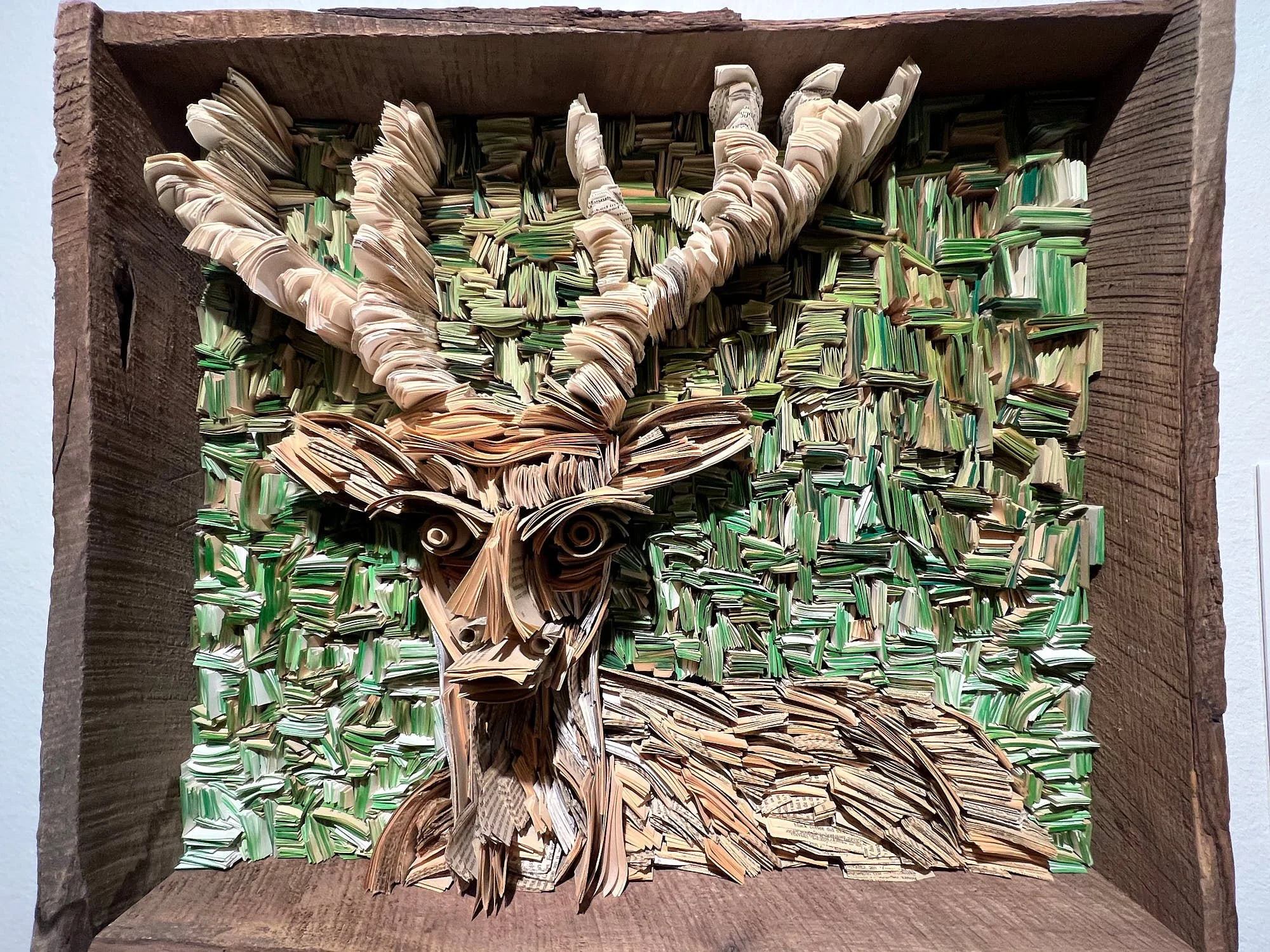
Nick Georgiou. American, b 1980
Green Reindeer, 2010. Hand-stitched newsprint and discarded books, wood.
“My art is inspired by the death of the printed word. Books and newspapers are becoming artifacts of the 21st century”
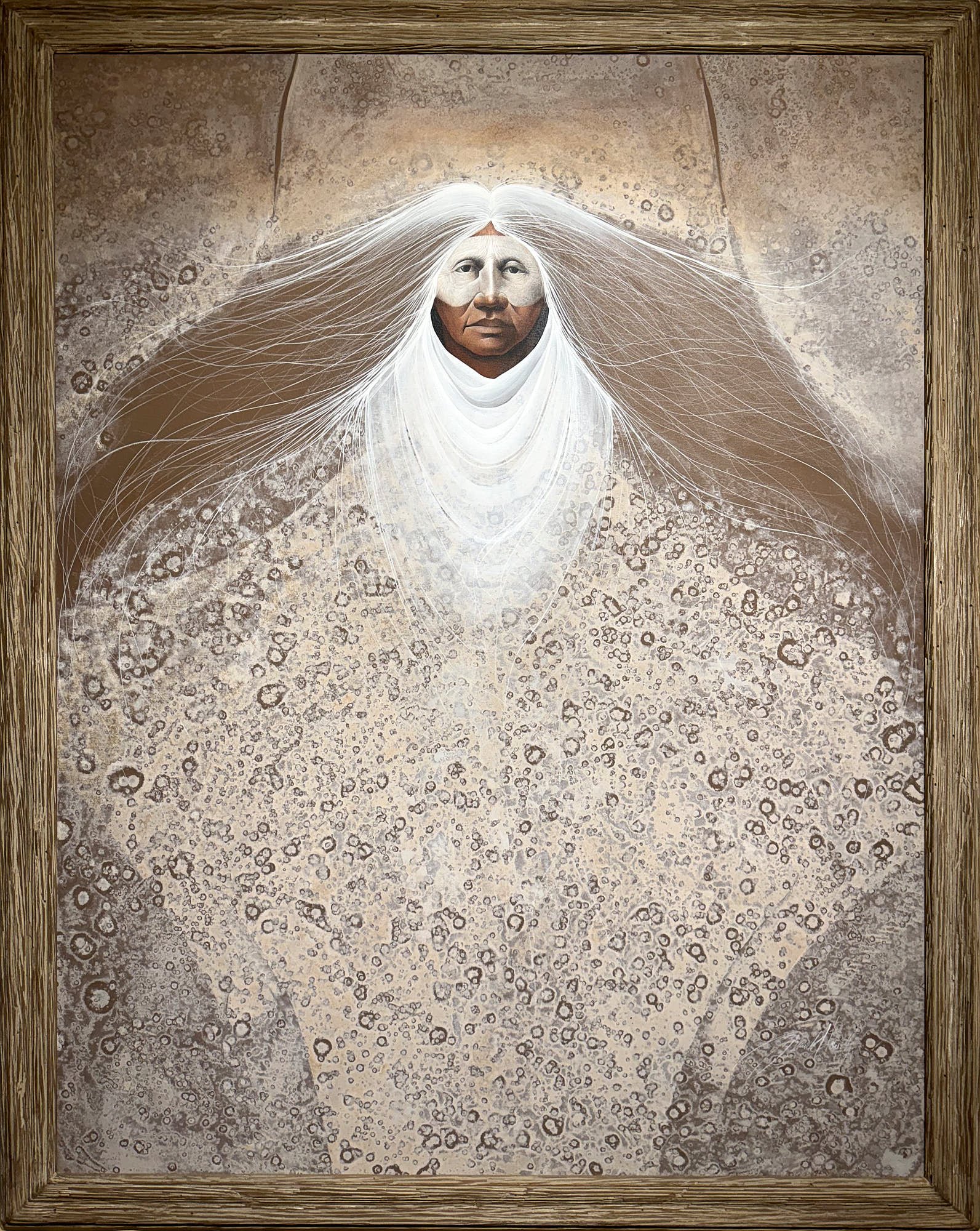
Frank Howell. American, 1937-1997.
White Buffalo Women, 1997. Oil on canvas
White Buffalo Woman is a supernatural entity who brought a ceremonial pipe to the Lakota people and taught them seven sacred rites.
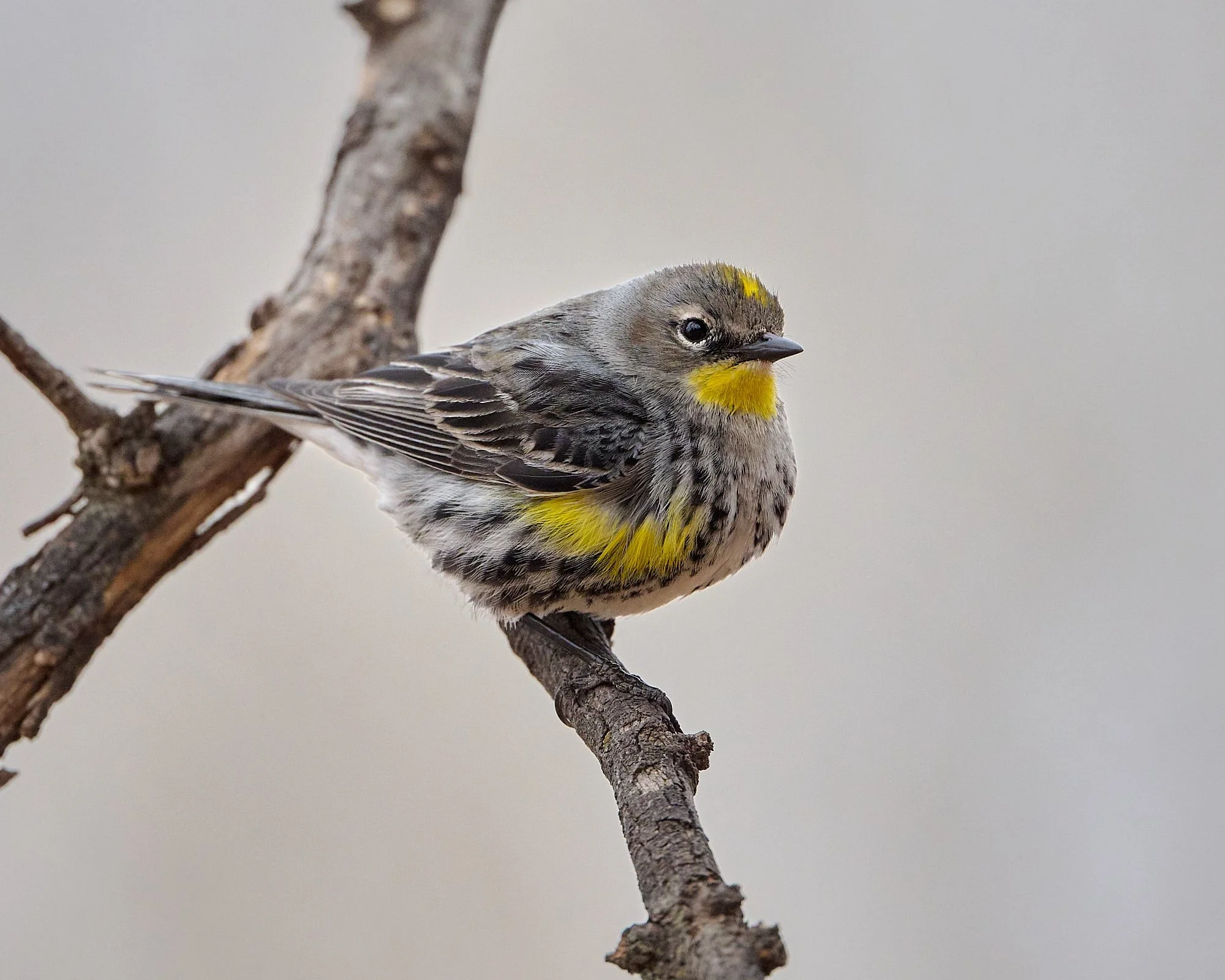
Yellow-rumped Warbler
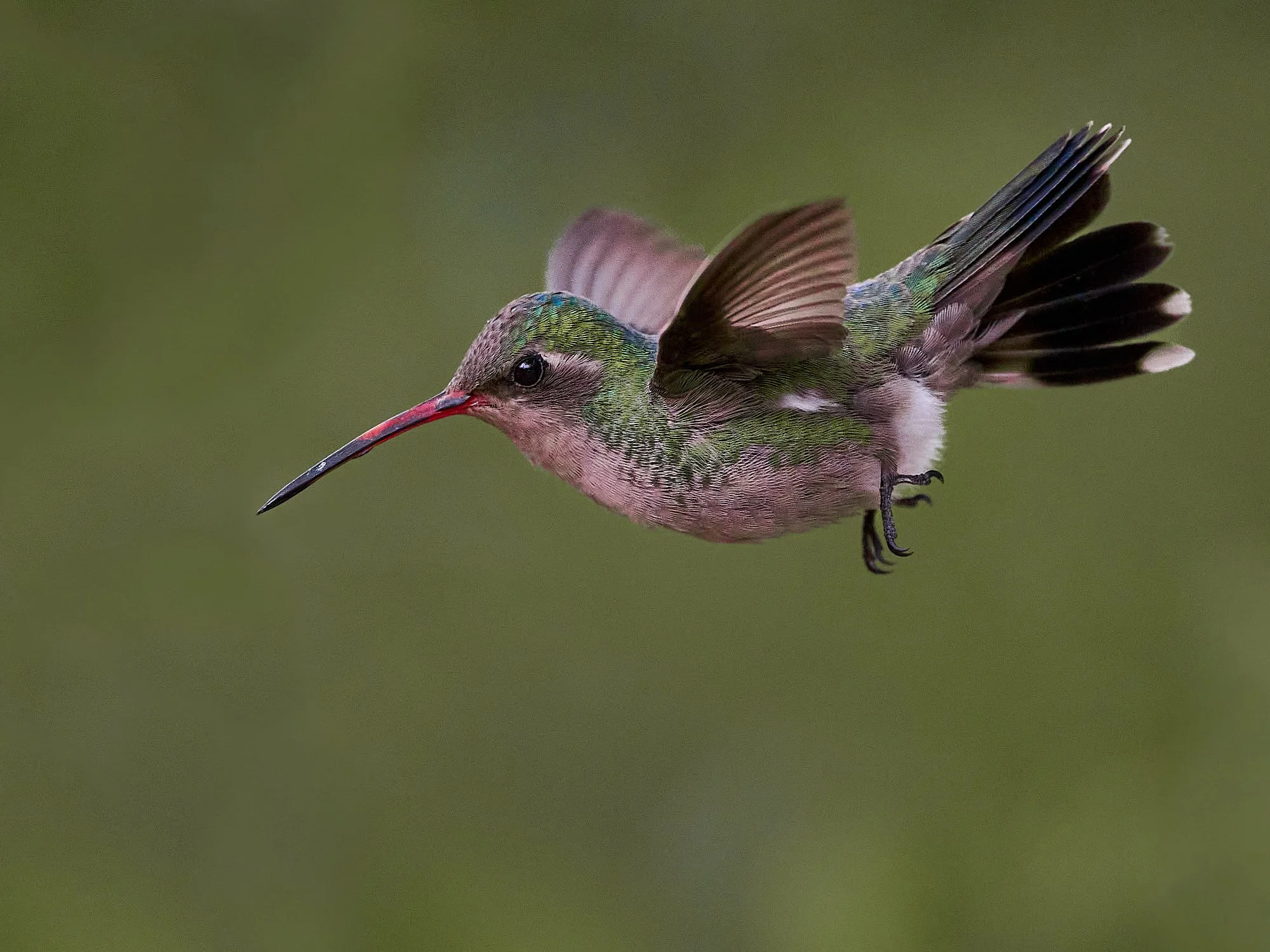
Broad-billed Hummingbird, female
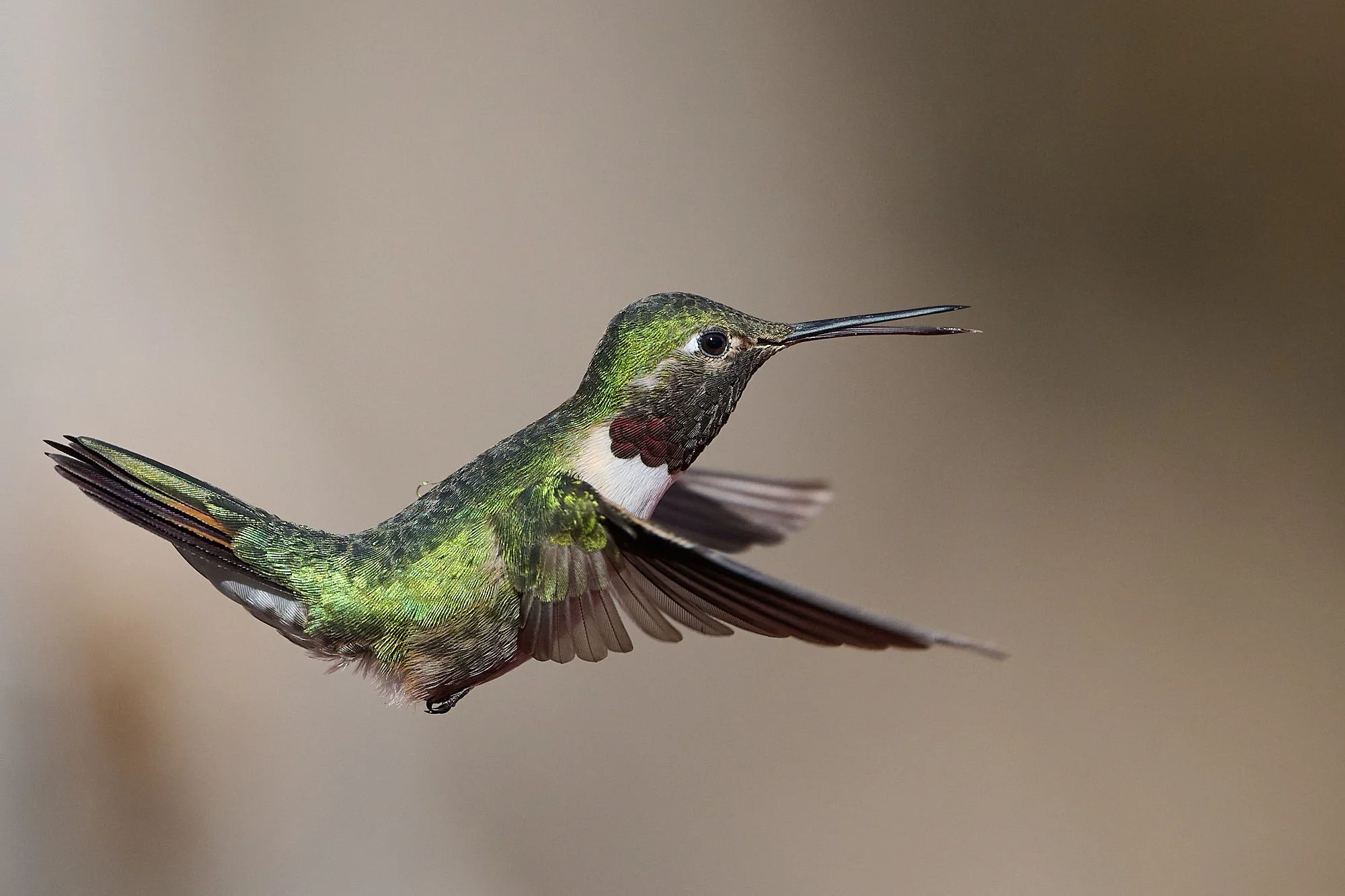
Broad-tailed Hummingbird
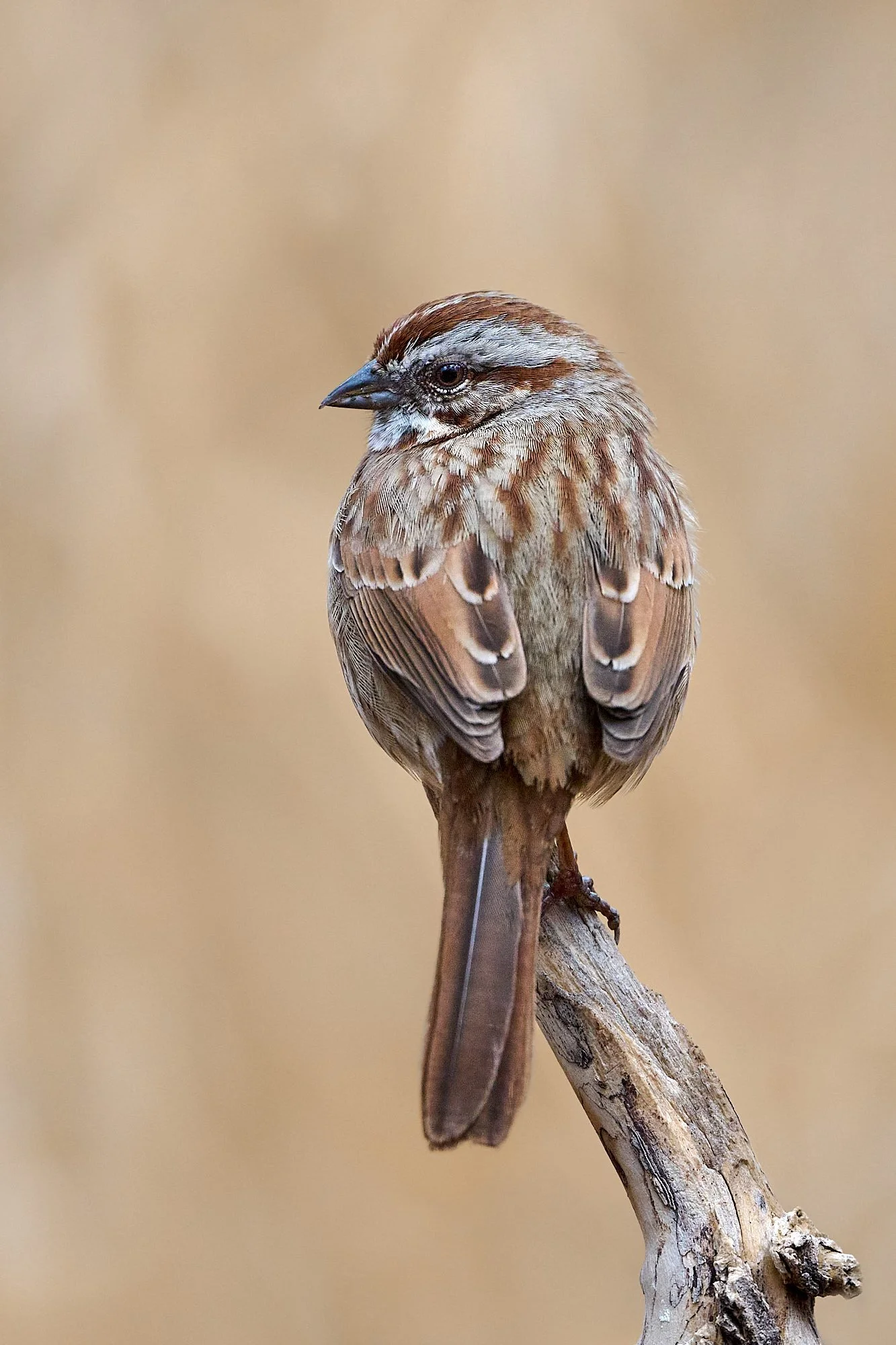
Song Sparrow
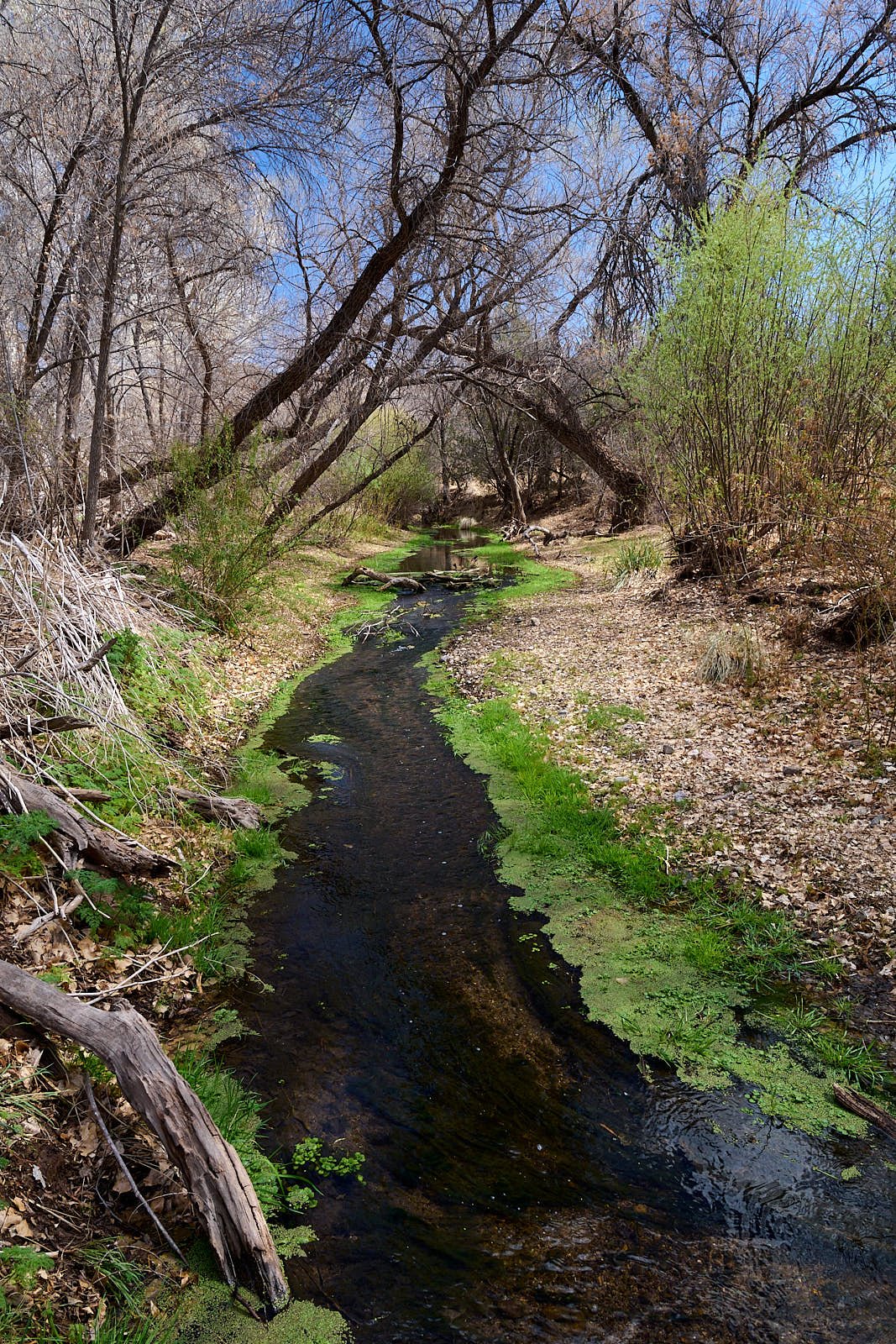
Sonoita Creek, Patagonia, Arizona
Ranger Presentations
When at Twin Peaks Campground in Organ Pipe Cactus National Monument, we attended two outstanding talks by National Parks staff. One presentation featured the night sky, with selected poetry readings by Lauren Camp who is New Mexico’s Poet Laureate, and dark-sky photography by the Monument’s first astronomy ranger – Dr. Tim Straub. The entire evening was an exquisite combination of dazzling poetry, spectacular images, murmurings of nocturnal wildlife, and the infinite stellar array above.
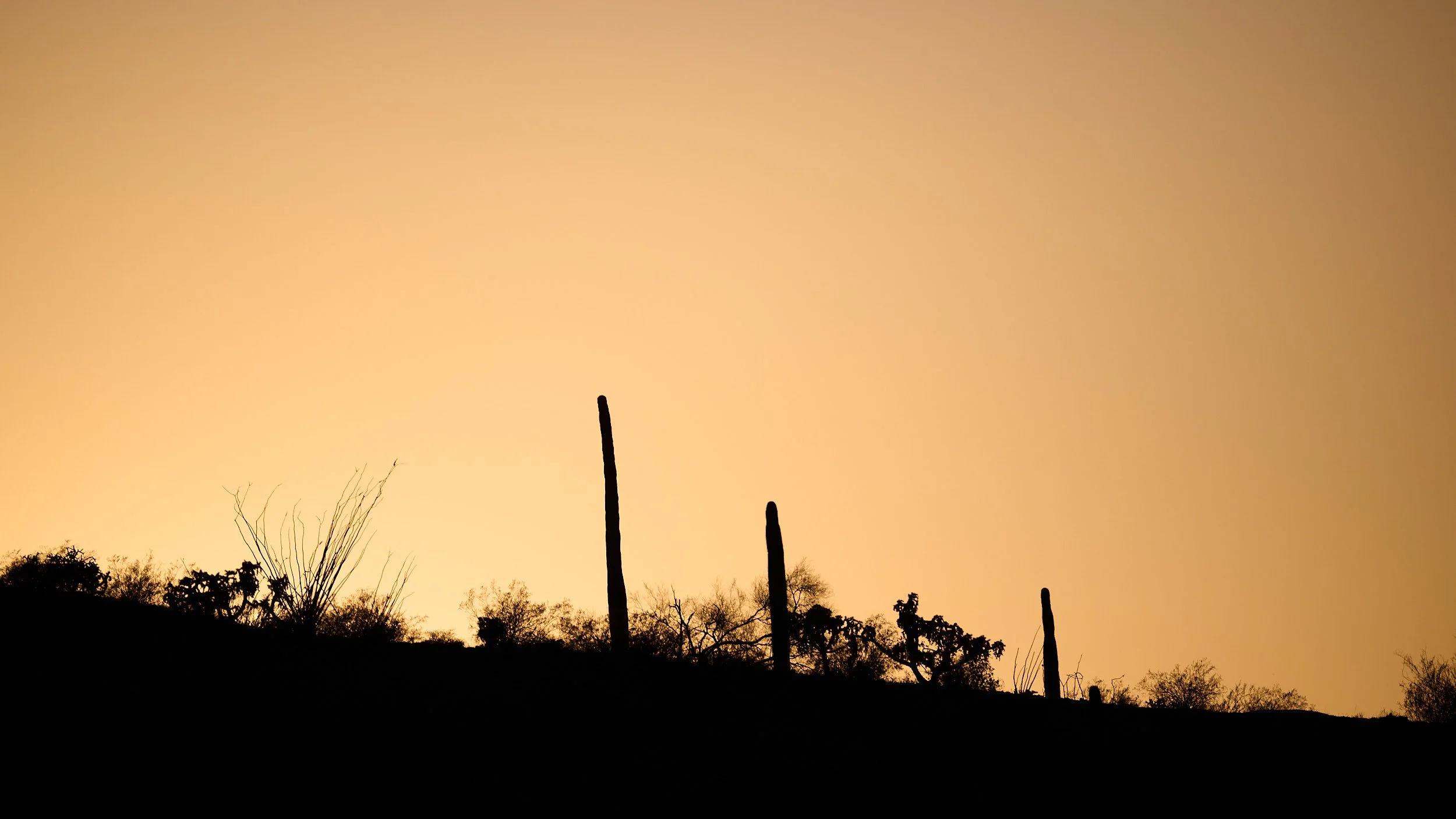
Sunset at Twin Peaks Campground, Organ Pipe National Monument
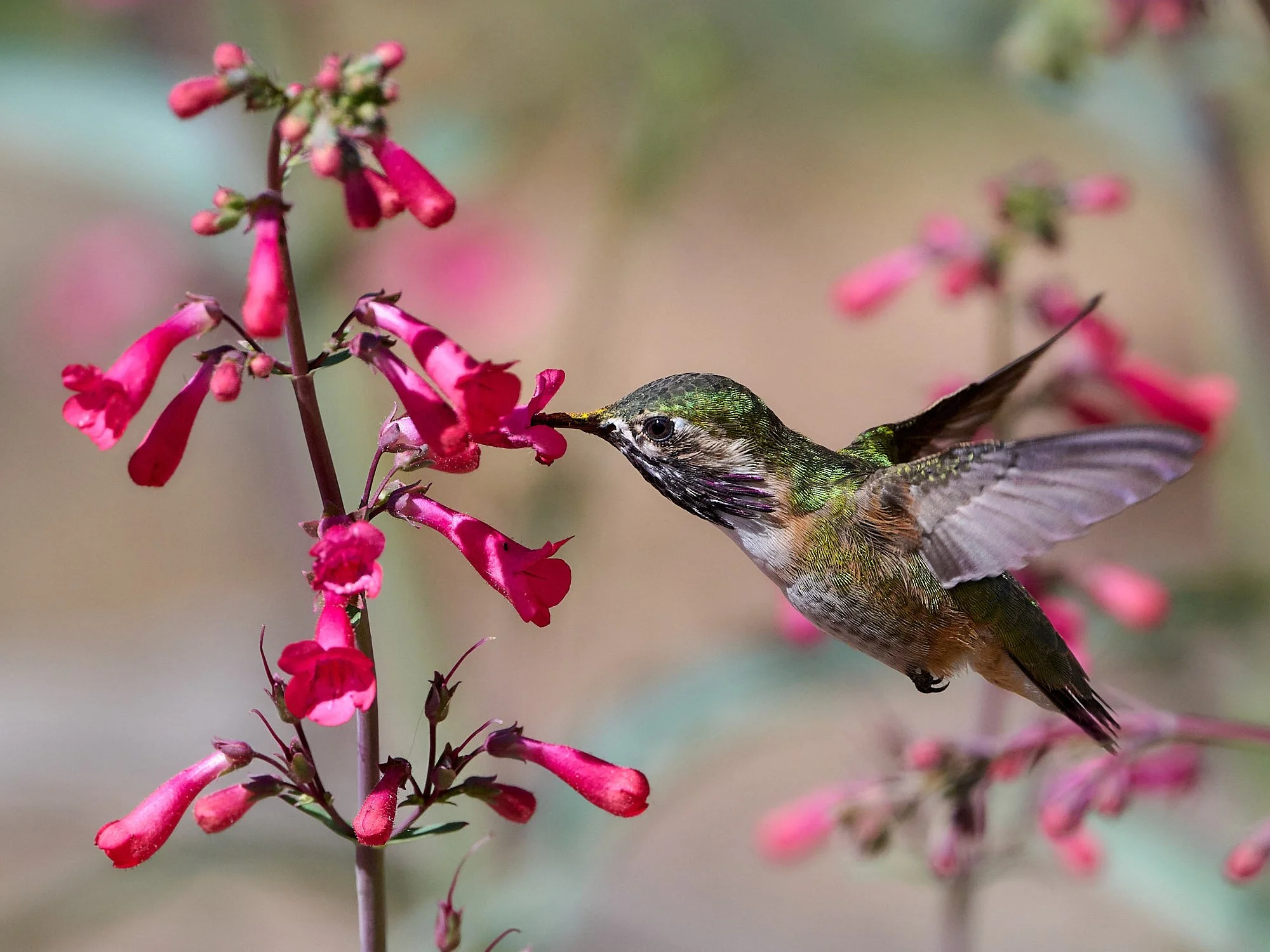
Calliope Hummingbird
Campfire Introspection
During our travels along Africa’s Zambezi River, Mike and I attempted to identify the night sky’s constellations. However, it was merely attaching a name to pinpricks of light, and I lost interest. Astronomy seemed irrelevant. For years, the night sky has remained a big black box – a collection of an immense number of stars within a vast, infinite space. The dominant forces were too esoteric for me – gravity, velocity, nuclear reactions, dark matter. Rather, what mattered was the reassurance that the sun appeared every morning, warming earth and bringing the promise of another day.
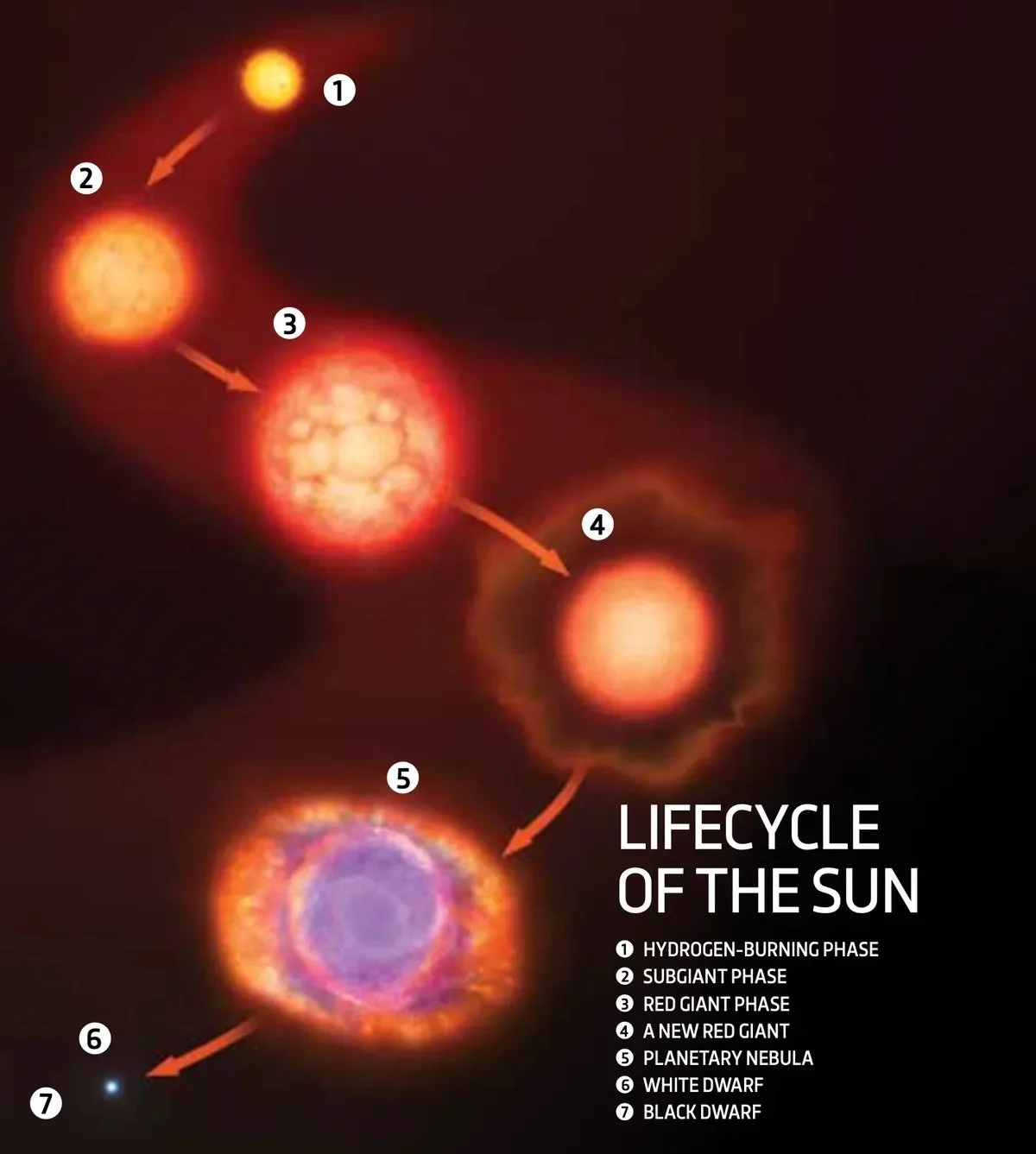
The astronomy presentations at Organ Pipe rekindled my interest in the night sky. What are the definitions of a planet, galaxy, supernova, giant red star, etc? Our sun has an expected life of about 10 billion years and is about half-way along its existence. When it starts expanding in its later years, it will envelope Mars, Venus, Earth and perhaps other planets. Earth will disappear. Even Earth is temporary.
Yet we look at the stars, so constant in our tiny lifespans, and feel the reassurance of permanence in an ever-changing anthropomorphic world. I increasingly have observed that humans trash everything they touch. The Earth, of course, being a prime example. However, we are also degrading our heavens: more light, more human-made space debris, future space wars. We will most certainly become extinct long before the Earth meets its demise.

White-crowned Sparrow, juvenile

Rivoli’s Hummingbird, male
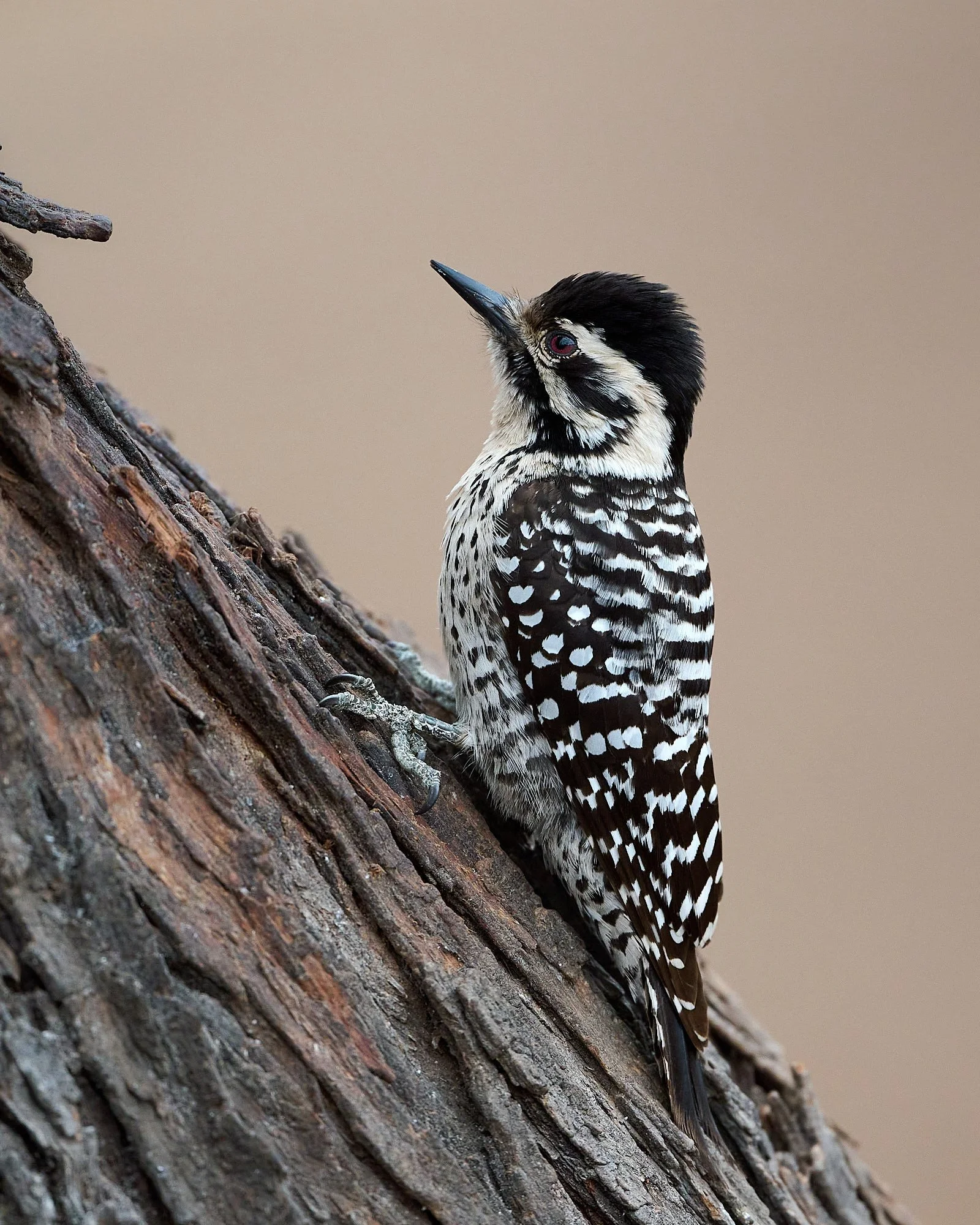
Ladder-backed Woodpecker, female
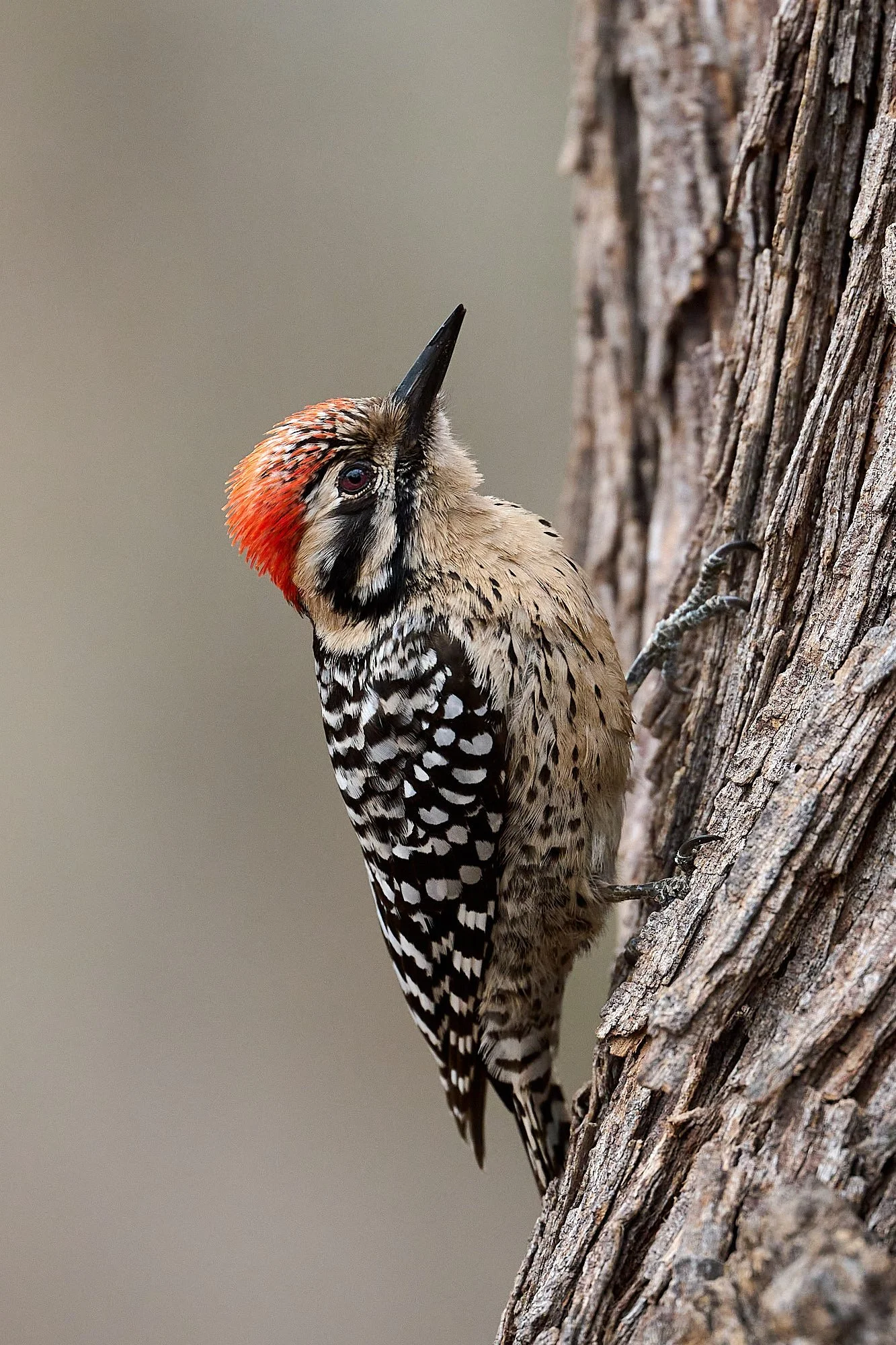
Ladder-backed Woodpecker, male

Scott’s Oriole

Violet-crowned Hummingbird
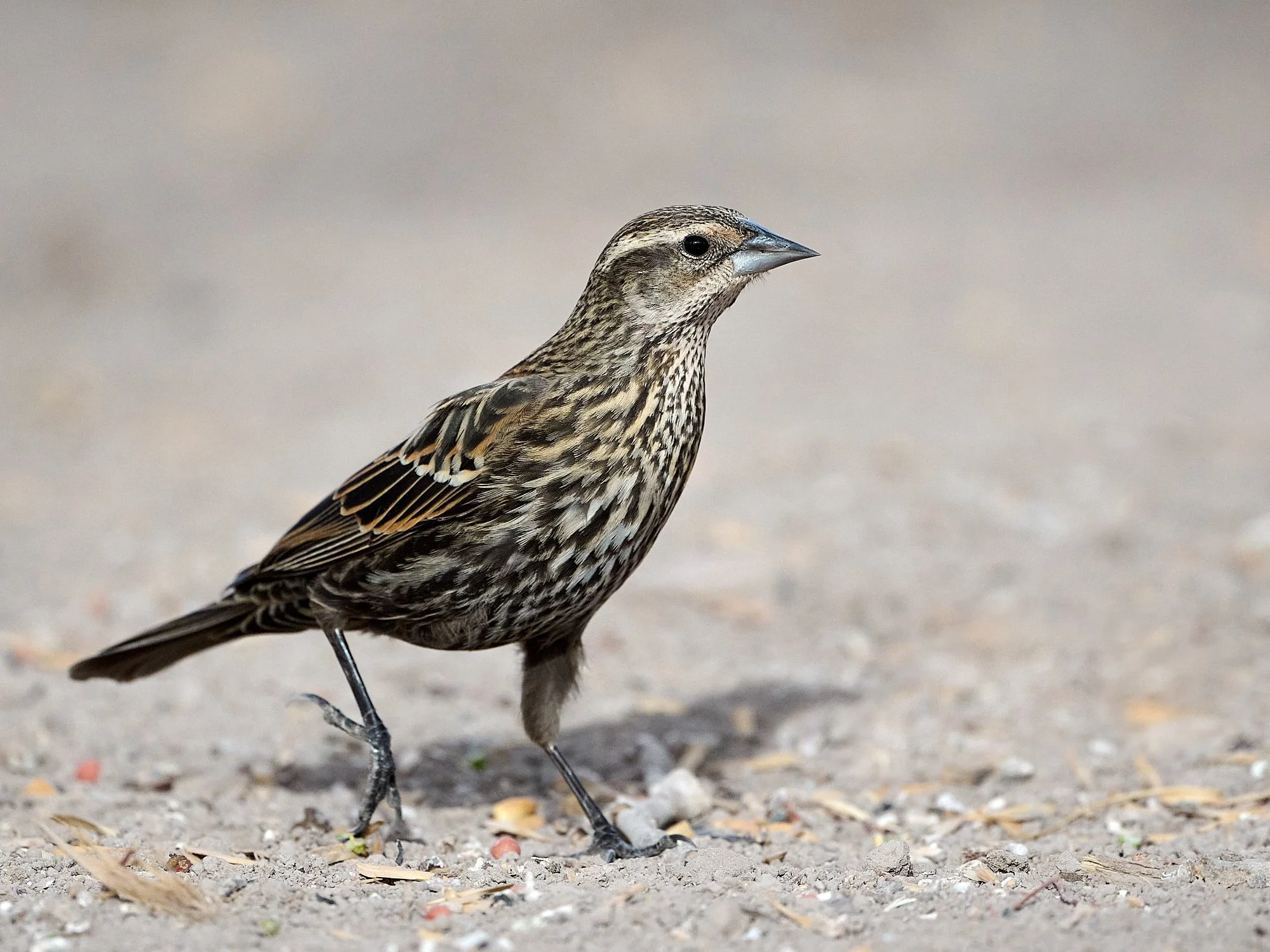
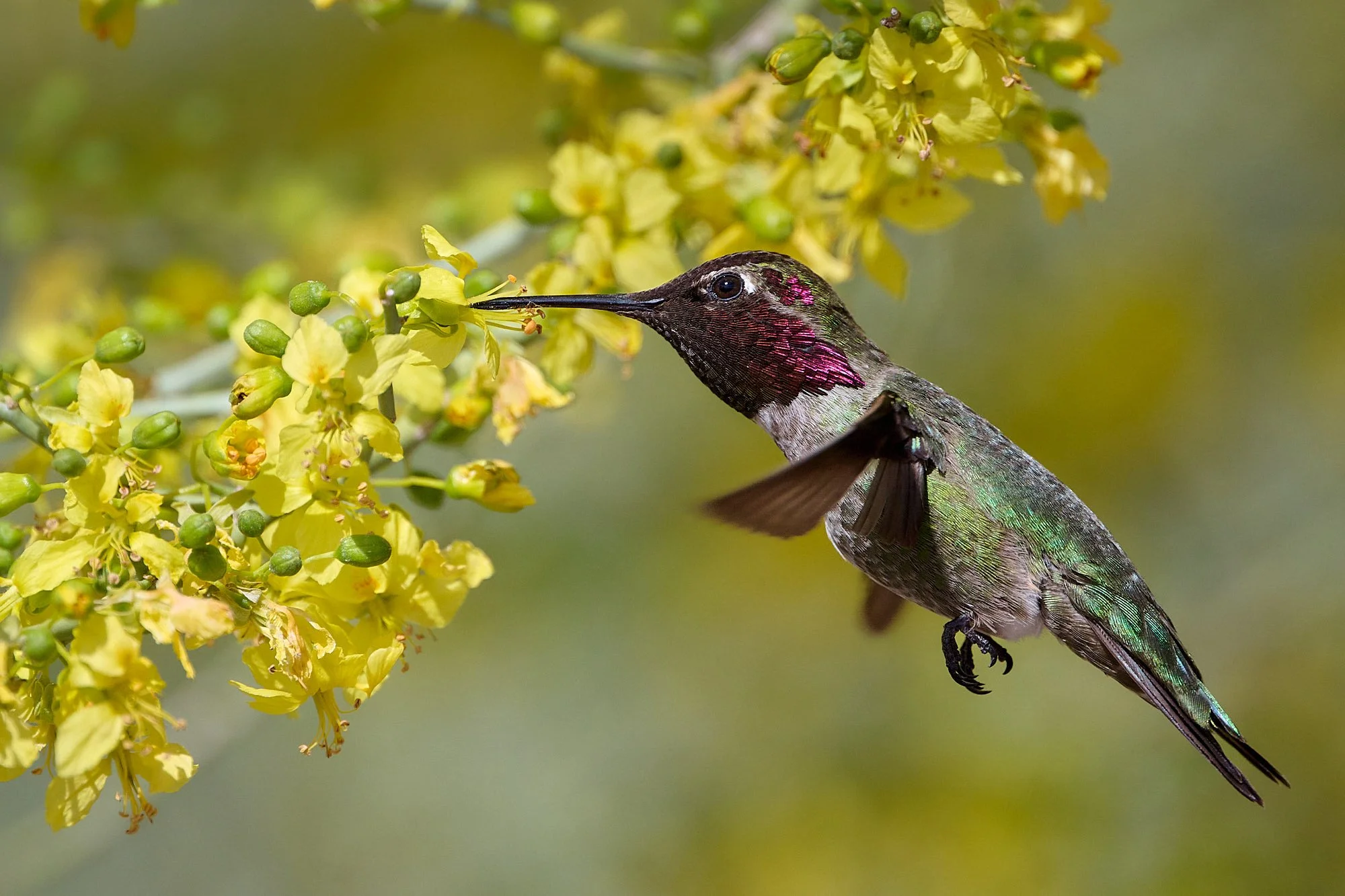
Top row: Left - Red-winged Blackbird, female ; Right - Anna’s Hummingbird, male
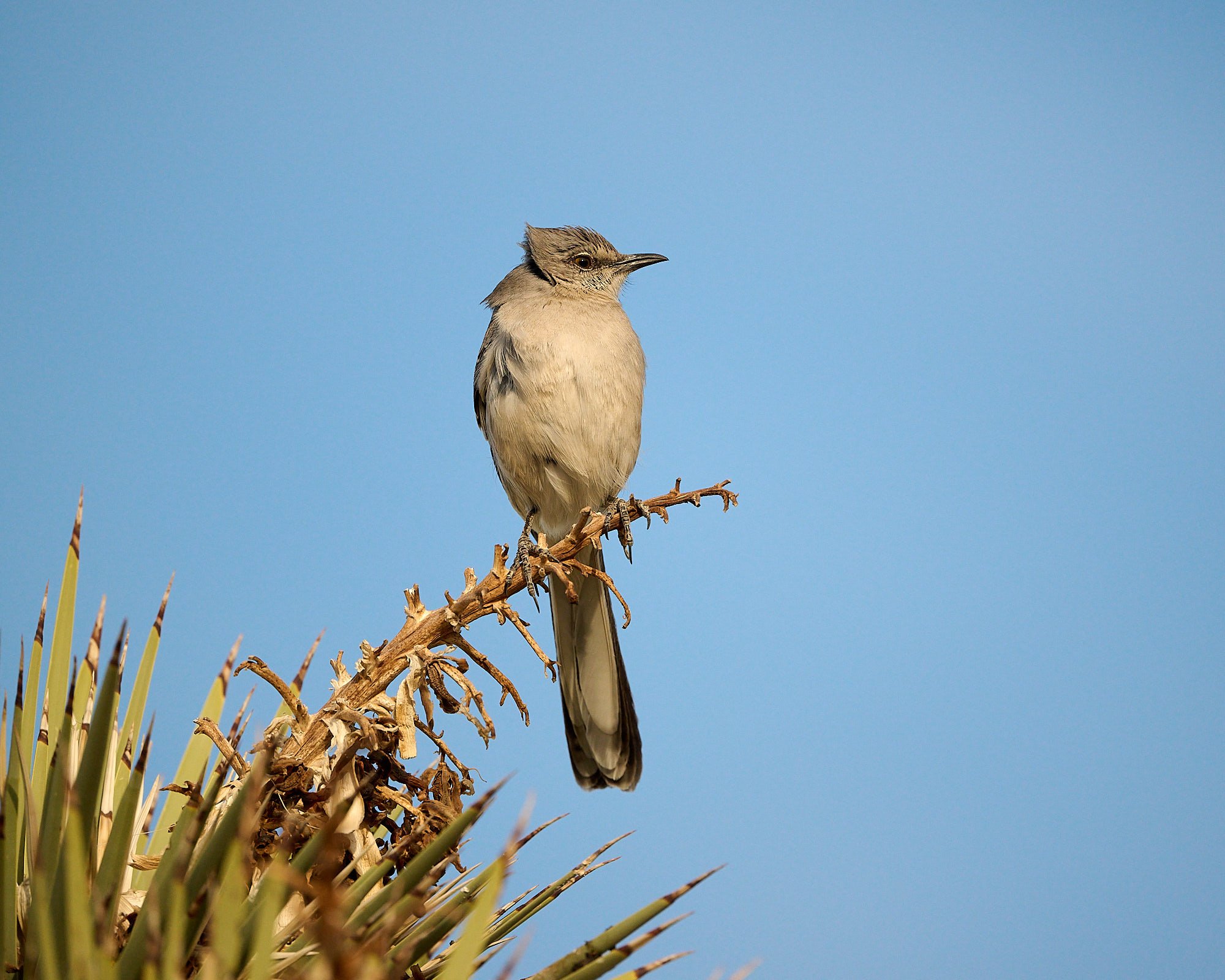
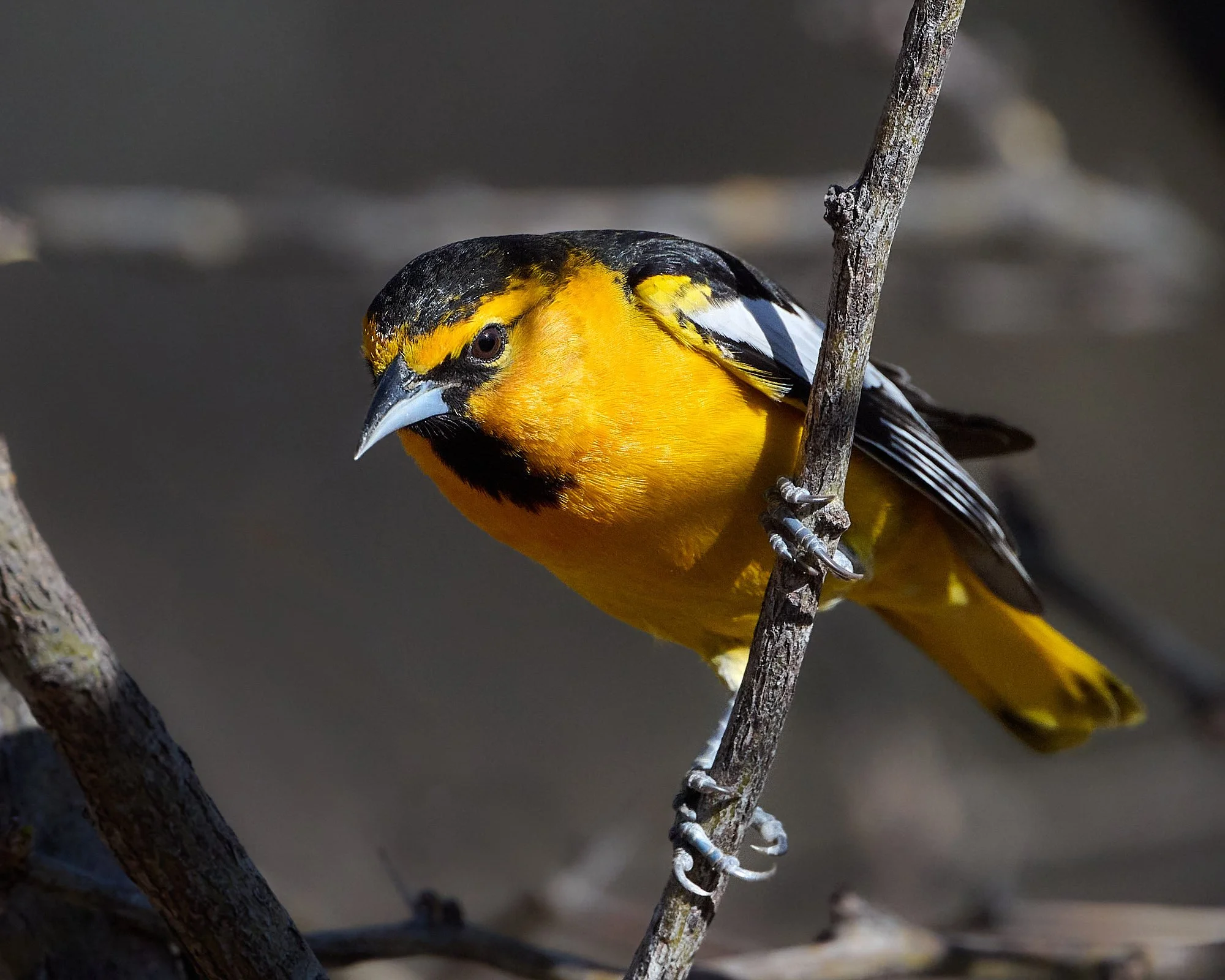
2nd row: Left - Northern Mockingbird ; Right - Bullock’s Oriole
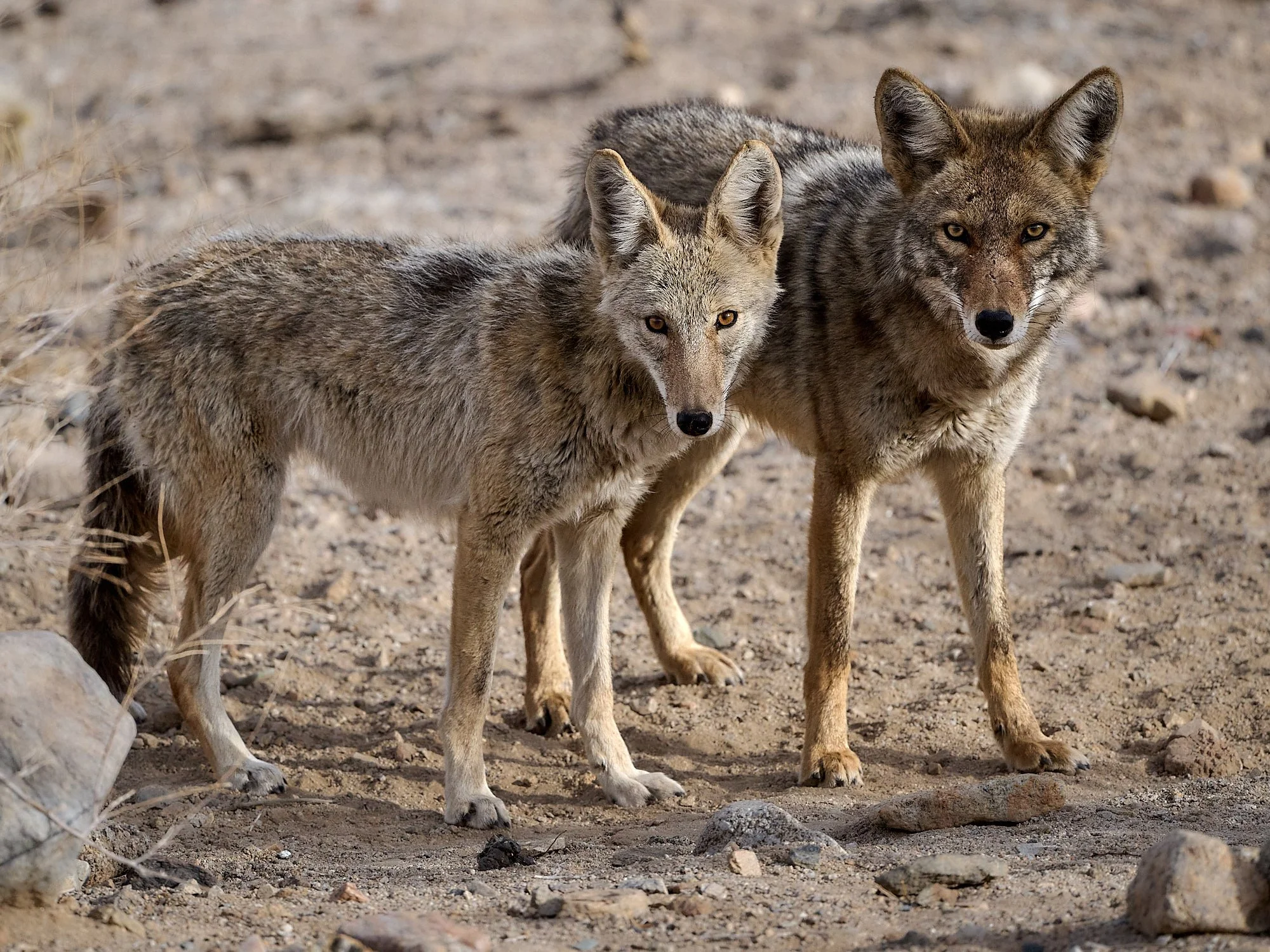
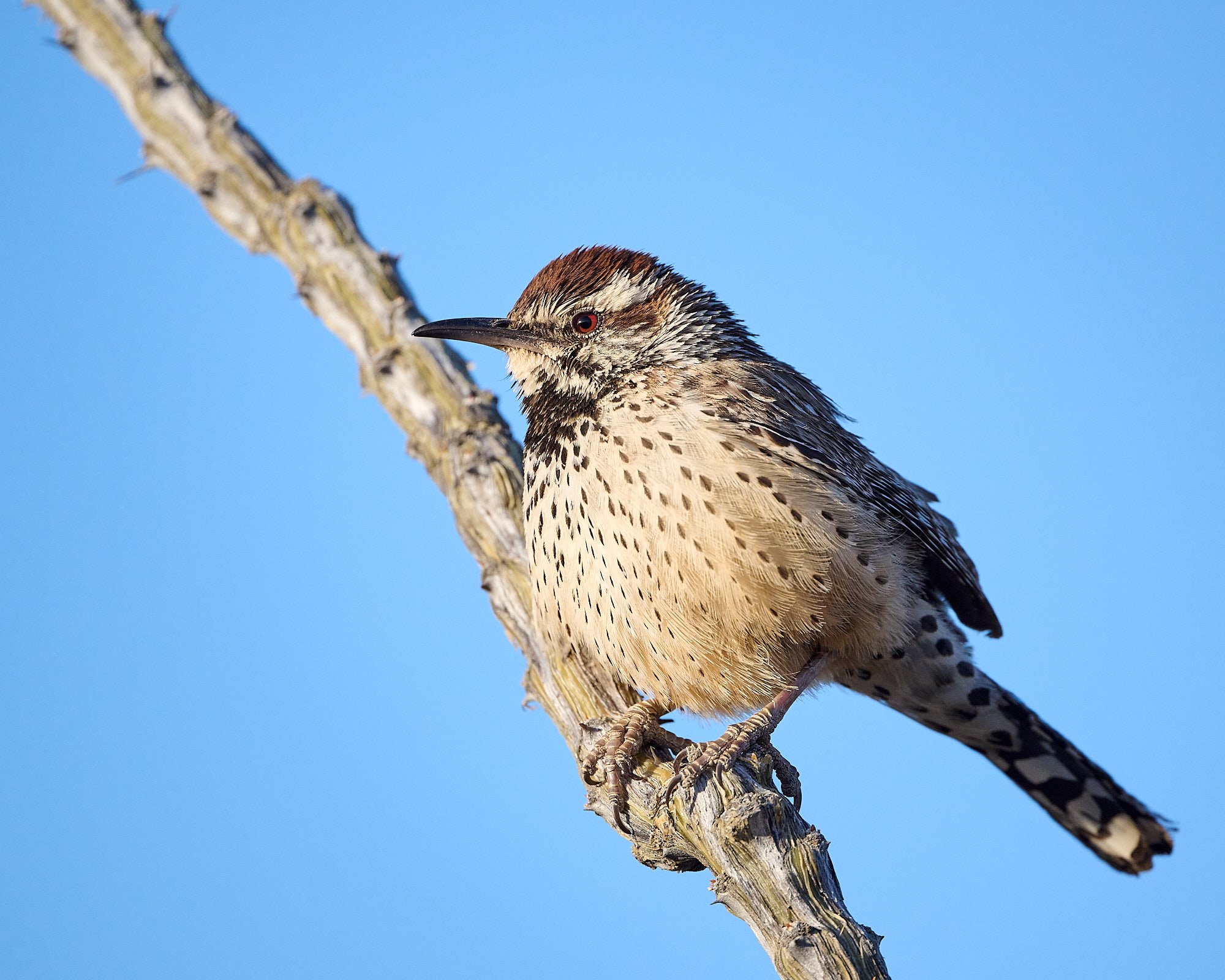
3rd row: Left - Coyote mother & offspring ; Right - Cactus Wren
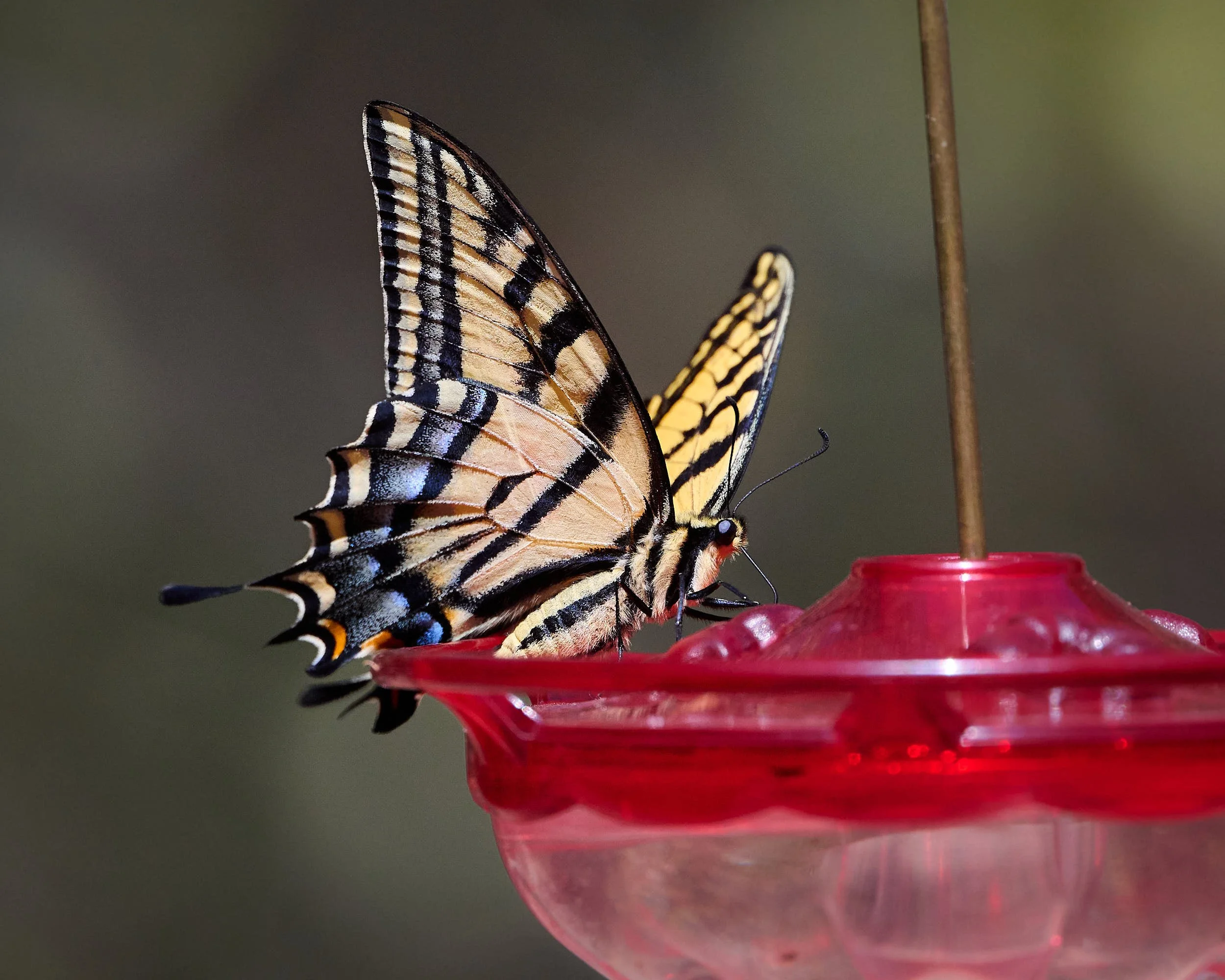
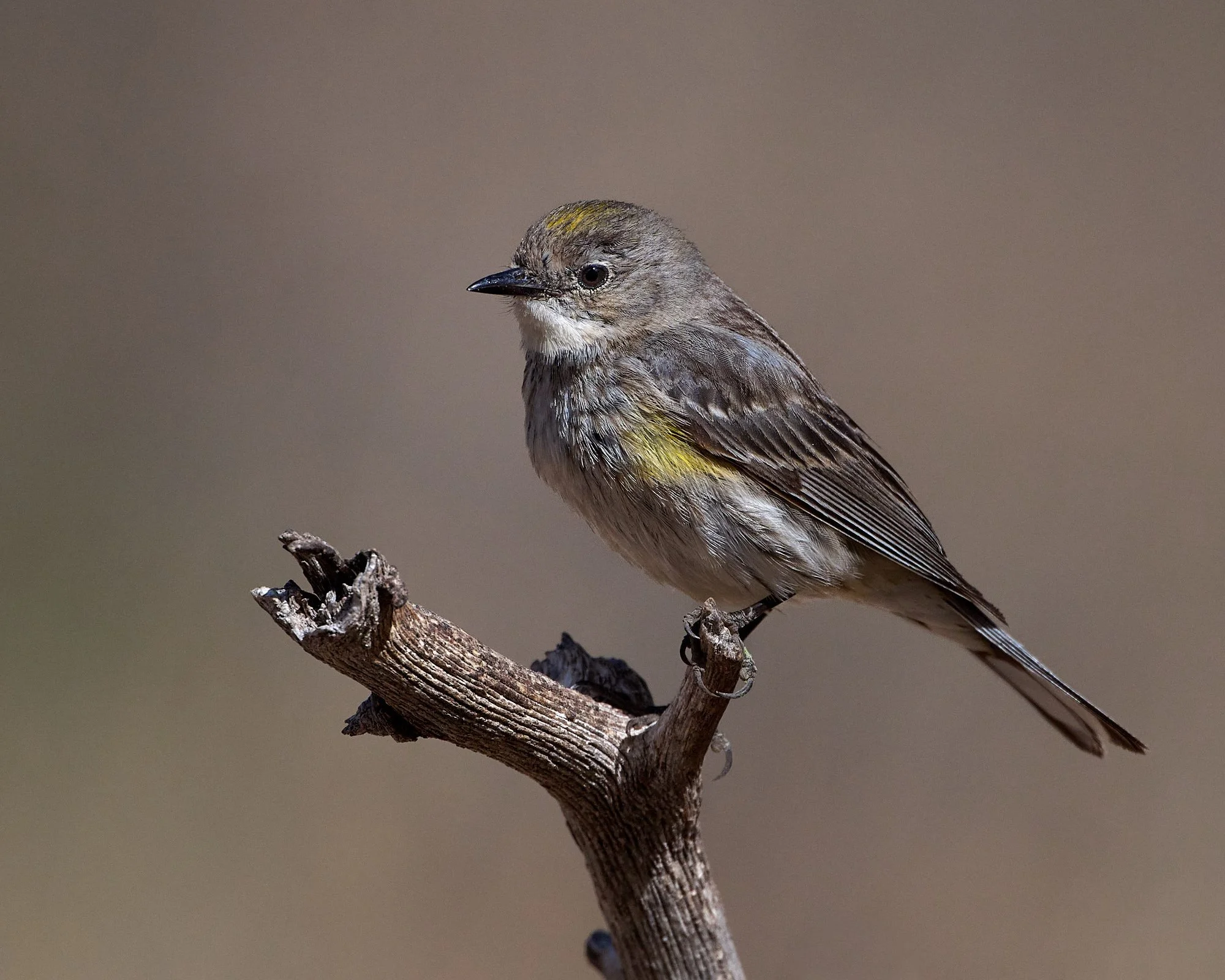
Bottom row: Left - Two-tailed Swallowtail; Right - Yellow-rumped Warbler in non-breeding plumage
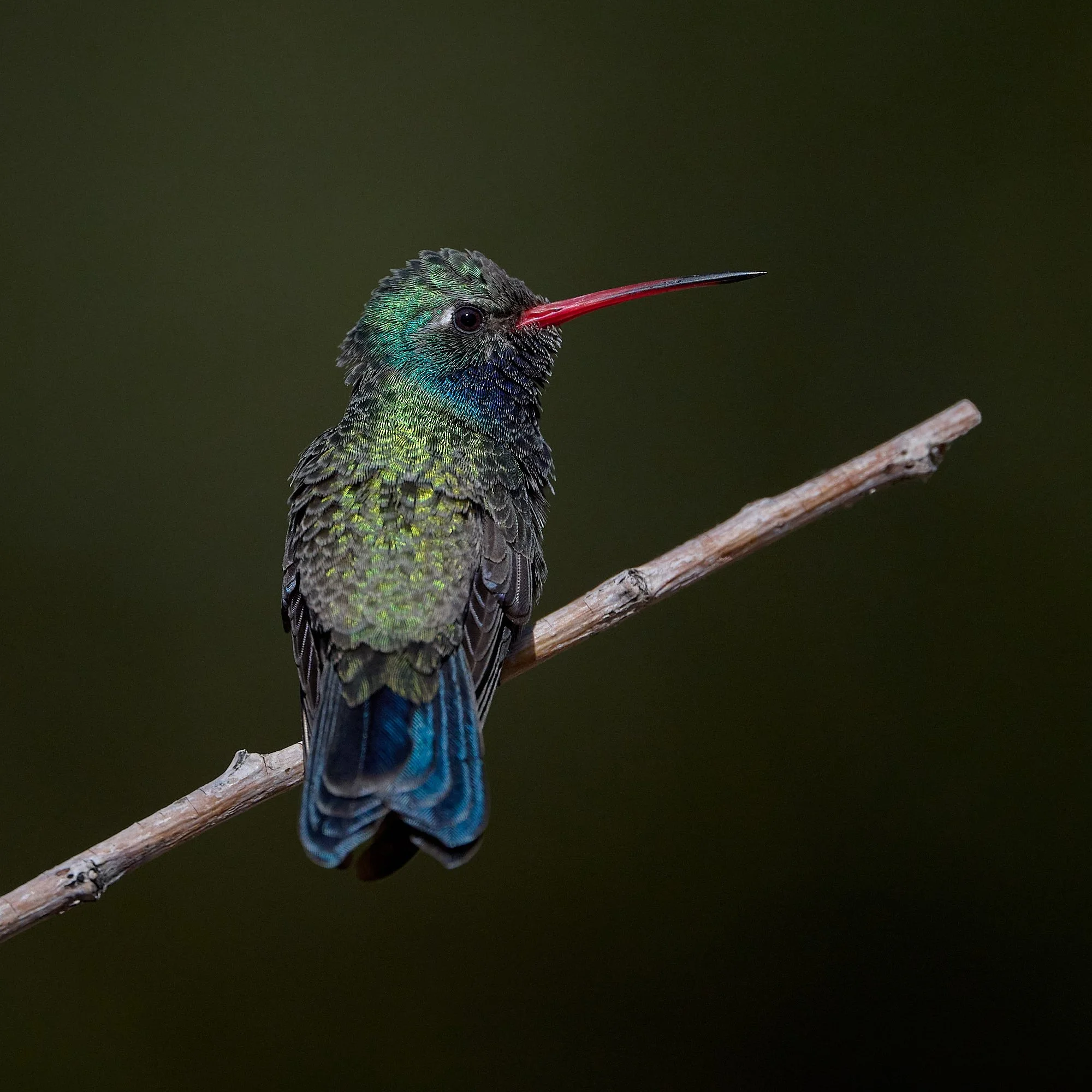
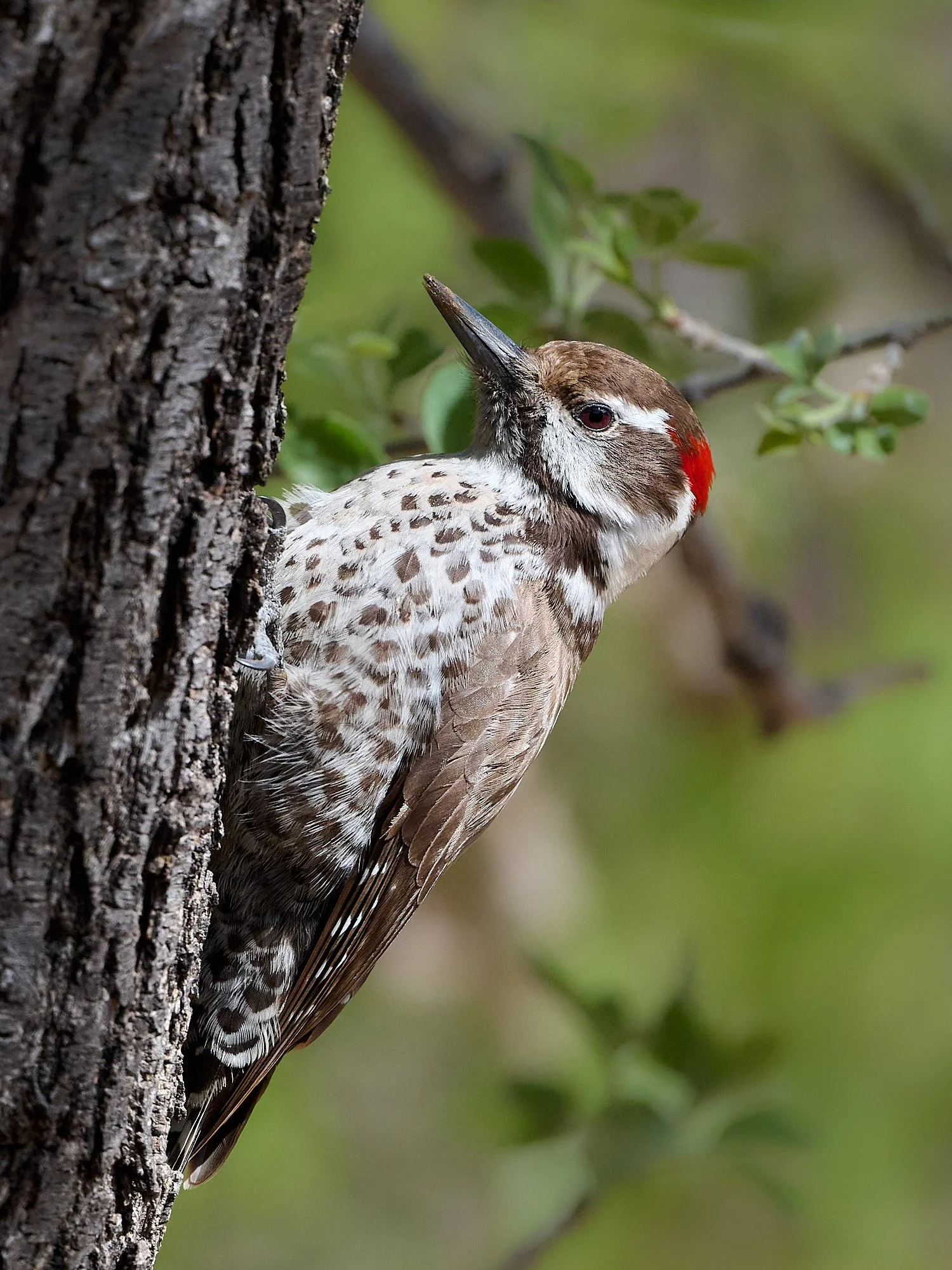
Top row: Left - Broad-tailed Hummingbird, male ; Right - Arizona Woodpecker, male
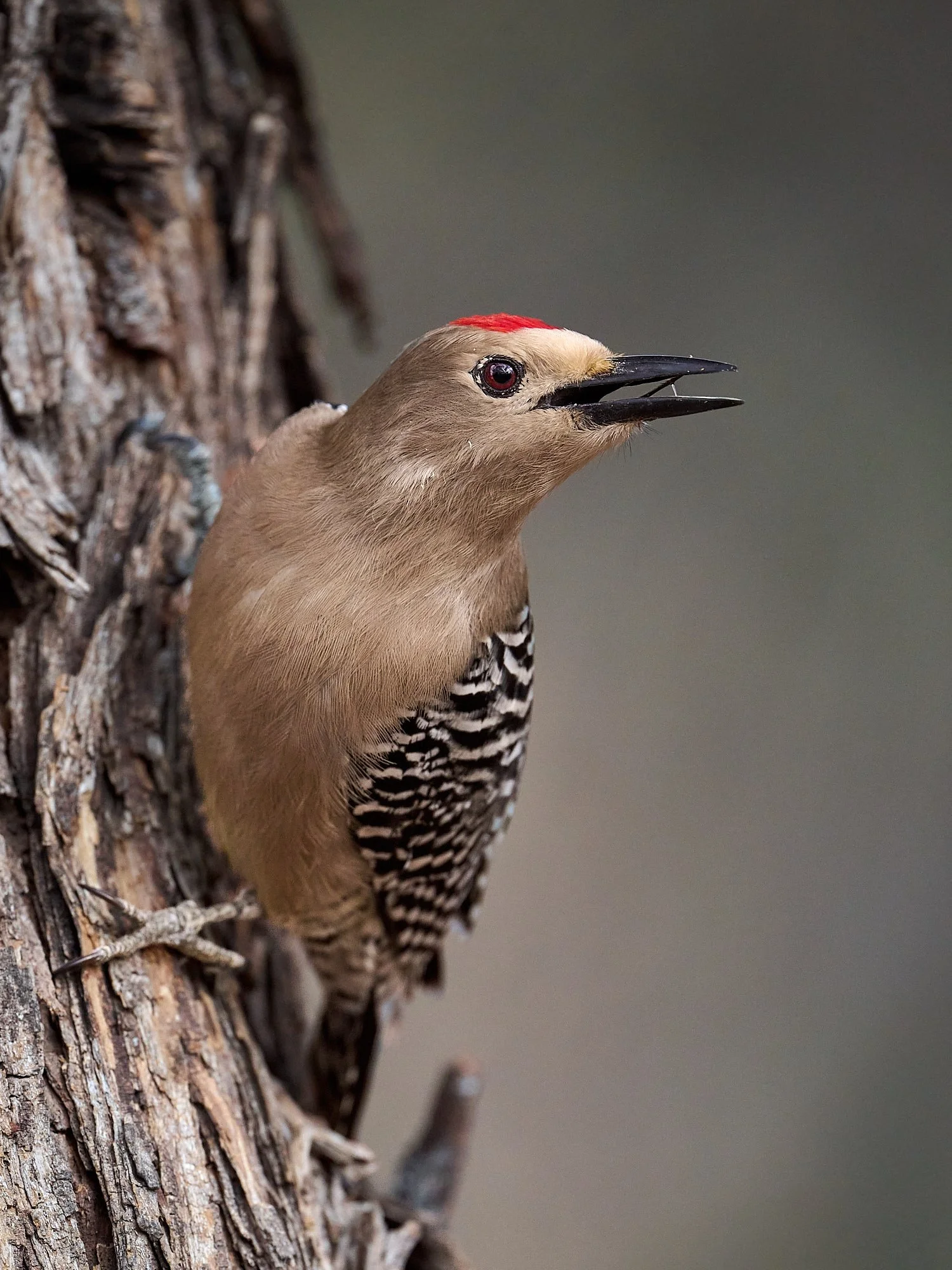
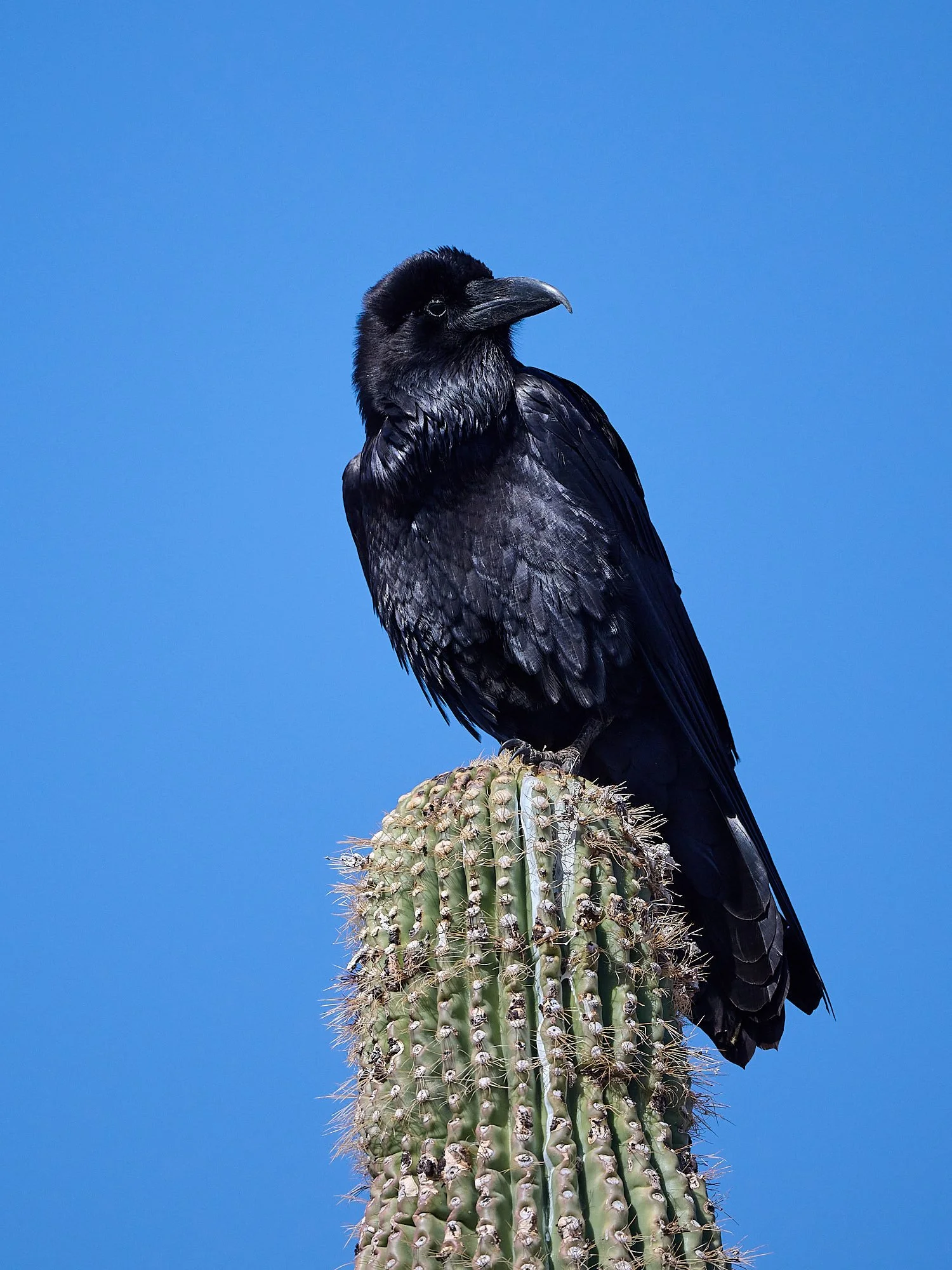
Bottom row: Left - Gila Woodpecker, male ; Right - Common Raven
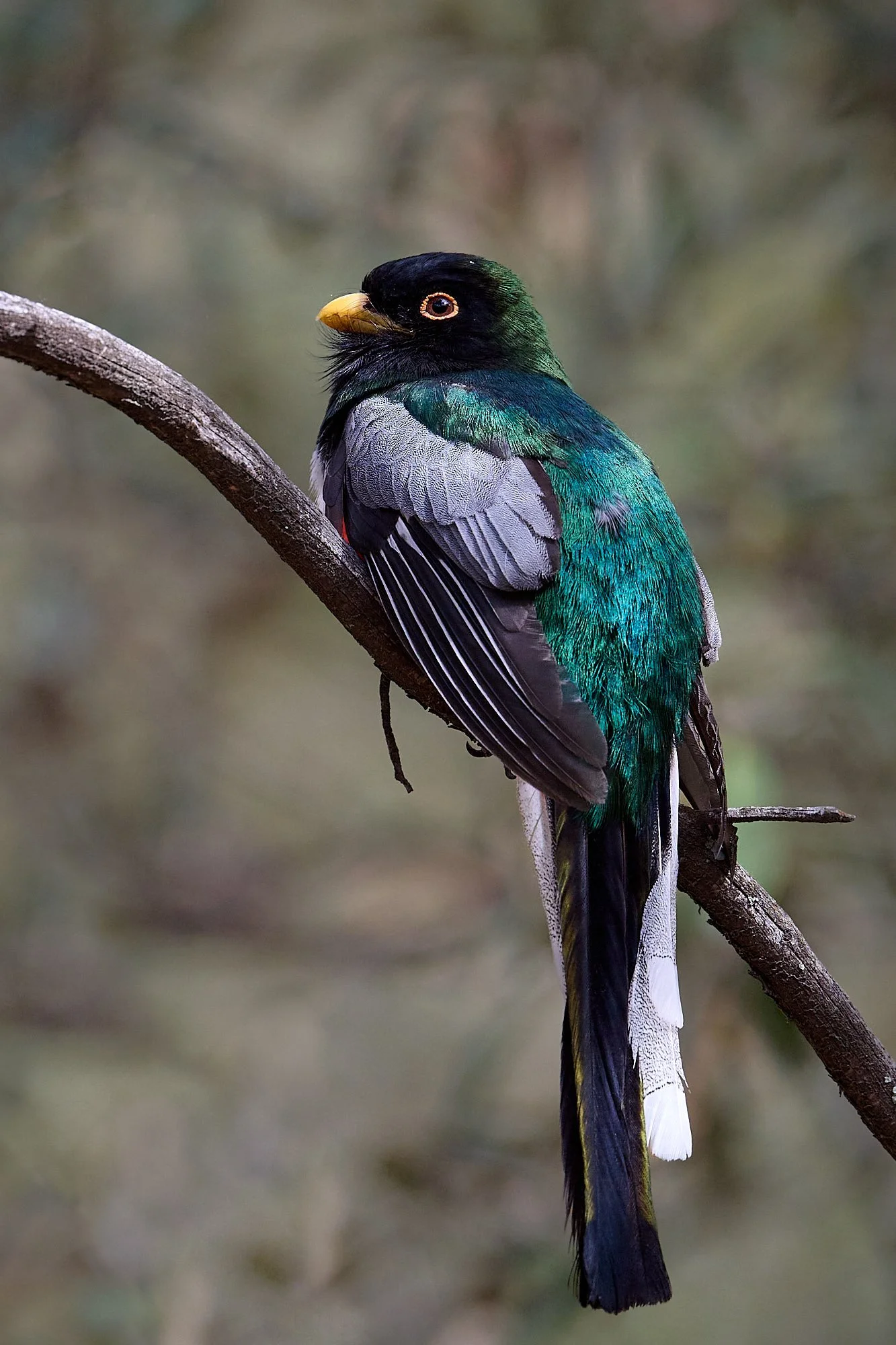
Elegant Trogon
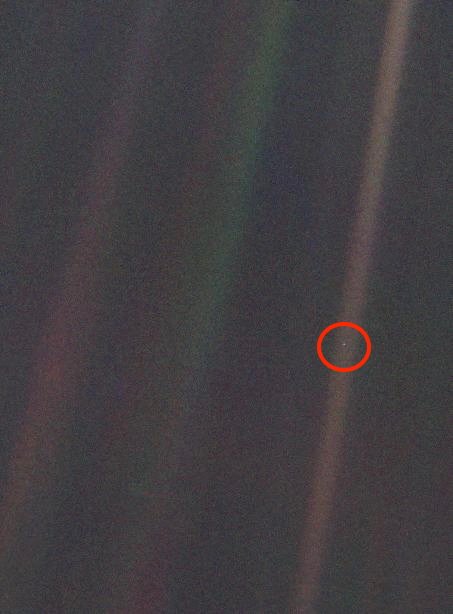
Pale Blue Dot
This image of Earth is one of 60 frames taken by the Voyager 1 spacecraft on February 14, 1990 from a distance of more than 4 billion miles. In the image the Earth is a mere point of light, a crescent only 0.12 pixel in size. Our planet was caught in the center of one of the scattered light rays resulting from taking the image so close to the Sun. This image is part of Voyager 1's final photographic assignment which captured family portraits of the Sun and planets.
NASA
Carl Sagan, Pale Blue Dot, 1994
“Look again at that dot. That's here. That's home. That's us. On it everyone you love, everyone you know, everyone you ever heard of, every human being who ever was, lived out their lives. The aggregate of our joy and suffering, thousands of confident religions, ideologies, and economic doctrines, every hunter and forager, every hero and coward, every creator and destroyer of civilization, every king and peasant, every young couple in love, every mother and father, hopeful child, inventor and explorer, every teacher of morals, every corrupt politician, every "superstar," every "supreme leader," every saint and sinner in the history of our species lived there--on a mote of dust suspended in a sunbeam.The Earth is a very small stage in a vast cosmic arena. Think of the rivers of blood spilled by all those generals and emperors so that, in glory and triumph, they could become the momentary masters of a fraction of a dot. Think of the endless cruelties visited by the inhabitants of one corner of this pixel on the scarcely distinguishable inhabitants of some other corner, how frequent their misunderstandings, how eager they are to kill one another, how fervent their hatreds.
Our posturings, our imagined self-importance, the delusion that we have some privileged position in the Universe, are challenged by this point of pale light. Our planet is a lonely speck in the great enveloping cosmic dark. In our obscurity, in all this vastness, there is no hint that help will come from elsewhere to save us from ourselves.
The Earth is the only world known so far to harbor life. There is nowhere else, at least in the near future, to which our species could migrate. Visit, yes. Settle, not yet. Like it or not, for the moment the Earth is where we make our stand.
It has been said that astronomy is a humbling and character-building experience. There is perhaps no better demonstration of the folly of human conceits than this distant image of our tiny world. To me, it underscores our responsibility to deal more kindly with one another, and to preserve and cherish the pale blue dot, the only home we've ever known.”
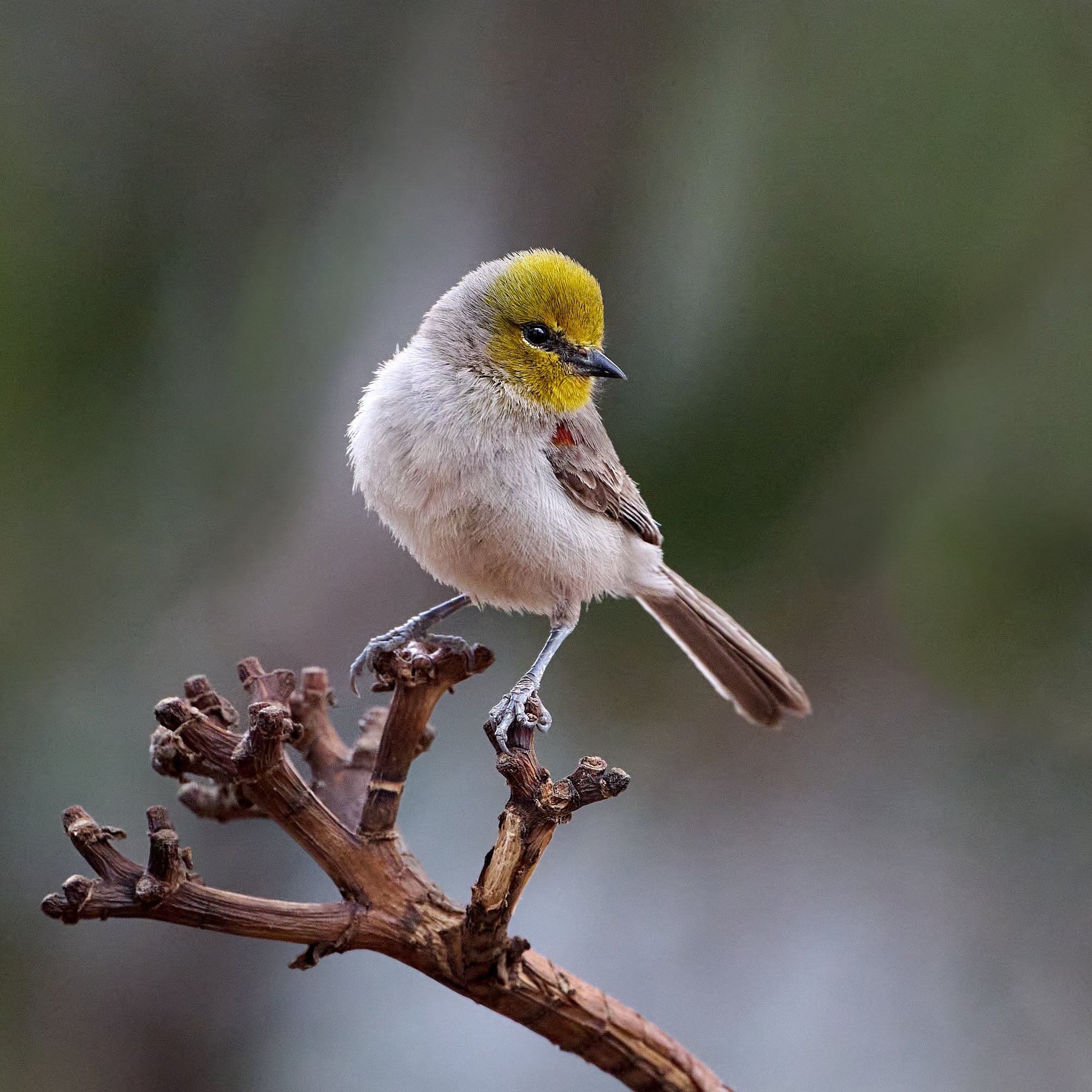
Verdin